Bentley Richert Science Curriculum Specialist [email_address] Science Matters
Questions/Concerns
Questions/Concerns Science Standards Science Assessment
Best Science Experience Ever Think about the best science lesson you have taught. Share with a person sitting next to you. What traits do they have in common?
Concerns Less class time being devoted to Science Teachers uncomfortable with science concepts Shortage of “qualified” science teachers Testing driving to content knowledge
5 E’s of Science Experiences Engage Explore Explain Elaborate Evaluate
Activity Rules: 15 Seconds to study letters After the list is hidden . . . Take out a piece of paper and write down as many letters as you can remember
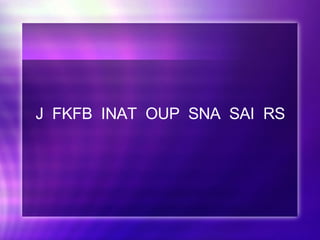
J  FKFB  INAT  OUP  SNA  SAI  RS
Write down the letters 15 seconds Do NOT compare or share Let’s do it again
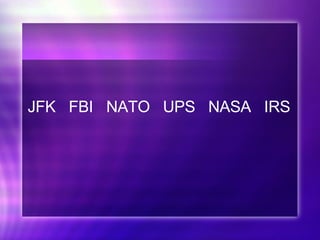
JFK  FBI  NATO  UPS  NASA  IRS
Write down the letters 15 seconds What happened and why?
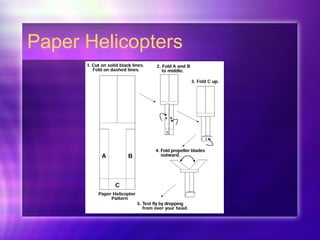
Paper Helicopters
Testable Question Can be investigated in the science classroom. Does not require unavailable equipment. Is not a research (fact-finding) question. What happens if . . .
Recipes for Science Paper Helicopter Experiment Roto-Copter Compare our helicopter experience with the examples . . .  What can you say
Essential Features of  Classroom Inquiry (NSES) Learners are engaged by scientifically oriented questions Learners give priority to evidence, which allow them to develop and evaluate explanations Learners formulate explanations from evidence to address scientifically oriented questions Learners connect their explanations to scientific knowledge Learners communicate and justify their proposed explanations
3 Levels of Inquiry Structured Inquiry Guided Inquiry Open Inquiry
Structured Inquiry Step-by-step instructions Students decide observations to record Must figure out the meaning of the data
Guided Inquiry Students choose what data to gather Interpret data Design a procedure to address a given question
Open Inquiry Students think of a testable question Design a procedure Collect and interpret data
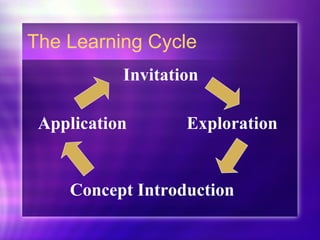
The Learning Cycle Invitation Application Exploration Concept Introduction
Prior Knowledge
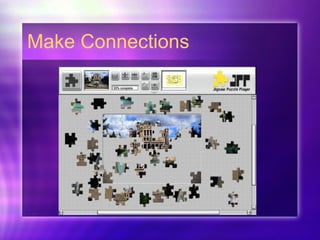
Make Connections
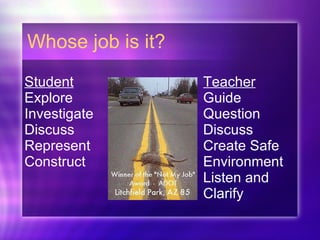
Whose job is it? Student Explore Investigate Discuss Represent Construct Teacher Guide Question Discuss Create Safe Environment Listen and Clarify
Beyond the Science Kit -- Wendy Saul and Jeanne Reardon “ Science involves asking and attempting to answer questions about the physical world, questions about which there is evidence.  Some call this process of asking and answering questions inquiry.”
Themes Infused in the Science Standards We learn science . . . by doing science through inquiry through collaboration over time by developing personal knowledge
Not all about content Teach the scientist as well as the science Discuss  how  students arrived at their answers/conclusion Focus on  strategies/processes  and answers
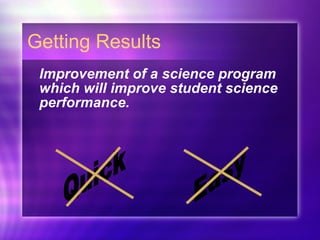
Getting Results Improvement of a science program which will improve student science performance. Quick Easy
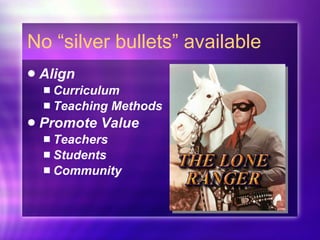
No “silver bullets” available Align Curriculum Teaching Methods Promote Value Teachers Students Community
Alignment of Instructional Materials Prioritize topics Supplemental lessons or units Re-organize chapters Eliminate or combine topics and/or lessons
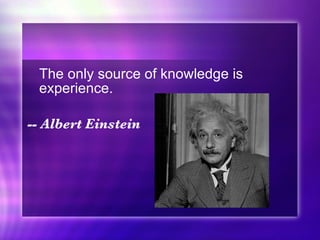
The only source of knowledge is experience. -- Albert Einstein

Inquiry Science3

  • 1.
    Bentley Richert ScienceCurriculum Specialist [email_address] Science Matters
  • 2.
  • 3.
  • 4.
    Best Science ExperienceEver Think about the best science lesson you have taught. Share with a person sitting next to you. What traits do they have in common?
  • 5.
    Concerns Less classtime being devoted to Science Teachers uncomfortable with science concepts Shortage of “qualified” science teachers Testing driving to content knowledge
  • 6.
    5 E’s ofScience Experiences Engage Explore Explain Elaborate Evaluate
  • 7.
    Activity Rules: 15Seconds to study letters After the list is hidden . . . Take out a piece of paper and write down as many letters as you can remember
  • 8.
    J FKFB INAT OUP SNA SAI RS
  • 9.
    Write down theletters 15 seconds Do NOT compare or share Let’s do it again
  • 10.
    JFK FBI NATO UPS NASA IRS
  • 11.
    Write down theletters 15 seconds What happened and why?
  • 12.
  • 13.
    Testable Question Canbe investigated in the science classroom. Does not require unavailable equipment. Is not a research (fact-finding) question. What happens if . . .
  • 14.
    Recipes for SciencePaper Helicopter Experiment Roto-Copter Compare our helicopter experience with the examples . . . What can you say
  • 15.
    Essential Features of Classroom Inquiry (NSES) Learners are engaged by scientifically oriented questions Learners give priority to evidence, which allow them to develop and evaluate explanations Learners formulate explanations from evidence to address scientifically oriented questions Learners connect their explanations to scientific knowledge Learners communicate and justify their proposed explanations
  • 16.
    3 Levels ofInquiry Structured Inquiry Guided Inquiry Open Inquiry
  • 17.
    Structured Inquiry Step-by-stepinstructions Students decide observations to record Must figure out the meaning of the data
  • 18.
    Guided Inquiry Studentschoose what data to gather Interpret data Design a procedure to address a given question
  • 19.
    Open Inquiry Studentsthink of a testable question Design a procedure Collect and interpret data
  • 20.
    The Learning CycleInvitation Application Exploration Concept Introduction
  • 21.
  • 22.
  • 23.
    Whose job isit? Student Explore Investigate Discuss Represent Construct Teacher Guide Question Discuss Create Safe Environment Listen and Clarify
  • 24.
    Beyond the ScienceKit -- Wendy Saul and Jeanne Reardon “ Science involves asking and attempting to answer questions about the physical world, questions about which there is evidence. Some call this process of asking and answering questions inquiry.”
  • 25.
    Themes Infused inthe Science Standards We learn science . . . by doing science through inquiry through collaboration over time by developing personal knowledge
  • 26.
    Not all aboutcontent Teach the scientist as well as the science Discuss how students arrived at their answers/conclusion Focus on strategies/processes and answers
  • 27.
    Getting Results Improvementof a science program which will improve student science performance. Quick Easy
  • 28.
    No “silver bullets”available Align Curriculum Teaching Methods Promote Value Teachers Students Community
  • 29.
    Alignment of InstructionalMaterials Prioritize topics Supplemental lessons or units Re-organize chapters Eliminate or combine topics and/or lessons
  • 30.
    The only sourceof knowledge is experience. -- Albert Einstein