Physical Science Grades 3-4 Bentley Richert Curriculum/Technology Specialist October 30, 2007
Best Science Experience Ever Think about the best science experience you had as a student. Share with a person sitting next to you. What traits do they have in common?
Challenge Design and build the tallest possible straw structure that can support the weight of a large egg. Materials per group: 25 straws 100 cm of masking tape 1 egg
KSES Overview Designed to  assist  Kansas educators in . . .
Selecting  and  Developing  local curricula
Carrying out  instruction
Assessing  progress  of students
KSES Overview Serve as a  foundation  for the development of the state assessments in science
KSES Overview Represent high yet reasonable expectations for  all  students
 
Science Standards Adopted February 2007 Revised August 2007 Delta ▲ = tested * newly marked for assessment (removed)
Organization Seven Standards Benchmarks Indicators Instructional Examples
Assessed Indicators Grade 4 -- 22 (Changed 4.2.4.2) Grade 7 -- 30 High School -- 30 15 Physical Science 15 Life Science
Grade by Grade Recommended Different forms Vocabulary Scaffolding 8 through 12 Earth and Space
Linking  Standards  to  Assessment
Flip Charts Indicator Test Specifications Instructional Examples Item Specification Practice Item
Overview of the Assessment
Administered  annually  beginning this year
Not  used to calculate A.Y.P ( yet )
Results used as part of  Q.P.A.
Given at grades 4, 7, & H.S. ( OTL )
Things  that make you go  hmmm OTL
Item Distribution
Grade 4 60% process 40% knowledge
Grade 7 23% Process 60% Knowledge 17% Process and Knowledge
High School 7% Process 93% Knowledge
Test Format
At least 2 forms
Multiple Choice
2 Items per Indicator
Time/Sessions
KCA & P/P
Accommodations
 
Practice Assessment Periodic Table Save and Exit button
Formative Assessment Coming Soon -- December 2007 Best Practices
Inquiry in Grades K - 4
Ask a question about objects, organisms, and events in the environment,
Plan and conduct a simple investigation.
Employ simple equipment and tools to gather data and extend the senses.
Use data to construct a reasonable explanation.
Communicate investigations and explanations.
Why is Science important?
 
Science & Technology
Best Practices Address preconceptions Know what it means to “do science.” Use metacognitive strategies
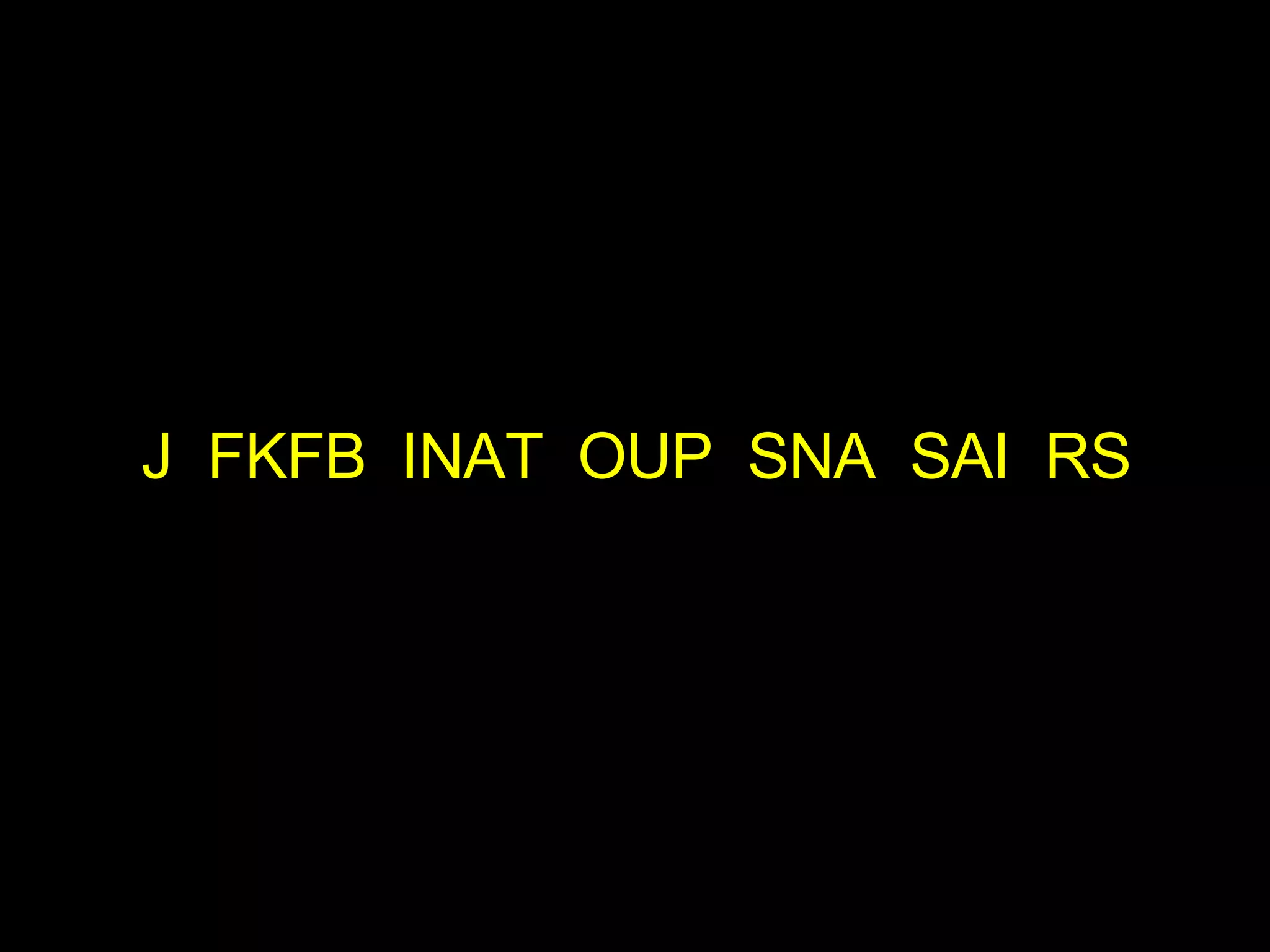
Activity Rules: 15 Seconds to study letters After the list is hidden . . . Take out a piece of paper and write down as many letters as you can remember
J  FKFB  INAT  OUP  SNA  SAI  RS
Write down the letters 15 seconds Do NOT compare or share
Let’s do it again
JFK  FBI  NATO  UPS  NASA  IRS
Write down the letters 15 seconds Do not share or compare Do not look off of your last list
What happened and why?
Facts  +   Inquiry   =   Good Science
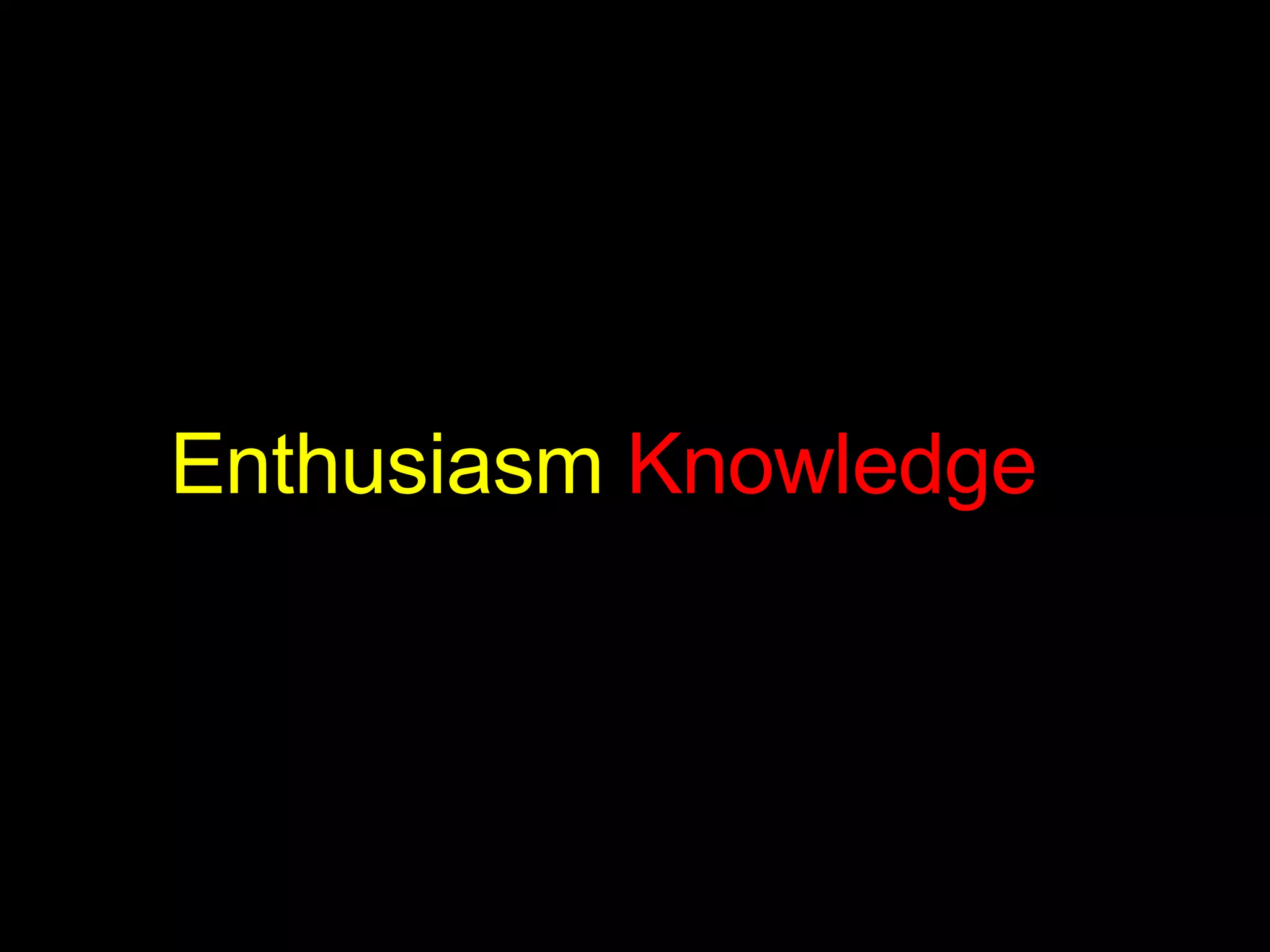
Enthusiasm  Knowledge
5 E’s Engage Explore Explain Elaborate Evaluate
The only source of knowledge is experience. Albert Einstein
State/National Standards Tanya Siwik, Fairfax County Public Schools, The Essentials of Science Grades K-6, Rick Allen
State/National Standards District Standards Tanya Siwik, Fairfax County Public Schools, The Essentials of Science Grades K-6, Rick Allen
State/National Standards District Standards School Standards Tanya Siwik, Fairfax County Public Schools, The Essentials of Science Grades K-6, Rick Allen
State/National Standards District Standards School Standards Classroom Standards Tanya Siwik, Fairfax County Public Schools, The Essentials of Science Grades K-6, Rick Allen
State/National Standards District Standards School Standards Classroom Standards Student Standards Tanya Siwik, Fairfax County Public Schools, The Essentials of Science Grades K-6, Rick Allen
Time,  Equipment ,  Resources , and  Space
Beware of “ sacred cows ”
 

Physical Science Grades 3-4