
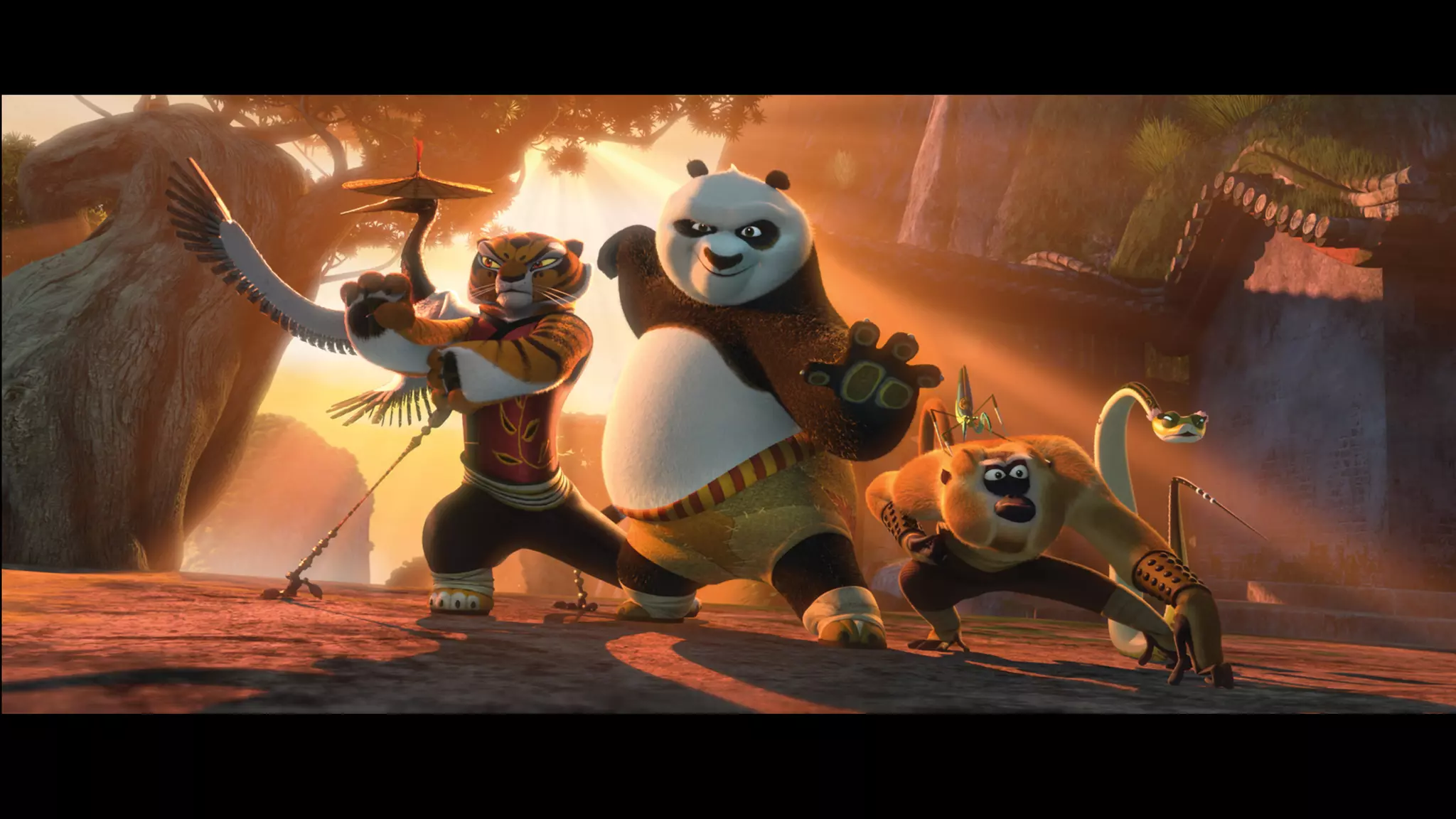
Dragon2
Technical Directors
November 15, 2013
How to Train Your
Microservice
DOUG SHERMAN
Principal Engineer,
DreamWorks Animation
FAMILY
ENTERTAINMENT
COMPANY
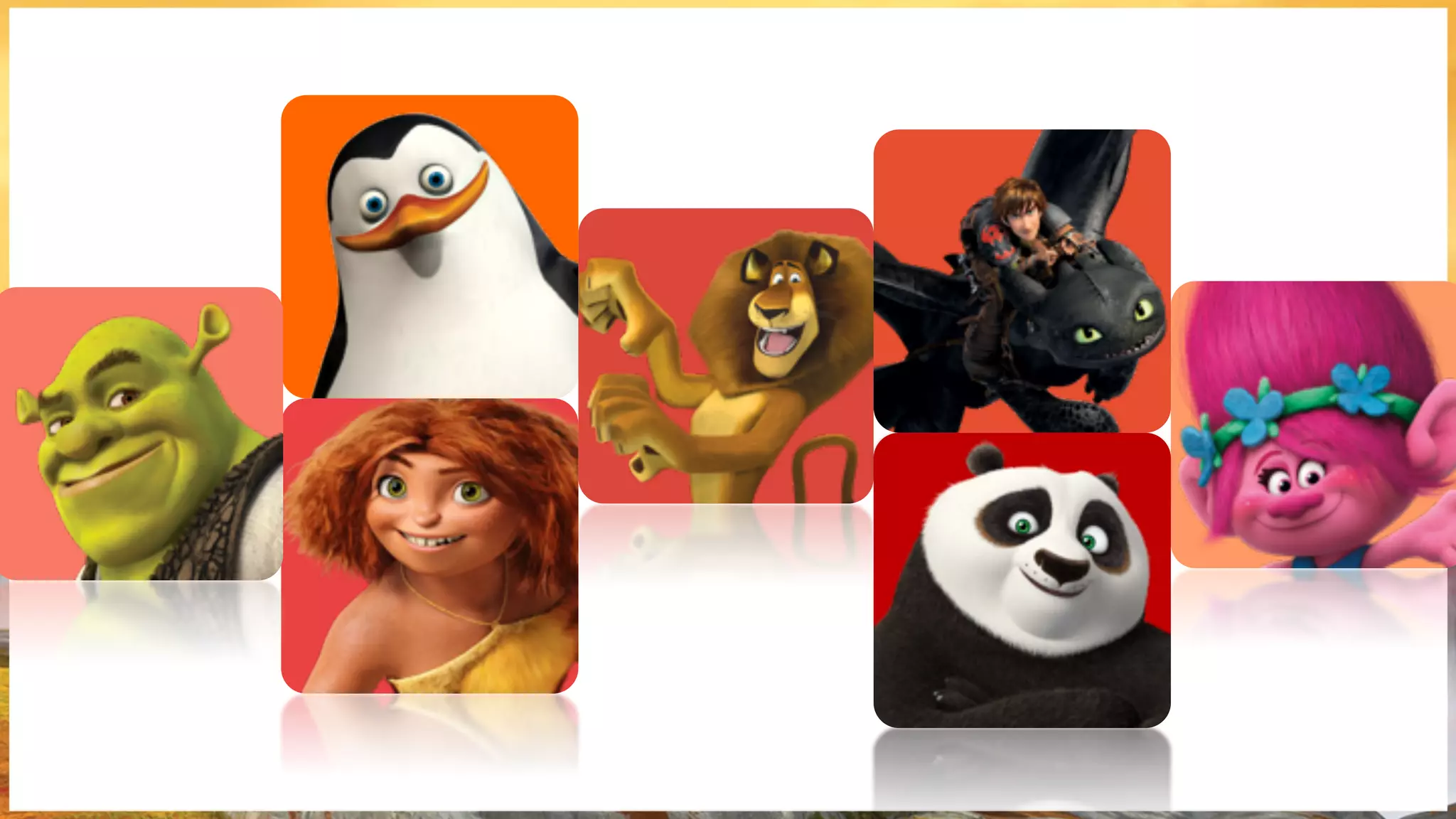
focused on telling
amazing stories
through beloved characters
and state-of-the-art
computer graphics imagery
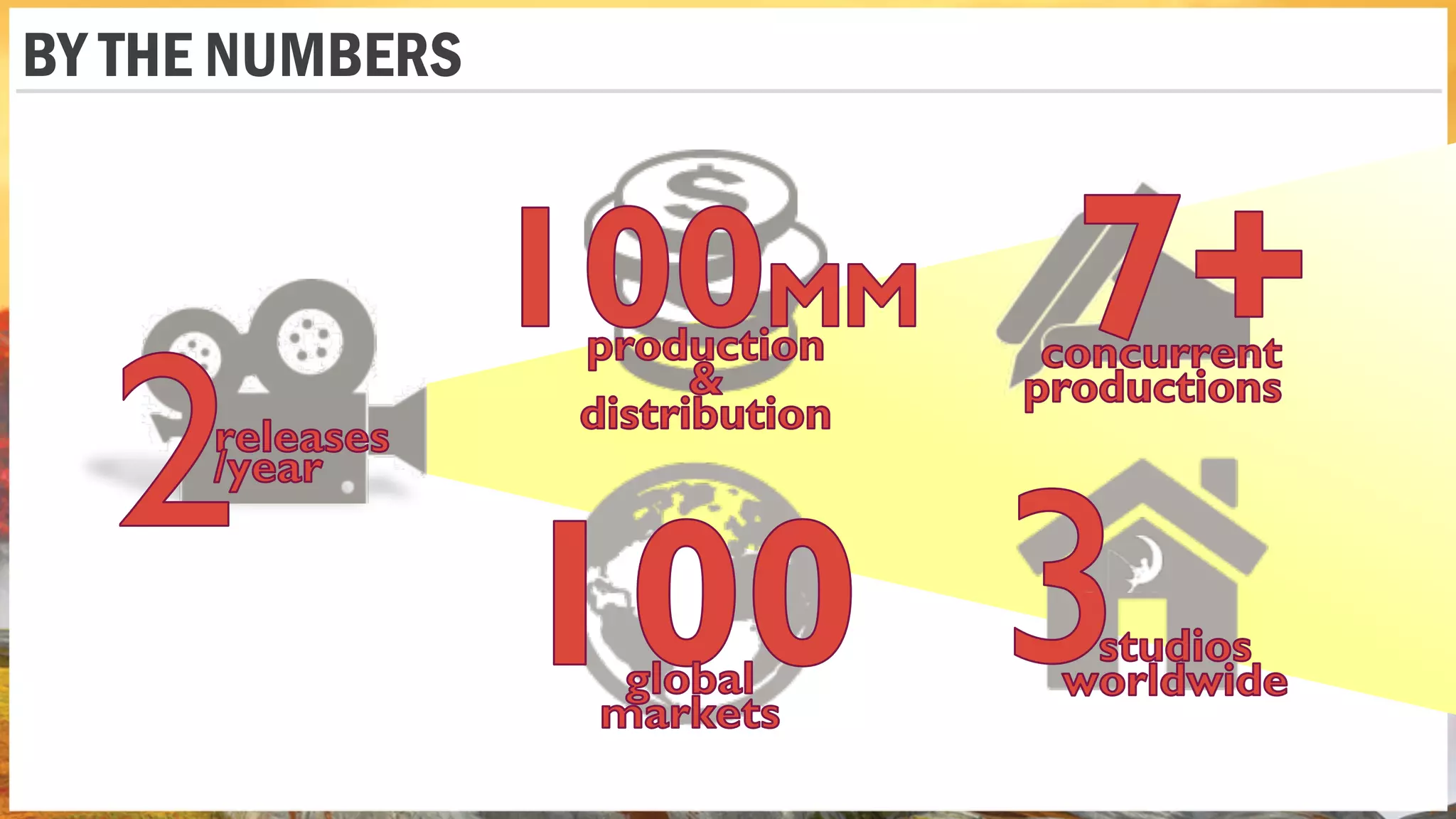
BY THE NUMBERS
• more ambitious than the last
• increased visual richness
MORE
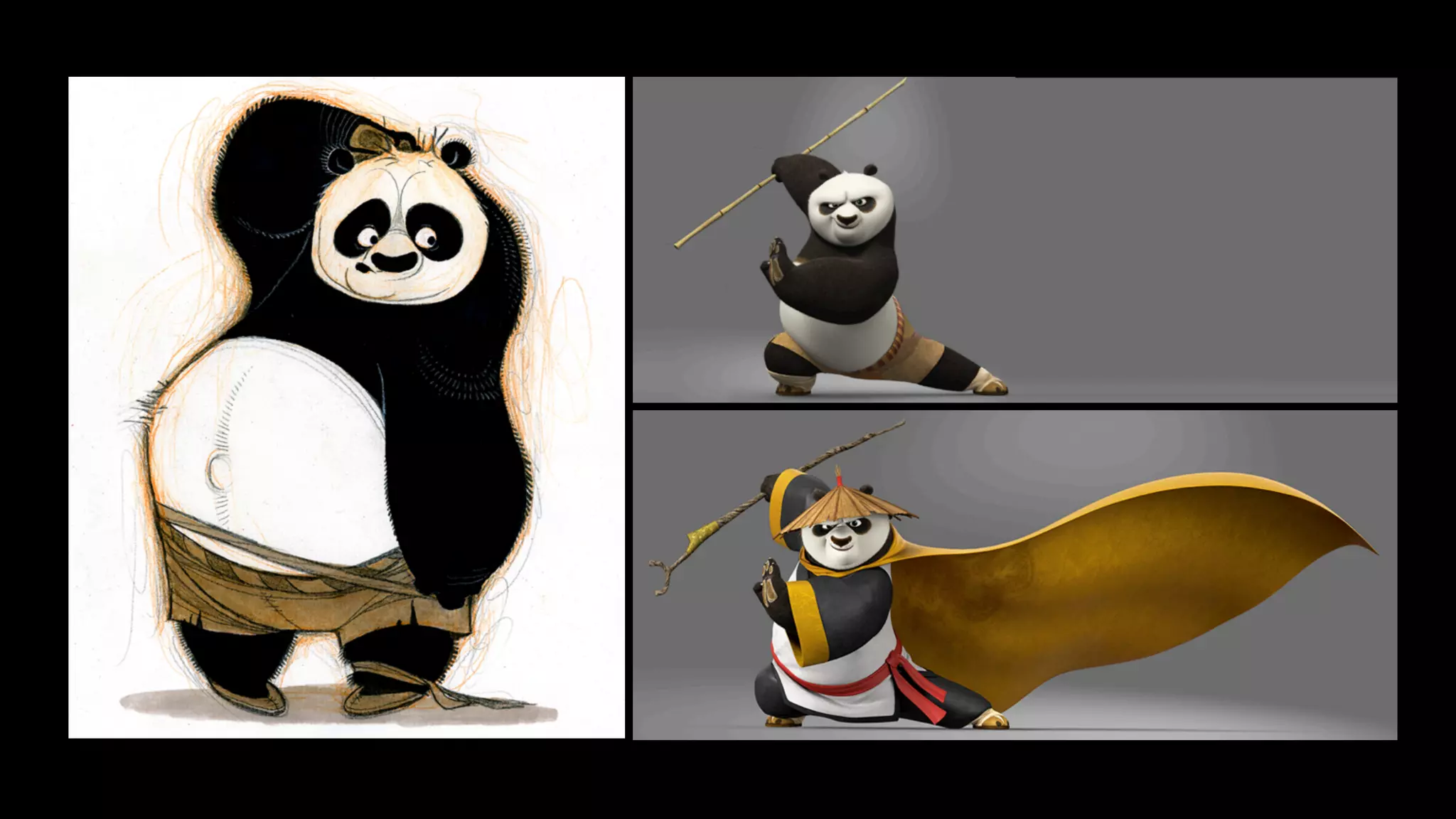
• complex characters
• detailed environments
and storylines
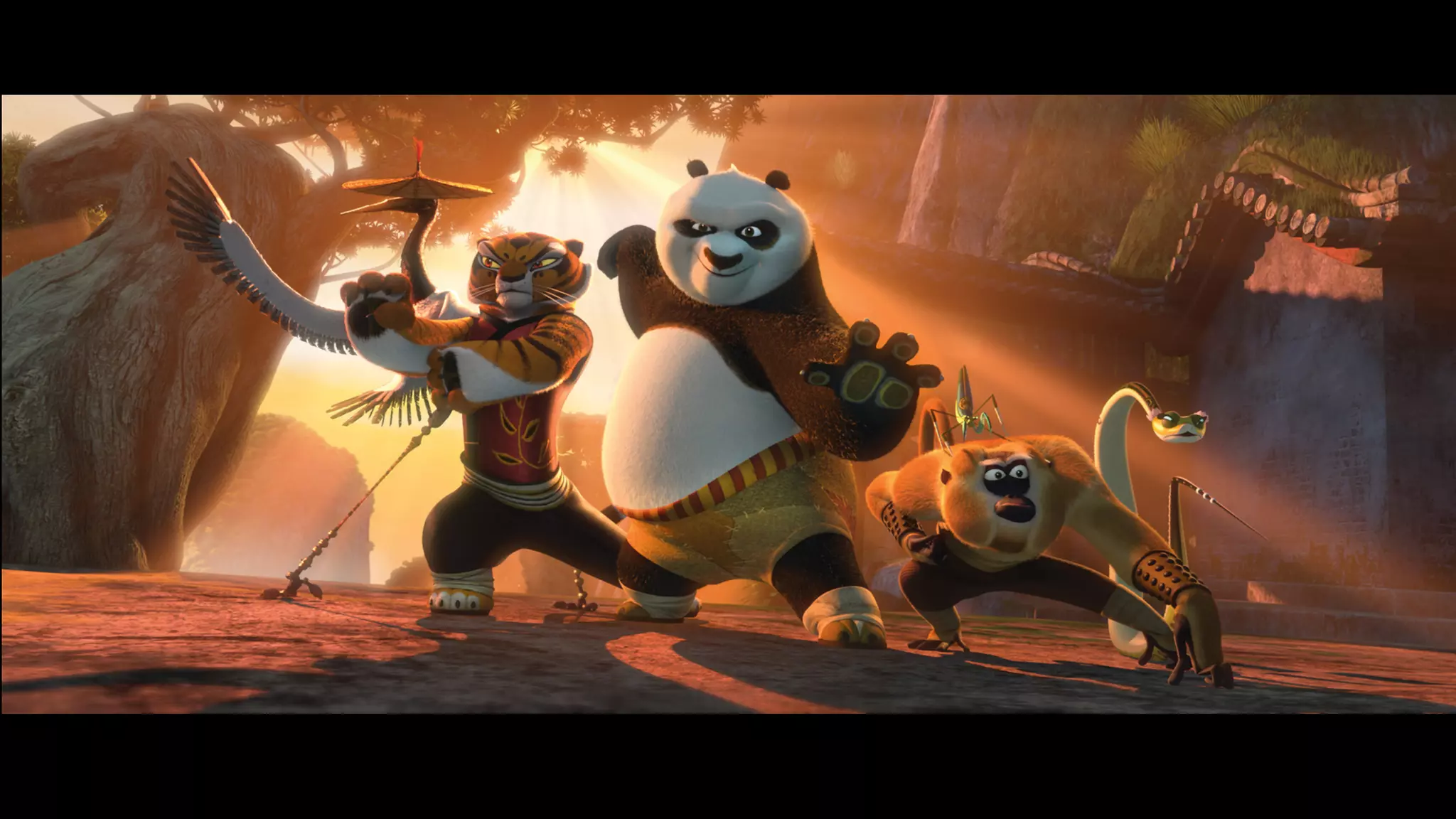
• cinematography
and lighting
• more compelling:
UNBOUNDED CREATIVE AMBITION
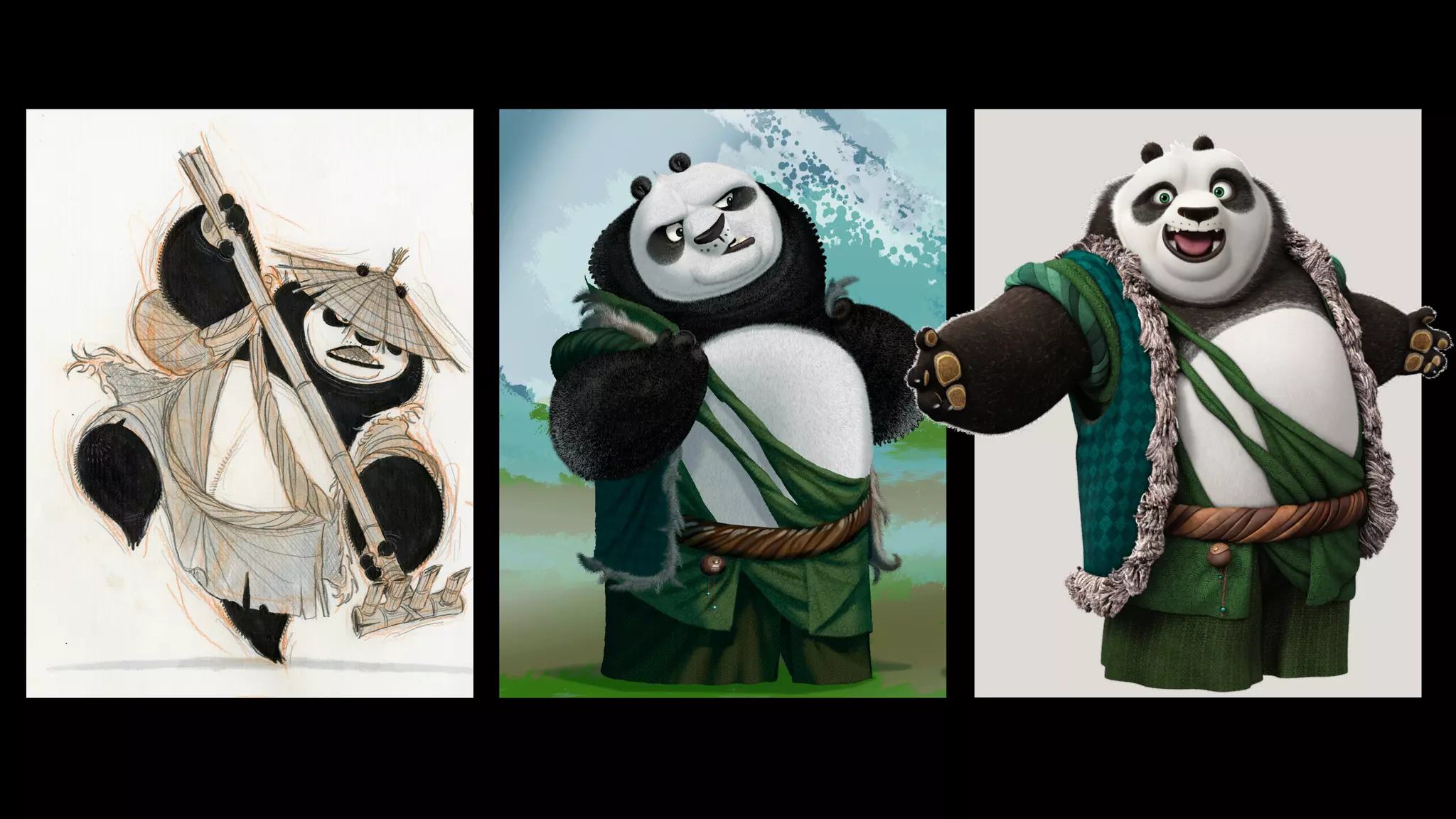
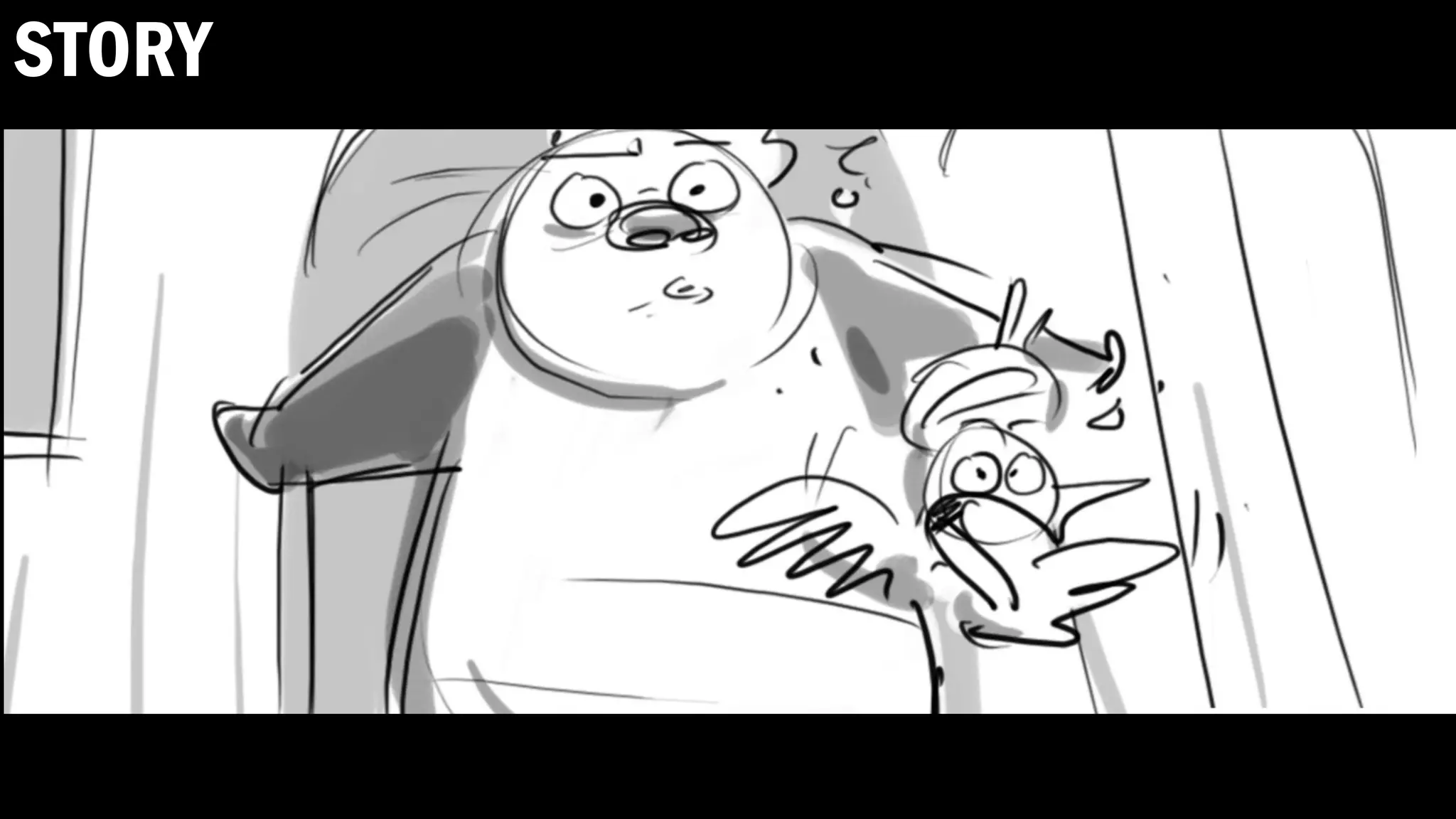
STORY
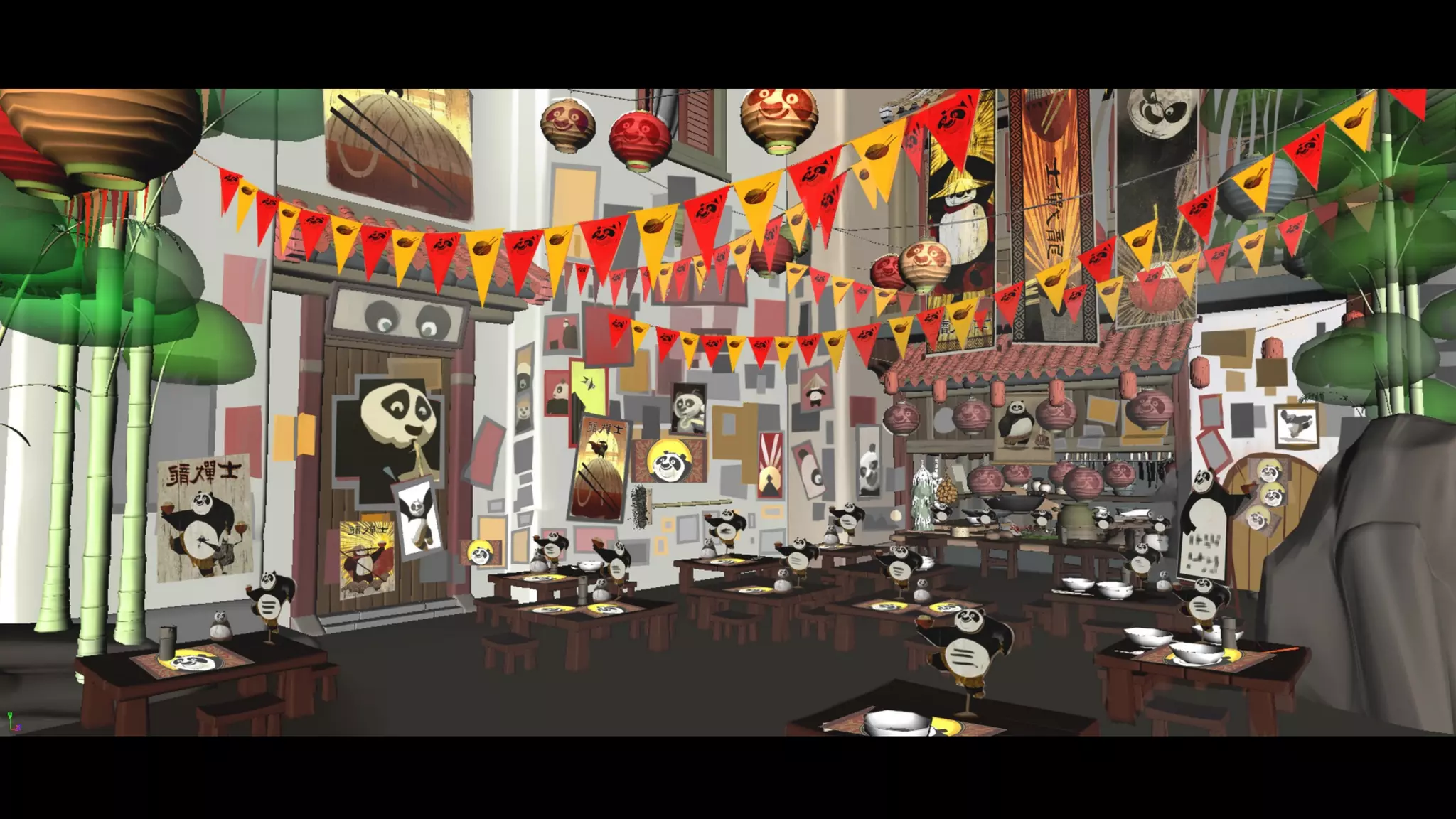
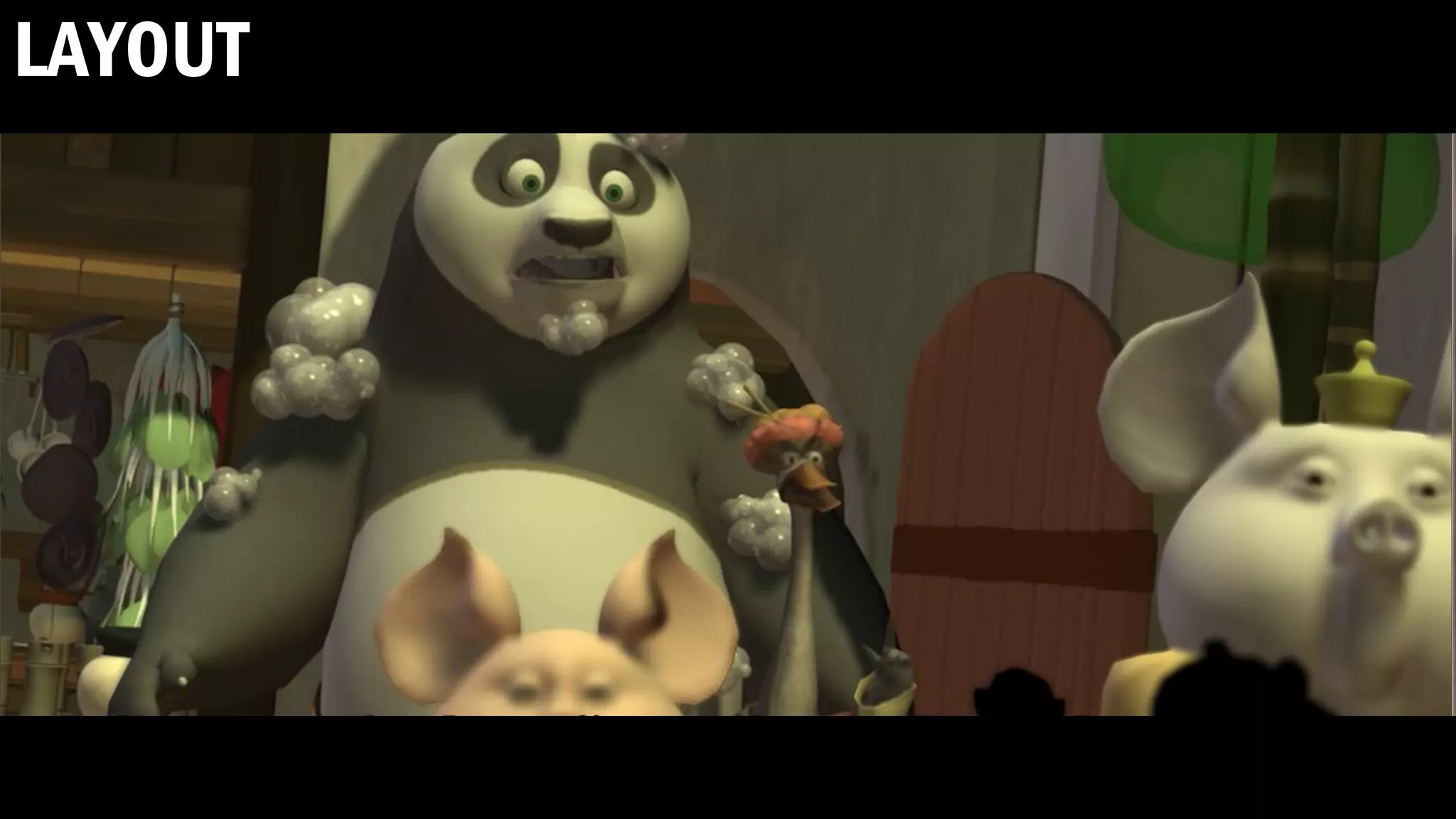
LAYOUT
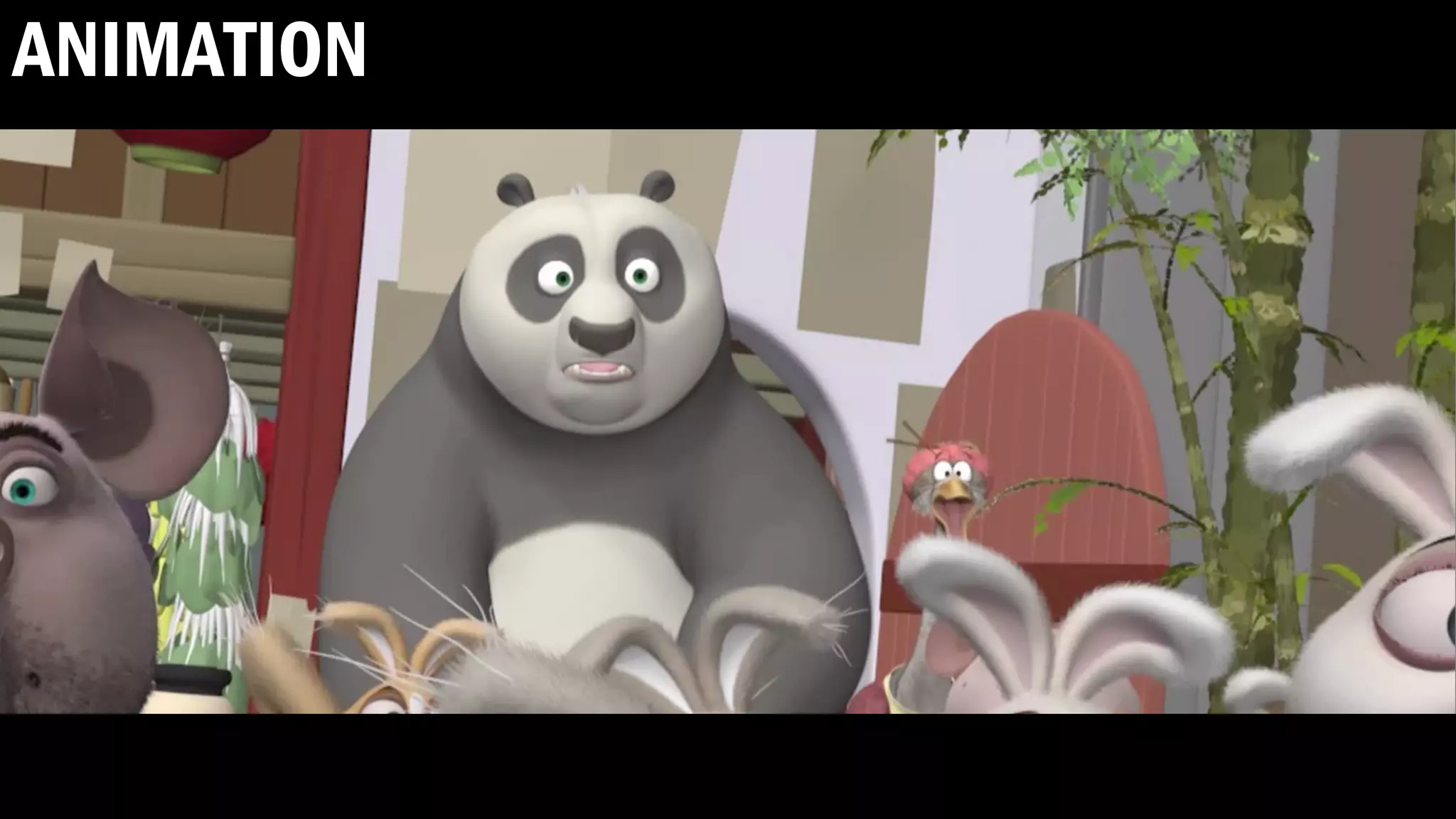
ANIMATION
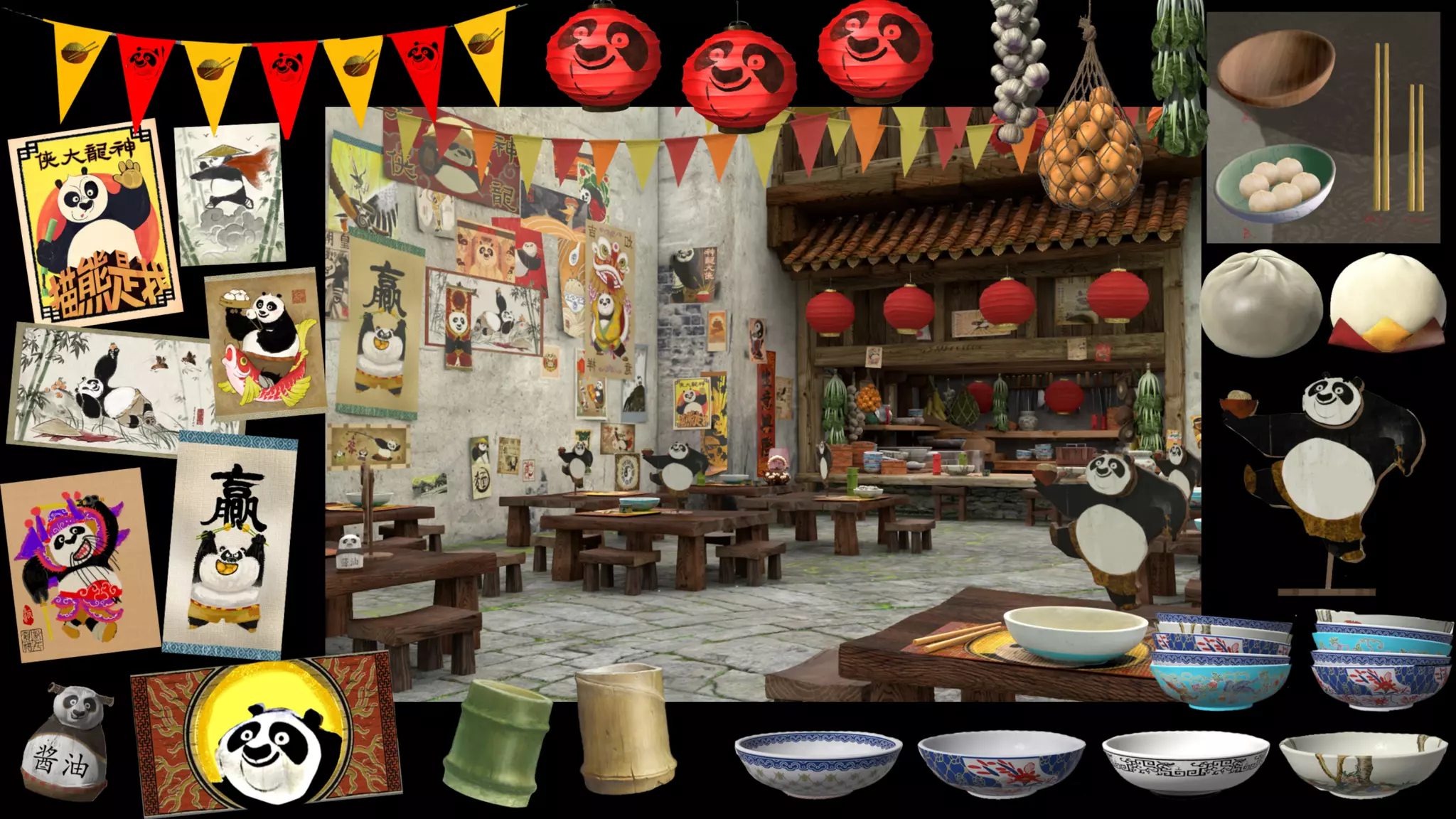
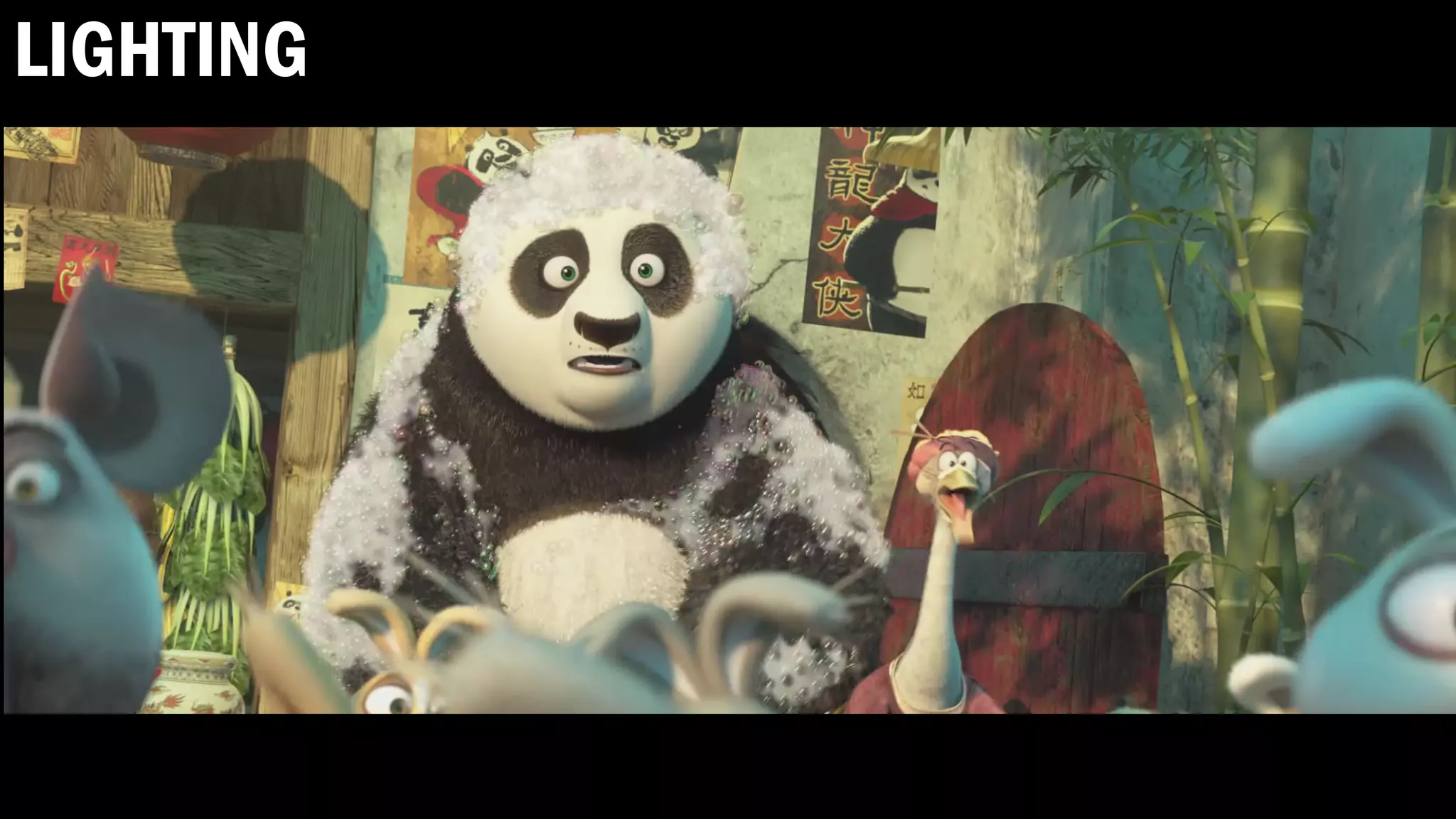
LIGHTING
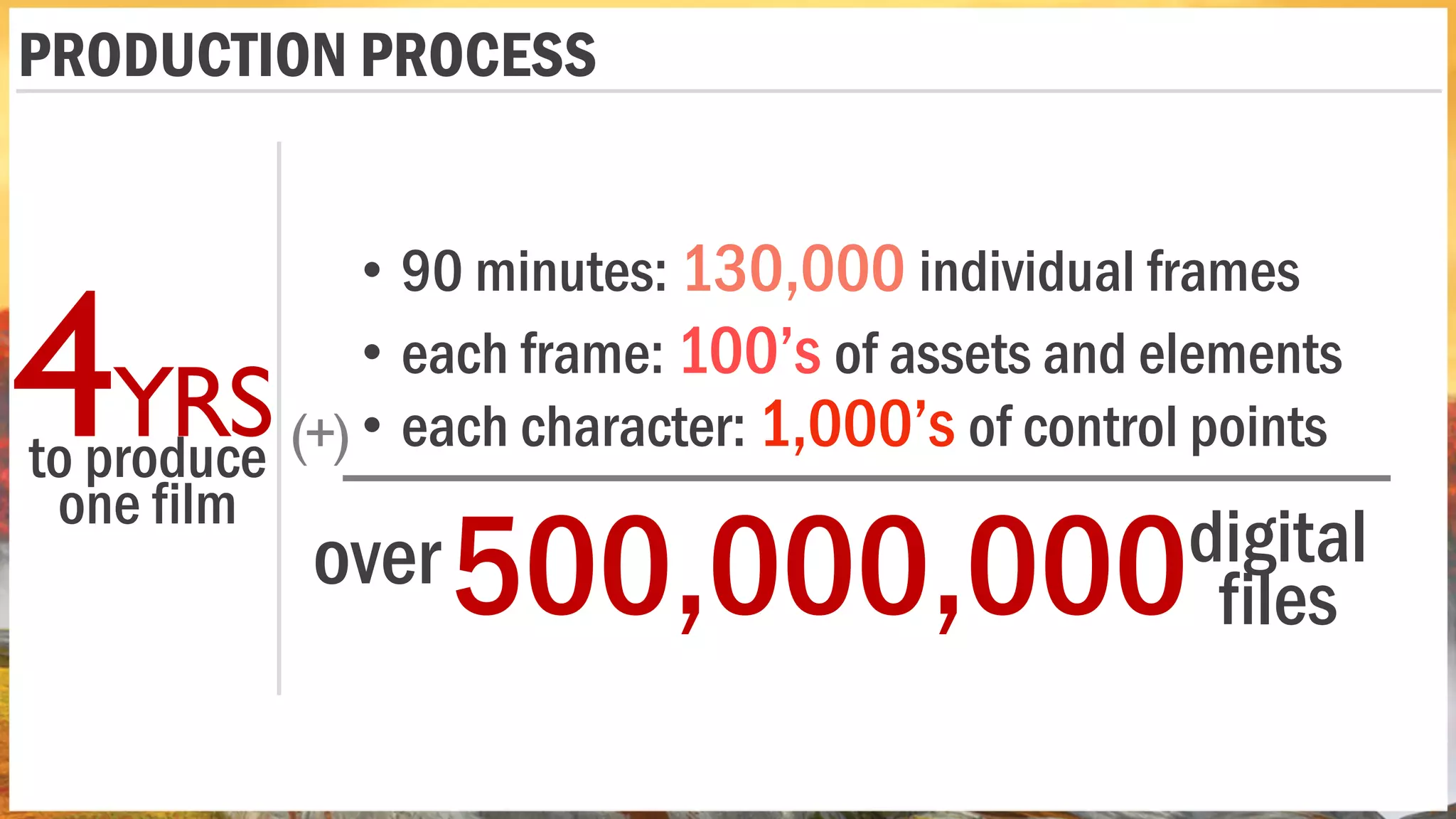
• 90 minutes: 130,000 individual frames
to produce
one film
4YRS
• each frame: 100’s of assets and elements
• each character: 1,000’s of control points(+)
500,000,000over digital
files
PRODUCTION PROCESS
DREAMWORKS ANIMATION
is a DIGITAL MANUFACTURER
Creating high value in a high-end
digital product that is distributed and
consumed worldwide
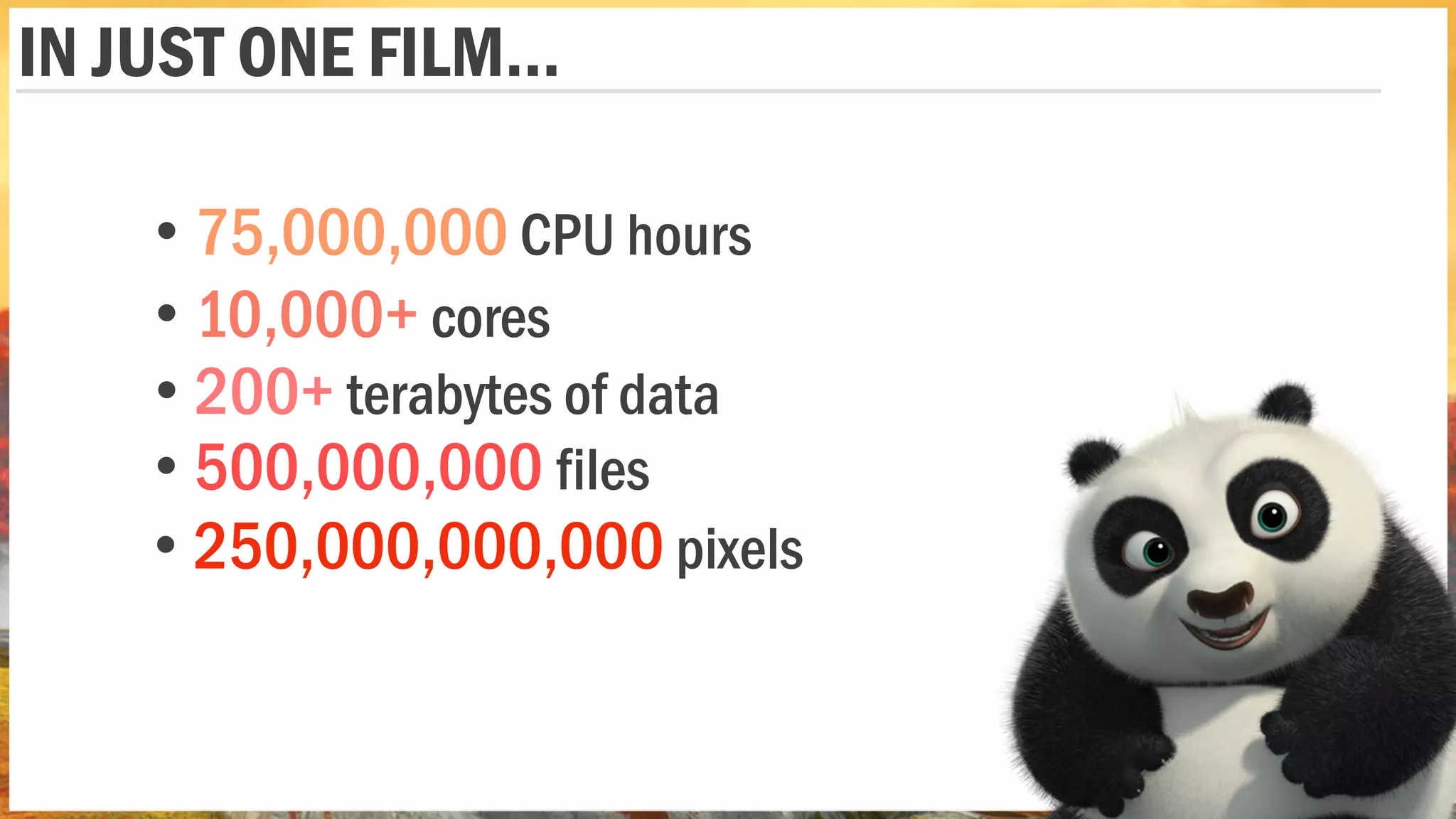
• 75,000,000 CPU hours
• 10,000+ cores
• 200+ terabytes of data
• 500,000,000 files
• 250,000,000,000 pixels
IN JUST ONE FILM…
Where did we start?
• One show released every
few years
• Each show typically had
their own pipeline
• C++, Perl scripts (later
Python) were the norm
• There was one lone Java
application with Swing
• Workflows were very
client-heavy
How did that go?
• Was hard to monitor
• Where are these things
running?
• Risky to make changes to
monolithic code
• Assuming devs were
still around
• Difficult to scale
• Some software couldn’t
work between sites
Where did we go next?
• More Movies perYear == New Architecture
• New Architecture == Adoption Challenges
• SOA & Microservices introduced
• SOAP… then REST
• C++/Python... then Java
• JEE… then Spring
Transitions
• SOA felt overwhelming at the start
• SOAP, XML, ESB, BPEL,App Servers
• Java wins for sure… and Spring helped
• Microservices via REST / JSON easier
• Spring leaned on for REST, DBs,Testing
• Spring Messaging… was... interesting
Transition for Clients
• Clients provided language specific wrappers
• Pros
• Clients could call upon a familiar API
• Cons
• Clients could call upon a familiar API
• Education and experience helped
Ultimately, how did it all go?
• Foreign architecture required “Social Engineering”
• Encouraged client & server developers
• Things improved with new Platform & QA teams
• Microservices scaled to meet multi-show demand
• Optimal databases could be used per service
• Smaller teams + smaller targets = agility
What are we doing now?
• Spring Boot
• Convention over configuration
• Where are my beans???!
• “Make Jar, not War” – Josh Long
• JEE App Servers on way out
• Actuator … yes, please!
• But what about “other” services
in other languages?
• http://spring.io has great examples
• Move everything to Spring Boot?
What else are we doing now?
• Spring Data
• Simple… maybe too simple?
• Supports many of our DB choices
• Oracle/PostgreSQL
• Cassandra
• MongoDB
• ElasticSearch
• Move everything to Spring Data?!
• Spring Cloud
• Configuration for starters
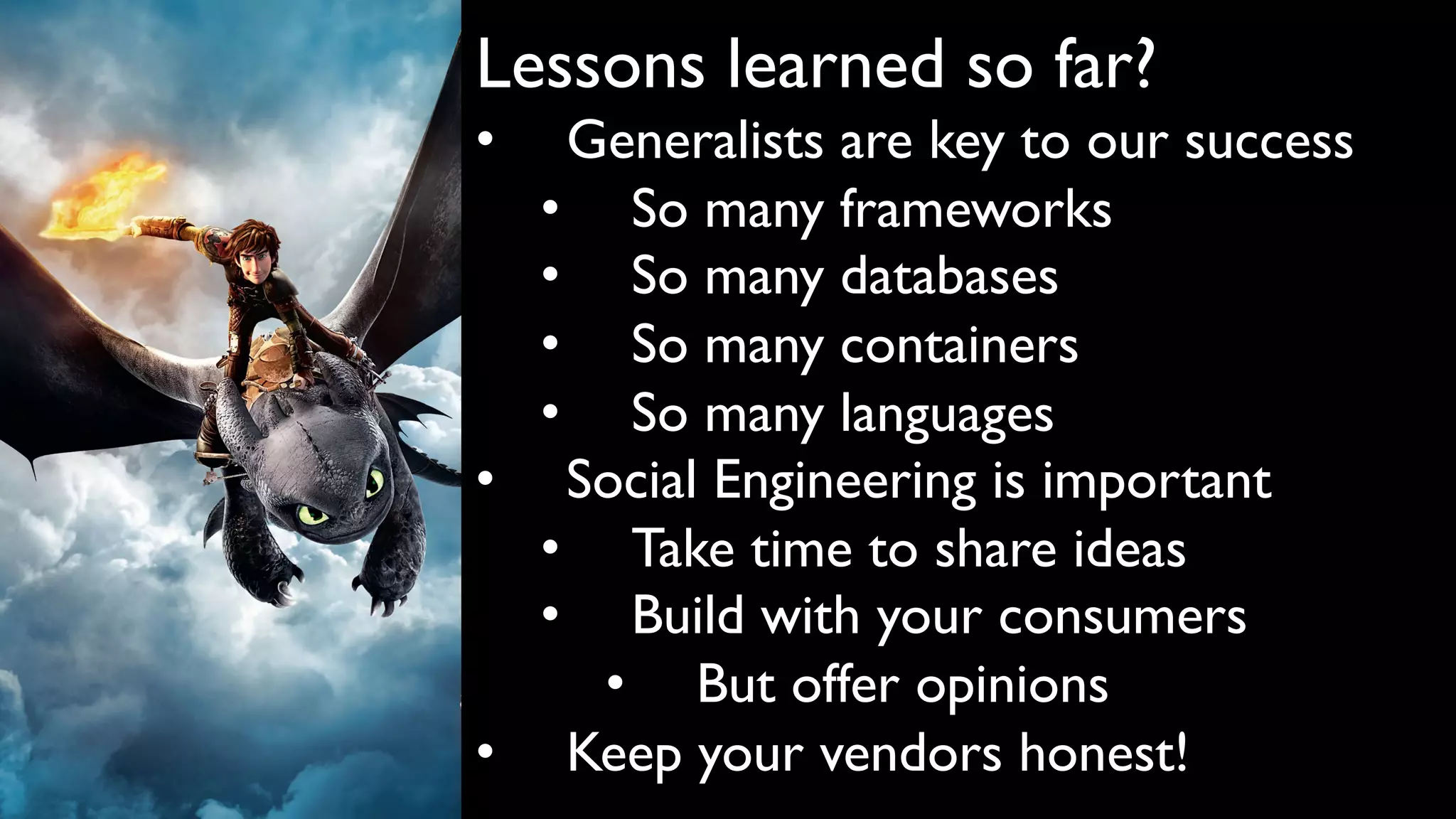
Lessons learned so far?
• Generalists are key to our success
• So many frameworks
• So many databases
• So many containers
• So many languages
• Social Engineering is important
• Take time to share ideas
• Build with your consumers
• But offer opinions
• Keep your vendors honest!
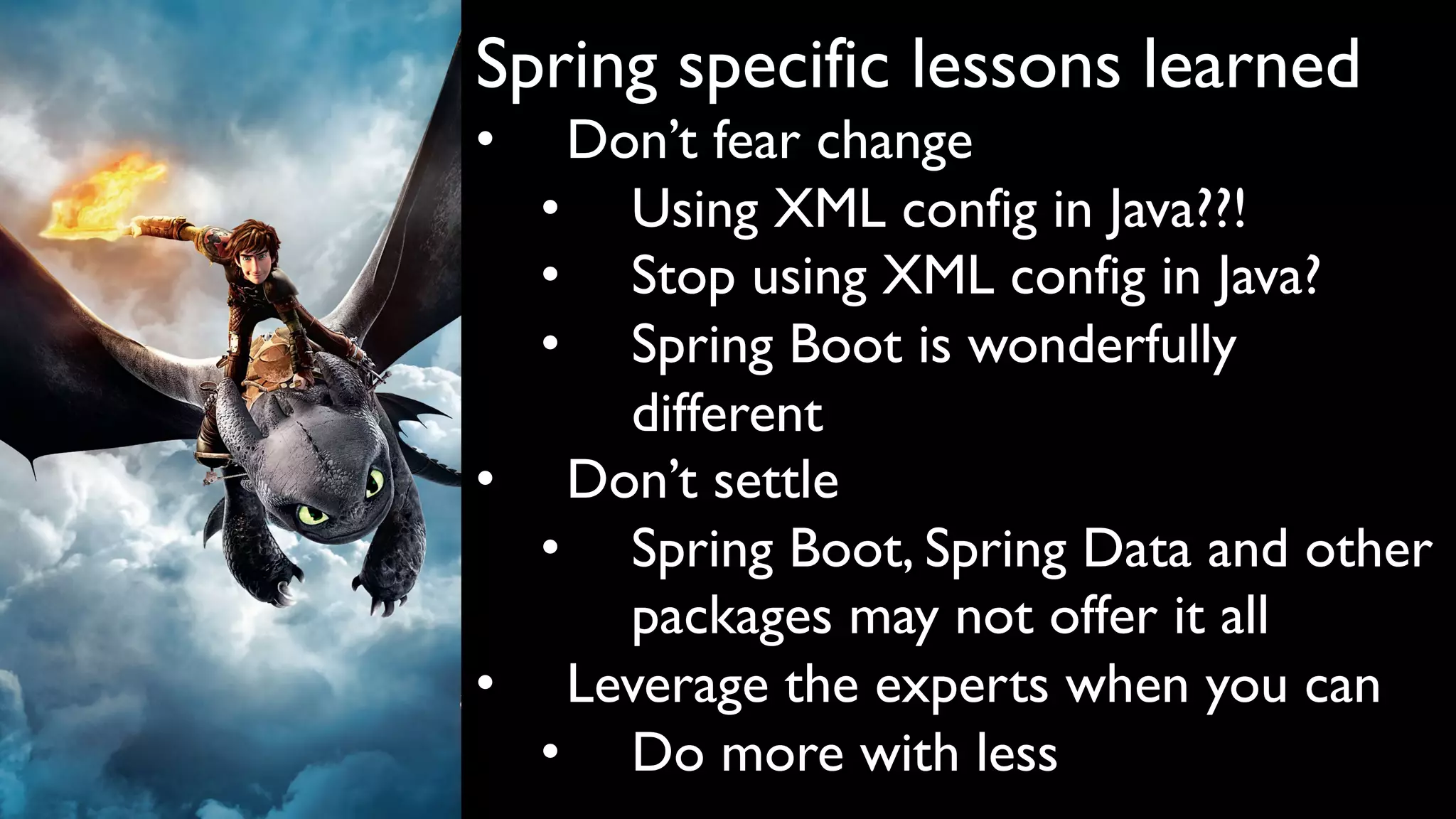
Spring specific lessons learned
• Don’t fear change
• Using XML config in Java??!
• Stop using XML config in Java?
• Spring Boot is wonderfully
different
• Don’t settle
• Spring Boot, Spring Data and other
packages may not offer it all
• Leverage the experts when you can
• Do more with less
Where are we going next?
• Going Cloud-Native
• Exposing more RESTful APIs
• Embracing the container
• Trying to make CI / CD a reality
Questions?
Open Source communication
“Let’s do lunch!”
doug.sherman@dreamworks.com

How To Train Your Microservice

  • 1.
    Dragon2 Technical Directors November 15,2013 How to Train Your Microservice
  • 2.
  • 3.
    FAMILY ENTERTAINMENT COMPANY focused on telling amazingstories through beloved characters and state-of-the-art computer graphics imagery
  • 4.
  • 6.
    • more ambitiousthan the last • increased visual richness MORE • complex characters • detailed environments and storylines • cinematography and lighting • more compelling: UNBOUNDED CREATIVE AMBITION
  • 13.
  • 14.
  • 15.
  • 16.
  • 18.
    • 90 minutes:130,000 individual frames to produce one film 4YRS • each frame: 100’s of assets and elements • each character: 1,000’s of control points(+) 500,000,000over digital files PRODUCTION PROCESS
  • 19.
    DREAMWORKS ANIMATION is aDIGITAL MANUFACTURER Creating high value in a high-end digital product that is distributed and consumed worldwide
  • 20.
    • 75,000,000 CPUhours • 10,000+ cores • 200+ terabytes of data • 500,000,000 files • 250,000,000,000 pixels IN JUST ONE FILM…
  • 22.
    Where did westart? • One show released every few years • Each show typically had their own pipeline • C++, Perl scripts (later Python) were the norm • There was one lone Java application with Swing • Workflows were very client-heavy
  • 23.
    How did thatgo? • Was hard to monitor • Where are these things running? • Risky to make changes to monolithic code • Assuming devs were still around • Difficult to scale • Some software couldn’t work between sites
  • 24.
    Where did wego next? • More Movies perYear == New Architecture • New Architecture == Adoption Challenges • SOA & Microservices introduced • SOAP… then REST • C++/Python... then Java • JEE… then Spring
  • 25.
    Transitions • SOA feltoverwhelming at the start • SOAP, XML, ESB, BPEL,App Servers • Java wins for sure… and Spring helped • Microservices via REST / JSON easier • Spring leaned on for REST, DBs,Testing • Spring Messaging… was... interesting
  • 26.
    Transition for Clients •Clients provided language specific wrappers • Pros • Clients could call upon a familiar API • Cons • Clients could call upon a familiar API • Education and experience helped
  • 27.
    Ultimately, how didit all go? • Foreign architecture required “Social Engineering” • Encouraged client & server developers • Things improved with new Platform & QA teams • Microservices scaled to meet multi-show demand • Optimal databases could be used per service • Smaller teams + smaller targets = agility
  • 28.
    What are wedoing now? • Spring Boot • Convention over configuration • Where are my beans???! • “Make Jar, not War” – Josh Long • JEE App Servers on way out • Actuator … yes, please! • But what about “other” services in other languages? • http://spring.io has great examples • Move everything to Spring Boot?
  • 29.
    What else arewe doing now? • Spring Data • Simple… maybe too simple? • Supports many of our DB choices • Oracle/PostgreSQL • Cassandra • MongoDB • ElasticSearch • Move everything to Spring Data?! • Spring Cloud • Configuration for starters
  • 30.
    Lessons learned sofar? • Generalists are key to our success • So many frameworks • So many databases • So many containers • So many languages • Social Engineering is important • Take time to share ideas • Build with your consumers • But offer opinions • Keep your vendors honest!
  • 31.
    Spring specific lessonslearned • Don’t fear change • Using XML config in Java??! • Stop using XML config in Java? • Spring Boot is wonderfully different • Don’t settle • Spring Boot, Spring Data and other packages may not offer it all • Leverage the experts when you can • Do more with less
  • 32.
    Where are wegoing next? • Going Cloud-Native • Exposing more RESTful APIs • Embracing the container • Trying to make CI / CD a reality
  • 33.
    Questions? Open Source communication “Let’sdo lunch!” doug.sherman@dreamworks.com