How to publish in
Q1 journals
King Saud University
22.10.2018
Dr. Dina Mahmoud
Ahmed
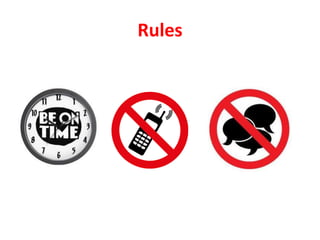
Rules
Objectives
Find the best idea for your next
scientific article
write a good research paper
Submit in a high ranked journal
Get acceptance for your paper
Get citations for your work
dhasanin@ksu.edu.sa 0580066073
By the end of this session the audience should
know how to:
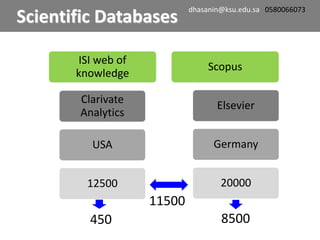
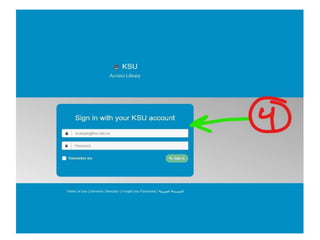
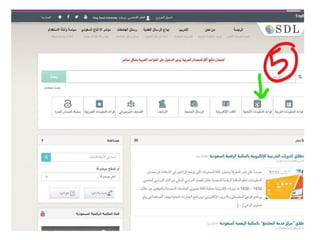
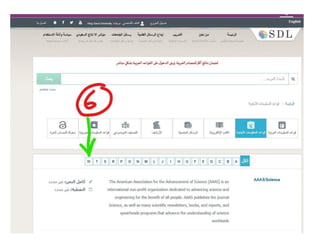
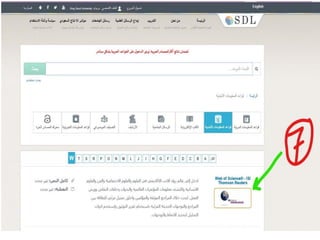
ISI web of
knowledge
Clarivate
Analytics
USA
12500
Scopus
Elsevier
Germany
20000
450 8500
11500
Scientific Databases
dhasanin@ksu.edu.sa 0580066073
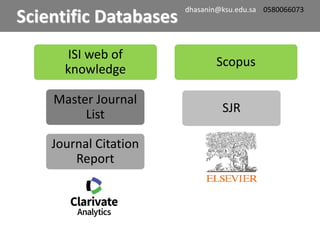
ISI web of
knowledge
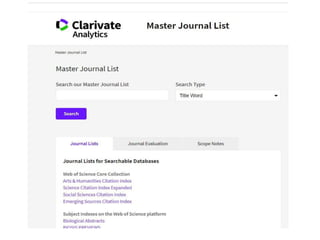
Master Journal
List
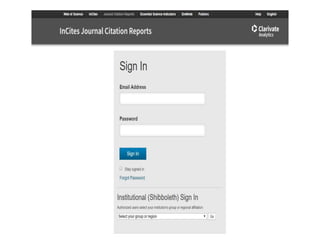
Journal Citation
Report
Scopus
SJR
Scientific Databases
dhasanin@ksu.edu.sa 0580066073
• Requirement for graduation (PhD)
• Requirement for promotion (Faculty Members)
• To be recognized in the field/subfield of research
• To disseminate knowledge
• To get higher accreditation level (College and
university)
Why publishing in ISI-Indexed journals? dhasanin@ksu.edu.sa 0580066073
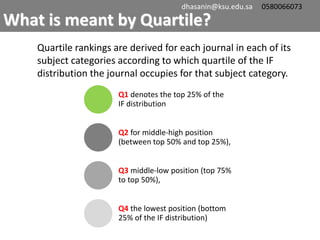
Quartile rankings are derived for each journal in each of its
subject categories according to which quartile of the IF
distribution the journal occupies for that subject category.
What is meant by Quartile?
dhasanin@ksu.edu.sa 0580066073
Q1 denotes the top 25% of the
IF distribution
Q2 for middle-high position
(between top 50% and top 25%),
Q3 middle-low position (top 75%
to top 50%),
Q4 the lowest position (bottom
25% of the IF distribution)
• Prestige of journal and your own
institution
Why Q1?
dhasanin@ksu.edu.sa 0580066073
Strategy 1: Understand the chemistry of the
“scholarly search.”
Strategy 2: Realize the importance of theory and
literature
Strategy 3: Start writing during the initial stages
(For doctoral program)
Strategy 4: Master the core concepts of impact
factor, peer review, contribution to knowledge,
and scientific knowledge
Strategy 5: Build networks and collaborations
Strategies dhasanin@ksu.edu.sa 0580066073
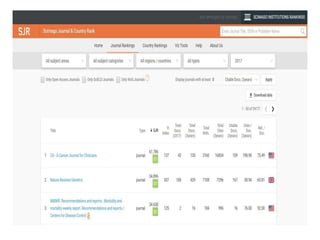
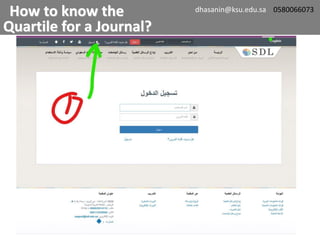
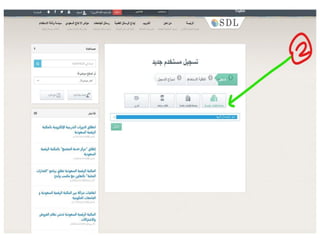
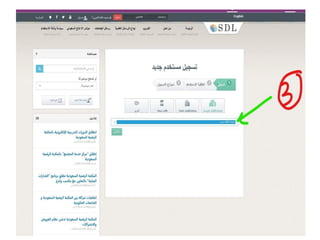
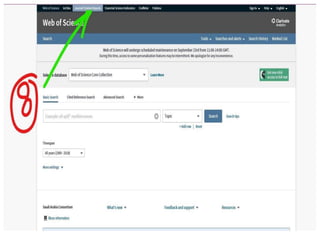
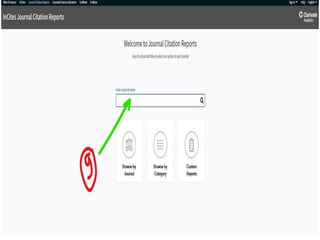
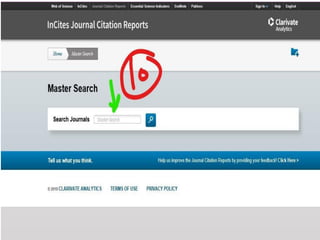
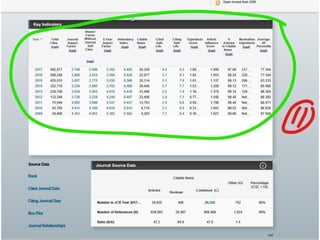
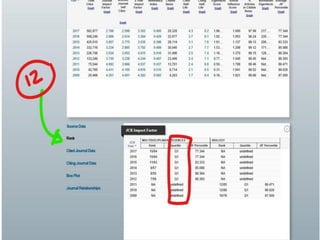
How to know the
Quartile for a Journal?
dhasanin@ksu.edu.sa 0580066073
Great findings need
to be reported in
the best possible
way to the world .
From Good Research to
Good Writing
dhasanin@ksu.edu.sa 0580066073
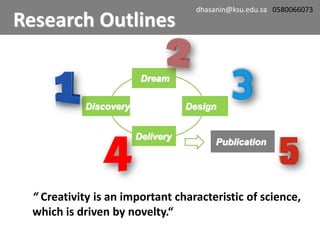
Delivery
Dream
DesignDiscovery
“ Creativity is an important characteristic of science,
which is driven by novelty.“
Publication
Research Outlines
dhasanin@ksu.edu.sa 0580066073
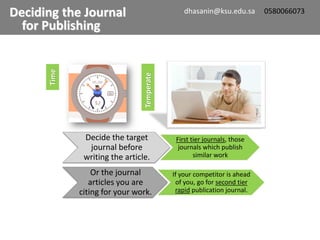
Decide the target
journal before
writing the article.
First tier journals, those
journals which publish
similar work
Or the journal
articles you are
citing for your work.
If your competitor is ahead
of you, go for second tier
rapid publication journal.
Time
Temperate
Deciding the Journal
for Publishing
dhasanin@ksu.edu.sa 0580066073
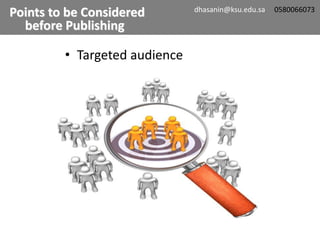
• Targeted audience
Points to be Considered
before Publishing
dhasanin@ksu.edu.sa 0580066073
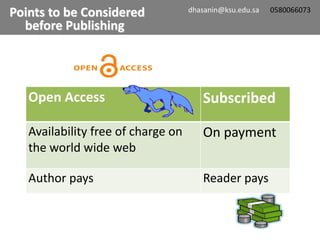
Open Access Subscribed
Availability free of charge on
the world wide web
On payment
Author pays Reader pays
Points to be Considered
before Publishing
dhasanin@ksu.edu.sa 0580066073
Extent to which research is:
• Read
• Discussed
• Used
….And
• Disseminated Inside and outside academe
What are we talking about
when we talk about impact?
dhasanin@ksu.edu.sa 0580066073
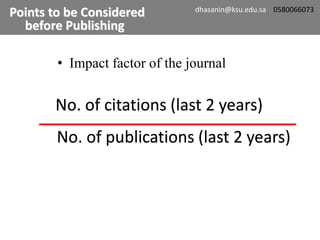
• Impact factor of the journal
No. of citations (last 2 years)
No. of publications (last 2 years)
Points to be Considered
before Publishing
dhasanin@ksu.edu.sa 0580066073
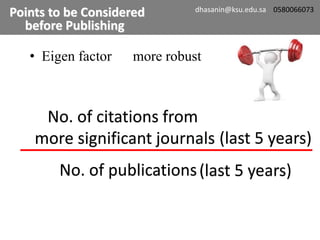
• Eigen factor more robust
No. of citations from
more significant journals
No. of publications
(last 5 years)
(last 5 years)
Points to be Considered
before Publishing
dhasanin@ksu.edu.sa 0580066073
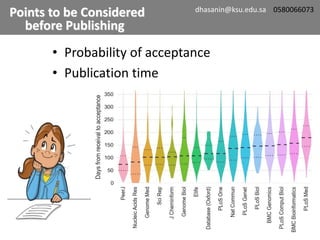
• Probability of acceptance
• Publication time
Points to be Considered
before Publishing
dhasanin@ksu.edu.sa 0580066073
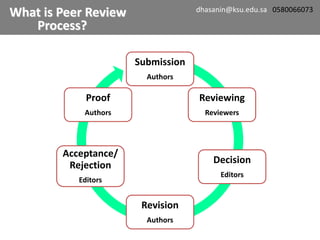
Submission
Authors
Reviewing
Reviewers
Decision
Editors
Revision
Authors
Acceptance/
Rejection
Editors
Proof
Authors
What is Peer Review
Process?
dhasanin@ksu.edu.sa 0580066073
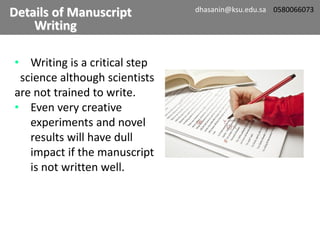
• Writing is a critical step
science although scientists
are not trained to write.
• Even very creative
experiments and novel
results will have dull
impact if the manuscript
is not written well.
Details of Manuscript
Writing
dhasanin@ksu.edu.sa 0580066073
Read excellent articles.
Write…….and write…and write.
“Free write” your thoughts.
Don’t worry about structure
initially.
Use the best paper in your field
as a template.
Keep writing concise, dynamic
and simple in construction.
Convey enthusiasm in your
writing so it attract the
audience.
Skills of Writing
dhasanin@ksu.edu.sa 0580066073
Prepare the figures and write
the draft as the experiment is
progressing
Write the first draft at a
meeting where work is first
presented. The experiment will
be fresh in mind and free time
in the evenings may be
sufficient to write a draft.
Alternatively, the script of a
seminar can often be used as a
starting draft.
The worst practice- to write a
paper after you have left the
place (lab.) where the work
was performed.
When to Write a
Draft of Manuscript?
dhasanin@ksu.edu.sa 0580066073
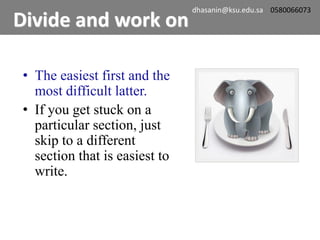
• The easiest first and the
most difficult latter.
• If you get stuck on a
particular section, just
skip to a different
section that is easiest to
write.
Divide and work on
dhasanin@ksu.edu.sa 0580066073
• Title
• Abstract
• Introduction
• Methods
• Results
• Discussion
• Acknowledgements
• References
Manuscript parts
dhasanin@ksu.edu.sa 0580066073
The Backbone of an
Article
• It determines whether article is worth reading or not.
• Attractive and Catchy
Title
dhasanin@ksu.edu.sa 0580066073
• Most published articles are not cited- the title play a
vital role (article title has a significant impact on
citation frequency).
How Article Title Affects
on Citation
dhasanin@ksu.edu.sa 0580066073
Gives the quick idea of the contents (Stand alone).
• What and How was done ?
• Provide a brief conclusions
• The detailed information must be present in the
body text, not in abstract.
• I generally write abstract at the end.
The Most Serious Part of
the Article
Abstract dhasanin@ksu.edu.sa 0580066073
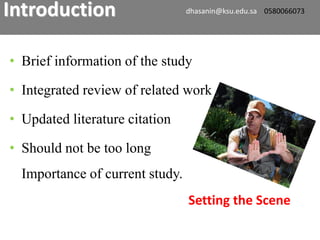
• Brief information of the study
• Integrated review of related work
• Updated literature citation
• Should not be too long
Importance of current study.
Introduction dhasanin@ksu.edu.sa 0580066073
Setting the Scene
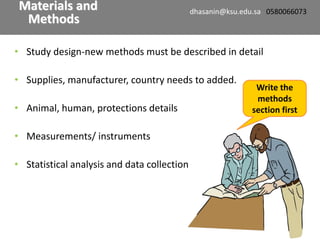
• Study design-new methods must be described in detail
• Supplies, manufacturer, country needs to added.
• Animal, human, protections details
• Measurements/ instruments
• Statistical analysis and data collection
Write the
methods
section first
Materials and
Methods
dhasanin@ksu.edu.sa 0580066073
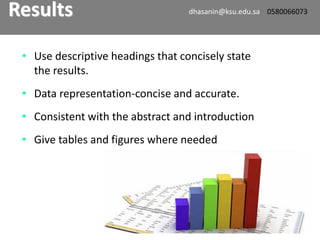
• Use descriptive headings that concisely state
the results.
• Data representation-concise and accurate.
• Consistent with the abstract and introduction
• Give tables and figures where needed
Results dhasanin@ksu.edu.sa 0580066073
•Answer the question posed in
introduction.
•Correlation of your finding
with the existing knowledge
•Differences between new
results and previously reported
results.
•Research limitations and need
for future research.
•Theoretical implications and
possible practical applications.
Discussion dhasanin@ksu.edu.sa 0580066073
• Identify key findings and application
• Should not be a summary of the work done-
abstract is doing fine with that.
• Consistent with experimental and introduction.
Conclusion dhasanin@ksu.edu.sa 0580066073
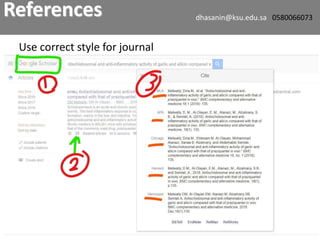
Use correct style for journal
dhasanin@ksu.edu.sa 0580066073References dhasanin@ksu.edu.sa 0580066073
• Funding sources
• Intellectual contributions
• Dedications
• Notes
Acknowledgments
dhasanin@ksu.edu.sa 0580066073
Final step is revision and proofreading
Revision, Revision, Revision
dhasanin@ksu.edu.sa 0580066073
• Originality
Novel or creative research
methodology
New and important
research findings
• Scientific Quality
• Research data
representation
• Depth of the investigation
• Detailed and logical
discussion of results
Criteria for Acceptance
dhasanin@ksu.edu.sa 0580066073
• Not novel
• Poor experimental design
• Targeted journal is not suitable
• Weakly written/presentation and language
Causes for Rejection
dhasanin@ksu.edu.sa 0580066073
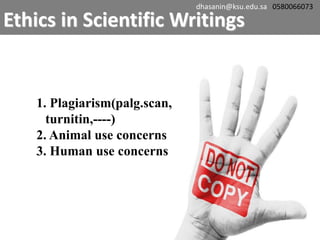
1. Plagiarism(palg.scan,
turnitin,----)
2. Animal use concerns
3. Human use concerns
Ethics in Scientific Writings
dhasanin@ksu.edu.sa 0580066073
How to published

How to published

  • 1.
    How to publishin Q1 journals King Saud University 22.10.2018 Dr. Dina Mahmoud Ahmed
  • 2.
  • 4.
    Objectives Find the bestidea for your next scientific article write a good research paper Submit in a high ranked journal Get acceptance for your paper Get citations for your work dhasanin@ksu.edu.sa 0580066073 By the end of this session the audience should know how to:
  • 5.
    ISI web of knowledge Clarivate Analytics USA 12500 Scopus Elsevier Germany 20000 4508500 11500 Scientific Databases dhasanin@ksu.edu.sa 0580066073
  • 6.
    ISI web of knowledge MasterJournal List Journal Citation Report Scopus SJR Scientific Databases dhasanin@ksu.edu.sa 0580066073
  • 10.
    • Requirement forgraduation (PhD) • Requirement for promotion (Faculty Members) • To be recognized in the field/subfield of research • To disseminate knowledge • To get higher accreditation level (College and university) Why publishing in ISI-Indexed journals? dhasanin@ksu.edu.sa 0580066073
  • 11.
    Quartile rankings arederived for each journal in each of its subject categories according to which quartile of the IF distribution the journal occupies for that subject category. What is meant by Quartile? dhasanin@ksu.edu.sa 0580066073 Q1 denotes the top 25% of the IF distribution Q2 for middle-high position (between top 50% and top 25%), Q3 middle-low position (top 75% to top 50%), Q4 the lowest position (bottom 25% of the IF distribution)
  • 12.
    • Prestige ofjournal and your own institution Why Q1? dhasanin@ksu.edu.sa 0580066073
  • 13.
    Strategy 1: Understandthe chemistry of the “scholarly search.” Strategy 2: Realize the importance of theory and literature Strategy 3: Start writing during the initial stages (For doctoral program) Strategy 4: Master the core concepts of impact factor, peer review, contribution to knowledge, and scientific knowledge Strategy 5: Build networks and collaborations Strategies dhasanin@ksu.edu.sa 0580066073
  • 14.
    How to knowthe Quartile for a Journal? dhasanin@ksu.edu.sa 0580066073
  • 26.
    Great findings need tobe reported in the best possible way to the world . From Good Research to Good Writing dhasanin@ksu.edu.sa 0580066073
  • 27.
    Delivery Dream DesignDiscovery “ Creativity isan important characteristic of science, which is driven by novelty.“ Publication Research Outlines dhasanin@ksu.edu.sa 0580066073
  • 28.
    Decide the target journalbefore writing the article. First tier journals, those journals which publish similar work Or the journal articles you are citing for your work. If your competitor is ahead of you, go for second tier rapid publication journal. Time Temperate Deciding the Journal for Publishing dhasanin@ksu.edu.sa 0580066073
  • 29.
    • Targeted audience Pointsto be Considered before Publishing dhasanin@ksu.edu.sa 0580066073
  • 30.
    Open Access Subscribed Availabilityfree of charge on the world wide web On payment Author pays Reader pays Points to be Considered before Publishing dhasanin@ksu.edu.sa 0580066073
  • 31.
    Extent to whichresearch is: • Read • Discussed • Used ….And • Disseminated Inside and outside academe What are we talking about when we talk about impact? dhasanin@ksu.edu.sa 0580066073
  • 32.
    • Impact factorof the journal No. of citations (last 2 years) No. of publications (last 2 years) Points to be Considered before Publishing dhasanin@ksu.edu.sa 0580066073
  • 33.
    • Eigen factormore robust No. of citations from more significant journals No. of publications (last 5 years) (last 5 years) Points to be Considered before Publishing dhasanin@ksu.edu.sa 0580066073
  • 34.
    • Probability ofacceptance • Publication time Points to be Considered before Publishing dhasanin@ksu.edu.sa 0580066073
  • 35.
  • 36.
    • Writing isa critical step science although scientists are not trained to write. • Even very creative experiments and novel results will have dull impact if the manuscript is not written well. Details of Manuscript Writing dhasanin@ksu.edu.sa 0580066073
  • 37.
    Read excellent articles. Write…….andwrite…and write. “Free write” your thoughts. Don’t worry about structure initially. Use the best paper in your field as a template. Keep writing concise, dynamic and simple in construction. Convey enthusiasm in your writing so it attract the audience. Skills of Writing dhasanin@ksu.edu.sa 0580066073
  • 38.
    Prepare the figuresand write the draft as the experiment is progressing Write the first draft at a meeting where work is first presented. The experiment will be fresh in mind and free time in the evenings may be sufficient to write a draft. Alternatively, the script of a seminar can often be used as a starting draft. The worst practice- to write a paper after you have left the place (lab.) where the work was performed. When to Write a Draft of Manuscript? dhasanin@ksu.edu.sa 0580066073
  • 39.
    • The easiestfirst and the most difficult latter. • If you get stuck on a particular section, just skip to a different section that is easiest to write. Divide and work on dhasanin@ksu.edu.sa 0580066073
  • 40.
    • Title • Abstract •Introduction • Methods • Results • Discussion • Acknowledgements • References Manuscript parts dhasanin@ksu.edu.sa 0580066073
  • 41.
    The Backbone ofan Article • It determines whether article is worth reading or not. • Attractive and Catchy Title dhasanin@ksu.edu.sa 0580066073
  • 42.
    • Most publishedarticles are not cited- the title play a vital role (article title has a significant impact on citation frequency). How Article Title Affects on Citation dhasanin@ksu.edu.sa 0580066073
  • 43.
    Gives the quickidea of the contents (Stand alone). • What and How was done ? • Provide a brief conclusions • The detailed information must be present in the body text, not in abstract. • I generally write abstract at the end. The Most Serious Part of the Article Abstract dhasanin@ksu.edu.sa 0580066073
  • 44.
    • Brief informationof the study • Integrated review of related work • Updated literature citation • Should not be too long Importance of current study. Introduction dhasanin@ksu.edu.sa 0580066073 Setting the Scene
  • 45.
    • Study design-newmethods must be described in detail • Supplies, manufacturer, country needs to added. • Animal, human, protections details • Measurements/ instruments • Statistical analysis and data collection Write the methods section first Materials and Methods dhasanin@ksu.edu.sa 0580066073
  • 46.
    • Use descriptiveheadings that concisely state the results. • Data representation-concise and accurate. • Consistent with the abstract and introduction • Give tables and figures where needed Results dhasanin@ksu.edu.sa 0580066073
  • 47.
    •Answer the questionposed in introduction. •Correlation of your finding with the existing knowledge •Differences between new results and previously reported results. •Research limitations and need for future research. •Theoretical implications and possible practical applications. Discussion dhasanin@ksu.edu.sa 0580066073
  • 48.
    • Identify keyfindings and application • Should not be a summary of the work done- abstract is doing fine with that. • Consistent with experimental and introduction. Conclusion dhasanin@ksu.edu.sa 0580066073
  • 49.
    Use correct stylefor journal dhasanin@ksu.edu.sa 0580066073References dhasanin@ksu.edu.sa 0580066073
  • 50.
    • Funding sources •Intellectual contributions • Dedications • Notes Acknowledgments dhasanin@ksu.edu.sa 0580066073
  • 51.
    Final step isrevision and proofreading Revision, Revision, Revision dhasanin@ksu.edu.sa 0580066073
  • 52.
    • Originality Novel orcreative research methodology New and important research findings • Scientific Quality • Research data representation • Depth of the investigation • Detailed and logical discussion of results Criteria for Acceptance dhasanin@ksu.edu.sa 0580066073
  • 53.
    • Not novel •Poor experimental design • Targeted journal is not suitable • Weakly written/presentation and language Causes for Rejection dhasanin@ksu.edu.sa 0580066073
  • 54.
    1. Plagiarism(palg.scan, turnitin,----) 2. Animaluse concerns 3. Human use concerns Ethics in Scientific Writings dhasanin@ksu.edu.sa 0580066073