HONEYPOT
V.UMARANI
19RH1A12H5
INTRODUCTION
• The technology was growing very fast.
• New attacks every day
• The more you know about your enemy, the better you can protect yourself.
• The main goal of honeypot is to gather as much information as possible.
What is a Honeypot
Honeypot is an exciting new technology with enormous potential for the
security community.
• According to Lance Spitzner, founder of honeypot project: “A honeypot is an
information system resource whose value lies in unauthorized or illicit use of
that resource.”
• Used for monitoring, detecting and analyzing attacks
Types of Honeypots:
• Research Honeypots
• Production Honeypots
• Malware Honeypots
• Email Honeypots
• Database Honeypots
What honeypots do?
• Assess the latest trends in attacks.
• Understand where cyber attacks arise.
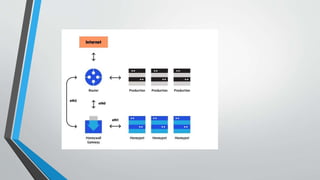
Honey Net:
• Network of Honeypots
• High interaction honeypots
• Two or more honeypots on a network form a honeynet.
• It is basically an architecture, an entire network of computers
designed to be attacked
Advantages of Honeypots:
• Collect small data sets of high value
• Cost effective
• Simplicity
• Minimal resources
Disadvantages of Honeypots:
• Limited view
• Risk
• Finger Printing
Conclusion:
• Effective tool for observing hacker movements as well as
preparing the system for future attacks.
• Primary value in detection and information gathering.
Honeypot

Honeypot

  • 1.
  • 2.
    INTRODUCTION • The technologywas growing very fast. • New attacks every day • The more you know about your enemy, the better you can protect yourself. • The main goal of honeypot is to gather as much information as possible.
  • 3.
    What is aHoneypot Honeypot is an exciting new technology with enormous potential for the security community. • According to Lance Spitzner, founder of honeypot project: “A honeypot is an information system resource whose value lies in unauthorized or illicit use of that resource.” • Used for monitoring, detecting and analyzing attacks
  • 4.
    Types of Honeypots: •Research Honeypots • Production Honeypots • Malware Honeypots • Email Honeypots • Database Honeypots
  • 5.
    What honeypots do? •Assess the latest trends in attacks. • Understand where cyber attacks arise.
  • 6.
    Honey Net: • Networkof Honeypots • High interaction honeypots • Two or more honeypots on a network form a honeynet. • It is basically an architecture, an entire network of computers designed to be attacked
  • 8.
    Advantages of Honeypots: •Collect small data sets of high value • Cost effective • Simplicity • Minimal resources
  • 9.
    Disadvantages of Honeypots: •Limited view • Risk • Finger Printing
  • 10.
    Conclusion: • Effective toolfor observing hacker movements as well as preparing the system for future attacks. • Primary value in detection and information gathering.