











The
ART of
(BRAND)
Storytelling
Dawn Pick Benson
@GRbrandcontent
Stories are powerful.
Move people
Inspire others
Change lives
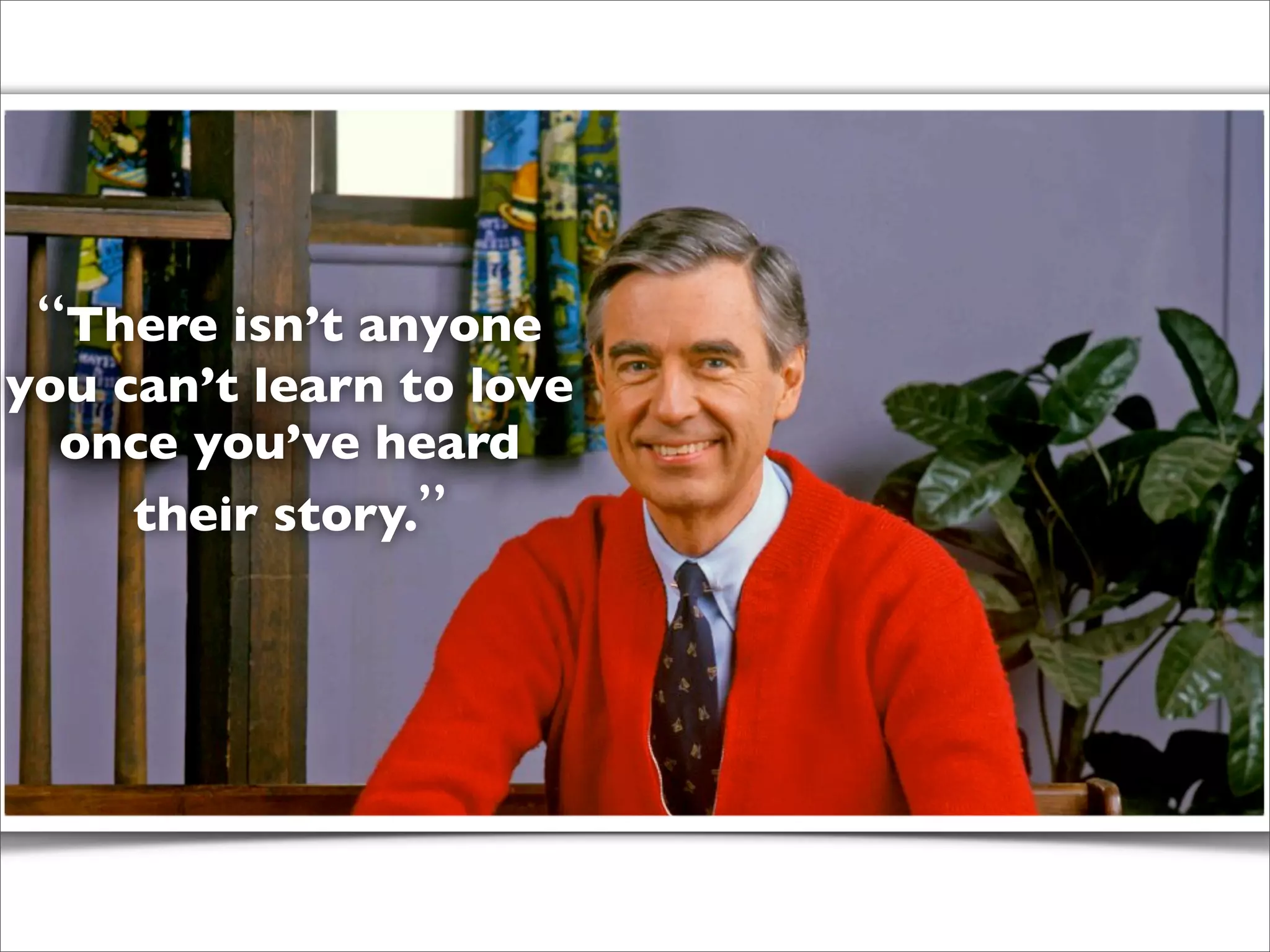
“There isn’t anyone
you can’t learn to love
once you’ve heard
their story.”
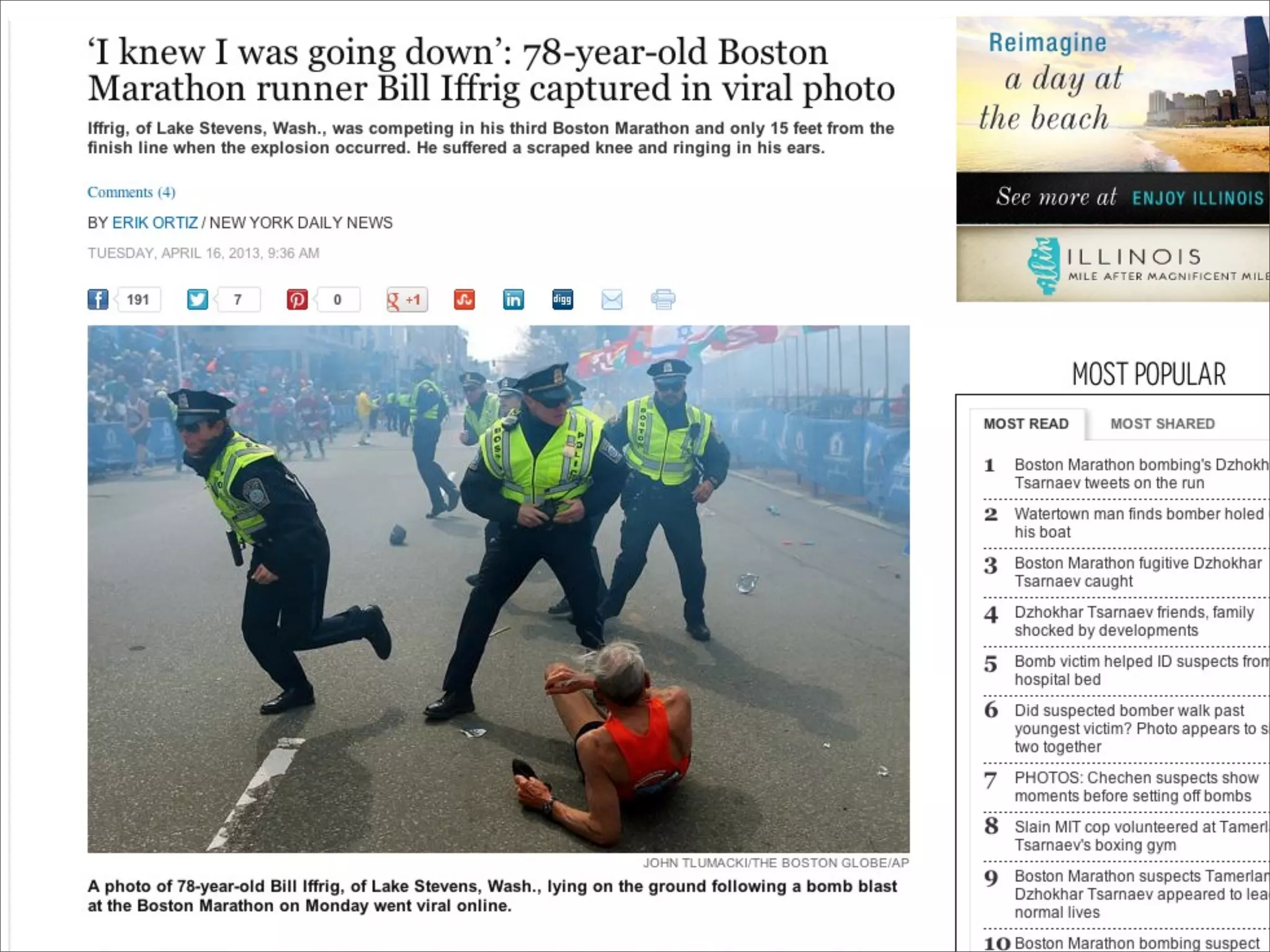
We all have stories like this to tell.
Bridget
Goosby,
University of
Nebraska -
Lincoln
http://newsroom.unl.edu/announce/stories/12398
Judith Hill
http://studentlife.biola.edu/spotlight-pages/a-voice-of-hope/
Telling them,
and doing it well,
isn’t easy.
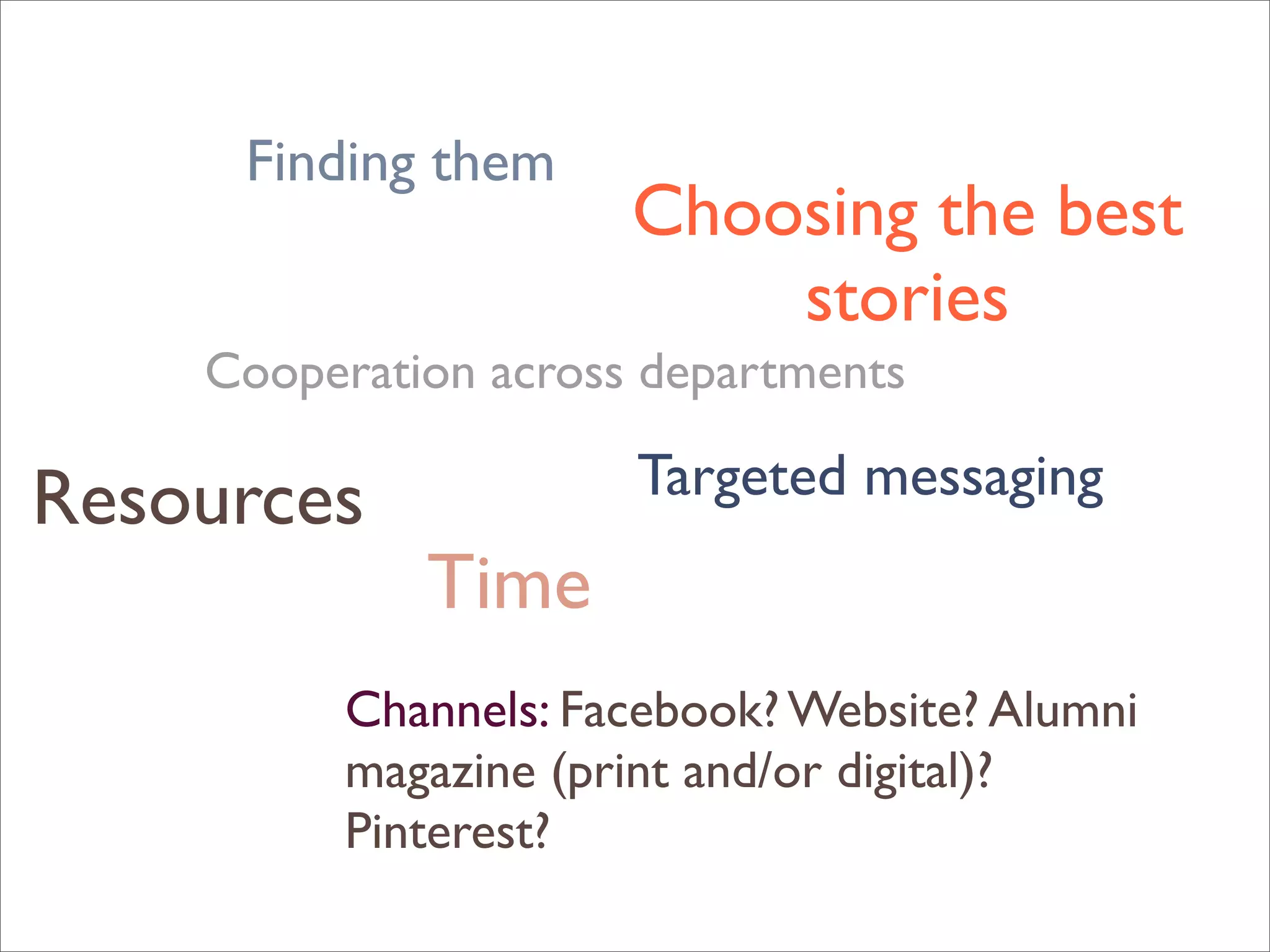
Time
Resources Targeted messaging
Channels: Facebook? Website? Alumni
magazine (print and/or digital)?
Pinterest?
Choosing the best
stories
Finding them
Cooperation across departments
BUT,
it can make a difference
between passive — and
passionate — alumni, donors,
students and friends.
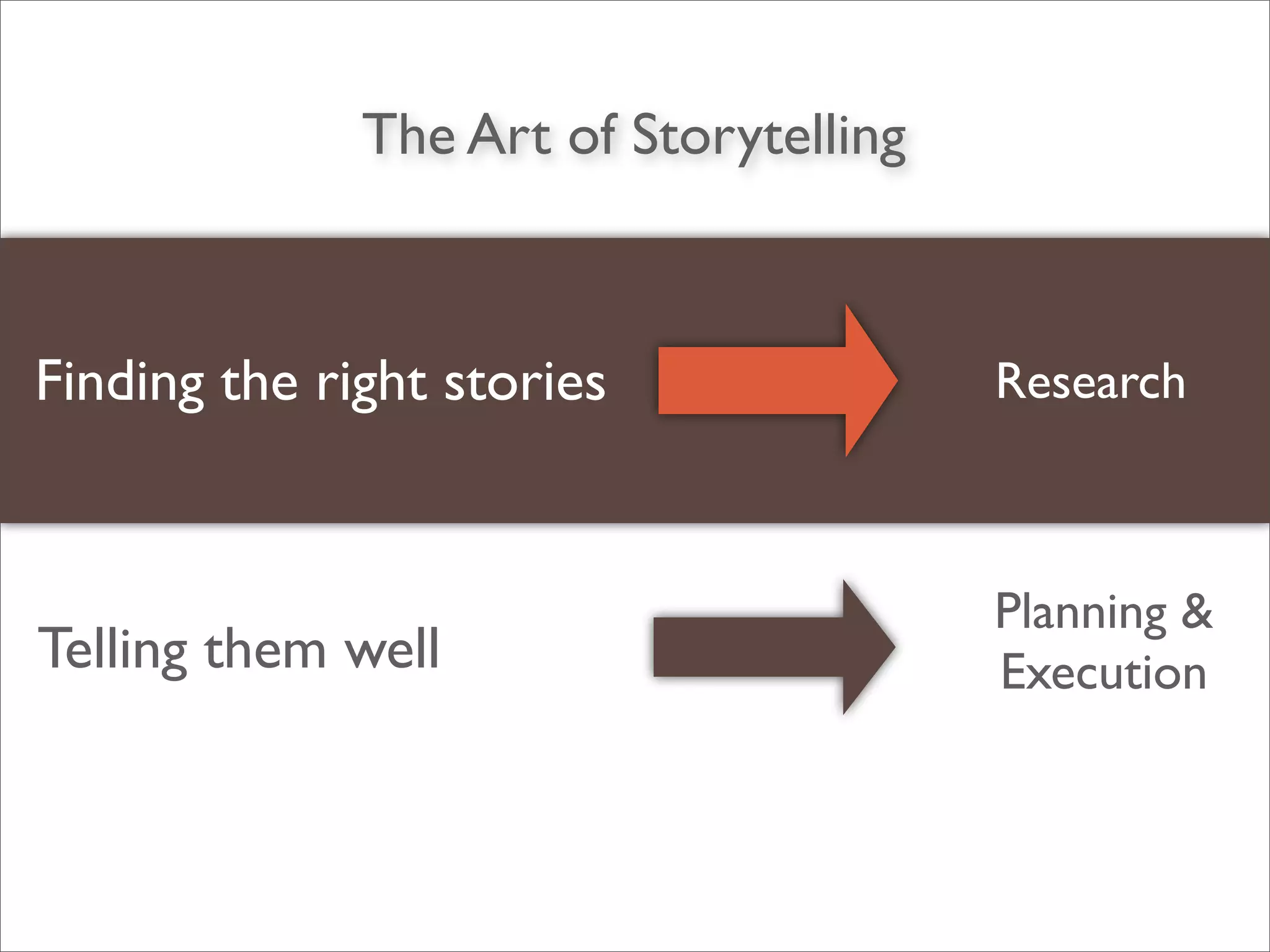
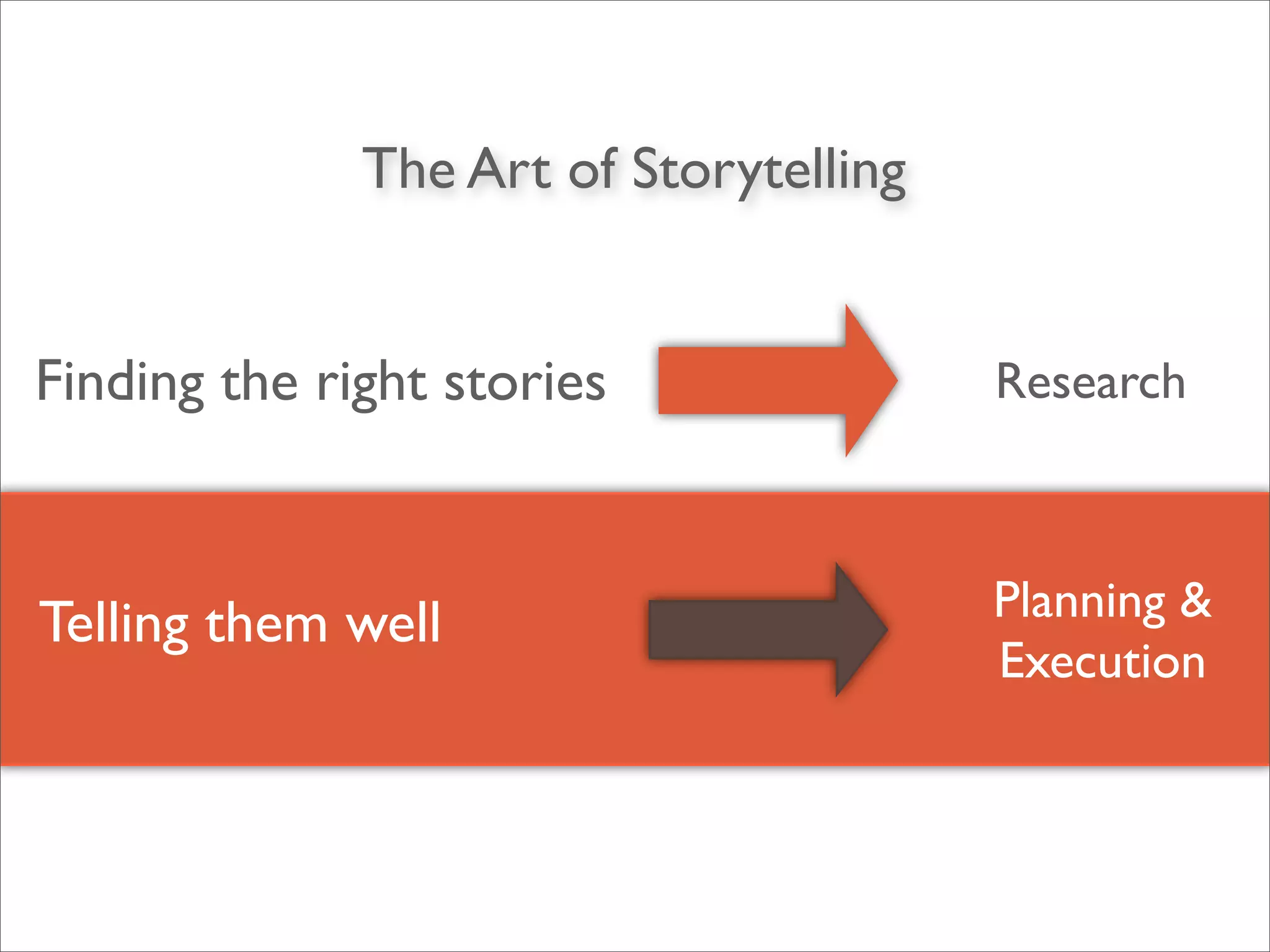
Telling them well
Planning &
Execution
ResearchFinding the right stories
The Art of Storytelling
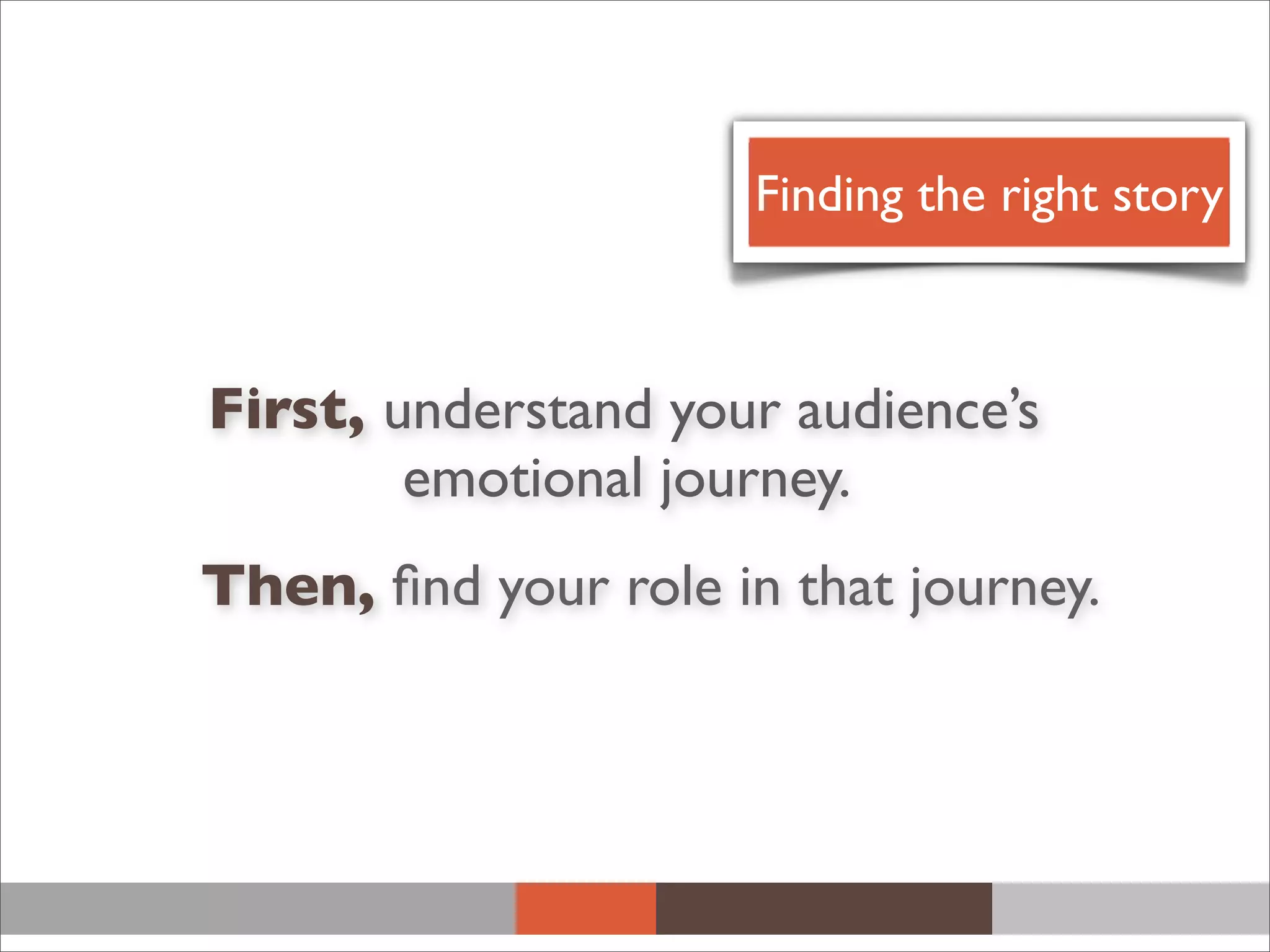
First, understand your audience’s
emotional journey.
Finding the right story
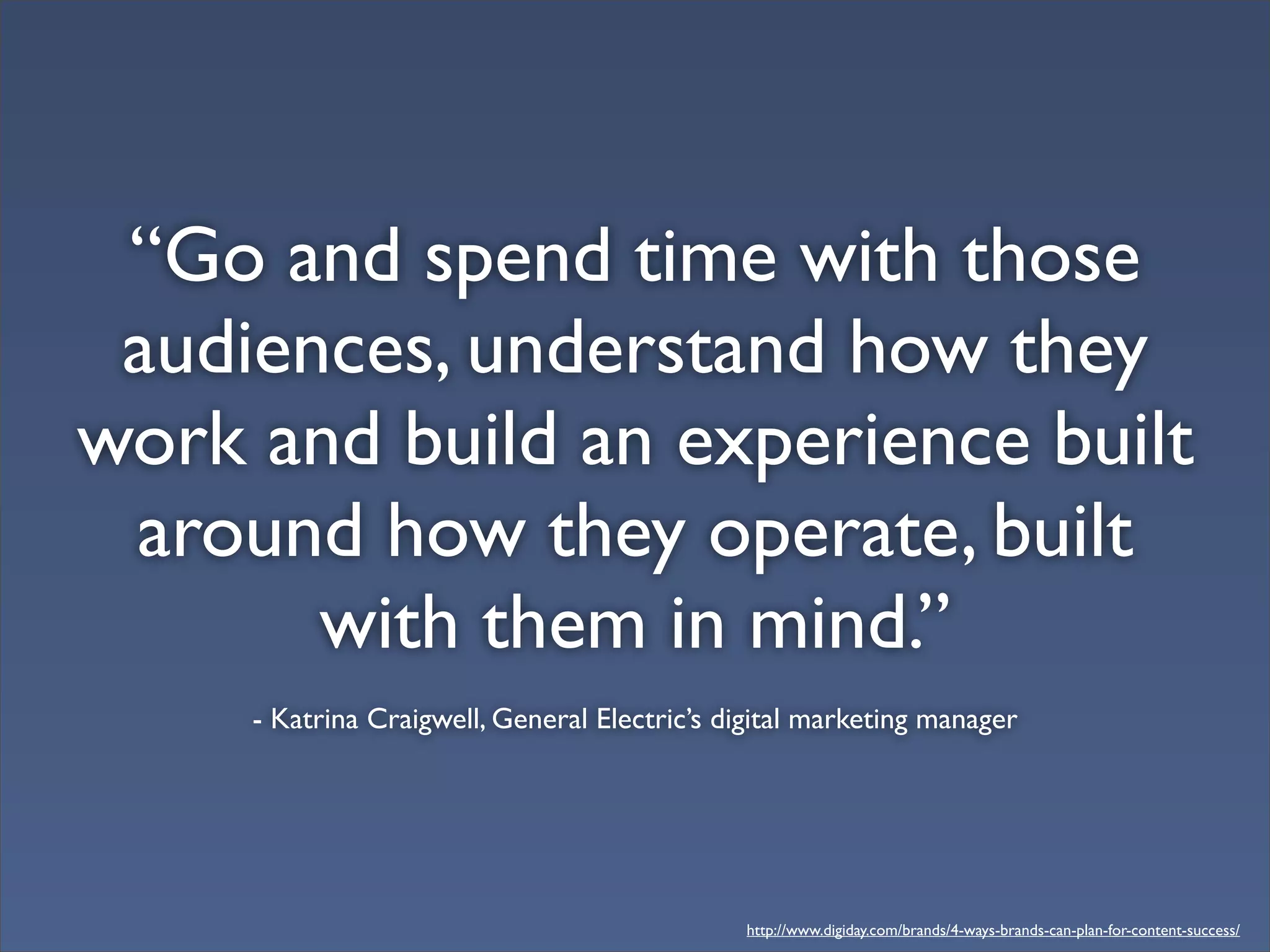
“Go and spend time with those
audiences, understand how they
work and build an experience built
around how they operate, built
with them in mind.”
- Katrina Craigwell, General Electric’s digital marketing manager
http://www.digiday.com/brands/4-ways-brands-can-plan-for-content-success/
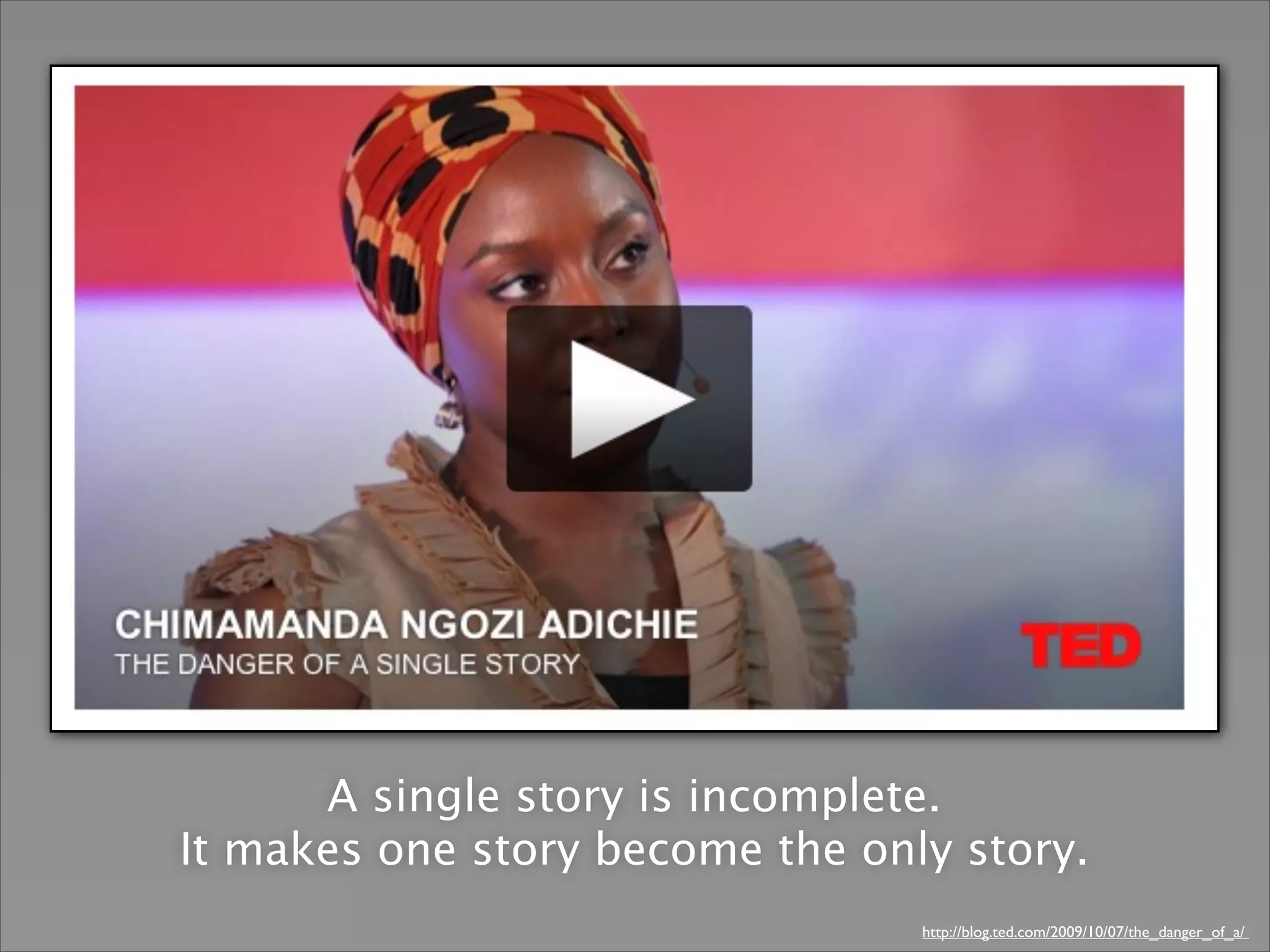
A single story is incomplete.
It makes one story become the only story.
http://blog.ted.com/2009/10/07/the_danger_of_a/
Then, find your role in that journey.
Finding the right story
First, understand your audience’s
emotional journey.
Telling them well Planning &
Execution
The Art of Storytelling
ResearchFinding the right stories
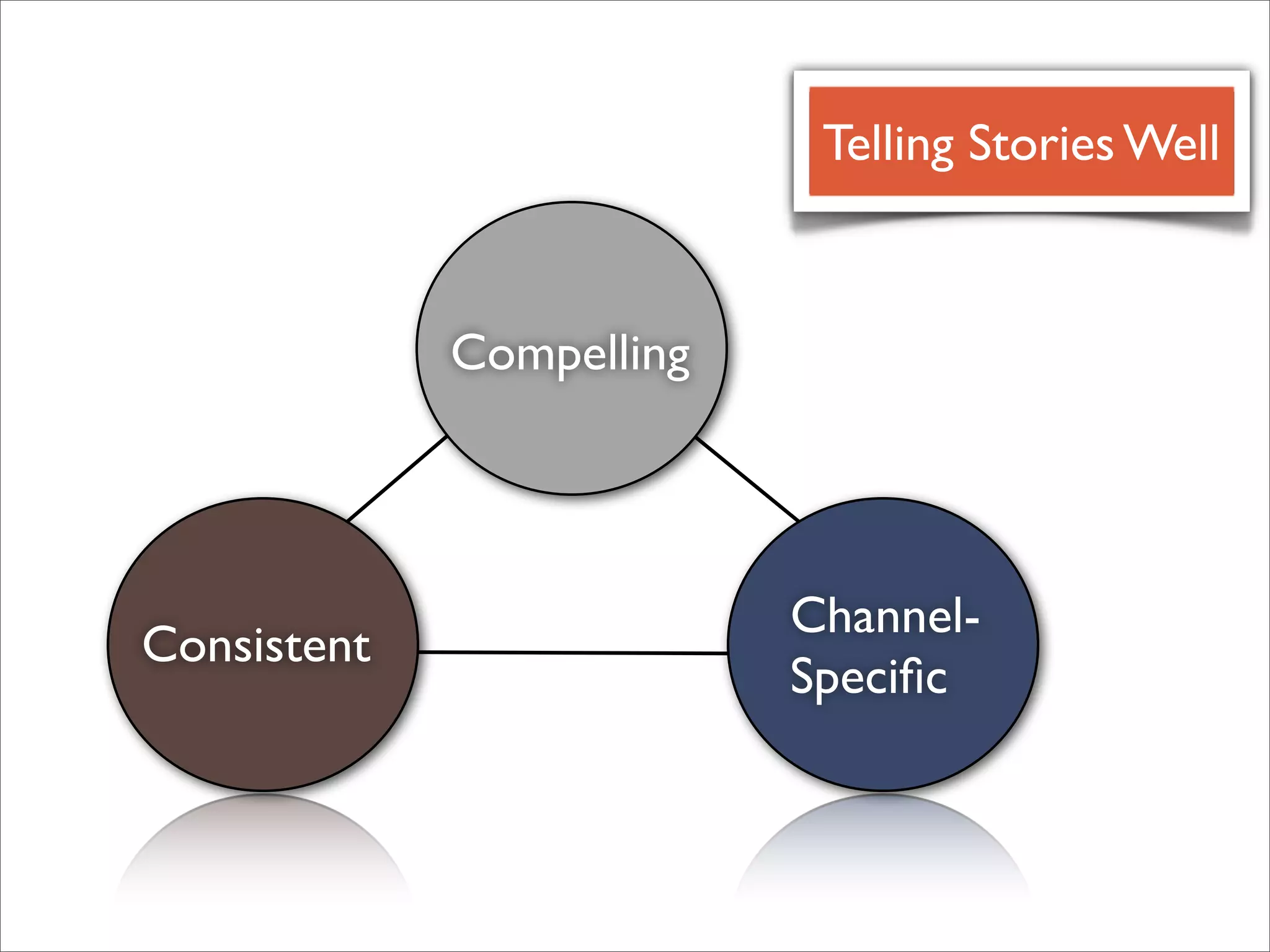
Consistent
Channel-
Specific
Compelling
Telling Stories Well
Worth sharing
Connects emotionally
Answers the question:“Why does your
university matter?”
Compelling
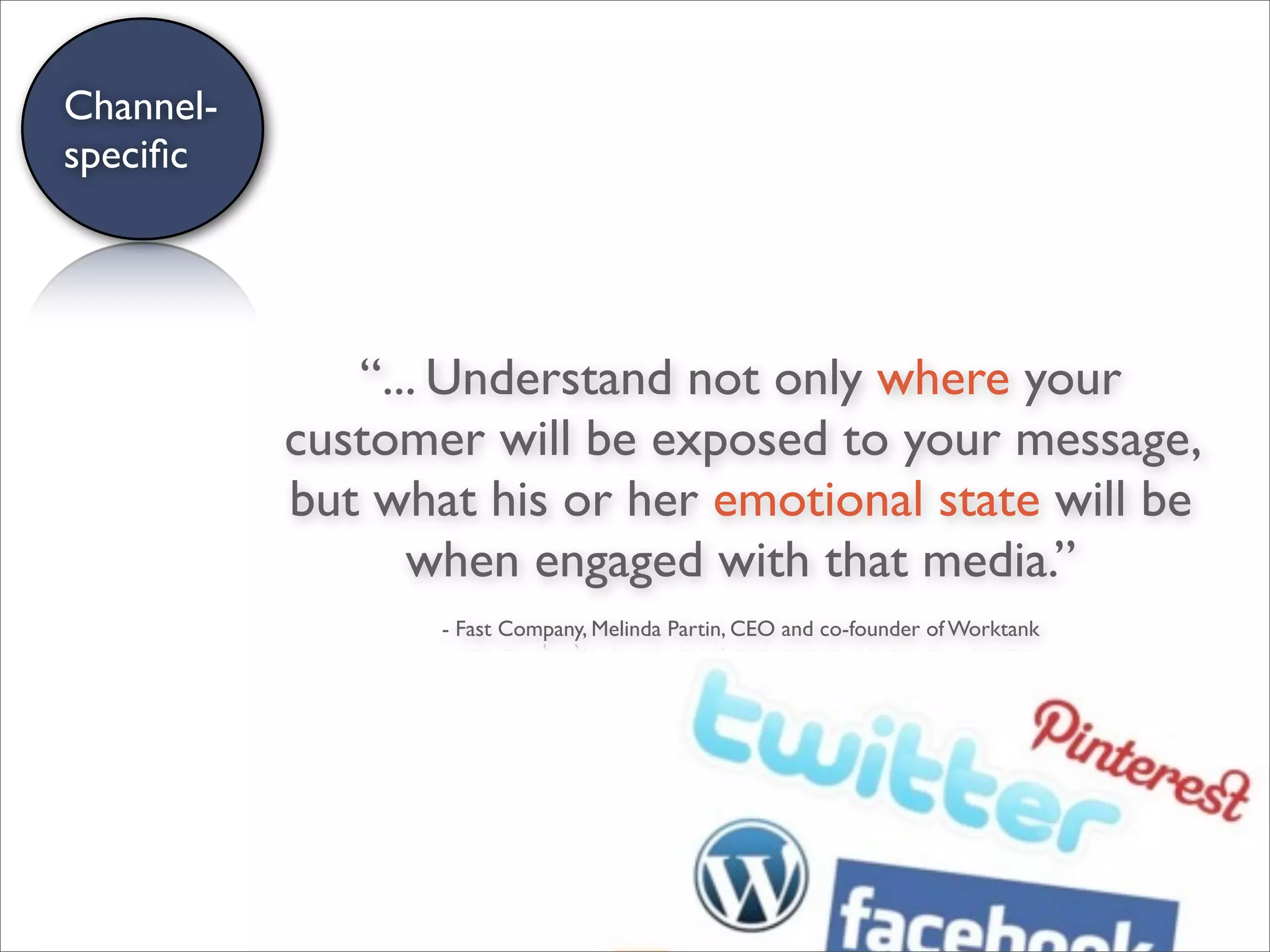
“... Understand not only where your
customer will be exposed to your message,
but what his or her emotional state will be
when engaged with that media.”
- Fast Company, Melinda Partin, CEO and co-founder of Worktank
Channel-
specific
Telling a consistent story across channels,
no matter where your message is
delivered.
Consistent
“Inconsistencies degrade
the power of story and
cause mistrust.”
- Melinda Partin, CEO and co-founder of Worktank
htt//www.fastcompany.com/1315306/brand-storytelling-connecting-your-audience
“Being consistent – whether it’s in your
terminology, your tone of voice, or the
way you present information – is one of
the keys to building trust.
And trust is key to any content marketing
program because it builds loyalty
and brand recognition.”
- Andrew Kaufman,“The Case for Content Strategy”
http://www.brightercollective.com/content-strategy/the-case-for-content-strategy/
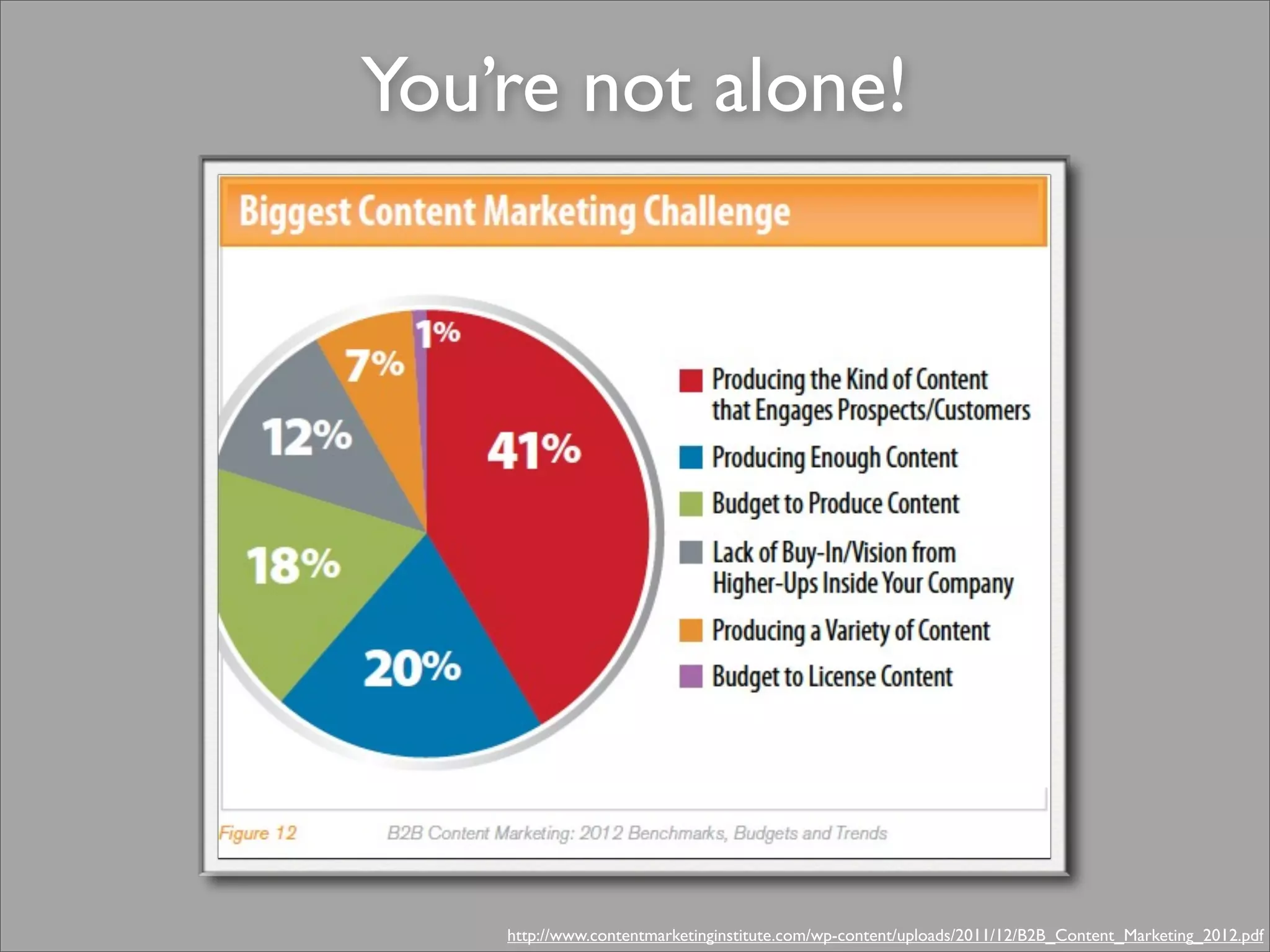
http://www.contentmarketinginstitute.com/wp-content/uploads/2011/12/B2B_Content_Marketing_2012.pdf
You’re not alone!
The 4-letter word:
PLAN
(aka strategy)
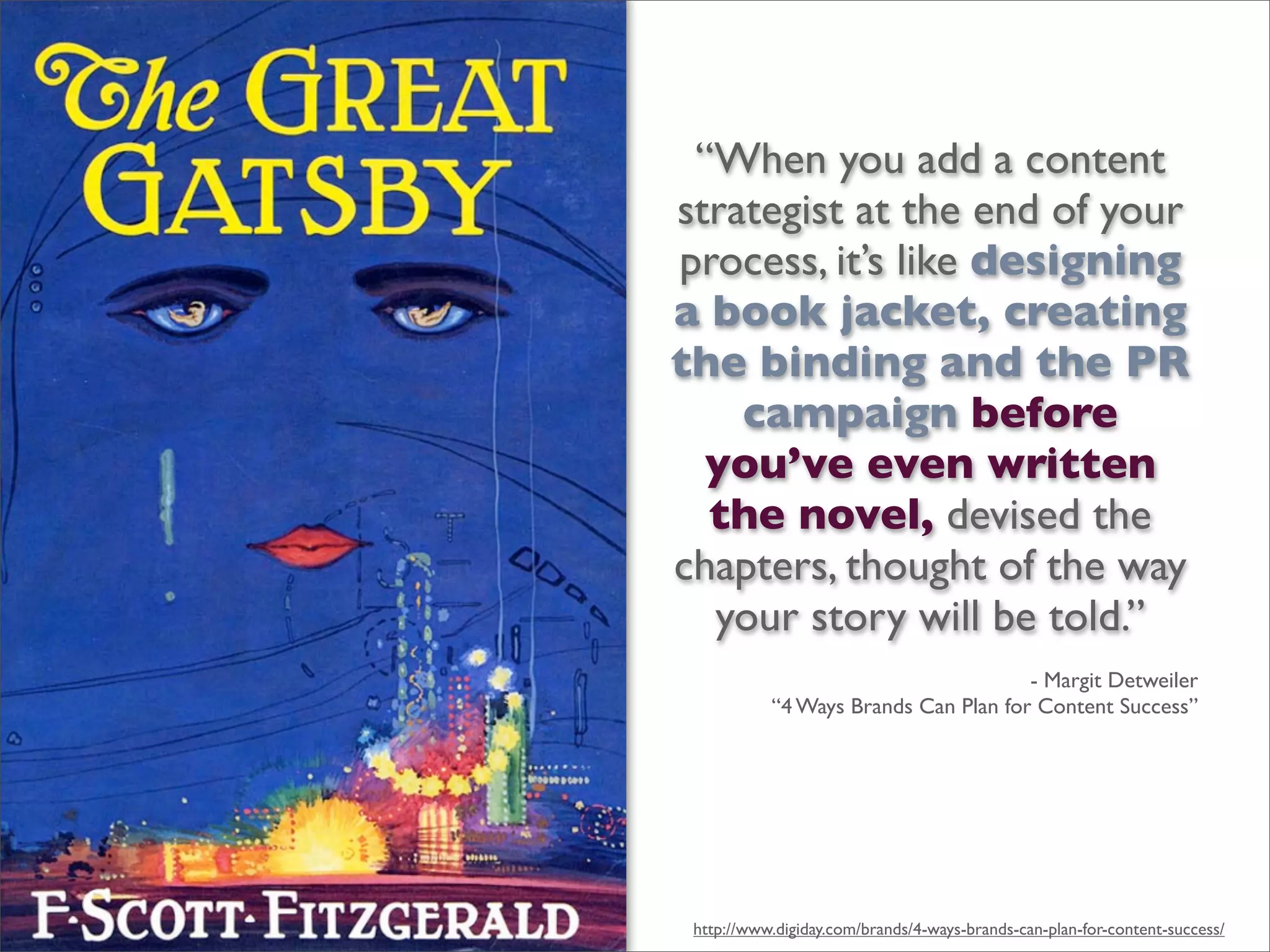
“When you add a content
strategist at the end of your
process, it’s like designing
a book jacket, creating
the binding and the PR
campaign before
you’ve even written
the novel, devised the
chapters, thought of the way
your story will be told.”
- Margit Detweiler
“4 Ways Brands Can Plan for Content Success”
http://www.digiday.com/brands/4-ways-brands-can-plan-for-content-success/
“True content strategy is about more than
good writing... It’s a process that
facilitates the development of good
content...”
- Andrew Kaufman,“The Case for Content Strategy”
http://www.brightercollective.com/content-strategy/the-case-for-content-strategy/
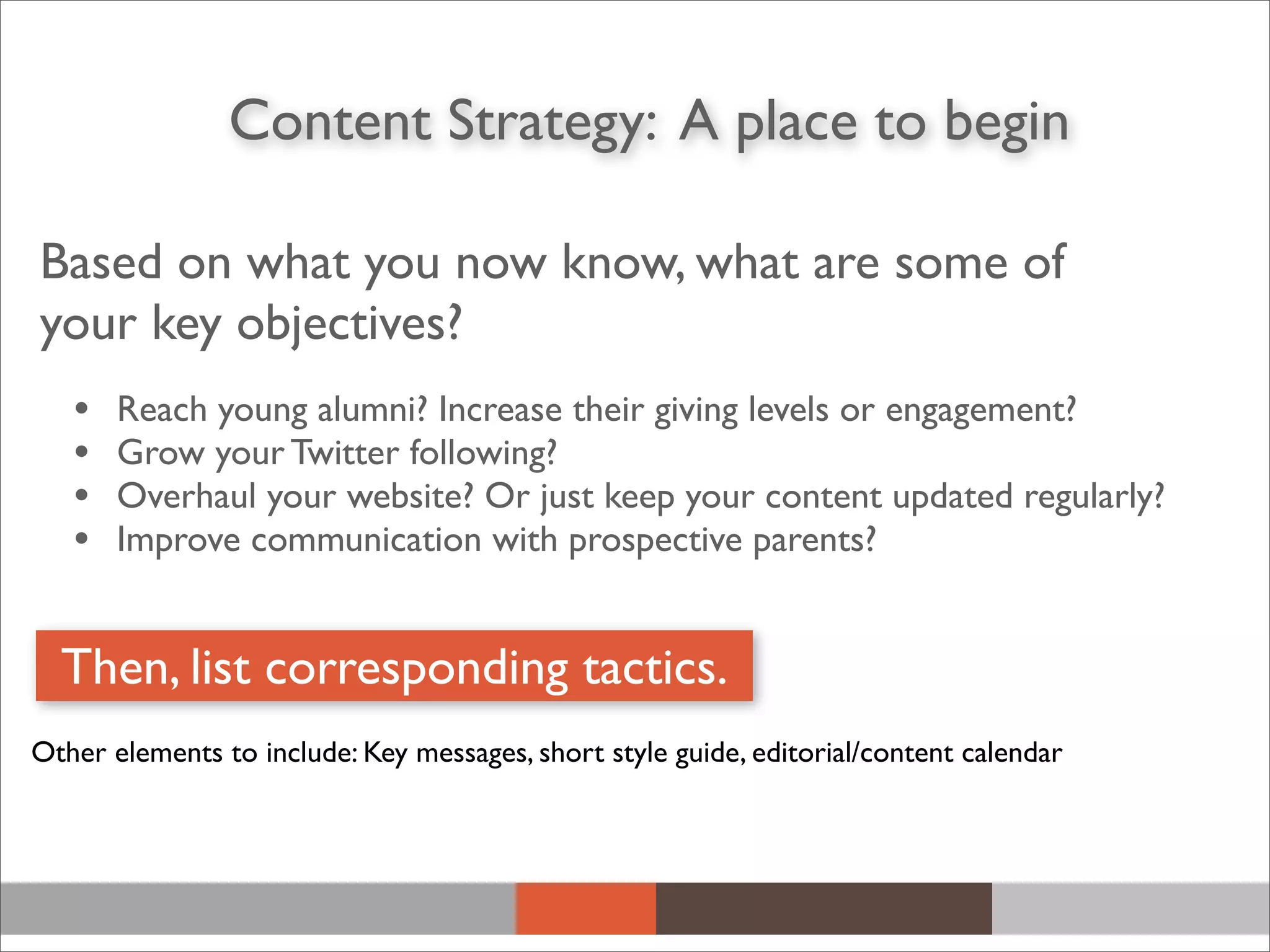
Based on what you now know, what are some of
your key objectives?
• Reach young alumni? Increase their giving levels or engagement?
• Grow your Twitter following?
• Overhaul your website? Or just keep your content updated regularly?
• Improve communication with prospective parents?
Content Strategy: A place to begin
Then, list corresponding tactics.
Other elements to include: Key messages, short style guide, editorial/content calendar
Content calendar
Also Include
an “idea
repository”
(Georgy Cohen, Meet Content)
A Few Tips
First, look for upcoming events that also meet your content
strategy objectives.
Intentionally seek out stories that speak to your
audience’s emotional journey.
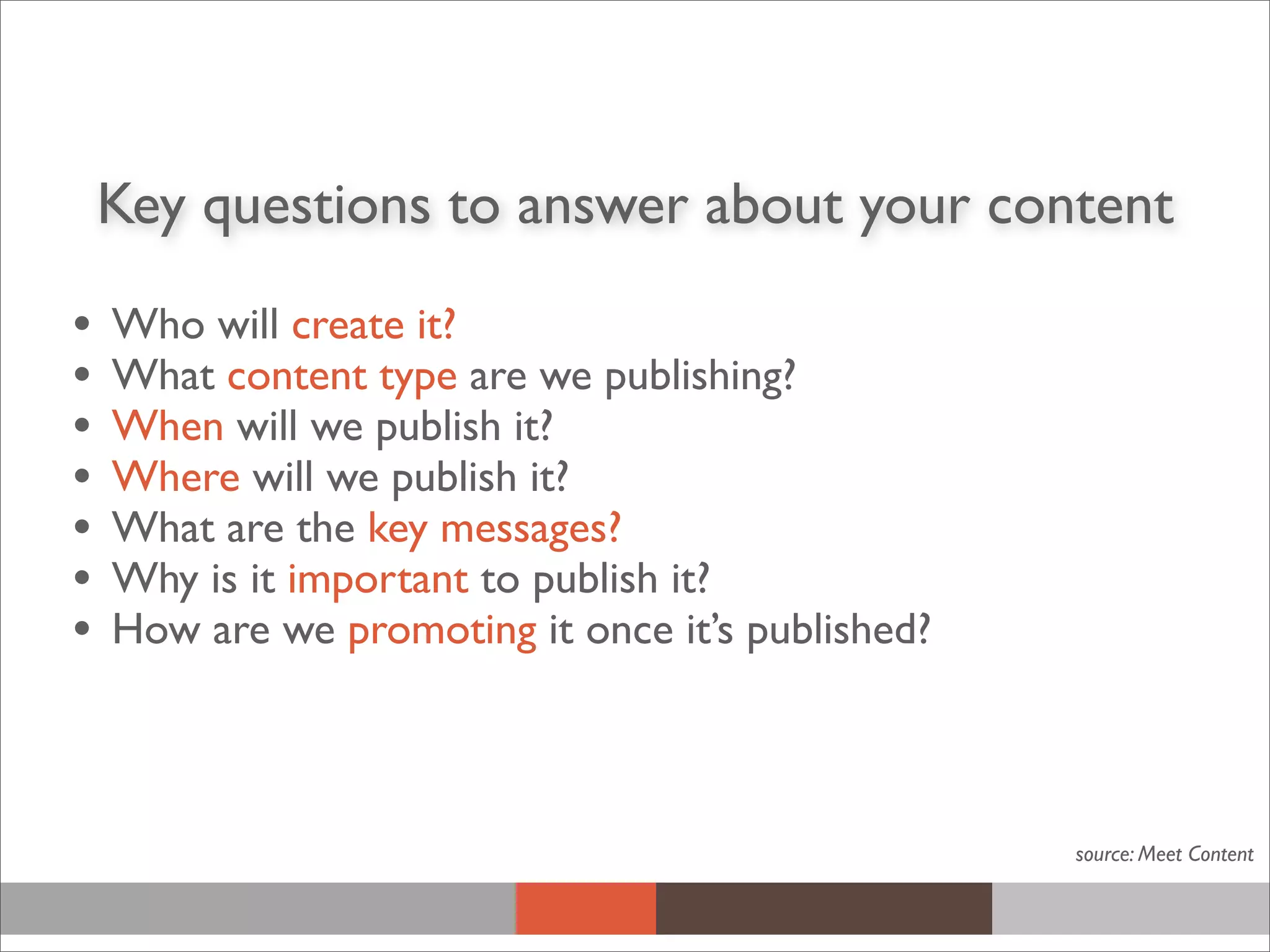
Key questions to answer about your content
• Who will create it?
• What content type are we publishing?
• When will we publish it?
• Where will we publish it?
• What are the key messages?
• Why is it important to publish it?
• How are we promoting it once it’s published?
source: Meet Content
Let’s try it.
First, understand your audience’s
emotional journey.
Finding the right story
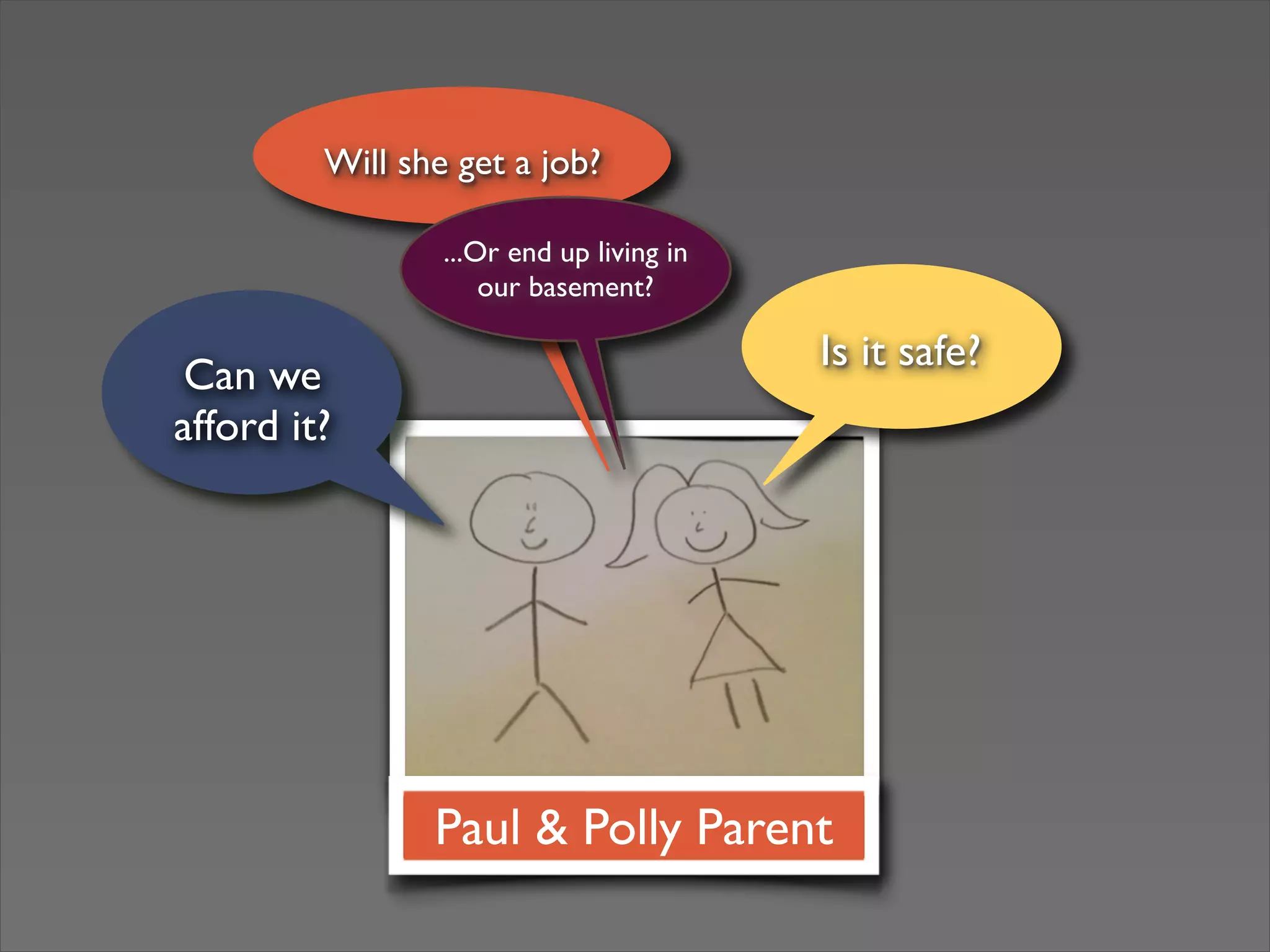
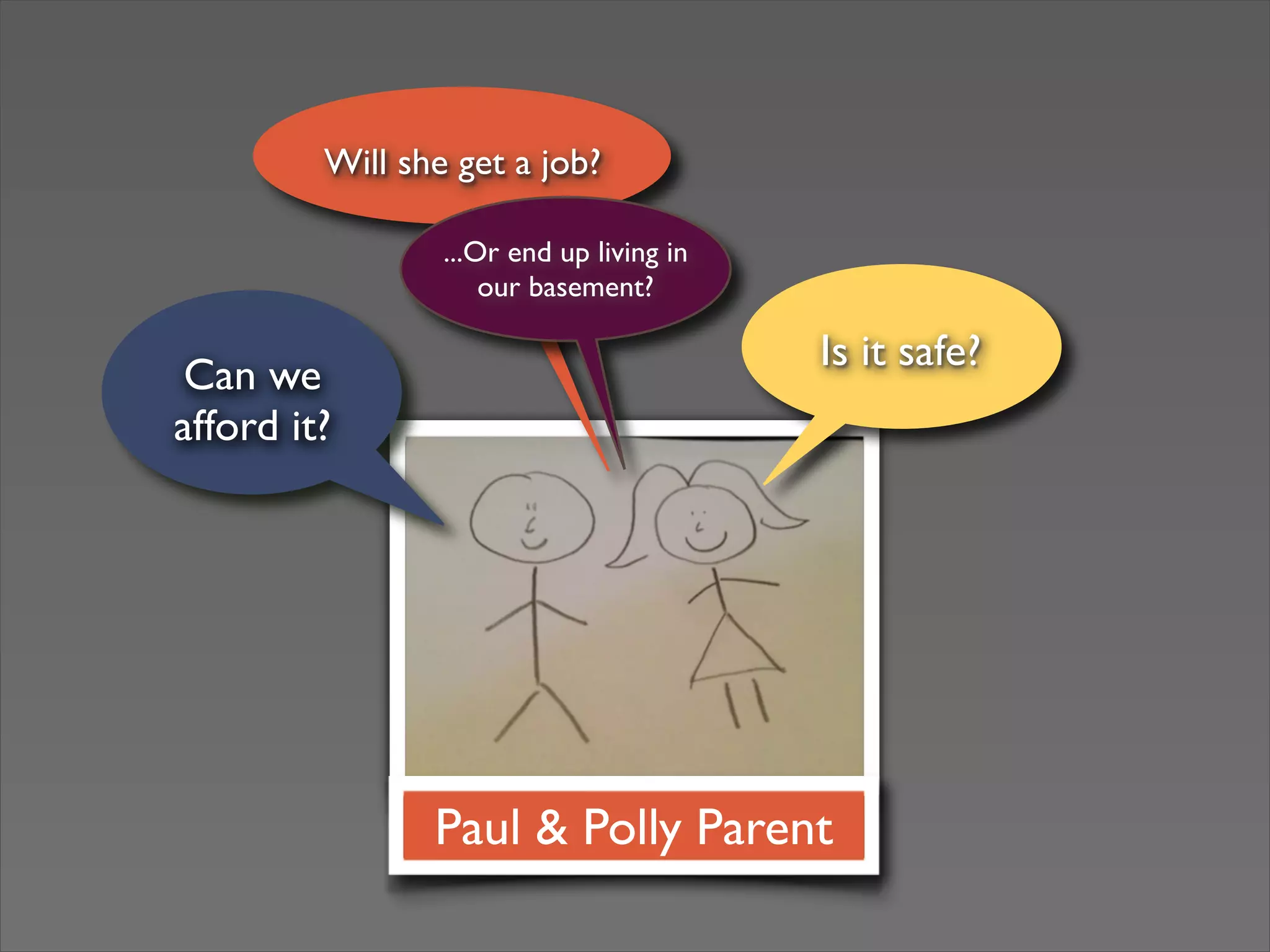
Paul & Polly Parent
Can we
afford it?
Will she get a job?
Is it safe?
...Or end up living in
our basement?
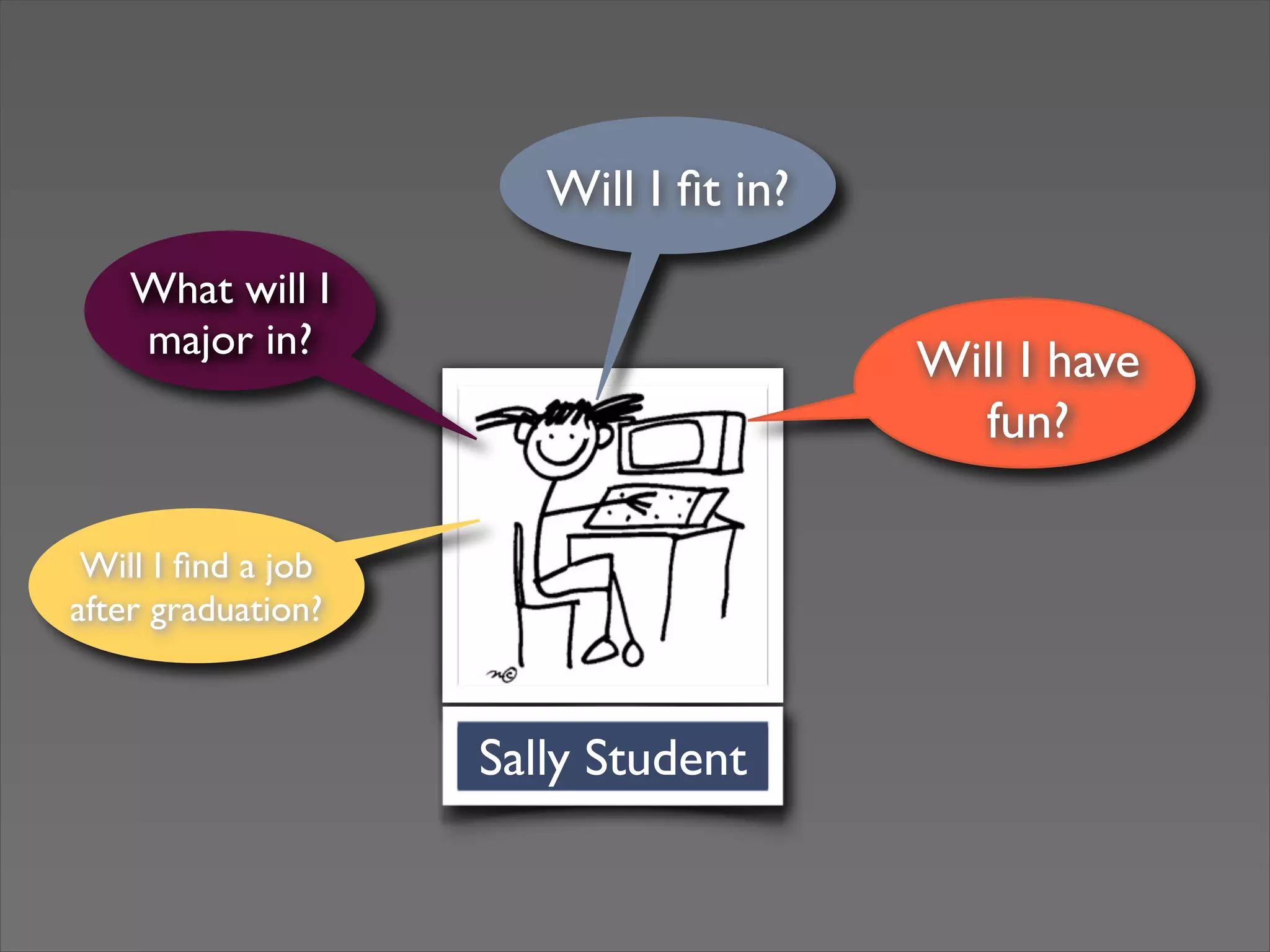
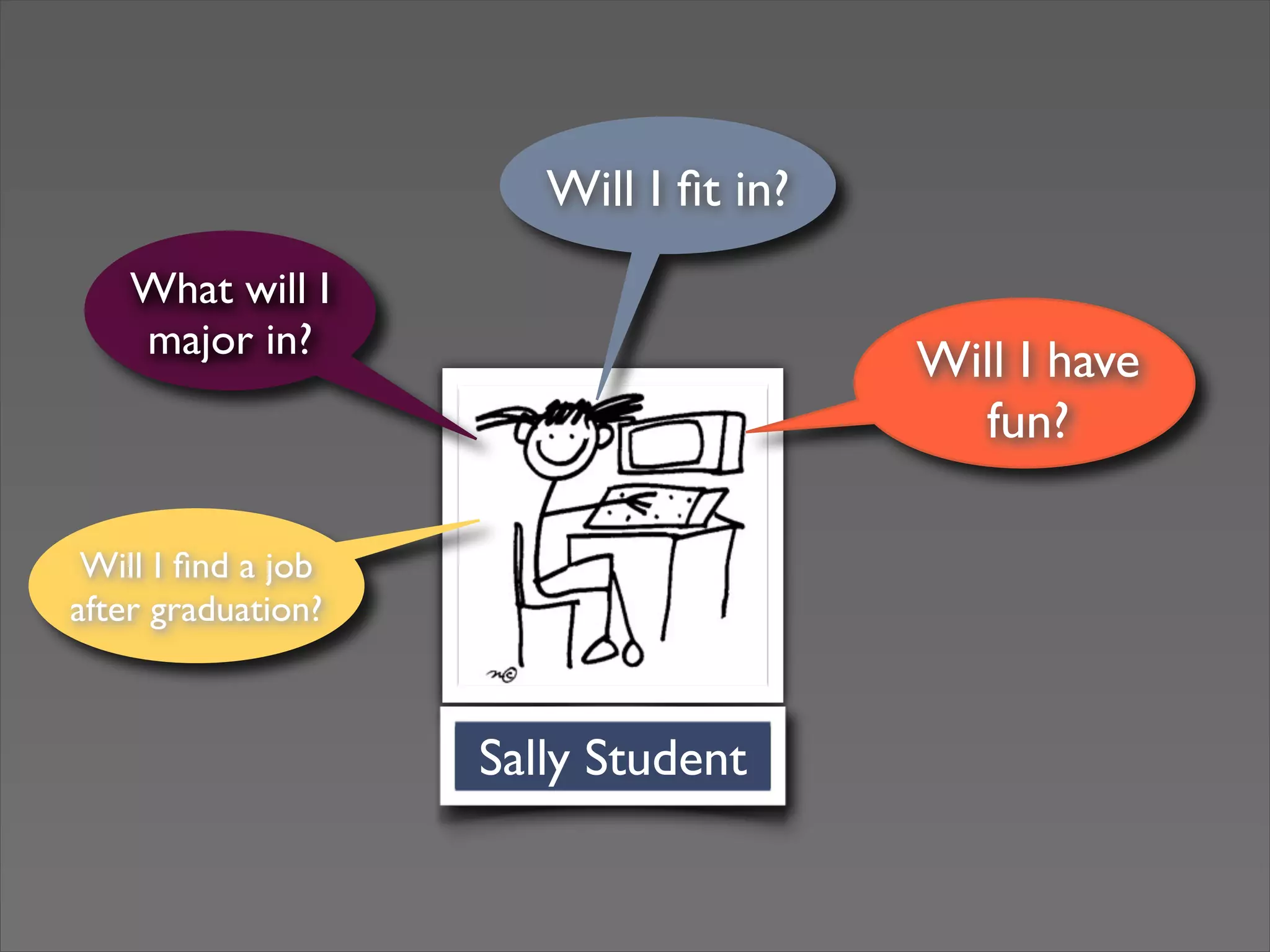
Sally Student
What will I
major in?
Will I have
fun?
Will I fit in?
Will I find a job
after graduation?
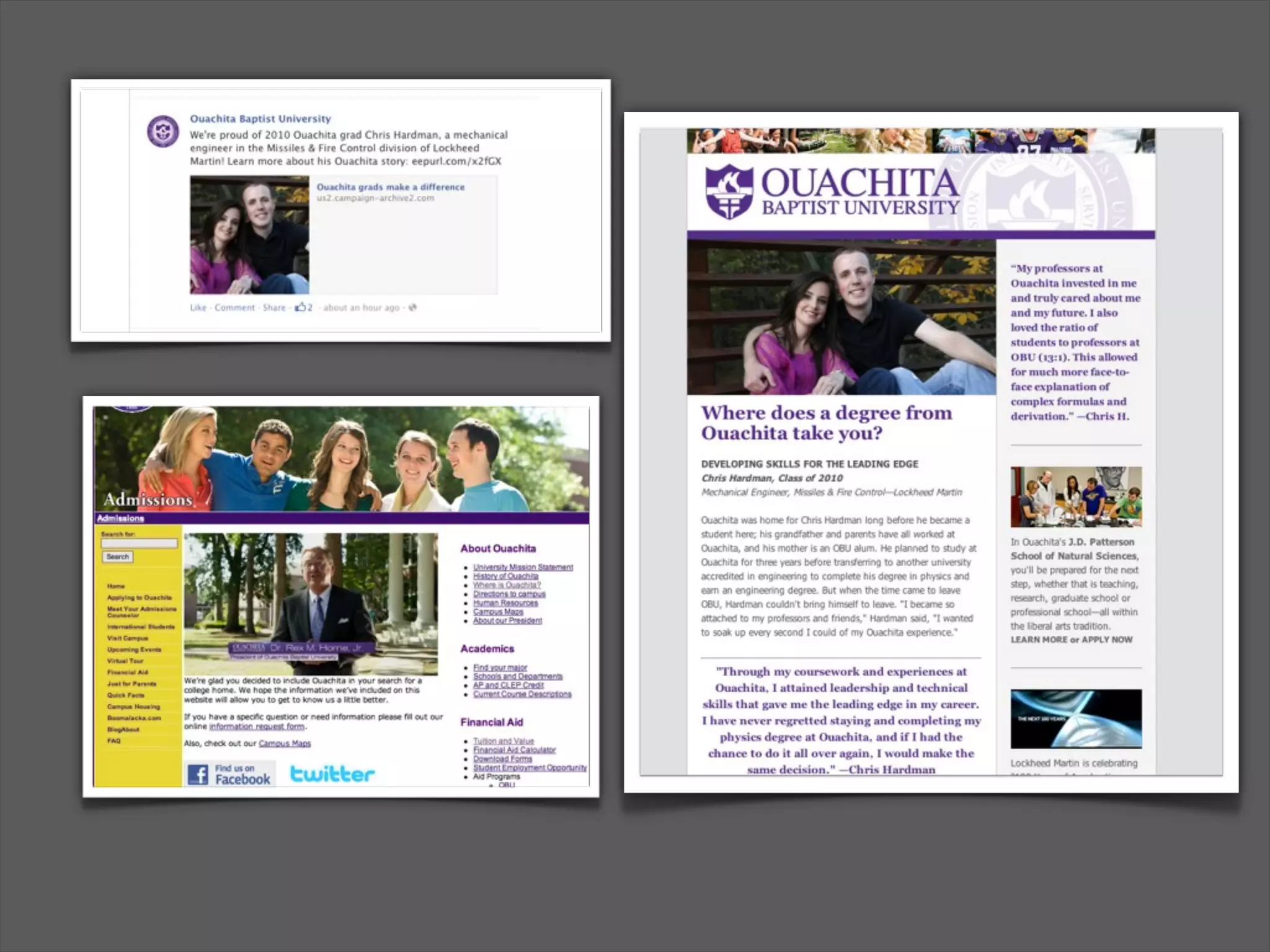
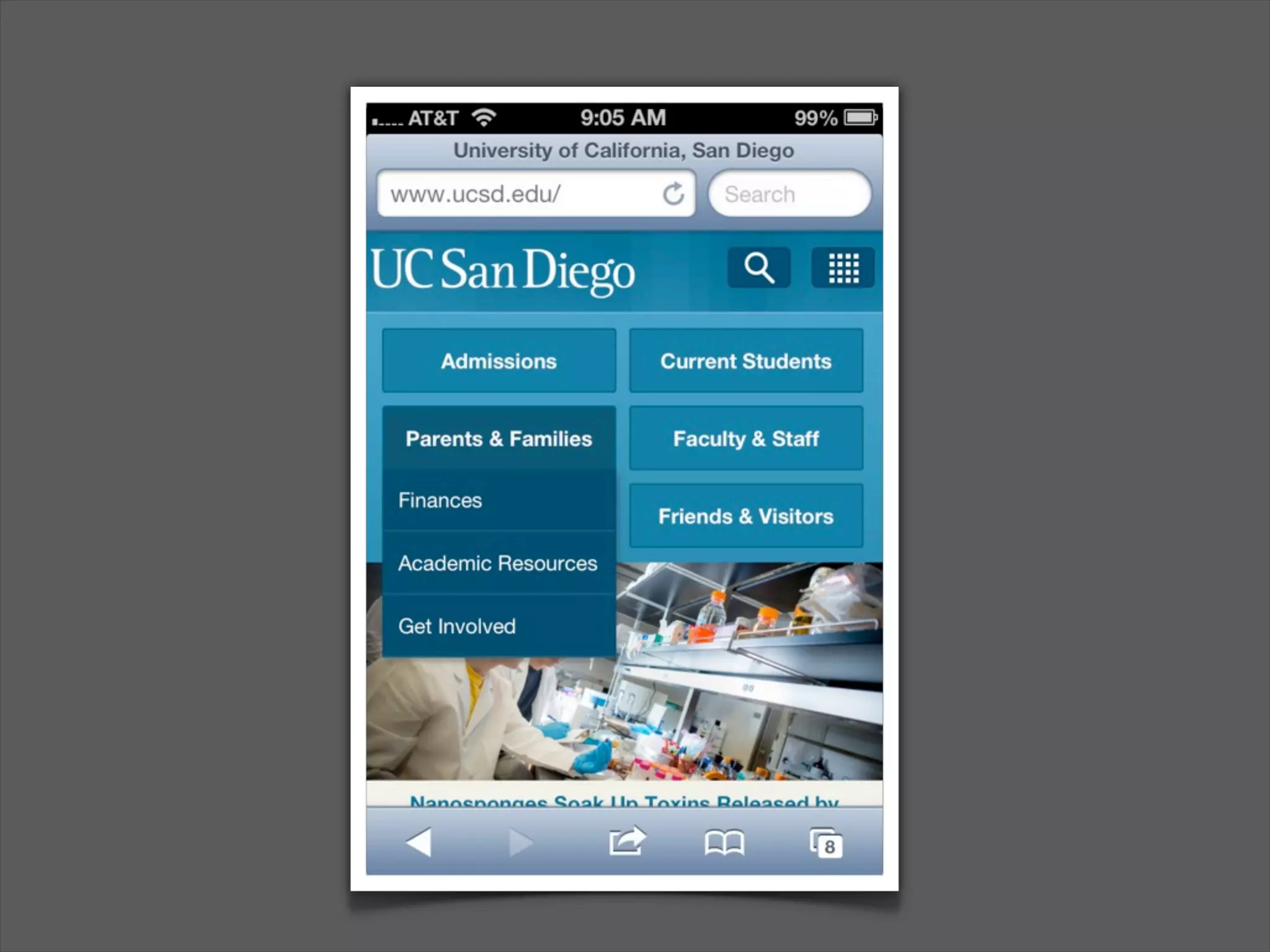
Then, find your role in that journey.
Finding the right story
Paul & Polly Parent
Can we
afford it?
Will she get a job?
Is it safe?
...Or end up living in
our basement?
Sally Student
What will I
major in?
Will I have
fun?
Will I fit in?
Will I find a job
after graduation?
Every brand has a story to tell.
And telling it well can make the difference between
passive and passionate stakeholders.
Thank you!
Dawn Pick Benson
@GRbrandcontent
dpb@dawnpickbenson.com

The (Art) of Brand Storytelling - HighEdWeb Michigan 2013