Herpes Simplex Virus Infection:
Symptoms, Causes, Treatment, and
Prevention
Herpes simplex virus (HSV) infection is a common viral infection caused by the herpes
simplex virus. It is a contagious infection that can cause symptoms from mild to severe.
This article will provide an overview of the symptoms, causes, treatment, and prevention
of HSV infection.Herpes Simplex Virus Infection
Types of Herpes Simplex Virus
There are two main types of Herpes Simplex Virus (HSV): HSV-1 and HSV-2.
HSV-1 (Herpes Simplex Virus Type 1):
1. HSV-1 is primarily associated with oral herpes. It is commonly transmitted
through direct contact with an infected person, such as through kissing, sharing
utensils, or coming into contact with oral secretions. HSV-1 causes cold sores or
fever blisters, characterized by painful sores or blisters around the mouth and on
the face. However, HSV-1 can also cause genital herpes through oral-genital
contact. It is important to note that HSV-1 can be transmitted even when no
visible sores are present.Herpes Simplex Virus Infection
HSV-2 (Herpes Simplex Virus Type 2):
2. HSV-2 is primarily associated with genital herpes. It is usually transmitted
through sexual contact, including vaginal, anal, or oral sex. Genital herpes is
characterized by sores, blisters, or ulcers in the genital area. Like HSV-1, HSV-2 can
also be transmitted with no visible symptoms or sores. It is important to practice safe
sex and take necessary precautions to reduce the risk of transmission. Herpes Simplex
Virus Infection
It's worth mentioning that while HSV-1 is traditionally associated with oral herpes and
HSV-2 with genital herpes, either type can cause infection in either location. In recent
years, there has been an increase in genital HSV-1 infections due to changing sexual
practices.
It's important to note that both types of HSV are lifelong infections, and individuals with
the virus can still transmit it to others, even when asymptomatic. Proper diagnosis,
testing, and medical advice are essential for managing and treating herpes infections.
How is Herpes Simplex Virus Infection
Transmitted?
Herpes Simplex Virus (HSV) can be transmitted through various modes of contact. Here
are the primary methods of HSV transmission:
1. Direct Contact: HSV is mainly transmitted through direct contact with an
infected person who is shedding the virus. This can occur through activities such
as kissing, oral-genital contact, vaginal or anal intercourse, or touching an active
herpes sore or blister. The virus can enter the body through breaks in the skin or
mucous membranes.
2. Asymptomatic Shedding: Even when an infected individual has no visible sores
or symptoms, they can still shed the virus and transmit it to others. This is known
as asymptomatic shedding. It is estimated that a significant portion of HSV
transmissions occurs during asymptomatic shedding. Herpes Simplex Virus
Infection
3. Sexual Contact: HSV-2, in particular, is primarily transmitted through sexual
contact, including vaginal, anal, or oral sex. Genital herpes is commonly spread
through sexual activities involving the infected genital area. However, it's
important to note that HSV-1, typically associated with oral herpes, can also be
transmitted to the genital area through oral-genital contact.
4. Vertical Transmission: Pregnant women with genital herpes can pass the virus
to their newborn during childbirth. This is known as vertical transmission. In such
cases, precautions are taken to minimize the risk of transmission, such as
antiviral medication and, in some cases, cesarean delivery.
5. Indirect Transmission: Although less common, HSV can be indirectly
transmitted through contaminated objects or surfaces. For example, sharing
personal items like towels, razors, or utensils with an infected person can
potentially transmit the virus if there is active shedding and the virus comes into
direct contact with a break in the skin.
HSV transmission can occur regardless of visible symptoms. Therefore, practicing safe
sex, using barriers like condoms or dental dams, and avoiding direct contact with active
sores or lesions can help reduce the risk of transmission. Open communication and
disclosing HSV status with sexual partners are crucial for making informed decisions
and taking necessary precautions.
Risk Factors for Herpes Simplex Virus Infection
Here are some common risk factors associated with HSV infection:
1. Sexual Activity: Engaging in sexual activity, particularly unprotected vaginal,
anal, or oral sex, increases the risk of contracting genital herpes (HSV-2). Having
multiple sexual partners or engaging in sexual activity with an infected partner
without proper precautions further elevates the risk.
2. Unprotected Intercourse: Failure to use condoms or dental dams during sexual
activity can increase the likelihood of HSV transmission. While condoms may not
provide complete protection against the virus, they can significantly reduce the
risk of transmission. Herpes Simplex Virus Infection
3. Presence of Other Sexually Transmitted Infections (STIs): Having another
sexually transmitted infection, such as syphilis, gonorrhea, or HIV, can increase
the risk of HSV transmission. These infections can weaken the immune system
or cause sores, making it easier for HSV to enter the body.
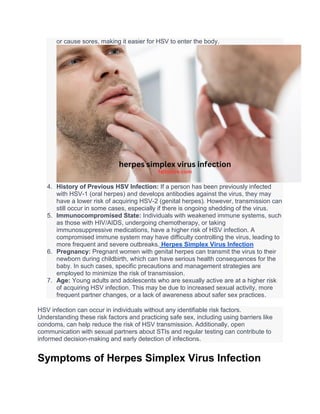
4. History of Previous HSV Infection: If a person has been previously infected
with HSV-1 (oral herpes) and develops antibodies against the virus, they may
have a lower risk of acquiring HSV-2 (genital herpes). However, transmission can
still occur in some cases, especially if there is ongoing shedding of the virus.
5. Immunocompromised State: Individuals with weakened immune systems, such
as those with HIV/AIDS, undergoing chemotherapy, or taking
immunosuppressive medications, have a higher risk of HSV infection. A
compromised immune system may have difficulty controlling the virus, leading to
more frequent and severe outbreaks. Herpes Simplex Virus Infection
6. Pregnancy: Pregnant women with genital herpes can transmit the virus to their
newborn during childbirth, which can have serious health consequences for the
baby. In such cases, specific precautions and management strategies are
employed to minimize the risk of transmission.
7. Age: Young adults and adolescents who are sexually active are at a higher risk
of acquiring HSV infection. This may be due to increased sexual activity, more
frequent partner changes, or a lack of awareness about safer sex practices.
HSV infection can occur in individuals without any identifiable risk factors.
Understanding these risk factors and practicing safe sex, including using barriers like
condoms, can help reduce the risk of HSV transmission. Additionally, open
communication with sexual partners about STIs and regular testing can contribute to
informed decision-making and early detection of infections.
Symptoms of Herpes Simplex Virus Infection
Herpes Simplex Virus (HSV) infections can manifest with various symptoms. The
symptoms may vary depending on the type of HSV (HSV-1 or HSV-2) and the location
of the infection. Here are the common symptoms associated with HSV infection:
1. Oral Herpes (HSV-1):
 Cold Sores: Painful, fluid-filled blisters or sores typically appear on or around the
lips, mouth, or face.
 Tingling or Itching: An itching or tingling sensation may occur in the affected area
before the appearance of sores.
 Sore Throat: Sometimes, individuals may experience a sore throat or swollen
lymph nodes.Herpes Simplex Virus Infection
2. Genital Herpes (HSV-2):
 Genital Sores: Painful, red, and fluid-filled blisters or ulcers can develop on the
genitals, buttocks, or anal area. These sores may break open, crust over, and
eventually heal.
 Itching or Tingling: Similar to oral herpes, there may be an itching or tingling
sensation in the genital region before the appearance of sores.
 Pain or Discomfort: Some individuals may experience pain or discomfort during
urination or sexual intercourse.
 Flu-like Symptoms: In the initial outbreak or severe cases, flu-like symptoms
such as fever, body aches, headache, and swollen lymph nodes may be present.
It's important to note that not everyone infected with HSV will experience noticeable
symptoms. Some individuals may have asymptomatic infections or very mild symptoms
that go unnoticed.
In both oral and genital herpes, the first outbreak is typically the most severe, with
subsequent outbreaks often milder. After the initial infection, the virus remains in the
body and can periodically reactivate, leading to recurrent outbreaks. The frequency and
severity of outbreaks can vary from person to person.
If you suspect you may have an HSV infection or are experiencing any of these
symptoms, and it is advisable to seek medical advice and get tested for an accurate
diagnosis.
Diagnosis of Herpes Simplex Virus Infection
The diagnosis of Herpes Simplex Virus (HSV) infection typically involves a combination
of medical history, physical examination, and laboratory tests. Here are the common
methods used for diagnosing HSV infection:
1. Medical History and Physical Examination: The healthcare provider will first
ask about your symptoms, medical history, and potential exposure to HSV. They
will conduct a physical examination to look for visible symptoms such as sores,
blisters, or ulcers in the affected areas. Herpes Simplex Virus Infection
2. Viral Culture: A viral culture may be performed during an active outbreak. This
involves taking a swab sample from a sore or blister and sending it to a
laboratory. The sample is then analyzed to determine if HSV is present.
3. Polymerase Chain Reaction (PCR) Test: PCR is a highly sensitive and specific
test that can detect and identify the genetic material (DNA) of the HSV virus. It
can be performed on swab samples from the sores or other bodily fluids such as
cerebrospinal fluid (CSF) or blood.
4. Blood Tests: Blood tests can detect antibodies against HSV, known as serologic
tests. Two types of antibodies are associated with HSV infection: IgM and IgG.
IgM antibodies indicate recent or primary infection, while IgG antibodies indicate
past infection or immunity. Blood tests can help determine if a person has been
previously infected with HSV-1 or HSV-2.
blood tests alone may not be sufficient for diagnosing active outbreaks or determining
the location of the infection (oral or genital). Swab samples or PCR tests are typically
more accurate in these cases.Herpes Simplex Virus Infection
If you suspect you have HSV or are experiencing symptoms, it is recommended to seek
medical advice. A healthcare provider can evaluate your symptoms, perform the
necessary tests, and provide appropriate guidance and treatment options based on the
diagnosis.
Treatment of Herpes Simplex Virus Infection
The treatment of Herpes Simplex Virus (HSV) infection aims to alleviate symptoms,
reduce the frequency and duration of outbreaks, and minimize the risk of transmission.
While there is no cure for HSV, several treatment options are available:
1. Antiviral Medications: Antiviral drugs are commonly prescribed to manage HSV
infections. These medications can help control symptoms, speed up healing, and
reduce the frequency and severity of outbreaks. The two main antiviral drugs
used for HSV are:
a. Acyclovir: Available in oral, topical, and intravenous forms, acyclovir is one of
the most commonly prescribed antiviral medications for HSV.
b. Valacyclovir: Valacyclovir is a prodrug of acyclovir, which is converted into
acyclovir in the body. It is taken orally and has a more convenient dosing
regimen than acyclovir. Herpes Simplex Virus Infection
Both medications work by inhibiting the replication of the virus.
2. Episodic Treatment: Episodic treatment involves taking antiviral medications at
the onset of a herpes outbreak to reduce its duration and severity. This approach
is suitable for individuals who experience occasional outbreaks.
3. Suppressive Therapy: Suppressive therapy involves taking daily antiviral
medications to suppress HSV replication and prevent recurrent outbreaks. This
approach is recommended for individuals with frequent or severe outbreaks or
those in serodiscordant relationships (where one partner is infected and the other
is not) to reduce the risk of transmission.
4. Pain Relief: Over-the-counter pain relievers, such as ibuprofen or
acetaminophen, may help alleviate discomfort during outbreaks.
5. Self-care Measures: Practicing good hygiene, keeping the affected areas clean
and dry, and avoiding tight or irritating clothing can help manage symptoms and
promote healing.
It is important to note that treatment should be discussed with a healthcare provider who
can prescribe the appropriate medication and dosage based on individual
circumstances. Additionally, counseling and support may benefit individuals dealing with
the emotional and psychological aspects of living with HSV.Herpes Simplex Virus
Infection
Preventing the spread of HSV through safe sex practices, including using condoms or
dental dams and avoiding sexual activity during outbreaks or when symptoms are
present.
Remember, early diagnosis, prompt treatment, and ongoing management can help
individuals with HSV lead healthy and fulfilling lives while minimizing the impact of the
infection.
Home Remedies for Herpes Simplex Virus
Infection
While there is no cure for Herpes Simplex Virus (HSV), and medical treatment is
typically recommended, there are some home remedies and self-care measures that
may help manage symptoms and promote healing. Here are a few home remedies that
individuals with HSV can consider:
1. Keeping the Affected Area Clean: Gently cleansing the affected area with mild
soap and warm water can help keep it clean and prevent secondary infections.
After cleansing, pat the area dry with a clean towel or use a hair dryer in a low,
cool setting.
2. Applying Cold Compresses: Cold or ice packs to the affected area can help
relieve pain, itching, and inflammation. Wrap the ice pack in a clean cloth or
towel and apply it for 10-15 minutes.
3. Taking Warm Baths: Soaking in a warm bath can relieve discomfort associated
with HSV outbreaks. Adding oatmeal or baking soda to the bathwater may help
soothe the skin.Herpes Simplex Virus Infection
4. Wearing Loose Clothing: Wearing loose-fitting, breathable clothing can help
prevent irritation and allow airflow to the affected area, promoting healing.
5. Avoiding Trigger Factors: Identifying and avoiding triggers contributing to HSV
outbreaks can be beneficial. Common triggers include stress, illness, fatigue, sun
exposure, and certain foods. Managing stress through relaxation techniques,
maintaining a healthy lifestyle, and practicing good self-care can reduce
outbreaks' frequency and severity.
6. Using Topical Remedies: Some individuals find relief by applying topical
remedies such as aloe vera gel, lemon balm extract, or a topical numbing cream
containing lidocaine. However, it's important to note that the effectiveness of
these remedies may vary, and it's best to consult with a healthcare professional
before using them. Herpes Simplex Virus Infection
It's essential to remember that home remedies should not replace medical advice or
prescribed antiviral medications. Consulting with a healthcare provider is important to
ensure a proper diagnosis, appropriate treatment, and management of HSV infection.
Additionally, practicing safe sex, maintaining good personal hygiene, and
communicating openly with sexual partners about HSV can help prevent the
transmission of the virus.
Prevention of Herpes Simplex Virus Infection
Preventing Herpes Simplex Virus (HSV) infection primarily involves taking preventive
measures to reduce the risk of transmission. Here are some preventive strategies:
1. Safe Sexual Practices:
 Use Condoms: Consistently using latex or polyurethane condoms during
vaginal, anal, or oral sex can significantly reduce the risk of HSV transmission.
However, it's important to note that condoms may not cover all the affected
areas, so transmission is still possible, especially if there are active sores or
shedding.
 Dental Dams: For oral-genital contact, a dental dam (a thin latex or polyurethane
sheet) can provide a barrier between the mouth and genitals, reducing the risk of
transmission.
2. Communication and Disclosure:
 Open Communication: Having open and honest communication with sexual
partners about one's HSV status is crucial. This allows for informed decision-
making and the opportunity to take necessary precautions to prevent
transmission.
 Disclosure: It is recommended to disclose HSV infection to sexual partners
before engaging in any sexual activity. This includes informing potential partners
about the type of HSV infection (HSV-1 or HSV-2), any symptoms experienced,
and the preventive measures being taken. Herpes Simplex Virus Infection
3. Avoiding Sexual Activity During Outbreaks:
 Abstain from sexual activity during outbreaks or when symptoms (such as sores,
blisters, or itching) are present. This helps minimize the risk of transmitting the
virus to a partner.
4. Personal Hygiene:
 Good Hygiene Practices: Practicing good personal hygiene, such as regular
handwashing, can help prevent the spread of HSV. Avoid touching active sores
or blisters, and wash hands thoroughly if contact does occur.
5. Avoiding Direct Contact:
 Avoid direct contact with active HSV sores or blisters, including kissing or
touching the affected area. It's important to note that HSV can still be transmitted
even without visible sores or symptoms.
6. General Health and Well-being:
 Maintaining a Healthy Immune System: A healthy immune system can help
suppress the virus and reduce the frequency of outbreaks. Maintain a well-
balanced diet, exercise regularly, manage stress, and get enough sleep to
support overall immune health.
7. Prevention in Pregnant Women:
 Prenatal Care: Pregnant women with a history of HSV infection should inform
their healthcare provider. Regular prenatal care and discussions about managing
HSV during pregnancy can help reduce the risk of transmission to the baby.
HSV can still be transmitted, even with the above preventive measures. These
strategies, along with regular testing, early diagnosis, and appropriate medical
management, can help minimize the risk of HSV transmission.
Complications of Herpes Simplex Virus Infection
Herpes Simplex Virus (HSV) infection can lead to several complications, although most
cases of HSV are generally mild and self-limiting. Here are some potential
complications associated with HSV infection:
1. Recurrent Outbreaks: After the initial infection, HSV can remain
dormant in the body and reactivate periodically, leading to
recurrent outbreaks. These outbreaks may vary in frequency and
severity from person to person. Although not life-threatening,
recurrent outbreaks can cause physical discomfort and
emotional distress and affect the quality of life. Herpes Simplex
Virus Infection
2. Spread to Other Body Parts: HSV can spread to other areas of the
body through self-inoculation. For example, if a person with oral
herpes (HSV-1) touches a cold sore and then touches their eyes,
they can develop ocular herpes, which can cause eye redness,
pain, and in severe cases, vision impairment.
3. Disseminated Infection: In individuals with weakened immune
systems, such as HIV/AIDS or undergoing immunosuppressive
therapy, HSV can spread to multiple organs and cause
disseminated infection. Disseminated herpes can be life-
threatening and manifest as systemic symptoms, organ
dysfunction, and widespread rash or sores.
4. Complications in Newborns: If a pregnant woman has an active
HSV infection at the time of delivery, there is a risk of
transmitting the virus to the newborn during childbirth. Neonatal
herpes can have serious consequences, including central
nervous system involvement, organ dysfunction, and even
death. Prompt medical attention is crucial if neonatal herpes is
suspected.
5. Increased Susceptibility to Other Infections: HSV infection can
weaken the immune system and make individuals more
susceptible to other infections. For example, it can increase the
risk of acquiring and transmitting HIV infection.Herpes Simplex
Virus Infection
6. Psychological and Emotional Impact: HSV infection, especially
genital herpes, can have psychological and emotional
implications. Individuals may experience anxiety, depression,
stigma, and difficulty with intimate relationships and self-
esteem.
complications are relatively rare, and most individuals with HSV infection lead normal
lives with proper management and treatment. Seeking early medical attention,
practicing safe sex, and maintaining overall health and well-being can help reduce the
risk of complications and minimize the impact of HSV infection.
Herpes Simplex Virus Infection and Pregnancy
Herpes Simplex Virus (HSV) infection can have implications for pregnant women and
their babies. Here's important information regarding HSV infection and pregnancy:
1. Transmission to the Baby:
 Risk Factors: If a woman has an active HSV infection (particularly genital herpes
caused by HSV-2) during pregnancy, there is a risk of transmitting the virus to
the baby. The risk is higher when the mother contracts the infection for the first
time during pregnancy (primary infection) rather than having a recurrent
outbreak.
 Methods of Transmission: Transmission to the baby can occur during pregnancy,
childbirth, or shortly after delivery. The highest risk of transmission is during
vaginal delivery if the mother has an active outbreak or shedding of the virus.
2. Complications for the Baby:
 Neonatal Herpes: Neonatal herpes is a severe and potentially life-threatening
condition that can occur when the baby contracts HSV from the mother. It can
lead to serious health issues, including central nervous system infection, organ
dysfunction, skin and eye problems, and even death.
 Signs and Symptoms: Neonatal herpes may present with symptoms such as skin
blisters, mouth sores, eye inflammation, feeding difficulties, lethargy, seizures, or
other signs of infection. Prompt medical attention is crucial if neonatal herpes is
suspected.
3. Management and Prevention:
 Antiviral Medications: Pregnant women with a history of HSV infection should
inform their healthcare provider. In some cases, antiviral medications may be
prescribed during pregnancy to suppress viral shedding and reduce the risk of
outbreaks, especially around delivery time.Herpes Simplex Virus Infection
 Cesarean Delivery (C-section): In cases where the mother has an active
outbreak or is shedding the virus near the delivery time, a healthcare provider
may recommend a C-section to reduce the risk of transmission to the baby.
However, the decision for a C-section depends on various factors and is made
individually.
 Regular Prenatal Care: Regular prenatal care is essential to monitor the
mother's health, manage HSV infection, and discuss any concerns or questions
related to pregnancy and HSV.
4. Emotional and Psychological Support:
 Diagnosis of HSV during pregnancy can cause emotional distress and anxiety.
Healthcare providers must offer support, counseling, and education to address
concerns and provide information on preventing transmission and managing
outbreaks.
Pregnant women with HSV infection should work closely with their healthcare provider
to develop a management plan that considers their situation. By following medical
advice, practicing safe sex during pregnancy, and adhering to preventive measures, the
risk of transmitting HSV to the baby can be minimized.
Herpes Simplex Virus Infection and HIV
Herpes Simplex Virus (HSV) infection and HIV (Human Immunodeficiency Virus) can
have a complex relationship, as they can interact and affect each other. Here's
important information regarding HSV infection and its connection to HIV:
1. Increased Risk of HIV Acquisition:
 HSV and HIV Transmission: HSV infection, particularly genital herpes caused by
HSV-2, can increase the risk of acquiring HIV. The presence of HSV sores or
ulcers provides an entry point for HIV, making it easier for the virus to enter the
body.
 Inflammatory Response: HSV infection can cause inflammation and immune
activation in the genital area, which can increase the number of HIV target cells
and promote HIV replication.
2. Increased Risk of HIV Transmission:
 HSV and HIV Shedding: Individuals with HSV infection, especially those with
active outbreaks, are more likely to shed both HSV and HIV in their genital
secretions. This increases the risk of transmitting both viruses to sexual partners.
 Co-infection: Co-infection with both HSV and HIV can result in higher levels of
HIV in genital secretions, even without visible HSV sores or symptoms. This
increases the risk of HIV transmission to sexual partners.
3. Impact on HIV Disease Progression:
 HIV Disease Progression: HSV infection, particularly frequent or severe
outbreaks, can impact the progression of HIV. It can lead to higher HIV viral
loads, lower CD4 cell counts, and more rapid progression to AIDS.
 Immune Activation: HSV infection can cause immune activation and inflammation
in the body, which can accelerate HIV disease progression and increase the risk
of complications.
4. Management and Prevention:
 Antiretroviral Therapy (ART): For individuals co-infected with HSV and HIV,
adherence to antiretroviral therapy is crucial. Effective HIV treatment with ART
can help suppress HIV viral load, improve immune function, and reduce the risk
of HIV transmission.
 HSV Suppression: For individuals living with HIV and recurrent HSV outbreaks,
suppressive therapy for HSV with antiviral medications may be recommended. HSV
suppression can reduce the frequency and severity of outbreaks, potentially decreasing
HIV viral shedding and transmission risk.
 Safe Sexual Practices: Consistently using condoms during sexual activity and
practicing safe sex measures can help reduce the risk of both HSV and HIV
transmission.
Individuals living with HIV and HSV must work closely with their healthcare providers to
effectively manage both infections. Regular medical care, adherence to prescribed
treatments, and practicing preventive measures can help minimize the impact of HSV
on HIV and reduce the risk of transmission to sexual partners.
Myths and Facts about Herpes Simplex Virus
Infection
Myth: Herpes Simplex Virus (HSV) can only be transmitted when visible symptoms are
present.
Fact: HSV can be transmitted even with no visible symptoms or outbreaks. This is
known as asymptomatic shedding, where the virus can still be present in the body and
be contagious without causing noticeable sores or symptoms.Herpes Simplex Virus
Infection
Myth: Only promiscuous individuals can get HSV.
Fact: HSV can affect anyone, regardless of their sexual activity or number of sexual
partners. It can be transmitted through intimate skin-to-skin contact, including sexual
and non-sexual activities.
Myth: HSV can be cured.
Fact: There is currently no cure for HSV. Once infected, the virus remains in the body
for life. However, antiviral medications can help manage symptoms, reduce the
frequency and severity of outbreaks, and lower the risk of transmission.
Myth: HSV only affects the genital area.
Fact: While HSV-2 is commonly associated with genital herpes, HSV-1 and HSV-2 can
infect the mouth, lips, genitals, or other body areas. HSV-1 is often responsible for oral
herpes (cold sores or fever blisters) but can also cause genital herpes through oral-
genital contact.
Myth: Herpes is a rare condition.
Fact: Herpes is a highly prevalent viral infection. An estimated large portion of the
population has been infected with HSV-1 or HSV-2. Many people with HSV infection
may not be aware of it, as they may not experience noticeable symptoms or mistake the
symptoms for other conditions.
Myth: Herpes is only contagious during an active outbreak.
Fact: HSV can be contagious during active outbreaks when sores or blisters are
present. However, as mentioned earlier, it can also be transmitted during asymptomatic
shedding, even without visible symptoms. It is important to take precautions and
practice safe sex at all times.
Myth: HSV can be transmitted through toilet seats, swimming pools, or sharing utensils.
Fact: HSV is primarily transmitted through direct skin-to-skin contact with an infected
person. It is not easily transmitted through inanimate objects like toilet seats, swimming
pools, or shared utensils. The virus does not survive well outside the body and is quickly
inactivated. Herpes Simplex Virus Infection
Myth: Herpes is a severe or dangerous health condition.
Fact: While herpes can cause discomfort and emotional distress, it is generally
manageable. Most individuals with HSV lead normal, healthy lives. With proper
management, including medication, preventive measures, and open communication, the
impact of HSV can be minimized.
can herpes be cured
Once infected with the Herpes Simplex Virus (HSV), it remains in the body for life. The
virus can enter a dormant state, where it resides in nerve cells and may not cause any
symptoms or outbreaks. However, it can reactivate periodically, leading to the
recurrence of symptoms and the potential for viral shedding and transmission.
While there is no cure for herpes, treatment options are available to manage the
symptoms and reduce the frequency and severity of outbreaks. Antiviral medications,
such as acyclovir, valacyclovir, and famciclovir, can be prescribed by healthcare
professionals to help control the symptoms, speed up healing, and reduce the duration
of outbreaks.
Additionally, practicing preventive measures, such as using condoms, abstaining from
sexual activity during outbreaks, and avoiding skin-to-skin contact with active lesions,
can help reduce the risk of transmitting the virus to sexual partners.
It's important to consult a healthcare professional for proper diagnosis, treatment
options, and guidance on managing herpes. They can provide personalized advice and
address any concerns or questions regarding the condition.Herpes Simplex Virus
Infection
can herpes be cured with antibiotics?
No, herpes cannot be cured with antibiotics. Antibiotics are medications used to treat
bacterial infections, and a viral infection causes herpes, specifically the Herpes Simplex
Virus (HSV). Antibiotics are not effective against viruses.
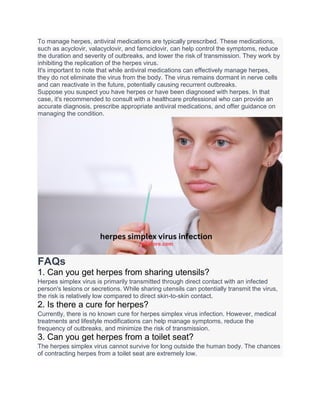
To manage herpes, antiviral medications are typically prescribed. These medications,
such as acyclovir, valacyclovir, and famciclovir, can help control the symptoms, reduce
the duration and severity of outbreaks, and lower the risk of transmission. They work by
inhibiting the replication of the herpes virus.
It's important to note that while antiviral medications can effectively manage herpes,
they do not eliminate the virus from the body. The virus remains dormant in nerve cells
and can reactivate in the future, potentially causing recurrent outbreaks.
Suppose you suspect you have herpes or have been diagnosed with herpes. In that
case, it's recommended to consult with a healthcare professional who can provide an
accurate diagnosis, prescribe appropriate antiviral medications, and offer guidance on
managing the condition.
FAQs
1. Can you get herpes from sharing utensils?
Herpes simplex virus is primarily transmitted through direct contact with an infected
person's lesions or secretions. While sharing utensils can potentially transmit the virus,
the risk is relatively low compared to direct skin-to-skin contact.
2. Is there a cure for herpes?
Currently, there is no known cure for herpes simplex virus infection. However, medical
treatments and lifestyle modifications can help manage symptoms, reduce the
frequency of outbreaks, and minimize the risk of transmission.
3. Can you get herpes from a toilet seat?
The herpes simplex virus cannot survive for long outside the human body. The chances
of contracting herpes from a toilet seat are extremely low.
4. Can you have a normal sex life with herpes?
Yes, it is possible to have a normal sex life with herpes simplex virus infection. Open
communication, safe sex, and taking necessary precautions during outbreaks can
significantly reduce the risk of transmission to a partner.
5. Can herpes affect your fertility?
Herpes simplex virus infection does not typically affect fertility. However, it is important
to consult a healthcare professional for personalized advice, especially if you are
planning to conceive and have concerns about herpes and fertility.
Conclusion
Herpes simplex virus infection is a common viral condition that affects many individuals
worldwide. Although it is a lifelong infection without a cure, proper management and
medical treatments can help minimize symptoms, reduce the frequency of outbreaks,
and lower the risk of transmission. Emotional support, counseling, and open
communication play crucial roles in coping with the emotional impact of the infection.
With the right knowledge, resources, and support, individuals living with herpes simplex
virus infection can lead fulfilling lives.

Herpes Simplex Virus Infection

  • 1.
    Herpes Simplex VirusInfection: Symptoms, Causes, Treatment, and Prevention Herpes simplex virus (HSV) infection is a common viral infection caused by the herpes simplex virus. It is a contagious infection that can cause symptoms from mild to severe. This article will provide an overview of the symptoms, causes, treatment, and prevention of HSV infection.Herpes Simplex Virus Infection Types of Herpes Simplex Virus There are two main types of Herpes Simplex Virus (HSV): HSV-1 and HSV-2. HSV-1 (Herpes Simplex Virus Type 1): 1. HSV-1 is primarily associated with oral herpes. It is commonly transmitted through direct contact with an infected person, such as through kissing, sharing utensils, or coming into contact with oral secretions. HSV-1 causes cold sores or fever blisters, characterized by painful sores or blisters around the mouth and on the face. However, HSV-1 can also cause genital herpes through oral-genital contact. It is important to note that HSV-1 can be transmitted even when no visible sores are present.Herpes Simplex Virus Infection HSV-2 (Herpes Simplex Virus Type 2): 2. HSV-2 is primarily associated with genital herpes. It is usually transmitted through sexual contact, including vaginal, anal, or oral sex. Genital herpes is characterized by sores, blisters, or ulcers in the genital area. Like HSV-1, HSV-2 can also be transmitted with no visible symptoms or sores. It is important to practice safe sex and take necessary precautions to reduce the risk of transmission. Herpes Simplex Virus Infection It's worth mentioning that while HSV-1 is traditionally associated with oral herpes and HSV-2 with genital herpes, either type can cause infection in either location. In recent
  • 2.
    years, there hasbeen an increase in genital HSV-1 infections due to changing sexual practices. It's important to note that both types of HSV are lifelong infections, and individuals with the virus can still transmit it to others, even when asymptomatic. Proper diagnosis, testing, and medical advice are essential for managing and treating herpes infections. How is Herpes Simplex Virus Infection Transmitted? Herpes Simplex Virus (HSV) can be transmitted through various modes of contact. Here are the primary methods of HSV transmission: 1. Direct Contact: HSV is mainly transmitted through direct contact with an infected person who is shedding the virus. This can occur through activities such as kissing, oral-genital contact, vaginal or anal intercourse, or touching an active herpes sore or blister. The virus can enter the body through breaks in the skin or mucous membranes. 2. Asymptomatic Shedding: Even when an infected individual has no visible sores or symptoms, they can still shed the virus and transmit it to others. This is known as asymptomatic shedding. It is estimated that a significant portion of HSV transmissions occurs during asymptomatic shedding. Herpes Simplex Virus Infection 3. Sexual Contact: HSV-2, in particular, is primarily transmitted through sexual contact, including vaginal, anal, or oral sex. Genital herpes is commonly spread through sexual activities involving the infected genital area. However, it's important to note that HSV-1, typically associated with oral herpes, can also be transmitted to the genital area through oral-genital contact.
  • 3.
    4. Vertical Transmission:Pregnant women with genital herpes can pass the virus to their newborn during childbirth. This is known as vertical transmission. In such cases, precautions are taken to minimize the risk of transmission, such as antiviral medication and, in some cases, cesarean delivery. 5. Indirect Transmission: Although less common, HSV can be indirectly transmitted through contaminated objects or surfaces. For example, sharing personal items like towels, razors, or utensils with an infected person can potentially transmit the virus if there is active shedding and the virus comes into direct contact with a break in the skin. HSV transmission can occur regardless of visible symptoms. Therefore, practicing safe sex, using barriers like condoms or dental dams, and avoiding direct contact with active sores or lesions can help reduce the risk of transmission. Open communication and disclosing HSV status with sexual partners are crucial for making informed decisions and taking necessary precautions. Risk Factors for Herpes Simplex Virus Infection Here are some common risk factors associated with HSV infection: 1. Sexual Activity: Engaging in sexual activity, particularly unprotected vaginal, anal, or oral sex, increases the risk of contracting genital herpes (HSV-2). Having multiple sexual partners or engaging in sexual activity with an infected partner without proper precautions further elevates the risk. 2. Unprotected Intercourse: Failure to use condoms or dental dams during sexual activity can increase the likelihood of HSV transmission. While condoms may not provide complete protection against the virus, they can significantly reduce the risk of transmission. Herpes Simplex Virus Infection 3. Presence of Other Sexually Transmitted Infections (STIs): Having another sexually transmitted infection, such as syphilis, gonorrhea, or HIV, can increase the risk of HSV transmission. These infections can weaken the immune system
  • 4.
    or cause sores,making it easier for HSV to enter the body. 4. History of Previous HSV Infection: If a person has been previously infected with HSV-1 (oral herpes) and develops antibodies against the virus, they may have a lower risk of acquiring HSV-2 (genital herpes). However, transmission can still occur in some cases, especially if there is ongoing shedding of the virus. 5. Immunocompromised State: Individuals with weakened immune systems, such as those with HIV/AIDS, undergoing chemotherapy, or taking immunosuppressive medications, have a higher risk of HSV infection. A compromised immune system may have difficulty controlling the virus, leading to more frequent and severe outbreaks. Herpes Simplex Virus Infection 6. Pregnancy: Pregnant women with genital herpes can transmit the virus to their newborn during childbirth, which can have serious health consequences for the baby. In such cases, specific precautions and management strategies are employed to minimize the risk of transmission. 7. Age: Young adults and adolescents who are sexually active are at a higher risk of acquiring HSV infection. This may be due to increased sexual activity, more frequent partner changes, or a lack of awareness about safer sex practices. HSV infection can occur in individuals without any identifiable risk factors. Understanding these risk factors and practicing safe sex, including using barriers like condoms, can help reduce the risk of HSV transmission. Additionally, open communication with sexual partners about STIs and regular testing can contribute to informed decision-making and early detection of infections. Symptoms of Herpes Simplex Virus Infection
  • 5.
    Herpes Simplex Virus(HSV) infections can manifest with various symptoms. The symptoms may vary depending on the type of HSV (HSV-1 or HSV-2) and the location of the infection. Here are the common symptoms associated with HSV infection: 1. Oral Herpes (HSV-1):  Cold Sores: Painful, fluid-filled blisters or sores typically appear on or around the lips, mouth, or face.  Tingling or Itching: An itching or tingling sensation may occur in the affected area before the appearance of sores.  Sore Throat: Sometimes, individuals may experience a sore throat or swollen lymph nodes.Herpes Simplex Virus Infection 2. Genital Herpes (HSV-2):  Genital Sores: Painful, red, and fluid-filled blisters or ulcers can develop on the genitals, buttocks, or anal area. These sores may break open, crust over, and eventually heal.  Itching or Tingling: Similar to oral herpes, there may be an itching or tingling sensation in the genital region before the appearance of sores.  Pain or Discomfort: Some individuals may experience pain or discomfort during urination or sexual intercourse.  Flu-like Symptoms: In the initial outbreak or severe cases, flu-like symptoms such as fever, body aches, headache, and swollen lymph nodes may be present. It's important to note that not everyone infected with HSV will experience noticeable symptoms. Some individuals may have asymptomatic infections or very mild symptoms that go unnoticed. In both oral and genital herpes, the first outbreak is typically the most severe, with subsequent outbreaks often milder. After the initial infection, the virus remains in the body and can periodically reactivate, leading to recurrent outbreaks. The frequency and severity of outbreaks can vary from person to person. If you suspect you may have an HSV infection or are experiencing any of these symptoms, and it is advisable to seek medical advice and get tested for an accurate diagnosis. Diagnosis of Herpes Simplex Virus Infection The diagnosis of Herpes Simplex Virus (HSV) infection typically involves a combination of medical history, physical examination, and laboratory tests. Here are the common methods used for diagnosing HSV infection: 1. Medical History and Physical Examination: The healthcare provider will first ask about your symptoms, medical history, and potential exposure to HSV. They will conduct a physical examination to look for visible symptoms such as sores, blisters, or ulcers in the affected areas. Herpes Simplex Virus Infection 2. Viral Culture: A viral culture may be performed during an active outbreak. This involves taking a swab sample from a sore or blister and sending it to a laboratory. The sample is then analyzed to determine if HSV is present. 3. Polymerase Chain Reaction (PCR) Test: PCR is a highly sensitive and specific test that can detect and identify the genetic material (DNA) of the HSV virus. It
  • 6.
    can be performedon swab samples from the sores or other bodily fluids such as cerebrospinal fluid (CSF) or blood. 4. Blood Tests: Blood tests can detect antibodies against HSV, known as serologic tests. Two types of antibodies are associated with HSV infection: IgM and IgG. IgM antibodies indicate recent or primary infection, while IgG antibodies indicate past infection or immunity. Blood tests can help determine if a person has been previously infected with HSV-1 or HSV-2. blood tests alone may not be sufficient for diagnosing active outbreaks or determining the location of the infection (oral or genital). Swab samples or PCR tests are typically more accurate in these cases.Herpes Simplex Virus Infection If you suspect you have HSV or are experiencing symptoms, it is recommended to seek medical advice. A healthcare provider can evaluate your symptoms, perform the necessary tests, and provide appropriate guidance and treatment options based on the diagnosis. Treatment of Herpes Simplex Virus Infection The treatment of Herpes Simplex Virus (HSV) infection aims to alleviate symptoms, reduce the frequency and duration of outbreaks, and minimize the risk of transmission. While there is no cure for HSV, several treatment options are available: 1. Antiviral Medications: Antiviral drugs are commonly prescribed to manage HSV infections. These medications can help control symptoms, speed up healing, and reduce the frequency and severity of outbreaks. The two main antiviral drugs used for HSV are: a. Acyclovir: Available in oral, topical, and intravenous forms, acyclovir is one of the most commonly prescribed antiviral medications for HSV. b. Valacyclovir: Valacyclovir is a prodrug of acyclovir, which is converted into acyclovir in the body. It is taken orally and has a more convenient dosing regimen than acyclovir. Herpes Simplex Virus Infection Both medications work by inhibiting the replication of the virus. 2. Episodic Treatment: Episodic treatment involves taking antiviral medications at the onset of a herpes outbreak to reduce its duration and severity. This approach is suitable for individuals who experience occasional outbreaks. 3. Suppressive Therapy: Suppressive therapy involves taking daily antiviral medications to suppress HSV replication and prevent recurrent outbreaks. This approach is recommended for individuals with frequent or severe outbreaks or those in serodiscordant relationships (where one partner is infected and the other is not) to reduce the risk of transmission. 4. Pain Relief: Over-the-counter pain relievers, such as ibuprofen or acetaminophen, may help alleviate discomfort during outbreaks. 5. Self-care Measures: Practicing good hygiene, keeping the affected areas clean and dry, and avoiding tight or irritating clothing can help manage symptoms and promote healing. It is important to note that treatment should be discussed with a healthcare provider who can prescribe the appropriate medication and dosage based on individual
  • 7.
    circumstances. Additionally, counselingand support may benefit individuals dealing with the emotional and psychological aspects of living with HSV.Herpes Simplex Virus Infection Preventing the spread of HSV through safe sex practices, including using condoms or dental dams and avoiding sexual activity during outbreaks or when symptoms are present. Remember, early diagnosis, prompt treatment, and ongoing management can help individuals with HSV lead healthy and fulfilling lives while minimizing the impact of the infection. Home Remedies for Herpes Simplex Virus Infection While there is no cure for Herpes Simplex Virus (HSV), and medical treatment is typically recommended, there are some home remedies and self-care measures that may help manage symptoms and promote healing. Here are a few home remedies that individuals with HSV can consider: 1. Keeping the Affected Area Clean: Gently cleansing the affected area with mild soap and warm water can help keep it clean and prevent secondary infections. After cleansing, pat the area dry with a clean towel or use a hair dryer in a low, cool setting. 2. Applying Cold Compresses: Cold or ice packs to the affected area can help relieve pain, itching, and inflammation. Wrap the ice pack in a clean cloth or towel and apply it for 10-15 minutes. 3. Taking Warm Baths: Soaking in a warm bath can relieve discomfort associated with HSV outbreaks. Adding oatmeal or baking soda to the bathwater may help soothe the skin.Herpes Simplex Virus Infection 4. Wearing Loose Clothing: Wearing loose-fitting, breathable clothing can help prevent irritation and allow airflow to the affected area, promoting healing. 5. Avoiding Trigger Factors: Identifying and avoiding triggers contributing to HSV outbreaks can be beneficial. Common triggers include stress, illness, fatigue, sun exposure, and certain foods. Managing stress through relaxation techniques, maintaining a healthy lifestyle, and practicing good self-care can reduce outbreaks' frequency and severity. 6. Using Topical Remedies: Some individuals find relief by applying topical remedies such as aloe vera gel, lemon balm extract, or a topical numbing cream containing lidocaine. However, it's important to note that the effectiveness of these remedies may vary, and it's best to consult with a healthcare professional before using them. Herpes Simplex Virus Infection It's essential to remember that home remedies should not replace medical advice or prescribed antiviral medications. Consulting with a healthcare provider is important to ensure a proper diagnosis, appropriate treatment, and management of HSV infection. Additionally, practicing safe sex, maintaining good personal hygiene, and communicating openly with sexual partners about HSV can help prevent the transmission of the virus.
  • 8.
    Prevention of HerpesSimplex Virus Infection Preventing Herpes Simplex Virus (HSV) infection primarily involves taking preventive measures to reduce the risk of transmission. Here are some preventive strategies: 1. Safe Sexual Practices:  Use Condoms: Consistently using latex or polyurethane condoms during vaginal, anal, or oral sex can significantly reduce the risk of HSV transmission. However, it's important to note that condoms may not cover all the affected areas, so transmission is still possible, especially if there are active sores or shedding.  Dental Dams: For oral-genital contact, a dental dam (a thin latex or polyurethane sheet) can provide a barrier between the mouth and genitals, reducing the risk of transmission. 2. Communication and Disclosure:  Open Communication: Having open and honest communication with sexual partners about one's HSV status is crucial. This allows for informed decision- making and the opportunity to take necessary precautions to prevent transmission.  Disclosure: It is recommended to disclose HSV infection to sexual partners before engaging in any sexual activity. This includes informing potential partners about the type of HSV infection (HSV-1 or HSV-2), any symptoms experienced, and the preventive measures being taken. Herpes Simplex Virus Infection 3. Avoiding Sexual Activity During Outbreaks:  Abstain from sexual activity during outbreaks or when symptoms (such as sores, blisters, or itching) are present. This helps minimize the risk of transmitting the virus to a partner. 4. Personal Hygiene:  Good Hygiene Practices: Practicing good personal hygiene, such as regular handwashing, can help prevent the spread of HSV. Avoid touching active sores or blisters, and wash hands thoroughly if contact does occur. 5. Avoiding Direct Contact:  Avoid direct contact with active HSV sores or blisters, including kissing or touching the affected area. It's important to note that HSV can still be transmitted even without visible sores or symptoms. 6. General Health and Well-being:  Maintaining a Healthy Immune System: A healthy immune system can help suppress the virus and reduce the frequency of outbreaks. Maintain a well- balanced diet, exercise regularly, manage stress, and get enough sleep to support overall immune health. 7. Prevention in Pregnant Women:  Prenatal Care: Pregnant women with a history of HSV infection should inform their healthcare provider. Regular prenatal care and discussions about managing HSV during pregnancy can help reduce the risk of transmission to the baby.
  • 9.
    HSV can stillbe transmitted, even with the above preventive measures. These strategies, along with regular testing, early diagnosis, and appropriate medical management, can help minimize the risk of HSV transmission. Complications of Herpes Simplex Virus Infection Herpes Simplex Virus (HSV) infection can lead to several complications, although most cases of HSV are generally mild and self-limiting. Here are some potential complications associated with HSV infection: 1. Recurrent Outbreaks: After the initial infection, HSV can remain dormant in the body and reactivate periodically, leading to recurrent outbreaks. These outbreaks may vary in frequency and severity from person to person. Although not life-threatening, recurrent outbreaks can cause physical discomfort and emotional distress and affect the quality of life. Herpes Simplex Virus Infection 2. Spread to Other Body Parts: HSV can spread to other areas of the body through self-inoculation. For example, if a person with oral herpes (HSV-1) touches a cold sore and then touches their eyes, they can develop ocular herpes, which can cause eye redness, pain, and in severe cases, vision impairment. 3. Disseminated Infection: In individuals with weakened immune systems, such as HIV/AIDS or undergoing immunosuppressive therapy, HSV can spread to multiple organs and cause disseminated infection. Disseminated herpes can be life- threatening and manifest as systemic symptoms, organ dysfunction, and widespread rash or sores. 4. Complications in Newborns: If a pregnant woman has an active HSV infection at the time of delivery, there is a risk of transmitting the virus to the newborn during childbirth. Neonatal herpes can have serious consequences, including central nervous system involvement, organ dysfunction, and even death. Prompt medical attention is crucial if neonatal herpes is suspected. 5. Increased Susceptibility to Other Infections: HSV infection can weaken the immune system and make individuals more susceptible to other infections. For example, it can increase the risk of acquiring and transmitting HIV infection.Herpes Simplex Virus Infection 6. Psychological and Emotional Impact: HSV infection, especially genital herpes, can have psychological and emotional
  • 10.
    implications. Individuals mayexperience anxiety, depression, stigma, and difficulty with intimate relationships and self- esteem. complications are relatively rare, and most individuals with HSV infection lead normal lives with proper management and treatment. Seeking early medical attention, practicing safe sex, and maintaining overall health and well-being can help reduce the risk of complications and minimize the impact of HSV infection. Herpes Simplex Virus Infection and Pregnancy Herpes Simplex Virus (HSV) infection can have implications for pregnant women and their babies. Here's important information regarding HSV infection and pregnancy: 1. Transmission to the Baby:  Risk Factors: If a woman has an active HSV infection (particularly genital herpes caused by HSV-2) during pregnancy, there is a risk of transmitting the virus to the baby. The risk is higher when the mother contracts the infection for the first time during pregnancy (primary infection) rather than having a recurrent outbreak.  Methods of Transmission: Transmission to the baby can occur during pregnancy, childbirth, or shortly after delivery. The highest risk of transmission is during vaginal delivery if the mother has an active outbreak or shedding of the virus. 2. Complications for the Baby:  Neonatal Herpes: Neonatal herpes is a severe and potentially life-threatening condition that can occur when the baby contracts HSV from the mother. It can lead to serious health issues, including central nervous system infection, organ dysfunction, skin and eye problems, and even death.  Signs and Symptoms: Neonatal herpes may present with symptoms such as skin blisters, mouth sores, eye inflammation, feeding difficulties, lethargy, seizures, or other signs of infection. Prompt medical attention is crucial if neonatal herpes is suspected. 3. Management and Prevention:  Antiviral Medications: Pregnant women with a history of HSV infection should inform their healthcare provider. In some cases, antiviral medications may be prescribed during pregnancy to suppress viral shedding and reduce the risk of outbreaks, especially around delivery time.Herpes Simplex Virus Infection  Cesarean Delivery (C-section): In cases where the mother has an active outbreak or is shedding the virus near the delivery time, a healthcare provider may recommend a C-section to reduce the risk of transmission to the baby. However, the decision for a C-section depends on various factors and is made individually.  Regular Prenatal Care: Regular prenatal care is essential to monitor the mother's health, manage HSV infection, and discuss any concerns or questions related to pregnancy and HSV.
  • 11.
    4. Emotional andPsychological Support:  Diagnosis of HSV during pregnancy can cause emotional distress and anxiety. Healthcare providers must offer support, counseling, and education to address concerns and provide information on preventing transmission and managing outbreaks. Pregnant women with HSV infection should work closely with their healthcare provider to develop a management plan that considers their situation. By following medical advice, practicing safe sex during pregnancy, and adhering to preventive measures, the risk of transmitting HSV to the baby can be minimized. Herpes Simplex Virus Infection and HIV Herpes Simplex Virus (HSV) infection and HIV (Human Immunodeficiency Virus) can have a complex relationship, as they can interact and affect each other. Here's important information regarding HSV infection and its connection to HIV: 1. Increased Risk of HIV Acquisition:  HSV and HIV Transmission: HSV infection, particularly genital herpes caused by HSV-2, can increase the risk of acquiring HIV. The presence of HSV sores or ulcers provides an entry point for HIV, making it easier for the virus to enter the body.  Inflammatory Response: HSV infection can cause inflammation and immune activation in the genital area, which can increase the number of HIV target cells and promote HIV replication. 2. Increased Risk of HIV Transmission:  HSV and HIV Shedding: Individuals with HSV infection, especially those with active outbreaks, are more likely to shed both HSV and HIV in their genital secretions. This increases the risk of transmitting both viruses to sexual partners.  Co-infection: Co-infection with both HSV and HIV can result in higher levels of HIV in genital secretions, even without visible HSV sores or symptoms. This increases the risk of HIV transmission to sexual partners. 3. Impact on HIV Disease Progression:  HIV Disease Progression: HSV infection, particularly frequent or severe outbreaks, can impact the progression of HIV. It can lead to higher HIV viral loads, lower CD4 cell counts, and more rapid progression to AIDS.  Immune Activation: HSV infection can cause immune activation and inflammation in the body, which can accelerate HIV disease progression and increase the risk of complications. 4. Management and Prevention:  Antiretroviral Therapy (ART): For individuals co-infected with HSV and HIV, adherence to antiretroviral therapy is crucial. Effective HIV treatment with ART can help suppress HIV viral load, improve immune function, and reduce the risk of HIV transmission.
  • 12.
     HSV Suppression:For individuals living with HIV and recurrent HSV outbreaks, suppressive therapy for HSV with antiviral medications may be recommended. HSV suppression can reduce the frequency and severity of outbreaks, potentially decreasing HIV viral shedding and transmission risk.  Safe Sexual Practices: Consistently using condoms during sexual activity and practicing safe sex measures can help reduce the risk of both HSV and HIV transmission. Individuals living with HIV and HSV must work closely with their healthcare providers to effectively manage both infections. Regular medical care, adherence to prescribed treatments, and practicing preventive measures can help minimize the impact of HSV on HIV and reduce the risk of transmission to sexual partners. Myths and Facts about Herpes Simplex Virus Infection Myth: Herpes Simplex Virus (HSV) can only be transmitted when visible symptoms are present. Fact: HSV can be transmitted even with no visible symptoms or outbreaks. This is known as asymptomatic shedding, where the virus can still be present in the body and be contagious without causing noticeable sores or symptoms.Herpes Simplex Virus Infection Myth: Only promiscuous individuals can get HSV. Fact: HSV can affect anyone, regardless of their sexual activity or number of sexual partners. It can be transmitted through intimate skin-to-skin contact, including sexual and non-sexual activities. Myth: HSV can be cured. Fact: There is currently no cure for HSV. Once infected, the virus remains in the body for life. However, antiviral medications can help manage symptoms, reduce the frequency and severity of outbreaks, and lower the risk of transmission. Myth: HSV only affects the genital area. Fact: While HSV-2 is commonly associated with genital herpes, HSV-1 and HSV-2 can infect the mouth, lips, genitals, or other body areas. HSV-1 is often responsible for oral herpes (cold sores or fever blisters) but can also cause genital herpes through oral- genital contact. Myth: Herpes is a rare condition. Fact: Herpes is a highly prevalent viral infection. An estimated large portion of the population has been infected with HSV-1 or HSV-2. Many people with HSV infection
  • 13.
    may not beaware of it, as they may not experience noticeable symptoms or mistake the symptoms for other conditions. Myth: Herpes is only contagious during an active outbreak. Fact: HSV can be contagious during active outbreaks when sores or blisters are present. However, as mentioned earlier, it can also be transmitted during asymptomatic shedding, even without visible symptoms. It is important to take precautions and practice safe sex at all times. Myth: HSV can be transmitted through toilet seats, swimming pools, or sharing utensils. Fact: HSV is primarily transmitted through direct skin-to-skin contact with an infected person. It is not easily transmitted through inanimate objects like toilet seats, swimming pools, or shared utensils. The virus does not survive well outside the body and is quickly inactivated. Herpes Simplex Virus Infection Myth: Herpes is a severe or dangerous health condition. Fact: While herpes can cause discomfort and emotional distress, it is generally manageable. Most individuals with HSV lead normal, healthy lives. With proper management, including medication, preventive measures, and open communication, the impact of HSV can be minimized. can herpes be cured Once infected with the Herpes Simplex Virus (HSV), it remains in the body for life. The virus can enter a dormant state, where it resides in nerve cells and may not cause any symptoms or outbreaks. However, it can reactivate periodically, leading to the recurrence of symptoms and the potential for viral shedding and transmission. While there is no cure for herpes, treatment options are available to manage the symptoms and reduce the frequency and severity of outbreaks. Antiviral medications, such as acyclovir, valacyclovir, and famciclovir, can be prescribed by healthcare professionals to help control the symptoms, speed up healing, and reduce the duration of outbreaks. Additionally, practicing preventive measures, such as using condoms, abstaining from sexual activity during outbreaks, and avoiding skin-to-skin contact with active lesions, can help reduce the risk of transmitting the virus to sexual partners. It's important to consult a healthcare professional for proper diagnosis, treatment options, and guidance on managing herpes. They can provide personalized advice and address any concerns or questions regarding the condition.Herpes Simplex Virus Infection can herpes be cured with antibiotics? No, herpes cannot be cured with antibiotics. Antibiotics are medications used to treat bacterial infections, and a viral infection causes herpes, specifically the Herpes Simplex Virus (HSV). Antibiotics are not effective against viruses.
  • 14.
    To manage herpes,antiviral medications are typically prescribed. These medications, such as acyclovir, valacyclovir, and famciclovir, can help control the symptoms, reduce the duration and severity of outbreaks, and lower the risk of transmission. They work by inhibiting the replication of the herpes virus. It's important to note that while antiviral medications can effectively manage herpes, they do not eliminate the virus from the body. The virus remains dormant in nerve cells and can reactivate in the future, potentially causing recurrent outbreaks. Suppose you suspect you have herpes or have been diagnosed with herpes. In that case, it's recommended to consult with a healthcare professional who can provide an accurate diagnosis, prescribe appropriate antiviral medications, and offer guidance on managing the condition. FAQs 1. Can you get herpes from sharing utensils? Herpes simplex virus is primarily transmitted through direct contact with an infected person's lesions or secretions. While sharing utensils can potentially transmit the virus, the risk is relatively low compared to direct skin-to-skin contact. 2. Is there a cure for herpes? Currently, there is no known cure for herpes simplex virus infection. However, medical treatments and lifestyle modifications can help manage symptoms, reduce the frequency of outbreaks, and minimize the risk of transmission. 3. Can you get herpes from a toilet seat? The herpes simplex virus cannot survive for long outside the human body. The chances of contracting herpes from a toilet seat are extremely low.
  • 15.
    4. Can youhave a normal sex life with herpes? Yes, it is possible to have a normal sex life with herpes simplex virus infection. Open communication, safe sex, and taking necessary precautions during outbreaks can significantly reduce the risk of transmission to a partner. 5. Can herpes affect your fertility? Herpes simplex virus infection does not typically affect fertility. However, it is important to consult a healthcare professional for personalized advice, especially if you are planning to conceive and have concerns about herpes and fertility. Conclusion Herpes simplex virus infection is a common viral condition that affects many individuals worldwide. Although it is a lifelong infection without a cure, proper management and medical treatments can help minimize symptoms, reduce the frequency of outbreaks, and lower the risk of transmission. Emotional support, counseling, and open communication play crucial roles in coping with the emotional impact of the infection. With the right knowledge, resources, and support, individuals living with herpes simplex virus infection can lead fulfilling lives.