Ancient Hebrews Ms. Susan M. Pojer
4.  The Ancient Hebrews
Hebrew Kingdom Nomadic Herders from Mesopotamia Settled in Palestine (modern day Israel) Also called Canaan Monotheistic – belief in one God  1 st  to believe in one all powerful God Justice Good vs. Evil/right and wrong (especially in God’s eyes Rise of Judaism – Became one of the major religions of the world
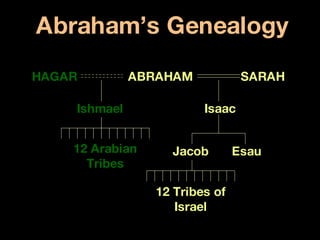
Abraham’s Genealogy ABRAHAM SARAH HAGAR Isaac Esau Jacob 12 Tribes of Israel Ishmael 12 Arabian Tribes
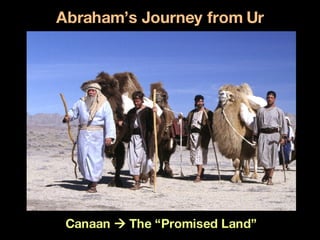
Abraham’s Journey from Ur Canaan    The “Promised Land”
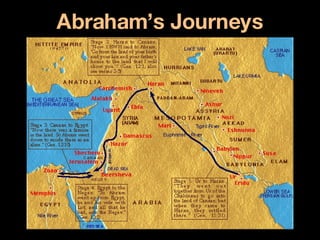
Abraham’s Journeys
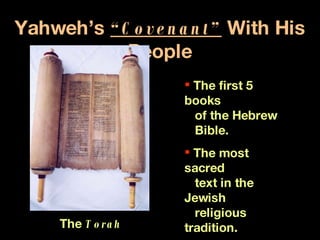
Yahweh’s  “Covenant”  With His People The  Torah The first 5 books   of the Hebrew   Bible. The most sacred   text in the Jewish   religious tradition.
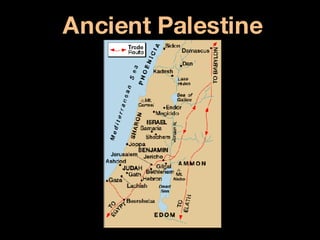
Ancient Palestine
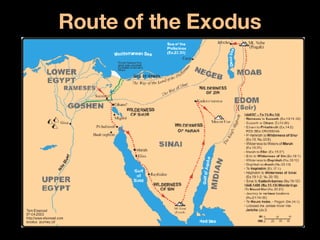
EXODUS Famine Hebrews left Canaan because they were starving Went To Egypt Became enslaved by Egyptians Story of Moses – raised by Egyptian Pharaoh Moses learns he is Hebrew – Frees people and leads them back to Canaan (Promise Land/Israel/Palestine) Called Exodus
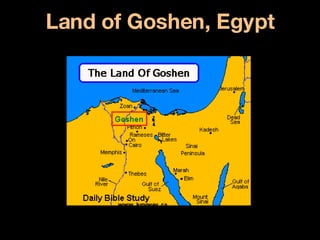
Land of Goshen, Egypt
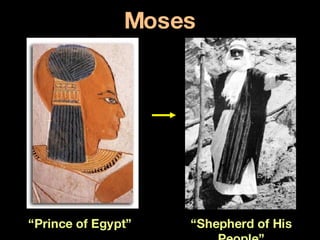
Moses “ Prince of Egypt” “ Shepherd of His People”
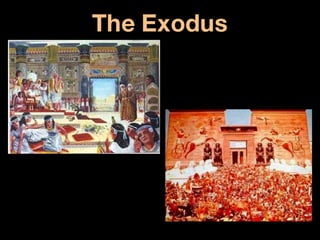
The Exodus
Route of the Exodus
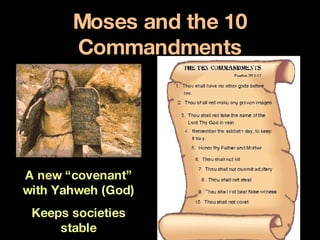
Moses and the 10 Commandments A new “covenant” with Yahweh (God) Keeps societies stable
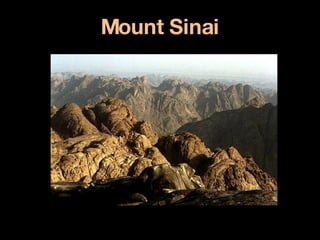
Mount Sinai
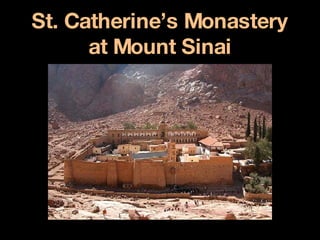
St. Catherine’s Monastery at Mount Sinai
Hebrew Civilization Hebrews developed an advanced civilization Hebrew Tribes united under King Saul Continued under King David Saw their greatest strength and prosperity
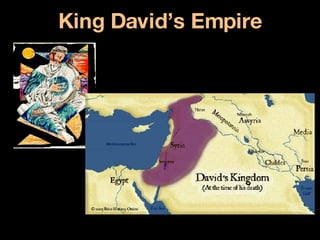
King David’s Empire
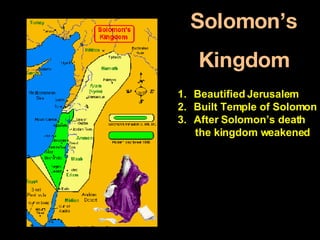
Solomon’s Kingdom Beautified Jerusalem Built Temple of Solomon After Solomon’s death the kingdom weakened
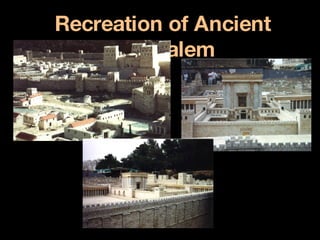
Recreation of Ancient Jerusalem
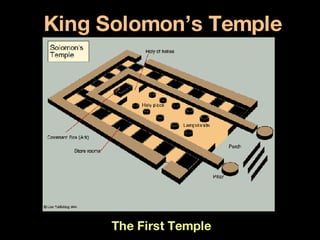
King Solomon’s Temple Floor Plan The First Temple
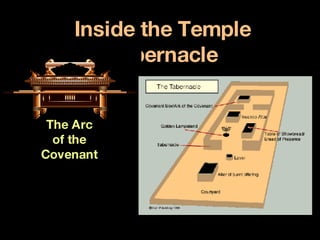
Inside the Temple Tabernacle The Arc of the Covenant
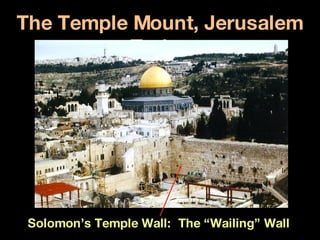
The Temple Mount, Jerusalem Today Solomon’s Temple Wall:  The “Wailing” Wall
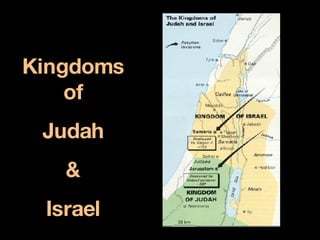
Kingdoms of Judah & Israel
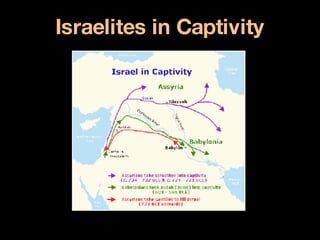
Israelites in Captivity
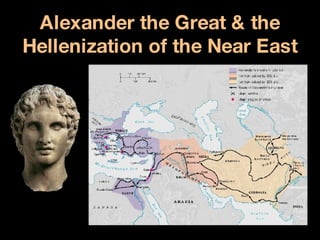
Alexander the Great & the Hellenization of the Near East
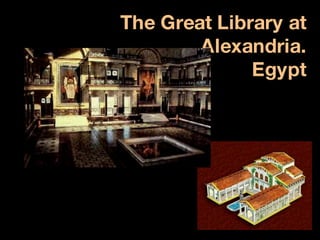
The Great Library at Alexandria. Egypt
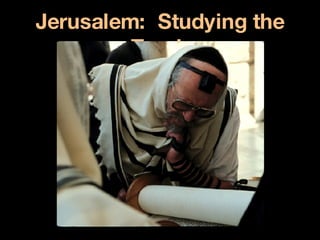
Jerusalem:  Studying the Torah
After Israel became part of the Roman Empire Romans destroyed Jerusalem and scattered the Jews throughout the world Jews did not return until 1948 (after WWII)
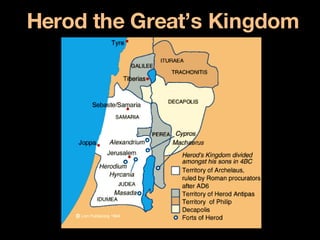
Herod the Great’s Kingdom

Hebrew Notes