HARSHIL
ZAVERI
• HELLO,MY TOPIC IS
TYPES OF ENERGY
SOURCES
• ESPECIALLY,IT IS
NON-RENEWABLE
SOURCES
• OK LET’S SEE….!
ME(I-2)
SR NO-41
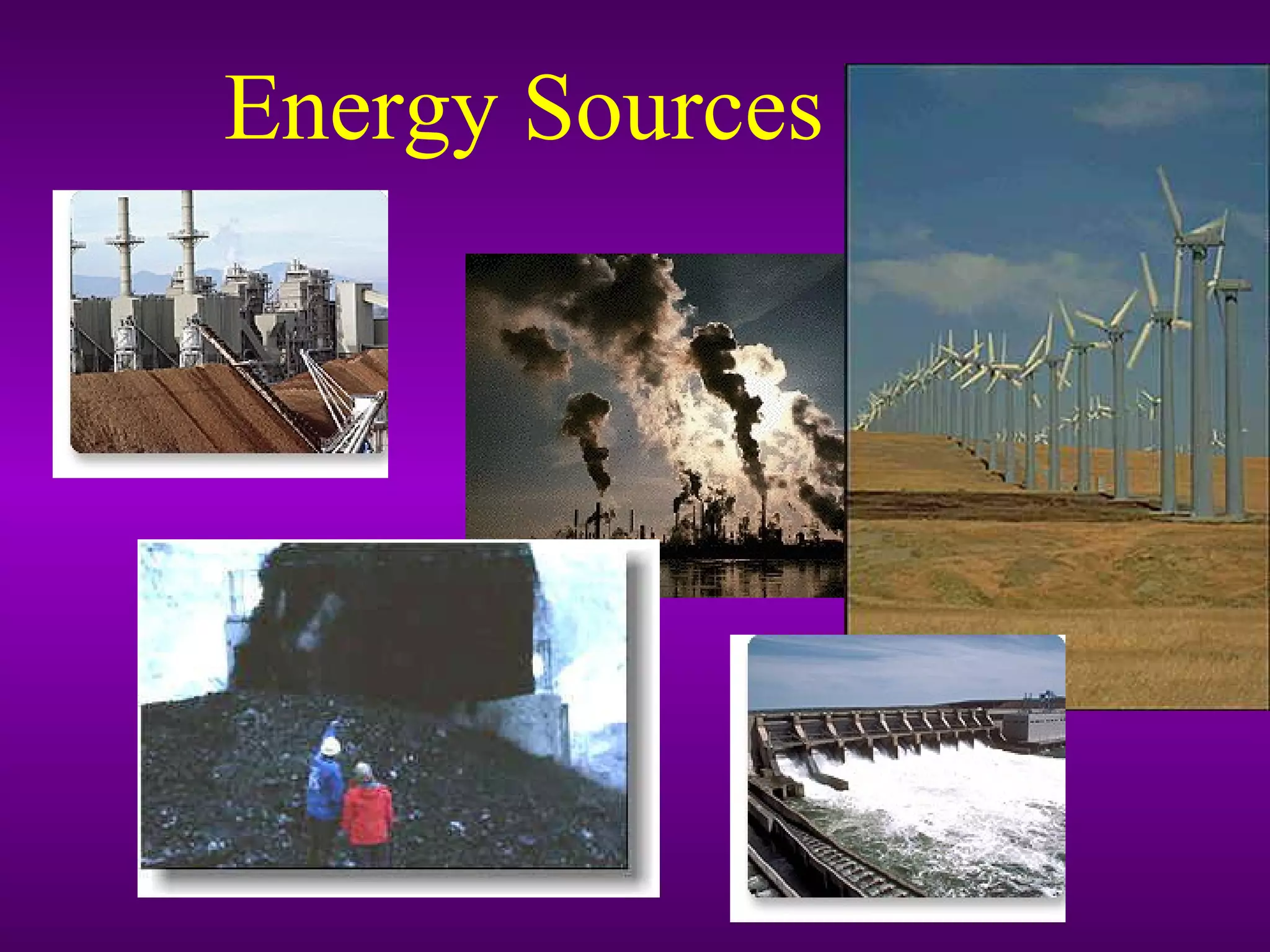
Energy Sources
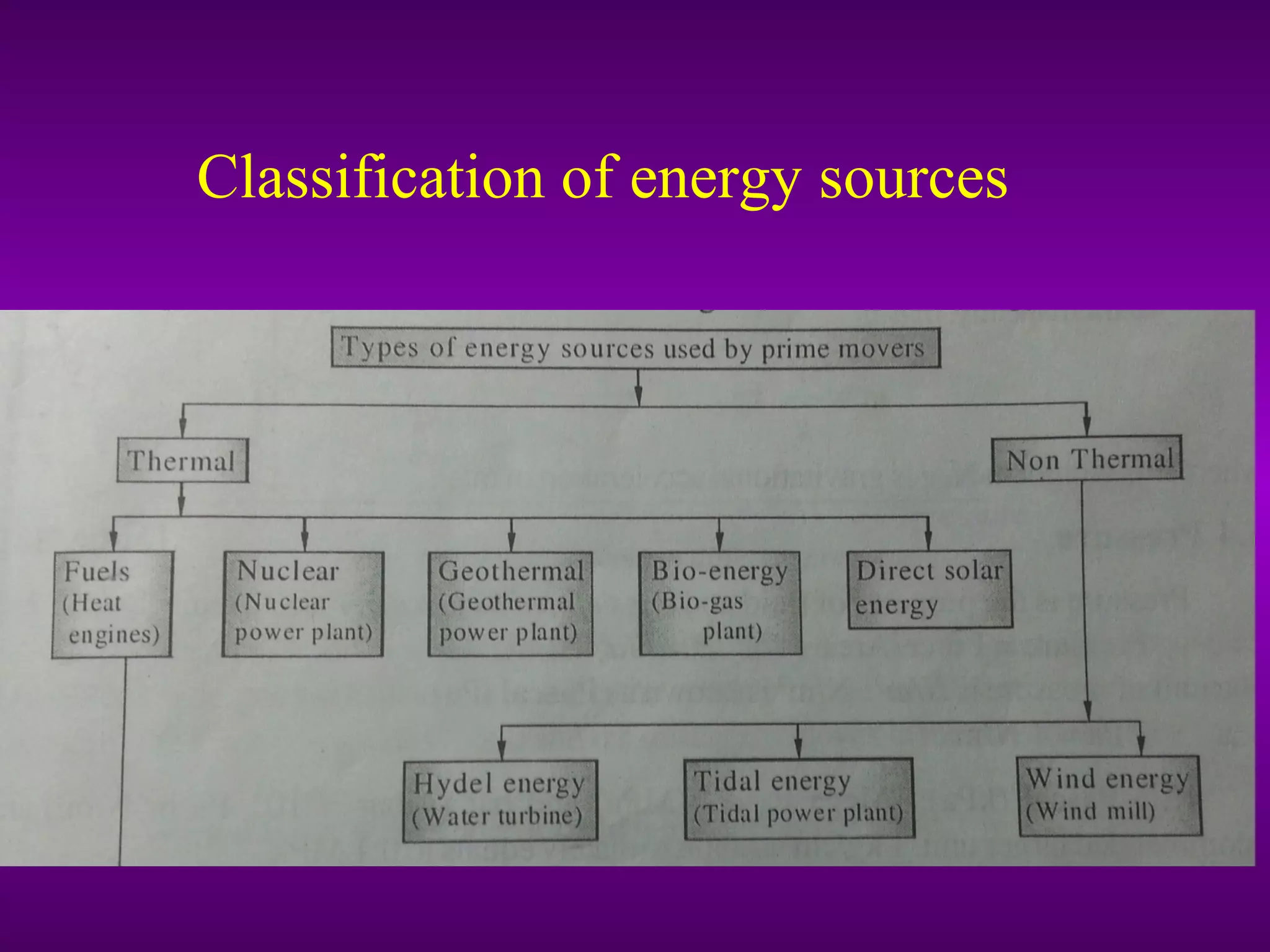
Classification of energy sources
Fossil Fuels
Coal, Oil and Gas are
called "fossil fuels"
because they have been
formed from the fossilized remains of
prehistoric plants and animals.
They provide around 66% of the world's
electrical power, and 95% of the world's total
energy demands
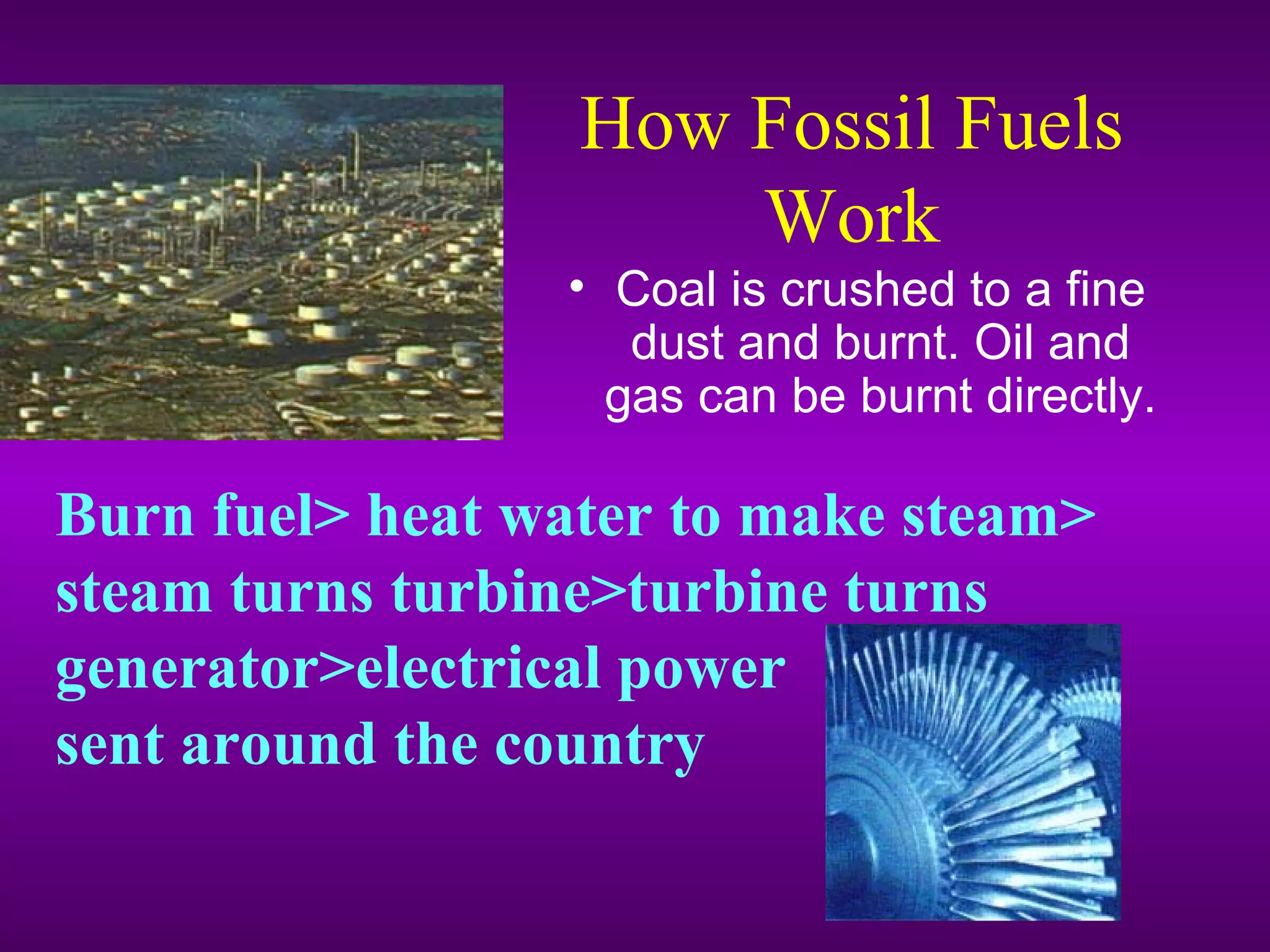
How Fossil Fuels
Work
• Coal is crushed to a fine
dust and burnt. Oil and
gas can be burnt directly.
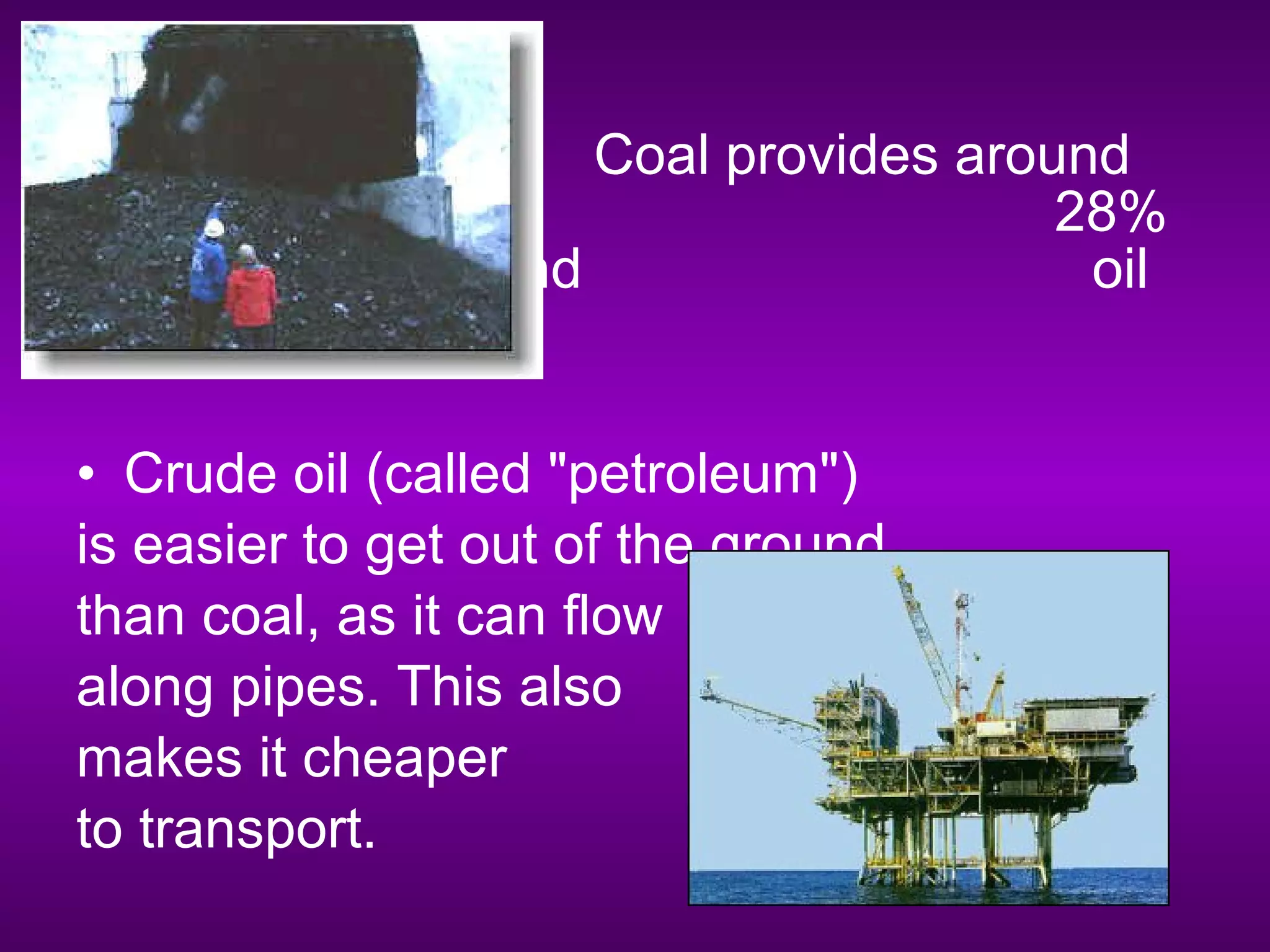
Burn fuel> heat water to make steam>
steam turns turbine>turbine turns
generator>electrical power
sent around the country
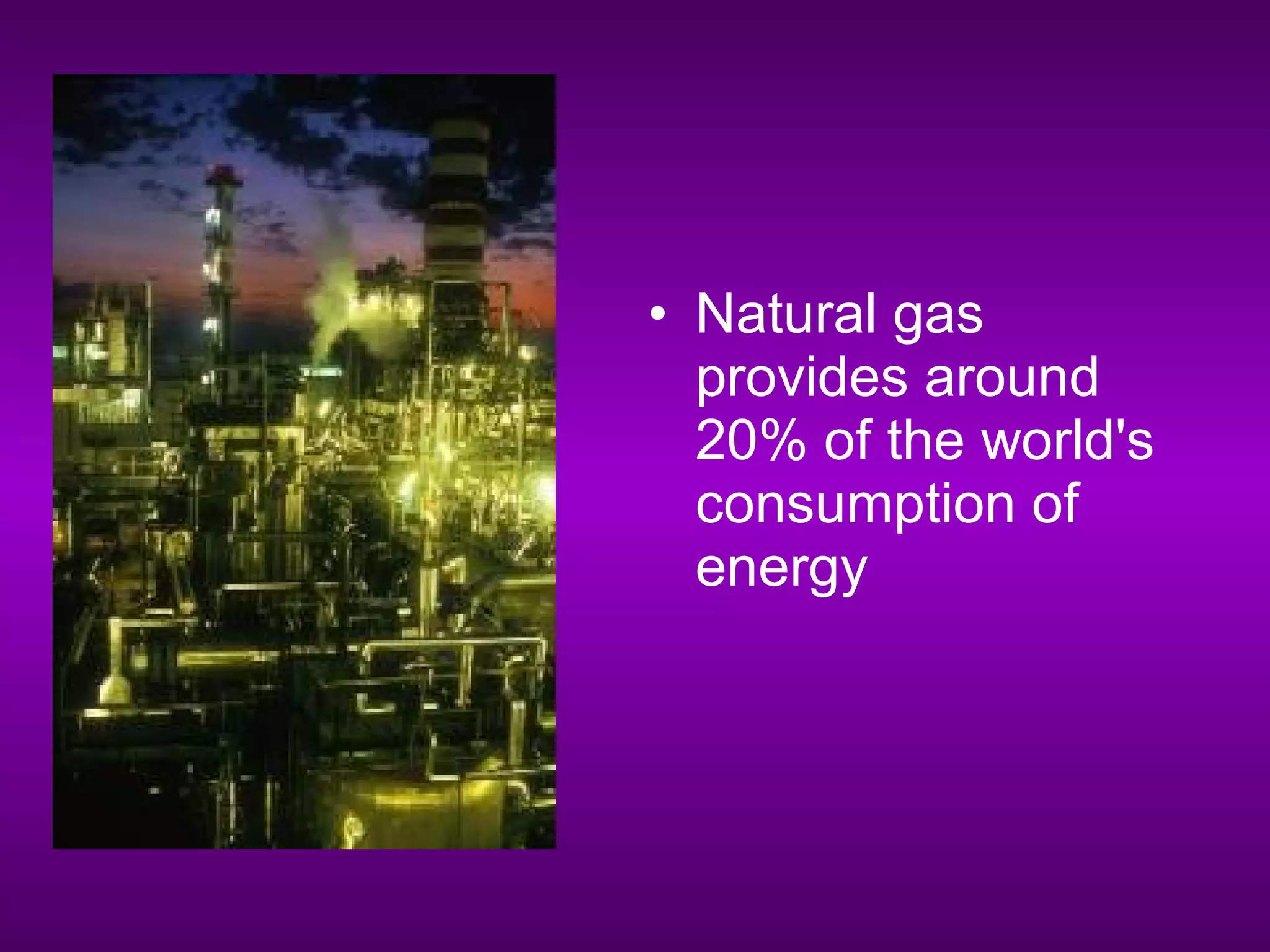
• Coal provides around
28%
of our energy, and oil
provides 40%.
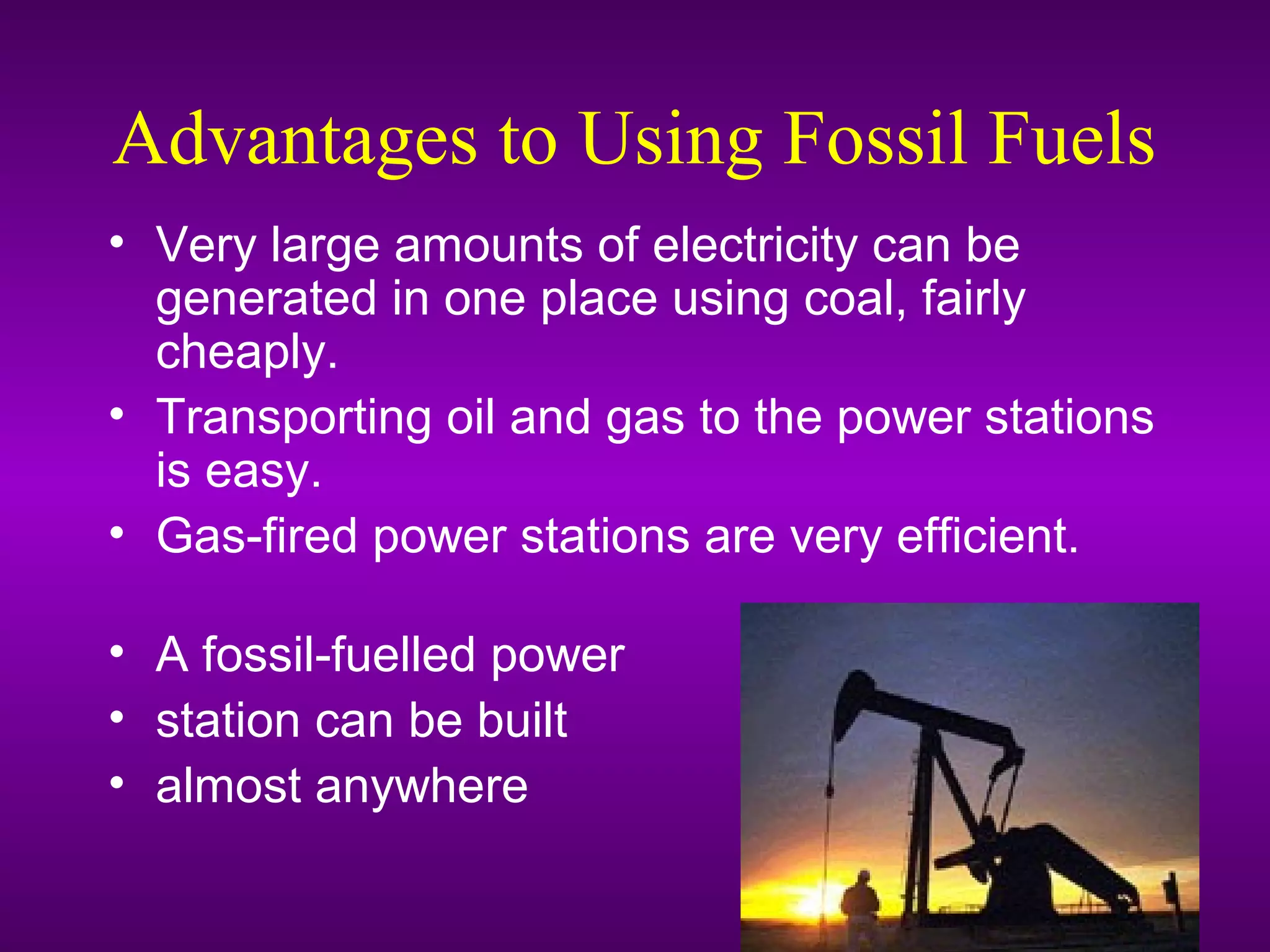
• Crude oil (called "petroleum")
is easier to get out of the ground
than coal, as it can flow
along pipes. This also
makes it cheaper
to transport.
• Natural gas
provides around
20% of the world's
consumption of
energy
Advantages to Using Fossil Fuels
• Very large amounts of electricity can be
generated in one place using coal, fairly
cheaply.
• Transporting oil and gas to the power stations
is easy.
• Gas-fired power stations are very efficient.
• A fossil-fuelled power
• station can be built
• almost anywhere
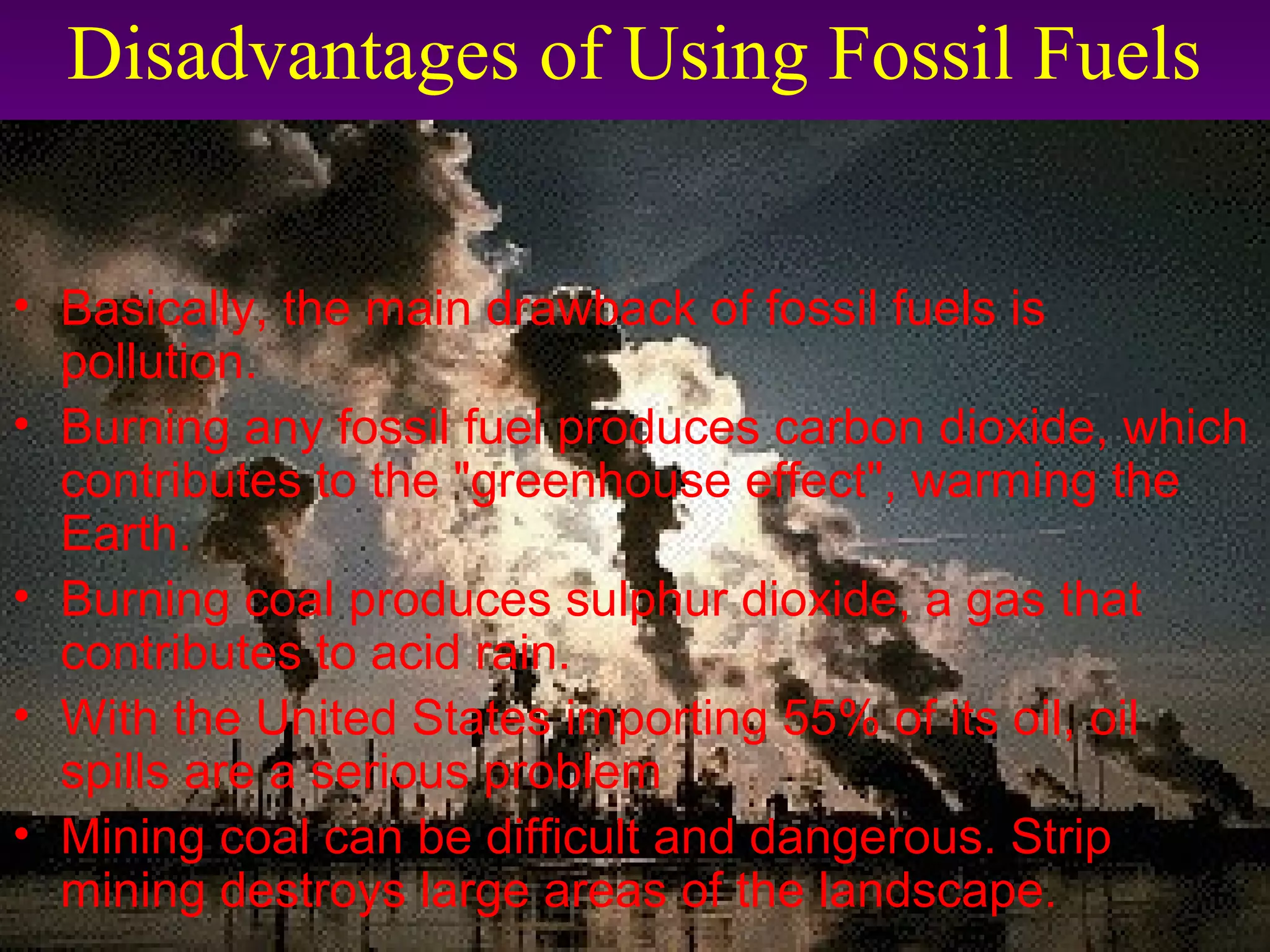
Disadvantages of Using Fossil Fuels
• Basically, the main drawback of fossil fuels is
pollution.
• Burning any fossil fuel produces carbon dioxide, which
contributes to the "greenhouse effect", warming the
Earth.
• Burning coal produces sulphur dioxide, a gas that
contributes to acid rain.
• With the United States importing 55% of its oil, oil
spills are a serious problem
• Mining coal can be difficult and dangerous. Strip
mining destroys large areas of the landscape.
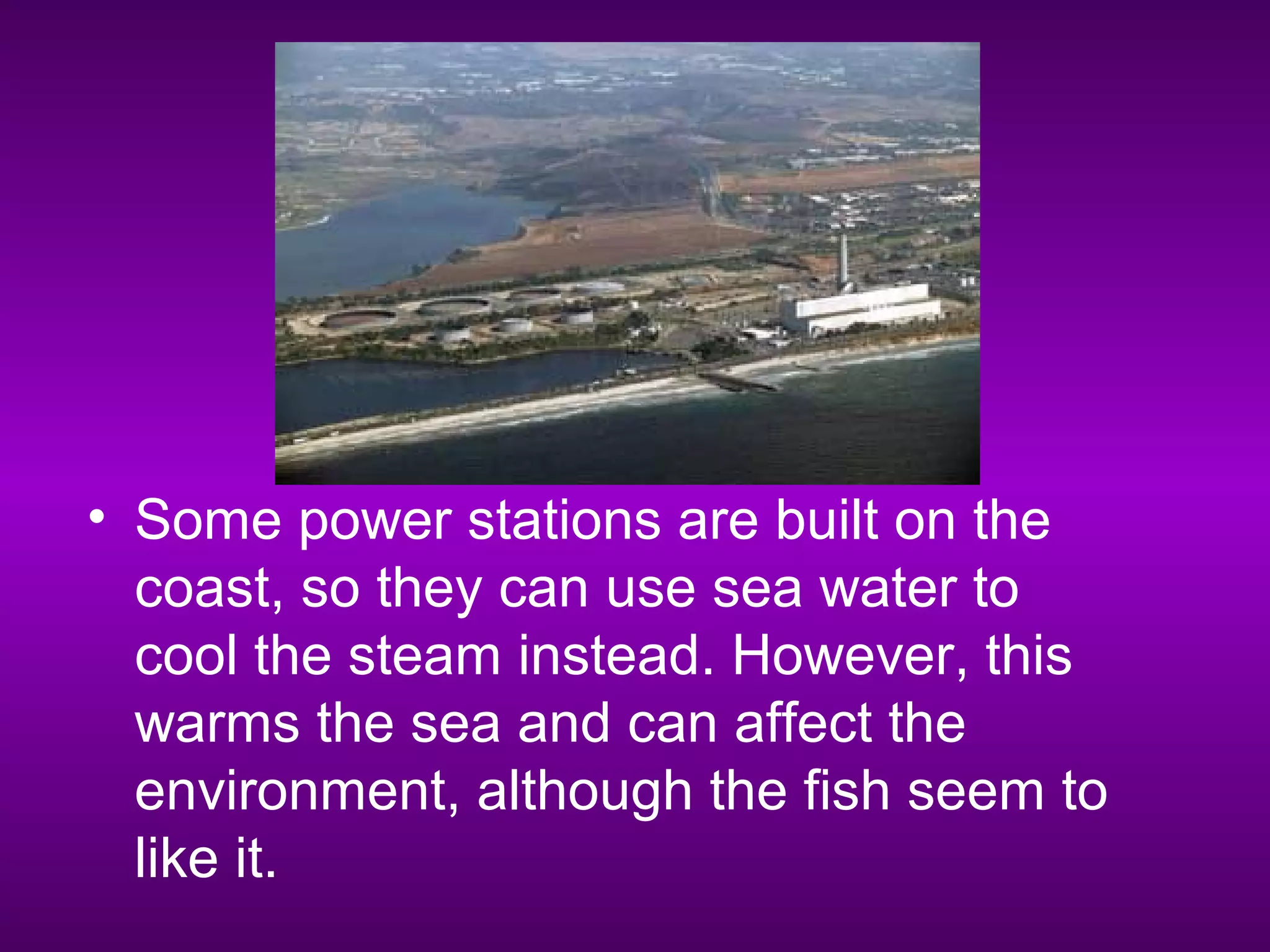
• Some power stations are built on the
coast, so they can use sea water to
cool the steam instead. However, this
warms the sea and can affect the
environment, although the fish seem to
like it.
Is it Renewable?
• Once we've burned them all, there isn't any
more, and our consumption of fossil fuels has
nearly doubled every 20 years since 1900.
This is a particular problem for Oil, because
we also use it to make plastics and many
other products.
Fossil fuels are NOT a
renewable energy resource
THANK YOU

Harshil zaveri (41)

  • 1.
    HARSHIL ZAVERI • HELLO,MY TOPICIS TYPES OF ENERGY SOURCES • ESPECIALLY,IT IS NON-RENEWABLE SOURCES • OK LET’S SEE….! ME(I-2) SR NO-41
  • 2.
  • 3.
  • 4.
    Fossil Fuels Coal, Oiland Gas are called "fossil fuels" because they have been formed from the fossilized remains of prehistoric plants and animals. They provide around 66% of the world's electrical power, and 95% of the world's total energy demands
  • 5.
    How Fossil Fuels Work •Coal is crushed to a fine dust and burnt. Oil and gas can be burnt directly. Burn fuel> heat water to make steam> steam turns turbine>turbine turns generator>electrical power sent around the country
  • 6.
    • Coal providesaround 28% of our energy, and oil provides 40%. • Crude oil (called "petroleum") is easier to get out of the ground than coal, as it can flow along pipes. This also makes it cheaper to transport.
  • 7.
    • Natural gas providesaround 20% of the world's consumption of energy
  • 8.
    Advantages to UsingFossil Fuels • Very large amounts of electricity can be generated in one place using coal, fairly cheaply. • Transporting oil and gas to the power stations is easy. • Gas-fired power stations are very efficient. • A fossil-fuelled power • station can be built • almost anywhere
  • 9.
    Disadvantages of UsingFossil Fuels • Basically, the main drawback of fossil fuels is pollution. • Burning any fossil fuel produces carbon dioxide, which contributes to the "greenhouse effect", warming the Earth. • Burning coal produces sulphur dioxide, a gas that contributes to acid rain. • With the United States importing 55% of its oil, oil spills are a serious problem • Mining coal can be difficult and dangerous. Strip mining destroys large areas of the landscape.
  • 10.
    • Some powerstations are built on the coast, so they can use sea water to cool the steam instead. However, this warms the sea and can affect the environment, although the fish seem to like it.
  • 11.
    Is it Renewable? •Once we've burned them all, there isn't any more, and our consumption of fossil fuels has nearly doubled every 20 years since 1900. This is a particular problem for Oil, because we also use it to make plastics and many other products. Fossil fuels are NOT a renewable energy resource
  • 12.