EERI Special Earthquake Report — April 2010

Learning from Earthquakes

The Mw 7.0 Haiti Earthquake of January 12, 2010: Report #1
This is the first of multiple Newsletter
inserts on the Haiti earthquake of
January 12, 2010. It summarizes
observations from the advance
team organized by the U.S. Geological Survey (USGS) and EERI
that traveled to Haiti January 26 to
February 3, 2010. The multidisciplinary team included Marc Eberhard,
University of Washington (team
leader); Steve Baldridge, Baldridge
& Associates Structural Engineering, Inc.; Justin Marshall, Auburn
University; Walter Mooney, USGS;
and Glenn Rix, Georgia Institute of
Technology.
In addition to earthquake damage
reconnaissance, the team installed
four seismograph stations; participated in assessments of numerous
buildings, bridges, and port facilities;
and trained engineers in post-earthquake damage assessment.
The reconnaissance effort was
made possible by the logistical
support of the U.S. Southern Command and the officers, soldiers,
marines, airmen, and civilians of
Joint Task Force Haiti. The institutional support of the U.S. Embassy
and U.S. Agency for International
Development was also crucial.

The EERI contribution was funded
by the Learning from Earthquakes
project of the National Science Foundation under Award #CMMI-0758529.

Introduction
The Mw 7.0 earthquake that struck
the Republic of Haiti on January 12,
2010, is among the most destructive
earthquakes in recorded history. As
of March 2010, the death toll reported by the Government of Haiti exceeded 233,000, with an additional
300,000 injuries. More than 5 million
people live in the area affected by the
earthquake, 1.2 million of whom are
now in temporary shelters (United
Nations, 2010). Humanitarian relief
agencies continue to be challenged
by the scale of the disaster.
The Republic of Haiti occupies the
western third (27,750 km2) of the
island of Hispaniola, located in the
NE Caribbean between Puerto

Rico to the east and Jamaica and
Cuba to the west, and has a total
population of approximately 9 million. Its largest city, Port-au-Prince,
with an estimated population of between 2.5 and 3 million people, is
located 25 km ENE of the epicenter. Haiti is the poorest country in
the Western Hemisphere, with an
estimated 80% of its people living
under the poverty line, 54% in abject poverty (CIA, 2010). In 2008,
more than 800 people were killed
by four hurricanes and tropical
storms that struck during a twomonth period.

Seismology
Despite recent seismic quiescence,
Haiti has suffered similar devastating earthquakes in the historic past
(1701, 1751, 1770, and 1860). Haiti
had no seismograph stations during
the main earthquake, so it is difficult

Travel funding for the team was
provided by the USGS, EERI, Network for Earthquake Engineering
Simulation (NEES), Geo-Engineering Extreme Events Reconnaissance (GEER) Association, and
Applied Technology Council (ATC).
This insert also includes a section
on search and rescue operations
by Mikaël Gartner, Donny Harris,
Bruce Cook, and Keith Martin,
structural specialists with the
USAID/OFDA Urban Search and
Rescue Team (US-2 / CA-TF2),
operated by the Los Angeles
County Fire Department.

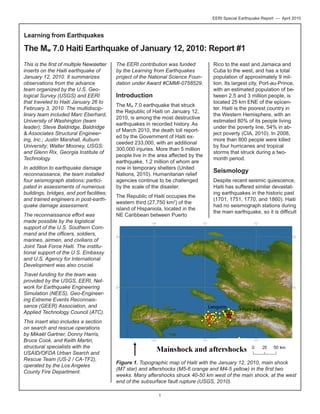
Figure 1. Topographic map of Haiti with the January 12, 2010, main shock
(M7 star) and aftershocks (M5-6 orange and M4-5 yellow) in the first two
weeks. Many aftershocks struck 40-50 km west of the main shock, at the west
end of the subsurface fault rupture (USGS, 2010).
1
EERI Special Earthquake Report — April 2010

to estimate accurately the intensity
of ground motions. Nonetheless,
the wide range of buildings damaged suggests that the ground motions contained seismic energy
over a wide range of frequencies.
Another earthquake of similar magnitude could strike at any time on
the eastern end of the Enriquillo
fault, directly to the south of Portau-Prince. Reconstruction must
take this hazard into account.
Main Shock and Aftershocks.
The January 12 quake struck at
04:53 PM local time. The USGS
epicenter was 18.457° N, 72.533°
W, 25 km WSW of Port-au-Prince
on or near the Enriquillo fault (Figure 1). The estimated depth was
13 km, but the lack of local seismic
data makes the precise depth uncertain. The USGS assigned a
horizontal uncertainty of +/- 3.4
km. The focal mechanism for the
main shock indicates left-lateral
oblique-slip motion on an east-west
oriented fault. The fault ruptured
from east to west, away from Portau-Prince and towards the cities of
Léogâne, Grand Goâve, and Petite
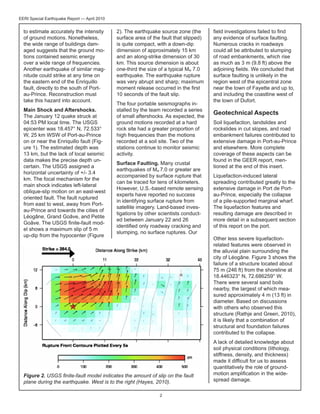
Goâve. The USGS finite-fault model shows a maximum slip of 5 m
up-dip from the hypocenter (Figure

2). The earthquake source zone (the
surface area of the fault that slipped)
is quite compact, with a down-dip
dimension of approximately 15 km
and an along-strike dimension of 30
km. This source dimension is about
one-third the size of a typical Mw 7.0
earthquake. The earthquake rupture
was very abrupt and sharp; maximum
moment release occurred in the first
10 seconds of the fault slip.
The four portable seismographs installed by the team recorded a series
of small aftershocks. As expected, the
ground motions recorded at a hard
rock site had a greater proportion of
high frequencies than the motions
recorded at a soil site. Two of the
stations continue to monitor seismic
activity.
Surface Faulting. Many crustal
earthquakes of Mw 7.0 or greater are
accompanied by surface rupture that
can be traced for tens of kilometers.
However, U.S.-based remote sensing
experts have reported no success
in identifying surface rupture from
satellite imagery. Land-based investigations by other scientists conducted between January 22 and 26
identified only roadway cracking and
slumping, no surface ruptures. Our

Figure 2. USGS finite-fault model indicates the amount of slip on the fault
plane during the earthquake. West is to the right (Hayes, 2010).
2

field investigations failed to find
any evidence of surface faulting.
Numerous cracks in roadways
could all be attributed to slumping
of road embankments, which rise
as much as 3 m (9.8 ft) above the
adjoining fields. We concluded that
surface faulting is unlikely in the
region west of the epicentral zone
near the town of Fayette and up to,
and including the coastline west of
the town of Dufort.

Geotechnical Aspects
Soil liquefaction, landslides and
rockslides in cut slopes, and road
embankment failures contributed to
extensive damage in Port-au-Prince
and elsewhere. More complete
coverage of these aspects can be
found in the GEER report, mentioned at the end of this insert.
Liquefaction-induced lateral
spreading contributed greatly to the
extensive damage in Port de Portau-Prince, especially the collapse
of a pile-supported marginal wharf.
The liquefaction features and
resulting damage are described in
more detail in a subsequent section
of this report on the port.
Other less severe liquefactionrelated features were observed in
the alluvial plain surrounding the
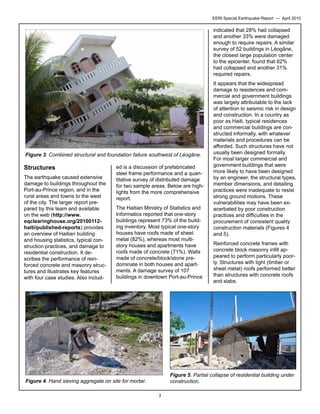
city of Léogâne. Figure 3 shows the
failure of a structure located about
75 m (246 ft) from the shoreline at
18.446323° N, 72.686259° W.
There were several sand boils
nearby, the largest of which measured approximately 4 m (13 ft) in
diameter. Based on discussions
with others who observed this
structure (Rathje and Green, 2010),
it is likely that a combination of
structural and foundation failures
contributed to the collapse.
A lack of detailed knowledge about
soil physical conditions (lithology,
stiffness, density, and thickness)
made it difficult for us to assess
quantitatively the role of groundmotion amplification in the widespread damage.
EERI Special Earthquake Report — April 2010

indicated that 28% had collapsed
and another 33% were damaged
enough to require repairs. A similar
survey of 52 buildings in Léogâne,
the closest large population center
to the epicenter, found that 62%
had collapsed and another 31%
required repairs.

Figure 3. Combined structural and foundation failure southwest of Léogâne.

Structures
The earthquake caused extensive
damage to buildings throughout the
Port-au-Prince region, and in the
rural areas and towns to the west
of the city. The larger report prepared by this team and available
on the web (http://www.
eqclearinghouse.org/20100112haiti/published-reports) provides
an overview of Haitian building
and housing statistics, typical construction practices, and damage to
residential construction. It describes the performance of reinforced concrete and masonry structures and illustrates key features
with four case studies. Also includ-

ed is a discussion of prefabricated
steel frame performance and a quantitative survey of distributed damage
for two sample areas. Below are highlights from the more comprehensive
report.
The Haitian Ministry of Statistics and
Informatics reported that one-story
buildings represent 73% of the building inventory. Most typical one-story
houses have roofs made of sheet
metal (82%), whereas most multistory houses and apartments have
roofs made of concrete (71%). Walls
made of concrete/block/stone predominate in both houses and apartments. A damage survey of 107
buildings in downtown Port-au-Prince

It appears that the widespread
damage to residences and commercial and government buildings
was largely attributable to the lack
of attention to seismic risk in design
and construction. In a country as
poor as Haiti, typical residences
and commercial buildings are constructed informally, with whatever
materials and procedures can be
afforded. Such structures have not
usually been designed formally.
For most larger commercial and
government buildings that were
more likely to have been designed
by an engineer, the structural types,
member dimensions, and detailing
practices were inadequate to resist
strong ground motions. These
vulnerabilities may have been exacerbated by poor construction
practices and difficulties in the
procurement of consistent quality
construction materials (Figures 4
and 5).
Reinforced concrete frames with
concrete block masonry infill appeared to perform particularly poorly. Structures with light (timber or
sheet metal) roofs performed better
than structures with concrete roofs
and slabs.

Figure 5. Partial collapse of residential building under
construction.

Figure 4. Hand sieving aggregate on site for mortar.
3
EERI Special Earthquake Report — April 2010

a selection of damaged buildings
appeared to have had low deformation demands, it is reasonable to
conclude that structures designed
and constructed with adequate
stiffness and reinforcing details
would have resisted the earthquake
without severe damage (see Figures 7 and 8).

Bridges
Figure 6. Differential damage to two structures across the street from one
another in Port-au-Prince: (a) reinforced concrete frame with masonry infill;
(b) new Digicel building under construction
Most multi-story structures appeared to consist of reinforced concrete frames, with reinforced concrete roofs and floors, and masonry
infill. The team also found some
bearing-wall structures supporting
concrete floors and roofs, and occasionally, wood or steel roofs. For
structures with low-to-moderate levels of damage, it was often difficult
to determine whether the bearing
walls were made of concrete, reinforced concrete, or masonry. Only a
few of the buildings we observed
had any seismic detailing, consistent with the observations of Fierro
and Perry (2010).
Figure 6a shows the collapsed Turgeau Hospital, its lateral-force resistance provided by a reinforced

concrete frame with masonry infill. As
with numerous other structures observed by the team, the columns and
joints had little transverse reinforcement. The new Digicel building across
the street (18.532729° N, 72.323235°
W) appeared to be nearly undamaged, with slight damage to a few
windows (Figure 6b). The fundamental period of the Digicel building was
likely much larger than that of the
hospital, so the seismic demands
would have differed; nonetheless, the
stark difference in performance suggests that the severe damage to numerous buildings could have been
avoided with greater attention to
seismic performance.
Since the seismic performance of
some buildings was adequate, and

There was no evidence of bridge
collapses attributable to the earthquake. Most bridges in Port-auPrince are simple box culverts consisting of 2.0-2.5 m (6-8 ft) deep
box girders. However, in several
cases the roadway settled differentially between the approaches and
the section spanning the culvert.
Multi-span bridges on primary
routes are engineered structures
that had some damage but were
still useable.

Port Facilities
The main port in Port-au-Prince
suffered extensive damage during
the earthquake, inhibiting the delivery of relief supplies. The collapse of the North Wharf appears to
have been caused by liquefactioninduced lateral spreading (Figure 9).
There were three cranes at the
North Wharf, including one 15-m
(50-ft) gauge, A-frame container
crane, and two rubber-tired mobile

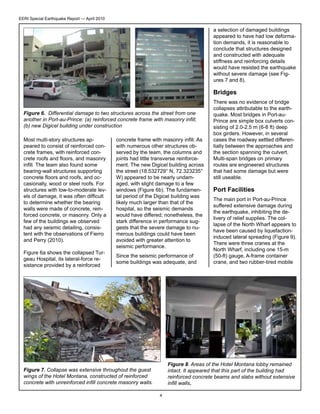
Figure 8. Areas of the Hotel Montana lobby remained
intact. It appeared that this part of the building had
reinforced concrete beams and slabs without extensive
infill walls.

Figure 7. Collapse was extensive throughout the guest
wings of the Hotel Montana, constructed of reinforced
concrete with unreinforced infill concrete masonry walls.
4
EERI Special Earthquake Report — April 2010

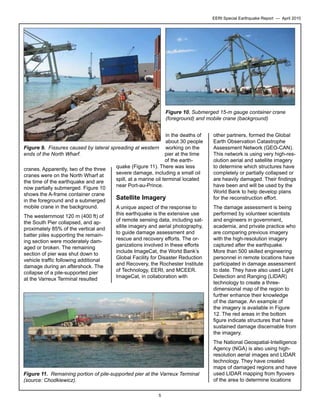
Figure 10. Submerged 15-m gauge container crane
(foreground) and mobile crane (background)
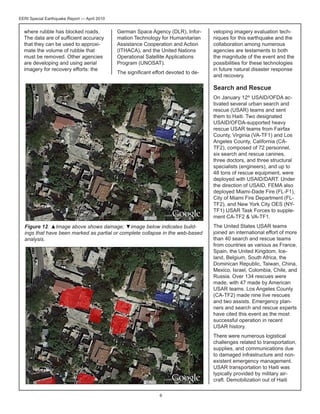
in the deaths of
about 30 people
Figure 9. Fissures caused by lateral spreading at western working on the
pier at the time
ends of the North Wharf.
of the earthquake (Figure 11). There was less
cranes. Apparently, two of the three
severe damage, including a small oil
cranes were on the North Wharf at
spill, at a marine oil terminal located
the time of the earthquake and are
near Port-au-Prince.
now partially submerged. Figure 10
shows the A-frame container crane
Satellite Imagery
in the foreground and a submerged
mobile crane in the background.
A unique aspect of the response to
this earthquake is the extensive use
The westernmost 120 m (400 ft) of
of remote sensing data, including satthe South Pier collapsed, and apellite imagery and aerial photography,
proximately 85% of the vertical and
to guide damage assessment and
batter piles supporting the remainrescue and recovery efforts. The oring section were moderately damganizations involved in these efforts
aged or broken. The remaining
include ImageCat, the World Bank’s
section of pier was shut down to
Global Facility for Disaster Reduction
vehicle traffic following additional
and Recovery, the Rochester Institute
damage during an aftershock. The
of Technology, EERI, and MCEER.
collapse of a pile-supported pier
ImageCat, in collaboration with
at the Varreux Terminal resulted

Figure 11. Remaining portion of pile-supported pier at the Varreux Terminal
(source: Chodkiewicz).
5

other partners, formed the Global
Earth Observation Catastrophe
Assessment Network (GEO-CAN).
This network is using very high-resolution aerial and satellite imagery
to determine which structures have
completely or partially collapsed or
are heavily damaged. Their findings
have been and will be used by the
World Bank to help develop plans
for the reconstruction effort.
The damage assessment is being
performed by volunteer scientists
and engineers in government,
academia, and private practice who
are comparing previous imagery
with the high-resolution imagery
captured after the earthquake.
More than 500 skilled engineering
personnel in remote locations have
participated in damage assessment
to date. They have also used Light
Detection and Ranging (LIDAR)
technology to create a threedimensional map of the region to
further enhance their knowledge
of the damage. An example of
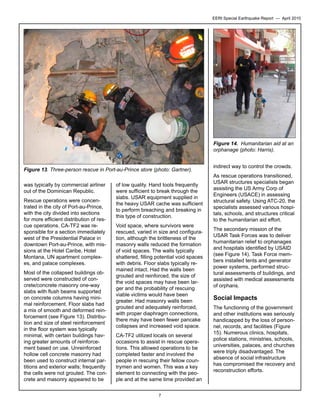
the imagery is available in Figure
12. The red areas in the bottom
figure indicate structures that have
sustained damage discernable from
the imagery.
The National Geospatial-Intelligence
Agency (NGA) is also using highresolution aerial images and LIDAR
technology. They have created
maps of damaged regions and have
used LIDAR mapping from flyovers
of the area to determine locations
EERI Special Earthquake Report — April 2010

where rubble has blocked roads.
The data are of sufficient accuracy
that they can be used to approximate the volume of rubble that
must be removed. Other agencies
are developing and using aerial
imagery for recovery efforts: the

German Space Agency (DLR), Information Technology for Humanitarian
Assistance Cooperation and Action
(ITHACA), and the United Nations
Operational Satellite Applications
Program (UNOSAT).
The significant effort devoted to de-

veloping imagery evaluation techniques for this earthquake and the
collaboration among numerous
agencies are testaments to both
the magnitude of the event and the
possibilities for these technologies
in future natural disaster response
and recovery.

Search and Rescue
On January 12th USAID/OFDA activated several urban search and
rescue (USAR) teams and sent
them to Haiti. Two designated
USAID/OFDA-supported heavy
rescue USAR teams from Fairfax
County, Virginia (VA-TF1) and Los
Angeles County, California (CATF2), composed of 72 personnel,
six search and rescue canines,
three doctors, and three structural
specialists (engineers), and up to
48 tons of rescue equipment, were
deployed with USAID/DART. Under
the direction of USAID, FEMA also
deployed Miami-Dade Fire (FL-F1),
City of Miami Fire Department (FLTF2), and New York City OES (NYTF1) USAR Task Forces to supplement CA-TF2 & VA-TF1.
Figure 12. ▲Image above shows damage; ▼image below indicates buildings that have been marked as partial or complete collapse in the web-based
analysis.

The United States USAR teams
joined an international effort of more
than 40 search and rescue teams
from countries as various as France,
Spain, the United Kingdom, Iceland, Belgium, South Africa, the
Dominican Republic, Taiwan, China,
Mexico, Israel, Colombia, Chile, and
Russia. Over 134 rescues were
made, with 47 made by American
USAR teams. Los Angeles County
(CA-TF2) made nine live rescues
and two assists. Emergency planners and search and rescue experts
have cited this event as the most
successful operation in recent
USAR history.
There were numerous logistical
challenges related to transportation,
supplies, and communications due
to damaged infrastructure and nonexistent emergency management.
USAR transportation to Haiti was
typically provided by military aircraft. Demobilization out of Haiti

6
EERI Special Earthquake Report — April 2010

Figure 14. Humanitarian aid at an
orphanage (photo: Harris).
Figure 13. Three-person rescue in Port-au-Prince store (photo: Gartner).
was typically by commercial airliner
out of the Dominican Republic.
Rescue operations were concentrated in the city of Port-au-Prince,
with the city divided into sections
for more efficient distribution of rescue operations. CA-TF2 was responsible for a section immediately
west of the Presidential Palace in
downtown Port-au-Prince, with missions at the Hotel Caribe, Hotel
Montana, UN apartment complexes, and palace complexes.
Most of the collapsed buildings observed were constructed of concrete/concrete masonry one-way
slabs with flush beams supported
on concrete columns having minimal reinforcement. Floor slabs had
a mix of smooth and deformed reinforcement (see Figure 13). Distribution and size of steel reinforcement
in the floor system was typically
minimal, with certain buildings having greater amounts of reinforcement based on use. Unreinforced
hollow cell concrete masonry had
been used to construct internal partitions and exterior walls; frequently
the cells were not grouted. The concrete and masonry appeared to be

of low quality. Hand tools frequently
were sufficient to break through the
slabs. USAR equipment supplied in
the heavy USAR cache was sufficient
to perform breaching and breaking in
this type of construction.
Void space, where survivors were
rescued, varied in size and configuration, although the brittleness of the
masonry walls reduced the formation
of void spaces. The walls typically
shattered, filling potential void spaces
with debris. Floor slabs typically remained intact. Had the walls been
grouted and reinforced, the size of
the void spaces may have been larger and the probability of rescuing
viable victims would have been
greater. Had masonry walls been
grouted and adequately reinforced,
with proper diaphragm connections,
there may have been fewer pancake
collapses and increased void space.
CA-TF2 utilized locals on several
occasions to assist in rescue operations. This allowed operations to be
completed faster and involved the
people in rescuing their fellow countrymen and women. This was a key
element to connecting with the people and at the same time provided an
7

indirect way to control the crowds.
As rescue operations transitioned,
USAR structures specialists began
assisting the US Army Corp of
Engineers (USACE) in assessing
structural safety. Using ATC-20, the
specialists assessed various hospitals, schools, and structures critical
to the humanitarian aid effort.
The secondary mission of the
USAR Task Forces was to deliver
humanitarian relief to orphanages
and hospitals identified by USAID
(see Figure 14). Task Force members installed tents and generator
power systems, performed structural assessments of buildings, and
assisted with medical assessments
of orphans.

Social Impacts
The functioning of the government
and other institutions was seriously
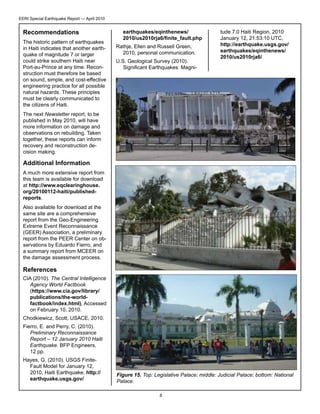
handicapped by the loss of personnel, records, and facilities (Figure
15). Numerous clinics, hospitals,
police stations, ministries, schools,
universities, palaces, and churches
were triply disadvantaged. The
absence of social infrastructure
has compromised the recovery and
reconstruction efforts.
EERI Special Earthquake Report — April 2010

Recommendations
The historic pattern of earthquakes
in Haiti indicates that another earthquake of magnitude 7 or larger
could strike southern Haiti near
Port-au-Prince at any time. Reconstruction must therefore be based
on sound, simple, and cost-effective
engineering practice for all possible
natural hazards. These principles
must be clearly communicated to
the citizens of Haiti.

earthquakes/eqinthenews/
2010/us2010rja6/finite_fault.php
Rathje, Ellen and Russell Green,
2010, personal communication.
U.S. Geological Survey (2010).
Significant Earthquakes: Magni-

tude 7.0 Haiti Region, 2010
January 12, 21:53:10 UTC,
http://earthquake.usgs.gov/
earthquakes/eqinthenews/
2010/us2010rja6/

The next Newsletter report, to be
published in May 2010, will have
more information on damage and
observations on rebuilding. Taken
together, these reports can inform
recovery and reconstruction decision making.

Additional Information
A much more extensive report from
this team is available for download
at http://www.eqclearinghouse.
org/20100112-haiti/publishedreports.
Also available for download at the
same site are a comprehensive
report from the Geo-Engineering
Extreme Event Reconnaissance
(GEER) Association, a preliminary
report from the PEER Center on observations by Eduardo Fierro, and
a summary report from MCEER on
the damage assessment process.

References
CIA (2010). The Central Intelligence
Agency World Factbook
(https://www.cia.gov/library/
publications/the-worldfactbook/index.html), Accessed
on February 10, 2010.
Chodkiewicz, Scott, USACE, 2010.
Fierro, E. and Perry, C. (2010).
Preliminary Reconnaissance
Report – 12 January 2010 Haiti
Earthquake. BFP Engineers,
12 pp.
Hayes, G. (2010). USGS FiniteFault Model for January 12,
2010, Haiti Earthquake, http://
earthquake.usgs.gov/

Figure 15. Top: Legislative Palace; middle: Judicial Palace; bottom: National
Palace.
8

Haiti rpt 1

  • 1.
    EERI Special EarthquakeReport — April 2010 Learning from Earthquakes The Mw 7.0 Haiti Earthquake of January 12, 2010: Report #1 This is the first of multiple Newsletter inserts on the Haiti earthquake of January 12, 2010. It summarizes observations from the advance team organized by the U.S. Geological Survey (USGS) and EERI that traveled to Haiti January 26 to February 3, 2010. The multidisciplinary team included Marc Eberhard, University of Washington (team leader); Steve Baldridge, Baldridge & Associates Structural Engineering, Inc.; Justin Marshall, Auburn University; Walter Mooney, USGS; and Glenn Rix, Georgia Institute of Technology. In addition to earthquake damage reconnaissance, the team installed four seismograph stations; participated in assessments of numerous buildings, bridges, and port facilities; and trained engineers in post-earthquake damage assessment. The reconnaissance effort was made possible by the logistical support of the U.S. Southern Command and the officers, soldiers, marines, airmen, and civilians of Joint Task Force Haiti. The institutional support of the U.S. Embassy and U.S. Agency for International Development was also crucial. The EERI contribution was funded by the Learning from Earthquakes project of the National Science Foundation under Award #CMMI-0758529. Introduction The Mw 7.0 earthquake that struck the Republic of Haiti on January 12, 2010, is among the most destructive earthquakes in recorded history. As of March 2010, the death toll reported by the Government of Haiti exceeded 233,000, with an additional 300,000 injuries. More than 5 million people live in the area affected by the earthquake, 1.2 million of whom are now in temporary shelters (United Nations, 2010). Humanitarian relief agencies continue to be challenged by the scale of the disaster. The Republic of Haiti occupies the western third (27,750 km2) of the island of Hispaniola, located in the NE Caribbean between Puerto Rico to the east and Jamaica and Cuba to the west, and has a total population of approximately 9 million. Its largest city, Port-au-Prince, with an estimated population of between 2.5 and 3 million people, is located 25 km ENE of the epicenter. Haiti is the poorest country in the Western Hemisphere, with an estimated 80% of its people living under the poverty line, 54% in abject poverty (CIA, 2010). In 2008, more than 800 people were killed by four hurricanes and tropical storms that struck during a twomonth period. Seismology Despite recent seismic quiescence, Haiti has suffered similar devastating earthquakes in the historic past (1701, 1751, 1770, and 1860). Haiti had no seismograph stations during the main earthquake, so it is difficult Travel funding for the team was provided by the USGS, EERI, Network for Earthquake Engineering Simulation (NEES), Geo-Engineering Extreme Events Reconnaissance (GEER) Association, and Applied Technology Council (ATC). This insert also includes a section on search and rescue operations by Mikaël Gartner, Donny Harris, Bruce Cook, and Keith Martin, structural specialists with the USAID/OFDA Urban Search and Rescue Team (US-2 / CA-TF2), operated by the Los Angeles County Fire Department. Figure 1. Topographic map of Haiti with the January 12, 2010, main shock (M7 star) and aftershocks (M5-6 orange and M4-5 yellow) in the first two weeks. Many aftershocks struck 40-50 km west of the main shock, at the west end of the subsurface fault rupture (USGS, 2010). 1
  • 2.
    EERI Special EarthquakeReport — April 2010 to estimate accurately the intensity of ground motions. Nonetheless, the wide range of buildings damaged suggests that the ground motions contained seismic energy over a wide range of frequencies. Another earthquake of similar magnitude could strike at any time on the eastern end of the Enriquillo fault, directly to the south of Portau-Prince. Reconstruction must take this hazard into account. Main Shock and Aftershocks. The January 12 quake struck at 04:53 PM local time. The USGS epicenter was 18.457° N, 72.533° W, 25 km WSW of Port-au-Prince on or near the Enriquillo fault (Figure 1). The estimated depth was 13 km, but the lack of local seismic data makes the precise depth uncertain. The USGS assigned a horizontal uncertainty of +/- 3.4 km. The focal mechanism for the main shock indicates left-lateral oblique-slip motion on an east-west oriented fault. The fault ruptured from east to west, away from Portau-Prince and towards the cities of Léogâne, Grand Goâve, and Petite Goâve. The USGS finite-fault model shows a maximum slip of 5 m up-dip from the hypocenter (Figure 2). The earthquake source zone (the surface area of the fault that slipped) is quite compact, with a down-dip dimension of approximately 15 km and an along-strike dimension of 30 km. This source dimension is about one-third the size of a typical Mw 7.0 earthquake. The earthquake rupture was very abrupt and sharp; maximum moment release occurred in the first 10 seconds of the fault slip. The four portable seismographs installed by the team recorded a series of small aftershocks. As expected, the ground motions recorded at a hard rock site had a greater proportion of high frequencies than the motions recorded at a soil site. Two of the stations continue to monitor seismic activity. Surface Faulting. Many crustal earthquakes of Mw 7.0 or greater are accompanied by surface rupture that can be traced for tens of kilometers. However, U.S.-based remote sensing experts have reported no success in identifying surface rupture from satellite imagery. Land-based investigations by other scientists conducted between January 22 and 26 identified only roadway cracking and slumping, no surface ruptures. Our Figure 2. USGS finite-fault model indicates the amount of slip on the fault plane during the earthquake. West is to the right (Hayes, 2010). 2 field investigations failed to find any evidence of surface faulting. Numerous cracks in roadways could all be attributed to slumping of road embankments, which rise as much as 3 m (9.8 ft) above the adjoining fields. We concluded that surface faulting is unlikely in the region west of the epicentral zone near the town of Fayette and up to, and including the coastline west of the town of Dufort. Geotechnical Aspects Soil liquefaction, landslides and rockslides in cut slopes, and road embankment failures contributed to extensive damage in Port-au-Prince and elsewhere. More complete coverage of these aspects can be found in the GEER report, mentioned at the end of this insert. Liquefaction-induced lateral spreading contributed greatly to the extensive damage in Port de Portau-Prince, especially the collapse of a pile-supported marginal wharf. The liquefaction features and resulting damage are described in more detail in a subsequent section of this report on the port. Other less severe liquefactionrelated features were observed in the alluvial plain surrounding the city of Léogâne. Figure 3 shows the failure of a structure located about 75 m (246 ft) from the shoreline at 18.446323° N, 72.686259° W. There were several sand boils nearby, the largest of which measured approximately 4 m (13 ft) in diameter. Based on discussions with others who observed this structure (Rathje and Green, 2010), it is likely that a combination of structural and foundation failures contributed to the collapse. A lack of detailed knowledge about soil physical conditions (lithology, stiffness, density, and thickness) made it difficult for us to assess quantitatively the role of groundmotion amplification in the widespread damage.
  • 3.
    EERI Special EarthquakeReport — April 2010 indicated that 28% had collapsed and another 33% were damaged enough to require repairs. A similar survey of 52 buildings in Léogâne, the closest large population center to the epicenter, found that 62% had collapsed and another 31% required repairs. Figure 3. Combined structural and foundation failure southwest of Léogâne. Structures The earthquake caused extensive damage to buildings throughout the Port-au-Prince region, and in the rural areas and towns to the west of the city. The larger report prepared by this team and available on the web (http://www. eqclearinghouse.org/20100112haiti/published-reports) provides an overview of Haitian building and housing statistics, typical construction practices, and damage to residential construction. It describes the performance of reinforced concrete and masonry structures and illustrates key features with four case studies. Also includ- ed is a discussion of prefabricated steel frame performance and a quantitative survey of distributed damage for two sample areas. Below are highlights from the more comprehensive report. The Haitian Ministry of Statistics and Informatics reported that one-story buildings represent 73% of the building inventory. Most typical one-story houses have roofs made of sheet metal (82%), whereas most multistory houses and apartments have roofs made of concrete (71%). Walls made of concrete/block/stone predominate in both houses and apartments. A damage survey of 107 buildings in downtown Port-au-Prince It appears that the widespread damage to residences and commercial and government buildings was largely attributable to the lack of attention to seismic risk in design and construction. In a country as poor as Haiti, typical residences and commercial buildings are constructed informally, with whatever materials and procedures can be afforded. Such structures have not usually been designed formally. For most larger commercial and government buildings that were more likely to have been designed by an engineer, the structural types, member dimensions, and detailing practices were inadequate to resist strong ground motions. These vulnerabilities may have been exacerbated by poor construction practices and difficulties in the procurement of consistent quality construction materials (Figures 4 and 5). Reinforced concrete frames with concrete block masonry infill appeared to perform particularly poorly. Structures with light (timber or sheet metal) roofs performed better than structures with concrete roofs and slabs. Figure 5. Partial collapse of residential building under construction. Figure 4. Hand sieving aggregate on site for mortar. 3
  • 4.
    EERI Special EarthquakeReport — April 2010 a selection of damaged buildings appeared to have had low deformation demands, it is reasonable to conclude that structures designed and constructed with adequate stiffness and reinforcing details would have resisted the earthquake without severe damage (see Figures 7 and 8). Bridges Figure 6. Differential damage to two structures across the street from one another in Port-au-Prince: (a) reinforced concrete frame with masonry infill; (b) new Digicel building under construction Most multi-story structures appeared to consist of reinforced concrete frames, with reinforced concrete roofs and floors, and masonry infill. The team also found some bearing-wall structures supporting concrete floors and roofs, and occasionally, wood or steel roofs. For structures with low-to-moderate levels of damage, it was often difficult to determine whether the bearing walls were made of concrete, reinforced concrete, or masonry. Only a few of the buildings we observed had any seismic detailing, consistent with the observations of Fierro and Perry (2010). Figure 6a shows the collapsed Turgeau Hospital, its lateral-force resistance provided by a reinforced concrete frame with masonry infill. As with numerous other structures observed by the team, the columns and joints had little transverse reinforcement. The new Digicel building across the street (18.532729° N, 72.323235° W) appeared to be nearly undamaged, with slight damage to a few windows (Figure 6b). The fundamental period of the Digicel building was likely much larger than that of the hospital, so the seismic demands would have differed; nonetheless, the stark difference in performance suggests that the severe damage to numerous buildings could have been avoided with greater attention to seismic performance. Since the seismic performance of some buildings was adequate, and There was no evidence of bridge collapses attributable to the earthquake. Most bridges in Port-auPrince are simple box culverts consisting of 2.0-2.5 m (6-8 ft) deep box girders. However, in several cases the roadway settled differentially between the approaches and the section spanning the culvert. Multi-span bridges on primary routes are engineered structures that had some damage but were still useable. Port Facilities The main port in Port-au-Prince suffered extensive damage during the earthquake, inhibiting the delivery of relief supplies. The collapse of the North Wharf appears to have been caused by liquefactioninduced lateral spreading (Figure 9). There were three cranes at the North Wharf, including one 15-m (50-ft) gauge, A-frame container crane, and two rubber-tired mobile Figure 8. Areas of the Hotel Montana lobby remained intact. It appeared that this part of the building had reinforced concrete beams and slabs without extensive infill walls. Figure 7. Collapse was extensive throughout the guest wings of the Hotel Montana, constructed of reinforced concrete with unreinforced infill concrete masonry walls. 4
  • 5.
    EERI Special EarthquakeReport — April 2010 Figure 10. Submerged 15-m gauge container crane (foreground) and mobile crane (background) in the deaths of about 30 people Figure 9. Fissures caused by lateral spreading at western working on the pier at the time ends of the North Wharf. of the earthquake (Figure 11). There was less cranes. Apparently, two of the three severe damage, including a small oil cranes were on the North Wharf at spill, at a marine oil terminal located the time of the earthquake and are near Port-au-Prince. now partially submerged. Figure 10 shows the A-frame container crane Satellite Imagery in the foreground and a submerged mobile crane in the background. A unique aspect of the response to this earthquake is the extensive use The westernmost 120 m (400 ft) of of remote sensing data, including satthe South Pier collapsed, and apellite imagery and aerial photography, proximately 85% of the vertical and to guide damage assessment and batter piles supporting the remainrescue and recovery efforts. The oring section were moderately damganizations involved in these efforts aged or broken. The remaining include ImageCat, the World Bank’s section of pier was shut down to Global Facility for Disaster Reduction vehicle traffic following additional and Recovery, the Rochester Institute damage during an aftershock. The of Technology, EERI, and MCEER. collapse of a pile-supported pier ImageCat, in collaboration with at the Varreux Terminal resulted Figure 11. Remaining portion of pile-supported pier at the Varreux Terminal (source: Chodkiewicz). 5 other partners, formed the Global Earth Observation Catastrophe Assessment Network (GEO-CAN). This network is using very high-resolution aerial and satellite imagery to determine which structures have completely or partially collapsed or are heavily damaged. Their findings have been and will be used by the World Bank to help develop plans for the reconstruction effort. The damage assessment is being performed by volunteer scientists and engineers in government, academia, and private practice who are comparing previous imagery with the high-resolution imagery captured after the earthquake. More than 500 skilled engineering personnel in remote locations have participated in damage assessment to date. They have also used Light Detection and Ranging (LIDAR) technology to create a threedimensional map of the region to further enhance their knowledge of the damage. An example of the imagery is available in Figure 12. The red areas in the bottom figure indicate structures that have sustained damage discernable from the imagery. The National Geospatial-Intelligence Agency (NGA) is also using highresolution aerial images and LIDAR technology. They have created maps of damaged regions and have used LIDAR mapping from flyovers of the area to determine locations
  • 6.
    EERI Special EarthquakeReport — April 2010 where rubble has blocked roads. The data are of sufficient accuracy that they can be used to approximate the volume of rubble that must be removed. Other agencies are developing and using aerial imagery for recovery efforts: the German Space Agency (DLR), Information Technology for Humanitarian Assistance Cooperation and Action (ITHACA), and the United Nations Operational Satellite Applications Program (UNOSAT). The significant effort devoted to de- veloping imagery evaluation techniques for this earthquake and the collaboration among numerous agencies are testaments to both the magnitude of the event and the possibilities for these technologies in future natural disaster response and recovery. Search and Rescue On January 12th USAID/OFDA activated several urban search and rescue (USAR) teams and sent them to Haiti. Two designated USAID/OFDA-supported heavy rescue USAR teams from Fairfax County, Virginia (VA-TF1) and Los Angeles County, California (CATF2), composed of 72 personnel, six search and rescue canines, three doctors, and three structural specialists (engineers), and up to 48 tons of rescue equipment, were deployed with USAID/DART. Under the direction of USAID, FEMA also deployed Miami-Dade Fire (FL-F1), City of Miami Fire Department (FLTF2), and New York City OES (NYTF1) USAR Task Forces to supplement CA-TF2 & VA-TF1. Figure 12. ▲Image above shows damage; ▼image below indicates buildings that have been marked as partial or complete collapse in the web-based analysis. The United States USAR teams joined an international effort of more than 40 search and rescue teams from countries as various as France, Spain, the United Kingdom, Iceland, Belgium, South Africa, the Dominican Republic, Taiwan, China, Mexico, Israel, Colombia, Chile, and Russia. Over 134 rescues were made, with 47 made by American USAR teams. Los Angeles County (CA-TF2) made nine live rescues and two assists. Emergency planners and search and rescue experts have cited this event as the most successful operation in recent USAR history. There were numerous logistical challenges related to transportation, supplies, and communications due to damaged infrastructure and nonexistent emergency management. USAR transportation to Haiti was typically provided by military aircraft. Demobilization out of Haiti 6
  • 7.
    EERI Special EarthquakeReport — April 2010 Figure 14. Humanitarian aid at an orphanage (photo: Harris). Figure 13. Three-person rescue in Port-au-Prince store (photo: Gartner). was typically by commercial airliner out of the Dominican Republic. Rescue operations were concentrated in the city of Port-au-Prince, with the city divided into sections for more efficient distribution of rescue operations. CA-TF2 was responsible for a section immediately west of the Presidential Palace in downtown Port-au-Prince, with missions at the Hotel Caribe, Hotel Montana, UN apartment complexes, and palace complexes. Most of the collapsed buildings observed were constructed of concrete/concrete masonry one-way slabs with flush beams supported on concrete columns having minimal reinforcement. Floor slabs had a mix of smooth and deformed reinforcement (see Figure 13). Distribution and size of steel reinforcement in the floor system was typically minimal, with certain buildings having greater amounts of reinforcement based on use. Unreinforced hollow cell concrete masonry had been used to construct internal partitions and exterior walls; frequently the cells were not grouted. The concrete and masonry appeared to be of low quality. Hand tools frequently were sufficient to break through the slabs. USAR equipment supplied in the heavy USAR cache was sufficient to perform breaching and breaking in this type of construction. Void space, where survivors were rescued, varied in size and configuration, although the brittleness of the masonry walls reduced the formation of void spaces. The walls typically shattered, filling potential void spaces with debris. Floor slabs typically remained intact. Had the walls been grouted and reinforced, the size of the void spaces may have been larger and the probability of rescuing viable victims would have been greater. Had masonry walls been grouted and adequately reinforced, with proper diaphragm connections, there may have been fewer pancake collapses and increased void space. CA-TF2 utilized locals on several occasions to assist in rescue operations. This allowed operations to be completed faster and involved the people in rescuing their fellow countrymen and women. This was a key element to connecting with the people and at the same time provided an 7 indirect way to control the crowds. As rescue operations transitioned, USAR structures specialists began assisting the US Army Corp of Engineers (USACE) in assessing structural safety. Using ATC-20, the specialists assessed various hospitals, schools, and structures critical to the humanitarian aid effort. The secondary mission of the USAR Task Forces was to deliver humanitarian relief to orphanages and hospitals identified by USAID (see Figure 14). Task Force members installed tents and generator power systems, performed structural assessments of buildings, and assisted with medical assessments of orphans. Social Impacts The functioning of the government and other institutions was seriously handicapped by the loss of personnel, records, and facilities (Figure 15). Numerous clinics, hospitals, police stations, ministries, schools, universities, palaces, and churches were triply disadvantaged. The absence of social infrastructure has compromised the recovery and reconstruction efforts.
  • 8.
    EERI Special EarthquakeReport — April 2010 Recommendations The historic pattern of earthquakes in Haiti indicates that another earthquake of magnitude 7 or larger could strike southern Haiti near Port-au-Prince at any time. Reconstruction must therefore be based on sound, simple, and cost-effective engineering practice for all possible natural hazards. These principles must be clearly communicated to the citizens of Haiti. earthquakes/eqinthenews/ 2010/us2010rja6/finite_fault.php Rathje, Ellen and Russell Green, 2010, personal communication. U.S. Geological Survey (2010). Significant Earthquakes: Magni- tude 7.0 Haiti Region, 2010 January 12, 21:53:10 UTC, http://earthquake.usgs.gov/ earthquakes/eqinthenews/ 2010/us2010rja6/ The next Newsletter report, to be published in May 2010, will have more information on damage and observations on rebuilding. Taken together, these reports can inform recovery and reconstruction decision making. Additional Information A much more extensive report from this team is available for download at http://www.eqclearinghouse. org/20100112-haiti/publishedreports. Also available for download at the same site are a comprehensive report from the Geo-Engineering Extreme Event Reconnaissance (GEER) Association, a preliminary report from the PEER Center on observations by Eduardo Fierro, and a summary report from MCEER on the damage assessment process. References CIA (2010). The Central Intelligence Agency World Factbook (https://www.cia.gov/library/ publications/the-worldfactbook/index.html), Accessed on February 10, 2010. Chodkiewicz, Scott, USACE, 2010. Fierro, E. and Perry, C. (2010). Preliminary Reconnaissance Report – 12 January 2010 Haiti Earthquake. BFP Engineers, 12 pp. Hayes, G. (2010). USGS FiniteFault Model for January 12, 2010, Haiti Earthquake, http:// earthquake.usgs.gov/ Figure 15. Top: Legislative Palace; middle: Judicial Palace; bottom: National Palace. 8