MGMT 619, Winter 2008 Capstone Project
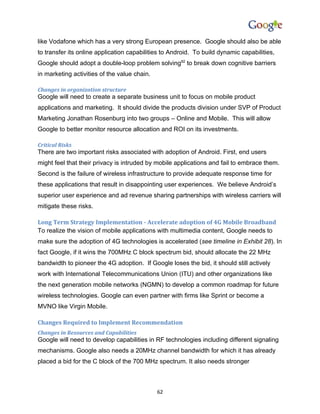
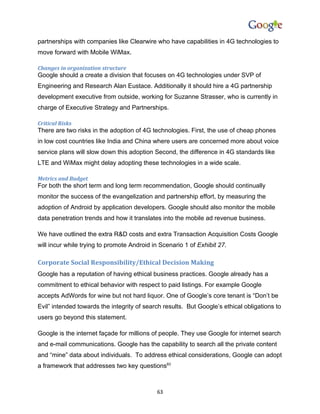
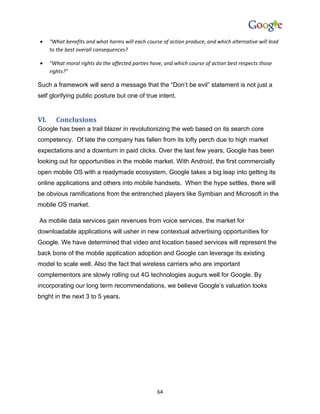
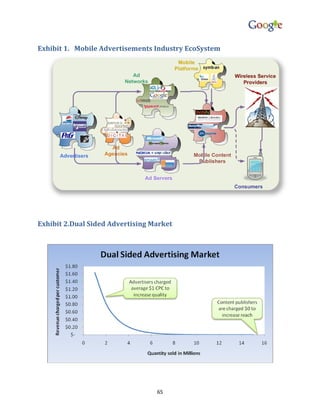
            Team Android
Team Android


Swami Gurumoorthy, Mihir Sambhus, Vaidya Venugopal, Venkataraman Sankar, Jesse Green


                                         ii
Table of Contents

I. Wall Street Journal Article and Executive Summary.........................................................vii
   Wall Street Journal Article .....................................................................................................................vii

   Executive Summary.................................................................................................................................1

II. External Analysis...................................................................................................................2
    Industry Definitions.................................................................................................................................2

       Mobile Advertising Industry.................................................................................................................2

       Mobile Operating System Industry .....................................................................................................2

   Six Forces Analysis – Mobile Advertising.................................................................................................3

       Level 1 Analysis....................................................................................................................................3

       Level 2 Analysis....................................................................................................................................3

       Level 3 Analysis....................................................................................................................................5

   Six Forces Analysis – Mobile Device Operating System...........................................................................6

       Level 1 Analysis....................................................................................................................................6

       Level 2 Analysis....................................................................................................................................6

       Level 3 Analysis....................................................................................................................................8

   Macro Environmental Forces Analysis.....................................................................................................9

       Global Trends.......................................................................................................................................9

       Social Trends........................................................................................................................................9

       Technological Trends.........................................................................................................................10

       Governmental/Political Trends..........................................................................................................10

       Ethical Concerns................................................................................................................................10

       Macroeconomic Trends.....................................................................................................................11

       Demographic Trends ........................................................................................................................11

   Competitor Analysis...............................................................................................................................11


                                                                             iii
Mobile Advertising Industry Competitor Analysis..............................................................................11

      Mobile OS Industry Competitor Analysis...........................................................................................19

   Intra-Industry Analysis...........................................................................................................................23

      Intra-Industry Analysis – Mobile Advertising.....................................................................................23

      Intra-Industry Analysis – Mobile Operating Systems.........................................................................27

   Threats and Opportunities Analysis.......................................................................................................30

      Threats and Opportunities – Mobile Advertising...............................................................................30

      Threats and Opportunities – Mobile Operating Systems...................................................................32

   Summary of External Analysis................................................................................................................32

III. Internal Analysis.................................................................................................................34
    Business Definition / Mission.................................................................................................................34

      Company Philosophy.........................................................................................................................34

   Organizational Structure and Controls..................................................................................................35

   Strategic Position Definition..................................................................................................................36

      Corporate Level Strategic Position.....................................................................................................36

      Business Level Strategic Position.......................................................................................................40

      Resources and Capabilities................................................................................................................41

      Financial Analysis...............................................................................................................................47

IV. Strategy Effectiveness Analysis ......................................................................................52
  Google’s Strategic Move........................................................................................................................52

   Effect of Strategic Move on Industry Conditions...................................................................................53

      Mobile OS Market..............................................................................................................................53

      Mobile Advertising Market................................................................................................................54

   Resources Needed for Strategy Implementation...................................................................................55

      R&D Resources..................................................................................................................................55

      Operational Resources.......................................................................................................................56


                                                                          iv
Marketing & Sales..............................................................................................................................56

      Financial Resources............................................................................................................................56

   Overall Effectiveness of Strategy ..........................................................................................................56

V. Recommendations..............................................................................................................57
  Short Term Recommendations..............................................................................................................57

      Evangelize Android Platform..............................................................................................................57

      Ride the Mobile TV wave to expand Mobile Advertising...................................................................58

      Make AdWords platform attractive by bundling online and mobile offering....................................58

   Longer Term Recommendations............................................................................................................59

      Champion the cause to accelerate adoption of 4G Mobile Broadband.............................................59

      Innovate Business model to embrace user generated Ad content ...................................................59

      Use Targeting and analytics to raise the bar in Mobile Ad platform .................................................60

   Strategy Implementation.......................................................................................................................60

      Short term Strategy Implementation – Evangelize Android Platform ...............................................60

      Changes required to implement recommendation............................................................................61

      Long Term Strategy Implementation - Accelerate adoption of 4G Mobile Broadband .....................62

      Changes Required to Implement Recommendation..........................................................................62

   Corporate Social Responsibility/Ethical Decision Making......................................................................63

VI. Conclusions........................................................................................................................64
Exhibit 1. Mobile Advertisements Industry EcoSystem.....................................................65
Exhibit 2. Dual Sided Advertising Market..............................................................................65
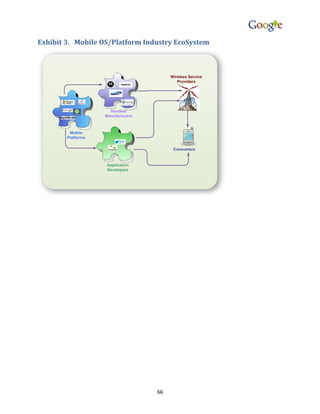
Exhibit 3. Mobile OS/Platform Industry EcoSystem...........................................................66
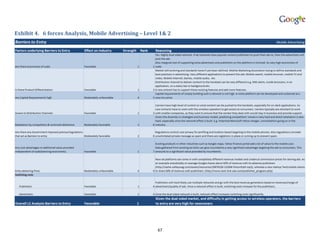
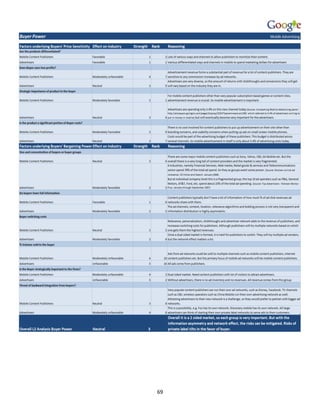
Exhibit 4. 6 forces Analysis, Mobile Advertising – Level 1& 2 .........................................67
Exhibit 5. 6 forces Analysis, Mobile Advertising – Level 3................................................72
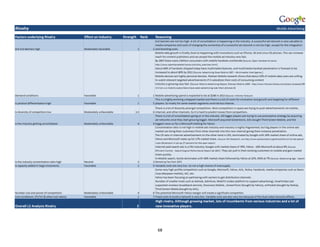
Exhibit 6. 6 forces Analysis, Mobile OS – Level 1 & 2.........................................................73
Exhibit 7. 6 forces Analysis, Mobile OS – Level 3..............................................................78
Exhibit 8. Mobile Advertising market share in 2011..............................................................78
Exhibit 9. Mobile Data Usage..................................................................................................79
Exhibit 10. Average Mobile App. Price- US consumers........................................................79
Exhibit 11. Total Wireless Users.............................................................................................80


                                                                          v
Exhibit 12. Penetration of Wireless Users in different age groups......................................80
Exhibit 13. Resources /Capabilities of competitors - Online Advertising...........................81
Exhibit 14. Value /Price/Cost Analysis – Mobile Advertising...............................................82
Exhibit 15. Resources /Capabilities of Competitors - Mobile OS.........................................83
Exhibit 16. US Mobile Advertising Spending Projections in 2000.......................................83
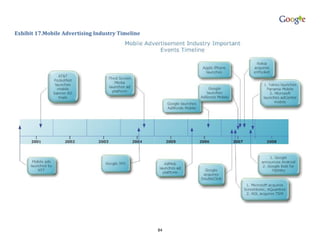
Exhibit 17. Mobile Advertising Industry Timeline..................................................................84
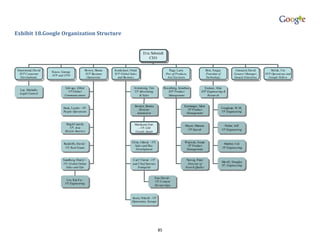
Exhibit 18. Google Organization Structure............................................................................85
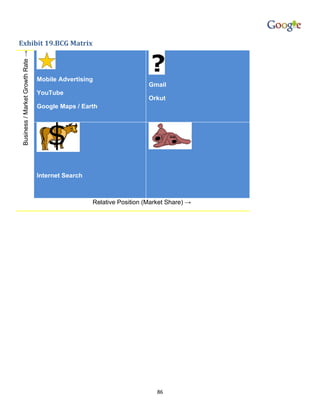
Exhibit 19. BCG Matrix............................................................................................................86
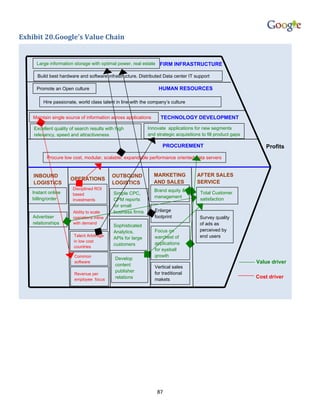
Exhibit 20. Google’s Value Chain ..........................................................................................87
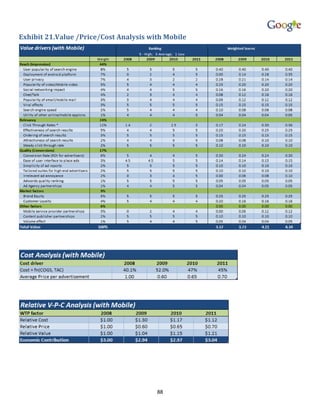
Exhibit 21. Value /Price/Cost Analysis with Mobile...............................................................88
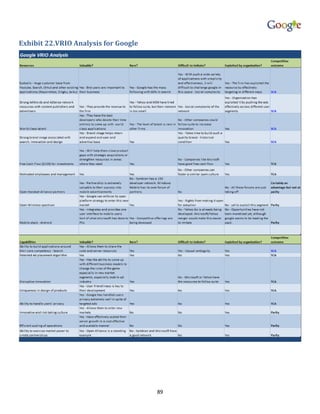
Exhibit 22. VRIO Analysis for Google....................................................................................89
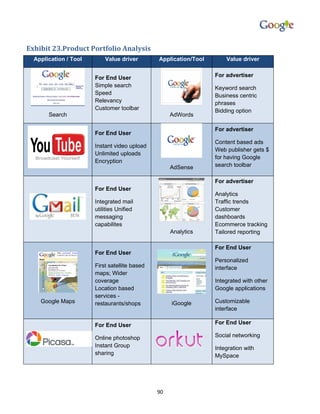
Exhibit 23. Product Portfolio Analysis...................................................................................90
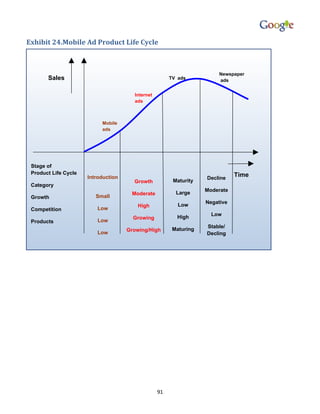
Exhibit 24. Mobile Ad Product Life Cycle...............................................................................91
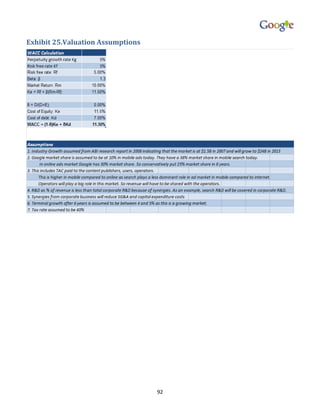
Exhibit 25. Valuation Assumptions........................................................................................92
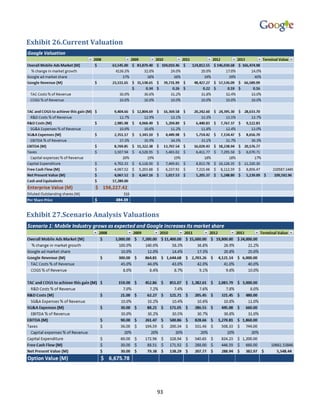
Exhibit 26. Current Valuation..................................................................................................93
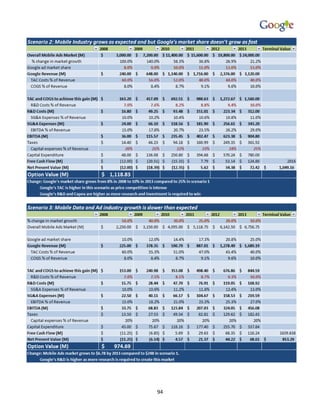
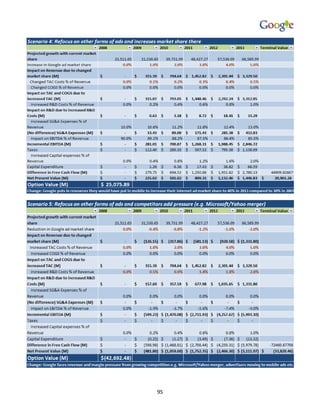
Exhibit 27. Scenario Analysis Valuations..............................................................................93
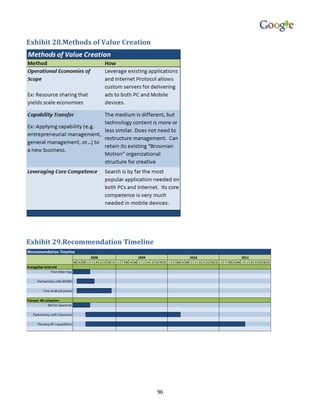
Exhibit 28. Methods of Value Creation...................................................................................96
Exhibit 29. Recommendation Timeline..................................................................................96
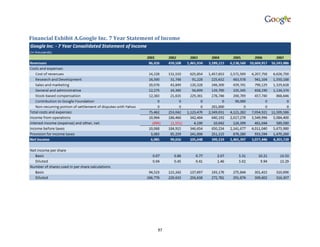
Financial Exhibit A. Google Inc. 7 Year Statement of Income..............................................97
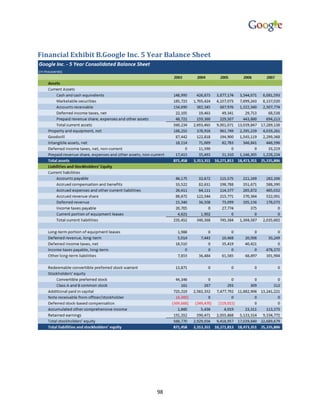
Financial Exhibit B. Google Inc. 5 Year Balance Sheet........................................................98
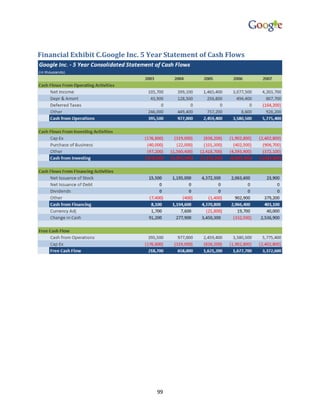
Financial Exhibit C. Google Inc. 5 Year Statement of Cash Flows.......................................99
Financial Exhibit D. Comparative Financial Analysis.........................................................100
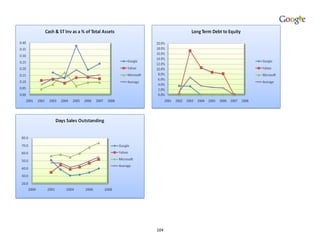
Financial Exhibit E. Graphical Comparative Ratios...........................................................102
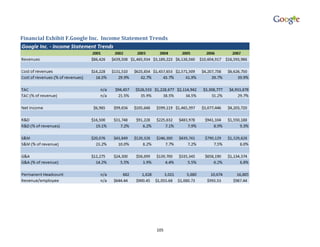
Financial Exhibit F. Google Inc. Income Statement Trends..............................................105
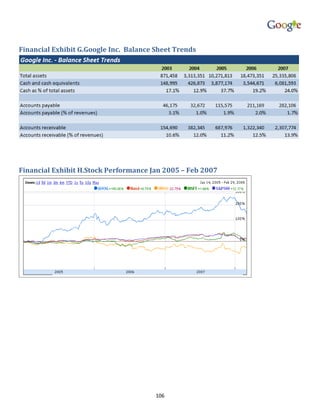
Financial Exhibit G. Google Inc. Balance Sheet Trends....................................................106
Financial Exhibit H. Stock Performance Jan 2005 – Feb 2007...........................................106
VII. Bibliography....................................................................................................................107


                                                                  vi
I.   Wall Street Journal Article and Executive Summary

Wall Street Journal Article
Google, Bidding For Phone Ads, Lures Partners1

By KEVIN J. DELANEY and AMOL SHARMA
November 6, 2007

Google Inc. is trying to shake up the wireless industry by helping to create cheaper phones that
can access advanced Internet services -- and carry its lucrative advertising. Now that the
Internet giant has cemented an alliance with 33 partners, the question is whether they will follow
through on its attempt to change the rules of the game.

After months of anticipation, a group including Google and a number of mobile-handset makers,
cellular carriers and other technology companies plans to make new software available -- free of
charge -- to power mobile phones that will start hitting the market in the second half of 2008.
The move paves the way for mass-market cellphones that will bring consumers' experience on
the mobile Web closer to that of personal computers. And Google is betting that its ad revenue
will surge as a result.

Yesterday's announcement could prove a short-term disappointment for consumers who were
eager for more details -- and photos -- of what some have termed the "Google Phone" or the
"Gphone." Google didn't announce the creation of any single Google-powered device or show
what one might look like.

Still, the move shows Google's latest tack for breaking down barriers to expanding its
advertising and services businesses. It also highlights Google's belief that its large ad business
can benefit if it broadens Web usage -- in this case on mobile phones.

Even if "Android," as the platform is called, falls short, it highlights an important shift: Carriers
and handset makers are seriously considering changes to the economics of how phones are
sold to consumers, as well as offering more open access to the Web and third-party
applications.

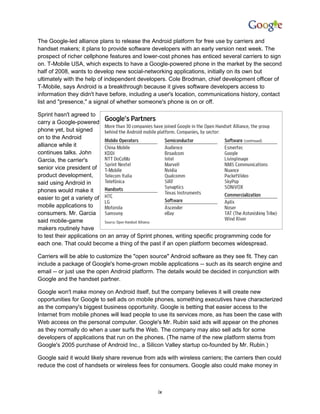
The Android platform announced yesterday by the Google-led Open Handset Alliance includes
several layers of software for phones, among them an operating system, a user interface and
applications such as advanced Web-browsing software. Among the handset makers that have
signed on to the initiative are Taiwan's HTC Corp., Samsung Electronics Co. and Motorola Inc.
Operator partners include Deutsche Telekom AG's T-Mobile, Sprint Nextel Corp. and Japan's
NTT DoCoMo Inc.

Android is a bid to change how the wireless industry operates. Carriers traditionally have
decided what applications most consumers see on their cellphones, setting rules and


                                                   vii
negotiating fees for software developers to gain access. Google has struggled at times in recent
years to get its products -- including Google Maps, Gmail email and its search engine -- onto
mobile phones in a way that's easy for people to use. With Android, software makers can
theoretically write applications that run on any user's phone -- and consumers can freely browse
the Web.

But until new handsets based on Android come to market, it won't be clear how far operators
have gone to satisfy Google's desire for open mobile software. Some carriers have said they
still want to make sure Android doesn't allow sensitive user information to fall into the hands of
rogue third-party developers, leading to invasions of privacy and security risks. Those issues
partly explain why large U.S. operators such as AT&T Inc. and Verizon Wireless, a joint venture
of Verizon Communications Inc. and Vodafone Group PLC, have yet to sign on to Google's
initiative.

                     Verizon Wireless is still weighing whether to join, a person familiar with the
                     company's thinking said. AT&T, in part because it exclusively carries Apple
                     Inc.'s iPhone in the U.S., is restricted from partnering with Google, people
                     familiar with the matter say. One issue for the carriers is Google's interest
                     in bidding for wireless spectrum in a coming auction run by the Federal
                     Communications Commission, people familiar with the matter say. If
                     Google, which has said it will likely bid, buys spectrum and partners with
                     another company to build a new mobile network, it would become a direct
                     competitor to the operators.

                     The Google software initiative arrives in a field already crowded with
                     cellphone software platforms, including ones from Microsoft Corp. and
                     Palm Inc.

Companies that aren't part of Google's alliance question whether Android represents a major
breakthrough. Nokia Corp., the world's largest handset manufacturer with more than one billion
current users, said it has already embraced an open approach with its high-end cellphones,
which use the Symbian operating system and have a large community of application
developers. "It's great to see others following the trail we've been blazing," said Bill Plummer, a
top Nokia executive in North America.

Tech consortia for decades have been notorious for failing to live up to their promise. Google
Director of Mobile Platforms Andy Rubin acknowledged the troubled history of previous
consortia, but said that Android was different because "we're actually releasing in one week this
software."

Google executives were coy about any eventual plans for Google-branded phones. "If you were
to build a Gphone you could build it out of this platform," Chief Executive Eric Schmidt told
journalists during a conference call. But he said he hoped there would be thousands of mobile
phones based on the Android platform. Google has used prototypes of Android-powered
phones internally -- including one code-named "Dream" -- and says that the software will run on
most phone designs, including touchscreen devices or phones with slide-out keypads.


                                                viii
The Google-led alliance plans to release the Android platform for free use by carriers and
handset makers; it plans to provide software developers with an early version next week. The
prospect of richer cellphone features and lower-cost phones has enticed several carriers to sign
on. T-Mobile USA, which expects to have a Google-powered phone in the market by the second
half of 2008, wants to develop new social-networking applications, initially on its own but
ultimately with the help of independent developers. Cole Brodman, chief development officer of
T-Mobile, says Android is a breakthrough because it gives software developers access to
information they didn't have before, including a user's location, communications history, contact
list and "presence," a signal of whether someone's phone is on or off.

Sprint hasn't agreed to
carry a Google-powered
phone yet, but signed
on to the Android
alliance while it
continues talks. John
Garcia, the carrier's
senior vice president of
product development,
said using Android in
phones would make it
easier to get a variety of
mobile applications to
consumers. Mr. Garcia
said mobile-game
makers routinely have
to test their applications on an array of Sprint phones, writing specific programming code for
each one. That could become a thing of the past if an open platform becomes widespread.

Carriers will be able to customize the "open source" Android software as they see fit. They can
include a package of Google's home-grown mobile applications -- such as its search engine and
email -- or just use the open Android platform. The details would be decided in conjunction with
Google and the handset partner.

Google won't make money on Android itself, but the company believes it will create new
opportunities for Google to sell ads on mobile phones, something executives have characterized
as the company's biggest business opportunity. Google is betting that easier access to the
Internet from mobile phones will lead people to use its services more, as has been the case with
Web access on the personal computer. Google's Mr. Rubin said ads will appear on the phones
as they normally do when a user surfs the Web. The company may also sell ads for some
developers of applications that run on the phones. (The name of the new platform stems from
Google's 2005 purchase of Android Inc., a Silicon Valley startup co-founded by Mr. Rubin.)

Google said it would likely share revenue from ads with wireless carriers; the carriers then could
reduce the cost of handsets or wireless fees for consumers. Google also could make money in


                                                ix
other ways, possibly by getting a share of monthly revenue from carriers or selling a rate plan
for a package of applications.

Google is counting on the many developers who build applications for PCs and the Web to start
making products for the phone. Google said the Android platform will make it easy for
developers to write applications that meld different data sources, such as a service that shows
users where their friends are at any given moment on a map. For U.S. consumers, Android
could speed the arrival of advanced applications already available abroad, such as multiplayer
gaming.

Google's strategy of cooperating with multiple handset-maker and operator partners to develop
perhaps thousands of different phone models differs starkly from that of Apple, which developed
a single iconic mobile device -- the iPhone -- that consumers now associate with its brand.


                                                x
Executive Summary
Google is the market leader in the online search business with 59% market share and
has built a core competency in search. Google monetizes traffic to its ubiquitous search
engine and other applications such as Google maps, Gmail, using its ads business.
Google has been able to successfully create markets with its disruptive business
models.

Given the enormous growth potential, Google has been pursuing ways to expand its
market presence in the mobile industry. On November 6, 2007, Google announced an
alliance with 33 partners to develop a new free OS and software platform for a variety of
mobile devices code named ‘Android’. Google also decided to bid on the C-band of the
700 MHz wireless spectrum at the FCC auction, a move that makes the wireless
spectrum open and reduces Wireless Service Provider control.

One challenge that Google faces is that the growth promised by mobile advertising in
2000 hasn’t yet been realized as mobile data growth has been slow because of a
variety of factors. Google has to figure out a way to collaborate with the operators. As
mobile data usage becomes more prevalent, competitors are shaping up. Microsoft’s
recent bid to acquire Yahoo poses a major threat as the combined entity will be able to
compete better against Google. Mobile plays a big role in the synergies of the two
companies. Google needs to diversify its business to reduce its dependence on internet
search and move towards a dominant constrained corporate strategy.

Android is likely to be an important enabler for mobile data penetration and hence we
recommend Google to aggressively pursue Android evangelization. Google needs to
push Android penetration fast by partnering with mobile handset manufacturers to get
Android on the phones and evangelize Android in the application developer community.
In the short term, Google should focus on pushing ads in local search and mobile TV as
these are likely to form the killer applications on the mobile phones. Google should look
at mobile as a different business model than internet and provide better targeting and
profiling features with its mobile advertisement platform. Longer term, Google should


                                            1
pursue its efforts to accelerate adoption of broadband mobile with the help of its
partners to grow the mobile ads market even faster.


II.   External Analysis
Although Google’s strategic move involves multiple industries, the objective Google is
trying to achieve is to make information easily accessible subsidizing that via
advertisements. We have focused on the mobile advertising as the primary industry and
mobile device operating systems as an enabler industry. In the document, we have
analyzed the industries as appropriate in the relevant sections.

Industry Definitions
Mobile Advertising Industry
The industry can be broadly split into the advertising sector, technology sector, content
sector and the telecommunications sector. The industry ecosystem is shown in Exhibit
1. Mobile advertising is a two sided market with advertisers and content publishers
forming the two sides2. The advertisers pay the mobile ad networks to carry the
advertisement inventory whereas the content providers generally get free subsidized
access to the inventory (Exhibit 2). The mobile ad servers allow advertisers to target the
advertisements to the appropriate demographics. The advertising agencies provide
customized services to the advertisers to manage their campaigns. The mobile
consumers watch the content from the content providers’ mobile sites or applications,
and will see targeted advertisements along with the content. Wireless Service Providers
form a very important part of the value chain as the end consumers subscribe to the
carriers for mobile service.

Mobile Operating System Industry
The Mobile OS industry is a highly dual sided market3 which links two groups – handset
manufacturers and application developers – using a common platform (Exhibit 3). This
industry has a very strong cross-side network effect where increasing adoption in one
group is more valuable to the other group thereby forming a virtuous cycle. However
unlike the personal computer space where service providers do not have much say on
what software is installed on users computers, wireless carriers wield huge influence on


                                            2
the software and OS that is provisioned on handsets. So far wireless carriers have been
reluctant to allow end users to install third party apps directly on their apps. But this has
been changing in the last year as carriers have realized they can’t stop the inevitable.

Six Forces Analysis – Mobile Advertising
Level 1 Analysis
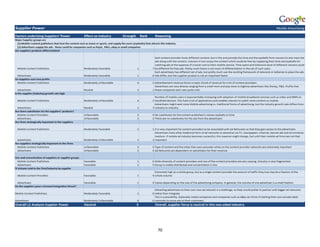
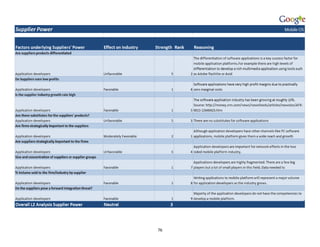
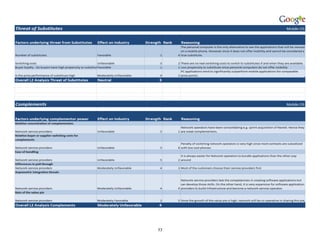
The Level 1 analysis for the mobile advertising industry can be found in Exhibit 4.

Level 2 Analysis
Barriers to Entry
The players in the industry need both the advertisers and mobile content publishers with
a lot of viewership to succeed. Also, as the variable costs to support an additional
advertiser or content publisher is very low, there are high economies of scale. Even
though the capital costs of building a new mobile ad network are not high, the ad
networks need to partner with the mobile service carriers to get access to demographic
information to target their ads better. Also the mobile ads industry is nascent and
evolving industry and the various ad networks try to provide differentiation in their
offerings. Overall, these factors create very high barriers to enter and succeed for the
competitors in the mobile ads business and thus are favorable for the incumbents.

Rivalry
Mobile Advertisements Industry is expected to grow at more than 100% CAGR to more
than $10B in 2012. There are no clear winners yet in the market and the market is very
fragmented. The current leader in the mobile ad serving market is a Sequoia backed
firm AdMob. Consolidation has started, and bigger players have recently started
focusing on this market including Google with its AdWords and AdSense mobile, Yahoo
with its Panama mobile (Apex) platform, Microsoft, and AOL and Nokia with acquisitions
in internet and mobile advertising space. Current exit barriers in the industry are low
with bigger players acquiring startups, and the only transaction costs are intangible
costs and brand costs. As all the competitors are very diverse, it is hard to predict the
moves competitors will be making, such as Microsoft’s bid for Yahoo recently. Overall
we expect the rivalry to intensify, but given the high demand conditions, we think the
industry rivalry force is moderately favorable at this point.


                                              3
Buyer Power
The 2 strategic buyer groups in this industry are the mobile content publishers such as
Yahoo, Sony, etc. and advertisers such as Coke, Disney etc. The advertisers pay
money to post their ads in different formats. The content publishers display the ads on
their mobile sites or applications and thus buy the ad inventory to display on their site.
Both the groups are highly important to the ad networks as they need both ad inventory
and publisher websites to display the ads from the ad inventory. The mobile ad network
hasn’t become as important to the advertisers4 and content publishers as mobile
technology is still evolving and companies are coming up with different ways to push
highly targeted ads to consumers without intruding too much. Both the advertiser and
publisher groups are fragmented with a few bigger players, who although do pose a
threat of backward integration, need all of the other players in order to ensure the
success of the network long-term. Overall we think the Buyer Power force is neutral to
the industry as both the buyer groups are very important to the firms, but given the
fragmented buyer groups, they really cannot exert too much power over the ad
networks.

Supplier Power
Given the two side nature of this industry, mobile content publishers and advertisers are
the two major supplier groups. Content publishers host the ads along with their content
to target the audience and thus supply the viewer eyeballs. An ad network firm in this
industry that can connect these two groups can be of tremendous value in this nascent
market. Also as suppliers, both the groups are strategically important to the firm to
create a network effect and generate the growth. While the industry is widely
fragmented, posing a forward integration threat, big companies could gobble up smaller
firms that have the first mover advantage. The high growth rate of this industry is also is
very attractive for the supplier groups to command a higher power. Given these factors,
we rate the Supplier Power as neutral to this industry

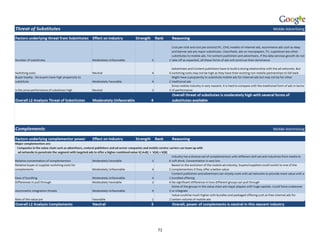
Threat of Substitutes
Internet based Cost per click (CPC), Cost per Action (CPA) model of internet ads,
eCommerce ads, TV, Newspaper ads are major substitutes for mobile ads. Increasing
proliferation of mobile devices will force the content publishers and advertisers to move


                                             4
away from the traditional form of ads to mobile-based ads. Internet based ads will be a
major threat for mobile ads for several years until the advertisers see more potential in
the market. However, other traditional form of ads such as TV and newspaper ads could
see a reduced spending as advertisers move to mobile based ads. As content
publishers and advertisers see more value of the ad networks, they could forge a long
term relationship. However, advertisers do not have higher switching costs and can very
easily reach out to substitutes. Given these factors, threat of substitutes are moderately
unfavorable to the industry.

Complements
Key stakeholders in the value chain including advertisers, content publishers, and ad
servers can easily cooperate to offer better bundled offerings such as free internet ads
included with a certain volume of mobile ads. Through ad-insert type of services in
networking gear that provide more information on user groups, mobile service carriers
could complement the ad networks to offer higher value proposition for better targeted
ads to the advertisers. There are several big players in the industry. They could force a
takeover and asymmetrically integrate with ad networks to offer more value. Relative
concentration of the complementors is not high in this nascent market. Overall, we think
the complementors are a neutral force in this industry.

Level 3 Analysis
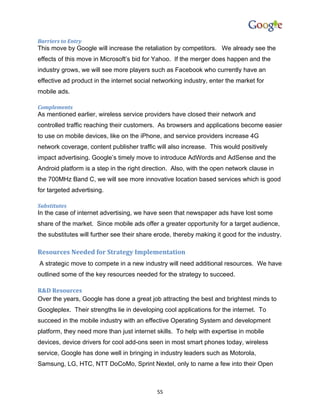
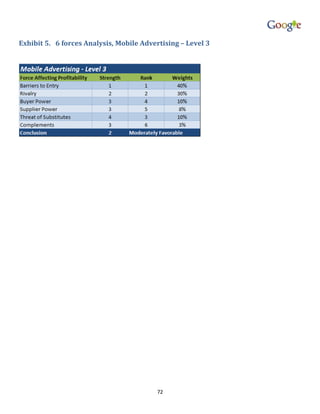
Our L3 analysis for mobile ads industry is outlined in Exhibit 5. We conclude that the
mobile ads industry is a moderately favorable industry. Given the dual sided nature of
the industry and the importance of partnering with wireless operators, we have ranked
the Barriers to Entry force as the most important force in this industry. Given the growth
potential and consolidation happening in this still young industry Rivalry plays a very
important role in the industry profitability. Only 3-4% of online advertising budget is
spent on the mobile ads, given the uncertainty in the medium. Given the huge chasm
the mobile ads industry will have to cross to become mainstream, Threat of Substitutes
is rated as the 3rd most important force in the industry. Buyers and suppliers in this dual
sided market are the same. Buyers and Suppliers groups in this industry are very
fragmented and form a very long tail. They play a minor role in the industry. Industry
growth will be driven by the complementors such as handset manufacturers, wireless


                                              5
operators, consumers, and application developers. Although there are already 3 billion
handsets deployed worldwide and data penetration is increasing, it’s only a matter of
time before these players have to sit down (like in the Open Handset Alliance (OHA)
partnership), and solve the challenges for mutual benefit. We have rated this factor as
the least important as this force doesn’t shape the industry profitability.

Overall, we feel this is a moderately favorable industry with possibility of high profit
margins.

Six Forces Analysis – Mobile Device Operating System
Level 1 Analysis
The Level 1 analysis for the mobile operating system industry can be found in Exhibit 6.

Level 2 Analysis
Barriers to Entry
Barriers to Entry in the Mobile OS market are moderately high, primarily due to the
small number of phone manufacturers. The existing players in the mobile OS industry
will fight hard to hold their ground and are in a favorable position to push their new
products and work closely with phone manufacturers to provide driver software for their
hardware. Currently, there seems to be a fair amount of product differentiation. The
two major players, Symbian and Microsoft, offer software developer kits for application
developers. Unfortunately, when the application is built for one platform, it usually
cannot run on the other. The switching costs in this industry are also high. Phone
manufacturers usually choose a platform and have their in-house software team write a
complete set of applications for it. The costs to re-write the applications for a new
platform are both expensive and time consuming, especially in the phone equipment
market which is extremely dynamic. Overall, the strong barriers to entry make it
moderately favorable to the Mobile content industry.

Rivalry
The Mobile OS industry is a very high growth and fast changing industry.        Only five
years back, cell phones were primarily used for voice communications, and now smart
phones have flooded the market with integrated GPS, Camera and a whole new set of
applications geared towards business and personal customers. This fast paced


                                              6
business has led to extensive product differentiation which makes the product anything
but a commodity. The biggest resource in this industry is engineers. They are
primarily semi-fixed costs. When business is not good, the industry is known to reduce
costs by lay-offs. These employees are also not unionized thus reducing the exit
barriers. Overall Rivalry among competitors is considered favorable on the Mobile
content industry.

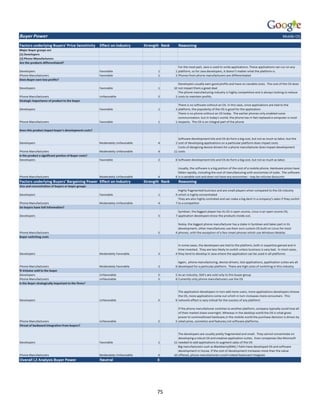
Buyer Power
There are two major buyers in this market – Application developers and Phone
manufacturers. There is also a big network effect created between these two buyers in
this industry. Applications written for a particular platform plays a very important role in
the decision making process for phone manufacturers, when choosing an OS for their
phones. Application developers tend to write applications for platforms which are
market leaders. The two groups have started working closely to provide feature rich
applications as seen in the recent agreement between Motorola and Yahoo5.

Mobile OS developers are strategically important for phone manufacturers to help run
their hardware, but the fact that the equipment industry is extremely competitive and
their razor thin margins force them to squeeze their suppliers – the OS developers. The
OS industry has worked hard to differentiate to increase their profits and reduce the
effects of the squeeze.

Application developers are always looking to develop applications quickly and with
limited resources. Their switching costs are also high as they need to re train their
employees on a new platform and re compile all their old applications to run on their
new platform. Overall Buyers influence is considered neutral on the Mobile content
industry.

Supplier Power
Application developers are highly important to the platform as they increase the value
drivers that mobile platforms offer and there are virtually no substitutes for them.
Customers are increasingly placing higher value to applications that are deployed in the
platform and hence application developers bring more value to the platform (network
effects). However this advantage in bargaining power is nullified since they are a highly


                                              7
fragmented group. Overall suppliers influence is considered neutral on the Mobile
content industry.

Threat of Substitutes
The key advantage of Mobile applications is to enable access to content virtually at any
place. The alternatives that we consider (mainly PCs) do not offer this convenience
although the costs of switching are very low. Overall substitutes influence is considered
neutral on the Mobile content industry.

Complements
Wireless network service providers are the main complements to Mobile Content
platform industry. Engaging Mobile applications need higher bandwidth data networks
like 3G/4G - infrastructure that took almost a decade to set up - for faster access.
Service providers can also influence handset manufacturers to choose a particular
platform although we have seen that with the iPhone, a brand name can determine what
software platform is provisioned. Overall the high concentration of network operators
and their ability to influence demand pull make them unfavorable complements.

Level 3 Analysis
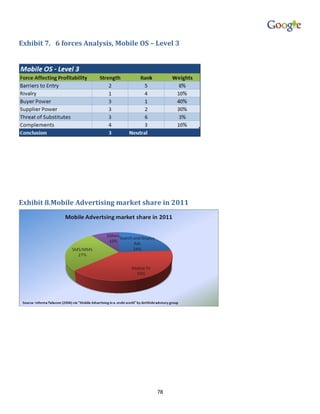
Our Level 3 Analysis for the Mobile OS Industry is outlined in Exhibit 7.

Our analysis concludes that the Mobile OS market is relatively Neutral with a score of 3.
In this two sided market, we feel that the buyers and suppliers, especially the Mobile
Manufacturers, have the most power as they decide which OS powers their phones. In
the Mobile value chain, the mobile phone manufactures are squeezed the most in terms
of price and are always looking to differentiate their products to increase their bottom
line. The service providers on the other hand have been maintaining tight control on
what applications go into mobile phones. This has been a detriment to application
developers who now have to sell their products to the service providers instead of the
consumers directly, thereby limiting much needed innovation and stinting growth in this
sector.

There are numerous changes happening in this industry, which includes the opening up
of the new C Block of the 700 MHz spectrum. Our belief is that this would shift power
from the complements (service providers) and bring the power into the application and


                                             8
OS developers. Our Level 2 analysis indicates that the complements are the main
section of the industry making it more unfavorable. The jury is out on how the latest
trends in the industry would impact the industry, but it will definitely be more favorable to
the industry.

Macro Environmental Forces Analysis
Global Trends
Global mobile penetration is currently at 50% and expected to reach 1+ handset per
person in 2011, with the growth primarily coming from emerging Asian markets6. In
countries such as India and China, where wireline services are not developed, wireless
adoption is set to explode. This growth paves way for enormous revenue potential for
mobile ad markets. Mobile ad industry is expected to grow to $24B in 20137.

Because of cut-throat competition, ARPU is decreasing and service providers are
looking to differentiate by adding a lot of multimedia mobile services such as video and
GPS. With mobile broadband looking promising, mobile video is set to become a killer
application8 and provides a lot of opportunities for exploiting the ad revenue growth.
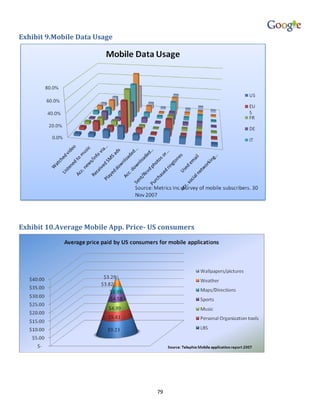
Mobile TV users have increased 68% compared to 38% growth in total mobile data
market in 20079(Exhibit 8).

Social Trends
Mobile phones have become a highly personalized choice of communication to
exchange photos, videos, ring tones etc. It is increasingly becoming a fashionable need
for the youth market in the age group 13-34.10 With OpenSocial, MySpace & Facebook
type of applications, users in this age group are increasingly using mobile phones for
their social networking11. Users in the age groups 35-54 are also adapting to use add-on
services. Exhibit 9 shows the social trend of usage from several countries. These trends
provide many opportunities to target ads based on the social groups, customer
preference and location. Exhibit 10 shows that US consumers are most willing to pay for
Location Based, maps services and entertainment services.


                                              9
Technological Trends
Service providers are migrating from 3G to 4G to add rich services and enriched user
viewing experience. WiMax adoption by carriers is also helping broadband proliferation,
especially video services which are estimated to account for 40% of revenues in 2012.
Smartphones are increasingly becoming the communication device of choice and
manufacturers are keeping open the option to support multiple OS platforms such as
Symbian or Android. These technological advancements will help the growth of the
mobile ad industry.

Governmental/Political Trends
Any company that wins the 700 MHz C-Block wireless spectrum will have to abide by
FTC regulations on the usage of the spectrum. While Google’s move forced to open up
the spectrum, carriers have strong lobbies with the Government and could try to counter
Google’s move to disrupt the market.

Unlike the internet, wireless service providers have the user data and are obligated to
protect customer privacy. Ad networks have to work with carriers to ensure privacy and
at the same time invent techniques to better target the customer ads based on the
various social groups.

If Microsoft’s bid for Yahoo is successful, this poses a major threat to Google in the ad
space. Google might hence try and lobby the political circles to try and break the deal
and help Yahoo backdoors.

Ethical Concerns
Google, with its “Do No Evil”
philosophy, might have to fight hard
against service providers to win the
war of the open wireless spectrum.
Even if it wins the bid, it has a uphill
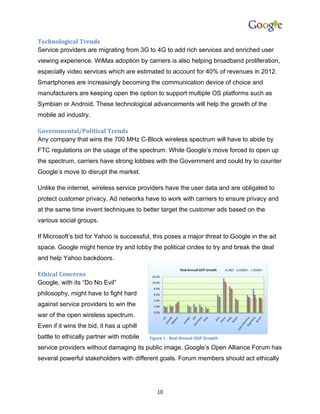
battle to ethically partner with mobile    Figure 1 - Real Annual GDP Growth

service providers without damaging its public image. Google’s Open Alliance Forum has
several powerful stakeholders with different goals. Forum members should act ethically


                                              10
responsibly and share the pie. Mobile spam and inappropriate advertisements with adult
content could also become a major concern in this industry.

Macroeconomic Trends
GDP growth varies widely across the world12, but the trend is clear from Figure 1.
Emerging markets in Asian and Latin America will continue to enjoy the growth while US
and European markets will stay flat.

China and India have seen phenomenal growth over the past 5 years with a boom in the
IT and manufacturing sector. Growth is expected to continue albeit at a slower rate.
With the recent threat of recession and stagflation increasing, US markets could pull
become a drag on world markets and average GDP could be lower than the estimated.
This could impact consumer spending on smartphones which could cause firms to cut
back on their mobile investments.

Demographic Trends
Mobile device penetration is growing fastest in the 13-24 age group, while the
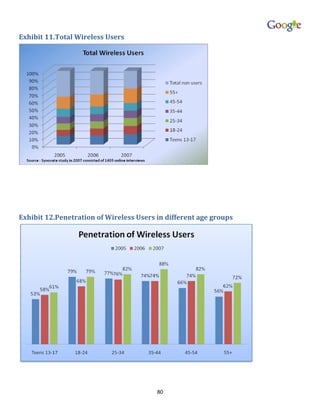
penetration is lowest in the 13-17 teens age group13 (see Exhibits 11 and 12 ). SMS
use is very common in this age group. Social networking among this age group is also
becoming more popular. Penetration is higher across other age groups. Mobile users in
the 25-44 age group look for business applications. Varying usage patterns across age
groups call for targeted text and video based ads to reach out these diverse groups.

Competitor Analysis
Mobile Advertising Industry Competitor Analysis
Competitors
The mobile advertising market is still in its infancy and is highly fragmented with many
relatively small companies competing at the moment. Among the most promising of
these companies are AdMob, Third Screen Media (recently acquired by AOL), Ad
Infuse, and Smaato. Many of the large players in the internet advertising industry are
vigorously looking for ways to transfer their dominance in that market into the mobile
advertising market through internal research and development and acquisitions. For
example, Google has already developed mobile versions of its AdWords and AdSense
advertising platforms and are developing Android, a new mobile device platform through


                                            11
which they hope to push advertisements to mobile users. They also recently acquired
DoubleClick, which, although is primarily an internet advertising marketer, has been
making inroads into the mobile market. Yahoo has also created their own mobile
content and advertising platform, called Apex, that leverages its sophisticated internet
advertising knowledge. Microsoft has also taken its MSN services mobile and recently
acquired Screen Tonic, a European based leader in mobile advertising. In addition to
this acquisition, Microsoft is pursuing a now hostile bid for Yahoo. This move has major
implications for Google and the internet and mobile advertising industry. It is still
unclear, however, exactly how the merger would change the landscape of the
competition if it does indeed happen. It seems likely that the same large players that
currently dominate the internet advertising market will eventually be the ones left
slugging it out for mobile advertising market share. Because of this and since the
mobile advertising market is still too small and new to have a useful amount of industry
data, much of our competitor analysis in the advertising space will focus on the internet
advertising market with the assumption that the competition in the mobile ad space will
be similar in nature.

There are many players in the internet advertising market including Google, Yahoo,
Microsoft, AOL (Time Warner), IAC, MySpace, Facebook, Valueclick, NexTag, and
literally thousands of other companies including advertising firms, media companies,
and other individuals and businesses who
sell advertising on web sites or via other
electronic means such as email. Despite
the huge number of players, the market is
dominated by a few large firms that have
turned internet advertising into big business.
The top four firms in this market account for
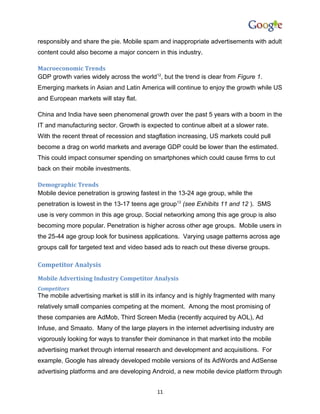
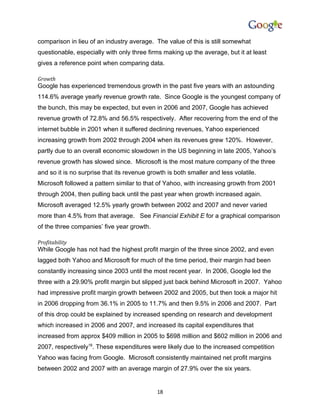
approximately 57% of the worldwide market.        Figure 2 - Internet Ads Revenue Market Share

Google leads the pack with a 30% market share, followed by Yahoo with a 15% share,
and Microsoft with 7% (See figure 2).


                                             12
Primary Competitors
The two major competitors to Google in the online advertising market are Yahoo and
Microsoft (via their MSN division). All three of these firms enjoy relatively large
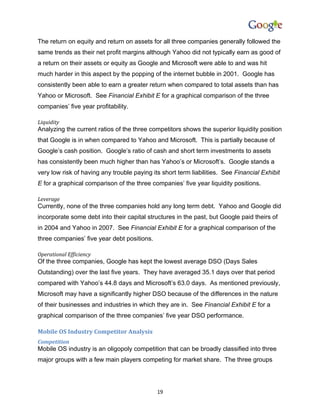
networks of both advertisers and users,
their brands are well known, and all enjoy
large shares of the internet search market
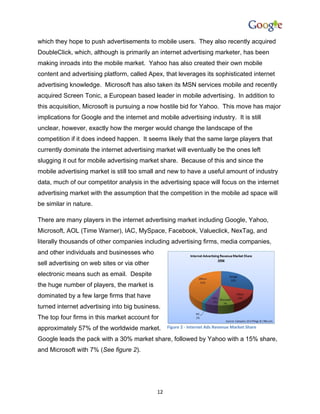
(See figure 3).

This last point has become increasingly
important as advertisers strive to put more        Figure 3 - Search Engine Market Share

relevant ads in front of users. Search based advertising allows them to do this by
displaying ads related to the search keywords a user enters. Search based advertising
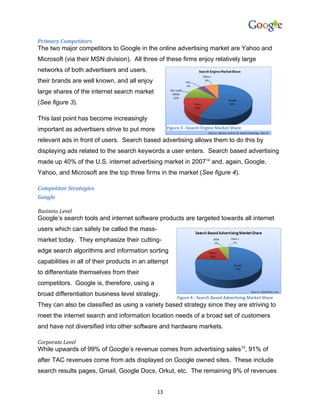
made up 40% of the U.S. internet advertising market in 200714 and, again, Google,
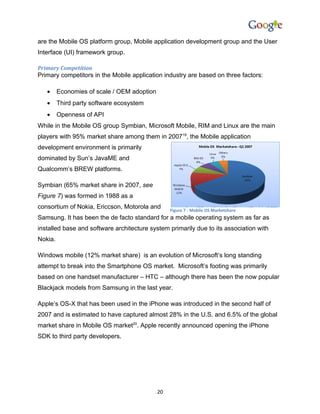
Yahoo, and Microsoft are the top three firms in the market (See figure 4).

Competitor Strategies
Google

Business Level
Google’s search tools and internet software products are targeted towards all internet
users which can safely be called the mass-
market today. They emphasize their cutting-
edge search algorithms and information sorting
capabilities in all of their products in an attempt
to differentiate themselves from their
competitors. Google is, therefore, using a
broad differentiation business level strategy.
                                                       Figure 4 - Search Based Advertising Market Share
They can also be classified as using a variety based strategy since they are striving to
meet the internet search and information location needs of a broad set of customers
and have not diversified into other software and hardware markets.

Corporate Level
While upwards of 99% of Google’s revenue comes from advertising sales15, 91% of
after TAC revenues come from ads displayed on Google owned sites. These include
search results pages, Gmail, Google Docs, Orkut, etc. The remaining 9% of revenues


                                              13
come from ads displayed on what Google calls “network sites” which are sites that allow
ads to be placed on them in exchange for a payment from Google. This split varies
around these percentages, and thus, Google is employing a dominant constrained
corporate strategy.

Yahoo
Business Level
Like Google, Yahoo markets their websites and products to all users of the internet.
Also like Google, they too seek to differentiate themselves from other internet portals.
However, Yahoo attempts to do this by attempting to provide an all-in-one content
destination where users can search, read news, email, book travel, view photos, and
shop, to name a few, all from one place with a consistent user interface. But
differences aside, Yahoo is still attempting to differentiate themselves in the mass
market which equates to a broad differentiation business strategy. Within this strategy,
Yahoo could be classified as using a cross between a needs and variety based
strategy. Although they do only provide internet based services, the variety of services
they provide is larger than that which Google provides.

Corporate Level
Yahoo generates revenue from two sources. They call the first source “Marketing
Services” which includes advertising and advertising consulting fees. This is basically
advertising revenue and encompasses approximately 88% of Yahoo’s revenue. Their
second source of revenue is from fees that are charged for premium services at their
and their affiliated websites. These fees account for the remaining 12% of total
revenue. Although these two sources are vertically related, they are not exactly the
same business and, thus, Yahoo is employing a dominant corporate strategy.

Microsoft
Business Level
Microsoft also employs a broad differentiation based business level strategy, but does it
in a much more diverse fashion than do Google or Yahoo Microsoft has many different
business units ranging from PC operating system software, to video game systems, to
online services. Some of their business units may be focused on niche markets, but
generally, they are targeted towards the mass market. They also primarily compete on


                                            14
differentiation by designing their products with appealing and/or useful features in
comparison to producing products at the lowest possible cost.

Corporate Level
As mentioned above, Microsoft has much more variety in their products and revenue
sources than do Google or Yahoo. Their business units and corresponding revenue in
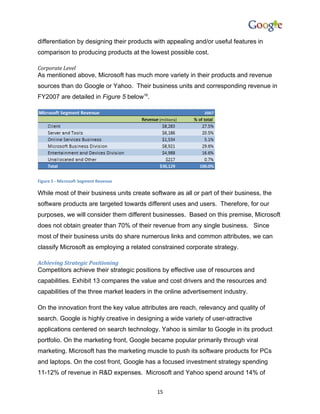
FY2007 are detailed in Figure 5 below16.


Figure 5 - Microsoft Segment Revenue

While most of their business units create software as all or part of their business, the
software products are targeted towards different uses and users. Therefore, for our
purposes, we will consider them different businesses. Based on this premise, Microsoft
does not obtain greater than 70% of their revenue from any single business. Since
most of their business units do share numerous links and common attributes, we can
classify Microsoft as employing a related constrained corporate strategy.

Achieving Strategic Positioning
Competitors achieve their strategic positions by effective use of resources and
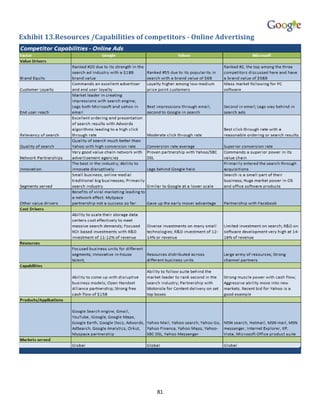
capabilities. Exhibit 13 compares the value and cost drivers and the resources and
capabilities of the three market leaders in the online advertisement industry.

On the innovation front the key value attributes are reach, relevancy and quality of
search. Google is highly creative in designing a wide variety of user-attractive
applications centered on search technology. Yahoo is similar to Google in its product
portfolio. On the marketing front, Google became popular primarily through viral
marketing. Microsoft has the marketing muscle to push its software products for PCs
and laptops. On the cost front, Google has a focused investment strategy spending
11-12% of revenue in R&D expenses. Microsoft and Yahoo spend around 14% of


                                            15
revenue towards R&D. All three companies have very good brand perception with
Microsoft leading the pack. Google enjoys a higher customer loyalty by focusing on free
value added end-user applications.

Value - Cost /Willingness to Pay Analysis
In this section, we examine the buyer’s willingness to pay by comparing the key
attributes such as the reach, relevancy, quality, market and cost factors that drive the
value and cost in the search advertisement industry for Google, Yahoo and Microsoft.
The steps used to determine the value, price and cost using these attributes is
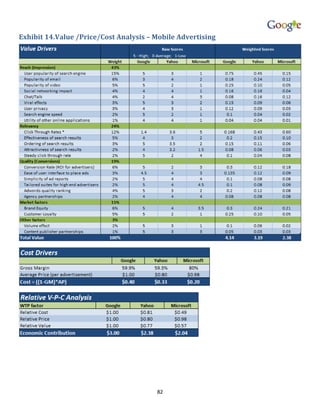
described below. Exhibit 14 presents the quantitative model used in this analysis to
determine the value perceived by a buyer.

Value
The first step is in this process is to estimate the value of the three leaders in this
industry. Reach is an important measure of the number of impressions a firm can make.
This is primarily determined by the popularity of search engine and various applications
provided by the firm to the end-users. Privacy and the viral effect of these applications
are increasingly playing an important role in achieving a wider reach. Relevancy of a
search is the next important factor that attracts end-users to generate a high click
through rate. Quality is another important attribute and this is a direct measure of the
ROI in terms of how many clicks converted into a sale or a registered action for an
advertiser. Quality is also measured by the ease of user interface to place and monitor
the advertisements. Market factors such as the brand equity and customer loyalty add a
lot of value to the firms in customer retention and expanding the market value. For each
one of these attributes a weight is assigned and the three companies are ranked. Based
on this analysis, total value perceived for all these attributes is 3.94, 2.95 and 2.21
respectively for Google, Yahoo and Microsoft.

Price
Based on the efficient frontier report17, the price of an advertisement is the average cost
per click charged by these firms. While Google and Microsoft match their price, Yahoo
offers a lower price point.

Cost


                                              16
The next step is in this process is to estimate the factors that drive the cost. The
average cost of an advertisement depends on several factors that are specific to each
of these companies. For example, a majority of Google’s cost would be from its COGS
on its storage servers. But the same servers are also used for other applications. Yahoo
and Microsoft also achieve cost synergies by leveraging their infrastructure from other
technologies. The exact cost is not easily determinable and hence we have used their
Gross Margin and the average price (ASP) to come up with the cost structure.

Relative Value, Price and Cost
Relative value, price and cost are obtained by dividing Yahoo and Microsoft value, price
and cost with Google’s value, price and cost, respectively. These values form the basis
for determining the economic contribution and the buyer surplus for the three leaders.

Economic Contribution and Buyer Surplus
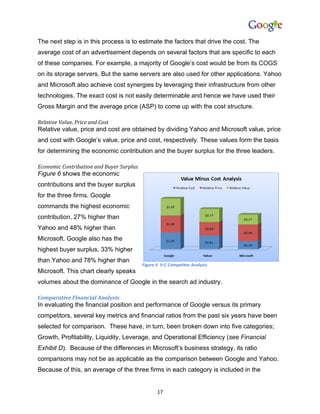
Figure 6 shows the economic
contributions and the buyer surplus
for the three firms. Google
commands the highest economic
contribution, 27% higher than
Yahoo and 48% higher than
Microsoft. Google also has the
highest buyer surplus, 33% higher
than Yahoo and 78% higher than
                                          Figure 6 V-C Competitor Analysis
Microsoft. This chart clearly speaks
volumes about the dominance of Google in the search ad industry.

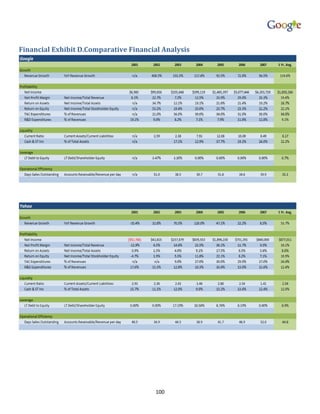
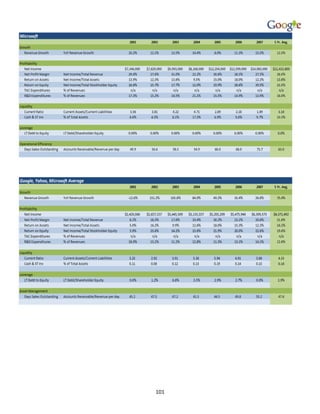
Comparative Financial Analysis
In evaluating the financial position and performance of Google versus its primary
competitors, several key metrics and financial ratios from the past six years have been
selected for comparison. These have, in turn, been broken down into five categories;
Growth, Profitability, Liquidity, Leverage, and Operational Efficiency (see Financial
Exhibit D). Because of the differences in Microsoft’s business strategy, its ratio
comparisons may not be as applicable as the comparison between Google and Yahoo.
Because of this, an average of the three firms in each category is included in the


                                                 17
comparison in lieu of an industry average. The value of this is still somewhat
questionable, especially with only three firms making up the average, but it at least
gives a reference point when comparing data.

Growth
Google has experienced tremendous growth in the past five years with an astounding
114.6% average yearly revenue growth rate. Since Google is the youngest company of
the bunch, this may be expected, but even in 2006 and 2007, Google has achieved
revenue growth of 72.8% and 56.5% respectively. After recovering from the end of the
internet bubble in 2001 when it suffered declining revenues, Yahoo experienced
increasing growth from 2002 through 2004 when its revenues grew 120%. However,
partly due to an overall economic slowdown in the US beginning in late 2005, Yahoo’s
revenue growth has slowed since. Microsoft is the most mature company of the three
and so it is no surprise that its revenue growth is both smaller and less volatile.
Microsoft followed a pattern similar to that of Yahoo, with increasing growth from 2001
through 2004, then pulling back until the past year when growth increased again.
Microsoft averaged 12.5% yearly growth between 2002 and 2007 and never varied
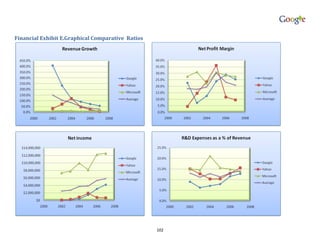
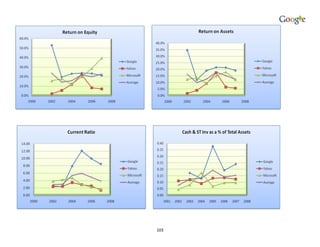
more than 4.5% from that average. See Financial Exhibit E for a graphical comparison
of the three companies’ five year growth.

Profitability
While Google has not had the highest profit margin of the three since 2002, and even
lagged both Yahoo and Microsoft for much of the time period, their margin had been
constantly increasing since 2003 until the most recent year. In 2006, Google led the
three with a 29.90% profit margin but slipped just back behind Microsoft in 2007. Yahoo
had impressive profit margin growth between 2002 and 2005, but then took a major hit
in 2006 dropping from 36.1% in 2005 to 11.7% and then 9.5% in 2006 and 2007. Part
of this drop could be explained by increased spending on research and development
which increased in 2006 and 2007, and increased its capital expenditures that
increased from approx $409 million in 2005 to $698 million and $602 million in 2006 and
2007, respectively18. These expenditures were likely due to the increased competition
Yahoo was facing from Google. Microsoft consistently maintained net profit margins
between 2002 and 2007 with an average margin of 27.9% over the six years.


                                             18
The return on equity and return on assets for all three companies generally followed the
same trends as their net profit margins although Yahoo did not typically earn as good of
a return on their assets or equity as Google and Microsoft were able to and was hit
much harder in this aspect by the popping of the internet bubble in 2001. Google has
consistently been able to earn a greater return when compared to total assets than has
Yahoo or Microsoft. See Financial Exhibit E for a graphical comparison of the three
companies’ five year profitability.

Liquidity
Analyzing the current ratios of the three competitors shows the superior liquidity position
that Google is in when compared to Yahoo and Microsoft. This is partially because of
Google’s cash position. Google’s ratio of cash and short term investments to assets
has consistently been much higher than has Yahoo’s or Microsoft’s. Google stands a
very low risk of having any trouble paying its short term liabilities. See Financial Exhibit
E for a graphical comparison of the three companies’ five year liquidity positions.

Leverage
Currently, none of the three companies hold any long term debt. Yahoo and Google did
incorporate some debt into their capital structures in the past, but Google paid theirs of
in 2004 and Yahoo in 2007. See Financial Exhibit E for a graphical comparison of the
three companies’ five year debt positions.

Operational Efficiency
Of the three companies, Google has kept the lowest average DSO (Days Sales
Outstanding) over the last five years. They have averaged 35.1 days over that period
compared with Yahoo’s 44.8 days and Microsoft’s 63.0 days. As mentioned previously,
Microsoft may have a significantly higher DSO because of the differences in the nature
of their businesses and industries in which they are in. See Financial Exhibit E for a
graphical comparison of the three companies’ five year DSO performance.

Mobile OS Industry Competitor Analysis
Competition
Mobile OS industry is an oligopoly competition that can be broadly classified into three
major groups with a few main players competing for market share. The three groups


                                             19
are the Mobile OS platform group, Mobile application development group and the User
Interface (UI) framework group.

Primary Competition
Primary competitors in the Mobile application industry are based on three factors:

   •     Economies of scale / OEM adoption
   •     Third party software ecosystem
   •     Openness of API
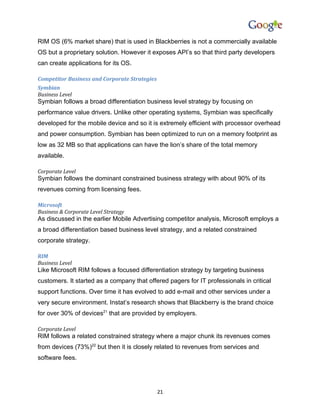
While in the Mobile OS group Symbian, Microsoft Mobile, RIM and Linux are the main
players with 95% market share among them in 200719, the Mobile application
development environment is primarily
dominated by Sun’s JavaME and
Qualcomm’s BREW platforms.

Symbian (65% market share in 2007, see
Figure 7) was formed in 1988 as a
consortium of Nokia, Ericcson, Motorola and       Figure 7 - Mobile OS Marketshare
Samsung. It has been the de facto standard for a mobile operating system as far as
installed base and software architecture system primarily due to its association with
Nokia.

Windows mobile (12% market share) is an evolution of Microsoft’s long standing
attempt to break into the Smartphone OS market. Microsoft’s footing was primarily
based on one handset manufacturer – HTC – although there has been the now popular
Blackjack models from Samsung in the last year.

Apple’s OS-X that has been used in the iPhone was introduced in the second half of
2007 and is estimated to have captured almost 28% in the U.S. and 6.5% of the global
market share in Mobile OS market20. Apple recently announced opening the iPhone
SDK to third party developers.


                                             20
RIM OS (6% market share) that is used in Blackberries is not a commercially available
OS but a proprietary solution. However it exposes API’s so that third party developers
can create applications for its OS.

Competitor Business and Corporate Strategies
Symbian
Business Level
Symbian follows a broad differentiation business level strategy by focusing on
performance value drivers. Unlike other operating systems, Symbian was specifically
developed for the mobile device and so it is extremely efficient with processor overhead
and power consumption. Symbian has been optimized to run on a memory footprint as
low as 32 MB so that applications can have the lion’s share of the total memory
available.

Corporate Level
Symbian follows the dominant constrained business strategy with about 90% of its
revenues coming from licensing fees.

Microsoft
Business & Corporate Level Strategy
As discussed in the earlier Mobile Advertising competitor analysis, Microsoft employs a
a broad differentiation based business level strategy, and a related constrained
corporate strategy.

RIM
Business Level
Like Microsoft RIM follows a focused differentiation strategy by targeting business
customers. It started as a company that offered pagers for IT professionals in critical
support functions. Over time it has evolved to add e-mail and other services under a
very secure environment. Instat’s research shows that Blackberry is the brand choice
for over 30% of devices21 that are provided by employers.

Corporate Level
RIM follows a related constrained strategy where a major chunk its revenues comes
from devices (73%)22 but then it is closely related to revenues from services and
software fees.


                                               21
Apple
Business Level
Apple who ignited the personal computers revolution in 1970 follows a focused
differentiation strategy by capitalizing on the convergence of the personal computer and
digital consumer electronics by creating aesthetically designed products such as iPod,
MAC and iPhone. It has innovative business models to seamlessly integrate its
consumer products with applications (e.g. iPod + iTunes).

Corporate Level
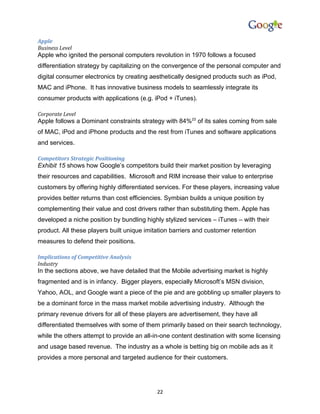
Apple follows a Dominant constraints strategy with 84%23 of its sales coming from sale
of MAC, iPod and iPhone products and the rest from iTunes and software applications
and services.

Competitors Strategic Positioning
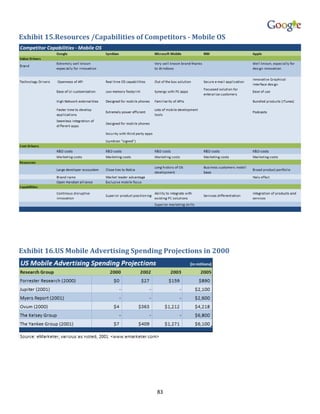
Exhibit 15 shows how Google’s competitors build their market position by leveraging
their resources and capabilities. Microsoft and RIM increase their value to enterprise
customers by offering highly differentiated services. For these players, increasing value
provides better returns than cost efficiencies. Symbian builds a unique position by
complementing their value and cost drivers rather than substituting them. Apple has
developed a niche position by bundling highly stylized services – iTunes – with their
product. All these players built unique imitation barriers and customer retention
measures to defend their positions.

Implications of Competitive Analysis
Industry
In the sections above, we have detailed that the Mobile advertising market is highly
fragmented and is in infancy. Bigger players, especially Microsoft’s MSN division,
Yahoo, AOL, and Google want a piece of the pie and are gobbling up smaller players to
be a dominant force in the mass market mobile advertising industry. Although the
primary revenue drivers for all of these players are advertisement, they have all
differentiated themselves with some of them primarily based on their search technology,
while the others attempt to provide an all-in-one content destination with some licensing
and usage based revenue. The industry as a whole is betting big on mobile ads as it
provides a more personal and targeted audience for their customers.


                                            22
The Mobile OS industry is more concentrated with the big players owning 95% of the
market share. The key to succeeding in this industry relies primarily on partnerships
with mobile phone manufacturers and to have easy to use tools available for developers
to churn out cool applications.

Yahoo has taken the lead with a new mobile platform and now with its Yahoo Mobile
Software Development Kit (SDK) offering. For Google to succeed in this industry, it
needs to leverage its existing dominance in the internet advertising. Also, its bet with
Android will definitely help with adoption rates and porting all of their applications for
mobile devices. In addition to enhancing mobile browsing experience, Android will
provide an advertisement platform that can support applications and bring revenue for
both the developers and Google.

Rivalry and Google’s Strategy
Google’s Android is changing the game in Mobile OS industry, which until now was a
paid offering. Android, built on Linux, is a freeware and comes with a SDK. For a start
Android should be able to take share away from current Linux OS customers. Both
Symbian and Microsoft will now fight hard to keep their share of the market. In the case
of Nokia, which helped develop Symbian and uses it for all of its phones, Symbian will
continue to enhance its feature set as Nokia phone sales depend on this OS. In the
advertisement areana, we have already seen moves by competition aimed at stifling
Google’s grand plans. Microsoft has made a strategic move to acquire Yahoo, which
consolidates the second and third place competitors. Overall, in both industries, we find
that Google has made adequate plans, big names in Open Handset Alliance as
partners, and a release of their AdWords and AdSense platforms for mobile to counter
any competitive threats.

Intra-Industry Analysis
Intra-Industry Analysis – Mobile Advertising
Industry evolution
Mobile Advertising industry kicked off around mid 2000 when NTT Docomo & Dentsu’s
established a joint venture in Japan24 and when AT&T PocketNet banner ads started
their ads trial in US in 2001. Initially it followed the internet model of presenting banner


                                              23
ads similar to ads on browsers on internet and SMS ads which were somewhat similar
to emails. The mobile industry was highly hyped like any other industry in the dot.com
boom in 2000 and was projected to grow to $2B - $6B by 2005 (Exhibit 16). The
projections were not realized and the industry is at about $1.6B in 200725. These early
experiments failed primarily because the business models were around the internet and
didn’t take into account the different industry structure in mobile. Today Mobile
Advertising has evolved and covers a wide range of segments such as advertising on
mobile browsers in search and mobile websites, advertisement sponsored directory
assistance and advertising in multi-modal applications using voice and data. Exhibit 17
depicts the timeline of how the industry evolved.

Strategic Groups
The Mobile Advertising platform industry is still young and evolving and is a very
fragmented industry. The Mobile Advertising platform industry is divided into the
following strategic groups: Mobile Ad networks, Mobile Ad Servers, Content
Providers running their own ad business, Wireless Service Providers relying on
mobile advertisements to generate more revenue or subsidize subscriber prices.
Another important strategic group to watch out for this industry is the internet ad
networks and servers which are trying to enter the mobile space. Refer back to Exhibit
1 for a graphical depiction of these groups.

Mobile Ad Networks
Mobile ad networks connect the advertisers who conduct mobile advertising campaigns
with the content publishers that are willing to display the advertisements. Based on
relevancy algorithms and advertiser preferences, ad networks match inventories of
advertisements to websites. Unlike the internet, ad network industry where Google is
the clear leader, there is no clear leader in the mobile ad network today. Third Screen
Media (TSM) was the first ad network for mobile. It serves more than 225 million
monthly advertising impressions across more than 185 mobile content sites including
AccuWeather, Boston.com, Fox News, Maxim, WWE, etc. TSM was acquired by AOL
for about $90 in mid May 2007. Admob is the largest mobile ad network today claiming
to be serving over 2 billion targeted ads each month26. Google AdWords and AdSense
was released on mobile mid 2007. Yahoo’s Panama mobile ad platform was announced


                                               24
in Dec ‘07 and in Feb ’08 Yahoo announced Apex – its multi platform digital ad effort.
Millenial Media’s Decktrade platform has a similar model to Google AdSense.

Mobile Ad Servers
Mobile Ad servers serve highly targeted ads to mobile consumers. The targeting could
be based on user preferences, profile, location, social network of the users etc. – data
available to mobile ad servers through their partnerships with wireless service providers
and data they have collected over a period of time. Ad servers also provide ad
campaign management platform.

ScreenTonic is one of the Ad servers that serves text and banner ads on portals, text
messages and mobile web pages based on location based services. Microsoft acquired
Screentonic in May ’07 and will likely use it to serve ads on mobile devices, Xbox, and
windows live mobile spaces. Nokia acquired an ad serving company – Enpocket in
September ’07 to enter this market. Doubleclick – acquired by Google in April ’07 - has
a mobile platform (DART) to serve targeted ads to mobile users. Smaato provides ad
serving platform to distribute ads to mobile phones in running applications in addition to
the browsers. This format allows mobile game and application developers to monetize
their applications using mobile ads.

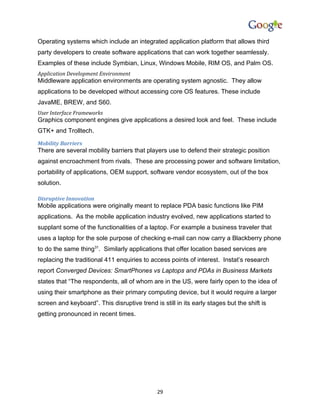
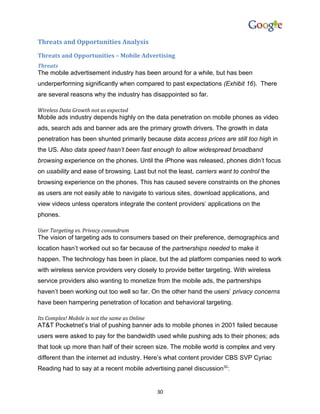
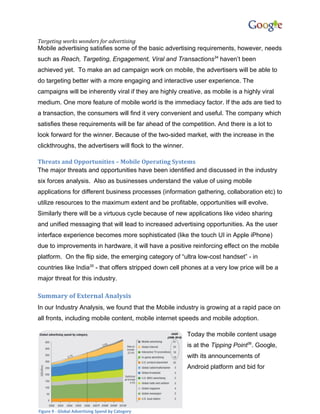
Mobile Content Providers
Popular mobile websites and applications are very valuable to the advertisers, as they
bring in a lot of mobile consumers. The most popular types of content driving advertising
traffic are expected to be mobile TV, music, and search and display. (Exhibit 8) Some
ways content providers can monetize their content are calendar applications that can
promote event ticket sales, contact applications for business leads, mobile video
applications, and mobile games.

Their revenue source is either subscription or mobile ads. The larger content providers
such as TV content providers like CBS maintain their own advertising network as well.
Mobile content provider Accuweather.com, Mobile video provider mobiTV, mobile
games provider EA mobile, etc. are some of the larger players in this group.

Wireless Service Providers


                                            25
The Wireless Service Providers (WSP) such as AT&T, Verizon, Vodafone, T-Mobile, are
the gatekeepers of the handsets and content available to their subscribed users. They
control which devices can operate on their networks and what applications can run on
the phones. There are primarily two mobile browsing models. WSPs control the on-deck
or WAP-deck experience. These are the services offered by the WSPs and
advertisements and content for the on-deck experience is completely controlled by the
operators. Off-deck model refers to the services that are not part of the handset and
WSP services. These are the services consumers directly access. The main control
WSPs have in this case is whether to allow off-deck experience or not. Most of the ad
networks offer ad syndication for the off-deck model.

Internet Ad Networks and Ad Servers
This strategic group comprises of the current market leaders in internet ad network and
serving businesses. This strategic group is very important for the future of mobile ad
space, as these companies will try to gain a foothold once the model is proven. Also
they will have an advantage of their size in internet space and a large customer base of
advertisers and content publishers which they can pull in. Market leaders in this space
are Google AdWords/AdSense platform, Yahoo’s Panama ad network, Microsoft
Adcenter (including its acquisition of aQuantive), DoubleClick’s DART platform for ad
serving, etc.

Mobility Barriers
In the mobile world targeting is very important, so the gap between mobile ad networks
and ad servers needs to reduce. Google has bought DoubleClick which can potentially
combine the user behavioral targeting with the ad network that Google has. Microsoft’s
adCenter and aQuantive Ad network platform is enhanced to provide behavioral
targeting through its acquisitions such as Screentonic.

The WSPs are trying to monetize their networks further and don’t want to turn into
“dumb pipes” as they have become in the internet space.

The internet ad platforms and servers are also entering this space as mobile advertising
starts to pick up. They have been trying to establish a presence in the market with
preemptive and market exploratory acquisitions.


                                            26
Disruptive Innovation
Mobile ads promise was seen by some of the early mobile ad platform startups. The
early startups started with simpler solutions such as SMS based ads or banner ads on
mobile browsers. Both these forms of
advertisements have annoyed customers.
There are still a lot of challenges to be
solved before the market realizes it’s
potential. Technology has to improve and
ad targeting needs to be very innovative
and can’t follow the internet ad serving
model to allow the mobile ads business to        Figure 8 - U.S., Wireless Voice ARPU

gain traction. The mobile handsets have to improve to make the phones easier to use
for data access.

Given all the constraints, advertisers haven’t flocked just yet to the mobile ads platform.
They are still only testing the waters and the bigger ones are hedging their bets by
putting in only 3-4% of their online ad budget in mobile.27 Once the promises of
targeting, reach and usability are addressed, the mobile ads business will become a
much more lucrative business as the clickthrough rates are 10 times higher compared
to internet ads28. As the market is at the tipping point, the incumbents have started
watching the industry very closely and are entering early.

As their Voice ARPUs have faced downward pressure as seen in Figure 8, WSPs are
looking at innovative revenue models such as subsidizing the subscription fees by
making consumers watch more ads. WSPs face a serious threat from Mobile Virtual
Network Operators (MVNO) carriers such as Virgin Mobile in US and Blyk in Europe
that are trying this type of disruptive model.

Intra-Industry Analysis – Mobile Operating Systems
Industry Evolution
Mobile applications have their roots from early day PDAs. Over the years, handset
manufacturers combined the features of a PDA and phone into a single device – the
“smartphone”. According to Instat a smartphone is defined as “a mobile phone running


                                             27
an operating system for which the handset’s owner can download programs written by
an ecosystem of third party developers without the support of handset manufacturers or
mobile operators”.

Customers who have feature phones (a.k.a. dumb phones) have to almost always
switch newer handset models when they wanted new and improved features. With the
advent of smartphones and faster networks, downloadable mobile applications are
becoming more prevalent. The two most popular applications according to Instat29 are
Personal Information Management (PIM) and e-mail. Of late, location based services
(LBS) that allow users to choose their points of interest have become an attractive
mobile application with the rapid adoption of GPS technologies.

As smartphones integrate more and more functionality that are currently accessed from
different devices such as personal navigation devices (PND), portable media players (PMP),
Cameras, PDAs and such the growth of mobile applications will further increase. ABI Research30
estimates that the global smartphone market will grow from $18.5 billion in 2006 to over $74.9
billion in revenues by 2012. One out of every 4 mobile phones will be a smartphone.


As the wireless industry growth saturates, carriers have realized that they have to differentiate
themselves on data services. The increasing number of features on upcoming smartphones
clearly indicates that smartphones are no longer primarily for business users. In earlier years,
smartphones were mostly adopted by business and enterprise users who needed to be
connected to their office at all times. But now with the increasing features in these devices and
the services they support, even general consumers want that level of connectivity. Data usage
is beginning to take off with rollout of 3G and 4G technologies and this will increasingly shift
focus to what kind of applications will be provisioned on the phone. What this means is there
needs to be a platform to support these complex offerings that will enable long term growth.

Strategic Groups
The mobile platform ecosystem has following strategic groups based on their value
drivers.

Mobile OS


                                               28
Operating systems which include an integrated application platform that allows third
party developers to create software applications that can work together seamlessly.
Examples of these include Symbian, Linux, Windows Mobile, RIM OS, and Palm OS.
Application Development Environment
Middleware application environments are operating system agnostic. They allow
applications to be developed without accessing core OS features. These include
JavaME, BREW, and S60.
User Interface Frameworks
Graphics component engines give applications a desired look and feel. These include
GTK+ and Trolltech.
Mobility Barriers
There are several mobility barriers that players use to defend their strategic position
against encroachment from rivals. These are processing power and software limitation,
portability of applications, OEM support, software vendor ecosystem, out of the box
solution.

Disruptive Innovation
Mobile applications were originally meant to replace PDA basic functions like PIM
applications. As the mobile application industry evolved, new applications started to
supplant some of the functionalities of a laptop. For example a business traveler that
uses a laptop for the sole purpose of checking e-mail can now carry a Blackberry phone
to do the same thing31. Similarly applications that offer location based services are
replacing the traditional 411 enquiries to access points of interest. Instat’s research
report Converged Devices: SmartPhones vs Laptops and PDAs in Business Markets
states that “The respondents, all of whom are in the US, were fairly open to the idea of
using their smartphone as their primary computing device, but it would require a larger
screen and keyboard”. This disruptive trend is still in its early stages but the shift is
getting pronounced in recent times.


                                              29
Threats and Opportunities Analysis
Threats and Opportunities – Mobile Advertising
Threats
The mobile advertisement industry has been around for a while, but has been
underperforming significantly when compared to past expectations (Exhibit 16). There
are several reasons why the industry has disappointed so far.

Wireless Data Growth not as expected
Mobile ads industry depends highly on the data penetration on mobile phones as video
ads, search ads and banner ads are the primary growth drivers. The growth in data
penetration has been shunted primarily because data access prices are still too high in
the US. Also data speed hasn’t been fast enough to allow widespread broadband
browsing experience on the phones. Until the iPhone was released, phones didn’t focus
on usability and ease of browsing. Last but not the least, carriers want to control the
browsing experience on the phones. This has caused severe constraints on the phones
as users are not easily able to navigate to various sites, download applications, and
view videos unless operators integrate the content providers’ applications on the
phones.

User Targeting vs. Privacy conundrum
The vision of targeting ads to consumers based on their preference, demographics and
location hasn’t worked out so far because of the partnerships needed to make it
happen. The technology has been in place, but the ad platform companies need to work
with wireless service providers very closely to provide better targeting. With wireless
service providers also wanting to monetize from the mobile ads, the partnerships
haven’t been working out too well so far. On the other hand the users’ privacy concerns
have been hampering penetration of location and behavioral targeting.

Its Complex! Mobile is not the same as Online
AT&T Pocketnet’s trial of pushing banner ads to mobile phones in 2001 failed because
users were asked to pay for the bandwidth used while pushing ads to their phones; ads
that took up more than half of their screen size. The mobile world is complex and very
different than the internet ad industry. Here’s what content provider CBS SVP Cyriac
Reading had to say at a recent mobile advertising panel discussion32:


                                                30
“How are we expecting [advertisers] to take [the mobile phone] as an advertising device seriously if we
keep telling them about the unbelievable complexity that arises out of the fact that we have 20 carriers
in the US, 2 basic technologies – GSM and CDMA, and 2 downloadable standards – BREW and J2ME with
different versions on different handsets, and then we have mobile TV and VCast but only on some
handsets for $50/month. Why don’t you add a few more complexities and then talk to the advertisers
and say – Why don’t you spend a few thousand dollars on mobile advertising to try out, it’s really fun!
That’s why iPhone version 1.0 has such a high penetration! It’s simple!”

Ad platforms, advertisers, content providers and wireless service providers have to think
creatively and collaboratively to provide a very different way to distribute ads to mobile
phones. Standard banner ads don’t work on the smaller screen size of the mobile
phones. Dropping a successful business model that has worked so well on the internet
has been hard for the players. Innovation is required to make mobile ads successful.
Without that, the consumers will get annoyed and turned off with this model quickly.

Opportunities
No clear market leader established yet
There are smaller players in the industry where a lot of consolidation has been
happening. But nobody has been able to establish a clear market leadership position
yet. Admob serves about 2 Billion ad impressions per month. This is still very small
compared to the internet space. This provides a very lucrative opportunity for the
incumbents in internet ad networks and wireless service providers as they can tap into
their existing networks and fuel the market. Incumbents can also establish their
presence by acquiring market leaders in the space. This will help them learn the new
industry as well.

Data penetration projected to increase
There are several drivers behind this projection. The decelerating voice ARPUs has
motivated to push wireless data as the next growth area. The handsets available today
are more feature rich and are able to offer a great multimedia experience33. To go with
this, 4G networks will soon bring broadband capabilities to the phones making them
very powerful and useful devices. With FCC mandating the winner of the C block of 700
Mhz spectrum auction to open up its network, wireless service providers will have to
look at newer ways to monetize their networks.


                                                    31
Targeting works wonders for advertising
Mobile advertising satisfies some of the basic advertising requirements, however, needs
such as Reach, Targeting, Engagement, Viral and Transactions34 haven’t been
achieved yet. To make an ad campaign work on mobile, the advertisers will be able to
do targeting better with a more engaging and interactive user experience. The
campaigns will be inherently viral if they are highly creative, as mobile is a highly viral
medium. One more feature of mobile world is the immediacy factor. If the ads are tied to
a transaction, the consumers will find it very convenient and useful. The company which
satisfies these requirements will be far ahead of the competition. And there is a lot to
look forward for the winner. Because of the two-sided market, with the increase in the
clickthroughs, the advertisers will flock to the winner.

Threats and Opportunities – Mobile Operating Systems
The major threats and opportunities have been identified and discussed in the industry
six forces analysis. Also as businesses understand the value of using mobile
applications for different business processes (information gathering, collaboration etc) to
utilize resources to the maximum extent and be profitable, opportunities will evolve.
Similarly there will be a virtuous cycle because of new applications like video sharing
and unified messaging that will lead to increased advertising opportunities. As the user
interface experience becomes more sophisticated (like the touch UI in Apple iPhone)
due to improvements in hardware, it will have a positive reinforcing effect on the mobile
platform. On the flip side, the emerging category of “ultra low-cost handset” - in
countries like India35 - that offers stripped down cell phones at a very low price will be a
major threat for this industry.

Summary of External Analysis
In our Industry Analysis, we found that the Mobile industry is growing at a rapid pace on
all fronts, including mobile content, mobile internet speeds and mobile adoption.

                                                           Today the mobile content usage
                                                           is at the Tipping Point36. Google,
                                                           with its announcements of
                                                           Android platform and bid for


                                                  32


Figure 9 - Global Advertising Spend by Category
700Mhz wireless spectrum is championing the cause of mobile data. Apple, with its
banner launch of iPhone in 2007 also has acted as a connector, to create the buzz
around mobile data access. Consumer demand for data access on mobile phones has
been established with the iPhone, with its bundled data plan, taking almost 28% of
market share from the sales in Q437. In the words of Apple CEO Steve Jobs at the
iPhone SDK conference: "As you know, the iPhone really brings the internet to a mobile
device for the first time, you have the internet in your pocket -- and that's being borne
out by usage stats for mobile browser usage. 71% of US mobile browser usage!" Our
industry Analysis concluded that Barriers to entry are pretty high at this time, primarily
because of much needed partnerships with Mobile Service providers to get more
information about the users. The 700MHz spectrum auction has cleared the way for a
shift in control from the service providers to everyone else in the value chain, which
includes phone manufacturers and content / application developers. With this growth in
the market, there is huge potential for Mobile advertising as well.

The mobile ad industry is expected to grow much faster than the other advertising
channels according to a study conducted by IBM’s Institute for Business Value38 (see
Figure 9).

The industry has realized that mobile has unique strengths such as context, immediacy
of response, and personalization 39. They understanding that mobile experience is
different than the internet experience has translated in innovations of technology and
business models in mobile ad industry especially because half of the big brands are
concerned that mobile advertising will be considered too intrusive by consumer40.

Based on our analysis, we conclude this section by saying the industry is poised to
explode and there are many opportunities for both mobile advertising and mobile
OS/platform players in this market.


                                             33
III.   Internal Analysis

Business Definition / Mission
Google's mission is to organize the world's information and make it universally
accessible and useful41.

Well known for its search technology, Google was incorporated in September 1998. Its
servers running all over the world keep track of Websites, and make this information
freely available through their search results. It has successfully integrated this
technology into its numerous products which include a free email service, document
editing on the web, news feeds, maps, stock quotes, image search, shopping, online
payment service and custom search tools for business websites. Google has been able
to gain market share from its main competitors Yahoo and Microsoft through its ease of
use and improve its brand image the world over.

Although most of its products are free, Google generates revenue through its
advertising product, Google AdWords. This innovative advertising program delivers
advertisements on websites whose content is relevant to the product. Google uses its
AdSense program as a platform for third party web sites to “lease” some real estate to
Google on their websites to deliver relevant ads.

Company Philosophy
“Never settle for the best”42

Values are driven through the company’s “Ten Things”. Some of the important points
from this list which makes Google successful today is focusing on the user (i.e. deliver
value to the user who comes to your site and not make changes according to
shareholders views). Also, the “10 things” clearly identify what employees need to keep
in mind when working on a product – needs to be fast, delivered wherever the user is,
and provide the best user experience. They also stress on the fact that being greedy is
not an option when designing a product. Another important point to be noted is Google
uses most of its products internally - their internal e-mail system is Gmail, their internal
scheduling system is Google Calendar, etc. This “eats its own dog food” policy not only


                                             34
conveys the confidence Google has in its own products, but also enables a more
reliable and user friendly product.

Organizational Structure and Controls
Andy Grove, founder of Intel Corp. observed, “From the outside it looks like Google’s
organizational structure is best described by . . . Brownian motion… in an expanding
bottle. Does [Eric Schmidt] think it will work forever?”   In his video response, Eric
Schmidt confirms that the description is accurate, but only for its creative workforce.
Google runs its finance, legal, investment, M&A and sales in a traditional way although
its creative side, engineering and R&D, can be described as Brownian motion. As seen
in their organizational chart in Exhibit 18, at the management level, the creative
workforce falls under the President (Products) and President (Technology). As
mentioned earlier, their Engineering and R&D departments do not follow a hierarchical
structure. Managers are more like tech leads who program at least half time. The
company follows agile programming throughout the company, which enables
programmers to move from one department to the other very easily. In most software
companies, corporate structure limits the movement of employees between projects,
resulting in employees being overworked and burnt out, thus reducing productivity,
innovation and morale. Google eliminates this by encouraging employees to move
between projects at any time without any questions asked. This prompts us to ask how
this system makes sure programmers don’t leave trouble projects behind with buggy
code, in short, what controls are used in monitoring appraising employee behavior. This
is where employee rewards / incentives come in. Reward levels are tied to the
importance of a project, so employees working on more important projects are rewarded
better. The environment can be best described as a bunch of start-ups within a
company. Since employees work on any idea that comes to their mind, they are
rewarded when their products turns out to be tremendously impactful.

So what are the rewards? - Financial rewards can be anything from gift certificates and
massage coupons to huge bonuses and stock option grants. Non financial rewards
include recognizing employees responsible for important product launches in quarterly
all-hands meeting by putting up their pictures and receiving applauds from everyone


                                             35
around. One of the employees on his blog mentions “Gives me a tingle just to think
about it. Google takes launching very seriously and I think that being recognized for
launching something cool might be the strongest incentive across the company. At least
it feels that way to me.”43

Who decides how well you should be rewarded?        In Google employees reviews weigh
heavily on peer evaluations and not what your manager thinks of you. This process
was deeply rooted from early in Google days and is taken very seriously by employees
since they think of it as a big deal to get rave reviews from their peers who are very
intelligent. Also, these reviews determine the level of reward received.

Strategic Position Definition
Corporate Level Strategic Position
Business Portfolio
In a Letter to prospective shareholders, Larry page said “Sergey and I founded Google
because we believed we could provide a great service to the world -- instantly delivering
relevant information on any topic. Serving our end users is at the heart of what we do
and remains our number one priority” 44Google has not deviated from this mantra over
the years. They have focused on primarily collecting and aggregating information
available on the Worldwide Web and providing it in a useful format to the user. The
various products in their portfolio which provide this service include, Google Search,
Google Maps, Google Booksearch, Google Desktop Search, Google Finance, Google
News, Google Product Search, Google Image Search, Google Video and Youtube, and
more45. Not only are these products limited to a computer connected to the internet, but
most of these products are available on mobile phones too. Google also provides an
advertisement platform to its users – AdWords and AdSense. In addition to providing
information available on the web, Google also provides products which make internet
communication easier with Gmail, Google Calendar, Google Talk, Blogger, Picasa,
Orkut, Groups, Sites and Google Apps.


                                            36
Rumelt’s Classification
Of Google’s 2007 advertisement revenue, 91% came from advertisements delivered
through Google’s websites. 7.3% of
the revenue comes from its network
websites, delivered through their
AdSense program.46 Since the
introduction of the AdSense program,
Google’s internal website revenue
has ranged between 81% and 91%
(see Figure 10). Customers choose
to deliver their advertisements
through specific channels such as        Figure 10 - Google Revenue Sources

Search and network websites because they add unique value. This makes Google a
Dominant Constrained company rather than a single business firm.              As Google makes
in roads into the mobile industry, we do not believe it would change its classification, as
its revenue model remains unchanged where it now has a new channel to deliver the
advertisements.

Acquisitions and Partnerships:
Since 2001, Google has acquired more than 50 companies47. Most of these
acquisitions were small companies, and some of the larger companies include YouTube
($1.65bn) and Postini ($625m). Google is also in the process of making its biggest
acquisition of DoubleClick for $3.1bn. As mentioned earlier, the internet industry has
been growing at a very fast rate. New startups with creative products are all over Silicon
Valley and most of them are looking to be acquired by big firms. Google and its
competitors have been acquiring these small companies over the years, primarily to
acquire intellectual property. Using the framework, “When to Ally and when to Acquire”,
it is clear that Google’s acquisitions are primarily aimed at exploiting reciprocal
synergies. Its value of the YouTube acquisition was heavily weighed on the customers
whom YouTube brought to Google as the video hosting site benefits from huge network
effects, and Google’s own video application was not positioned well to catch the next
wave of video services. By the acquisition, Google reduced their cost of entry into the


                                             37
Video social market, as the market was just starting to grow and its future prospects
were unclear. Also, Microsoft and Yahoo were in talks to acquire YouTube. YouTube is
better off partnering with a bigger search firm such as Google as advertising revenues
could be maximized with an integrated platform offering which includes video and non
video. For Google, the growth of social networks such as MySpace and Facebook
posed a major challenge as Google did not have a platform to compete with them. One
question that needs to be answered – is the video sharing industry attractive.
BusinessWeek estimates that the cost of keeping YouTube up runs up to $1million a
month48. Also, movie houses are wary of a video sharing website where they don’t have
much control today, which might drive up litigation costs for Google. So far, Google has
made some inroads into how it’s going to monetize YouTube. It has started offering
advertisements on YouTube but the jury is still out as to if this has been successful or
not. In the mobile industry, Google needs to forge partnerships to succeed. Unlike the
PC market, Google needs to work closely with both handset manufacturers and service
providers to successfully integrate its applications within their products. Google has
partnered with handset manufacturers such as Motorola, Samsung, LG and Sony
Ericsson49 to integrate its search product into their phones. Google has partnered with
service providers like KDDI, NTT DoCoMo, China Mobile, Sprint Nextel, T-Mobile and
Telecom Italia to provide content. These partners are also part of the Open Handset
Alliance which has helped created the Android platform.

Compared to its rivals, Google has less experience both acquiring and partnering with
other firms. Most of their acquisitions have been very small and so have integrated into
the company very well. Its acquisition of DoubleClick would bring in more challenges
especially in trade regulations, implementation of new procedures, policies, the time
spent on integration and coordination of sales and marketing functions.

Business Portfolio Analysis: BCG Classification
After our evaluation of Google’s business portfolio, we have reached the following
conclusions. Refer to Exhibit 19 for Google’s products categorized graphically on the
BCG Matrix.


                                                  38
Advertising on the internet, which includes search, video, and other media rich outlets is
projected to grow from $16.9 billion in 2006 to $31.3 billion in 2011 – a 13.5% CAGR50.
This growth is three times as fast as total ad spending. Of all these avenues on the
internet, Search has the biggest
                           51
piece of the pie at 40%.        IDC’s
internet advertising report
estimates that Search based ads is
going to lose its share and drop to
32% by 2011, although the
absolute dollars spent on search
ads will increase. Google, which
commands 56% of the search              Figure 11 - Data ARPU Trends in Deveoped Wireless Markets

business and 23.5% of the online advertisement market, will likely hold its place even
with talks of a possible Microsoft-Yahoo merger, which is expected to reach around
17% of the market. This we believe is the reason for Google’s search based revenue
business to be a Cash Cow. The lost market share from search is supposed to be
replaced by video ads, especially with higher broadband adoption rates. Its recent
acquisition of YouTube is Google’s answer to strengthen their foothold in the ad market.
The video ad market is still in its nascent stage and Google has started displaying ads
on YouTube videos. We believe YouTube is a Star business for Google.

Looking at the Mobile industry, the Average Revenue Per User (ARPU) for wireless
carriers from data jumped 43% from last year.52(see Figure 11) The data revenue not
only constitutes SMS, but also mobile internet, which stands at 55% in the US, 35% in
Western Europe and 70% in Japan and Korea. The growth over 6 years is shown in the
figure below. This is especially good news for Google, as this shows that users are
willing to use mobile devices to access the internet and not use it just for messaging.
The increase is also attributed to better data speeds with the deployment of 3G services
worldwide.

Google has already released a mobile version of their AdWords and AdSense platform.
Also, the Android release is set to further increase data usage. Google’s market share


                                               39
is not high yet, but it has the right ingredients to win in this space, making us believe
that this is currently a question mark for Google, but soon to be a Star

With the increase in mobile data and device usage, maps have already made their way
into devices with GPS integrated into them, or with Google’s new location finding
feature using cell triangulation technique in Google Maps for Mobile. This is attractive
as mobile devices are very personal and Location Based services further enhances the
attractiveness. According to HitWise53, Google’s share has increased by 10% in just one
year and would be at the top within the next 2 years. Google Maps has found its way
into most mobile devices and Android comes packaged with Google Maps. This makes
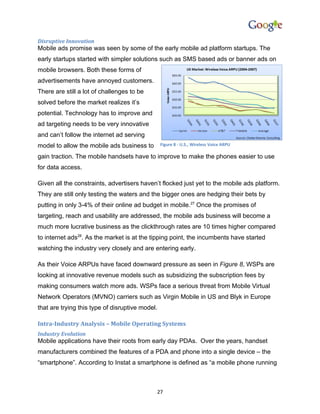
us believe that this Google Maps is a Star.
In the Web based email market, Google still is behind Yahoo and Microsoft in terms of
customer base. The good news however is, within two months of its official beta launch
in Feb 2007, by April, Google’s share increased by 17%. Web Email users have a
considerably higher switching costs than other online services, but Google’s product is
appealing to the younger generation. This makes Gmail a question mark.

Business Level Strategic Position
Google’s has a BHAG (Big Hairy Audacious Goal)54 of “Organizing the world’s
Information and making it universally accessible and useful”55. This mission drives the
strategies of individual Business Units. Google’s three pillars of strategy are Search,
Applications and Advertisements. Search has been Google’s flagship product. Google
started monetizing its search product with its AdWords advertisement network starting
in 2000. Google has also invested in producing a disruptive suite of applications such as
Google Docs, Google Maps/Earth, Google Mail, YouTube video application etc. Google
offers these applications free to increase market share, while it increases the value
offered from these applications. Once the applications reach a tipping point, Google
starts monetizing the application by serving ads.

Google’s search tools and internet software products are targeted towards all internet
users which can safely be called the mass-market today. They emphasize their cutting-
edge search algorithms and information sorting capabilities in all of their products in an


                                              40
attempt to differentiate themselves from their competitors. Google is, therefore, using a
broad differentiation business level strategy. They can also be classified as using a
needs based strategy since they are striving to meet the internet search and information
location needs of a broad set of customers and have not diversified into other software
and hardware markets.

Google expects its core search product will still be their next billion dollar opportunity56.
Google’s affiliate network or off Google site ad revenue has been growing over the past
few years (get numbers) and is growing significantly with the advent of very powerful
and highly contextual social networking sites. Other off Google ad activity represents
display advertising where Yahoo is the leader, trials in print and radio advertising
(dMarc Broadcasting) and video advertising (YouTube). Google’s Enterprise business is
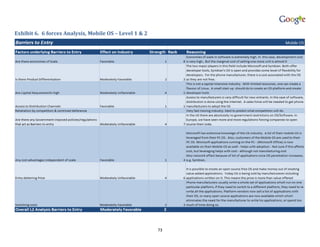
growing but a much slower pace in terms of market share and monetization. Overall
technology innovation in consumer side has overtaken enterprise innovation over the
past few years. But Google is pushing into this space with Search Appliance which was
been sold more than 10,000 customers in 2007. Now Google’s SAAS (Software as a
Service) solutions with its hosted applications, security suite (acquired from Postini) are
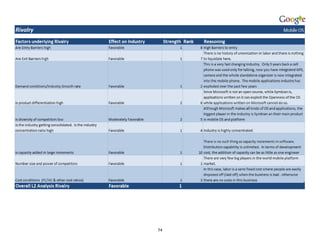
packaged for the enterprises, creating breakthrough opportunity. As 99% of all of
Google’s revenue comes from advertising, Google is very focused on providing high
value to both advertisers and publishers. Google invests in maintaining high quality of
ads, context relevancy, high clickthrough rates, acquiring more traffic via affiliate
publishers, and giving more control and metrics to advertisers to tweak their campaigns.
Google’s recent acquisition of DoubleClick was made to increase Google’s ability to
provide behavioral targeting for ads which would result in better clickthrough rates.

Resources and Capabilities
This section discusses Google’s value and cost drivers and how it uses its resources
and capabilities to achieve a sustainable competitive advantage over its rivals. Based
on the current market performance we identify the value and cost drivers. We then use
the Value Chain, VRIO, Product Life Cycle and Crossing the Chasm frameworks to
analyze these drivers.


                                              41
Value-Minus-Cost Discussion
Google’s Value-minus-cost analysis was discussed in the Willingness to Pay Section
earlier. This analysis is detailed in Exhibit 21. After the strategic move, we expect the
value minus cost to change based on the growth, competition and cost structure. This
is illustrated after the value chain and VRIO discussions.

Value & Cost Drivers
Brand equity, disruptive innovation and “No constraints” design capabilities are the key
factors that drive Google’s value. Google primarily reduces cost through effective use of
a common search platform and by leveraging it across several applications and
services. Value and cost drivers of the firm and their linkages among the value chain
activities are discussed below.

Value Drivers
Largest single source of information
Google’s story is built around providing a simple, faster and effective access to online
information. There is no other company that has the largest online storage of
information as Google. By supporting web pages in over 35 languages and information
portal that can be customized into more than 100 languages, Google has built the
largest footprint of customers, the single most important factor in the industry.

Business model centered around search
Google’s entire product framework is
centered around their core competency                                                       –
search. Google spends 70% of its
resources on its core competency and
the rest on its applications 57(Figure 12).

With 6 billion searches per month,
Google commands 58% share of the
total worldwide search (see Figure 4
                                              Figure 12 - Google's Product Framework
earlier in the document). Search also
serves as the common platform to deliver ads across traditional, online media and SMB
customers.

Intuitive targeting


                                              42
Google’s AdSense for content and search targets the relevant audience to deliver ads
specific to the website content that increases the ROI for its advertisers. The company
also provides a simple bidding and reporting tools to place and measure the
effectiveness of the ads in terms of CPC (cost-per-click) and CPM (cost per thousand
impressions) for traditional customers. It also provides Google Analytics, a tool that can
be used by sophisticated SMB customers.

Quality of service
Quality of search results is an important value driver that helps retain end user loyalty
and attract more eyeballs. Google continually invests and improve its search
technologies to have the competitive edge

Innovation
Google is an idea factory58 and continues to offer a lot of value through its suite of
innovative and free applications such as Google Maps, Gmail, Google Earth, iGoogle,
Google Docs to increase its user base. With YouTube acquisition and MySpace
partnership, Google has filled its innovation gaps in video and social networking product
segment.

Excellent Brand Image
Google is a classic example of a company that built a powerful brand simply by word-of-
mouth. It is ranked 20 in top global brands list and is worth $18Billion in 2007 59.

Cost Drivers
Effective information storage
Google has a world class infrastructure of storage servers racked up in thousands of
clusters in dozen data centers around the world. By building its own software to manage
these servers, Google has kept its cost under control. Every group of new servers
installed adds a minimal variable cost and uses the existing software. This also
minimizes cost.

Cost benefit based investments
Google constantly evaluates its immediate and longer term ROI before investing more
in core search, ads and also new services60.

Cost Arbitrage


                                             43
Google has significantly grown global talent in low cost countries such as developers in
India and China and leveraged the cost arbitrage. It has also historically kept the R&D
cost under control between 12% of revenue61.

Open Source Software
Google uses Linux based Open source software for its development and uses MySQL
to organize its database. There is only one software code repository and engineers are
encouraged to share the same codebase.

Value Chain Exhibit
Exhibit 20 illustrates the links among various value chain activities.

Links Across Primary Activities in the Value Chain

Links within Marketing and Sales
Google’s focus to be the information leader calls for enlarging the footprint and
promoting its brand through word of mouth. By enhancing its war chest of novel
applications that solve users information quest, Google has continued to improve its
brand. Also by focusing on vertical sales strategy for its traditional customers, it has
been successful in monetizing the opportunities.

Links between Inbound/Outbound Logistics and After Sales
Google has developed powerful yet simple tools for different customer segments that
help them monitor the value their customer receive from their ads and search services.
Google closely partners with the ad networks and the content publishers to forge a
strong and sustaining relationship.

Links Across Primary and Secondary Activities in the Value Chain
Technology Development and Operations
By leveraging a single source across a plethora of applications, Google controls cost of
software operations. In spite of the massive information growth requirements, their
disciplined investment strategy forces them to invest selectively on projects with a good
long term ROI and expand their modular server infrastructure. Google has also filled its
product gaps with strategic acquisitions.

Marketing and Sales and Technology Development


                                               44
Google’s strategy to attract more and more eyeballs is strongly backed by an army of
innovative engineers who perform extremely well in an open culture to share ideas and
convert them into new products and services to enter new market segments.

V-C profile after Strategic Move
In this section, we estimate
Google’s V-C profile for the
years 2008-2011, after its
move into the mobile
advertisement industry. Figure
13 shows the relative V-P-C
after the strategic move.
Google is expected to add
more value through mobile
content publisher partnerships,    Figure 13 - Google's Relative Value, Cost, & Price
design applications tailored to smartphones and pay increased attention to user privacy
which is important for the mobile users. Hence the relative value will increase in the
coming years to stay competitive in this market. On the cost front, Google has to invest
significantly in pushing the android platform into the market. In addition, it will have
significant R&D investments to develop new applications. Most of the mobile user
information is controlled by wireless service providers and TAC would be higher to
attract these new users. Hence the cost structure will increase in the initial years and is
expected to taper down as the market takes off. Google will try to attract the mobile
advertisers by offering competitive price and bundle discounts. As it increases the value
of the services, it could increase the price with a strong customer footprint. Exhibit 21
shows the detailed analysis of this approach.

VRIO Analysis
Exhibit 22 shows the various resources and capabilities and how they drive the value
and cost for the firm. The key resources are their strong user-base, advertiser network,
open alliance partners and their in-house talent. Major capabilities of the firm include
their ability to build around their core competency – search, their ability to enhance their
search technologies and their ability to innovate and scale serving an increasing global


                                                 45
end-user and customer base. Google’s strong brand image, their eyeballs and a strong
AdSense and AdWords network provide them a sustainable competitive advantage over
their rivals.

Customer Retention Strategy
Retaining end-users and customers is extremely important to Google to create a
network effect. By providing free value added services to end users centered around its
search technology, Google has been extremely successful in retaining and attracting
more users to migrate to its services. Google’s strong focus on end users ensures that
the eyeballs stay loyal to Google. Recently Google has announced several value added
services such as Goog411 and Google Docs to enable more user migration.

On the advertiser side, brand management and customer satisfaction are key to its
success in customer loyalty. By segmenting the advertisers into small business, online
and traditional customers it serves the diverse needs of these segments effectively.
Google offers different level of value added products and services to these segments.
Small business customers who do not have their own resources to place ads, get
simple tools to order, track and monetize revenues. Powerful online analytics are
tailored to the needs of online media companies to monitor their ROI. Traditional
marketing companies such as Sony, Target, Tesco and financial companies have their
own advertisement agency networks that manage their promotions. Google has
dedicated account managers to collaborate with these agencies and constantly
monitors customer satisfaction metrics. Google has developed its partnership network
significantly over the past 3 years and continues to invest and strengthen its Customer
Relationship Management.

Product/Service Portfolio Analysis
In this section we look at various products and services that Google offers to both end-
users and advertisers (see Exhibit 23). For the end-users Google offers a wide variety
of value added differentiated products. These are free and customizable. Some
examples include Google search, YouTube, Google Maps, Gmail, Picasweb, iGoogle
and Orkut. All these applications integrated around search and hence the network effect
is tremendous.


                                           46
For the advertisers, a wide range of tools such as AdWords, AdSense, Analytics that
help monitor the user traffic trends, click rates and conversion rates. In addition, Google
also provides tailored report generation tools to calculate ROI based on these metrics.

Product Life Cycle
Internet search advertisement industry is in the growth phase of its life cycle. Currently,
the industry growth rate is high, with intense rivalry between Google, Microsoft and
Yahoo. As companies move away from mass advertising in TV and newspapers to
targeted advertising, the number of tools and applications to place the online
advertisements are growing. Exhibit 24 shows the various attributes used to justify this
classification.

Financial Analysis
Google’s Five Year Performance
Google has been growing at an astounding pace for the past five years. Since 2003,
Google’s average yearly growth rate has been 114.6% (Financial Exhibit D). This
growth rate is obviously not sustainable for the long term and, as expected, has been
declining over the same period. However, Google’s overall financial position is strong
and they are in a good financial position to continue to compete in the markets they do
business in. In order to get a better picture of Google’s financial performance over the
past five years, an analysis has been conducted using the same five categories as in
the Comparative Financial Analysis; Growth, Profitability, Liquidity, Leverage, and
Operational Efficiency. Google’s past and current Income Statements, Balance Sheets,
and Statement of Cash Flows can be referenced in Financial Exhibits A, B, & C.

Growth
As mentioned, Google has been growing rapidly, although at a decreasing rate. While
revenues grew at an annualized annual pace of 106% over the past 5 years, net income
also grew at an annualized annual pace of approximately 111%. As mentioned above,
revenue growth has been slowing since 2002, but Google is still growing much faster
than any of its major competitors. Annual revenue growth from 2006 to 2007 was
56.5% while Yahoo and Microsoft grew at only 8.5% and 15.5% respectively during the
same period (Financial Exhibit D). Google attributes most of its revenue growth,
especially in the last year to increases in the total number of paid clicks, rather than to


                                             47
increases in its fees62. They have also seen international revenues increase not only in
absolute amount, but also as a percentage of total revenue.63 Especially at a time when
the US dollar is weakening against foreign currencies, this helps Google’s top line.

Profitability
Google’s net profit margin has fluctuated over the past five years. It has been
increasing for 3 straight years topping out at 29% in 2006 before pulling back in 2007 to
25.3% (Financial Exhibit D). This was due mainly to an increase in costs of revenues
during 2007 which had been declining since 2004. Google’s costs of revenues are a
reflection of the source of its advertising revenue. Their AdWords product, which
displays ads primarily on Google owned web pages, generates much higher profit
margins than does their AdSense product, which pays network partners to allow ads to
be displayed on their web sites. The fees that Google shares with these network
partners are called traffic acquisition costs (TAC). During periods where ad revenues
generated from ads on Google owned sites is growing faster than those generated from
ads on network partner’s sites, both TAC and cost of revenues will decrease. From
2004-2006, this was exactly the case (Financial Exhibit F) and both TAC and costs of
revenues as percentages of revenues declined. In 2007, however, the trend has
changed. The proportion of revenues from network sites increased driving TAC and cost
of revenues higher, which ultimately led to a lower net profit margin. Recent contracts
that guarantee minimum payments to certain network partners, namely MySpace, that
have not monetized into revenue as well as expected have also been a drag on margins
and are a continuing concern for the future.

Google has also had very good returns on its assets during the past five years. They
have averaged a 18.7% ROA during this time (Financial Exhibit D). This is primarily
due to its quickly growing revenues paired with its ability to keep operating costs, such
as the costs associated with running its massive data center, relatively low. In addition,
Google’s business is easily scalable due to the fact that data centers are relatively easy
to scale at reasonable costs.

Liquidity


                                            48
Google’s high growth and cash generating abilities have made their assets very liquid.
Their current ratio increased from 2.38 in 2003 to 10.00 in 2006 before pulling back to
8.49 in 2007 (Financial Exhibit D), primarily due to the events discussed in the
profitability section above. Google carries a large amount of cash and short term
investments on their balance sheet as well. At the end of 2007, they had over $6 billion
of cash and cash equivalents, representing 24% of total assets, and over $17 billion of
current assets (Financial Exhibit B & G). This cash, when paired with their cash from
operations, gives makes Google’s short term default risk very low. In addition, Google
has currently unused letters of credit totaling $38.1 million64 that could be called upon if
the need arises.


Leverage
Prior to 2004, Google did carry a small amount of long term debt, less than 3.5% of
revenues, but it does not currently carry any. Google raised approximately $7.5 billion
from equity issues in the last 4 years.65 Their stock has far outperformed the S&P 500
during this time (Financial Exhibit H) and analysts remain positive about the stock in the
long term even after recent concerns over the recent increases in TAC discussed
earlier.66 Because of their current cash position, robust profits, and sought after equity,
there is little reason to think that their debt structure will change in the near future.

Operational Efficiency
Google has been very good about collecting on its accounts receivable as
demonstrated by their low Days Sales Outstanding (DSO) when compared to their
competitors (Financial Exhibits D & E). Their DSO has been slowly rising since 2004,
however, so this is something that should be addressed should this trend continue.

Google has also been able to grow their headcount significantly in the past five years
without experiencing a significant reduction in revenue per employee. Google has
increased its headcount by 25 times, from 682 full-time employees at the end of 2002,
to 16,805 at the end of 2007.67 However, during that time revenue per employee
actually increased from $644,000 in 2002 to $1,080,730 in 2005. Since 2005, it has


                                              49
only fallen to $987,440 despite an 88% and 57% increase in full-time headcount in 2006
and 2007(Financial Exhibit F).

Valuation
In this section, we discuss Google’s enterprise valuation using the Discounted Cash
Flow (DCF) framework. Exhibit 25 shows our valuation assumptions and calculation for
the weighted average cost of capital (WACC). Exhibit 26 shows the DCF based
valuation. Based on the historical trends and management’s outlook of future growth
and analyst’s forecasts, we have estimated Google’s growth to be 37% in 2008. With
increase in YouTube and other applications, we expect Google to continue their growth
reaching 40% in the year 2013. We assumed a terminal growth rate of 7%. We
estimated their COGS to be flat at 10% of revenue, while the TAC to be higher at 33%
of revenue. To maintain their superior value, we assumed increase in R&D expenses at
13.7% of their revenue. We also expect their SG&A expenses to come down due to
their cost efficient online marketing tools. After adding a cash equivalents of $17.28B
(Google has no debt), we estimate the enterprise value to be $154B. Google has 316M
outstanding shares and this translates to a stock price of $494.39. Google traded at
$434.12 on March 7, 2008. The difference is due to the prevailing market conditions and
the economic outlook impacting the stock market.

Scenario Analysis
Mobile ads industry is a very fluid industry and a lot of changes are expected in the
industry in the next couple of years. The detail of the valuation of the scenarios can be
found in Exhibit 27. For valuing the scenarios we have made some assumptions which
are outlined in the exhibit. The WACC of mobile ads market is assumed to be the same
WACC as Google’s overall WACC. Terminal growth in mobile ads market is assumed to
be between 4-5% after 6 years as it is a growing market. TAC will be higher for Google
in mobile ad space, as there are a more people in the value chain to share the pie,
namely content publishers, wireless service providers, and end users in some cases.
R&D, SG&A and COGS costs as percent of sales are assumed to be lower compared to
Google’s overall ratios as there will be synergies that mobile ads business can leverage
from existing businesses.


                                            50
In scenario one, the mobile ads market is expected to grow as expected by analysts to
about $24B in 2013. Google will be better positioned to serve the mobile ads market
with the innovations it has been pursuing with mobile platform and mobile ads, and with
its internet search and ads leadership. The incremental value of this option for Google is
$6.7B.

In scenario two, mobile ads market grows as expected, but Google is beaten by its
competitors and is able to achieve only 13% market share of the mobile ads business. A
very strong mobile focused combined Microsoft/Yahoo entity, or a mobile only ads
business prospering faster than Google could lead to this scenario. Once competitors
build up market share, it will be very hard to Google to penetrate. The incremental value
of this option is $1.1B.

In scenario three, the mobile ads market is not growing as expected for various reasons
– consumers look at ads on mobile as intrusion, mobile ad companies not able to
provide innovative solutions to mobile advertisers, mobile data penetration doesn’t
happen, etc. In this model, the mobile ads market is projected to grow to about $6.75B
in 2013. The incremental value of this option is $0.98B.

Scenario four assumes that Google doesn’t put any more investment in mobile business
and instead allocates those resources to gain more market share over competitors in
online ads market. Paid search is still a fast growing market and an incremental market
share in this market makes a huge difference to Google. The incremental value of this
option is about $25B.

Scenario five is the worst case situation for Google where Google removes its focus on
the mobile market, and its competitors (including merged Microsoft+Yahoo) eat into its
online ads market share; also the mobile ads market picks up and competitors pick up
that market. In this scenario Google will put in more money into R&D, increase the
payouts to content providers, eventually putting a heavy downward pressure on its
margins. The incremental value of this option is about ($42.7B).


                                            51
Real Options Analysis
Using real options analysis
and allocating probabilities for
the real option scenarios, we
get the option valuation for a
Go/No-Go decision (Figure
14). Given Google’s approach
to new markets and given the
fragmented nature of the
market, we presume that
Google will be successful
compared to competitors in
gaining market share. Also
                                   Figure 14 - Decision Tree Diagram
given the growth observed so
far in mobile data and ads industry, we are assigning higher probability for the market to
succeed. The ‘Go’ scenario will increase Google valuation by about $4.2B while the ‘No
Go’ scenario will reduce Google value by $2B. Given the net present value of the two
options, we are recommending Google go ahead with aggressively investing in and
pursuing the mobile ads strategy.


IV.    Strategy Effectiveness Analysis

Google’s Strategic Move
Google’s November 6th announcement of the new Android Platform developed by the
Open Handset Alliance was very different from expectations that Google was going to
announce a new handset. This new platform is aimed at Google’s attempt to break
down barriers to expanding its advertising and services businesses. Google believes
that this would help broaden data usage on mobile phones, benefiting its large
advertisement business. With this move Google has entered the mobile platform
market currently dominated by Symbian and Microsoft. This “Blue Ocean”68 strategic
move by Google can be viewed as a way to rewrite the industry and not compete head
on. Currently carriers are hindering advertisement growth in the mobile industry by their


                                                  52
closed network approach. For an effective mobile advertising, online advertisers are
looking for specific user profiles, ability to measure user activity, and increasing mobile
activity with a better user interface. Google’s move is aimed at wielding control over
from the operators by pressing for open networks and open devices is effectively
changing the game. Google has now bid on a wireless spectrum auctioned by the FCC.
The rules of the auction have checks in place for the winner to support open devices to
operate in this spectrum.

Effect of Strategic Move on Industry Conditions
Mobile OS Market
Rivalry
We believe this move by Google will not impact the rivalry situation as much. This
move will considerably increase the size of the smart phone market around the world.
(See Figure 15)

Buyer Power
With Android being offered free of cost, Google is banking on increased advertising
revenue. This is good news for phone manufacturers who do not compete in the mobile
advertising business as this would reduce their costs and increase sales for them. In
the case of the application developers, Android also offers free development kits and
reduces time to market for developers. If this new business model in the OS market
picks up, it does bring some power back to the industry.

Supplier Power
Currently supplier power rests on the fact that application developers can easily switch
to PC application development
and thus only moderately
favors the mobile OS industry.
The Android SDK is free of cost
and it is expected to further
increase the growth of the         Figure 15 - Mobile OS Market Effects

mobile smart phone industry. This strategic move increases the power to the industry.


                                                53
Complements
The biggest impact on industry conditions because of the strategic moves in the mobile
industry is the effect it has on the complements. With closed networks, wireless service
providers have hindered innovation and growth in the mobile OS industry. With the
current bid at $4.71B for the C Band of the 700MHz wireless spectrum, it is now certain
that this spectrum will be open for any devices, thus making it a very attractive industry
for innovative products to hit the market.

Substitutes
The wireless and mobile data industry has slowly reduced the need for users to open up
their laptops especially for emails and messaging. With this introduction of Android and
the open spectrum, we will expect to see further innovation in applications for mobile.
This would help to further strengthen the mobile industry.

Mobile Advertising Market
Rivalry
With Google increasing its focus on the mobile ad business, industry consolidation is
imminent. The currently fragmented mobile ad industry would end up more
concentrated thus increasing
the rivalry in the industry.(see
Figure 16)

Buyer Power
In the PC internet industry,
advertisement is a key source      Figure 16 -Mobile Advertising Market Effects

of revenue. For these publishers, making their content available in more platforms is
good. This strategic move by Google would make the mobile advertising industry more
strategically important for the content publishers.

Supplier Power
With the increase in eyeballs for mobile ads, content publishers and advertisers alike
would look at this industry as extremely important to them, especially because they can
now push their ads to a more targeted audience because mobile devices are more
personal than a personal computer. This would help the industry.


                                                54
Barriers to Entry
This move by Google will increase the retaliation by competitors. We already see the
effects of this move in Microsoft’s bid for Yahoo. If the merger does happen and the
industry grows, we will see more players such as Facebook who currently have an
effective ad product in the internet social networking industry, enter the market for
mobile ads.

Complements
As mentioned earlier, wireless service providers have closed their network and
controlled traffic reaching their customers. As browsers and applications become easier
to use on mobile devices, like on the iPhone, and service providers increase 4G
network coverage, content publisher traffic will also increase. This would positively
impact advertising. Google’s timely move to introduce AdWords and AdSense and the
Android platform is a step in the right direction. Also, with the open network clause in
the 700MHz Band C, we will see more innovative location based services which is good
for targeted advertising.

Substitutes
In the case of internet advertising, we have seen that newspaper ads have lost some
share of the market. Since mobile ads offer a greater opportunity for a target audience,
the substitutes will further see their share erode, thereby making it good for the industry.

Resources Needed for Strategy Implementation
A strategic move to compete in a new industry will need additional resources. We have
outlined some of the key resources needed for the strategy to succeed.

R&D Resources
Over the years, Google has done a great job attracting the best and brightest minds to
Googleplex. Their strengths lie in developing cool applications for the internet. To
succeed in the mobile industry with an effective Operating System and development
platform, they need more than just internet skills. To help with expertise in mobile
devices, device drivers for cool add-ons seen in most smart phones today, wireless
service, Google has done well in bringing in industry leaders such as Motorola,
Samsung, LG, HTC, NTT DoCoMo, Sprint Nextel, only to name a few into their Open


                                             55
Handset Alliance69. Google will also have to build a powerful user targeting platform to
increase relevancy of mobile ads. Mobile search will be able to leverage the research
done by the core search and local search groups.

Operational Resources
To handle an increased traffic to their servers, Google needs to invest in more ad
servers. To date Google has an estimated 450,000 servers around the world70. They
have been effective in making local governments in Netherlands and North Carolina to
subsidize real estate and power. Their innovation in custom built cluster servers has
helped them achieve superior performance at a very low cost. 71

Marketing & Sales
Google needs to leverage their strengths in the internet search and innovative
advertising model in the mobile platform. Since mobile advertising offers an added
advantage of a more targeted audience, the product development team needs to start
looking at how to package AdWords to customers offering them both internet and
mobile advertising opportunities. Also, they need to continue to develop / port
applications currently intended for PC to suit the small screens of mobile phones.

Financial Resources
The problem with Google doesn’t seem to be lack of cash, but how to invest its $14
billion cash and marketable securities. The mobile industry is extremely promising and
is the next logical step for Google to continue to dominate the advertisement business.

Overall Effectiveness of Strategy
Google’s move into the mobile ad business can be viewed as a related diversification
strategy. Their skills in search technology, context based advertising revenue model
and tools to make information retrieval easy can be very easily used in the mobile space
thus leveraging their core competence. Integrating mobile applications into the internet
PC applications can be done at a fraction of the cost by extending their Operational
Economies of Scope. Also, to the advertiser’s network effect which Google enjoys
creates a unique value – gives and opportunity to reach a huge customer base through
a new medium. To be successful in this new business, Google does not need to
change its organizational structure. Also, for Google to succeed, a lot depends on its


                                           56
partners. These partners are important because Google does not have the capabilities
which some of them bring to the Alliance, for example support for Bluetooth, WiFi
chipsets. Also, some of these partners will help with evangelizing the Android platform.
External applications are also important and the OHA has eBay which could integrate
applications such as eBay auction marketplace and Skype into the platform. Exhibit 28
details how this strategic move helps with value creation and helps sustain its superior
profits.


V.    Recommendations
Google’s products and services enable them to generate revenues from
advertisements. Borrowing an analogy from the Crossing the Chasm framework, we
have identified mobile advertisement industry to be embraced only by early adopters
like MTV, P&G, Disney etc. Google is aiming to provide a whole product solution by
combining Android and search technologies. There is a real danger that this market
can fall through the crack if this value proposition is not marketed properly to
pragmatists. Our recommendations for Google have this theme as the primary goal i.e.
what `enablers’ are required to cross the chasm? Short term recommendations have a
1 year time horizon whereas longer term recommendations are aimed at anything
beyond this time.

Short Term Recommendations
Evangelize Android Platform
Mobile phones have come a long way from a mere communication device to become a
personal identity statement. As carriers break down their walled gardens to increase
data revenues, users will start to add more applications for their handsets. Google
should adopt a rapid growth strategy to build critical mass for Android because this
platform will be the key enabler that will allow Google get more sockets to push ads.
One of the barriers that Linux face in widespread adoption is its highly fragmented
nature. Failure to build superior value will result in Android being branded as yet another
Linux solution.


                                             57
Ride the Mobile TV wave to expand Mobile Advertising
Mobile TV has been touted as the next killer app for cell phones and can be the ideal
application for Google to
target to create the bowling
pin effect. New set of
emerging technologies like V
Cast, MediFLO and DVB-H
have emerged to provide
digital mobile TV to handheld
devices. Deutsche Bank
research shows mobile TV ad spending growing up to $5.6 billion and reaching 340
million users72 by 2015. (see Figure 17) For example Anheuser Busch has a
partnership with mobile TV content aggregator MobiTV to target the 21-35 year old beer
drinkers who are tech-savvy.

Google’s presence in the advertising world has been primarily confined to the online
network and not in TV because there is typically no way for the user to interact with
content (unless there is some
                                  Figure 17 - Estimated Mobile Video Spending
software in the set-top box).
Content producers are also increasingly looking for innovative delivery methods
including mobile broadcast television to expand their reach. According to Telephia (now
Nielsen wireless)73, the most watched mobile channels are news, weather and sports.
By collaborating with content providers like Fox, Universal, Disney, ESPN etc Google
can position itself as the go to guy in Mobile TV advertising for networks to connect with
the relevant audience with personalized messages.

Make AdWords platform attractive by bundling online and mobile offering
Google gets 99% of its revenues from AdWords program74. Most AdWords customers
pay Google on a cost-per-click basis which means advertisers pay Google only when a
user clicks on one of its ads. However as Google strives to provide relevant and useful
ads to users by eliminating those with low click through rates, reduce accidental clicks
etc their revenues from online AdWords might decrease in the short term. This was
confirmed by the Comscore’s latest report that Google showed a 7% sequential


                                               58
decline75 in Jan 2008 vs. December 2007 in paid clicks. To increase revenues from
AdWords, Google should bundle online and mobile AdWords to advertisers. Google
can offer discounts to stimulate Mobile ad traffic and to identify profitable price sensitive
segments.

Longer Term Recommendations
Champion the cause to accelerate adoption of 4G Mobile Broadband
Based upon In-Stat research, the expected revenue from a smartphone user,
determined by dividing the ARPU by their churn rate, is just below $7,500, while the
expected revenue of a pure phone consumer is closer to $1,25076 . Another survey by
In-Stat shows 80% of the respondents said that number of available applications was a
very important criterion when they select their smartphones, with 25% downloading over
four applications. This seems logical and shows clear evidence that better response
times with the introduction of 3G networks has increased data consumption. Future 4G
technologies like Long TermEvolution (LTE), Ultra Mobile Broadband(UMB) and WiMAX
promise throughputs of upto 100 Mbps77 for mobile applications as opposed to 400-700
kbps for 3G technologies like Evolution-Date Optimized (EV-DO) or High Speed Packet
Access (HSPA). Google should adopt a proactive strategy to influence the events in
this environment by participating in this evolution rather than simply react to it. This will
be crucial to Google in the long run as 4G mobile broadband will be truly a disruptive
and game changing technology due to its lower cost, significant performance gains and
ability to usher in a new era of personalized devices.

Innovate Business model to embrace user generated Ad content
Recent trends have shown explosive growth of user generated content (UGC) that is
appealing to others (e.g. YouTube). Research78 shows that these user-created content
sites contributed to 39% of online video content. As users increasingly participate in
social networking sites like Facebook and Myspace, user generated content advertising
is fast becoming the new disruption model. This becomes more powerful as consumers
resist control over intrusive marketing from providers but trusts recommendations from
other fellow consumers. To account for this shift in advertising landscape, Google
should reconfigure its ad model to pursue user generated advertising revenue sharing


                                             59
models. Such a model will help Google to drive persuasion and personalization and
increase ROI for their advertisers.

Use Targeting and analytics to raise the bar in Mobile Ad platform
Google needs to come up with solutions that increase ad reach and quality among the
targeted audience. For mobile advertising to be successful, reach (exposure to
customers), purity (relevance/quality) and analytics are the most important factors79.
Google will have to come up with an analytics framework – audience profiling, real-time
analysis – to match user interests and customizing the interaction to increase the
efficiency of ad spending. Google should partner with carriers, content providers to
understand trends that will help in improving relevant ads to the end users.


Strategy Implementation
                                                Using the strategy implementation framework
                                                outlined in Figure 18 , we have chalked out the
                                                implementation of the strategy that Google
                                                should follow to meet its strategic goals.


Figure 18 - Strategy Implementation Framework

Short term Strategy Implementation – Evangelize Android Platform
As established in our recommendation, Android will be the key enabler for Google to
pursue its Mobile advertising strategy (see timeline in Exhibit 29) and so it needs to
promote Android as the unified platform for all the players – Application developers,
wireless carriers and end users. We use Game theory80 to illustrate how Google can
actively shape the game it plays by changing the value net.

Google should invest more in trying to commoditize the mobile OS and platform by
offering Android free and growing the developer base. This will be a strong response if
the Microsoft’s move to acquire Yahoo goes through. Microsoft has a strong presence in
the Mobile OS market and Yahoo is strong in mobile applications. Google will change


                                                    60
the rules of the game with this strategy and can compete on multiple dimensions with
the combined entity.

Google should build a highly scalable network with application developers (suppliers in
the value net). Android should provide a highly sophisticated UI framework that will
allow application developers to create an engaging mobile experience for end users
(similar to the iPhone). To encourage more developers in its fold, Google needs to
make sure these developers will have a large end user base.

To spur adoption of mobile applications and lower costs for application developers,
Google has to partner with wireless service providers and MVNOs like Virgin Mobile
(complementors in the value net) to subsidize end users’ data service plan. Carriers are
squeezed for margins in the voice segment and are looking for innovations to grow
revenues. Mobile advertising will change the business model for wireless carriers by
generating more “upstream” ad revenues e.g. sugar mama from Virgin mobile81.

Users (complements in value net) will get superior mobile application experience and
free/subsidized data plans to opt-in for watching short ads on their mobile device.

Changes required to implement recommendation
Changes in Value and Cost drivers
By improving time to develop apps, Google will improve the value it delivers for
application developers. Also by enabling Android to integrate different applications
seamlessly, it increases the network effects to create new applications.

Google will need to increases its marketing budget to enhance the reach of Android. For
example Google can increases the trend of “tribing” (affinity towards a community) in
the Android developer community by organizing an annual convention similar in lines to
MacWorld in San Francisco or Harley Davidson’s motor cycle rally in Sturgis.

Changes in Resources and Capabilities
The mobile application market is in the early stages of technology adoption life cycle
and is endorsed only by early adopters. To cross the chasm and take Android to the
main market, Google needs to develop strategic partnerships. Apart from the partners in
the existing open handset alliance, Google needs to have stronger tie ups with carriers


                                            61
like Vodafone which has a very strong European presence. Google should also be able
to transfer its online application capabilities to Android. To build dynamic capabilities,
Google should adopt a double-loop problem solving82 to break down cognitive barriers
in marketing activities of the value chain.

Changes in organization structure
Google will need to create a separate business unit to focus on mobile product
applications and marketing. It should divide the products division under SVP of Product
Marketing Jonathan Rosenburg into two groups – Online and Mobile. This will allow
Google to better monitor resource allocation and ROI on its investments.

Critical Risks
There are two important risks associated with adoption of Android. First, end users
might feel that their privacy is intruded by mobile applications and fail to embrace them.
Second is the failure of wireless infrastructure to provide adequate response time for
these applications that result in disappointing user experiences. We believe Android’s
superior user experience and ad revenue sharing partnerships with wireless carriers will
mitigate these risks.

Long Term Strategy Implementation - Accelerate adoption of 4G Mobile Broadband
To realize the vision of mobile applications with multimedia content, Google needs to
make sure the adoption of 4G technologies is accelerated (see timeline in Exhibit 28). In
fact Google, if it wins the 700MHz C block spectrum bid, should allocate the 22 MHz
bandwidth to pioneer the 4G adoption. If Google loses the bid, it should still actively
work with International Telecommunications Union (ITU) and other organizations like
the next generation mobile networks (NGMN) to develop a common roadmap for future
wireless technologies. Google can even partner with firms like Sprint or become a
MVNO like Virgin Mobile.

Changes Required to Implement Recommendation
Changes in Resources and Capabilities
Google will need to develop capabilities in RF technologies including different signaling
mechanisms. Google also needs a 20MHz channel bandwidth for which it has already
placed a bid for the C block of the 700 MHz spectrum. It also needs stronger


                                              62
partnerships with companies like Clearwire who have capabilities in 4G technologies to
move forward with Mobile WiMax.

Changes in organization structure
Google should a create a division that focuses on 4G technologies under SVP of
Engineering and Research Alan Eustace. Additionally it should hire a 4G partnership
development executive from outside, working for Suzanne Strasser, who is currently in
charge of Executive Strategy and Partnerships.

Critical Risks
There are two risks in the adoption of 4G technologies. First, the use of cheap phones
in low cost countries like India and China where users are concerned more about voice
service plans will slow down this adoption Second, the difference in 4G standards like
LTE and WiMax might delay adopting these technologies in a wide scale.

Metrics and Budget
For both the short term and long term recommendation, Google should continually
monitor the success of the evangelization and partnership effort, by measuring the
adoption of Android by application developers. Google should also monitor the mobile
data penetration trends and how it translates into the mobile ad revenue business.

We have outlined the extra R&D costs and extra Transaction Acquisition Costs Google
will incur while trying to promote Android in Scenario 1 of Exhibit 27.

Corporate Social Responsibility/Ethical Decision Making
Google has a reputation of having ethical business practices. Google already has a
commitment to ethical behavior with respect to paid listings. For example Google
accepts AdWords for wine but not hard liquor. One of Google’s core tenant is “Don’t be
Evil” intended towards the integrity of search results. But Google’s ethical obligations to
users go beyond this statement.

Google is the internet façade for millions of people. They use Google for internet search
and e-mail communications. Google has the capability to search all the private content
and “mine” data about individuals. To address ethical considerations, Google can adopt
a framework that addresses two key questions83


                                            63
•     “What benefits and what harms will each course of action produce, and which alternative will lead
      to the best overall consequences?

•     “What moral rights do the affected parties have, and which course of action best respects those
      rights?”

Such a framework will send a message that the “Don’t be evil” statement is not just a
self glorifying public posture but one of true intent.


VI.     Conclusions
Google has been a trail blazer in revolutionizing the web based on its search core
competency. Of late the company has fallen from its lofty perch due to high market
expectations and a downturn in paid clicks. Over the last few years, Google has been
looking out for opportunities in the mobile market. With Android, the first commercially
open mobile OS with a readymade ecosystem, Google takes a big leap into getting its
online applications and others into mobile handsets. When the hype settles, there will
be obvious ramifications from the entrenched players like Symbian and Microsoft in the
mobile OS market.

As mobile data services gain revenues from voice services, the market for
downloadable applications will usher in new contextual advertising opportunities for
Google. We have determined that video and location based services will represent the
back bone of the mobile application adoption and Google can leverage its existing
model to scale well. Also the fact that wireless carriers who are important
complementors are slowly rolling out 4G technologies augurs well for Google. By
incorporating our long term recommendations, we believe Google’s valuation looks
bright in the next 3 to 5 years.


                                                    64
Exhibit 1. Mobile Advertisements Industry EcoSystem


Exhibit 2.Dual Sided Advertising Market


                                  65
Exhibit 3. Mobile OS/Platform Industry EcoSystem


                                 66
Exhibit 4. 6 forces Analysis, Mobile Advertising – Level 1& 2


                                                       67
68
69
70
71
Exhibit 5. 6 forces Analysis, Mobile Advertising – Level 3


                                          72
Exhibit 6. 6 forces Analysis, Mobile OS – Level 1 & 2


                                                        73
74
75
76
77
Exhibit 7. 6 forces Analysis, Mobile OS – Level 3


Exhibit 8.Mobile Advertising market share in 2011


                                          78
Exhibit 9.Mobile Data Usage


Exhibit 10.Average Mobile App. Price- US consumers


                                       79
Exhibit 11.Total Wireless Users


Exhibit 12.Penetration of Wireless Users in different age groups


                                         80
Exhibit 13.Resources /Capabilities of competitors - Online Advertising


                                         81
Exhibit 14.Value /Price/Cost Analysis – Mobile Advertising


                                        82
Exhibit 15.Resources /Capabilities of Competitors - Mobile OS


Exhibit 16.US Mobile Advertising Spending Projections in 2000


                                        83
Exhibit 17.Mobile Advertising Industry Timeline


                                                  84
Exhibit 18.Google Organization Structure


                                                                                 Eric Schmidt
                                                                                     CEO


Drummond, David                             Brown, Shona    Kordestani, Omid                             Page, Larry                  Brin, Sergey             Girouard, David         Hol zle, Urs
                   Reyes, George
 SVP Corporate                              SVP Bus iness   SVP Global Sales                          Pres of Products,               Presi dent of           Genera l Manager,    SVP Operati ons and
                   SVP and CFO
  Development,                               Operat ions      and Bu sines s                           Asst S ecret ary               Technology,             Goog le Enterprise     Google Fello w
  Secretary, and                                              Development                                 Di rector               Ass istant Secr etar y,
 General Counsel                                                                                                                      and Director
                            Schr age, Elliott                             Armstrong, Tim             Ros enberg, Jonathan            Eustace, Alan
 Lee, Michelle
                              VP Globa l                                  VP Advertising                 SVP Product              SVP Engineer ing &
 Legal Couns el
                            Communications                                   & Sales                     Management                     Resear ch


                                                                          Stewart, Bonit a                           Kamangar, Sal ar
                           Bock, Laszlo - VP,                                                                                                       Coughran, W.M.
                                                                             Director                                  VP Product
                           People Operations                                                                                                        VP Engineeri ng
                                                                            Automoti ve                               Management
                                                                             Vertical

                             Sing h Cassidy                               Murikami,Nori                              Mayer, Marissa                    Huber, Jeff
                                VP, As ia                                   - VP, GM
                                                                                                                      VP Sea rch                     VP Engineeri ng
                            &Latin America                                Google Japan


                                                                        Ch ou, J ohn ny - VP,                        Wojcicki, Susan
                           Radcli ffe, David -                                                                                                        Manber, Udi
                                                                          Sales and Bus.                              VP Product
                            VP, Real Estate                                                                                                          VP Engineering
                                                                           Development                                Management


                          Sandberg, Sheryl –                             Cerf, Vint on - VP                            Norvig, Peter
                                                                                                                                                     Merrill, Douglas
                          VP, Gl obal Online                             and Chief Internet                             Director of                  VP, Engineering
                            Sales and Ops                                    Evangelist                               Search Quality


                                                                                             Eun, David -
                             Lee, Kai -Fu -                                                  VP, Content
                            VP Engineering
                                                                                             Par tner ships


                                                                        Arora, Nikesh - VP
                                                                        Opera tions, Europe


                                                                                                85
Exhibit 19.BCG Matrix
Business / Market Growth Rate →


                                  Mobile Advertising
                                                                       Gmail
                                  YouTube
                                                                       Orkut
                                  Google Maps / Earth


                                  Internet Search


                                                    Relative Position (Market Share) →


                                                                          86
Exhibit 20.Google’s Value Chain


     Large information storage with optimal power, real estate FIRM INFRASTRUCTURE

      Build best hardware and software infrastructure. Distributed Data center IT support

     Promote an Open culture                                      HUMAN RESOURCES

         Hire passionate, world class talent in line with the company’s culture


    Maintain single source of information across applications      TECHNOLOGY DEVELOPMENT

    Excellent quality of search results with high           Innovate applications for new segments
    relevancy, speed and attractiveness                     and strategic acquisitions to fill product gaps

                                                                    PROCUREMENT                                   Profits
          Procure low cost, modular, scalable, expandable performance oriented data servers


    INBOUND                                OUTBOUND             MARKETING            AFTER SALES
                      OPERATIONS
    LOGISTICS                              LOGISTICS            AND SALES            SERVICE
                       Disciplined ROI                          Brand equity &
   Instant online      based               Simple CPC,                                Total Customer
   billing/order                                                management
                       investments         CPM reports                                satisfaction
                                           for small
                       Ability to scale    business firms       Enlarge
    Advertiser         operations inline                        footprint             Survey quality
    relationships      with demand                                                    of ads as
                                           Sophisticated
                                           Analytics,           Focus on              perceived by
                        Talent Arbitrage                        warchest of           end users
                                           APIs for large
                        in low cost
                                           customers            applications
                        countries
                                                                for eyeball
                        Common                                  growth
                                            Develop
                        software                                                                              Value driver
                                            content             Vertical sales
                                            publisher           for traditional
                        Revenue per
                        employee focus      relations           makets
                                                                                                              Cost driver


                                                                 87
Exhibit 21.Value /Price/Cost Analysis with Mobile


                                        88
Exhibit 22.VRIO Analysis for Google


                                      89
Exhibit 23.Product Portfolio Analysis
  Application / Tool       Value driver        Application/Tool       Value driver


                       For End User                               For advertiser
                       Simple search                              Keyword search
                       Speed                                      Business centric
                       Relevancy                                  phrases
                       Customer toolbar                           Bidding option
       Search                                       AdWords

                                                                  For advertiser
                       For End User
                                                                  Content based ads
                       Instant video upload
                                                                  Web publisher gets $
                       Unlimited uploads
                                                                  for having Google
                       Encryption
                                                    AdSense       search toolbar

                                                                  For advertiser
                       For End User
                                                                  Analytics
                       Integrated mail                            Traffic trends
                       utilities Unified                          Customer
                       messaging                                  dashboards
                       capabilites                                Ecommerce tracking
                                                    Analytics     Tailored reporting

                                                                  For End User
                       For End User
                                                                  Personalized
                       First satellite based                      interface
                       maps; Wider
                       coverage                                   Integrated with other
                       Location based                             Google applications
                       services -
    Google Maps        restaurants/shops            iGoogle       Customizable
                                                                  interface

                       For End User                               For End User

                       Online photoshop                           Social networking
                       Instant Group                              Integration with
                       sharing                                    MySpace


                                               90
Exhibit 24.Mobile Ad Product Life Cycle


                                                                        Newspaper
       Sales                                           TV ads           ads


                                       Internet
                                       ads


                           Mobile
                           ads


 Stage of
 Product Life Cycle                                                           Time
                      Introduction                                 Decline
                                       Growth           Maturity
 Category
                                                                   Moderate
                                      Moderate           Large
 Growth                  Small
                                                                   Negative
                                        High              Low
 Competition             Low
                                                                     Low
                                       Growing           High
 Products                Low
                                                                   Stable/
                                     Growing/High       Maturing
                         Low                                       Decling


                                                  91
Exhibit 25.Valuation Assumptions


                                   92
Exhibit 26.Current Valuation


Exhibit 27.Scenario Analysis Valuations


                                      93
94
95
Exhibit 28.Methods of Value Creation


Exhibit 29.Recommendation Timeline


                                       96
Financial Exhibit A.Google Inc. 7 Year Statement of Income


                                                 97
Financial Exhibit B.Google Inc. 5 Year Balance Sheet


                                   98
Financial Exhibit C.Google Inc. 5 Year Statement of Cash Flows


                                   99
Financial Exhibit D.Comparative Financial Analysis


                                        100
101
Financial Exhibit E.Graphical Comparative Ratios


                                                   102
103
104
Financial Exhibit F.Google Inc. Income Statement Trends


                                                  105
Financial Exhibit G.Google Inc. Balance Sheet Trends


Financial Exhibit H.Stock Performance Jan 2005 – Feb 2007


                                        106
VII.   Bibliography


                      107
1
  Delaney, Kevin & Amol Sharma. 6 Nov 2007, “Google, Bidding for Phone Ads, Lures Partners.” The Wall
Street Journal, A1
2
  Two Sided market (2 Dec 2007). Retrieved Jan 31st, 2008, from http://en.wikipedia.org/wiki/Two-
sided_markets
3
  Eisenmann, Parker and Van Alstyne (Oct 1, 2006), Strategies for Two-sided markets
4
   Unleashing Mobile Advertising Panel(Jan 28, 2008) Retrieved Feb 18th, 2008 from
http://alwayson.goingon.com/page/display/23247?param=session/200
5
  Motorola and Yahoo Announce Plans to Bring Consumer Applications to the Mobile, Auto, and Home (26 July,
2005) Retrieved Feb 14th 2008 from http://www.motorola.com/mediacenter/news/detail.jsp?
globalObjectId=5807_5775_23
6
  ICT Statistics (2007) Retrieved on Feb 2nd 2008 from http://www.itu.int/ITU-D/ict/statistics/ict/index.html
7
  Mobile Marketing Revenue to Hit $24 Billion in 2013, (Jan 14, 2008) Retrieved on Feb 28th 2008 from
http://www.abiresearch.com/abiprdisplay.jsp?pressid=1037
8
  Mobile advertising to reach USD 11.35 bln by 2011 – study (8 Sep, 2006) Retrieved on Feb 5th 2008 from http://
www.telecompaper.com/news/article.aspx?Id=140659&type=full&yr=2006
9
  Source Ongoing fall in viewer retention overshadows 36% mobile TV growth (Feb 12, 2008) Retrieved on
March 2nd 2008 from http://www.tellabs.com/news/2008/nr021208.shtml
10
   Wireless Usage by Age (n.d.) Retrieved on Feb 19th 2008 from http://www.marketingcharts.com/direct/mobile-
phone-use-is-up-interest-in-mobile-marketing-isnt-down-2454/mma-wireless-usage-by-agejpg/
11
   Olga, Karif, May 31, 2006, “Social Networking Goes Mobile”, Retrieved on Feb 20th 2008 from
http://www.businessweek.com/technology/content/may2006/tc20060530_170086.htm
12
   Jestin, Warren, Jan 2008, “Global Economic Research - Global Outlook” Retrieved on 23rd Feb 2008, from
http://www.scotiacapital.com/English/bns_econ/bnsglobe.pdf
13
    Mobile Phone Use Is Up, Interest in Mobile Marketing Isn’t Down (2007), Retrieved on Feb 23rd 2008 from
http://www.marketingcharts.com/direct/mobile-phone-use-is-up-interest-in-mobile-marketing-isnt-down-2454/
14
   Search Engine marketing: User and Spending Trends (n.d.) Retrieved on Feb 23rd 2008 from
http://www.emarketer.com/Report.aspx?code=2000473
15
   Google Investor Relations, Financial Release, 31 Jan 2008. http://investor.google.com/releases/2007Q4.html
16
     Microsoft Corp., 2007 Form 10-K. 3 Aug 2007. p67
17
   Search Engine Performance Report (2008) Retrieved on Feb 23rd 2008 from http://efrontier.com/efficient-
frontier/resources/research/docs/SearchEnginePerformanceQ407.pdf
18
   Inc., 2007 Form 10-K. 23 Feb 2007. p48
19
   ABI Research Report – Smart Phones and OS market – 1Q 2007, Retrieved on Feb 17th 2008 from
http://www.abiresearch.com/products/market_research/Smartphones
20
   Smart mobile device shipments hit 118 million in 2007, up 53% on 2006
  (Feb 5, 2008), Retrieved on Feb 25th 2008 from http://www.canalys.com/pr/2008/r2008021.htm
21
   Instat Report – Smartphone 2006: Whose definition is it anyway. (2006). Retrieved Feb 02, 2008, from
http://www.instat.com/panels/pdf/2006/oct06smartphones.pdf
22
   Research in Motion, 2007 Form 10K, 17 Feb 2008, p35
23
     Apple, 2007 Form 10K, 21 Feb 2008, p.41
24
   NTT Docomo and Dentsu mobile advertising joint venture, (2000), Retrieved Feb 10, 2008, from,
http://online.wsj.com/article/SB959849477425950656.html?mod=googlewsj
25
   ABI Research, Mobile Advertising Estimates, (2008), Retrieved Feb 27, 2008, from
http://www.businesswire.com/portal/site/google/index.jsp?
ndmViewId=news_view&newsId=20080114005865&newsLang=en
26
   Admob, (n.d). Retrieved Jan 21, 2008, from http://www.admob.com
27
   Unleashing Mobile Advertising panel, (n.d), Retrieved March 01, 2008, from
http://alwayson.goingon.com/page/display/23247?param=session/200
28
   Unleashing Mobile Advertising panel, (n.d), Retrieved March 01, 2008, from
http://alwayson.goingon.com/page/display/23247?param=session/200
29
   Instat Report – Smartphone 2006: Whose definition is it anyway. (2006). Retrieved Feb 02, 2008, from
http://www.instat.com/panels/pdf/2006/oct06smartphones.pdf
30
   ABI Research Report – Smart Phones and OS market – 1Q 2007, Retrieved Feb 10, 2008, from
http://www.abiresearch.com/products/research_brief
31
   Instat Research Report – Smartphones ARPU generation November 2007, Retieved Feb 21, 2008, from http://
www.instat.com/catalog/wcatalogue.asp?id=66
32
   AlwaysOn OnMedia conference: Unleashing Mobile Advertising panel discussion, Jan 2008, Retrieved Feb 05,
2008, from http://publications.mediapost.com/index.cfm?fuseaction=Articles.showArticle&art_aid=75462
33
   Advertising goes mobile – White paper, (2007), Retrieved Feb 02 2008, from http://multimediaintelligence.com/
index.php?option=com_content&task=view&id=46&Itemid=64
34
   Sharma C., Herzog J. & Melfi V, (2008), Mobile Advertising: Supercharge Your Brand in the Exploding
Wireless Market, p.45
35
   Instat Research Report – India wants full featured cell phones, Jan 2008, Retrieved Feb 01, 2008, from http://
www.instat.com/press.asp?ID=2201&sku=IN0703613AW
36
   Gladwell, M, (2002), The Tipping Point: Malcolm Gladwell
37
   Steve Jobs at the iPhone SDK conference, March 2008, Retrieved on March 10, from
http://www.oreillynet.com/onlamp/blog/2008/03/the_iphone_sdk_press_conferenc.html
38
   “End of Advertising as we know it” – IBM institute for Business Value study, 2007, Retrieved on March 7,
2008, http://www-03.ibm.com/industries/media/doc/content/resource/business/2898468111.html
39
   Sharma C., Herzog J. & Melfi V, (2008), Mobile Advertising: Supercharge Your Brand in the Exploding
Wireless Market, p 97.
40
   Sharma C., Herzog J. & Melfi V, (2008), Mobile Advertising: Supercharge Your Brand in the Exploding
Wireless Market, p 97
41
   Google Corporate Information, Our Philosophy.(n.d.). Retrieved Feb 19th 2008, from
http://www.google.com/corporate/tenthings.html
42
   Google Corporate Information, Our Philosophy. < http://www.google.com/corporate/tenthings.html />
43
  Yegge, S. (2006). Good Agile, Bad Agile. Retrieved Feb 14th 2008, http://steve-
yegge.blogspot.com/2006/09/good-agile-bad-agile_27.html

44
   Google Investor Relations, Letter from the Founders. (18 August 2004). Retrieved Feb 21st 2008 from
http://investor.google.com/ipo_letter.html
45
   More Google Products. (n.d.) Retrieved Feb 21st 2008 from http://www.google.com/intl/en/options/
46
     Google Inc., 2007 Form 10-K. (15 Feb 2008) pp44.
47
   List of all acquisitions by Google (n.d.). Retrieved Mar 1st 2008 from
http://en.wikipedia.org/wiki/List_of_Google_acquisitions
48
   YouTube: Waiting For The Payoff. (Sep 18, 2006). Retrieved Mar 1st from
http://www.businessweek.com/magazine/content/06_38/b4001074.htm?chan=top%20news_top%20news
%20index_technology
49
   Sullivan, D. Google Partners With LG & Mobile Handset Maker. (Mar 28 2007). Retrieved Feb 15th 2008 from
http://searchengineland.com/070328-091125.php
50
   IDC Press Release. Search Advertising to Lose Importance, Strategic Threat to Google, Says IDC. (14 Jun
2007). Retrieved Feb 12 2008 from http://www.idc.com/getdoc.jsp?containerId=prUS20732807
51
   Burns, E. Forecast: Search to Lose Share as Video Ads proliferate. (Jun 15th 2007). Retrieved Jan 24th from
http://www.clickz.com/showPage.html?page=3626165
52
   Sharma, Chetan. Whitepaper: Unified Mobile Data Platform - An Analytics based approach. (June 11 2007).
Retrieved Mar 4th 2008 from http://www.chetansharma.com/blog/2007/06/11/whitepaper-unified-mobile-data-
platform-an-analytics-based-approach/
53
   Rogers, G. Google Maps market share up 10% in one year. (Jan 9th 2008). Retrieved Feb 14th from
http://blogs.zdnet.com/Google/?p=878
54
   Collins, J. & Porras, J. Built To Last. (1994, 1997, 2002) pp113
55
     Company Overview. (n.d.). Retrieved on Feb 29th 2008 from http://www.google.com/corporate/
56
   Google Analyst day 2006. (2006). Retrieved on Feb 18th 2008 from www.youtube.com/watch?
v=HQGNiUxZjyQ
57
   Google Analyst day 2006. (2006). Retrieved on Feb 18th 2008 from www.youtube.com/watch?
v=HQGNiUxZjyQ
58
   BusinessWeek. Managing Google’s idea factory. (Oct 11 2005). Retrieved Feb 16th from
http://www.businessweek.com/magazine/content/05_40/b3953093.htm
59
   BusinessWeek. Top 100 Global Brands Scorecard (2007). Retrieved Feb 26th from
http://bwnt.businessweek.com/interactive_reports/top_brands/
60
   Google Analyst day 2006. (2006). Retrieved on Feb 18th 2008 from www.youtube.com/watch?
v=HQGNiUxZjyQ
61
   Google Investor Relations, Financial Release, 31 Jan 2008. http://investor.google.com/releases/2007Q4.html
62
     Google Inc., 2007 Form 10-K. 15 Feb 2008. p44
63
     Google Inc., 2007 Form 10-K. 15 Feb 2008. p45
64
     Google Inc., 2007 Form 10-K. 15 Feb 2008. p56
65
     Google Inc., 2007 Form 10-K. 15 Feb 2008. p56
66
     Google Inc., Price Revision Target”. RBC Capital Markets. 1 Feb 2008, p1
67
     Google Investor Relations. Financial Tables, 28 Feb 2008 http://investor.google.com/fin_data.html
68
   Kim, Chan and Mauborgne, Renee, “Blue Ocean Strategy: How to Create Uncontested Market Space and
Make Competition Irrelevant” (2005), Ch1
69
   Members of the Open Handset Alliance (n.d.) Retrieved on Feb 28th 2008 from
http://www.openhandsetalliance.com/oha_members.html
70
   Google platform (2007) Retrieved on 2nd March 2008, from
 http://en.wikipedia.org/wiki/Google_platform
71
   Barroso, Luiz André, Dean, Jeffrey and Hölzle, Urs “Web Search For A Planet: The Google Cluster
Architecture” (2003) Retrieved on Feb 23rd 2008 from http://209.85.163.132/papers/googlecluster-ieee.pdf
72
   Jenkins, Gareth, Peddy, Guy, Reynolds, Paul, “Deutsche Bank report – DMTV:Drug of a new generation, May
2006” pp39
73
   “Mobile Tv Audience Grows 45 Percent In Q2 2006 - News, Weather And Sports Channels Most Popular “
(2006), Retrieved on March 1, 2008 from http://www.telephia.com/html/insights_091106.html
74
   Google Inc., 2007 Form 10-K. 15 Feb 2008
75
   Abraham, Magid, “Why Google's surprising paid click data are less surprising” (Feb 29, 2008), Retrieved on
March 3rd 2008 from
http://www.comscore.com/blog/2008/02/why_googles_surprising_paid_click_data_are_less_surprising.html
76
   Hughes, Bill, “Instat Report – Smartphone 2006: Whose definition is it anyway”, (2006) Retirieved on Feb 18th
2008, from http://www.instat.com/panels/pdf/2006/oct06smartphones.pdf
77
   Tedesco, Gemma, “In-Stat Report - The Road to 4G: Will LTE, UMB and WiMAX Just Be Stops Along the
Way?” (August 2007)
78
   IBM global business services – The end of advertising as we know it – Berman, Battino, Shipnuck and Neus,
2007, Retrieved on March 5, 2008, from
http://www-03.ibm.com/industries/media/doc/content/bin/media_ibv_advertisingv2.pdf
79
   Sharma.C, Unified Mobile Data Platform – An Analytics based approach, 2007, Retrieved on March 3, 2008,
from http://www.chetansharma.com/unifiedmobiledataplatform.htm
80
   Brandenburger, Adam; Nalebuff, Barry J, The Right Game: Use Game Theory to Shape Strategy, In Harvard
Business Review, Case No. 95402. Published 07/01/1995, Harvard Business School Publishing, (17 pages).
81
   Sugarmama, (n.d), Retrieved on March 2, 2008, from http://www.virginmobileusa.com/stuff/sugarmama.do
82
     Chris Argyris and Donald Schon, Organizational Learning: A Theory of Action Perspective
83
  Velasquez M, Andre. C, Shanks T, S.J., and Meyer M.J, (1996), Thinking Ethically:
A Framework for Moral Decision Making, Retrieved on March 5, 2008,
http://www.scu.edu/ethics/practicing/decision/thinking.html

Google team android_final

  • 1.
    MGMT 619, Winter2008 Capstone Project Team Android
  • 2.
    Team Android Swami Gurumoorthy,Mihir Sambhus, Vaidya Venugopal, Venkataraman Sankar, Jesse Green ii
  • 3.
    Table of Contents I.Wall Street Journal Article and Executive Summary.........................................................vii Wall Street Journal Article .....................................................................................................................vii Executive Summary.................................................................................................................................1 II. External Analysis...................................................................................................................2 Industry Definitions.................................................................................................................................2 Mobile Advertising Industry.................................................................................................................2 Mobile Operating System Industry .....................................................................................................2 Six Forces Analysis – Mobile Advertising.................................................................................................3 Level 1 Analysis....................................................................................................................................3 Level 2 Analysis....................................................................................................................................3 Level 3 Analysis....................................................................................................................................5 Six Forces Analysis – Mobile Device Operating System...........................................................................6 Level 1 Analysis....................................................................................................................................6 Level 2 Analysis....................................................................................................................................6 Level 3 Analysis....................................................................................................................................8 Macro Environmental Forces Analysis.....................................................................................................9 Global Trends.......................................................................................................................................9 Social Trends........................................................................................................................................9 Technological Trends.........................................................................................................................10 Governmental/Political Trends..........................................................................................................10 Ethical Concerns................................................................................................................................10 Macroeconomic Trends.....................................................................................................................11 Demographic Trends ........................................................................................................................11 Competitor Analysis...............................................................................................................................11 iii
  • 4.
    Mobile Advertising IndustryCompetitor Analysis..............................................................................11 Mobile OS Industry Competitor Analysis...........................................................................................19 Intra-Industry Analysis...........................................................................................................................23 Intra-Industry Analysis – Mobile Advertising.....................................................................................23 Intra-Industry Analysis – Mobile Operating Systems.........................................................................27 Threats and Opportunities Analysis.......................................................................................................30 Threats and Opportunities – Mobile Advertising...............................................................................30 Threats and Opportunities – Mobile Operating Systems...................................................................32 Summary of External Analysis................................................................................................................32 III. Internal Analysis.................................................................................................................34 Business Definition / Mission.................................................................................................................34 Company Philosophy.........................................................................................................................34 Organizational Structure and Controls..................................................................................................35 Strategic Position Definition..................................................................................................................36 Corporate Level Strategic Position.....................................................................................................36 Business Level Strategic Position.......................................................................................................40 Resources and Capabilities................................................................................................................41 Financial Analysis...............................................................................................................................47 IV. Strategy Effectiveness Analysis ......................................................................................52 Google’s Strategic Move........................................................................................................................52 Effect of Strategic Move on Industry Conditions...................................................................................53 Mobile OS Market..............................................................................................................................53 Mobile Advertising Market................................................................................................................54 Resources Needed for Strategy Implementation...................................................................................55 R&D Resources..................................................................................................................................55 Operational Resources.......................................................................................................................56 iv
  • 5.
    Marketing & Sales..............................................................................................................................56 Financial Resources............................................................................................................................56 Overall Effectiveness of Strategy ..........................................................................................................56 V. Recommendations..............................................................................................................57 Short Term Recommendations..............................................................................................................57 Evangelize Android Platform..............................................................................................................57 Ride the Mobile TV wave to expand Mobile Advertising...................................................................58 Make AdWords platform attractive by bundling online and mobile offering....................................58 Longer Term Recommendations............................................................................................................59 Champion the cause to accelerate adoption of 4G Mobile Broadband.............................................59 Innovate Business model to embrace user generated Ad content ...................................................59 Use Targeting and analytics to raise the bar in Mobile Ad platform .................................................60 Strategy Implementation.......................................................................................................................60 Short term Strategy Implementation – Evangelize Android Platform ...............................................60 Changes required to implement recommendation............................................................................61 Long Term Strategy Implementation - Accelerate adoption of 4G Mobile Broadband .....................62 Changes Required to Implement Recommendation..........................................................................62 Corporate Social Responsibility/Ethical Decision Making......................................................................63 VI. Conclusions........................................................................................................................64 Exhibit 1. Mobile Advertisements Industry EcoSystem.....................................................65 Exhibit 2. Dual Sided Advertising Market..............................................................................65 Exhibit 3. Mobile OS/Platform Industry EcoSystem...........................................................66 Exhibit 4. 6 forces Analysis, Mobile Advertising – Level 1& 2 .........................................67 Exhibit 5. 6 forces Analysis, Mobile Advertising – Level 3................................................72 Exhibit 6. 6 forces Analysis, Mobile OS – Level 1 & 2.........................................................73 Exhibit 7. 6 forces Analysis, Mobile OS – Level 3..............................................................78 Exhibit 8. Mobile Advertising market share in 2011..............................................................78 Exhibit 9. Mobile Data Usage..................................................................................................79 Exhibit 10. Average Mobile App. Price- US consumers........................................................79 Exhibit 11. Total Wireless Users.............................................................................................80 v
  • 6.
    Exhibit 12. Penetrationof Wireless Users in different age groups......................................80 Exhibit 13. Resources /Capabilities of competitors - Online Advertising...........................81 Exhibit 14. Value /Price/Cost Analysis – Mobile Advertising...............................................82 Exhibit 15. Resources /Capabilities of Competitors - Mobile OS.........................................83 Exhibit 16. US Mobile Advertising Spending Projections in 2000.......................................83 Exhibit 17. Mobile Advertising Industry Timeline..................................................................84 Exhibit 18. Google Organization Structure............................................................................85 Exhibit 19. BCG Matrix............................................................................................................86 Exhibit 20. Google’s Value Chain ..........................................................................................87 Exhibit 21. Value /Price/Cost Analysis with Mobile...............................................................88 Exhibit 22. VRIO Analysis for Google....................................................................................89 Exhibit 23. Product Portfolio Analysis...................................................................................90 Exhibit 24. Mobile Ad Product Life Cycle...............................................................................91 Exhibit 25. Valuation Assumptions........................................................................................92 Exhibit 26. Current Valuation..................................................................................................93 Exhibit 27. Scenario Analysis Valuations..............................................................................93 Exhibit 28. Methods of Value Creation...................................................................................96 Exhibit 29. Recommendation Timeline..................................................................................96 Financial Exhibit A. Google Inc. 7 Year Statement of Income..............................................97 Financial Exhibit B. Google Inc. 5 Year Balance Sheet........................................................98 Financial Exhibit C. Google Inc. 5 Year Statement of Cash Flows.......................................99 Financial Exhibit D. Comparative Financial Analysis.........................................................100 Financial Exhibit E. Graphical Comparative Ratios...........................................................102 Financial Exhibit F. Google Inc. Income Statement Trends..............................................105 Financial Exhibit G. Google Inc. Balance Sheet Trends....................................................106 Financial Exhibit H. Stock Performance Jan 2005 – Feb 2007...........................................106 VII. Bibliography....................................................................................................................107 vi
  • 7.
    I. Wall Street Journal Article and Executive Summary Wall Street Journal Article Google, Bidding For Phone Ads, Lures Partners1 By KEVIN J. DELANEY and AMOL SHARMA November 6, 2007 Google Inc. is trying to shake up the wireless industry by helping to create cheaper phones that can access advanced Internet services -- and carry its lucrative advertising. Now that the Internet giant has cemented an alliance with 33 partners, the question is whether they will follow through on its attempt to change the rules of the game. After months of anticipation, a group including Google and a number of mobile-handset makers, cellular carriers and other technology companies plans to make new software available -- free of charge -- to power mobile phones that will start hitting the market in the second half of 2008. The move paves the way for mass-market cellphones that will bring consumers' experience on the mobile Web closer to that of personal computers. And Google is betting that its ad revenue will surge as a result. Yesterday's announcement could prove a short-term disappointment for consumers who were eager for more details -- and photos -- of what some have termed the "Google Phone" or the "Gphone." Google didn't announce the creation of any single Google-powered device or show what one might look like. Still, the move shows Google's latest tack for breaking down barriers to expanding its advertising and services businesses. It also highlights Google's belief that its large ad business can benefit if it broadens Web usage -- in this case on mobile phones. Even if "Android," as the platform is called, falls short, it highlights an important shift: Carriers and handset makers are seriously considering changes to the economics of how phones are sold to consumers, as well as offering more open access to the Web and third-party applications. The Android platform announced yesterday by the Google-led Open Handset Alliance includes several layers of software for phones, among them an operating system, a user interface and applications such as advanced Web-browsing software. Among the handset makers that have signed on to the initiative are Taiwan's HTC Corp., Samsung Electronics Co. and Motorola Inc. Operator partners include Deutsche Telekom AG's T-Mobile, Sprint Nextel Corp. and Japan's NTT DoCoMo Inc. Android is a bid to change how the wireless industry operates. Carriers traditionally have decided what applications most consumers see on their cellphones, setting rules and vii
  • 8.
    negotiating fees forsoftware developers to gain access. Google has struggled at times in recent years to get its products -- including Google Maps, Gmail email and its search engine -- onto mobile phones in a way that's easy for people to use. With Android, software makers can theoretically write applications that run on any user's phone -- and consumers can freely browse the Web. But until new handsets based on Android come to market, it won't be clear how far operators have gone to satisfy Google's desire for open mobile software. Some carriers have said they still want to make sure Android doesn't allow sensitive user information to fall into the hands of rogue third-party developers, leading to invasions of privacy and security risks. Those issues partly explain why large U.S. operators such as AT&T Inc. and Verizon Wireless, a joint venture of Verizon Communications Inc. and Vodafone Group PLC, have yet to sign on to Google's initiative. Verizon Wireless is still weighing whether to join, a person familiar with the company's thinking said. AT&T, in part because it exclusively carries Apple Inc.'s iPhone in the U.S., is restricted from partnering with Google, people familiar with the matter say. One issue for the carriers is Google's interest in bidding for wireless spectrum in a coming auction run by the Federal Communications Commission, people familiar with the matter say. If Google, which has said it will likely bid, buys spectrum and partners with another company to build a new mobile network, it would become a direct competitor to the operators. The Google software initiative arrives in a field already crowded with cellphone software platforms, including ones from Microsoft Corp. and Palm Inc. Companies that aren't part of Google's alliance question whether Android represents a major breakthrough. Nokia Corp., the world's largest handset manufacturer with more than one billion current users, said it has already embraced an open approach with its high-end cellphones, which use the Symbian operating system and have a large community of application developers. "It's great to see others following the trail we've been blazing," said Bill Plummer, a top Nokia executive in North America. Tech consortia for decades have been notorious for failing to live up to their promise. Google Director of Mobile Platforms Andy Rubin acknowledged the troubled history of previous consortia, but said that Android was different because "we're actually releasing in one week this software." Google executives were coy about any eventual plans for Google-branded phones. "If you were to build a Gphone you could build it out of this platform," Chief Executive Eric Schmidt told journalists during a conference call. But he said he hoped there would be thousands of mobile phones based on the Android platform. Google has used prototypes of Android-powered phones internally -- including one code-named "Dream" -- and says that the software will run on most phone designs, including touchscreen devices or phones with slide-out keypads. viii
  • 9.
    The Google-led allianceplans to release the Android platform for free use by carriers and handset makers; it plans to provide software developers with an early version next week. The prospect of richer cellphone features and lower-cost phones has enticed several carriers to sign on. T-Mobile USA, which expects to have a Google-powered phone in the market by the second half of 2008, wants to develop new social-networking applications, initially on its own but ultimately with the help of independent developers. Cole Brodman, chief development officer of T-Mobile, says Android is a breakthrough because it gives software developers access to information they didn't have before, including a user's location, communications history, contact list and "presence," a signal of whether someone's phone is on or off. Sprint hasn't agreed to carry a Google-powered phone yet, but signed on to the Android alliance while it continues talks. John Garcia, the carrier's senior vice president of product development, said using Android in phones would make it easier to get a variety of mobile applications to consumers. Mr. Garcia said mobile-game makers routinely have to test their applications on an array of Sprint phones, writing specific programming code for each one. That could become a thing of the past if an open platform becomes widespread. Carriers will be able to customize the "open source" Android software as they see fit. They can include a package of Google's home-grown mobile applications -- such as its search engine and email -- or just use the open Android platform. The details would be decided in conjunction with Google and the handset partner. Google won't make money on Android itself, but the company believes it will create new opportunities for Google to sell ads on mobile phones, something executives have characterized as the company's biggest business opportunity. Google is betting that easier access to the Internet from mobile phones will lead people to use its services more, as has been the case with Web access on the personal computer. Google's Mr. Rubin said ads will appear on the phones as they normally do when a user surfs the Web. The company may also sell ads for some developers of applications that run on the phones. (The name of the new platform stems from Google's 2005 purchase of Android Inc., a Silicon Valley startup co-founded by Mr. Rubin.) Google said it would likely share revenue from ads with wireless carriers; the carriers then could reduce the cost of handsets or wireless fees for consumers. Google also could make money in ix
  • 10.
    other ways, possiblyby getting a share of monthly revenue from carriers or selling a rate plan for a package of applications. Google is counting on the many developers who build applications for PCs and the Web to start making products for the phone. Google said the Android platform will make it easy for developers to write applications that meld different data sources, such as a service that shows users where their friends are at any given moment on a map. For U.S. consumers, Android could speed the arrival of advanced applications already available abroad, such as multiplayer gaming. Google's strategy of cooperating with multiple handset-maker and operator partners to develop perhaps thousands of different phone models differs starkly from that of Apple, which developed a single iconic mobile device -- the iPhone -- that consumers now associate with its brand. x
  • 11.
    Executive Summary Google isthe market leader in the online search business with 59% market share and has built a core competency in search. Google monetizes traffic to its ubiquitous search engine and other applications such as Google maps, Gmail, using its ads business. Google has been able to successfully create markets with its disruptive business models. Given the enormous growth potential, Google has been pursuing ways to expand its market presence in the mobile industry. On November 6, 2007, Google announced an alliance with 33 partners to develop a new free OS and software platform for a variety of mobile devices code named ‘Android’. Google also decided to bid on the C-band of the 700 MHz wireless spectrum at the FCC auction, a move that makes the wireless spectrum open and reduces Wireless Service Provider control. One challenge that Google faces is that the growth promised by mobile advertising in 2000 hasn’t yet been realized as mobile data growth has been slow because of a variety of factors. Google has to figure out a way to collaborate with the operators. As mobile data usage becomes more prevalent, competitors are shaping up. Microsoft’s recent bid to acquire Yahoo poses a major threat as the combined entity will be able to compete better against Google. Mobile plays a big role in the synergies of the two companies. Google needs to diversify its business to reduce its dependence on internet search and move towards a dominant constrained corporate strategy. Android is likely to be an important enabler for mobile data penetration and hence we recommend Google to aggressively pursue Android evangelization. Google needs to push Android penetration fast by partnering with mobile handset manufacturers to get Android on the phones and evangelize Android in the application developer community. In the short term, Google should focus on pushing ads in local search and mobile TV as these are likely to form the killer applications on the mobile phones. Google should look at mobile as a different business model than internet and provide better targeting and profiling features with its mobile advertisement platform. Longer term, Google should 1
  • 12.
    pursue its effortsto accelerate adoption of broadband mobile with the help of its partners to grow the mobile ads market even faster. II. External Analysis Although Google’s strategic move involves multiple industries, the objective Google is trying to achieve is to make information easily accessible subsidizing that via advertisements. We have focused on the mobile advertising as the primary industry and mobile device operating systems as an enabler industry. In the document, we have analyzed the industries as appropriate in the relevant sections. Industry Definitions Mobile Advertising Industry The industry can be broadly split into the advertising sector, technology sector, content sector and the telecommunications sector. The industry ecosystem is shown in Exhibit 1. Mobile advertising is a two sided market with advertisers and content publishers forming the two sides2. The advertisers pay the mobile ad networks to carry the advertisement inventory whereas the content providers generally get free subsidized access to the inventory (Exhibit 2). The mobile ad servers allow advertisers to target the advertisements to the appropriate demographics. The advertising agencies provide customized services to the advertisers to manage their campaigns. The mobile consumers watch the content from the content providers’ mobile sites or applications, and will see targeted advertisements along with the content. Wireless Service Providers form a very important part of the value chain as the end consumers subscribe to the carriers for mobile service. Mobile Operating System Industry The Mobile OS industry is a highly dual sided market3 which links two groups – handset manufacturers and application developers – using a common platform (Exhibit 3). This industry has a very strong cross-side network effect where increasing adoption in one group is more valuable to the other group thereby forming a virtuous cycle. However unlike the personal computer space where service providers do not have much say on what software is installed on users computers, wireless carriers wield huge influence on 2
  • 13.
    the software andOS that is provisioned on handsets. So far wireless carriers have been reluctant to allow end users to install third party apps directly on their apps. But this has been changing in the last year as carriers have realized they can’t stop the inevitable. Six Forces Analysis – Mobile Advertising Level 1 Analysis The Level 1 analysis for the mobile advertising industry can be found in Exhibit 4. Level 2 Analysis Barriers to Entry The players in the industry need both the advertisers and mobile content publishers with a lot of viewership to succeed. Also, as the variable costs to support an additional advertiser or content publisher is very low, there are high economies of scale. Even though the capital costs of building a new mobile ad network are not high, the ad networks need to partner with the mobile service carriers to get access to demographic information to target their ads better. Also the mobile ads industry is nascent and evolving industry and the various ad networks try to provide differentiation in their offerings. Overall, these factors create very high barriers to enter and succeed for the competitors in the mobile ads business and thus are favorable for the incumbents. Rivalry Mobile Advertisements Industry is expected to grow at more than 100% CAGR to more than $10B in 2012. There are no clear winners yet in the market and the market is very fragmented. The current leader in the mobile ad serving market is a Sequoia backed firm AdMob. Consolidation has started, and bigger players have recently started focusing on this market including Google with its AdWords and AdSense mobile, Yahoo with its Panama mobile (Apex) platform, Microsoft, and AOL and Nokia with acquisitions in internet and mobile advertising space. Current exit barriers in the industry are low with bigger players acquiring startups, and the only transaction costs are intangible costs and brand costs. As all the competitors are very diverse, it is hard to predict the moves competitors will be making, such as Microsoft’s bid for Yahoo recently. Overall we expect the rivalry to intensify, but given the high demand conditions, we think the industry rivalry force is moderately favorable at this point. 3
  • 14.
    Buyer Power The 2strategic buyer groups in this industry are the mobile content publishers such as Yahoo, Sony, etc. and advertisers such as Coke, Disney etc. The advertisers pay money to post their ads in different formats. The content publishers display the ads on their mobile sites or applications and thus buy the ad inventory to display on their site. Both the groups are highly important to the ad networks as they need both ad inventory and publisher websites to display the ads from the ad inventory. The mobile ad network hasn’t become as important to the advertisers4 and content publishers as mobile technology is still evolving and companies are coming up with different ways to push highly targeted ads to consumers without intruding too much. Both the advertiser and publisher groups are fragmented with a few bigger players, who although do pose a threat of backward integration, need all of the other players in order to ensure the success of the network long-term. Overall we think the Buyer Power force is neutral to the industry as both the buyer groups are very important to the firms, but given the fragmented buyer groups, they really cannot exert too much power over the ad networks. Supplier Power Given the two side nature of this industry, mobile content publishers and advertisers are the two major supplier groups. Content publishers host the ads along with their content to target the audience and thus supply the viewer eyeballs. An ad network firm in this industry that can connect these two groups can be of tremendous value in this nascent market. Also as suppliers, both the groups are strategically important to the firm to create a network effect and generate the growth. While the industry is widely fragmented, posing a forward integration threat, big companies could gobble up smaller firms that have the first mover advantage. The high growth rate of this industry is also is very attractive for the supplier groups to command a higher power. Given these factors, we rate the Supplier Power as neutral to this industry Threat of Substitutes Internet based Cost per click (CPC), Cost per Action (CPA) model of internet ads, eCommerce ads, TV, Newspaper ads are major substitutes for mobile ads. Increasing proliferation of mobile devices will force the content publishers and advertisers to move 4
  • 15.
    away from thetraditional form of ads to mobile-based ads. Internet based ads will be a major threat for mobile ads for several years until the advertisers see more potential in the market. However, other traditional form of ads such as TV and newspaper ads could see a reduced spending as advertisers move to mobile based ads. As content publishers and advertisers see more value of the ad networks, they could forge a long term relationship. However, advertisers do not have higher switching costs and can very easily reach out to substitutes. Given these factors, threat of substitutes are moderately unfavorable to the industry. Complements Key stakeholders in the value chain including advertisers, content publishers, and ad servers can easily cooperate to offer better bundled offerings such as free internet ads included with a certain volume of mobile ads. Through ad-insert type of services in networking gear that provide more information on user groups, mobile service carriers could complement the ad networks to offer higher value proposition for better targeted ads to the advertisers. There are several big players in the industry. They could force a takeover and asymmetrically integrate with ad networks to offer more value. Relative concentration of the complementors is not high in this nascent market. Overall, we think the complementors are a neutral force in this industry. Level 3 Analysis Our L3 analysis for mobile ads industry is outlined in Exhibit 5. We conclude that the mobile ads industry is a moderately favorable industry. Given the dual sided nature of the industry and the importance of partnering with wireless operators, we have ranked the Barriers to Entry force as the most important force in this industry. Given the growth potential and consolidation happening in this still young industry Rivalry plays a very important role in the industry profitability. Only 3-4% of online advertising budget is spent on the mobile ads, given the uncertainty in the medium. Given the huge chasm the mobile ads industry will have to cross to become mainstream, Threat of Substitutes is rated as the 3rd most important force in the industry. Buyers and suppliers in this dual sided market are the same. Buyers and Suppliers groups in this industry are very fragmented and form a very long tail. They play a minor role in the industry. Industry growth will be driven by the complementors such as handset manufacturers, wireless 5
  • 16.
    operators, consumers, andapplication developers. Although there are already 3 billion handsets deployed worldwide and data penetration is increasing, it’s only a matter of time before these players have to sit down (like in the Open Handset Alliance (OHA) partnership), and solve the challenges for mutual benefit. We have rated this factor as the least important as this force doesn’t shape the industry profitability. Overall, we feel this is a moderately favorable industry with possibility of high profit margins. Six Forces Analysis – Mobile Device Operating System Level 1 Analysis The Level 1 analysis for the mobile operating system industry can be found in Exhibit 6. Level 2 Analysis Barriers to Entry Barriers to Entry in the Mobile OS market are moderately high, primarily due to the small number of phone manufacturers. The existing players in the mobile OS industry will fight hard to hold their ground and are in a favorable position to push their new products and work closely with phone manufacturers to provide driver software for their hardware. Currently, there seems to be a fair amount of product differentiation. The two major players, Symbian and Microsoft, offer software developer kits for application developers. Unfortunately, when the application is built for one platform, it usually cannot run on the other. The switching costs in this industry are also high. Phone manufacturers usually choose a platform and have their in-house software team write a complete set of applications for it. The costs to re-write the applications for a new platform are both expensive and time consuming, especially in the phone equipment market which is extremely dynamic. Overall, the strong barriers to entry make it moderately favorable to the Mobile content industry. Rivalry The Mobile OS industry is a very high growth and fast changing industry. Only five years back, cell phones were primarily used for voice communications, and now smart phones have flooded the market with integrated GPS, Camera and a whole new set of applications geared towards business and personal customers. This fast paced 6
  • 17.
    business has ledto extensive product differentiation which makes the product anything but a commodity. The biggest resource in this industry is engineers. They are primarily semi-fixed costs. When business is not good, the industry is known to reduce costs by lay-offs. These employees are also not unionized thus reducing the exit barriers. Overall Rivalry among competitors is considered favorable on the Mobile content industry. Buyer Power There are two major buyers in this market – Application developers and Phone manufacturers. There is also a big network effect created between these two buyers in this industry. Applications written for a particular platform plays a very important role in the decision making process for phone manufacturers, when choosing an OS for their phones. Application developers tend to write applications for platforms which are market leaders. The two groups have started working closely to provide feature rich applications as seen in the recent agreement between Motorola and Yahoo5. Mobile OS developers are strategically important for phone manufacturers to help run their hardware, but the fact that the equipment industry is extremely competitive and their razor thin margins force them to squeeze their suppliers – the OS developers. The OS industry has worked hard to differentiate to increase their profits and reduce the effects of the squeeze. Application developers are always looking to develop applications quickly and with limited resources. Their switching costs are also high as they need to re train their employees on a new platform and re compile all their old applications to run on their new platform. Overall Buyers influence is considered neutral on the Mobile content industry. Supplier Power Application developers are highly important to the platform as they increase the value drivers that mobile platforms offer and there are virtually no substitutes for them. Customers are increasingly placing higher value to applications that are deployed in the platform and hence application developers bring more value to the platform (network effects). However this advantage in bargaining power is nullified since they are a highly 7
  • 18.
    fragmented group. Overallsuppliers influence is considered neutral on the Mobile content industry. Threat of Substitutes The key advantage of Mobile applications is to enable access to content virtually at any place. The alternatives that we consider (mainly PCs) do not offer this convenience although the costs of switching are very low. Overall substitutes influence is considered neutral on the Mobile content industry. Complements Wireless network service providers are the main complements to Mobile Content platform industry. Engaging Mobile applications need higher bandwidth data networks like 3G/4G - infrastructure that took almost a decade to set up - for faster access. Service providers can also influence handset manufacturers to choose a particular platform although we have seen that with the iPhone, a brand name can determine what software platform is provisioned. Overall the high concentration of network operators and their ability to influence demand pull make them unfavorable complements. Level 3 Analysis Our Level 3 Analysis for the Mobile OS Industry is outlined in Exhibit 7. Our analysis concludes that the Mobile OS market is relatively Neutral with a score of 3. In this two sided market, we feel that the buyers and suppliers, especially the Mobile Manufacturers, have the most power as they decide which OS powers their phones. In the Mobile value chain, the mobile phone manufactures are squeezed the most in terms of price and are always looking to differentiate their products to increase their bottom line. The service providers on the other hand have been maintaining tight control on what applications go into mobile phones. This has been a detriment to application developers who now have to sell their products to the service providers instead of the consumers directly, thereby limiting much needed innovation and stinting growth in this sector. There are numerous changes happening in this industry, which includes the opening up of the new C Block of the 700 MHz spectrum. Our belief is that this would shift power from the complements (service providers) and bring the power into the application and 8
  • 19.
    OS developers. OurLevel 2 analysis indicates that the complements are the main section of the industry making it more unfavorable. The jury is out on how the latest trends in the industry would impact the industry, but it will definitely be more favorable to the industry. Macro Environmental Forces Analysis Global Trends Global mobile penetration is currently at 50% and expected to reach 1+ handset per person in 2011, with the growth primarily coming from emerging Asian markets6. In countries such as India and China, where wireline services are not developed, wireless adoption is set to explode. This growth paves way for enormous revenue potential for mobile ad markets. Mobile ad industry is expected to grow to $24B in 20137. Because of cut-throat competition, ARPU is decreasing and service providers are looking to differentiate by adding a lot of multimedia mobile services such as video and GPS. With mobile broadband looking promising, mobile video is set to become a killer application8 and provides a lot of opportunities for exploiting the ad revenue growth. Mobile TV users have increased 68% compared to 38% growth in total mobile data market in 20079(Exhibit 8). Social Trends Mobile phones have become a highly personalized choice of communication to exchange photos, videos, ring tones etc. It is increasingly becoming a fashionable need for the youth market in the age group 13-34.10 With OpenSocial, MySpace & Facebook type of applications, users in this age group are increasingly using mobile phones for their social networking11. Users in the age groups 35-54 are also adapting to use add-on services. Exhibit 9 shows the social trend of usage from several countries. These trends provide many opportunities to target ads based on the social groups, customer preference and location. Exhibit 10 shows that US consumers are most willing to pay for Location Based, maps services and entertainment services. 9
  • 20.
    Technological Trends Service providersare migrating from 3G to 4G to add rich services and enriched user viewing experience. WiMax adoption by carriers is also helping broadband proliferation, especially video services which are estimated to account for 40% of revenues in 2012. Smartphones are increasingly becoming the communication device of choice and manufacturers are keeping open the option to support multiple OS platforms such as Symbian or Android. These technological advancements will help the growth of the mobile ad industry. Governmental/Political Trends Any company that wins the 700 MHz C-Block wireless spectrum will have to abide by FTC regulations on the usage of the spectrum. While Google’s move forced to open up the spectrum, carriers have strong lobbies with the Government and could try to counter Google’s move to disrupt the market. Unlike the internet, wireless service providers have the user data and are obligated to protect customer privacy. Ad networks have to work with carriers to ensure privacy and at the same time invent techniques to better target the customer ads based on the various social groups. If Microsoft’s bid for Yahoo is successful, this poses a major threat to Google in the ad space. Google might hence try and lobby the political circles to try and break the deal and help Yahoo backdoors. Ethical Concerns Google, with its “Do No Evil” philosophy, might have to fight hard against service providers to win the war of the open wireless spectrum. Even if it wins the bid, it has a uphill battle to ethically partner with mobile Figure 1 - Real Annual GDP Growth service providers without damaging its public image. Google’s Open Alliance Forum has several powerful stakeholders with different goals. Forum members should act ethically 10
  • 21.
    responsibly and sharethe pie. Mobile spam and inappropriate advertisements with adult content could also become a major concern in this industry. Macroeconomic Trends GDP growth varies widely across the world12, but the trend is clear from Figure 1. Emerging markets in Asian and Latin America will continue to enjoy the growth while US and European markets will stay flat. China and India have seen phenomenal growth over the past 5 years with a boom in the IT and manufacturing sector. Growth is expected to continue albeit at a slower rate. With the recent threat of recession and stagflation increasing, US markets could pull become a drag on world markets and average GDP could be lower than the estimated. This could impact consumer spending on smartphones which could cause firms to cut back on their mobile investments. Demographic Trends Mobile device penetration is growing fastest in the 13-24 age group, while the penetration is lowest in the 13-17 teens age group13 (see Exhibits 11 and 12 ). SMS use is very common in this age group. Social networking among this age group is also becoming more popular. Penetration is higher across other age groups. Mobile users in the 25-44 age group look for business applications. Varying usage patterns across age groups call for targeted text and video based ads to reach out these diverse groups. Competitor Analysis Mobile Advertising Industry Competitor Analysis Competitors The mobile advertising market is still in its infancy and is highly fragmented with many relatively small companies competing at the moment. Among the most promising of these companies are AdMob, Third Screen Media (recently acquired by AOL), Ad Infuse, and Smaato. Many of the large players in the internet advertising industry are vigorously looking for ways to transfer their dominance in that market into the mobile advertising market through internal research and development and acquisitions. For example, Google has already developed mobile versions of its AdWords and AdSense advertising platforms and are developing Android, a new mobile device platform through 11
  • 22.
    which they hopeto push advertisements to mobile users. They also recently acquired DoubleClick, which, although is primarily an internet advertising marketer, has been making inroads into the mobile market. Yahoo has also created their own mobile content and advertising platform, called Apex, that leverages its sophisticated internet advertising knowledge. Microsoft has also taken its MSN services mobile and recently acquired Screen Tonic, a European based leader in mobile advertising. In addition to this acquisition, Microsoft is pursuing a now hostile bid for Yahoo. This move has major implications for Google and the internet and mobile advertising industry. It is still unclear, however, exactly how the merger would change the landscape of the competition if it does indeed happen. It seems likely that the same large players that currently dominate the internet advertising market will eventually be the ones left slugging it out for mobile advertising market share. Because of this and since the mobile advertising market is still too small and new to have a useful amount of industry data, much of our competitor analysis in the advertising space will focus on the internet advertising market with the assumption that the competition in the mobile ad space will be similar in nature. There are many players in the internet advertising market including Google, Yahoo, Microsoft, AOL (Time Warner), IAC, MySpace, Facebook, Valueclick, NexTag, and literally thousands of other companies including advertising firms, media companies, and other individuals and businesses who sell advertising on web sites or via other electronic means such as email. Despite the huge number of players, the market is dominated by a few large firms that have turned internet advertising into big business. The top four firms in this market account for approximately 57% of the worldwide market. Figure 2 - Internet Ads Revenue Market Share Google leads the pack with a 30% market share, followed by Yahoo with a 15% share, and Microsoft with 7% (See figure 2). 12
  • 23.
    Primary Competitors The twomajor competitors to Google in the online advertising market are Yahoo and Microsoft (via their MSN division). All three of these firms enjoy relatively large networks of both advertisers and users, their brands are well known, and all enjoy large shares of the internet search market (See figure 3). This last point has become increasingly important as advertisers strive to put more Figure 3 - Search Engine Market Share relevant ads in front of users. Search based advertising allows them to do this by displaying ads related to the search keywords a user enters. Search based advertising made up 40% of the U.S. internet advertising market in 200714 and, again, Google, Yahoo, and Microsoft are the top three firms in the market (See figure 4). Competitor Strategies Google Business Level Google’s search tools and internet software products are targeted towards all internet users which can safely be called the mass- market today. They emphasize their cutting- edge search algorithms and information sorting capabilities in all of their products in an attempt to differentiate themselves from their competitors. Google is, therefore, using a broad differentiation business level strategy. Figure 4 - Search Based Advertising Market Share They can also be classified as using a variety based strategy since they are striving to meet the internet search and information location needs of a broad set of customers and have not diversified into other software and hardware markets. Corporate Level While upwards of 99% of Google’s revenue comes from advertising sales15, 91% of after TAC revenues come from ads displayed on Google owned sites. These include search results pages, Gmail, Google Docs, Orkut, etc. The remaining 9% of revenues 13
  • 24.
    come from adsdisplayed on what Google calls “network sites” which are sites that allow ads to be placed on them in exchange for a payment from Google. This split varies around these percentages, and thus, Google is employing a dominant constrained corporate strategy. Yahoo Business Level Like Google, Yahoo markets their websites and products to all users of the internet. Also like Google, they too seek to differentiate themselves from other internet portals. However, Yahoo attempts to do this by attempting to provide an all-in-one content destination where users can search, read news, email, book travel, view photos, and shop, to name a few, all from one place with a consistent user interface. But differences aside, Yahoo is still attempting to differentiate themselves in the mass market which equates to a broad differentiation business strategy. Within this strategy, Yahoo could be classified as using a cross between a needs and variety based strategy. Although they do only provide internet based services, the variety of services they provide is larger than that which Google provides. Corporate Level Yahoo generates revenue from two sources. They call the first source “Marketing Services” which includes advertising and advertising consulting fees. This is basically advertising revenue and encompasses approximately 88% of Yahoo’s revenue. Their second source of revenue is from fees that are charged for premium services at their and their affiliated websites. These fees account for the remaining 12% of total revenue. Although these two sources are vertically related, they are not exactly the same business and, thus, Yahoo is employing a dominant corporate strategy. Microsoft Business Level Microsoft also employs a broad differentiation based business level strategy, but does it in a much more diverse fashion than do Google or Yahoo Microsoft has many different business units ranging from PC operating system software, to video game systems, to online services. Some of their business units may be focused on niche markets, but generally, they are targeted towards the mass market. They also primarily compete on 14
  • 25.
    differentiation by designingtheir products with appealing and/or useful features in comparison to producing products at the lowest possible cost. Corporate Level As mentioned above, Microsoft has much more variety in their products and revenue sources than do Google or Yahoo. Their business units and corresponding revenue in FY2007 are detailed in Figure 5 below16. Figure 5 - Microsoft Segment Revenue While most of their business units create software as all or part of their business, the software products are targeted towards different uses and users. Therefore, for our purposes, we will consider them different businesses. Based on this premise, Microsoft does not obtain greater than 70% of their revenue from any single business. Since most of their business units do share numerous links and common attributes, we can classify Microsoft as employing a related constrained corporate strategy. Achieving Strategic Positioning Competitors achieve their strategic positions by effective use of resources and capabilities. Exhibit 13 compares the value and cost drivers and the resources and capabilities of the three market leaders in the online advertisement industry. On the innovation front the key value attributes are reach, relevancy and quality of search. Google is highly creative in designing a wide variety of user-attractive applications centered on search technology. Yahoo is similar to Google in its product portfolio. On the marketing front, Google became popular primarily through viral marketing. Microsoft has the marketing muscle to push its software products for PCs and laptops. On the cost front, Google has a focused investment strategy spending 11-12% of revenue in R&D expenses. Microsoft and Yahoo spend around 14% of 15
  • 26.
    revenue towards R&D.All three companies have very good brand perception with Microsoft leading the pack. Google enjoys a higher customer loyalty by focusing on free value added end-user applications. Value - Cost /Willingness to Pay Analysis In this section, we examine the buyer’s willingness to pay by comparing the key attributes such as the reach, relevancy, quality, market and cost factors that drive the value and cost in the search advertisement industry for Google, Yahoo and Microsoft. The steps used to determine the value, price and cost using these attributes is described below. Exhibit 14 presents the quantitative model used in this analysis to determine the value perceived by a buyer. Value The first step is in this process is to estimate the value of the three leaders in this industry. Reach is an important measure of the number of impressions a firm can make. This is primarily determined by the popularity of search engine and various applications provided by the firm to the end-users. Privacy and the viral effect of these applications are increasingly playing an important role in achieving a wider reach. Relevancy of a search is the next important factor that attracts end-users to generate a high click through rate. Quality is another important attribute and this is a direct measure of the ROI in terms of how many clicks converted into a sale or a registered action for an advertiser. Quality is also measured by the ease of user interface to place and monitor the advertisements. Market factors such as the brand equity and customer loyalty add a lot of value to the firms in customer retention and expanding the market value. For each one of these attributes a weight is assigned and the three companies are ranked. Based on this analysis, total value perceived for all these attributes is 3.94, 2.95 and 2.21 respectively for Google, Yahoo and Microsoft. Price Based on the efficient frontier report17, the price of an advertisement is the average cost per click charged by these firms. While Google and Microsoft match their price, Yahoo offers a lower price point. Cost 16
  • 27.
    The next stepis in this process is to estimate the factors that drive the cost. The average cost of an advertisement depends on several factors that are specific to each of these companies. For example, a majority of Google’s cost would be from its COGS on its storage servers. But the same servers are also used for other applications. Yahoo and Microsoft also achieve cost synergies by leveraging their infrastructure from other technologies. The exact cost is not easily determinable and hence we have used their Gross Margin and the average price (ASP) to come up with the cost structure. Relative Value, Price and Cost Relative value, price and cost are obtained by dividing Yahoo and Microsoft value, price and cost with Google’s value, price and cost, respectively. These values form the basis for determining the economic contribution and the buyer surplus for the three leaders. Economic Contribution and Buyer Surplus Figure 6 shows the economic contributions and the buyer surplus for the three firms. Google commands the highest economic contribution, 27% higher than Yahoo and 48% higher than Microsoft. Google also has the highest buyer surplus, 33% higher than Yahoo and 78% higher than Figure 6 V-C Competitor Analysis Microsoft. This chart clearly speaks volumes about the dominance of Google in the search ad industry. Comparative Financial Analysis In evaluating the financial position and performance of Google versus its primary competitors, several key metrics and financial ratios from the past six years have been selected for comparison. These have, in turn, been broken down into five categories; Growth, Profitability, Liquidity, Leverage, and Operational Efficiency (see Financial Exhibit D). Because of the differences in Microsoft’s business strategy, its ratio comparisons may not be as applicable as the comparison between Google and Yahoo. Because of this, an average of the three firms in each category is included in the 17
  • 28.
    comparison in lieuof an industry average. The value of this is still somewhat questionable, especially with only three firms making up the average, but it at least gives a reference point when comparing data. Growth Google has experienced tremendous growth in the past five years with an astounding 114.6% average yearly revenue growth rate. Since Google is the youngest company of the bunch, this may be expected, but even in 2006 and 2007, Google has achieved revenue growth of 72.8% and 56.5% respectively. After recovering from the end of the internet bubble in 2001 when it suffered declining revenues, Yahoo experienced increasing growth from 2002 through 2004 when its revenues grew 120%. However, partly due to an overall economic slowdown in the US beginning in late 2005, Yahoo’s revenue growth has slowed since. Microsoft is the most mature company of the three and so it is no surprise that its revenue growth is both smaller and less volatile. Microsoft followed a pattern similar to that of Yahoo, with increasing growth from 2001 through 2004, then pulling back until the past year when growth increased again. Microsoft averaged 12.5% yearly growth between 2002 and 2007 and never varied more than 4.5% from that average. See Financial Exhibit E for a graphical comparison of the three companies’ five year growth. Profitability While Google has not had the highest profit margin of the three since 2002, and even lagged both Yahoo and Microsoft for much of the time period, their margin had been constantly increasing since 2003 until the most recent year. In 2006, Google led the three with a 29.90% profit margin but slipped just back behind Microsoft in 2007. Yahoo had impressive profit margin growth between 2002 and 2005, but then took a major hit in 2006 dropping from 36.1% in 2005 to 11.7% and then 9.5% in 2006 and 2007. Part of this drop could be explained by increased spending on research and development which increased in 2006 and 2007, and increased its capital expenditures that increased from approx $409 million in 2005 to $698 million and $602 million in 2006 and 2007, respectively18. These expenditures were likely due to the increased competition Yahoo was facing from Google. Microsoft consistently maintained net profit margins between 2002 and 2007 with an average margin of 27.9% over the six years. 18
  • 29.
    The return onequity and return on assets for all three companies generally followed the same trends as their net profit margins although Yahoo did not typically earn as good of a return on their assets or equity as Google and Microsoft were able to and was hit much harder in this aspect by the popping of the internet bubble in 2001. Google has consistently been able to earn a greater return when compared to total assets than has Yahoo or Microsoft. See Financial Exhibit E for a graphical comparison of the three companies’ five year profitability. Liquidity Analyzing the current ratios of the three competitors shows the superior liquidity position that Google is in when compared to Yahoo and Microsoft. This is partially because of Google’s cash position. Google’s ratio of cash and short term investments to assets has consistently been much higher than has Yahoo’s or Microsoft’s. Google stands a very low risk of having any trouble paying its short term liabilities. See Financial Exhibit E for a graphical comparison of the three companies’ five year liquidity positions. Leverage Currently, none of the three companies hold any long term debt. Yahoo and Google did incorporate some debt into their capital structures in the past, but Google paid theirs of in 2004 and Yahoo in 2007. See Financial Exhibit E for a graphical comparison of the three companies’ five year debt positions. Operational Efficiency Of the three companies, Google has kept the lowest average DSO (Days Sales Outstanding) over the last five years. They have averaged 35.1 days over that period compared with Yahoo’s 44.8 days and Microsoft’s 63.0 days. As mentioned previously, Microsoft may have a significantly higher DSO because of the differences in the nature of their businesses and industries in which they are in. See Financial Exhibit E for a graphical comparison of the three companies’ five year DSO performance. Mobile OS Industry Competitor Analysis Competition Mobile OS industry is an oligopoly competition that can be broadly classified into three major groups with a few main players competing for market share. The three groups 19
  • 30.
    are the MobileOS platform group, Mobile application development group and the User Interface (UI) framework group. Primary Competition Primary competitors in the Mobile application industry are based on three factors: • Economies of scale / OEM adoption • Third party software ecosystem • Openness of API While in the Mobile OS group Symbian, Microsoft Mobile, RIM and Linux are the main players with 95% market share among them in 200719, the Mobile application development environment is primarily dominated by Sun’s JavaME and Qualcomm’s BREW platforms. Symbian (65% market share in 2007, see Figure 7) was formed in 1988 as a consortium of Nokia, Ericcson, Motorola and Figure 7 - Mobile OS Marketshare Samsung. It has been the de facto standard for a mobile operating system as far as installed base and software architecture system primarily due to its association with Nokia. Windows mobile (12% market share) is an evolution of Microsoft’s long standing attempt to break into the Smartphone OS market. Microsoft’s footing was primarily based on one handset manufacturer – HTC – although there has been the now popular Blackjack models from Samsung in the last year. Apple’s OS-X that has been used in the iPhone was introduced in the second half of 2007 and is estimated to have captured almost 28% in the U.S. and 6.5% of the global market share in Mobile OS market20. Apple recently announced opening the iPhone SDK to third party developers. 20
  • 31.
    RIM OS (6%market share) that is used in Blackberries is not a commercially available OS but a proprietary solution. However it exposes API’s so that third party developers can create applications for its OS. Competitor Business and Corporate Strategies Symbian Business Level Symbian follows a broad differentiation business level strategy by focusing on performance value drivers. Unlike other operating systems, Symbian was specifically developed for the mobile device and so it is extremely efficient with processor overhead and power consumption. Symbian has been optimized to run on a memory footprint as low as 32 MB so that applications can have the lion’s share of the total memory available. Corporate Level Symbian follows the dominant constrained business strategy with about 90% of its revenues coming from licensing fees. Microsoft Business & Corporate Level Strategy As discussed in the earlier Mobile Advertising competitor analysis, Microsoft employs a a broad differentiation based business level strategy, and a related constrained corporate strategy. RIM Business Level Like Microsoft RIM follows a focused differentiation strategy by targeting business customers. It started as a company that offered pagers for IT professionals in critical support functions. Over time it has evolved to add e-mail and other services under a very secure environment. Instat’s research shows that Blackberry is the brand choice for over 30% of devices21 that are provided by employers. Corporate Level RIM follows a related constrained strategy where a major chunk its revenues comes from devices (73%)22 but then it is closely related to revenues from services and software fees. 21
  • 32.
    Apple Business Level Apple whoignited the personal computers revolution in 1970 follows a focused differentiation strategy by capitalizing on the convergence of the personal computer and digital consumer electronics by creating aesthetically designed products such as iPod, MAC and iPhone. It has innovative business models to seamlessly integrate its consumer products with applications (e.g. iPod + iTunes). Corporate Level Apple follows a Dominant constraints strategy with 84%23 of its sales coming from sale of MAC, iPod and iPhone products and the rest from iTunes and software applications and services. Competitors Strategic Positioning Exhibit 15 shows how Google’s competitors build their market position by leveraging their resources and capabilities. Microsoft and RIM increase their value to enterprise customers by offering highly differentiated services. For these players, increasing value provides better returns than cost efficiencies. Symbian builds a unique position by complementing their value and cost drivers rather than substituting them. Apple has developed a niche position by bundling highly stylized services – iTunes – with their product. All these players built unique imitation barriers and customer retention measures to defend their positions. Implications of Competitive Analysis Industry In the sections above, we have detailed that the Mobile advertising market is highly fragmented and is in infancy. Bigger players, especially Microsoft’s MSN division, Yahoo, AOL, and Google want a piece of the pie and are gobbling up smaller players to be a dominant force in the mass market mobile advertising industry. Although the primary revenue drivers for all of these players are advertisement, they have all differentiated themselves with some of them primarily based on their search technology, while the others attempt to provide an all-in-one content destination with some licensing and usage based revenue. The industry as a whole is betting big on mobile ads as it provides a more personal and targeted audience for their customers. 22
  • 33.
    The Mobile OSindustry is more concentrated with the big players owning 95% of the market share. The key to succeeding in this industry relies primarily on partnerships with mobile phone manufacturers and to have easy to use tools available for developers to churn out cool applications. Yahoo has taken the lead with a new mobile platform and now with its Yahoo Mobile Software Development Kit (SDK) offering. For Google to succeed in this industry, it needs to leverage its existing dominance in the internet advertising. Also, its bet with Android will definitely help with adoption rates and porting all of their applications for mobile devices. In addition to enhancing mobile browsing experience, Android will provide an advertisement platform that can support applications and bring revenue for both the developers and Google. Rivalry and Google’s Strategy Google’s Android is changing the game in Mobile OS industry, which until now was a paid offering. Android, built on Linux, is a freeware and comes with a SDK. For a start Android should be able to take share away from current Linux OS customers. Both Symbian and Microsoft will now fight hard to keep their share of the market. In the case of Nokia, which helped develop Symbian and uses it for all of its phones, Symbian will continue to enhance its feature set as Nokia phone sales depend on this OS. In the advertisement areana, we have already seen moves by competition aimed at stifling Google’s grand plans. Microsoft has made a strategic move to acquire Yahoo, which consolidates the second and third place competitors. Overall, in both industries, we find that Google has made adequate plans, big names in Open Handset Alliance as partners, and a release of their AdWords and AdSense platforms for mobile to counter any competitive threats. Intra-Industry Analysis Intra-Industry Analysis – Mobile Advertising Industry evolution Mobile Advertising industry kicked off around mid 2000 when NTT Docomo & Dentsu’s established a joint venture in Japan24 and when AT&T PocketNet banner ads started their ads trial in US in 2001. Initially it followed the internet model of presenting banner 23
  • 34.
    ads similar toads on browsers on internet and SMS ads which were somewhat similar to emails. The mobile industry was highly hyped like any other industry in the dot.com boom in 2000 and was projected to grow to $2B - $6B by 2005 (Exhibit 16). The projections were not realized and the industry is at about $1.6B in 200725. These early experiments failed primarily because the business models were around the internet and didn’t take into account the different industry structure in mobile. Today Mobile Advertising has evolved and covers a wide range of segments such as advertising on mobile browsers in search and mobile websites, advertisement sponsored directory assistance and advertising in multi-modal applications using voice and data. Exhibit 17 depicts the timeline of how the industry evolved. Strategic Groups The Mobile Advertising platform industry is still young and evolving and is a very fragmented industry. The Mobile Advertising platform industry is divided into the following strategic groups: Mobile Ad networks, Mobile Ad Servers, Content Providers running their own ad business, Wireless Service Providers relying on mobile advertisements to generate more revenue or subsidize subscriber prices. Another important strategic group to watch out for this industry is the internet ad networks and servers which are trying to enter the mobile space. Refer back to Exhibit 1 for a graphical depiction of these groups. Mobile Ad Networks Mobile ad networks connect the advertisers who conduct mobile advertising campaigns with the content publishers that are willing to display the advertisements. Based on relevancy algorithms and advertiser preferences, ad networks match inventories of advertisements to websites. Unlike the internet, ad network industry where Google is the clear leader, there is no clear leader in the mobile ad network today. Third Screen Media (TSM) was the first ad network for mobile. It serves more than 225 million monthly advertising impressions across more than 185 mobile content sites including AccuWeather, Boston.com, Fox News, Maxim, WWE, etc. TSM was acquired by AOL for about $90 in mid May 2007. Admob is the largest mobile ad network today claiming to be serving over 2 billion targeted ads each month26. Google AdWords and AdSense was released on mobile mid 2007. Yahoo’s Panama mobile ad platform was announced 24
  • 35.
    in Dec ‘07and in Feb ’08 Yahoo announced Apex – its multi platform digital ad effort. Millenial Media’s Decktrade platform has a similar model to Google AdSense. Mobile Ad Servers Mobile Ad servers serve highly targeted ads to mobile consumers. The targeting could be based on user preferences, profile, location, social network of the users etc. – data available to mobile ad servers through their partnerships with wireless service providers and data they have collected over a period of time. Ad servers also provide ad campaign management platform. ScreenTonic is one of the Ad servers that serves text and banner ads on portals, text messages and mobile web pages based on location based services. Microsoft acquired Screentonic in May ’07 and will likely use it to serve ads on mobile devices, Xbox, and windows live mobile spaces. Nokia acquired an ad serving company – Enpocket in September ’07 to enter this market. Doubleclick – acquired by Google in April ’07 - has a mobile platform (DART) to serve targeted ads to mobile users. Smaato provides ad serving platform to distribute ads to mobile phones in running applications in addition to the browsers. This format allows mobile game and application developers to monetize their applications using mobile ads. Mobile Content Providers Popular mobile websites and applications are very valuable to the advertisers, as they bring in a lot of mobile consumers. The most popular types of content driving advertising traffic are expected to be mobile TV, music, and search and display. (Exhibit 8) Some ways content providers can monetize their content are calendar applications that can promote event ticket sales, contact applications for business leads, mobile video applications, and mobile games. Their revenue source is either subscription or mobile ads. The larger content providers such as TV content providers like CBS maintain their own advertising network as well. Mobile content provider Accuweather.com, Mobile video provider mobiTV, mobile games provider EA mobile, etc. are some of the larger players in this group. Wireless Service Providers 25
  • 36.
    The Wireless ServiceProviders (WSP) such as AT&T, Verizon, Vodafone, T-Mobile, are the gatekeepers of the handsets and content available to their subscribed users. They control which devices can operate on their networks and what applications can run on the phones. There are primarily two mobile browsing models. WSPs control the on-deck or WAP-deck experience. These are the services offered by the WSPs and advertisements and content for the on-deck experience is completely controlled by the operators. Off-deck model refers to the services that are not part of the handset and WSP services. These are the services consumers directly access. The main control WSPs have in this case is whether to allow off-deck experience or not. Most of the ad networks offer ad syndication for the off-deck model. Internet Ad Networks and Ad Servers This strategic group comprises of the current market leaders in internet ad network and serving businesses. This strategic group is very important for the future of mobile ad space, as these companies will try to gain a foothold once the model is proven. Also they will have an advantage of their size in internet space and a large customer base of advertisers and content publishers which they can pull in. Market leaders in this space are Google AdWords/AdSense platform, Yahoo’s Panama ad network, Microsoft Adcenter (including its acquisition of aQuantive), DoubleClick’s DART platform for ad serving, etc. Mobility Barriers In the mobile world targeting is very important, so the gap between mobile ad networks and ad servers needs to reduce. Google has bought DoubleClick which can potentially combine the user behavioral targeting with the ad network that Google has. Microsoft’s adCenter and aQuantive Ad network platform is enhanced to provide behavioral targeting through its acquisitions such as Screentonic. The WSPs are trying to monetize their networks further and don’t want to turn into “dumb pipes” as they have become in the internet space. The internet ad platforms and servers are also entering this space as mobile advertising starts to pick up. They have been trying to establish a presence in the market with preemptive and market exploratory acquisitions. 26
  • 37.
    Disruptive Innovation Mobile adspromise was seen by some of the early mobile ad platform startups. The early startups started with simpler solutions such as SMS based ads or banner ads on mobile browsers. Both these forms of advertisements have annoyed customers. There are still a lot of challenges to be solved before the market realizes it’s potential. Technology has to improve and ad targeting needs to be very innovative and can’t follow the internet ad serving model to allow the mobile ads business to Figure 8 - U.S., Wireless Voice ARPU gain traction. The mobile handsets have to improve to make the phones easier to use for data access. Given all the constraints, advertisers haven’t flocked just yet to the mobile ads platform. They are still only testing the waters and the bigger ones are hedging their bets by putting in only 3-4% of their online ad budget in mobile.27 Once the promises of targeting, reach and usability are addressed, the mobile ads business will become a much more lucrative business as the clickthrough rates are 10 times higher compared to internet ads28. As the market is at the tipping point, the incumbents have started watching the industry very closely and are entering early. As their Voice ARPUs have faced downward pressure as seen in Figure 8, WSPs are looking at innovative revenue models such as subsidizing the subscription fees by making consumers watch more ads. WSPs face a serious threat from Mobile Virtual Network Operators (MVNO) carriers such as Virgin Mobile in US and Blyk in Europe that are trying this type of disruptive model. Intra-Industry Analysis – Mobile Operating Systems Industry Evolution Mobile applications have their roots from early day PDAs. Over the years, handset manufacturers combined the features of a PDA and phone into a single device – the “smartphone”. According to Instat a smartphone is defined as “a mobile phone running 27
  • 38.
    an operating systemfor which the handset’s owner can download programs written by an ecosystem of third party developers without the support of handset manufacturers or mobile operators”. Customers who have feature phones (a.k.a. dumb phones) have to almost always switch newer handset models when they wanted new and improved features. With the advent of smartphones and faster networks, downloadable mobile applications are becoming more prevalent. The two most popular applications according to Instat29 are Personal Information Management (PIM) and e-mail. Of late, location based services (LBS) that allow users to choose their points of interest have become an attractive mobile application with the rapid adoption of GPS technologies. As smartphones integrate more and more functionality that are currently accessed from different devices such as personal navigation devices (PND), portable media players (PMP), Cameras, PDAs and such the growth of mobile applications will further increase. ABI Research30 estimates that the global smartphone market will grow from $18.5 billion in 2006 to over $74.9 billion in revenues by 2012. One out of every 4 mobile phones will be a smartphone. As the wireless industry growth saturates, carriers have realized that they have to differentiate themselves on data services. The increasing number of features on upcoming smartphones clearly indicates that smartphones are no longer primarily for business users. In earlier years, smartphones were mostly adopted by business and enterprise users who needed to be connected to their office at all times. But now with the increasing features in these devices and the services they support, even general consumers want that level of connectivity. Data usage is beginning to take off with rollout of 3G and 4G technologies and this will increasingly shift focus to what kind of applications will be provisioned on the phone. What this means is there needs to be a platform to support these complex offerings that will enable long term growth. Strategic Groups The mobile platform ecosystem has following strategic groups based on their value drivers. Mobile OS 28
  • 39.
    Operating systems whichinclude an integrated application platform that allows third party developers to create software applications that can work together seamlessly. Examples of these include Symbian, Linux, Windows Mobile, RIM OS, and Palm OS. Application Development Environment Middleware application environments are operating system agnostic. They allow applications to be developed without accessing core OS features. These include JavaME, BREW, and S60. User Interface Frameworks Graphics component engines give applications a desired look and feel. These include GTK+ and Trolltech. Mobility Barriers There are several mobility barriers that players use to defend their strategic position against encroachment from rivals. These are processing power and software limitation, portability of applications, OEM support, software vendor ecosystem, out of the box solution. Disruptive Innovation Mobile applications were originally meant to replace PDA basic functions like PIM applications. As the mobile application industry evolved, new applications started to supplant some of the functionalities of a laptop. For example a business traveler that uses a laptop for the sole purpose of checking e-mail can now carry a Blackberry phone to do the same thing31. Similarly applications that offer location based services are replacing the traditional 411 enquiries to access points of interest. Instat’s research report Converged Devices: SmartPhones vs Laptops and PDAs in Business Markets states that “The respondents, all of whom are in the US, were fairly open to the idea of using their smartphone as their primary computing device, but it would require a larger screen and keyboard”. This disruptive trend is still in its early stages but the shift is getting pronounced in recent times. 29
  • 40.
    Threats and OpportunitiesAnalysis Threats and Opportunities – Mobile Advertising Threats The mobile advertisement industry has been around for a while, but has been underperforming significantly when compared to past expectations (Exhibit 16). There are several reasons why the industry has disappointed so far. Wireless Data Growth not as expected Mobile ads industry depends highly on the data penetration on mobile phones as video ads, search ads and banner ads are the primary growth drivers. The growth in data penetration has been shunted primarily because data access prices are still too high in the US. Also data speed hasn’t been fast enough to allow widespread broadband browsing experience on the phones. Until the iPhone was released, phones didn’t focus on usability and ease of browsing. Last but not the least, carriers want to control the browsing experience on the phones. This has caused severe constraints on the phones as users are not easily able to navigate to various sites, download applications, and view videos unless operators integrate the content providers’ applications on the phones. User Targeting vs. Privacy conundrum The vision of targeting ads to consumers based on their preference, demographics and location hasn’t worked out so far because of the partnerships needed to make it happen. The technology has been in place, but the ad platform companies need to work with wireless service providers very closely to provide better targeting. With wireless service providers also wanting to monetize from the mobile ads, the partnerships haven’t been working out too well so far. On the other hand the users’ privacy concerns have been hampering penetration of location and behavioral targeting. Its Complex! Mobile is not the same as Online AT&T Pocketnet’s trial of pushing banner ads to mobile phones in 2001 failed because users were asked to pay for the bandwidth used while pushing ads to their phones; ads that took up more than half of their screen size. The mobile world is complex and very different than the internet ad industry. Here’s what content provider CBS SVP Cyriac Reading had to say at a recent mobile advertising panel discussion32: 30
  • 41.
    “How are weexpecting [advertisers] to take [the mobile phone] as an advertising device seriously if we keep telling them about the unbelievable complexity that arises out of the fact that we have 20 carriers in the US, 2 basic technologies – GSM and CDMA, and 2 downloadable standards – BREW and J2ME with different versions on different handsets, and then we have mobile TV and VCast but only on some handsets for $50/month. Why don’t you add a few more complexities and then talk to the advertisers and say – Why don’t you spend a few thousand dollars on mobile advertising to try out, it’s really fun! That’s why iPhone version 1.0 has such a high penetration! It’s simple!” Ad platforms, advertisers, content providers and wireless service providers have to think creatively and collaboratively to provide a very different way to distribute ads to mobile phones. Standard banner ads don’t work on the smaller screen size of the mobile phones. Dropping a successful business model that has worked so well on the internet has been hard for the players. Innovation is required to make mobile ads successful. Without that, the consumers will get annoyed and turned off with this model quickly. Opportunities No clear market leader established yet There are smaller players in the industry where a lot of consolidation has been happening. But nobody has been able to establish a clear market leadership position yet. Admob serves about 2 Billion ad impressions per month. This is still very small compared to the internet space. This provides a very lucrative opportunity for the incumbents in internet ad networks and wireless service providers as they can tap into their existing networks and fuel the market. Incumbents can also establish their presence by acquiring market leaders in the space. This will help them learn the new industry as well. Data penetration projected to increase There are several drivers behind this projection. The decelerating voice ARPUs has motivated to push wireless data as the next growth area. The handsets available today are more feature rich and are able to offer a great multimedia experience33. To go with this, 4G networks will soon bring broadband capabilities to the phones making them very powerful and useful devices. With FCC mandating the winner of the C block of 700 Mhz spectrum auction to open up its network, wireless service providers will have to look at newer ways to monetize their networks. 31
  • 42.
    Targeting works wondersfor advertising Mobile advertising satisfies some of the basic advertising requirements, however, needs such as Reach, Targeting, Engagement, Viral and Transactions34 haven’t been achieved yet. To make an ad campaign work on mobile, the advertisers will be able to do targeting better with a more engaging and interactive user experience. The campaigns will be inherently viral if they are highly creative, as mobile is a highly viral medium. One more feature of mobile world is the immediacy factor. If the ads are tied to a transaction, the consumers will find it very convenient and useful. The company which satisfies these requirements will be far ahead of the competition. And there is a lot to look forward for the winner. Because of the two-sided market, with the increase in the clickthroughs, the advertisers will flock to the winner. Threats and Opportunities – Mobile Operating Systems The major threats and opportunities have been identified and discussed in the industry six forces analysis. Also as businesses understand the value of using mobile applications for different business processes (information gathering, collaboration etc) to utilize resources to the maximum extent and be profitable, opportunities will evolve. Similarly there will be a virtuous cycle because of new applications like video sharing and unified messaging that will lead to increased advertising opportunities. As the user interface experience becomes more sophisticated (like the touch UI in Apple iPhone) due to improvements in hardware, it will have a positive reinforcing effect on the mobile platform. On the flip side, the emerging category of “ultra low-cost handset” - in countries like India35 - that offers stripped down cell phones at a very low price will be a major threat for this industry. Summary of External Analysis In our Industry Analysis, we found that the Mobile industry is growing at a rapid pace on all fronts, including mobile content, mobile internet speeds and mobile adoption. Today the mobile content usage is at the Tipping Point36. Google, with its announcements of Android platform and bid for 32 Figure 9 - Global Advertising Spend by Category
  • 43.
    700Mhz wireless spectrumis championing the cause of mobile data. Apple, with its banner launch of iPhone in 2007 also has acted as a connector, to create the buzz around mobile data access. Consumer demand for data access on mobile phones has been established with the iPhone, with its bundled data plan, taking almost 28% of market share from the sales in Q437. In the words of Apple CEO Steve Jobs at the iPhone SDK conference: "As you know, the iPhone really brings the internet to a mobile device for the first time, you have the internet in your pocket -- and that's being borne out by usage stats for mobile browser usage. 71% of US mobile browser usage!" Our industry Analysis concluded that Barriers to entry are pretty high at this time, primarily because of much needed partnerships with Mobile Service providers to get more information about the users. The 700MHz spectrum auction has cleared the way for a shift in control from the service providers to everyone else in the value chain, which includes phone manufacturers and content / application developers. With this growth in the market, there is huge potential for Mobile advertising as well. The mobile ad industry is expected to grow much faster than the other advertising channels according to a study conducted by IBM’s Institute for Business Value38 (see Figure 9). The industry has realized that mobile has unique strengths such as context, immediacy of response, and personalization 39. They understanding that mobile experience is different than the internet experience has translated in innovations of technology and business models in mobile ad industry especially because half of the big brands are concerned that mobile advertising will be considered too intrusive by consumer40. Based on our analysis, we conclude this section by saying the industry is poised to explode and there are many opportunities for both mobile advertising and mobile OS/platform players in this market. 33
  • 44.
    III. Internal Analysis Business Definition / Mission Google's mission is to organize the world's information and make it universally accessible and useful41. Well known for its search technology, Google was incorporated in September 1998. Its servers running all over the world keep track of Websites, and make this information freely available through their search results. It has successfully integrated this technology into its numerous products which include a free email service, document editing on the web, news feeds, maps, stock quotes, image search, shopping, online payment service and custom search tools for business websites. Google has been able to gain market share from its main competitors Yahoo and Microsoft through its ease of use and improve its brand image the world over. Although most of its products are free, Google generates revenue through its advertising product, Google AdWords. This innovative advertising program delivers advertisements on websites whose content is relevant to the product. Google uses its AdSense program as a platform for third party web sites to “lease” some real estate to Google on their websites to deliver relevant ads. Company Philosophy “Never settle for the best”42 Values are driven through the company’s “Ten Things”. Some of the important points from this list which makes Google successful today is focusing on the user (i.e. deliver value to the user who comes to your site and not make changes according to shareholders views). Also, the “10 things” clearly identify what employees need to keep in mind when working on a product – needs to be fast, delivered wherever the user is, and provide the best user experience. They also stress on the fact that being greedy is not an option when designing a product. Another important point to be noted is Google uses most of its products internally - their internal e-mail system is Gmail, their internal scheduling system is Google Calendar, etc. This “eats its own dog food” policy not only 34
  • 45.
    conveys the confidenceGoogle has in its own products, but also enables a more reliable and user friendly product. Organizational Structure and Controls Andy Grove, founder of Intel Corp. observed, “From the outside it looks like Google’s organizational structure is best described by . . . Brownian motion… in an expanding bottle. Does [Eric Schmidt] think it will work forever?” In his video response, Eric Schmidt confirms that the description is accurate, but only for its creative workforce. Google runs its finance, legal, investment, M&A and sales in a traditional way although its creative side, engineering and R&D, can be described as Brownian motion. As seen in their organizational chart in Exhibit 18, at the management level, the creative workforce falls under the President (Products) and President (Technology). As mentioned earlier, their Engineering and R&D departments do not follow a hierarchical structure. Managers are more like tech leads who program at least half time. The company follows agile programming throughout the company, which enables programmers to move from one department to the other very easily. In most software companies, corporate structure limits the movement of employees between projects, resulting in employees being overworked and burnt out, thus reducing productivity, innovation and morale. Google eliminates this by encouraging employees to move between projects at any time without any questions asked. This prompts us to ask how this system makes sure programmers don’t leave trouble projects behind with buggy code, in short, what controls are used in monitoring appraising employee behavior. This is where employee rewards / incentives come in. Reward levels are tied to the importance of a project, so employees working on more important projects are rewarded better. The environment can be best described as a bunch of start-ups within a company. Since employees work on any idea that comes to their mind, they are rewarded when their products turns out to be tremendously impactful. So what are the rewards? - Financial rewards can be anything from gift certificates and massage coupons to huge bonuses and stock option grants. Non financial rewards include recognizing employees responsible for important product launches in quarterly all-hands meeting by putting up their pictures and receiving applauds from everyone 35
  • 46.
    around. One ofthe employees on his blog mentions “Gives me a tingle just to think about it. Google takes launching very seriously and I think that being recognized for launching something cool might be the strongest incentive across the company. At least it feels that way to me.”43 Who decides how well you should be rewarded? In Google employees reviews weigh heavily on peer evaluations and not what your manager thinks of you. This process was deeply rooted from early in Google days and is taken very seriously by employees since they think of it as a big deal to get rave reviews from their peers who are very intelligent. Also, these reviews determine the level of reward received. Strategic Position Definition Corporate Level Strategic Position Business Portfolio In a Letter to prospective shareholders, Larry page said “Sergey and I founded Google because we believed we could provide a great service to the world -- instantly delivering relevant information on any topic. Serving our end users is at the heart of what we do and remains our number one priority” 44Google has not deviated from this mantra over the years. They have focused on primarily collecting and aggregating information available on the Worldwide Web and providing it in a useful format to the user. The various products in their portfolio which provide this service include, Google Search, Google Maps, Google Booksearch, Google Desktop Search, Google Finance, Google News, Google Product Search, Google Image Search, Google Video and Youtube, and more45. Not only are these products limited to a computer connected to the internet, but most of these products are available on mobile phones too. Google also provides an advertisement platform to its users – AdWords and AdSense. In addition to providing information available on the web, Google also provides products which make internet communication easier with Gmail, Google Calendar, Google Talk, Blogger, Picasa, Orkut, Groups, Sites and Google Apps. 36
  • 47.
    Rumelt’s Classification Of Google’s2007 advertisement revenue, 91% came from advertisements delivered through Google’s websites. 7.3% of the revenue comes from its network websites, delivered through their AdSense program.46 Since the introduction of the AdSense program, Google’s internal website revenue has ranged between 81% and 91% (see Figure 10). Customers choose to deliver their advertisements through specific channels such as Figure 10 - Google Revenue Sources Search and network websites because they add unique value. This makes Google a Dominant Constrained company rather than a single business firm. As Google makes in roads into the mobile industry, we do not believe it would change its classification, as its revenue model remains unchanged where it now has a new channel to deliver the advertisements. Acquisitions and Partnerships: Since 2001, Google has acquired more than 50 companies47. Most of these acquisitions were small companies, and some of the larger companies include YouTube ($1.65bn) and Postini ($625m). Google is also in the process of making its biggest acquisition of DoubleClick for $3.1bn. As mentioned earlier, the internet industry has been growing at a very fast rate. New startups with creative products are all over Silicon Valley and most of them are looking to be acquired by big firms. Google and its competitors have been acquiring these small companies over the years, primarily to acquire intellectual property. Using the framework, “When to Ally and when to Acquire”, it is clear that Google’s acquisitions are primarily aimed at exploiting reciprocal synergies. Its value of the YouTube acquisition was heavily weighed on the customers whom YouTube brought to Google as the video hosting site benefits from huge network effects, and Google’s own video application was not positioned well to catch the next wave of video services. By the acquisition, Google reduced their cost of entry into the 37
  • 48.
    Video social market,as the market was just starting to grow and its future prospects were unclear. Also, Microsoft and Yahoo were in talks to acquire YouTube. YouTube is better off partnering with a bigger search firm such as Google as advertising revenues could be maximized with an integrated platform offering which includes video and non video. For Google, the growth of social networks such as MySpace and Facebook posed a major challenge as Google did not have a platform to compete with them. One question that needs to be answered – is the video sharing industry attractive. BusinessWeek estimates that the cost of keeping YouTube up runs up to $1million a month48. Also, movie houses are wary of a video sharing website where they don’t have much control today, which might drive up litigation costs for Google. So far, Google has made some inroads into how it’s going to monetize YouTube. It has started offering advertisements on YouTube but the jury is still out as to if this has been successful or not. In the mobile industry, Google needs to forge partnerships to succeed. Unlike the PC market, Google needs to work closely with both handset manufacturers and service providers to successfully integrate its applications within their products. Google has partnered with handset manufacturers such as Motorola, Samsung, LG and Sony Ericsson49 to integrate its search product into their phones. Google has partnered with service providers like KDDI, NTT DoCoMo, China Mobile, Sprint Nextel, T-Mobile and Telecom Italia to provide content. These partners are also part of the Open Handset Alliance which has helped created the Android platform. Compared to its rivals, Google has less experience both acquiring and partnering with other firms. Most of their acquisitions have been very small and so have integrated into the company very well. Its acquisition of DoubleClick would bring in more challenges especially in trade regulations, implementation of new procedures, policies, the time spent on integration and coordination of sales and marketing functions. Business Portfolio Analysis: BCG Classification After our evaluation of Google’s business portfolio, we have reached the following conclusions. Refer to Exhibit 19 for Google’s products categorized graphically on the BCG Matrix. 38
  • 49.
    Advertising on theinternet, which includes search, video, and other media rich outlets is projected to grow from $16.9 billion in 2006 to $31.3 billion in 2011 – a 13.5% CAGR50. This growth is three times as fast as total ad spending. Of all these avenues on the internet, Search has the biggest 51 piece of the pie at 40%. IDC’s internet advertising report estimates that Search based ads is going to lose its share and drop to 32% by 2011, although the absolute dollars spent on search ads will increase. Google, which commands 56% of the search Figure 11 - Data ARPU Trends in Deveoped Wireless Markets business and 23.5% of the online advertisement market, will likely hold its place even with talks of a possible Microsoft-Yahoo merger, which is expected to reach around 17% of the market. This we believe is the reason for Google’s search based revenue business to be a Cash Cow. The lost market share from search is supposed to be replaced by video ads, especially with higher broadband adoption rates. Its recent acquisition of YouTube is Google’s answer to strengthen their foothold in the ad market. The video ad market is still in its nascent stage and Google has started displaying ads on YouTube videos. We believe YouTube is a Star business for Google. Looking at the Mobile industry, the Average Revenue Per User (ARPU) for wireless carriers from data jumped 43% from last year.52(see Figure 11) The data revenue not only constitutes SMS, but also mobile internet, which stands at 55% in the US, 35% in Western Europe and 70% in Japan and Korea. The growth over 6 years is shown in the figure below. This is especially good news for Google, as this shows that users are willing to use mobile devices to access the internet and not use it just for messaging. The increase is also attributed to better data speeds with the deployment of 3G services worldwide. Google has already released a mobile version of their AdWords and AdSense platform. Also, the Android release is set to further increase data usage. Google’s market share 39
  • 50.
    is not highyet, but it has the right ingredients to win in this space, making us believe that this is currently a question mark for Google, but soon to be a Star With the increase in mobile data and device usage, maps have already made their way into devices with GPS integrated into them, or with Google’s new location finding feature using cell triangulation technique in Google Maps for Mobile. This is attractive as mobile devices are very personal and Location Based services further enhances the attractiveness. According to HitWise53, Google’s share has increased by 10% in just one year and would be at the top within the next 2 years. Google Maps has found its way into most mobile devices and Android comes packaged with Google Maps. This makes us believe that this Google Maps is a Star. In the Web based email market, Google still is behind Yahoo and Microsoft in terms of customer base. The good news however is, within two months of its official beta launch in Feb 2007, by April, Google’s share increased by 17%. Web Email users have a considerably higher switching costs than other online services, but Google’s product is appealing to the younger generation. This makes Gmail a question mark. Business Level Strategic Position Google’s has a BHAG (Big Hairy Audacious Goal)54 of “Organizing the world’s Information and making it universally accessible and useful”55. This mission drives the strategies of individual Business Units. Google’s three pillars of strategy are Search, Applications and Advertisements. Search has been Google’s flagship product. Google started monetizing its search product with its AdWords advertisement network starting in 2000. Google has also invested in producing a disruptive suite of applications such as Google Docs, Google Maps/Earth, Google Mail, YouTube video application etc. Google offers these applications free to increase market share, while it increases the value offered from these applications. Once the applications reach a tipping point, Google starts monetizing the application by serving ads. Google’s search tools and internet software products are targeted towards all internet users which can safely be called the mass-market today. They emphasize their cutting- edge search algorithms and information sorting capabilities in all of their products in an 40
  • 51.
    attempt to differentiatethemselves from their competitors. Google is, therefore, using a broad differentiation business level strategy. They can also be classified as using a needs based strategy since they are striving to meet the internet search and information location needs of a broad set of customers and have not diversified into other software and hardware markets. Google expects its core search product will still be their next billion dollar opportunity56. Google’s affiliate network or off Google site ad revenue has been growing over the past few years (get numbers) and is growing significantly with the advent of very powerful and highly contextual social networking sites. Other off Google ad activity represents display advertising where Yahoo is the leader, trials in print and radio advertising (dMarc Broadcasting) and video advertising (YouTube). Google’s Enterprise business is growing but a much slower pace in terms of market share and monetization. Overall technology innovation in consumer side has overtaken enterprise innovation over the past few years. But Google is pushing into this space with Search Appliance which was been sold more than 10,000 customers in 2007. Now Google’s SAAS (Software as a Service) solutions with its hosted applications, security suite (acquired from Postini) are packaged for the enterprises, creating breakthrough opportunity. As 99% of all of Google’s revenue comes from advertising, Google is very focused on providing high value to both advertisers and publishers. Google invests in maintaining high quality of ads, context relevancy, high clickthrough rates, acquiring more traffic via affiliate publishers, and giving more control and metrics to advertisers to tweak their campaigns. Google’s recent acquisition of DoubleClick was made to increase Google’s ability to provide behavioral targeting for ads which would result in better clickthrough rates. Resources and Capabilities This section discusses Google’s value and cost drivers and how it uses its resources and capabilities to achieve a sustainable competitive advantage over its rivals. Based on the current market performance we identify the value and cost drivers. We then use the Value Chain, VRIO, Product Life Cycle and Crossing the Chasm frameworks to analyze these drivers. 41
  • 52.
    Value-Minus-Cost Discussion Google’s Value-minus-costanalysis was discussed in the Willingness to Pay Section earlier. This analysis is detailed in Exhibit 21. After the strategic move, we expect the value minus cost to change based on the growth, competition and cost structure. This is illustrated after the value chain and VRIO discussions. Value & Cost Drivers Brand equity, disruptive innovation and “No constraints” design capabilities are the key factors that drive Google’s value. Google primarily reduces cost through effective use of a common search platform and by leveraging it across several applications and services. Value and cost drivers of the firm and their linkages among the value chain activities are discussed below. Value Drivers Largest single source of information Google’s story is built around providing a simple, faster and effective access to online information. There is no other company that has the largest online storage of information as Google. By supporting web pages in over 35 languages and information portal that can be customized into more than 100 languages, Google has built the largest footprint of customers, the single most important factor in the industry. Business model centered around search Google’s entire product framework is centered around their core competency – search. Google spends 70% of its resources on its core competency and the rest on its applications 57(Figure 12). With 6 billion searches per month, Google commands 58% share of the total worldwide search (see Figure 4 Figure 12 - Google's Product Framework earlier in the document). Search also serves as the common platform to deliver ads across traditional, online media and SMB customers. Intuitive targeting 42
  • 53.
    Google’s AdSense forcontent and search targets the relevant audience to deliver ads specific to the website content that increases the ROI for its advertisers. The company also provides a simple bidding and reporting tools to place and measure the effectiveness of the ads in terms of CPC (cost-per-click) and CPM (cost per thousand impressions) for traditional customers. It also provides Google Analytics, a tool that can be used by sophisticated SMB customers. Quality of service Quality of search results is an important value driver that helps retain end user loyalty and attract more eyeballs. Google continually invests and improve its search technologies to have the competitive edge Innovation Google is an idea factory58 and continues to offer a lot of value through its suite of innovative and free applications such as Google Maps, Gmail, Google Earth, iGoogle, Google Docs to increase its user base. With YouTube acquisition and MySpace partnership, Google has filled its innovation gaps in video and social networking product segment. Excellent Brand Image Google is a classic example of a company that built a powerful brand simply by word-of- mouth. It is ranked 20 in top global brands list and is worth $18Billion in 2007 59. Cost Drivers Effective information storage Google has a world class infrastructure of storage servers racked up in thousands of clusters in dozen data centers around the world. By building its own software to manage these servers, Google has kept its cost under control. Every group of new servers installed adds a minimal variable cost and uses the existing software. This also minimizes cost. Cost benefit based investments Google constantly evaluates its immediate and longer term ROI before investing more in core search, ads and also new services60. Cost Arbitrage 43
  • 54.
    Google has significantlygrown global talent in low cost countries such as developers in India and China and leveraged the cost arbitrage. It has also historically kept the R&D cost under control between 12% of revenue61. Open Source Software Google uses Linux based Open source software for its development and uses MySQL to organize its database. There is only one software code repository and engineers are encouraged to share the same codebase. Value Chain Exhibit Exhibit 20 illustrates the links among various value chain activities. Links Across Primary Activities in the Value Chain Links within Marketing and Sales Google’s focus to be the information leader calls for enlarging the footprint and promoting its brand through word of mouth. By enhancing its war chest of novel applications that solve users information quest, Google has continued to improve its brand. Also by focusing on vertical sales strategy for its traditional customers, it has been successful in monetizing the opportunities. Links between Inbound/Outbound Logistics and After Sales Google has developed powerful yet simple tools for different customer segments that help them monitor the value their customer receive from their ads and search services. Google closely partners with the ad networks and the content publishers to forge a strong and sustaining relationship. Links Across Primary and Secondary Activities in the Value Chain Technology Development and Operations By leveraging a single source across a plethora of applications, Google controls cost of software operations. In spite of the massive information growth requirements, their disciplined investment strategy forces them to invest selectively on projects with a good long term ROI and expand their modular server infrastructure. Google has also filled its product gaps with strategic acquisitions. Marketing and Sales and Technology Development 44
  • 55.
    Google’s strategy toattract more and more eyeballs is strongly backed by an army of innovative engineers who perform extremely well in an open culture to share ideas and convert them into new products and services to enter new market segments. V-C profile after Strategic Move In this section, we estimate Google’s V-C profile for the years 2008-2011, after its move into the mobile advertisement industry. Figure 13 shows the relative V-P-C after the strategic move. Google is expected to add more value through mobile content publisher partnerships, Figure 13 - Google's Relative Value, Cost, & Price design applications tailored to smartphones and pay increased attention to user privacy which is important for the mobile users. Hence the relative value will increase in the coming years to stay competitive in this market. On the cost front, Google has to invest significantly in pushing the android platform into the market. In addition, it will have significant R&D investments to develop new applications. Most of the mobile user information is controlled by wireless service providers and TAC would be higher to attract these new users. Hence the cost structure will increase in the initial years and is expected to taper down as the market takes off. Google will try to attract the mobile advertisers by offering competitive price and bundle discounts. As it increases the value of the services, it could increase the price with a strong customer footprint. Exhibit 21 shows the detailed analysis of this approach. VRIO Analysis Exhibit 22 shows the various resources and capabilities and how they drive the value and cost for the firm. The key resources are their strong user-base, advertiser network, open alliance partners and their in-house talent. Major capabilities of the firm include their ability to build around their core competency – search, their ability to enhance their search technologies and their ability to innovate and scale serving an increasing global 45
  • 56.
    end-user and customerbase. Google’s strong brand image, their eyeballs and a strong AdSense and AdWords network provide them a sustainable competitive advantage over their rivals. Customer Retention Strategy Retaining end-users and customers is extremely important to Google to create a network effect. By providing free value added services to end users centered around its search technology, Google has been extremely successful in retaining and attracting more users to migrate to its services. Google’s strong focus on end users ensures that the eyeballs stay loyal to Google. Recently Google has announced several value added services such as Goog411 and Google Docs to enable more user migration. On the advertiser side, brand management and customer satisfaction are key to its success in customer loyalty. By segmenting the advertisers into small business, online and traditional customers it serves the diverse needs of these segments effectively. Google offers different level of value added products and services to these segments. Small business customers who do not have their own resources to place ads, get simple tools to order, track and monetize revenues. Powerful online analytics are tailored to the needs of online media companies to monitor their ROI. Traditional marketing companies such as Sony, Target, Tesco and financial companies have their own advertisement agency networks that manage their promotions. Google has dedicated account managers to collaborate with these agencies and constantly monitors customer satisfaction metrics. Google has developed its partnership network significantly over the past 3 years and continues to invest and strengthen its Customer Relationship Management. Product/Service Portfolio Analysis In this section we look at various products and services that Google offers to both end- users and advertisers (see Exhibit 23). For the end-users Google offers a wide variety of value added differentiated products. These are free and customizable. Some examples include Google search, YouTube, Google Maps, Gmail, Picasweb, iGoogle and Orkut. All these applications integrated around search and hence the network effect is tremendous. 46
  • 57.
    For the advertisers,a wide range of tools such as AdWords, AdSense, Analytics that help monitor the user traffic trends, click rates and conversion rates. In addition, Google also provides tailored report generation tools to calculate ROI based on these metrics. Product Life Cycle Internet search advertisement industry is in the growth phase of its life cycle. Currently, the industry growth rate is high, with intense rivalry between Google, Microsoft and Yahoo. As companies move away from mass advertising in TV and newspapers to targeted advertising, the number of tools and applications to place the online advertisements are growing. Exhibit 24 shows the various attributes used to justify this classification. Financial Analysis Google’s Five Year Performance Google has been growing at an astounding pace for the past five years. Since 2003, Google’s average yearly growth rate has been 114.6% (Financial Exhibit D). This growth rate is obviously not sustainable for the long term and, as expected, has been declining over the same period. However, Google’s overall financial position is strong and they are in a good financial position to continue to compete in the markets they do business in. In order to get a better picture of Google’s financial performance over the past five years, an analysis has been conducted using the same five categories as in the Comparative Financial Analysis; Growth, Profitability, Liquidity, Leverage, and Operational Efficiency. Google’s past and current Income Statements, Balance Sheets, and Statement of Cash Flows can be referenced in Financial Exhibits A, B, & C. Growth As mentioned, Google has been growing rapidly, although at a decreasing rate. While revenues grew at an annualized annual pace of 106% over the past 5 years, net income also grew at an annualized annual pace of approximately 111%. As mentioned above, revenue growth has been slowing since 2002, but Google is still growing much faster than any of its major competitors. Annual revenue growth from 2006 to 2007 was 56.5% while Yahoo and Microsoft grew at only 8.5% and 15.5% respectively during the same period (Financial Exhibit D). Google attributes most of its revenue growth, especially in the last year to increases in the total number of paid clicks, rather than to 47
  • 58.
    increases in itsfees62. They have also seen international revenues increase not only in absolute amount, but also as a percentage of total revenue.63 Especially at a time when the US dollar is weakening against foreign currencies, this helps Google’s top line. Profitability Google’s net profit margin has fluctuated over the past five years. It has been increasing for 3 straight years topping out at 29% in 2006 before pulling back in 2007 to 25.3% (Financial Exhibit D). This was due mainly to an increase in costs of revenues during 2007 which had been declining since 2004. Google’s costs of revenues are a reflection of the source of its advertising revenue. Their AdWords product, which displays ads primarily on Google owned web pages, generates much higher profit margins than does their AdSense product, which pays network partners to allow ads to be displayed on their web sites. The fees that Google shares with these network partners are called traffic acquisition costs (TAC). During periods where ad revenues generated from ads on Google owned sites is growing faster than those generated from ads on network partner’s sites, both TAC and cost of revenues will decrease. From 2004-2006, this was exactly the case (Financial Exhibit F) and both TAC and costs of revenues as percentages of revenues declined. In 2007, however, the trend has changed. The proportion of revenues from network sites increased driving TAC and cost of revenues higher, which ultimately led to a lower net profit margin. Recent contracts that guarantee minimum payments to certain network partners, namely MySpace, that have not monetized into revenue as well as expected have also been a drag on margins and are a continuing concern for the future. Google has also had very good returns on its assets during the past five years. They have averaged a 18.7% ROA during this time (Financial Exhibit D). This is primarily due to its quickly growing revenues paired with its ability to keep operating costs, such as the costs associated with running its massive data center, relatively low. In addition, Google’s business is easily scalable due to the fact that data centers are relatively easy to scale at reasonable costs. Liquidity 48
  • 59.
    Google’s high growthand cash generating abilities have made their assets very liquid. Their current ratio increased from 2.38 in 2003 to 10.00 in 2006 before pulling back to 8.49 in 2007 (Financial Exhibit D), primarily due to the events discussed in the profitability section above. Google carries a large amount of cash and short term investments on their balance sheet as well. At the end of 2007, they had over $6 billion of cash and cash equivalents, representing 24% of total assets, and over $17 billion of current assets (Financial Exhibit B & G). This cash, when paired with their cash from operations, gives makes Google’s short term default risk very low. In addition, Google has currently unused letters of credit totaling $38.1 million64 that could be called upon if the need arises. Leverage Prior to 2004, Google did carry a small amount of long term debt, less than 3.5% of revenues, but it does not currently carry any. Google raised approximately $7.5 billion from equity issues in the last 4 years.65 Their stock has far outperformed the S&P 500 during this time (Financial Exhibit H) and analysts remain positive about the stock in the long term even after recent concerns over the recent increases in TAC discussed earlier.66 Because of their current cash position, robust profits, and sought after equity, there is little reason to think that their debt structure will change in the near future. Operational Efficiency Google has been very good about collecting on its accounts receivable as demonstrated by their low Days Sales Outstanding (DSO) when compared to their competitors (Financial Exhibits D & E). Their DSO has been slowly rising since 2004, however, so this is something that should be addressed should this trend continue. Google has also been able to grow their headcount significantly in the past five years without experiencing a significant reduction in revenue per employee. Google has increased its headcount by 25 times, from 682 full-time employees at the end of 2002, to 16,805 at the end of 2007.67 However, during that time revenue per employee actually increased from $644,000 in 2002 to $1,080,730 in 2005. Since 2005, it has 49
  • 60.
    only fallen to$987,440 despite an 88% and 57% increase in full-time headcount in 2006 and 2007(Financial Exhibit F). Valuation In this section, we discuss Google’s enterprise valuation using the Discounted Cash Flow (DCF) framework. Exhibit 25 shows our valuation assumptions and calculation for the weighted average cost of capital (WACC). Exhibit 26 shows the DCF based valuation. Based on the historical trends and management’s outlook of future growth and analyst’s forecasts, we have estimated Google’s growth to be 37% in 2008. With increase in YouTube and other applications, we expect Google to continue their growth reaching 40% in the year 2013. We assumed a terminal growth rate of 7%. We estimated their COGS to be flat at 10% of revenue, while the TAC to be higher at 33% of revenue. To maintain their superior value, we assumed increase in R&D expenses at 13.7% of their revenue. We also expect their SG&A expenses to come down due to their cost efficient online marketing tools. After adding a cash equivalents of $17.28B (Google has no debt), we estimate the enterprise value to be $154B. Google has 316M outstanding shares and this translates to a stock price of $494.39. Google traded at $434.12 on March 7, 2008. The difference is due to the prevailing market conditions and the economic outlook impacting the stock market. Scenario Analysis Mobile ads industry is a very fluid industry and a lot of changes are expected in the industry in the next couple of years. The detail of the valuation of the scenarios can be found in Exhibit 27. For valuing the scenarios we have made some assumptions which are outlined in the exhibit. The WACC of mobile ads market is assumed to be the same WACC as Google’s overall WACC. Terminal growth in mobile ads market is assumed to be between 4-5% after 6 years as it is a growing market. TAC will be higher for Google in mobile ad space, as there are a more people in the value chain to share the pie, namely content publishers, wireless service providers, and end users in some cases. R&D, SG&A and COGS costs as percent of sales are assumed to be lower compared to Google’s overall ratios as there will be synergies that mobile ads business can leverage from existing businesses. 50
  • 61.
    In scenario one,the mobile ads market is expected to grow as expected by analysts to about $24B in 2013. Google will be better positioned to serve the mobile ads market with the innovations it has been pursuing with mobile platform and mobile ads, and with its internet search and ads leadership. The incremental value of this option for Google is $6.7B. In scenario two, mobile ads market grows as expected, but Google is beaten by its competitors and is able to achieve only 13% market share of the mobile ads business. A very strong mobile focused combined Microsoft/Yahoo entity, or a mobile only ads business prospering faster than Google could lead to this scenario. Once competitors build up market share, it will be very hard to Google to penetrate. The incremental value of this option is $1.1B. In scenario three, the mobile ads market is not growing as expected for various reasons – consumers look at ads on mobile as intrusion, mobile ad companies not able to provide innovative solutions to mobile advertisers, mobile data penetration doesn’t happen, etc. In this model, the mobile ads market is projected to grow to about $6.75B in 2013. The incremental value of this option is $0.98B. Scenario four assumes that Google doesn’t put any more investment in mobile business and instead allocates those resources to gain more market share over competitors in online ads market. Paid search is still a fast growing market and an incremental market share in this market makes a huge difference to Google. The incremental value of this option is about $25B. Scenario five is the worst case situation for Google where Google removes its focus on the mobile market, and its competitors (including merged Microsoft+Yahoo) eat into its online ads market share; also the mobile ads market picks up and competitors pick up that market. In this scenario Google will put in more money into R&D, increase the payouts to content providers, eventually putting a heavy downward pressure on its margins. The incremental value of this option is about ($42.7B). 51
  • 62.
    Real Options Analysis Usingreal options analysis and allocating probabilities for the real option scenarios, we get the option valuation for a Go/No-Go decision (Figure 14). Given Google’s approach to new markets and given the fragmented nature of the market, we presume that Google will be successful compared to competitors in gaining market share. Also Figure 14 - Decision Tree Diagram given the growth observed so far in mobile data and ads industry, we are assigning higher probability for the market to succeed. The ‘Go’ scenario will increase Google valuation by about $4.2B while the ‘No Go’ scenario will reduce Google value by $2B. Given the net present value of the two options, we are recommending Google go ahead with aggressively investing in and pursuing the mobile ads strategy. IV. Strategy Effectiveness Analysis Google’s Strategic Move Google’s November 6th announcement of the new Android Platform developed by the Open Handset Alliance was very different from expectations that Google was going to announce a new handset. This new platform is aimed at Google’s attempt to break down barriers to expanding its advertising and services businesses. Google believes that this would help broaden data usage on mobile phones, benefiting its large advertisement business. With this move Google has entered the mobile platform market currently dominated by Symbian and Microsoft. This “Blue Ocean”68 strategic move by Google can be viewed as a way to rewrite the industry and not compete head on. Currently carriers are hindering advertisement growth in the mobile industry by their 52
  • 63.
    closed network approach.For an effective mobile advertising, online advertisers are looking for specific user profiles, ability to measure user activity, and increasing mobile activity with a better user interface. Google’s move is aimed at wielding control over from the operators by pressing for open networks and open devices is effectively changing the game. Google has now bid on a wireless spectrum auctioned by the FCC. The rules of the auction have checks in place for the winner to support open devices to operate in this spectrum. Effect of Strategic Move on Industry Conditions Mobile OS Market Rivalry We believe this move by Google will not impact the rivalry situation as much. This move will considerably increase the size of the smart phone market around the world. (See Figure 15) Buyer Power With Android being offered free of cost, Google is banking on increased advertising revenue. This is good news for phone manufacturers who do not compete in the mobile advertising business as this would reduce their costs and increase sales for them. In the case of the application developers, Android also offers free development kits and reduces time to market for developers. If this new business model in the OS market picks up, it does bring some power back to the industry. Supplier Power Currently supplier power rests on the fact that application developers can easily switch to PC application development and thus only moderately favors the mobile OS industry. The Android SDK is free of cost and it is expected to further increase the growth of the Figure 15 - Mobile OS Market Effects mobile smart phone industry. This strategic move increases the power to the industry. 53
  • 64.
    Complements The biggest impacton industry conditions because of the strategic moves in the mobile industry is the effect it has on the complements. With closed networks, wireless service providers have hindered innovation and growth in the mobile OS industry. With the current bid at $4.71B for the C Band of the 700MHz wireless spectrum, it is now certain that this spectrum will be open for any devices, thus making it a very attractive industry for innovative products to hit the market. Substitutes The wireless and mobile data industry has slowly reduced the need for users to open up their laptops especially for emails and messaging. With this introduction of Android and the open spectrum, we will expect to see further innovation in applications for mobile. This would help to further strengthen the mobile industry. Mobile Advertising Market Rivalry With Google increasing its focus on the mobile ad business, industry consolidation is imminent. The currently fragmented mobile ad industry would end up more concentrated thus increasing the rivalry in the industry.(see Figure 16) Buyer Power In the PC internet industry, advertisement is a key source Figure 16 -Mobile Advertising Market Effects of revenue. For these publishers, making their content available in more platforms is good. This strategic move by Google would make the mobile advertising industry more strategically important for the content publishers. Supplier Power With the increase in eyeballs for mobile ads, content publishers and advertisers alike would look at this industry as extremely important to them, especially because they can now push their ads to a more targeted audience because mobile devices are more personal than a personal computer. This would help the industry. 54
  • 65.
    Barriers to Entry Thismove by Google will increase the retaliation by competitors. We already see the effects of this move in Microsoft’s bid for Yahoo. If the merger does happen and the industry grows, we will see more players such as Facebook who currently have an effective ad product in the internet social networking industry, enter the market for mobile ads. Complements As mentioned earlier, wireless service providers have closed their network and controlled traffic reaching their customers. As browsers and applications become easier to use on mobile devices, like on the iPhone, and service providers increase 4G network coverage, content publisher traffic will also increase. This would positively impact advertising. Google’s timely move to introduce AdWords and AdSense and the Android platform is a step in the right direction. Also, with the open network clause in the 700MHz Band C, we will see more innovative location based services which is good for targeted advertising. Substitutes In the case of internet advertising, we have seen that newspaper ads have lost some share of the market. Since mobile ads offer a greater opportunity for a target audience, the substitutes will further see their share erode, thereby making it good for the industry. Resources Needed for Strategy Implementation A strategic move to compete in a new industry will need additional resources. We have outlined some of the key resources needed for the strategy to succeed. R&D Resources Over the years, Google has done a great job attracting the best and brightest minds to Googleplex. Their strengths lie in developing cool applications for the internet. To succeed in the mobile industry with an effective Operating System and development platform, they need more than just internet skills. To help with expertise in mobile devices, device drivers for cool add-ons seen in most smart phones today, wireless service, Google has done well in bringing in industry leaders such as Motorola, Samsung, LG, HTC, NTT DoCoMo, Sprint Nextel, only to name a few into their Open 55
  • 66.
    Handset Alliance69. Googlewill also have to build a powerful user targeting platform to increase relevancy of mobile ads. Mobile search will be able to leverage the research done by the core search and local search groups. Operational Resources To handle an increased traffic to their servers, Google needs to invest in more ad servers. To date Google has an estimated 450,000 servers around the world70. They have been effective in making local governments in Netherlands and North Carolina to subsidize real estate and power. Their innovation in custom built cluster servers has helped them achieve superior performance at a very low cost. 71 Marketing & Sales Google needs to leverage their strengths in the internet search and innovative advertising model in the mobile platform. Since mobile advertising offers an added advantage of a more targeted audience, the product development team needs to start looking at how to package AdWords to customers offering them both internet and mobile advertising opportunities. Also, they need to continue to develop / port applications currently intended for PC to suit the small screens of mobile phones. Financial Resources The problem with Google doesn’t seem to be lack of cash, but how to invest its $14 billion cash and marketable securities. The mobile industry is extremely promising and is the next logical step for Google to continue to dominate the advertisement business. Overall Effectiveness of Strategy Google’s move into the mobile ad business can be viewed as a related diversification strategy. Their skills in search technology, context based advertising revenue model and tools to make information retrieval easy can be very easily used in the mobile space thus leveraging their core competence. Integrating mobile applications into the internet PC applications can be done at a fraction of the cost by extending their Operational Economies of Scope. Also, to the advertiser’s network effect which Google enjoys creates a unique value – gives and opportunity to reach a huge customer base through a new medium. To be successful in this new business, Google does not need to change its organizational structure. Also, for Google to succeed, a lot depends on its 56
  • 67.
    partners. These partnersare important because Google does not have the capabilities which some of them bring to the Alliance, for example support for Bluetooth, WiFi chipsets. Also, some of these partners will help with evangelizing the Android platform. External applications are also important and the OHA has eBay which could integrate applications such as eBay auction marketplace and Skype into the platform. Exhibit 28 details how this strategic move helps with value creation and helps sustain its superior profits. V. Recommendations Google’s products and services enable them to generate revenues from advertisements. Borrowing an analogy from the Crossing the Chasm framework, we have identified mobile advertisement industry to be embraced only by early adopters like MTV, P&G, Disney etc. Google is aiming to provide a whole product solution by combining Android and search technologies. There is a real danger that this market can fall through the crack if this value proposition is not marketed properly to pragmatists. Our recommendations for Google have this theme as the primary goal i.e. what `enablers’ are required to cross the chasm? Short term recommendations have a 1 year time horizon whereas longer term recommendations are aimed at anything beyond this time. Short Term Recommendations Evangelize Android Platform Mobile phones have come a long way from a mere communication device to become a personal identity statement. As carriers break down their walled gardens to increase data revenues, users will start to add more applications for their handsets. Google should adopt a rapid growth strategy to build critical mass for Android because this platform will be the key enabler that will allow Google get more sockets to push ads. One of the barriers that Linux face in widespread adoption is its highly fragmented nature. Failure to build superior value will result in Android being branded as yet another Linux solution. 57
  • 68.
    Ride the MobileTV wave to expand Mobile Advertising Mobile TV has been touted as the next killer app for cell phones and can be the ideal application for Google to target to create the bowling pin effect. New set of emerging technologies like V Cast, MediFLO and DVB-H have emerged to provide digital mobile TV to handheld devices. Deutsche Bank research shows mobile TV ad spending growing up to $5.6 billion and reaching 340 million users72 by 2015. (see Figure 17) For example Anheuser Busch has a partnership with mobile TV content aggregator MobiTV to target the 21-35 year old beer drinkers who are tech-savvy. Google’s presence in the advertising world has been primarily confined to the online network and not in TV because there is typically no way for the user to interact with content (unless there is some Figure 17 - Estimated Mobile Video Spending software in the set-top box). Content producers are also increasingly looking for innovative delivery methods including mobile broadcast television to expand their reach. According to Telephia (now Nielsen wireless)73, the most watched mobile channels are news, weather and sports. By collaborating with content providers like Fox, Universal, Disney, ESPN etc Google can position itself as the go to guy in Mobile TV advertising for networks to connect with the relevant audience with personalized messages. Make AdWords platform attractive by bundling online and mobile offering Google gets 99% of its revenues from AdWords program74. Most AdWords customers pay Google on a cost-per-click basis which means advertisers pay Google only when a user clicks on one of its ads. However as Google strives to provide relevant and useful ads to users by eliminating those with low click through rates, reduce accidental clicks etc their revenues from online AdWords might decrease in the short term. This was confirmed by the Comscore’s latest report that Google showed a 7% sequential 58
  • 69.
    decline75 in Jan2008 vs. December 2007 in paid clicks. To increase revenues from AdWords, Google should bundle online and mobile AdWords to advertisers. Google can offer discounts to stimulate Mobile ad traffic and to identify profitable price sensitive segments. Longer Term Recommendations Champion the cause to accelerate adoption of 4G Mobile Broadband Based upon In-Stat research, the expected revenue from a smartphone user, determined by dividing the ARPU by their churn rate, is just below $7,500, while the expected revenue of a pure phone consumer is closer to $1,25076 . Another survey by In-Stat shows 80% of the respondents said that number of available applications was a very important criterion when they select their smartphones, with 25% downloading over four applications. This seems logical and shows clear evidence that better response times with the introduction of 3G networks has increased data consumption. Future 4G technologies like Long TermEvolution (LTE), Ultra Mobile Broadband(UMB) and WiMAX promise throughputs of upto 100 Mbps77 for mobile applications as opposed to 400-700 kbps for 3G technologies like Evolution-Date Optimized (EV-DO) or High Speed Packet Access (HSPA). Google should adopt a proactive strategy to influence the events in this environment by participating in this evolution rather than simply react to it. This will be crucial to Google in the long run as 4G mobile broadband will be truly a disruptive and game changing technology due to its lower cost, significant performance gains and ability to usher in a new era of personalized devices. Innovate Business model to embrace user generated Ad content Recent trends have shown explosive growth of user generated content (UGC) that is appealing to others (e.g. YouTube). Research78 shows that these user-created content sites contributed to 39% of online video content. As users increasingly participate in social networking sites like Facebook and Myspace, user generated content advertising is fast becoming the new disruption model. This becomes more powerful as consumers resist control over intrusive marketing from providers but trusts recommendations from other fellow consumers. To account for this shift in advertising landscape, Google should reconfigure its ad model to pursue user generated advertising revenue sharing 59
  • 70.
    models. Such amodel will help Google to drive persuasion and personalization and increase ROI for their advertisers. Use Targeting and analytics to raise the bar in Mobile Ad platform Google needs to come up with solutions that increase ad reach and quality among the targeted audience. For mobile advertising to be successful, reach (exposure to customers), purity (relevance/quality) and analytics are the most important factors79. Google will have to come up with an analytics framework – audience profiling, real-time analysis – to match user interests and customizing the interaction to increase the efficiency of ad spending. Google should partner with carriers, content providers to understand trends that will help in improving relevant ads to the end users. Strategy Implementation Using the strategy implementation framework outlined in Figure 18 , we have chalked out the implementation of the strategy that Google should follow to meet its strategic goals. Figure 18 - Strategy Implementation Framework Short term Strategy Implementation – Evangelize Android Platform As established in our recommendation, Android will be the key enabler for Google to pursue its Mobile advertising strategy (see timeline in Exhibit 29) and so it needs to promote Android as the unified platform for all the players – Application developers, wireless carriers and end users. We use Game theory80 to illustrate how Google can actively shape the game it plays by changing the value net. Google should invest more in trying to commoditize the mobile OS and platform by offering Android free and growing the developer base. This will be a strong response if the Microsoft’s move to acquire Yahoo goes through. Microsoft has a strong presence in the Mobile OS market and Yahoo is strong in mobile applications. Google will change 60
  • 71.
    the rules ofthe game with this strategy and can compete on multiple dimensions with the combined entity. Google should build a highly scalable network with application developers (suppliers in the value net). Android should provide a highly sophisticated UI framework that will allow application developers to create an engaging mobile experience for end users (similar to the iPhone). To encourage more developers in its fold, Google needs to make sure these developers will have a large end user base. To spur adoption of mobile applications and lower costs for application developers, Google has to partner with wireless service providers and MVNOs like Virgin Mobile (complementors in the value net) to subsidize end users’ data service plan. Carriers are squeezed for margins in the voice segment and are looking for innovations to grow revenues. Mobile advertising will change the business model for wireless carriers by generating more “upstream” ad revenues e.g. sugar mama from Virgin mobile81. Users (complements in value net) will get superior mobile application experience and free/subsidized data plans to opt-in for watching short ads on their mobile device. Changes required to implement recommendation Changes in Value and Cost drivers By improving time to develop apps, Google will improve the value it delivers for application developers. Also by enabling Android to integrate different applications seamlessly, it increases the network effects to create new applications. Google will need to increases its marketing budget to enhance the reach of Android. For example Google can increases the trend of “tribing” (affinity towards a community) in the Android developer community by organizing an annual convention similar in lines to MacWorld in San Francisco or Harley Davidson’s motor cycle rally in Sturgis. Changes in Resources and Capabilities The mobile application market is in the early stages of technology adoption life cycle and is endorsed only by early adopters. To cross the chasm and take Android to the main market, Google needs to develop strategic partnerships. Apart from the partners in the existing open handset alliance, Google needs to have stronger tie ups with carriers 61
  • 72.
    like Vodafone whichhas a very strong European presence. Google should also be able to transfer its online application capabilities to Android. To build dynamic capabilities, Google should adopt a double-loop problem solving82 to break down cognitive barriers in marketing activities of the value chain. Changes in organization structure Google will need to create a separate business unit to focus on mobile product applications and marketing. It should divide the products division under SVP of Product Marketing Jonathan Rosenburg into two groups – Online and Mobile. This will allow Google to better monitor resource allocation and ROI on its investments. Critical Risks There are two important risks associated with adoption of Android. First, end users might feel that their privacy is intruded by mobile applications and fail to embrace them. Second is the failure of wireless infrastructure to provide adequate response time for these applications that result in disappointing user experiences. We believe Android’s superior user experience and ad revenue sharing partnerships with wireless carriers will mitigate these risks. Long Term Strategy Implementation - Accelerate adoption of 4G Mobile Broadband To realize the vision of mobile applications with multimedia content, Google needs to make sure the adoption of 4G technologies is accelerated (see timeline in Exhibit 28). In fact Google, if it wins the 700MHz C block spectrum bid, should allocate the 22 MHz bandwidth to pioneer the 4G adoption. If Google loses the bid, it should still actively work with International Telecommunications Union (ITU) and other organizations like the next generation mobile networks (NGMN) to develop a common roadmap for future wireless technologies. Google can even partner with firms like Sprint or become a MVNO like Virgin Mobile. Changes Required to Implement Recommendation Changes in Resources and Capabilities Google will need to develop capabilities in RF technologies including different signaling mechanisms. Google also needs a 20MHz channel bandwidth for which it has already placed a bid for the C block of the 700 MHz spectrum. It also needs stronger 62
  • 73.
    partnerships with companieslike Clearwire who have capabilities in 4G technologies to move forward with Mobile WiMax. Changes in organization structure Google should a create a division that focuses on 4G technologies under SVP of Engineering and Research Alan Eustace. Additionally it should hire a 4G partnership development executive from outside, working for Suzanne Strasser, who is currently in charge of Executive Strategy and Partnerships. Critical Risks There are two risks in the adoption of 4G technologies. First, the use of cheap phones in low cost countries like India and China where users are concerned more about voice service plans will slow down this adoption Second, the difference in 4G standards like LTE and WiMax might delay adopting these technologies in a wide scale. Metrics and Budget For both the short term and long term recommendation, Google should continually monitor the success of the evangelization and partnership effort, by measuring the adoption of Android by application developers. Google should also monitor the mobile data penetration trends and how it translates into the mobile ad revenue business. We have outlined the extra R&D costs and extra Transaction Acquisition Costs Google will incur while trying to promote Android in Scenario 1 of Exhibit 27. Corporate Social Responsibility/Ethical Decision Making Google has a reputation of having ethical business practices. Google already has a commitment to ethical behavior with respect to paid listings. For example Google accepts AdWords for wine but not hard liquor. One of Google’s core tenant is “Don’t be Evil” intended towards the integrity of search results. But Google’s ethical obligations to users go beyond this statement. Google is the internet façade for millions of people. They use Google for internet search and e-mail communications. Google has the capability to search all the private content and “mine” data about individuals. To address ethical considerations, Google can adopt a framework that addresses two key questions83 63
  • 74.
    “What benefits and what harms will each course of action produce, and which alternative will lead to the best overall consequences? • “What moral rights do the affected parties have, and which course of action best respects those rights?” Such a framework will send a message that the “Don’t be evil” statement is not just a self glorifying public posture but one of true intent. VI. Conclusions Google has been a trail blazer in revolutionizing the web based on its search core competency. Of late the company has fallen from its lofty perch due to high market expectations and a downturn in paid clicks. Over the last few years, Google has been looking out for opportunities in the mobile market. With Android, the first commercially open mobile OS with a readymade ecosystem, Google takes a big leap into getting its online applications and others into mobile handsets. When the hype settles, there will be obvious ramifications from the entrenched players like Symbian and Microsoft in the mobile OS market. As mobile data services gain revenues from voice services, the market for downloadable applications will usher in new contextual advertising opportunities for Google. We have determined that video and location based services will represent the back bone of the mobile application adoption and Google can leverage its existing model to scale well. Also the fact that wireless carriers who are important complementors are slowly rolling out 4G technologies augurs well for Google. By incorporating our long term recommendations, we believe Google’s valuation looks bright in the next 3 to 5 years. 64
  • 75.
    Exhibit 1. MobileAdvertisements Industry EcoSystem Exhibit 2.Dual Sided Advertising Market 65
  • 76.
    Exhibit 3. MobileOS/Platform Industry EcoSystem 66
  • 77.
    Exhibit 4. 6forces Analysis, Mobile Advertising – Level 1& 2 67
  • 78.
  • 79.
  • 80.
  • 81.
  • 82.
    Exhibit 5. 6forces Analysis, Mobile Advertising – Level 3 72
  • 83.
    Exhibit 6. 6forces Analysis, Mobile OS – Level 1 & 2 73
  • 84.
  • 85.
  • 86.
  • 87.
  • 88.
    Exhibit 7. 6forces Analysis, Mobile OS – Level 3 Exhibit 8.Mobile Advertising market share in 2011 78
  • 89.
    Exhibit 9.Mobile DataUsage Exhibit 10.Average Mobile App. Price- US consumers 79
  • 90.
    Exhibit 11.Total WirelessUsers Exhibit 12.Penetration of Wireless Users in different age groups 80
  • 91.
    Exhibit 13.Resources /Capabilitiesof competitors - Online Advertising 81
  • 92.
    Exhibit 14.Value /Price/CostAnalysis – Mobile Advertising 82
  • 93.
    Exhibit 15.Resources /Capabilitiesof Competitors - Mobile OS Exhibit 16.US Mobile Advertising Spending Projections in 2000 83
  • 94.
    Exhibit 17.Mobile AdvertisingIndustry Timeline 84
  • 95.
    Exhibit 18.Google OrganizationStructure Eric Schmidt CEO Drummond, David Brown, Shona Kordestani, Omid Page, Larry Brin, Sergey Girouard, David Hol zle, Urs Reyes, George SVP Corporate SVP Bus iness SVP Global Sales Pres of Products, Presi dent of Genera l Manager, SVP Operati ons and SVP and CFO Development, Operat ions and Bu sines s Asst S ecret ary Technology, Goog le Enterprise Google Fello w Secretary, and Development Di rector Ass istant Secr etar y, General Counsel and Director Schr age, Elliott Armstrong, Tim Ros enberg, Jonathan Eustace, Alan Lee, Michelle VP Globa l VP Advertising SVP Product SVP Engineer ing & Legal Couns el Communications & Sales Management Resear ch Stewart, Bonit a Kamangar, Sal ar Bock, Laszlo - VP, Coughran, W.M. Director VP Product People Operations VP Engineeri ng Automoti ve Management Vertical Sing h Cassidy Murikami,Nori Mayer, Marissa Huber, Jeff VP, As ia - VP, GM VP Sea rch VP Engineeri ng &Latin America Google Japan Ch ou, J ohn ny - VP, Wojcicki, Susan Radcli ffe, David - Manber, Udi Sales and Bus. VP Product VP, Real Estate VP Engineering Development Management Sandberg, Sheryl – Cerf, Vint on - VP Norvig, Peter Merrill, Douglas VP, Gl obal Online and Chief Internet Director of VP, Engineering Sales and Ops Evangelist Search Quality Eun, David - Lee, Kai -Fu - VP, Content VP Engineering Par tner ships Arora, Nikesh - VP Opera tions, Europe 85
  • 96.
    Exhibit 19.BCG Matrix Business/ Market Growth Rate → Mobile Advertising Gmail YouTube Orkut Google Maps / Earth Internet Search Relative Position (Market Share) → 86
  • 97.
    Exhibit 20.Google’s ValueChain Large information storage with optimal power, real estate FIRM INFRASTRUCTURE Build best hardware and software infrastructure. Distributed Data center IT support Promote an Open culture HUMAN RESOURCES Hire passionate, world class talent in line with the company’s culture Maintain single source of information across applications TECHNOLOGY DEVELOPMENT Excellent quality of search results with high Innovate applications for new segments relevancy, speed and attractiveness and strategic acquisitions to fill product gaps PROCUREMENT Profits Procure low cost, modular, scalable, expandable performance oriented data servers INBOUND OUTBOUND MARKETING AFTER SALES OPERATIONS LOGISTICS LOGISTICS AND SALES SERVICE Disciplined ROI Brand equity & Instant online based Simple CPC, Total Customer billing/order management investments CPM reports satisfaction for small Ability to scale business firms Enlarge Advertiser operations inline footprint Survey quality relationships with demand of ads as Sophisticated Analytics, Focus on perceived by Talent Arbitrage warchest of end users APIs for large in low cost customers applications countries for eyeball Common growth Develop software Value driver content Vertical sales publisher for traditional Revenue per employee focus relations makets Cost driver 87
  • 98.
    Exhibit 21.Value /Price/CostAnalysis with Mobile 88
  • 99.
  • 100.
    Exhibit 23.Product PortfolioAnalysis Application / Tool Value driver Application/Tool Value driver For End User For advertiser Simple search Keyword search Speed Business centric Relevancy phrases Customer toolbar Bidding option Search AdWords For advertiser For End User Content based ads Instant video upload Web publisher gets $ Unlimited uploads for having Google Encryption AdSense search toolbar For advertiser For End User Analytics Integrated mail Traffic trends utilities Unified Customer messaging dashboards capabilites Ecommerce tracking Analytics Tailored reporting For End User For End User Personalized First satellite based interface maps; Wider coverage Integrated with other Location based Google applications services - Google Maps restaurants/shops iGoogle Customizable interface For End User For End User Online photoshop Social networking Instant Group Integration with sharing MySpace 90
  • 101.
    Exhibit 24.Mobile AdProduct Life Cycle Newspaper Sales TV ads ads Internet ads Mobile ads Stage of Product Life Cycle Time Introduction Decline Growth Maturity Category Moderate Moderate Large Growth Small Negative High Low Competition Low Low Growing High Products Low Stable/ Growing/High Maturing Low Decling 91
  • 102.
  • 103.
    Exhibit 26.Current Valuation Exhibit27.Scenario Analysis Valuations 93
  • 104.
  • 105.
  • 106.
    Exhibit 28.Methods ofValue Creation Exhibit 29.Recommendation Timeline 96
  • 107.
    Financial Exhibit A.GoogleInc. 7 Year Statement of Income 97
  • 108.
    Financial Exhibit B.GoogleInc. 5 Year Balance Sheet 98
  • 109.
    Financial Exhibit C.GoogleInc. 5 Year Statement of Cash Flows 99
  • 110.
    Financial Exhibit D.ComparativeFinancial Analysis 100
  • 111.
  • 112.
    Financial Exhibit E.GraphicalComparative Ratios 102
  • 113.
  • 114.
  • 115.
    Financial Exhibit F.GoogleInc. Income Statement Trends 105
  • 116.
    Financial Exhibit G.GoogleInc. Balance Sheet Trends Financial Exhibit H.Stock Performance Jan 2005 – Feb 2007 106
  • 117.
    VII. Bibliography 107
  • 118.
    1 Delaney,Kevin & Amol Sharma. 6 Nov 2007, “Google, Bidding for Phone Ads, Lures Partners.” The Wall Street Journal, A1 2 Two Sided market (2 Dec 2007). Retrieved Jan 31st, 2008, from http://en.wikipedia.org/wiki/Two- sided_markets 3 Eisenmann, Parker and Van Alstyne (Oct 1, 2006), Strategies for Two-sided markets 4 Unleashing Mobile Advertising Panel(Jan 28, 2008) Retrieved Feb 18th, 2008 from http://alwayson.goingon.com/page/display/23247?param=session/200 5 Motorola and Yahoo Announce Plans to Bring Consumer Applications to the Mobile, Auto, and Home (26 July, 2005) Retrieved Feb 14th 2008 from http://www.motorola.com/mediacenter/news/detail.jsp? globalObjectId=5807_5775_23 6 ICT Statistics (2007) Retrieved on Feb 2nd 2008 from http://www.itu.int/ITU-D/ict/statistics/ict/index.html 7 Mobile Marketing Revenue to Hit $24 Billion in 2013, (Jan 14, 2008) Retrieved on Feb 28th 2008 from http://www.abiresearch.com/abiprdisplay.jsp?pressid=1037 8 Mobile advertising to reach USD 11.35 bln by 2011 – study (8 Sep, 2006) Retrieved on Feb 5th 2008 from http:// www.telecompaper.com/news/article.aspx?Id=140659&type=full&yr=2006 9 Source Ongoing fall in viewer retention overshadows 36% mobile TV growth (Feb 12, 2008) Retrieved on March 2nd 2008 from http://www.tellabs.com/news/2008/nr021208.shtml 10 Wireless Usage by Age (n.d.) Retrieved on Feb 19th 2008 from http://www.marketingcharts.com/direct/mobile- phone-use-is-up-interest-in-mobile-marketing-isnt-down-2454/mma-wireless-usage-by-agejpg/ 11 Olga, Karif, May 31, 2006, “Social Networking Goes Mobile”, Retrieved on Feb 20th 2008 from http://www.businessweek.com/technology/content/may2006/tc20060530_170086.htm 12 Jestin, Warren, Jan 2008, “Global Economic Research - Global Outlook” Retrieved on 23rd Feb 2008, from http://www.scotiacapital.com/English/bns_econ/bnsglobe.pdf 13 Mobile Phone Use Is Up, Interest in Mobile Marketing Isn’t Down (2007), Retrieved on Feb 23rd 2008 from http://www.marketingcharts.com/direct/mobile-phone-use-is-up-interest-in-mobile-marketing-isnt-down-2454/ 14 Search Engine marketing: User and Spending Trends (n.d.) Retrieved on Feb 23rd 2008 from http://www.emarketer.com/Report.aspx?code=2000473 15 Google Investor Relations, Financial Release, 31 Jan 2008. http://investor.google.com/releases/2007Q4.html 16 Microsoft Corp., 2007 Form 10-K. 3 Aug 2007. p67 17 Search Engine Performance Report (2008) Retrieved on Feb 23rd 2008 from http://efrontier.com/efficient- frontier/resources/research/docs/SearchEnginePerformanceQ407.pdf 18 Inc., 2007 Form 10-K. 23 Feb 2007. p48 19 ABI Research Report – Smart Phones and OS market – 1Q 2007, Retrieved on Feb 17th 2008 from http://www.abiresearch.com/products/market_research/Smartphones 20 Smart mobile device shipments hit 118 million in 2007, up 53% on 2006 (Feb 5, 2008), Retrieved on Feb 25th 2008 from http://www.canalys.com/pr/2008/r2008021.htm 21 Instat Report – Smartphone 2006: Whose definition is it anyway. (2006). Retrieved Feb 02, 2008, from http://www.instat.com/panels/pdf/2006/oct06smartphones.pdf 22 Research in Motion, 2007 Form 10K, 17 Feb 2008, p35 23 Apple, 2007 Form 10K, 21 Feb 2008, p.41 24 NTT Docomo and Dentsu mobile advertising joint venture, (2000), Retrieved Feb 10, 2008, from, http://online.wsj.com/article/SB959849477425950656.html?mod=googlewsj 25 ABI Research, Mobile Advertising Estimates, (2008), Retrieved Feb 27, 2008, from http://www.businesswire.com/portal/site/google/index.jsp? ndmViewId=news_view&newsId=20080114005865&newsLang=en 26 Admob, (n.d). Retrieved Jan 21, 2008, from http://www.admob.com
  • 119.
    27 Unleashing Mobile Advertising panel, (n.d), Retrieved March 01, 2008, from http://alwayson.goingon.com/page/display/23247?param=session/200 28 Unleashing Mobile Advertising panel, (n.d), Retrieved March 01, 2008, from http://alwayson.goingon.com/page/display/23247?param=session/200 29 Instat Report – Smartphone 2006: Whose definition is it anyway. (2006). Retrieved Feb 02, 2008, from http://www.instat.com/panels/pdf/2006/oct06smartphones.pdf 30 ABI Research Report – Smart Phones and OS market – 1Q 2007, Retrieved Feb 10, 2008, from http://www.abiresearch.com/products/research_brief 31 Instat Research Report – Smartphones ARPU generation November 2007, Retieved Feb 21, 2008, from http:// www.instat.com/catalog/wcatalogue.asp?id=66 32 AlwaysOn OnMedia conference: Unleashing Mobile Advertising panel discussion, Jan 2008, Retrieved Feb 05, 2008, from http://publications.mediapost.com/index.cfm?fuseaction=Articles.showArticle&art_aid=75462 33 Advertising goes mobile – White paper, (2007), Retrieved Feb 02 2008, from http://multimediaintelligence.com/ index.php?option=com_content&task=view&id=46&Itemid=64 34 Sharma C., Herzog J. & Melfi V, (2008), Mobile Advertising: Supercharge Your Brand in the Exploding Wireless Market, p.45 35 Instat Research Report – India wants full featured cell phones, Jan 2008, Retrieved Feb 01, 2008, from http:// www.instat.com/press.asp?ID=2201&sku=IN0703613AW 36 Gladwell, M, (2002), The Tipping Point: Malcolm Gladwell 37 Steve Jobs at the iPhone SDK conference, March 2008, Retrieved on March 10, from http://www.oreillynet.com/onlamp/blog/2008/03/the_iphone_sdk_press_conferenc.html 38 “End of Advertising as we know it” – IBM institute for Business Value study, 2007, Retrieved on March 7, 2008, http://www-03.ibm.com/industries/media/doc/content/resource/business/2898468111.html 39 Sharma C., Herzog J. & Melfi V, (2008), Mobile Advertising: Supercharge Your Brand in the Exploding Wireless Market, p 97. 40 Sharma C., Herzog J. & Melfi V, (2008), Mobile Advertising: Supercharge Your Brand in the Exploding Wireless Market, p 97 41 Google Corporate Information, Our Philosophy.(n.d.). Retrieved Feb 19th 2008, from http://www.google.com/corporate/tenthings.html 42 Google Corporate Information, Our Philosophy. < http://www.google.com/corporate/tenthings.html /> 43 Yegge, S. (2006). Good Agile, Bad Agile. Retrieved Feb 14th 2008, http://steve- yegge.blogspot.com/2006/09/good-agile-bad-agile_27.html 44 Google Investor Relations, Letter from the Founders. (18 August 2004). Retrieved Feb 21st 2008 from http://investor.google.com/ipo_letter.html 45 More Google Products. (n.d.) Retrieved Feb 21st 2008 from http://www.google.com/intl/en/options/ 46 Google Inc., 2007 Form 10-K. (15 Feb 2008) pp44. 47 List of all acquisitions by Google (n.d.). Retrieved Mar 1st 2008 from http://en.wikipedia.org/wiki/List_of_Google_acquisitions 48 YouTube: Waiting For The Payoff. (Sep 18, 2006). Retrieved Mar 1st from http://www.businessweek.com/magazine/content/06_38/b4001074.htm?chan=top%20news_top%20news %20index_technology 49 Sullivan, D. Google Partners With LG & Mobile Handset Maker. (Mar 28 2007). Retrieved Feb 15th 2008 from http://searchengineland.com/070328-091125.php 50 IDC Press Release. Search Advertising to Lose Importance, Strategic Threat to Google, Says IDC. (14 Jun 2007). Retrieved Feb 12 2008 from http://www.idc.com/getdoc.jsp?containerId=prUS20732807
  • 120.
    51 Burns, E. Forecast: Search to Lose Share as Video Ads proliferate. (Jun 15th 2007). Retrieved Jan 24th from http://www.clickz.com/showPage.html?page=3626165 52 Sharma, Chetan. Whitepaper: Unified Mobile Data Platform - An Analytics based approach. (June 11 2007). Retrieved Mar 4th 2008 from http://www.chetansharma.com/blog/2007/06/11/whitepaper-unified-mobile-data- platform-an-analytics-based-approach/ 53 Rogers, G. Google Maps market share up 10% in one year. (Jan 9th 2008). Retrieved Feb 14th from http://blogs.zdnet.com/Google/?p=878 54 Collins, J. & Porras, J. Built To Last. (1994, 1997, 2002) pp113 55 Company Overview. (n.d.). Retrieved on Feb 29th 2008 from http://www.google.com/corporate/ 56 Google Analyst day 2006. (2006). Retrieved on Feb 18th 2008 from www.youtube.com/watch? v=HQGNiUxZjyQ 57 Google Analyst day 2006. (2006). Retrieved on Feb 18th 2008 from www.youtube.com/watch? v=HQGNiUxZjyQ 58 BusinessWeek. Managing Google’s idea factory. (Oct 11 2005). Retrieved Feb 16th from http://www.businessweek.com/magazine/content/05_40/b3953093.htm 59 BusinessWeek. Top 100 Global Brands Scorecard (2007). Retrieved Feb 26th from http://bwnt.businessweek.com/interactive_reports/top_brands/ 60 Google Analyst day 2006. (2006). Retrieved on Feb 18th 2008 from www.youtube.com/watch? v=HQGNiUxZjyQ 61 Google Investor Relations, Financial Release, 31 Jan 2008. http://investor.google.com/releases/2007Q4.html 62 Google Inc., 2007 Form 10-K. 15 Feb 2008. p44 63 Google Inc., 2007 Form 10-K. 15 Feb 2008. p45 64 Google Inc., 2007 Form 10-K. 15 Feb 2008. p56 65 Google Inc., 2007 Form 10-K. 15 Feb 2008. p56 66 Google Inc., Price Revision Target”. RBC Capital Markets. 1 Feb 2008, p1 67 Google Investor Relations. Financial Tables, 28 Feb 2008 http://investor.google.com/fin_data.html 68 Kim, Chan and Mauborgne, Renee, “Blue Ocean Strategy: How to Create Uncontested Market Space and Make Competition Irrelevant” (2005), Ch1 69 Members of the Open Handset Alliance (n.d.) Retrieved on Feb 28th 2008 from http://www.openhandsetalliance.com/oha_members.html 70 Google platform (2007) Retrieved on 2nd March 2008, from http://en.wikipedia.org/wiki/Google_platform 71 Barroso, Luiz André, Dean, Jeffrey and Hölzle, Urs “Web Search For A Planet: The Google Cluster Architecture” (2003) Retrieved on Feb 23rd 2008 from http://209.85.163.132/papers/googlecluster-ieee.pdf 72 Jenkins, Gareth, Peddy, Guy, Reynolds, Paul, “Deutsche Bank report – DMTV:Drug of a new generation, May 2006” pp39 73 “Mobile Tv Audience Grows 45 Percent In Q2 2006 - News, Weather And Sports Channels Most Popular “ (2006), Retrieved on March 1, 2008 from http://www.telephia.com/html/insights_091106.html 74 Google Inc., 2007 Form 10-K. 15 Feb 2008 75 Abraham, Magid, “Why Google's surprising paid click data are less surprising” (Feb 29, 2008), Retrieved on March 3rd 2008 from http://www.comscore.com/blog/2008/02/why_googles_surprising_paid_click_data_are_less_surprising.html 76 Hughes, Bill, “Instat Report – Smartphone 2006: Whose definition is it anyway”, (2006) Retirieved on Feb 18th 2008, from http://www.instat.com/panels/pdf/2006/oct06smartphones.pdf 77 Tedesco, Gemma, “In-Stat Report - The Road to 4G: Will LTE, UMB and WiMAX Just Be Stops Along the Way?” (August 2007)
  • 121.
    78 IBM global business services – The end of advertising as we know it – Berman, Battino, Shipnuck and Neus, 2007, Retrieved on March 5, 2008, from http://www-03.ibm.com/industries/media/doc/content/bin/media_ibv_advertisingv2.pdf 79 Sharma.C, Unified Mobile Data Platform – An Analytics based approach, 2007, Retrieved on March 3, 2008, from http://www.chetansharma.com/unifiedmobiledataplatform.htm 80 Brandenburger, Adam; Nalebuff, Barry J, The Right Game: Use Game Theory to Shape Strategy, In Harvard Business Review, Case No. 95402. Published 07/01/1995, Harvard Business School Publishing, (17 pages). 81 Sugarmama, (n.d), Retrieved on March 2, 2008, from http://www.virginmobileusa.com/stuff/sugarmama.do 82 Chris Argyris and Donald Schon, Organizational Learning: A Theory of Action Perspective 83 Velasquez M, Andre. C, Shanks T, S.J., and Meyer M.J, (1996), Thinking Ethically: A Framework for Moral Decision Making, Retrieved on March 5, 2008, http://www.scu.edu/ethics/practicing/decision/thinking.html