Author: Jim Collins Research was done into how certain Organisations managed, through timeless principles to produce sustainable results and achieve enduring greatness
Started with  1435 Organisations  Ended up with  11
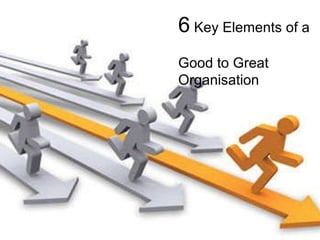
6  Key Elements of a  Good to Great Organisation
1 Element 1 Level 5 Leadership
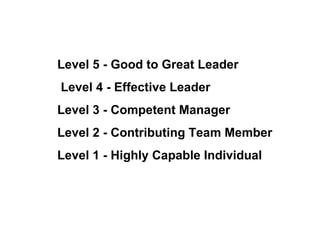
Level 5 - Good to Great Leader Level 4 - Effective Leader  Level 3 - Competent Manager  Level 2 - Contributing Team Member  Level 1 - Highly Capable Individual
Key Points  Every Good to Great Organisation had a Level 5 leader during the pivotal transition Years.
Level 5 Leaders set up their successors for even greater success.  Egocentric Level 4 leaders set their successors up for failure
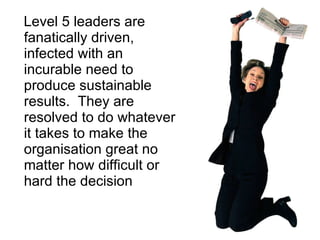
Level 5 leaders are fanatically driven, infected with an incurable need to produce sustainable results.  They are resolved to do whatever it takes to make the organisation great no matter how difficult or hard the decision
Findings on Leadership 10 of the 11 Organisations that obtained Good to Great status had their top leaders come from within the organisation.  Comparison Organisations tried outsider leaders 6 times more often
Element 2 First Who…. Then What
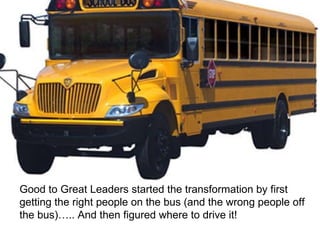
Good to Great Leaders started the transformation by first getting the right people on the bus (and the wrong people off the bus)….. And then figured where to drive it!
The key point here is ….. It is not just about getting the right people on the team.  It is about the WHO first and the What second…  before Vision, Strategy, Organisational Structure
Element 3 Confront the Brutal Facts
Good to Great Organisations Confront the Brutal Facts of their current reality
 
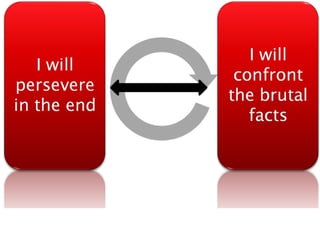
A key Psychology for leading from Good to Great is the Stockdale Paradox: Retain absolute faith that you can and will prevail in the end, regardless of the difficulties.  At the same time confront the most brutal facts of your current reality… whatever that may be.
 
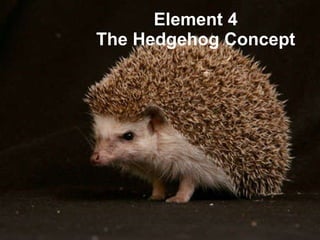
Element 4 The Hedgehog Concept
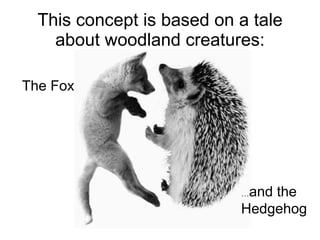
This concept is based on a tale about woodland creatures: The Fox … and the  Hedgehog
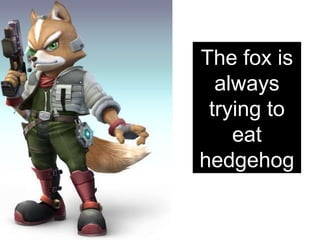
The fox is always trying to eat hedgehog
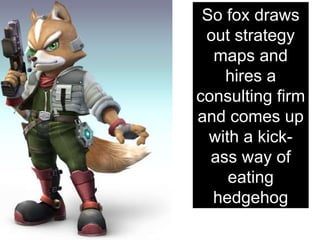
So fox draws out strategy maps and hires a consulting firm and comes up with a kick-ass way of eating hedgehog
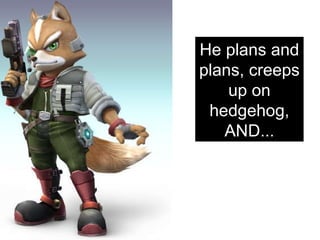
He plans and plans, creeps up on hedgehog, AND...
Hedgehog curls up into a ball yet again and foils fox's dinner plans.
Fox may try a variety of attacks, but hedgehog has mastered one thing, and can execute it to the dime time and time again.
The Good to Great Organisations are more like Hedgehogs…Simple creatures that know ONE big thing and they stick to it!
The comparison companies are more like Foxes – Crafty, cunning creatures that know many things yet lack consistency
It took at least 4 years for the Good to Great Organisations to get a ‘Hedgehog’ Concept.
No matter how bad the industry, every Good to Great Organisation figured out how to produce truly superior results
GDE vs. IEB?
As a member of Crawford College Lonehill, you need to find the one thing you are absolutely perfect at doing
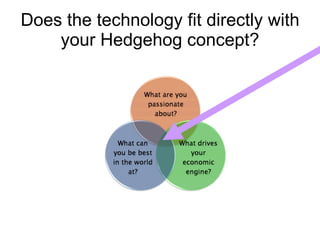
Identify what you are passionate about
What makes your blood boil or stomach wrench
What can you really put your heart and sweat and blood into?
What can you be the best in the world at?
Jack Welch – CEO of  GE “ The only reason you should be a number 2 player is because you are in line to be number 1”
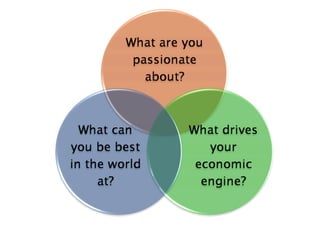
The intersection of the next slides three circles is your hedgehog concept.
 
Element 5 A culture of Discipline
Good to Great Organisations are full of people who display extreme diligence  and a stunning intensity
A culture of discipline is not just about disciplined action.  It is about disciplined people who engage in disciplined thought and who then take disciplined action!
A culture of discipline  involves a duality On the one hand It requires people who adhere to a consistent system YET On the other hand It gives people the freedom and responsibility within the framework of that system
A Good Vocabulary  Disciplined Determined Dogged Rigorous Diligent Fastidious Methodical Workmanlike Demanding Focused Accountable Responsible Precise Consistent
Element 6 Technology Accelerators
Key Question about any Technology…
Does the technology fit directly with your Hedgehog concept?
If YES
Then you need to become a pioneer in the application of that technology
If No
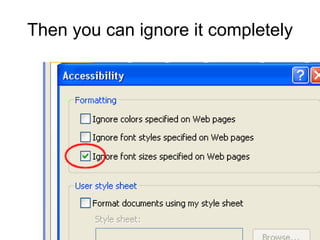
Then you can ignore it completely
Good to Great Organisations used technology as an accelerator of momentum… not a creator of it
Example criteria for Good to Great
When things go wrong, we conduct "autopsies without blame"--we seek to understand underlying root causes, rather than pin the blame on an individual.
Our leaders ask a lot of questions, rather than just make statements, thereby creating a climate of vibrant dialogue and debate about the brutal facts.
Our leaders do not allow their charisma or force of personality to inhibit people from bringing forth the brutal facts--even if those brutal facts run contrary to the views held by those leaders.
When people advance a point of view or make an argument, we expect them to marshal evidence, facts, and rigorous thinking to back up their argument. "It is my opinion" does not qualify as an acceptable argument.
When someone has a gut instinct that "something is just wrong," we pay attention; instincts can be good early warning systems. But we don’t just stop there: we then conduct a disciplined, fact-based assessment of the situation.
People in our system understand that they do not have "jobs"--they have responsibilities--and they grasp the distinction between just doing assigned tasks and taking full responsibility for the results of their efforts.
We do not spend a lot of time motivating our people; we recruit self-motivated people, and provide an environment that does not de-motivate them.
We do not spend a lot of time disciplining our people; we recruit self-disciplined people, and then manage the system, not the people.
We avoid bureaucracy that imposes unnecessary rules on self-motivated and  self-disciplined people; if we have the right people, they don’t need a lot of rules.
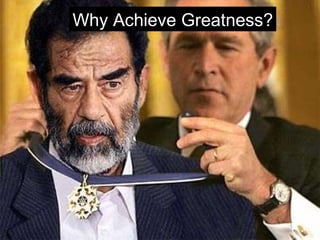
Why Achieve Greatness?
If you are doing something you care deeply about and if you believe in it, it is impossible to imagine trying not to make it great!
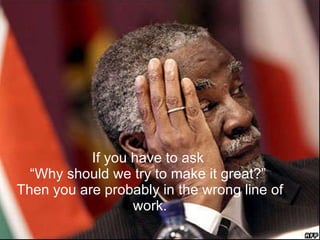
If you have to ask  “Why should we try to make it great?”  Then you are probably in the wrong line of work.
You will have the ultimate satisfaction knowing that your short time here on earth was well spent and that it mattered.

Good To Great

  • 1.
  • 2.
  • 3.
    Author: Jim CollinsResearch was done into how certain Organisations managed, through timeless principles to produce sustainable results and achieve enduring greatness
  • 4.
    Started with 1435 Organisations Ended up with 11
  • 5.
    6 KeyElements of a Good to Great Organisation
  • 6.
    1 Element 1Level 5 Leadership
  • 7.
    Level 5 -Good to Great Leader Level 4 - Effective Leader Level 3 - Competent Manager Level 2 - Contributing Team Member Level 1 - Highly Capable Individual
  • 8.
    Key Points Every Good to Great Organisation had a Level 5 leader during the pivotal transition Years.
  • 9.
    Level 5 Leadersset up their successors for even greater success. Egocentric Level 4 leaders set their successors up for failure
  • 10.
    Level 5 leadersare fanatically driven, infected with an incurable need to produce sustainable results. They are resolved to do whatever it takes to make the organisation great no matter how difficult or hard the decision
  • 11.
    Findings on Leadership10 of the 11 Organisations that obtained Good to Great status had their top leaders come from within the organisation. Comparison Organisations tried outsider leaders 6 times more often
  • 12.
    Element 2 FirstWho…. Then What
  • 13.
    Good to GreatLeaders started the transformation by first getting the right people on the bus (and the wrong people off the bus)….. And then figured where to drive it!
  • 14.
    The key pointhere is ….. It is not just about getting the right people on the team. It is about the WHO first and the What second… before Vision, Strategy, Organisational Structure
  • 15.
    Element 3 Confrontthe Brutal Facts
  • 16.
    Good to GreatOrganisations Confront the Brutal Facts of their current reality
  • 17.
  • 18.
    A key Psychologyfor leading from Good to Great is the Stockdale Paradox: Retain absolute faith that you can and will prevail in the end, regardless of the difficulties. At the same time confront the most brutal facts of your current reality… whatever that may be.
  • 19.
  • 20.
    Element 4 TheHedgehog Concept
  • 21.
    This concept isbased on a tale about woodland creatures: The Fox … and the Hedgehog
  • 22.
    The fox isalways trying to eat hedgehog
  • 23.
    So fox drawsout strategy maps and hires a consulting firm and comes up with a kick-ass way of eating hedgehog
  • 24.
    He plans andplans, creeps up on hedgehog, AND...
  • 25.
    Hedgehog curls upinto a ball yet again and foils fox's dinner plans.
  • 26.
    Fox may trya variety of attacks, but hedgehog has mastered one thing, and can execute it to the dime time and time again.
  • 27.
    The Good toGreat Organisations are more like Hedgehogs…Simple creatures that know ONE big thing and they stick to it!
  • 28.
    The comparison companiesare more like Foxes – Crafty, cunning creatures that know many things yet lack consistency
  • 29.
    It took atleast 4 years for the Good to Great Organisations to get a ‘Hedgehog’ Concept.
  • 30.
    No matter howbad the industry, every Good to Great Organisation figured out how to produce truly superior results
  • 31.
  • 32.
    As a memberof Crawford College Lonehill, you need to find the one thing you are absolutely perfect at doing
  • 33.
    Identify what youare passionate about
  • 34.
    What makes yourblood boil or stomach wrench
  • 35.
    What can youreally put your heart and sweat and blood into?
  • 36.
    What can yoube the best in the world at?
  • 37.
    Jack Welch –CEO of GE “ The only reason you should be a number 2 player is because you are in line to be number 1”
  • 38.
    The intersection ofthe next slides three circles is your hedgehog concept.
  • 39.
  • 40.
    Element 5 Aculture of Discipline
  • 41.
    Good to GreatOrganisations are full of people who display extreme diligence and a stunning intensity
  • 42.
    A culture ofdiscipline is not just about disciplined action. It is about disciplined people who engage in disciplined thought and who then take disciplined action!
  • 43.
    A culture ofdiscipline involves a duality On the one hand It requires people who adhere to a consistent system YET On the other hand It gives people the freedom and responsibility within the framework of that system
  • 44.
    A Good Vocabulary Disciplined Determined Dogged Rigorous Diligent Fastidious Methodical Workmanlike Demanding Focused Accountable Responsible Precise Consistent
  • 45.
  • 46.
    Key Question aboutany Technology…
  • 47.
    Does the technologyfit directly with your Hedgehog concept?
  • 48.
  • 49.
    Then you needto become a pioneer in the application of that technology
  • 50.
  • 51.
    Then you canignore it completely
  • 52.
    Good to GreatOrganisations used technology as an accelerator of momentum… not a creator of it
  • 53.
    Example criteria forGood to Great
  • 54.
    When things gowrong, we conduct "autopsies without blame"--we seek to understand underlying root causes, rather than pin the blame on an individual.
  • 55.
    Our leaders aska lot of questions, rather than just make statements, thereby creating a climate of vibrant dialogue and debate about the brutal facts.
  • 56.
    Our leaders donot allow their charisma or force of personality to inhibit people from bringing forth the brutal facts--even if those brutal facts run contrary to the views held by those leaders.
  • 57.
    When people advancea point of view or make an argument, we expect them to marshal evidence, facts, and rigorous thinking to back up their argument. "It is my opinion" does not qualify as an acceptable argument.
  • 58.
    When someone hasa gut instinct that "something is just wrong," we pay attention; instincts can be good early warning systems. But we don’t just stop there: we then conduct a disciplined, fact-based assessment of the situation.
  • 59.
    People in oursystem understand that they do not have "jobs"--they have responsibilities--and they grasp the distinction between just doing assigned tasks and taking full responsibility for the results of their efforts.
  • 60.
    We do notspend a lot of time motivating our people; we recruit self-motivated people, and provide an environment that does not de-motivate them.
  • 61.
    We do notspend a lot of time disciplining our people; we recruit self-disciplined people, and then manage the system, not the people.
  • 62.
    We avoid bureaucracythat imposes unnecessary rules on self-motivated and self-disciplined people; if we have the right people, they don’t need a lot of rules.
  • 63.
  • 64.
    If you aredoing something you care deeply about and if you believe in it, it is impossible to imagine trying not to make it great!
  • 65.
    If you haveto ask “Why should we try to make it great?” Then you are probably in the wrong line of work.
  • 66.
    You will havethe ultimate satisfaction knowing that your short time here on earth was well spent and that it mattered.