History of Dental Implants
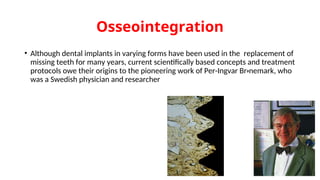
Osseointegration
• Although dental implants in varying forms have been used in the replacement of
missing teeth for many years, current scientifically based concepts and treatment
protocols owe their origins to the pioneering work of Per-Ingvar Br‫ه‬nemark, who
was a Swedish physician and researcher
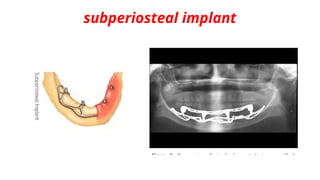
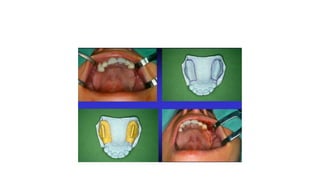
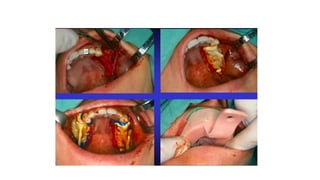
subperiosteal implant
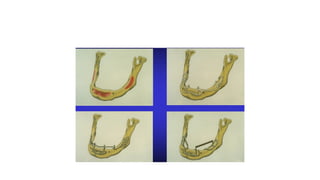
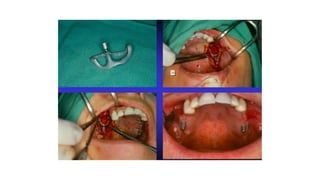
Transmandibular Implants
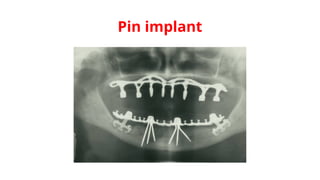
Pin implant
Endosseous Implants
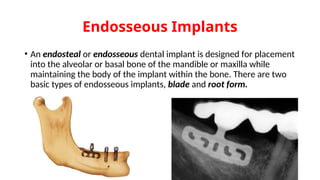
• An endosteal or endosseous dental implant is designed for placement
into the alveolar or basal bone of the mandible or maxilla while
maintaining the body of the implant within the bone. There are two
basic types of endosseous implants, blade and root form.
Blade Implants
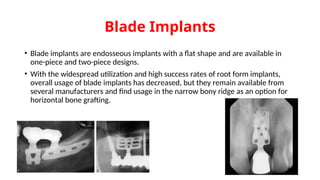
• Blade implants are endosseous implants with a flat shape and are available in
one-piece and two-piece designs.
• With the widespread utilization and high success rates of root form implants,
overall usage of blade implants has decreased, but they remain available from
several manufacturers and find usage in the narrow bony ridge as an option for
horizontal bone grafting.
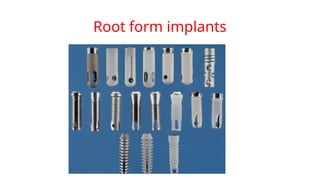
Root form implants
Cylinder Implants
• A cylinder or press-fit implant is an endosseous design consisting of a
straight cylinder that is pushed or tapped into the surgical osteotomy
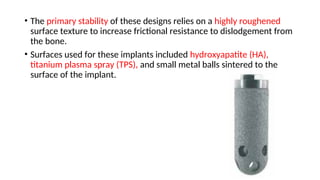
• The primary stability of these designs relies on a highly roughened
surface texture to increase frictional resistance to dislodgement from
the bone.
• Surfaces used for these implants included hydroxyapatite (HA),
titanium plasma spray (TPS), and small metal balls sintered to the
surface of the implant.
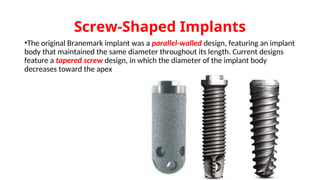
Screw-Shaped Implants
•The original Branemark implant was a parallel-walled design, featuring an implant
body that maintained the same diameter throughout its length. Current designs
feature a tapered screw design, in which the diameter of the implant body
decreases toward the apex
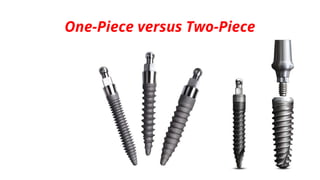
One-Piece versus Two-Piece
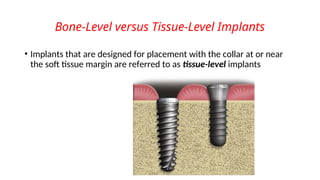
Bone-Level versus Tissue-Level Implants
• Implants that are designed for placement with the collar at or near
the soft tissue margin are referred to as tissue-level implants
• Tissue-level implants were developed to increase the distance of the
implant–abutment interface from the bone surface to provide the
required biologic width.
• Bone level designs were later developed with conical connections and
platform shifts, which serve similar goals.
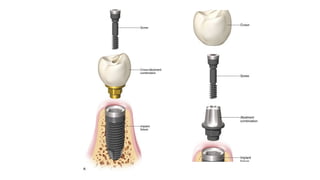
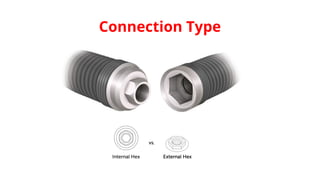
Connection Type
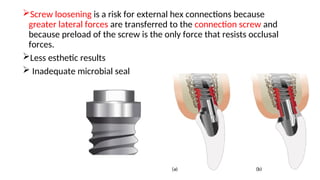
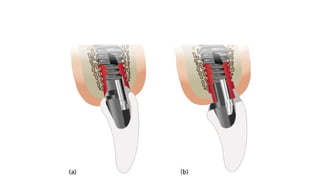
Screw loosening is a risk for external hex connections because
greater lateral forces are transferred to the connection screw and
because preload of the screw is the only force that resists occlusal
forces.
Less esthetic results
 Inadequate microbial seal
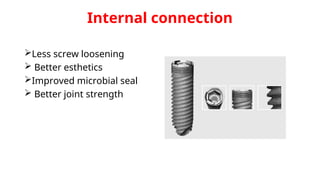
Internal connection
Less screw loosening
 Better esthetics
Improved microbial seal
 Better joint strength
good Osseointegration during implant.ppt

good Osseointegration during implant.ppt

  • 1.
  • 5.
    Osseointegration • Although dentalimplants in varying forms have been used in the replacement of missing teeth for many years, current scientifically based concepts and treatment protocols owe their origins to the pioneering work of Per-Ingvar Br‫ه‬nemark, who was a Swedish physician and researcher
  • 9.
  • 14.
  • 15.
  • 16.
    Endosseous Implants • Anendosteal or endosseous dental implant is designed for placement into the alveolar or basal bone of the mandible or maxilla while maintaining the body of the implant within the bone. There are two basic types of endosseous implants, blade and root form.
  • 17.
    Blade Implants • Bladeimplants are endosseous implants with a flat shape and are available in one-piece and two-piece designs. • With the widespread utilization and high success rates of root form implants, overall usage of blade implants has decreased, but they remain available from several manufacturers and find usage in the narrow bony ridge as an option for horizontal bone grafting.
  • 18.
  • 19.
    Cylinder Implants • Acylinder or press-fit implant is an endosseous design consisting of a straight cylinder that is pushed or tapped into the surgical osteotomy
  • 20.
    • The primarystability of these designs relies on a highly roughened surface texture to increase frictional resistance to dislodgement from the bone. • Surfaces used for these implants included hydroxyapatite (HA), titanium plasma spray (TPS), and small metal balls sintered to the surface of the implant.
  • 21.
    Screw-Shaped Implants •The originalBranemark implant was a parallel-walled design, featuring an implant body that maintained the same diameter throughout its length. Current designs feature a tapered screw design, in which the diameter of the implant body decreases toward the apex
  • 22.
  • 23.
    Bone-Level versus Tissue-LevelImplants • Implants that are designed for placement with the collar at or near the soft tissue margin are referred to as tissue-level implants
  • 24.
    • Tissue-level implantswere developed to increase the distance of the implant–abutment interface from the bone surface to provide the required biologic width. • Bone level designs were later developed with conical connections and platform shifts, which serve similar goals.
  • 25.
  • 26.
    Screw loosening isa risk for external hex connections because greater lateral forces are transferred to the connection screw and because preload of the screw is the only force that resists occlusal forces. Less esthetic results  Inadequate microbial seal
  • 27.
    Internal connection Less screwloosening  Better esthetics Improved microbial seal  Better joint strength