






- Nishant Sarna
102 (Bcom H)
Semester 2
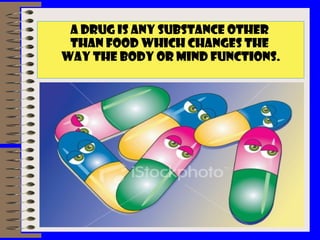
A DRUG IS ANY SUBSTANCE OTHER
THAN FOOD WHICH CHANGES THE
WAY THE BODY OR MIND FUNCTIONS.
Types of drugs
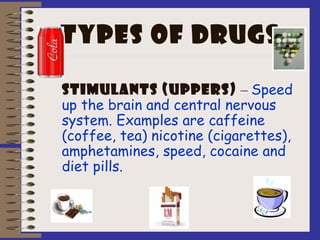
Stimulants (uppers) – Speed
up the brain and central nervous
system. Examples are caffeine
(coffee, tea) nicotine (cigarettes),
amphetamines, speed, cocaine and
diet pills.
Types of drugs
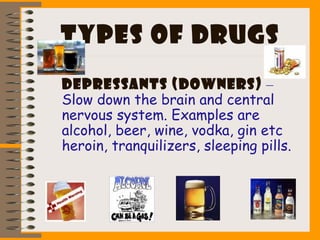
Depressants (downers) –
Slow down the brain and central
nervous system. Examples are
alcohol, beer, wine, vodka, gin etc
heroin, tranquilizers, sleeping pills.
Types of drugs
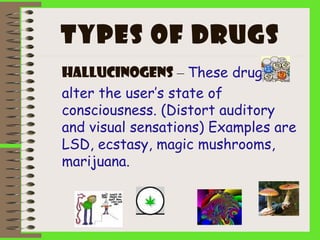
Hallucinogens – These drugs
alter the user’s state of
consciousness. (Distort auditory
and visual sensations) Examples are
LSD, ecstasy, magic mushrooms,
marijuana.
ALCOHOL
• Alcohol goes directly from your
digestive system into your blood and
within minutes spreads to entire body,
including brain
• It spreads evenly throughout body-
except brain which gets the highest
concentration because it gets more
blood than any other part of body
• More blood equals more alcohol
• Intoxication (drunkenness) starts in the
brain
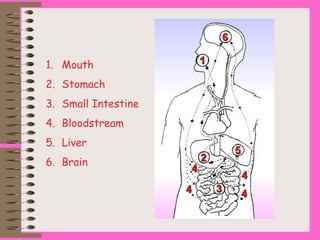
1. Mouth
2. Stomach
3. Small Intestine
4. Bloodstream
5. Liver
6. Brain
ALCOHOL and the LIVER
• The liver removes poisons – include alcohol
from the body
• People who drink regularly can have
serious liver damage and may even get
liver cancer
• If the liver is damaged badly enough, it
can stop working, causing the person to
die.
ALCOHOL
• Alcohol is the oldest and most widely used
drug in the world.
• About two-thirds of Grade 6 students say
they have experimented with alcohol.
• By Grade 10, over 90% of young Canadians
have tried it.
• Leading cause of death for teens and
young adults in Canada is motor vehicle
accidents-many of which involve alcohol
use.
Alcohol
Physical Effects
• Co-ordination is
impaired, clumsiness,
slower reflexes
• High blood pressure,
damage to the heart
• Liver damage
• If drinking when
pregnant, FASD
• Life threatening when
mixed with other
drugs
Mental and
Emotional
• Behave in ways that
you normally wouldn’t
• Increase in aggressive
and violent behaviour
• Problems with school
and learning
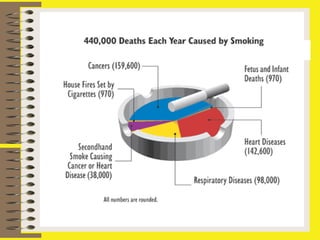
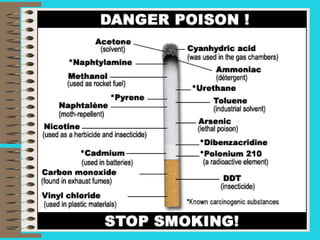
NICOTINE
• Most addictive drug
• Causes more long term health problems
than any other drug
• Adults are smoking less, younger people
under 18 smoke more
• When someone stops smoking they have:
strong cravings irritability (everything
gets on nerves) thoughts of it-can’t stop
thinking about it
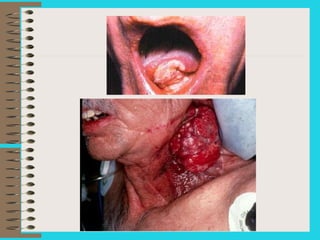
NICOTINE
What it does to your body,
brain and behavior
• depression
• lung cancer
• lung diseases
• heart disease
• skin becomes thinner and wrinkled
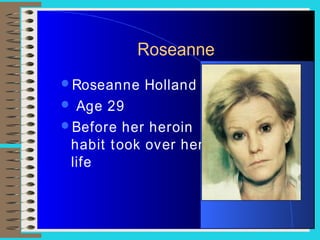
Roseanne
Roseanne Holland
 Age 29
Before her heroin
habit took over her
life
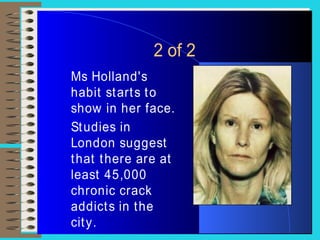
2 of 2
Ms Holland's
habit starts to
show in her face.
Studies in
London suggest
that there are at
least 45,000
chronic crack
addicts in the
city.
3 of 3
Ms Holland is
American -
police have
pictures of
British addicts
but were
constrained
by issues of
confidentiality
.
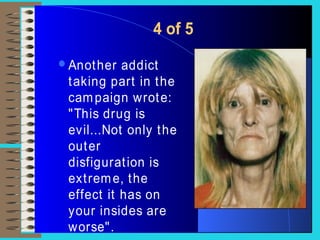
4 of 5
Another addict
taking part in the
campaign wrote:
"This drug is
evil...Not only the
outer
disfiguration is
extreme, the
effect it has on
your insides are
worse".
5 of 5
At 38, Ms
Holland has
sunken cheeks
and a skeletal
face. Police do
not know where
she is but
assume she is
dead.
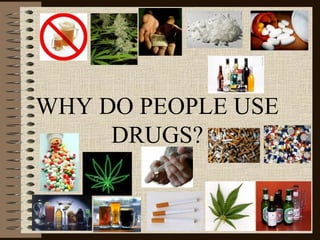
WHY DO PEOPLE USE
DRUGS?
RISK FACTORS
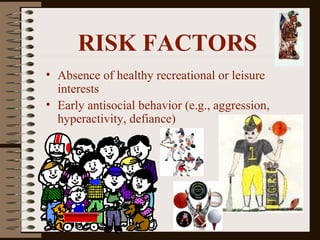
• Absence of healthy recreational or leisure
interests
• Early antisocial behavior (e.g., aggression,
hyperactivity, defiance)
RISK FACTORS
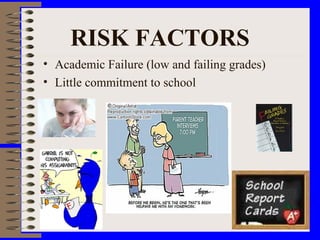
• Academic Failure (low and failing grades)
• Little commitment to school
PROTECTIVE FACTORS
• Involvement in alternative activities
• Sense of well being and self-confidence
PROTECTIVE FACTORS
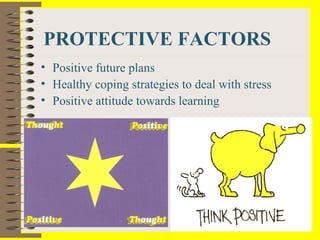
• Positive future plans
• Healthy coping strategies to deal with stress
• Positive attitude towards learning
PROTECTIVE FACTORS
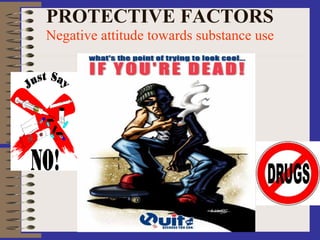
Negative attitude towards substance use
PROTECTIVE FACTORS
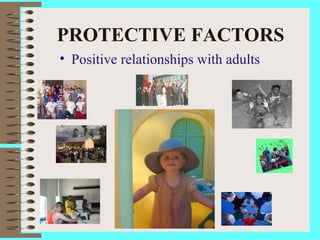
• Positive relationships with adults
PROTECTIVE FACTORS
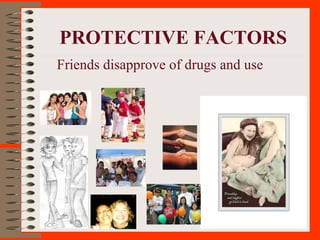
Friends disapprove of drugs and use
Hope you enjoyed the
presentation
Have a nice day....

General drug-presentation

  • 1.
    - Nishant Sarna 102(Bcom H) Semester 2
  • 2.
    A DRUG ISANY SUBSTANCE OTHER THAN FOOD WHICH CHANGES THE WAY THE BODY OR MIND FUNCTIONS.
  • 3.
    Types of drugs Stimulants(uppers) – Speed up the brain and central nervous system. Examples are caffeine (coffee, tea) nicotine (cigarettes), amphetamines, speed, cocaine and diet pills.
  • 4.
    Types of drugs Depressants(downers) – Slow down the brain and central nervous system. Examples are alcohol, beer, wine, vodka, gin etc heroin, tranquilizers, sleeping pills.
  • 5.
    Types of drugs Hallucinogens– These drugs alter the user’s state of consciousness. (Distort auditory and visual sensations) Examples are LSD, ecstasy, magic mushrooms, marijuana.
  • 6.
    ALCOHOL • Alcohol goesdirectly from your digestive system into your blood and within minutes spreads to entire body, including brain • It spreads evenly throughout body- except brain which gets the highest concentration because it gets more blood than any other part of body • More blood equals more alcohol • Intoxication (drunkenness) starts in the brain
  • 7.
    1. Mouth 2. Stomach 3.Small Intestine 4. Bloodstream 5. Liver 6. Brain
  • 8.
    ALCOHOL and theLIVER • The liver removes poisons – include alcohol from the body • People who drink regularly can have serious liver damage and may even get liver cancer • If the liver is damaged badly enough, it can stop working, causing the person to die.
  • 9.
    ALCOHOL • Alcohol isthe oldest and most widely used drug in the world. • About two-thirds of Grade 6 students say they have experimented with alcohol. • By Grade 10, over 90% of young Canadians have tried it. • Leading cause of death for teens and young adults in Canada is motor vehicle accidents-many of which involve alcohol use.
  • 10.
    Alcohol Physical Effects • Co-ordinationis impaired, clumsiness, slower reflexes • High blood pressure, damage to the heart • Liver damage • If drinking when pregnant, FASD • Life threatening when mixed with other drugs Mental and Emotional • Behave in ways that you normally wouldn’t • Increase in aggressive and violent behaviour • Problems with school and learning
  • 11.
    NICOTINE • Most addictivedrug • Causes more long term health problems than any other drug • Adults are smoking less, younger people under 18 smoke more • When someone stops smoking they have: strong cravings irritability (everything gets on nerves) thoughts of it-can’t stop thinking about it
  • 12.
    NICOTINE What it doesto your body, brain and behavior • depression • lung cancer • lung diseases • heart disease • skin becomes thinner and wrinkled
  • 16.
    Roseanne Roseanne Holland  Age29 Before her heroin habit took over her life
  • 17.
    2 of 2 MsHolland's habit starts to show in her face. Studies in London suggest that there are at least 45,000 chronic crack addicts in the city.
  • 18.
    3 of 3 MsHolland is American - police have pictures of British addicts but were constrained by issues of confidentiality .
  • 19.
    4 of 5 Anotheraddict taking part in the campaign wrote: "This drug is evil...Not only the outer disfiguration is extreme, the effect it has on your insides are worse".
  • 20.
    5 of 5 At38, Ms Holland has sunken cheeks and a skeletal face. Police do not know where she is but assume she is dead.
  • 21.
    WHY DO PEOPLEUSE DRUGS?
  • 28.
    RISK FACTORS • Absenceof healthy recreational or leisure interests • Early antisocial behavior (e.g., aggression, hyperactivity, defiance)
  • 29.
    RISK FACTORS • AcademicFailure (low and failing grades) • Little commitment to school
  • 30.
    PROTECTIVE FACTORS • Involvementin alternative activities • Sense of well being and self-confidence
  • 31.
    PROTECTIVE FACTORS • Positivefuture plans • Healthy coping strategies to deal with stress • Positive attitude towards learning
  • 32.
  • 33.
    PROTECTIVE FACTORS • Positiverelationships with adults
  • 34.
  • 35.
    Hope you enjoyedthe presentation Have a nice day....