GA Conference 2024
Welcome to the 2nd annual Book Club discussion
This year’s book choice:
“Dust”
Jay Owens
Hodder and Stoughton (2023)
'Dust is a book with an
extraordinary global story to tell,
and also with an ethical argument
to advance.
Robert Macfarlane
The author
https://www.jayowens.me/
https://twitter.com/hautepop
Jay studied Social Anthropology at the LSE followed
by a Masters in Modernity, Space and Place
(Geography) at UCL.
Graduate thesis: ‘Dust: Disturbing the Domestic’ explored
dust as a medium of the domestic uncanny, and as an
imaginative framework to create disruptive and radical
interpretations of lived space.
Recent(ish) events
“Blood rain”
https://www.frontiersin.org/research-topics/23321/atmo
spheric-dust-how-it-affects-climate-environment-and-lif
e-on-earth
Mineral dust in the atmosphere predominantly
affects Earth’s climate by scattering and
absorbing shortwave and longwave radiation,
which directly affects the surface temperature.
More than that, it affects life on Earth, through its
various direct and indirect interactions with the
biotic and abiotic components of the Earth
system. Dust affects the very basic process of
rainfall through its direct and indirect effect thus
regulates the hydrological cycle and the monsoon
systems, which ultimately affects the distribution
of water resources and agricultural production.
Dust aerosols also fertilize aquatic and terrestrial
plants as they supply essential nutrients such as
Iron and Phosphorous through long-range
transport. Severe dust storms can also reduce
visibility, degrade air quality, and cause health and
environmental problems.
On Dust:
“…it’s what is left of an object when all form, structure,
context and legibility are stripped away — when the
object is destroyed, and only the fact of its materiality
remains.”
https://medium.com/@hautepop
Dust to dust… we are made from it…
Genesis 2:7
For me, it starts with this particular mote of dust…
From this distant vantage point, the Earth might not seem of any particular interest. But
for us, it's different. Consider again that dot. That's here. That's home. That's us. On it
everyone you love, everyone you know, everyone you ever heard of, every human being
who ever was, lived out their lives. The aggregate of our joy and suffering, thousands of
confident religions, ideologies, and economic doctrines, every hunter and forager, every
hero and coward, every creator and destroyer of civilization, every king and peasant,
every young couple in love, every mother and father, hopeful child, inventor and
explorer, every teacher of morals, every corrupt politician, every "superstar," every
"supreme leader," every saint and sinner in the history of our species lived there – on a
mote of dust suspended in a sunbeam.
https://www.youtube.com/watch?v=EgAnh8OB83U
Carl Sagan
P.113 of the book - Entropy - similar cadence
“Everything around us is falling apart: our clothes, our carpets and chairs and
duvet covers.; the brakes and tyres of our cars… the surface of the road. Brick
and concrete, tile and plasterboard, the soil itself. Everything we build, all the
achievements of human civilisations past and yet to come - all the joy and
beauty of nature, which doesn’t accomplish anything and is all the better for
it - it all meets the same end given time.”
Themes and locations covered in the book:
Anthropocene and fossil fuel combustion
Dust Bowl - 1930s - migration
Volcanic eruptions and atmospheric particulates e.g. Eyjafjallajokull 2010
Wildfires
Fallout from nuclear testing
Air quality in urban areas
Ice cores and evidence of past climates and events from Greenland and the
WAIS; cryoconite
The decline in the Aral Sea and the polluted dust of the former sea bed
Owens Dry Lake in the USA / Great Salt Lake (Utah)
Stories of dust…
Dorothea Lange: Migrant Mother,
Nipomo, California
Migrant Mother, Nipomo, California,
photograph by Dorothea Lange, 1936; in the
Library of Congress, Washington, D.C.
The Road
West, 1938
Catalonia - Over 1000 days of drought
Dust Bowl days (and Blues)
Soil management is still as important today as it was in the 1930s - perhaps more so.
Investigate the various ‘x harvests left’ stories - how true are they?
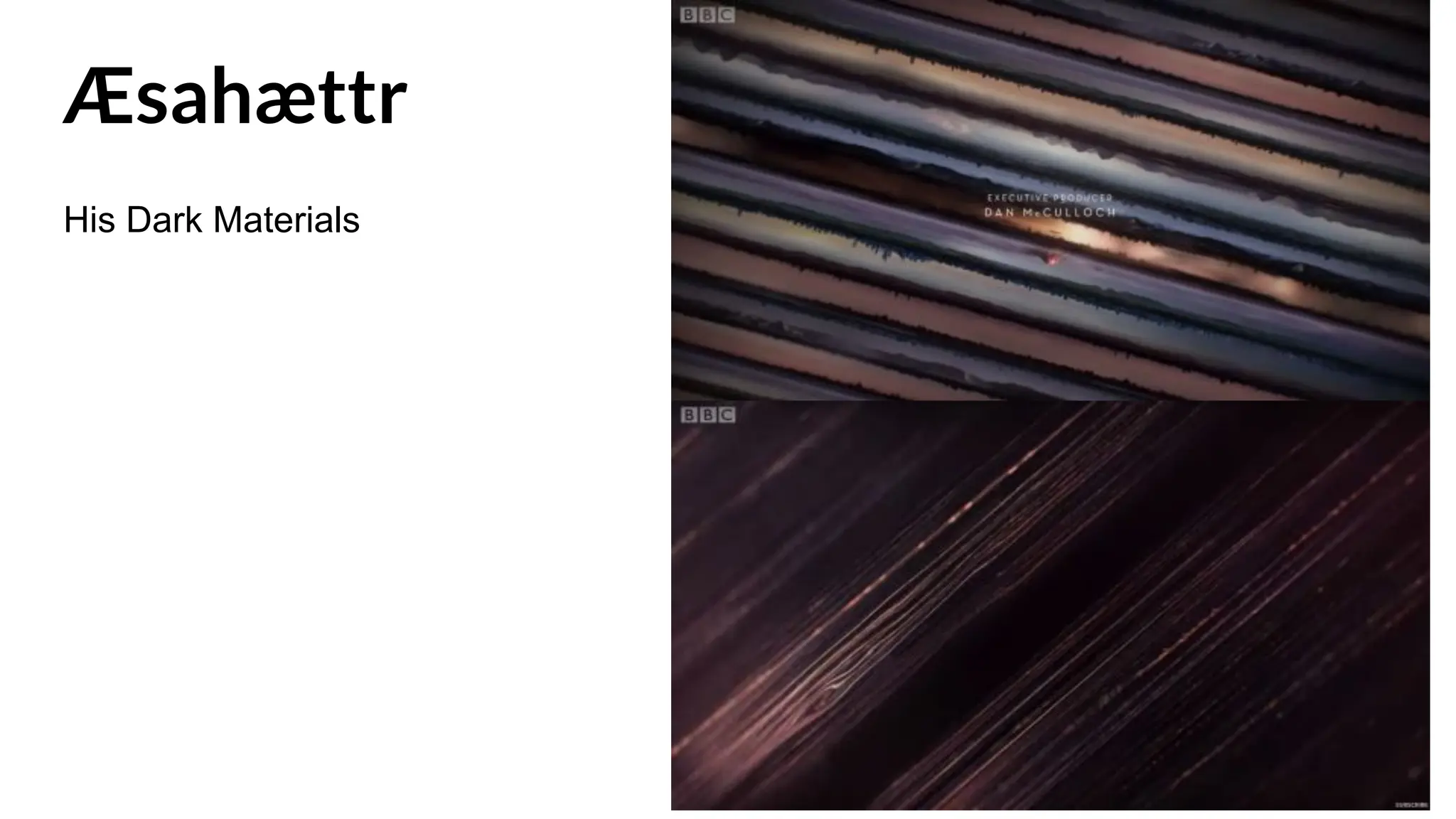
Æsahættr
His Dark Materials
Fen blow
Strong winds whip off the topsoil - the
soil is fine as it is silt from the former
sea bed - partly why it is so good for
crops such as sugar beet.
https://www.bbc.co.uk/news/uk-england-22201168
Extract…
How will I use this book?
Sections in several topics we
teach.
Consumption - more items ‘gathering dust’
The contemporary problem of ‘clutter’ - where the items it lands on are important.
Industrial Revolution and growth of manufacturing placed objects in people’s homes
where, as Walter Benjamin said, they became dust collectors.
One in 8 of all girls over the age of 10 worked in domestic service by the end of the 19th
century. Cleaning, preparing fireplaces and waxing floors.
Dust as a mode of class war.
“Dirt is matter out of place” - Mary Douglas
https://www.theatlantic.com
/science/archive/2018/05/sc
ientists-reclaim-the-long-lost
-economic-history-of-rome/
560339
Cleanrooms - iPhone manufacture & size of components
Size of transistors in
this device are
remarkably small and
dust would be a huge
problem.
Impact of earthquakes.
Eyjafjallajokull 2010
Capturing stories from colleagues of where they were at the time of airspace closures.
Air Quality - monitoring devices..
COVID19 - mask wearing
Cities - Ella Kissi-Debrah verdict
Wood Burners
Activities and questions using the book
What is the impact of dust in our lives?
Which types of dust will we encounter?
Some links to relevant GA journal articles…
https://www.geography.org.uk/Journal-Issue/fb5c6db5-fbad-4a93-aca1-8510d709c
bd9
Spotify playlist
https://open.spotify.com/playlist/43rNwRHH7WS4tmtFDT2SzF

GA Conference Book Club 2024 - Jay Owens' 'Dust'

  • 1.
    GA Conference 2024 Welcometo the 2nd annual Book Club discussion
  • 2.
    This year’s bookchoice: “Dust” Jay Owens Hodder and Stoughton (2023) 'Dust is a book with an extraordinary global story to tell, and also with an ethical argument to advance. Robert Macfarlane
  • 3.
  • 4.
    Jay studied SocialAnthropology at the LSE followed by a Masters in Modernity, Space and Place (Geography) at UCL. Graduate thesis: ‘Dust: Disturbing the Domestic’ explored dust as a medium of the domestic uncanny, and as an imaginative framework to create disruptive and radical interpretations of lived space.
  • 5.
  • 6.
    https://www.frontiersin.org/research-topics/23321/atmo spheric-dust-how-it-affects-climate-environment-and-lif e-on-earth Mineral dust inthe atmosphere predominantly affects Earth’s climate by scattering and absorbing shortwave and longwave radiation, which directly affects the surface temperature. More than that, it affects life on Earth, through its various direct and indirect interactions with the biotic and abiotic components of the Earth system. Dust affects the very basic process of rainfall through its direct and indirect effect thus regulates the hydrological cycle and the monsoon systems, which ultimately affects the distribution of water resources and agricultural production. Dust aerosols also fertilize aquatic and terrestrial plants as they supply essential nutrients such as Iron and Phosphorous through long-range transport. Severe dust storms can also reduce visibility, degrade air quality, and cause health and environmental problems.
  • 7.
    On Dust: “…it’s whatis left of an object when all form, structure, context and legibility are stripped away — when the object is destroyed, and only the fact of its materiality remains.” https://medium.com/@hautepop
  • 8.
    Dust to dust…we are made from it… Genesis 2:7
  • 9.
    For me, itstarts with this particular mote of dust… From this distant vantage point, the Earth might not seem of any particular interest. But for us, it's different. Consider again that dot. That's here. That's home. That's us. On it everyone you love, everyone you know, everyone you ever heard of, every human being who ever was, lived out their lives. The aggregate of our joy and suffering, thousands of confident religions, ideologies, and economic doctrines, every hunter and forager, every hero and coward, every creator and destroyer of civilization, every king and peasant, every young couple in love, every mother and father, hopeful child, inventor and explorer, every teacher of morals, every corrupt politician, every "superstar," every "supreme leader," every saint and sinner in the history of our species lived there – on a mote of dust suspended in a sunbeam. https://www.youtube.com/watch?v=EgAnh8OB83U Carl Sagan
  • 10.
    P.113 of thebook - Entropy - similar cadence “Everything around us is falling apart: our clothes, our carpets and chairs and duvet covers.; the brakes and tyres of our cars… the surface of the road. Brick and concrete, tile and plasterboard, the soil itself. Everything we build, all the achievements of human civilisations past and yet to come - all the joy and beauty of nature, which doesn’t accomplish anything and is all the better for it - it all meets the same end given time.”
  • 11.
    Themes and locationscovered in the book: Anthropocene and fossil fuel combustion Dust Bowl - 1930s - migration Volcanic eruptions and atmospheric particulates e.g. Eyjafjallajokull 2010 Wildfires Fallout from nuclear testing Air quality in urban areas Ice cores and evidence of past climates and events from Greenland and the WAIS; cryoconite The decline in the Aral Sea and the polluted dust of the former sea bed Owens Dry Lake in the USA / Great Salt Lake (Utah)
  • 12.
    Stories of dust… DorotheaLange: Migrant Mother, Nipomo, California Migrant Mother, Nipomo, California, photograph by Dorothea Lange, 1936; in the Library of Congress, Washington, D.C.
  • 13.
  • 14.
    Catalonia - Over1000 days of drought
  • 15.
    Dust Bowl days(and Blues) Soil management is still as important today as it was in the 1930s - perhaps more so. Investigate the various ‘x harvests left’ stories - how true are they?
  • 16.
  • 17.
    Fen blow Strong windswhip off the topsoil - the soil is fine as it is silt from the former sea bed - partly why it is so good for crops such as sugar beet. https://www.bbc.co.uk/news/uk-england-22201168
  • 18.
  • 19.
    How will Iuse this book? Sections in several topics we teach.
  • 20.
    Consumption - moreitems ‘gathering dust’ The contemporary problem of ‘clutter’ - where the items it lands on are important. Industrial Revolution and growth of manufacturing placed objects in people’s homes where, as Walter Benjamin said, they became dust collectors. One in 8 of all girls over the age of 10 worked in domestic service by the end of the 19th century. Cleaning, preparing fireplaces and waxing floors. Dust as a mode of class war. “Dirt is matter out of place” - Mary Douglas
  • 21.
  • 22.
    Cleanrooms - iPhonemanufacture & size of components Size of transistors in this device are remarkably small and dust would be a huge problem. Impact of earthquakes.
  • 23.
    Eyjafjallajokull 2010 Capturing storiesfrom colleagues of where they were at the time of airspace closures.
  • 24.
    Air Quality -monitoring devices.. COVID19 - mask wearing Cities - Ella Kissi-Debrah verdict Wood Burners
  • 25.
    Activities and questionsusing the book What is the impact of dust in our lives? Which types of dust will we encounter?
  • 26.
    Some links torelevant GA journal articles… https://www.geography.org.uk/Journal-Issue/fb5c6db5-fbad-4a93-aca1-8510d709c bd9
  • 27.