Ryan Coleman FITC Toronto April 27, 2009 Exciting Data: Designing for Visual Efficiency
INTRODUCTION
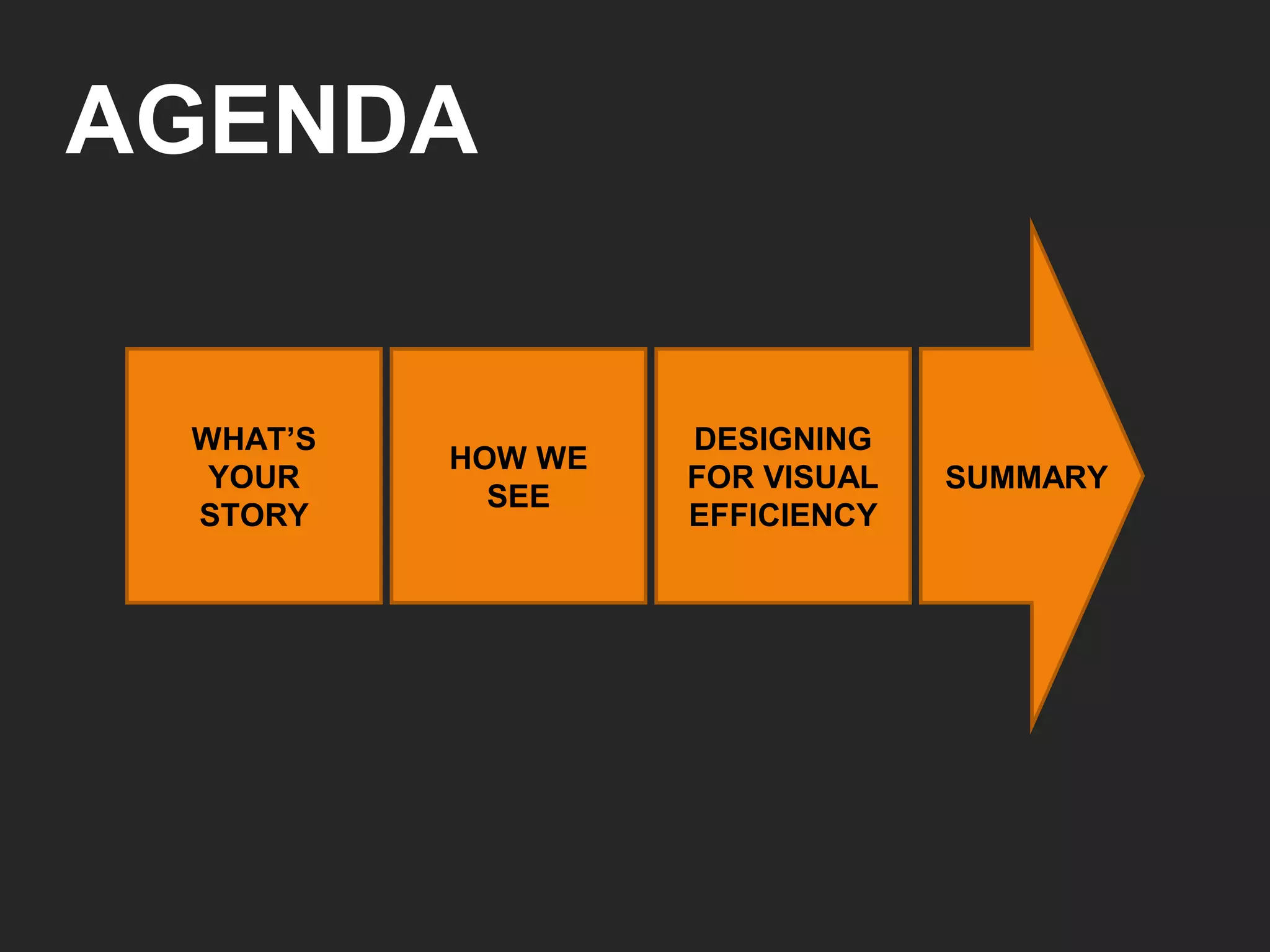
AGENDA WHAT’S YOUR STORY HOW WE SEE DESIGNING FOR VISUAL EFFICIENCY SUMMARY
Community Evangelist for VizThink
Freelance Facilitator
WHAT’S YOUR STORY?
- Nancy Duarte Slide:ology Data slides are not really about the data. They are about the  meaning   of the data.
What are you trying to say ?
What is your viewer looking for ?
Why are you saying it ?
What do you want them to do ?
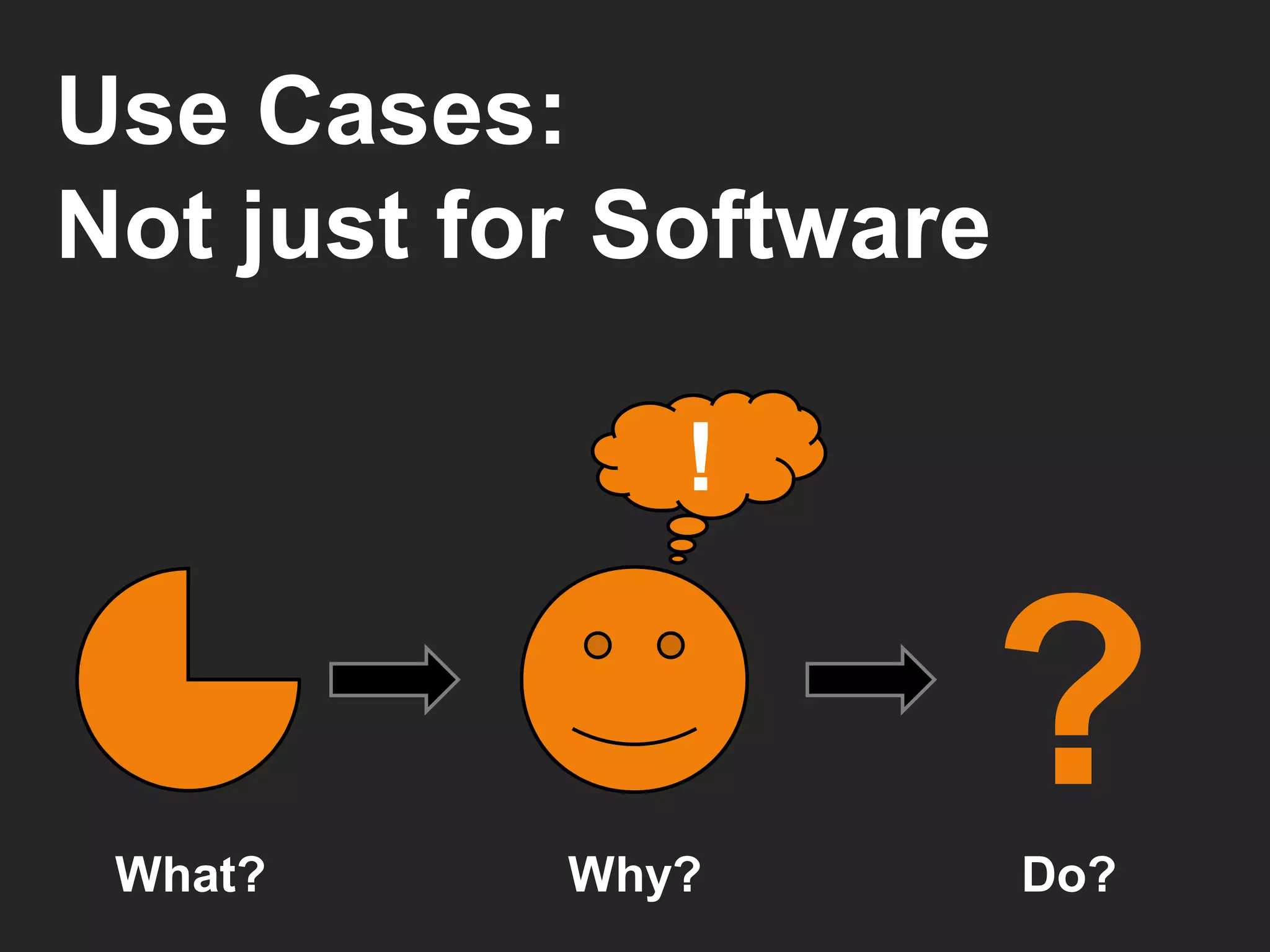
Use Cases: Not just for Software ? ! What? Why? Do?
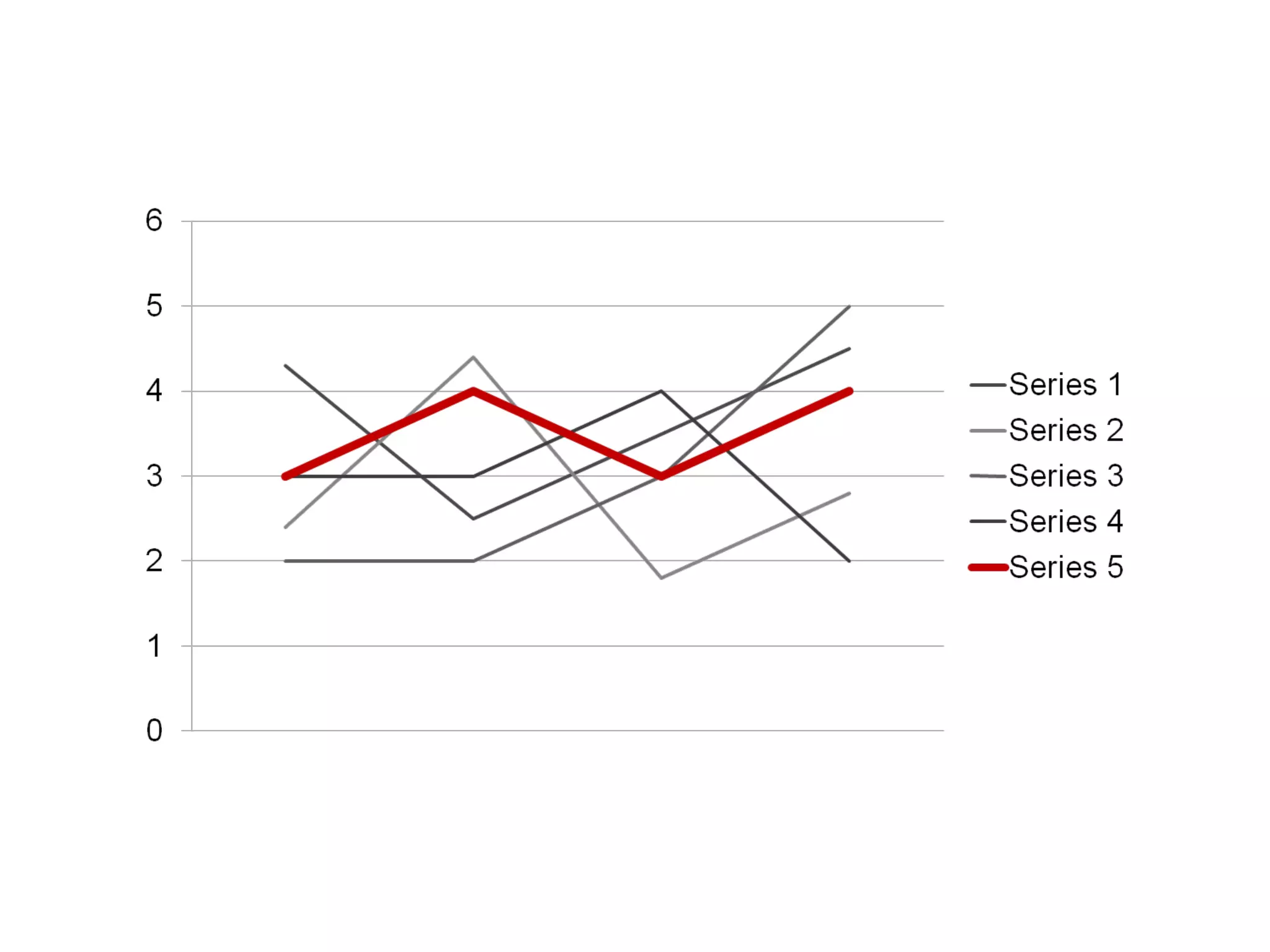
You don’t have to use the data just because it’s there *
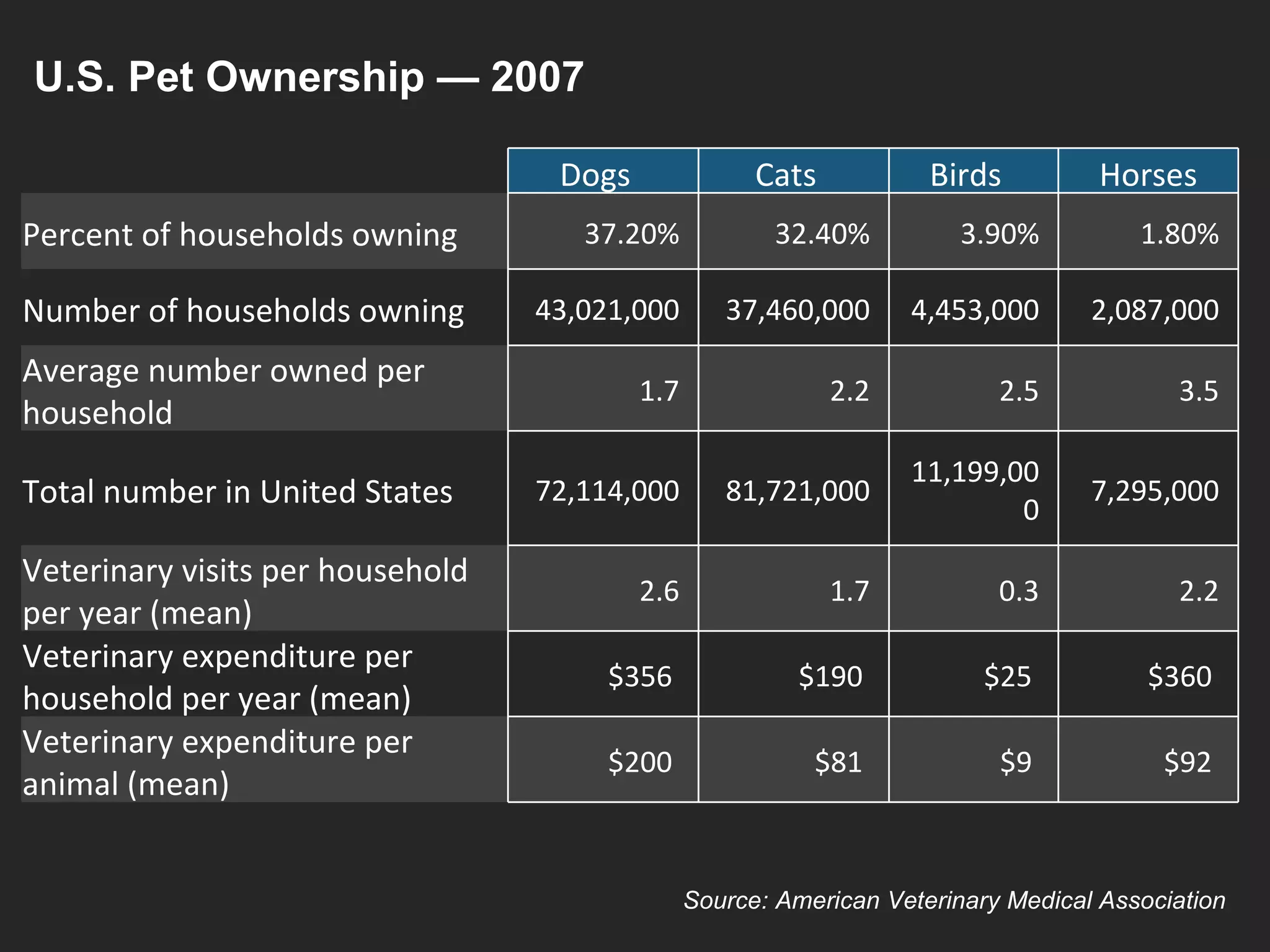
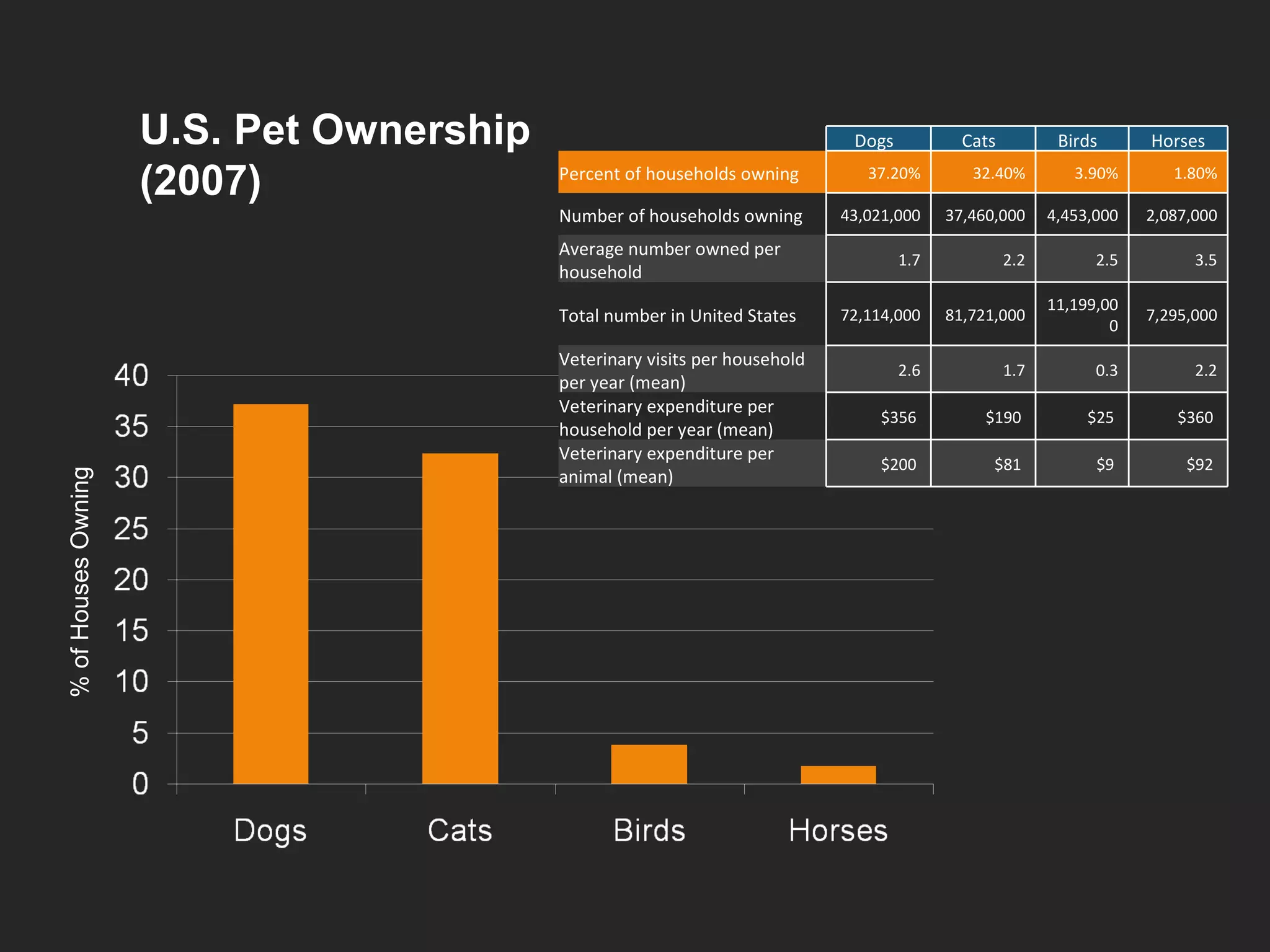
U.S. Pet Ownership — 2007 Source: American Veterinary Medical Association Dogs  Cats  Birds  Horses Percent of households owning  37.20% 32.40% 3.90% 1.80% Number of households owning  43,021,000 37,460,000 4,453,000 2,087,000 Average number owned per household  1.7 2.2 2.5 3.5 Total number in United States  72,114,000 81,721,000 11,199,000 7,295,000 Veterinary visits per household per year (mean)  2.6 1.7 0.3 2.2 Veterinary expenditure per household per year (mean)  $356  $190  $25  $360  Veterinary expenditure per animal (mean)  $200  $81  $9  $92
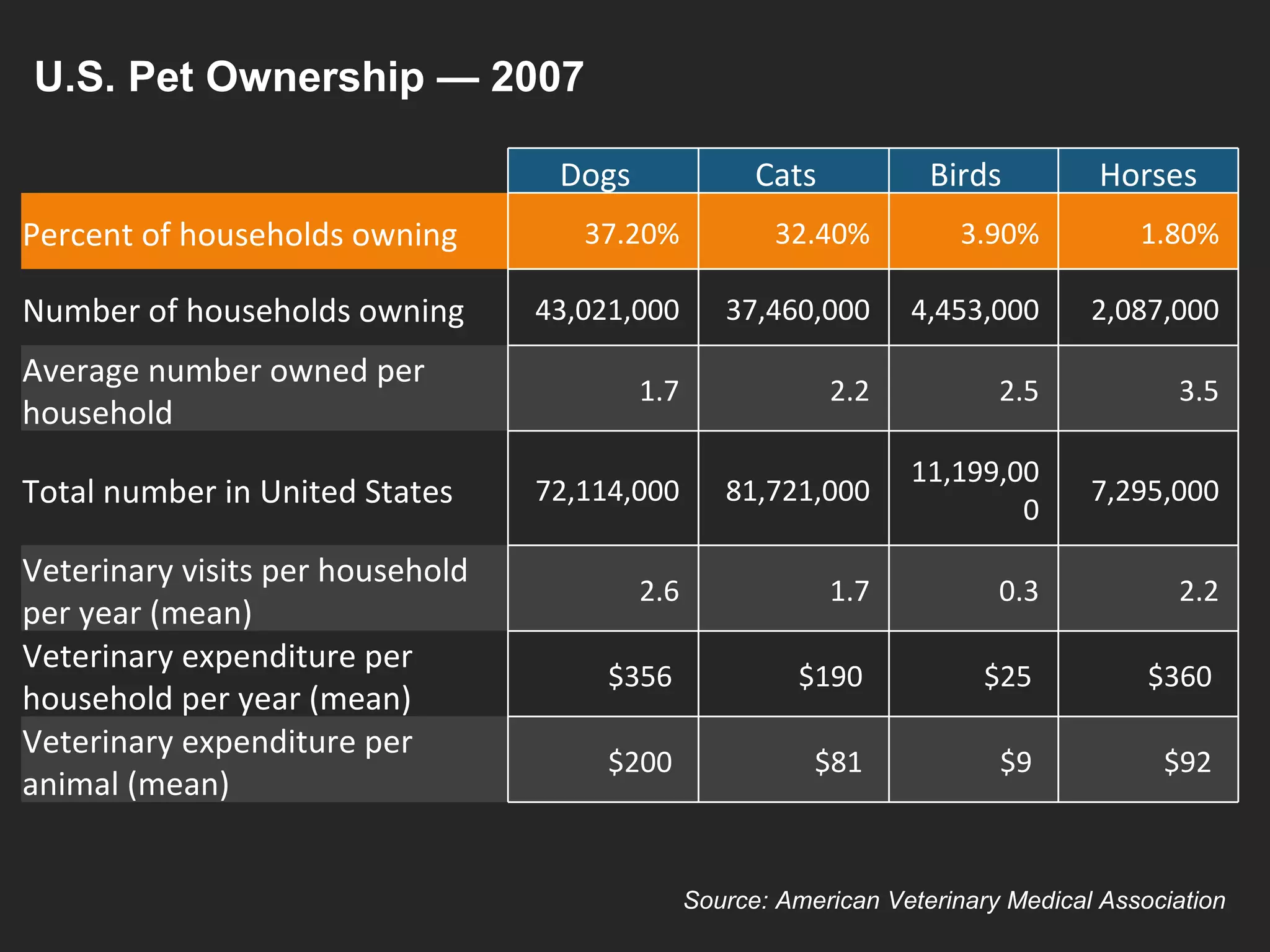
U.S. Pet Ownership (2007) % of Houses Owning Dogs  Cats  Birds  Horses Percent of households owning  37.20% 32.40% 3.90% 1.80% Number of households owning  43,021,000 37,460,000 4,453,000 2,087,000 Average number owned per household  1.7 2.2 2.5 3.5 Total number in United States  72,114,000 81,721,000 11,199,000 7,295,000 Veterinary visits per household per year (mean)  2.6 1.7 0.3 2.2 Veterinary expenditure per household per year (mean)  $356  $190  $25  $360  Veterinary expenditure per animal (mean)  $200  $81  $9  $92
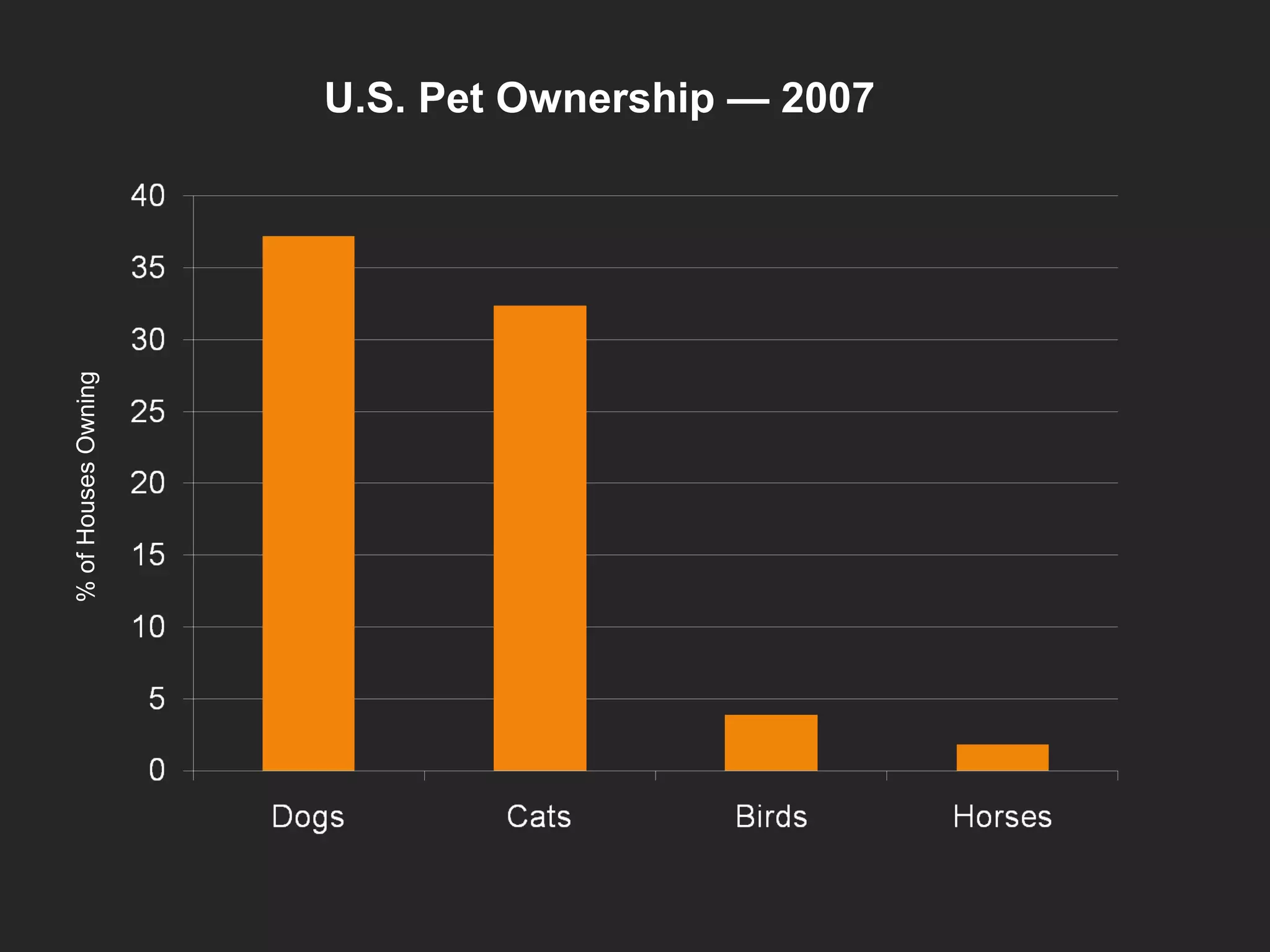
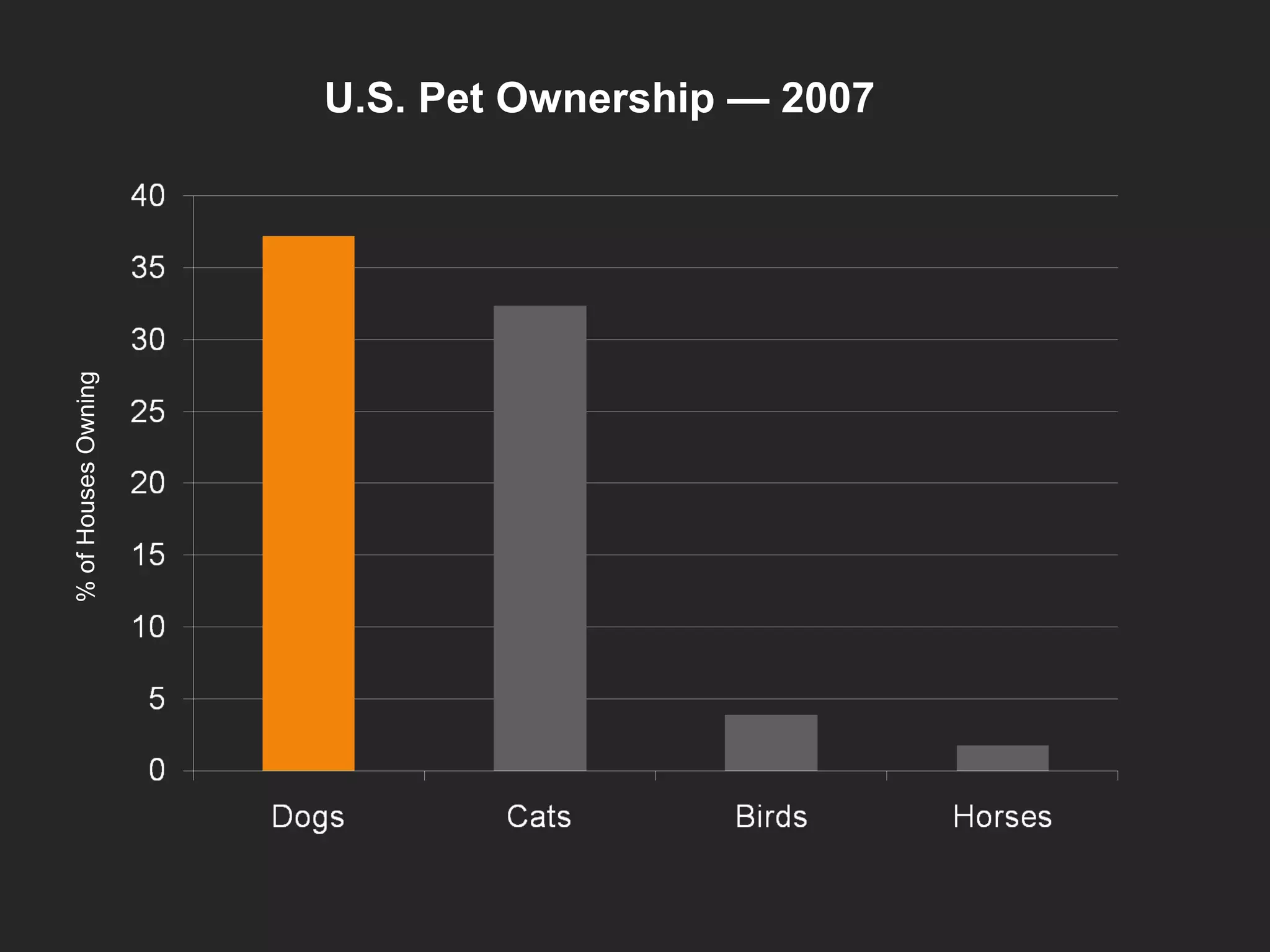
U.S. Pet Ownership — 2007 % of Houses Owning
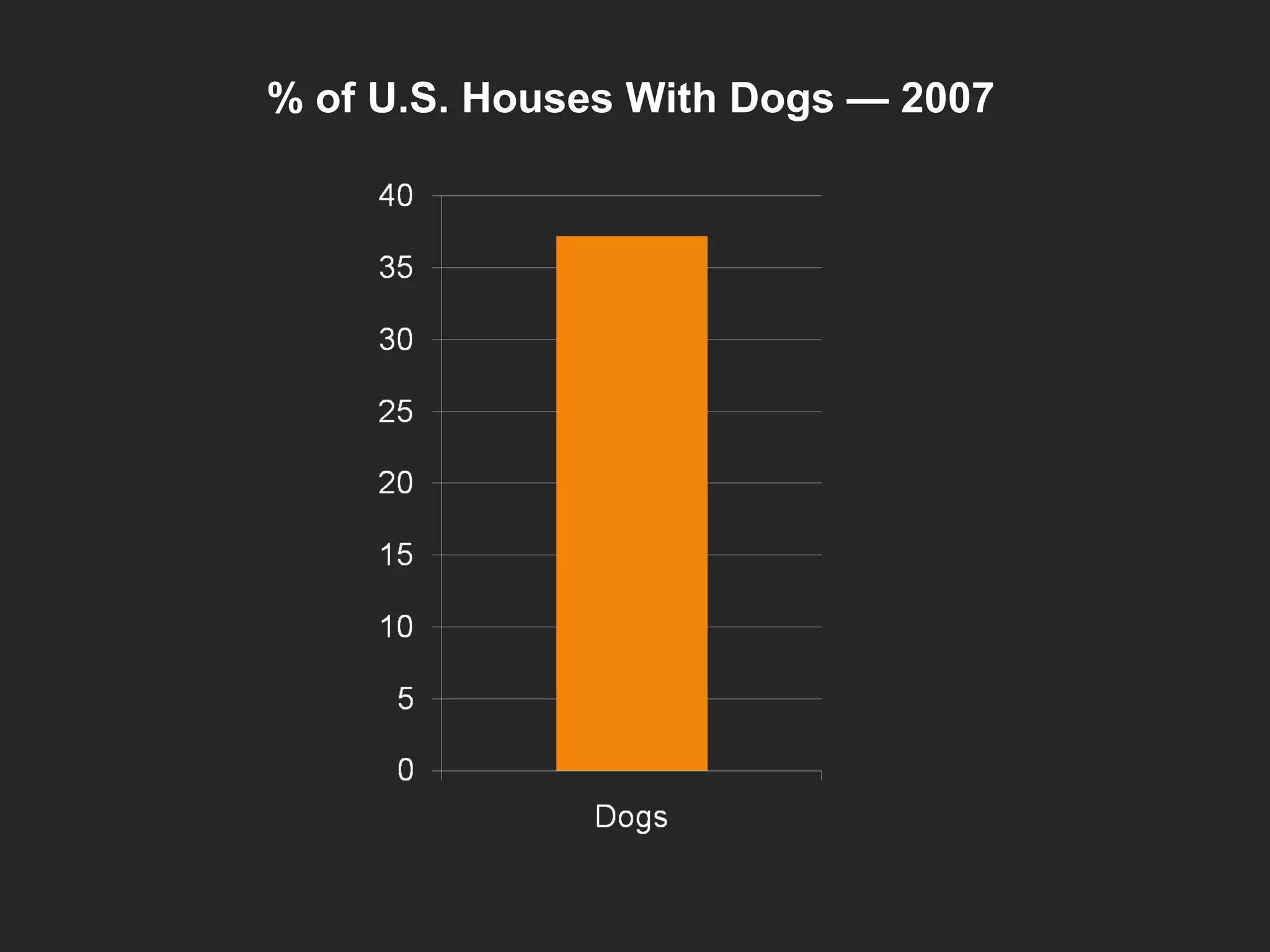
% of U.S. Houses With Dogs — 2007
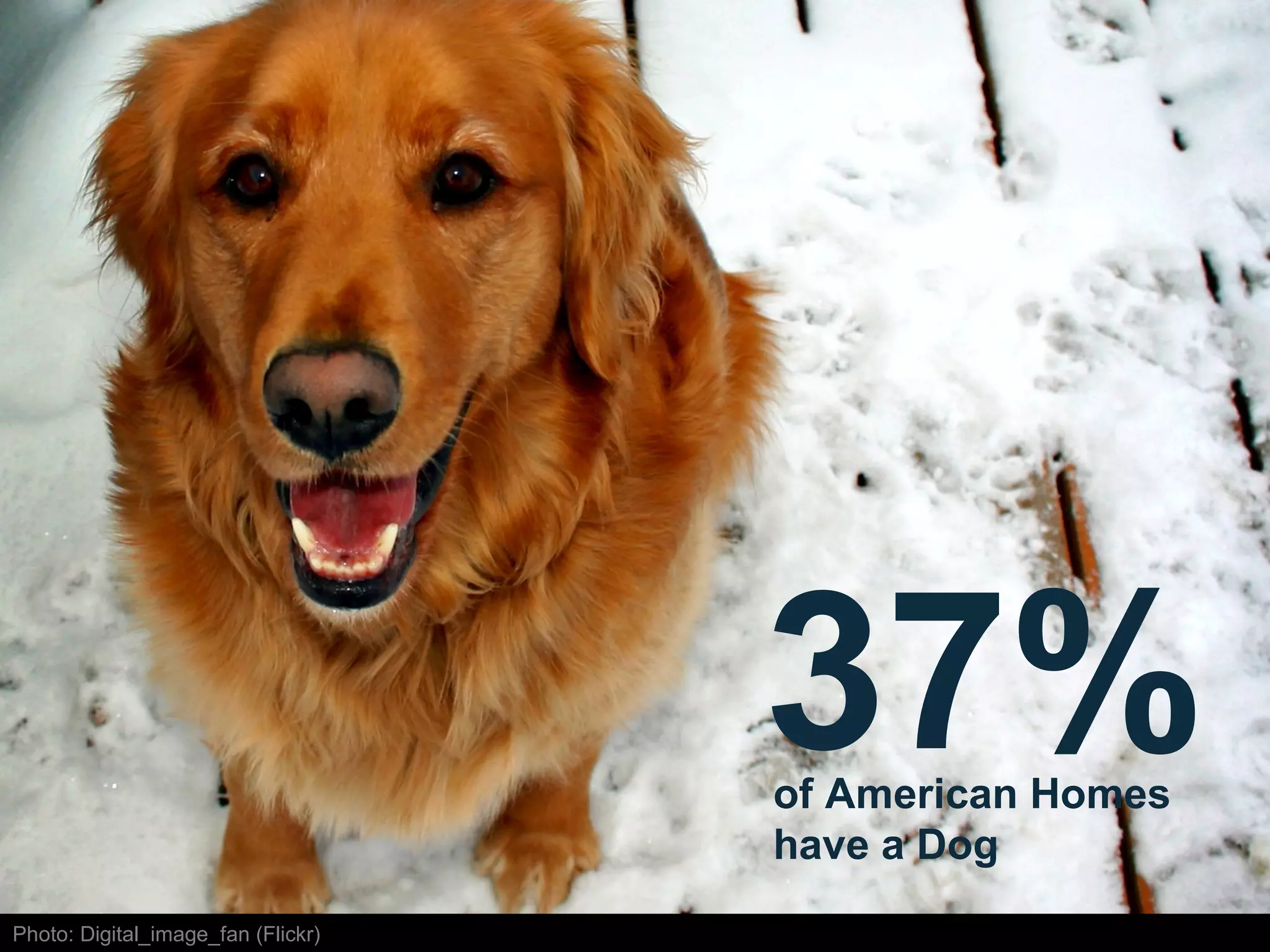
37% of American Homes have a Dog Photo: Digital_image_fan (Flickr)

You don’t have to use the data just because it’s there * * But you do have to be ethical.
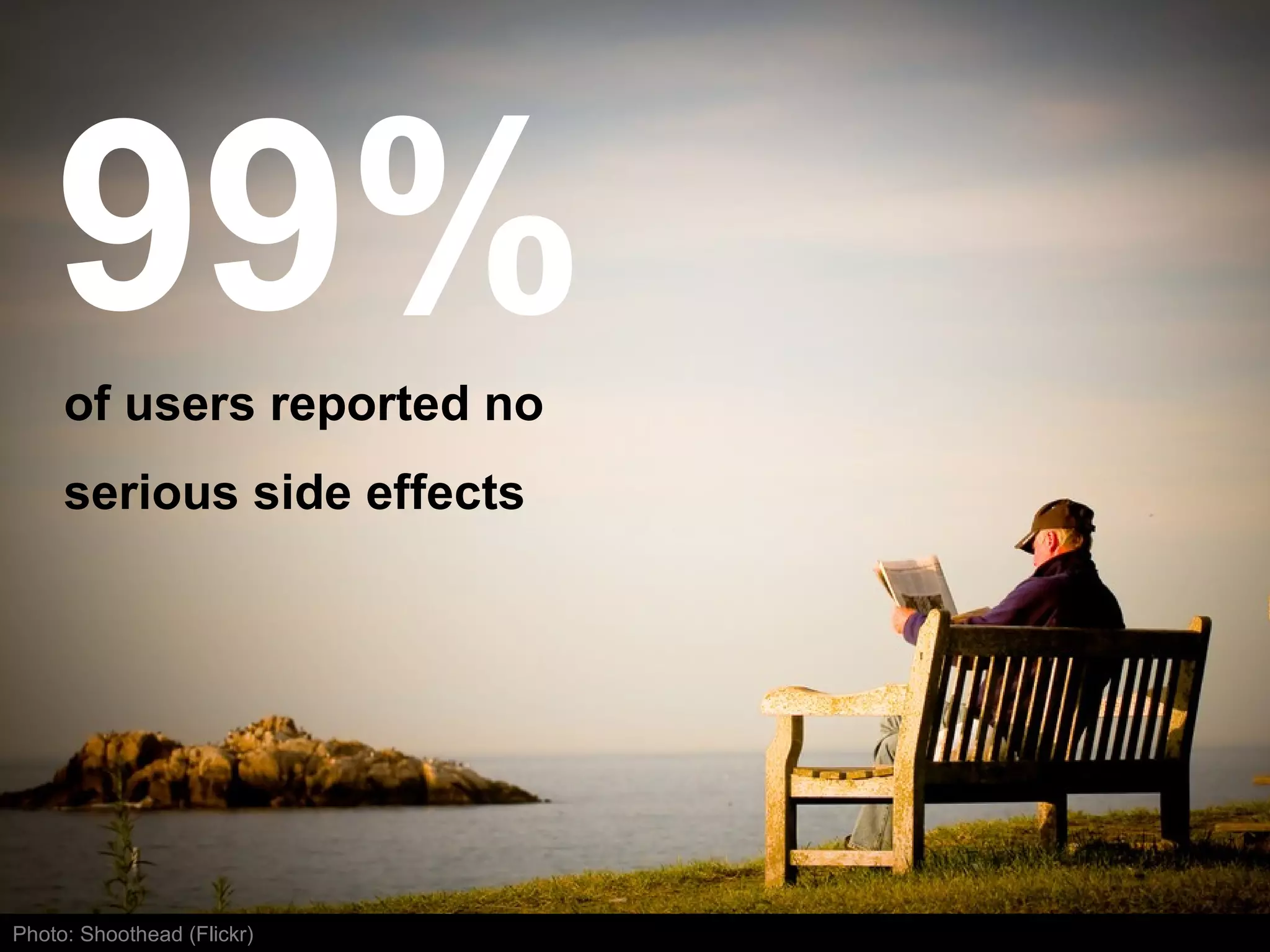
99%  of users reported no serious side effects  Photo: Shoothead (Flickr)
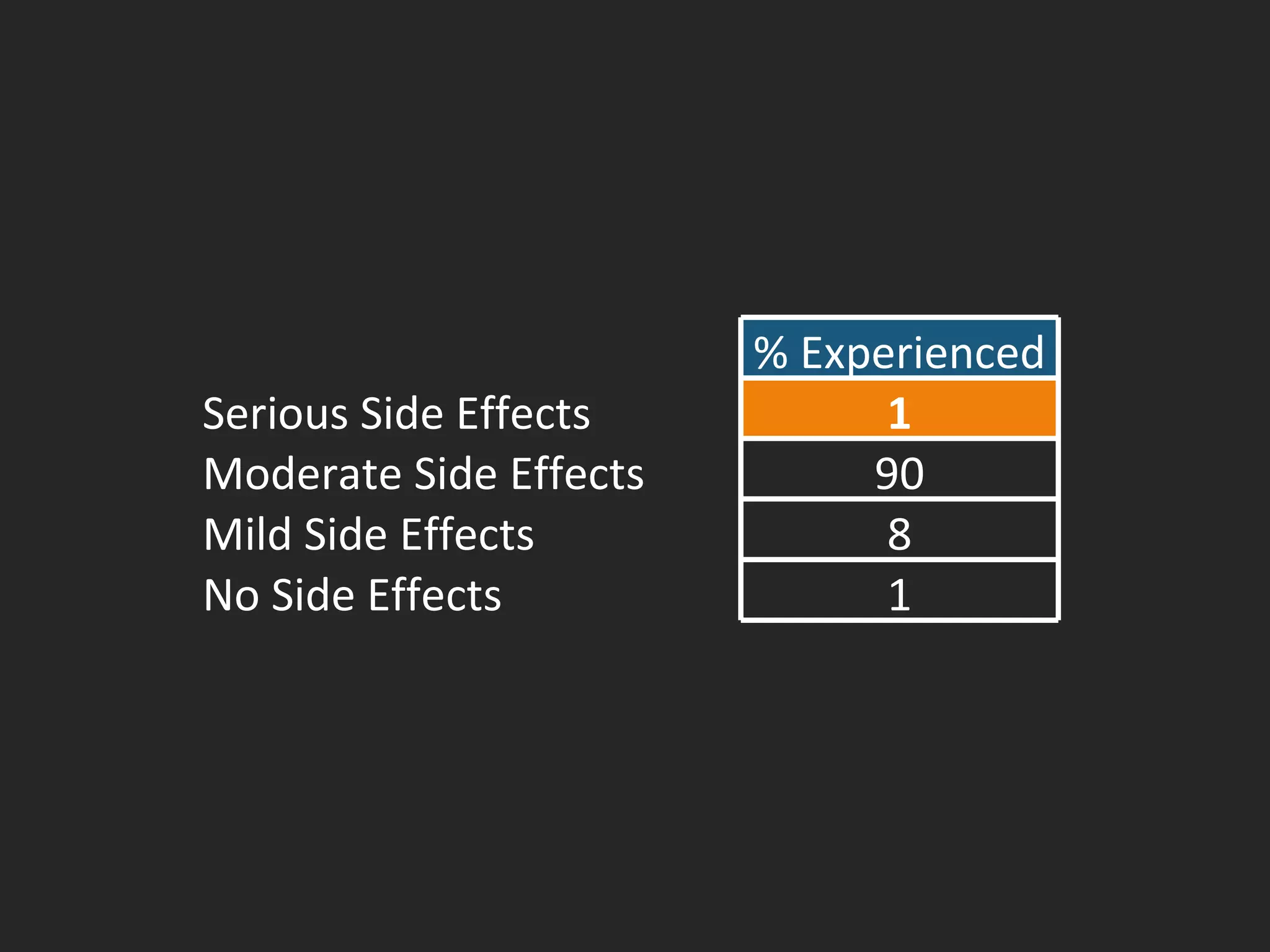
% Experienced Serious Side Effects 1 Moderate Side Effects 90 Mild Side Effects 8 No Side Effects 1
Know your story before starting to design
How We See
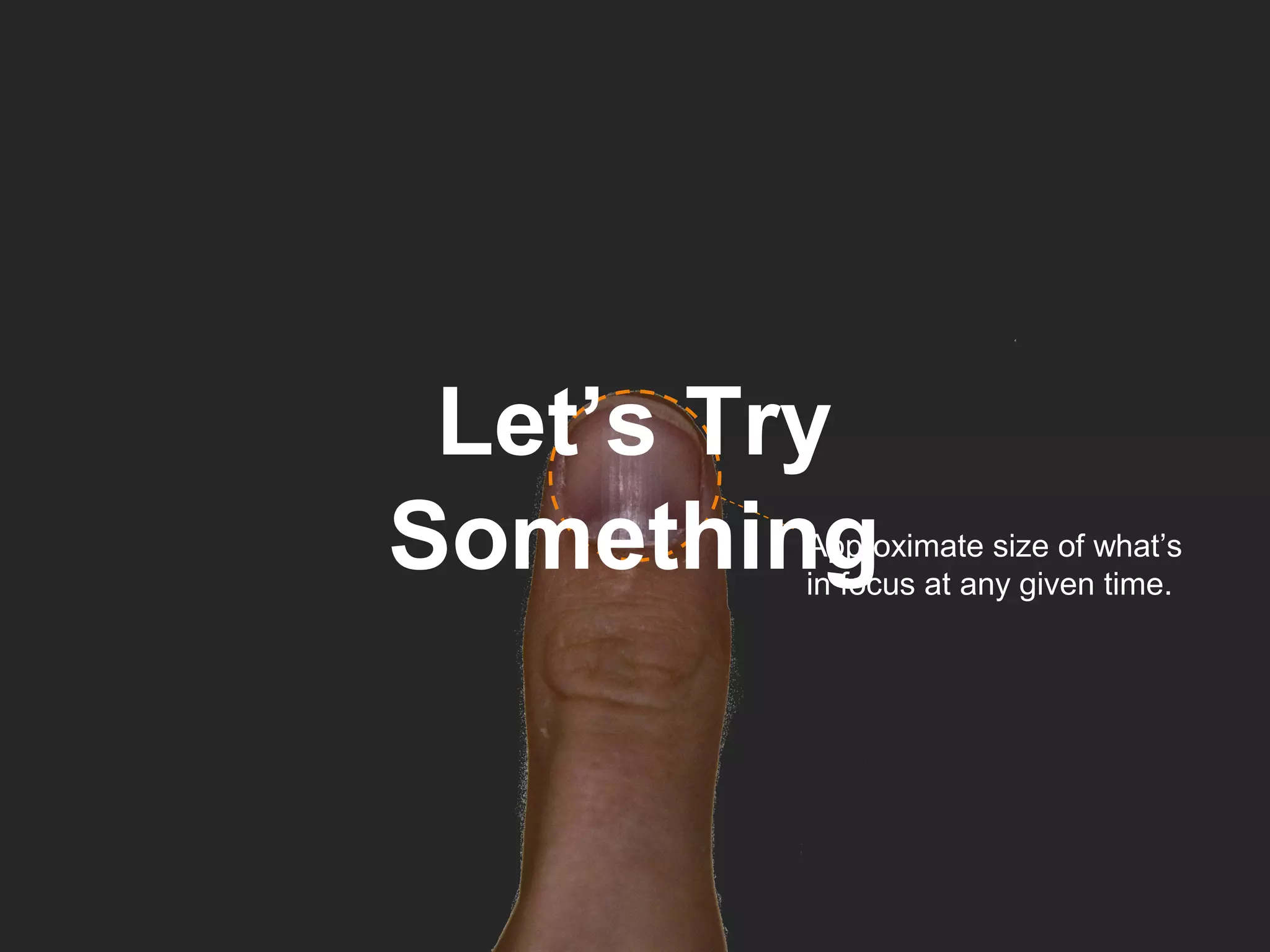
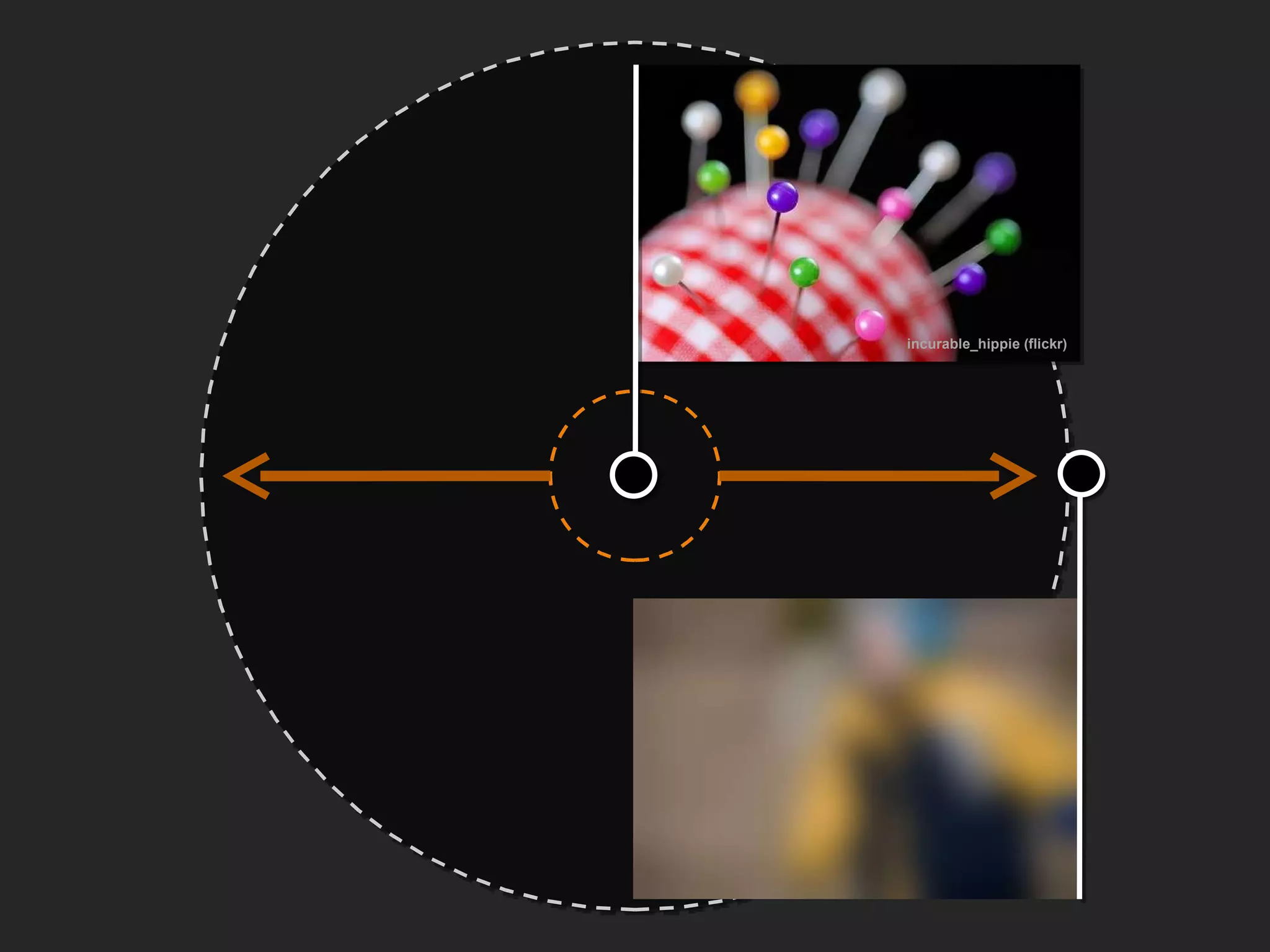
Approximate size of what’s in focus at any given time. Let’s Try Something
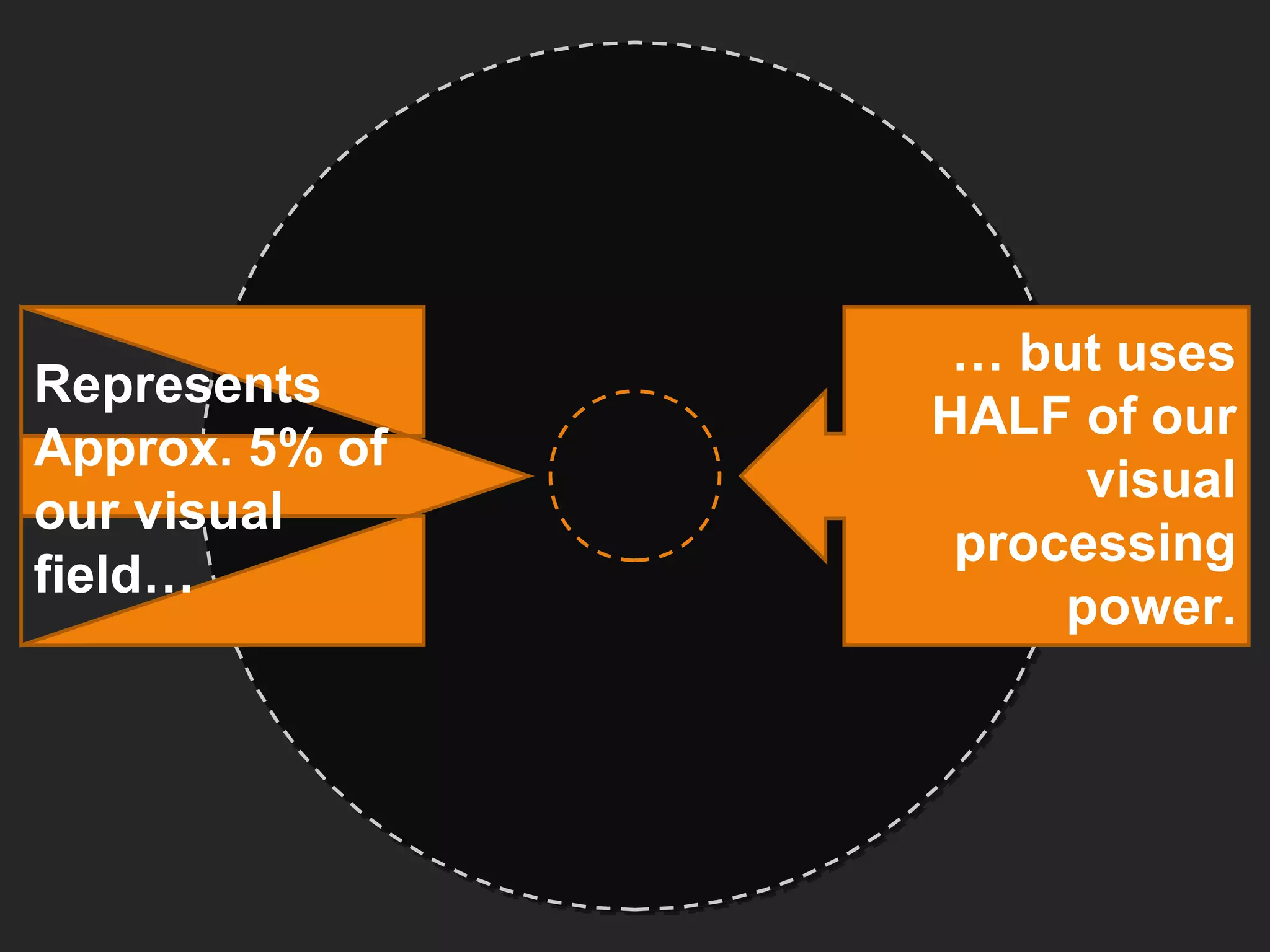
Represents Approx. 5% of our visual field… …  but uses HALF of our visual processing power.
incurable_hippie (flickr)
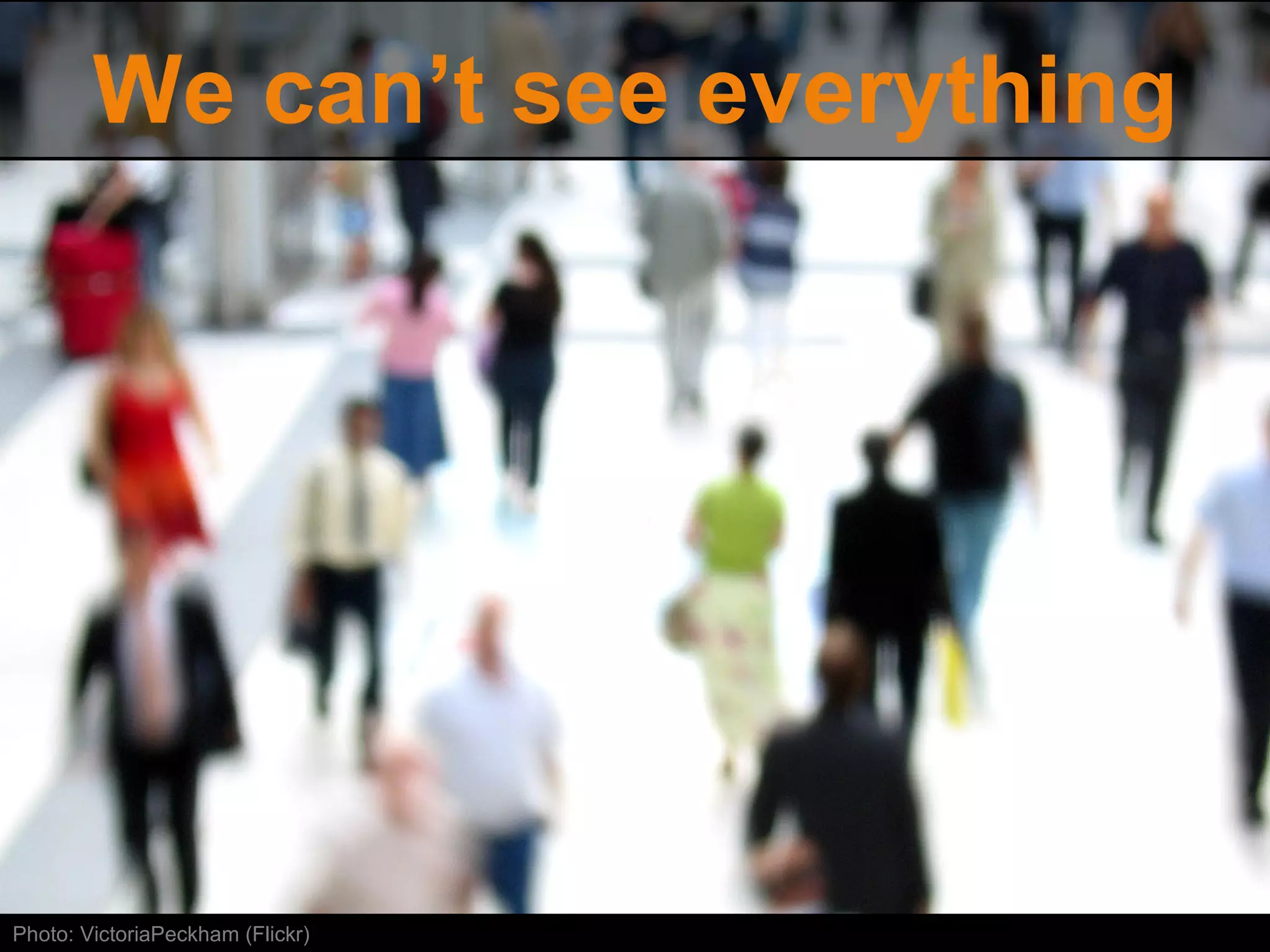
We can’t see everything Photo: VictoriaPeckham (Flickr)
Instead, we see through a series of  visual queries


 
 
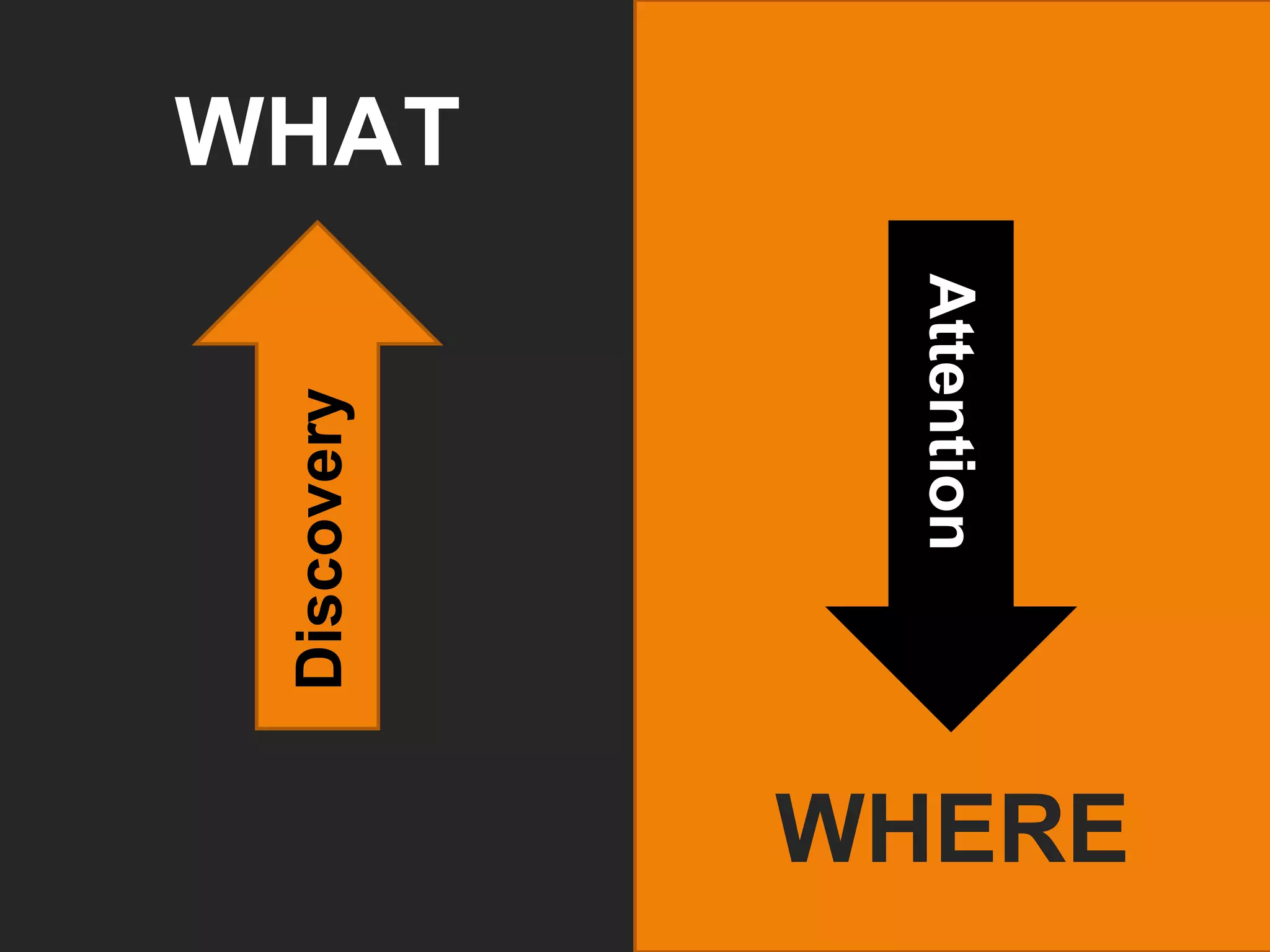
Attention Discovery WHAT WHERE
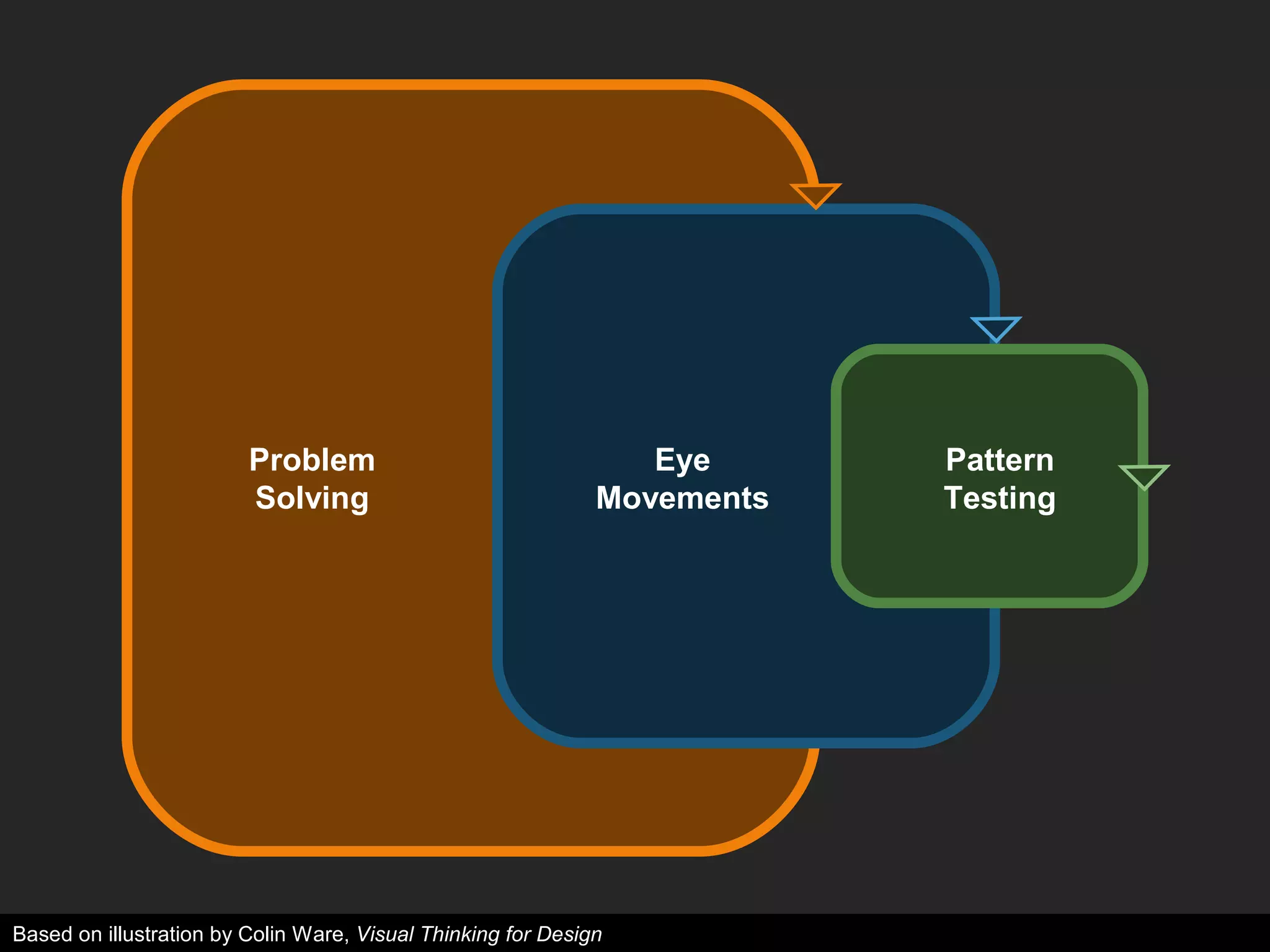
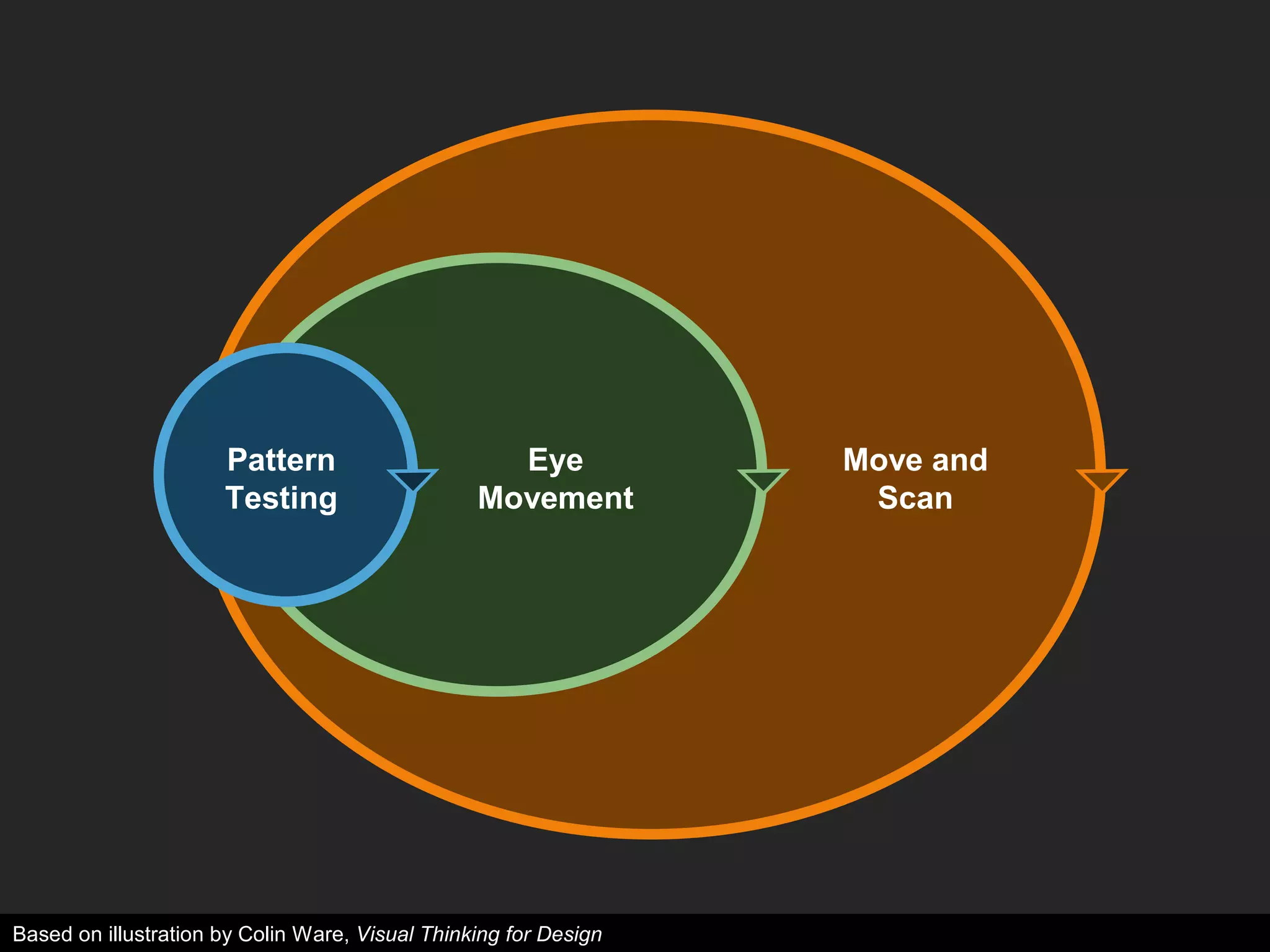
Problem Solving Eye Movements Pattern Testing Based on illustration by Colin Ware,  Visual Thinking for Design
Answering the  WHAT   (Understanding What We See)
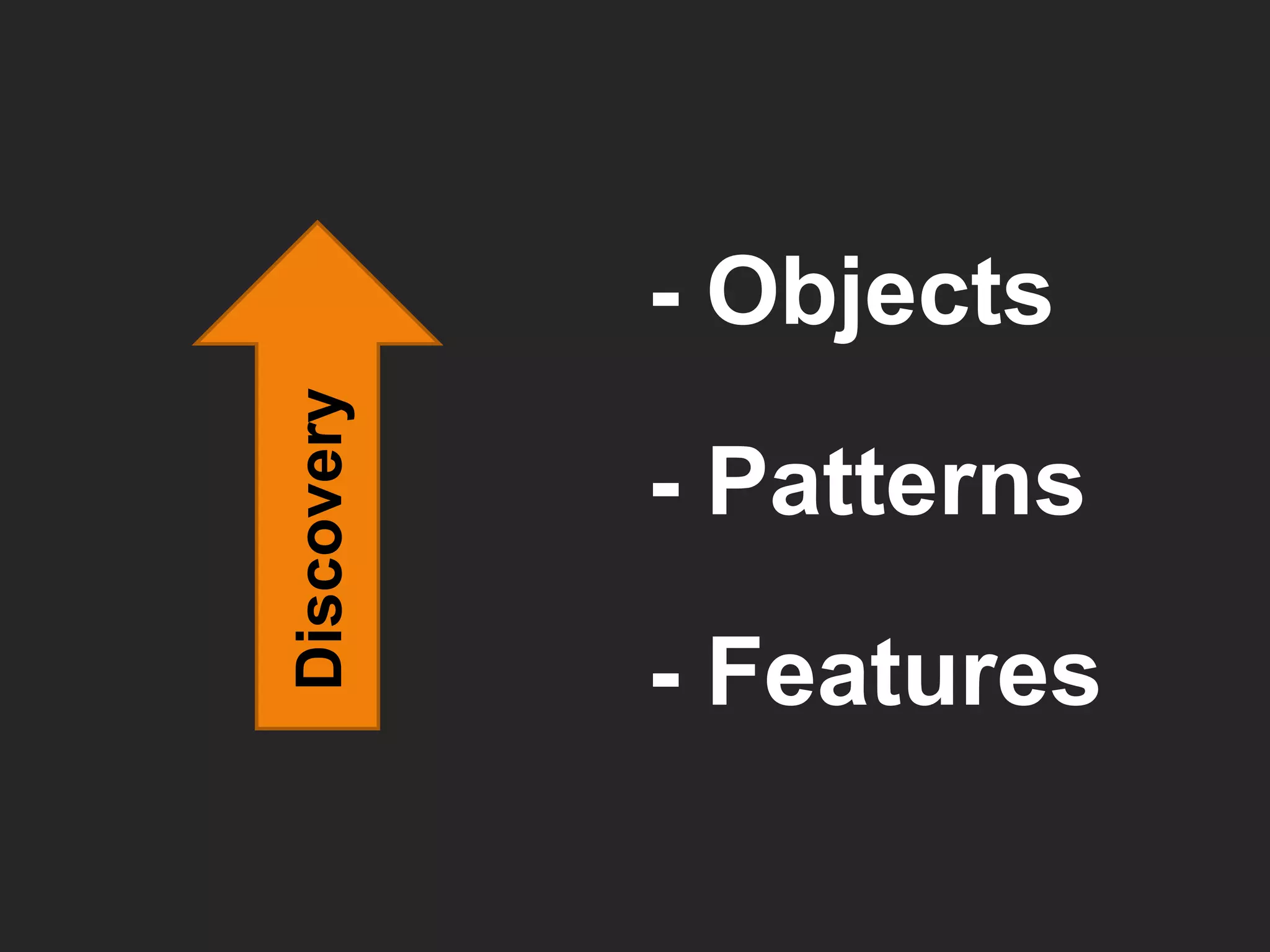
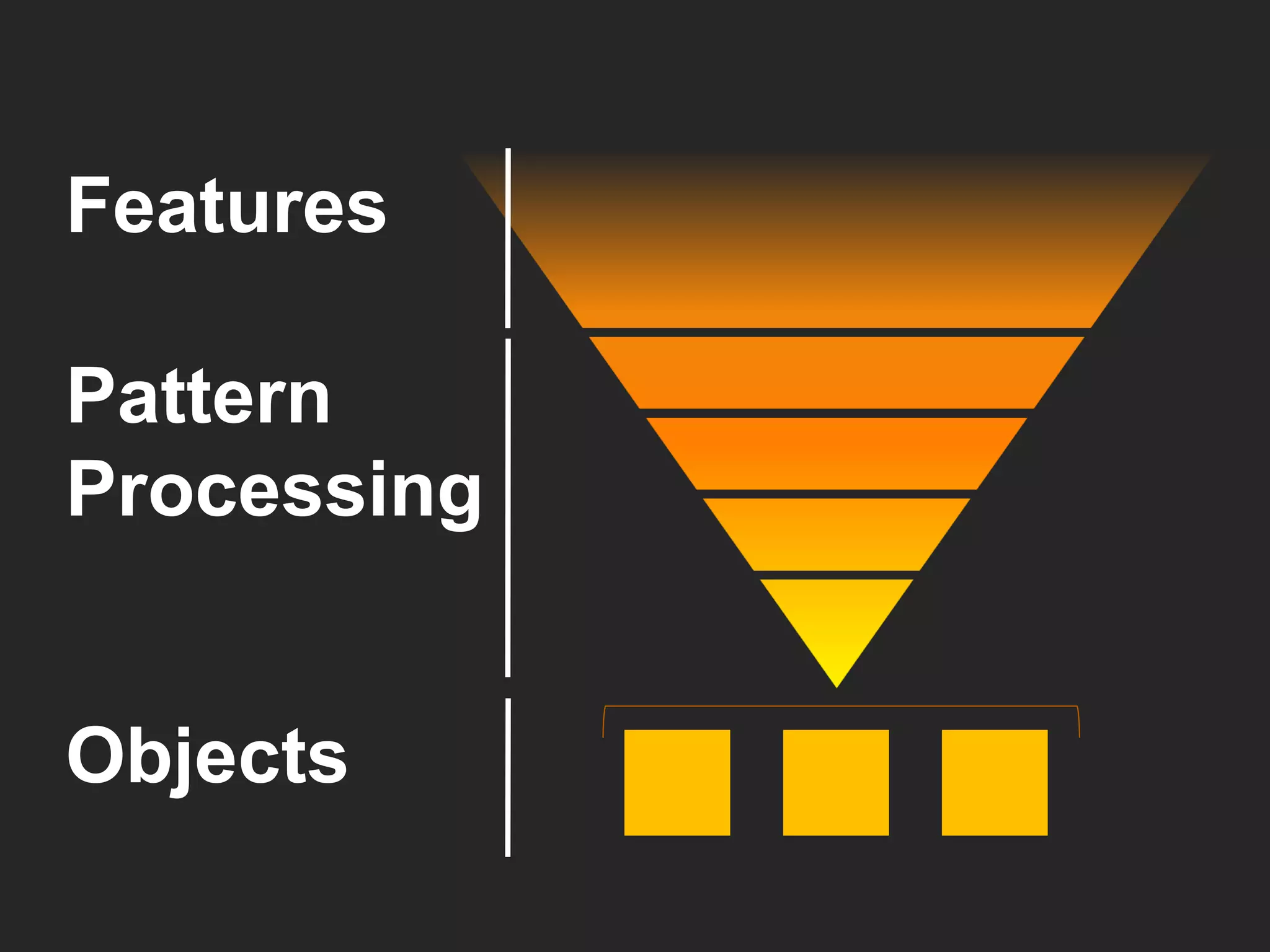
- Features Discovery - Patterns - Objects
Neurons are tuned for specific features
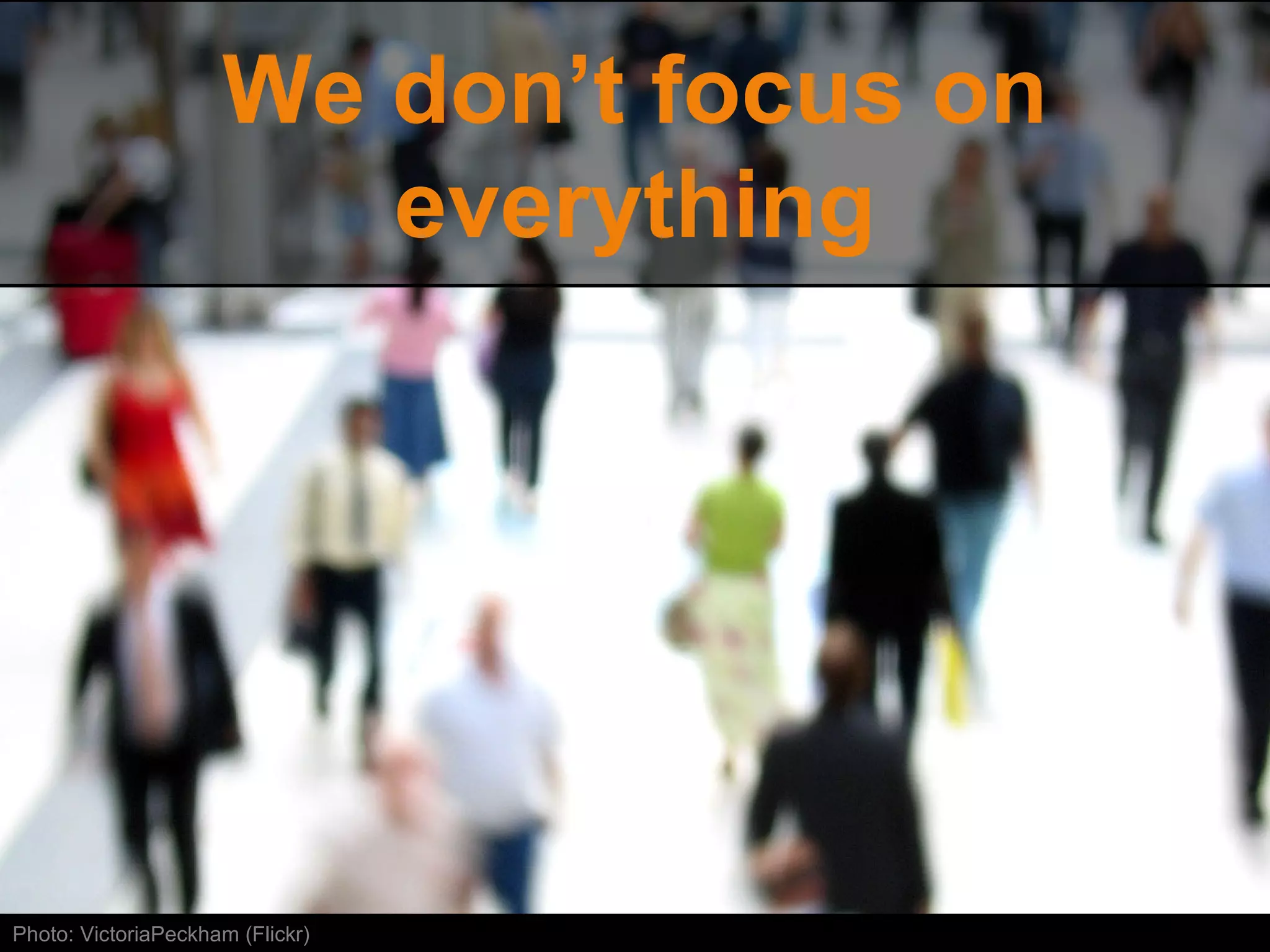
We don’t focus on everything Photo: VictoriaPeckham (Flickr)
Photo: Woodlywonderworks (Flickr)
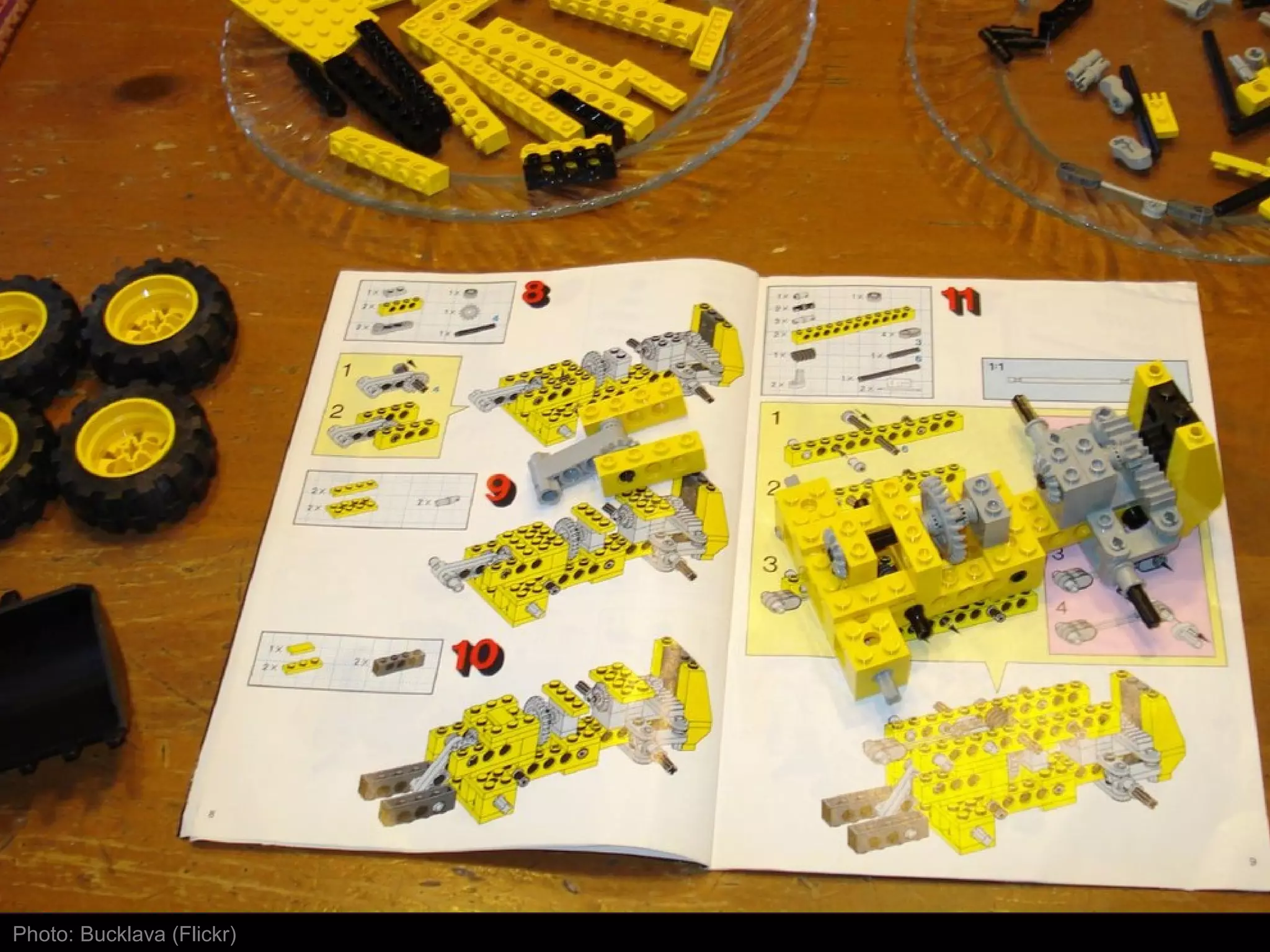
Photo: Bucklava (Flickr)


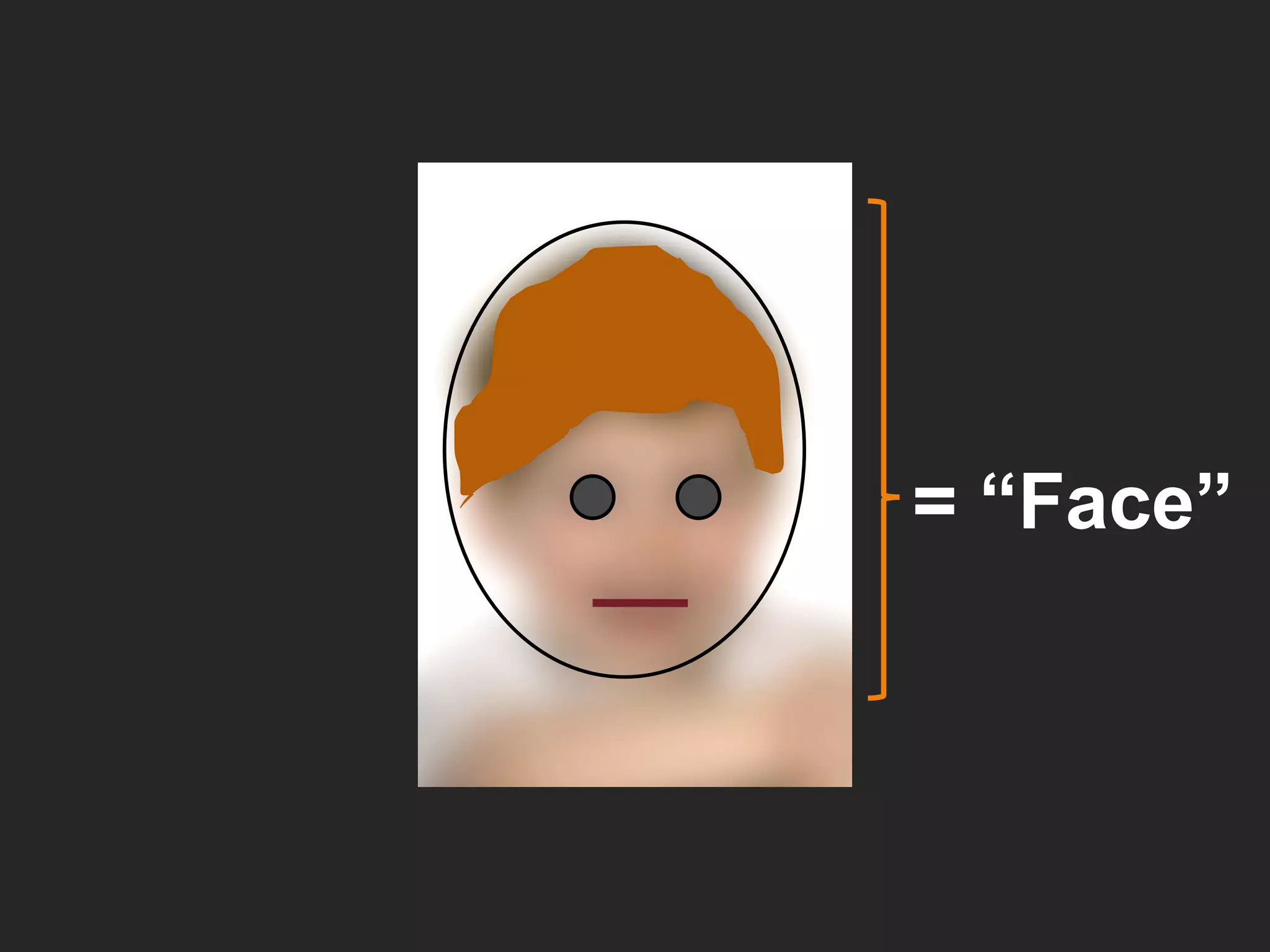
= “Face”
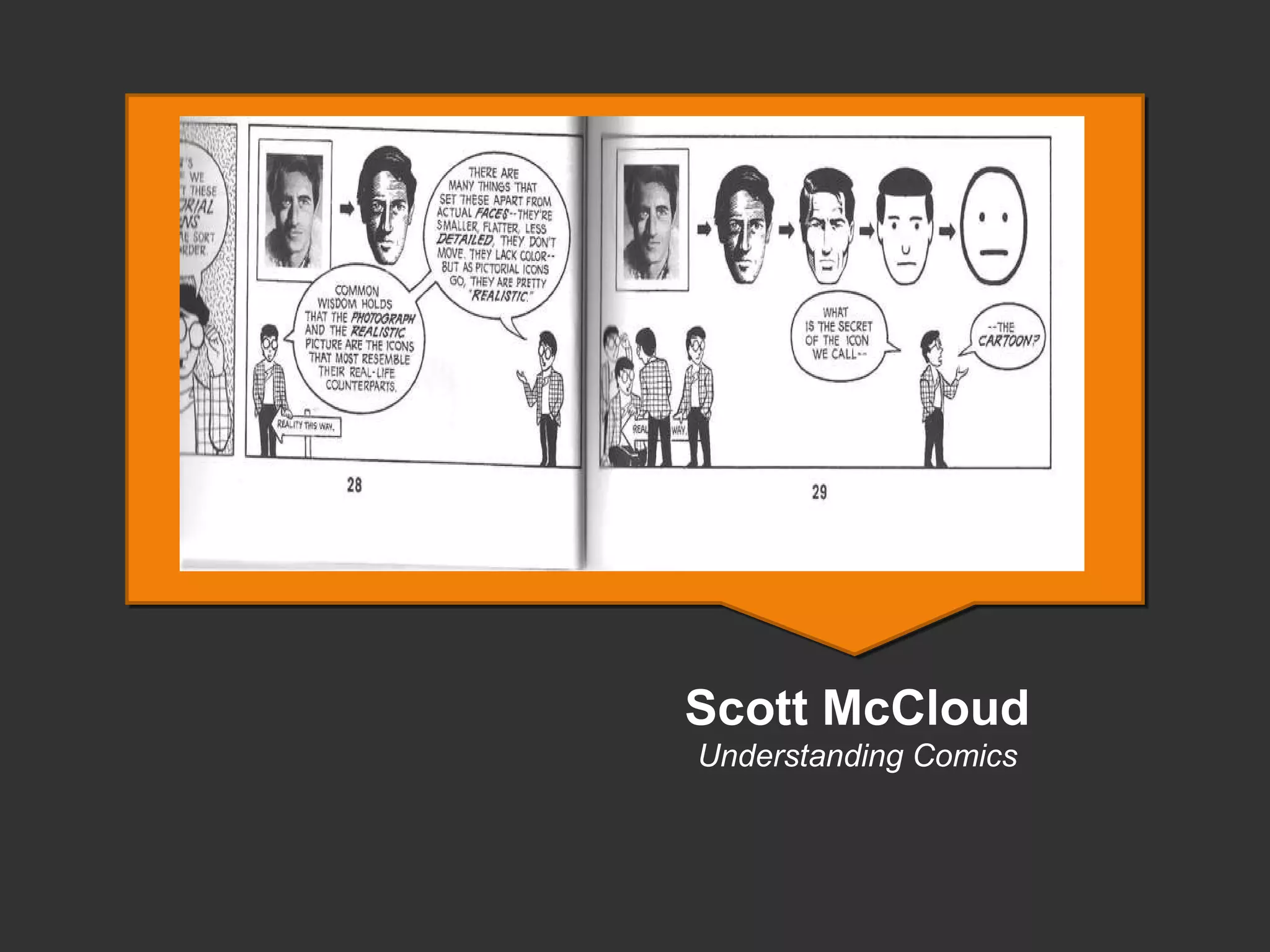
Scott McCloud Understanding Comics
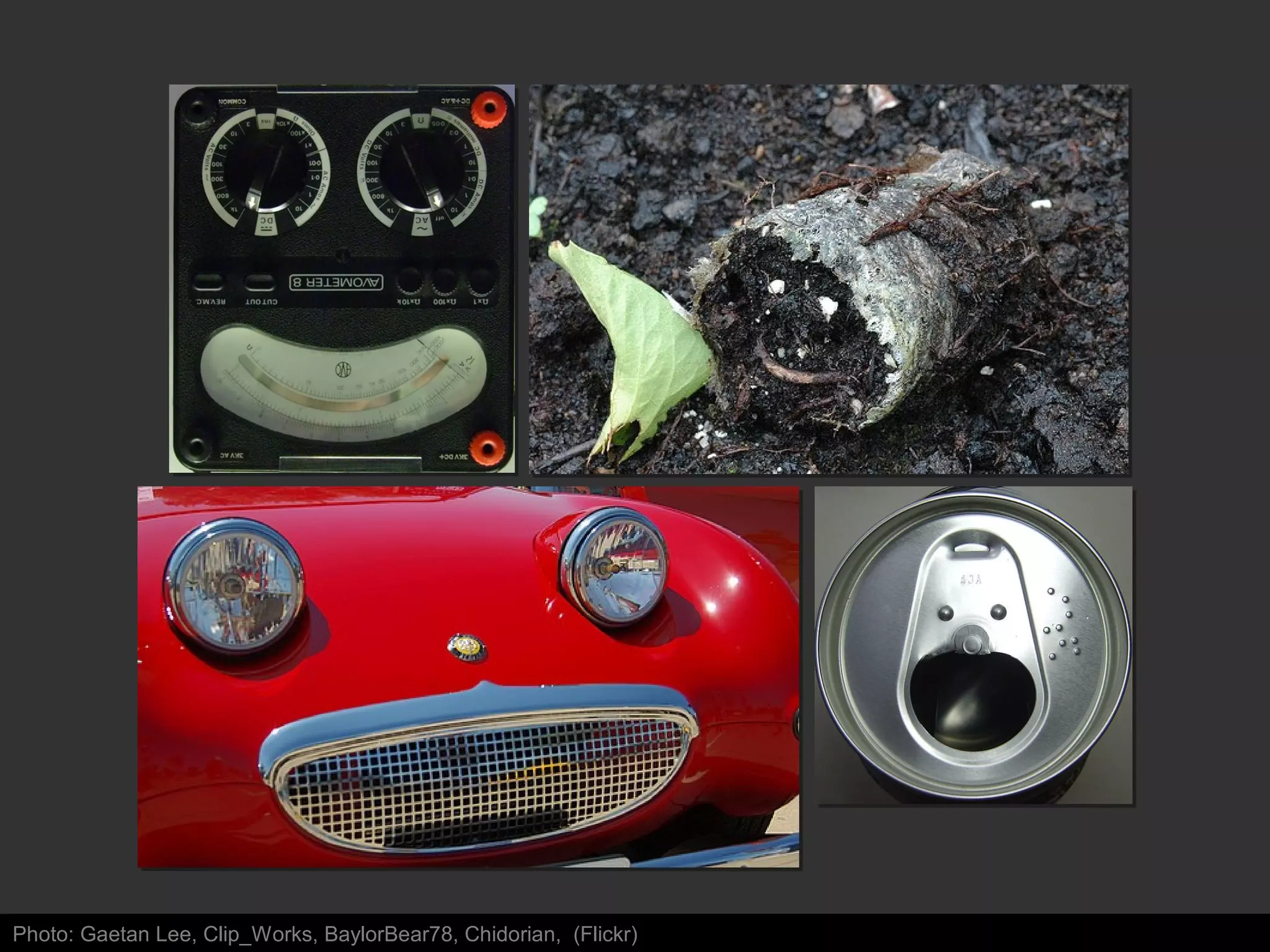
Photo: Gaetan Lee, Clip_Works, BaylorBear78, Chidorian,  (Flickr)
Source: http://www.opticalillusion.net/
 
Patterns are learned over time
Aoccdrnig to rscheearch at Cmabrigde uinervtisy, it deosn't mttaer waht oredr the ltteers in a wrod are, the olny iprmoetnt tihng is taht the frist and lsat ltteres are at the rghit pclae. The rset can be a tatol mses and you can sitll raed it wouthit a porbelm. Tihs is bcuseae we do not raed ervey lteter by it slef but the wrod as a wlohe.
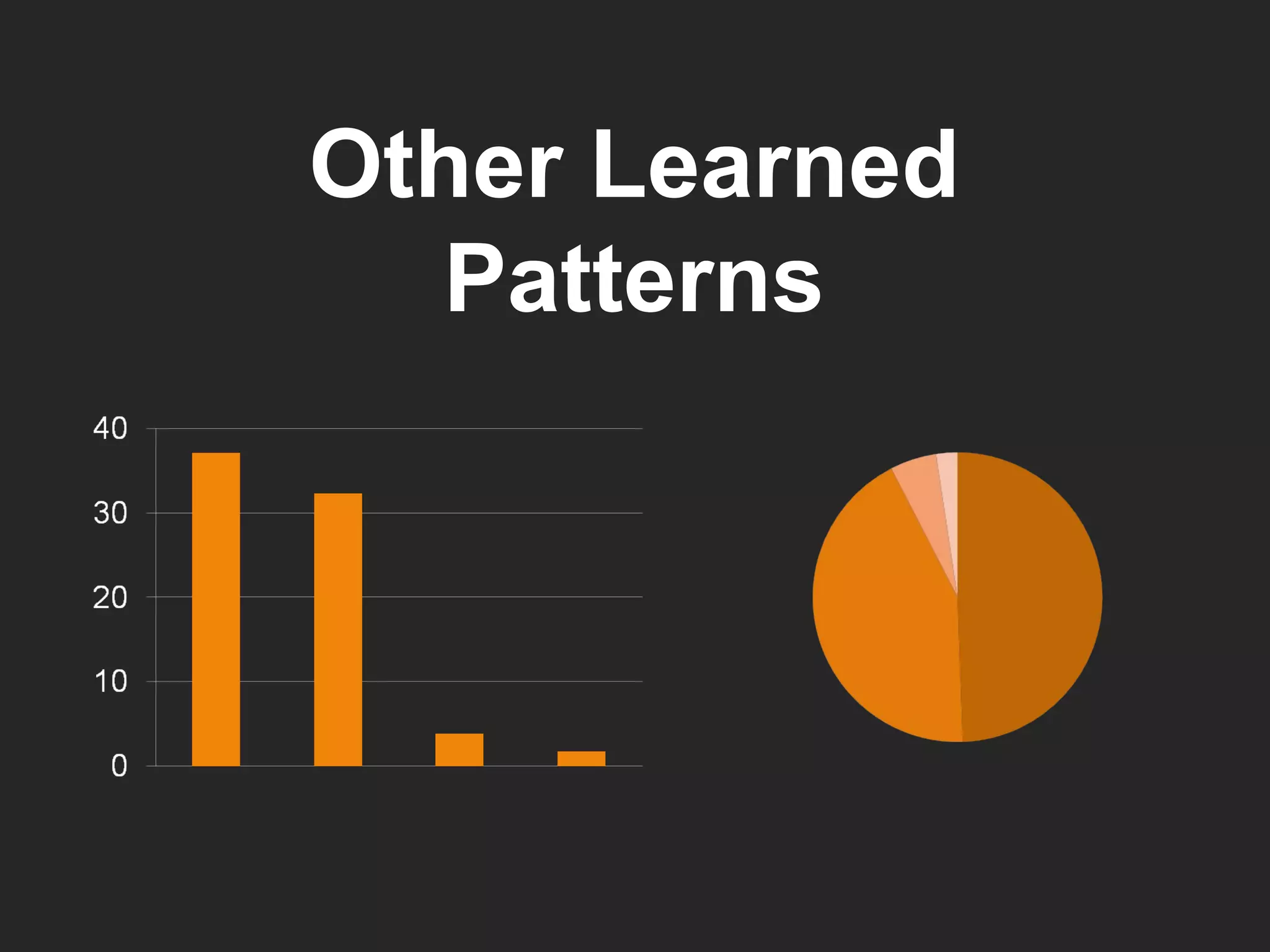
Other Learned Patterns
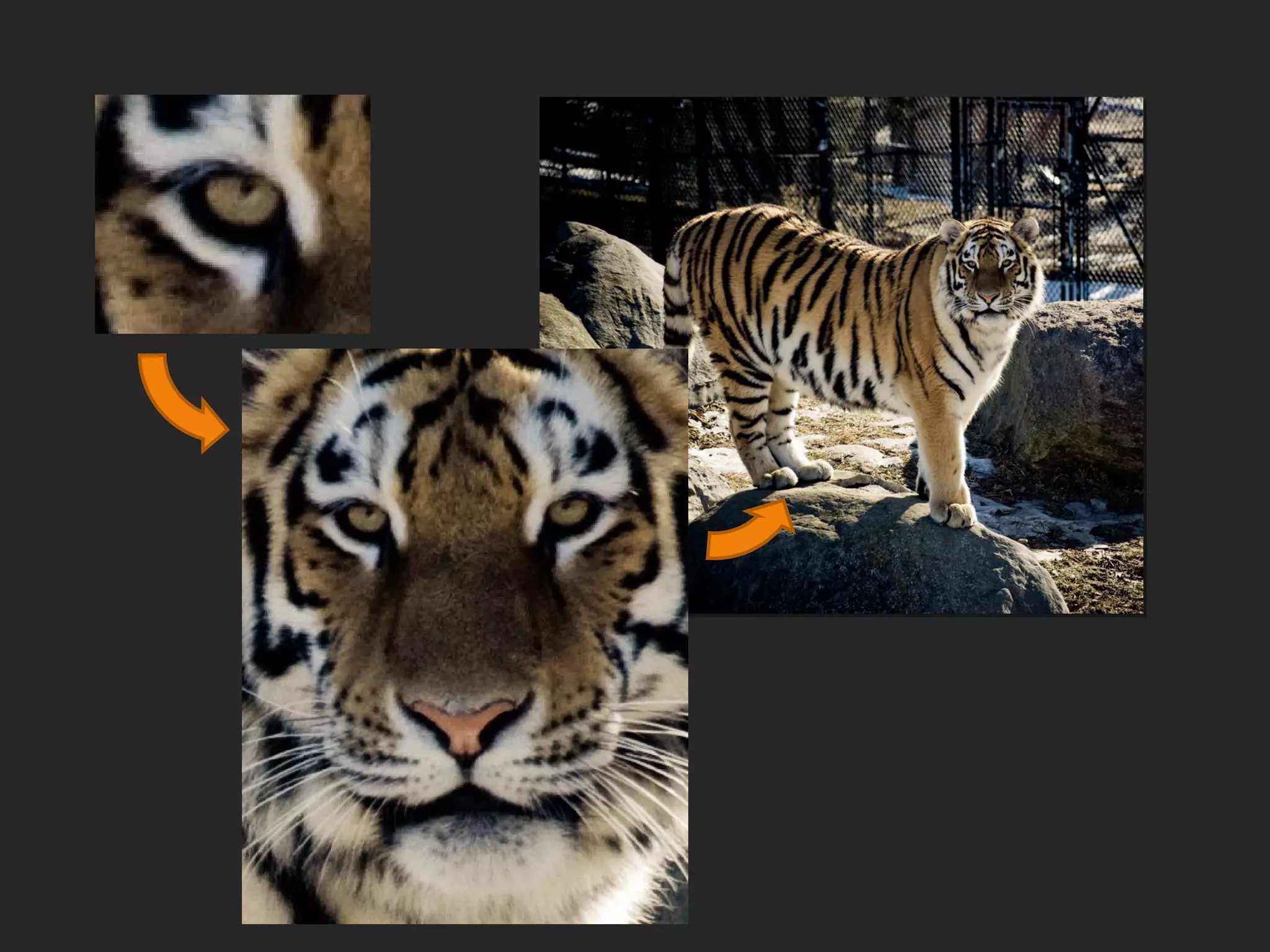
Complex patterns will vary based on the viewer’s experience
Over time, higher level patterns are combined
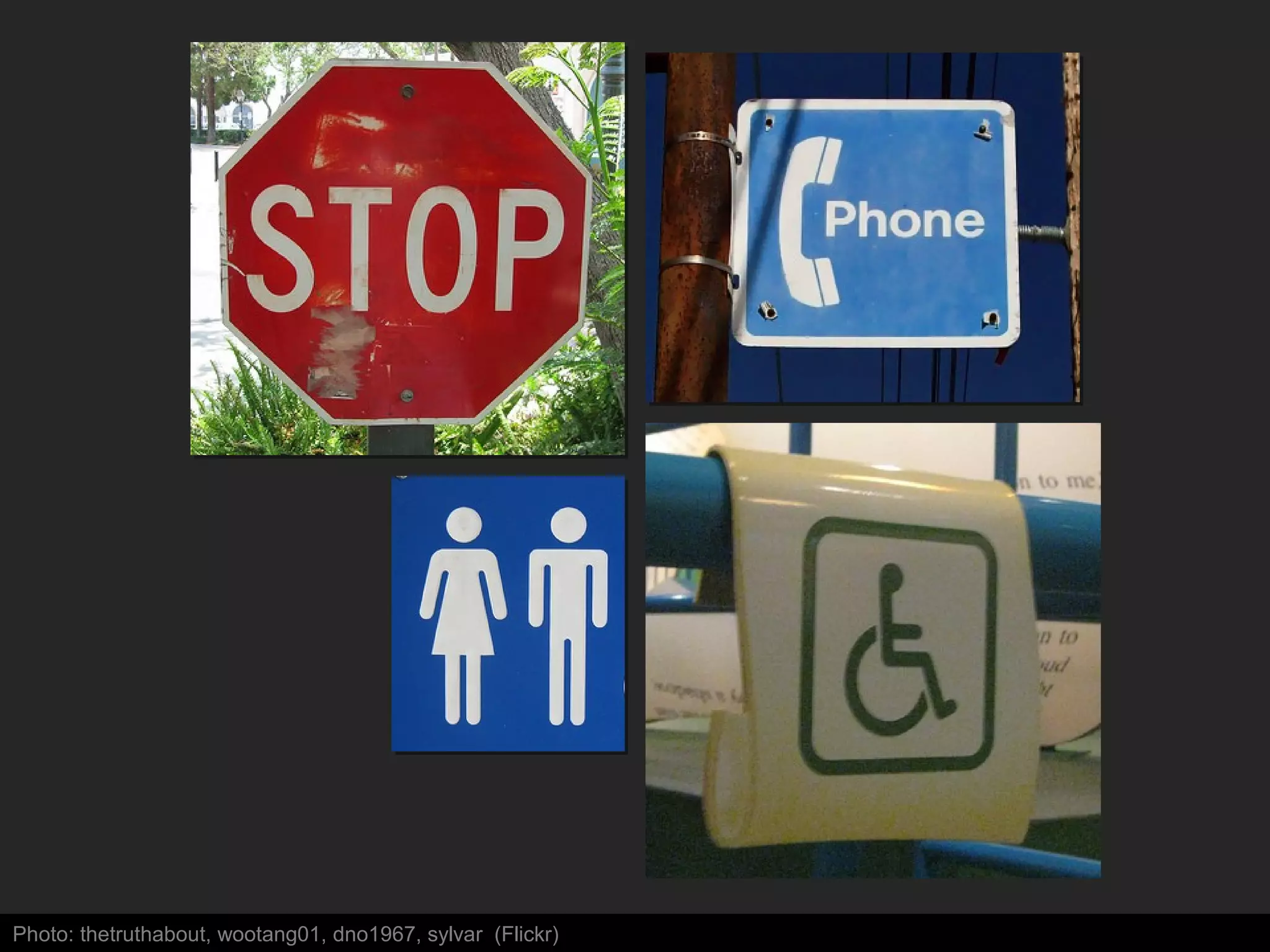
Proxies are created
Photo: thetruthabout, wootang01, dno1967, sylvar  (Flickr)
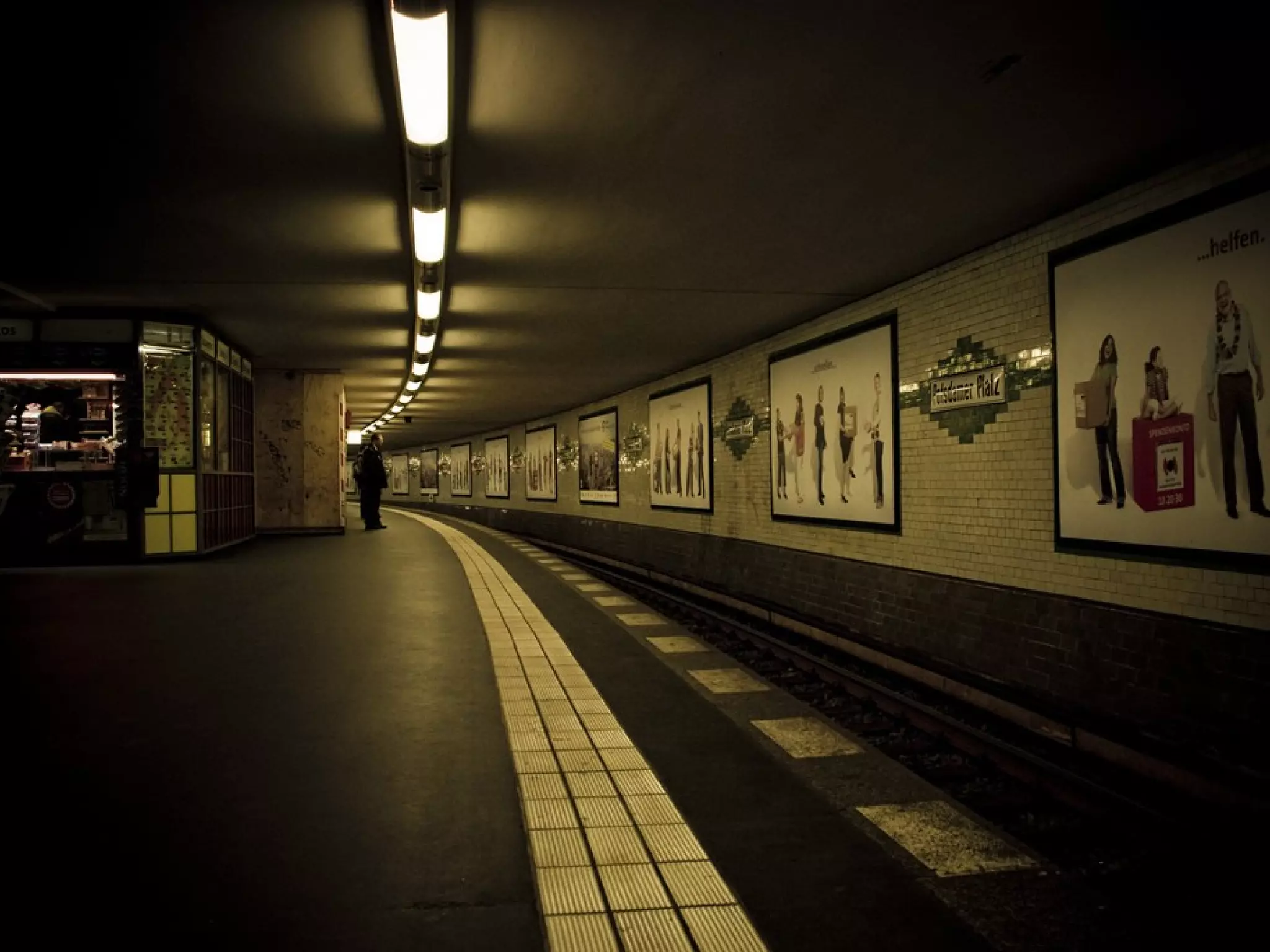
Watch carefully…


?
What station was it?
What colour was the canopy?
What kind of trees?
 
We’re capable of rapidly accessing complex patterns…
…  but to comprehend them we need to process them deeper.
Features Pattern Processing Objects
Photo: Bucklava (Flickr)
Visual Working Memory
Designing for Visual Efficiency
... the goal of information design must be to design displays so that visual queries are processed both rapidly and correctly for every important cognitive task the display is intended to support. Colin Ware Visual Thinking for Design
Answering the  WHERE   (Understanding how we search visually)
Based on illustration by Colin Ware,  Visual Thinking for Design Pattern Testing Eye Movement Move and Scan
Visual Efficiency  =   Reducing Visual Searches
Cognitive Effort vs.  “ At-a-glance”
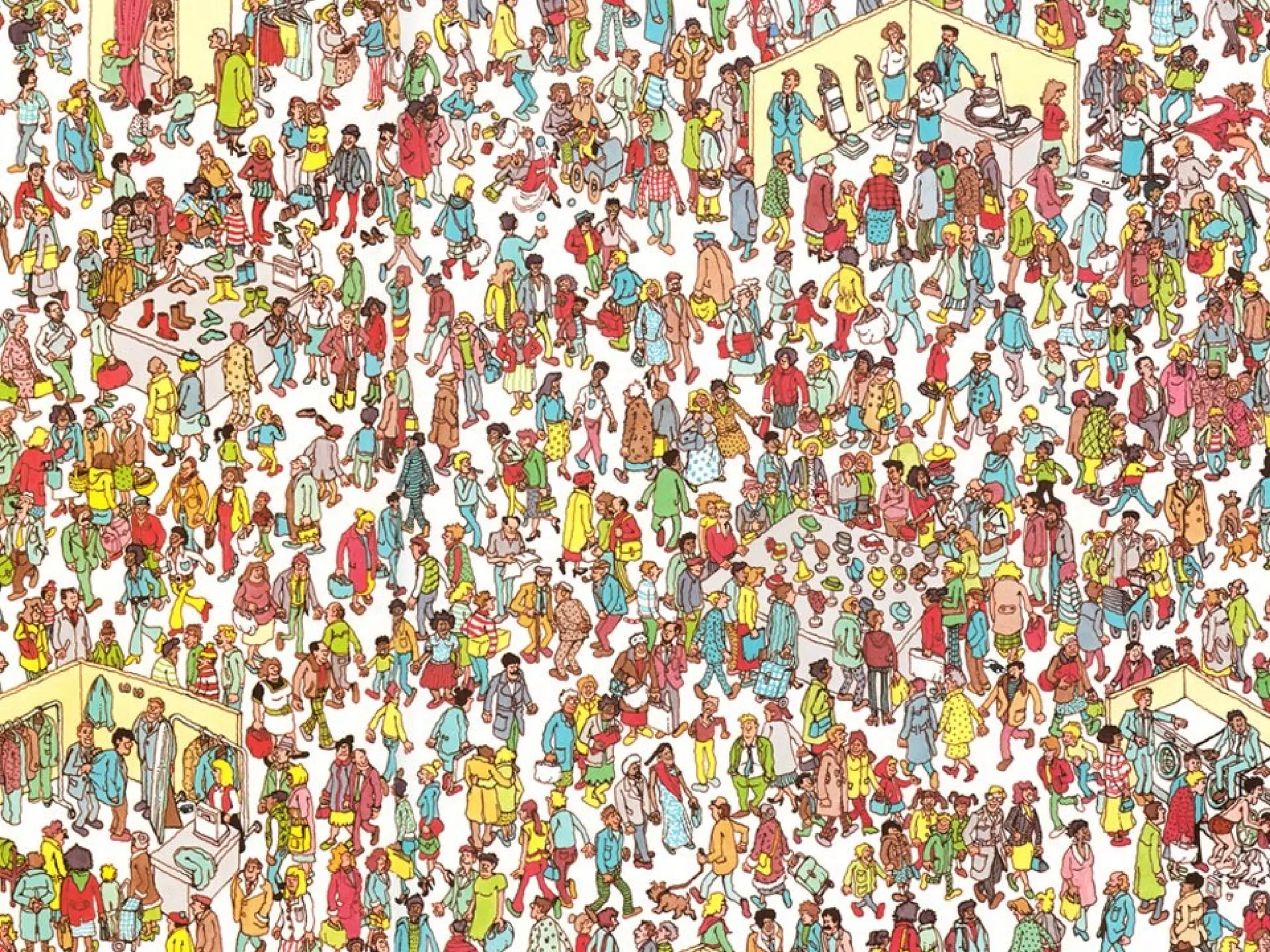
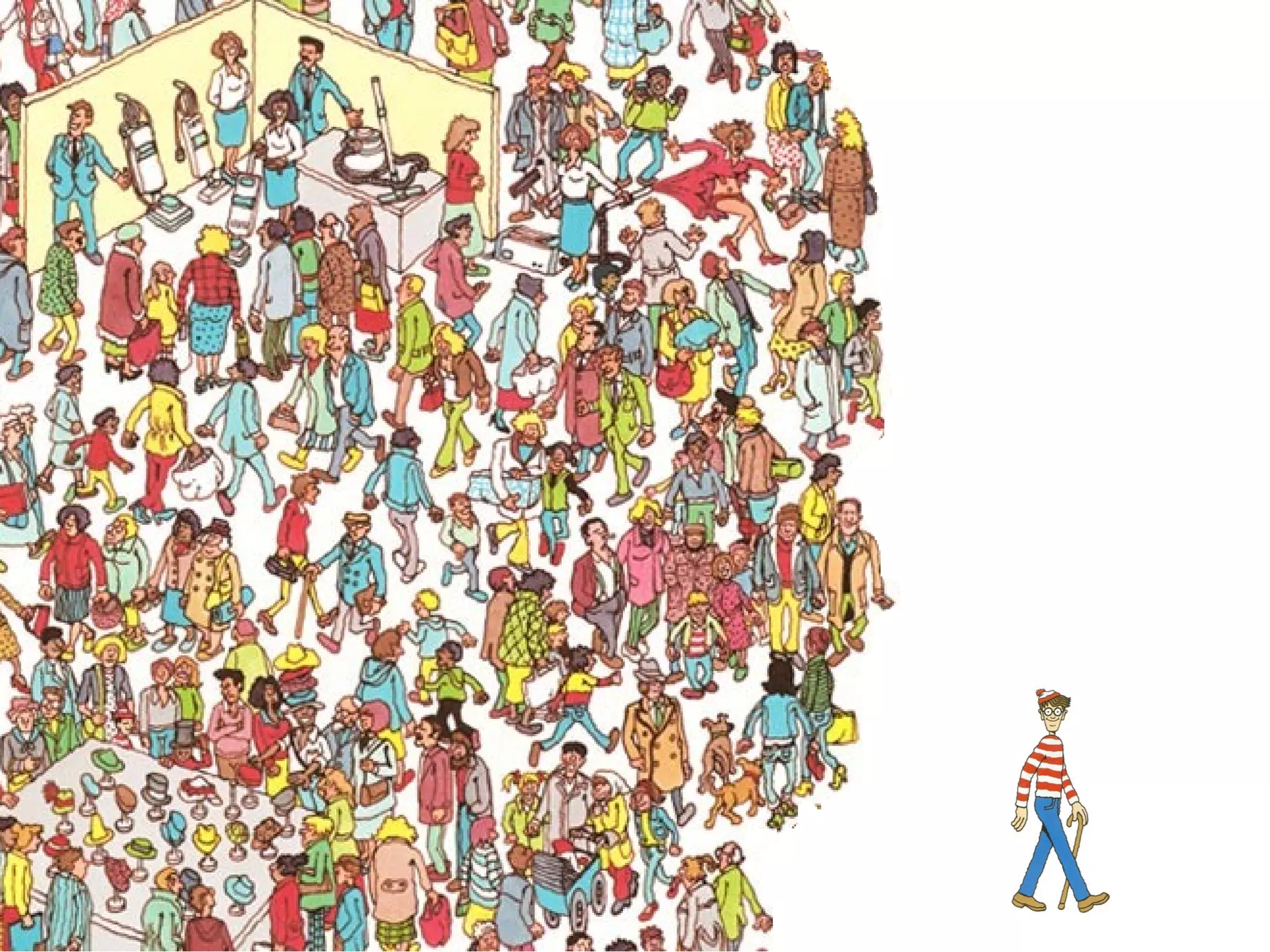
Where’s Waldo Example (Cognitively Difficult)
 
Make Your Graphics  Pop
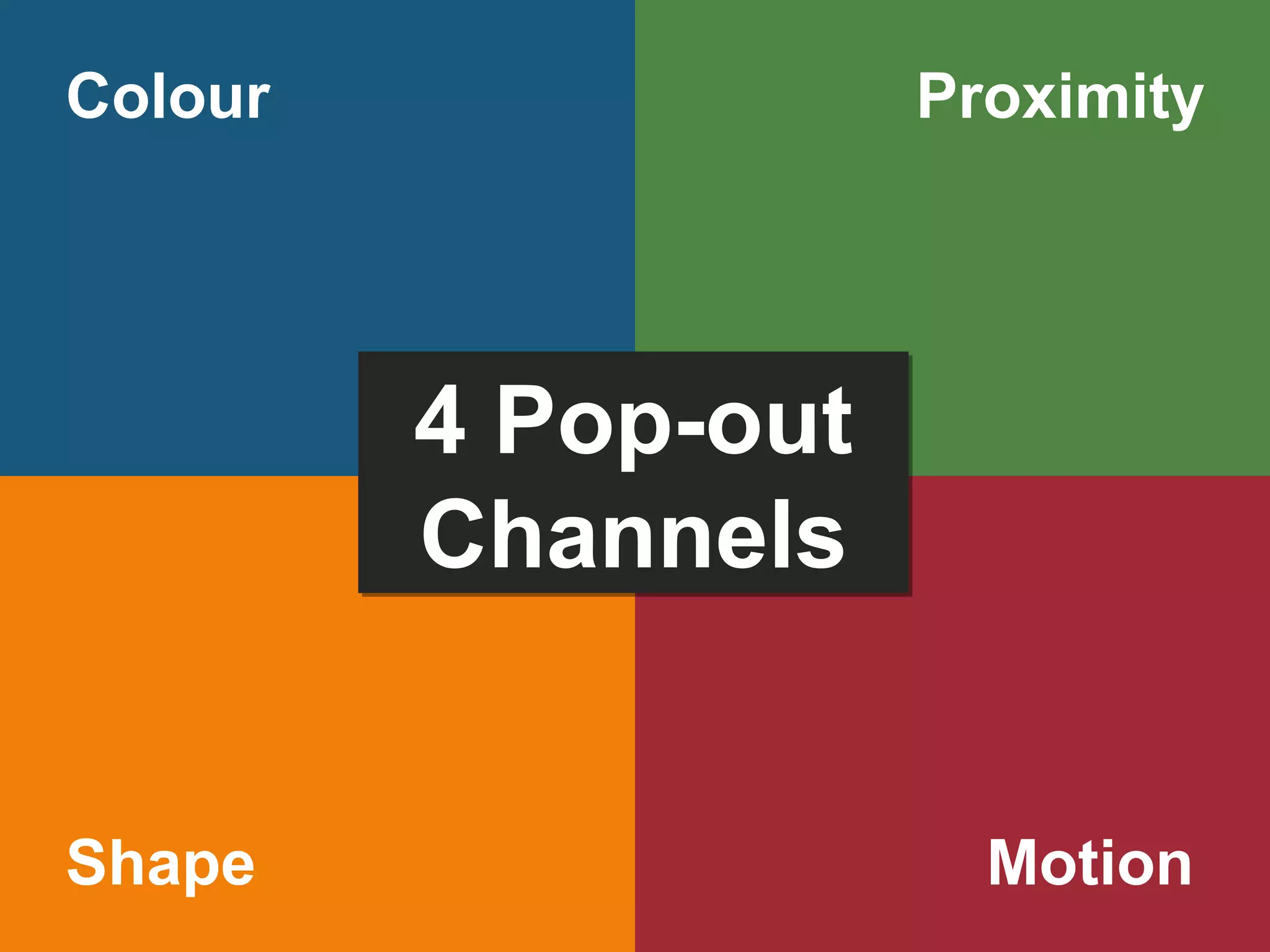
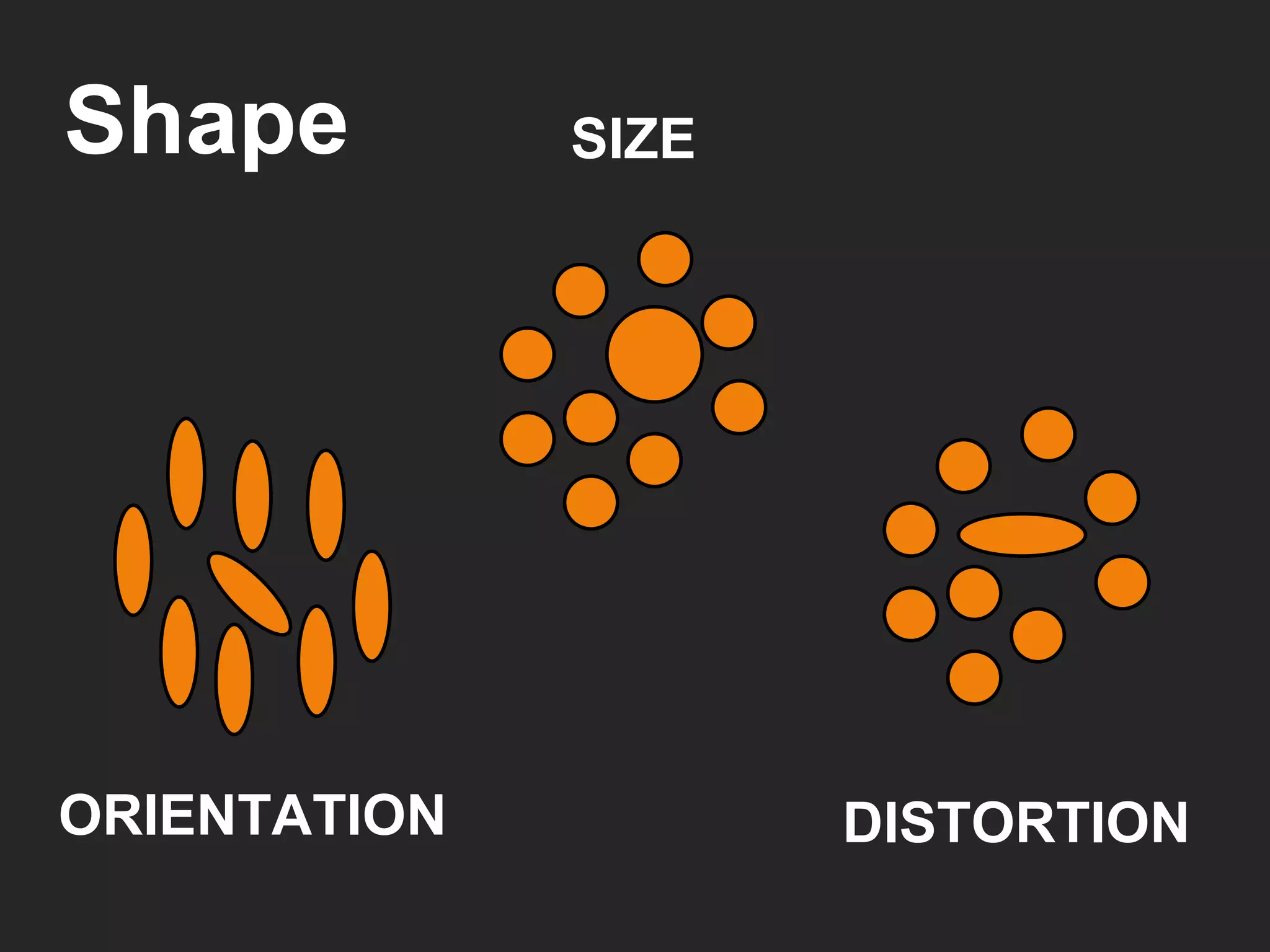
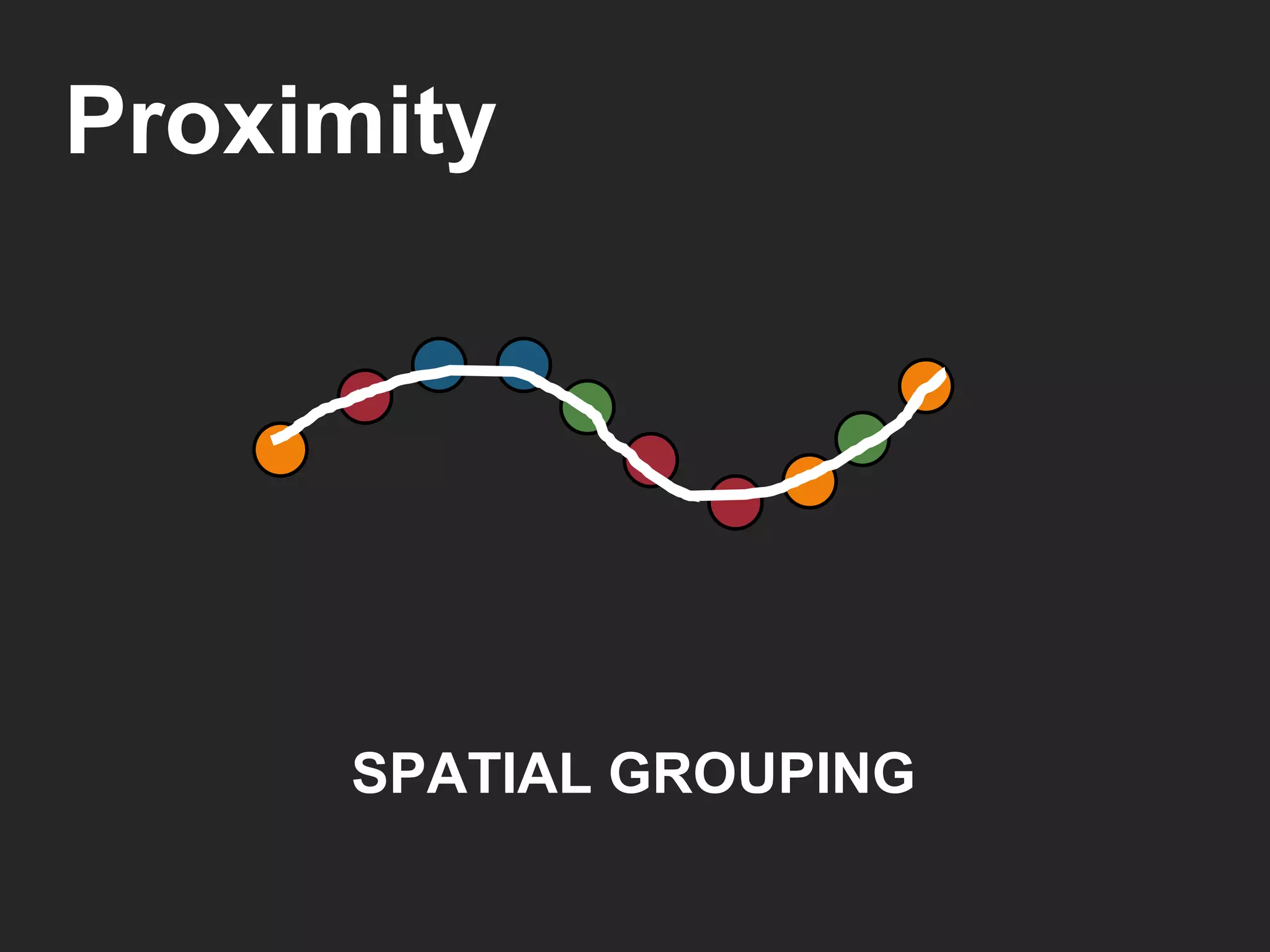
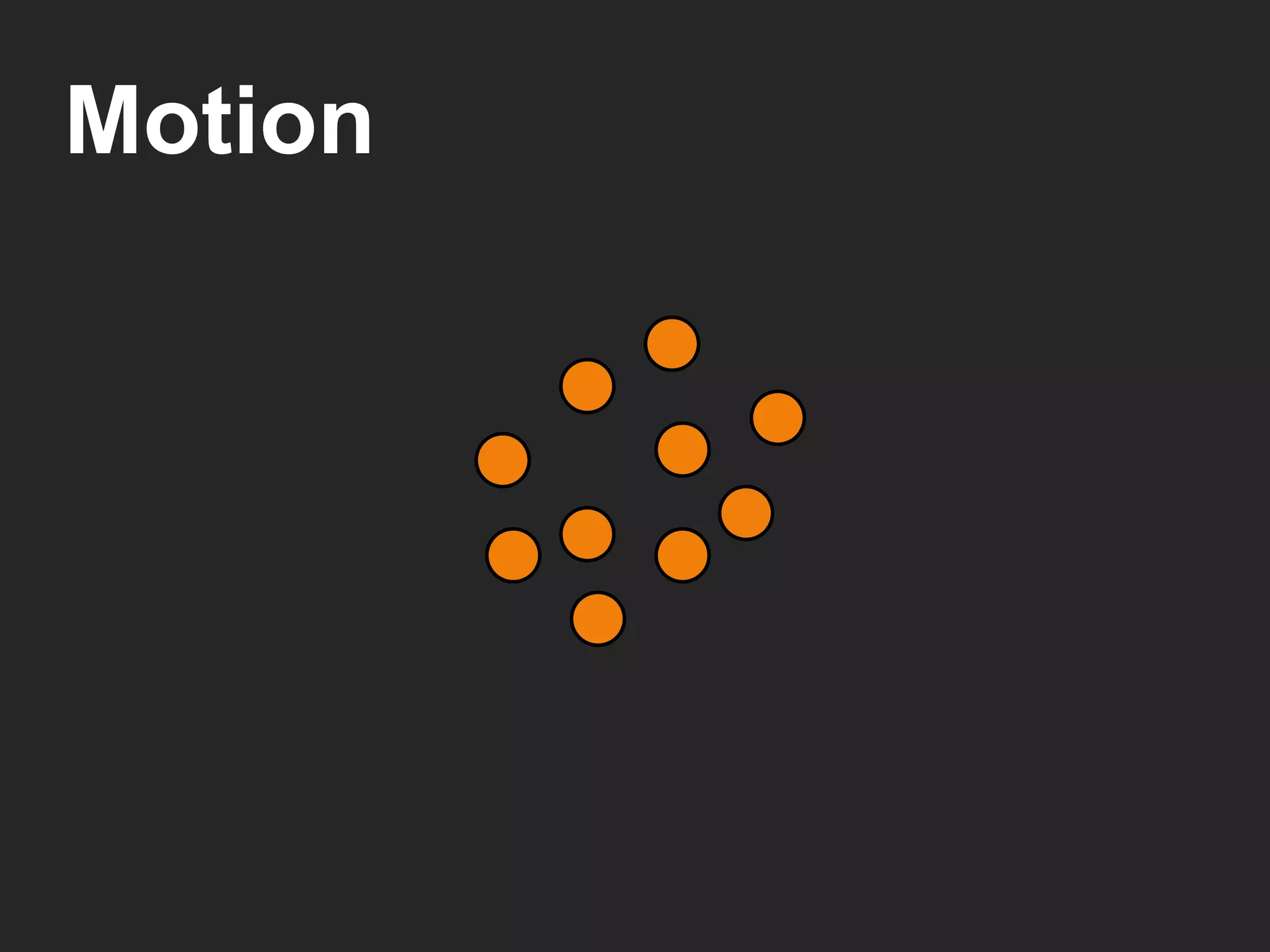
4 Pop-out Channels Colour Proximity Motion Shape
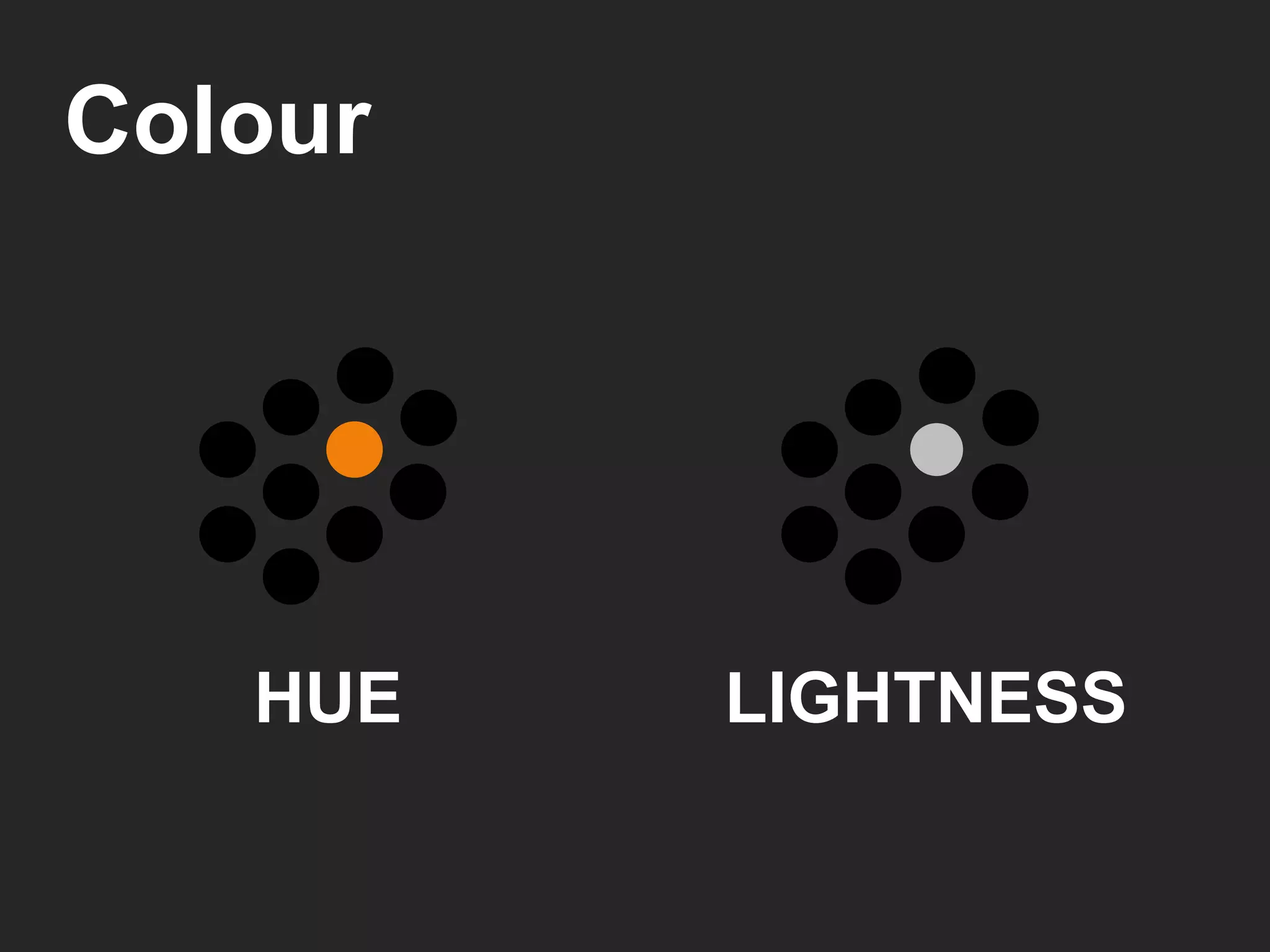
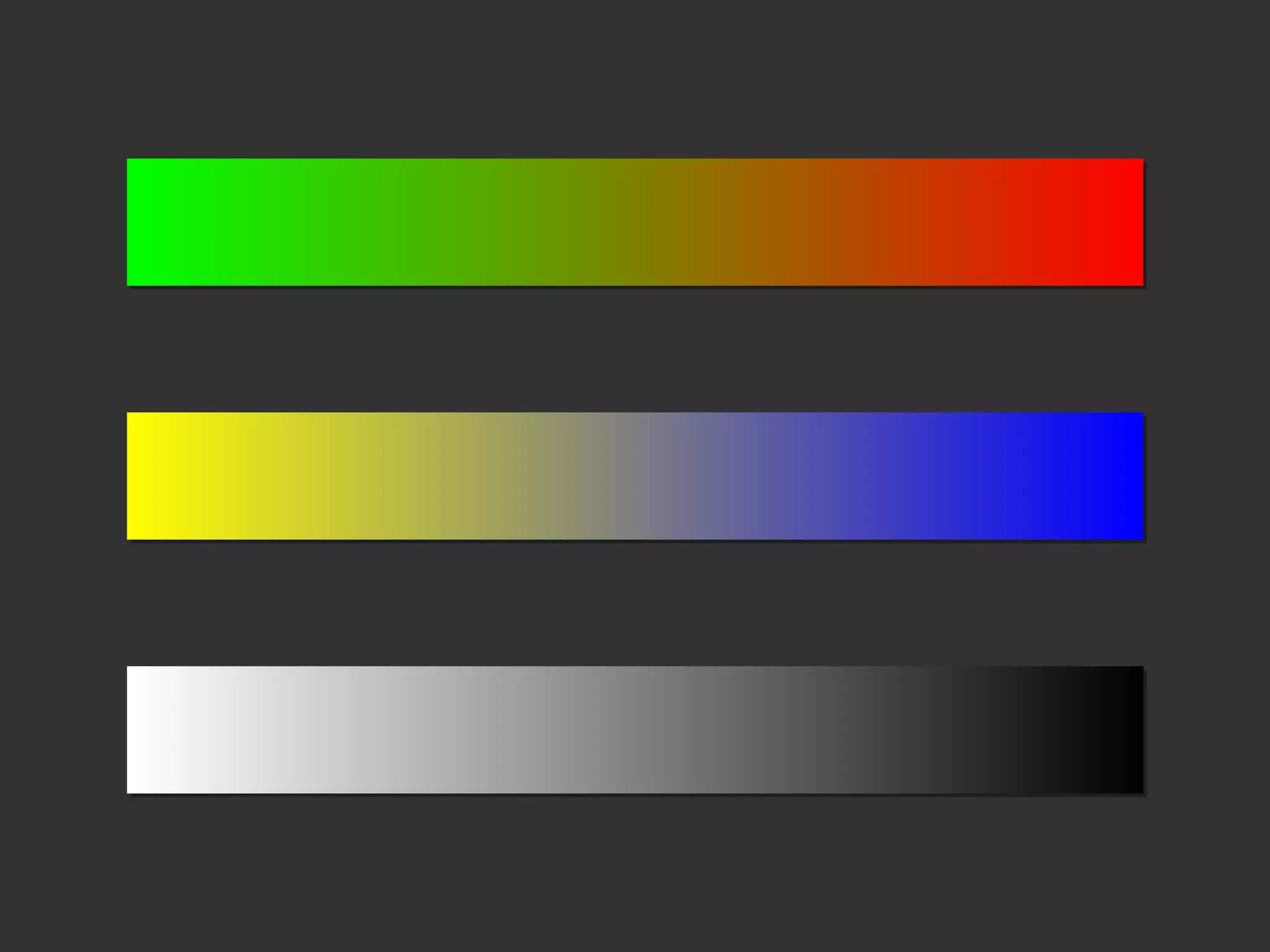
Colour HUE LIGHTNESS
Photo: Woodlywonderworks (Flickr)
Photo: Pink Sherbet Photography (Flickr)
 
 
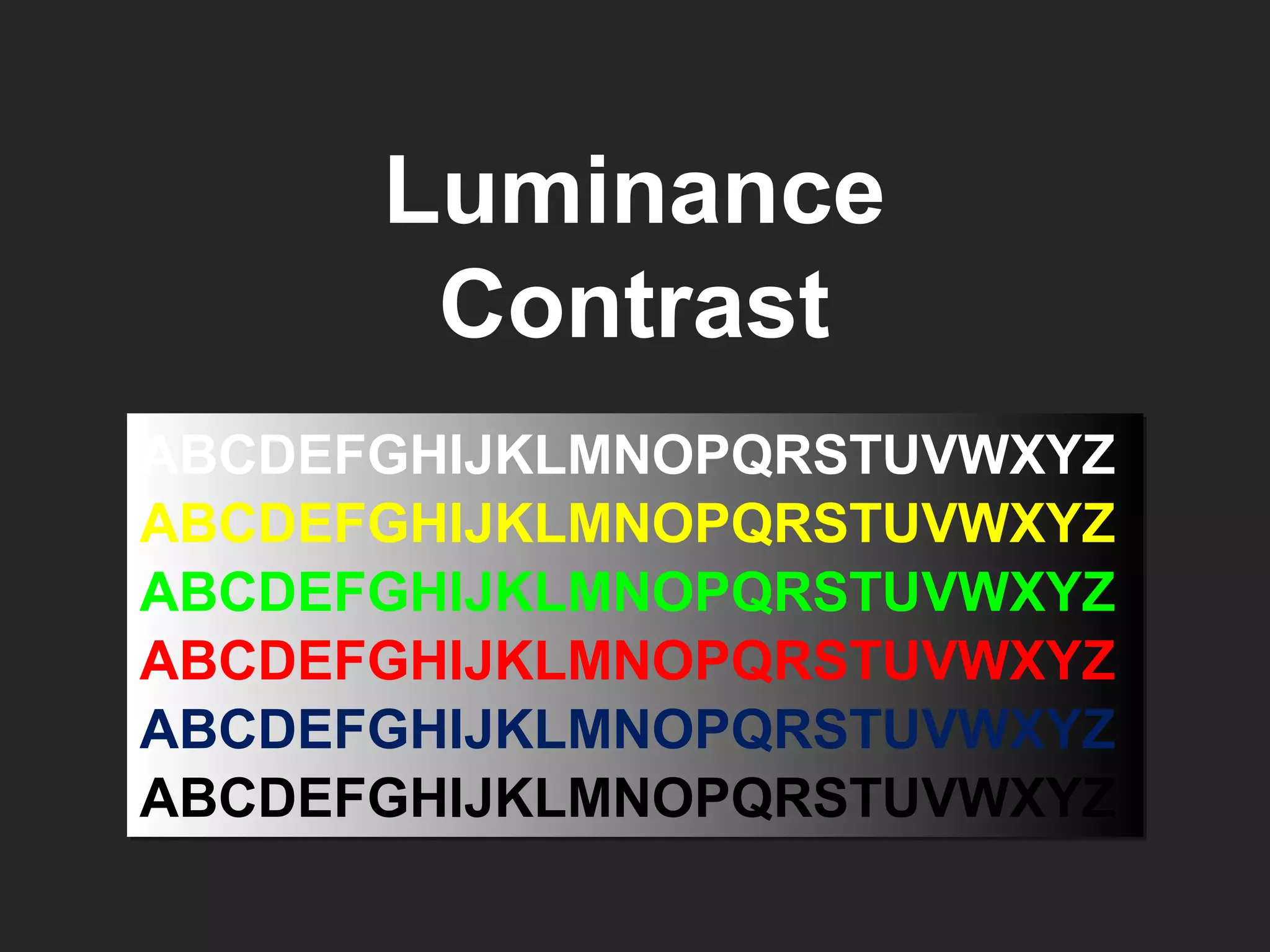
Luminance Contrast ABCDEFGHIJKLMNOPQRSTUVWXYZ ABCDEFGHIJKLMNOPQRSTUVWXYZ ABCDEFGHIJKLMNOPQRSTUVWXYZ ABCDEFGHIJKLMNOPQRSTUVWXYZ ABCDEFGHIJKLMNOPQRSTUVWXYZ ABCDEFGHIJKLMNOPQRSTUVWXYZ
Ensure highest contrast goes to the  emphasized elements .
Use the strongest hues for the most frequently used elements
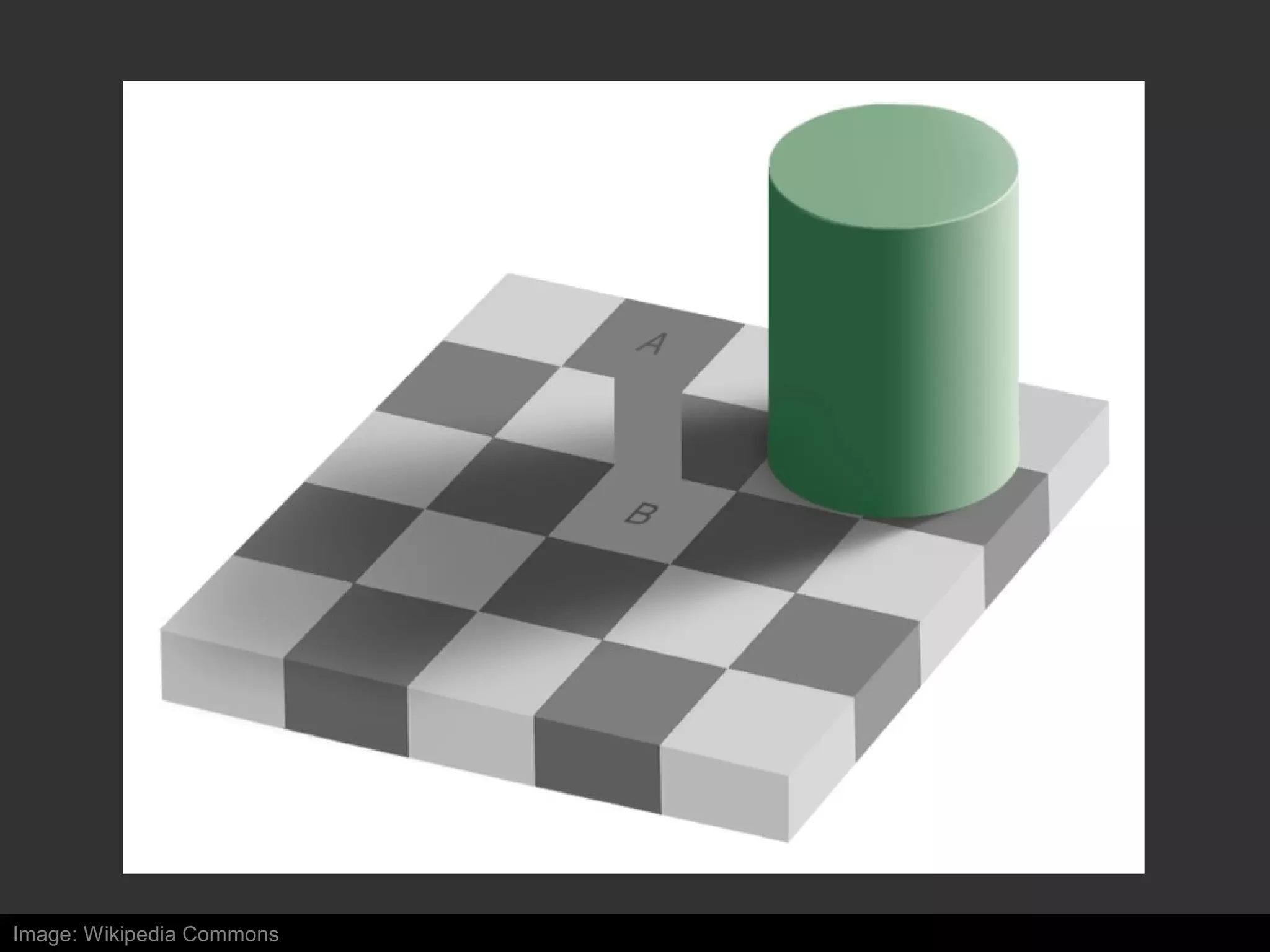
Image: Wikipedia Commons
Shape SIZE ORIENTATION DISTORTION
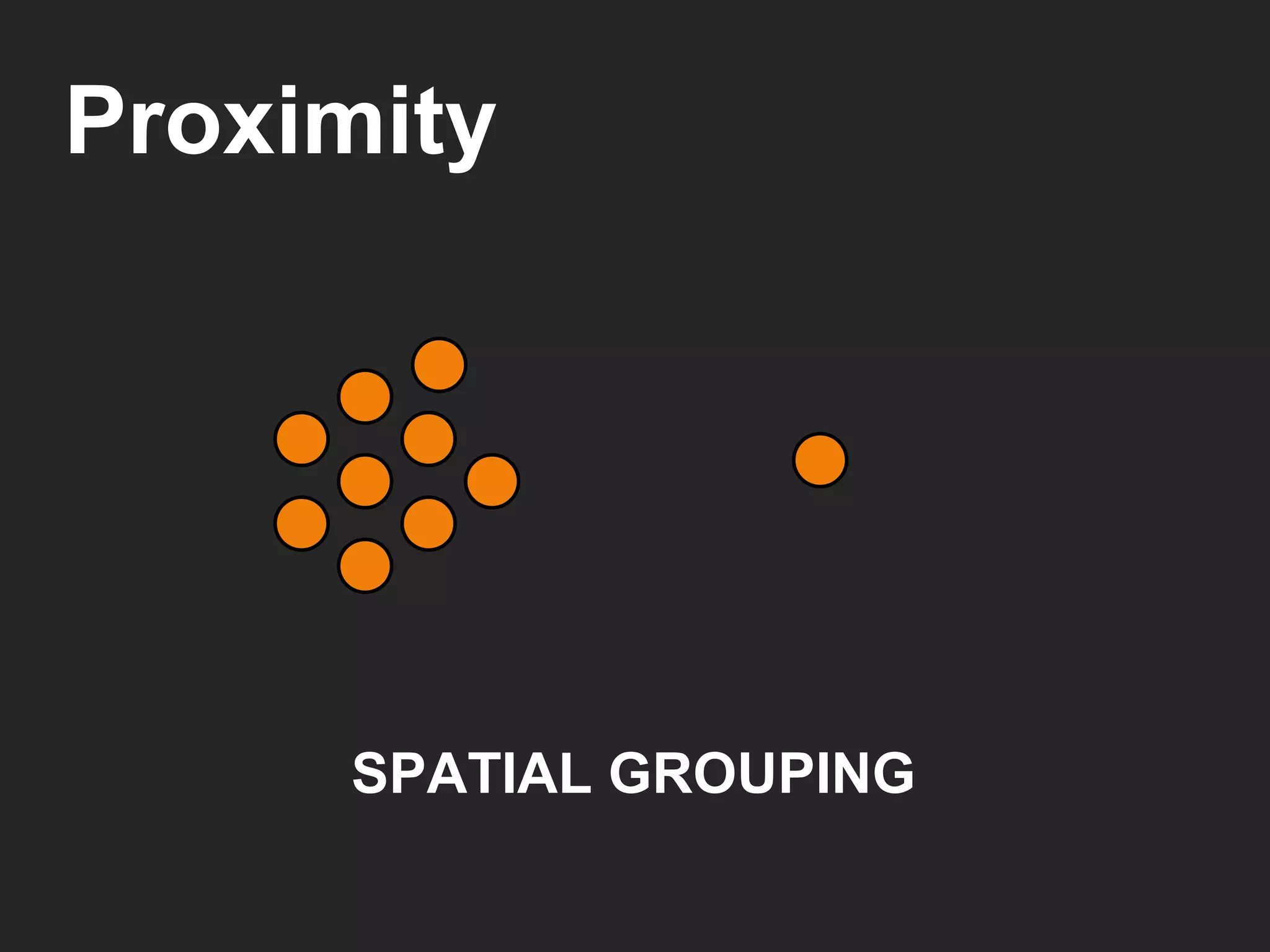
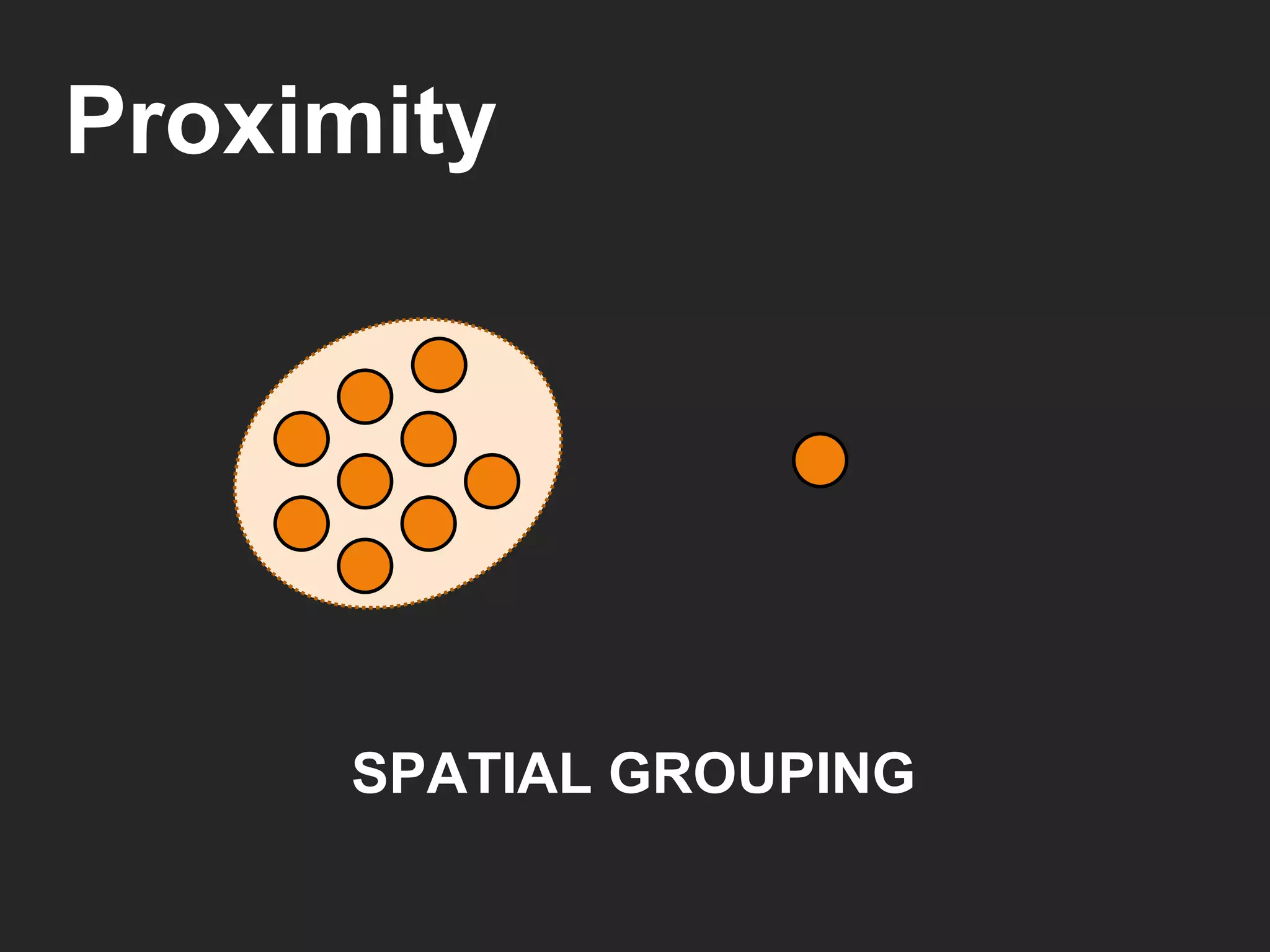
Proximity SPATIAL GROUPING
SPATIAL GROUPING Proximity
Motion
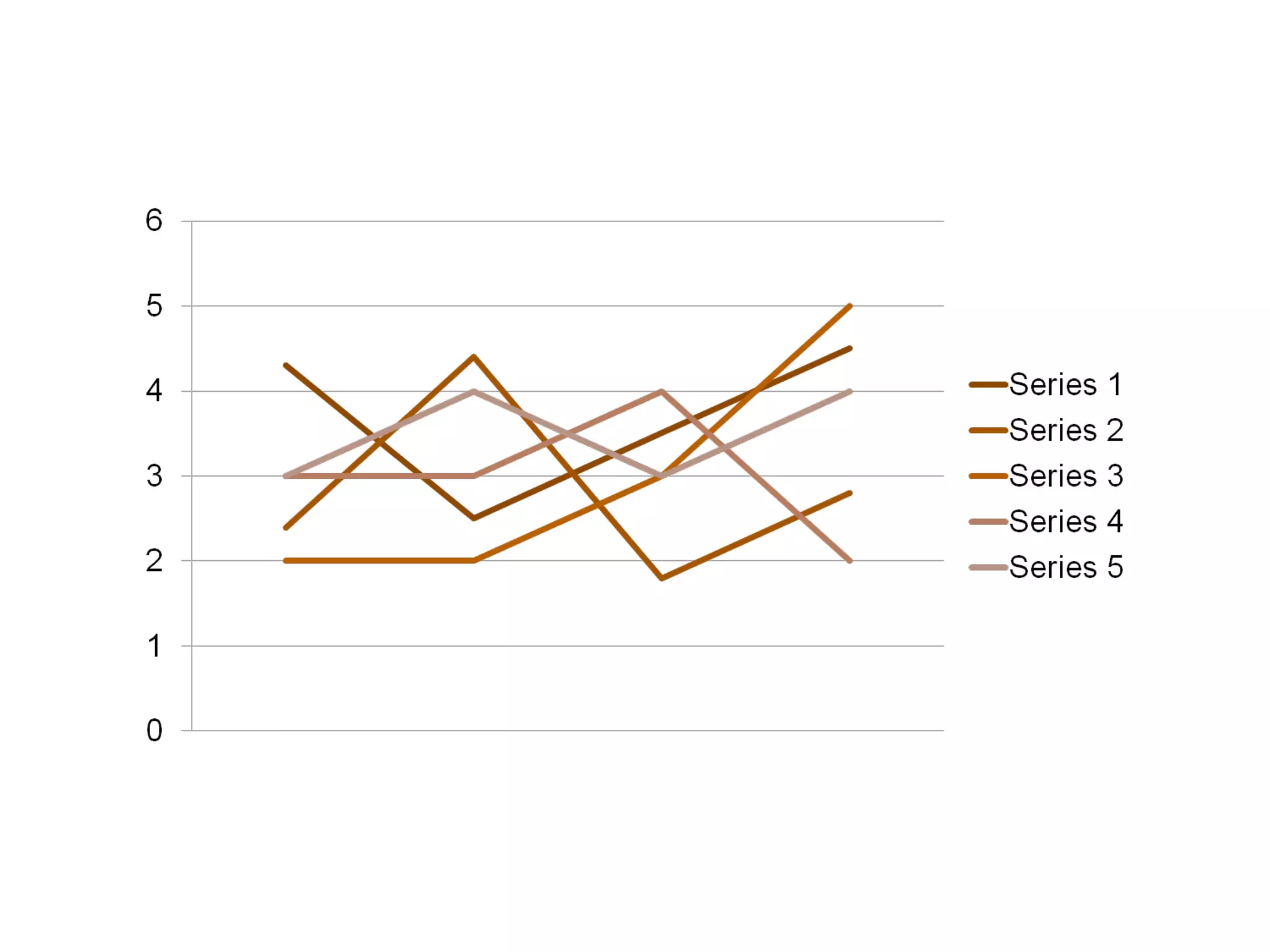
Subtlety is not effective.
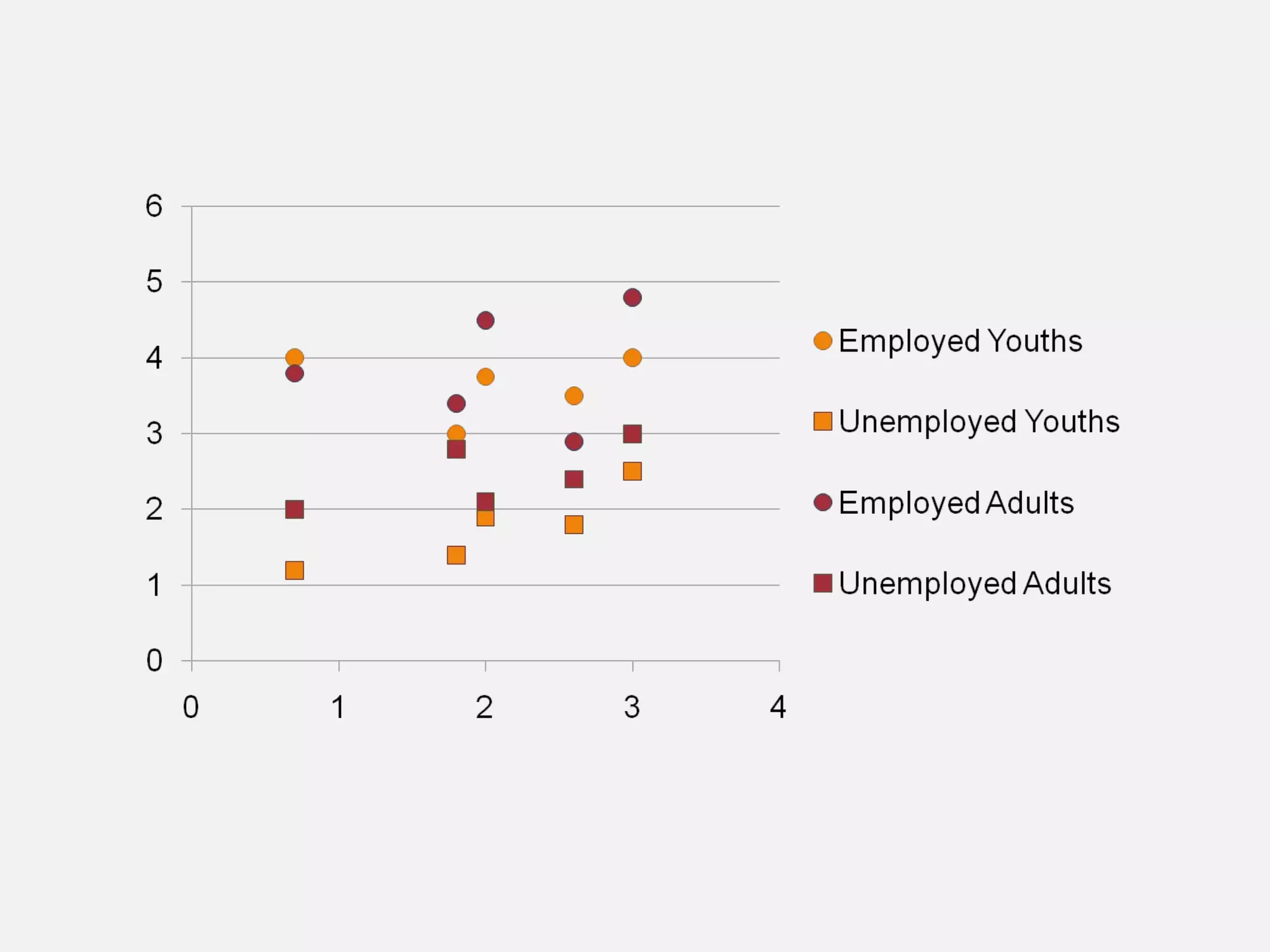
Avoid visual conjunctions
 
That said… Channels can be layered
 
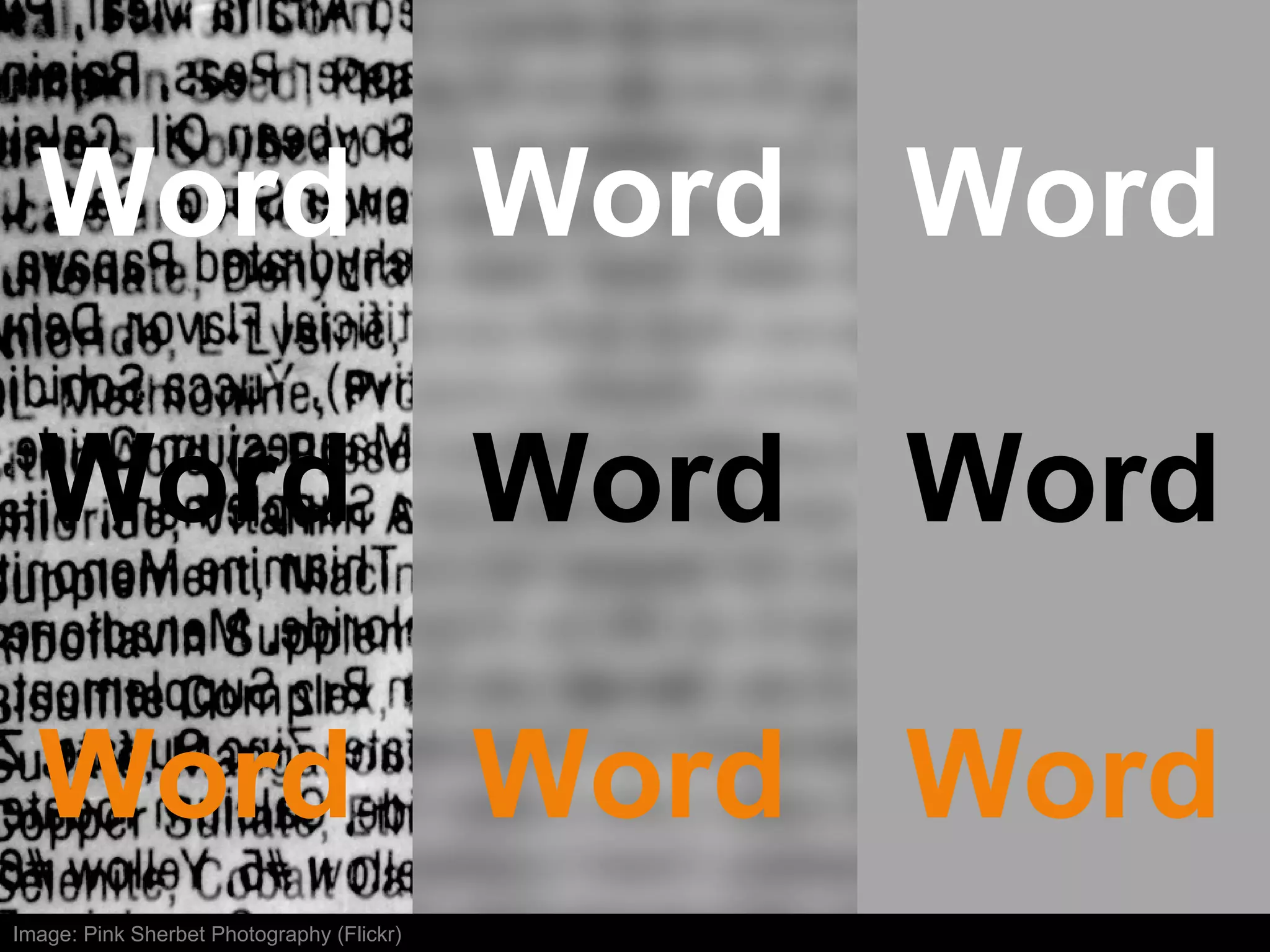
Be aware of  visual interference
Word Word Word Word Word Word Word Word Word Image: Pink Sherbet Photography (Flickr)
Avoid  Multi-Chunk Queries
 
 
Visual Search can be primed / tuned
 
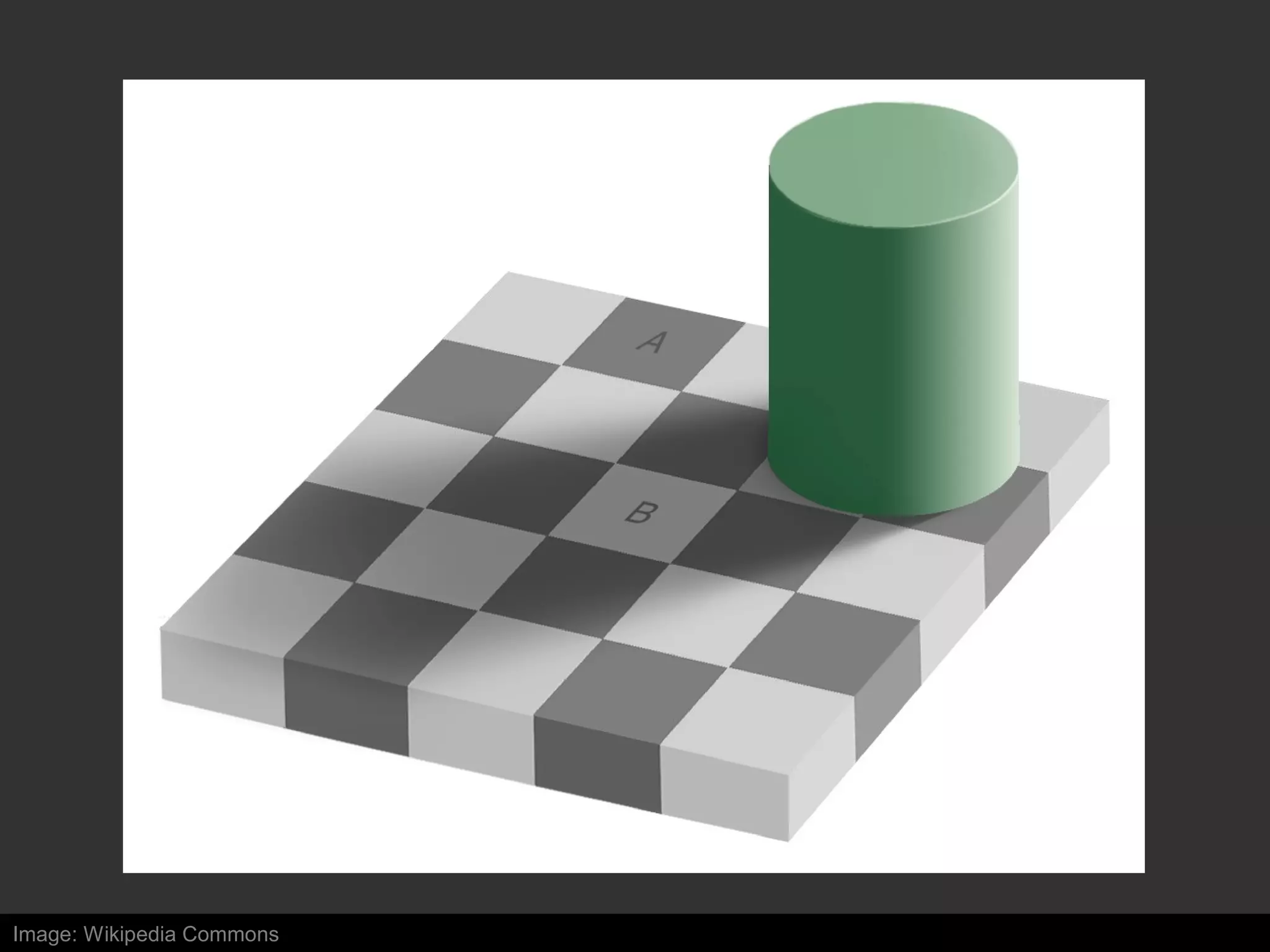
Don’t trust  YOUR eyes.
In Summary
Plan Your Narrative
Consider Your User’s Visual Queries
Design to satisfy those queries as efficiently as possible
Thanks! Web  |  http://ryancoleman.ca Email  |  [email_address] VizThink  |  http://vizthink.com I’ll make the deck, as well as links to suggested follow-up reading available at: http://ryancoleman.ca/fitc09 Twitter  |  @ryancoleman

Designing for Visual Efficiency (FITC09)