FILM DISTRIBUTION
Reshma Odedra
What is it?
• Distribution is the third part of film supply chain and the most
 important part of the film industry as the completed films are
 connected with the audience. Distribution is about releasing and
 sustaining films in the public to gain an overall profit.

• A film distributer acts like an agent to the film production company to
 get the finished product out there. Distribution refers to the marketing
 and circulation of movies in cinemas, and for home viewing such as
 TV, DVD, video on demand and many more.
Distribution Involves
Some ways movies are distributed to the public include:
• Promoting films (Trailers, posters, billboards etc)
• Getting them into the cinema
• On DVD or Blue ray
• Watching on the TV, planes or on IPods etc.
• Spin offs or related products (merchandise, clothing etc)
A successful Hollywood movie can make around $120m from the box
office and can make $60m from distributing dvd‟s. As well as this
merchandising can then generate around $50m and over depending on
the film.
Distribution in the UK
• In the UK distribution is focussed on
 marketing and sustaining a global product in
 local markets.

• The distribution business in the UK have to
 deliver the largest possible audience for
 every film type of genre. This can be a
 challenge as people now use home cinema
 set ups or even dvd or vod. And considering
 the UK cinemas release about 500 titles or
 more every year creates pressure to attract
 audiences to the cinema.

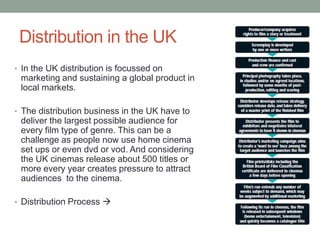
• Distribution Process 
Releasing Patterns

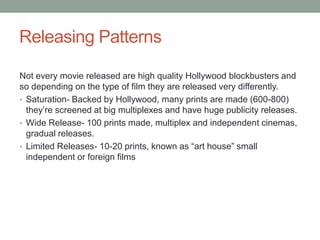
Not every movie released are high quality Hollywood blockbusters and
so depending on the type of film they are released very differently.
• Saturation- Backed by Hollywood, many prints are made (600-800)
  they‟re screened at big multiplexes and have huge publicity releases.
• Wide Release- 100 prints made, multiplex and independent cinemas,
  gradual releases.
• Limited Releases- 10-20 prints, known as “art house” small
  independent or foreign films
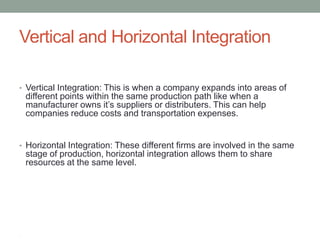
Vertical and Horizontal Integration

• Vertical Integration: This is when a company expands into areas of
    different points within the same production path like when a
    manufacturer owns it‟s suppliers or distributers. This can help
    companies reduce costs and transportation expenses.


• Horizontal Integration: These different firms are involved in the same
    stage of production, horizontal integration allows them to share
    resources at the same level.


•
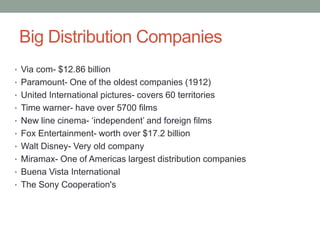
Big Distribution Companies
• Via com- $12.86 billion
• Paramount- One of the oldest companies (1912)
• United International pictures- covers 60 territories
• Time warner- have over 5700 films
• New line cinema- „independent‟ and foreign films
• Fox Entertainment- worth over $17.2 billion
• Walt Disney- Very old company
• Miramax- One of Americas largest distribution companies
• Buena Vista International
• The Sony Cooperation's

Film distribution

  • 1.
  • 2.
    What is it? •Distribution is the third part of film supply chain and the most important part of the film industry as the completed films are connected with the audience. Distribution is about releasing and sustaining films in the public to gain an overall profit. • A film distributer acts like an agent to the film production company to get the finished product out there. Distribution refers to the marketing and circulation of movies in cinemas, and for home viewing such as TV, DVD, video on demand and many more.
  • 3.
    Distribution Involves Some waysmovies are distributed to the public include: • Promoting films (Trailers, posters, billboards etc) • Getting them into the cinema • On DVD or Blue ray • Watching on the TV, planes or on IPods etc. • Spin offs or related products (merchandise, clothing etc) A successful Hollywood movie can make around $120m from the box office and can make $60m from distributing dvd‟s. As well as this merchandising can then generate around $50m and over depending on the film.
  • 4.
    Distribution in theUK • In the UK distribution is focussed on marketing and sustaining a global product in local markets. • The distribution business in the UK have to deliver the largest possible audience for every film type of genre. This can be a challenge as people now use home cinema set ups or even dvd or vod. And considering the UK cinemas release about 500 titles or more every year creates pressure to attract audiences to the cinema. • Distribution Process 
  • 5.
    Releasing Patterns Not everymovie released are high quality Hollywood blockbusters and so depending on the type of film they are released very differently. • Saturation- Backed by Hollywood, many prints are made (600-800) they‟re screened at big multiplexes and have huge publicity releases. • Wide Release- 100 prints made, multiplex and independent cinemas, gradual releases. • Limited Releases- 10-20 prints, known as “art house” small independent or foreign films
  • 6.
    Vertical and HorizontalIntegration • Vertical Integration: This is when a company expands into areas of different points within the same production path like when a manufacturer owns it‟s suppliers or distributers. This can help companies reduce costs and transportation expenses. • Horizontal Integration: These different firms are involved in the same stage of production, horizontal integration allows them to share resources at the same level. •
  • 7.
    Big Distribution Companies •Via com- $12.86 billion • Paramount- One of the oldest companies (1912) • United International pictures- covers 60 territories • Time warner- have over 5700 films • New line cinema- „independent‟ and foreign films • Fox Entertainment- worth over $17.2 billion • Walt Disney- Very old company • Miramax- One of Americas largest distribution companies • Buena Vista International • The Sony Cooperation's