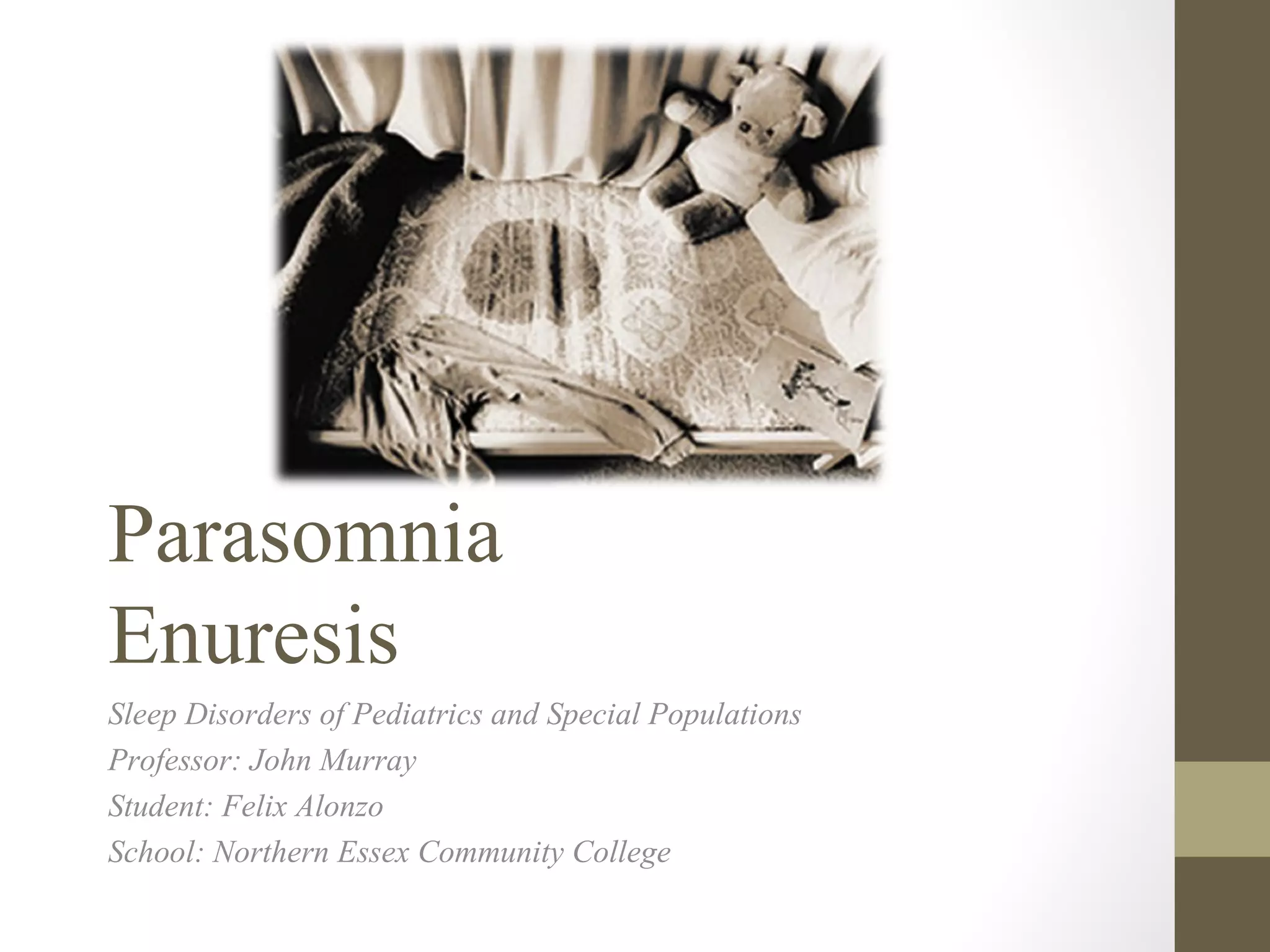

Parasomnia
Enuresis
Sleep Disorders of Pediatrics and Special Populations
Professor: John Murray
Student: Felix Alonzo
School: Northern Essex Community College
Table of Content
• Definition
• Etiology, Causes
• Evaluation
• Treatment
• Age related treatment
(Table of Content (continue
Stats •
Age Stats Graph •
Gender Stats Graph •
Conclusion •
Reference •
Definition
Enuresis: The involuntary release of urine from •
the bladder. Nocturnal enuresis refers to wetting
the bed during sleep. This usually occurs during
.stage N3 in the first third of the night
Etiology, Causes
Anatomic problems •
Diabetes insipidus •
Diabetes mellitus •
Endocrine dysfunction •
Child abuse •
Drinking habits •
(Etiology, Causes (continue
Urinary tract infection •
Spinal cord abnormalities with associated neurogenic •
bladder
Ectopic ureter in females •
Posterior urethral valves in males •
Psychiatric symptoms •
Evaluation
• History: check family history of enuresis, check patient
sleeping patterns, check patterns of when the patient wets
the bed, patient medical condition, does the patient
urinate during the day, how often the patient uses the
bathroom during the day.
(Evaluation (continue
• Physical Examination: Perform a complete
examination, focus on the urogenital, neurologic and
gastrointestinal system. Palpate bladder, look for signs
of sexual abuse, look for signs of mouth breathing
because it might indicate sleep apnea, it might indicate
hypertrophy.
(Evaluation (continue
Laboratory/Imaging Studies: Have urinalysis of a clean •
catch midstream urine specimen done on the patient, to
rule out diabetes or diabetes mellitus. Urine culture to
.see if there is a urinary tract infection
Treatment
• Patient needs to be willing to get treatment or be
motivated, and acceptance.
• Support from family is important.
• Generate a treatment plan that fits the patient age group.
• Building the patient self-esteem.
• Develop a copying mechanism.
(Treatment (continue
Pharmacotherapy: Drugs used to treat enuresis, for •
example, Imipramine, Desmopressin (DDAVP), and
.Oxybutynin
(Treatment (continue
Imipramine: Tricyclic antidepressant that’s used for •
. treatment of enuresis
DDAVP: Synthetic analog of arginine vasopressin, it •
.increases water reabsorption
Oxybutynin: Anticholinergic and antispasmodic drug •
that has a role in reducing uninhibited bladder
.contractions
(Treatment (continue
• Behavioral Therapy: The use of an alarm system to
wake the patient up at a specific time. Hypnotherapy
maybe implemented, teaching patient and family.
• Motivational Therapy: Educating family about enuresis,
giving printed handouts with instructions on how to
manage the condition. Positive reinforcement, rewards.
Age related treatments
Younger than age 8: Two important things with this age •
.group are, reassurance and education
Ages 8 through 11: Using the alarm system would work •
.best for this age group, and also medication
Ages 12 and older: Aggressive intervention is necessary, •
.the alarm system and or medication
STATS
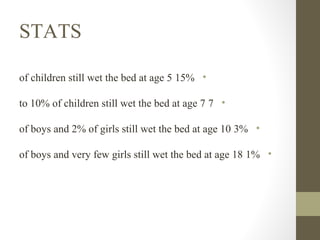
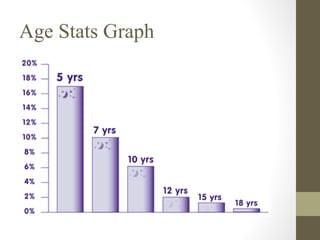
of children still wet the bed at age 5 15% •
to 10% of children still wet the bed at age 7 7 •
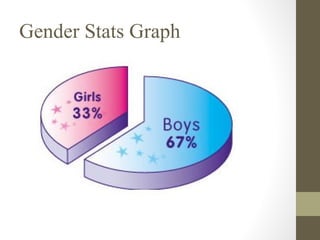
of boys and 2% of girls still wet the bed at age 10 3% •
of boys and very few girls still wet the bed at age 18 1% •
Age Stats Graph
Gender Stats Graph
Conclusion
Enuresis or bedwetting can have a big impact on every
aspect of that person life. One must learn to identify the
problem and treat it appropriately according to the age
group. The most effective way to treat enuresis is probably
the alarm system and with medication.
Reference
Works Cited
Michael R. Lawless, M. a. (2001). Nocturnal Enuresis: Current
.Concepts. Article Urology , 22 (12), 399-406
.Pack, M. a. (2007). Pediatric Parasomnias. Sleep , 30 (2), 147-148
Vicent Iannelli, M. (2008, 11 24). Bedwetting-Bedwetting Statistics.
: Retrieved 2 13, 2014, from About.com Pediatrics
http://pediatrics.about.com/od/bedwetting/a/1108_bedwetting.htm?p=1

Parasomnia Enuresis

  • 1.
    Parasomnia Enuresis Sleep Disorders ofPediatrics and Special Populations Professor: John Murray Student: Felix Alonzo School: Northern Essex Community College
  • 2.
    Table of Content •Definition • Etiology, Causes • Evaluation • Treatment • Age related treatment
  • 3.
    (Table of Content(continue Stats • Age Stats Graph • Gender Stats Graph • Conclusion • Reference •
  • 4.
    Definition Enuresis: The involuntaryrelease of urine from • the bladder. Nocturnal enuresis refers to wetting the bed during sleep. This usually occurs during .stage N3 in the first third of the night
  • 5.
    Etiology, Causes Anatomic problems• Diabetes insipidus • Diabetes mellitus • Endocrine dysfunction • Child abuse • Drinking habits •
  • 6.
    (Etiology, Causes (continue Urinarytract infection • Spinal cord abnormalities with associated neurogenic • bladder Ectopic ureter in females • Posterior urethral valves in males • Psychiatric symptoms •
  • 7.
    Evaluation • History: checkfamily history of enuresis, check patient sleeping patterns, check patterns of when the patient wets the bed, patient medical condition, does the patient urinate during the day, how often the patient uses the bathroom during the day.
  • 8.
    (Evaluation (continue • PhysicalExamination: Perform a complete examination, focus on the urogenital, neurologic and gastrointestinal system. Palpate bladder, look for signs of sexual abuse, look for signs of mouth breathing because it might indicate sleep apnea, it might indicate hypertrophy.
  • 9.
    (Evaluation (continue Laboratory/Imaging Studies:Have urinalysis of a clean • catch midstream urine specimen done on the patient, to rule out diabetes or diabetes mellitus. Urine culture to .see if there is a urinary tract infection
  • 10.
    Treatment • Patient needsto be willing to get treatment or be motivated, and acceptance. • Support from family is important. • Generate a treatment plan that fits the patient age group. • Building the patient self-esteem. • Develop a copying mechanism.
  • 11.
    (Treatment (continue Pharmacotherapy: Drugsused to treat enuresis, for • example, Imipramine, Desmopressin (DDAVP), and .Oxybutynin
  • 12.
    (Treatment (continue Imipramine: Tricyclicantidepressant that’s used for • . treatment of enuresis DDAVP: Synthetic analog of arginine vasopressin, it • .increases water reabsorption Oxybutynin: Anticholinergic and antispasmodic drug • that has a role in reducing uninhibited bladder .contractions
  • 13.
    (Treatment (continue • BehavioralTherapy: The use of an alarm system to wake the patient up at a specific time. Hypnotherapy maybe implemented, teaching patient and family. • Motivational Therapy: Educating family about enuresis, giving printed handouts with instructions on how to manage the condition. Positive reinforcement, rewards.
  • 14.
    Age related treatments Youngerthan age 8: Two important things with this age • .group are, reassurance and education Ages 8 through 11: Using the alarm system would work • .best for this age group, and also medication Ages 12 and older: Aggressive intervention is necessary, • .the alarm system and or medication
  • 15.
    STATS of children stillwet the bed at age 5 15% • to 10% of children still wet the bed at age 7 7 • of boys and 2% of girls still wet the bed at age 10 3% • of boys and very few girls still wet the bed at age 18 1% •
  • 16.
  • 17.
  • 18.
    Conclusion Enuresis or bedwettingcan have a big impact on every aspect of that person life. One must learn to identify the problem and treat it appropriately according to the age group. The most effective way to treat enuresis is probably the alarm system and with medication.
  • 19.
    Reference Works Cited Michael R.Lawless, M. a. (2001). Nocturnal Enuresis: Current .Concepts. Article Urology , 22 (12), 399-406 .Pack, M. a. (2007). Pediatric Parasomnias. Sleep , 30 (2), 147-148 Vicent Iannelli, M. (2008, 11 24). Bedwetting-Bedwetting Statistics. : Retrieved 2 13, 2014, from About.com Pediatrics http://pediatrics.about.com/od/bedwetting/a/1108_bedwetting.htm?p=1

Editor's Notes

  • #5 Definition taken from Essentials of Polysomnography a training guide and reference for sleep technicians
  • #16 Sources: Kliegman: Nelson Textbook of Pediatrics, 18th ed. Nocturnal enuresis: behavioral treatments. Nocturnal enuresis: medical management.
  • #20 A quick link of Enuresis, it’s a youtube animation clip. http://www.youtube.com/watch?feature=player_detailpage&v=AuJIXay3JEk