Cardiac Portfolio of Radiant Pharmaceuticals Limited
2021 ESC Guidelines on
cardiovascular disease
prevention in clinical practice
PRESENTED BY:
DR. ASMA AKTER
ASSISTANT REGISTER(CARDIOLOGY),NICVD
SCORE-2 CVD risk prediction algorithm
 It is a new algorithm derived, calibrated, and
validated to predict 10-year risk of first-onset
CVD in European populations-enhances the
identification of individuals at higher risk of
developing CVD across Europe.
NEW RECOMENDATIONS
 Risk factors & clinical conditions:class-1
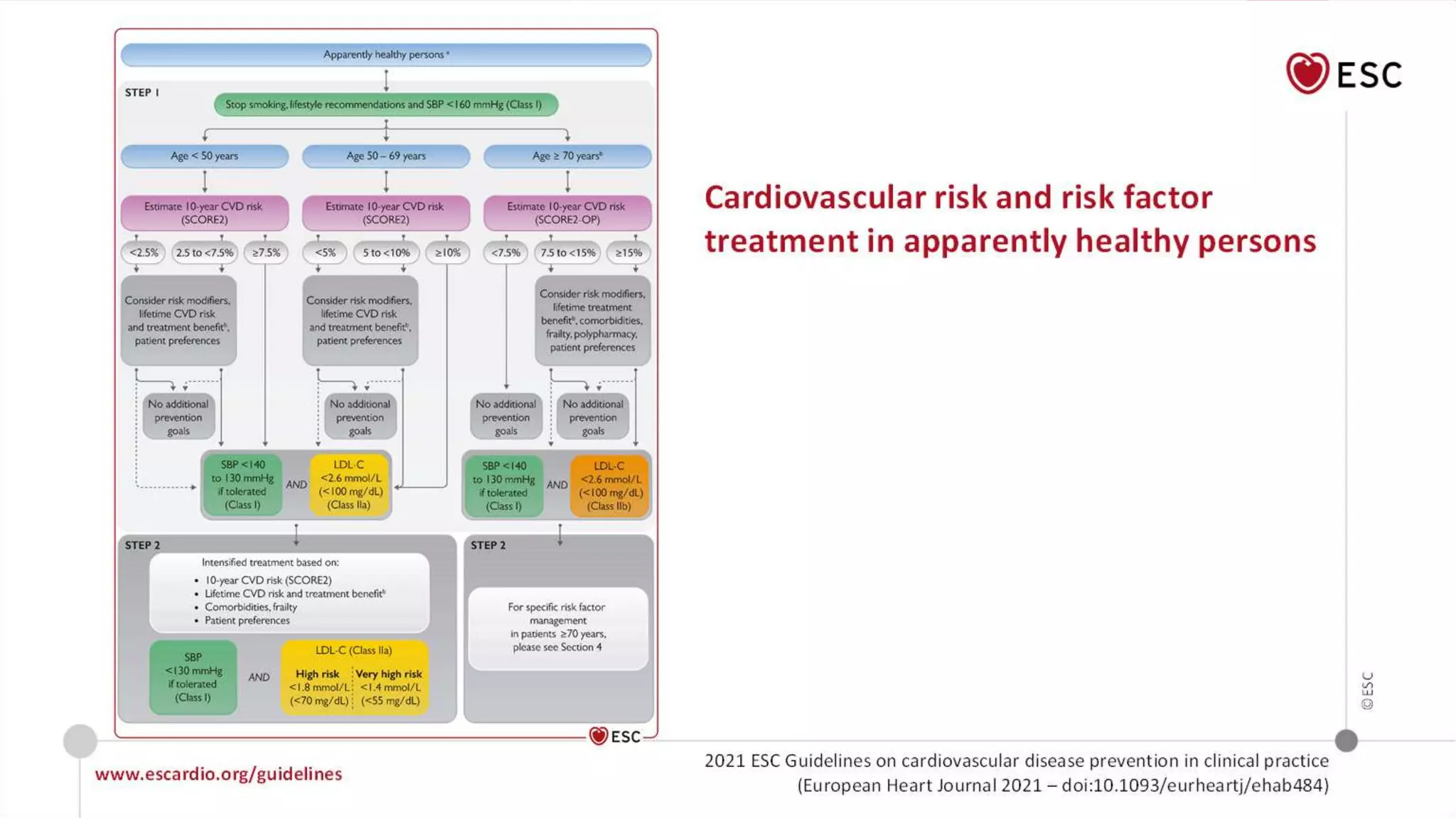
 In apparently healthy people <70 years of age without established ASCVD, DM, CKD, genetic/rarer lipid
or BP disorders, estimation of 10-year fatal and nonfatal CVD risk with SCORE2 is recommended.
 In apparently healthy people >_70 years of age without established ASCVD, DM, CKD, genetic/rarer lipid
or BP disorder, estimation of 10-year fatal and nonfatal CVD risk with SCORE2-OP is recommended.
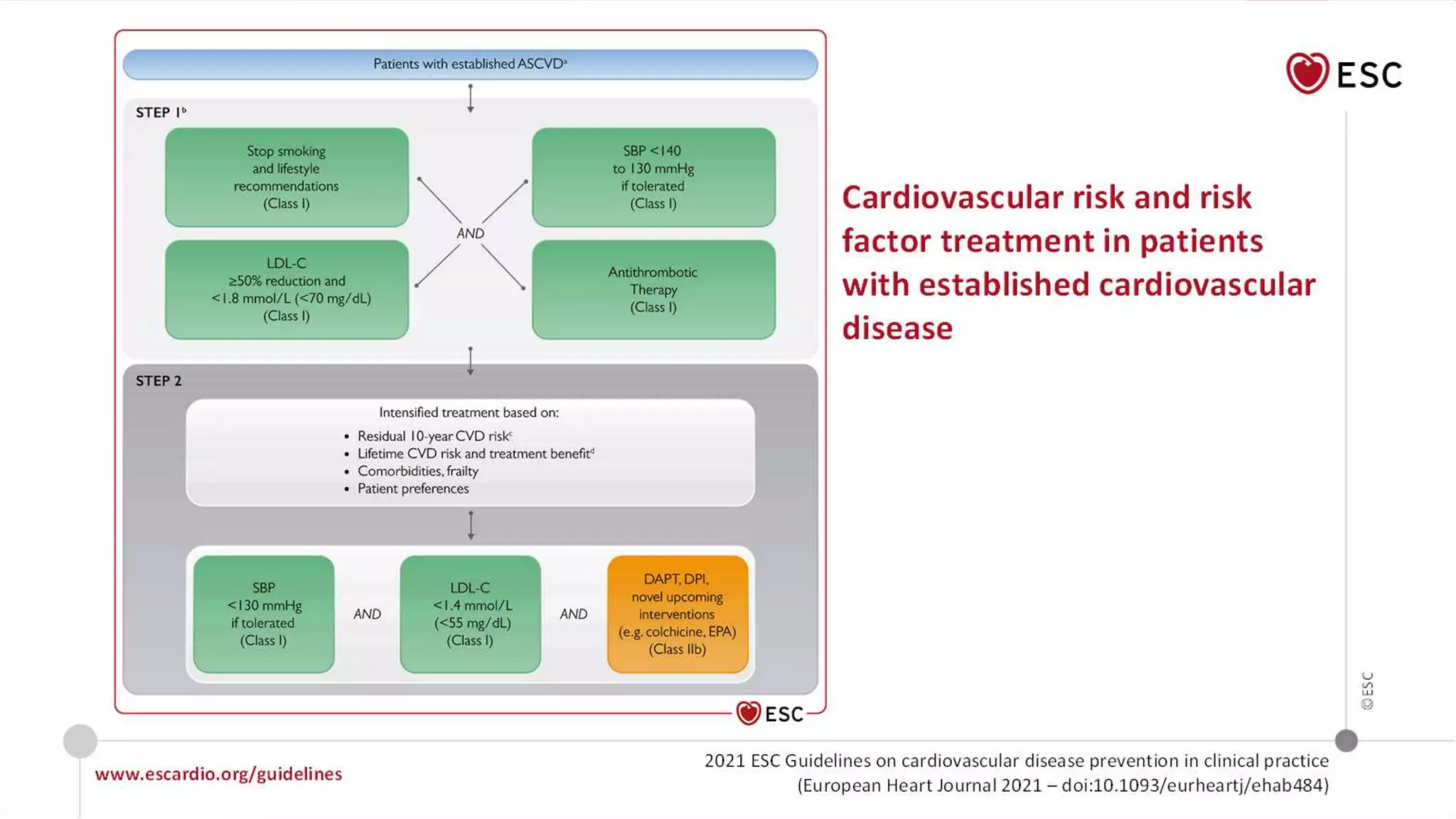
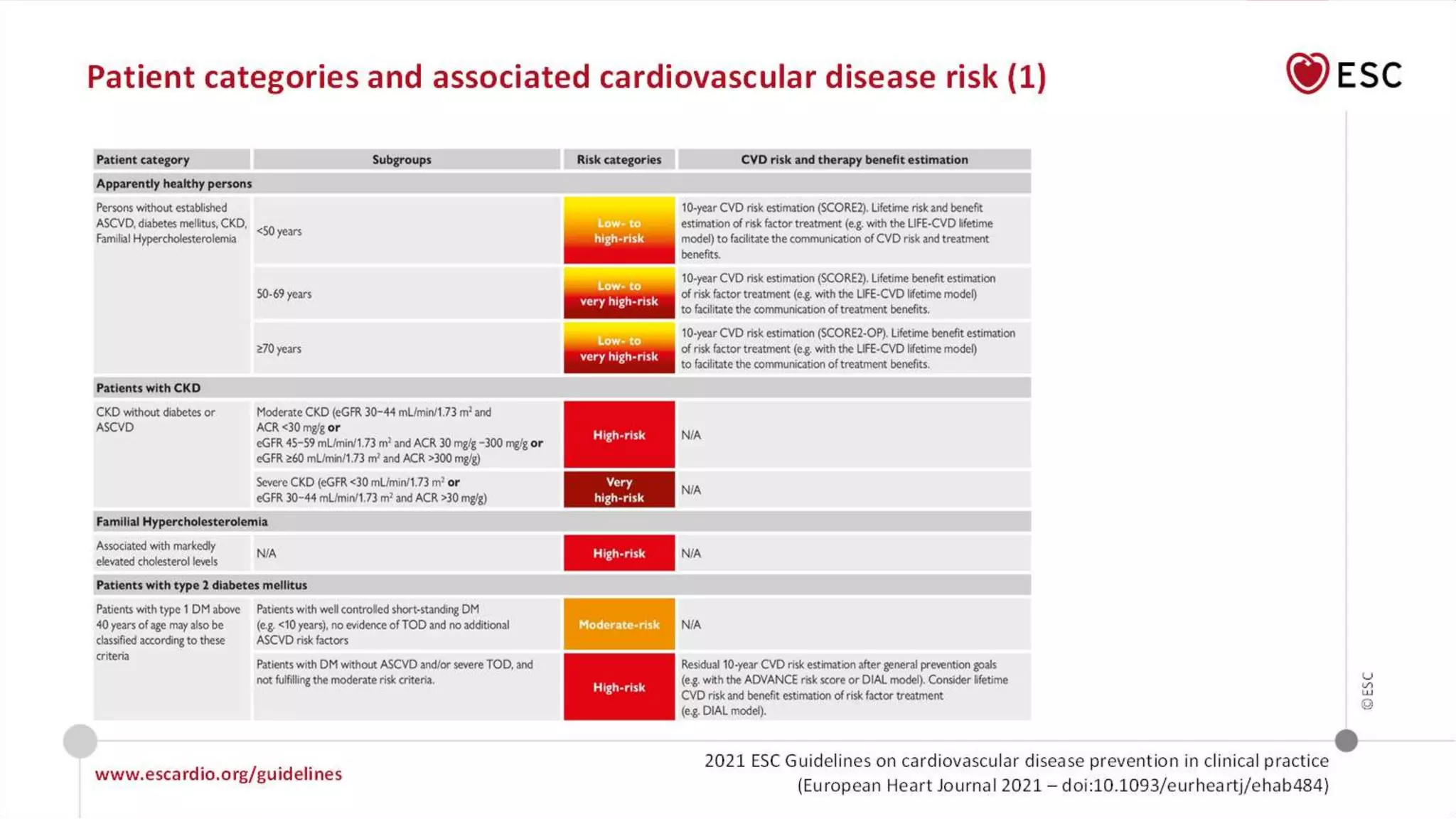
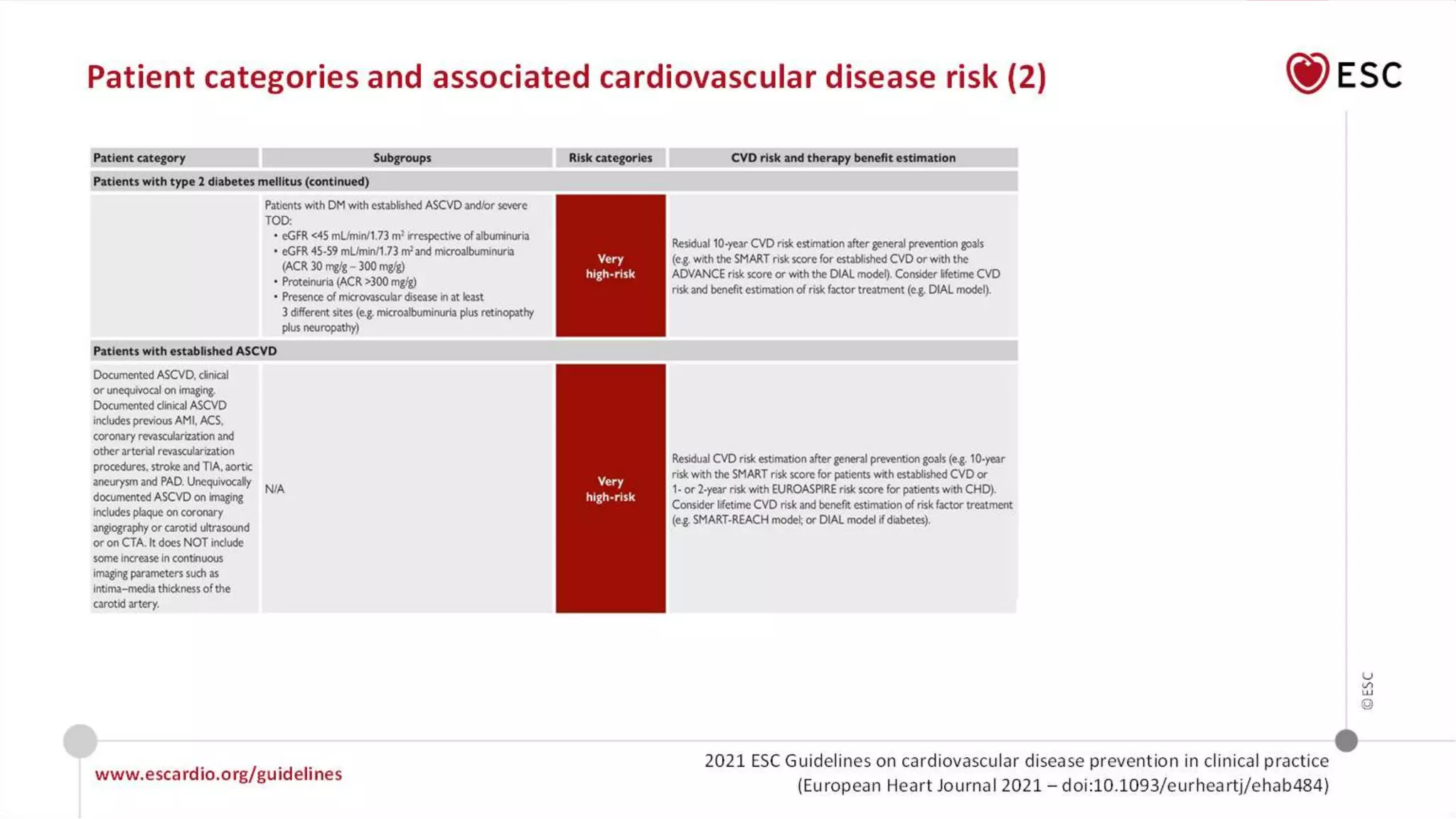
 Patients with established ASCVD and/or DM and/or moderate to-severe renal disease and/or
genetic/rarer lipid or BP disorders are to be considered at high or very high CVD risk.
 A stepwise treatment-intensification approach aiming at intensive risk factor treatment is recommended
for apparently healthy people at high or very high ASCVD risk, as well as patients with established
ASCVD and/or DM, with consideration of CVD risk, treatment benefit of risk factors, risk modifiers,
comorbidities, and patient preferences.
2021 ESC Guidelines on Cardiovascular disease prevention in clinical practice (European Heart journal 2021-doi:10.1093/eurheartj/ehub484)
NEW RECOMMENDATIONS-continue
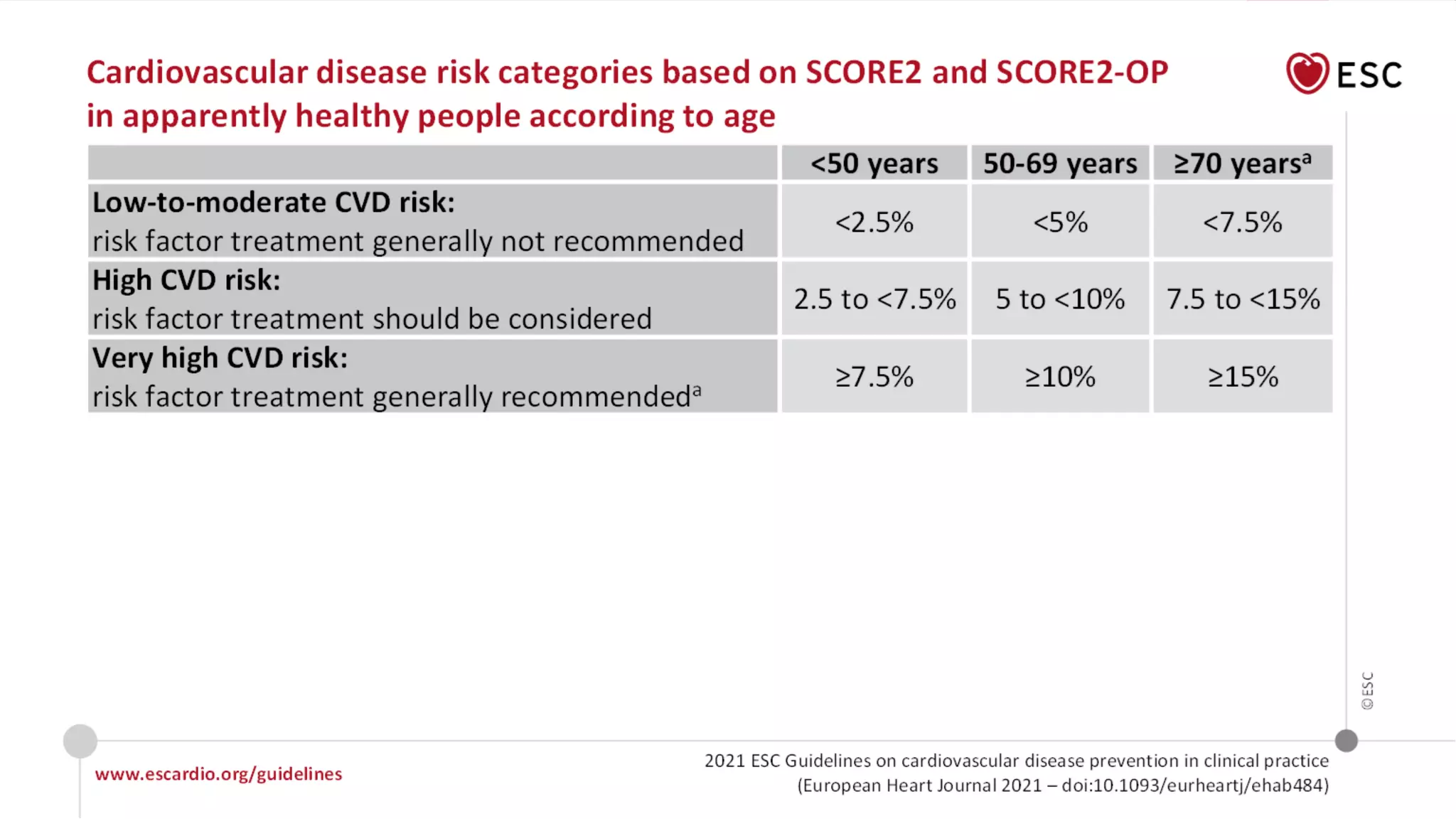
 Treatment of ASCVD risk factors is recommended in apparently healthy people
without DM, CKD, genetic/rarer lipid or BP disorders who are at very high CVD risk
(SCORE2 >_7.5% for age under 50; SCORE2 >_10% for age 50-69; SCORE2-OP >_15%
for age >_70).
 An informed discussion about CVD risk and treatment benefits tailored to the needs
of a patient is recommended.
It is recommended that mental disorders with either significant functional impairment or
decreased use of healthcare systems be considered as influencing.
2021 ESC Guidelines on Cardiovascular disease prevention in clinical practice (European Heart journal 2021-doi:10.1093/eurheartj/ehub484)
NEW RECOMMENDATIONS-continue
 Risk factors & clinical conditions:class-2a
 Treatment of ASCVD risk factors should be considered in apparently healthy people
without DM, CKD, genetic/rarer lipid, or BP disorders who are at high CVD risk
(SCORE2 2.5 to _70 years), taking ASCVD risk modifiers, lifetime risk and treatment
benefit, and patient preferences into account.
 In apparently healthy people, after estimation of 10-year fatal and non-fatal CVD risk,
lifetime risk and treatment benefit, risk modifiers, frailty, polypharmacy, and patient
preferences should be considered.
 Presence of migraine with aura should be considered in CVD risk assessment.
 Assessment of CVD risk should be considered in men with ED.
2021 ESC Guidelines on Cardiovascular disease prevention in clinical practice (European Heart journal 2021-doi:10.1093/eurheartj/ehub484)
NEW RECOMMENDATIONS-continue
 Risk factors & clinical conditions:class-2b
 In women with a history of premature or stillbirth, periodic screening for
hypertension and DM may be considered.
 Assessment of total CVD risk may be considered in adults with chronic
inflammatory conditions.
 Avoidance of combined hormonal contraceptives may be considered in women
with migraine with aura.
2021 ESC Guidelines on Cardiovascular disease prevention in clinical practice (European Heart journal 2021-doi:10.1093/eurheartj/ehub484)
NEW RECOMMENDATIONS-continue
 Risk factors & clinical conditions:class-1
 It is recommended to reduce sedentary time to engage in at least light activity throughout the day to
reduce all-cause and CV mortality and morbidity.
 It is recommended to adopt a Mediterranean or similar diet to lower risk of CVD.
 It is recommended to restrict alcohol consumption to a maximum of 100 g per week.
 It is recommended to eat fish, preferably fatty, at least once a week and restrict (processed) meat.
 Patients with mental disorders need intensified attention and support to improve adherence to lifestyle
changes and drug treatment.
 Smoking cessation is recommended regardless of weight gain, as weight gain does not lessen the ASCVD
benefits of cessation.
2021 ESC Guidelines on Cardiovascular disease prevention in clinical practice (European Heart journal 2021-doi:10.1093/eurheartj/ehub484)
NEW RECOMMENDATIONS-continue
 In patients with established ASCVD, lipid-lowering treatment with an ultimate LDL-C goal of _50% reduction
of LDL-C vs. baseline is recommended.
 For secondary prevention patients not achieving their goals on a maximum tolerated dose of a statin and
ezetimibe, combination therapy including a PCSK9 inhibitor is recommended.
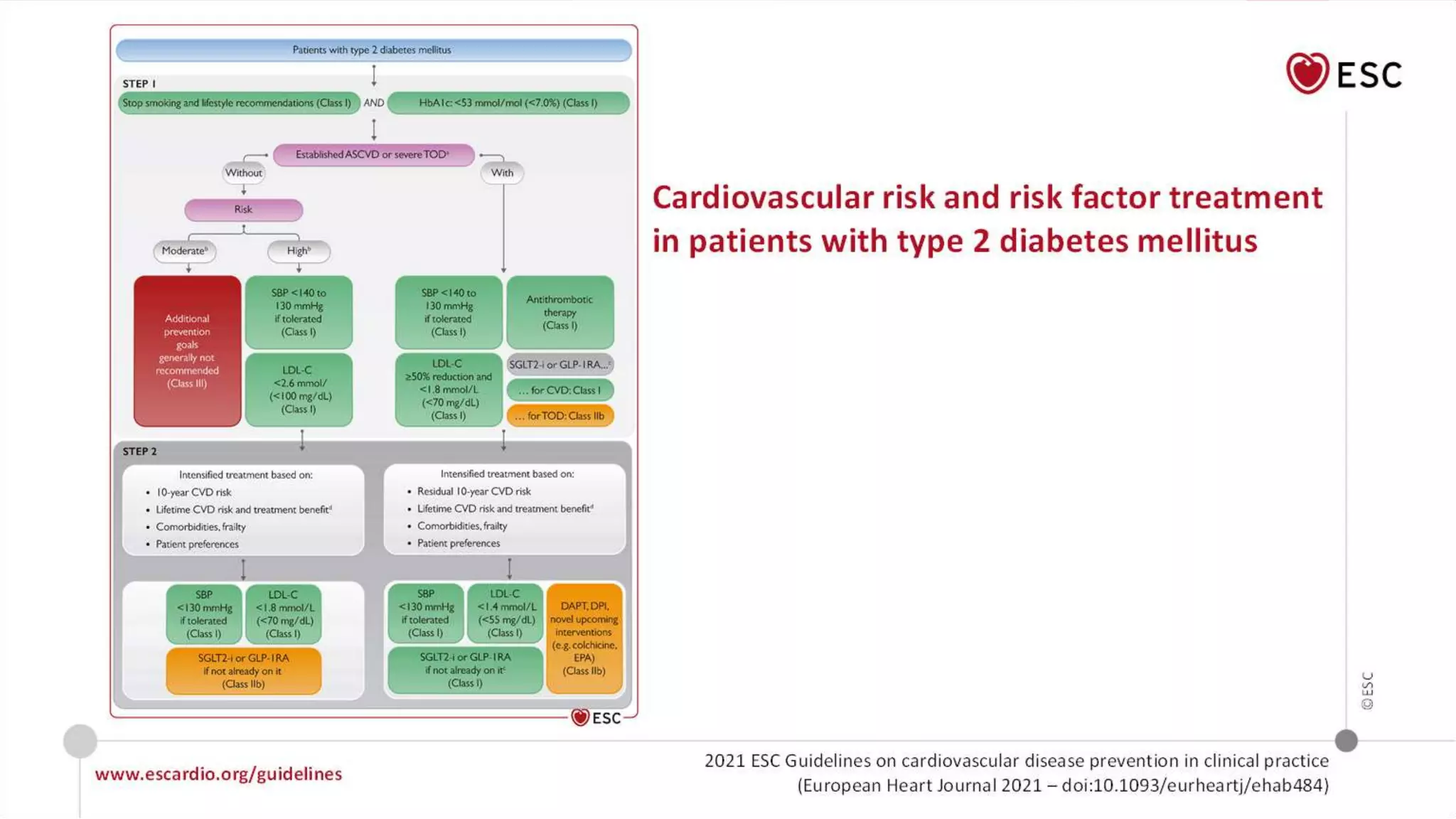
 In patients with type 2 DM at very high risk (e.g. with established ASCVD and/or severe TOD), intensive lipid-
lowering therapy, ultimately aiming at >_50% LDL-C reduction and an LDL-C of <1.4 mmol/L (<55 mg/dL) is
recommended.
 In patients with type 2 DM >40 years of age at high risk, lipid-lowering treatment with an ultimate LDL-C goal
of >_50% LDL-C reduction and an LDL-C of<1.8 mmol/L (70 mg/dL) is recommended .
 It is recommended that the first objective of treatment is to lower BP to <140/90 mmHg in all patients, and
that subsequent BP targets are tailored to age and specific comorbidities.
2021 ESC Guidelines on Cardiovascular disease prevention in clinical practice (European Heart journal 2021-doi:10.1093/eurheartj/ehub484)
NEW RECOMMENDATIONS-continue
 In treated patients aged 18-69 years, it is recommended that SBP should ultimately be lowered to a target range of 120-130
mmHg in most patients.
 In treated patients aged >_70 years, it is recommended that SBP should generally be targeted to <140 and down to 130 mmHg
if tolerated.
 In all treated patients, DBP is recommended to be lowered to <80 mmHg.
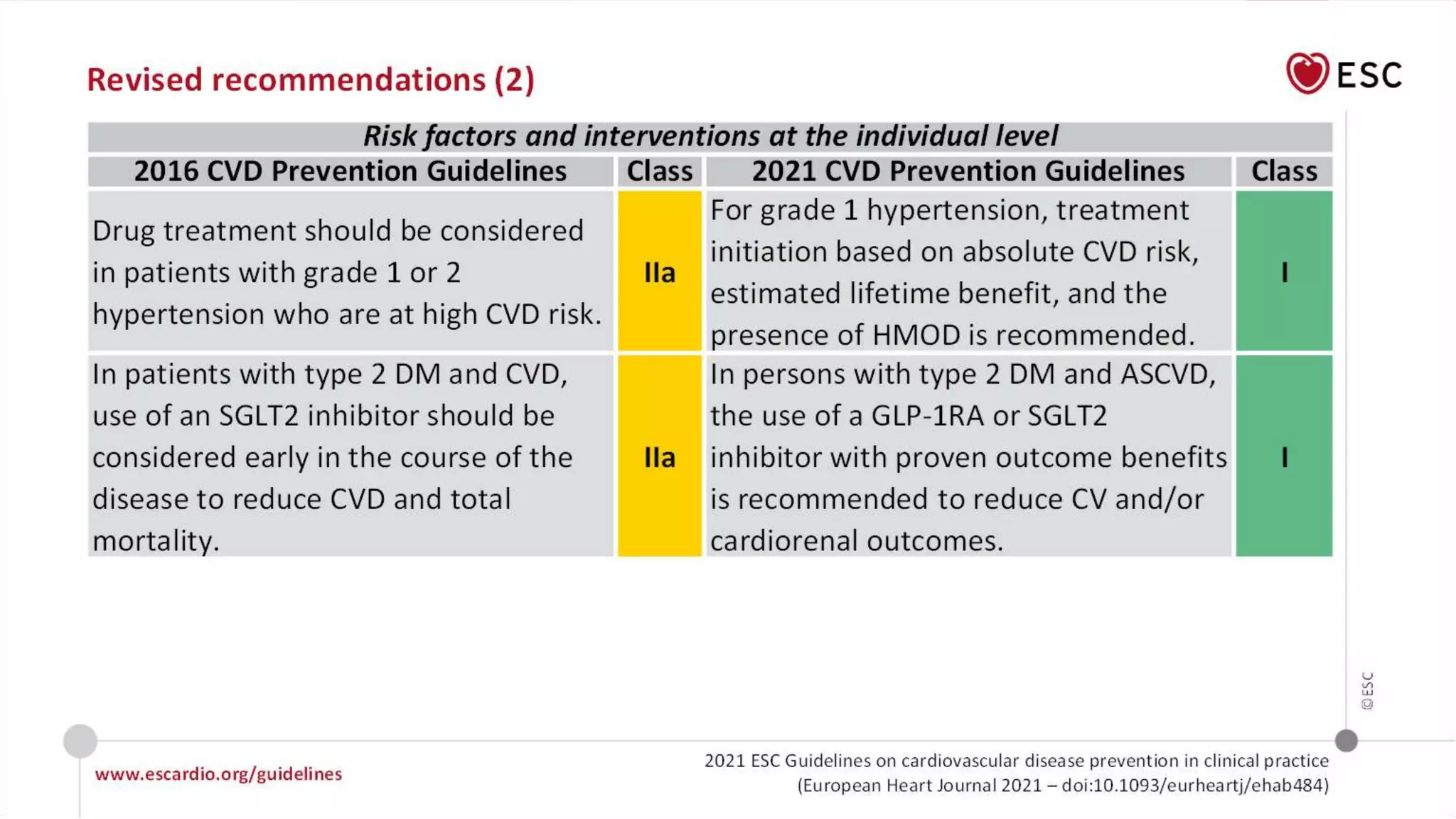
 In persons with type 2 DM and ASCVD, the use of a GLP-1RA or SGLT2 inhibitor with proven outcome benefits is
recommended to reduce CV and/or cardiorenal outcomes.
 In patients with type 2 DM and CKD, the use of an SGLT2 inhibitor is recommended to improve CVD and/or cardiorenal
outcomes.
 In patients with type 2 DM and HFrEF, use of an SGLT2 inhibitor with proven outcome benefits is recommended to lessen HF
hospitalizations and CV death .
 Participation in a medically supervised, structured, comprehensive, multidisciplinary EBCR and prevention programme for
patients after ASCVD events and/or revascularization, and for patients with HF (mainly HFrEF), is recommended to improve
patient outcomes.
2021 ESC Guidelines on Cardiovascular disease prevention in clinical practice (European Heart journal 2021-doi:10.1093/eurheartj/ehub484)
NEW RECOMMENDATIONS-continue
 Risk factors & clinical conditions:class-2a
 Lifestyle interventions, such as group or individual education, behaviour-change techniques,
telephone counselling, and use of consumer-based wearable activity trackers, should be
considered to increase PA participation.
 Bariatric surgery for obese high-risk individuals should be considered when lifestyle change
does not result in maintained weight loss.
 ASCVD patients with stress should be considered for referral to psychotherapeutic stress
management to improve CVD outcomes and reduce stress symptom.
 Patients with CHD and moderate-to-severe major depression should be considered for
antidepressive treatment with an SSRI.
2021 ESC Guidelines on Cardiovascular disease prevention in clinical practice (European Heart journal 2021-doi:10.1093/eurheartj/ehub484)
NEW RECOMMENDATIONS-continue
 An ultimate LDL-C goal of _50% from baseline should be considered in apparently healthy
persons An ultimate LDL-C goal of <1.4 mmol/L (55 mg/dL) and LDL-C reduction of >_50%
from baseline should be considered in apparently healthy persons <70 years at very high
risk.
 An ultimate LDL-C goal of <1.8 mmol/L (70 mg/dL) and LDL-C reduction of >_50% from
baseline should be considered in apparently healthy persons <70 years at high risk.
 For those motivated to try, considerable weight loss with use of low-calorie diets followed
by food reintroduction and weight maintenance phases early after diagnosis can lead to DM
remission and should be considered.
2021 ESC Guidelines on Cardiovascular disease prevention in clinical practice (European Heart journal 2021-doi:10.1093/eurheartj/ehub484)
NEW RECOMMENDATIONS-continue
 Risk factors & clinical conditions:class-2b
 In patients with type 2 DM and TOD, the use of an SGLT2 inhibitor or GLP-1RA with proven outcome benefits may be
considered to reduce future CVD and total mortality.
 For primary prevention patients at very high risk, but without FH, if the LDL-C goal is not achieved on a maximum
tolerated dose of a statin and ezetimibe, combination therapy including a PCSK9 inhibitor may be considered.
 In high-risk (or above) patients with triglycerides >1.5 mmol/L (135 mg/dL) despite statin treatment and lifestyle
measures, n-3 PUFAs (icosapent ethyl 2 X 2 g/day) may be considered in combination with a statin.
 Initiation of statin treatment for primary prevention in older people aged >_70 may be considered, if at high risk or
above.
 Statin therapy may be considered in persons aged <_40 years with type 1 or type 2 DM with evidence of TOD and/or an
LDL-C level >2.6 mmol/L (100 mg/dL), as long as pregnancy is not being planned.
2021 ESC Guidelines on Cardiovascular disease prevention in clinical practice (European Heart journal 2021-doi:10.1093/eurheartj/ehub484)
NEW RECOMMENDATIONS-continue
 In patients with DM at high or very high CVD risk, low-dose aspirin may be considered for primary
prevention in the absence of clear contraindications.
 Home-based CR, telehealth, and mHealth interventions may be considered to increase patient
participation and long-term adherence to healthy behaviour.
 Risk factors & clinical conditions:class-3
 In patients with HF and major depression, SSRIs, SNRIs, and tricyclic antidepressants are not
recommended
 In patients with dialysis-dependent CKD who are free of ASCVD, commencing statin therapy is not
recommended.
2021 ESC Guidelines on Cardiovascular disease prevention in clinical practice (European Heart journal 2021-doi:10.1093/eurheartj/ehub484)
NEW RECOMMENDATIONS-continue
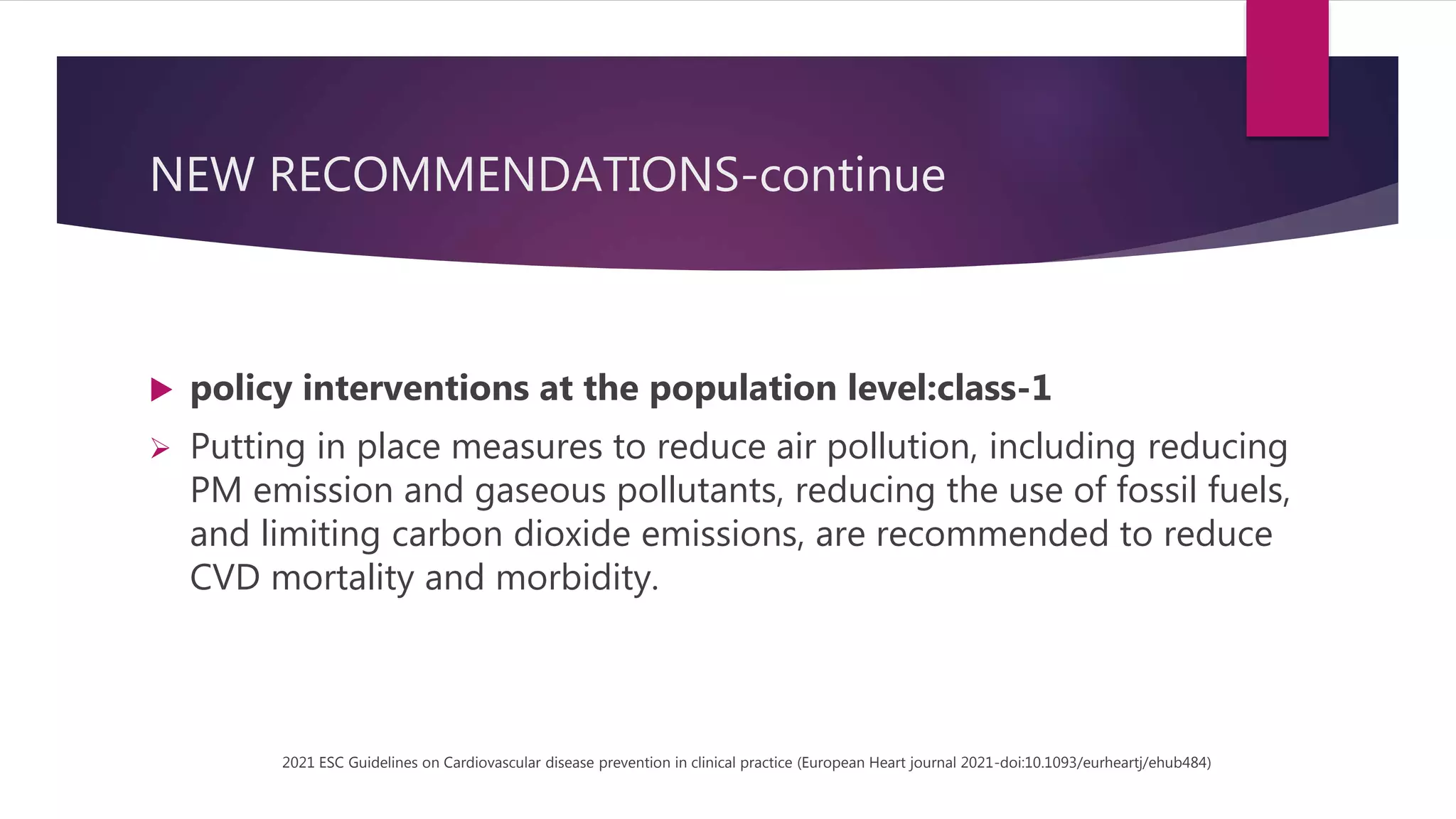
 policy interventions at the population level:class-1
 Putting in place measures to reduce air pollution, including reducing
PM emission and gaseous pollutants, reducing the use of fossil fuels,
and limiting carbon dioxide emissions, are recommended to reduce
CVD mortality and morbidity.
2021 ESC Guidelines on Cardiovascular disease prevention in clinical practice (European Heart journal 2021-doi:10.1093/eurheartj/ehub484)
Risk management of disease-specific
cardiovascular disease
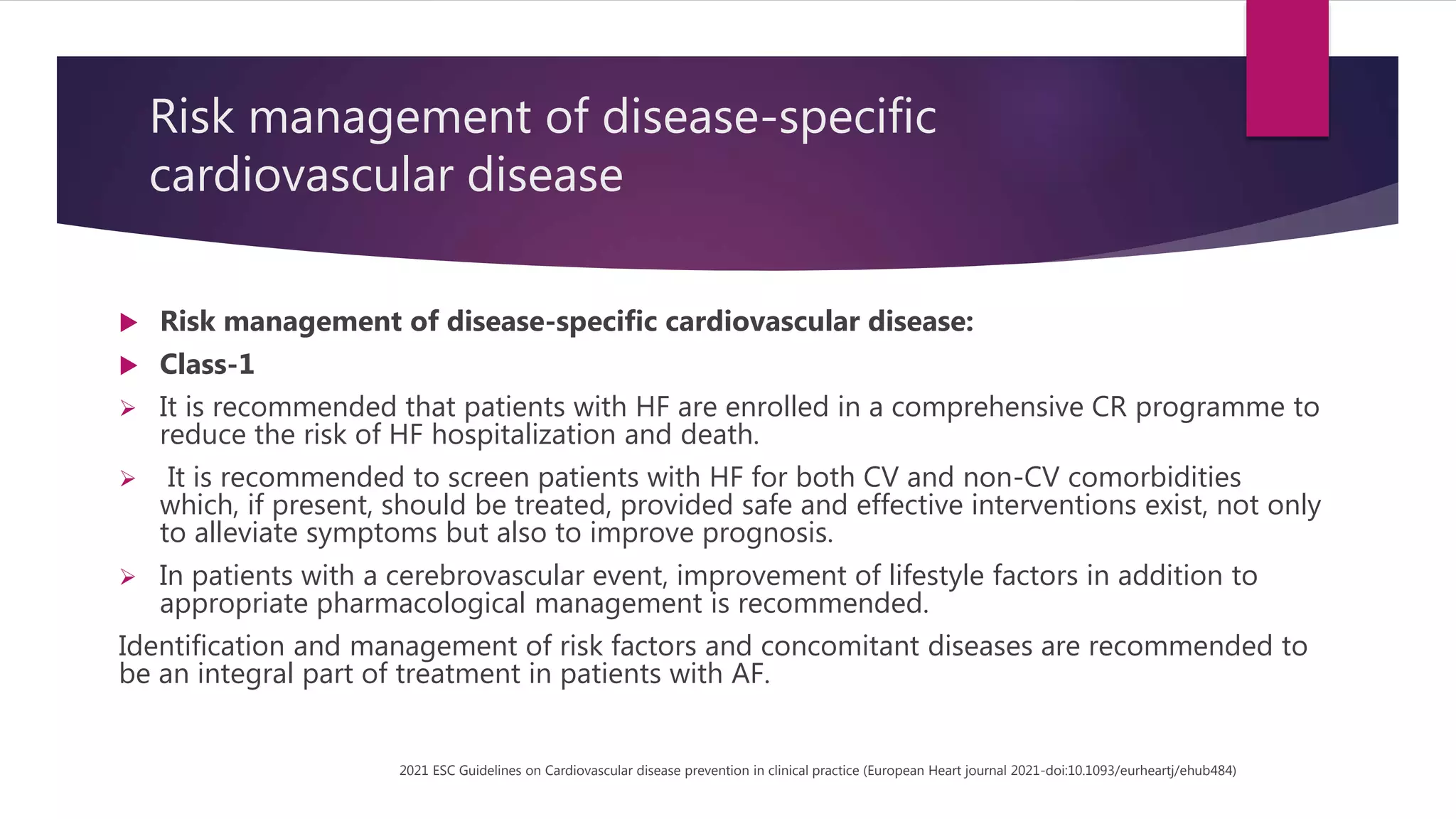
 Risk management of disease-specific cardiovascular disease:
 Class-1
 It is recommended that patients with HF are enrolled in a comprehensive CR programme to
reduce the risk of HF hospitalization and death.
 It is recommended to screen patients with HF for both CV and non-CV comorbidities
which, if present, should be treated, provided safe and effective interventions exist, not only
to alleviate symptoms but also to improve prognosis.
 In patients with a cerebrovascular event, improvement of lifestyle factors in addition to
appropriate pharmacological management is recommended.
Identification and management of risk factors and concomitant diseases are recommended to
be an integral part of treatment in patients with AF.
2021 ESC Guidelines on Cardiovascular disease prevention in clinical practice (European Heart journal 2021-doi:10.1093/eurheartj/ehub484)
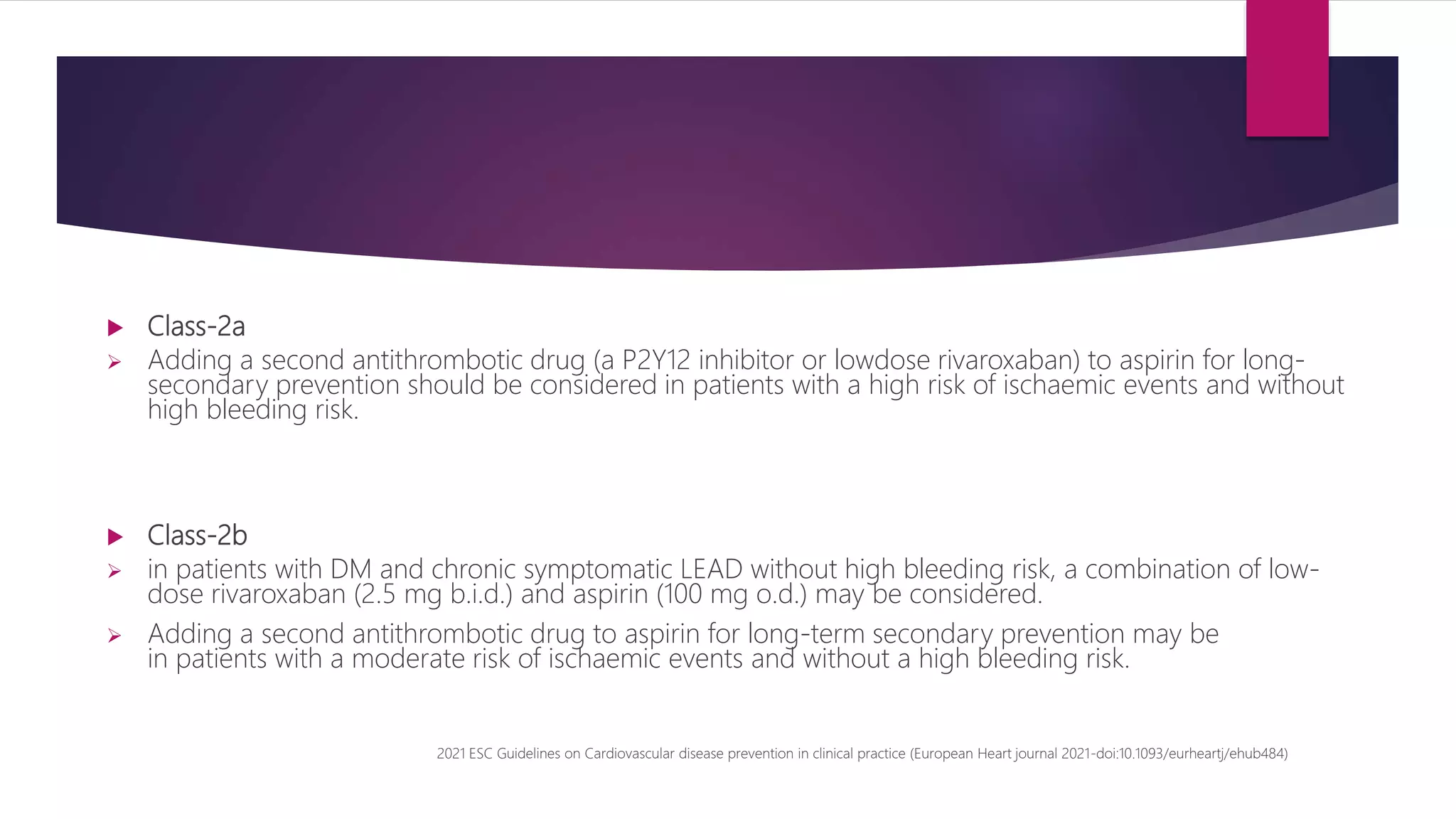
 Class-2a
 Adding a second antithrombotic drug (a P2Y12 inhibitor or lowdose rivaroxaban) to aspirin for long-
secondary prevention should be considered in patients with a high risk of ischaemic events and without
high bleeding risk.
 Class-2b
 in patients with DM and chronic symptomatic LEAD without high bleeding risk, a combination of low-
dose rivaroxaban (2.5 mg b.i.d.) and aspirin (100 mg o.d.) may be considered.
 Adding a second antithrombotic drug to aspirin for long-term secondary prevention may be
in patients with a moderate risk of ischaemic events and without a high bleeding risk.
2021 ESC Guidelines on Cardiovascular disease prevention in clinical practice (European Heart journal 2021-doi:10.1093/eurheartj/ehub484)
Summary of recommendations for the
clinical management of hypertension
 lifestyle interventions: Lifestyle interventions are recommended for people with high-normal BP or
higher.
 drug treatment: It is recommended to initiate antihypertensive treatment with a two-drug
combination in most patients, preferably as a single-pill combination. Exceptions are frail older
patients and those with low-risk, grade 1 hypertension (particularly if SBP<150mmHg.
 It is recommended that the preferred combinations include a RAS blocker (i.e. an ACE inhibitor or
ARB) with a CCB or diuretic, but other combinations of the five major classes can be used (ACE
inhibitor, ARB, beta-blocker, CCB, thiazide/thiazide-like diuretic.)
2021 ESC Guidelines on Cardiovascular disease prevention in clinical practice (European Heart journal 2021-doi:10.1093/eurheartj/ehub484)
Summary of recommendations for the clinical
management of hypertension-continue
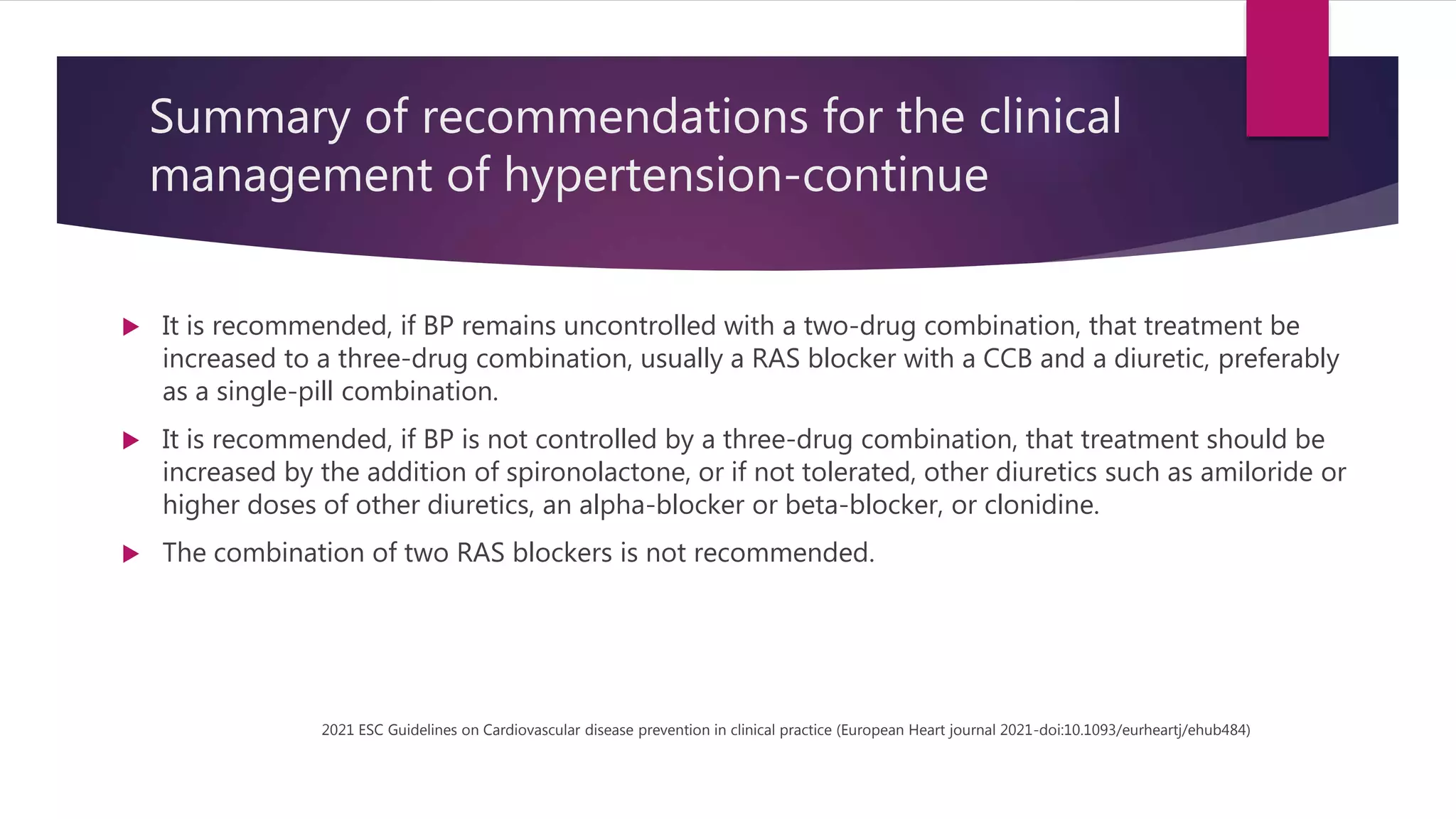
 It is recommended, if BP remains uncontrolled with a two-drug combination, that treatment be
increased to a three-drug combination, usually a RAS blocker with a CCB and a diuretic, preferably
as a single-pill combination.
 It is recommended, if BP is not controlled by a three-drug combination, that treatment should be
increased by the addition of spironolactone, or if not tolerated, other diuretics such as amiloride or
higher doses of other diuretics, an alpha-blocker or beta-blocker, or clonidine.
 The combination of two RAS blockers is not recommended.
2021 ESC Guidelines on Cardiovascular disease prevention in clinical practice (European Heart journal 2021-doi:10.1093/eurheartj/ehub484)
Management of CVD risk in hypertensive
patients
 Statin therapy is recommended for many patients with hypertension.
 Antiplatelet therapy is indicated for secondary prevention in patients with hypertension.
2021 ESC Guidelines on Cardiovascular disease prevention in clinical practice (European Heart journal 2021-doi:10.1093/eurheartj/ehub484)
Q/A Session
Product Part
CME on ESC 2021 CVD prevention guideline
Core
drug
treatment
strategy
for
hypertension
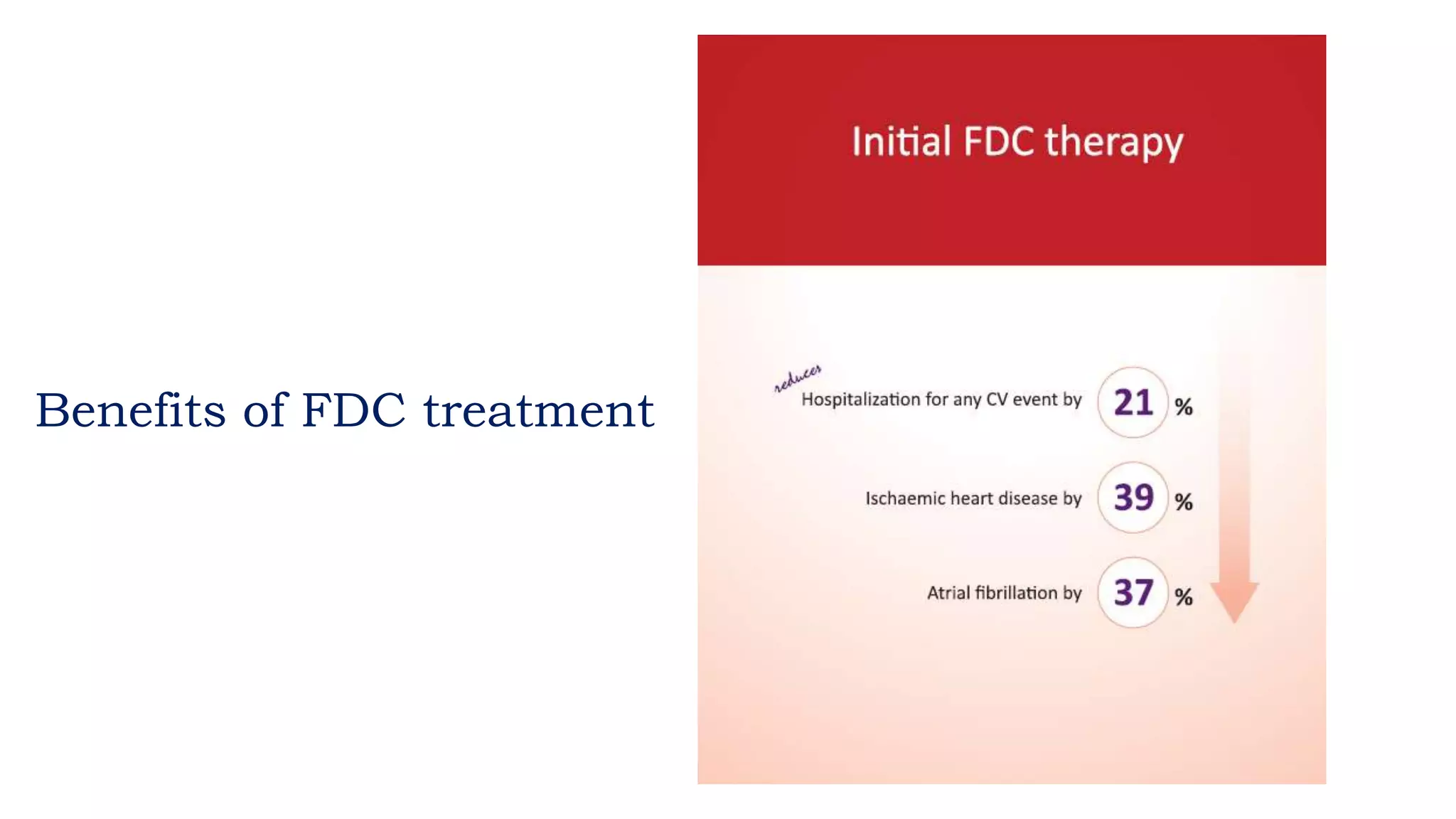
Benefits of FDC treatment
provides
Combination of Amlodipine (CCB) & Olmesartan (ARB)
Calendar Packaging
• Easy remembrance for busy life
• No chance of dosage missing
• Ensure patient compliance
5/20 mg
5/40 mg
Cardiac Portfolio of Radiant Pharmaceuticals Limited
Benefits of COS of COS grade API
The major concern of COS grade molecule is-
PURITY
Benefits of COS of COS grade API
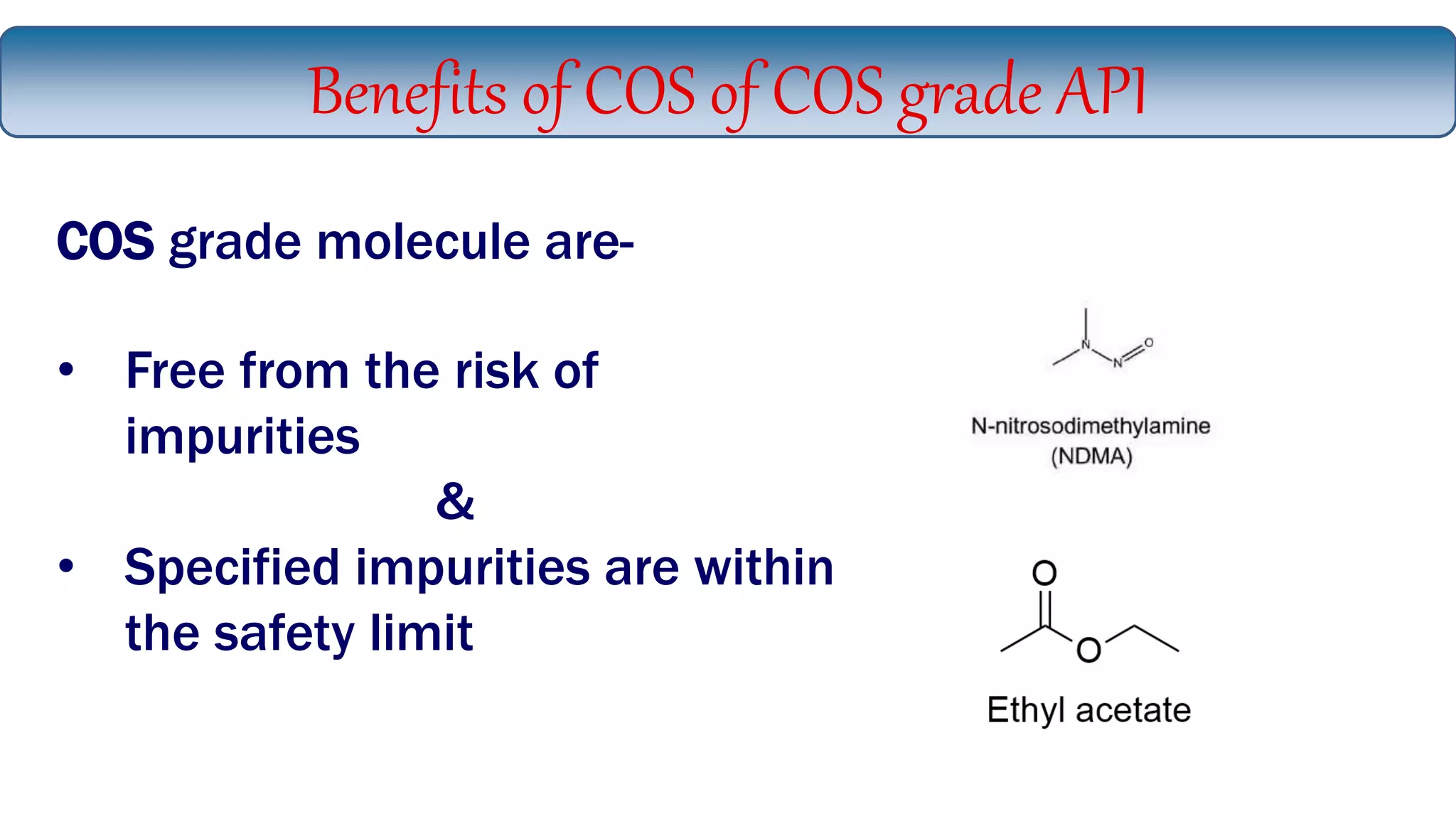
COS grade molecule are-
• Free from the risk of
impurities
&
• Specified impurities are within
the safety limit
Benefits of COS of COS grade API
So, COS grade molecule ensures-
Calendar Packaging ensures-
• Easy remembrance for busy life
• No chances of dosage missing
• Patient Compliance
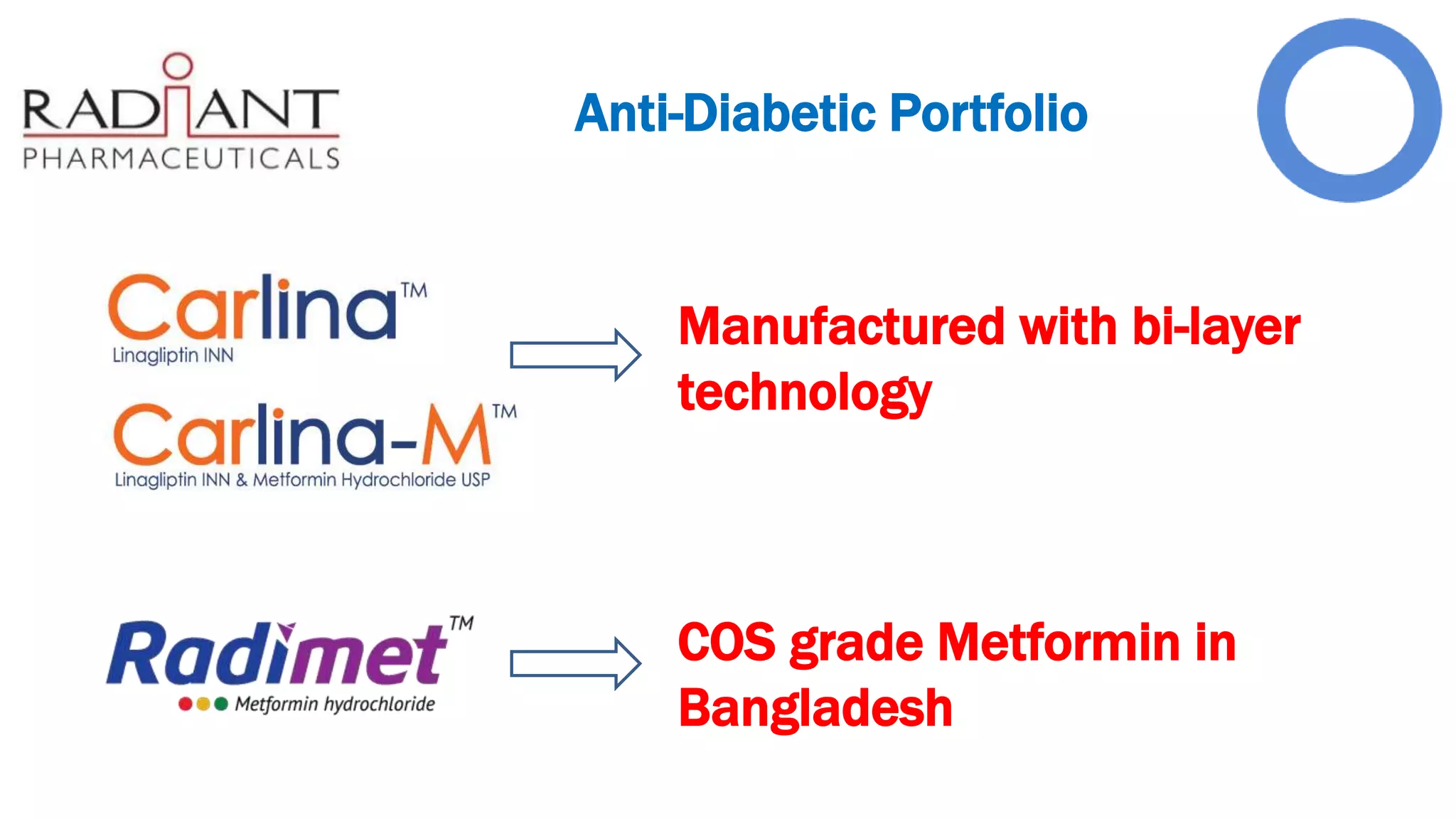
Manufactured with bi-layer
technology
Anti-Diabetic Portfolio
COS grade Metformin in
Bangladesh
COS grade gliclazide
Improves quality of life
Anti-Diabetic Portfolio
ESC guideline for CVD prevention 2021..pptx

ESC guideline for CVD prevention 2021..pptx

  • 1.
    Cardiac Portfolio ofRadiant Pharmaceuticals Limited
  • 2.
    2021 ESC Guidelineson cardiovascular disease prevention in clinical practice PRESENTED BY: DR. ASMA AKTER ASSISTANT REGISTER(CARDIOLOGY),NICVD
  • 3.
    SCORE-2 CVD riskprediction algorithm  It is a new algorithm derived, calibrated, and validated to predict 10-year risk of first-onset CVD in European populations-enhances the identification of individuals at higher risk of developing CVD across Europe.
  • 6.
    NEW RECOMENDATIONS  Riskfactors & clinical conditions:class-1  In apparently healthy people <70 years of age without established ASCVD, DM, CKD, genetic/rarer lipid or BP disorders, estimation of 10-year fatal and nonfatal CVD risk with SCORE2 is recommended.  In apparently healthy people >_70 years of age without established ASCVD, DM, CKD, genetic/rarer lipid or BP disorder, estimation of 10-year fatal and nonfatal CVD risk with SCORE2-OP is recommended.  Patients with established ASCVD and/or DM and/or moderate to-severe renal disease and/or genetic/rarer lipid or BP disorders are to be considered at high or very high CVD risk.  A stepwise treatment-intensification approach aiming at intensive risk factor treatment is recommended for apparently healthy people at high or very high ASCVD risk, as well as patients with established ASCVD and/or DM, with consideration of CVD risk, treatment benefit of risk factors, risk modifiers, comorbidities, and patient preferences. 2021 ESC Guidelines on Cardiovascular disease prevention in clinical practice (European Heart journal 2021-doi:10.1093/eurheartj/ehub484)
  • 7.
    NEW RECOMMENDATIONS-continue  Treatmentof ASCVD risk factors is recommended in apparently healthy people without DM, CKD, genetic/rarer lipid or BP disorders who are at very high CVD risk (SCORE2 >_7.5% for age under 50; SCORE2 >_10% for age 50-69; SCORE2-OP >_15% for age >_70).  An informed discussion about CVD risk and treatment benefits tailored to the needs of a patient is recommended. It is recommended that mental disorders with either significant functional impairment or decreased use of healthcare systems be considered as influencing. 2021 ESC Guidelines on Cardiovascular disease prevention in clinical practice (European Heart journal 2021-doi:10.1093/eurheartj/ehub484)
  • 8.
    NEW RECOMMENDATIONS-continue  Riskfactors & clinical conditions:class-2a  Treatment of ASCVD risk factors should be considered in apparently healthy people without DM, CKD, genetic/rarer lipid, or BP disorders who are at high CVD risk (SCORE2 2.5 to _70 years), taking ASCVD risk modifiers, lifetime risk and treatment benefit, and patient preferences into account.  In apparently healthy people, after estimation of 10-year fatal and non-fatal CVD risk, lifetime risk and treatment benefit, risk modifiers, frailty, polypharmacy, and patient preferences should be considered.  Presence of migraine with aura should be considered in CVD risk assessment.  Assessment of CVD risk should be considered in men with ED. 2021 ESC Guidelines on Cardiovascular disease prevention in clinical practice (European Heart journal 2021-doi:10.1093/eurheartj/ehub484)
  • 9.
    NEW RECOMMENDATIONS-continue  Riskfactors & clinical conditions:class-2b  In women with a history of premature or stillbirth, periodic screening for hypertension and DM may be considered.  Assessment of total CVD risk may be considered in adults with chronic inflammatory conditions.  Avoidance of combined hormonal contraceptives may be considered in women with migraine with aura. 2021 ESC Guidelines on Cardiovascular disease prevention in clinical practice (European Heart journal 2021-doi:10.1093/eurheartj/ehub484)
  • 10.
    NEW RECOMMENDATIONS-continue  Riskfactors & clinical conditions:class-1  It is recommended to reduce sedentary time to engage in at least light activity throughout the day to reduce all-cause and CV mortality and morbidity.  It is recommended to adopt a Mediterranean or similar diet to lower risk of CVD.  It is recommended to restrict alcohol consumption to a maximum of 100 g per week.  It is recommended to eat fish, preferably fatty, at least once a week and restrict (processed) meat.  Patients with mental disorders need intensified attention and support to improve adherence to lifestyle changes and drug treatment.  Smoking cessation is recommended regardless of weight gain, as weight gain does not lessen the ASCVD benefits of cessation. 2021 ESC Guidelines on Cardiovascular disease prevention in clinical practice (European Heart journal 2021-doi:10.1093/eurheartj/ehub484)
  • 11.
    NEW RECOMMENDATIONS-continue  Inpatients with established ASCVD, lipid-lowering treatment with an ultimate LDL-C goal of _50% reduction of LDL-C vs. baseline is recommended.  For secondary prevention patients not achieving their goals on a maximum tolerated dose of a statin and ezetimibe, combination therapy including a PCSK9 inhibitor is recommended.  In patients with type 2 DM at very high risk (e.g. with established ASCVD and/or severe TOD), intensive lipid- lowering therapy, ultimately aiming at >_50% LDL-C reduction and an LDL-C of <1.4 mmol/L (<55 mg/dL) is recommended.  In patients with type 2 DM >40 years of age at high risk, lipid-lowering treatment with an ultimate LDL-C goal of >_50% LDL-C reduction and an LDL-C of<1.8 mmol/L (70 mg/dL) is recommended .  It is recommended that the first objective of treatment is to lower BP to <140/90 mmHg in all patients, and that subsequent BP targets are tailored to age and specific comorbidities. 2021 ESC Guidelines on Cardiovascular disease prevention in clinical practice (European Heart journal 2021-doi:10.1093/eurheartj/ehub484)
  • 12.
    NEW RECOMMENDATIONS-continue  Intreated patients aged 18-69 years, it is recommended that SBP should ultimately be lowered to a target range of 120-130 mmHg in most patients.  In treated patients aged >_70 years, it is recommended that SBP should generally be targeted to <140 and down to 130 mmHg if tolerated.  In all treated patients, DBP is recommended to be lowered to <80 mmHg.  In persons with type 2 DM and ASCVD, the use of a GLP-1RA or SGLT2 inhibitor with proven outcome benefits is recommended to reduce CV and/or cardiorenal outcomes.  In patients with type 2 DM and CKD, the use of an SGLT2 inhibitor is recommended to improve CVD and/or cardiorenal outcomes.  In patients with type 2 DM and HFrEF, use of an SGLT2 inhibitor with proven outcome benefits is recommended to lessen HF hospitalizations and CV death .  Participation in a medically supervised, structured, comprehensive, multidisciplinary EBCR and prevention programme for patients after ASCVD events and/or revascularization, and for patients with HF (mainly HFrEF), is recommended to improve patient outcomes. 2021 ESC Guidelines on Cardiovascular disease prevention in clinical practice (European Heart journal 2021-doi:10.1093/eurheartj/ehub484)
  • 13.
    NEW RECOMMENDATIONS-continue  Riskfactors & clinical conditions:class-2a  Lifestyle interventions, such as group or individual education, behaviour-change techniques, telephone counselling, and use of consumer-based wearable activity trackers, should be considered to increase PA participation.  Bariatric surgery for obese high-risk individuals should be considered when lifestyle change does not result in maintained weight loss.  ASCVD patients with stress should be considered for referral to psychotherapeutic stress management to improve CVD outcomes and reduce stress symptom.  Patients with CHD and moderate-to-severe major depression should be considered for antidepressive treatment with an SSRI. 2021 ESC Guidelines on Cardiovascular disease prevention in clinical practice (European Heart journal 2021-doi:10.1093/eurheartj/ehub484)
  • 14.
    NEW RECOMMENDATIONS-continue  Anultimate LDL-C goal of _50% from baseline should be considered in apparently healthy persons An ultimate LDL-C goal of <1.4 mmol/L (55 mg/dL) and LDL-C reduction of >_50% from baseline should be considered in apparently healthy persons <70 years at very high risk.  An ultimate LDL-C goal of <1.8 mmol/L (70 mg/dL) and LDL-C reduction of >_50% from baseline should be considered in apparently healthy persons <70 years at high risk.  For those motivated to try, considerable weight loss with use of low-calorie diets followed by food reintroduction and weight maintenance phases early after diagnosis can lead to DM remission and should be considered. 2021 ESC Guidelines on Cardiovascular disease prevention in clinical practice (European Heart journal 2021-doi:10.1093/eurheartj/ehub484)
  • 15.
    NEW RECOMMENDATIONS-continue  Riskfactors & clinical conditions:class-2b  In patients with type 2 DM and TOD, the use of an SGLT2 inhibitor or GLP-1RA with proven outcome benefits may be considered to reduce future CVD and total mortality.  For primary prevention patients at very high risk, but without FH, if the LDL-C goal is not achieved on a maximum tolerated dose of a statin and ezetimibe, combination therapy including a PCSK9 inhibitor may be considered.  In high-risk (or above) patients with triglycerides >1.5 mmol/L (135 mg/dL) despite statin treatment and lifestyle measures, n-3 PUFAs (icosapent ethyl 2 X 2 g/day) may be considered in combination with a statin.  Initiation of statin treatment for primary prevention in older people aged >_70 may be considered, if at high risk or above.  Statin therapy may be considered in persons aged <_40 years with type 1 or type 2 DM with evidence of TOD and/or an LDL-C level >2.6 mmol/L (100 mg/dL), as long as pregnancy is not being planned. 2021 ESC Guidelines on Cardiovascular disease prevention in clinical practice (European Heart journal 2021-doi:10.1093/eurheartj/ehub484)
  • 16.
    NEW RECOMMENDATIONS-continue  Inpatients with DM at high or very high CVD risk, low-dose aspirin may be considered for primary prevention in the absence of clear contraindications.  Home-based CR, telehealth, and mHealth interventions may be considered to increase patient participation and long-term adherence to healthy behaviour.  Risk factors & clinical conditions:class-3  In patients with HF and major depression, SSRIs, SNRIs, and tricyclic antidepressants are not recommended  In patients with dialysis-dependent CKD who are free of ASCVD, commencing statin therapy is not recommended. 2021 ESC Guidelines on Cardiovascular disease prevention in clinical practice (European Heart journal 2021-doi:10.1093/eurheartj/ehub484)
  • 17.
    NEW RECOMMENDATIONS-continue  policyinterventions at the population level:class-1  Putting in place measures to reduce air pollution, including reducing PM emission and gaseous pollutants, reducing the use of fossil fuels, and limiting carbon dioxide emissions, are recommended to reduce CVD mortality and morbidity. 2021 ESC Guidelines on Cardiovascular disease prevention in clinical practice (European Heart journal 2021-doi:10.1093/eurheartj/ehub484)
  • 18.
    Risk management ofdisease-specific cardiovascular disease  Risk management of disease-specific cardiovascular disease:  Class-1  It is recommended that patients with HF are enrolled in a comprehensive CR programme to reduce the risk of HF hospitalization and death.  It is recommended to screen patients with HF for both CV and non-CV comorbidities which, if present, should be treated, provided safe and effective interventions exist, not only to alleviate symptoms but also to improve prognosis.  In patients with a cerebrovascular event, improvement of lifestyle factors in addition to appropriate pharmacological management is recommended. Identification and management of risk factors and concomitant diseases are recommended to be an integral part of treatment in patients with AF. 2021 ESC Guidelines on Cardiovascular disease prevention in clinical practice (European Heart journal 2021-doi:10.1093/eurheartj/ehub484)
  • 19.
     Class-2a  Addinga second antithrombotic drug (a P2Y12 inhibitor or lowdose rivaroxaban) to aspirin for long- secondary prevention should be considered in patients with a high risk of ischaemic events and without high bleeding risk.  Class-2b  in patients with DM and chronic symptomatic LEAD without high bleeding risk, a combination of low- dose rivaroxaban (2.5 mg b.i.d.) and aspirin (100 mg o.d.) may be considered.  Adding a second antithrombotic drug to aspirin for long-term secondary prevention may be in patients with a moderate risk of ischaemic events and without a high bleeding risk. 2021 ESC Guidelines on Cardiovascular disease prevention in clinical practice (European Heart journal 2021-doi:10.1093/eurheartj/ehub484)
  • 27.
    Summary of recommendationsfor the clinical management of hypertension  lifestyle interventions: Lifestyle interventions are recommended for people with high-normal BP or higher.  drug treatment: It is recommended to initiate antihypertensive treatment with a two-drug combination in most patients, preferably as a single-pill combination. Exceptions are frail older patients and those with low-risk, grade 1 hypertension (particularly if SBP<150mmHg.  It is recommended that the preferred combinations include a RAS blocker (i.e. an ACE inhibitor or ARB) with a CCB or diuretic, but other combinations of the five major classes can be used (ACE inhibitor, ARB, beta-blocker, CCB, thiazide/thiazide-like diuretic.) 2021 ESC Guidelines on Cardiovascular disease prevention in clinical practice (European Heart journal 2021-doi:10.1093/eurheartj/ehub484)
  • 28.
    Summary of recommendationsfor the clinical management of hypertension-continue  It is recommended, if BP remains uncontrolled with a two-drug combination, that treatment be increased to a three-drug combination, usually a RAS blocker with a CCB and a diuretic, preferably as a single-pill combination.  It is recommended, if BP is not controlled by a three-drug combination, that treatment should be increased by the addition of spironolactone, or if not tolerated, other diuretics such as amiloride or higher doses of other diuretics, an alpha-blocker or beta-blocker, or clonidine.  The combination of two RAS blockers is not recommended. 2021 ESC Guidelines on Cardiovascular disease prevention in clinical practice (European Heart journal 2021-doi:10.1093/eurheartj/ehub484)
  • 29.
    Management of CVDrisk in hypertensive patients  Statin therapy is recommended for many patients with hypertension.  Antiplatelet therapy is indicated for secondary prevention in patients with hypertension. 2021 ESC Guidelines on Cardiovascular disease prevention in clinical practice (European Heart journal 2021-doi:10.1093/eurheartj/ehub484)
  • 30.
  • 31.
  • 32.
    CME on ESC2021 CVD prevention guideline
  • 33.
  • 34.
    Benefits of FDCtreatment
  • 36.
    provides Combination of Amlodipine(CCB) & Olmesartan (ARB)
  • 39.
    Calendar Packaging • Easyremembrance for busy life • No chance of dosage missing • Ensure patient compliance 5/20 mg 5/40 mg
  • 40.
    Cardiac Portfolio ofRadiant Pharmaceuticals Limited
  • 41.
    Benefits of COSof COS grade API The major concern of COS grade molecule is- PURITY
  • 42.
    Benefits of COSof COS grade API COS grade molecule are- • Free from the risk of impurities & • Specified impurities are within the safety limit
  • 43.
    Benefits of COSof COS grade API So, COS grade molecule ensures-
  • 44.
    Calendar Packaging ensures- •Easy remembrance for busy life • No chances of dosage missing • Patient Compliance
  • 46.
    Manufactured with bi-layer technology Anti-DiabeticPortfolio COS grade Metformin in Bangladesh
  • 47.
    COS grade gliclazide Improvesquality of life Anti-Diabetic Portfolio