Simulation for Entrepreneurship – ENTRE4FUTURE:
An Ongoing European Project
Paulino Silva, Anabela Mesquita e Rui Bertuzi
TEEM	
  2015
Technological Ecosystems for	
  Enhancing Multiculturality
08.out.2015
1
§ Introduction
§ Objectives and Partners
§ Expected Results
§ Business Simulation at ISCAP
§ Ongoing Activities
§ Conclusion
2
§ Entrepreneurship refers to an individual's ability to put his ideas
into practice. It includes creativity, sense of initiative, innovation
and risk-taking, as well as the ability to plan and manage
projects in order to achieve objectives.
§ Entrepreneurship competences include transversal skills and
attitudes as well as more specialised knowledge and business
skills.
Source: European Commission. (2015). Entrepreneurship Education: A road to success - A
compilation of evidence on the impact of entrepreneurship education strategies and measures.
3
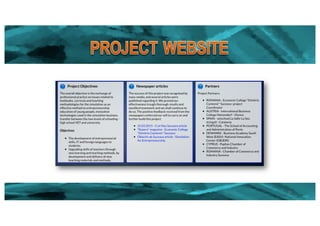
§The overall objective is…
exchange of professional practice on issues related to textbooks,
curricula and teaching methodologies for the simulation
as an effective method to entrepreneurship education of young people,
innovative technologies used in the simulation business transfer
between the two levels of schooling - high school VET and university.
4
§Short-term: Staff active in education and training
§ Upgrading skills of teachers through new learning and teaching
methods, by development and delivery of new teaching materials and
methods, especially using the method " training firm" (high school) or
"virtual company" (university);
§Long-term - Students, school pupils (17-20 age)
§ Development of entrepreneurial skills, information technology (IT) and
foreign languages to students.
5
6
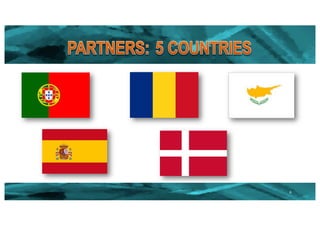
§P1 Economic College "Dimitrie Cantemir" Suceava
[Romania - Coordinator];
§P2 International Business College Hetzendorf [Austria];
§P3 Vet school La Salle-La Seu d,Urgell-Catalonia [Spain];
§P4 ISCAP - The School of Accounting and Administration
of Porto [Portugal];
§P5 Business Academy South West (EASV) - National
Innovation Centre [Denmark];
§P6 Paphos Chamber of Commerce and Industry [Cyprus];
§P7 Chamber of Commerce and Industry Suceava
[Romania].
7
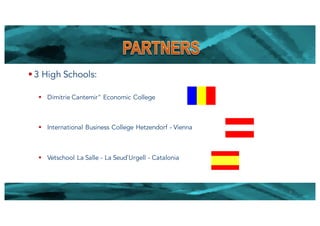
§ 3 High Schools:
§ Dimitrie Cantemir" Economic College
§ International Business College Hetzendorf - Vienna
§ Vetschool La Salle - La Seud`Urgell - Catalonia
8
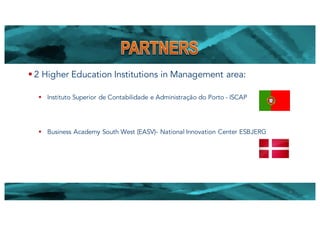
§ 2 Higher Education Institutions in Management area:
§ Instituto Superior de Contabilidade e Administração do Porto - ISCAP
§ Business Academy South West (EASV)- National Innovation Center ESBJERG
9
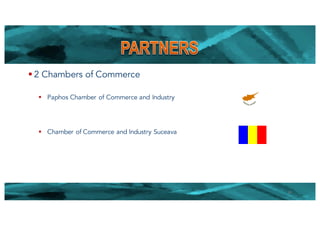
§ 2 Chambers of Commerce
§ Paphos Chamber of Commerce and Industry
§ Chamber of Commerce and Industry Suceava
10
§ Reports;
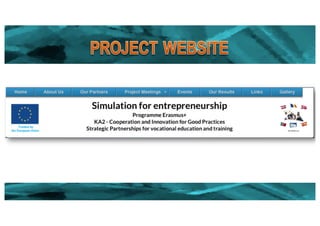
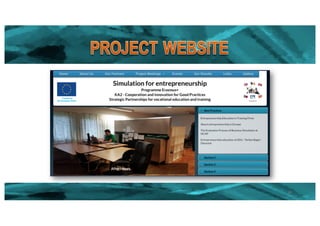
§ Project Website – www.entre4future.com;
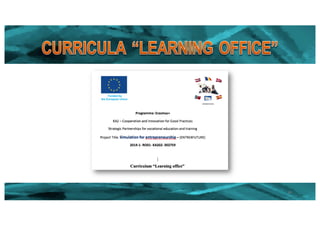
§ Curricula “Learning Office”;
§ Good Practice Guide “Simulation for Entrepreneurship”.
11
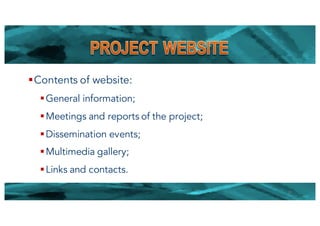
§Contents of website:
§General information;
§Meetings and reports of the project;
§Dissemination events;
§Multimedia gallery;
§Links and contacts.
12
13
14
15
16
§ General aims:
§ Employability
§ Study skills
§ Comprehensive entrepreneurship education
17
§ Employability:
§ Key qualification
§ Commercial knowledge
18
§ Study skills:
§ Accounting
§ Business Administration
§ Office Management
§ Languages
§ Law
§ Other competences
19
§ Comprehensive entrepreneurship
education:
§ Entrepreneurship skils
20
§ Substitute the internship required to access the Chamber of
Chartered Accountants;
§ BS courses are providing in a demanding, complex,
universal and technologically advanced business
environment, without the risk inherent to the real business
world;
§ Students form companies of 3 or 4 elements who, through
business management information systems, establish
commercial and institutional relations with other several
organizations.
21
§ The students’ main objective is to manage their companies
at every level, to complete an available plan of costs and
profits;
§ Going beyond traditional assessment methods, student
evaluation relies on available technology and teachers’
dedication;
§ Students are assessed both individually and as a group in a
continuous mode.
22
23
24
25
Past:
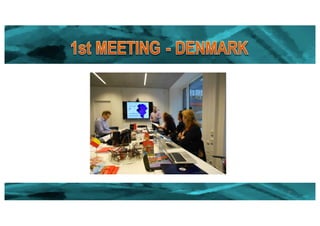
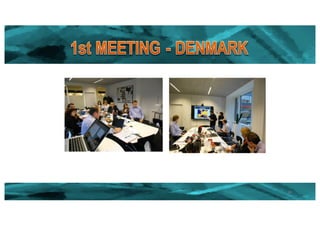
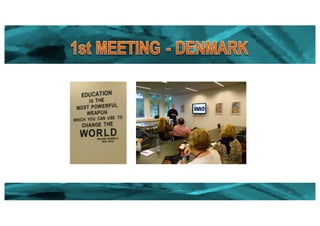
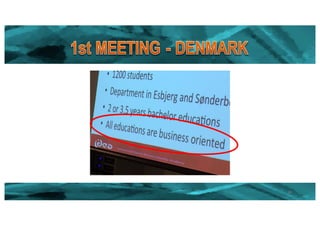
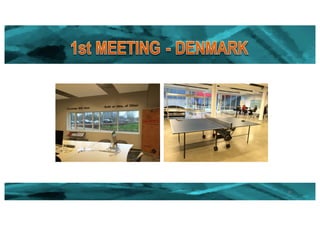
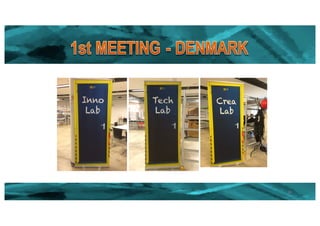
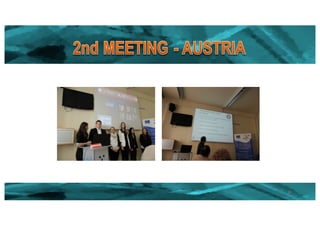
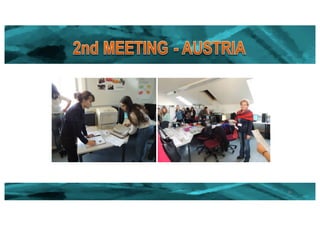
§ 1st Meeting in November 2014 - Esbjerg, Denmark
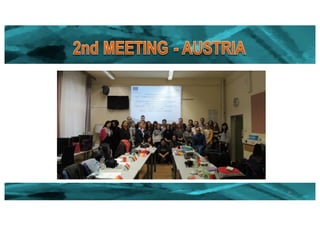
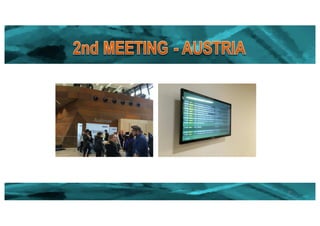
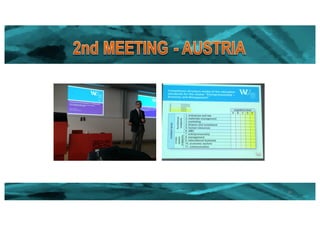
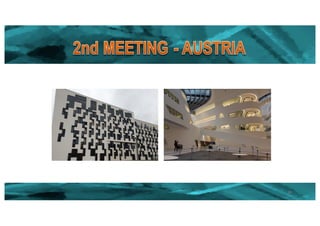
§ 2nd Meeting in March 2015 - Viena, Austria
Future:
§ 3nd Meeting in October 19-20, 2015 - ISCAP - Porto,
Portugal
§ 4th Meeting in Romania next year
26
27
28
29
30
31
32
33
34
35
36
37
38
39
40
October 19-20, 2015 we will have the meeting in Porto - Portugal!
www.entre4future.com
Thank you very much!
Paulino Silva | ISCAP
paulino@iscap.ipp.pt
41

Entre4Future TEEM2015

  • 1.
    Simulation for Entrepreneurship– ENTRE4FUTURE: An Ongoing European Project Paulino Silva, Anabela Mesquita e Rui Bertuzi TEEM  2015 Technological Ecosystems for  Enhancing Multiculturality 08.out.2015 1
  • 2.
    § Introduction § Objectivesand Partners § Expected Results § Business Simulation at ISCAP § Ongoing Activities § Conclusion 2
  • 3.
    § Entrepreneurship refersto an individual's ability to put his ideas into practice. It includes creativity, sense of initiative, innovation and risk-taking, as well as the ability to plan and manage projects in order to achieve objectives. § Entrepreneurship competences include transversal skills and attitudes as well as more specialised knowledge and business skills. Source: European Commission. (2015). Entrepreneurship Education: A road to success - A compilation of evidence on the impact of entrepreneurship education strategies and measures. 3
  • 4.
    §The overall objectiveis… exchange of professional practice on issues related to textbooks, curricula and teaching methodologies for the simulation as an effective method to entrepreneurship education of young people, innovative technologies used in the simulation business transfer between the two levels of schooling - high school VET and university. 4
  • 5.
    §Short-term: Staff activein education and training § Upgrading skills of teachers through new learning and teaching methods, by development and delivery of new teaching materials and methods, especially using the method " training firm" (high school) or "virtual company" (university); §Long-term - Students, school pupils (17-20 age) § Development of entrepreneurial skills, information technology (IT) and foreign languages to students. 5
  • 6.
  • 7.
    §P1 Economic College"Dimitrie Cantemir" Suceava [Romania - Coordinator]; §P2 International Business College Hetzendorf [Austria]; §P3 Vet school La Salle-La Seu d,Urgell-Catalonia [Spain]; §P4 ISCAP - The School of Accounting and Administration of Porto [Portugal]; §P5 Business Academy South West (EASV) - National Innovation Centre [Denmark]; §P6 Paphos Chamber of Commerce and Industry [Cyprus]; §P7 Chamber of Commerce and Industry Suceava [Romania]. 7
  • 8.
    § 3 HighSchools: § Dimitrie Cantemir" Economic College § International Business College Hetzendorf - Vienna § Vetschool La Salle - La Seud`Urgell - Catalonia 8
  • 9.
    § 2 HigherEducation Institutions in Management area: § Instituto Superior de Contabilidade e Administração do Porto - ISCAP § Business Academy South West (EASV)- National Innovation Center ESBJERG 9
  • 10.
    § 2 Chambersof Commerce § Paphos Chamber of Commerce and Industry § Chamber of Commerce and Industry Suceava 10
  • 11.
    § Reports; § ProjectWebsite – www.entre4future.com; § Curricula “Learning Office”; § Good Practice Guide “Simulation for Entrepreneurship”. 11
  • 12.
    §Contents of website: §Generalinformation; §Meetings and reports of the project; §Dissemination events; §Multimedia gallery; §Links and contacts. 12
  • 13.
  • 14.
  • 15.
  • 16.
  • 17.
    § General aims: §Employability § Study skills § Comprehensive entrepreneurship education 17
  • 18.
    § Employability: § Keyqualification § Commercial knowledge 18
  • 19.
    § Study skills: §Accounting § Business Administration § Office Management § Languages § Law § Other competences 19
  • 20.
  • 21.
    § Substitute theinternship required to access the Chamber of Chartered Accountants; § BS courses are providing in a demanding, complex, universal and technologically advanced business environment, without the risk inherent to the real business world; § Students form companies of 3 or 4 elements who, through business management information systems, establish commercial and institutional relations with other several organizations. 21
  • 22.
    § The students’main objective is to manage their companies at every level, to complete an available plan of costs and profits; § Going beyond traditional assessment methods, student evaluation relies on available technology and teachers’ dedication; § Students are assessed both individually and as a group in a continuous mode. 22
  • 23.
  • 24.
  • 25.
  • 26.
    Past: § 1st Meetingin November 2014 - Esbjerg, Denmark § 2nd Meeting in March 2015 - Viena, Austria Future: § 3nd Meeting in October 19-20, 2015 - ISCAP - Porto, Portugal § 4th Meeting in Romania next year 26
  • 27.
  • 28.
  • 29.
  • 30.
  • 31.
  • 32.
  • 33.
  • 34.
  • 35.
  • 36.
  • 37.
  • 38.
  • 39.
  • 40.
    40 October 19-20, 2015we will have the meeting in Porto - Portugal!
  • 41.
    www.entre4future.com Thank you verymuch! Paulino Silva | ISCAP paulino@iscap.ipp.pt 41