THE PRESERVATION OF
ENDEMIK ANIMALS IN
ARMENIA
198 high school
THE PRESERVATION OF ENDEMIKC ANIMALS
IN ARMENIA
;
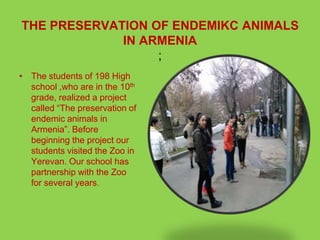
• The students of 198 High
school ,who are in the 10th
grade, realized a project
called “The preservation of
endemic animals in
Armenia”. Before
beginning the project our
students visited the Zoo in
Yerevan. Our school has
partnership with the Zoo
for several years.
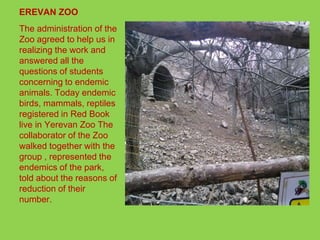
EREVAN ZOO
The administration of the
Zoo agreed to help us in
realizing the work and
answered all the
questions of students
concerning to endemic
animals. Today endemic
birds, mammals, reptiles
registered in Red Book
live in Yerevan Zoo The
collaborator of the Zoo
walked together with the
group , represented the
endemics of the park,
told about the reasons of
reduction of their
number.
The administration of the Zoo agreed to help us in
realizing the work
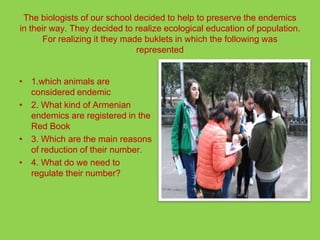
The biologists of our school decided to help to preserve the endemics
in their way. They decided to realize ecological education of population.
For realizing it they made buklets in which the following was
represented
• 1.which animals are
considered endemic
• 2. What kind of Armenian
endemics are registered in the
Red Book
• 3. Which are the main reasons
of reduction of their number.
• 4. What do we need to
regulate their number?
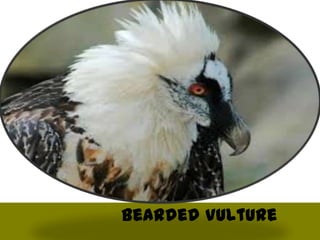
Bearded Vulture
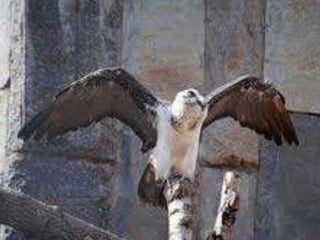
• The Bearded Vulture (Gypaetus barbatus), also
known as the Lammergeier or Lammergeyer, is
a bird of prey, and the only member of the
genus Gypaetus. Traditionally considered an Old
World vulture, it actually forms a minor lineage
of Accipitridae together with theEgyptian
Vulture (Neophron percnopterus), its closest living
relative. It is not much more closely related to the
Old World vultures proper than to, for
example, hawks, and differs from the former by its
feathered neck. Although dissimilar, the Egyptian
and Bearded Vulture each have a lozenge-shaped
tail – unusual among birds of prey.
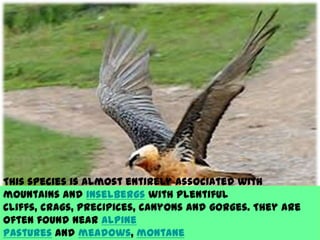
This species is almost entirely associated with
mountains and inselbergs with plentiful
cliffs, crags, precipices, canyons and gorges. They are
often found near alpine
pastures and meadows, montane
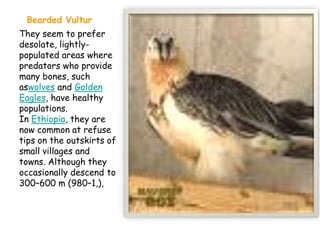
Bearded Vultur
They seem to prefer
desolate, lightly-
populated areas where
predators who provide
many bones, such
aswolves and Golden
Eagles, have healthy
populations.
In Ethiopia, they are
now common at refuse
tips on the outskirts of
small villages and
towns. Although they
occasionally descend to
300–600 m (980–1,),
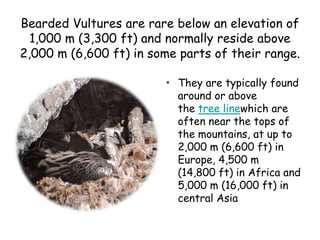
Bearded Vultures are rare below an elevation of
1,000 m (3,300 ft) and normally reside above
2,000 m (6,600 ft) in some parts of their range.
• They are typically found
around or above
the tree linewhich are
often near the tops of
the mountains, at up to
2,000 m (6,600 ft) in
Europe, 4,500 m
(14,800 ft) in Africa and
5,000 m (16,000 ft) in
central Asia
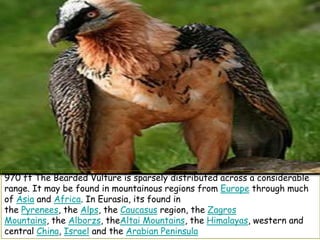
970 ft The Bearded Vulture is sparsely distributed across a considerable
range. It may be found in mountainous regions from Europe through much
of Asia and Africa. In Eurasia, its found in
the Pyrenees, the Alps, the Caucasus region, the Zagros
Mountains, the Alborzs, theAltai Mountains, the Himalayas, western and
central China, Israel and the Arabian Peninsula
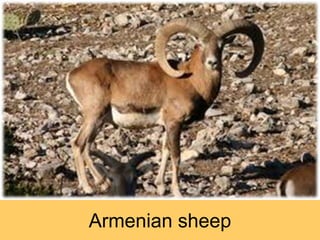
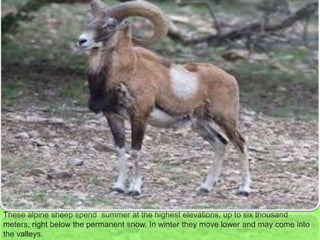
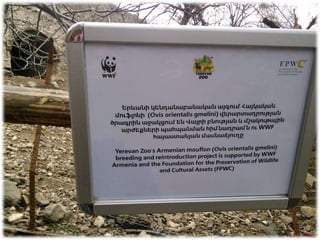
Armenian sheep
The Iranian r
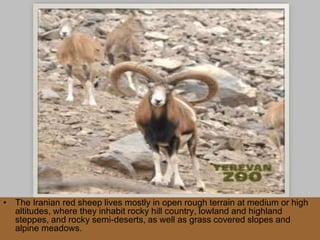
• The Iranian red sheep lives mostly in open rough terrain at medium or high
altitudes, where they inhabit rocky hill country, lowland and highland
steppes, and rocky semi-deserts, as well as grass covered slopes and
alpine meadows.
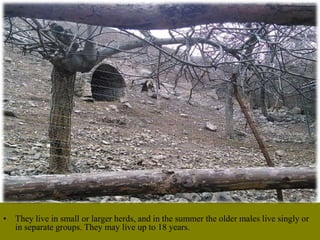
• They live in small or larger herds, and in the summer the older males live singly or
in separate groups. They may live up to 18 years.
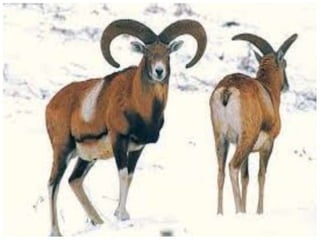
These alpine sheep spend summer at the highest elevations, up to six thousand
meters, right below the permanent snow. In winter they move lower and may come into
the valleys.
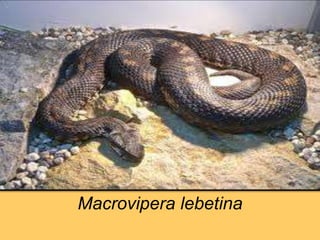
Macrovipera lebetina
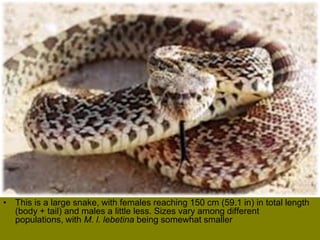
• This is a large snake, with females reaching 150 cm (59.1 in) in total length
(body + tail) and males a little less. Sizes vary among different
populations, with M. l. lebetina being somewhat smaller
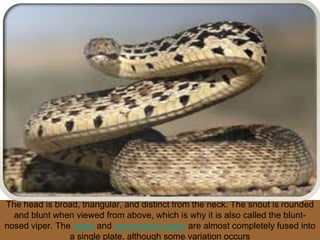
The head is broad, triangular, and distinct from the neck. The snout is rounded
and blunt when viewed from above, which is why it is also called the blunt-
nosed viper. The nasal and nasorostral scales are almost completely fused into
a single plate, although some variation occurs
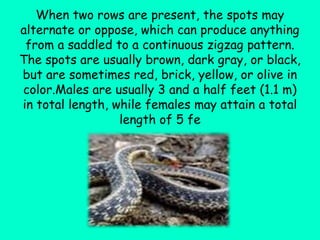
When two rows are present, the spots may
alternate or oppose, which can produce anything
from a saddled to a continuous zigzag pattern.
The spots are usually brown, dark gray, or black,
but are sometimes red, brick, yellow, or olive in
color.Males are usually 3 and a half feet (1.1 m)
in total length, while females may attain a total
length of 5 fe
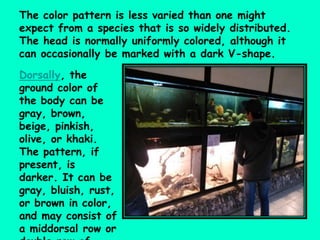
The color pattern is less varied than one might
expect from a species that is so widely distributed.
The head is normally uniformly colored, although it
can occasionally be marked with a dark V-shape.
Dorsally, the
ground color of
the body can be
gray, brown,
beige, pinkish,
olive, or khaki.
The pattern, if
present, is
darker. It can be
gray, bluish, rust,
or brown in color,
and may consist of
a middorsal row or
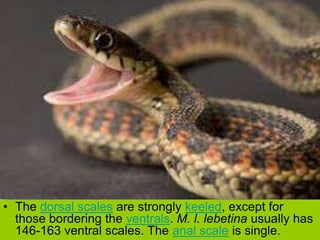
• The dorsal scales are strongly keeled, except for
those bordering the ventrals. M. l. lebetina usually has
146-163 ventral scales. The anal scale is single.
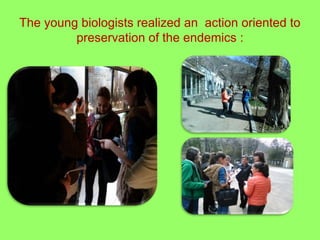
The young biologists realized an action oriented to
preservation of the endemics :
They gave the buklets to people in the parks, in the streets
and everywhere. Seminars were organized within the
framework of broad masses of the population ,during which
it was said that the animals were in the Red Book due to
people and people had to solve that problem.
Endemik kendaniner 198

Endemik kendaniner 198

  • 1.
    THE PRESERVATION OF ENDEMIKANIMALS IN ARMENIA 198 high school
  • 2.
    THE PRESERVATION OFENDEMIKC ANIMALS IN ARMENIA ; • The students of 198 High school ,who are in the 10th grade, realized a project called “The preservation of endemic animals in Armenia”. Before beginning the project our students visited the Zoo in Yerevan. Our school has partnership with the Zoo for several years.
  • 3.
    EREVAN ZOO The administrationof the Zoo agreed to help us in realizing the work and answered all the questions of students concerning to endemic animals. Today endemic birds, mammals, reptiles registered in Red Book live in Yerevan Zoo The collaborator of the Zoo walked together with the group , represented the endemics of the park, told about the reasons of reduction of their number.
  • 4.
    The administration ofthe Zoo agreed to help us in realizing the work
  • 5.
    The biologists ofour school decided to help to preserve the endemics in their way. They decided to realize ecological education of population. For realizing it they made buklets in which the following was represented • 1.which animals are considered endemic • 2. What kind of Armenian endemics are registered in the Red Book • 3. Which are the main reasons of reduction of their number. • 4. What do we need to regulate their number?
  • 6.
  • 8.
    • The BeardedVulture (Gypaetus barbatus), also known as the Lammergeier or Lammergeyer, is a bird of prey, and the only member of the genus Gypaetus. Traditionally considered an Old World vulture, it actually forms a minor lineage of Accipitridae together with theEgyptian Vulture (Neophron percnopterus), its closest living relative. It is not much more closely related to the Old World vultures proper than to, for example, hawks, and differs from the former by its feathered neck. Although dissimilar, the Egyptian and Bearded Vulture each have a lozenge-shaped tail – unusual among birds of prey.
  • 9.
    This species isalmost entirely associated with mountains and inselbergs with plentiful cliffs, crags, precipices, canyons and gorges. They are often found near alpine pastures and meadows, montane
  • 11.
    Bearded Vultur They seemto prefer desolate, lightly- populated areas where predators who provide many bones, such aswolves and Golden Eagles, have healthy populations. In Ethiopia, they are now common at refuse tips on the outskirts of small villages and towns. Although they occasionally descend to 300–600 m (980–1,),
  • 12.
    Bearded Vultures arerare below an elevation of 1,000 m (3,300 ft) and normally reside above 2,000 m (6,600 ft) in some parts of their range. • They are typically found around or above the tree linewhich are often near the tops of the mountains, at up to 2,000 m (6,600 ft) in Europe, 4,500 m (14,800 ft) in Africa and 5,000 m (16,000 ft) in central Asia
  • 13.
    970 ft TheBearded Vulture is sparsely distributed across a considerable range. It may be found in mountainous regions from Europe through much of Asia and Africa. In Eurasia, its found in the Pyrenees, the Alps, the Caucasus region, the Zagros Mountains, the Alborzs, theAltai Mountains, the Himalayas, western and central China, Israel and the Arabian Peninsula
  • 14.
  • 15.
    The Iranian r •The Iranian red sheep lives mostly in open rough terrain at medium or high altitudes, where they inhabit rocky hill country, lowland and highland steppes, and rocky semi-deserts, as well as grass covered slopes and alpine meadows.
  • 17.
    • They livein small or larger herds, and in the summer the older males live singly or in separate groups. They may live up to 18 years.
  • 18.
    These alpine sheepspend summer at the highest elevations, up to six thousand meters, right below the permanent snow. In winter they move lower and may come into the valleys.
  • 20.
  • 21.
    • This isa large snake, with females reaching 150 cm (59.1 in) in total length (body + tail) and males a little less. Sizes vary among different populations, with M. l. lebetina being somewhat smaller
  • 22.
    The head isbroad, triangular, and distinct from the neck. The snout is rounded and blunt when viewed from above, which is why it is also called the blunt- nosed viper. The nasal and nasorostral scales are almost completely fused into a single plate, although some variation occurs
  • 23.
    When two rowsare present, the spots may alternate or oppose, which can produce anything from a saddled to a continuous zigzag pattern. The spots are usually brown, dark gray, or black, but are sometimes red, brick, yellow, or olive in color.Males are usually 3 and a half feet (1.1 m) in total length, while females may attain a total length of 5 fe
  • 24.
    The color patternis less varied than one might expect from a species that is so widely distributed. The head is normally uniformly colored, although it can occasionally be marked with a dark V-shape. Dorsally, the ground color of the body can be gray, brown, beige, pinkish, olive, or khaki. The pattern, if present, is darker. It can be gray, bluish, rust, or brown in color, and may consist of a middorsal row or
  • 26.
    • The dorsalscales are strongly keeled, except for those bordering the ventrals. M. l. lebetina usually has 146-163 ventral scales. The anal scale is single.
  • 27.
    The young biologistsrealized an action oriented to preservation of the endemics :
  • 28.
    They gave thebuklets to people in the parks, in the streets and everywhere. Seminars were organized within the framework of broad masses of the population ,during which it was said that the animals were in the Red Book due to people and people had to solve that problem.