
phransis25@outlook.com
Introduction
In order to conserve electricity in the home,
and work places, there is the growing need for
us to use electricity more efficiently.
Indeed, this is a corporate as well as an
individual responsibility and there is always the
need for energy management in the homes and
work places to ensure maximum benefit at a
minimum cost to customers.
there is the need for consumers to use
electricity efficiently and avoid waste.
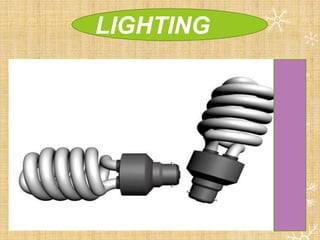
LIGHTING
LIGHTING
Replace incandescent lamps fluorescent or
compact fluorescent lamps
Clean your light bulb frequently. Layers of
dust can absorb up to 30% of the light from
the lamps. Hold the base and use a dry soft
cloth or brush to clean the lamp.
Switch off lights in room, toilets, bath rooms
when not in use.
LIGHTING
Use lower wattage bulbs in area that do not need bright
lights e.g. storage rooms and bath rooms
Never use clusters of incandescent lamps for decorations
For offices with low occupancy rates, install simple
electronics controls such as passive infer red sensors.
They ensure that lights are automatically switched off
when rooms are not occupied for more than a pre –
determined period
LIGHTING
Too many outside lights do not necessarily provide
security. Infra-red sensors or motion detectors are a
more energy efficient solution.
When you remove a ’dead fluorescent lamp which you
don’t intend to replace immediately, remember also to
remove the starter, or else the choke will consume
electricity at the rate of 12 watts.
Always choose T.5 linear fluorescent lamps with
electronics ballast. They consume 40% less energy than
conventional linear fluorescent lamps.
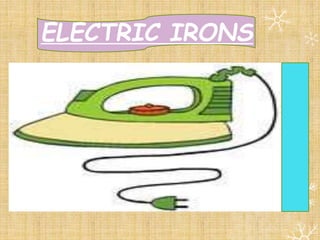
ELECTRIC IRONS
ELECTRIC IRONS
To make maximum use of electricity for ironing:
Iron garments in bulk
Remember to turn the iron off when you have
finished ironing
Remove the plug from the socket
IMMERSION HEATERS
IMMERSION HEATERS
Boil just enough water for your needs
Don’t use the immersion heater to boil
water in a cup. It is a fire hazard. Use the
gas instead
AIR CONDITIONERS
AIR CONDITIONERS
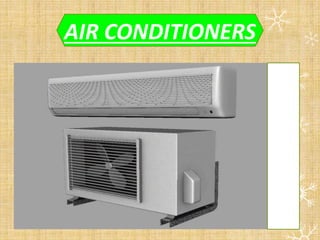
All the windows and doors to an air –conditioned room
must be as tight as possible to prevent hot air from
entering the room
Louver windows are not the best for air – conditioned
rooms because of gaps between the blades. However if
you use louver windows, keep them firmly closed
Always switch off the air conditioner when leaving the
room for more than 10 minutes
AIR CONDITIONERS
To allow free circulation of air, don’t place objects
in front of the unit
Always keep your door closed
Avoid direct sunlight into the room, use curtains or
reflective glaze
Don’t over cool your room. Room temperature of
24 – 26 are comfortable enough for normal work
or relaxation
ELECTRIC COOKERS
ELECTRIC COOKERS
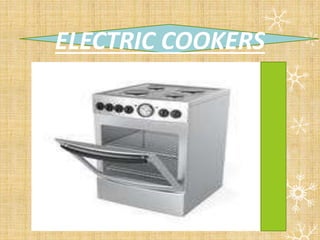
The electric cooker is the highest electrical energy
consumer in the home with a power rating of about
8,500 watts. Unless it is inevitable, avoid using the
electric cooker. The gas cooker is cheaper
Use cooking utensils that slightly bigger in diameter
than the hot plate to prevent heat from escaping
Use flat bottomed pans for the best contact with hot
plate
ELECTRIC COOKERS
Utensils should have tight fitting lids to
minimize heat loss
Cut food into small pieces, it cooks faster
and evenly
Use just enough water for cooking. Too
much water takes longer time to boil
ELECTRIC COOKERS
Minimize lifting the lid off utensils when cooking, it
reduces cooking temperature and wastes energy
Use aluminum pans with bright shiny exteriors, they
provide good heat distribution
Always place the cooking pan on the hot plate before
switching on cooker. If you need to bake, avoid long pre
– heating.
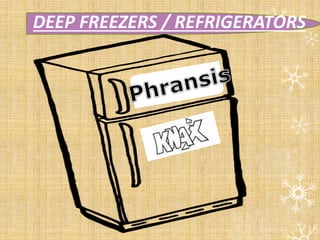
DEEP FREEZERS / REFRIGERATORS
A refrigerator or deep freezer is practically an insulated
box fitted with a compressor that removes heat from the
box and throws it out to the surrounding environment.
The efficiency of the refrigerator or deep freezer depends
on how efficiently it removes heat from the box into the
surroundings and how long it can keep its contents cool.
Keep refrigerators away from direct sunlight
Clean the coils at the back of the refrigerator as often
as possible. Dirt build up makes the refrigerator waste
energy
DEEP FREEZERS / REFRIGERATORS
Avoid placing freezers / refrigerators too close to the
walls or in corners
Allow space for adequate ventilation of the coils at the
back of the refrigerator / freezer
Don’t put hot food in the Refrigerator
DEEP FREEZERS / REFRIGERATORS
Test the seal around the doors of fridges / freezers by closing
the door on a thin strip of paper, ensure that the paper is
tightly gripped and does not slide easily
Defrost the freezer compartment regularly since ice build –
up causes excessive electricity wastage
Don’t put the refrigerator/ freezer close to a hot object
Decide what you want from the refrigerator / freezer before
you open it.
MOBILE PHONE CHARGERS
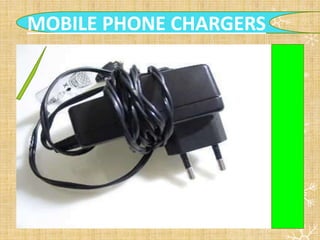
Mobile phone chargers could also consume up to
10 watts if left on, even though the phone may not
be connected.
TELEVISION
TELEVISION
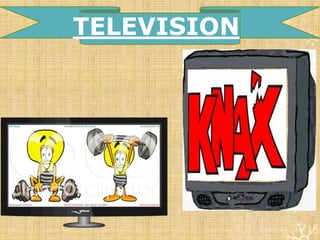
Modern Audio and Video equipment such as TV, DVD,
VCD, Stereo System and Video Recorders are equipped
with remote control systems to ensure user comfort and
convenience. The however consume power at the rate of
15 – 25 watts when they are in the standby mode. To
avoid excessive electricity consumption by these devices,
turn off the plug when they are not being used. This also
reduces the risk of fire outbreaks
phransis25@outlook.com

Electricity conservation.

  • 1.
  • 2.
    Introduction In order toconserve electricity in the home, and work places, there is the growing need for us to use electricity more efficiently. Indeed, this is a corporate as well as an individual responsibility and there is always the need for energy management in the homes and work places to ensure maximum benefit at a minimum cost to customers. there is the need for consumers to use electricity efficiently and avoid waste.
  • 3.
  • 4.
    LIGHTING Replace incandescent lampsfluorescent or compact fluorescent lamps Clean your light bulb frequently. Layers of dust can absorb up to 30% of the light from the lamps. Hold the base and use a dry soft cloth or brush to clean the lamp. Switch off lights in room, toilets, bath rooms when not in use.
  • 5.
    LIGHTING Use lower wattagebulbs in area that do not need bright lights e.g. storage rooms and bath rooms Never use clusters of incandescent lamps for decorations For offices with low occupancy rates, install simple electronics controls such as passive infer red sensors. They ensure that lights are automatically switched off when rooms are not occupied for more than a pre – determined period
  • 6.
    LIGHTING Too many outsidelights do not necessarily provide security. Infra-red sensors or motion detectors are a more energy efficient solution. When you remove a ’dead fluorescent lamp which you don’t intend to replace immediately, remember also to remove the starter, or else the choke will consume electricity at the rate of 12 watts. Always choose T.5 linear fluorescent lamps with electronics ballast. They consume 40% less energy than conventional linear fluorescent lamps.
  • 7.
  • 8.
    ELECTRIC IRONS To makemaximum use of electricity for ironing: Iron garments in bulk Remember to turn the iron off when you have finished ironing Remove the plug from the socket
  • 9.
  • 10.
    IMMERSION HEATERS Boil justenough water for your needs Don’t use the immersion heater to boil water in a cup. It is a fire hazard. Use the gas instead
  • 11.
  • 12.
    AIR CONDITIONERS All thewindows and doors to an air –conditioned room must be as tight as possible to prevent hot air from entering the room Louver windows are not the best for air – conditioned rooms because of gaps between the blades. However if you use louver windows, keep them firmly closed Always switch off the air conditioner when leaving the room for more than 10 minutes
  • 13.
    AIR CONDITIONERS To allowfree circulation of air, don’t place objects in front of the unit Always keep your door closed Avoid direct sunlight into the room, use curtains or reflective glaze Don’t over cool your room. Room temperature of 24 – 26 are comfortable enough for normal work or relaxation
  • 14.
  • 15.
    ELECTRIC COOKERS The electriccooker is the highest electrical energy consumer in the home with a power rating of about 8,500 watts. Unless it is inevitable, avoid using the electric cooker. The gas cooker is cheaper Use cooking utensils that slightly bigger in diameter than the hot plate to prevent heat from escaping Use flat bottomed pans for the best contact with hot plate
  • 16.
    ELECTRIC COOKERS Utensils shouldhave tight fitting lids to minimize heat loss Cut food into small pieces, it cooks faster and evenly Use just enough water for cooking. Too much water takes longer time to boil
  • 17.
    ELECTRIC COOKERS Minimize liftingthe lid off utensils when cooking, it reduces cooking temperature and wastes energy Use aluminum pans with bright shiny exteriors, they provide good heat distribution Always place the cooking pan on the hot plate before switching on cooker. If you need to bake, avoid long pre – heating.
  • 18.
    DEEP FREEZERS /REFRIGERATORS
  • 19.
    DEEP FREEZERS /REFRIGERATORS A refrigerator or deep freezer is practically an insulated box fitted with a compressor that removes heat from the box and throws it out to the surrounding environment. The efficiency of the refrigerator or deep freezer depends on how efficiently it removes heat from the box into the surroundings and how long it can keep its contents cool. Keep refrigerators away from direct sunlight Clean the coils at the back of the refrigerator as often as possible. Dirt build up makes the refrigerator waste energy
  • 20.
    DEEP FREEZERS /REFRIGERATORS Avoid placing freezers / refrigerators too close to the walls or in corners Allow space for adequate ventilation of the coils at the back of the refrigerator / freezer Don’t put hot food in the Refrigerator
  • 21.
    DEEP FREEZERS /REFRIGERATORS Test the seal around the doors of fridges / freezers by closing the door on a thin strip of paper, ensure that the paper is tightly gripped and does not slide easily Defrost the freezer compartment regularly since ice build – up causes excessive electricity wastage Don’t put the refrigerator/ freezer close to a hot object Decide what you want from the refrigerator / freezer before you open it.
  • 22.
  • 23.
    MOBILE PHONE CHARGERS Mobilephone chargers could also consume up to 10 watts if left on, even though the phone may not be connected.
  • 24.
  • 25.
    TELEVISION Modern Audio andVideo equipment such as TV, DVD, VCD, Stereo System and Video Recorders are equipped with remote control systems to ensure user comfort and convenience. The however consume power at the rate of 15 – 25 watts when they are in the standby mode. To avoid excessive electricity consumption by these devices, turn off the plug when they are not being used. This also reduces the risk of fire outbreaks
  • 26.