
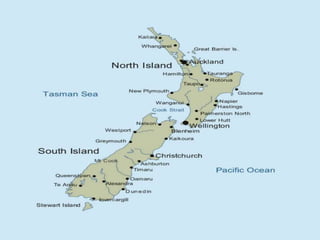

NEW ZEALAND
New Zealand’s Education: It’s 
Historical Perspective, 
Development, and 
Technological Integration
• Arda, John Ray P. 
• Cabatino, Michelle R. 
• Canas, Kimberly D. 
• Dural, Jenny A. 
• Giray, Louie G. 
• Sanchez, Patricia 
• Sison, Lirio Jasmin Y.
As citizens of the world we 
live in, we are surrounded by 
technology everyday 
(Fleer & Jane, 1999)
VIDEO 
PRESENTATION
13TH PLACER IN 
MATHEMATICS THE 
WORLD 
- Programme for International Student 
Assessment, 2009
7TH BEST AT SCIENCE 
AND READING IN THE 
WORLD 
- Programme for International Student 
Assessment, 2009
8TH PLACER IN TOP 
EDUCATION SYSTEMS IN 
THE WORLD 
- The Learning Curve, 2012
UN'S HUMAN DEVELOPMENT 
INDEX CONSISTENTLY 
RANKS NEW ZEALAND 
AMONG THE HIGHEST IN THE 
WORLD 
- Education Index, 2008
We will involve New Zealanders, New Zealand 
industry and international partners in research and 
innovation. In particular, we will develop ways of 
working more closely with: 
• community groups 
• the education and health sectors 
• businesses 
• government departments and agencies 
researchers; and 
• international groups.
AN INTERNATIONAL STUDY IN 
2009 FOUND NEW ZEALAND 
HAD THE SECOND HIGHEST 
INCIDENCE OF BULLYING OUT 
OF THE 40 COUNTRIES 
SURVEYED 
-New Zealand Herald
In 2009, 
the Ombudsman launched an 
investigation into school bullying 
and violence.
The Government responded 
by putting $60 million into 
a Positive Behaviour for 
Learning plan
Information and 
Communications 
Technology (ICT) Policy 
Summary in New Zealand
• Benefits of ICT need to be shared among 
everyone 
• ICT should be used to enhance productivity and 
reduce resource use 
• Development of ICT must be socially responsible 
and sustainable. 
• The use of Free and Open-Source software 
should be encouraged.
•Specific Policy 
Points
• Support the establishment of community ICT 
hubs in schools, public libraries and community 
centres. 
• Support research into the feasibility of 
municipally owned free wireless Internet systems 
• Ensure that all government websites are 
accessible to people with disabilities 
• Aim to provide world-class hi-speed Internet 
access at reasonable cost to every community 
• Ensure that all government databases, where 
possible, are made freely available to the public.
• Support the balanced use of ICT in 
education 
• Encourage the development of educational 
ICT service providers. 
• Ensure that the Ministry of Education 
provides information and support to 
schools about the benefits and advantages 
of FOSS.
• Support the development of independent software 
ventures in Aotearoa/New Zealand. 
• Work with industry to: 
• Improve the availability of venture and seed capital for 
local commercial software companies. 
• Develop a Research and Design industry to encourage 
graduates to stay here to help build our capacities. 
• Modify patent laws to specifically exclude software from 
being patented (software can still be copyrighted), unless 
it is part of a larger development involving non-software 
components. 
• Ensure that our information systems are developed and 
maintained by New Zealand companies.
• Encourage public scrutiny of any ICT system that is 
responsible for the safety of human life or for democratic 
processes. 
• Develop professional registration for ICT personnel 
working on safety critical applications 
• Review software used in the state sector, on an ongoing 
basis, for security issues. 
• Support legislation that increases the reliability of the 
Internet. 
• Ensure that ISPs are not liable for anything done via 
email, or via their service provision.
VIDEO 
PRESENTATION
Students have good access to 
technology in their classrooms, and 
some schools are beginning to 
integrate portable devices into their 
teaching and learning programs.
Education technology in New 
Zealand is rapidly changing due 
to the recent introduction of high 
speed broadband internet to 
schools across the country.
The New Zealand Information and 
Communications Technology 
Strategic Framework for Education 
states that all students should be 
able to access information and 
communications technology at 
school and have the opportunity to 
become confident and capable 
users.
NEW ZEALAND’S 
EDUCATIONAL 
WEBSITES
Educational technology 2

Educational technology 2

  • 1.
  • 12.
    New Zealand’s Education:It’s Historical Perspective, Development, and Technological Integration
  • 13.
    • Arda, JohnRay P. • Cabatino, Michelle R. • Canas, Kimberly D. • Dural, Jenny A. • Giray, Louie G. • Sanchez, Patricia • Sison, Lirio Jasmin Y.
  • 14.
    As citizens ofthe world we live in, we are surrounded by technology everyday (Fleer & Jane, 1999)
  • 15.
  • 16.
    13TH PLACER IN MATHEMATICS THE WORLD - Programme for International Student Assessment, 2009
  • 17.
    7TH BEST ATSCIENCE AND READING IN THE WORLD - Programme for International Student Assessment, 2009
  • 18.
    8TH PLACER INTOP EDUCATION SYSTEMS IN THE WORLD - The Learning Curve, 2012
  • 19.
    UN'S HUMAN DEVELOPMENT INDEX CONSISTENTLY RANKS NEW ZEALAND AMONG THE HIGHEST IN THE WORLD - Education Index, 2008
  • 20.
    We will involveNew Zealanders, New Zealand industry and international partners in research and innovation. In particular, we will develop ways of working more closely with: • community groups • the education and health sectors • businesses • government departments and agencies researchers; and • international groups.
  • 22.
    AN INTERNATIONAL STUDYIN 2009 FOUND NEW ZEALAND HAD THE SECOND HIGHEST INCIDENCE OF BULLYING OUT OF THE 40 COUNTRIES SURVEYED -New Zealand Herald
  • 23.
    In 2009, theOmbudsman launched an investigation into school bullying and violence.
  • 24.
    The Government responded by putting $60 million into a Positive Behaviour for Learning plan
  • 25.
    Information and Communications Technology (ICT) Policy Summary in New Zealand
  • 26.
    • Benefits ofICT need to be shared among everyone • ICT should be used to enhance productivity and reduce resource use • Development of ICT must be socially responsible and sustainable. • The use of Free and Open-Source software should be encouraged.
  • 27.
  • 28.
    • Support theestablishment of community ICT hubs in schools, public libraries and community centres. • Support research into the feasibility of municipally owned free wireless Internet systems • Ensure that all government websites are accessible to people with disabilities • Aim to provide world-class hi-speed Internet access at reasonable cost to every community • Ensure that all government databases, where possible, are made freely available to the public.
  • 29.
    • Support thebalanced use of ICT in education • Encourage the development of educational ICT service providers. • Ensure that the Ministry of Education provides information and support to schools about the benefits and advantages of FOSS.
  • 30.
    • Support thedevelopment of independent software ventures in Aotearoa/New Zealand. • Work with industry to: • Improve the availability of venture and seed capital for local commercial software companies. • Develop a Research and Design industry to encourage graduates to stay here to help build our capacities. • Modify patent laws to specifically exclude software from being patented (software can still be copyrighted), unless it is part of a larger development involving non-software components. • Ensure that our information systems are developed and maintained by New Zealand companies.
  • 31.
    • Encourage publicscrutiny of any ICT system that is responsible for the safety of human life or for democratic processes. • Develop professional registration for ICT personnel working on safety critical applications • Review software used in the state sector, on an ongoing basis, for security issues. • Support legislation that increases the reliability of the Internet. • Ensure that ISPs are not liable for anything done via email, or via their service provision.
  • 32.
  • 33.
    Students have goodaccess to technology in their classrooms, and some schools are beginning to integrate portable devices into their teaching and learning programs.
  • 34.
    Education technology inNew Zealand is rapidly changing due to the recent introduction of high speed broadband internet to schools across the country.
  • 35.
    The New ZealandInformation and Communications Technology Strategic Framework for Education states that all students should be able to access information and communications technology at school and have the opportunity to become confident and capable users.
  • 36.