



Daylighting and Energy
Optimization with
Automated Blinds
The
idea
Why the limited
application
of
Automated Roller blinds
Fear-factor
The majority of automated rolleror
venetion blind control systems installed
in the UK do not work or have been
switched off!
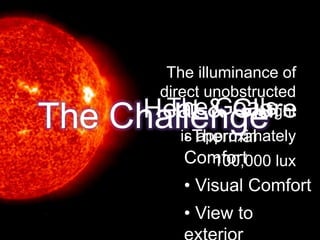
The Challenge
The illuminance of
direct unobstructed
sunlight
is approximately
100,000 lux
The Goals
• Thermal
Comfort
• Visual Comfort
• View to
Heat & Glare
There can be no sustainability without
energy savings, there can be no energy
savings without a daylighting strategy, there
can be no well informed daylighting strategy
without an automated shading system.
There can be no sustainability without
energy savings, there can be no energy
savings without a daylighting strategy, there
can be no well informed daylighting strategy
without an automated shading system.
There can be no sustainability without
energy savings, there can be no energy
savings without a daylighting strategy, there
can be no well informed daylighting strategy
without an automated shading system.
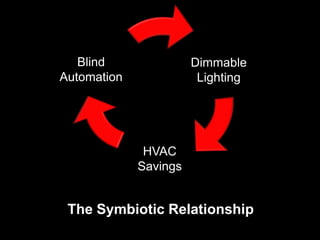
Dimmable
Lighting
HVAC
Savings
Blind
Automation
The Symbiotic Relationship
“The overall intent is to keep the blinds
up as much of the time as possible
without causing thermal or visual
discomfort”
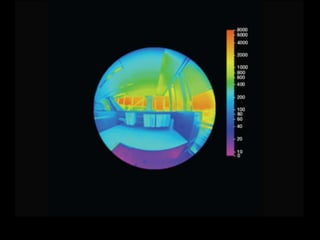
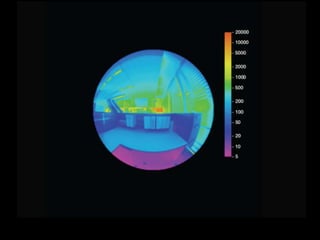
Maintaining Visual Comfort
by managing
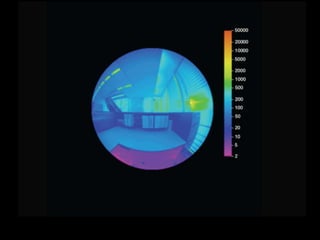
Contrast Ratios
Without Automation
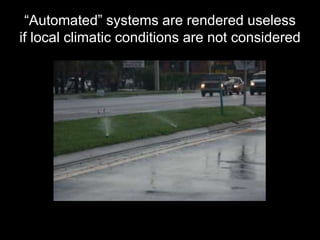
“Automated” systems are rendered useless
if local climatic conditions are not considered
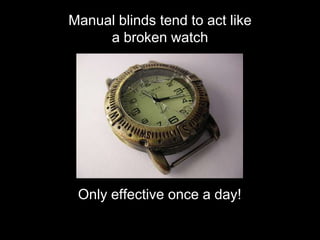
Manual blinds tend to act like
a broken watch
Only effective once a day!
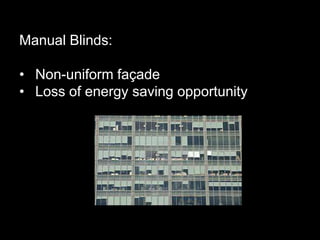
Manual Blinds:
• Non-uniform façade
• Loss of energy saving opportunity
Reactive vs. Predictive
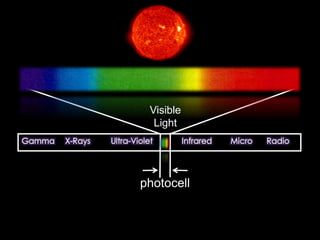
Daylight Measuring
(Sun Tracking)
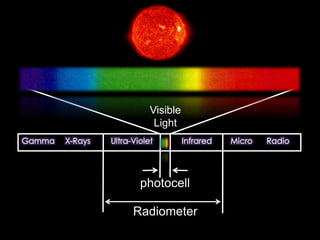
photocell
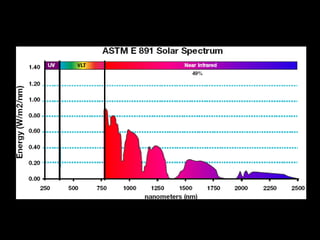
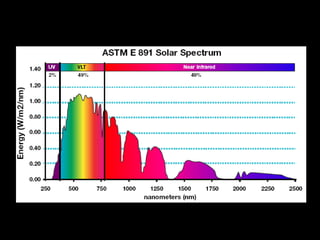
Visible
Light
Solar Evaluation™
photocell
Radiometer
Visible
Light
Why?
Need a automated blind control
system
that can be
Measured and Verified
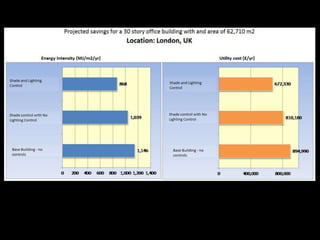
Energy Saving Potential:
Automated Blind Control
working with
Automated Lighting Control
Integrated
or
Interacting?
. . . allowing dimmable lighting to
supplement the optimized daylight condition.
The two systems interact though daylight
Manage the Quality and Quantity of
natural light entering a building
Enhance the opportunity to dim the
lighting system and save energy
Thank you

Ecobuild 2014: Lighting and energy management

Editor's Notes

  • #3 Rather than being exclusively a shading company, we have grown up into something much more. We really see ourselves as a daylight harvesting company, who just so happen to accomplish this thing through scientifically-engineered shading devices and technologically-advanced, elegantly-controlled systems. Our goal, then, is to harvest as much natural daylight as possible without allowing the direct solar ray to cause visual or thermal discomfort to the building occupants. The electric light then, is used only as needed to supplement the natural daylight. We want to keep the shades as high as possible, in order to keep the lighting as low as possible. This Big & Bright Idea informs all that we do. In order to maximize the daylight harvesting intent of a software driven, dimmable lighting control system, the design team must first look at maximizing the use of natural light. In order to maximize the use of natural light, the design team must consider how to protect the occupants in the occupied zones from debilitating glare and heat. The automated shades need to stay up as long and as high as possible to allow natural light to filter into the space, and the dimmable lights to switch off or dim down. The only way to achieve the maximum lighting and energy savings, is to start w/ a true automated shade system that understands the real time microclimatic conditions affecting the building, and the occupants in the occupied zone.
  • #6 870,000 miles in diameter and having a surface temp of 11,000 degrees F, the sun presents its challenges. The illuminance of direct sunlight is approximately 100,000 lux. The challenge then, is to take this amount of sunlight and control the direct ray so that approximately 350-450 lux fall on a work surface. Uncontrolled daylighting will often result in excessive heat gain and debilitating glare and luminance. The goals of controlled daylight are thermal and visual comfort, while maintaining a view to the exterior.
  • #18 A simple rain gauge on that system costing less than $30 would prevent the sprinklers from coming on when it is or raining or has rained in the past 24-48 hours.
  • #19 A simple rain gauge on that system costing less than $30 would prevent the sprinklers from coming on when it is or raining or has rained in the past 24-48 hours.
  • #24 . . . we need “data” or “sky analysis” in real time
  • #25 . . . we need “data” or “sky analysis” in real time
  • #28 . . . we need “data” or “sky analysis” in real time
  • #29 . . . we need “data” or “sky analysis” in real time