Early Warning System and
Village Communication Networks
Presented by Prof Dr Joshva
Raja, for IAMCR, Taipei,
Taiwan on 26th August 2005.
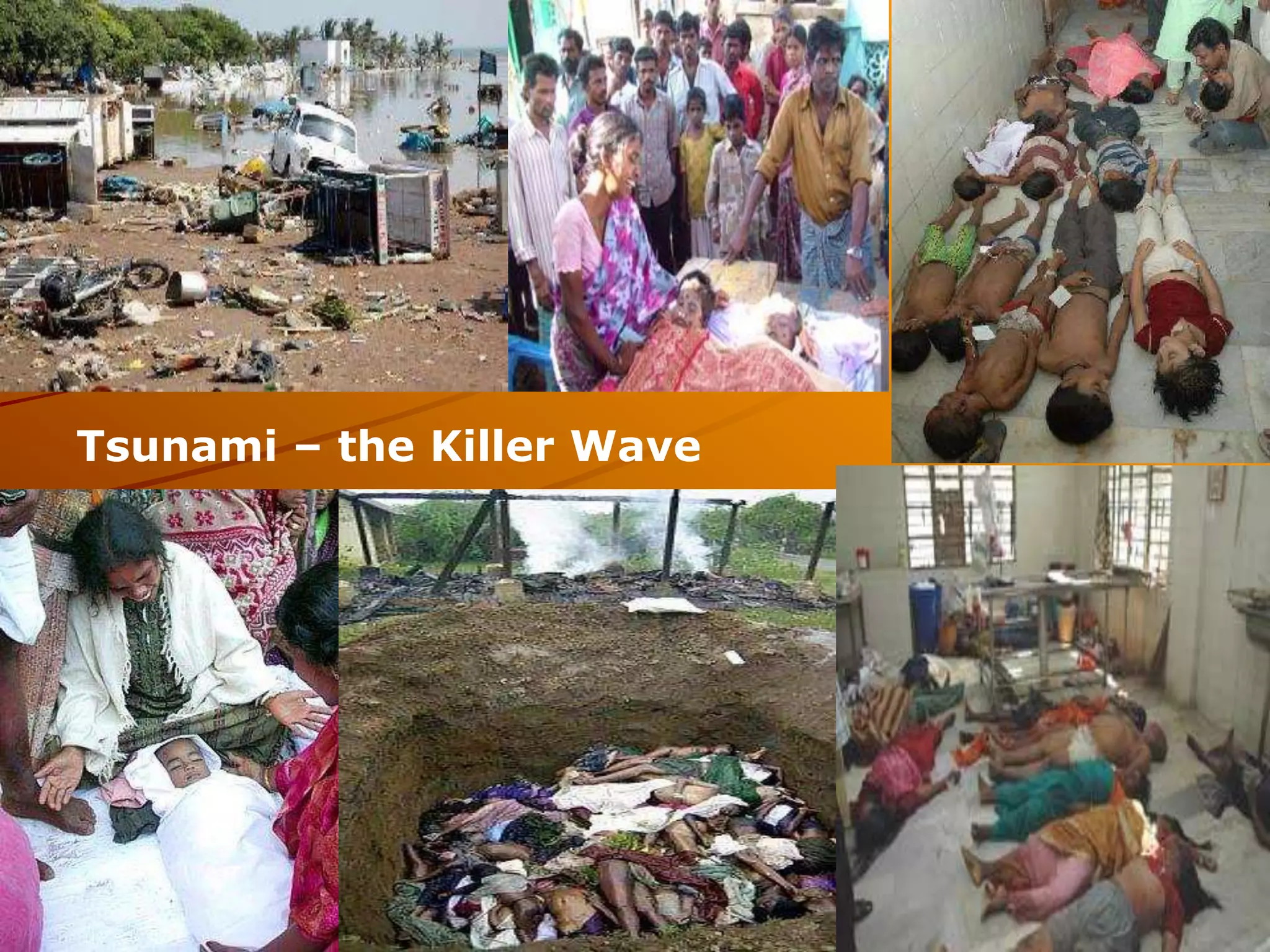
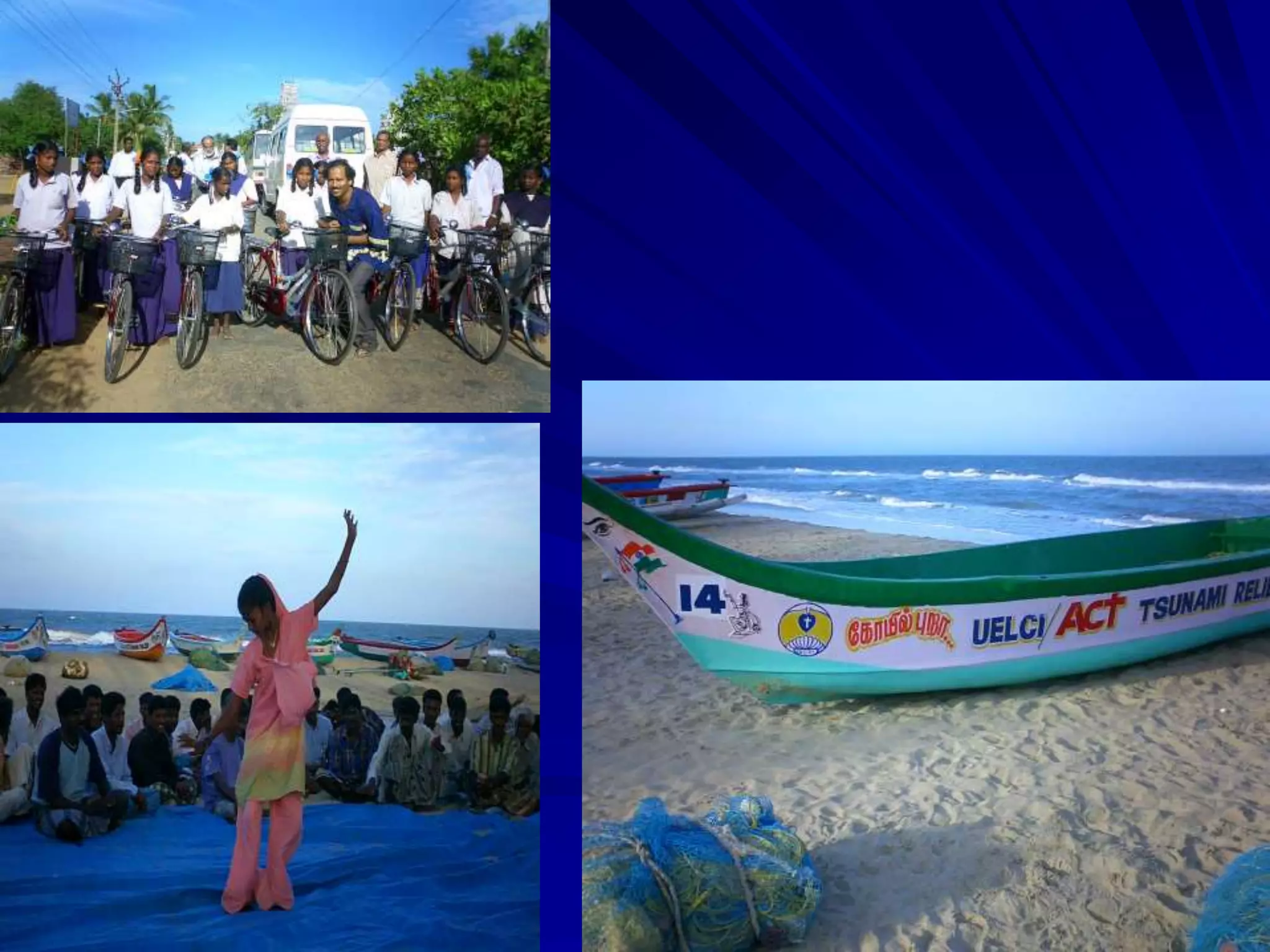
Tsunami – the Killer Wave
Prior Information
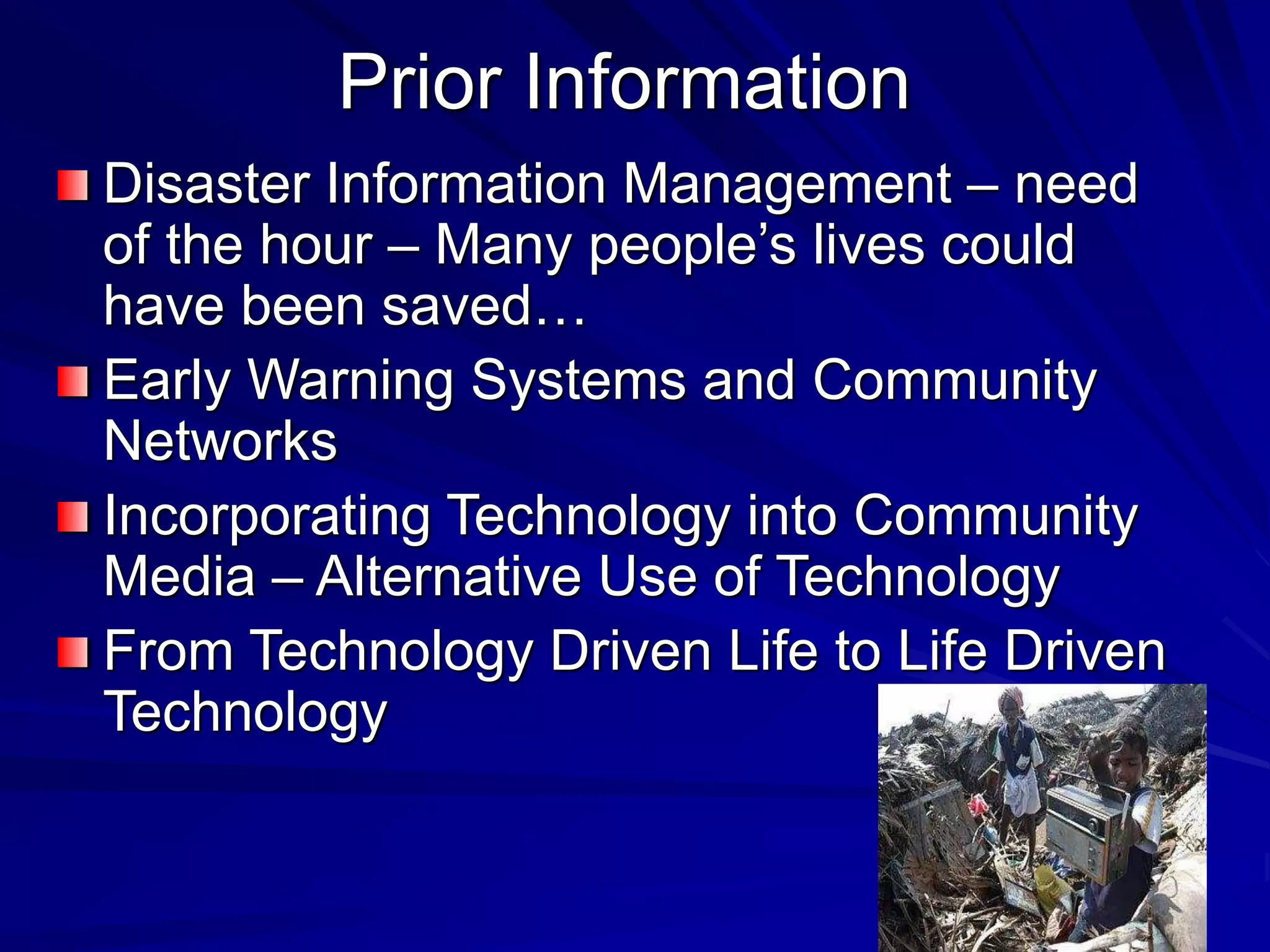
Disaster Information Management – need
of the hour – Many people’s lives could
have been saved…
Early Warning Systems and Community
Networks
Incorporating Technology into Community
Media – Alternative Use of Technology
From Technology Driven Life to Life Driven
Technology
Disaster Information Management
Dissemination of warning and Preparedness
(evacuation, readiness and warning)
Communication networking in Response,
Rescue and Recovery
Sharing information about reconstruction,
rebuilding and resettlement.
Accessibility, Affordability, Availability….
Local language, involvement and maintenance
Suvit Yodmani and David Hollister in Disaster and Communication
Technology:Perspectives from Asia
Mass Media and Disasters
Positive role – Before, during and after the
disaster –
Problems - access to the mass? – Interested in
numbers – Credible information – false alarm –
Sensational news items – lack of background
knowledge – Lack of other information
Fitting their reports into regular and usual
reporting style – searching for popular issues
Often not in the mind of serving or helping rather
collecting their news
Hans Peter, Natural Disaster and the Media, Juelich, Germany… www.chmi.cz
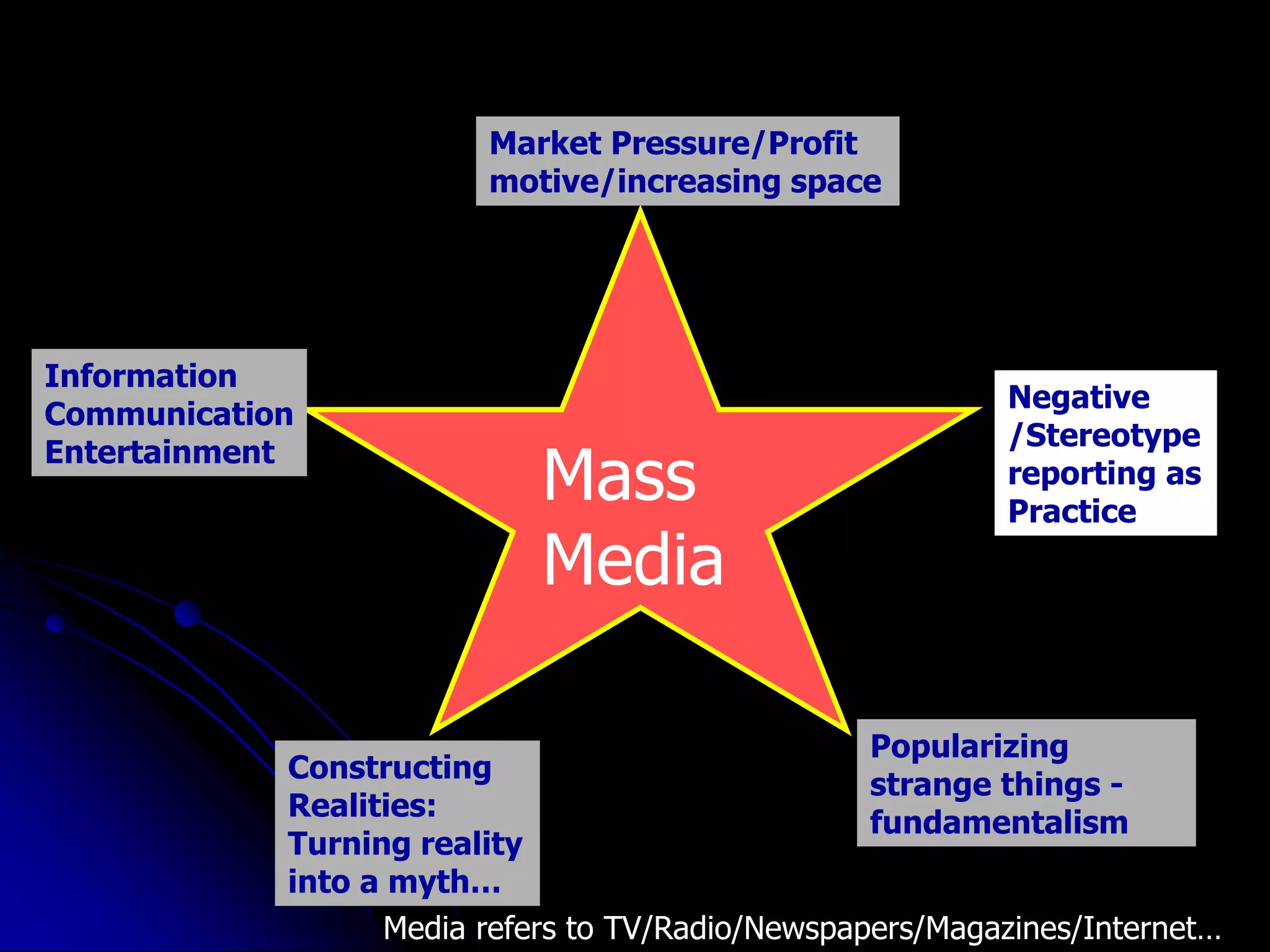
Mass
Media
Market Pressure/Profit
motive/increasing space
Negative
/Stereotype
reporting as
Practice
Popularizing
strange things -
fundamentalism
Constructing
Realities:
Turning reality
into a myth…
Media refers to TV/Radio/Newspapers/Magazines/Internet…
Information
Communication
Entertainment
A Story of Tsunami 2004
26th December 2004 – Prior Information
was available
Information management and Distribution
systems were not available
Community Media and Dissemination –
M S Swaminathan’s success story
Connecting people to warning message
through technology and NGOs…
Disasters and Networking in India
 Disasters –Drought, Earthquake, Floods, Landslides
 Warning and Forecasting systems – Indian
Meteorological Dept (Area Cyclone Warning Centres);
National Remote Sensing Agency (NRSA);
Seismological Observations; Centre Water Commission
for flood warnings; Cyclone Detection Radars; National
Agricultural Drought Assessment and Management
System (NADAMS); National Contingency Action Plan
(CAP); State Crisis Management Group (SCMG)
 India Disaster Resource Network (IDRN) for data
collections – Govt and UNDP – Geographic Information
System (GIS) – National Database for Emergency
Management
Dr Alok Gupta, Information Technology and Natural Disaster Management in India, New
Delhi: 2000. www.gisdevelopment.net; Govt of India National Disaster Management
Division Document, ICT for Disaster Risk Reduction
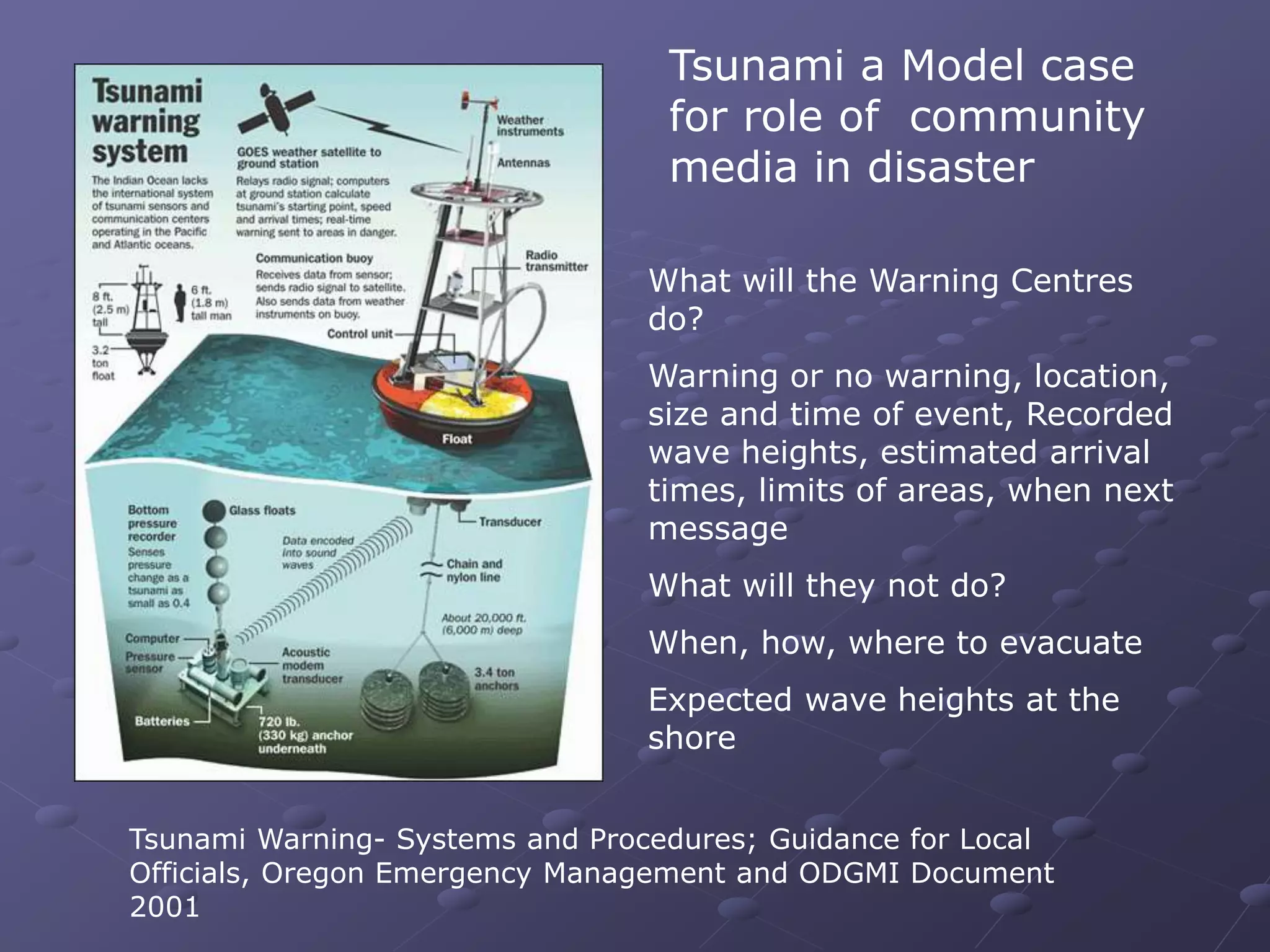
Tsunami a Model case
for role of community
media in disaster
What will the Warning Centres
do?
Warning or no warning, location,
size and time of event, Recorded
wave heights, estimated arrival
times, limits of areas, when next
message
What will they not do?
When, how, where to evacuate
Expected wave heights at the
shore
Tsunami Warning- Systems and Procedures; Guidance for Local
Officials, Oregon Emergency Management and ODGMI Document
2001
Information Technology, Disaster
and Development
Utopian (Technological Determinism?) –
McLuhan – “The Computer thus holds out
the promise of technologically engendered
state of universal understanding and unity,
a state of absoption in the logos that could
knit (hu)mankind into one family and create
perpuity of collective harmony and peace”
McLuhan 1969, p72
www.kmentor.com/socio-tech-info/archieves/000282.html McLuhan
Interview Playboy March 1968
Other views…
Dystopian (Ellul 1990) Technology is the most
powerful force in modern life moving according to
its own logic and well beyond the control of human
beings. (Tech Determinist) Ellul J The Technological Bluff Tr by
G W Bromiley Grand Rapids: W B Eerdmands 1990
Hamelink’s Perspectives
Third way for technology – Social Constructionists
Technology is socially shaped or socially
constructed; its properties are largely if not
exclusively determined by the interpretative
framework and negotiations of relevant social
groups (quoted from David Baird 1997)– Bijker and Law
1992a, Mackenzie 1990, Callon 1987)
Disaster Information Technology
Disaster Information Technology – preparedness –
prior information – relief – reconstruction
James Carey’s Ritual View of Communication
Culture of Technology, People’s negotiation and
shaping of technology and culture of development
are in constant interaction
Without a life driven technology that enables us to
place the technology within the communities’
communication, technology driven life leads to
divisions, conflicts, isolation. Natural Disaster
cannot be fought on one’s own.
Sustainable, maintenance taken care of,
community’s and NGOs involvement, Solar
oriented and so on…
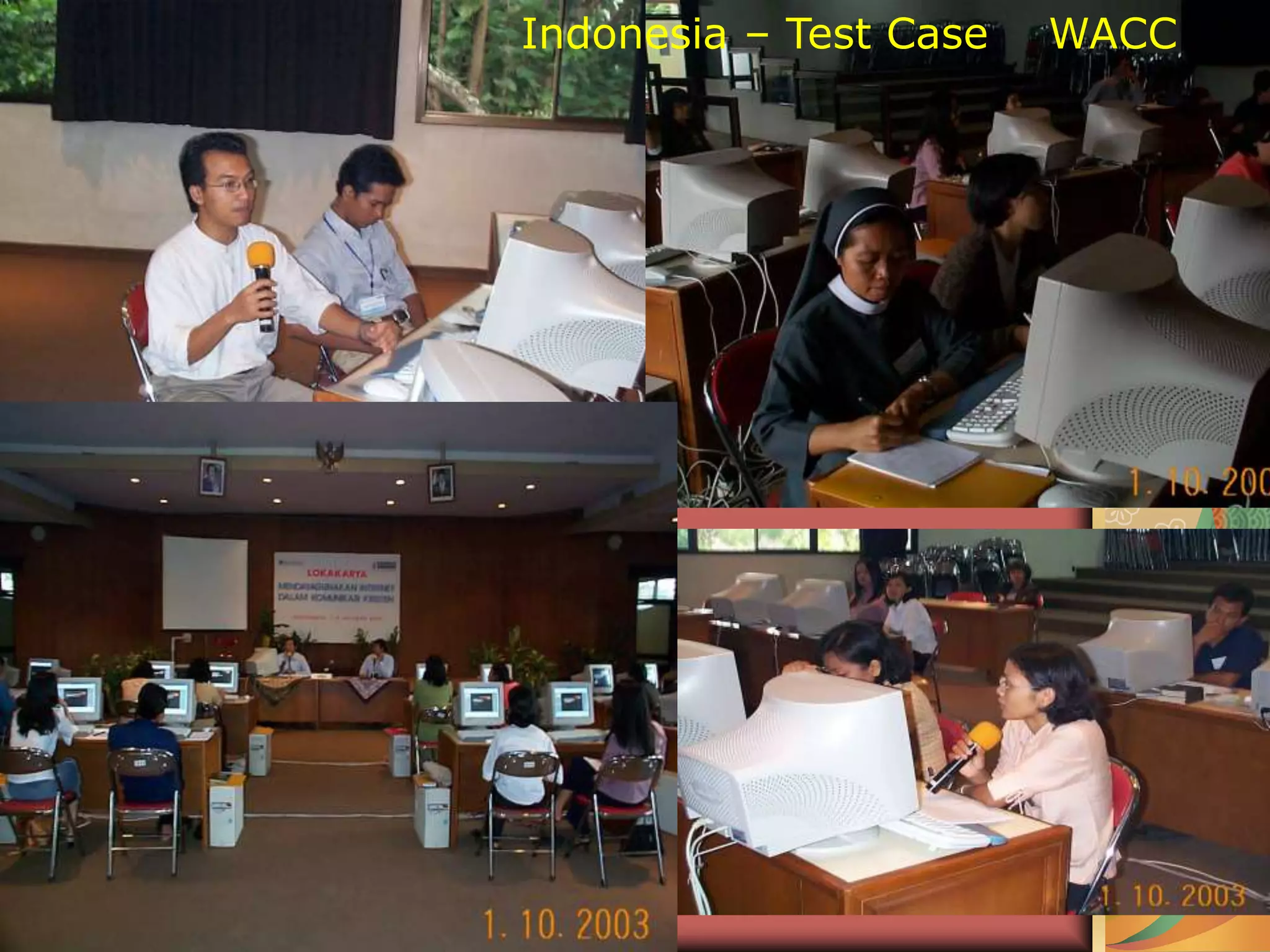
Indonesia – Test Case WACC
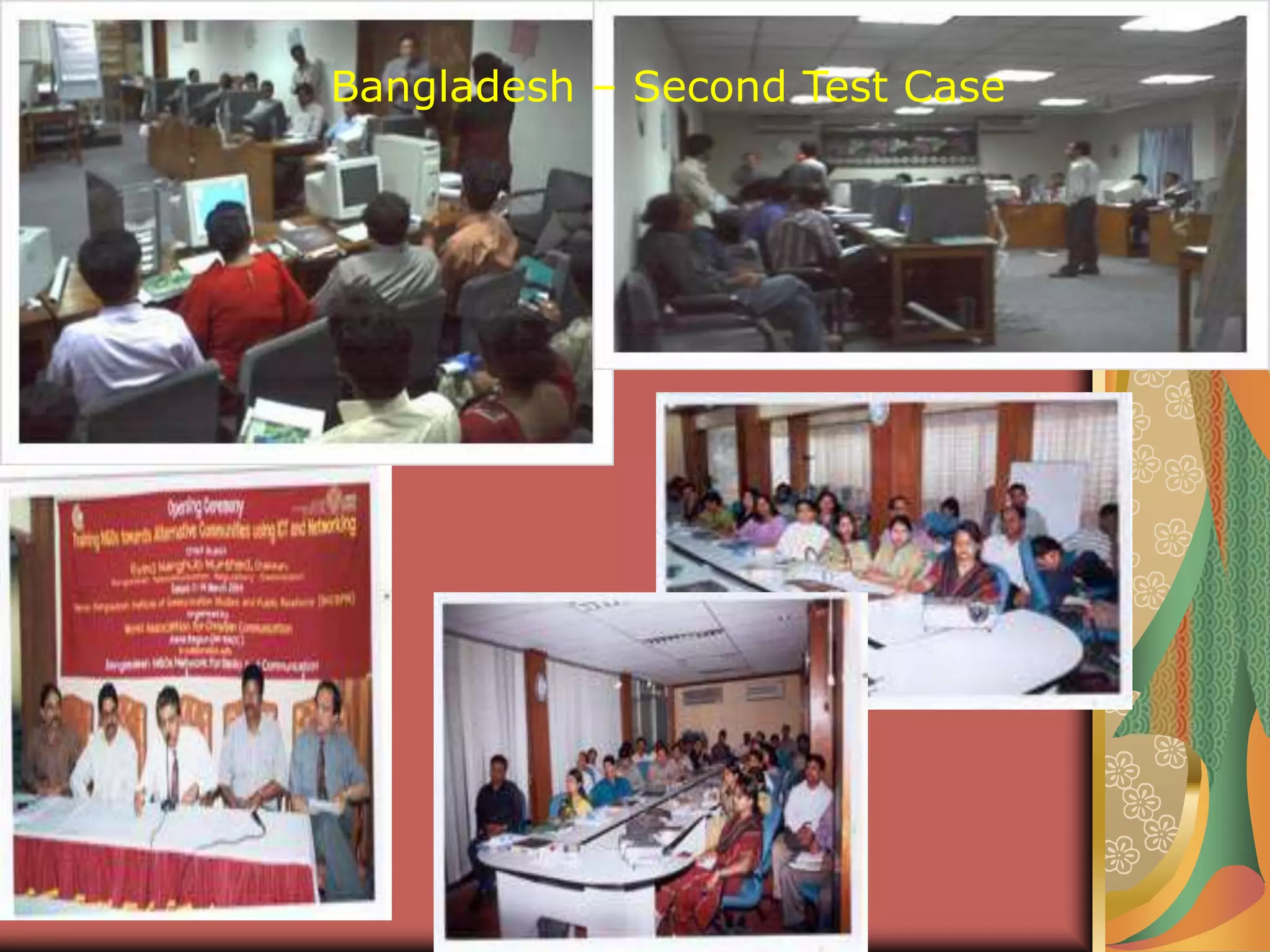
Bangladesh – Second Test Case
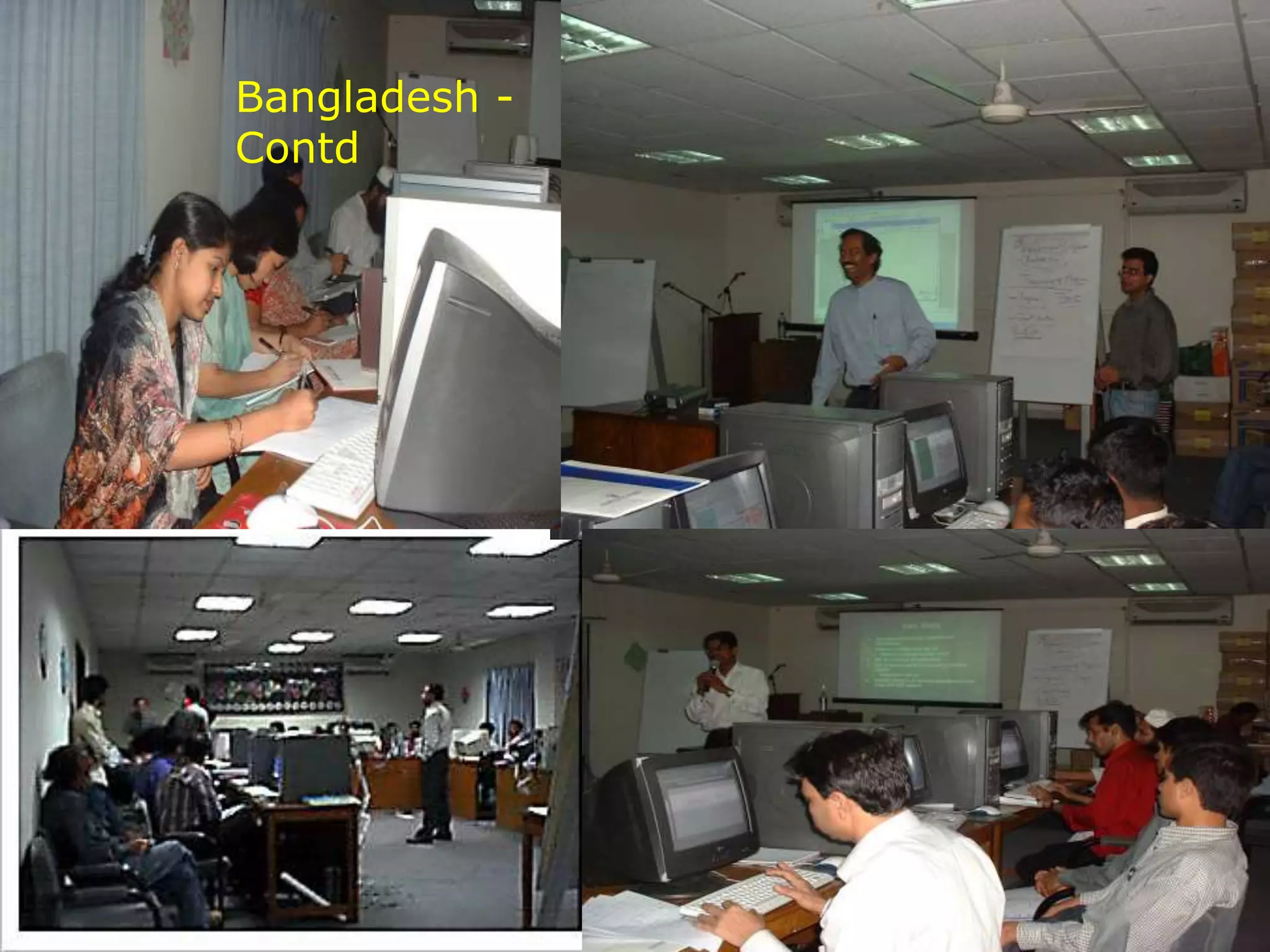
Bangladesh -
Contd
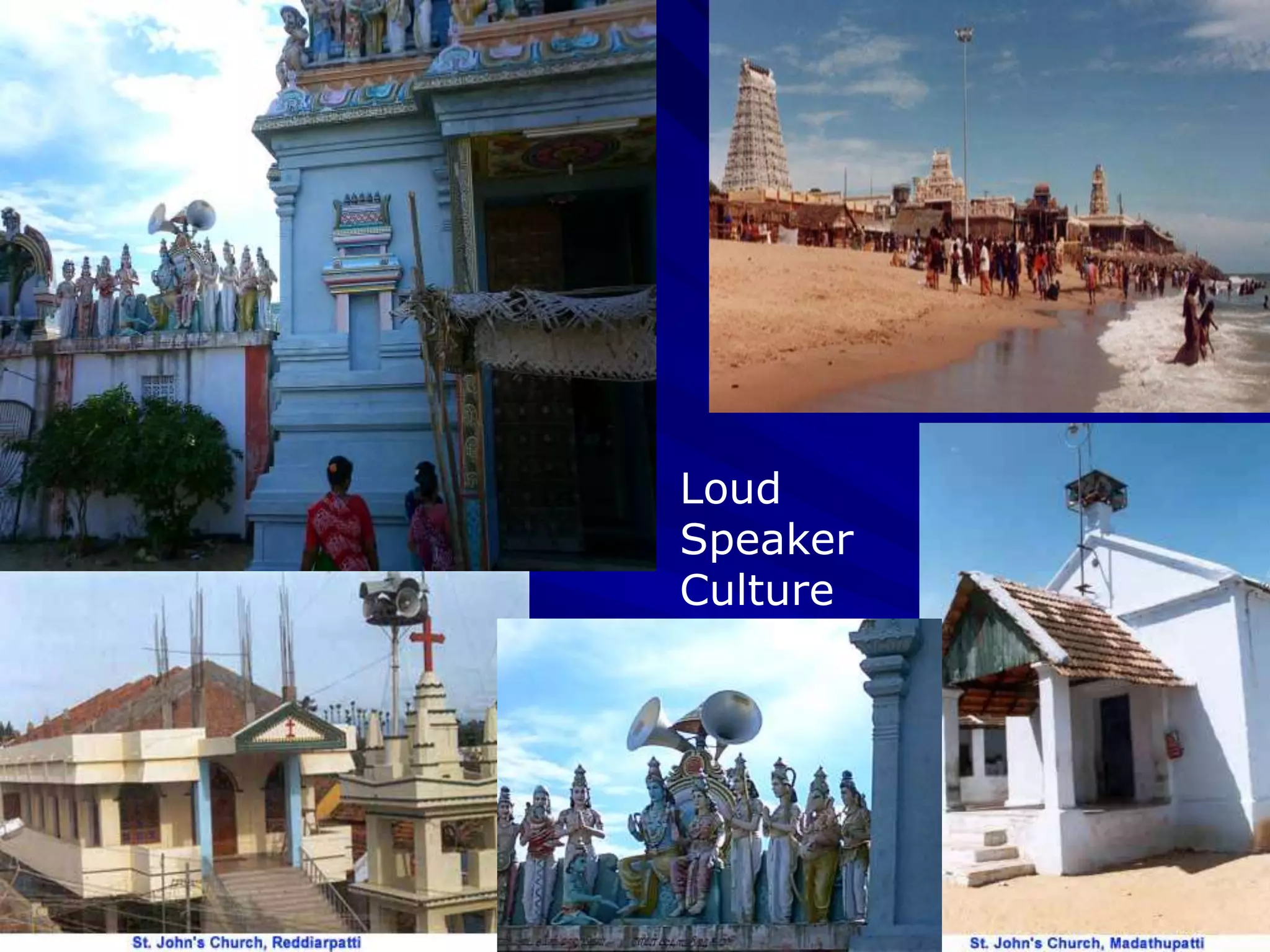
Loud Speakers and Warning
Mass Media and Disaster Communication
– Rumors vs athentic information -
approved by the government – time factor
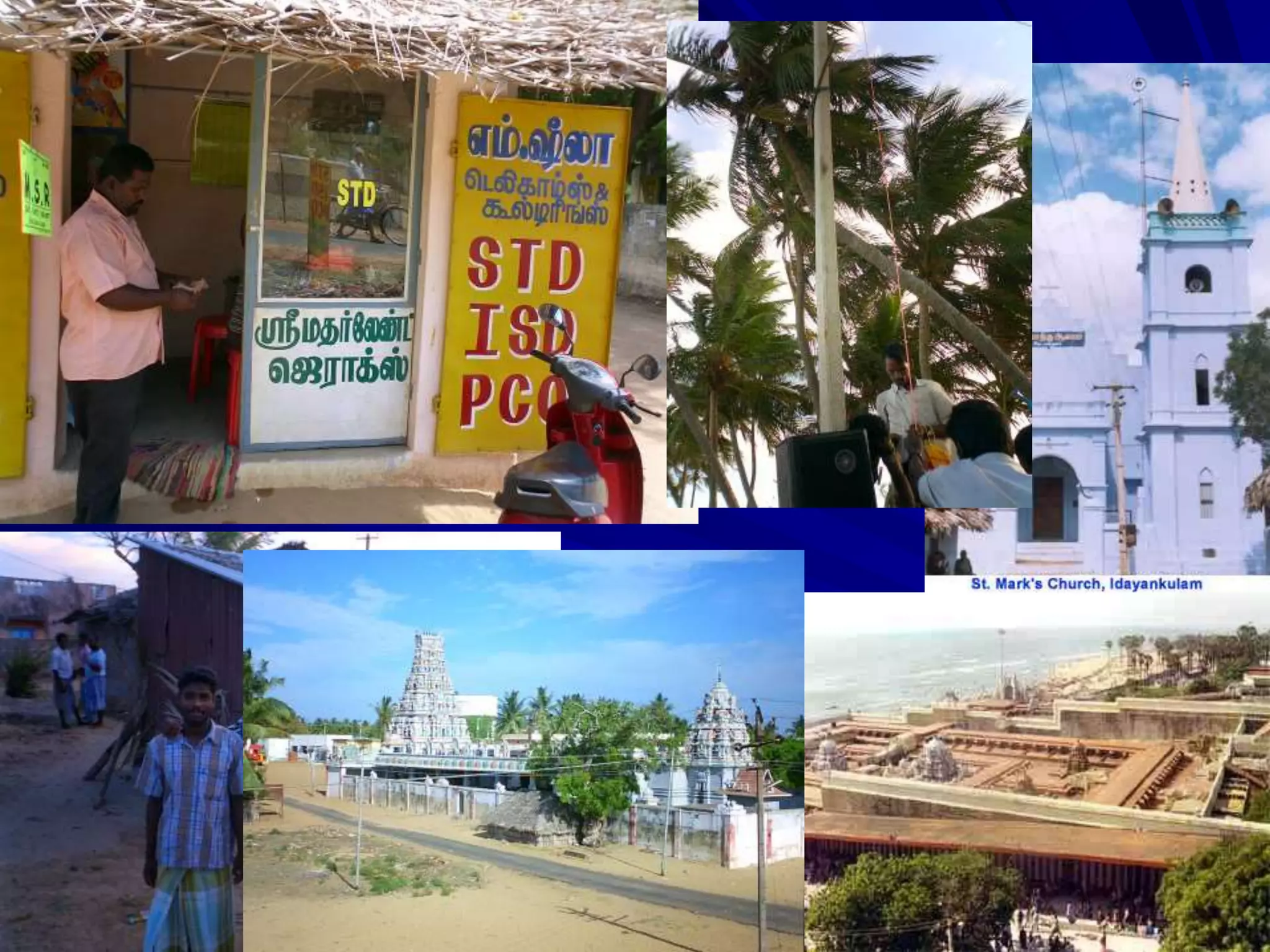
Panchayat Loud Speakers and Computer
Networking
Vans and Autos with Loud Speakers
Computer Booths like STD Booths with
solar – automatic announcement.
Loud
Speaker
Culture
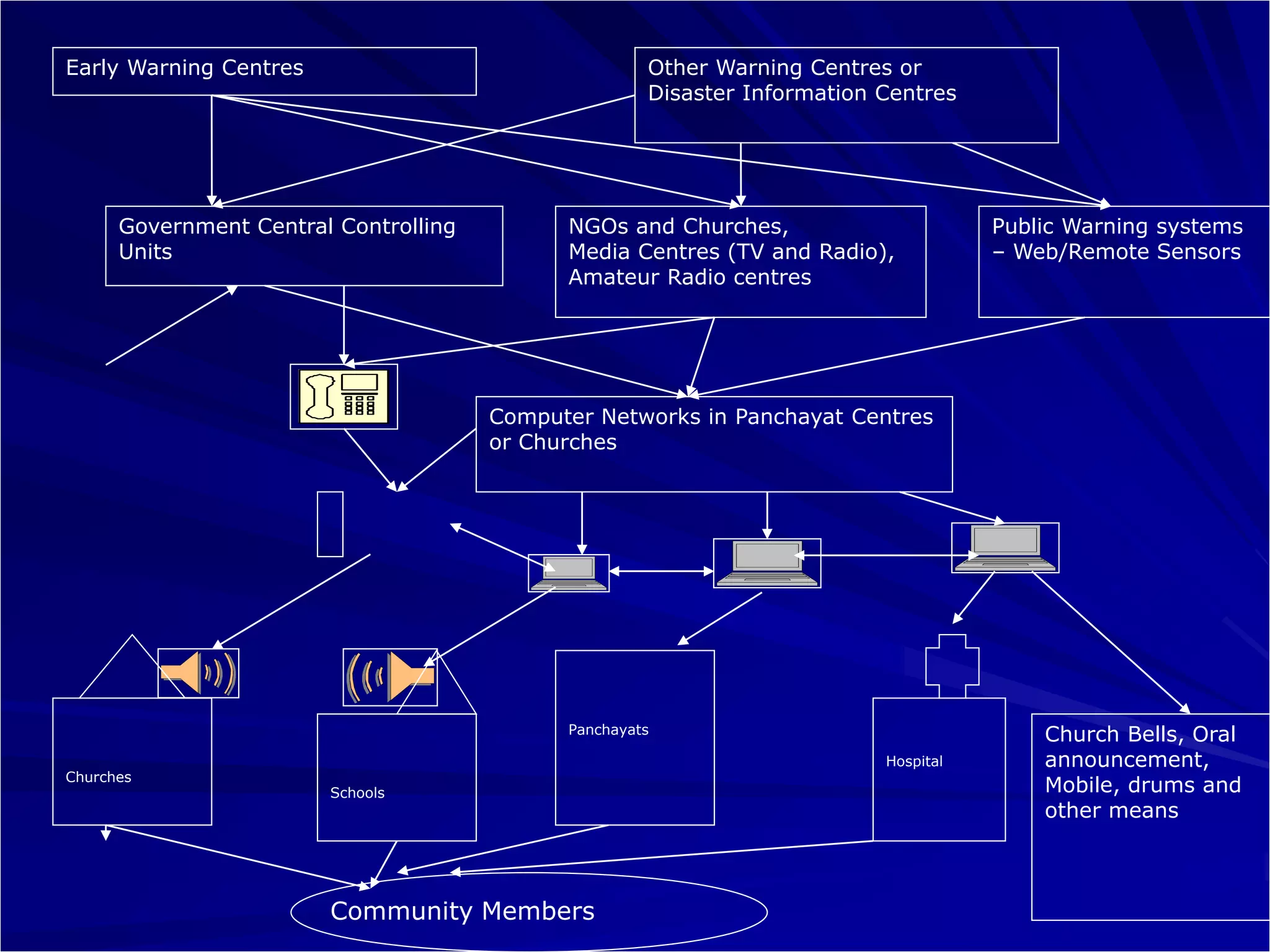
Early Warning Centres Other Warning Centres or
Disaster Information Centres
Government Central Controlling
Units
NGOs and Churches,
Media Centres (TV and Radio),
Amateur Radio centres
Public Warning systems
– Web/Remote Sensors
Computer Networks in Panchayat Centres
or Churches
Community Members
Church Bells, Oral
announcement,
Mobile, drums and
other means
Churches
Schools
Panchayats
Hospital
Suggestions
Special Training or Course for the journalists on Disaster
related reporting and alternative engagement in such
events.
Warning system for other disasters with the networking
and participation of local communities.
The use of Technology should be tested for facing
different disasters in networking people, NGOs and
Government within community’s involvement and
communication.
Technological innovation should focus on development
related and pro-subaltern and pro-poor and marginalized
communities.

Early Warning System and Village Communication Networks.ppt

  • 1.
    Early Warning Systemand Village Communication Networks Presented by Prof Dr Joshva Raja, for IAMCR, Taipei, Taiwan on 26th August 2005.
  • 2.
    Tsunami – theKiller Wave
  • 3.
    Prior Information Disaster InformationManagement – need of the hour – Many people’s lives could have been saved… Early Warning Systems and Community Networks Incorporating Technology into Community Media – Alternative Use of Technology From Technology Driven Life to Life Driven Technology
  • 4.
    Disaster Information Management Disseminationof warning and Preparedness (evacuation, readiness and warning) Communication networking in Response, Rescue and Recovery Sharing information about reconstruction, rebuilding and resettlement. Accessibility, Affordability, Availability…. Local language, involvement and maintenance Suvit Yodmani and David Hollister in Disaster and Communication Technology:Perspectives from Asia
  • 5.
    Mass Media andDisasters Positive role – Before, during and after the disaster – Problems - access to the mass? – Interested in numbers – Credible information – false alarm – Sensational news items – lack of background knowledge – Lack of other information Fitting their reports into regular and usual reporting style – searching for popular issues Often not in the mind of serving or helping rather collecting their news Hans Peter, Natural Disaster and the Media, Juelich, Germany… www.chmi.cz
  • 6.
    Mass Media Market Pressure/Profit motive/increasing space Negative /Stereotype reportingas Practice Popularizing strange things - fundamentalism Constructing Realities: Turning reality into a myth… Media refers to TV/Radio/Newspapers/Magazines/Internet… Information Communication Entertainment
  • 7.
    A Story ofTsunami 2004 26th December 2004 – Prior Information was available Information management and Distribution systems were not available Community Media and Dissemination – M S Swaminathan’s success story Connecting people to warning message through technology and NGOs…
  • 8.
    Disasters and Networkingin India  Disasters –Drought, Earthquake, Floods, Landslides  Warning and Forecasting systems – Indian Meteorological Dept (Area Cyclone Warning Centres); National Remote Sensing Agency (NRSA); Seismological Observations; Centre Water Commission for flood warnings; Cyclone Detection Radars; National Agricultural Drought Assessment and Management System (NADAMS); National Contingency Action Plan (CAP); State Crisis Management Group (SCMG)  India Disaster Resource Network (IDRN) for data collections – Govt and UNDP – Geographic Information System (GIS) – National Database for Emergency Management Dr Alok Gupta, Information Technology and Natural Disaster Management in India, New Delhi: 2000. www.gisdevelopment.net; Govt of India National Disaster Management Division Document, ICT for Disaster Risk Reduction
  • 9.
    Tsunami a Modelcase for role of community media in disaster What will the Warning Centres do? Warning or no warning, location, size and time of event, Recorded wave heights, estimated arrival times, limits of areas, when next message What will they not do? When, how, where to evacuate Expected wave heights at the shore Tsunami Warning- Systems and Procedures; Guidance for Local Officials, Oregon Emergency Management and ODGMI Document 2001
  • 10.
    Information Technology, Disaster andDevelopment Utopian (Technological Determinism?) – McLuhan – “The Computer thus holds out the promise of technologically engendered state of universal understanding and unity, a state of absoption in the logos that could knit (hu)mankind into one family and create perpuity of collective harmony and peace” McLuhan 1969, p72 www.kmentor.com/socio-tech-info/archieves/000282.html McLuhan Interview Playboy March 1968
  • 11.
    Other views… Dystopian (Ellul1990) Technology is the most powerful force in modern life moving according to its own logic and well beyond the control of human beings. (Tech Determinist) Ellul J The Technological Bluff Tr by G W Bromiley Grand Rapids: W B Eerdmands 1990 Hamelink’s Perspectives Third way for technology – Social Constructionists Technology is socially shaped or socially constructed; its properties are largely if not exclusively determined by the interpretative framework and negotiations of relevant social groups (quoted from David Baird 1997)– Bijker and Law 1992a, Mackenzie 1990, Callon 1987)
  • 12.
    Disaster Information Technology DisasterInformation Technology – preparedness – prior information – relief – reconstruction James Carey’s Ritual View of Communication Culture of Technology, People’s negotiation and shaping of technology and culture of development are in constant interaction Without a life driven technology that enables us to place the technology within the communities’ communication, technology driven life leads to divisions, conflicts, isolation. Natural Disaster cannot be fought on one’s own. Sustainable, maintenance taken care of, community’s and NGOs involvement, Solar oriented and so on…
  • 13.
  • 14.
  • 15.
  • 16.
    Loud Speakers andWarning Mass Media and Disaster Communication – Rumors vs athentic information - approved by the government – time factor Panchayat Loud Speakers and Computer Networking Vans and Autos with Loud Speakers Computer Booths like STD Booths with solar – automatic announcement.
  • 17.
  • 18.
    Early Warning CentresOther Warning Centres or Disaster Information Centres Government Central Controlling Units NGOs and Churches, Media Centres (TV and Radio), Amateur Radio centres Public Warning systems – Web/Remote Sensors Computer Networks in Panchayat Centres or Churches Community Members Church Bells, Oral announcement, Mobile, drums and other means Churches Schools Panchayats Hospital
  • 22.
    Suggestions Special Training orCourse for the journalists on Disaster related reporting and alternative engagement in such events. Warning system for other disasters with the networking and participation of local communities. The use of Technology should be tested for facing different disasters in networking people, NGOs and Government within community’s involvement and communication. Technological innovation should focus on development related and pro-subaltern and pro-poor and marginalized communities.