



Dropping Science on Your
     Developer Ecosystem -
    lessons from Ecosystem
         Management

@thesteve0
Steven Citron-Pousty
PaaS Dust Spreader
OpenShift – Red Hat
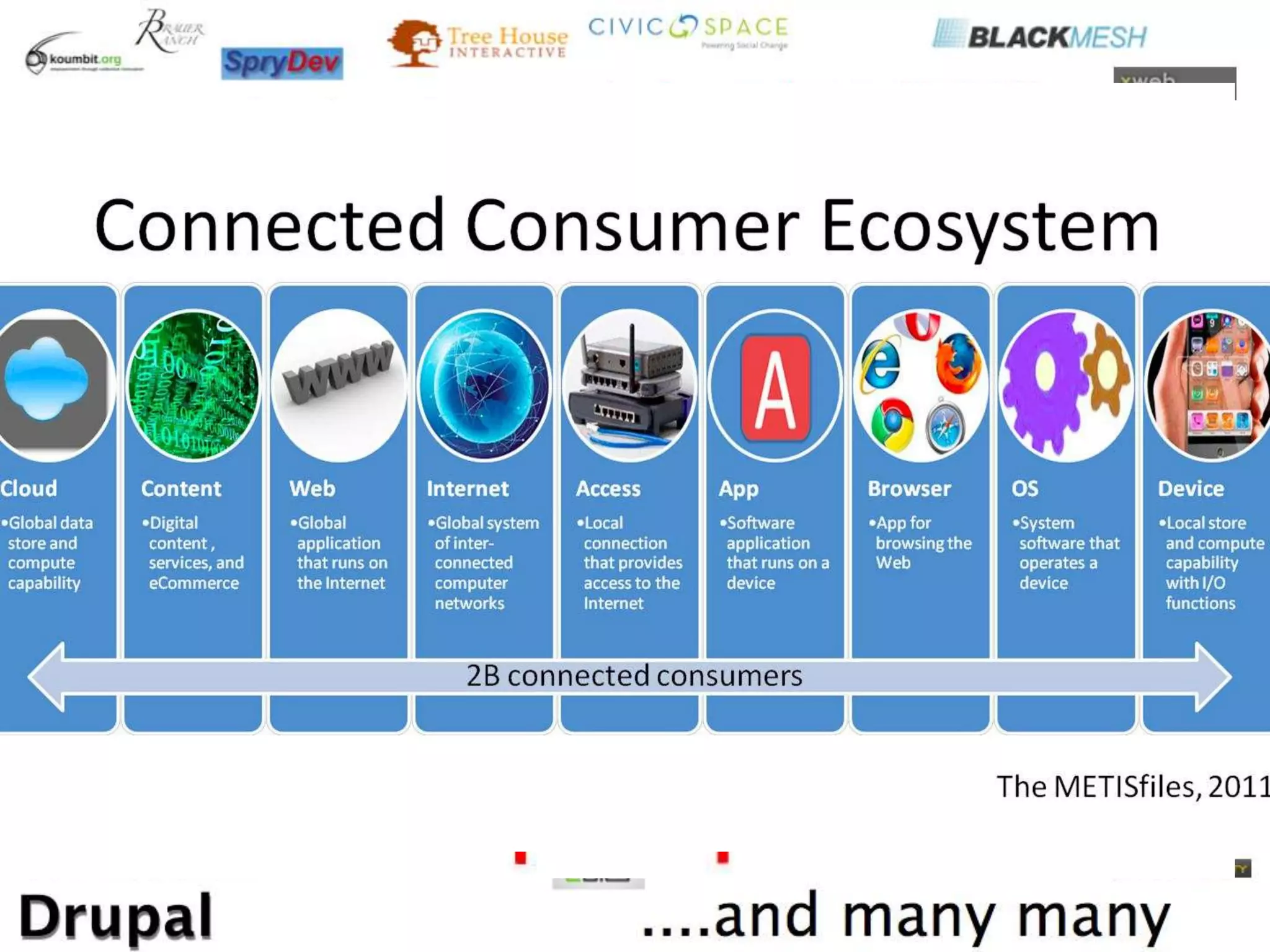
Slide with Tech ecosystem
Science!!


        chase_elliott from flickr
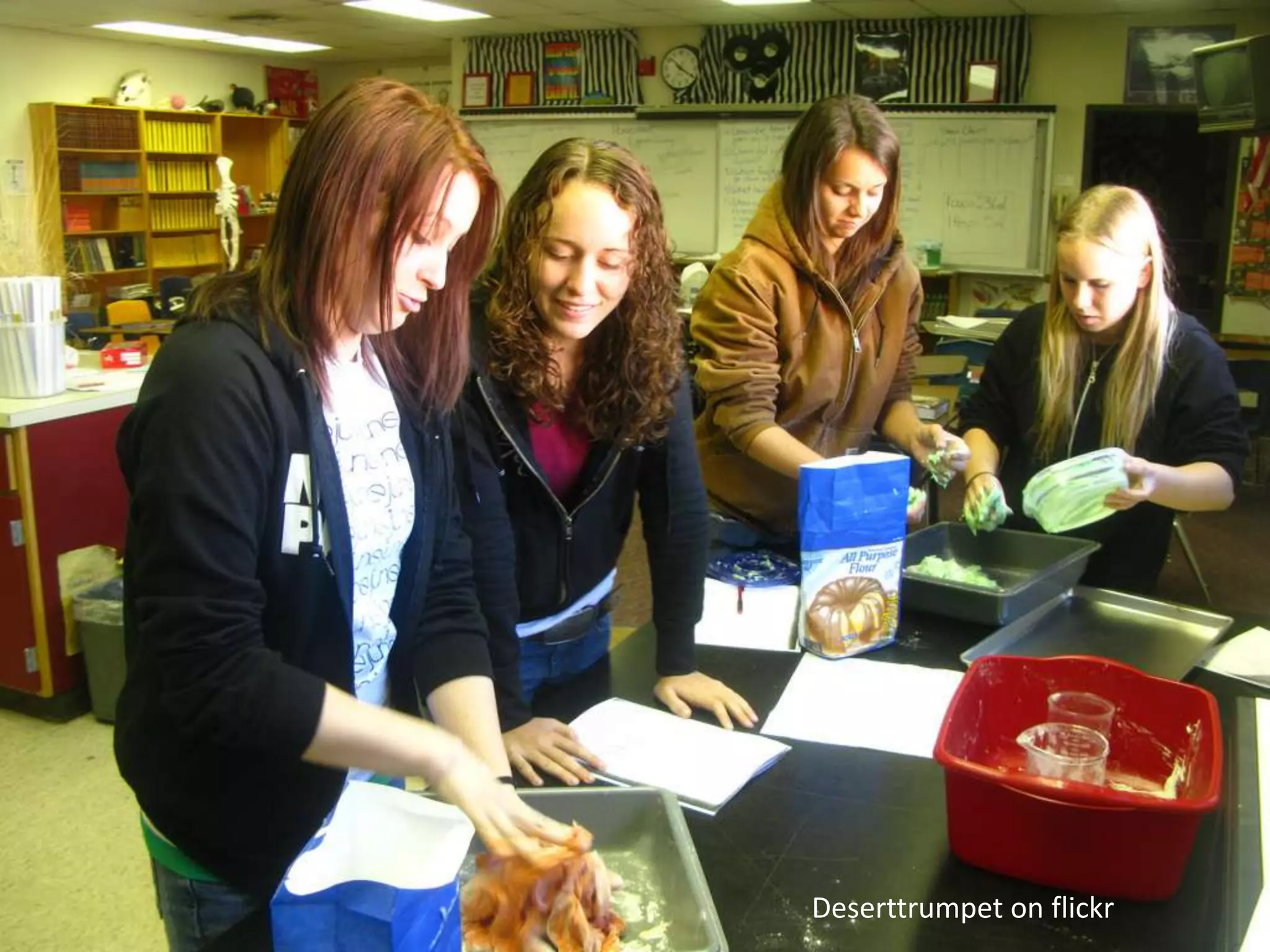
Slide with High School picture
• If we go back to High School science


                                Deserttrumpet on flickr
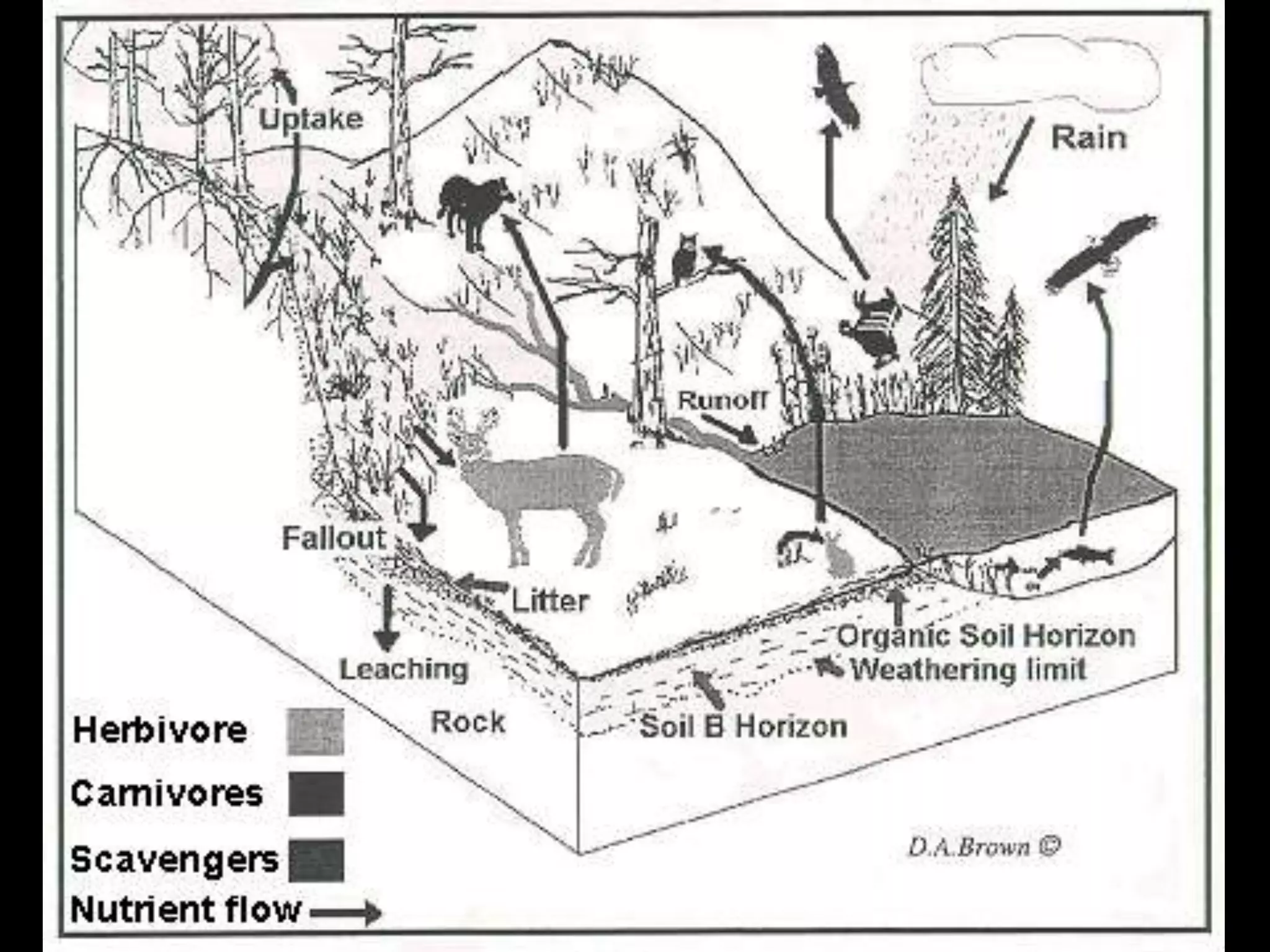
Ecosystems are real
• Well they are actually a model – but with the
  good and the bad
And Conservation Biologists use This
              Model
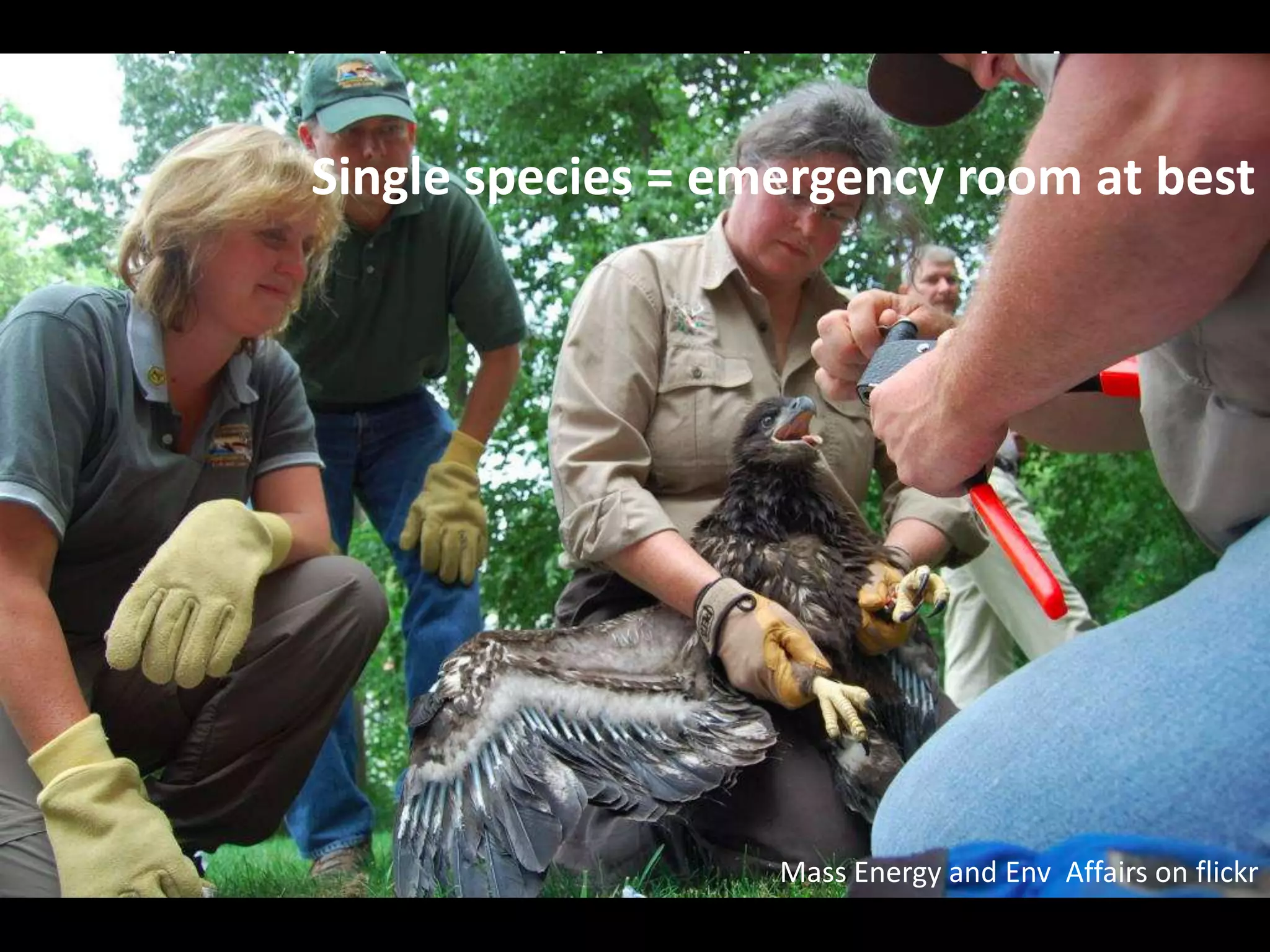
They had a problem that needed to
 move beyond individual species at best
      Single species = emergency room


                      Mass Energy and Env Affairs on flickr
Which Animal Forced the Issue
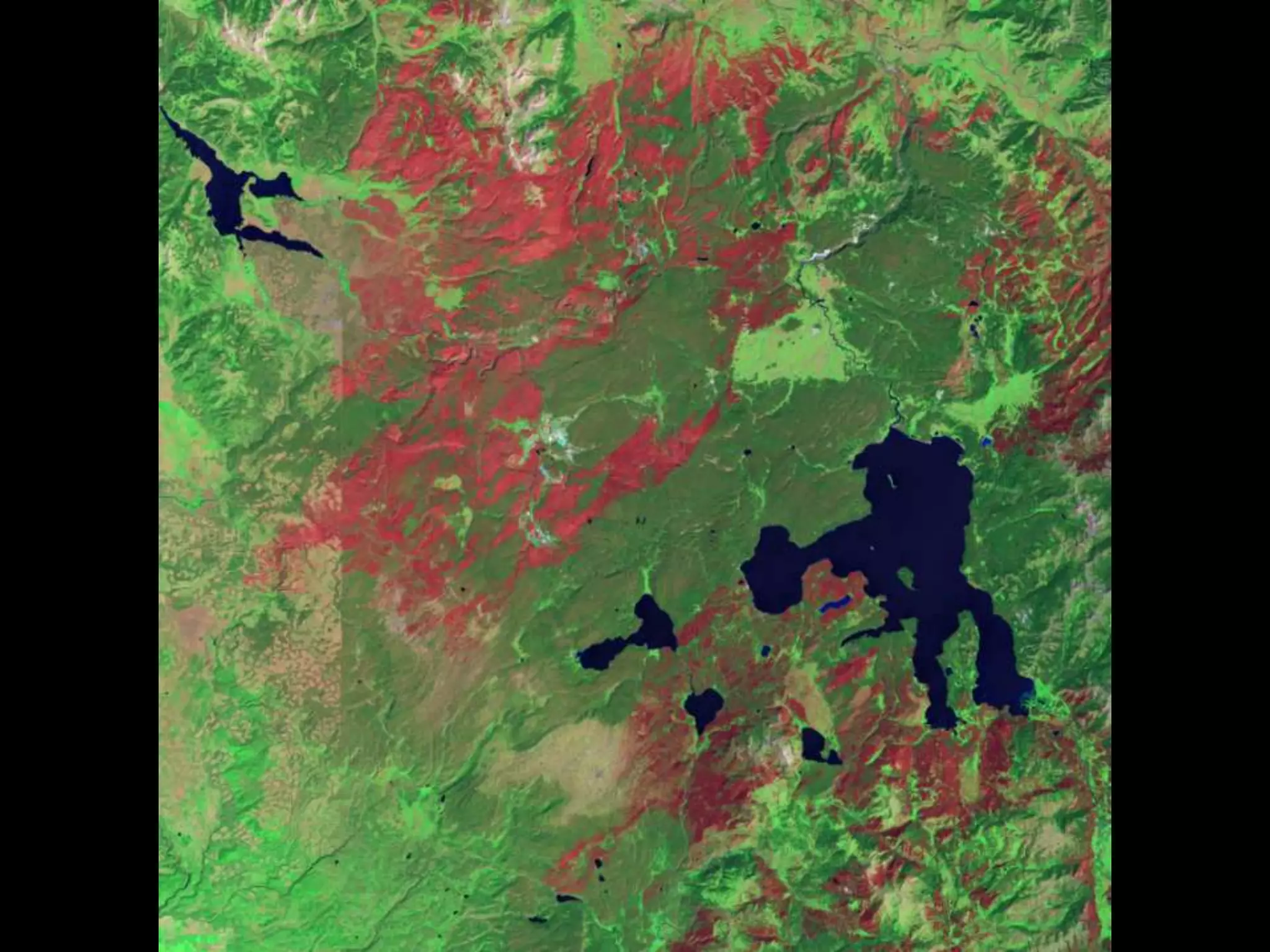
Yellowstone – satellite
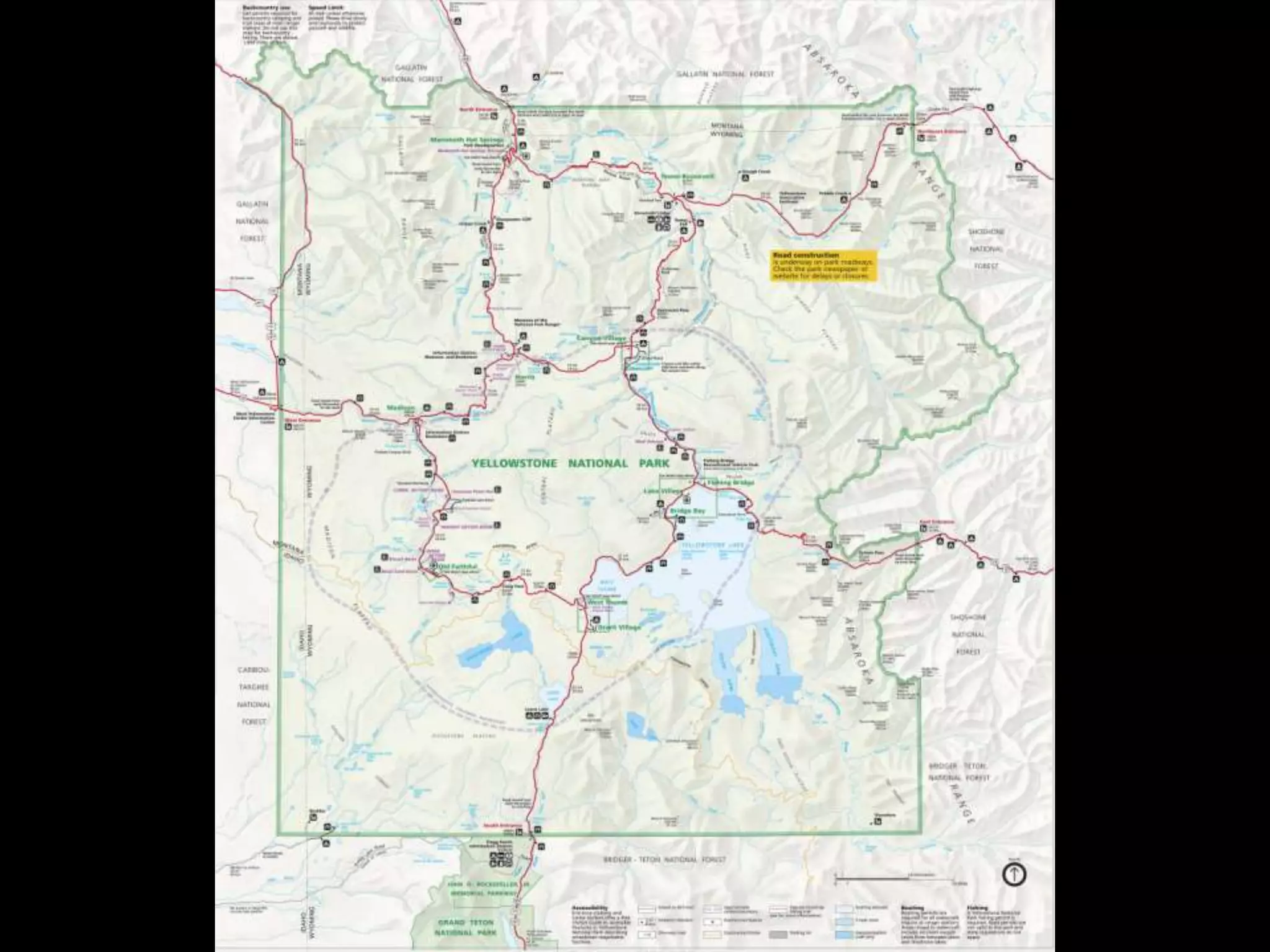
Yellowstone - map
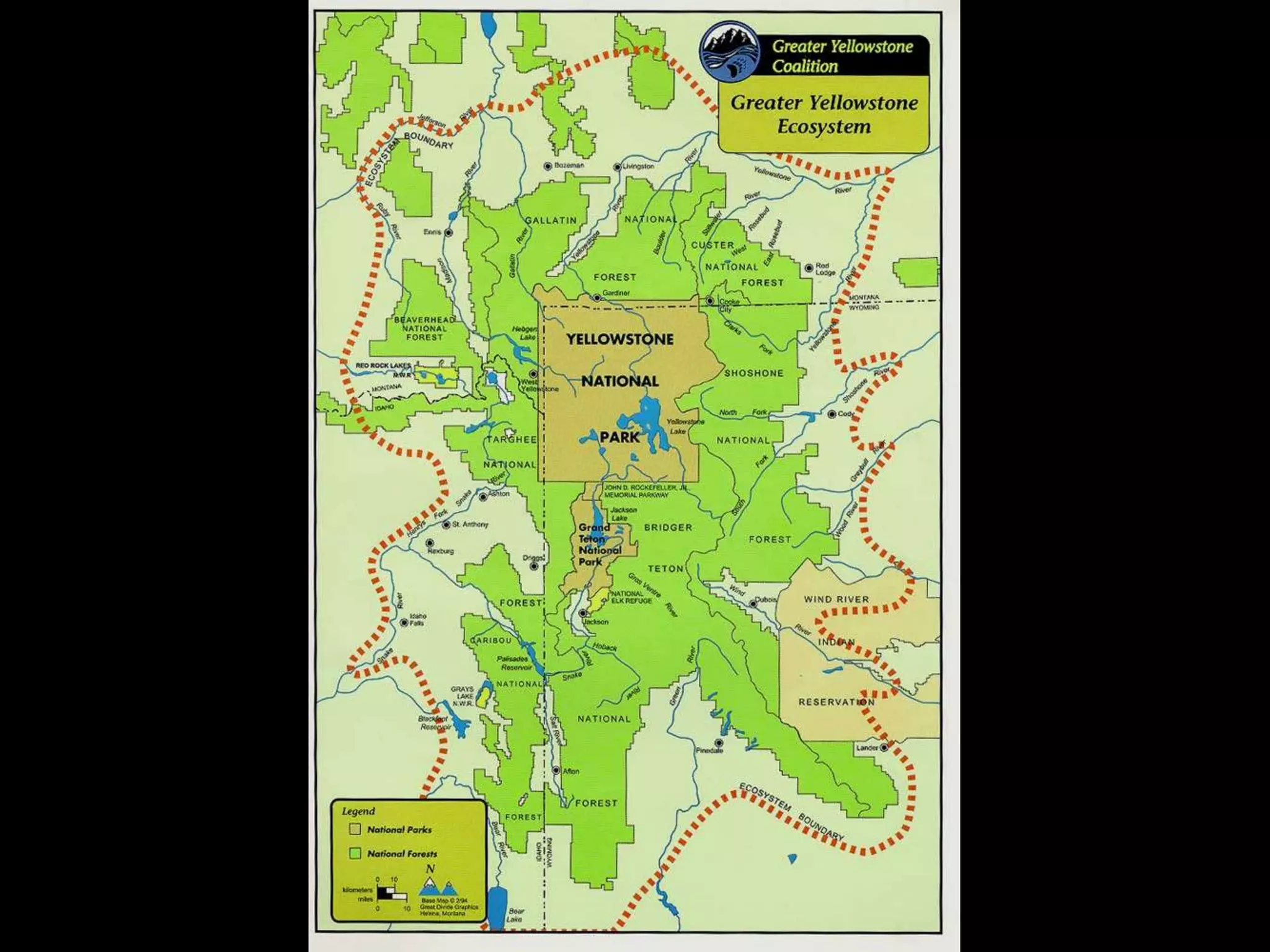
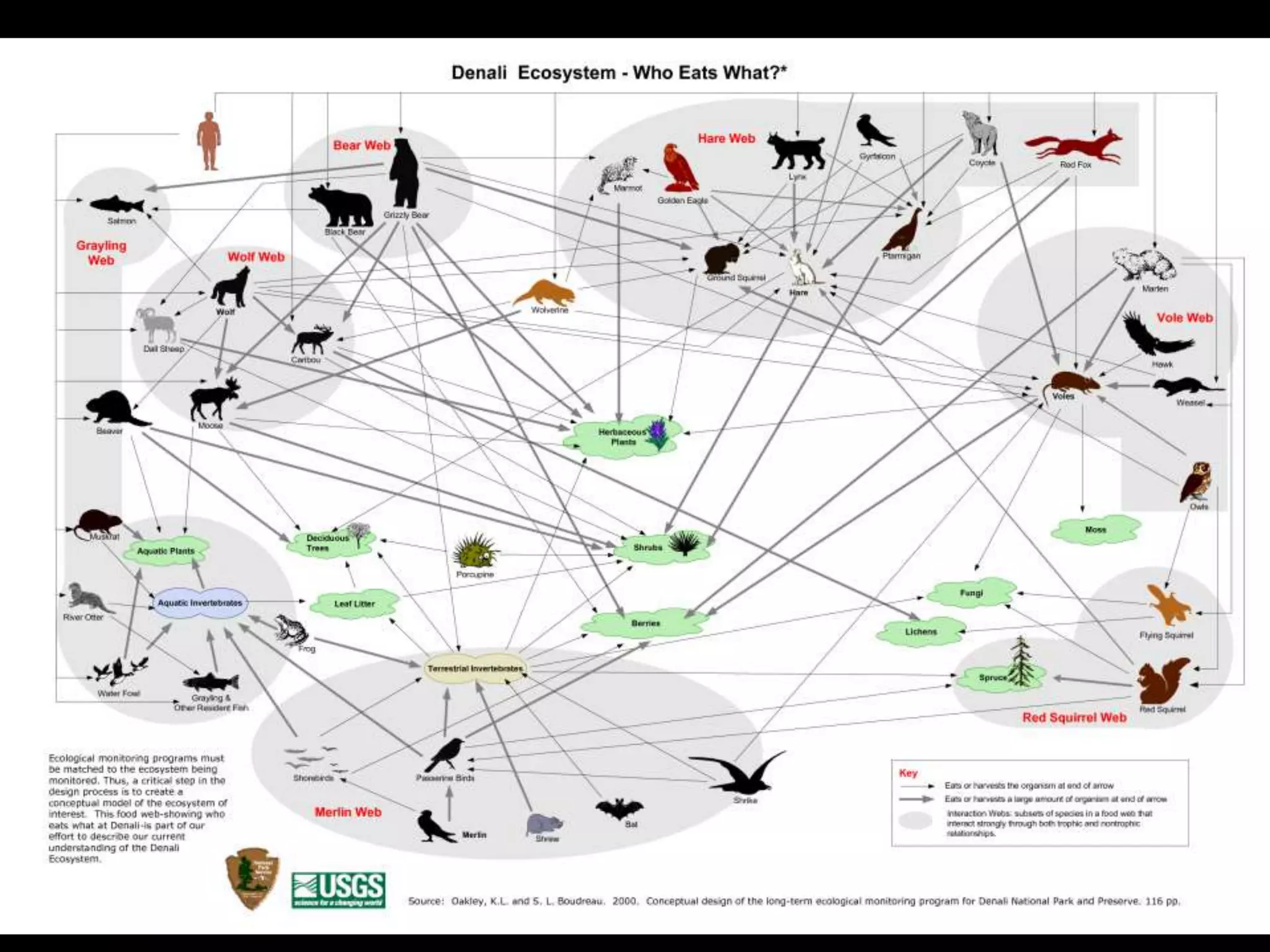
Yellowstone – ecosystem
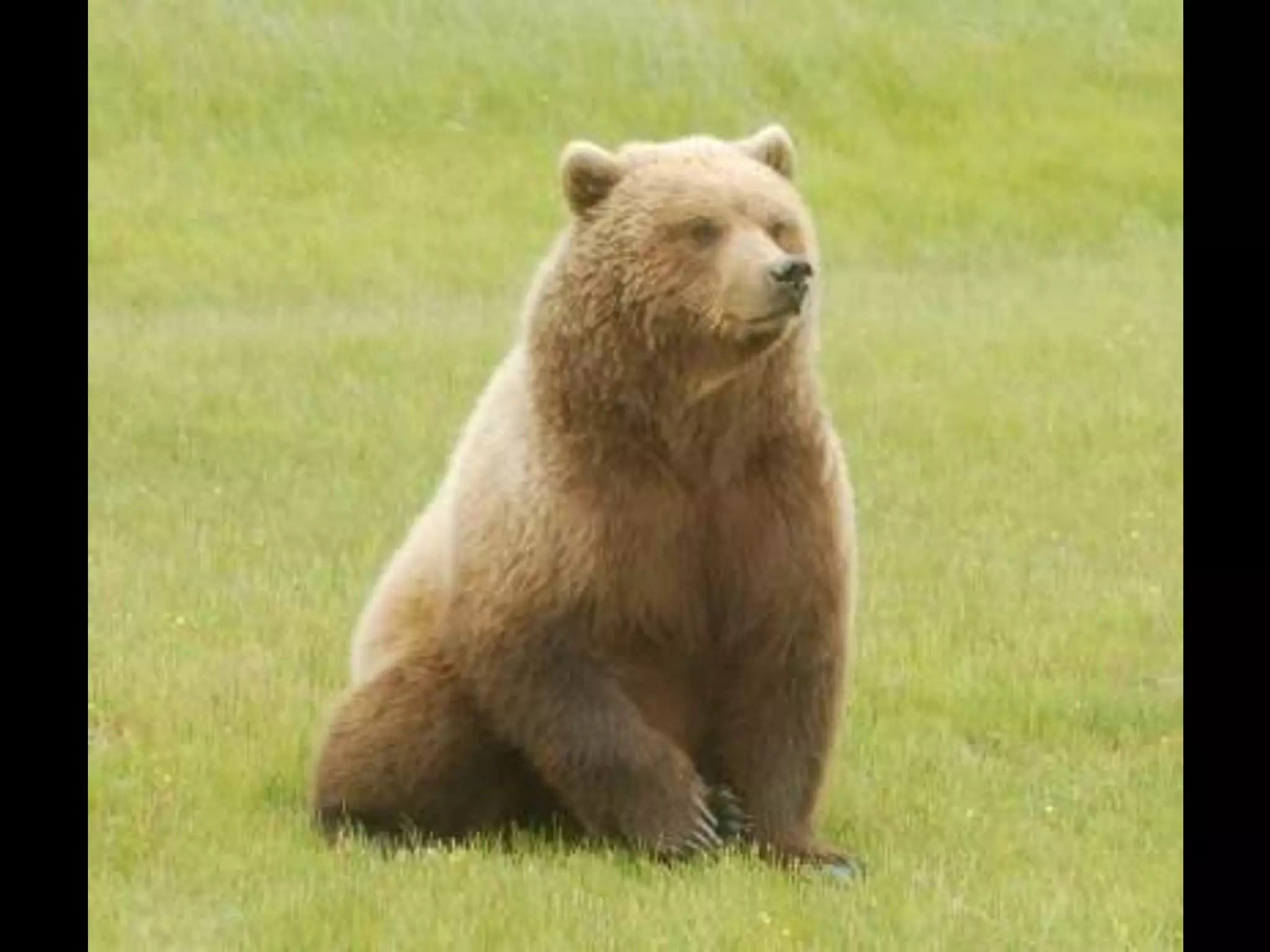
Grizzly bear
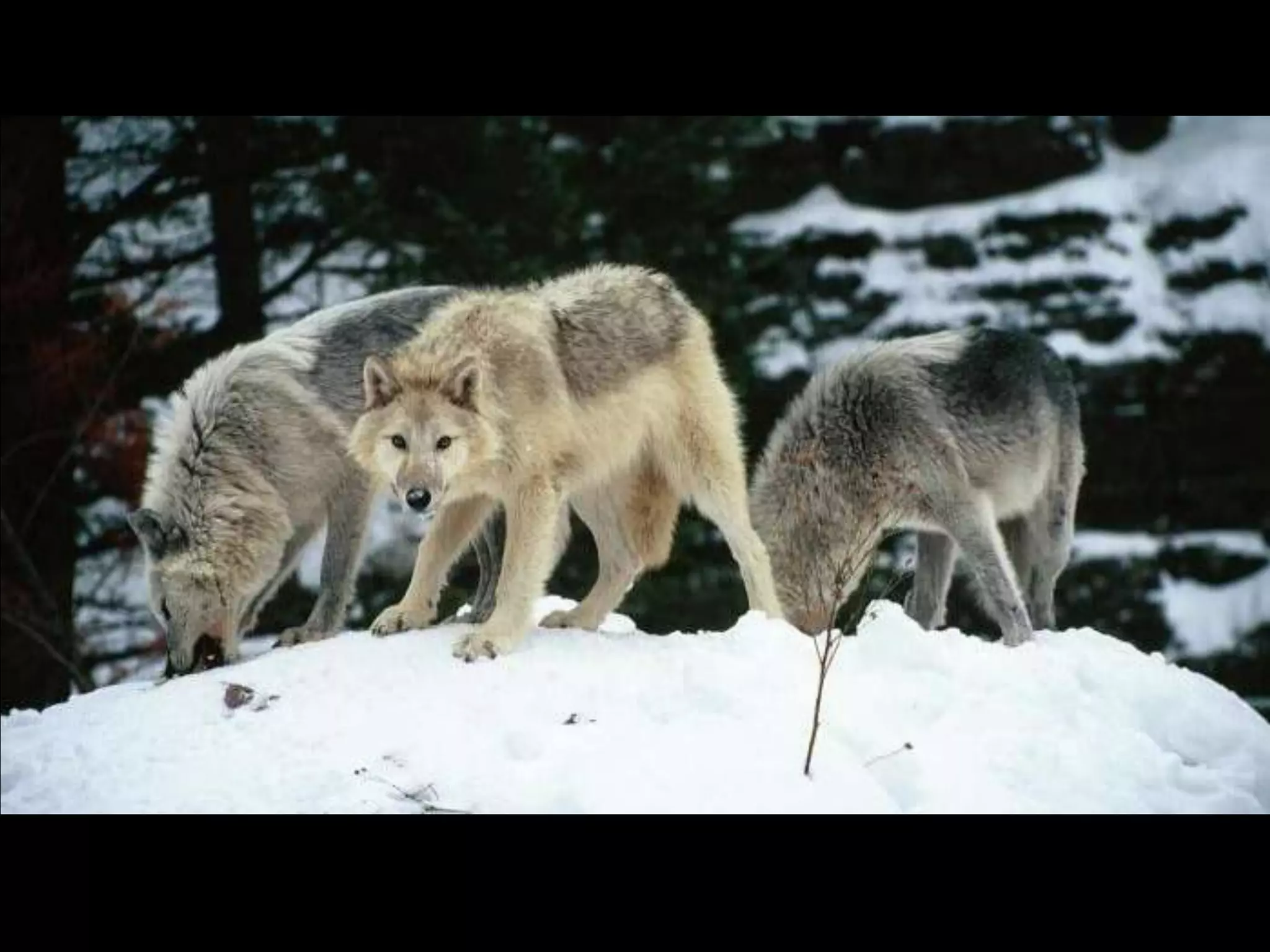
Wolf
Grizzly Denali picture
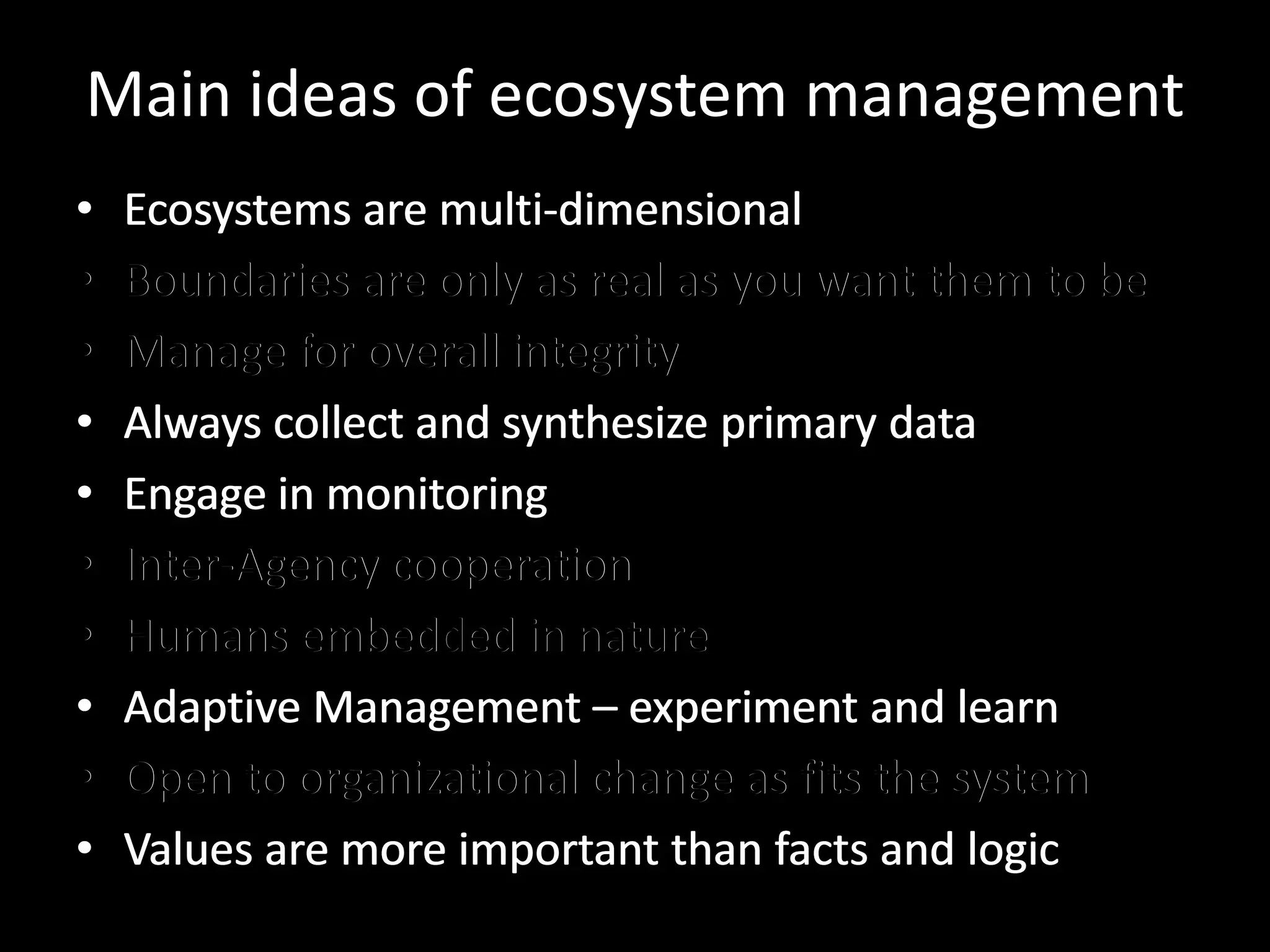
So what are some of the ideas that I
        will focus on today
Main ideas of ecosystem management
•   Ecosystems are multi-dimensional
•   Boundaries are only as real as you want them to be
•   Manage for overall integrity
•   Always collect and synthesize primary data
•   Engage in monitoring
•   Inter-Agency cooperation
•   Humans embedded in nature
•   Adaptive Management – experiment and learn
•   Open to organizational change as fits the system
•   Values are more important than facts and logic
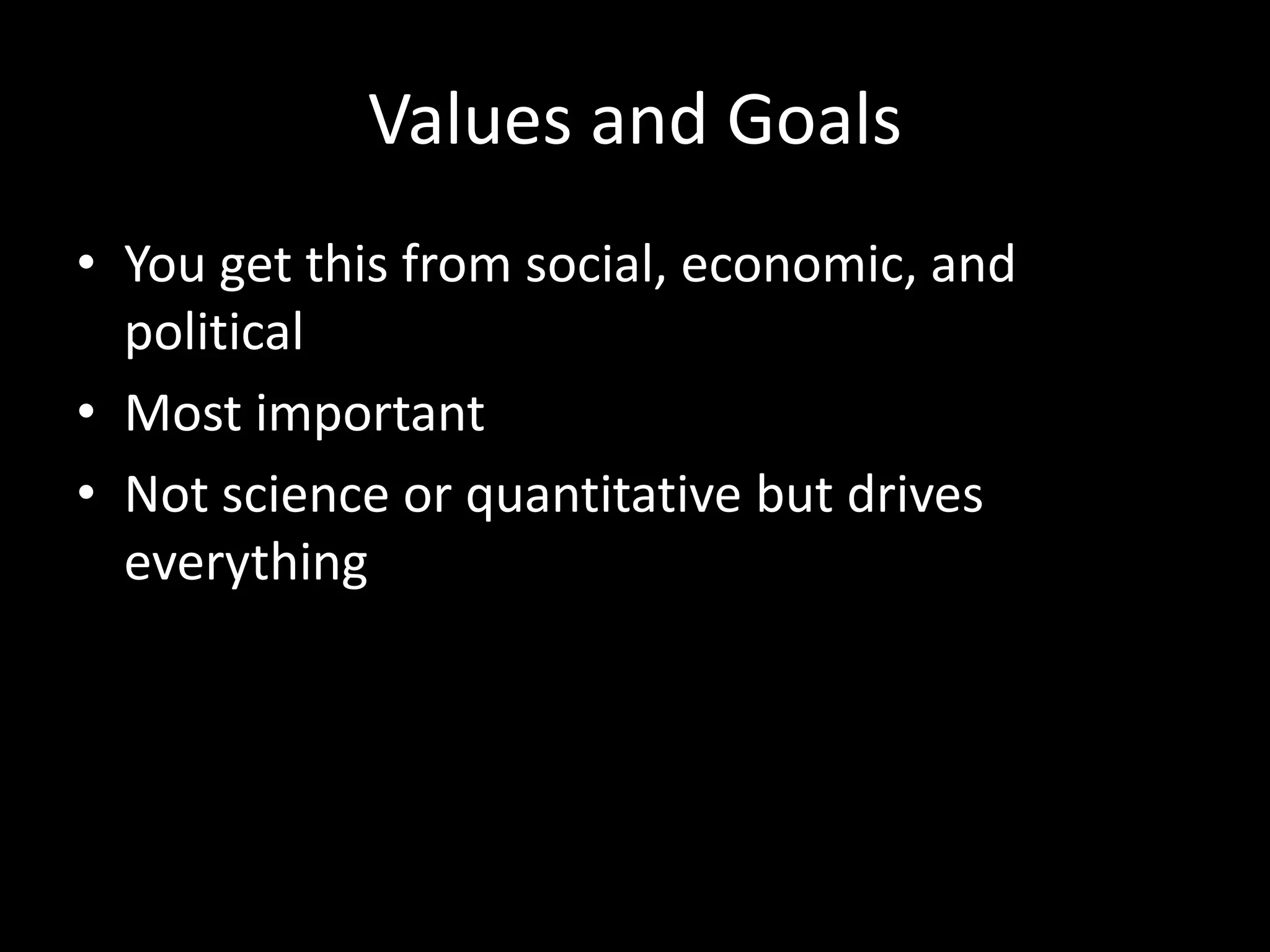
Values and Goals
• You get this from social, economic, and
  political
• Most important
• Not science or quantitative but drives
  everything
Science!!


        chase_elliott from flickr
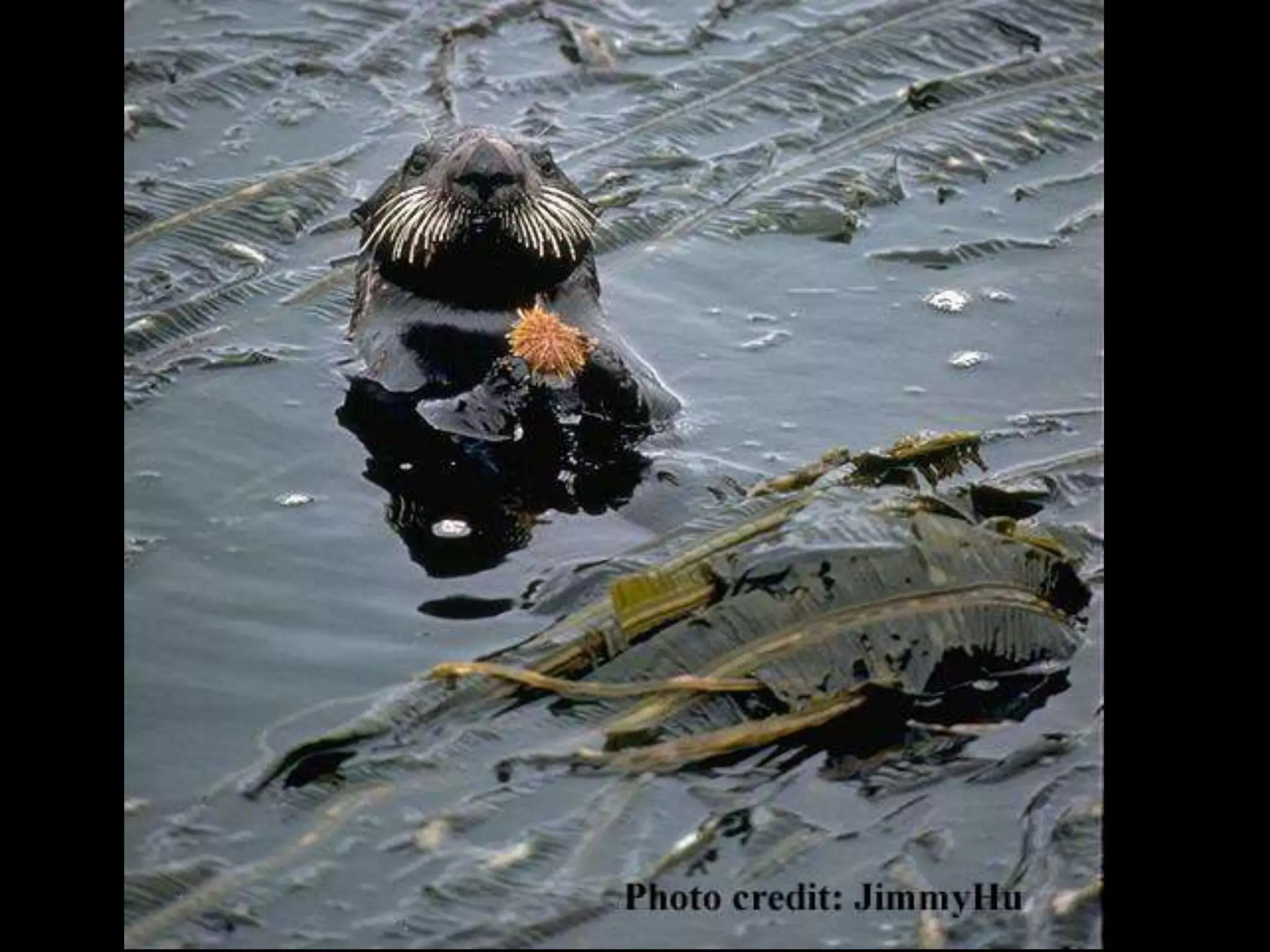
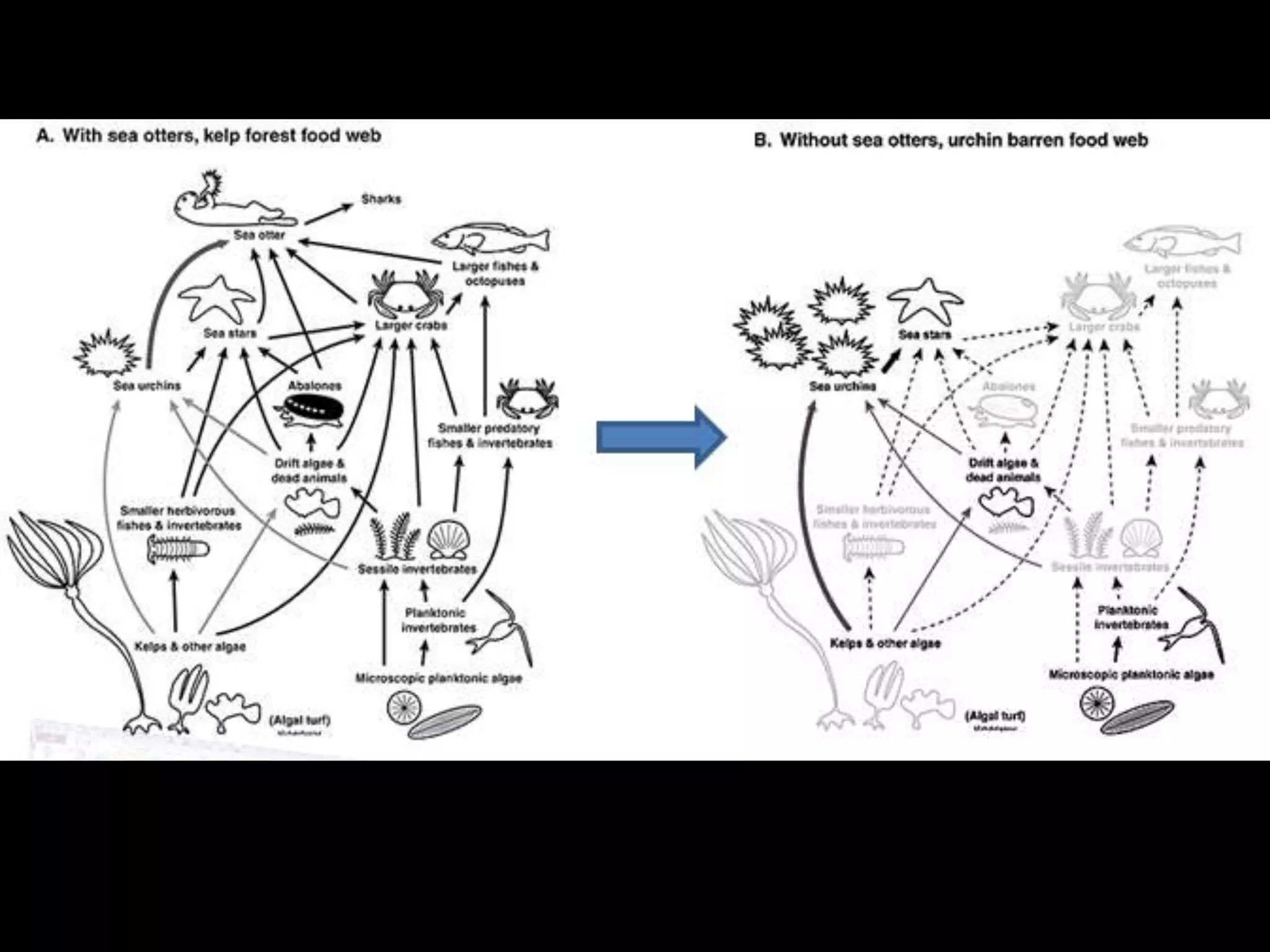
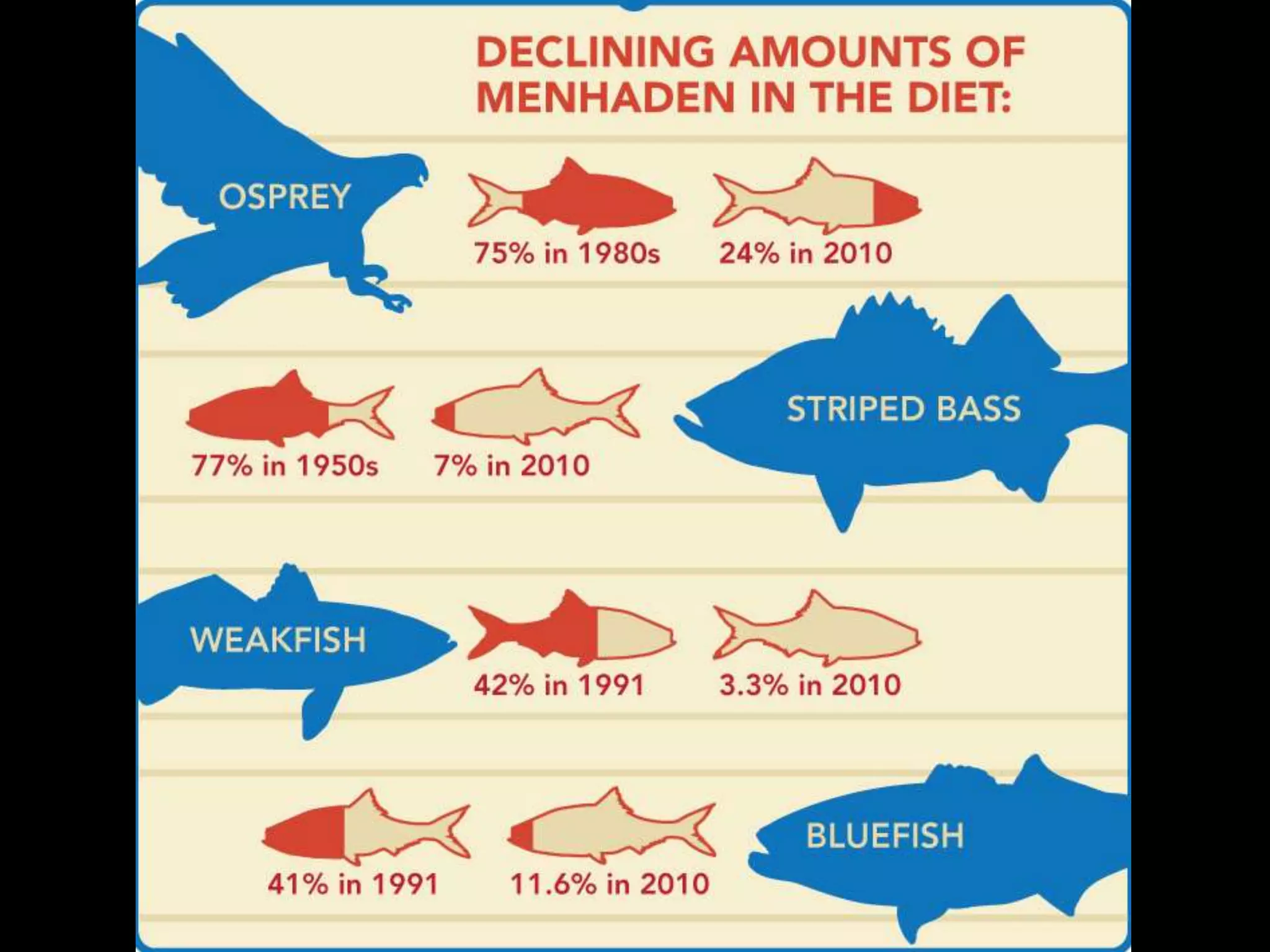
Keystone
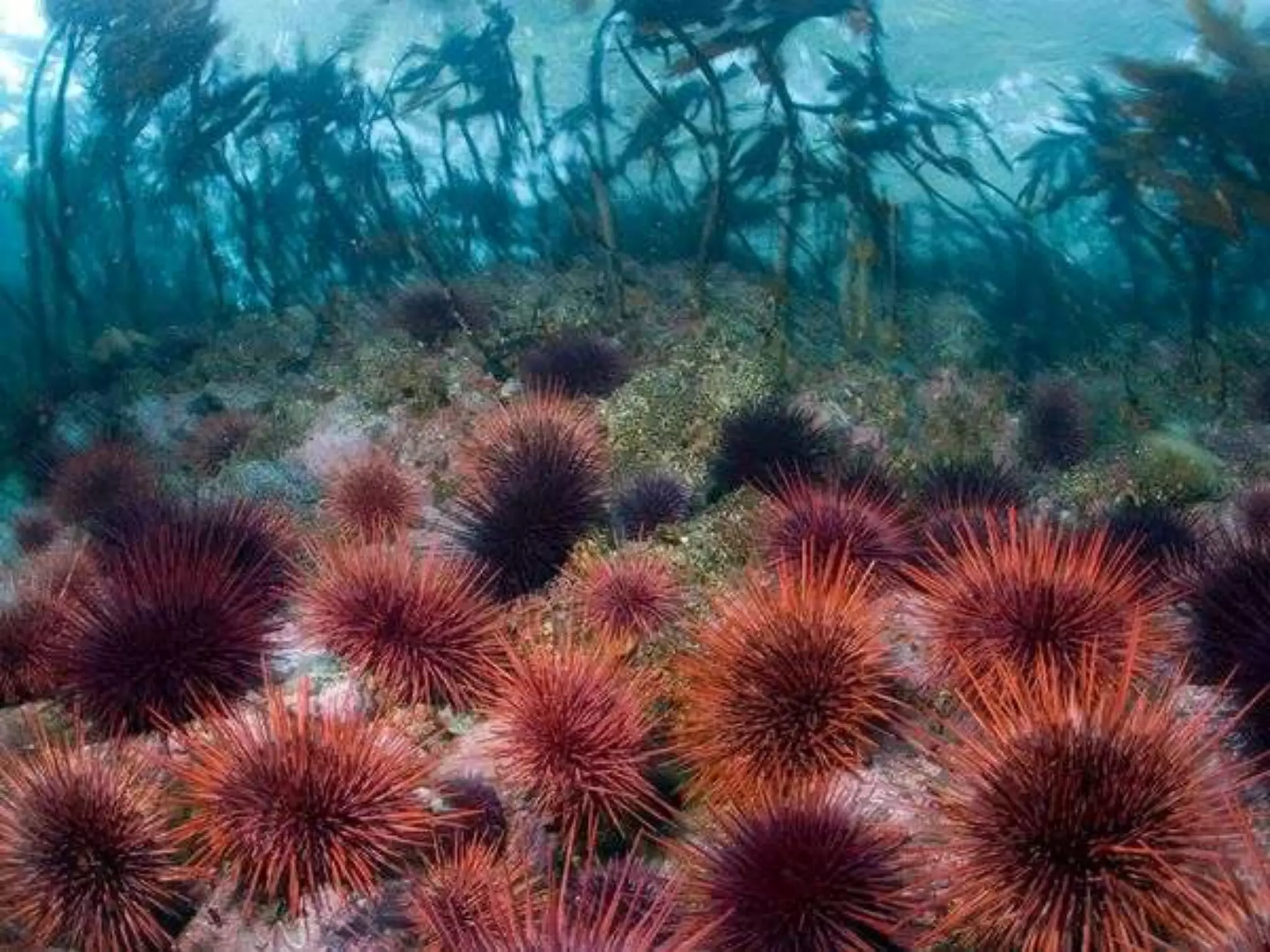
• Keystone species – otter
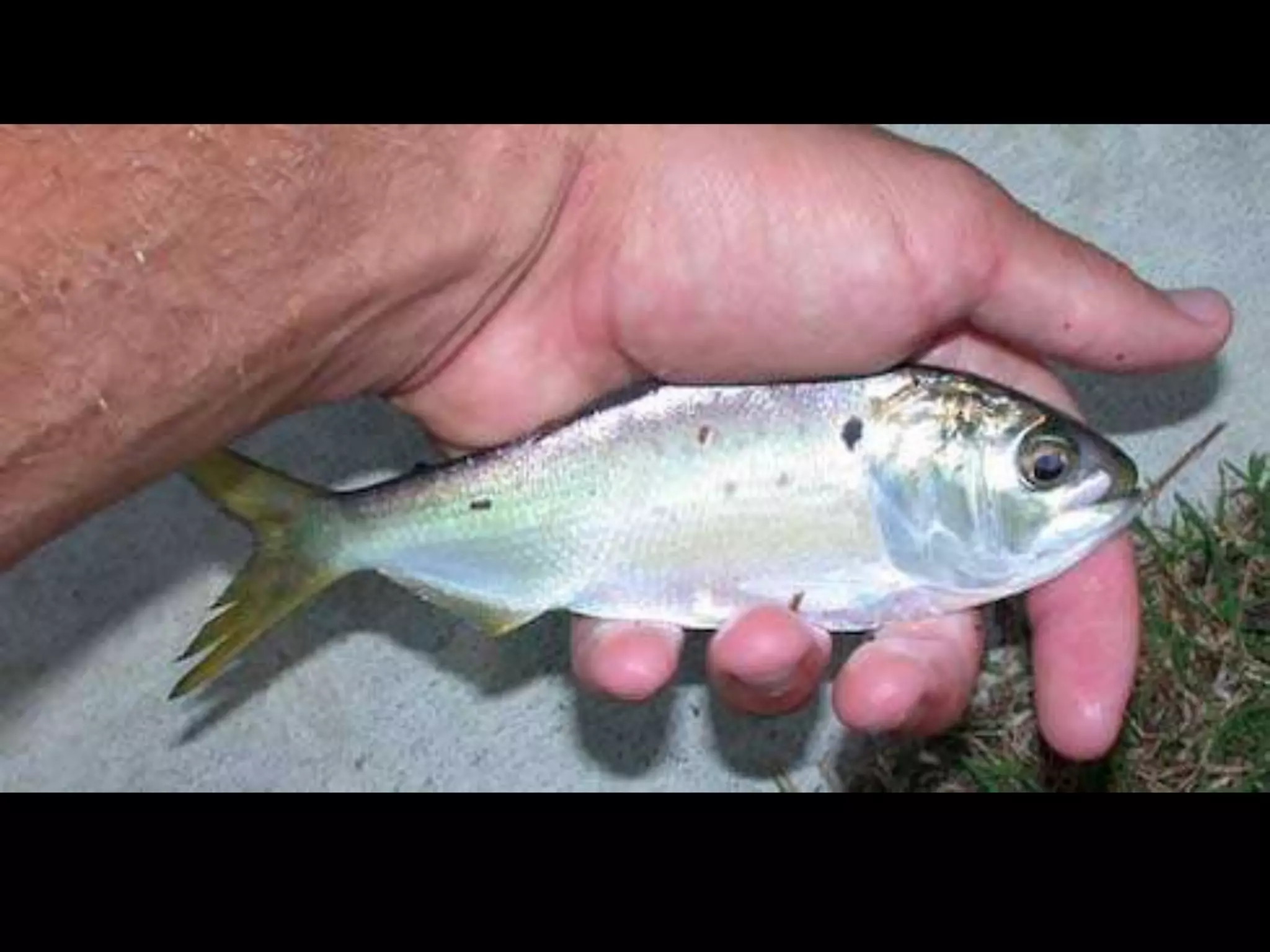
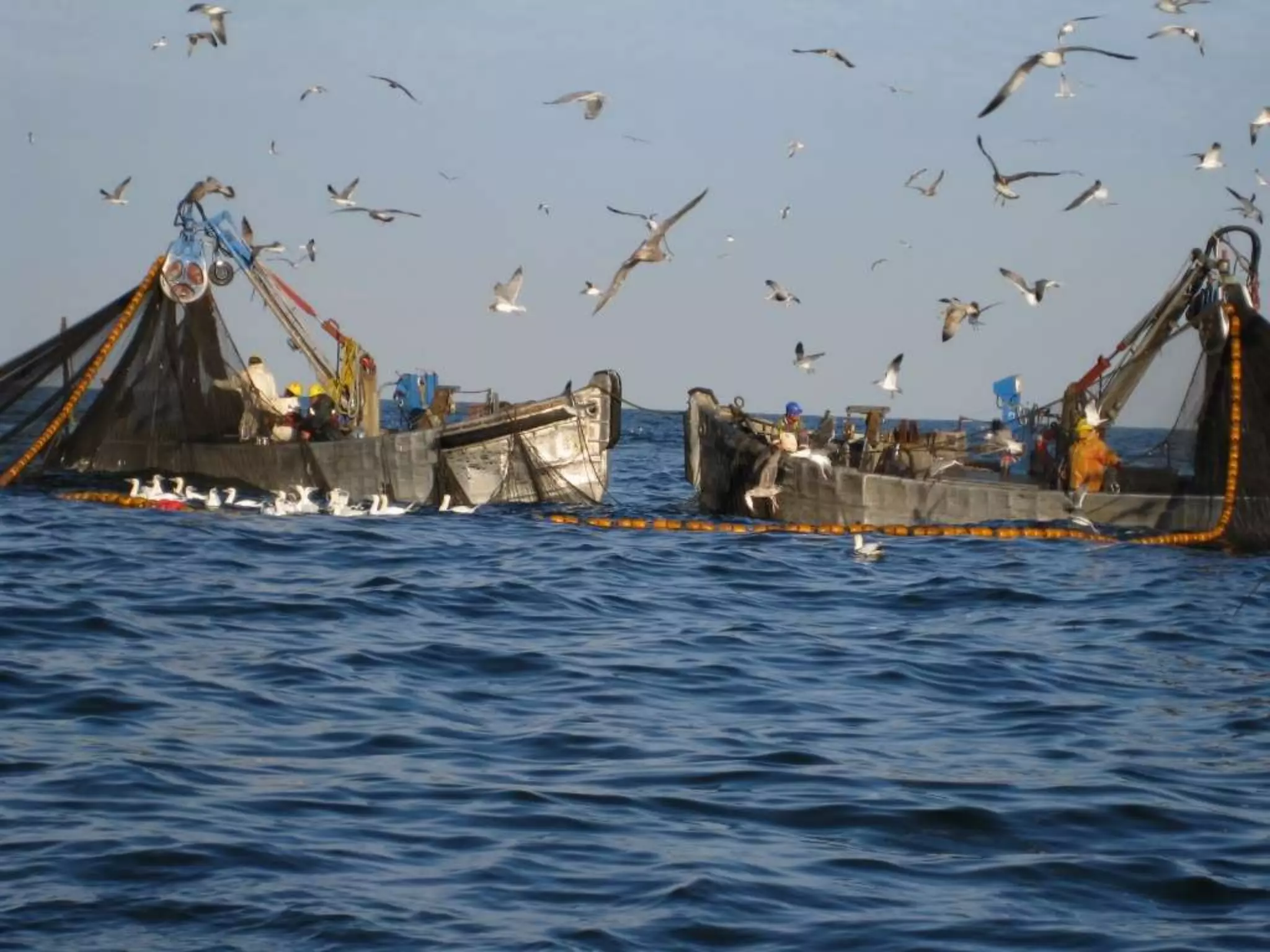
• Bottom of the food chain – menhanden
Who are the keystones in your
ecosystem?
Who are your menhaden?
Planned (some forethought) vs Natural
Experiments (need long-term
monitoring before)
OpenShift Example
Adaptive management and planned
experiments
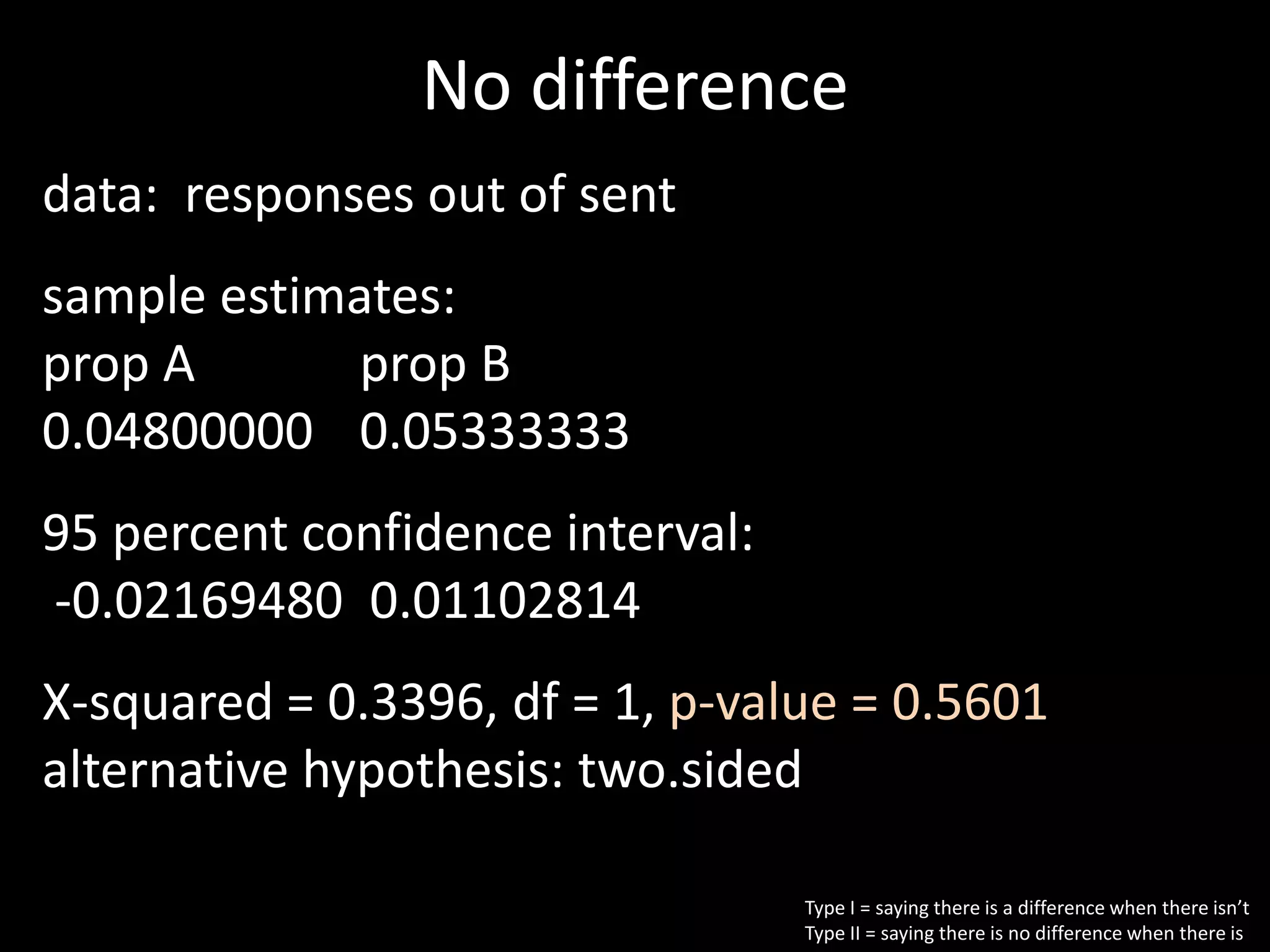
No difference
data: responses out of sent
sample estimates:
prop A       prop B
0.04800000 0.05333333
95 percent confidence interval:
-0.02169480 0.01102814
X-squared = 0.3396, df = 1, p-value = 0.5601
alternative hypothesis: two.sided

                                  Type I = saying there is a difference when there isn’t
                                  Type II = saying there is no difference when there is
What action can you turn into an
experiment?
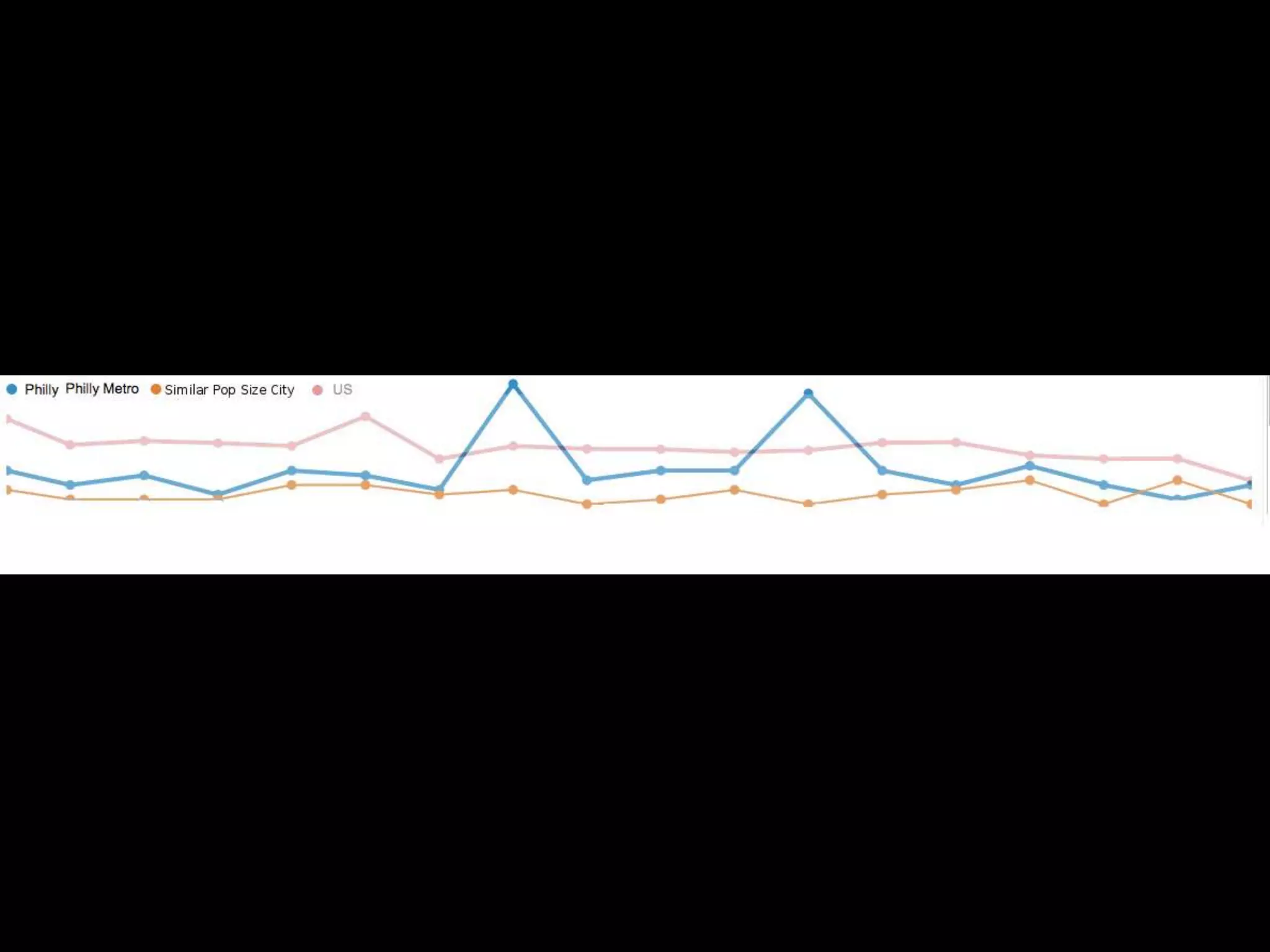
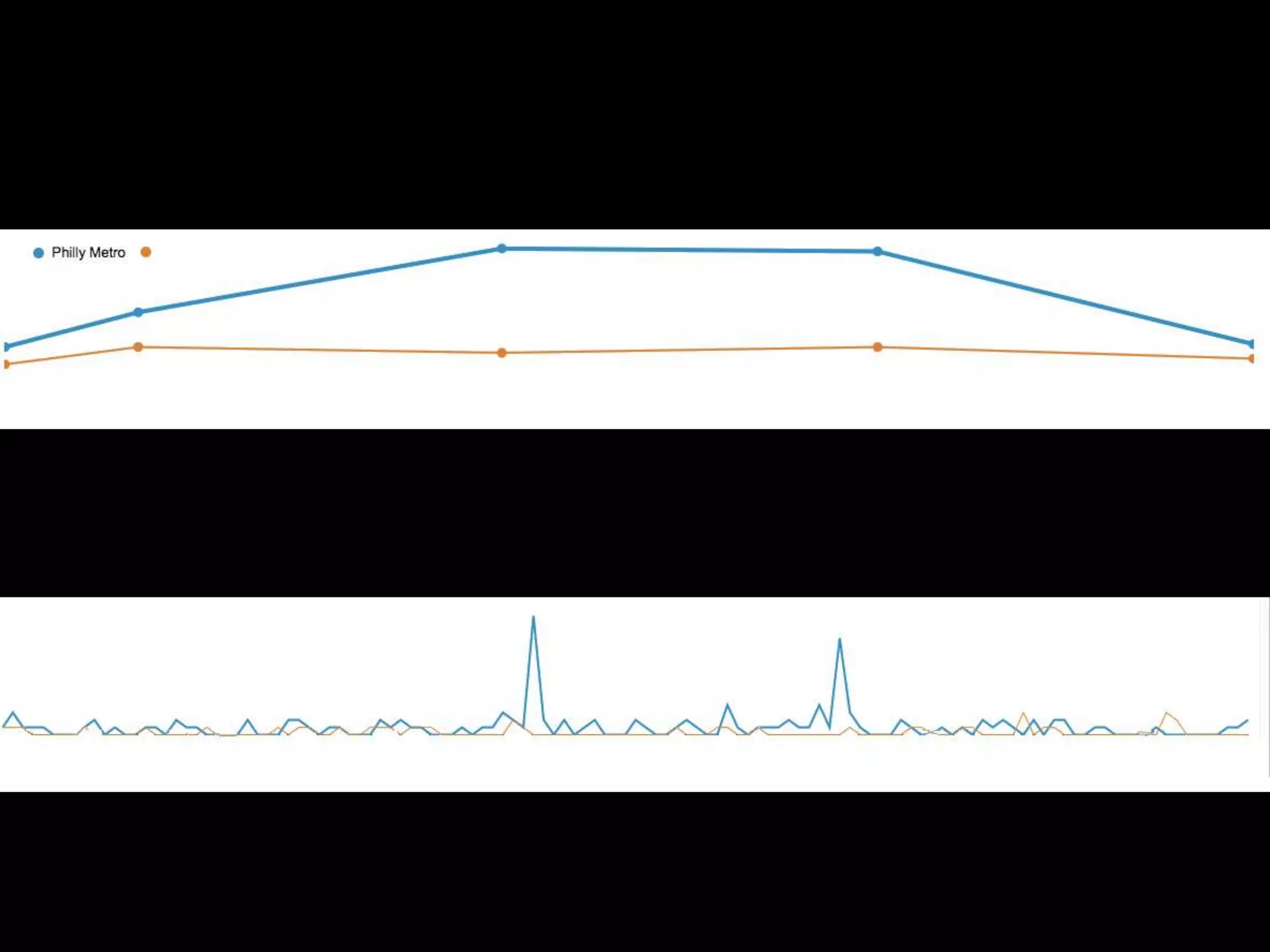
Natural Experiment
OpenShift Example
What monitoring are you doing?
What adaptations can you make based
       on knowledge gained?
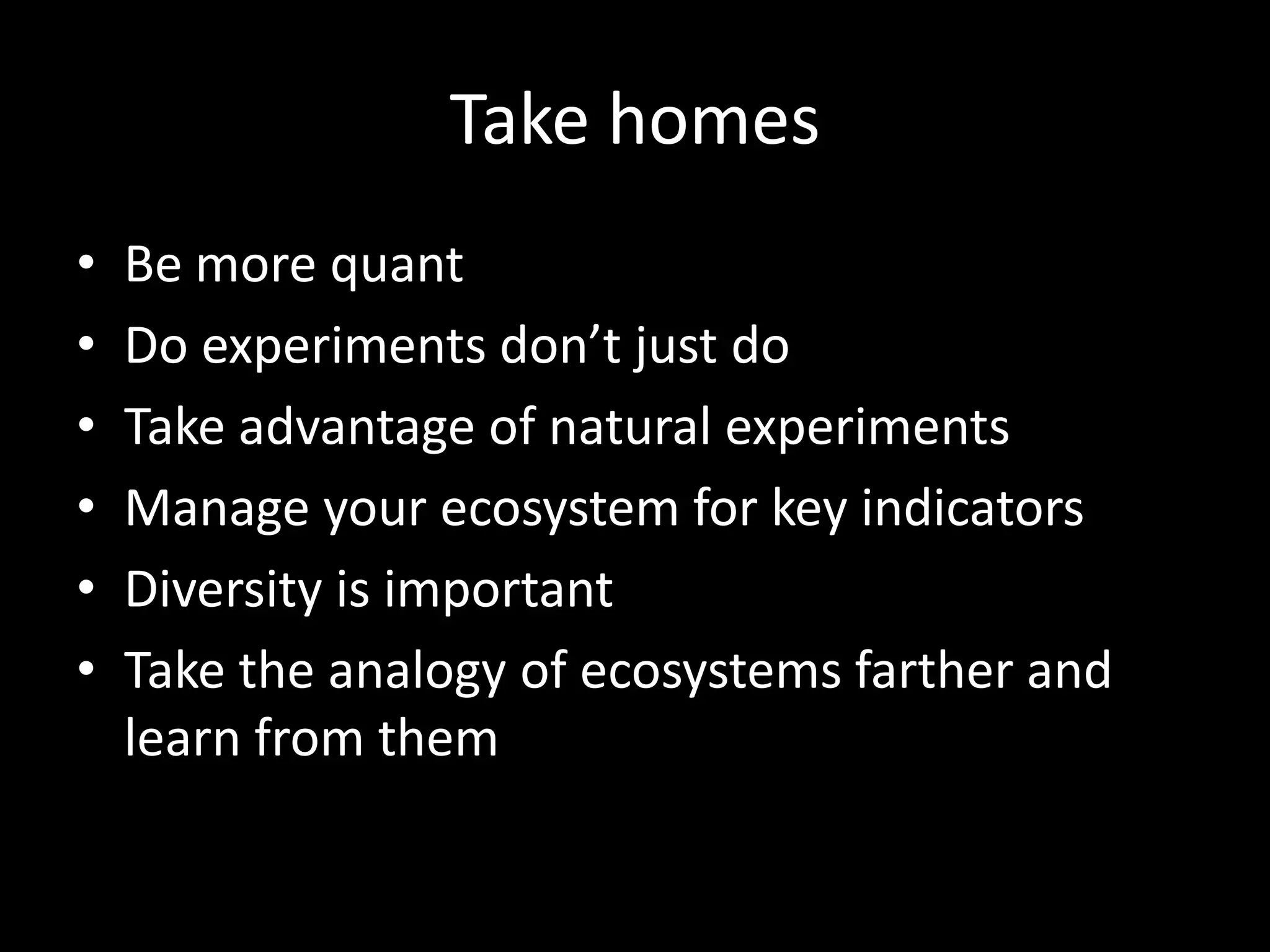
Take homes
•   Be more quant
•   Do experiments don’t just do
•   Take advantage of natural experiments
•   Manage your ecosystem for key indicators
•   Diversity is important
•   Take the analogy of ecosystems farther and
    learn from them
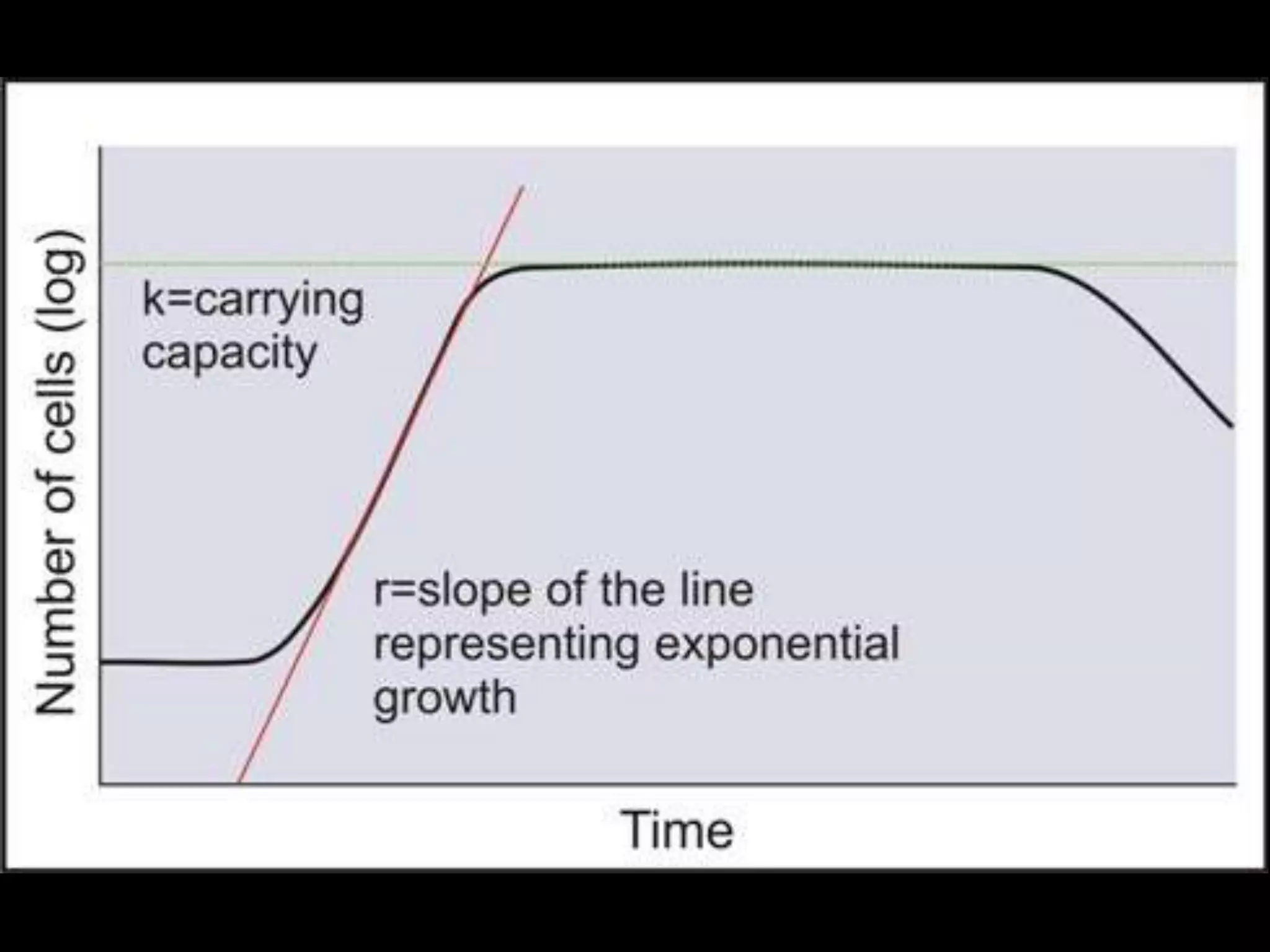
r vs. K life history strategies and you
Where are you on the curve?

Dropping Science on Your Developer Ecosystem - lessons from Ecosystem Management