Interior Design Tips | Don McClain
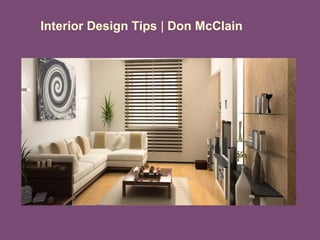
Interior Design
As per Don McClain Interior design is the skill
and technology of increasing the interiors,
often including the exterior, of a area or
developing, to accomplish a better and more
creatively pleasing atmosphere for the end
user. Interior design is the method of shaping
the expertise of interior space, via the
adjustment of spatial volume as well as
exterior treatment for the enhancement of
human performance.
Designing a Space
Effective interior preparing requires
meticulous preparing, and you are more
likely to enjoy the results.
When creating a designing project, do the
following:Identify what you need
Assess your present space
Keep your sources in mind
Identify your preferences
Designing a Space:
Backgrounds
The of your house is one of the most
essential features!
Backgrounds are the places, places, ms
MS windows, and roofs of a live able
place.
Backgrounds can be main or the place or
just be used to help show furnishings or
components in the place.
Backgrounds: Walls
Surfaces determine places, provide
comfort, and help process disturbance.
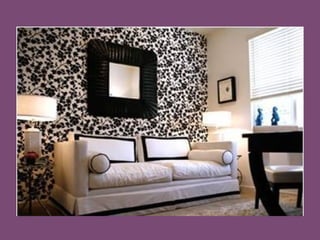
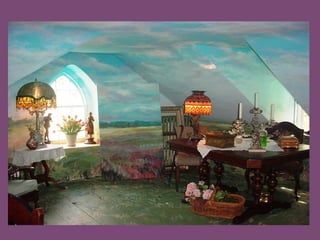
The two most well-known means of
designing walls are :
Paint: selecting from many shades and
techniques
Wallpaper: can add exciting styles and textures
Backgrounds: Windows
Sometimes, ms ms windows can end up
alone to show off a viewpoint.
Usually, ms ms windows have colors that
can provide both convenience and
decoration
.
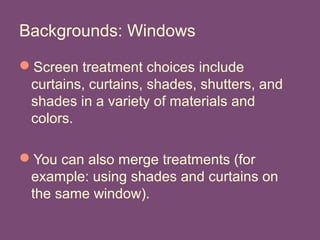
Backgrounds: Windows
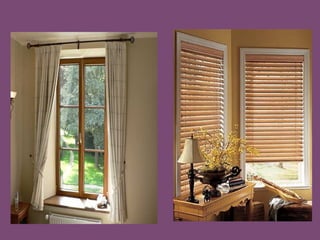
Screen treatment choices include
curtains, curtains, shades, shutters, and
shades in a variety of materials and
colors.
You can also merge treatments (for
example: using shades and curtains on
the same window).
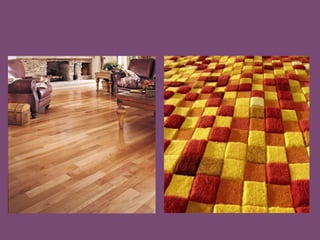
Backgrounds: Floors
Flooring surfaces choices, such as
tangible, wood, clay and stone, are a
lasting part of the ground.
Floor covers – which are not long lasting –
may be set up over long lasting flooring.
Backgrounds: Floors
Examples of rugs include: vinyl, floor
covers, rugs, wood laminate, tile, and
wood flooring.
Each type of rug has its own set of
benefits and drawbacks.
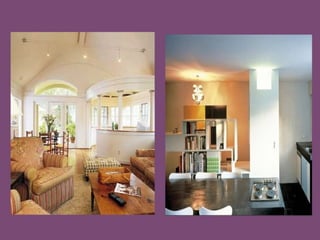
Backgrounds: Ceilings
Roofs are often neglected, but an
important factor to a space.
High ceilings give off the experience of
pride and beauty.
Lower ceilings make a heated, casual
sensation, but they can also make a
crowded sensation.
Furniture
Most furnishings are efficient furnishings –
it satisfies a specific need.
Functional furnishings are usually
decorative as well.
Furniture Styles
Furniture styles can be split into two
categories:
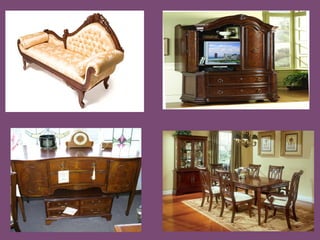
Traditional: based on designs used for many
years
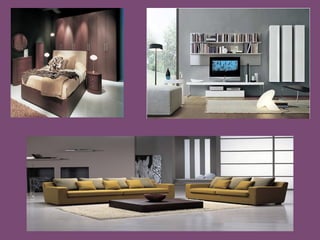
Contemporary: simple, usually straight
selections and little or no decoration
Arranging Furniture
The good way of organizing furnishings
are to use chart document or a software
program before actually doing it in a
space.
Check to see whether the visitors styles,
or the routes people use to get from one
area of space to another, are organized
and pretty immediate.
Avoid preventing visitors styles with
furnishings or other challenges.
Accessories
Components are the most convenient and
least expensive way to change a room.
Accessories can include lights,
vegetation, paper prints, guides, images,
showcases, etc.
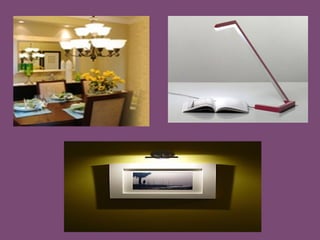
Accessories: Lighting
Common lighting: provides enough mild
that you can move around a room
securely and comfortably
Task lighting: concentrates mild where it is
needed
Accent lighting: an extreme laser ray
targeted at a artwork, statue, or other item
to build a impressive or instructed effect
Don McClain | Interior design Basic information

Don McClain | Interior design Basic information

  • 1.
    Interior Design Tips| Don McClain
  • 2.
    Interior Design As perDon McClain Interior design is the skill and technology of increasing the interiors, often including the exterior, of a area or developing, to accomplish a better and more creatively pleasing atmosphere for the end user. Interior design is the method of shaping the expertise of interior space, via the adjustment of spatial volume as well as exterior treatment for the enhancement of human performance.
  • 3.
    Designing a Space Effectiveinterior preparing requires meticulous preparing, and you are more likely to enjoy the results. When creating a designing project, do the following:Identify what you need Assess your present space Keep your sources in mind Identify your preferences
  • 4.
    Designing a Space: Backgrounds Theof your house is one of the most essential features! Backgrounds are the places, places, ms MS windows, and roofs of a live able place. Backgrounds can be main or the place or just be used to help show furnishings or components in the place.
  • 5.
    Backgrounds: Walls Surfaces determineplaces, provide comfort, and help process disturbance. The two most well-known means of designing walls are : Paint: selecting from many shades and techniques Wallpaper: can add exciting styles and textures
  • 8.
    Backgrounds: Windows Sometimes, msms windows can end up alone to show off a viewpoint. Usually, ms ms windows have colors that can provide both convenience and decoration .
  • 9.
    Backgrounds: Windows Screen treatmentchoices include curtains, curtains, shades, shutters, and shades in a variety of materials and colors. You can also merge treatments (for example: using shades and curtains on the same window).
  • 11.
    Backgrounds: Floors Flooring surfaceschoices, such as tangible, wood, clay and stone, are a lasting part of the ground. Floor covers – which are not long lasting – may be set up over long lasting flooring.
  • 12.
    Backgrounds: Floors Examples ofrugs include: vinyl, floor covers, rugs, wood laminate, tile, and wood flooring. Each type of rug has its own set of benefits and drawbacks.
  • 14.
    Backgrounds: Ceilings Roofs areoften neglected, but an important factor to a space. High ceilings give off the experience of pride and beauty. Lower ceilings make a heated, casual sensation, but they can also make a crowded sensation.
  • 16.
    Furniture Most furnishings areefficient furnishings – it satisfies a specific need. Functional furnishings are usually decorative as well.
  • 17.
    Furniture Styles Furniture stylescan be split into two categories: Traditional: based on designs used for many years Contemporary: simple, usually straight selections and little or no decoration
  • 20.
    Arranging Furniture The goodway of organizing furnishings are to use chart document or a software program before actually doing it in a space. Check to see whether the visitors styles, or the routes people use to get from one area of space to another, are organized and pretty immediate. Avoid preventing visitors styles with furnishings or other challenges.
  • 21.
    Accessories Components are themost convenient and least expensive way to change a room. Accessories can include lights, vegetation, paper prints, guides, images, showcases, etc.
  • 22.
    Accessories: Lighting Common lighting:provides enough mild that you can move around a room securely and comfortably Task lighting: concentrates mild where it is needed Accent lighting: an extreme laser ray targeted at a artwork, statue, or other item to build a impressive or instructed effect