Challenges and Benefits

            Salma M. Jafar

         Social Innovations
                  July 2011
   What is Diversity?
   Multiculturalism
   Examples of multiculturalism

   Barriers and Challenges



   Why Manage Diversity
   What are the benefits
   Business Case of Diversity at workplace

 How to Manage Diversity
   Age, race, class, color, religion, ethnicity

   Gender

   Physical and mental ability,

   Sexual orientation and spiritual practice

   social status and job title

   Disabilities and physical appearance,

   competency, training, experience,

   personal habits

It is about

   Acknowledging

   Understanding

   Accepting

   Valuing and

 Celebrating       these differences
   Diversity is not just about differences among
    groups, but rather about differences among
    individuals.

   Each individual is unique and does not represent or
    speak for a particular group. (BIASES)
   Simply means encouraging the existence of multiple cultures

   Emerged as a reaction to the long history of powerful groups in ethnically
    diverse societies

   Extreme manifestations have been genocides and ethnic cleansing
    ( Germany, Bosnia Apartheied in SA)

   Forced Assimilation policies eg Turkey –Kurds

   More widespread forms have been formal (laws and polices) and informal
    (everyday practice discrimination)

   Dominance is becoming weaker

   Formal discrimination and forced assimilation exist sheepishly in Africa and Asia

   Informal discrimination thrives everywhere
   Assumption: minorities lag behind because of themselves rather than
    societal hurdles

   The blunt message is to adopt the dominant culture

   Backlash: Europe and America
   Affirmative action for 4 decades whereas slavery
    four centuries
   Europe bans symbols for example french ban on Burqa
    and Swiss Minarets

   Federalism to integrate ethnically diverse population: significant
    cultural political and economic autonomy with minimum
    federal jurisdiction

   Confederalism is rare ( Ethiopia)
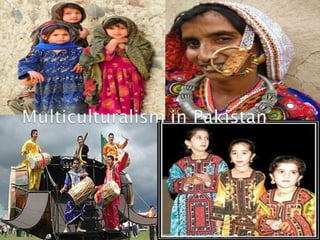
   The focus initially was on forced assimilation

   Regional identities were not recognized ( One Unit system)

   Better sense prevailed but only after losing East Pakistan

   A federal structure was adopted that recognized regional
    ethic diversity ( still ignores smaller ethnicities like Hazara or
    seriaki)

   Religious Minorities: status is poor due to formal or non
    formal discrimination
   Discriminatory laws
   Melting Pot
   Tossed Salad
   Tomato Soup


   Melting Pot: Encouraging new immigrants to assimilate
    into the new society

   Salad Bowl or what is known in Canada cultural mosiac
    retaining their own culture while integrating into the new
    society

   Tomato Soup: the blending of new ingredients adds spice
    without compromising the essential character of tomato.
   People coming from multiple backgrounds

   Culture influences psychological side of personality

   Groups fail to empathies with each other

   What Happens

   Mars productivity & effectiveness of work
    environment,

   Disturbing the business consequently.
   Problem of general acceptability of other cultures
    and religions

   Losses in personnel due to prejudices and
    discrimination

   Complaints and also legal actions

   Eventually damaging morale and work
    productivity
Perceptions How people perceive themselves but
how they perceive others.

Stereotyping Generalizations of the characteristics of a
group (often wrong- limited- misleading)

   Asians shrewd and reserved
   Americans arrogant and materialistic
   Central Americans disorganized and impractical

   These perceptions and stereotypes affect our interactions and
    block cooperation

workplace is:

   Changing

   Evolving

   Diversifying
   Fostering of a wider talent pool

   Becoming an employer of choice

   Better morale

   Improved decision-making processes and capabilities

   Diversity is an invaluable competitive asset that Pakistan
    cannot afford to ignore

   Managing and valuing diversity is a key component of
    effective people management, which can improve workplace
    productivity
   A company that employs a diverse workforce (men and women,
    people of many generations, from ethnically and racially diverse
    backgrounds etc.) is better able to:

   Understand the demographics of the marketplace it serves
   Thus better equipped to thrive in that marketplace
   than a company having limited range of employee demographics.

   A company that supports the diversity of its workforce can also
    improve employee satisfaction, productivity, and retention.

   If workforce is diverse, but employer takes little or no advantage of
    that breadth of experience, then

   it cannot Monetize benefits background diversity offers.
   Managing diversity is more than simply acknowledging
    differences in people.


    It involves recognizing



    the   value   of differences,

   Combating   discrimination

 Breaking        down Stereotypes
 Prejudice
 Stereotyping

 Discrimination


   should never be used by management for hiring,
    retention, and termination practices (could lead to costly
    litigation).

   Manager should focus on Personal awareness.
   Both managers and associates need to be aware of
   Managers should expect change to be slow

   Promote a “safe” place for associates to
    communicate

   Breeding regard and respect for religions, ethnicities
    and races in training workshops

   Standard setting by the senior management
   Involve every employee possible in formulating and
    executing diversity

   Foster openness in the organization to express ideas
    and opinions

   Promote diversity in leadership positions

   Launch a customized employee satisfaction survey
   Assessment of workplace diversity to determine
   which challenges and obstacles are present and
   which policies need to be added or scrapped

   A comprehensive, measurable Policy and a Plan to
    decide on a time line for effective change

   In implementation stage the commitment of the executive is
    a must

   A diversity training maintain ongoing training -a one-day
    session of training will not change people's behaviors /stereotypes
   Utilize training – to shape diversity policy

   A diverse workforce is a reflection of a changing world and
    marketplace.


   Diverse work teams bring high value to organizations.


   Respecting individual differences benefit the workplace -


   by creating a competitive edge and increasing work
    productivity.


   Diversity management creates a fair and safe environment
    where everyone has access to opportunities and
    challenges.


   Management tools should be used to educate everyone about
   What are the diversity issues

   How does diversity challenge you

   What are you willing to do to change


    Thanks for your Time!

Diversity in the workplace

  • 1.
    Challenges and Benefits Salma M. Jafar Social Innovations July 2011
  • 2.
    What is Diversity?  Multiculturalism  Examples of multiculturalism  Barriers and Challenges   Why Manage Diversity  What are the benefits  Business Case of Diversity at workplace  How to Manage Diversity
  • 4.
    Age, race, class, color, religion, ethnicity  Gender   Physical and mental ability,  Sexual orientation and spiritual practice  social status and job title  Disabilities and physical appearance,  competency, training, experience,  personal habits 
  • 5.
    It is about  Acknowledging  Understanding  Accepting  Valuing and  Celebrating these differences
  • 6.
    Diversity is not just about differences among groups, but rather about differences among individuals.  Each individual is unique and does not represent or speak for a particular group. (BIASES)
  • 7.
    Simply means encouraging the existence of multiple cultures  Emerged as a reaction to the long history of powerful groups in ethnically diverse societies  Extreme manifestations have been genocides and ethnic cleansing ( Germany, Bosnia Apartheied in SA)  Forced Assimilation policies eg Turkey –Kurds  More widespread forms have been formal (laws and polices) and informal (everyday practice discrimination)  Dominance is becoming weaker  Formal discrimination and forced assimilation exist sheepishly in Africa and Asia  Informal discrimination thrives everywhere
  • 8.
    Assumption: minorities lag behind because of themselves rather than societal hurdles  The blunt message is to adopt the dominant culture  Backlash: Europe and America  Affirmative action for 4 decades whereas slavery four centuries  Europe bans symbols for example french ban on Burqa and Swiss Minarets  Federalism to integrate ethnically diverse population: significant cultural political and economic autonomy with minimum federal jurisdiction  Confederalism is rare ( Ethiopia)
  • 10.
    The focus initially was on forced assimilation  Regional identities were not recognized ( One Unit system)  Better sense prevailed but only after losing East Pakistan  A federal structure was adopted that recognized regional ethic diversity ( still ignores smaller ethnicities like Hazara or seriaki)  Religious Minorities: status is poor due to formal or non formal discrimination  Discriminatory laws
  • 11.
    Melting Pot  Tossed Salad  Tomato Soup  Melting Pot: Encouraging new immigrants to assimilate into the new society  Salad Bowl or what is known in Canada cultural mosiac retaining their own culture while integrating into the new society  Tomato Soup: the blending of new ingredients adds spice without compromising the essential character of tomato.
  • 13.
    People coming from multiple backgrounds  Culture influences psychological side of personality  Groups fail to empathies with each other  What Happens  Mars productivity & effectiveness of work environment,  Disturbing the business consequently.
  • 14.
    Problem of general acceptability of other cultures and religions  Losses in personnel due to prejudices and discrimination  Complaints and also legal actions  Eventually damaging morale and work productivity
  • 15.
    Perceptions How peopleperceive themselves but how they perceive others. Stereotyping Generalizations of the characteristics of a group (often wrong- limited- misleading)  Asians shrewd and reserved  Americans arrogant and materialistic  Central Americans disorganized and impractical  These perceptions and stereotypes affect our interactions and block cooperation 
  • 16.
    workplace is:  Changing  Evolving  Diversifying
  • 17.
    Fostering of a wider talent pool  Becoming an employer of choice  Better morale  Improved decision-making processes and capabilities   Diversity is an invaluable competitive asset that Pakistan cannot afford to ignore  Managing and valuing diversity is a key component of effective people management, which can improve workplace productivity
  • 18.
    A company that employs a diverse workforce (men and women, people of many generations, from ethnically and racially diverse backgrounds etc.) is better able to:  Understand the demographics of the marketplace it serves  Thus better equipped to thrive in that marketplace  than a company having limited range of employee demographics.  A company that supports the diversity of its workforce can also improve employee satisfaction, productivity, and retention.  If workforce is diverse, but employer takes little or no advantage of that breadth of experience, then  it cannot Monetize benefits background diversity offers.
  • 19.
    Managing diversity is more than simply acknowledging differences in people.  It involves recognizing  the value of differences,  Combating discrimination  Breaking down Stereotypes
  • 20.
     Prejudice  Stereotyping Discrimination  should never be used by management for hiring, retention, and termination practices (could lead to costly litigation).  Manager should focus on Personal awareness.  Both managers and associates need to be aware of
  • 21.
    Managers should expect change to be slow  Promote a “safe” place for associates to communicate  Breeding regard and respect for religions, ethnicities and races in training workshops  Standard setting by the senior management
  • 22.
    Involve every employee possible in formulating and executing diversity  Foster openness in the organization to express ideas and opinions  Promote diversity in leadership positions  Launch a customized employee satisfaction survey
  • 23.
    Assessment of workplace diversity to determine  which challenges and obstacles are present and  which policies need to be added or scrapped  A comprehensive, measurable Policy and a Plan to decide on a time line for effective change  In implementation stage the commitment of the executive is a must  A diversity training maintain ongoing training -a one-day session of training will not change people's behaviors /stereotypes  Utilize training – to shape diversity policy
  • 24.
      A diverse workforce is a reflection of a changing world and marketplace.   Diverse work teams bring high value to organizations.   Respecting individual differences benefit the workplace -   by creating a competitive edge and increasing work productivity.   Diversity management creates a fair and safe environment where everyone has access to opportunities and challenges.   Management tools should be used to educate everyone about
  • 25.
    What are the diversity issues  How does diversity challenge you  What are you willing to do to change
  • 26.
    Thanks for your Time!