Destructive Testing Methods
(Tensile Testing)
Dr. A. M. Takale
Mechanical Engineering Department
Sharad Institute of Technology College of Engineering.
• Introduction
• Definition: Tensile testing is a mechanical test to determine a
material's strength and ductility.
• Purpose: To measure the material's ability to resist a tensile load.
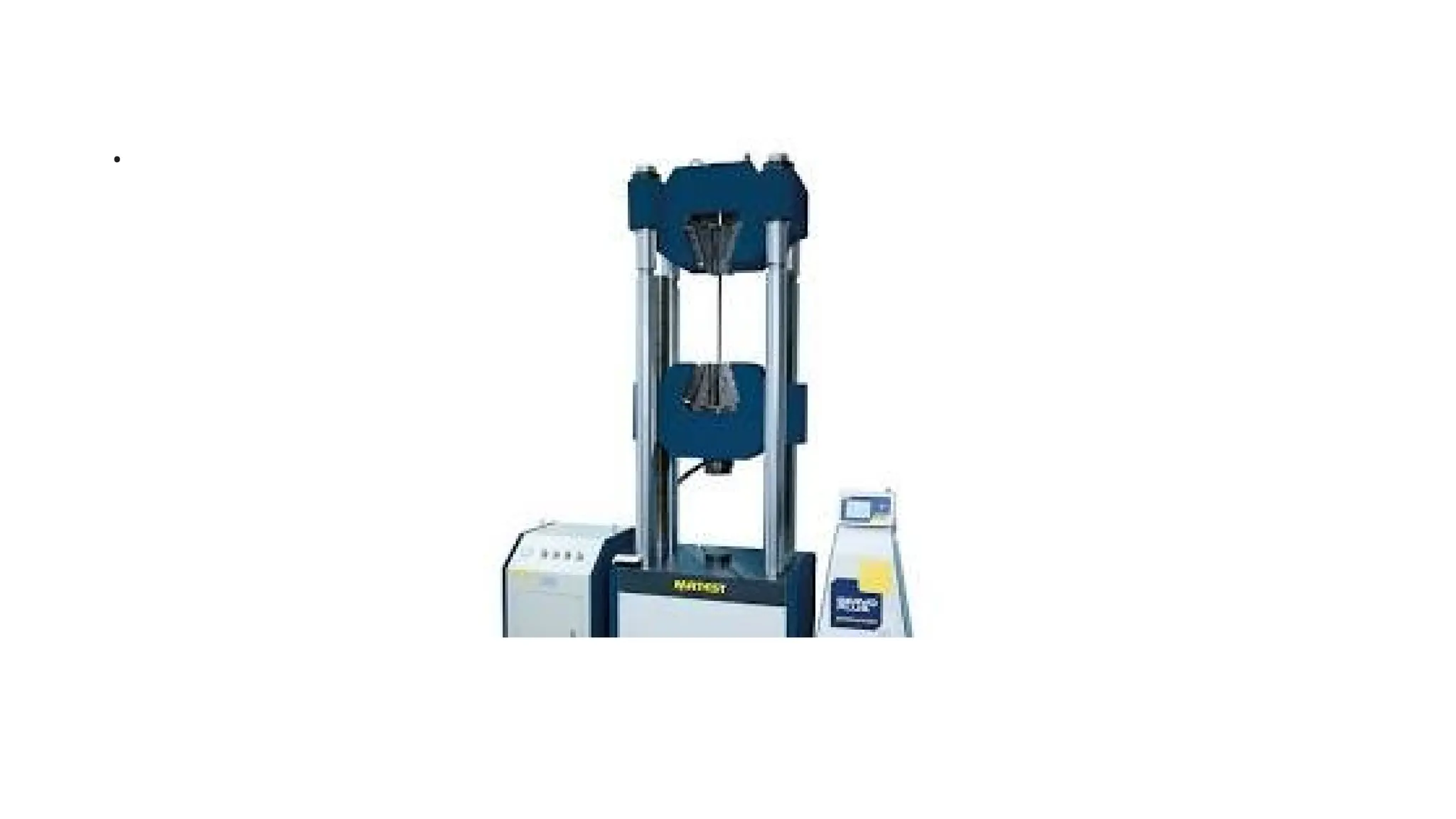
• Components:
• Tensile testing machine
• Specimen
• Extensometer
.
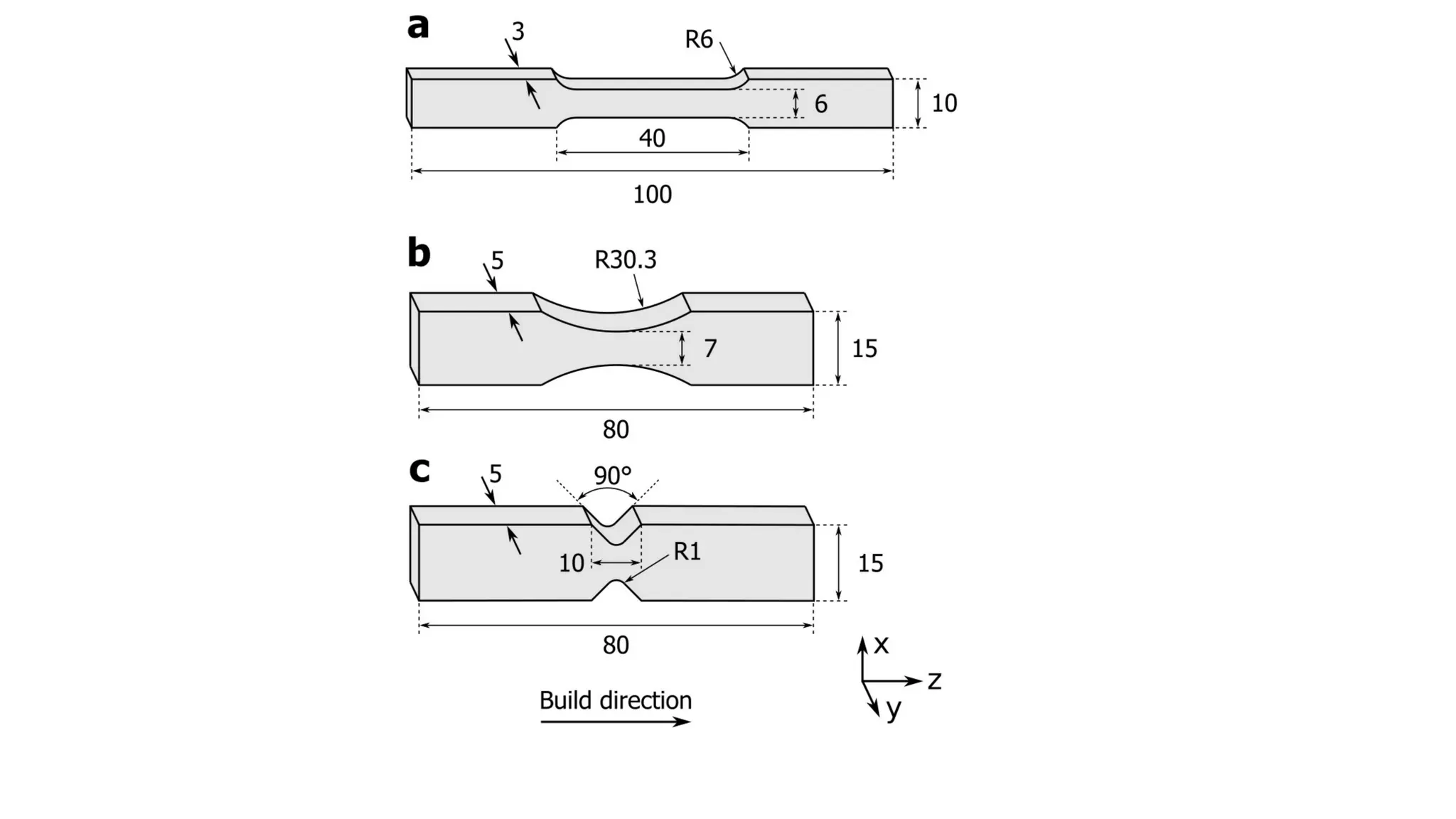
• Specimen Preparation
• Dimensions: Measure length and cross-sectional area.
• Surface Finish: Ensure a smooth surface to avoid stress concentration.
• Notches: If required, introduce notches to study fracture behavior.
• Tensile Testing Procedure
• Mounting: Secure the specimen in the grips of the testing machine.
• Load Application: Gradually increase the load at a controlled rate.
• Data Collection: Record load and corresponding elongation.
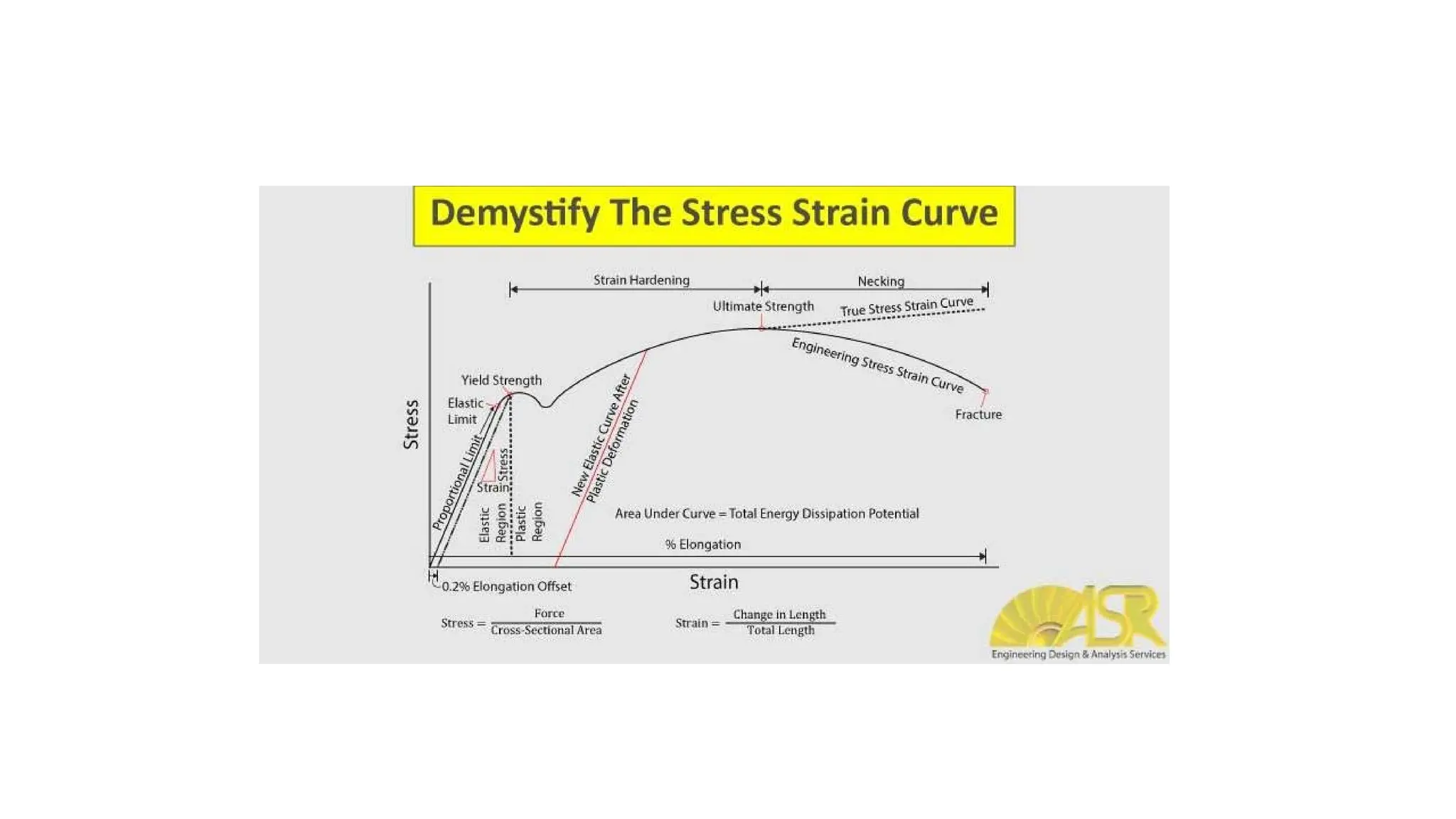
• Stress-Strain Curve
• Definition: A graphical representation of stress (load/area) vs. strain
(change in length/original length).
• Regions:
• Elastic region: Material returns to its original shape when the load is
removed.
• Yield point: The point where plastic deformation begins.
• Plastic region: Material deforms permanently.
• Ultimate tensile strength (UTS): Maximum stress before fracture.
• Necking: Localized reduction in cross-sectional area.
• Fracture: Complete separation of the material.
• Ductility
• Definition: The ability of a material to deform plastically without
fracturing.
• Measures:
• Percent elongation: (final length - original length) / original length * 100
• Percent reduction in area: (original area - final area) / original area * 100
• Modulus of Elasticity
• Definition: A measure of a material's stiffness.
• Calculation: Slope of the elastic portion of the stress-strain curve.
• Applications of Tensile Testing
• Material Selection: Choosing appropriate materials for specific
applications.
• Quality Control: Ensuring product consistency.
• Research and Development: Studying material behavior and
developing new materials.
• Conclusion
• Summary: Tensile testing is a crucial tool for understanding material
properties.
• Importance: It provides valuable information for design,
manufacturing, and research.
THANK YOU

Destructive Testing Methods Tensile Testing.pptx

  • 1.
    Destructive Testing Methods (TensileTesting) Dr. A. M. Takale Mechanical Engineering Department Sharad Institute of Technology College of Engineering.
  • 2.
    • Introduction • Definition:Tensile testing is a mechanical test to determine a material's strength and ductility. • Purpose: To measure the material's ability to resist a tensile load. • Components: • Tensile testing machine • Specimen • Extensometer
  • 3.
  • 4.
    • Specimen Preparation •Dimensions: Measure length and cross-sectional area. • Surface Finish: Ensure a smooth surface to avoid stress concentration. • Notches: If required, introduce notches to study fracture behavior.
  • 6.
    • Tensile TestingProcedure • Mounting: Secure the specimen in the grips of the testing machine. • Load Application: Gradually increase the load at a controlled rate. • Data Collection: Record load and corresponding elongation.
  • 7.
    • Stress-Strain Curve •Definition: A graphical representation of stress (load/area) vs. strain (change in length/original length). • Regions: • Elastic region: Material returns to its original shape when the load is removed. • Yield point: The point where plastic deformation begins. • Plastic region: Material deforms permanently. • Ultimate tensile strength (UTS): Maximum stress before fracture. • Necking: Localized reduction in cross-sectional area. • Fracture: Complete separation of the material.
  • 9.
    • Ductility • Definition:The ability of a material to deform plastically without fracturing. • Measures: • Percent elongation: (final length - original length) / original length * 100 • Percent reduction in area: (original area - final area) / original area * 100
  • 10.
    • Modulus ofElasticity • Definition: A measure of a material's stiffness. • Calculation: Slope of the elastic portion of the stress-strain curve.
  • 11.
    • Applications ofTensile Testing • Material Selection: Choosing appropriate materials for specific applications. • Quality Control: Ensuring product consistency. • Research and Development: Studying material behavior and developing new materials.
  • 12.
    • Conclusion • Summary:Tensile testing is a crucial tool for understanding material properties. • Importance: It provides valuable information for design, manufacturing, and research.
  • 13.