By Manolis Psarros
Destination Development & Marketing Consultant
Destination
Branding
Workshop
Defining the Concepts
+
9+1 Brand-Building Principles
in this part:
Defining the
Concepts
What is a Nation Brand?
‘Nation Brand’ is a useful summation of
the intangible competitive assets of a
country: its vision, its genius, its
distinctive character, its people, its
promise to the marketplace’
Simon Anholt
Nation Branding:
Does it really exist?
• The Anholt Argument: Nation Brand Vs
Nation Branding:
‘’Nation Branding: a dangerously misleading
phrase which seems to contain a promise
that the images of countries can be directly
manipulated using the techniques of
marketing communications’’.
• The Anholt Argument: Nation Brand Vs
Nation Branding:
Places can’t construct or manipulate their
images with advertising or PR, slogans or
logos – and although some governments
spend large amounts of money trying to do
just that, there is absolutely no proof that it
works.
The brand images of
countries, whether good or
bad, are seldom an entirely
accurate reflection of the
reality of the country.
• The Anholt Argument: Nation
Brand Vs Nation Branding:
“Countries are judged by what
they do, as they have always
been, and not by what they
say’’.
‘’The way to gain a
good reputation is to
endeavor to be what
you desire to appear’’
Socrates
‘Countries are
countries, not brands’
‘The whole premise of brand strategy is to change every
aspect of the brand’s operations to deliver on core
positioning.
The superficial, unimportant aspects of a country branding
strategy like a logo or ad campaign are entirely possible,
but how about all the crucial operational stuff?
An effective country brand strategy would have to change
laws, policing, street names, unemployment benefit,
health policies, family planning guidelines - all to fit the
country brand positioning’.
The other side:
‘Countries are brands, and as brands
are finding out, building one is a
strategic effort, not a series of
tactics. It is also time for countries to
move away from asking advertising
agencies to build their brands’.
The other side:
‘Nation branding is like any other
kind of branding: if you don't get the
people on the inside engaged, then
the reality is never going to live up to
the brand promise’.
The other side:
‘Many countries have looked at
what they have and what they do
best and then they match those
attributes to the requirements for
value of their target markets’.
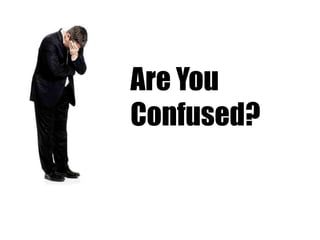
Are You
Confused?
At least most of them agree on
that:
‘No matter if the concept of brand
might fit or not something as wide
and variable as the perception of a
country, branding seems to be
working within tourism’’
Let’s make it clear:
Marketing communications alone cannot change a
country’s image
Destination branding alone cannot change a nation’s
image.
No single national stakeholder has control over all of the
factors that affect a country’s reputation.
Source: ETC/UNWTO Handbook on Tourism Destination Branding
Let’s make it clear:
A country inherits most of its strongest assets (e.g. people, history,
culture, landscape)
Changing a country’s image for the better takes many years,
sometimes generations.

When the destination product and the way in which it is presented
are in harmony, and when different stakeholders work together
across all sectors, there is a real chance of making a difference in
terms of the country’s international image.
Source: ETC/UNWTO Handbook on Tourism Destination Branding
Let’s make it clear:
Brand Image Vs Brand Identity
Brand image or more specifically place image, is
something that is perceived by the consumer. It is about
consumers' perceptions and beliefs.
Brand Identity, on the other hand, is something that the
brand manager aspires to achieve. Brand identity is
created by the brand owner so that what is transmitted to
the consumer is a carefully thought out projection of the
intention of the brand owner.
Source: Interview with Joao R. Freire - Place Branding Expert
Let’s make it clear:
Branding Vs Communications
The branding exercise is more complex than communication.
By focusing the attention solely on communication, all other areas that might be relevant
for the brand identity construction are obscured and considered irrelevant.
The main argument against this point of view is that brands exist with or without
advertising.
The brand building process is not about advertising or communication but about what the
product can offer.
It is fundamental to involve, explain and inform all relevant stakeholders in order to have a
coherent communication strategy and to assure that the desired brand identity is
coincident with the consumer's brand image.
Source: Interview with Joao R. Freire - Place Branding Expert
From theory
into practice
Can you successfully brand
an entire destination?
9+1 Brand-Building
Principles
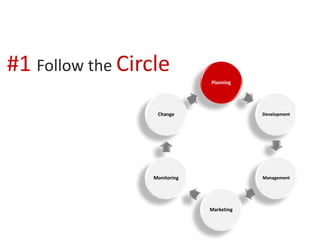
#1 Follow the Circle
Planning
Development
Management
Marketing
Monitoring
Change
#2 Build a Holistic Brand
Perspective
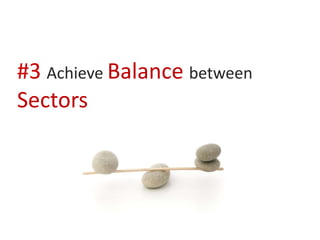
#3 Achieve Balance between
Sectors
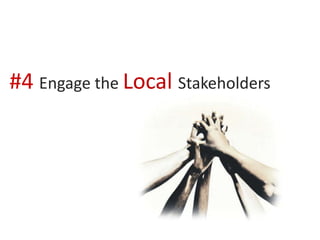
#4 Engage the Local Stakeholders
#5 Establish Simple & Effective
Communication
#6 Collect Intelligence
(target markets – competitors – residents - intermediates)
#7 Focus: You can’t be everything to
everyone
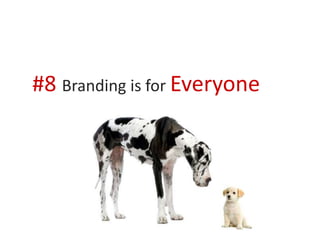
#8 Branding is for Everyone
#9 It’s a Never-ending Process
and always remember..
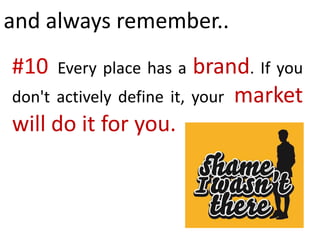
#10 Every place has a brand. If you
don't actively define it, your market
will do it for you.
Coming Soon..
Creating a Place Brand
Manolis.Psarros@gmail.com
www.abouTourism.wordpress.com

Destination Branding Workshop_Part_One

  • 1.
    By Manolis Psarros DestinationDevelopment & Marketing Consultant Destination Branding Workshop
  • 2.
    Defining the Concepts + 9+1Brand-Building Principles in this part:
  • 3.
  • 4.
    What is aNation Brand? ‘Nation Brand’ is a useful summation of the intangible competitive assets of a country: its vision, its genius, its distinctive character, its people, its promise to the marketplace’ Simon Anholt
  • 5.
  • 6.
    • The AnholtArgument: Nation Brand Vs Nation Branding: ‘’Nation Branding: a dangerously misleading phrase which seems to contain a promise that the images of countries can be directly manipulated using the techniques of marketing communications’’.
  • 7.
    • The AnholtArgument: Nation Brand Vs Nation Branding: Places can’t construct or manipulate their images with advertising or PR, slogans or logos – and although some governments spend large amounts of money trying to do just that, there is absolutely no proof that it works.
  • 8.
    The brand imagesof countries, whether good or bad, are seldom an entirely accurate reflection of the reality of the country.
  • 9.
    • The AnholtArgument: Nation Brand Vs Nation Branding: “Countries are judged by what they do, as they have always been, and not by what they say’’.
  • 10.
    ‘’The way togain a good reputation is to endeavor to be what you desire to appear’’ Socrates
  • 11.
  • 12.
    ‘The whole premiseof brand strategy is to change every aspect of the brand’s operations to deliver on core positioning. The superficial, unimportant aspects of a country branding strategy like a logo or ad campaign are entirely possible, but how about all the crucial operational stuff? An effective country brand strategy would have to change laws, policing, street names, unemployment benefit, health policies, family planning guidelines - all to fit the country brand positioning’.
  • 13.
    The other side: ‘Countriesare brands, and as brands are finding out, building one is a strategic effort, not a series of tactics. It is also time for countries to move away from asking advertising agencies to build their brands’.
  • 14.
    The other side: ‘Nationbranding is like any other kind of branding: if you don't get the people on the inside engaged, then the reality is never going to live up to the brand promise’.
  • 15.
    The other side: ‘Manycountries have looked at what they have and what they do best and then they match those attributes to the requirements for value of their target markets’.
  • 16.
  • 17.
    At least mostof them agree on that: ‘No matter if the concept of brand might fit or not something as wide and variable as the perception of a country, branding seems to be working within tourism’’
  • 18.
    Let’s make itclear: Marketing communications alone cannot change a country’s image Destination branding alone cannot change a nation’s image. No single national stakeholder has control over all of the factors that affect a country’s reputation. Source: ETC/UNWTO Handbook on Tourism Destination Branding
  • 19.
    Let’s make itclear: A country inherits most of its strongest assets (e.g. people, history, culture, landscape) Changing a country’s image for the better takes many years, sometimes generations. When the destination product and the way in which it is presented are in harmony, and when different stakeholders work together across all sectors, there is a real chance of making a difference in terms of the country’s international image. Source: ETC/UNWTO Handbook on Tourism Destination Branding

  • 20.
    Let’s make itclear: Brand Image Vs Brand Identity Brand image or more specifically place image, is something that is perceived by the consumer. It is about consumers' perceptions and beliefs. Brand Identity, on the other hand, is something that the brand manager aspires to achieve. Brand identity is created by the brand owner so that what is transmitted to the consumer is a carefully thought out projection of the intention of the brand owner. Source: Interview with Joao R. Freire - Place Branding Expert
  • 21.
    Let’s make itclear: Branding Vs Communications The branding exercise is more complex than communication. By focusing the attention solely on communication, all other areas that might be relevant for the brand identity construction are obscured and considered irrelevant. The main argument against this point of view is that brands exist with or without advertising. The brand building process is not about advertising or communication but about what the product can offer. It is fundamental to involve, explain and inform all relevant stakeholders in order to have a coherent communication strategy and to assure that the desired brand identity is coincident with the consumer's brand image. Source: Interview with Joao R. Freire - Place Branding Expert
  • 22.
  • 23.
    Can you successfullybrand an entire destination?
  • 24.
  • 25.
    #1 Follow theCircle Planning Development Management Marketing Monitoring Change
  • 26.
    #2 Build aHolistic Brand Perspective
  • 27.
    #3 Achieve Balancebetween Sectors
  • 28.
    #4 Engage theLocal Stakeholders
  • 29.
    #5 Establish Simple& Effective Communication
  • 30.
    #6 Collect Intelligence (targetmarkets – competitors – residents - intermediates)
  • 31.
    #7 Focus: Youcan’t be everything to everyone
  • 32.
    #8 Branding isfor Everyone
  • 33.
    #9 It’s aNever-ending Process
  • 34.
    and always remember.. #10Every place has a brand. If you don't actively define it, your market will do it for you.
  • 35.
  • 36.