
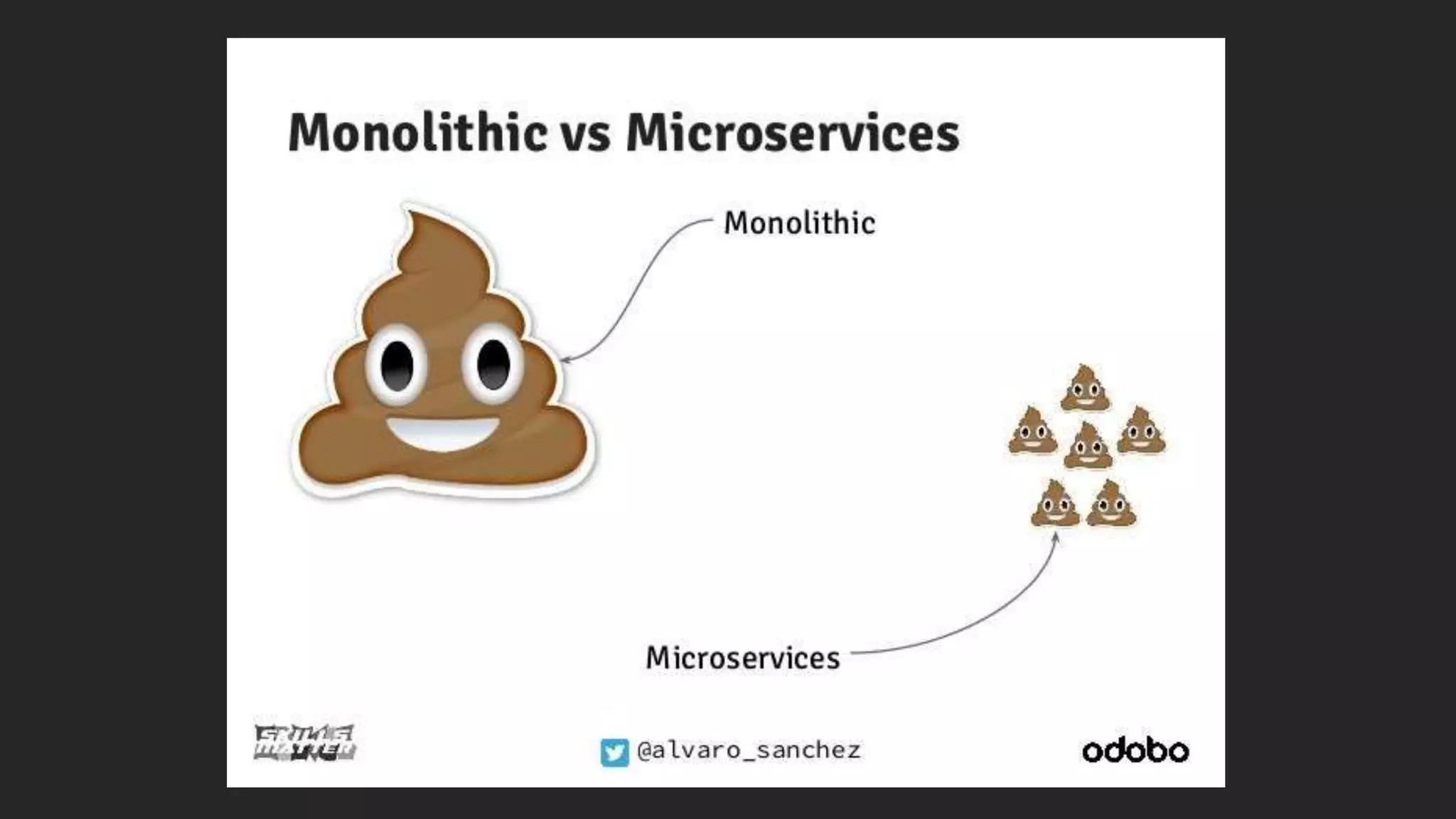

Demystifying Service Based Architecture
- Journey towards microservices and ahead.
: Thurupathan
:: Associate Solutions Architect, Tiqri Corp
::: Nov 9, 2017
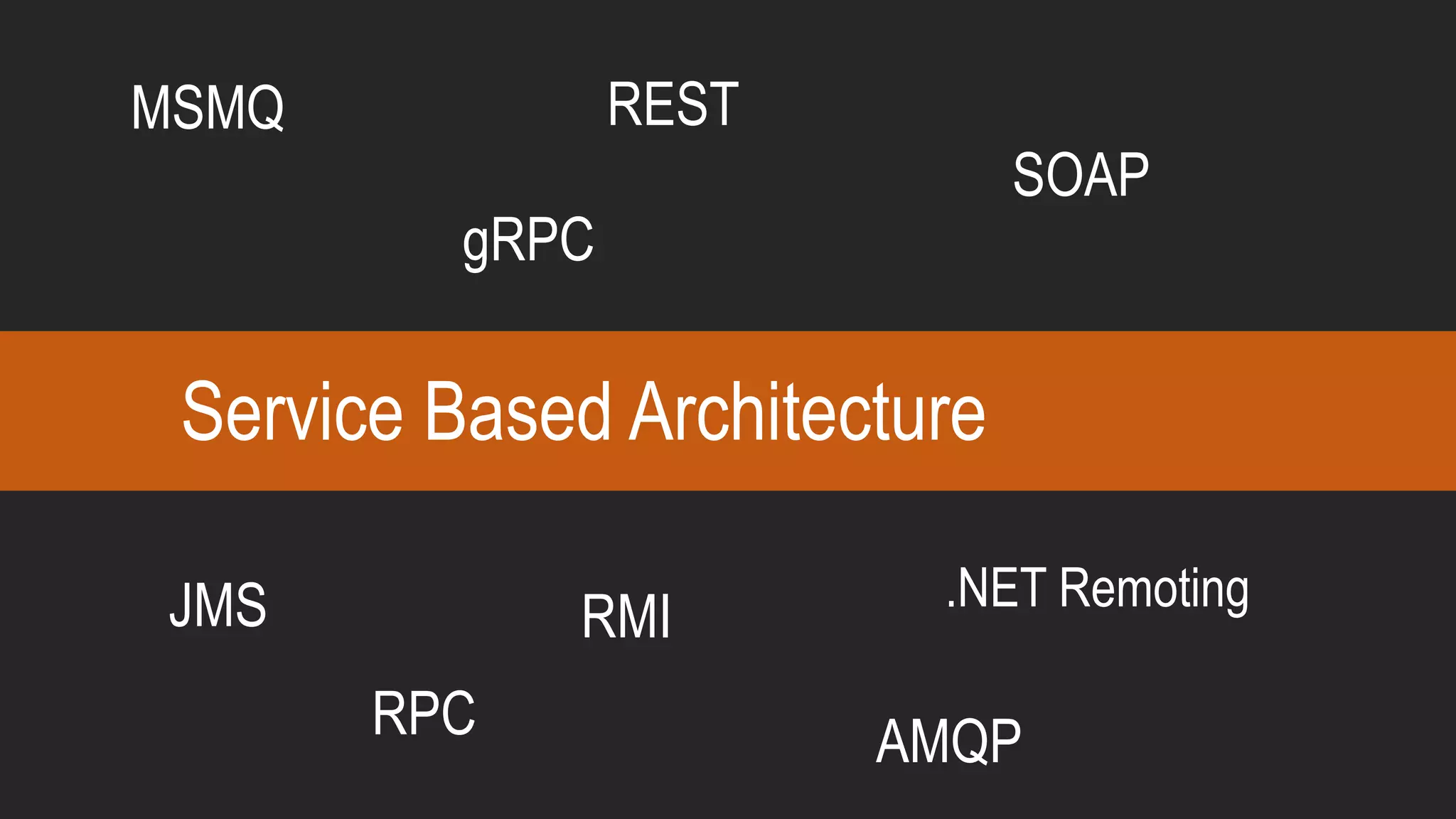
.NET Remoting
RMI
MSMQ
JMS
AMQP
SOAP
RPC
REST
gRPC
Service Based Architecture
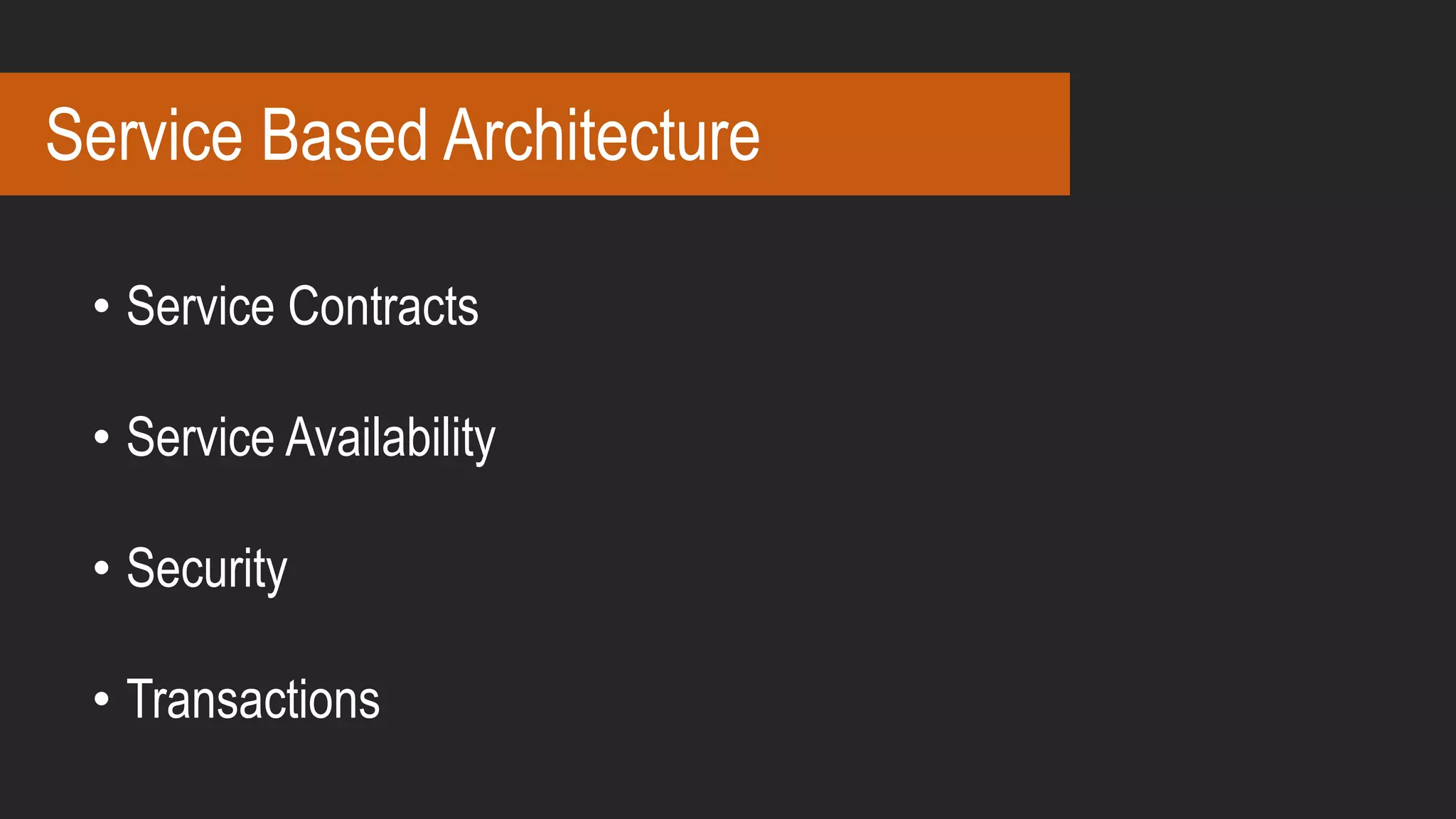
• Service Contracts
• Service Availability
• Security
• Transactions
Service Oriented Architecture
SOA
Service Oriented Architecture Ambiguity
SOA
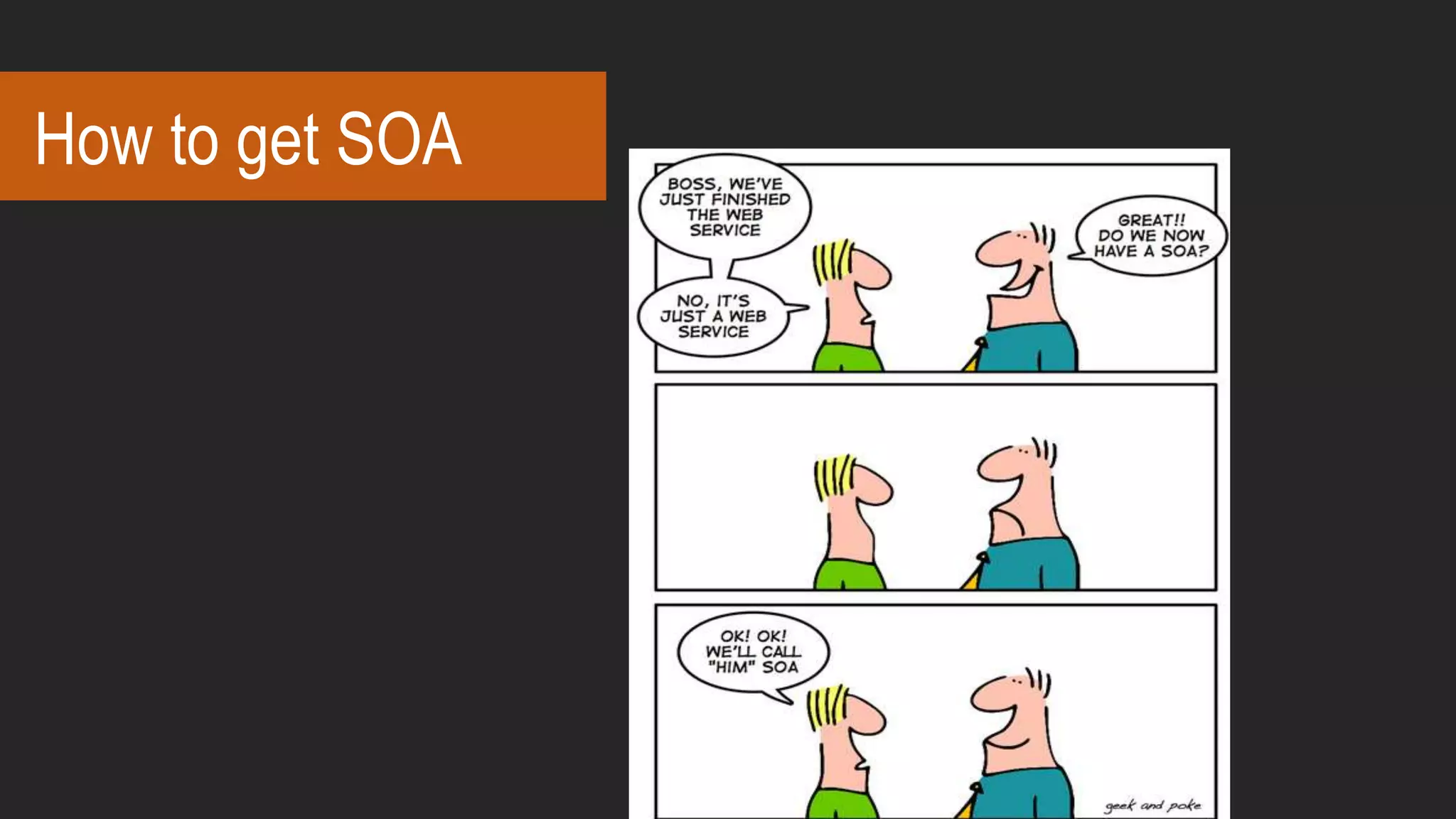
How to get SOA
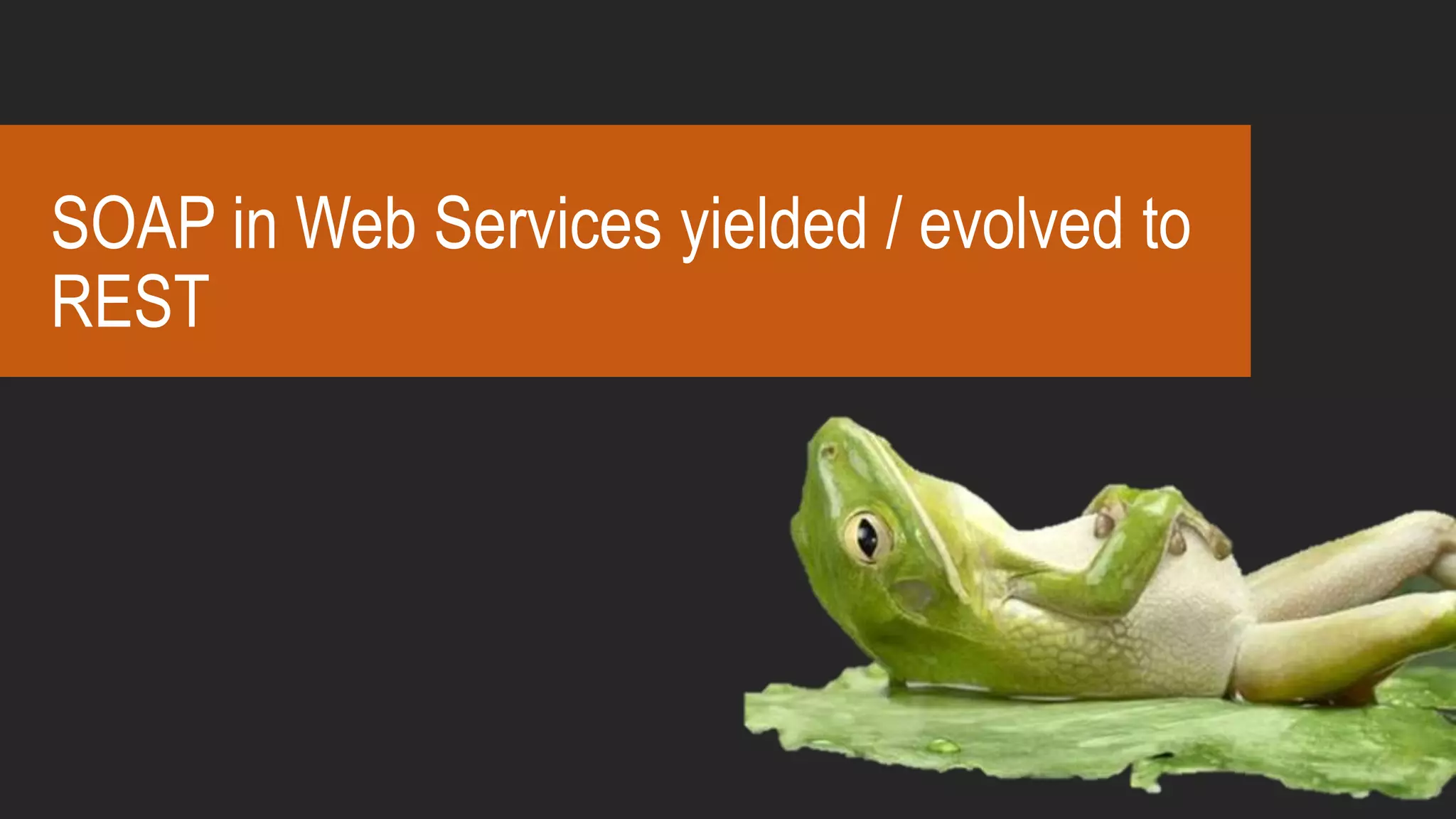
SOAP in Web Services yielded / evolved to
REST
Cloud
MicroServices
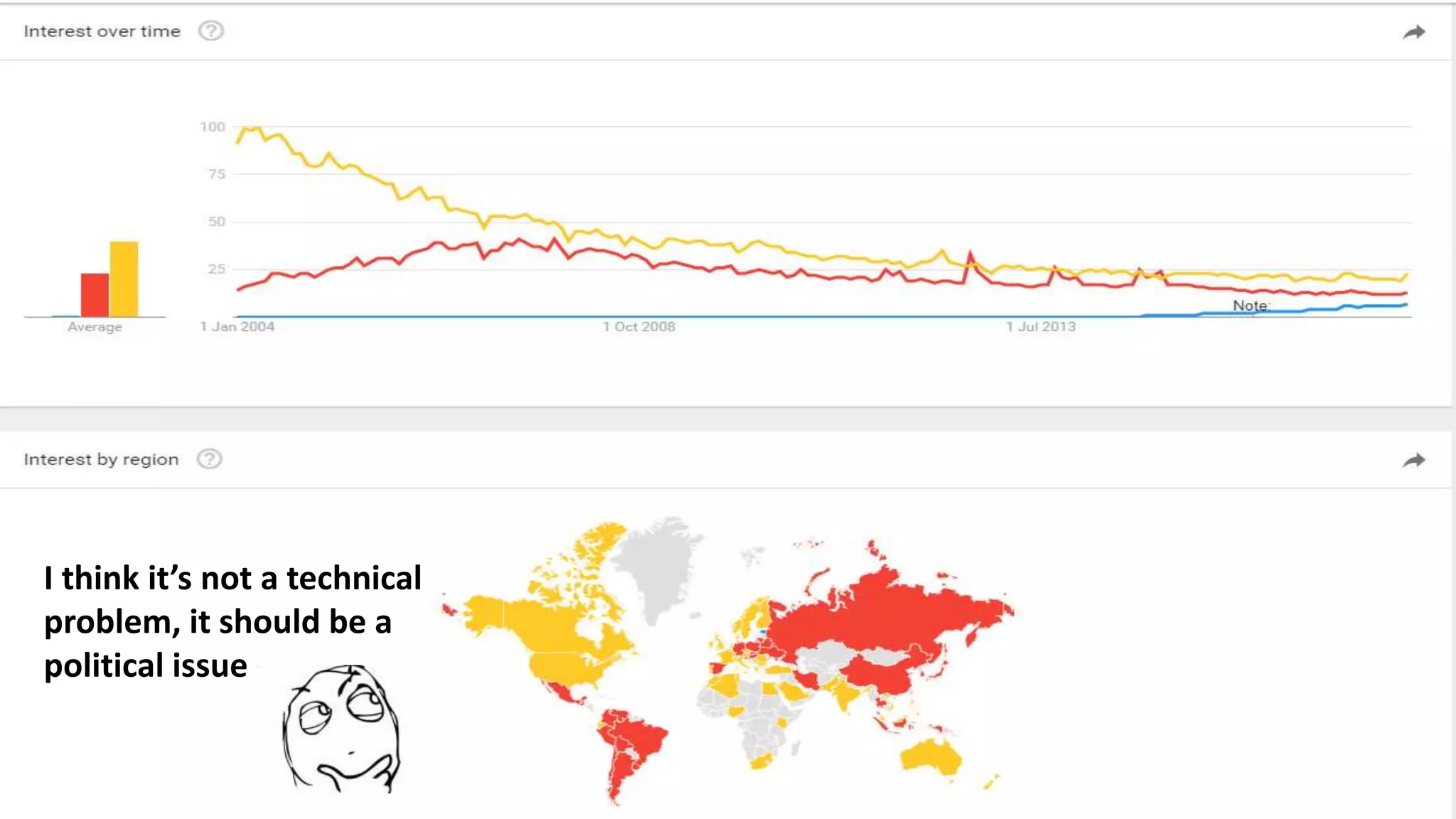
I think it’s not a technical
problem, it should be a
political issue
MicroServices
Mass Rover
Mass Rover Online Shopping
Database
Client
Review Service
Shopping Service
Product
Catalog Service
Order Service Review ServiceUser Profile
Service
Product Pricing
Service
Customer
Service
Loyalty Service
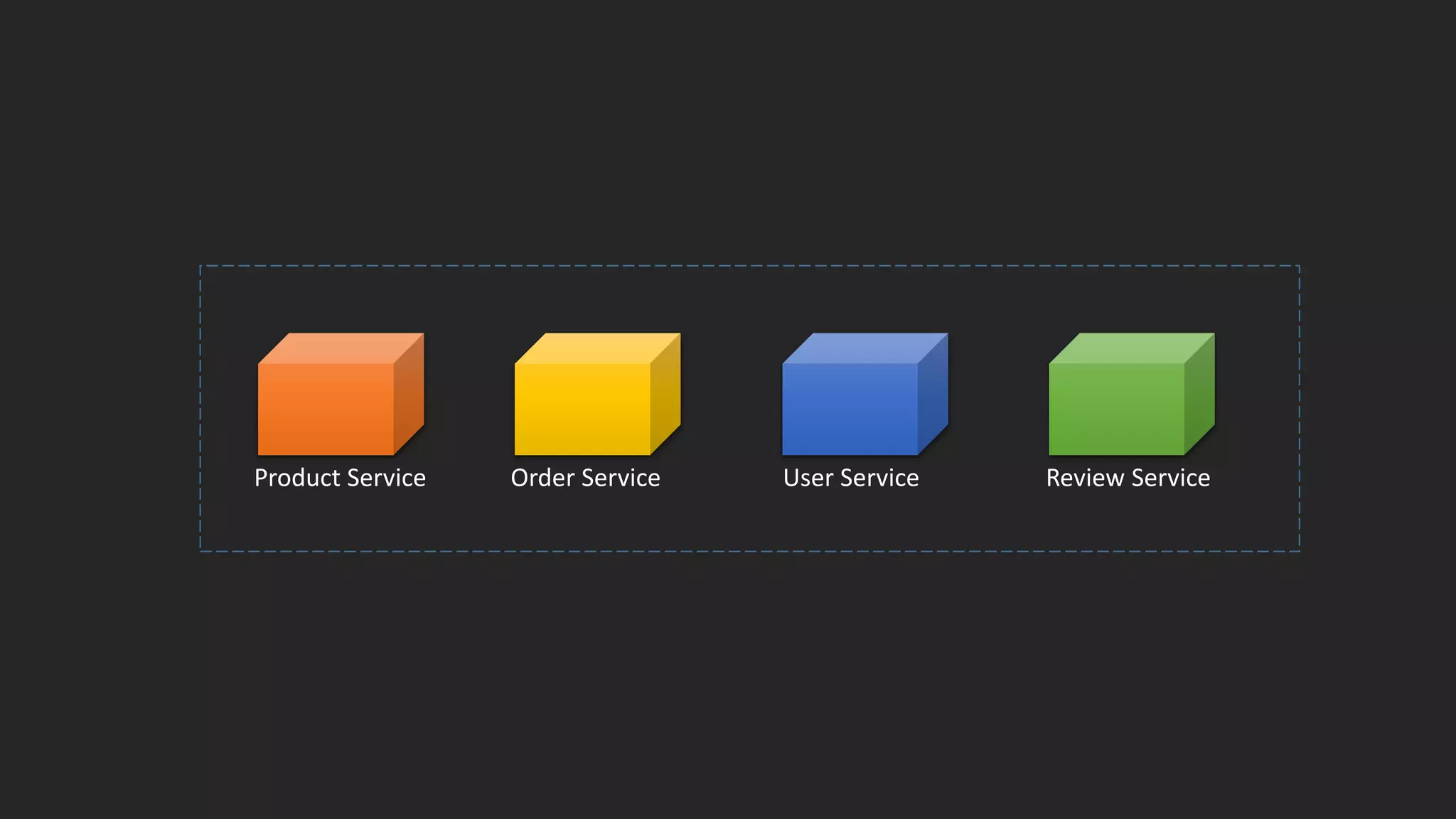
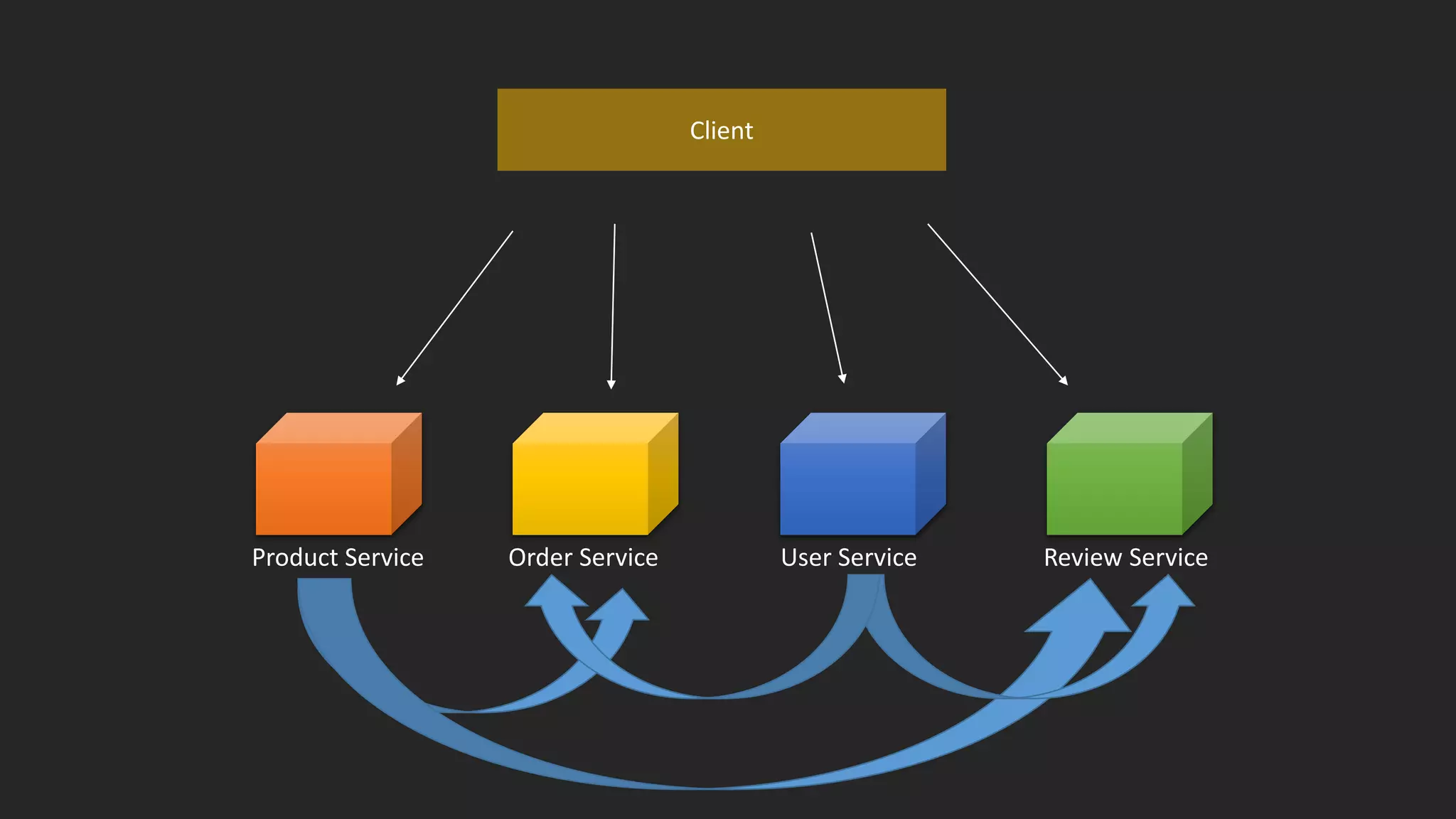
Product Service Order Service Review ServiceUser Service
Client
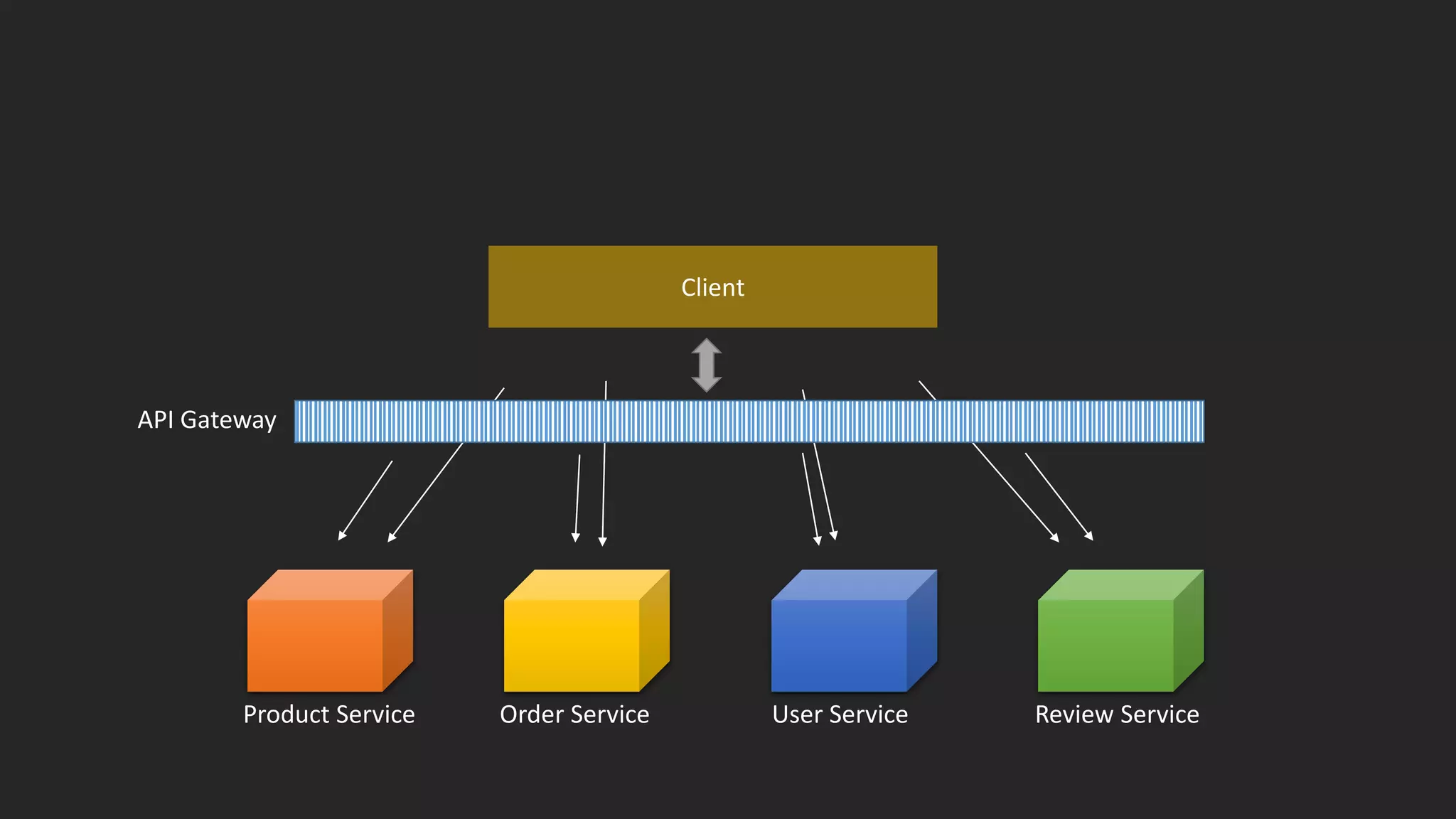
Product Service Order Service Review ServiceUser Service
Client
API Gateway
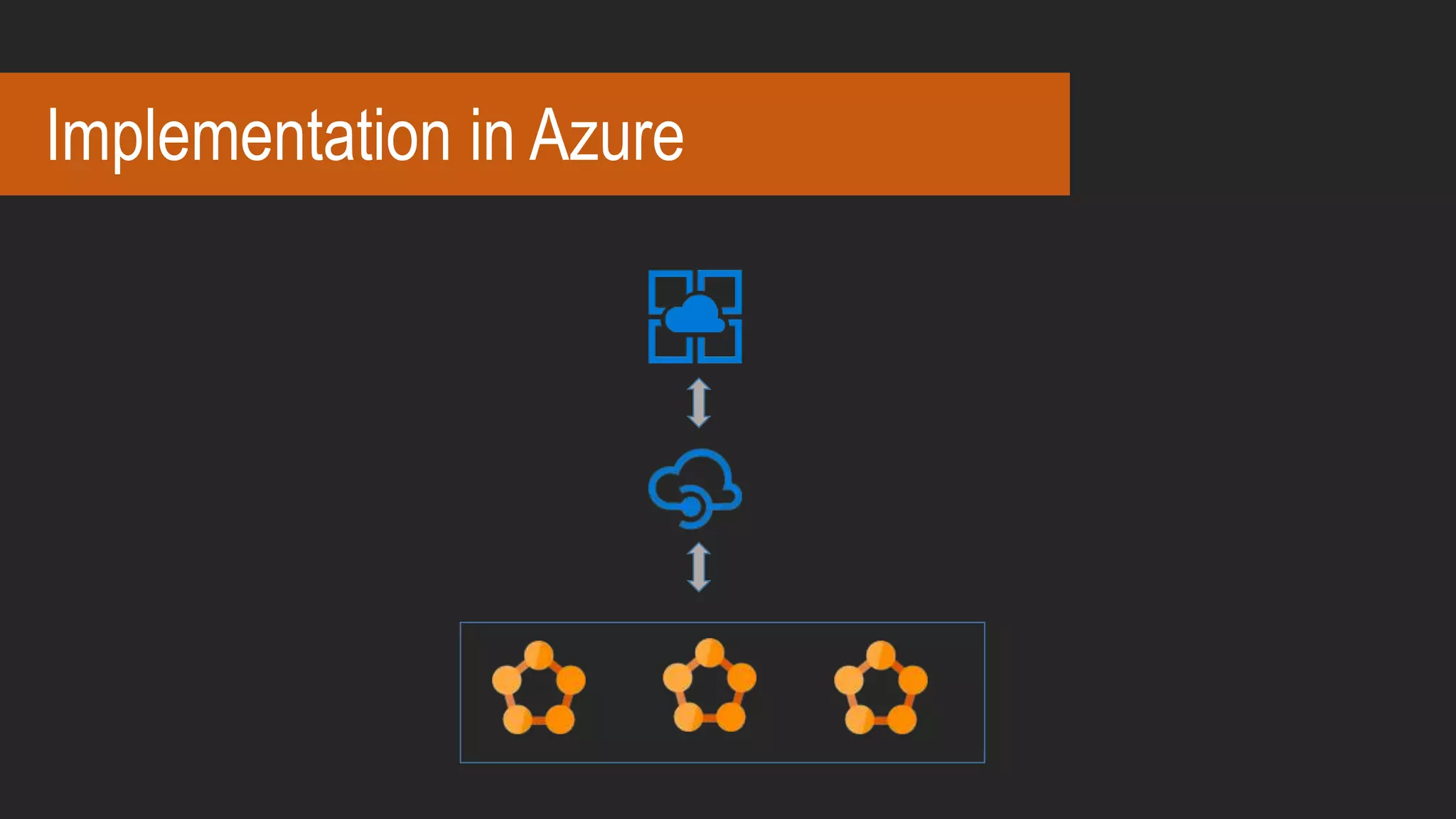
Implementation in Azure
Service Based Architecture
• Service Contracts
• Service Availability
• Security
• Transactions
Service Contracts
• Service drive contracts
• Client driven contracts
• Versioning
Service Availability
• Availability
• Responsiveness
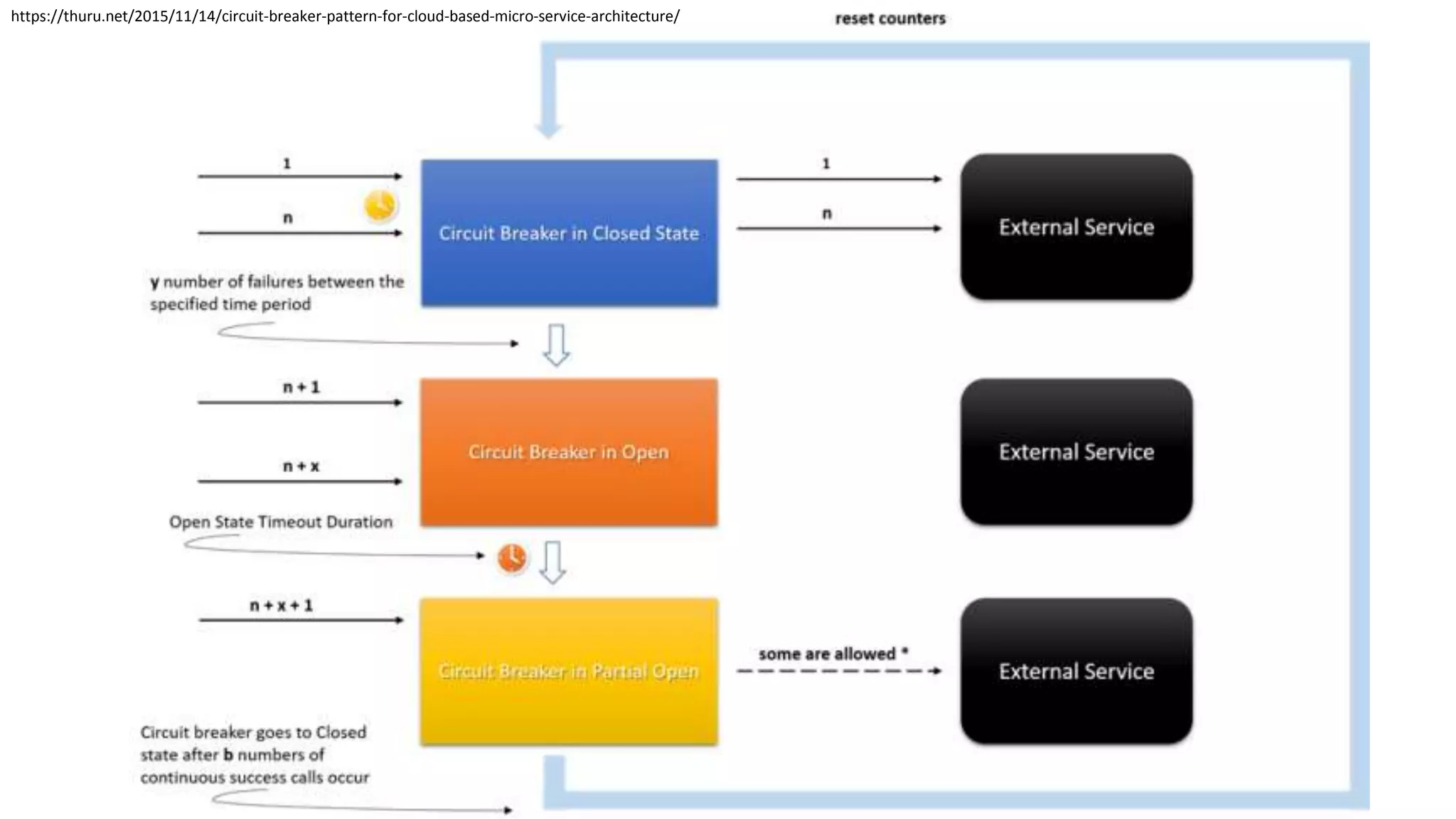
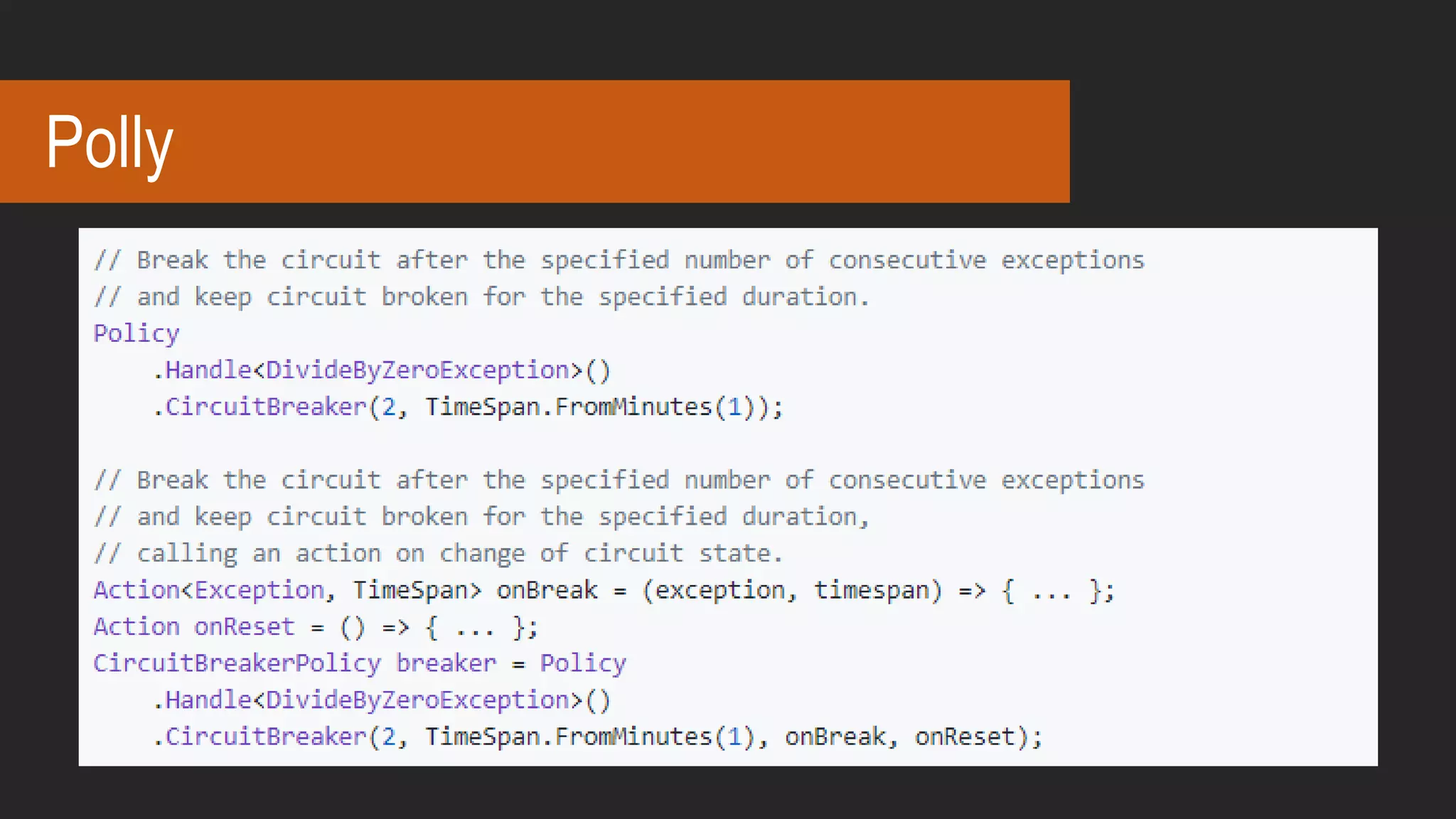
https://thuru.net/2015/11/14/circuit-breaker-pattern-for-cloud-based-micro-service-architecture/
Polly
Security
• Centralized
• Individual
• Short term certificates and tokens*
Transactions
• Transactions in Distributed Systems is hard
• Compensating Transactions
Saga
• Transactions in Distributed Systems is hard
• Compensating Transactions
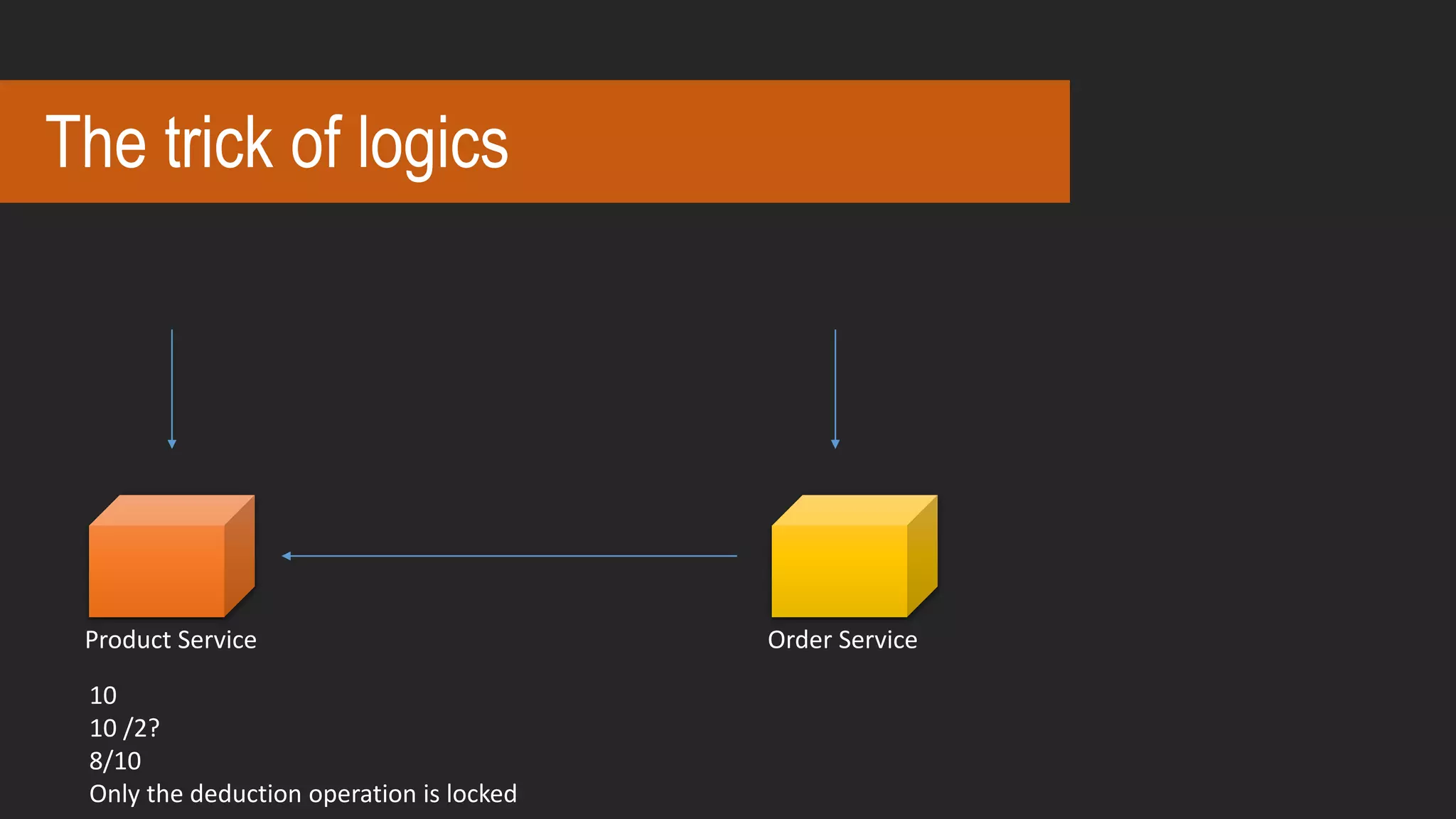
The trick of logics
Product Service Order Service
10
10 /2?
8/10
Only the deduction operation is locked
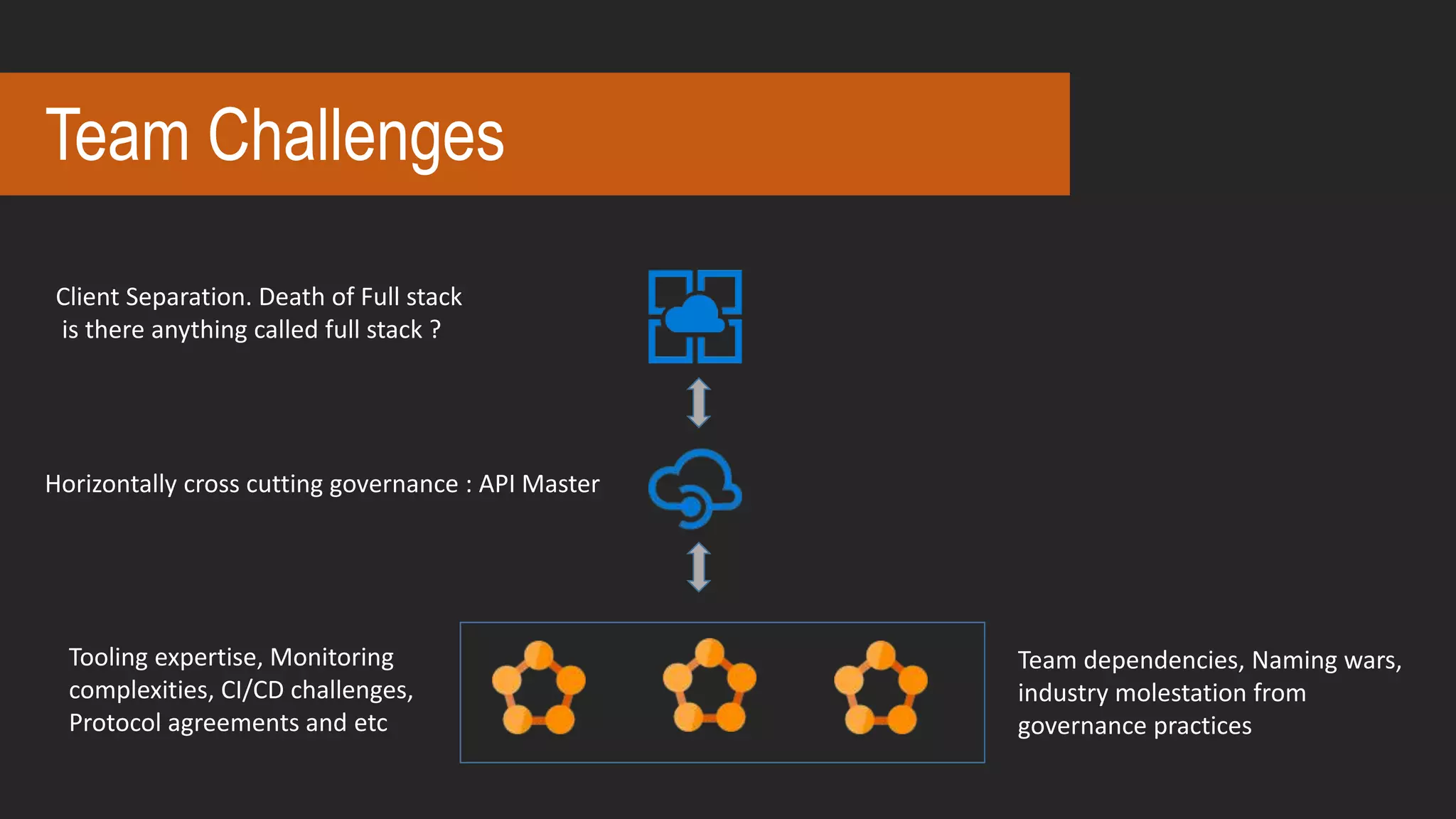
Team Challenges
Horizontally cross cutting governance : API Master
Tooling expertise, Monitoring
complexities, CI/CD challenges,
Protocol agreements and etc
Team dependencies, Naming wars,
industry molestation from
governance practices
Client Separation. Death of Full stack
is there anything called full stack ?
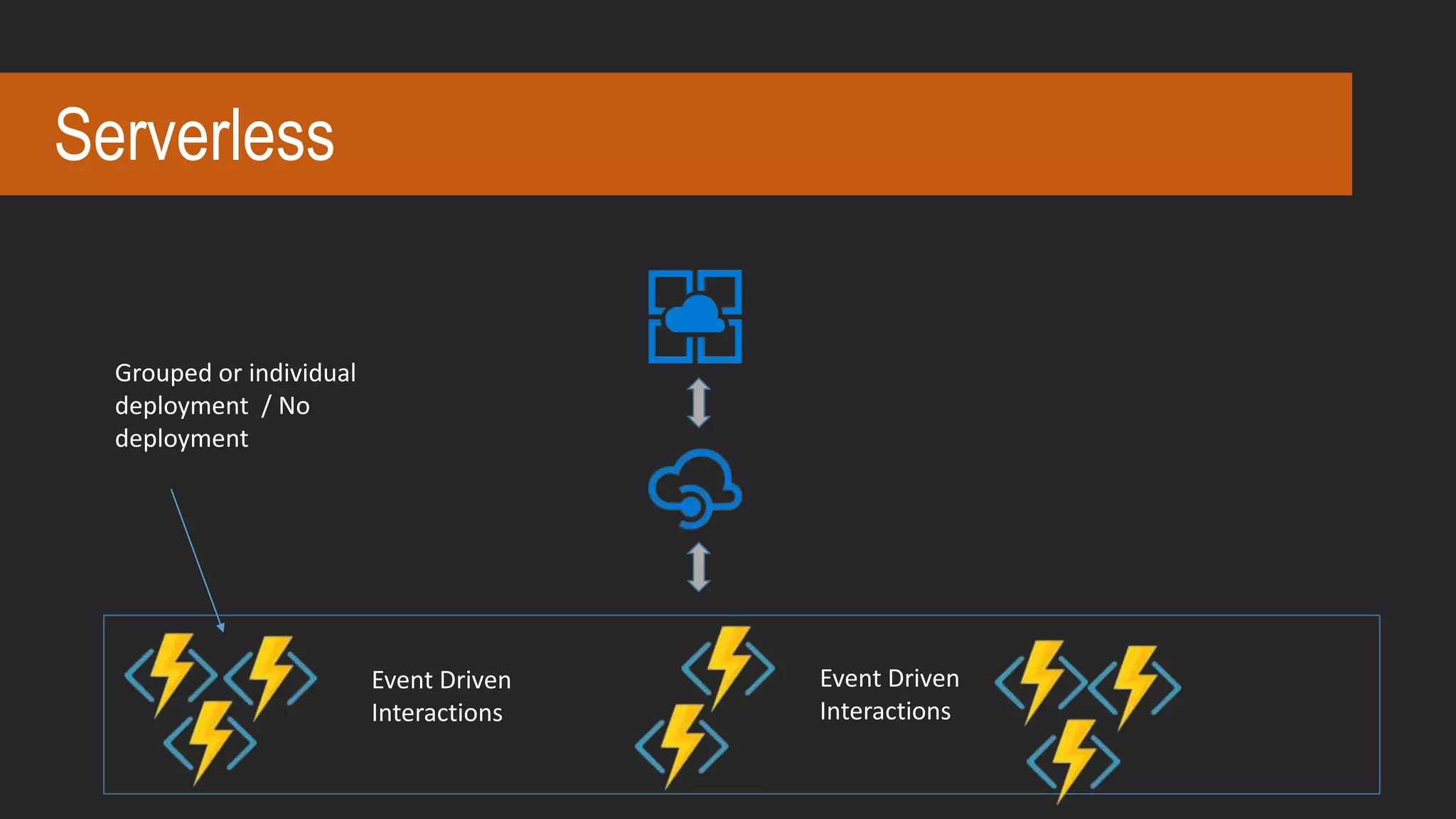
Serverless
Event Driven
Interactions
Event Driven
Interactions
Grouped or individual
deployment / No
deployment
If two are fighting, just introduce a third man to
solve the issue.
Serverless is a good solution for
what’s first war.
Of course with it’s own downsides
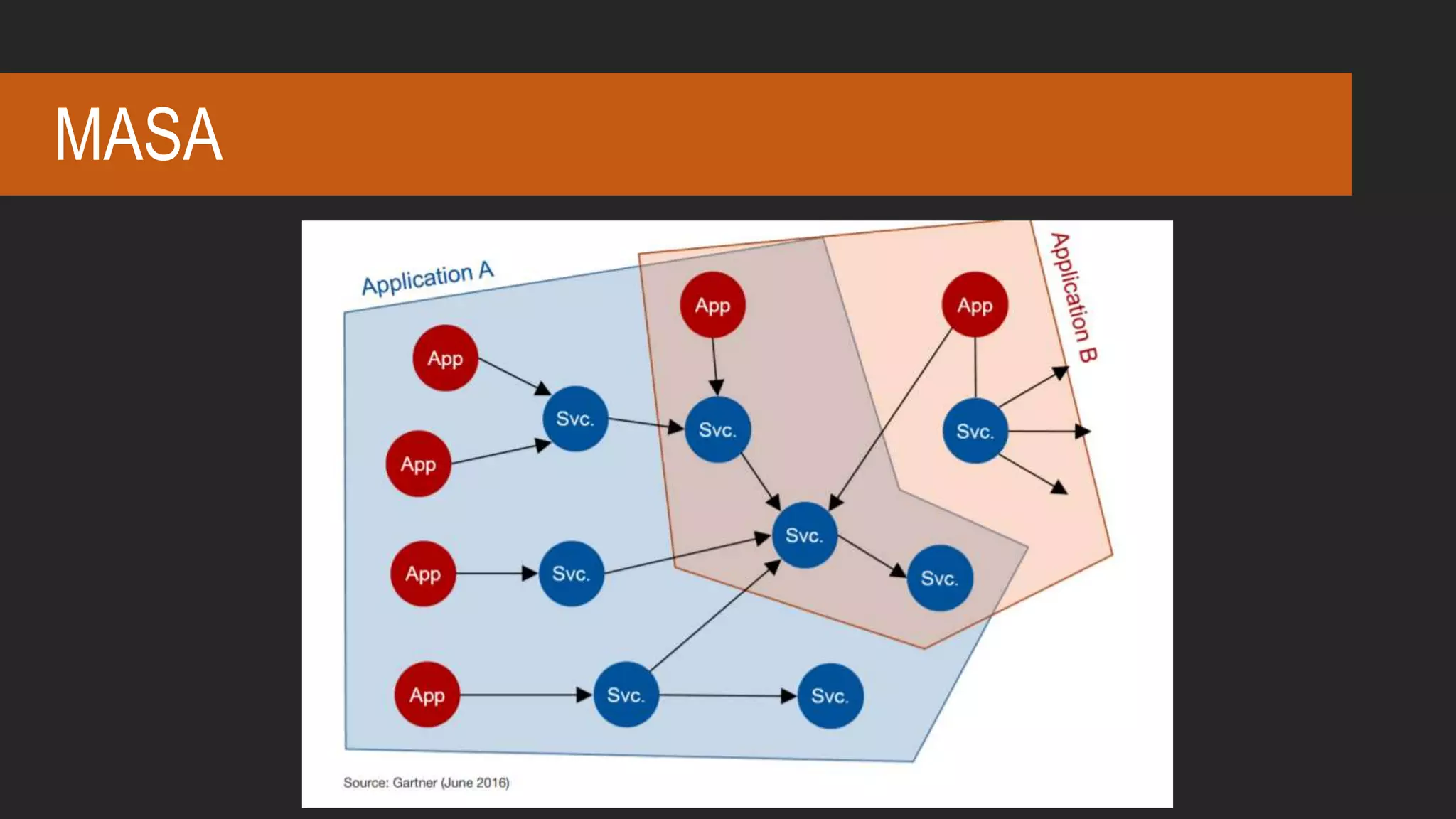
MASA
Thank you

Demystifying service based architecture

Editor's Notes

  • #2 The theme is to discuss what is a service based architecture, the history and the stress on two major service based architectures
  • #3  Having smaller systems – smaller foot print – modules (functional) - domain separation (OOP) – all where thought and embraced. There are logical separations – then became inter process communications – inter process communications became distributed Service based architectures are distributed architectures Language and platform specific implementations All service based architectures are distributed and require some remote communication technology / protocol
  • #4 The key 4 aspects of any service based architectures Most of the early implementations failed at the first point itself – technology agnostic implementations were not there XML became savior
  • #5 One such highly embraced and practiced/ misused service based architecture is SOA. SOA came to picture as a design paradigm but never defined properly. XML became the standard exchange and new industry tooling has started evolving. Enterprise Service Buses came to picture with solution of addressing other concerns (somewhat) service based architecture. Mainly addressing transactions. SOA was never defined properly – but ensured some sort of a mechanism of messaging technology which is reliable (persistence oriented). This technology is adopted with XML SOA was right but got into the industry war.
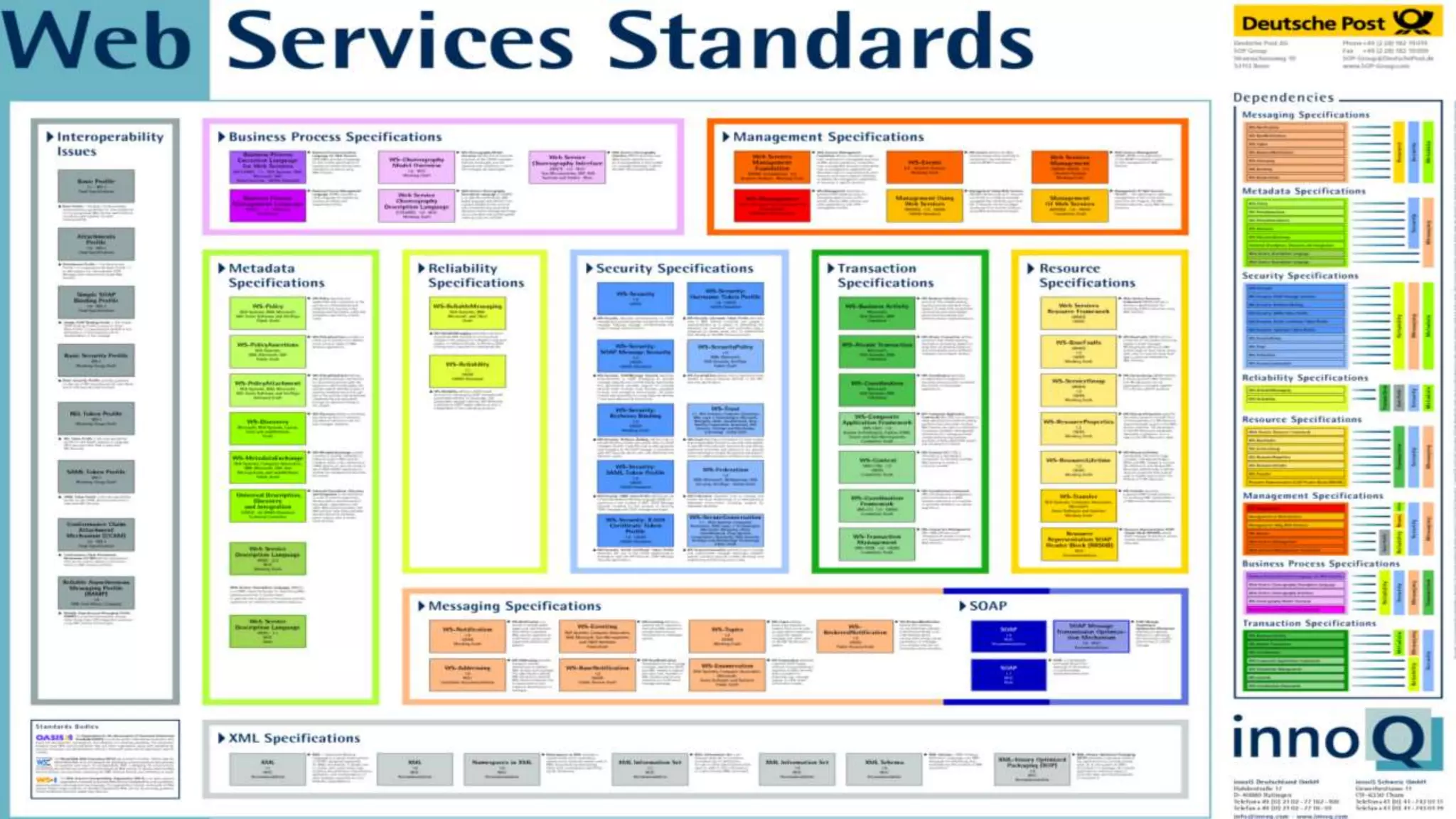
  • #6 In practice, the message format was standardized over SOAP, which is a standard introduced by W3C in early 2000, which is also based on XML — the service description was standardized over WSDL, another W3C standard and the service discovery was standardized over UDDI — once again a W3C standard. All these were the fundamentals of SOAP-based web services and incrementally, the web services became synonymous to SOA . The WS-* stack (WS-Security, WS-Policy, WS-Security Policy, WS-Trust, WS-Federation, WS-Secure Conversation, WS-Reliable Messaging, WS-Atomic Transactions, WS-BPEL, etc…) introduced by OASIS, further made SOA complex enough
  • #8 We got into a time where SOA and web services used interchangeably and often confused. The truth no own defined both so automatically the confusion came. The WS* and the web services confused the SOA implementations and created many confusions Eventually Web Services took SOA – and Web Services became another aspect of service based architectures Advent of HTTP and Web Services moved messaging little by little away from persisted messaging channels. Web Services slowly took over the industry – still they are major part. Industry specific frameworks came into play, ex – WCF, Metro (SOAP over TCP) Primary protocol is TCP with the SOAP message format.
  • #9 But Karma played As Web Services boggled the SOA, its own SOAP based complex standards triggered controversies and REST became to the picture During this time Internet has grown bigger and better, reliable networking, device proliferation all ditched SOAP and triggered new way of service communication and system development using disconnected small systems which work together to provide the overall business functionality. Also light weight and less complex messaging formats JSON came to the picture – all yielded REST So systems started talking to each other via REST – since this protocol has less constraints, both in the implementation and cross functional concerns, developers adapted it quickly.
  • #10 Since everyone is talking about cloud and tell it has been the change agent, we will also add a little bit of cloud into the service based architecture journey. Cloud helped and shaped the thinking, along with the advent of new technologies, cost associated with them (implementation and running)
  • #11 All these made the observations of creating services with simple protocols (as we say) which talk to each other and yield solutions In 2011,the term Microservices was coined and became an architectural paradigm
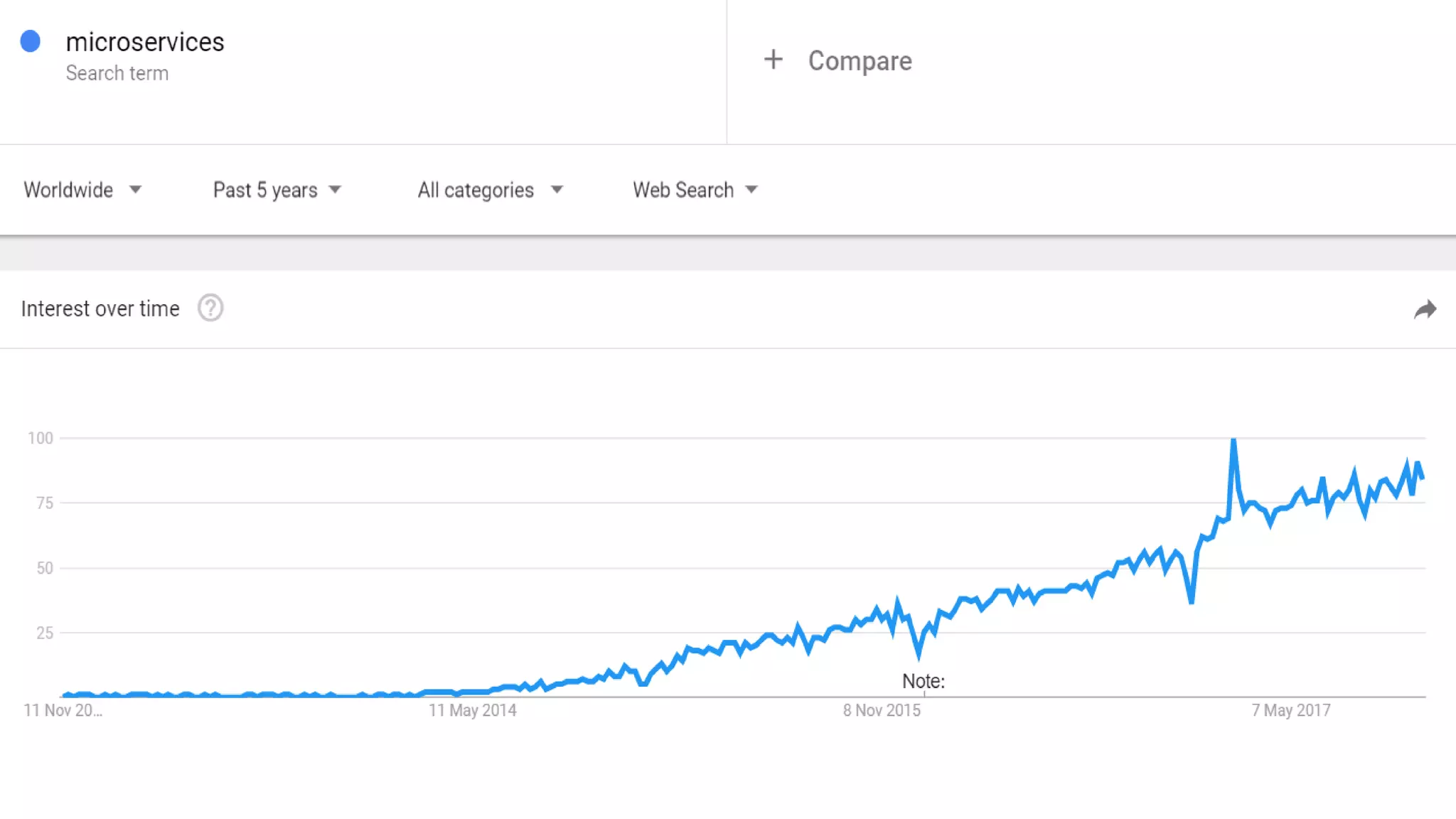
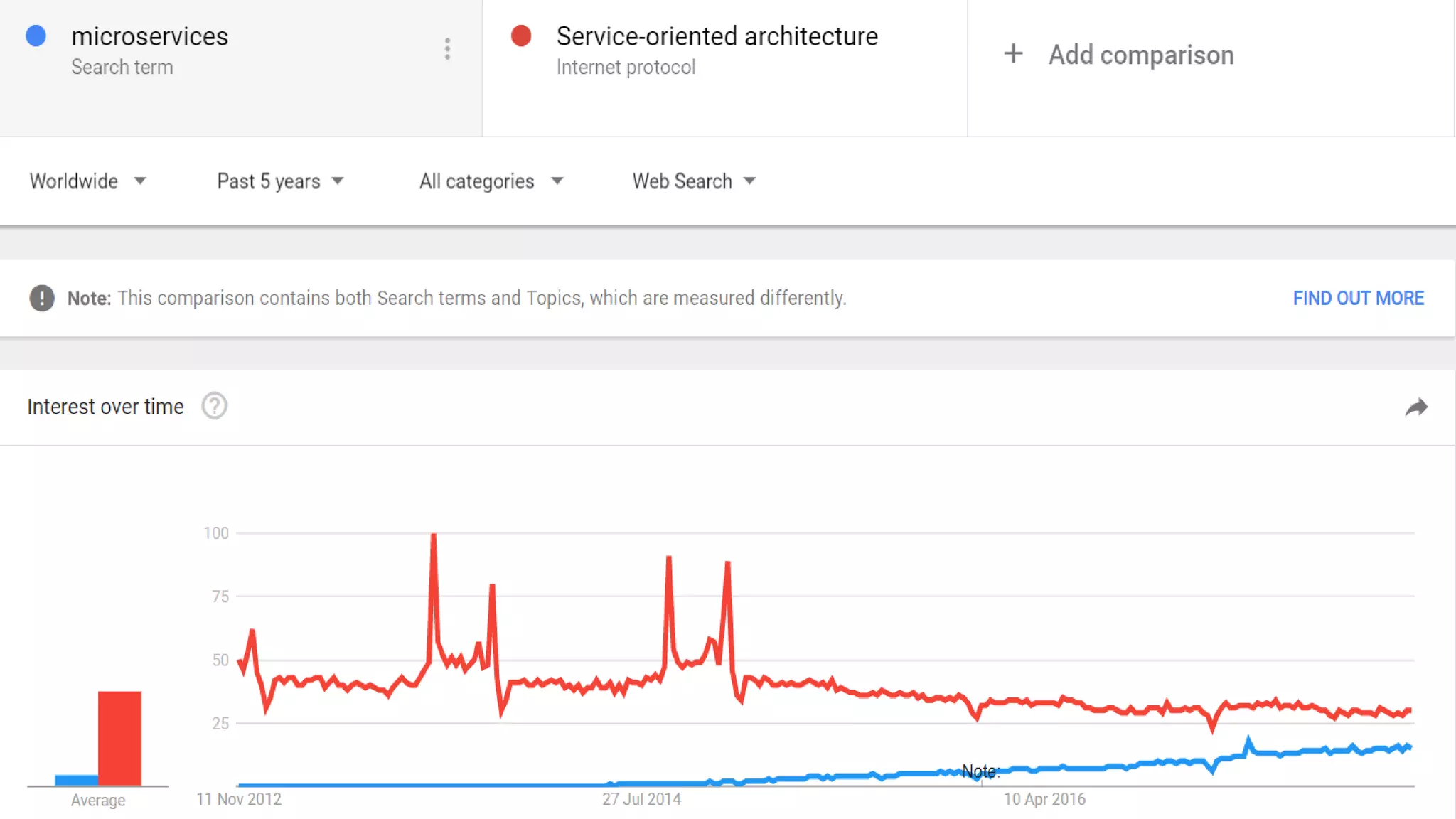
  • #12 The trend really caught the commercial adaption manic stage during late 2014 and early 2015s.
  • #15 All these made the observations of creating services with simple protocols (as we say) which talk to each other and yield solutions In 2011,the term Microservices was coined and became an architectural paradigm
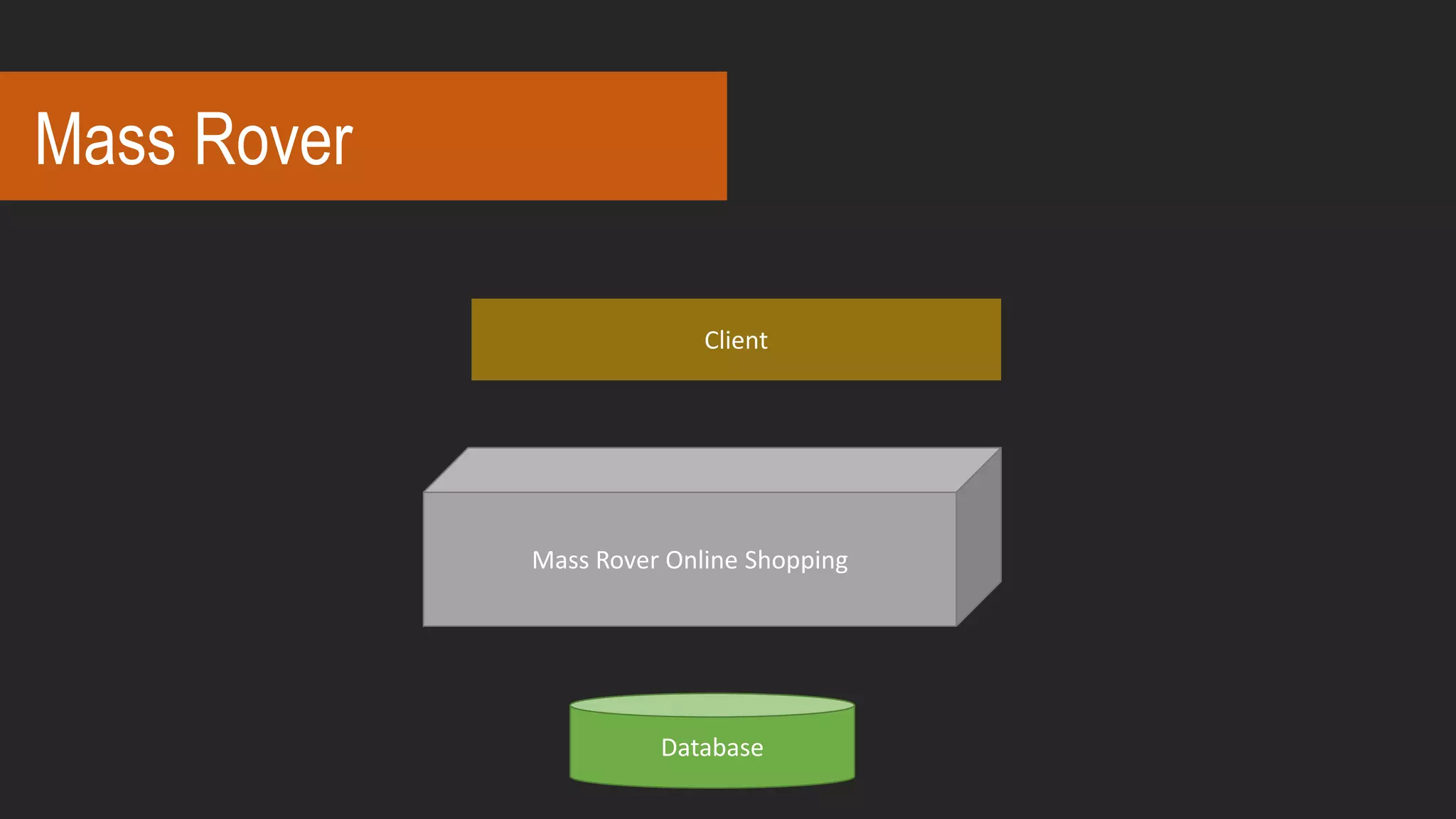
  • #16 Let’s consider an application Mass Rover online shopping which sells space gadgets. Users can view the products, order them and review the products. Leaving much of the cross cutting concerns of the application, based on this requirement, if we’re to think on a small ASP.NET Web API point of 4 controllers would be enough ? And JS client or mobile or what ever.
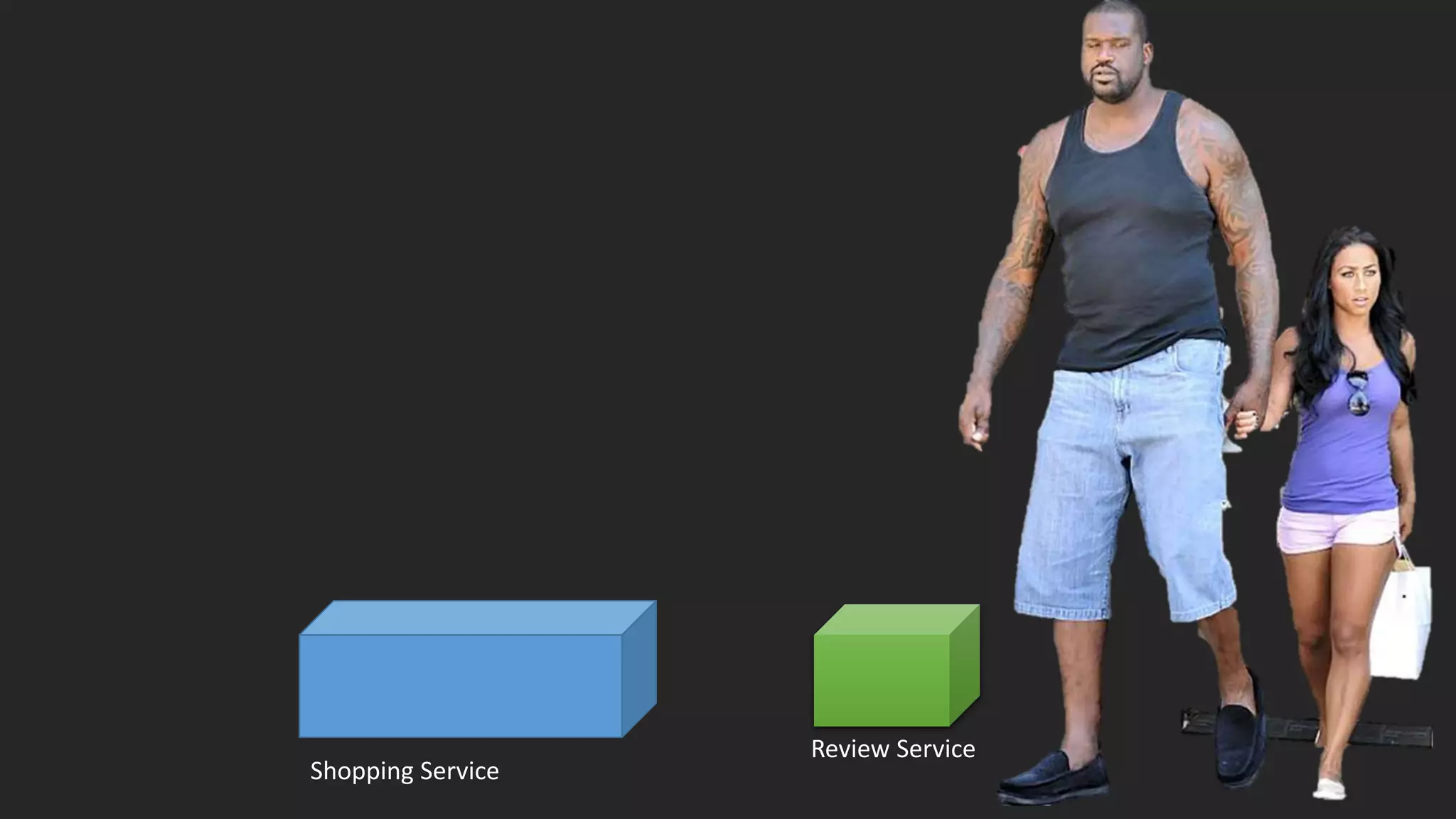
  • #17 Dividing the services in micro service – It’s tricky. Too big and small
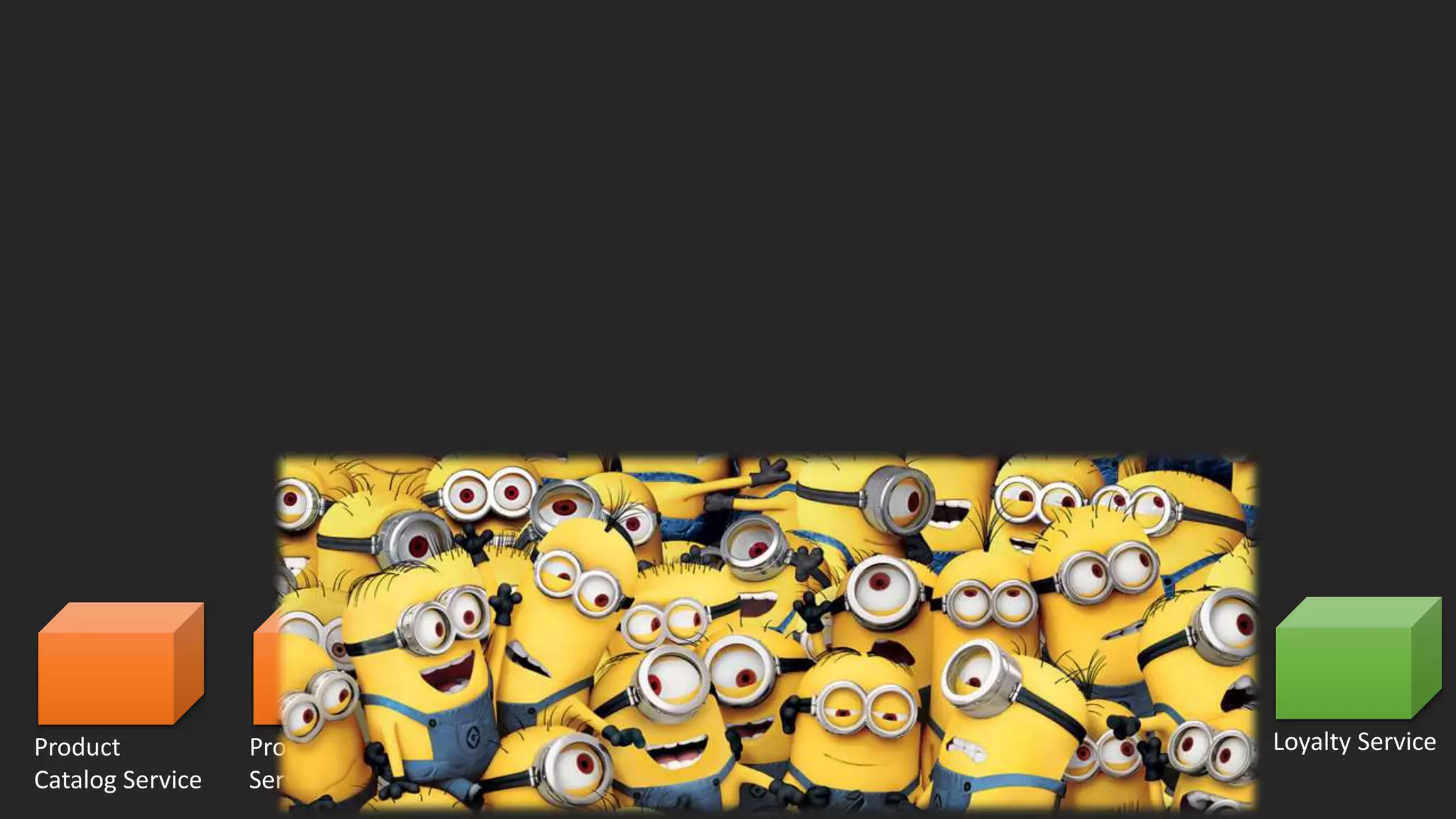
  • #18 Too many little ones
  • #19 We end up in some somewhat balanced micro services model like this.
  • #21 Services talk to themselves as well, (examples)
  • #22 Remoting Example
  • #25 The key 4 aspects of any service based architectures Most of the early implementations failed at the first point itself – technology agnostic implementations were not there XML became savior
  • #26 The key 4 aspects of any service based architectures Most of the early implementations failed at the first point itself – technology agnostic implementations were not there XML became savior
  • #27 The key 4 aspects of any service based architectures Most of the early implementations failed at the first point itself – technology agnostic implementations were not there XML became savior
  • #29 Other implemenations , ex : Java = Netflix / Ribbon
  • #30 The key 4 aspects of any service based architectures Most of the early implementations failed at the first point itself – technology agnostic implementations were not there XML became savior
  • #31 The key 4 aspects of any service based architectures Most of the early implementations failed at the first point itself – technology agnostic implementations were not there XML became savior
  • #32 SOA has its BPMN and workflows to handle this problem Have a workflow Compensation endpoints Compensation logics, Idompotent