Crescent Pure : Case
Analysis
August 23, 2017
Crescent Pure History
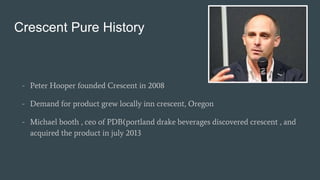
- Peter Hooper founded Crescent in 2008
- Demand for product grew locally inn crescent, Oregon
- Michael booth , ceo of PDB(portland drake beverages discovered crescent , and
acquired the product in july 2013
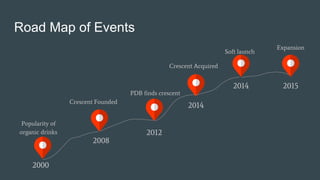
Road Map of Events
2000
2008
2012
2014
2014 2015
Popularity of
organic drinks
Crescent Founded
PDB finds crescent
Crescent Acquired
Soft launch
Expansion
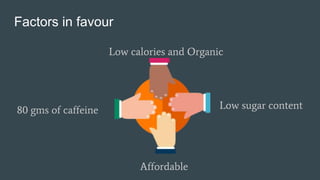
Factors in favour
Low sugar content
Low calories and Organic
80 gms of caffeine
Affordable
Decisions to be made:
PDB marketing team ,
has to decide how they
wish to position the
product
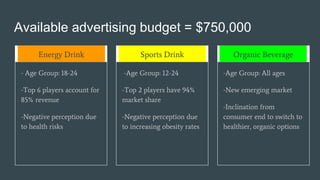
Available advertising budget = $750,000
Energy Drink
- Age Group: 18-24
-Top 6 players account for
85% revenue
-Negative perception due
to health risks
Sports Drink
-Age Group: 12-24
-Top 2 players have 94%
market share
-Negative perception due
to increasing obesity rates
Organic Beverage
-Age Group: All ages
-New emerging market
-Inclination from
consumer end to switch to
healthier, organic options
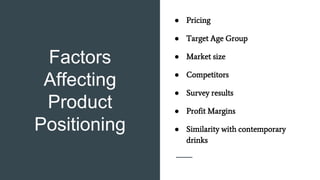
Factors
Affecting
Product
Positioning
● Pricing
● Target Age Group
● Market size
● Competitors
● Survey results
● Profit Margins
● Similarity with contemporary
drinks
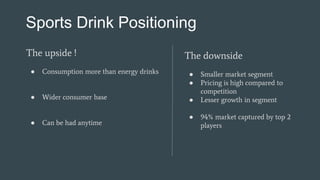
Sports Drink Positioning
The upside !
● Consumption more than energy drinks
● Wider consumer base
● Can be had anytime
The downside
● Smaller market segment
● Pricing is high compared to
competition
● Lesser growth in segment
● 94% market captured by top 2
players
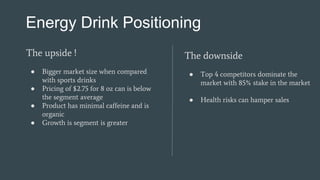
Energy Drink Positioning
The upside !
● Bigger market size when compared
with sports drinks
● Pricing of $2.75 for 8 oz can is below
the segment average
● Product has minimal caffeine and is
organic
● Growth is segment is greater
The downside
● Top 4 competitors dominate the
market with 85% stake in the market
● Health risks can hamper sales
Organic Drink Positioning
The upside !
● Will be perceived as premium brand in
segment
● Organic drinks segment has a larger
consumer base
The downside
● May not be able to grow above the
organic drink manufacturer image
● Large consumer base implies an
even larger distribution channel ,
which may affect product launch
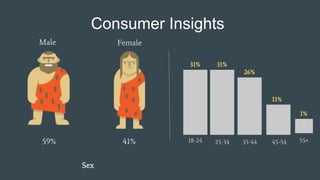
Consumer Insights
Male
59%
Female
41%
Sex
1%
31%
55+18-24
31%
25-34
26%
35-44
11%
45-54
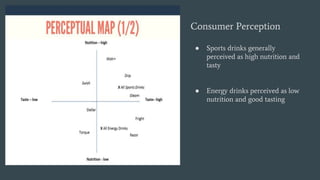
Consumer Perception
● Sports drinks generally
perceived as high nutrition and
tasty
● Energy drinks perceived as low
nutrition and good tasting
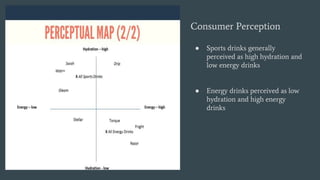
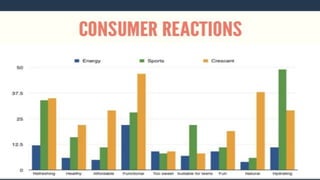
Consumer Perception
● Sports drinks generally
perceived as high hydration and
low energy drinks
● Energy drinks perceived as low
hydration and high energy
drinks
Recommendations
● Product should be positioned as an energy drink
● This is because of the larger market size
● Pricing can be increased as currently it falls below the mean industry price
● Better market growth
● Will broaden the current customer base who would prefer energy drinks with
organic ingredients as healthy supplements
Disclaimer
Shrinivas Puli Prof. Sameer Mathur
Harvard case study made by Shrinivas Puli as a part of the marketing
internship under Prof. Sameer Mathur

Crescent pure case study analysis

  • 1.
    Crescent Pure :Case Analysis August 23, 2017
  • 2.
    Crescent Pure History -Peter Hooper founded Crescent in 2008 - Demand for product grew locally inn crescent, Oregon - Michael booth , ceo of PDB(portland drake beverages discovered crescent , and acquired the product in july 2013
  • 3.
    Road Map ofEvents 2000 2008 2012 2014 2014 2015 Popularity of organic drinks Crescent Founded PDB finds crescent Crescent Acquired Soft launch Expansion
  • 4.
    Factors in favour Lowsugar content Low calories and Organic 80 gms of caffeine Affordable
  • 5.
    Decisions to bemade: PDB marketing team , has to decide how they wish to position the product
  • 6.
    Available advertising budget= $750,000 Energy Drink - Age Group: 18-24 -Top 6 players account for 85% revenue -Negative perception due to health risks Sports Drink -Age Group: 12-24 -Top 2 players have 94% market share -Negative perception due to increasing obesity rates Organic Beverage -Age Group: All ages -New emerging market -Inclination from consumer end to switch to healthier, organic options
  • 7.
    Factors Affecting Product Positioning ● Pricing ● TargetAge Group ● Market size ● Competitors ● Survey results ● Profit Margins ● Similarity with contemporary drinks
  • 8.
    Sports Drink Positioning Theupside ! ● Consumption more than energy drinks ● Wider consumer base ● Can be had anytime The downside ● Smaller market segment ● Pricing is high compared to competition ● Lesser growth in segment ● 94% market captured by top 2 players
  • 9.
    Energy Drink Positioning Theupside ! ● Bigger market size when compared with sports drinks ● Pricing of $2.75 for 8 oz can is below the segment average ● Product has minimal caffeine and is organic ● Growth is segment is greater The downside ● Top 4 competitors dominate the market with 85% stake in the market ● Health risks can hamper sales
  • 10.
    Organic Drink Positioning Theupside ! ● Will be perceived as premium brand in segment ● Organic drinks segment has a larger consumer base The downside ● May not be able to grow above the organic drink manufacturer image ● Large consumer base implies an even larger distribution channel , which may affect product launch
  • 11.
  • 12.
    Consumer Perception ● Sportsdrinks generally perceived as high nutrition and tasty ● Energy drinks perceived as low nutrition and good tasting
  • 13.
    Consumer Perception ● Sportsdrinks generally perceived as high hydration and low energy drinks ● Energy drinks perceived as low hydration and high energy drinks
  • 15.
    Recommendations ● Product shouldbe positioned as an energy drink ● This is because of the larger market size ● Pricing can be increased as currently it falls below the mean industry price ● Better market growth ● Will broaden the current customer base who would prefer energy drinks with organic ingredients as healthy supplements
  • 16.
    Disclaimer Shrinivas Puli Prof.Sameer Mathur Harvard case study made by Shrinivas Puli as a part of the marketing internship under Prof. Sameer Mathur