The Scientific
Revolution
>The Scientific Revolution, a series of
events in early modern science,
revolutionized society's understanding of
nature through advancements in
mathematics, physics, astronomy, biology,
and chemistry.
>The Europe Scientific Revolution, spanning
16th-17th centuries, marked a significant
shift in scientific thought, replacing the
Greek view of nature, emphasizing abstract
reasoning, quantitative thinking,
understanding nature as a machine.
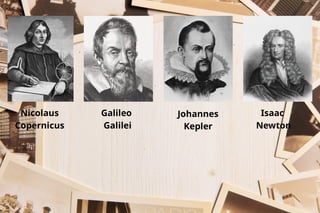
Famous astronomers,
physicist and
mathematician who
have ground
contribution to the
scientific revolution.
Nicolaus
Copernicus
Galileo
Galilei
Isaac
Newton
Johannes
Kepler
NICOLAUS COPERNICUS
1473-1543
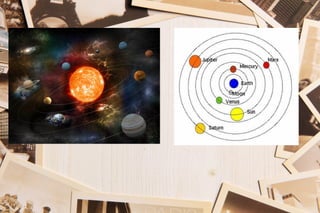
Nicolaus Copernicus was a Polish astronomer
who put forth the theory that the Sun is at
rest near the center of the Universe, and that
the Earth, spinning on its axis once daily,
revolves annually around the Sun. This is
called the heliocentric, or Sun-centered,
system.
GALILEO GALILEI
1564-1642
Galileo was a natural philosopher, astronomer, and
mathematician who made fundamental
contributions to the sciences of motion, astronomy,
and strength of materials and to the development of
the scientific method.
JOHANNES KEPLER
1571-1630
Kepler contributed to the Scientific Revolution in two
major ways. The first major way was his discoveries:
Kepler discovered the three laws of planetary motion and
gave major support to the idea of heliocentrism. The
second way was who he influenced with his discoveries.
His discoveries on how planets travel in space helped
inspire Sir Isaac Newton, the man who helped discover
gravity and Newton's Laws of Motion.
ISAAC NEWTON
1643-1727
One of the most influential scientists
in history, Sir Isaac Newton’s
contributions to the fields of physics,
mathematics, astronomy and
chemistry helped usher in the
Scientific Revolution.
Three significant
intellectual revolutions
THE COPERNICAN REVOLUTION
THE DARWINIAN
REVOLUTION
THE FREUDIAN REVOLUTION
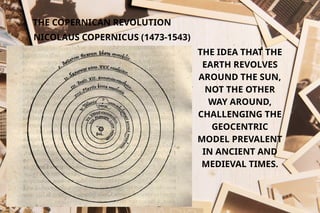
THE COPERNICAN REVOLUTION
NICOLAUS COPERNICUS (1473-1543)
THE IDEA THAT THE
EARTH REVOLVES
AROUND THE SUN,
NOT THE OTHER
WAY AROUND,
CHALLENGING THE
GEOCENTRIC
MODEL PREVALENT
IN ANCIENT AND
MEDIEVAL TIMES.
COPERNICUS’ REVOLUTIONARY HELIOCENTRIC MODEL,
FIRST PRESENTED IN HIS SEMINAL WORK "ON THE
REVOLUTIONS OF THE CELESTIAL SPHERES" (DE
REVOLUTIONIBUS ORBIUM COELESTIUM) ON 1543, LAID
THE FOUNDATION FOR MODERN ASTRONOMY AND
COSMOLOGY.
IT CONTAINED THE MATHEMATICAL AND
ASTRONOMICAL DATA THAT FORM THE BASIS OF THE
COPERNICAN SYSTEM. CENTRAL TO HIS MODEL IS HIS
PROPOSAL THAT THE EARTH HAS THREE DISTINCT
MOTIONS: A DAILY AXIAL ROTATION, AN ANNUAL
ROTATION ABOUT THE SUN, AND A THIRD MOTION
RELATED TO PRECESSION.
1) THERE IS NO ONE CENTER IN THE UNIVERSE.
2) THE EARTH’S CENTER IS NOT THE CENTER OF THE
UNIVERSE.
3) THE CENTER OF THE UNIVERSE IS NEAR THE SUN
4) THE DISTANCE FROM THE EARTH TO THE SUN IS
IMPERCEPTIBLE COMPARED WITH THE DISTANCE TO
THE STARS.
5) THE ROTATION OF THE EARTH ACCOUNTS FOR THE APPARENT
DAILY ROTATION OF THE STARS.
6) THE APPARENT ANNUAL CYCLE OF MOVEMENTS OF
THE SUN IS CAUSED BY THE EARTH REVOLVING
AROUND IT, AND,
7) THE APPARENT RETROGRADE MOTION OF THE
PLANETS IS CAUSED BY
THE MOTION OF THE EARTH FROM WHICH ONE
OBSERVES.
HIS WRITINGS CHALLENGED RELIGIOUS DOGMA
AND CHALLENGED MANY BELIEFS. GALILEO
GALILEI SUFFERED FOR SUPPORTING HIS BELIEFS,
GALILEO GALILEI FORCED TO RENOUNCE BELIEF
IN THE HELIOCENTRIC SYSTEM. BY 1700, MOST
SCIENTISTS EMBRACED COPERNICUS' IDEAS, AND
HIS THEORY CHANGED MAN'S VIEW OF THE
UNIVERSE AND HIS ROLE IN IT.

Cream Brown Minimalist Science Folder Label.pptx

  • 1.
  • 2.
    >The Scientific Revolution,a series of events in early modern science, revolutionized society's understanding of nature through advancements in mathematics, physics, astronomy, biology, and chemistry. >The Europe Scientific Revolution, spanning 16th-17th centuries, marked a significant shift in scientific thought, replacing the Greek view of nature, emphasizing abstract reasoning, quantitative thinking, understanding nature as a machine.
  • 3.
    Famous astronomers, physicist and mathematicianwho have ground contribution to the scientific revolution.
  • 4.
  • 5.
    NICOLAUS COPERNICUS 1473-1543 Nicolaus Copernicuswas a Polish astronomer who put forth the theory that the Sun is at rest near the center of the Universe, and that the Earth, spinning on its axis once daily, revolves annually around the Sun. This is called the heliocentric, or Sun-centered, system.
  • 6.
    GALILEO GALILEI 1564-1642 Galileo wasa natural philosopher, astronomer, and mathematician who made fundamental contributions to the sciences of motion, astronomy, and strength of materials and to the development of the scientific method.
  • 7.
    JOHANNES KEPLER 1571-1630 Kepler contributedto the Scientific Revolution in two major ways. The first major way was his discoveries: Kepler discovered the three laws of planetary motion and gave major support to the idea of heliocentrism. The second way was who he influenced with his discoveries. His discoveries on how planets travel in space helped inspire Sir Isaac Newton, the man who helped discover gravity and Newton's Laws of Motion.
  • 8.
    ISAAC NEWTON 1643-1727 One ofthe most influential scientists in history, Sir Isaac Newton’s contributions to the fields of physics, mathematics, astronomy and chemistry helped usher in the Scientific Revolution.
  • 9.
    Three significant intellectual revolutions THECOPERNICAN REVOLUTION THE DARWINIAN REVOLUTION THE FREUDIAN REVOLUTION
  • 10.
    THE COPERNICAN REVOLUTION NICOLAUSCOPERNICUS (1473-1543) THE IDEA THAT THE EARTH REVOLVES AROUND THE SUN, NOT THE OTHER WAY AROUND, CHALLENGING THE GEOCENTRIC MODEL PREVALENT IN ANCIENT AND MEDIEVAL TIMES.
  • 12.
    COPERNICUS’ REVOLUTIONARY HELIOCENTRICMODEL, FIRST PRESENTED IN HIS SEMINAL WORK "ON THE REVOLUTIONS OF THE CELESTIAL SPHERES" (DE REVOLUTIONIBUS ORBIUM COELESTIUM) ON 1543, LAID THE FOUNDATION FOR MODERN ASTRONOMY AND COSMOLOGY. IT CONTAINED THE MATHEMATICAL AND ASTRONOMICAL DATA THAT FORM THE BASIS OF THE COPERNICAN SYSTEM. CENTRAL TO HIS MODEL IS HIS PROPOSAL THAT THE EARTH HAS THREE DISTINCT MOTIONS: A DAILY AXIAL ROTATION, AN ANNUAL ROTATION ABOUT THE SUN, AND A THIRD MOTION RELATED TO PRECESSION.
  • 13.
    1) THERE ISNO ONE CENTER IN THE UNIVERSE. 2) THE EARTH’S CENTER IS NOT THE CENTER OF THE UNIVERSE. 3) THE CENTER OF THE UNIVERSE IS NEAR THE SUN 4) THE DISTANCE FROM THE EARTH TO THE SUN IS IMPERCEPTIBLE COMPARED WITH THE DISTANCE TO THE STARS. 5) THE ROTATION OF THE EARTH ACCOUNTS FOR THE APPARENT DAILY ROTATION OF THE STARS. 6) THE APPARENT ANNUAL CYCLE OF MOVEMENTS OF THE SUN IS CAUSED BY THE EARTH REVOLVING AROUND IT, AND, 7) THE APPARENT RETROGRADE MOTION OF THE PLANETS IS CAUSED BY THE MOTION OF THE EARTH FROM WHICH ONE OBSERVES.
  • 14.
    HIS WRITINGS CHALLENGEDRELIGIOUS DOGMA AND CHALLENGED MANY BELIEFS. GALILEO GALILEI SUFFERED FOR SUPPORTING HIS BELIEFS, GALILEO GALILEI FORCED TO RENOUNCE BELIEF IN THE HELIOCENTRIC SYSTEM. BY 1700, MOST SCIENTISTS EMBRACED COPERNICUS' IDEAS, AND HIS THEORY CHANGED MAN'S VIEW OF THE UNIVERSE AND HIS ROLE IN IT.