(12) United States Patent
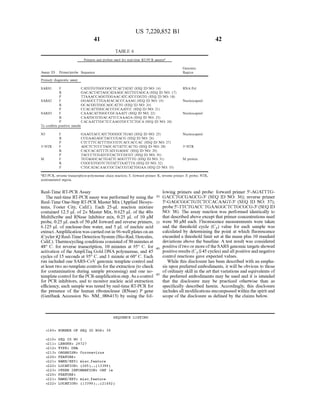
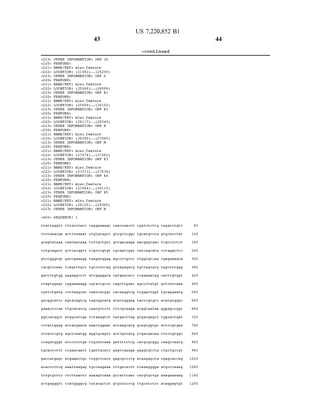
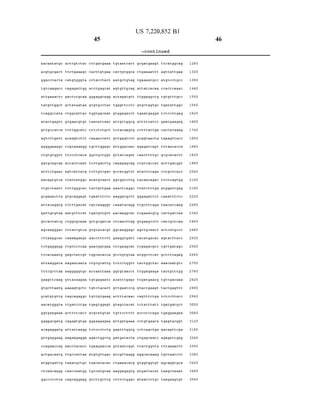
Rota et al.
US007220852B1
US 7,220,852 B1
May 22, 2007
(10) Patent No.:
(45) Date of Patent:
(54) CORONAVIRUS ISOLATED FROM HUMANS
(75) Inventors: Paul A. Rota, Decatur, GA (US);
Larry J. Anderson, Atlanta, GA (US);
William J. Bellini, Lilburn, GA (US);
Cara Carthel Burns, Avondale Estates,
GA (US); Raymond Campagnoli,
Decatur, GA (US); Qi Chen, Marietta,
GA (US); James A. Comer, Decatur,
GA (US); Shannon L. Emery, Lusaka
(ZM); Dean D. Erdman, Decatur, GA
(US); Cynthia S. Goldsmith, Lilburn,
GA (US); Charles D. Humphrey,
Lilburn, GA (US); Joseph P. Icenogle,
Atlanta, GA (US); Thomas G. Ksiazek,
Lilburn, GA (US); Stephan S. Monroe,
Decatur, GA (US); William Allan Nix,
Bethlehem, GA (US); M. Steven
Oberste, Lilburn, GA (US); Teresa C.
T. Peret, Atlanta, GA (US); Pierre E.
Rollin, Lilburn, GA (US); Mark A.
Pallansch, Lilburn, GA (US); Anthony
Sanchez, Lilburn, GA (US); Suxiang
Tong, Alpharetta, GA (US); Sherif R.
Zaki, Atlanta, GA (US)
(73) Assignee: The United States ofAmerica as
represented by the Secretary of the
Department of Health and Human
Services, Centers for Disease Control
and Prevention, Washington, DC (US)
(*) Notice: Subject to any disclaimer, the term ofthis
patent is extended or adjusted under 35
U.S.C. 154(b) by 0 days.
(21) Appl. No.: 10/822,904
(22) Filed: Apr. 12, 2004
Related U.S. Application Data
(60) Provisional application No. 60/465,927, filed on Apr.
25, 2003.
(51) Int. Cl.
CI2N 15/50 (2006.01)
CI2N 7/00 (2006.01)
(52) U.S. Cl. ................................. 536/23.72:435/235.1
(58) Field of Classification Search ............. 536/23.72:
514/44; 435/235.1, 320.1
See application file for complete search history.
(56) References Cited
U.S. PATENT DOCUMENTS
2005/0181357 A1* 8,2005 Peiris et al. ................... 435.5
FOREIGN PATENT DOCUMENTS
WO WO 2004/085.633
WO WO 2004/092360
* 10/2004
* 10/2004
OTHER PUBLICATIONS
GenBank Accession No. AY274119, “SARS Coronavirus Tor2.
complete genome,” version AY274119.1, Apr. 14, 2003.*
GenBank Accession No. AY278487. “SARS coronavirus BJO2,
partial genome,” version AY278487.1, Apr. 21, 2003.*
Genbank Accession No. AY278554, “SARS coronavirus CUHK
W1, complete genome.” version AY278554.1, Apr. 18, 2003.*
GenBank Accession No. AY278491, “SARS Coronavirus HKU
39849, complete genome,” version AY278491.1, Apr. 18, 2003.*
SARS-associated Coronavirus. Genomic Sequence Availability.
online retreived on Aug. 8, 2005). Retreived from the Internet
<URL: http://www.bcgsc.ca/bioinfo/SARS->.*
GenBank Accession No. AY274119, Apr. 14, 2003.
GenBank Accession No. AY278741, Apr. 21, 2003.
“Update: Outbreak of Severe Acute Respiratory
Syndrome Worldwide, 2003.” MMWR Weekly 52:241-248 (2003).
Emery et al., “Real-Time Reverse Transcription-Polymerase Chain
Reaction Assay for SARS-Associated Coronavirus.” Emerg. Infect.
Diseases 10:311-316 (2004).
Goldsmith et al., “Ultrastructural Characterization of SARS
Coronavirus,” Emerg. Infect. Diseases 10:320-326 (2004).
Ksiazek etal., “ANovel Coronavirus Associated with SevereAcute
Respiratory Syndrome.” N. Eng. J. Med. 348:1953-1966 (2003).
Luo and Luo, “Initial SARS Coronavirus Genome Sequence Analy
sis.UsingaBioinformatics Platform.” 2"Asia-PacificBioinformat
ics Conference (APBC2004), Dunedin, New Zealand (2004).
Marra et al., “The Genome Sequence of the SARS-Associated
Coronavirus,” Science 300:1393-1404 (2003).
Supplementary Online Material for Marra et al. <<www.
sciencemag.org/cgi/content/full/1085953/DC1cd.
Rota et al., “Characterization of a Novel Coronavirus Associated
with Severe Acute Respiratory Syndrome,” Science 300:1394-1399
(2003).
Supplementary Online Material for Rota etal. <<www.sciencemag.
org/cgi/content/full/1085952/DC1cc.
* cited by examiner
Primary Examiner Mary E. Mosher
(74) Attorney, Agent, or Firm—Klarduist Sparkman LLP
(57) ABSTRACT
Disclosed herein is a newly isolated human coronavirus
(SARS-CoV), thecausativeagent ofsevereacute respiratory
syndrome (SARS). Also provided are the nucleic acid
sequence of the SARS-CoV genome and the amino acid
sequences oftheSARS-CoV open reading frames, as well as
methods of using these molecules to detect a SARS-CoV
and detect infections therewith. Immune stimulatory com
positions arealso provided, along with methods oftheir use.
1 Claim, 7 Drawing Sheets
U.S. Patent May 22, 2007 Sheet 1 of 7 US 7,220,852 B1
FIG. 1A
FIG. 1B
U.S. Patent May 22, 2007 Sheet 3 of 7 US 7,220,852 B1
Ratsow Y. SARscov
Y-SHcov-ocA3
s. BCow . Ort
sms sm.'
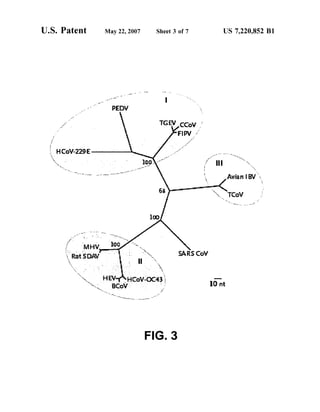
FIG. 3
U.S. Patent May 22, 2007 Sheet 4 of 7 US 7,220,852 B1
SARS-CoV
SARS-CoV
HCoV-229E
SARS-CoV
HCOV-229E G
PEOW
SARS-CoV
SARS-CoV
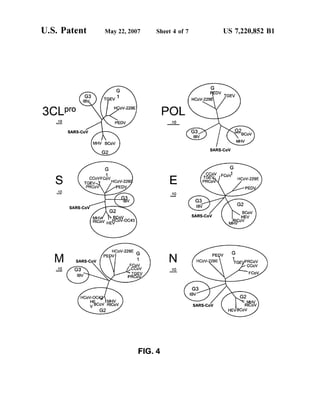
FIG. 4
U.S. Patent May 22, 2007 Sheet S of 7 US 7,220,852 B1
SS
sr
..
US 7,220,852 B1Sheet 6 of 7May 22, 2007U.S. Patent
US 7,220,852 B1Sheet 7 Of 7May 22, 2007U.S. Patent
O'09000'92100'0Z
US 7,220,852 B1
1.
CORONAVIRUS SOLATED FROM HUMANS
PRIORITY CLAIM
This application claims the benefit of U.S. Provisional
Patent Application No. 60/465,927 filed Apr. 25, 2003,
which is incorporated herein by reference in its entirety.
STATEMENT OF GOVERNMENT SUPPORT
This invention was made by the Centers for Disease
Control and Prevention, an agency of the United States
Government. Therefore, the U.S. Government has certain
rights in this invention.
FIELD OF THE DISCLOSURE
This invention relates to a newly isolated human coro
navirus. More particularly, it relates to an isolated coronavi
rus genome, isolated coronavirus proteins, and isolated
nucleic acid molecules encoding the same. The disclosure
further relates to methods ofdetecting a severe acute respi
ratory syndrome-associated coronavirus and compositions
comprising immunogenic coronavirus compounds.
BACKGROUND
The coronaviruses (order Nidovirales, family Coronaviri
dae, genus Coronavirus) are a diverse group oflarge, envel
oped, positive-stranded RNA viruses that cause respiratory
and enteric diseases in humans and other animals. At
approximately 30,000 nucleotides (nt), their genome is the
largest found in any ofthe RNA viruses. Coronaviruses are
spherical, 100-160 nm in diameter with 20–40 nm complex
club shaped Surface projections surrounding the periphery.
Coronaviruses share common structural proteins including a
spike protein (S), membrane protein (M), envelope protein
(E), and, in a Subset of coronaviruses, a hemagglutinin
esterase protein (HE). The S protein, a glycoprotein which
protrudes from the virus membrane, is involved in host cell
receptor binding and is a target for neutralizing antibodies.
The E and M proteins are involved in virion formation and
release from the host cell. Coronavirus particles are found
within the cisternae ofthe rough endoplasmic reticulum and
in vesicles of infected host cells where virions are
assembled. The coronavirus genome consists of two open
reading frames (ORF1a and ORF1b) yielding an RNA
polymerase and a nested set ofSubgenomic mRNAS encod
ing structural and nonstructural proteins, including the S. E.
M, and nucleocapsid (N) proteins. The genus Coronavirus
includes at least 13 species which have been subdivided into
at least three groups (groups I, II, and III) on the basis of
serological and genetic properties (deVries et al., Sem. Virol.
8:33–47, 1997: Fields et al. eds. Fields Virology, 3rd edition,
Raven Press, Philadelphia, 1323–1341, 1996; Mahey and
Colliereds. Microbiology and Microbial Infections, Volume
1 Virology, 9" edition, Oxford University Press, 463-479,
1998).
The three known groups of coronavirus are associated
with a variety ofdiseases ofhumans and domestic animals
(for example, cattle, pigs, cats, dogs, rodents, and birds),
including gastroenteritis and upper and lower respiratory
tract disease. Known coronaviruses include human Coro
navirus 229E (HCoV-229E), canine coronavirus (CCoV),
feline infectious peritonitis virus (FIPV), porcine transmis
sible gastroenteritis virus (TGEV), porcine epidemic diar
rhea virus (PEDV), human coronavirus OC43 (HooV
10
15
25
30
35
40
45
50
55
60
65
2
OC43), bovine coronavirus (BCoV), porcine
hemagglutinating encephalomyelitis virus (HEV), rat Sialo
dacryoadenitis virus (SDAV), mouse hepatitis virus (MHV),
turkey coronavirus (TCoV), and avian infectious bronchitis
virus (IBV-Avian) (Fields et al. eds. Fields Virology, 3rd
edition, Raven Press, Philadelphia, 1323–1341, 1996:
Mahey and Collier eds. Microbiology and Microbial Infec
tions, Volume 1 Virology, 9" edition, Oxford University
Press, 463-479, 1998).
Coronavirus infections are generally host specific with
respect to infectivity and clinical symptoms. Coronaviruses
further exhibit marked tissue tropism; infection in the incor
rect host species or tissue type may result in an abortive
infection, mutant virus production and altered virulence.
Coronaviruses generally do not grow well in cell culture,
and animal models for human coronavirus infection are
lacking. Therefore, little is known about them (Fields et al.
eds. Fields Virology, 3rd edition, Raven Press, Philadelphia,
1323–1341, 1996). The known human coronaviruses are
notably fastidious in cell culture, preferring select cell lines,
organ culture, or Suckling mice for propagation. Coronavi
ruses grown in cell culture exhibit varying degrees of
virulence and/or cytopathic effect (CPE) depending on the
host cell type and culture conditions. The only human or
animal coronavirus which has been shown to grow in Vero
E6 cells is PEDV, and it requires the addition of trypsin to
culture medium for growth in Vero E6 cells. Moreover,
PEDV adapted to Vero E6 cell culture results in a strikingly
different CPE, with cytoplasmic vacuoles and the formation
of large syncytia (Hofmann and Wyler, J. Clin. Micro.
26:2235–39, 1988: Kusanagi et el. J. Vet. Med. Sci. 554:
313–18, 1991).
Coronavirus have not previously been known to cause
severe disease in humans, but have been identified as a
major cause ofupper respiratory tract illness, including the
common cold. Repeat infections in humans are common
within and across serotype, Suggesting that immune
response to coronavirus infection in humans is eitherincom
plete or short lived. Coronavirus infection in animals can
cause severe enteric or respiratory disease. Vaccination has
been used successfully to prevent and control Some coro
navirus infections in animals. The ability ofanimal-specific
coronaviruses to cause severe disease raises the possibility
that coronavirus could also cause more severe disease in
humans (Fields etal. eds. Fields Virology, 3rdedition, Raven
Press, Philadelphia, 1323–1341, 1996; Mahey and Collier
eds. Microbiology andMicrobial Infections, Volume 1 Virol
ogy, 9' edition, Oxford University Press, 463-479, 1998).
In late 2002, cases oflife-threatening respiratory disease
with no identifiable etiology were reported from Guangdong
Province, China, followedby reports from Vietnam, Canada,
and Hong Kong of severe febrile respiratory illness that
spread to household members and health care workers. The
syndrome was designated “severe acute respiratory Syn
drome' (SARS) in February2003 by theCenters for Disease
Control and Prevention (MMWR, 52:241–48, 2003).
Past efforts to develop rapid diagnostics and vaccines for
coronavirus infection in humans have been hampered by a
lackofappropriate research modelsandthe moderate course
ofdisease in humans. Therefore, a need for rapid diagnostic
tests and vaccines exists.
SUMMARY OF THE DISCLOSURE
A newly isolated human coronavirus has been identified
as the causative agent ofSARS, and is termed SARS-CoV.
US 7,220,852 B1
3
The nucleic acid sequence of the SARS-CoV genome and
the amino acid sequences ofthe SARS-CoV open reading
frames are provided herein.
This disclosure provides methods and compositions use
ful in detecting thepresence ofa SARS-CoV nucleic acid in
a sample and/or diagnosing a SARS-CoV infection in a
Subject. Also provided are methods and compositions useful
in detecting the presence of a SARS-CoV antigen or anti
body in a sample and/or diagnosing a SARS-CoV infection
in a Subject.
The foregoing and other features and advantages will
become more apparent from the following detailed descrip
tion ofseveral embodiments, which proceeds with reference
to the accompanying figures.
BRIEF DESCRIPTION OF THE FIGURES
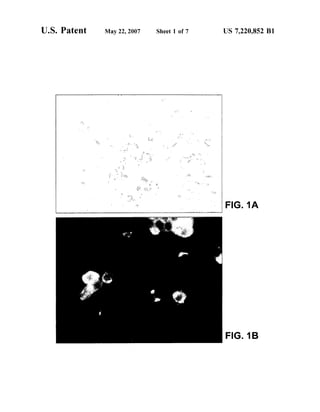
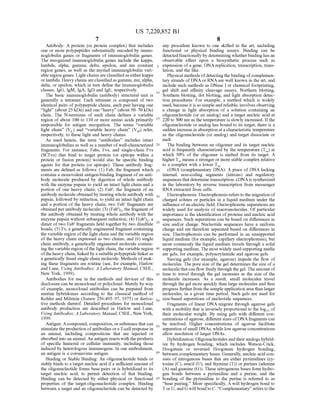
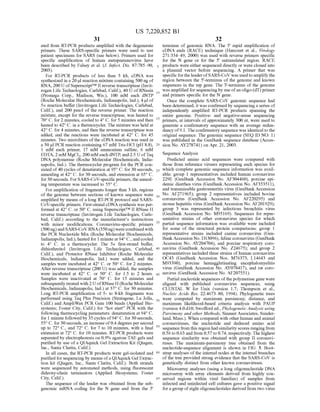
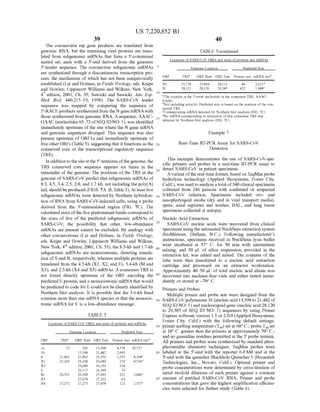
FIGS. 1A-B are photomicrographs illustrating typical
early cytopathic effects seen with coronavirus isolates and
serum from SARS patients. FIG. 1Aisa photomicrograph of
Vero E6 cells inoculated with an oropharyngeal specimen
from a SARS patient (x40). FIG. 1B is a photomicrograph
of infected Vero E6 cells reacting with the serum of a
convalescent SARS patient in an indirect fluorescent anti
body (IFA) assay (x400).
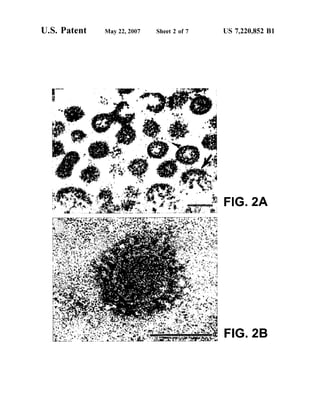
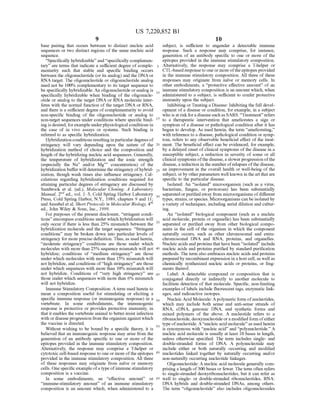
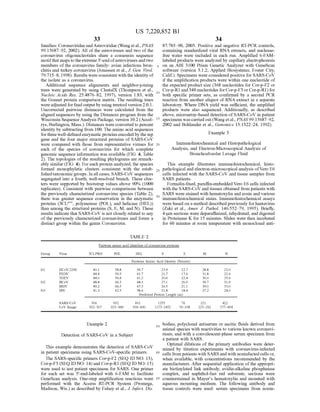
FIGS. 2A-B are electronimicrographs illustrating ultra
structural characteristics of the SARS-associated coronavi
rus (SARS-CoV). FIG. 2A is a thin-section electron-micro
scopical view of viral nucleocapsids aligned along the
membrane of the rough endoplasmic reticulum (arrow) as
particles bud into the cisternae. Enveloped virions have
Surface projections (arrowhead) and an electron-lucent cen
ter. Directly under the viral envelope lies a characteristic
ring formed by the helical nucleocapsid, often seen in
cross-section. FIG. 2B is a negative stain (methylamine
tungstate) electronimicrograph showing stain-penetrated
coronavirus particle with the typical internal helical nucleo
capsid-like structure and club-shaped surface projections
surrounding the periphery of the particle. Bars: 100 nm.
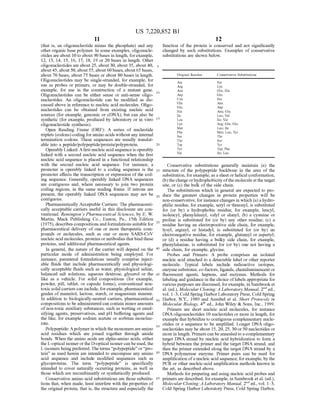
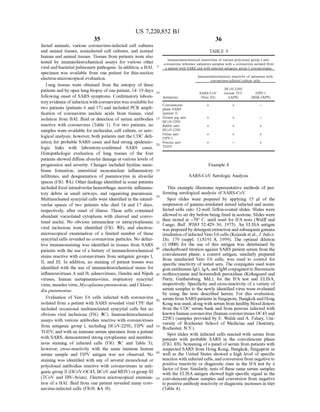
FIG. 3 is an estimated maximum parsimony tree illustrat
ing putativephylogenetic relationships between SARS-CoV
and other human and animal coronaviruses. Phylogenetic
relationships are based on sequence alignment of405 nucle
otides ofthe coronavirus polymerase gene ORF1b (nucleic
acid 15,173 to 15,578 of SEQ ID NO: 1). The three major
coronavirus antigenic groups (I, II and III), represented by
HcoV-229E, CCoV, FIPV, TGEV, PEDV, HcoV-OC43,
BCoV, HEV, SDAV, MHV, TCoV, and IBV-Avian, are
shown shaded. Bootstrap values (100 replicates) obtained
from a 50% majority rule consensus tree are plotted at the
main internal branches ofthephylogram. Branch lengths are
proportionate to nucleotide differences.
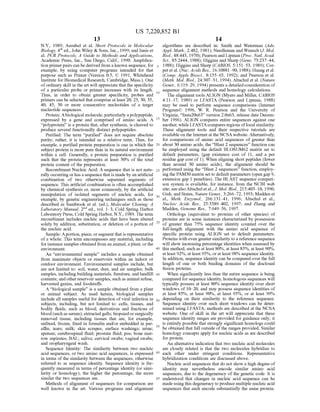
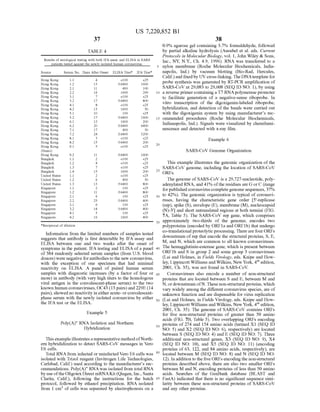
FIG. 4 is a pictorial representation of neighbor joining
trees illustrating putative phylogenetic relationships
between SARS-CoV and other human and animal coronavi
ruses. Amino acid sequences of the indicated SARS-CoV
proteins were compared with those from reference viruses
representing each species in the three groups of coronavi
ruses for which complete genomic sequence information
was available group 1: HCoV-229E (AF304460); PEDV
(AF353511); TGEV (AJ271965); group 2: BCoV
(AF220295); MHV (AF201929); group 3: infectious bron
chitis virus (M95169). Sequences for representative strains
of other coronavirus species, for which partial sequence
information was available, were included for some of the
structural protein comparisons group 1: CCoV (D13096);
FCoV (AY204704); porcine respiratory coronavirus
(Z24675); group 2: HCoV-OC43 (M76373, L14643,
M93390); HEV (AY078417); rat coronavirus (AF207551).
Sequence alignments and neighbor-joining trees were gen
10
15
25
30
35
40
45
50
55
60
65
4
erated by using Clustalx 1.83 with the Gonnet protein
comparison matrix. The resulting trees were adjusted for
final output using treetool 2.0.1.
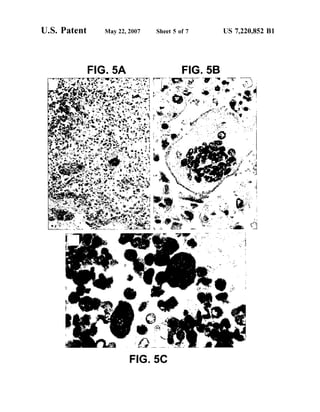
FIGS. 5A-C are photomicrographs illustrating diffuse
alveolar damage in a patient with SARS (FIGS. 5A-B), and
immunohistochemical staining ofSARS-CoV-infected Vero
E6 cells (FIG. 5C). FIG. 5A is a photomicrograph of lung
tissue from a SARS patient (X50). Diffuse alveolar damage,
abundant foamy macrophages and multinucleated syncytial
cellsarepresent; hematoxylin andeosin stain was used. FIG.
5B is a higher magnification photomicrograph oflung tissue
from the same SARS patient(x250). Syncytial cells show no
conspicuous viral inclusions. FIG. 5C is a photomicrograph
of immunohistochemically stained SARS-CoV-infected
cells (x250). Membranous and cytoplasmic immunostaining
ofindividual and syncytial Vero E6 cells was achieved using
feline anti-FIPV-1 ascitic fluid. Immunoalkaline phos
phatase with naphthol-fast red substrate and hematoxylin
counter stain was used.
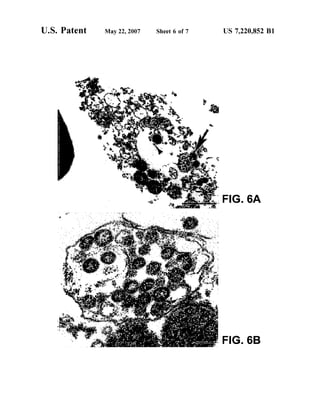
FIG. 6A-B are electronimicrographs illustrating ultra
structural characteristics of a coronavirus-infected cell in
bronchoalveolar lavage (BAL) from a SARS patient. FIG.
6A is an electronimicrograph ofa coronavirus-infected cell.
Numerous intracellular and extracellular particles are
present; virions are indicated by the arrowheads. FIG. 6B is
a higher magnification electronimicrograph ofthe area seen
at the arrow in FIG. 6A (rotated clockwise approximately
90°). Bars: FIG. 6A, 1 um: FIG. 6B, 100 nm.
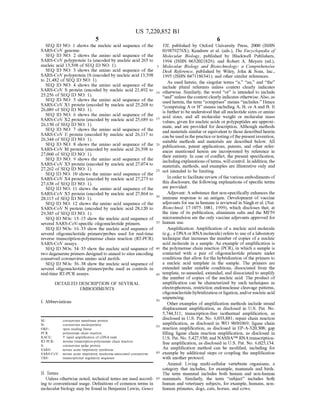
FIGS. 7A-C illustrate the organization ofthe SARS-CoV
genome. FIG. 7Ais a diagram ofthe overall organization of
the 29,727-nt SARS-CoV genomic RNA. The 72-nt leader
sequence is represented as a small rectangle at the left-most
end. ORFs1a and 1b, encoding the nonstructural polypro
teins,and those ORFsencodingthe S. E. M., and N structural
proteins, are indicated. Vertical position of the boxes indi
cates the phase of the reading frame (phase 1 for proteins
above the line, phase two forproteins on the line and phase
three for proteins below the line). FIG. 7B is an expanded
view ofthe structural protein encoding region and predicted
mRNA transcripts. Known structural protein encoding
regions (dark grey boxes) and regions and reading frames
for potential products X1-X5 (light gray boxes) are indi
cated. Lengths and map locations of the 3'-coterminal
mRNAs expressed by the SARS-CoV are indicated, as
predictedby identification ofconservedtranscriptional regu
latory sequences. FIG. 7C is a digitized image of a nylon
membrane showing Northern blot analysis of SARS-CoV
mRNAs. Poly(A)+ RNA from infected Vero E6 cells was
separated on a formaldehyde-agarose gel, transferred to a
nylon membrane, andhybridized with a digoxigenin-labeled
riboprobe overlapping the 3'-untranslated region. Signals
were visualized by chemiluminescence. Sizes ofthe SARS
CoV mRNAs were calculated by extrapolation from a log
linear fit ofthe molecular mass marker. Lane 1, SARS-CoV
mRNA: lane 2, Vero E6 cell mRNA: lane 3, molecular mass
marker, sizes in kB.
SEQUENCE LISTING
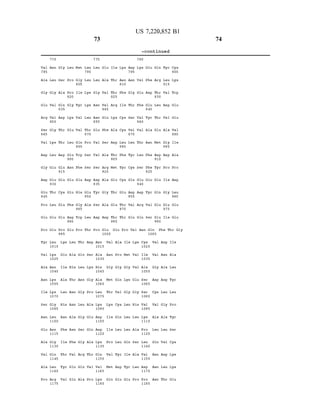
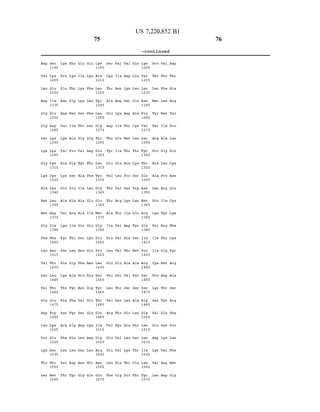
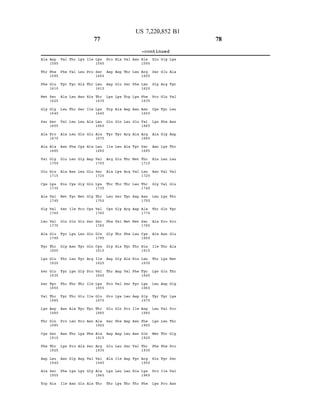
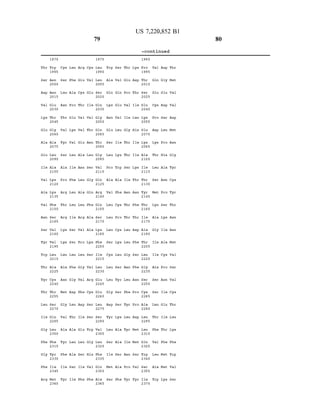
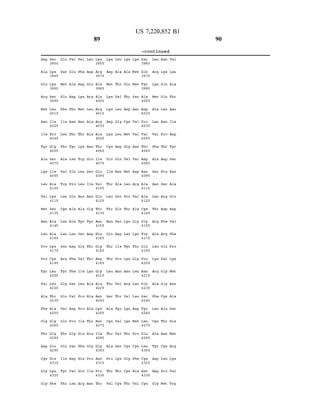
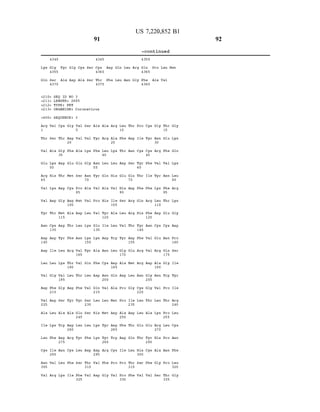
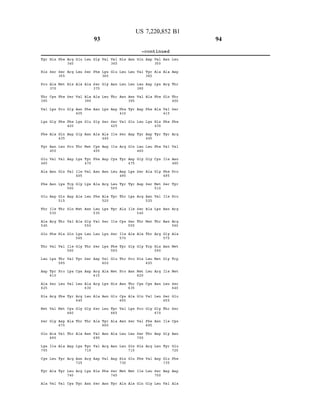
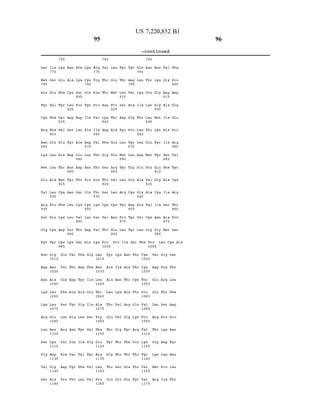
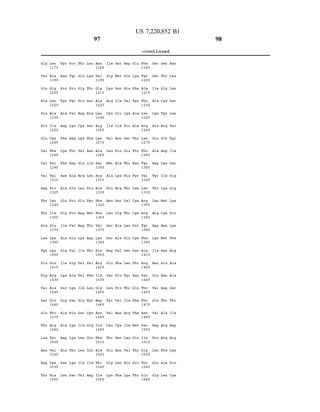
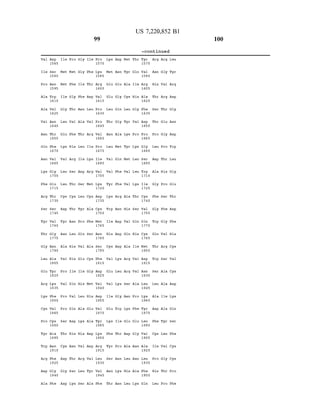
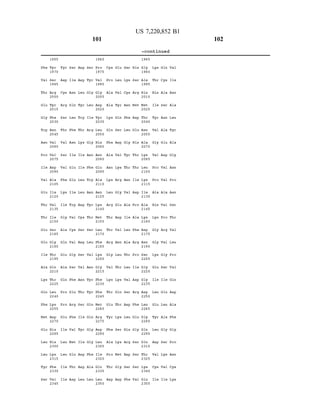
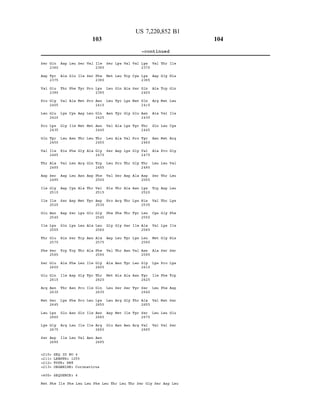
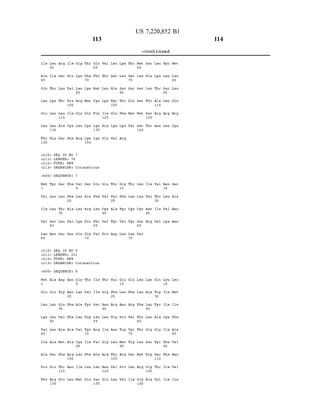
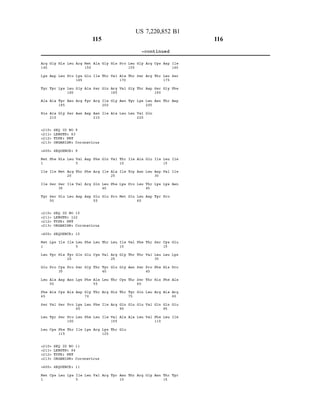
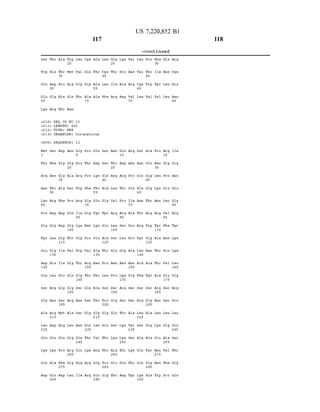
The nucleic and amino acid sequences listed in the
accompanying sequence listing are shown using standard
letter abbreviations for nucleotide bases, and three letter
code for amino acids, as defined in 37 C.F.R. 1.822. Only
one strand ofeach nucleic acid sequence is shown, but the
complementary Strand is understood as included by any
reference to the displayed Strand. In the accompanying
sequence listing:
US 7,220,852 B1
5
SEQ ID NO: 1 shows the nucleic acid sequence of the
SARS-CoV genome.
SEQ ID NO: 2 shows the amino acid sequence of the
SARS-CoV polyprotein 1a (encoded by nucleic acid 265 to
nucleic acid 13,398 of SEQ ID NO: 1). 5
SEQ ID NO: 3 shows the amino acid sequence of the
SARS-CoV polyprotein 1b (encoded by nucleic acid 13,398
to 21.482 of SEQ ID NO: 1).
SEQ ID NO. 4 shows the amino acid sequence of the
SARS-CoV S protein (encoded by nucleic acid 21,492 to
25,256 ofSEQ ID NO: 1).
SEQ ID NO: 5 shows the amino acid sequence of the
SARS-CoV X1 protein (encoded by nucleic acid 25,268 to
26,089 of SEQID NO: 1).
SEQ ID NO: 6 shows the amino acid sequence of the
SARS-CoV X2 protein (encoded by nucleic acid 25,689 to 15
26,150 of SEQID NO: 1).
SEQ ID NO: 7 shows the amino acid sequence of the
SARS-CoV E protein (encoded by nucleic acid 26,117 to
26,344 of SEQID NO: 1).
SEQ ID NO: 8 shows the amino acid sequence of the 20
SARS-CoV M protein (encoded by nucleic acid 26,398 to
27,060 of SEQID NO: 1).
SEQ ID NO: 9 shows the amino acid sequence of the
SARS-CoV X3 protein (encoded by nucleic acid 27,074 to
27,262 of SEQID NO: 1). 25
SEQ ID NO: 10 shows the amino acid sequence of the
SARS-CoV X4 protein (encoded by nucleic acid 27.273 to
27,638 of SEQID NO: 1).
SEQ ID NO: 11 shows the amino acid sequence of the
SARS-CoV X5 protein (encoded by nucleic acid 27.864 to
28,115 of SEQ ID NO: 1).
SEQ ID NO: 12 shows the amino acid sequence of the
SARS-CoV N protein (encoded by nucleic acid 28,120 to
29,385 ofSEQ ID NO: 1).
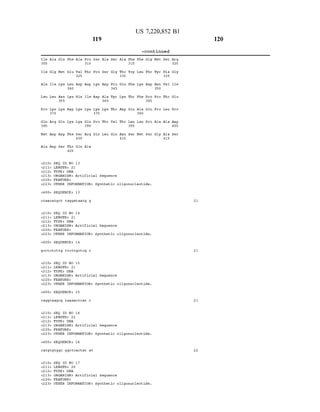
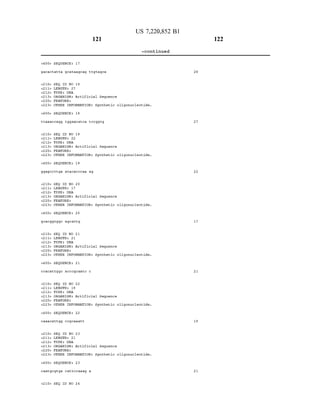
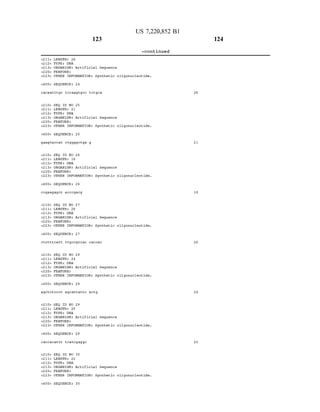
SEQ ID NOs: 13–15 show the nucleic acid sequence of
several SARS-CoV-specific oligonucleotide primers.
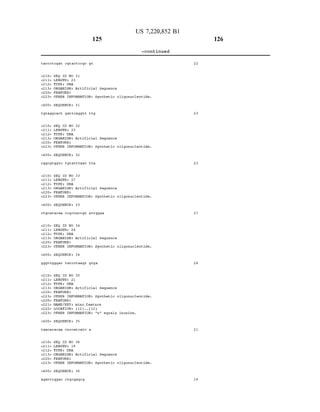
SEQ ID NOs: 16–33 show the nucleic acid sequence of
several oligonucleotide primers/probes used for real-time
reverse transcription-polymerase chain reaction (RT-PCR)
SARS-CoV assays.
SEQ ID NOs: 34–35 show the nucleic acid sequence of 40
two degenerate primers designed to anneal to sites encoding
conserved coronavirus amino acid motifs.
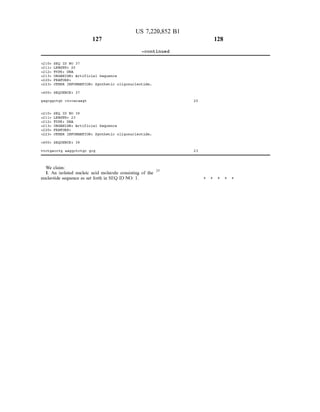
SEQ ID NOs: 36–38 show the nucleic acid sequence of
several oligonucleotide primers/probe used as controls in
10
30
35
real-time RT-PCR assays. 45
DETAILED DESCRIPTION OF SEVERAL
EMBODIMENTS
I. Abbreviations 50
M: coronavirus membrane protein
N: coronavirus nucleoprotein 55
ORF: open reading frame
PCR polymerase chain reaction
RACE: 5' rapid amplification of cDNA ends
RT-PCR: reverse transcription-polymerase chain reaction
S: coronavirus spike protein
SARS: Severe acute respiratory syndrome
SARS-CoV: severe acute respiratory syndrome-associated coronavirus 60
TRS: transcriptional regulatory sequence
II. Terms
Unless otherwise noted, technical terms are used accord- 65
ing to conventional usage. Definitions ofcommon terms in
molecularbiology may be found in Benjamin Lewin, Genes
6
VII, published by Oxford University Press, 2000 (ISBN
019879276X); Kendrew et al. (eds.), The Encyclopedia of
Molecular Biology, published by Blackwell Publishers,
1994 (ISBN 0632021829); and Robert A. Meyers (ed.),
Molecular Biology and Biotechnology: a Comprehensive
Desk Reference, published by Wiley, John & Sons, Inc.,
1995 (ISBN 0471186341); and other similar references.
As used herein, the singular terms “a,” “an,” and “the
include plural referents unless context clearly indicates
otherwise. Similarly, the word 'or' is intended to include
“and” unless thecontextclearly indicates otherwise.Also, as
used herein, the term “comprises' means “includes.” Hence
“comprising A or B' means including A, B, or A and B. It
is further to be understood that all nucleotide sizes or amino
acid sizes, and all molecular weight or molecular mass
values, given for nucleic acids or polypeptides are approxi
mate, and are provided for description. Although methods
and materials similar orequivalent to those described herein
can beused inthepractice ortesting ofthepresentinvention,
suitable methods and materials are described below. All
publications, patent applications, patents, and other refer
ences mentioned herein are incorporated by reference in
their entirety. In case of conflict, the present specification,
includingexplanations ofterms, will control. In addition, the
materials, methods, and examples are illustrative only and
not intended to be limiting.
In order to facilitate review ofthe various embodiments of
this disclosure, the following explanations ofspecific terms
are provided:
Adjuvant: A Substance that non-specifically enhances the
immune response to an antigen. Development of vaccine
adjuvants for use in humans is reviewed in Singh etal. (Nat.
Biotechnol. 17:1075–1081, 1999), which discloses that, at
the time of its publication, aluminum salts and the MF59
microemulsion are the only vaccine adjuvants approved for
human use.
Amplification: Amplification of a nucleic acid molecule
(e.g., a DNA or RNA molecule) refers to use ofa laboratory
technique that increases the number of copies of a nucleic
acid molecule in a sample. An example ofamplification is
the polymerase chain reaction (PCR), in which a sample is
contacted with a pair of oligonucleotide primers under
conditions that allow for the hybridization ofthe primers to
a nucleic acid template in the sample. The primers are
extended under suitable conditions, dissociated from the
template, re-annealed, extended, and dissociated to amplify
the number of copies of the nucleic acid. The product of
amplification can be characterized by Such techniques as
electrophoresis, restriction endonuclease cleavage patterns,
oligonucleotidehybridization or ligation,and/or nucleicacid
sequencing.
Other examples of amplification methods include strand
displacement amplification, as disclosed in U.S. Pat. No.
5,744.311; transcription-free isothermal amplification, as
disclosed in U.S. Pat. No. 6,033,881; repair chain reaction
amplification, as disclosed in WO 90/01069; ligase chain
reaction amplification, as disclosed in EP-A-320,308; gap
filling ligase chain reaction amplification, as disclosed in
U.S. Pat. No. 5,427,930; and NASBATM RNA transcription
free amplification, as disclosed in U.S. Pat. No. 6,025,134.
An amplification method can be modified, including for
example by additional steps or coupling the amplification
with another protocol.
Animal: Living multi-cellular vertebrate organisms, a
category that includes, for example, mammals and birds.
The term mammal includes both human and non-human
mammals. Similarly, the term “subject' includes both
human and Veterinary Subjects, for example, humans, non
human primates, dogs, cats, horses, and cows.
US 7,220,852 B1
7
Antibody: A protein (or protein complex) that includes
one or more polypeptides Substantially encoded by immu
noglobulin genes or fragments of immunoglobulin genes.
The recognized immunoglobulin genes include the kappa,
lambda, alpha, gamma, delta, epsilon, and mu constant
region genes, as well as the myriad immunoglobulin vari
able region genes. Light chains are classifiedas eitherkappa
orlambda. Heavy chains areclassifiedas gamma, mu,alpha,
delta, or epsilon, which in turn define the immunoglobulin
classes, IgG, IgM, IgA, Ig|D and IgE, respectively.
The basic immunoglobulin (antibody) structural unit is
generally a tetramer. Each tetramer is composed of two
identical pairs of polypeptide chains, each pair having one
“light” (about 25 kDa) and one “heavy” (about 50–70 kDa)
chain. The N-terminus of each chain defines a variable
region ofabout 100 to 110 or more amino acids primarily
responsible for antigen recognition. The terms “variable
light chain” (V) and “variable heavy chain” (V) refer,
respectively, to these light and heavy chains.
As used herein, the term “antibodies' includes intact
immunoglobulins as well as a number ofwell-characterized
fragments. For instance, Fabs, FVs, and single-chain Fvs
(SCFVs) that bind to target protein (or epitope within a
protein or fusion protein) would also be specific binding
agents for that protein (or epitope). These antibody frag
ments are defined as follows: (1) Fab, the fragment which
contains a monovalent antigen-binding fragment ofan anti
body molecule produced by digestion of whole antibody
with the enzyme papain to yield an intact light chain and a
portion of one heavy chain; (2) Fab', the fragment of an
antibody molecule obtainedby treating wholeantibody with
pepsin, followed by reduction, to yield an intact light chain
and a portion of the heavy chain; two Fab' fragments are
obtained perantibody molecule; (3) (Fab'), the fragment of
the antibody obtained by treating whole antibody with the
enzyme pepsin without Subsequent reduction; (4) F(ab'), a
dimer of two Fab' fragments held together by two disulfide
bonds; (5) Fv, a genetically engineered fragment containing
the variable region ofthe light chain and the variable region
of the heavy chain expressed as two chains; and (6) single
chain antibody, a genetically engineered molecule contain
ing the variable region ofthe light chain, the variable region
ofthe heavy chain, linked by a suitable polypeptide linker as
a genetically fused single chain molecule. Methods ofmak
ing these fragments are routine (see, for example, Harlow
and Lane. Using Antibodies. A Laboratory Manual. CSHL,
New York, 1999).
Antibodies for use in the methods and devices of this
disclosure can be monoclonal orpolyclonal. Merely by way
of example, monoclonal antibodies can be prepared from
murine hybridomas according to the classical method of
Kohler and Milstein (Nature 256:495–97, 1975) or deriva
tive methods thereof. Detailed procedures for monoclonal
antibody production are described in Harlow and Lane,
UsingAntibodies: A Laboratory Manual. CSHL, New York,
1999.
Antigen: Acompound, composition, orsubstance that can
stimulate the production ofantibodies ora T-cell response in
an animal, including compositions that are injected or
absorbed into an animal. An antigen reacts with theproducts
of specific humoral or cellular immunity, including those
induced by heterologous immunogens. In one embodiment,
an antigen is a coronavirus antigen.
Binding or Stable Binding: An oligonucleotide binds or
stably binds to a target nucleic acid ifa Sufficient amount of
the oligonucleotide forms base pairs or is hybridized to its
target nucleic acid, to permit detection of that binding.
Binding can be detected by either physical or functional
properties of the target:oligonucleotide complex. Binding
between a target and an oligonucleotide can be detected by
10
15
25
30
35
40
45
50
55
60
65
8
any procedure known to one skilled in the art, including
functional or physical binding assays. Binding can be
detectedfunctionallyby determining whetherbindinghasan
observable effect upon a biosynthetic process such as
expression ofa gene, DNA replication, transcription, trans
lation, and the like.
Physical methods ofdetectingthebinding ofcomplemen
tary strands of DNAor RNAare well known in the art, and
include Such methods as DNase I or chemical footprinting,
gel shift and affinity cleavage assays, Northern blotting,
Southern blotting, dot blotting, and light absorption detec
tion procedures. For example, a method which is widely
used, because itis so simple and reliable, involves observing
a change in light absorption of a solution containing an
oligonucleotide (or an analog) and a target nucleic acid at
220 to 300 nm as the temperature is slowly increased. Ifthe
oligonucleotide or analog has bound to its target, there is a
Sudden increase in absorption ata characteristic temperature
as the oligonucleotide (or analog) and target dissociate or
melt.
The binding between an oligomer and its target nucleic
acid is frequently characterized by the temperature (T) at
which 50% of the oligomer is melted from its target. A
higherT, means a stronger or more stable complex relative
to a complex with a lower T.
cDNA (complementary DNA): A piece of DNA lacking
internal, non-coding segments (introns) and regulatory
sequencesthat determine transcription. cDNAis synthesized
in the laboratory by reverse transcription from messenger
RNA extracted from cells.
Electrophoresis: Electrophoresis refers to the migration of
charged solutes or particles in a liquid medium under the
influence ofan electric field. Electrophoretic separations are
widely used for analysis of macromolecules. Ofparticular
importance is the identification ofproteins and nucleic acid
sequences. Such separations can be based on differences in
size and/or charge. Nucleotide sequences have a uniform
charge and are therefore separated based on differences in
size. Electrophoresis can be performed in an unsupported
liquid medium (for example, capillary electrophoresis), but
more commonly the liquid medium travels through a solid
Supporting medium. The mostwidely used Supporting media
are gels, for example, polyacrylamide and agarose gels.
Sieving gels (for example, agarose) impede the flow of
molecules. The pore size ofthe gel determines the size ofa
moleculethatcan flow freely through thegel.Theamount of
time to travel through the gel increases as the size of the
molecule increases. As a result, Small molecules travel
through the gel more quickly than large molecules and thus
progress further from the sampleapplication areathan larger
molecules, in a given time period. Such gels are used for
size-based separations of nucleotide sequences.
Fragments of linear DNA migrate through agarose gels
with a mobility that is inversely proportional to the logo of
their molecular weight. By using gels with different con
centrations ofagarose, different sizes ofDNAfragments can
be resolved. Higher concentrations of agarose facilitate
separation ofSmall DNAS, while low agarose concentrations
allow resolution of larger DNAs.
Hybridization: Oligonucleotides andtheiranalogs hybrid
ize by hydrogen bonding, which includes Watson-Crick,
Hoogsteen or reversed Hoogsteen hydrogen bonding,
between complementary bases. Generally, nucleic acid con
sists of nitrogenous bases that are either pyrimidines (cy
tosine (C), uracil (U), and thymine (T)) or purines (adenine
(A) and guanine (G)). These nitrogenous bases form hydro
gen bonds between a pyrimidine and a purine, and the
bonding of the pyrimidine to the purine is referred to as
“base pairing.” More specifically, A will hydrogen bond to
TorU, and G willbond to C. “Complementary” refers to the
US 7,220,852 B1
9
base pairing that occurs between to distinct nucleic acid
sequences or two distinct regions ofthe same nucleic acid
Sequence.
“Specifically hybridizable' and “specifically complemen
tary are terms that indicate a sufficient degree of comple
mentarity Such that stable and specific binding occurs
between the oligonucleotide (or its analog) and the DNA or
RNA target. The oligonucleotide or oligonucleotide analog
need not be 100% complementary to its target sequence to
be specifically hybridizable. An oligonucleotide oranalog is
specifically hybridizable when binding of the oligonucle
otide or analog to the target DNA or RNA molecule inter
feres with the normal function ofthe target DNA or RNA,
and there is a sufficient degree ofcomplementarity to avoid
non-specific binding of the oligonucleotide or analog to
non-target sequences under conditions where specific bind
ing is desired, forexample underphysiological conditions in
the case of in vivo assays or systems. Such binding is
referred to as specific hybridization.
Hybridization conditions resulting inparticular degrees of
stringency will vary depending upon the nature of the
hybridization method of choice and the composition and
length ofthe hybridizing nucleic acid sequences. Generally,
the temperature of hybridization and the ionic strength
(especially the Na" and/or Mg" concentration) of the
hybridization bufferwill determine the stringency ofhybrid
ization, though wash times also influence stringency. Cal
culations regarding hybridization conditions required for
attaining particular degrees of stringency are discussed by
Sambrook et al. (ed.), Molecular Cloning: A Laboratory
Manual, 2" ed., vol. 1-3, Cold Spring Harbor Laboratory
Press, Cold Spring Harbor, N.Y., 1989, chapters 9 and 11;
andAusubeletal. Short Protocols in MolecularBiology, 4"
ed., John Wiley & Sons, Inc., 1999.
For purposes ofthe present disclosure, “stringent condi
tions’ encompass conditions under whichhybridization will
only occur ifthere is less than 25% mismatch between the
hybridization molecule and the target sequence. “Stringent
conditions’ may be broken down into particular levels of
stringency for more precise definition. Thus, as used herein,
“moderate stringency' conditions are those under which
molecules with more than 25% sequence mismatch will not
hybridize; conditions of “medium stringency’ are those
under which molecules with more than 15% mismatch will
not hybridize, and conditions of“high Stringency are those
under which sequences with more than 10% mismatch will
not hybridize. Conditions of “very high stringency” are
those under which sequences with more than 6% mismatch
will not hybridize.
Immune Stimulatory Composition: A term used herein to
mean a composition useful for Stimulating or eliciting a
specific immune response (or immunogenic response) in a
vertebrate. In some embodiments, the immunogenic
response is protective or provides protective immunity, in
that it enables the vertebrate animal to better resist infection
with ordiseaseprogression from theorganism againstwhich
the vaccine is directed.
Without wishing to be bound by a specific theory, it is
believed that an immunogenic response may arise from the
generation of an antibody specific to one or more of the
epitopes provided in the immune stimulatory composition.
Alternatively, the response may comprise a T-helper or
cytotoxic cell-based response to one or more ofthe epitopes
provided in the immune stimulatory composition. All three
of these responses may originate from naive or memory
cells. One specific example ofa type ofimmune stimulatory
composition is a vaccine.
In some embodiments, an “effective amount’ or
“immune-stimulatory amount of an immune stimulatory
composition is an amount which, when administered to a
10
15
25
30
35
40
45
50
55
60
65
10
Subject, is sufficient to engender a detectable immune
response. Such a response may comprise, for instance,
generation of an antibody specific to one or more of the
epitopes provided in the immune stimulatory composition.
Alternatively, the response may comprise a T-helper or
CTL-based responseto oneormore oftheepitopes provided
in the immune stimulatory composition. All three of these
responses may originate from naive or memory cells. In
other embodiments, a “protective effective amount of an
immune stimulatory composition is an amount which, when
administered to a subject, is Sufficient to confer protective
immunity upon the Subject.
Inhibiting orTreating a Disease: Inhibiting the full devel
opment ofa disease or condition, for example, in a subject
who is at risk fora disease such as SARS. “Treatment” refers
to a therapeutic intervention that ameliorates a sign or
symptom ofa disease or pathological condition after it has
begun to develop. As used herein, the term “ameliorating.”
with reference to a disease, pathological condition or symp
tom, refers to any observable beneficial effect of the treat
ment. The beneficial effect can be evidenced, for example,
by a delayed onset ofclinical symptoms ofthe disease in a
Susceptible Subject, a reduction in severity of some or all
clinical symptoms ofthe disease,a slowerprogression ofthe
disease, a reduction in the number ofrelapses ofthe disease,
an improvement in the overall health or well-being of the
subject, orby otherparameters well known in theart thatare
specific to the particular disease.
Isolated: An "isolated microorganism (such as a virus,
bacterium, fungus, or protozoan) has been Substantially
separated orpurified away from microorganisms ofdifferent
types, strains, orspecies. Microorganisms can be isolated by
a variety oftechniques, including serial dilution and cultur
ing.
An "isolated biological component (such as a nucleic
acid molecule, protein or organelle) has been Substantially
separated or purified away from other biological compo
nents in the cell of the organism in which the component
naturally occurs, such as other chromosomal and extra
chromosomal DNA and RNA, proteins, and organelles.
Nucleic acids and proteins that have been "isolated include
nucleic acids and proteins purified by Standard purification
methods. The term also embraces nucleic acids and proteins
prepared by recombinant expression in a host cell,as well as
chemically synthesized nucleic acids or proteins, or frag
ments thereof.
Label: A detectable compound or composition that is
conjugated directly or indirectly to another molecule to
facilitate detection of that molecule. Specific, non-limiting
examples oflabels include fluorescent tags, enzymatic link
ages, and radioactive isotopes.
Nucleic Acid Molecule: Apolymeric form ofnucleotides,
which may include both sense and anti-sense Strands of
RNA, cDNA, genomic DNA, and synthetic forms and
mixed polymers of the above. A nucleotide refers to a
ribonucleotide, deoxynucleotide ora modified form ofeither
type ofnucleotide. A“nucleic acid molecule' as used herein
is synonymous with “nucleic acid and “polynucleotide. A
nucleic acid molecule is usually at least 10 bases in length,
unless otherwise specified. The term includes single- and
double-stranded forms of DNA. A polynucleotide may
include either or both naturally occurring and modified
nucleotides linked together by naturally occurring and/or
non-naturally occurring nucleotide linkages.
Oligonucleotide: A nucleic acid molecule generally com
prising a length of300 bases or fewer. The term often refers
to single-stranded deoxyribonucleotides, but it can refer as
well to single- or double-stranded ribonucleotides, RNA:
DNA hybrids and double-stranded DNAs, among others.
The term "oligonucleotide' also includes oligonucleosides
US 7,220,852 B1
11
(that is, an oligonucleotide minus the phosphate) and any
other organic base polymer. In some examples, oligonucle
otides areabout 10 to about 90 bases in length, forexample,
12, 13, 14, 15, 16, 17, 18, 19 or 20 bases in length. Other
oligonucleotides are about 25, about 30, about 35, about40,
about45,about 50,about 55,about 60bases, about65 bases,
about 70 bases, about 75 bases or about 80 bases in length.
Oligonucleotides may be single-stranded, for example, for
use as probes or primers, or may be double-stranded, for
example, for use in the construction of a mutant gene.
Oligonucleotides can be either sense or anti-sense oligo
nucleotides. An oligonucleotide can be modified as dis
cussed above in reference to nucleic acid molecules. Oligo
nucleotides can be obtained from existing nucleic acid
Sources (for example, genomic or cDNA), but can also be
synthetic (for example, produced by laboratory or in vitro
oligonucleotide synthesis).
Open Reading Frame (ORF): A series of nucleotide
triplets (codons) coding foramino acids withoutany internal
termination codons. These sequences are usually translat
able into a peptide/polypeptide?protein/polyprotein.
Operably Linked:Afirst nucleicacidsequenceis operably
linked with a second nucleic acid sequence when the first
nucleic acid sequence is placed in a functional relationship
with the second nucleic acid sequence. For instance, a
promoter is operably linked to a coding sequence is the
promoter affects the transcription or expression ofthe cod
ing sequence. Generally, operably linked DNA sequences
are contiguous and, where necessary to join two protein
coding regions, in the same reading frame. If introns are
present, the operably linked DNA sequences may not be
contiguous.
Pharmaceutically Acceptable Carriers: The pharmaceuti
cally acceptable carriers useful in this disclosure are con
ventional. Remington's Pharmaceutical Sciences, by E. W.
Martin, Mack Publishing Co., Easton, Pa., 15th Edition
(1975), describes compositions and formulations suitablefor
pharmaceutical delivery of one or more therapeutic com
pounds or molecules, such as one or more SARS-CoV
nucleicacid molecules, proteins orantibodiesthatbindthese
proteins, and additional pharmaceutical agents.
In general, the nature of the carrier will depend on the
particular mode of administration being employed. For
instance, parenteral formulations usually comprise inject
able fluids that include pharmaceutically and physiologi
cally acceptable fluids such as water, physiological saline,
balanced salt Solutions, aqueous dextrose, glycerol or the
like as a vehicle. For Solid compositions (for example,
powder, pill, tablet, or capsule forms), conventional non
toxic solid carriers can include, forexample, pharmaceutical
grades of mannitol, lactose, starch, or magnesium Stearate.
In addition to biologically-neutral carriers, pharmaceutical
compositions to be administered can contain minoramounts
of non-toxic auxiliary Substances, such as wetting or emul
Sifying agents, preservatives, and pH buffering agents and
the like, for example sodium acetate or Sorbitan monolau
rate.
Polypeptide: Apolymerin which the monomersareamino
acid residues which are joined together through amide
bonds. When the amino acids are alpha-amino acids, either
the L-optical isomerorthe D-optical isomer can beused, the
L-isomers beingpreferred. The terms“polypeptide'or“pro
tein’ as used herein are intended to encompass any amino
acid sequence and include modified sequences such as
glycoproteins. The term “polypeptide' is specifically
intended to cover naturally occurring proteins, as well as
those which are recombinantly or synthetically produced.
Conservative amino acid Substitutions are those Substitu
tions that, when made, least interfere with the properties of
the original protein, that is, the structure and especially the
10
15
25
30
35
40
45
50
55
60
65
12
function of the protein is conserved and not significantly
changed by Such substitutions. Examples of conservative
substitutions are shown below.
Original Residue Conservative Substitutions
Ala Ser
Arg Lys
ASn Gln, His
Asp Glu
Cys Ser
Gln ASn
Glu Asp
His ASn; Glin
Ile Leu, Val
Leu Ile: Val
Lys Arg: Gln; Glu
Met Leu: Ile
Phe Met; Leu: Tyr
Ser Thr
Thr Ser
Trp Tyr
Tyr Trp; Phe
Wall Ile: Leu
Conservative Substitutions generally maintain (a) the
structure of the polypeptide backbone in the area of the
Substitution, for example, as a sheet orhelical conformation,
(b) thechargeorhydrophobicityofthe moleculeat the target
site, or (c) the bulk of the side chain.
The Substitutions which in general are expected to pro
duce the greatest changes in protein properties will be
non-conservative, for instance changes in which (a) ahydro
philic residue, for example, seryl or threonyl, is substituted
for (or by) a hydrophobic residue, for example, leucyl,
isoleucyl phenylalanyl, Valyl or alanyl; (b) a cysteine or
proline is substituted for (or by) any other residue; (c) a
residue having an electropositive side chain, for example,
lysyl, arginyl, or histadyl, is substituted for (or by) an
electronegative residue, for example, glutamyl or aspartyl:
or (d) a residue having a bulky side chain, for example,
phenylalanine, is Substituted for (or by) one not having a
side chain, for example, glycine.
Probes and Primers: A probe comprises an isolated
nucleic acid attached to a detectable label or other reporter
molecule. Typical labels include radioactive isotopes,
enzyme Substrates, co-factors, ligands, chemiluminescent or
fluorescent agents, haptens, and enzymes. Methods for
labeling and guidance in the choice oflabels appropriate for
variouspurposes are discussed, forexample, in Sambrooket
al. (ed.), Molecular Cloning: A Laboratory Manual, 2" ed.,
vol. 1-3, Cold Spring Harbor Laboratory Press, Cold Spring
Harbor, N.Y., 1989 and Ausubel et al. Short Protocols in
Molecular Biology, 4" ed., John Wiley & Sons, Inc., 1999.
Primers are short nucleic acid molecules, for instance
DNAoligonucleotides 10 nucleotides or more in length, for
example thathybridizeto contiguous complementary nucle
otides or a sequence to be amplified. Longer DNA oligo
nucleotides may be about 15, 20, 25, 30or50 nucleotides or
more in length. Primers can be annealedto a complementary
target DNA strand by nucleic acid hybridization to form a
hybrid between the primer and the target DNA strand, and
then the primer extended along the target DNA strand by a
DNA polymerase enzyme. Primer pairs can be used for
amplification ofa nucleic acid sequence, forexample, bythe
PCR or other nucleic-acid amplification methods known in
the art, as described above.
Methods for preparing and using nucleic acid probes and
primers are described, forexample, in Sambrooket al. (ed.),
MolecularCloning:A LaboratoryManual, 2" ed., vol. 1-3,
Cold Spring Harbor Laboratory Press, Cold Spring Harbor,
US 7,220,852 B1
13
N.Y., 1989; Ausubel et al. Short Protocols in Molecular
Biology, 4" ed.,John Wiley & Sons, Inc., 1999;and Innis et
al. PCR Protocols, A Guide to Methods and Applications,
Academic Press, Inc., San Diego, Calif., 1990. Amplifica
tion primerpairs can be derived from aknown sequence, for
example, by using computer programs intended for that
purpose such as Primer (Version 0.5. (C) 1991, Whitehead
Institute for Biomedical Research, Cambridge, Mass.). One
ofordinary skill in the art will appreciate that the specificity
of a particular probe or primer increases with its length.
Thus, in order to obtain greater specificity, probes and
primers can be selected that comprise at least 20, 25, 30, 35,
40, 45, 50 or more consecutive nucleotides of a target
nucleotide sequences.
Protein: Abiological molecule,particularly apolypeptide,
expressed by a gene and comprised of amino acids. A
"polyprotein' is a protein that, after synthesis, is cleaved to
produce several functionally distinct polypeptides.
Purified: The term “purified” does not require absolute
purity; rather, it is intended as a relative term. Thus, for
example, a purified protein preparation is one in which the
Subject protein is more pure than in its natural environment
within a cell. Generally, a protein preparation is purified
such that the protein represents at least 50% of the total
protein content of the preparation.
Recombinant Nucleic Acid: A sequence that is not natu
rally occurring orhas a sequencethatis madeby an artificial
combination of two otherwise separated segments of
sequence. This artificial combination is often accomplished
by chemical synthesis or, more commonly, by the artificial
manipulation of isolated segments of nucleic acids, for
example, by genetic engineering techniques such as those
described in Sambrook et al. (ed.), Molecular Cloning. A
Laboratory Manual, 2" ed., vol. 1-3, Cold Spring Harbor
Laboratory Press, Cold Spring Harbor, N.Y., 1989. The term
recombinant includes nucleic acids that have been altered
solely by addition, substitution, or deletion ofa portion of
the nucleic acid.
Sample: Aportion, piece, orsegmentthat is representative
ofa whole. This term encompasses any material, including
forinstance samples obtained from an animal, a plant, orthe
environment.
An “environmental sample' includes a sample obtained
from inanimate objects or reservoirs within an indoor or
outdoor environment. Environmental samples include, but
are not limited to: Soil, water, dust, and air samples; bulk
samples, including building materials, furniture, and landfill
contents; and otherreservoir samples, such as animal refuse,
harvested grains, and foodstuffs.
A “biological sample' is a sample obtained from a plant
or animal Subject. As used herein, biological samples
include all samples useful for detection ofviral infection in
Subjects, including, but not limited to: cells, tissues, and
bodily fluids, such as blood; derivatives and fractions of
blood(suchas serum); extracted galls; biopsiedorSurgically
removed tissue, including tissues that are, for example,
unfixed, frozen, fixed in formalin and/or embedded in par
affin, tears; milk; skin scrapes; Surface washings; urine;
sputum; cerebrospinal fluid; prostate fluid; pus; bone mar
row aspirates; BAL: saliva; cervical Swabs, vaginal Swabs;
and oropharyngeal wash.
Sequence Identity: The similarity between two nucleic
acid sequences, or two amino acid sequences, is expressed
in terms ofthe similarity between the sequences, otherwise
referred to as sequence identity. Sequence identity is fre
quently measured in terms of percentage identity (or simi
larity or homology); the higher the percentage, the more
similar the two sequences are.
Methods of alignment of sequences for comparison are
well known in the art. Various programs and alignment
10
15
25
30
35
40
45
50
55
60
65
14
algorithms are described in: Smith and Waterman (Adv.
Appl. Math., 2:482, 1981); Needleman and Wunsch (J. Mol.
Biol., 48:443, 1970); Pearson and Lipman (Proc. Natl. Acad.
Sci., 85:2444, 1988); Higgins and Sharp (Gene, 73:237 44,
1988); Higgins and Sharp (CABIOS, 5:151–53, 1989); Cor
pet et al. (Nuc. Acids Res., 16:10881–90, 1988); Huangetal.
(Comp. Appls Biosci., 8:155–65, 1992); and Pearson et al.
(Meth. Mol. Biol., 24:307–31, 1994). Altschulet al. (Nature
Genet., 6:119–29, 1994) presents a detailed consideration of
sequence alignment methods and homology calculations.
The alignment tools ALIGN (Myers and Miller, CABIOS
4:11-17, 1989) or LFASTA (Pearson and Lipman, 1988)
may be used to perform sequence comparisons (Internet
ProgramC) 1996, W. R. Pearson and the University of
Virginia, “fasta20u63 version 2.0u63, release date Decem
ber 1996). ALIGN compares entire sequences against one
another, while LFASTAcompares regions oflocal similarity.
These alignment tools and their respective tutorials are
available on the Internet at the NCSA website. Alternatively,
for comparisons of amino acid sequences of greater than
about 30 amino acids, the “Blast 2 sequences’ function can
be employed using the default BLOSUM62 matrix set to
default parameters, (gap existence cost of 11, and a per
residue gap cost of 1). When aligning short peptides (fewer
than around 30 amino acids), the alignment should be
performed using the "Blast 2 sequences' function, employ
ing the PAM30 matrix set to default parameters (open gap 9.
extension gap 1 penalties). The BLAST sequence compari
son system is available, for instance, from the NCBI web
site; seealsoAltschuletal.,J. Mol. Biol., 215:403–10, 1990;
Gish. and States, Nature Genet., 3:266–72, 1993; Madden et
al., Meth. Enzymol., 266:131–41, 1996; Altschul et al.,
Nucleic Acids Res., 25:3389-402, 1997; and Zhang and
Madden, Genome Res., 7:649–56, 1997.
Orthologs (equivalent to proteins of other species) of
proteins are in Some instances characterized by possession
of greater than 75% sequence identity counted over the
full-length alignment with the amino acid sequence of
specific protein using ALIGN set to default parameters.
Proteins with even greatersimilarity to a reference sequence
will show increasing percentage identities when assessed by
this method, such as at least 80%, at least 85%, at least 90%,
at least92%, at least 95%, orat least98% sequence identity.
In addition, sequence identity can be compared overthe full
length of one or both binding domains of the disclosed
fusion proteins.
When significantly less than the entire sequence is being
compared forsequence identity, homologous sequences will
typically possess at least 80% sequence identity over short
windows of 10–20, and may possess sequence identities of
at least 85%, at least 90%, at least 95%, or at least 99%
depending on their similarity to the reference sequence.
Sequence identity over such short windows can be deter
mined using LFASTA; methods are described at the NCSA
website. One of skill in the art will appreciate that these
sequence identity ranges are provided for guidance only; it
is entirely possible that strongly significant homologs could
be obtained that fall outside ofthe ranges provided. Similar
homology concepts apply for nucleic acids as are described
for protein.
An alternative indication that two nucleic acid molecules
are closely related is that the two molecules hybridize to
each other under Stringent conditions. Representative
hybridization conditions are discussed above.
Nucleic acid sequences that do not show a high degree of
identity may nevertheless encode similar amino acid
sequences, due to the degeneracy ofthe genetic code. It is
understood that changes in nucleic acid sequence can be
made using this degeneracy to produce multiple nucleic acid
sequences that each encode substantially the same protein.
US 7,220,852 B1
15
Specific BindingAgent: An agent that binds Substantially
only to a defined target. Thus a protein-specific binding
agent binds Substantially only the defined protein, or to a
specific region within the protein. As used herein, a protein
specific binding agent includes antibodies and other agents
that bind substantially to a specified polypeptide. The anti
bodies may be monoclonal orpolyclonal antibodies that are
specific for the polypeptide, as well as immunologically
effective portions (“fragments') thereof.
The determination that a particular agent binds Substan
tially only to a specific polypeptide may readily be made by
using or adapting routine procedures. One Suitable in vitro
assay makes use of the Western blotting procedure (de
scribed in many standard texts, including Harlow and Lane,
UsingAntibodies: A Laboratory Manual. CSHL, New York,
1999).
Transformed: A“transformed” cell is a cell into which has
been introduced a nucleic acid molecule by molecular
biology techniques. The term encompasses all techniques by
which a nucleic acid molecule mightbe introducedinto Such
a cell, including transfection with viral vectors, transforma
tion with plasmid vectors, and introduction of naked DNA
by electroporation, lipofection, and particle gun accelera
tion.
Vector: A nucleic acid molecule as introduced into a host
cell, thereby producing a transformed host cell. A vector
may include nucleic acid sequencesthatpermit itto replicate
in a host cell. Such as an origin ofreplication. A vector may
also include one or more selectable marker genes and other
genetic elements known in the art.
Virus: Microscopic infectious organism that reproduces
inside living cells. A virus typically consists essentially ofa
core ofa single nucleic acid surrounded by a protein coat,
and has the ability to replicate only inside a living cell.
“Viral replication' is the production ofadditional virus by
the occurrence of at least one viral life cycle. A virus may
Subvert the host cells normal functions, causing the cell to
behave in a manner determined by the virus. For example,
a viral infection may result in a cell producing a cytokine, or
responding to a cytokine, when the uninfected cell does not
normally do so.
“Coronaviruses are large, enveloped, RNA viruses that
cause respiratory and enteric diseases in humans and other
animals. Coronavirus genomes are non-segmented, single
stranded, positive-sense RNA, approximately 27–31 kb in
length. Genomes havea 5' methylated cap and 3' poly-Atail,
and function directly as mRNA. Host cell entry occurs via
endocytosis and membrane fusion, and replication occurs in
the cytoplasm. Initially, the 5' 20 kb of the positive-sense
genome is translated to produce a viral polymerase, which
then produces a full-length negative-sense Strand used as a
template to produce subgenomic mRNAas a “nested set of
transcripts. Assembly occurs by budding into the golgi
apparatus, and particles are transported to the Surface ofthe
cell and released.
III. Overview of Several Embodiments
A newly isolated human coronavirus (SARS-CoV) is
disclosed herein. The entire genomic nucleic acid sequence
of this virus is also provided herein. Also disclosed are the
nucleic acid sequences of the SARS-CoV ORFs, and the
polypeptide sequences encoded by these ORFs. Pharmaceu
tical and immune stimulatory compositions are also dis
closed that include one or more SARS-CoV viral nucleic
acids, polypeptides encoded by these viral nucleic acids and
antibodies that bind to a SARS-CoV polypeptide or SARS
CoV polypeptide fragment.
In one embodiment, a method is provided for detecting
the presence of SARS-CoV in a sample. This method
includes contacting the sample with a pair of nucleic acid
5
10
15
25
30
35
40
45
50
55
60
65
16
primers thathybridize to a SARS-CoV nucleic acid, wherein
at least one primer is 5'-end labeled with a reporter dye,
amplifying the SARS-CoV nucleic acid or a fragment
thereof from the sample utilizing the pair of nucleic acid
primers, electrophoresing the amplified products, and
detecting the 5'-end labeled reporter dye, thereby detecting
aSARS-CoV. Ina specific, non-limitingexample, the ampli
fication utilizes RT-PCR. In a further specific exampleofthe
provided method, at leastoneofthe nucleicacidprimersthat
hybridize to a SARS-CoV nucleic acid includes a sequence
as set forth in any one ofSEQ ID NOs: 13–15.
In anotherexample ofthe provided method, detecting the
presence ofSARS-CoV in a sample includes contacting the
sample with a pair ofnucleic acid primers that hybridize to
a SARS-CoV nucleic acid, amplifying the SARS-CoV
nucleic acid or a fragment thereoffrom the sample utilizing
the pair of nucleic acid primers, adding to the amplified
SARS-CoV nucleic acid or the fragment thereofa TaqMan
SARS-CoVprobe that hybridizes to the SARS-CoV nucleic
acid, wherein the TaqMan SARS-CoV probe is labeled with
a 5'-reporter dye and a 3'-quencher dye, performing one or
more additional rounds ofamplification, and detecting fluo
rescence ofthe 5'-reporter dye, thereby detecting a SARS
CoV. In a specific, non-limiting example, the amplification
utilizes RT-PCR. In a further specific example of the pro
vided method, at least one ofthe nucleic acid primers that
hybridize to a SARS-CoV nucleic acid and/or the TaqMan
SARS-CoVprobe that hybridizes to the SARS-CoV nucleic
acid includes a sequence as set forth in any one ofSEQ ID
NOS: 16. 33.
In another embodiment, a method is provided for detect
ing a SARS-CoV in a biological sample that contains
antibodies. This method includes contacting the biological
sample with a SARS-CoV-specific antigen, wherein the
antigen includes a SARS-CoV organism and determining
whether a binding reaction occurs between the SARS-CoV
specific antigen and an antibody in the biological sample if
such is present, thereby detecting SARS-CoV.
In a furtherembodiment, a method is provided for detect
ing a SARS-CoV in a biological sample that contains
polypeptides and/or fragments thereof. This method
includes contacting the biological sample with a SARS
CoV-specific antibody and determining whether a binding
reaction occurs between the SARS-CoV-specific antibody
and a SARS-CoV polypeptide or fragment thereof in the
biological sample if Such is present, thereby detecting
SARS-CoV. In a specific, non-limiting example, determin
ing whether a binding reaction occurs between the SARS
CoV-specific antibody and a SARS-CoV polypeptide or
fragment thereofis carried out in situ or in a tissue sample.
In a furtherspecific example, determining whethera binding
reaction occurs between the SARS-CoV-specific antibody
and a SARS-CoV polypeptide or fragment thereofincludes
an immunohistochemical assay.
An additional embodiment includes a kit for detecting a
SARS-CoV in a sample, including a pair of nucleic acid
primers thathybridize understringentconditions to a SARS
CoV nucleic acid, wherein one primer is 5'-end labeled with
a reporter dye. In a specific, non-limiting example, at least
one of the nucleic acid primers that hybridize to a SARS
CoV nucleic acid includes a sequence as set forth in any one
of SEQ ID NOs: 13-15.
Another example of the provided kit includes a pair of
nucleic acid primers that hybridize under high Stringency
conditions to a SARS-CoV nucleic acid and a TaqMan
SARS-CoVprobe that hybridizes to the SARS-CoV nucleic
acid, wherein the TaqMan SARS-CoV probe is labeled with
a 5'-reporter dye and a 3'-quencher dye. In a specific,
non-limiting example, at least one of the nucleic acid
primers that hybridize to a SARS-CoV nucleic acid and/or
US 7,220,852 B1
17
theTaqMan SARS-CoV probe that hybridizes to the SARS
CoV nucleic acid includes a sequence as set forth in any one
of SEQ ID NOs: 16–33.
Also disclosed herein is a composition including an
isolated SARS-CoV organism. In one embodiment, the
isolated SARS-CoV organism is an inactive isolated SARS
CoV organism. In another embodiment, the composition
includes at least one component selected from the group
consisting of pharmaceutically acceptable carriers, adju
vants and combinations of two or more thereof. In yet
another embodiment, the composition is introduced into a
Subject, thereby eliciting an immune response against a
SARS-CoV antigenic epitope in a subject.
IV. SARS-CoV Nucleotide and Amino Acid Sequences
The current disclosure provides an isolated SARS-CoV
genome, isolated SARS-CoV polypeptides, and isolated
nucleic acid molecules encoding the same. In one embodi
ment, the isolated SARS-CoV genome has a sequence as
shown in SEQ ID NO: 1 or an equivalent thereof. Poly
nucleotidesencodinga SARS-CoV polypeptide (encodedby
an ORF from within the genome) are also provided, and are
termed SARS-CoV nucleic acid molecules. These nucleic
acid molecules include DNA, cDNA and RNA sequences
which encode a SARS-CoV polypeptide. Specific, non
limiting examples of a SARS-CoV nucleic acid molecule
encodingan ORFare nucleicacid265 to nucleicacid 13.398
ofSEQID NO: 1 (encodingSARS-CoV 1a, SEQID NO: 2),
nucleic acid 13,398 to 21,482 ofSEQ ID NO: 1 (encoding
SARS-CoV 1b, SEQ ID NO:3), nucleic acid 21,492 to
25,256 ofSEQID NO: 1 (encoding SARS-CoV S, SEQ ID
NO: 4), nucleic acid 25,268 to 26,089 of SEQ ID NO: 1
(encoding SARS-CoV X1, SEQ ID NO. 5), nucleic acid
25,689 to 26,150 of SEQ ID NO: 1 (encoding SARS-CoV
X2, SEQ ID NO: 6), nucleic acid 26,117 to 26.344 ofSEQ
ID NO: 1 (encoding SARS-CoVE, SEQID NO: 7), nucleic
acid 26.398 to 27,060 ofSEQ ID NO: 1 (encoding SARS
CoV M, SEQ ID NO: 8), nucleic acid 27,074 to 27.262 of
SEQID NO: 1 (encoding SARS-CoV X3, SEQID NO: 9),
nucleic acid 27.273 to 27,638 ofSEQ ID NO: 1 (encoding
SARS-CoV X4, SEQ ID NO: 10), nucleic acid 27,864 to
28,115 ofSEQID NO: 1 (encoding SARS-CoV X5, SEQID
NO: 11), and nucleic acid 28,120 to 29,385 ofSEQID NO:
1 (encoding SARS-CoV N, SEQ ID NO: 12).
Oligonucleotide primers and probes derived from the
SARS-CoV genome (SEQID NO: 1) are also encompassed
within the scope ofthe present disclosure. Such oligonucle
otide primers and probes may comprise a sequence of at
least about 15 consecutive nucleotides of the SARS-CoV
nucleic acid sequence, such as at least about 20, 25, 30, 35,
40,45, or50ormoreconsecutivenucleotides. Theseprimers
andprobes maybe obtained from any region ofthe disclosed
SARS-CoV genome (SEQID NO: 1), including particularly
from any of the ORFs disclosed herein. Specific, non
limiting examples of oligonucleotide primers derived from
the SARS-CoV genome (SEQID NO: 1) include: Cor-p-F2
(SEQ ID NO: 13), Cor-p-F3 (SEQ ID NO: 14), Cor-p-R1
(SEQ ID NO: 15), SARS1-F (SEQ ID NO: 16), SARS1-R
(SEQ ID NO: 17), SARS2-F (SEQ ID NO: 19), SARS2-R
(SEQ ID NO: 20), SARS3-F (SEQ ID NO: 22), SARS3-R
(SEQ ID NO. 23), N3-F (SEQ ID NO: 25), N3-R (SEQ ID
NO: 26), 3'NTR-F (SEQ ID NO: 28), 3'NTR-R (SEQ ID
NO: 29), M-F (SEQID NO:31), and M-R(SEQID NO:32).
Specific, non-limiting examples of oligonucleotide probes
derived from the SARS-CoV genome (SEQ ID NO: 1)
include: SARS1-P (SEQ ID NO: 18), SARS2-P (SEQ ID
NO: 21), SARS3-P (SEQ ID NO: 24), N3-P (SEQ ID NO:
27), 3’NTR-P(SEQ ID NO:30),and M-P(SEQ ID NO:33).
Nucleic acid molecules encoding a SARS-CoV polypep
tide can be operatively linked to regulatory sequences or
5
10
15
25
30
35
40
45
50
55
60
65
18
elements. Regulatory sequences orelements include, butare
not limited to promoters, enhancers, transcription termina
tors, a start codon (for example, ATG), stop codons, and the
like.
Additionally, nucleic acid molecules encoding a SARS
CoV polypeptide can be inserted into an expression vector.
Specific, non-limiting examples of vectors include, plas
mids, bacteriophages, cosmids, animal viruses and yeast
artificial chromosomes (YACs) (Burke et al., Science 236:
806–12, 1987). Such vectors may then be introduced into a
variety of hosts including somatic cells, and simple or
complex organisms, such as bacteria, fungi (Timberlake and
Marshall, Science 244:1313–17, 1989), invertebrates, plants
(Gasser et al., Plant Cell 1:15–24, 1989), and animals
(Pursel et al., Science 244:1281–88, 1989).
Transformation ofa host cell with an expression vector
carrying a nucleic acid molecule encoding a SARS-CoV
polypeptide may be carried out by conventional techniques,
as are well known to those skilled in the art. By way of
example, where the host is prokaryotic, such as E. coli,
competent cells that are capable of DNA uptake can be
prepared from cells harvested after exponential growth
phase and Subsequently treated by the CaCl2 method using
procedures well known in the art. Alternatively, MgCl, or
RbCl can be used. Transformation can also be performed
after forming a protoplast of the host cell if desired, or by
electroporation.
When the host is a eukaryote, methods oftransfection of
DNA, such as calcium phosphate coprecipitates, conven
tional mechanical procedures such as microinjection, elec
troporation, insertion ofa plasmid encased in liposomes, or
virus vectors, may be used. Eukaryotic cells can also be
cotransformed with SARS-CoV nucleic acid molecules, and
a second foreign DNA molecule encoding a selectable
phenotype, Such as the herpes simplex thymidine kinase
gene. Another method is to use a eukaryotic viral vector,
Such as simian virus 40 or bovine papilloma virus, to
transiently infect or transform eukaryotic cells and express
theprotein (see, forexample, Eukaryotic Viral Vectors, Cold
Spring Harbor Laboratory, Gluzman ed., 1982).
The SARS-CoV polypeptides of this disclosure include
proteins encoded by any of the ORFs disclosed herein, and
equivalents thereof. Specific, non-limiting examples of
SARS-CoV proteins are provided in SEQ ID NOS: 2–12.
Fusion proteins are also contemplated that include a heter
ologous amino acid sequence chemically linked to a SARS
CoV polypeptide. Exemplary heterologous sequences
include shortamino acid sequence tags (such as sixhistidine
residues), as well a fusion of other proteins (such as c-myc
orgreen fluorescent protein fusions). Epitopes ofthe SARS
CoV proteins, thatare recognizedby an antibodyor thatbind
the major histocompatibility complex, and can be used to
induce a SARS-CoV-specific immune response, are also
encompassed by this disclosure.
Methods for expressing large amounts of protein from a
cloned gene introduced into E. coli may be utilized for the
purification and functional analysis of proteins. For
example, fusion proteins consisting ofamino terminal pep
tides encoded by a portion ofthe E. coli lacz or trpE gene
linked to SARS-CoV proteins may be used to prepare
polyclonal and monoclonal antibodies against these pro
teins.
Intact native protein may also be produced in E. coli in
large amounts for functional studies. Methods and plasmid
vectors for producing fusion proteins and intact native
proteins in bacteria are described by Sambrook et al. (ed.),
MolecularCloning:A LaboratoryManual, 2" ed., vol. 1-3,
Cold Spring Harbor Laboratory Press, Cold Spring Harbor,
N.Y., 1989. Such fusion proteins may be made in large
amounts, are easy to purify, and can be used to elicit
US 7,220,852 B1
19
antibody response. Native proteins can be produced in
bacteria by placing a strong, regulated promoter and an
efficient ribosome-binding site upstream ofthe cloned gene.
Iflow levels ofprotein are produced, additional steps may
be taken to increase protein production; if high levels of
protein are produced, purification is relatively easy. Suitable
methods are presented by Sambrook et al. (ed.), Molecular
Cloning: A Laboratory Manual. 2" ed., vol. 1-3, Cold
Spring Harbor Laboratory Press, Cold Spring Harbor, N.Y.,
1989, and are well known in the art. Often, proteins
expressed at high levels are found in insoluble inclusion
bodies. Methods for extracting proteins from these aggre
gates are described by Sambrook et al. (ed.), Molecular
Cloning: A Laboratory Manual, 2" ed., vol. 1-3, Cold
Spring Harbor Laboratory Press, Cold Spring Harbor, N.Y.,
1989.
Isolation and purification of recombinantly expressed
proteins may be carried out by conventional means includ
ing preparative chromatography and immunological sepa
rations. Additionally, the proteins can be chemically synthe
sized by any of a number ofmanual or automated methods
of synthesis known in the art.
V. Specific Binding Agents
The disclosure provides specific binding agents that bind
to SARS-CoV polypeptides disclosed herein. The binding
agent may be useful forpurifying and detectingthepolypep
tides, as well as for detection and diagnosis of SARS-CoV.
Examples ofthe binding agents are a polyclonal or mono
clonal antibody, and fragments thereof, that bind to any of
the SARS-CoV polypeptides disclosed herein.
Monoclonal or polyclonal antibodies may be raised to
recognize a SARS-CoV polypeptide described herein, or a
fragment or variant thereof. Optimally, antibodies raised
against these polypeptides would specifically detect the
polypeptidewith which theantibodies aregenerated. That is,
antibodies raised against a specific SARS-CoV polypeptide
will recognize and bind that polypeptide, and will not
Substantially recognize or bind to other polypeptides or
antigens. The determination that an antibody specifically
bindsto a target polypeptideis madeby any one ofa number
ofstandard immunoassay methods; forinstance,the Western
blotting technique (Sambrook et al. (ed.), Molecular Clon
ing: A Laboratory Manual, 2" ed., vol. 1-3, Cold Spring
Harbor Laboratory Press, Cold Spring Harbor, N.Y., 1989).
Substantially pure SARS-CoV recombinant polypeptide
antigens Suitable for use as immunogen may be isolated
from the transformed cells described above, using methods
well known in the art. Monoclonal or polyclonal antibodies
to the antigens may then be prepared.
Monoclonal antibodies to the polypeptides can be pre
pared from murine hybridomas according to the classic
method ofKohler& Milstein (Nature 256:495–97, 1975), or
a derivative method thereof. Briefly, a mouse is repetitively
inoculated with a few micrograms of the selected protein
immunogen (for example, a polypeptide comprising at least
one SARS-CoV-specific epitope, a portion ofa polypeptide
comprising at least one SARS-CoV-specific epitope, or a
synthetic peptide comprising at least one SARS-CoV-spe
cific epitope) over a period of a few weeks. The mouse is
then sacrificed, and the antibody-producing cells of the
spleen isolated. The spleen cells are fused by means of
polyethylene glycol with mouse myeloma cells, and the
excess unfused cells destroyed by growth ofthe system on
selective media comprising aminopterin (HAT media). The
successfully fused cells are diluted and aliquots of the
dilution placed in wells ofa microtiter plate where growth
of the culture is continued. Antibody-producing clones are
identified by detectionofantibody in the Supernatant fluid of
the wells by immunoassay procedures, such as ELISA, as
5
10
15
25
30
35
40
45
50
55
60
65
20
originally described by Engvall (Meth. Enzymol.,
70:419–39, 1980), or a derivative method thereof. Selected
positive clones can be expanded and their monoclonal
antibody product harvested for use. Detailed procedures for
monoclonal antibody production are described in Harlow
and Lane. Using Antibodies: A Laboratory Manual, CSHL,
New York, 1999.
Polyclonal antiserum containing antibodies can be pre
pared by immunizing suitable animals with a polypeptide
comprising at least one SARS-CoV-specific epitope, a por
tion of a polypeptide comprising at least one SARS-CoV
specific epitope, or a synthetic peptide comprising at least
one SARS-CoV-specific epitope, which can be unmodified
or modified, to enhance immunogenicity.
Effective antibody production (whether monoclonal or
polyclonal) is affected by many factors related both to the
antigen and the host species. For example, Small molecules
tend to be less immunogenicthan others and may requirethe
use of carriers and adjuvant. Also, host animals vary in
response to site of inoculations and dose, with either inad
equate or excessive doses of antigen resulting in low titer
antisera. Small doses (ng level) of antigen administered at
multiple intradermal sites appear to be most reliable. An
effective immunization protocol for rabbits can be found in
Vaitukaitis et al. (J. Clin. Endocrinol. Metab., 33:988–91,
1971).
Booster injections can be given at regular intervals, and
antiserum harvested when the antibody titer thereof, as
determined semi-quantitatively, for example, by double
immunodiffusion in agar against known concentrations of
the antigen, begins to fall. See, for example, Ouchterlony et
al., Handbook ofExperimental Immunology, Wier, D. (ed.),
Chapter 19, Blackwell, 1973. A plateau concentration of
antibody is usually in the range of0.1 to 0.2 mg/ml ofserum
(about 12 uM). Affinity of the antisera for the antigen is
determined by preparing competitive binding curves, as
described, for example, by Fisher (Manual of Clinical
Immunology, Ch. 42, 1980).
Antibody fragments may be used in place of whole
antibodies and may be readily expressed in prokaryotic host
cells. Methods ofmaking and using immunologically effec
tive portions of monoclonal antibodies, also referred to as
“antibody fragments, are well known and include those
described in Better & Horowitz, Methods Enzymol. 178:
476-96, 1989; Glockshuber et al., Biochemistry
29:1362–67, 1990; and U.S. Pat. No. 5,648.237 (Expression
ofFunctional Antibody Fragments); U.S. Pat. No. 4.946,778
(Single Polypeptide Chain Binding Molecules); and U.S.
Pat. No. 5,455,030 (Immunotherapy Using Single Chain
Polypeptide Binding Molecules), and references cited
therein. Conditions whereby a polypeptide/binding agent
complex can form, as well as assays forthe detection ofthe
formation ofapolypeptide/bindingagentcomplexand quan
titation of binding affinities of the binding agent and
polypeptide, are standard in theart. Such assays can include,
but are not limited to, Western blotting, immunoprecipita
tion, immunofluorescence, immunocytochemistry, immuno
histochemistry, fluorescence activated cell sorting (FACS),
fluorescence in situ hybridization (FISH), immunomagnetic
assays, ELISA, ELISPOT (Coligan et al., Current Protocols
in Immunology, Wiley, NY, 1995), agglutination assays,
flocculation assays, cell panning, and the like, as are well
known to one of skill in the art.
Binding agents of this disclosure can be bound to a
Substrate (for example, beads, tubes, slides, plates, nitrocel
lulose sheets, and the like) or conjugated with a detectable
moiety, or both bound and conjugated. The detectable moi
eties contemplated for the present disclosure can include,
but are not limited to, an immunofluorescent moiety (for
example, fluorescein, rhodamine), a radioactive moiety (for
US 7,220,852 B1
21
example, P. "I, S), an enzyme moiety (for example,
horseradish peroxidase, alkaline phosphatase), a colloidal
gold moiety, and a biotin moiety. Such conjugation tech
niques are standard in the art (for example, see Harlow and
Lane. Using Antibodies: A Laboratory Manual. CSHL, New
York, 1999: Yang et al., Nature, 382:319–24, 1996).
VI. Detection and Diagnosis ofSARS-CoV
A. Nucleic Acid Based Methods ofDetection and Diagnosis
A major application of the SARS-CoV sequence infor
mation presented herein is in the area of detection and
diagnostic testing for SARS-CoV infection. Methods for
screening a Subject to determine ifthe Subject has been oris
currently infected with SARS-CoV are disclosed herein.
One Such method includes providing a sample, which
sample includes a nucleic acid such as DNA or RNA, and
providing an assay for detecting in the sample the presence
of a SARS-CoV nucleic acid molecule. Suitable samples
include all biological samples useful for detection of viral
infection in Subjects, including, but not limited to, cells,
tissues (for example, lung and kidney), bodily fluids (for
example, blood, serum, urine, saliva, sputum, and cere
broSpinal fluid), bone marrow aspirates, BAL, and oropha
ryngeal wash. Additional Suitable samples include all envi
ronmental samples useful for detection of viral presence in
the environment, including, but not limited to, a sample
obtained from inanimate objects or reservoirs within an
indoor or outdoorenvironment. The detection in the sample
ofa SARS-CoV nucleic acid molecule may be performedby
a numberofmethodologies, non-limitingexamples ofwhich
are outlined below.
In one embodiment, detecting in the sample the presence
of a SARS-CoV nucleic acid molecule includes the ampli
fication ofa SARS-CoV nucleic acid sequence (or a frag
mentthereof). Any nucleic acid amplification method can be
used. In one specific, non-limiting example, PCR is used to
amplify the SARS-CoV nucleic acid sequence(s). In another
non-limiting example, RT-PCR can be used to amplify the
SARS-CoV nucleic acid sequences. In an additional non
limiting example, transcription-mediated amplification can
be used to amplify the SARS-CoV nucleic acid sequences.
In some embodiments, a pair of SARS-CoV-specific
primers are utilized in the amplification reaction. One or
both ofthe primers can be end-labeled (for example, radio
labeled, fluoresceinated, or biotinylated). In one specific,
non-limiting example, at least one of the primers is 5'-end
labeled with the reporter dye 6-carboxyfluorescein (6-FAM).
The pair of primers includes an upstream primer (which
binds 5' to the downstreamprimer)anda downstream primer
(which binds 3' to the upstream primer). In one embodiment,
either the upstream primer or the downstream primer is
labeled. Specific, non-limiting examples of SARS-CoV
specific primers include, but are not limited to: Cor-p-F2
(SEQ ID NO: 13), Cor-p-F3 (SEQ ID NO: 14), Cor-p-R1
(SEQ ID NO: 15), SARS1-F (SEQ ID NO: 16), SARS1-R
(SEQ ID NO: 17), SARS2-F (SEQ ID NO: 19), SARS2-R
(SEQ ID NO: 20), SARS3-F (SEQ ID NO: 22), SARS3-R
(SEQ ID NO. 23), N3-F (SEQ ID NO: 25), N3-R (SEQ ID
NO: 26), 3'NTR-F (SEQ ID NO: 28), 3'NTR-R (SEQ ID
NO: 29), M-F (SEQID NO:31), and M-R(SEQID NO:32).
Additional primer pairs can be generated, for instance, to
amplify any of the specific ORFs described herein, using
well known primer design principles and methods.
In one specific, non-limiting example, electrophoresis is
used to detect amplified SARS-CoV-specific sequences.
Electrophoresis can be automated using many methods well
know in the art. In one embodiment, a genetic analyzer is
used, such as an ABI 3100 Prism Genetic Analyzer (PE
5
10
15
25
30
35
40
45
50
55
60
65
22
Applied Biosystems, Foster City, Calif.), wherein the bands
are analyzed using GeneScan software (PE Applied Biosys
tems, Foster City, Calif.).
In another specific, non-limiting example, hybridization
assays are used to detect amplified SARS-CoV-specific
sequences using distinguishing oligonucleotide probes.
Such probes include “TaqMan' probes. TaqMan probes
consistofanoligonucleotide with a reporteratthe 5'-endand
a quencher at the 3'-end. In one specific, non-limiting
example, the reporter is 6-FAM and the quencher is Black
hole Quencher(BiosearchTech., Inc., Novato, Calif.). When
the probe is intact, the proximity of the reporter to the
quencher results in Suppression of reporter fluorescence,
primarily by fluorescence resonance energy transfer. If the
target of interest is present, the TaqMan probe specifically
hybridizes between the forward and reverse primer sites
during the PCR annealing step. In the process of PCR
elongation, the 5'-3' nucleolytic activity of the Taq DNA
polymerase cleaves the hybridized probe between the
reporter and the quencher. The probe fragments are then
displaced from the target, and polymerization ofthe Strand
continues. Taq DNA polymerase does not cleave non-hy
bridizedprobe, andcleaves the hybridizedprobeonly during
polymerization. The 3'-end of the probe is blocked to
prevent extension of the probe during PCR. The 5'-3'
nuclease cleavage of the hybridized probe occurs in every
cycle and does not interfere with the exponential accumu
lation of PCR product. Accumulation of PCR products is
detected directly by monitoring the increase in fluorescence
ofthe released reporter. The increase in fluorescence signal
is detected only ifthe target sequence is complementary to
the probe and is amplified during PCR. Therefore, non
specific amplification is not detected. SARS-CoV-specific
TaqMan probes ofthe presentdisclosure include, butare not
limited to: SARS1-P (SEQID NO: 18), SARS2-P (SEQ ID
NO: 21), SARS3-P (SEQ ID NO: 24), N3-P (SEQ ID NO:
27), 3’NTR-P(SEQID NO:30), and M-P(SEQ ID NO:33),
and hybridization assays include, but are not limited to, a
real-time RT-PCR assay.
B. Protein Based Methods of Detection and Diagnosis
Thepresent disclosurefurtherprovides methods ofdetect
ing a SARS-CoV antigen in a sample, and/or diagnosing
SARS-CoV infection in a subject by detecting a SARS-CoV
antigen. Examples ofsuch methods comprise contacting the
sample with a SARS-CoV-specific binding agent under
conditions whereby an antigen/binding agent complex can
form; and detecting formation of the complex, thereby
detecting SARS-CoV antigen in a sampleand/or diagnosing
SARS-CoV infection in a subject. It is contemplated that at
least certain antigens will beon an intact SARS-CoV virion,
will be a SARS-CoV-encoded protein displayed on the
surface ofa SARS-CoV-infected cell expressing the antigen,
or will be a fragment ofthe antigen. Contemplated Samples
Subject to analysis by these methods can comprise any
sample, Such as a clinical sample, useful for detection of
viral infection in a subject.
Methods for detecting antigens in a sample are discussed,
for example, in Ausubel et al. Short Protocols in Molecular
Biology, 4" ed., John Wiley & Sons, Inc., 1999. Enzyme
immunoassays Such as IFA, ELISAand immunoblotting can
be readily adapted to accomplish the detection of SARS
CoV antigens according to the methods of this disclosure.
An ELISA method effective for the detection of soluble
SARS-CoV antigens is the direct competitive ELISA. This
method is most useful when a specific SARS-CoV antibody
and purified SARS-CoV antigen are available. Briefly: 1)
coat a Substrate (for example, a microtiter plate) with a
sample Suspected of containing a SARS-CoV antigen; 2)
contact the bound SARS-CoV antigen with a SARS-CoV
specificantibody bound to a detectable moiety (for example,
US 7,220,852 B1
23
horseradish peroxidase enzyme or alkaline phosphatase
enzyme); 3) add purified inhibitor SARS-CoV antigen; 4)
contact the above with the substrate for the enzyme; and 5)
observe/measure inhibition ofcolor change or fluorescence
and quantitate antigen concentration (for example, using a
microtiter plate reader).
An additional ELISAmethod effective for the detection of
soluble SARS-CoV antigens is the antibody-sandwich
ELISA. This method is frequently more sensitive in detect
ing antigen than the direct competitive ELISA method.
Briefly: 1) coat a substrate (for example, a microtiter plate)
with a SARS-CoV-specific antibody; 2) contact the bound
SARS-CoV antibody with a sample suspected ofcontaining
a SARS-CoV antigen; 3) contact the above with SARS
CoV-specific antibody bound to a detectable moiety (for
example, horseradish peroxidase enzyme or alkaline phos
phatase enzyme); 4) contact the above with the substrate for
the enzyme; and 5) observe/measure color change or fluo
rescence and quantitate antigen concentration (for example,
using a microtiter plate reader).
An ELISA method effective for the detection of cell
surface SARS-CoV antigens is the direct cellular ELISA.
Briefly, cells suspected ofexhibiting a cell-surface SARS
CoV antigen are fixed (for example, using glutaraldehyde)
and incubated with a SARS-CoV-specific antibody bound to
a detectable moiety (for example, horseradish peroxidase
enzyme or alkalinephosphataseenzyme). Following a wash
to remove unbound antibody, substrate for the enzyme is
added and color change or fluorescence is observed/mea
Sured.
Thepresent disclosurefurtherprovides methods ofdetect
ing a SARS-CoV-reactive antibody in a sample, and/or
diagnosing SARS-CoV infection in a subject by detecting a
SARS-CoV-reactive antibody. Examples of such methods
comprisecontacting the sample with a SARS-CoV polypep
tide ofthis disclosure under conditions whereby a polypep
tide?antibody complex can form; and detecting formation of
the complex, thereby detecting SARS-CoV antibody in a
sample and/or diagnosing SARS-CoV infection in a subject.
Contemplated samples Subject to analysis by these methods
can comprise any sample, Such as a clinical sample, as
described herein as being useful for detection of viral
infection in a subject.
Methods for detecting antibodies in a sample are dis
cussed, for example, in Ausubel et al. Short Protocols in
Molecular Biology, 4" ed., John Wiley & Sons, Inc., 1999.
Enzyme immunoassays Such as IFA, ELISA and immuno
blotting can be readily adapted to accomplish the detection
of SARS-CoV antibodies according to the methods ofthis
disclosure. An ELISA method effective for the detection of
specific SARS-CoV antibodies is the indirect ELISA
method. Briefly: 1) bind a SARS-CoV polypeptide to a
Substrate (for example, a microtiter plate; 2) contact the
bound polypeptide with a sample Suspected of containing
SARS-CoV antibody; 3) contact theabove with a secondary
antibody bound toa detectable moiety which is reactive with
the bound antibody (for example, horseradish peroxidase
enzyme or alkaline phosphatase enzyme); 4) contact the
above with the substrate for the enzyme; and 5) observe/
measure color change or fluorescence.
Another immunologic technique that can be useful in the
detection of SARS-CoV antibodies uses monoclonal anti
bodies for detection ofantibodies specifically reactive with
SARS-CoV polypeptides in a competitive inhibition assay.
Briefly, a sample suspected ofcontaining SARS-CoV anti
bodies is contacted with a SARS-CoV polypeptide of this
disclosure which is bound to a substrate (for example, a
microtiterplate). Excess sample is thoroughly washed away.
A labeled (for example, enzyme-linked, fluorescent, radio
active, and the like) monoclonal antibody specific for the
5
10
15
25
30
35
40
45
50
55
60
65
24
SARS-CoV polypeptide is then contacted with any previ
ously formed polypeptide-antibody complexes and the
amount of monoclonal antibody binding is measured. The
amount of inhibition of monoclonal antibody binding is
measured relative to a control (no monoclonal antibody),
allowing for detection and measurement ofantibody in the
sample. The degree of monoclonal antibody inhibition can
be a very specific assay for detecting SARS-CoV. Mono
clonal antibodies can also be used for direct detection of
SARS-CoV in cells or tissue samples by, for example, IFA
analysis according to standard methods.
As a further example, a micro-agglutination test can be
used to detect the presence of SARS-CoV antibodies in a
sample. Briefly, latex beads, red blood cells or other agglu
tinable particles are coated with a SARS-CoV polypeptide
of this disclosure and mixed with a sample, such that
antibodies in the sample that are specifically reactive with
theantigen crosslinkwith theantigen, causingagglutination.
The agglutinated polypeptide-antibody complexes form a
precipitate, visible with the naked eye or measurable by
spectrophotometer. In a modification of the above test,
SARS-CoV-specific antibodies of this disclosure can be
bound to the agglutinable particles and SARS-CoV antigen
in the sample thereby detected.
VII. Pharmaceutical and Immune Stimulatory Compositions
and Uses Thereof
Pharmaceutical compositions including SARS-CoV
nucleic acid sequences, SARS-CoV polypeptides, or anti
bodies that bind these polypeptides, are also encompassed
by the present disclosure. These pharmaceutical composi
tions include a therapeutically effective amount of one or
more SARS-CoV polypeptides, one or more nucleic acid
molecules encoding a SARS-CoV polypeptide, or an anti
body that binds a SARS-CoV polypeptide, in conjunction
with a pharmaceutically acceptable carrier.
Disclosed herein are substances suitable for use as
immune stimulatory compositions forthe inhibition ortreat
ment ofSARS. Particularimmune stimulatory compositions
are directed against SARS-CoV, and include antigens
obtained from SARS-CoV. In one embodiment, an immune
stimulatory composition contains attenuated SARS-CoV.
Methods of viral attenuation are well know in the art, and
include, but are not limited to, high serial passage (for
example, in Susceptible host cells under specific environ
mental conditions to select for attenuated virions), exposure
to a mutagenic agent (for example, a chemical mutagen or
radiation), genetic engineering using recombinant DNA
technology (for example, using gene replacement or gene
knockout to disable one or more viral genes), or some
combination thereof.
In another embodiment, the immune stimulatory compo
sition contains inactivated SARS-CoV. Methods of viral
inactivation are well known in the art, and include, but are
not limited to, heat and chemicals (for example, formalin,
B-propiolactone, and ehtylenimines).
In yetanotherembodiment, the immune stimulatory com
position contains a nucleic acid vector that includes SARS
CoV nucleic acid molecules described herein, or that
includes a nucleic acid sequence encoding an immunogenic
polypeptide or polypeptide fragment of SARS-CoV or
derived from SARS-CoV, such as apolypeptide that encodes
a surface protein of SARS-CoV.
In a further embodiment, the immune stimulatory com
position contains a SARS-CoV subunit, Such as glycopro
tein, major capsid protein, or other gene products found to
elicit humoral and/or cell mediated immune responses.
The provided immune stimulatory SARS-CoV polypep
tides, constructs or vectors encoding Such polypeptides, are
combined with a pharmaceutically acceptable carrier or
US 7,220,852 B1
25
vehicle for administration as an immune stimulatory com
position to human oranimal Subjects. In someembodiments,
more than one immune stimulatory SARS-CoV polypeptide
may be combined to form a single preparation.
The immunogenic formulations may be conveniently pre
sented in unit dosage form and prepared using conventional
pharmaceutical techniques. Such techniques include the step
of bringing into association the active ingredient and the
pharmaceutical carrier(s) or excipient(s). In general, the
formulations are prepared by uniformly and intimately
bringing into association the active ingredient with liquid
carriers. Formulations Suitable forparenteral administration
include aqueous and non-aqueous sterile injection solutions
which may contain anti-oxidants, buffers, bacteriostats and
solutes which render the formulation isotonic with the blood
of the intended recipient; and aqueous and non-aqueous
sterile Suspensions which may include Suspending agents
andthickeningagents.The formulations maybepresented in
unit-dose or multi-dose containers, for example, sealed
ampules and vials, and may be stored in a freeze-dried
(lyophilized) condition requiring only the addition of a
sterile liquid carrier, for example, water for injections,
immediately prior to use. Extemporaneous injection solu
tions andSuspensions maybeprepared from Sterilepowders,
granules andtablets commonly usedby one ofordinary skill
in the art.
In certain embodiments, unit dosage formulations are
those containing a dose or unit, or an appropriate fraction
thereof, of the administered ingredient. It should be under
stood that in addition to the ingredients particularly men
tionedabove, formulations encompassedherein may include
other agents commonly used by one of ordinary skill in the
art.
Thecompositions providedherein, includingthose for use
as immune stimulatory compositions, may be administered
through different routes, such as oral, including buccal and
Sublingual, rectal, parenteral, aerosol, nasal, intramuscular,
Subcutaneous, intradermal, andtopical. They may beadmin
istered in different forms, including but not limited to
Solutions, emulsions and Suspensions, microspheres, par
ticles, microparticles, nanoparticles, and liposomes.
The volume ofadministration will vary depending on the
route ofadministration. By way ofexample, intramuscular
injections may range from about 0.1 ml to about 1.0 ml.
Those of ordinary skill in the art will know appropriate
volumes for different routes of administration.
A relatively recent development in the field of immune
stimulatory compounds (forexample, vaccines) is the direct
injection of nucleic acid molecules encoding peptide anti
gens (broadly described in Janeway & Travers, Immunobi
ology. The Immune System In Health and Disease, page
13.25, Garland Publishing, Inc., New York, 1997; and
McDonnell & Askari, N. Engl. J. Med. 334:42–45, 1996).
Vectors that include nucleic acid molecules described
herein, or that include a nucleic acid sequence encoding an
immunogenic SARS-CoV polypeptide may be utilized in
such DNA vaccination methods.
Thus, the term “immune stimulatory composition' as
used herein also includes nucleic acid vaccines in which a
nucleic acid moleculeencoding a SARS-CoVpolypeptide is
administered to a subject in a pharmaceutical composition.
Forgenetic immunization, Suitable delivery methods known
to those skilled in the art include direct injection ofplasmid
DNA into muscles (Wolff et al., Hum. Mol. Genet. 1:363,
1992), delivery of DNA complexed with specific protein
carriers (Wu et al., J. Biol. Chem. 264:16985, 1989), co
precipitation of DNA with calcium phosphate (Benvenisty
and Reshef, Proc. Natl. Acad. Sci. 83:9551, 1986), encap
sulation of DNA in liposomes (Kaneda et al., Science
243:375, 1989), particle bombardment (Tang et al., Nature
10
15
25
30
35
40
45
50
55
60
65
26
356:152, 1992: Eisenbraun et al., DNA Cell Biol. 12:791,
1993), and in vivo infection using cloned retroviral vectors
(Seeger et al., Proc. Natl. Acad. Sci. 81:5849, 1984). Simi
larly, nucleic acid vaccine preparations can be administered
via viral carrier.
The amount of immunostimulatory compound in each
dose ofan immune stimulatory composition is selectedas an
amount that induces an immunostimulatory or immunopro
tective response without significant, adverse side effects.
Such amount will vary depending upon which specific
immunogen is employed and how it is presented. Initial
injections may range from about 1 ug to about 1 mg, with
Some embodiments having a range ofabout 10 ug to about
800 ug, and still other embodiments a range offrom about
25ug to about 500 ug. Followingan initialadministration of
the immune stimulatory composition, Subjects may receive
one or several booster administrations, adequately spaced.
Boosteradministrations may range from about 1 lugto about
1 mg, with other embodiments having a range of about 10
ug to about 750 ug, and still others a range ofabout 50 ug
to about 500 lug. Periodic boosters at intervals of 1–5 years,
for instance three years, may be desirable to maintain the
desired levels of protective immunity.
It is also contemplated that the provided immunostimu
latory molecules and compositions can be administered to a
subject indirectly, by first stimulating a cell in vitro, which
stimulated cell is thereafter administered to the subject to
elicit an immune response. Additionally, the pharmaceutical
or immune stimulatory compositions or methods of treat
ment may be administered in combination with other thera
peutic treatments.
VIII. Kits
Also provided herein are kits useful in the detection
and/or diagnosis of SARS-CoV. This includes kits for use
with nucleic acid and protein detection methods, such as
those disclosed herein.
The SARS-CoV-specific oligonucleotide primers and
probes described herein can be supplied in the form ofa kit
for use in detection ofSARS-CoV. In such a kit, an appro
priate amount of one or more of the oligonucleotides is
provided in one or more containers, or held on a Substrate.
An oligonucleotide primer or probe can be provided in an
aqueous solution or as a freeze-dried or lyophilized powder,
for instance. The container(s) in which the
oligonucleotide(s) are Supplied can be any conventional
container that is capable ofholding the Supplied form, for
instance, microfuge tubes, ampoules, or bottles. In some
applications, pairs ofprimers are provided in pre-measured
single use amounts in individual (typically disposable) tubes
or equivalent containers. With Such an arrangement, the
sample to be tested for thepresence ofa SARS-CoV nucleic
acid can be added to the individual tubes and amplification
carried out directly.
The amount of each oligonucleotide Supplied in the kit
can be any appropriate amount, and can depend on the
market to which the product is directed. For instance, ifthe
kit is adapted forresearch orclinical use, theamountofeach
oligonucleotide primer provided would likely be an amount
sufficient to prime several PCR amplification reactions.
General guidelines for determining appropriate amounts can
be found, for example, in Sambrook et al., Molecular
Cloning: A Laboratory Manual, Cold Spring Harbor Labo
ratory Press, Cold Spring Harbor, N.Y., 2001: Ausubel et al.
(eds.), Short Protocols in Molecular Biology, John Wiley
and Sons, New York, N.Y., 1999; and Innis et al., PCR
Applications, Protocols for Functional Genomics,Academic
Press, Inc., San Diego, Calif., 1999. A kit can include more
than two primers, in order to facilitate the amplification of
a larger number ofSARS-CoV nucleotide sequences.
US 7,220,852 B1
27
In Some embodiments, kits also include one or more
reagents necessary to carry out in vitro amplification reac
tions, including DNA sample preparation reagents, appro
priate buffers (for example, polymerase buffer), salts (for
example, magnesium chloride), and deoxyribonucleotides
(dNTPs).
Kits can include either labeled or unlabeled oligonucle
otide primers and/or probes for use in detection of SARS
CoV nucleotide sequences. The appropriate sequences for
such a probe will be any sequence that falls between the
annealing sites ofthe two provided oligonucleotide primers,
Such that the sequence that the probe is complementary to is
amplified during the amplification reaction.
One or more control sequences for use in the amplifica
tion reactions also can be supplied in the kit. In other
particular embodiments, the kit includes equipment,
reagents, and instructions for extracting and/or purifying
nucleotides from a sample.
Kits for the detection of SARS-CoV antigen include for
instance at least one SARS-CoV antigen-specific binding
agent (forexample, a polyclonal or monoclonal antibody or
antibody fragment). The kits may also include means for
detecting antigen:specific binding agent complexes, for
instance the specific binding agent may be detectably
labeled. Ifthe specific binding agent is not labeled, it may be
detected by second antibodies or protein A, for example,
which may also be provided in some kits in one or more
separate containers. Such techniques are well known.
Another example of an assay kit provided herein is a
recombinant SARS-CoV-specific polypeptide (or fragment
thereof) as an antigen and an enzyme-conjugated anti
human antibody as a secondantibody. Examples ofsuch kits
also can include oneor more enzymatic Substrates. Such kits
can be used to test if a sample from a Subject contains
antibodies against a SARS-CoV-specific protein.
The subject matter of the present disclosure is further
illustrated by the following non-limiting Examples.
5
10
15
25
30
28
EXAMPLES
Example 1
Isolation and Characterization of SARS-CoV
Virus Isolation and Ultrastructural Characterization
This example describes the original isolation and charac
terization of a new human coronavirus from patients with
SARS.
A variety of clinical specimens (blood, serum, material
from oropharyngeal Swabs or washings, material from
nasopharyngeal Swabs, andtissues ofmajororgans collected
at autopsy) from patients meeting the case definition of
SARS were sent to the Centers for Disease Control and
Prevention (CDC) as part of the etiologic investigation of
SARS. These samples were inoculated onto a number of
continuous cell lines, including Vero E6, NCI-H292,
MDCK, LLC-MK2, and B95-8 cells, and into suckling ICR
mice by the intracranial and intraperitoneal routes. All
cultures were observed daily forCPE. Maintenance medium
was replenished at day seven, and cultures were terminated
fourteen days after inoculation. Any cultures exhibiting
identifiable CPE were subjected to several procedures to
identify thecauseoftheeffect. Suckling mice wereobserved
daily for fourteen days, and any sick or dead mice were
further tested by preparing a brain Suspension that was
filtered and subcultured. Mice that remained well after
fourteen days were killed, and their test results were
recorded as negative.
Two cell lines, Vero E6 cells and NCI-H292 cells, inocu
lated with oropharyngeal specimens from Patient 16 (a 46
year old male physician with an epidemiologic link to a
hospital with multiple SARS patients) initially showed CPE
(Table 1)
TABLE 1.
Specimens from patients with SARS that were positive for SARS-CoV by one or more methods'.
Exposure Findings
Patient and on Chest
No. Setting Age/Sex Radiograph
1 Singapore, 53 yr?F Pneumonia
hospital
2t Hong 36 yr?F Pneumonia
Kong,
hotel
3 Hong 22 yr?M Pneumonia
Kong,
hotel
4t Hong 39 yr?M Pneumonia
Kong,
hotel
5 Hong 49 Yr M Pneumonia
Kong,
hotel
6i Hong 46 yr?M Pneumonia
Kong,
hotel
7 Vietnam, Adult Pneumonia
hospital unknown
8 Vietnam, Adult Pneumonia
hospital unknown
9 Vietnam, Adult Pneumonia
hospital unknown
10 Vietnam, Adult Pneumonia
hospital unknown
11 Vietnam, Adult Pneumonia
hospital unknown
Hospital- Serologic
ization Results Specimen Isolation RT-PCR
Yes -- Nasal, Not done
oropharyngeal
swabs
Yes -- Nasal, Swab Not done
Yes -- Swab
Yes -- Nasal,
pharyngeal
Swab
Yes Not done Sputum -- --
Yes -- Kidney, lung, +S --
bronchoalveolar
lavage
Yes Oropharyngeal -- --
wash
Yes Oropharyngeal --
wash
Yes Oropharyngeal --
wash
Yes Oropharyngeal --
wash
Yes Oropharyngeal --
wash
US 7,220,852 B1
29 30
TABLE 1-continued
Specimens from patients with SARS that were positive for SARS-CoV by one or more methods'.
Exposure Findings
Patient and on Chest Hospital
No. Setting Age/Sex Radiograph ization
2 Vietnam, Adult Pneumonia Yes
hospital unknown
3 Vietnam, Adult Pneumonia Yes
hospital unknown
4 Vietnam, Adult Pneumonia Yes
hospital unknown
5 Vietnam, Adult Pneumonia Yes
hospital unknown
6 Vietnam, 46 yr?M Pneumonia Yes
hospital
7 Canada, 43 yr?M Pneumonia Yes
family
8 Taiwan, 51 yr/F Pneumonia Yes
family
9 Hong AdultF Pneumonia Yes
Kong,
hotel
Serologic
Results Specimen Isolation RT-PCR
haryngeal
wash
haryngeal
wash
haryngeal
wash
haryngeal
wash
Nasal,
oropharyngeal
swabs
Lung, bone
8OW
Sputum
Oropharyngeal
wash
*Plus signs denote positive results, and minus signs negative results. The serologic and RT-PCR assays were not necessarily performed on
samples obtained at the same time.
This was a late specimen, antibody positive at first sample.
Travel included China, Hong Kong (hotel), and Hanoi (the patient was the index patient in the French Hospital).
SIsolation was from the kidney only.
Isolation was from the oropharyngeal only.
The CPE in the Vero E6 cells was first noted on the fifth
day post-inoculation; it was focal, with cell rounding and a
refractive appearance in the affected cells that was soon
followed by cell detachment (FIG. 1A). The CPE spread
quickly to involve the entire cell monolayer within 24 to 48
hours. Subculture of material after preparation ofa master
seed Stock(used for Subsequentantigen production) resulted
in the rapid appearance of CPE, as noted above, and in
complete destruction of the monolayer in the inoculated
flasks within 48 hours. Similar CPE was also noted in four
additional cultures: three cultures of respiratory specimens
(two oropharyngeal washes and one sputum specimen) and
one culture of a suspension of kidney tissue obtained at
autopsy. In these specimens, the initial CPE was observed
between day two and day fourand, as noted above, the CPE
rapidly progressed to involve the entire cell monolayer.
Tissue culture samples showing CPE were prepared for
electron-microscopical examination. Negative-stain elec
tron-microscopical specimens were prepared by drying cul
ture supernatant, mixed 1:1 with 2.5% paraformaldehyde,
onto Formvarcarbon-coated grids and staining with 2%
methylamine tungstate. Thin-section electron-microscopical
specimens were prepared by fixing a washed cell pellet with
2.5% glutaraldehyde and embedding the cell pellet in epoxy
resin. In addition, a master seed Stock was prepared from the
remaining culture Supernatant and cells by freeze-thawing
the culture flask, clarifying the thawed contents by centrifu
gation at 1000xg, and dispensing the Supernatant into ali
quots stored in gas phase over liquid nitrogen. The master
seed stock was subcultured into 850-cm roller bottles of
Vero E6 cells for the preparation offormalin-fixed positive
control cells for immunohistochemical analysis, mixed with
normal Vero E6 cells, and gamma-irradiated forpreparation
of spot slides for IFA tests or extracted with detergent and
gamma-irradiated for use as an ELISA antigen for antibody
testS.
Examination of CPE-positive Vero E6 cells by thin
section electron microscopy revealed characteristic coro
navirus particles within the cisternae ofthe rough endoplas
mic reticulum and in vesicles (FIG. 2A) (Becker et al., J.
30
35
40
45
50
55
60
65
Virol. 1:1019–27, 1967: Oshiro et al. J. Gen. Virol.
12:161-8, 1971). Extracellular particles were found in large
clusters and adhering to the surface of the plasma mem
brane. Negative-stain electron microscopy identified coro
navirus particles, 80 to 140 nm in diameter, with 20- to
40-nm complex surface projections Surrounding the periph
ery (FIG. 2B). Hemagglutinin esterase-type glycoprotein
projections were not seen.
The isolation andgrowth ofa human-derived coronavirus
in Vero E6 cells were unexpected. The previously known
human coronaviruses are notably fastidious, preferring
select cell lines, organ culture, or Suckling mice for propa
gation. The only human or animal coronavirus which has
been shown to grow in Vero E6 cells is PEDV, and it requires
the addition oftrypsin to culture medium for growth in the
cells. Moreover, PEDV adapted to growth in Vero E6 cells
results in a strikingly different CPE, with cytoplasmic vacu
olesandtheformation oflarge syncytia. Syncytial cells were
only observed occasionally in monolayers of Vero E6 cells
infected with the SARS-CoV; they clearly do not represent
the dominant CPE.
Reverse Transcription-Polymerase Chain Reaction and
Sequencing
For RT-PCR assays, cell-culture supernatants were placed
in lysis buffer. RNA extracts were prepared from 100 ul of
each specimen (or culture Supernatant) with the automated
NucliSens extraction system (bioMérieux, Durham, N.C.).
Initially, degenerate, inosine-containing primers IN-2 (+)
5'GGGTTGGGACTATCCTAAGTGTGA3' (SEQ ID NO:
34) and IN-4 (-) 5'TAACACACAACICCATCA TCA3'
(SEQ ID NO: 35) were designed to anneal to sites encoding
conserved amino acid motifs that were identified on the
basis of alignments of available coronavirus ORF1a,
ORF1b, S, HE, M, and N gene sequences. Additional,
SARS-specific, primers Cor-p-F2 (+) 5'CTAACATGCT
TAGGATAATGG3' (SEQ ID NO: 13), Cor-p-F3 (+)
5'GCCTCTCTTGTTCTTGCTCGC3' (SEQ ID NO: 14),
and Cor-p-R1 (-) 5'CAGGTAAGCGTAAAACTCATC3
(SEQ ID NO: 15) were designed as sequences were gener
US 7,220,852 B1
31
ated from RT-PCR products amplified with the degenerate
primers. These SARS-specific primers were used to test
patient specimens for SARS (see below). Primers used for
specific amplification of human metapneumovirus have
been described by Falsey et al. (J. Infect. Dis. 87:785–90,
2003).
For RT-PCR products of less than 3 kb, cDNA was
synthesized in a 20 Jul reaction mixture containing 500 ng of
RNA, 200 U ofSuperscriptTM II reverse transcriptase (Invit
rogen Life Technologies, Carlsbad, Calif.), 40 U ofRNasin
(Promega Corp., Madison, Wis.), 100 mM each dNTP
(Roche Molecular Biochemicals, Indianapolis, Ind.), 4 ul of
5x reaction buffer (Invitrogen Life Technologies, Carlsbad,
Calif.), and 200 pmol of the reverse primer. The reaction
mixture, except for the reverse transcriptase, was heated to
70° C. for 2 minutes, cooled to 4°C. for 5 minutes and then
heated to 42°C. in a thermocycler. The mixture was held at
42°C. for 4 minutes, and then the reverse transcriptase was
added, and the reactions were incubated at 42° C. for 45
minutes. Two microliters of the cDNA reaction was used in
a 50 ul PCR reaction containing 67 mM Tris-HCl (pH 8.8),
1 mM each primer, 17 mM ammonium sulfate, 6 mM
EDTA, 2 mM MgCl2, 200 mM each dNTP and 2.5 UofTaq
DNA polymerase (Roche Molecular Biochemicals, India
napolis, Ind.). The thermocycler program for the PCR con
sisted of40 cycles ofdenaturation at 95°C. for 30 seconds,
annealing at 42°C. for 30 seconds, and extension at 65° C.
for30 seconds. For SARS-CoV-specific primers, theanneal
ing temperature was increased to 55° C.
For amplification of fragments longer than 3 kb, regions
of the genome between sections of known sequence were
amplified by means ofa long RT-PCR protocol and SARS
CoV-specific primers. First-strand cDNA synthesis was per
formed at 42°C. or 50° C. using SuperscriptTM II RNase H
reverse transcriptase (Invitrogen Life Technologies, Carls
bad, Calif.) according to the manufacturers instructions
with minor modifications. Coronavirus-specific primers
(500ng)andSARS-CoV RNA(350ng)werecombinedwith
the PCR Nucleotide Mix (Roche Molecular Biochemicals,
Indianapolis, Ind.), heated for 1 minute at 94°C., andcooled
to 4° C. in a thermocycler. The 5x first-strand buffer,
dithiothreitol (Invitrogen Life Technologies, Carlsbad,
Calif.), and Protector RNase Inhibitor (Roche Molecular
Biochemicals, Indianapolis, Ind.) were added, and the
samples were incubated at 42° C. or 50° C. for 2 minutes.
After reverse transcriptase (200 U) was added, the samples
were incubated at 42° C. or 50° C. for 1.5 to 2 hours.
Samples were inactivated at 70° C. for 15 minutes and
subsequently treated with 2UofRNase H (Roche Molecular
Biochemicals, Indianapolis, Ind.) at 37° C. for 30 minutes.
Long RT-PCR amplification of 5- to 8-kb fragments was
performed using Taq Plus Precision (Stratagene, La Jolla,
Calif.) and AmpliWax PCR Gem 100 beads (Applied Bio
systems; Foster City, Calif.) for “hot start” PCR with the
following thermocycling parameters: denaturation at 94° C.
for 1 minute followedby 35 cycles of94° C. for30 seconds,
55° C. for 30seconds, an increase of0.4 degrees persecond
up to 72° C., and 72° C. for 7 to 10 minutes, with a final
extension at 72° C. for 10 minutes. RT-PCR products were
separated by electrophoresis on 0.9% agarose TAE gels and
purified by use ofa QIAquick Gel Extraction Kit (Qiagen,
Inc., Santa Clarita, Calif.).
In all cases, the RT-PCR products were gel-isolated and
purified for sequencing by means ofa QIAquickGel Extrac
tion kit (Qiagen, Inc., Santa Clarita, Calif.). Both strands
were sequenced by automated methods, using fluorescent
dideoxy-chain terminators (Applied Biosystems; Foster
City, Calif.).
The sequence of the leader was obtained from the sub
genomic mRNA coding for the N gene and from the 5'
5
15
25
30
35
40
45
50
55
60
65
32
terminus of genomic RNA. The 5' rapid amplification of
cDNA ends (RACE) technique (Harcourt et al., Virology
271:334-49, 2000) was used with reverse primers specific
for the N gene or for the 5' untranslated region. RACE
products were either sequenced directly or were cloned into
a plasmid vector before sequencing. A primer that was
specific fortheleaderofSARS-CoV was usedto amplifythe
region between the 5'-terminus of the genome and known
sequences in the rep gene. The 3'-terminus of the genome
was amplified for sequencingby use ofan oligo-(dT) primer
and primers specific for the N gene.
Once the complete SARS-CoV genomic sequence had
been determined, it was confirmed by sequencing a series of
independently amplified RT-PCR products spanning the
entire genome. Positive- and negative-sense sequencing
primers, at intervals ofapproximately 300 nt, were used to
generate a confirmatory sequence with an average redun
dancy of9.1. The confirmatory sequence was identical tothe
original sequence. The genomic sequence (SEQ ID NO: 1)
was published in the GenBank sequence database (Acces
sion No. AY278741) on Apr. 21, 2003.
Sequence Analysis
Predicted amino acid sequences were compared with
those from reference viruses representing each species for
which complete genomic sequence information was avail
able: group 1 representatives included human coronavirus
229E (GenBank Accession No. AF304460), porcine epi
demic diarrhea virus (GenBank Accession No. AF353511),
and transmissible gastroenteritis virus (GenBank Accession
No. AF271965); group 2 representatives included bovine
coronavirus (GenBank Accession No. AF220295) and
mouse hepatitis virus (GenBankAccession No. AF201929);
group 3 was represented by infectious bronchitis virus
(GenBank Accession No. M95169). Sequences for repre
sentative strains of other coronavirus species for which
partial sequence information was available were included
for Some of the structural protein comparisons: group 1
representative strains included canine coronavirus (Gen
BankAccession No. D13096), feline coronavirus (GenBank
Accession No. AY204704), and porcine respiratory coro
navirus (GenBank Accession No. Z24675); and group 2
representatives included three strains ofhuman coronavirus
OC43 (GenBank Accession Nos. M76373, L14643 and
M93390), porcine hemagglutinating encephalomyelitis
virus (GenBank Accession No. AY078417), and rat coro
navirus (GenBank Accession No. AF207551).
Partial nucleotide sequences ofthepolymerase gene were
aligned with published coronavirus sequences, using
CLUSTAL W for Unix (version 1.7: Thompson et al.,
Nucleic Acids Res. 22:4673–80, 1994). Phylogenetic trees
were computed by maximum parsimony, distance, and
maximum likelihood-based criteria analysis with PAUP
(version 4.0.d10; Swofford ed., Phylogenetic Analysis using
Parsimony and other Methods, SinauerAssociates, Sunder
land, Mass.). When compared with other human and animal
coronaviruses, the nucleotide and deduced amino acid
sequence from this regionhad similarity scores rangingfrom
0.56 to 0.63 and from 0.57 to 0.74, respectively. The highest
sequence similarity was obtained with group II coronavi
ruses. The maximum-parsimony tree obtained from the
nucleotide-sequence alignment is shown in FIG. 3. Boot
strap analyses ofthe internal nodes at the internal branches
of the tree provided strong evidence that the SARS-CoV is
genetically distinct from other known coronaviruses.
Microarray analyses (using a long oligonucleotide DNA
microarray with array elements derived from highly con
served regions within viral families) of samples from
infected and uninfected cell cultures gave a positive signal
foragroup ofeight oligonucleotides derived from two virus
US 7,220,852 B1
33
families: CoronaviridaeandAstroviridae (Wangetal., PNAS
99:15687–92, 2002). All of the astroviruses and two of the
coronavirus oligonucleotides share a consensus sequence
motifthat maps to theextreme3'-endofastrovirusesandtwo
members of the coronavirus family: avian infectious bron
chitis and turkey coronavirus (Jonassen et al., J. Gen. Virol.
79:715–8, 1998). Results wereconsistentwith theidentityof
the isolate as a coronavirus.
Additional sequence alignments and neighbor-joining
trees were generated by using ClustalX (Thompson et al.,
Nucleic Acids Res. 25:4876–82, 1997), version 1.83, with
the Gonnet protein comparison matrix. The resulting trees
wereadjusted forfinal outputby using treetool version 2.0.1.
Uncorrected pairwise distances were calculated from the
aligned sequences by using the Distances program from the
Wisconsin SequenceAnalysis Package, version 10.2 (Accel
rys, Burlington, Mass.). Distances were convertedto percent
identity by subtracting from 100. The amino acid sequences
forthree well-definedenzymatic proteinsencoded by the rep
gene and the four major structural proteins of SARS-CoV
were compared with those from representative viruses for
each of the species of coronavirus for which complete
genomic sequence information was available (FIG. 4, Table
2). The topologies ofthe resulting phylograms are remark
ably similar (FIG. 4). Foreach protein analyzed, the species
formed monophyletic clusters consistent with the estab
lishedtaxonomic groups. In all cases, SARS-CoV sequences
segregated into a fourth, well-resolved branch. These clus
ters were supported by bootstrap values above 90% (1000
replicates). Consistent with pairwise comparisons between
the previously characterized coronavirus species (Table 2),
there was greater sequence conservation in the enzymatic
proteins (3CLA', polymerase (POL), and helicase (HEL))
than among the structural proteins (S. E. M., and N). These
results indicate that SARS-CoV is not closely related to any
of the previously characterized coronaviruses and forms a
distinct group within the genus Coronavirus.
TABLE 2
5
10
15
25
30
34
87:785–90, 2003. Positive and negative RT-PCR controls,
containing standardized viral RNA extracts, and nuclease
free water were included in each run. Amplified 6-FAM
labeled products were analyzed by capillary electrophoresis
on an ABI 3100 Prism Genetic Analyzer with GeneScan
software (version 3.1.2: Applied Biosystems; Foster City,
Calif.). Specimens were considered positive for SARS-CoV
if the amplification products were within one nucleotide of
the expected product size (368 nucleotides for Cor-p-F2 or
Cor-p-R1 and348 nucleotides forCor-p-F3 orCor-p-R1) for
both specific primer sets, as confirmed by a second PCR
reaction from another aliquot of RNA extract in a separate
laboratory. Where DNA yield was sufficient, the amplified
products were also sequenced. Additionally, as described
above, microarray-based detection ofSARS-CoV in patient
specimens was carriedout(Wangetal., PNAS99:15687–92,
2002 and Bohlander et al., Genomics 13:1322–24, 1992).
Example 3
Immunohistochemical and Histopathological
Analysis, and Electron-Microscopical Analysis of
Bronchoalveolar Lavage Fluid
This example illustrates immunohistochemical, histo
pathological and electron-microscopical analysis ofVero E6
cells infected with the SARS-CoV and tissue samples from
SARS patients.
Formalin-fixed, paraffin-embedded Vero E6 cells infected
with the SARS-CoV and tissues obtained from patients with
SARS were stained with hematoxylin and eosin and various
immunohistochemical stains. Immunohistochemical assays
were based on a method described previously forhantavirus
(Zaki et al., Amer: J. Pathol. 146:552–79, 1995). Briefly,
4-um sections were deparaffinized, rehydrated, and digested
in Proteinase K for 15 minutes. Slides were then incubated
for 60 minutes at room temperature with monoclonal anti
Pairwise amino acid identities of coronavirus proteins.
Group Virus 3CLPRO POL HEL S E M N
Pairwise Amino Acid Identity (Percent)
G1 HCoV-229E 40.1 58.8 59.7 23.9 22.7 28.8 23.0
PEDV 44.4 59.5 61.7 21.7 17.6 31.8 22.6
TGEV 44.0 59.4 61.2 20.6 22.4 3O.O 25.6
G2 BCCV 48.8 66.3 68.3 27.1 2O.O 39.7 31.9
MHV 49.2 66.5 67.3 26.5 21.1 39.0 33.0
G3 IBV 41.3 62.5 58.6 21.8 18.4 27.2 24.O
Predicted Protein Length (aa)
SARS-CoV 306 932 6O1 1255 76 221 422
CoV Range 302-307 923-940 SO6-600 1173-1452 76-108 225-262 377 454
Example 2 bodies, polyclonal antiserum or ascitic fluids derived from
Detection of SARS-CoV in a Subject
This example demonstrates the detection of SARS-CoV
in patient specimens using SARS-CoV-specific primers.
The SARS-specific primers Cor-p-F2 (SEQ ID NO: 13),
Cor-p-F3 (SEQID NO: 14)and Cor-p-R1 (SEQ ID NO: 15)
were used to test patient specimens for SARS. One primer
for each set was 5'-end-labeled with 6-FAM to facilitate
GeneScan analysis. One-step amplification reactions were
performed with the Access RT-PCR System (Promega,
Madison, Wis.) as described by Falsey et al., J. Infect. Dis.
55
60
65
animal species with reactivities to various known coronavi
ruses, and with a convalescent-phase serum specimen from
a patient with SARS.
Optimal dilutions of the primary antibodies were deter
mined by titration experiments with coronavirus-infected
cells from patients with SARS and with noninfectedcells or,
when available, with concentrations recommended by the
manufacturers. After sequential application ofthe appropri
ate biotinylated link antibody, avidin-alkaline phosphatase
complex, and naphthol-fast red Substrate, sections were
counterstained in Mayer's hematoxylin and mounted with
aqueous mounting medium. The following antibody and
tissue controls were used: serum specimens from nonin
US 7,220,852 B1
35
fected animals, various coronavirus-infected cell cultures
and animal tissues, noninfected cell cultures, and normal
human and animal tissues. Tissues from patients were also
tested by immunohistochemical assays for various other
viral and bacterial pulmonary pathogens. In addition, a BAL 5
specimen was available from one patient for thin-section
electron-microscopical evaluation.
Lung tissues were obtained from the autopsy of three
patients and by open lung biopsy ofone patient, 14–19 days
following onset of SARS symptoms. Confirmatory labora
tory evidenceofinfection withcoronavirus was available for
two patients (patients 6 and 17) and included PCR ampli
fication of coronavirus nucleic acids from tissues, viral
isolation from BAL fluid or detection of serum antibodies
reactive with coronavirus (Table 1). For two patients, no
samples were available for molecular, cell culture, or sero
logical analysis; however, both patients met the CDC defi
nition for probable SARS cases and had strong epidemio
logic links with laboratory-confirmed SARS cases.
Histopathologic evaluation of lung tissues of the four
patients showed diffuse alveolar damage at various levels of
progression and severity. Changes included hyaline mem
brane formation, interstitial mononuclear inflammatory
infiltrates, and descquamation of pneumocytes in alveolar
spaces (FIG. 5A). Other findings identified in some patients
included focal intraalveolarhemorrhage, necrotic inflamma
tory debris in Small airways, and organizing pneumonia.
Multinucleated syncytial cells were identified in the intraal
veolar spaces of two patients who died 14 and 17 days,
respectively, after onset of illness. These cells contained
abundant vacuolated cytoplasm with cleaved and convo
luted nuclei. No obvious intranuclear or intracytoplasmic
viral inclusions were identified (FIG. 5B), and electron
microscopical examination of a limited number of these
syncytial cells revealed no coronavirus particles. No defini
tive immunostaining was identified in tissues from SARS
patients with the use of a battery of immunohistochemical
stains reactive with coronaviruses from antigenic groups I,
II, and III. In addition, no staining of patient tissues was
identified with the use of immunohistochemical stains for
influenzaviruses A and B, adenoviruses, Hendra and Nipah
viruses, human metapneumovirus, respiratory syncytial
virus, measles virus, Mycoplasmapneumoniae, and Chlamy
dia pneumoniae.
Evaluation of Vero E6 cells infected with coronavirus
isolated from a patient with SARS revealed viral CPE that
included occasional multinucleated syncytial cells but no
obvious viral inclusions (FIG. 5C). Immunohistochemical
assays with various antibodies reactive with coronaviruses
from antigenic group I, including HCoV-229E, FIPV and
TGEV, and with an immune serum specimen from a patient
with SARS, demonstrated strong cytoplasmic and membra
nous staining of infected cells (FIG. 5C and Table 3):
however, cross-reactivity with the same immune human
serum sample and FIPV antigen was not observed. No
staining was identified with any of several monoclonal or
polyclonal antibodies reactive with coronaviruses in anti
genic group II (HCoV-OC43, BCoV and MHV) orgroup III
(TCoV and IBV-Avian). Electron microscopical examina
tion of a BAL fluid from one patient revealed many coro
navirus-infected cells (FIGS. 6A-B).
10
15
25
30
35
40
45
50
55
60
65
36
TABLE 3
Immunohistochemical reactivities ofvarious polyclonal group I anti
coronavirus reference antiserum samples with a coronavirus isolated from
a patient with SARS and with Selected antigenic group I coronaviruses.
Immunohistochemical reactivity of antiserum with
coronavirus-infected culture cells
HCoV-229E
SARS-CoV (mouse 3T3- FIPV-1
Antiserum (Vero E6) hAPN) (BHK-fAPN)
Convalescent- -- --
phase SARS
(patient 3)
Guinea pig anti- -- --
HCoV-229E
Rabbit anti- -- -- --
HCoV-229E
Feline anti- -- -- --
FIPV-1
Porcine anti- -- --
TGEV
Example 4
SARS-CoV Serologic Analysis
This example illustrates representative methods of per
forming serological analysis ofSARS-CoV.
Spot slides were prepared by applying 15 ul of the
Suspension ofgamma-irradiated mixed infected and nonin
fected cells onto 12-well Teflon-coated slides. Slides were
allowed to air dry before being fixed in acetone. Slides were
then stored at -70° C. until used for IFA tests (Wulff and
Lange, Bull. WHO 52:429–36, 1975). An ELISA antigen
waspreparedby detergentextraction andSubsequentgamma
irradiation ofinfectedVero E6 cells (Ksiazeketal.,J. Infect.
Dis. 179 (suppl. 1):S191–8, 1999). The optimal dilution
(1:1000) for the use of this antigen was determined by
checkerboard titration against SARS patient serum from the
convalescent phase; a control antigen, similarly prepared
from uninfected Vero E6 cells, was used to control for
specific reactivity oftested Sera. The conjugates used were
goatantihuman IgG, IgA, and IgM conjugatedto fluorescein
isothiocyanate and horseradish peroxidase (Kirkegaard and
Perry, Gaithersburg, Md.), for the IFA test and ELISA,
respectively. Specificity and cross-reactivity ofa variety of
serum samples to the newly identified virus were evaluated
by using the tests described herein. For this evaluation,
serum from SARS patients in Singapore, Bangkokand Hong
Kong was used,alongwith serum from healthy blooddonors
from the CDC serum bank and from persons infected with
known human coronavirus (human coronaviruses OC43 and
229E) (samples provided by E. Walsh and A. Falsey, Uni
versity of Rochester School of Medicine and Dentistry,
Rochester, N.Y.).
Spot slides with infected cells reacted with serum from
patients with probable SARS in the convalescent phase
(FIG. 1B). Screening ofa panel ofserum from patients with
Suspected SARS from Hong Kong, Bangkok, Singapore as
well as the United States showed a high level of specific
reaction with infected cells,and conversion from negative to
positive reactivity or diagnostic rises in the IFA test by a
factor of four. Similarly, tests ofthese same serum samples
with the ELISA antigen showed high specific signal in the
convalescent-phase samples and conversion from negative
to positive antibody reactivity ordiagnostic increases in titer
(Table 4).
US 7,220,852 B1
37
TABLE 4
Results ofserological testing with both IFA assay and ELISA in SARS
patients tested against the newly isolated human coronavirus.
Source Serum No. Days After Onset ELISA Titer* IFA Titer*
Hong Kong 1. 4 &1OO &25
Hong Kong 1.2 3 26400 1600
Hong Kong 2. 1 400 100
Hong Kong 2.2 6 1600 200
Hong Kong 3. 7 &1OO &25
Hong Kong 3.2 7 26400 800
Hong Kong 4. 8 &1OO &25
Hong Kong 4.2 3 1600 50
Hong Kong 5. O 100 &25
Hong Kong 5.2 7 26400 1600
Hong Kong 6. 2 1600 200
Hong Kong 6.2 2O 26400 6400
Hong Kong 7. 7 400 50
Hong Kong 7.2 24 26400 3200
Hong Kong 8. 3 &1OO &25
Hong Kong 8.2 5 26400 200
Hong Kong 9. 5 &1OO &25
(Hanoi)
Hong Kong 9.2 1 26400 1600
Bangkok 1. 2 &1OO &25
Bangkok 1.2 4 &1OO &25
Bangkok 1.3 7 &1OO &25
Bangkok 1.4 5 1600 200
Onited States 1. 2 &1OO &25
Onited States 1.2 6 400 50
Onited States 1.3 3 26400 800
Singapore 1. 2 OO &25
Singapore 1.2 1 26400 800
Singapore 2. 6 OO &25
Singapore 2.2 25 26400 400
Singapore 3. 6 OO &25
Singapore 3.2 4 26400 400
Singapore 4. 5 OO &25
Singapore 4.2 6 1600 400
*Reciprocal of dilution
Information from the limited numbers of samples tested
Suggests that antibody is first detectable by IFA assay and
ELISA between one and two weeks after the onset of
symptoms in the patient. IFA testing and ELISA ofa panel
of 384 randomly selected serum samples (from U.S. blood
donors) were negative forantibodiestothe new coronavirus,
with the exception of one specimen that had minimal
reactivity on ELISA. A panel of paired human serum
samples with diagnostic increases (by a factor of four or
more) in antibody (with very high titers to the homologous
viral antigen in the convalescent-phase serum) to the two
known human coronaviruses, OC43 (13 pairs)and 229E (14
pairs), showed no reactivity in eitheracute- or convalescent
phase serum with the newly isolated coronavirus by either
the IFA test or the ELISA.
Example 5
Poly(A)" RNA. Isolation and Northern
Hybridization
This exampleillustrates a representative methodofNorth
ern hybrididization to detect SARS-CoV messages in Vero
E6 cells.
Total RNA from infected or uninfected Vero E6 cells was
isolated with Trizol reagent (Invitrogen Life Technologies,
Carlsbad, Calif.) used according to the manufacturers rec
ommendations. Poly(A) RNAwas isolated from total RNA
by useoftheOligotex Direct mRNAKit (Qiagen, Inc., Santa
Clarita, Calif.), following the instructions for the batch
protocol, followed by ethanol precipitation. RNA isolated
from 1 cm ofcells was separated by electrophoresis on a
5
10
15
25
30
35
40
45
50
55
60
65
38
0.9% agarose gel containing 3.7% formaldehyde, followed
by partial alkaline hydrolysis (Ausubel et al. eds. Current
Protocols in Molecular Biology, vol. 1, John Wiley & Sons,
Inc., NY, N.Y., Ch. 4.9, 1996). RNA was transferred to a
nylon membrane (Roche Molecular Biochemicals, India
napolis, Ind.) by vacuum blotting (Bio-Rad, Hercules,
Calif.)and fixed by UV cross-linking. The DNAtemplatefor
probe synthesis was generated by RT-PCR amplification of
SARS-CoV nt 29,083 to 29,608 (SEQ ID NO: 1), by using
a reverse primercontaining a T7 RNApolymerase promoter
to facilitate generation of a negative-sense riboprobe. In
vitro transcription of the digoxigenin-labeled riboprobe,
hybridization, and detection of the bands were carried out
with the digoxigenin system by using manufacturer's rec
ommended procedures (Roche Molecular Biochemicals,
Indianapolis, Ind.). Signals were visualized by chemilumi
nescence and detected with X-ray film.
Example 6
SARS-CoV Genome Organization
This example illustrates the genomic organization ofthe
SARS-CoV genome, including the location of SARS-CoV
ORFS
The genome ofSARS-CoV is a 29,727-nucleotide, poly
adenylated RNA, and 41% ofthe residues are G orC (range
forpublished coronavirus completegenome sequences, 37%
to 42%). The genomic organization is typical of coronavi
ruses, having the characteristic gene order 5'-replicase
(rep), spike (S), envelope (E), membrane (M), nucleocapsid
(N)-3" and short untranslated regions at both termini (FIG.
7A, Table 5). The SARS-CoV rep gene, which comprises
approximately two-thirds of the genome, encodes two
polyproteins (encoded by ORF1a and ORF1b) that undergo
co-translational proteolytic processing. There are fourORFs
downstream ofrep that encode the structural proteins, S, E,
M, and N, which are common to all known coronaviruses.
The hemagglutinin-esterase gene, which is present between
ORF1b and S in group 2 and some group 3 coronaviruses
(Lai and Holmes, in Fields Virology, eds. Knipe and How
ley, LippincottWilliamsandWilkins, NewYork, 4" edition,
2001, Ch. 35), was not found in SARS-CoV.
Coronaviruses also encode a number of non-structural
proteins that are located between S and E, between M and
N, or downstream ofN.These non-structural proteins, which
vary widely among the different coronavirus species, are of
unknown function and are dispensable for virus replication
(Lai and Holmes, in Fields Virology, eds. Knipe and How
ley, LippincottWilliamsandWilkins, NewYork, 4" edition,
2001, Ch. 35). The genome of SARS-CoV contains ORFs
for five non-structural proteins of greater than 50 amino
acids (FIG. 7B, Table 5). Two overlapping ORFs encoding
proteins of274 and 154 amino acids (termed X1 (SEQ ID
NO: 5) and X2 (SEQ ID NO: 6), respectively) are located
between S (SEQ ID NO: 4) and E (SEQ ID NO: 7). Three
additional non-structural genes, X3 (SEQ ID NO: 9), X4
(SEQ ID NO: 10), and X5 (SEQ ID NO: 11) (encoding
proteins of 63, 122, and 84 amino acids, respectively), are
located between M (SEQ ID NO: 8) and N (SEQ ID NO:
12). In addition to the fiveORFs encodingthe non-structural
proteins described above, there are also two smaller ORFs
between M and N, encoding proteins ofless than 50 amino
acids. Searches of the GenBank database (BLAST and
FastA) indicated that there is no significant sequence simi
larity between these non-structural proteins of SARS-CoV
and any other proteins.
US 7,220,852 B1
39
The coronavirus rep gene products are translated from
genomic RNA, but the remaining viral proteins are trans
lated from subgenomic mRNAs that form a 3'-coterminal
nested set, each with a 5'-end derived from the genomic
5'-leader sequence. The coronavirus subgenomic mRNAs
are synthesized through a discontinuous transcription pro
cess, the mechanism of which has not been unequivocally
established (Lai and Holmes, in Fields Virology, eds. Knipe
and Howley, Lippincott Williams and Wilkins, New York,
4 edition, 2001, Ch. 35; Sawicki and Sawicki, Adv. Exp.
Med. Biol. 440:215–19, 1998). The SARS-CoV leader
sequence was mapped by comparing the sequence of
5'-RACEproducts synthesized from the N gene mRNA with
those synthesized from genomic RNA. A sequence, AAAC
GAAC (nucleotides 65–72 ofSEQID NO: 1), was identified
immediately upstream ofthe site where the N gene mRNA
and genomic sequences diverged. This sequence was also
present upstream of ORF1a and immediately upstream of
fiveotherORFs (Table 5), suggesting that it functions as the
conserved core of the transcriptional regulatory sequence
(TRS).
In addition to thesiteatthe 5'-terminus ofthe genome, the
TRS conserved core sequence appears six times in the
remainder of the genome. The positions ofthe TRS in the
genome ofSARS-CoV predict that subgenomic mRNAs of
8.3, 4.5, 3.4, 2.5, 2.0, and 1.7 kb, not including the poly(A)
tail, should be produced (FIGS. 7A-B,Table 5). Atleastfive
subgenomic mRNAs were detected by Northern hybridiza
tion of RNA from SARS-CoV-infected cells, using a probe
derived from the 3'-untranslated region (FIG. 7C). The
calculated sizes ofthe five predominant bands correspond to
the sizes of five of the predicted subgenomic mRNAs of
SARS-CoV; the possibility that other, low-abundance
mRNAs are present cannot be excluded. By analogy with
other coronaviruses (Lai and Holmes, in Fields Virology,
eds. Knipe and Howley, Lippincott Williams and Wilkins,
New York,4" edition, 2001, Ch. 35), the8.3-kb and 1.7-kb
Subgenomic mRNAS are monocistronic, directing transla
tion ofS and N, respectively, whereas multiple proteins are
translated from the 4.5-kb (X1, X2, and E), 3.4-kb (M and
X3), and 2.5-kb (X4 and X5) mRNAs. A consensus TRS is
not found directly upstream of the ORF encoding the
predicted E protein, and a monocistronic mRNA that would
bepredicted to code for E could not be clearly identified by
Northern blot analysis. It is possible that the 3.6-kb band
contains more than one mRNA species or that the monocis
tronic mRNA for E is a low-abundance message.
TABLE 5
Locations of SARS-CoV ORFs and sizes of proteins and mRNAs
Genome Location Predicted Size
ORF TRSa ORF Start ORF End Protein (aa) mRNA (nt)
1a. 72 26S 13,398 4,378 29,727
1b 13,398 21,482 2,695
S 21,491 21492 25,256 1,255 8,308°
X1 25,265 25,268 26,089 274 4,534
X2 25,689 26,150 154
E 26,117 26,344 76
M 26,353 26,398 27,060 221 3,446
X3 27,074 27,262 63
X4 27,272 27,273 27,638 122 2,527e
10
15
25
30
35
40
45
50
55
60
65
40
TABLE 5-continued
Locations of SARS-CoV ORFs and sizes of proteins and mRNAs
Genome Location Predicted Size
ORF TRSa ORF Start ORF End Protein (aa) mRNA (nt)
X5 27,778 27,864 28,115 84 2,021d
N 28,111 28,120 29,385 422 1,688
The location is the 3'-most nucleotide in the consensus TRS, AAAC
GAAC.
Not includingpoly(A). Predicted size is based on the position ofthe con
Served TRS.
Corresponding mRNA detected by Northern blot analysis (FIG. 7C)
No mRNA corresponding to utilization ofthis consensus TRS was
detected by Northern blot analysis (FIG. 7C)
Example 7
Real-Time RT-PCR Assay for SARS-CoV
Detection
This example demonstrates the use of SARS-CoV-spe
cific primers and probes in a real-time RT-PCR assay to
detect SARS-CoV in patient specimens.
A variant ofthe real-time format, based on TaqMan probe
hydrolysis technology (Applied Biosystems, Foster City,
Calif.), was used to analyze a total of340 clinical specimens
collected from 246 persons with confirmed or suspected
SARS-CoV infection. Specimens included oro- and
nasopharyngeal Swabs (dry and in viral transport media),
Sputa, nasal aspirates and washes, BAL, and lung tissue
specimens collected at autopsy.
Nucleic Acid Extraction
SARS-CoV nucleic acids were recovered from clinical
specimens usingthe automated NucliSens extraction system
(bioMérieux, Durham, N.C.). Following manufacturers
instructions, specimens received in NucliSens lysis buffer
were incubated at 37° C. for 30 min with intermittent
mixing, and 50 uL of silica Suspension, provided in the
extraction kit, was added and mixed. The contents of the
tube were then transferred to a nucleic acid extraction
cartridge and processed on an extractor workstation.
Approximately 40–50 uL of total nucleic acid eluate was
recovered into nuclease-free vials and either tested imme
diately or stored at -70° C.
Primers and Probes
Multiple primer and probe sets were designed from the
SARS-CoVpolymerase 1b (nucleic acid 13,398 to 21,482 of
SEQID NO: 1) and nucleocapsid gene (nucleic acid 28,120
to 29,385 of SEQ ID NO: 1) sequences by using Primer
Express software version 1.5 or 2.0.0 (Applied Biosystems,
Foster City, Calif.) with the following default settings:
primer melting temperature (T) set at 60° C.; probe T. Set
at 10° C. greater than the primers at approximately 70° C.;
and no guanidine residues permitted at the 5' probe termini.
All primers and probes were synthesized by standard phos
phoramidite chemistry techniques. TaqMan probes were
labeled at the 5'-end with the reporter 6-FAM and at the
3'-end with the quencher Blackhole Quencher 1 (Biosearch
Technologies, Inc., Novato, Calif.). Optimal primer and
probe concentrations were determined by cross-titration of
serial twofold dilutions of each primer against a constant
amount of purified SARS-CoV RNA. Primer and probe
concentrations that gave the highest amplification efficien
cies were selected for further study (Table 6).
US 7,220,852 B1
41
TABLE 6
42
Primers and probes used for real-time RT-PCR assays"
Genomic
Assay ID Primer/probe Sequence Region
Primary diagnostic assay
SARS1 CATGTGTGGCGGCTCACTATAT (SEQ ID NO: 16) RNA POI
R GACACTATTAGCATAAGCAGTTGTAGCA (SEQ ID NO: 17)
C TTAAACCAGGTGGAACATCATCCGGTG (SEQ ID NO: 18)
SARS2 GGAGCCTTGAATACACCCAAAG (SEQ ID NO: 19) Nucleocapsid
R GCACGGTGGCAGCATTG (SEQ ID NO: 20)
C CCACATTGGCACCCGCAATCC (SEQ ID NO: 21)
SARS3 CAAACATTGGCCGCAAATT (SEQ ID NO: 22) Nucleocapsid
R CAATGCGTGACATTCCAAAGA (SEQ ID NO. 23)C
To confirm positive results
N3
CCGAAGAGCTACCCGACG (SEQ ID NO: 26)
GAAGTACCATCTGGGGCTGAG (SEQ ID NO:25)
CACAATTTGCTCCAAGTGCCTCTGCA (SEQ ID NO: 24)
Nucleocapsid
CTCTTTCATTTTGCCGTCACCACCAC (SEQ ID NO: 27)
AGCTCTCCCTAGCATTATTCACTG (SEQ ID NO: 28)
CACCACATTTTCATCGAGGC (SEQ ID NO: 29)
TACCCTCGATCGTACTCCGCGT (SEQ ID NO:30)
TGTAGGCACTGATTCAGGTTTTG (SEQ ID NO: 31)
CGGCGTGGTCTGTATTTAATTTA (SEQ ID NO:32)
CTGCATACAACCGCTACCGTATTGGAA (SEQ ID NO: 33)
M protein
RT-PCR, reverse transcription-polymerase chain reaction: F, forward primer; R, reverse primer: P. probe; NTR,
nontranslated region.
Real-Time RT-PCR Assay
The real-time RT-PCR assay was performed by using the
Real-Time One-Step RT-PCR Master Mix (Applied Biosys
tems, Foster City, Calif.). Each 25-uI reaction mixture
contained 12.5 LL of 2x Master Mix, 0.625 uL of the 40x
MultiScribe and RNase Inhibitor mix, 0.25 uL of 10 uM
probe, 0.25 uL each of50 uM forward and reverse primers,
6.125 uL of nuclease-free water, and 5 uL of nucleic acid
extract.Amplification wascarriedoutin96-wellplates onan
iCycleriO Real-TimeDetection System (Bio-Rad, Hercules,
Calif.).Thermocyclingconditions consisted of30 minutesat
48° C. for reverse transcription, 10 minutes at 95° C. for
activation ofthe AmpliTaq Gold DNA polymerase, and 45
cycles of 15 seconds at 95° C. and 1 minute at 60° C. Each
run included one SARS-CoV genomic template control and
at least two no-template controls forthe extraction (to check
for contamination during sample processing) and one no
templatecontrol forthe PCR-amplification step. As a control
for PCR inhibitors, and to monitor nucleic acid extraction
efficiency, each sample was tested by real-time RT-PCR for
the presence of the human ribonuclease (RNase) P gene
(GenBank Accession No. NM 006413) by using the fol
SEQUENCE LISTING
<160> NUMBER OF SEQ ID NOS: 38
<210> SEQ ID NO 1
&2 11s LENGTH 29 727
&212> TYPE DNA
<213> ORGANISM: Coronavirus
&22O > FEATURE
<221> NAME/KEY: misc feature
<222> LOCATION: (265) . . ( 13398)
&223> OTHER INFORMATION ORF 1a
&22O > FEATURE
<221> NAME/KEY: misc feature
<222> LOCATION: (13398) ... (21482)
30
35
40
45
lowing primers and probe: forward primer 5'-AGATTTG
GACCTGCGAGCG-3' (SEQ ID NO:36): reverse primer
5'-GAGCGGCTGTCTCCACAAGT-3' (SEQ ID NO: 37):
probe5'-TTCTGACCTGAAGGCTCTGCGCG-3 (SEQID
NO: 38). The assay reaction was performed identically to
that described above except that primer concentrations used
were 30 uM each. Fluorescence measurements were taken
and the threshold cycle (C) value for each sample was
calculated by determining the point at which fluorescence
exceeded a threshold limit set at the mean plus 10 standard
deviations above the baseline. A test result was considered
positiveiftwo or moreoftheSARS genomic targets showed
positive results (CS45 cycles) andall positiveand negative
control reactions gave expected values.
While this disclosure has been described with an empha
sis upon preferred embodiments, it will be obvious to those
ofordinary skill in the art that variations and equivalents of
the preferred embodiments may be used and it is intended
that the disclosure may be practiced otherwise than as
specifically described herein. Accordingly, this disclosure
includes all modifications encompassed within the spirit and
scope of the disclosure as defined by the claims below.
citgcatgttg
tatgaaaatt
ggtgctaaac
attgcagtica
aa.gc.ctagag
gaggagaaat
gatgaggitta
gctgatatca
totttccttg
acttgttgttg
ttgaagaaag
tatacacttg
ccttcagaag
gaaatgcttg
gccataatgg
gacitatggtg
aagctgaact
tittaatcttg
gtatcatcac
totgaggagc
to aggacago
cacactctgg
citaaagagtc
alacactaatc.
ccaa.catact
aagactittct
catacticttg
tggaaattitc
ttgtctagtg
caagaggott
gottacagta
citacagoatg
ggtoagaaaa
tatgataatc
tatctagtac
ttacagdaag
tacactcata
atgtcagagt
accatcaa.gc
ttggatgggt
ttggacctaa
tdaatticaca
cactitcagtc
atgacaaag.c
tggaagcacc
citgtcgtaca
ccacaiacact
atggtaagct
agalaggatgc
taataccctic
tgc.cagttga
aggaagctaa
cacctaatgc
citcatgctga
calaccatc.ca
tdcgattott
citctaaatga
alagaggctgc
cagatgctgt
actittgtaga
gtacagagtt
agagcc.ccgt.
tottatccct
to cacacaca
tggatggtgc
ttgtactacc
atgagagttt
citcaagttgg
ttittattago
attatagagc
ataaaactgt
citaatttgga
citactacctt
ttalagacagg
aacaagagtc
gtacattctt
taactogctaa
acaaaggacc
citgtgtcgta
attataaaaa.
47
cctaaatgca
ggacatctta
tttacaagtg
totttatgag
taaacaagag
gaa.gc.ctgtc
ggaagaaact
ttaccatgat
accittacatg
caaaaaggct
tgagtatata
gactgctott
taaggaagag
agagaCaaga
acgtaagtat
cittittatact
gcc.gcttgtc
gcgctgtatg
tactacatat
aacagitttct
aggtgttgaa
cgagtttcat
gCgggaggitt
gcttgtggat
tgatgttaca
tagtgatgac
tottggtagg
tggitttaact
actitcaiacag
cc.gtgctggit
tgg.cgagctt
atctgcaaag
aacgggtgta
tgtttccatt
ttcttttgtt
atgtgcgaat
ggaga.cccitc
agtgactgat
taaactcgat
ggataatgct
ggtgaggaca
cittgcaccat
tgcgtgcaga
caggttgtca
gagcoaccala
gatgtgaagc
aagtttctta
totcagaa.ca
gtaggtgatg
ggtggcacta
accacgtacc
aagaaatgca
attctaggaa
aaattaatgc
aaaggaatta
agtaaagagc
acaatgccala
cgttctotta
aatggatacc
ttggctggct
tittcttaa.gc
cittgacggtg
aagacitataa
atgtctatoga
aaaattaaac
acactacgta
tacatgtctg
tdaattalaat
cittgaagttca
gatgctgcta
ggtgatgtca
cgagttctta
gaagctgtga
ccatgtgttgt
atgatgtctg
gagtacactg
tatcgtattg
gttittctaca
ggagttacitt
tactatacag
US 7,220,852 B1
-continued
to cagottct talaggcagoa
tgttgtcago aggcatattt
cggttcgtac acaggttitat
tggattatct tataacctg
acacagaaga titccaaaact
caaaaattaa gqcctgcatt
ccaataagtt acticttgttt
tgcttagagg togaagatatg
ttatcactag togtgatatc
citgagatgct citcaagagct
citggacaagg atgtgctggit
aatctgcatt titatgtacta
citgitatcctg gaatttgaga
citatatgcat ggatgttaga
aaattcaaga gggcatcgtt
citgtagctitc tattattacg
ttggittatgt gacacatggit
aagcticcitgc cqtagtgtca
toactitcgtc atcaaagaca
cittacagaga ttggtoctat
gtggtgacaa aattgttgtac
aggttctitt.c acttgacaaa
aagtgttcac aactgtggac
catatggaca gcagtttggit
citcatgtaaa toatgagggit
gtgaagctitt cqagtactac
citttaalacca cacaaagaaa
gggctgataa caattgttat
aattcaatgc accago actt
actitttgttgc acticatactic
gagaalactat gacccatctt
atgtggtgtg taalacattgt
tgtatatggg tactictatot
gtggtogtoga tigctacacala
caccaccitgc tigagtataaa
gtaactatoa gtgtggtoat
acggagctoa ccttacaaag
aggaalacatc ttacactaca
acacagagat tdalaccaaaa
agcagoctat agaccittgta
3600
3660
372 O
378 O.
384 O
39OO
396 O
4020
408 O
414 O
4200
4260
4320
4.380
4 440
4500
45 60
4680
474. O
4800
4860
4920
4.980
5040
5 160
5220
528O
5340
5 400
546 O
552O
558O
5640
5700
576 O.
582O
588O
594 O
48
agcc.ca.gatc
gatataagct
aacttggcgg
aattagagga
aaacaggttc
agataataaa
atgctgaaat
aactacaa.gc
aaagaatgct
aaggaataat
citttagctgt
ttgcaccagg
cagatcttaa
tacatacggc
atgtgacaaa
agcaaaaact
citgacctitta
atgcatcatc
aaattgatgg
agttgttctitc
citgitaatgtc
gtaggctitat
actaaacgaa
accggtgcac
tgaggggggt
atttatttct
gcaa.ccctgt
ttgtc.cgtgg
ttaacaattic
totttgctgt
ttaattgcac
gtaattittaa
ataagggcta
alaccitattitt
cotttitcacc
taaag.ccaac
attgttctda
aaggaattta
citaatattac
acaaatggaa
cgagggctat
tottcattta
titttatccct
atcaaaatgt
gtoacaagat
ttcattcatg
aagtcaag.cg
tottgaaaag
gatgaatgtc
accostacaac
tacagotgtg
tgactitcgto
taataaatgg
agagaatgac
agcc.ctgggit
caagcttatg
atcggaagCa
citataccatg
citattoactic
tottaaggag
cattagagaa
catgtttatt
cacttittgat
ttacitaticct
to catttitat
cataccttitt
ttgggtttitt
tactaatgtt
ttctaaa.ccc.
tittcgagtac
acacttacga
toalaccitata
taagttgcct
tgctdaagac
tacatttatg
aaatccactt
ccagacctct
aaacttgttgt
61
actgactittc
gcctitcgaac
atgataggct
atggacagoa
gtgtgttctg
ttgtcagtga
citttggtgta
tggcaaccag
tgttgacctitc
gcaaagtata
atgagagitta
citcagacaat
to Cgacgcag
gaccttatta
totaaagaag
ggttctatag
ggccatttct
tttittaattg
catgctaact
tittgacatga
aatcaaatca
aacaacagag
titotitatitat
gatgttcaag
gatgaaattit
totaatgtta
aaggatggta
ggttctacca
gttatacgag
atgggtacac
atatotgatg
gagtttgttgt
gatgtagttc
cittggtatta
atttggggca
citcaagtatg
gctgaactica
aattitcaggg
ccttittggag
to gagcitcgc
acatcgttta
tagccaag.cg
cagtgaaaaa
tgattgatct
tittcaaaagt
aggatggaca
gtgttgcgat
agaattatogg
citcaactgtg
ttcactittgg
ggttgccaac
attctactitt
ttagogatat
ggtttittcac
citgtaaagat
catggtggac
gggctaacta
acattttctg
gcaaattitcc
atgatatgat
ttgttggitttc
titotitactict
citcctaatta
ttagatcaga
cagggitttca
tittattittgc
tgaacaacaa
catgtaactt
agacacatac
cctttitc.gct
ttaaaaataa.
gtgatctacc
acattacaaa.
cgtcagotgc
atgaaaatgg
aatgctotgt
ttgttcccitc
aggtttittaa
US 7,220,852 B1
-continued
tatggatgaa
tggagatttic
citcacaagat
titactitcaita
tttacttgat
ggtoaaggitt
tgttgaalacc
gcctaacttg
tgaaaatgct
tdaatacitta
tgctggctot
tggcacacta
aattggagac
gtatgaccot
ttatctgttgt
aacagagcat
agcttttgtt
tottggcaag
gaggalacaca
tottaaatta
titattotott
aagtgatatt
cactagtggit
cacticaa.cat
cactictititat
tactattaat
tgccacagag
gtoacagtcg
tgaattgttgt
tatgatatto
tgatgtttca
agatgggttt
ttctggittitt
ttittagagcc
agcctattitt
tacaatcaca
taagagctitt
aggagatgtt
tgctactaaa
ttcatacago
agtcatggac
toaccactita
acagatgcgc
gacitttgtc.g
acaattgact
ttctacccala
tacaagatgc
gttataccala
aatacactita
gatalaaggag
cittgtc.gatt
tgtgcaa.ca.g
aggaccaaac
ggatttataa
tottggaatg
acaaatgtaa
cc.gaaggaac
aatccitaticc
agaggaactg
citggaaaaag
cittgttaaca
agtgaccittg
actitcatcta
ttaacto agg
catacgtttg
aaatcaaatg
gtgattatta
gacaaccott
gataatgcat
gaaaagttcag
citctatotitt
aacactittga
attcttacag
gttggctatt
gatgctgttg
gagattgaca
gtgagattoc
titcccttctg
2O220
2028O
2O340
2O4 OO
2O460
2O520
2O640
2O940
21 OOO
21 O60
21120
2118O
2124 O
21300
21360
21420
21480
21540
21600
21660
21720
21780
21840
21900
21960
22 O20
22080
221 4 0
22200
22260
22320
22.380
224 40
225 OO
62
totatgcatg
acticaa.catt
tittgcttcto
tagcgcCagg
tgggttgttgt
attataaata
atgttgcctitt
cattaaatga
tagtacttitc
citgaccittat
tgttaacticc
atttcactga
cittittggggg
tatatoaaga
cagottgg.cg
taggagctga
gtgctagtta
atactatgtc
citactalactit
cc.gtagattg
aatatggtag
atc.gcaa.cac
aatattittgg
ggtotttitat
agcaatatgg
totaatggact
citgctotagt
aaatacctitt
ttctotatga
aagaatcact
atgctoaa.gc
gtgtgctaaa
ggittaattac
citgctgaaat
gacaatcaaa
cagoccc.gca
to accacago
ttgttgtttaa
ttactacaga
acacagttta
ggagagaaaa
tittittcaacc
caatgtctat
acaaactggit
ccittgcttgg
taggitatctt
citcccctgat
titatggittitt
ttittgaactt
taagaaccag
ttcttcaaag
titcc.gttctga
tgtaagtgta
tgttaactg.c
catatattoct
gcatgtcgac
ccatacagtt
tittaggtgct
ttcaattago
taatatgtac
cittittgcaca
acgtgaagtg
tggittittaat
tgaggacittg
cgaatgccita
tacagtgttg
tagtggtact
tgctatocaa
galaccaaaaa
tacaacaa.ca
attaalacaca
tgatatoctit
aggcagacitt
cagggcttct
aagagttgac
tggtgttgtc
gccagcaatt
tggcacttct
caatacattt
tgatccitctg
63
aaaattitcta
tittaagtgct
gcagattott
gttattgctg
aatactagga
agacatggca
ggcaaaccitt
tacaccacta
ttaaatgcac
tgttgttcaatt
agatttcaac
gatcctaaaa
attacaccitg
actgatgttt
actggaaa.ca
acttctitatg
totttattac
gatagttcaa
attactacag
atctg.cggag
calactaaatc.
titcgctdaag
tittitcacaaa.
citctittaata
ggtgatatta
ccaccitctg.c
gccactogctg
atggcatata
caaatc.gc.ca
tdaactgcat
cittgttaaac
togcgacttg
caaag.cctitc
gctaatcttg
ttttgttggaa
titcctacatg
tgtcatgaag
tggitttatta
gtotcaggaa
caacctgagc
attgttgttgc
atggcgtttc
ttgtagtcaa
attataatta
acattgatgc
agcttaggcc
gcaccccacc
citggcattgg
Cggccacggit
ttaattittaa.
catttcaa.ca
catctgaaat
gaacaaatgc
citacagdaat
atgitattoca
agtgcgacat
gtagtactag
ttgcttactic
aagtaatgcc
attctactga
gtgcacticto
toaaacaaat
tattacctga
aggtgacact
atgctagaga
to actgatga
gatggacatt
ggttcaatgg
accalatttala
tgggcaa.gct
aacttagcto
ataaagttcga
aaacctatot
citgctactaa
agggctacca
toacgtatgt
gcaaagcata
Cacagaggaa
attgttgatgt
togacticatt
US 7,220,852 B1
-continued
tgattacitct
tgccactaag
gggagatgat
taaattgc.ca
tactitcaact
citttgagaga
tgctcittaat
citaccalacct
ttgttggacca
tggacto act
atttggcc.gt
attagacatt
ttcatctgaa
to atgcagat
gacitcaa.gca
toctattgga
ccaaaaatct
taataa.cacc
tgtttctato
atgtgctaat
aggtattgct
gtacaaaacc
cccitctaaag
cgctgatgct
totcatttgt
tatgattgct
tggtgctggC
cattggagtt
caaggcgatt
gcaagacgtt
taattittggit
ggcggaggta
a CaCaaaa.
aatgtctgag
ccittatgtcc
gccatcccag
cittcccitcgt
cittctittitct
cgittattggc
Caaagaagag
gtgctictaca
ttgaatgatc
gtaagacaaa
gatgattitca
ggtaattata
gacatatcita
tgttattggc
tacagagttg
aaattatcca
ggtactggtg
gatgtttctg
tdaccittgct
gttgctgttc
caacticacac
ggctgtc.tta
gctggcattt
attgttggctt
attgctatac
gctaaaacct
ttgcttctoc
gctgaacagg
ccaactittga
ccaactalaga
ggcttcatga
gCgCagaagt
gcctacactg
gctgctottc
accoaaaatg
agtcaaattic
gttalaccaga
gcaatttcaa
caaattgaca
citaatcaggg
tgttgttcttg
titcccacaag
gagaggaact
galaggtgttt
coacaaataa.
atcattaa.ca
citggacaagt
22560
22 620
2268O
2240
22800
22.860
22920
22.980
23040
23100
2316 O
23220
2328O
2334 O
234 OO
23460
23520
2358O
2364 O
237 OO
23760
23820
2388O
2394 O
24 OOO
24O60
24 120
24, 18O
2424 O
24.300
24360
24 420
24 480
24.54. O
24 600
24 660
24.720
24780
24840
249 OO
64
US 7,220,852 B1
69
-continued
citgcctatat ggaagag.ccc taatgtgitaa aattaattitt agtagtacta toccoatgttg 297.00
attittaatag cittcttagga gaatgac 29727
<210> SEQ ID NO 2
&2 11s LENGTH 4.382
&212> TYPE PRT
<213> ORGANISM: Coronavirus
<400 SEQUENCE: 2
Met Glu Ser Leu Val Leu Gly Val Asin Glu Lys Thr His Val Glin Leu
1 5 10 15
Ser Lieu Pro Wall Leu Glin Val Arg Asp Wall Leu Val Arg Gly Phe Gly
2O 25 30
Asp Ser Val Glu Glu Ala Leu Ser Glu Ala Arg Glu His Lieu Lys Asn
35 40 45
Gly Thr Cys Gly Lieu Val Glu Lieu Glu Lys Gly Val Lieu Pro Glin Lieu
50 55 60
Glu Gln Pro Tyr Val Phe Ile Lys Arg Ser Asp Ala Lieu Ser Thr Asn
65 70 75 8O
His Gly. His Lys Val Val Glu Lieu Val Ala Glu Met Asp Gly Ile Glin
85 90 95
Tyr Gly Arg Ser Gly Ile Thr Leu Gly Val Leu Val Pro His Val Gly
100 105 110
Glu Thr Pro Ile Ala Tyr Arg Asn. Wall Leu Lieu Arg Lys Asn Gly Asn
115 120 125
Lys Gly Ala Gly Gly His Ser Tyr Gly Ile Asp Leu Lys Ser Tyr Asp
130 135 1 4 0
Leu Gly Asp Glu Lieu Gly. Thir Asp Pro Ile Glu Asp Tyr Glu Glin Asn
145 15 O 155 160
Trp Asn. Thir Lys His Gly Ser Gly Ala Lieu Arg Glu Lieu. Thir Arg Glu
1.65 170 175
Lieu. Asn Gly Gly Ala Val Thr Arg Tyr Val Asp Asn. Asn. Phe Cys Gly
18O 185 19 O
Pro Asp Gly Tyr Pro Leu Asp Cys Ile Lys Asp Phe Lieu Ala Arg Ala
195 200 2O5
Gly Lys Ser Met Cys Thr Lieu Ser Glu Gln Leu Asp Tyr Ile Glu Ser
210 215 220
Lys Arg Gly Val Tyr Cys Cys Arg Asp His Glu His Glu Ile Ala Trp
225 230 235 240
Phe Thr Glu Arg Ser Asp Lys Ser Tyr Glu His Gln Thr Pro Phe Glu
245 250 255
Ile Lys Ser Ala Lys Lys Phe Asp Thr Phe Lys Gly Glu Cys Pro Lys
260 265 27 O
Phe Val Phe Pro Leu Asn Ser Lys Val Lys Val Ile Gln Pro Arg Val
275 280 285
Glu Lys Lys Lys Thr Glu Gly Phe Met Gly Arg Ile Arg Ser Val Tyr
29 O 295 3OO
Pro Val Ala Ser Pro Glin Glu Cys Asn Asn Met His Leu Ser Thr Leu
305 310 315 320
Met Lys Cys Asn His Cys Asp Glu Val Ser Trp Glin Thr Cys Asp Phe
325 330 335
Leu Lys Ala Thr Cys Glu His Cys Gly Thr Glu Asn Lieu Val Ile Glu
340 345 35 O
US 7,220,852 B1
71
-continued
Gly Pro Thr Thr Cys Gly Tyr Leu Pro Thr Asn Ala Val Val Lys Met
355 360 365
Pro Cys Pro Ala Cys Glin Asp Pro Glu Ile Gly Pro Glu His Ser Val
370 375 38O
Ala Asp Tyr His Asn His Ser Asn. Ile Glu Thr Arg Lieu Arg Lys Gly
385 390 395 400
Gly Arg Thr Arg Cys Phe Gly Gly Cys Val Phe Ala Tyr Val Gly Cys
405 410 415
Tyr Asn Lys Arg Ala Tyr Trp Val Pro Arg Ala Ser Ala Asp Ile Gly
420 425 43 O
Ser Gly. His Thr Gly Ile Thr Gly Asp Asin Val Glu Thir Leu Asin Glu
435 440 4 45
Asp Leu Lieu Glu Ile Leu Ser Arg Glu Arg Val Asn. Ile Asn. Ile Val
450 455 460
Gly Asp Phe His Lieu. Asn. Glu Glu Val Ala Ile Ile Lieu Ala Ser Phe
465 470 475 480
Ser Ala Ser Thr Ser Ala Phe Ile Asp Thr Ile Lys Ser Leu Asp Tyr
485 490 495
Lys Ser Phe Lys Thr Ile Val Glu Ser Cys Gly Asn Tyr Lys Val Thr
5 OO 505 51O.
Lys Gly Lys Pro Wall Lys Gly Ala Trp Asn. Ile Gly Glin Glin Arg Ser
515 52O 525
Val Leu Thr Pro Leu Cys Gly Phe Pro Ser Glin Ala Ala Gly Val Ile
530 535 540
Arg Ser Ile Phe Ala Arg Thr Lieu. Asp Ala Ala Asn His Ser Ile Pro
545 550 555 560
Asp Leu Glin Arg Ala Ala Val Thir Ile Leu Asp Gly Ile Ser Glu Glin
565 570 575
Ser Lieu Arg Lieu Val Asp Ala Met Val Tyr Thr Ser Asp Leu Lieu. Thr
58O 585 59 O
Asn Ser Val Ile Ile Met Ala Tyr Val Thr Gly Gly Leu Val Glin Glin
595 600 605
Thr Ser Gln Trp Leu Ser Asn Leu Leu Gly. Thir Thr Val Glu Lys Leu
610 615 62O
Arg Pro Ile Phe Glu Trp Ile Glu Ala Lys Lieu Ser Ala Gly Val Glu
625 630 635 640
Phe Lieu Lys Asp Ala Trp Glu Ile Leu Lys Phe Lieu. Ile Thr Gly Val
645 650 655
Phe Asp Ile Val Lys Gly Glin Ile Glin Val Ala Ser Asp Asn. Ile Lys
660 665 67 O
Asp Cys Wall Lys Cys Phe Ile Asp Val Val Asn Lys Ala Leu Glu Met
675 680 685
Cys Ile Asp Glin Val Thr Ile Ala Gly Ala Lys Lieu Arg Ser Lieu. Asn
69 O. 695 7 OO
Leu Gly Glu Val Phe Ile Ala Glin Ser Lys Gly Lieu. Tyr Arg Glin Cys
705 710 715 720
Ile Arg Gly Lys Glu Glin Leu Gln Leu Lleu Met Pro Leu Lys Ala Pro
725 730 735
Lys Glu Val Thr Phe Leu Glu Gly Asp Ser His Asp Thr Val Leu Thr
740 745 750
Ser Glu Glu Val Val Lieu Lys Asn Gly Glu Lieu Glu Ala Leu Glu Thr
755 760 765
Pro Val Asp Ser Phe Thr Asn Gly Ala Ile Val Gly Thr Pro Val Cys
US 7,220,852 B1
73
-continued
770 775 78O
Val Asn Gly Lieu Met Lieu Lleu Glu Ile Lys Asp Lys Glu Glin Tyr Cys
785 790 795 8OO
Ala Leu Ser Pro Gly Lieu Lleu Ala Thr Asn. Asn Val Phe Arg Lieu Lys
805 810 815
Gly Gly Ala Pro Ile Lys Gly Val Thr Phe Gly Glu Asp Thr Val Trp
820 825 83O
Glu Val Glin Gly Tyr Lys Asn Val Arg Ile Thr Phe Glu Lieu. Asp Glu
835 840 845
Arg Val Asp Llys Val Lieu. Asn. Glu Lys Cys Ser Val Tyr Thr Val Glu
85 O 855 860
Ser Gly. Thr Glu Val Thr Glu Phe Ala Cys Val Val Ala Glu Ala Val
865 870 875 88O
Val Lys Thr Leu Gln Pro Val Ser Asp Leu Leu Thr Asn Met Gly Ile
885 890 895
Asp Lieu. Asp Glu Trp Ser Val Ala Thr Phe Tyr Lieu Phe Asp Asp Ala
9OO 905 910
Gly Glu Glu Asin Phe Ser Ser Arg Met Tyr Cys Ser Phe Tyr Pro Pro
915 920 925
Asp Glu Glu Glu Glu Asp Asp Ala Glu Cys Glu Glu Glu Glu Ile Asp
930 935 940
Glu Thir Cys Glu His Glu Tyr Gly Thr Glu Asp Asp Tyr Glin Gly Lieu
945 950 955 96.O
Pro Leu Glu Phe Gly Ala Ser Ala Glu Thr Val Arg Val Glu Glu Glu
965 970 975
Glu Glu Glu Asp Trp Lieu. Asp Asp Thir Thr Glu Glin Ser Glu Ile Glu
98O 985 99 O
Pro Glu Pro Glu Pro Thr Pro Glu Glu Pro Val Asin Glin Phe Thr Gly
995 10 OO 1005
Tyr Lieu Lys Lieu. Thir Asp Asn. Wall Ala Ile Lys Cys Wall Asp Ile
O 10 O15 O20
Val Lys Glu Ala Glin Ser Ala Asn Pro Met Val Ile Val Asn Ala
Ala Asn. Ile His Lieu Lys His Gly Gly Gly Val Ala Gly Ala Lieu
Asn Lys Ala Thr Asn Gly Ala Met Gln Lys Glu Ser Asp Asp Tyr
Ile Lys Lieu. Asn Gly Pro Leu Thr Val Gly Gly Ser Cys Lieu Lieu
Ser Gly His Asn Lieu Ala Lys Lys Cys Lieu. His Val Val Gly Pro
Asn Lieu. Asn Ala Gly Glu Asp Ile Glin Lieu Lleu Lys Ala Ala Tyr
Glu Asn. Phe Asn. Ser Glin Asp Ile Leu Lieu Ala Pro Leu Lleu Ser
Ala Gly Ile Phe Gly Ala Lys Pro Leu Glin Ser Leu Glin Val Cys
Val Glin Thr Val Arg Thr Glin Val Tyr Ile Ala Val Asn Asp Lys
Ala Leu Tyr Glu Glin Val Val Met Asp Tyr Lieu. Asp Asn Lieu Lys
Pro Arg Val Glu Ala Pro Lys Glin Glu Glu Pro Pro Asn Thr Glu
Asp
Wall
Teu
Asp
Gly
Gly
Ser
Ala
Met
Met
Gly
Phe
Teu
Wall
Ser
Wall
Glu
Asp
Teu
Wall
Thr
Ser
Ser
190
Met
565
Lys
Pro
Glu
Asn
Asp
Wall
Wall
Ala
Glu
Ala
Wall
Ser
His
Thr
His
Ser
Arg
Phe
Teu
Wall
Thr
Thr
Thr
Gly
Met
Ile
Ala
Pro
Gly
Ser
Glu
His
Arg
Ile
Thr
Teu
Gly
Ala
Gly
His
Teu
Asp
Glu
Ile
Ser
Thr
Gly
Wall
Ala
Ile
Ala
Ala
Glin
Ser
Asn
Phe
Pro
Asn
Wall
Ser
Asp
Telu
Ser
Asn
Gly
Glu
Phe
Telu
Phe
Ser
Gly
Asp
Thr
Phe
Telu
Glu
Ile
Glu
Glu
Asn
Ala
Gly
Glu
Gly
Asp
Telu
Thr
Glin
75
Lys
195
210
Telu
225
Ser
Thr
His
Glu
Asp
Thr
Glu
Wall
Thr
Thr
Ala
Ile
Pro
Telu
Glu
Wall
Telu
Wall
Arg
Wall
Glu
Glu
Telu
Phe
Wall
Ile
Asn
Asp
Ile
Glu
Ile
Glu
Telu
Wall
Arg
Thr
Wall
Wall
Wall
Glu
Ser
Thr
Ser
Thr
Wall
Wall
His
Gly
Wall
Asp
Ser
Asp
Thr
Met
Thr
Ala
Pro
Ser
Ile
Asp
Ala
Thr
Ala
Wall
Ser
Teu
Glu
His
Teu
Thr
Pro
US 7,220,852 B1
Glin
Glu
Teu
Glin
Ala
Teu
Thr
Ser
Trp
Teu
Glin
Ser
Met
Ala
Ser
Ser
Ala
Teu
Thr
Ser
Thr
Glin
Thr
-continued
Lys
200
Asn
350
Met
365
Pro
Thr
Teu
Met
Wall
Arg
Pro
Ala
Ala
Teu
Pro
Wall
Ile
Ile
Pro
Ser
Wall
Glu
Asp
Wall
Teu
Wall
Thr
Phe
Teu
Met
Ile
Ala
Gly
Teu
Pro
Arg
Ile
Arg
Thr
Gly
Met
Asp
Thr
Glu
Ser
Wall
Asp
Asp
Asp
Thr
Ala
Arg
Wall
Pro
Teu
Glin
Asn
Glu
Arg
Ala
Ser
Arg
Phe
Pro
Teu
Phe
Met
Gly
76
Ala
Thr
Phe
Met
Gly
Ser
Ala
Ala
Wall
Glin
Ala
Gly
Teu
Ala
Ser
Ser
Wall
Phe
Asp
Ala
Trp
Asp
58O
Telu
940
Ser
955
His
Wall
Phe
Ala
Teu
Wall
Ala
Asn
Glu
Ala
His
Met
Ser
Glin
Gly
Thr
Asn
Pro
Asn
Asn
Phe
Ile
Thr
Wall
Teu
Thr
Teu
Teu
Phe
Teu
Asn
Ile
Glin
Asn
Teu
Thr
Thr
Ala
Teu
Thr
Pro
Gly
Asn
Telu
His
Asn
Ser
Telu
Glin
Gly
Telu
Gly
Met
Pro
Glu
Telu
Gly
Thr
Glu
Pro
Ala
Asp
Glin
Ile
Pro
Thr
His
Ile
Ala
Glu
Ala
Asp
Glu
Glin
Gly
Ser
Glin
Glin
Arg
Pro
Ile
Ile
Asn
Phe
Ser
Wall
Gly
Ala
77
Lys
585
Pro
Asp
Asp
Trp
Glin
Ile
Arg
Ala
Thr
Telu
Phe
Gly
Gly
Asp
Thr
Pro
Pro
Glu
Ser
Asp
Glu
Ala
Thr
His
Asp
Glu
Ala
Glin
Telu
Glu
Thr
Ser
Gly
Wall
Thr
His
Gly
Asp
Wall
Glin
Phe
Asp
Telu
Ile
Telu
Wall
Thr
Ser
Trp
Asp
Teu
Arg
Ala
Thr
Arg
Thr
Arg
Met
Phe
Ala
Wall
Ser
Teu
Pro
Asp
Teu
Ser
Asp
Teu
Thr
US 7,220,852 B1
Asn
Teu
Phe
Asn
Glu
Ala
Met
Wall
Teu
Asp
Asp
Met
Teu
Thr
His
Phe
Asp
Ile
Asn
Asn
Wall
His
Thr
-continued
His
590
Arg
605
Teu
62O
Phe
635
Asn
650
Thr
740
Asn
755
Glu
Ser
Gly
Pro
Ala
Asn
His
Asn
Gly
Teu
Thr
Ala
Ala
Ile
Thr
Teu
Teu
Met
Phe
His
Pro
Gly
Glu
Arg
Glin
Phe
Gly
Teu
Wall
Wall
Glin
Pro
Asn
Thr
Glu
Asp
Wall
Teu
Thr
Phe
Ile
Pro
Lys
Wall
Teu
Asn
Asp
Thr
Teu
Wall
Glu
Thr
Pro
Glu
Ala
Met
Thr
Gly
Pro
Thr
Gly
Pro
Ser
Wall
Asn
78
Thr
Ser
Asp
Wall
Glu
Ala
Glu
Ile
Wall
Ala
Wall
Asn
Ser
Trp
Thr
Thr
Teu
Ile
Gly
Phe
Gly
Phe
Arg
1970
Trp
1985
Asn
2OOO
Asn
2015
Glu
2030
Thr
2O45
Gly
2060
Ala
2O75
Telu
2O90
a.
Telu
2210
Ala
2225
Cys
2240
Thr
2255
Ser
2270
Glin
2285
Telu
2300
Phe
2315
Tyr
2330
Ile
2345
Met
2360
Ser
Teu
Asn
Thr
Wall
Ser
Ala
Pro
Arg
Thr
Arg
Teu
Ala
Asn
Met
Gly
Wall
Ala
Phe
Ile
Teu
Phe
Ala
Pro
Glu
Wall
Teu
Ile
Phe
Teu
Teu
Ile
Ser
Ser
Teu
Phe
Gly
Asp
Teu
Thr
Ala
Teu
Ala
Ser
Ile
Arg
Glu
Thr
Wall
Wall
Glu
Ala
Asn
Telu
Ala
Telu
Arg
Wall
Pro
Telu
Gly
Wall
Phe
Asp
Ile
Glu
Telu
Ser
Ile
Phe
Wall
Glu
Ile
Wall
Thr
Asn
Telu
Ser
Gly
Glin
Phe
Ala
Ala
Ser
Wall
Arg
Ser
Ser
Trp
Gly
His
Wall
Phe
79
1975
Telu
1990
Telu
2005
Ser
2020
Glin
2O35
Gly
2O5 O
Glin
2O65
Thr
2080
Phe
2200
Ile
2215
Telu
22.30
Glu
2245
Glu
2260
Telu
2275
Ser
229 O
Wall
2305
Telu
2320
Phe
2335
Glin
235 O
Ala
2365
Trp
Ala
Glin
Asn
Glu
Ser
Telu
Pro
Ala
Wall
Telu
Telu
Telu
Ser
Telu
Telu
Gly
Asp
Telu
Ser
Ile
Met
Ser
Ser
Wall
Glin
Glu
Wall
Telu
Ile
Trp
Ala
Phe
Pro
Telu
Ser
Ser
Ser
Ala
Ala
Ser
Ala
Phe
Thr
Glu
Pro
Wall
Ile
Gly
Thr
Thr
Ser
Ile
Asn
Thr
Thr
Teu
Teu
Gly
Asn
Teu
Phe
Teu
Ile
Asn
Pro
US 7,220,852 B1
Asp
Thr
Ile
Teu
His
Ile
Ile
Thr
Asn
Phe
Thr
Asp
Phe
Ser
Phe
Asn
Pro
Pro
Asp
Met
Met
Ser
Wall
-continued
1980
Pro
1995
Thr
2010
Ser
2025
Glu
20 40
Lys
2O55
Glu
2070
a.
I e
a.
Thr
2205
Teu
2220
Gly
2235
Ser
225 O
Cys
2265
Ala
228O
Teu
2295
Teu
2310
Glin
2325
Trp
234. O
Ser
2355
Ile
2370
Wall
Glin
Glu
Pro
Asp
Thr
Teu
Ser
Met
Ala
Gly
Ile
Ile
Ala
Ser
Ser
Teu
Thr
Phe
Wall
Teu
Ala
Trp
Asp
Gly
Glu
Asp
Ser
Teu
Pro
His
Ala
Asn
Pro
Ser
Ile
Ala
Pro
Asn
Ile
Glu
Ile
Thr
Phe
Met
Met
Thr
Met
Wall
Wall
Asp
Met
Asn
Gly
Thr
Asn
Asn
Met
Wall
Ser
Wall
Thr
Teu
Phe
Trp
Wall
Ser
80
Wall
Arg
Thr
Asp
Ser
His
Pro
Thr
Ser
Ser
Wall
Asp
Glu
Ala
Ile
Gly
Asn
Arg
Ile
Teu
Teu
Wall
2375
Tyr
2390
Asn
2405
Gly
2420
Phe
2435
Telu
2450
Ser
2465
Telu
24.80
Telu
2495
Lys
2510
Lys
2525
Glin
2540
Ser
2555
Ala
2570
Lys
2585
Gly
26 OO
Arg
2615
Glu
2630
Asp
2645
Met
2660
His
2675
Trp
2690
Glin
27 O5
Thr
2720
Ile
2735
Met
2750
His
Gly
Phe
Ser
Ser
Gly
Teu
Asp
Teu
Wall
Glin
Ser
Thr
Ile
Asn
Ile
Ser
Teu
Ile
Arg
Met
Thr
Teu
Ile
Phe
His
Ser
Asp
Met
Wall
Wall
Ala
Gly
Teu
Pro
Asn
Wall
Arg
Ala
Teu
Met
Asn
Gly
Glin
Wall
Asp
Phe
Telu
Glu
Gly
Asp
Ala
Telu
Wall
Asn
Arg
Ala
Ser
Thr
Ala
Asp
Arg
Arg
Thr
Ser
Phe
Asp
Wall
Pro
Ser
Glin
Asp
Thr
Telu
Asp
Wall
Telu
Asn
Asp
Glin
Asp
Ala
Thr
Gly
Thr
81
Gly
2380
Ala
2395
Ser
2410
His
24.25
Thr
2440
Lys
2455
Ser
2470
Ala
2485
Asn
25OO
Ile
2515
Ala
25.30
Pro
25.45
Ser
2560
Phe
2575
Wall
2590
Gly
2605
Asp
262O
Ser
2635
Phe
26.50
Telu
2665
Wall
268O
Tyr
2695
Ala
210
Arg
2725
Gly
2740
Telu
2755
Cys
Thr
Phe
Asn
Phe
Arg
Wall
Gly
Telu
Asn
Ser
Ile
Thr
Ser
Ala
Wall
Thr
His
Met
Gly
Ala
Met
Telu
Thr
Arg
Trp
Ile
Pro
Ala
Glin
Asp
Wall
Telu
Glu
Ala
Thr
Telu
Asp
His
Telu
Ala
Ser
Wall
Ile
Ser
Wall
Wall
Asn
Ser
Ile
Wall
Asn
Ile
Ser
Teu
Wall
Thr
Ala
Ser
Wall
Ser
Thr
Ser
Teu
Asn
Wall
Wall
Wall
US 7,220,852 B1
Ser
Glu
Asp
Asn
Thr
Teu
Wall
Ala
Teu
Ser
Phe
His
Thr
Asp
Asp
Ile
His
Ser
Asn
Asn
Ser
Teu
-continued
Thr
2385
Cys
24 OO
Ala
24.15
Teu
24.30
Glu
2445
Pro
2460
Asn
24.75
Tyr
24.90
Arg
25 O5
Phe
252O
Ser
2535
Asp
255 O
Wall
2565
Ser
258O
Ser
2595
Phe
26.10
Thr
2625
Teu
264 O
Asn
2655
Asp
2670
Asn
2685
Glu
27 OO
Ile
2715
Wall
273 O
Thr
2745
Ala
276 O.
Cys
Thr
Asn
Asn
Wall
Thr
Gly
Glu
Ala
Asp
Wall
Glin
Wall
Glu
Wall
Wall
Glin
Pro
Ile
Ala
Met
Thr
Gly
Ala
Asp
Ala
Arg
Asn
Gly
Wall
Met
Pro
Teu
Ser
Asp
Wall
Wall
Asn
Ser
Teu
Phe
Thr
Phe
Teu
Met
Ile
Gly
Asp
Arg
Glin
Teu
His
Asn
Teu
Phe
Met
Ala
Ala
Wall
Thr
Glu
Ala
Teu
Arg
Arg
Thr
Wall
82
Thr
Ala
Asn
Ile
Ile
Wall
Asp
Phe
Asn
Thr
Thr
Glu
Arg
Ile
Asp
Wall
Gly
Met
Pro
Thr
Phe
Arg
Glu
Tyr
2765
Thr
2780
Arg
2795
Gly
2810
Asp
2825
Gly
284 O
Asn
2855
Gly
2870
Phe
2.885
Lys
29 OO
Telu
2915
Arg
29.30
Tyr
2.945
Tyr
2960
Telu
2975
Ala
2990
Ala
30 O5
Wall
3020
Thr
3035
Glu
305O
Ser
3O 65
Asn
3095
Ser
31.10
Ile
31.25
Lys
31 40
Ala
Ile
Asn
Asp
Phe
Phe
Gly
Asn
Ala
Asp
Teu
Teu
Ser
Teu
Asn
Ser
Phe
Wall
Asp
Pro
Ser
Arg
Ala
Wall
Glu
Ile
Asp
Ser
Ile
Asp
Ile
Thr
Ala
Glu
Wall
Glu
Arg
Thr
Ser
Ile
Ala
Ala
Asn
Thr
Wall
Ile
Teu
Wall
Teu
Met
Ile
Ile
Ala
Wall
Phe
Ser
Met
Gly
Telu
Gly
His
Ser
Gly
Phe
Ser
Ala
His
Ile
Ser
Ser
Wall
Met
Pro
Ile
Ser
Trp
Pro
Pro
Telu
Ala
Gly
Ser
Met
Ser
Gly
Gly
Wall
Thr
Wall
Wall
Telu
Wall
Phe
Pro
His
Phe
Thr
83
Wall
2770
Gly
2785
Thr
2800
Phe
2815
Wall
2830
Gly
284.5
His
2.860
Thr
2875
Cys
2890
Lys
2905
Ile
2920
Asp
2935
Wall
295 O
Thr
2965
Arg
2.980
Phe
2995
Pro
3010
Wall
3O25
Tyr
3040
Wall
3055
Cys
3OTO
Phe
3O85
Telu
31 OO
Phe
31.15
Cys
3130
Asn
31.45
Phe
His
Tyr
Asp
Ser
Wall
Telu
Phe
Pro
Wall
Pro
Ser
Gly
Arg
Telu
Ala
Phe
Ala
Telu
Ala
Trp
His
Gly
Telu
Thr
Asp
Glin
Ala
Pro
Telu
Ser
Telu
Wall
Ser
Wall
Glu
Wall
Gly
Wall
Gly
Met
Ala
Wall
Telu
His
Ile
Trp
Wall
Telu
Teu
Ala
Arg
Ala
Gly
Pro
Ala
Pro
Ser
Ile
Wall
Arg
Teu
Wall
Glin
Gly
Asn
Pro
Teu
Thr
Phe
Thr
Asn
US 7,220,852 B1
Ser
Ile
Phe
Gly
Ile
Thr
Arg
Teu
Ala
Glu
Ile
Thr
Ser
Asn
Asp
Pro
Ile
Phe
Ala
Ala
Teu
Glin
Ala
Phe
Phe
-continued
Ile
2775
Glin
279 O
Ala
2805
Gly
282O
Ile
2835
Wall
285 O
Wall
2865
Ile
2880
Glu
2.895
Cys
2.910
Teu
2925
Glin
2.940
Thr
2955
Glu
297 O
Asn
2985
Ala
3OOO
Wall
3 O15
Arg
3O45
Teu
3060
Tyr
3 OF5
Thr
3 O9 O
Trp
3105
Ile
312 O
Asn
3135
Ser
315 O
Glu
His
Asp
Asn
Ser
Thr
Teu
Phe
Glu
Arg
Phe
Phe
Wall
Glu
Met
Gly
Ala
Arg
Teu
Ser
Phe
Phe
Asn
Thr
Met
Asp
Gly
Arg
Arg
Ser
Thr
Asp
Pro
Pro
Asp
Gly
His
Asn
Ala
Ile
Wall
Phe
Phe
Ala
Wall
Gly
Wall
His
Glu
Ala
Ala
Ser
Ile
Thr
Asp
Asn
Ala
Ile
Lel
Lel
Lel
Phe
Lel
Lel
Phe
Met
Phe
Teu
Glu
Teu
84
US 7,220,852 B1
85
-continued
3155 316 O 31.65
Lys Lieu Arg Ser Glu Thir Lieu Lleu Pro Leu Thr Glin Tyr Asn Arg
317O 31.75 318O
Tyr Lieu Ala Leu Tyr Asn Lys Tyr Lys Tyr Phe Ser Gly Ala Lieu
31.85 319 O 31.95
Asp Thir Thr Ser Tyr Arg Glu Ala Ala Cys Cys His Leu Ala Lys
3200 32O5 3210
Ala Lieu. Asn Asp Phe Ser Asn. Ser Gly Ala Asp Wall Leu Tyr Glin
3215 3220 3225
Pro Pro Gln Thr Ser Ile Thr Ser Ala Val Leu Gln Ser Gly Phe
3230 3235 324 O
Arg Lys Met Ala Phe Pro Ser Gly Lys Val Glu Gly Cys Met Val
3245 325 O 3255
Glin Val Thr Cys Gly Thr Thr Thr Leu Asn Gly Leu Trp Leu Asp
3260 3265 3270
Asp Thr Val Tyr Cys Pro Arg His Val Ile Cys Thr Ala Glu Asp
3275 328 O 3285
Met Lieu. Asn Pro Asn Tyr Glu Asp Leu Lieu. Ile Arg Lys Ser Asn
3290 3295 33OO
His Ser Phe Leu Val Glin Ala Gly Asn Val Glin Leu Arg Val Ile
3305 3310 3315
Gly His Ser Met Glin Asn. Cys Lieu Lieu Arg Lieu Lys Wall Asp Thr
3320 3325 333 O
Ser Asn Pro Lys Thr Pro Lys Tyr Lys Phe Val Arg Ile Gln Pro
3335 3340 3345
Gly Glin Thr Phe Ser Val Leu Ala Cys Tyr Asn Gly Ser Pro Ser
3350 3355 3360
Gly Val Tyr Gln Cys Ala Met Arg Pro Asn His Thr Ile Lys Gly
3365 3370 3375
Ser Phe Lieu. Asn Gly Ser Cys Gly Ser Val Gly Phe Asn. Ile Asp
3380 3385 3390
Tyr Asp Cys Val Ser Phe Cys Tyr Met His His Met Glu Leu Pro
3395 3400 3405
Thr Gly Val His Ala Gly. Thr Asp Leu Glu Gly Lys Phe Tyr Gly
3410 34.15 342O
Pro Phe Val Asp Arg Glin Thr Ala Glin Ala Ala Gly Thr Asp Thr
3.425 34.30 3435
Thir Ile Thr Leu Asn Val Leu Ala Trp Leu Tyr Ala Ala Val Ile
34 40 3445 3450
Asn Gly Asp Arg Trp Phe Lieu. Asn Arg Phe Thir Thr Thr Lieu. Asn
3455 3460 3465
Asp Phe Asn Leu Val Ala Met Lys Tyr Asn Tyr Glu Pro Leu Thr
347O 34.75 3480
Glin Asp His Val Asp Ile Leu Gly Pro Leu Ser Ala Glin Thr Gly
34.85 3490 3495
Ile Ala Val Lieu. Asp Met Cys Ala Ala Lieu Lys Glu Lieu Lleu Glin
35 OO 3505 3510
Asn Gly Met Asn Gly Arg Thr Ile Leu Gly Ser Thr Ile Leu Glu
3515 3520 3525
Asp Glu Phe Thr Pro Phe Asp Val Val Arg Gln Cys Ser Gly Val
3530 3535 354. O
Thr Phe Glin Gly Lys Phe Lys Lys Ile Val Lys Gly Thr His His
35.45 355 O 3555
US 7,220,852 B1
87
-continued
Trp Met Leu Leu Thr Phe Leu Thir Ser Leu Leu Ile Leu Val Glin
35 6.O 3565 357 O
Ser Thr Gln Trp Ser Leu Phe Phe Phe Val Tyr Glu Asn Ala Phe
3575 358 O 3585
Leu Pro Phe Thr Leu Gly Ile Met Ala Ile Ala Ala Cys Ala Met
3590 3595 3600
Leu Lieu Val Lys His Lys His Ala Phe Lieu. Cys Lieu Phe Leu Lieu
3605 3610 3615
Pro Ser Leu Ala Thr Val Ala Tyr Phe Asn Met Val Tyr Met Pro
3620 3625 36.30
Ala Ser Trp Val Met Arg Ile Met Thr Trp Leu Glu Leu Ala Asp
3635 3640 3645
Thir Ser Leu Ser Gly Tyr Arg Lieu Lys Asp Cys Wal Met Tyr Ala
3650 3655 3660
Ser Ala Leu Val Leu Leu Ile Leu Met Thr Ala Arg Thr Val Tyr
3665 36 70 3675
Asp Asp Ala Ala Arg Arg Val Trp Thr Lieu Met Asn Val Ile Thr
3680 3685 369 O
Leu Val Tyr Lys Val Tyr Tyr Gly Asn Ala Lieu. Asp Glin Ala Ile
3695 3700 3705
Ser Met Trp Ala Leu Val Ile Ser Val Thir Ser Asn Tyr Ser Gly
3710 3715 372 O
Val Val Thir Thr Ile Met Phe Leu Ala Arg Ala Ile Val Phe Val
3725 373 O 3735
Cys Val Glu Tyr Tyr Pro Leu Leu Phe Ile Thr Gly Asn Thr Leu
3740 3745 375 O
Gln Cys Ile Met Leu Val Tyr Cys Phe Leu Gly Tyr Cys Cys Cys
3755 376 O 3765
Cys Tyr Phe Gly Lieu Phe Cys Lieu Lieu. Asn Arg Tyr Phe Arg Lieu
3770 3775 378 O.
Thr Leu Gly Val Tyr Asp Tyr Leu Val Ser Thr Glin Glu Phe Arg
3785 3790 3795
Tyr Met Asn. Ser Glin Gly Lieu Lleu Pro Pro Lys Ser Ser Ile Asp
38OO 3805 3810
Ala Phe Lys Lieu. Asn. Ile Lys Lieu Lieu Gly Ile Gly Gly Lys Pro
3815 3820 3825
Cys Ile Lys Val Ala Thr Val Glin Ser Lys Met Ser Asp Wall Lys
3830 3835 384 O
Cys Thr Ser Val Val Leu Leu Ser Val Leu Gln Gln Leu Arg Val
384.5 3850 3855
Glu Ser Ser Ser Lys Lieu Trp Ala Glin Cys Val Glin Lieu. His Asn
3860 3865 387 O
Asp Ile Leu Lieu Ala Lys Asp Thir Thr Glu Ala Phe Glu Lys Met
3875 388O 3885
Val Ser Lieu Lleu Ser Val Lieu Lleu Ser Met Glin Gly Ala Val Asp
3890 3.895 39OO
Ile Asin Arg Lieu. Cys Glu Glu Met Lieu. Asp Asn Arg Ala Thr Lieu
39 O5 3910 391.5
Glin Ala Ile Ala Ser Glu Phe Ser Ser Leu Pro Ser Tyr Ala Ala
392.0 3925 393 O
Tyr Ala Thr Ala Glin Glu Ala Tyr Glu Glin Ala Val Ala Asn Gly
3935 394 O 39.45
Asp
Ala
Glu
Arg
Met
Asn
Ile
Teu
Wall
Met
Asn
Teu
Pro
Pro
Wall
Ala
Phe
Gly
Thr
Asp
Gly
Gly
Ser
395O
Lys
39 65
Lys
398O
Ser
3995
Telu
4010
Ile
4025
Pro
40 40
Gly
4055
Ser
400
Telu
42O5
Telu
4220
Thr
4235
Ala
4250
Gly
4265
Gly
428O
Glin
4295
His
4310
Lys
4.325
Phe
Glu
Ser
Met
Glu
Phe
Ile
Teu
Thr
Ala
Wall
Trp
Teu
Teu
Teu
Ser
Arg
Gly
Glu
Wall
Glin
Thr
Glu
Ile
Thr
Wall
Glu
Ala
Asp
Thr
Asn
Thr
Teu
Glin
Pro
Glin
Ala
Ala
Teu
Asp
Phe
Phe
Ser
Wall
Asp
Pro
Gly
Ser
Asp
Wall
Teu
Wall
Phe
Asp
Met
Asn
Thr
Trp
Telu
Telu
Asn
Ala
Ser
Gly
Wall
Ile
Telu
Pro
Pro
Ile
Glin
Phe
His
Glin
Arg
Telu
Asp
Glin
Arg
Telu
Ala
Ala
Asn
Glu
Ser
Ile
Asn
Gly
Asp
Thr
Thr
Ala
Ala
Ala
Thr
Ala
Gly
Pro
Ile
Asn
89
Lys
3955
Arg
3970
Ala
3985
Ala
4 OOO
Arg
40 15
Arg
4030
Ala
4O45
Thr
4O60
Asn
424 O
Lys
4255
Asn
427 O
Ile
4285
Gly
430 O
Asn
4315
Pro
4330
Thr
Lys
Asp
Met
Glin
Ile
Thr
Telu
Thr
Asn
Glin
Thr
Thr
Telu
Thr
Ser
Ala
Thr
Ala
Pro
Thr
Wall
Telu
Ala
Thr
Wall
Telu
Gly
Telu
Asp
Glin
Asn
Ala
Ser
Glin
Ser
Asp
Ile
Pro
Asn
Wall
Thr
Tyr
Wall
Wall
Ser
Lys
Thr
Ala
Glin
Thr
Asp
Cys
Met
Gly
Wall
Met
Teu
Pro
Thr
Teu
Asn
Arg
Wall
Thr
US 7,220,852 B1
Met
Met
Ser
Asn
Wall
Wall
Asn
Wall
Asp
Arg
Wall
Ala
Gly
Thr
Gly
Teu
Teu
Teu
Asp
Met
Pro
Phe
Ala
Wall
-continued
Ser
396 O
Glin
3975
Tyr
399 O
Ala
4005
Asp
4020
Pro
4035
Wall
4.050
Asp
408 O
Asn
4095
Pro
4200
Asn
4215
Glin
4230
Ser
4245
Tyr
4260
Teu
4275
Glu
429 O
Teu
4305
Cys
4320
Asn
4.335
Teu
Arg
Met
Ala
Teu
Wall
Phe
Ala
Ser
Asn
Teu
Thr
Arg
Ala
Teu
Arg
Ala
Phe
Teu
Asp
Asp
Gly
Asn
Lys
Glin
Glin
Teu
Asn
Pro
Thr
Asp
Pro
Ser
Arg
Asp
Phe
Arg
Glu
Wall
Gly
Gly
Ala
Thr
Asn
Teu
Pro
Met
Wall
Teu
Ala
Thr
Asn
Ile
Asp
Ser
Asn
Ala
Glin
Asp
Wall
Phe
Pro
Met
Asn
Ala
Ser
His
Met
Arg
Wall
Trp
90
US 7,220,852 B1
91
-continued
434O 4.345 4350
Lys Gly Tyr Gly Cys Ser Cys Asp Glin Leu Arg Glu Pro Leu Met
4355 4360 4365
Gln Ser Ala Asp Ala Ser Thr Phe Leu Asn Gly Phe Ala Val
4370 4375 4.380
<210> SEQ ID NO 3
&2 11s LENGTH 2.695
&212> TYPE PRT
<213> ORGANISM: Coronavirus
<400 SEQUENCE: 3
Arg Val Cys Gly Val Ser Ala Ala Arg Leu Thr Pro Cys Gly Thr Gly
1 5 10 15
Thr Ser Thr Asp Val Val Tyr Arg Ala Phe Asp Ile Tyr Asn Glu Lys
2O 25 30
Val Ala Gly Phe Ala Lys Phe Lieu Lys Thr Asn. Cys Cys Arg Phe Glin
35 40 45
Glu Lys Asp Glu Glu Gly Asn Lieu Lieu. Asp Ser Tyr Phe Val Val Lys
50 55 60
Arg His Thr Met Ser Asn Tyr Gln His Glu Glu Thir Ile Tyr Asn Leu
65 70 75 8O
Wall Lys Asp Cys Pro Ala Val Ala Wal His Asp Phe Phe Lys Phe Arg
85 90 95
Val Asp Gly Asp Met Val Pro His Ile Ser Arg Glin Arg Lieu. Thir Lys
100 105 110
Tyr Thr Met Ala Asp Lieu Val Tyr Ala Lieu Arg His Phe Asp Glu Gly
115 120 125
Asn. Cys Asp Thr Lieu Lys Glu Ile Leu Val Thr Tyr Asn. Cys Cys Asp
130 135 1 4 0
Asp Asp Tyr Phe Asn Lys Lys Asp Trp Tyr Asp Phe Val Glu Asn Pro
145 15 O 155 160
Asp Ile Leu Arg Val Tyr Ala Asn Lieu Gly Glu Arg Val Arg Glin Ser
1.65 170 175
Leu Lleu Lys Thr Val Glin Phe Cys Asp Ala Met Arg Asp Ala Gly Ile
18O 185 19 O
Val Gly Val Lieu. Thir Lieu. Asp Asn Glin Asp Lieu. Asn Gly Asn Trp Tyr
195 200 2O5
Asp Phe Gly Asp Phe Val Glin Val Ala Pro Gly Cys Gly Val Pro Ile
210 215 220
Val Asp Ser Tyr Tyr Ser Leu Leu Met Pro Ile Leu Thir Leu Thr Arg
225 230 235 240
Ala Lieu Ala Ala Glu Ser His Met Asp Ala Asp Leu Ala Lys Pro Leu
245 250 255
Ile Lys Trp Asp Leu Lleu Lys Tyr Asp Phe Thr Glu Glu Arg Lieu. Cys
260 265 27 O
Leu Phe Asp Arg Tyr Phe Lys Tyr Trp Asp Gln Thr Tyr His Pro Asn
275 280 285
Cys Ile Asn. Cys Lieu. Asp Asp Arg Cys Ile Lieu. His Cys Ala Asn. Phe
29 O 295 3OO
Asn Val Leu Phe Ser Thr Val Phe Pro Pro Thr Ser Phe Gly Pro Leu
305 310 315 320
Val Arg Lys Ile Phe Val Asp Gly Val Pro Phe Val Val Ser Thr Gly
325 330 335
His
Pro
Thr
385
Wall
Glu
465
Ala
Phe
Glu
Thr
Ala
545
Glin
Thr
Teu
Asp
Ala
625
His
Met
Ser
Glin
Lys
705
Ala
His
Ser
Ala
370
Gly
Ala
Asn
450
Wall
Asn
Asn
Asp
Ile
530
Arg
Phe
Wall
Tyr
610
Ser
Arg
Wall
Gly
Ala
69 O.
Ile
Telu
Ala
Wall
Phe
Ser
355
Met
Phe
Pro
Phe
Glin
435
Telu
Wall
Glin
Glin
515
Thr
Thr
His
Wall
Thr
595
Pro
Telu
Phe
Met
Asp
675
Wall
Ala
Tyr
Wall
Arg
340
Arg
His
Ser
Gly
Phe
420
Asp
Pro
Asp
Wall
Trp
5 OO
Asp
Glin
Wall
Glin
Ile
Wall
Lys
Wall
Tyr
Cys
660
Ala
Thr
Asp
Telu
740
Cys
Glu
Teu
Ala
Wall
Asn
405
Lys
Gly
Thr
Lys
Ile
485
Gly
Ala
Met
Ala
Lys
565
Gly
Tyr
Cys
Teu
Arg
645
Gly
Thr
Ala
Lys
Asn
725
Tyr
Teu
Ser
Ala
Ala
390
Phe
Glu
Asn
Met
Tyr
470
Wall
Lys
Teu
Asn
Gly
550
Teu
Thr
Ser
Ala
630
Teu
Gly
Thr
Asn
Tyr
710
Lys
Asn
93
Gly
Phe
Ser
375
Ala
Asn
Gly
Ala
Cys
455
Phe
Asn
Ala
Phe
Teu
535
Wall
Teu
Ser
Asp
Arg
615
Arg
Ala
Ser
Ala
Wall
695
Wall
Asp
His
Ser
Wall
Lys
360
Gly
Telu
Lys
Ser
Ala
440
Asp
Asn
Ala
Lys
Ser
Lys
Lys
Wall
600
Ala
Lys
Asn
Telu
Tyr
680
Asn
Arg
Wall
Phe
Asn
Wall
345
Glu
Asn
Thr
Ser
425
Ile
Ile
Telu
Telu
505
Ile
Ser
Phe
585
Glu
Met
His
Glu
Tyr
665
Ala
Ala
Asn
Asp
Ser
745
His
Telu
Telu
Asn
Phe
410
Wall
Ser
Arg
Asp
490
Thr
Ala
Ile
570
Thr
Pro
Asn
Cys
650
Wall
Asn
Telu
Telu
His
730
Met
Ala
Asn
Teu
Teu
Asn
395
Glu
Asp
Glin
Asp
475
Ile
Ser
555
Ala
Gly
Pro
Asn
Thr
635
Ala
Ser
Teu
Glin
715
Glu
Met
Ala
US 7,220,852 B1
-continued
Glin
Wall
Teu
Wall
Asp
Teu
Teu
460
Gly
Ser
Asp
Arg
Ser
540
Thr
Ala
Gly
His
Met
Glin
Pro
Wall
Ser
7 OO
His
Phe
Ile
Glin
Asp
Tyr
365
Asp
Ala
Phe
Asp
4 45
Teu
Gly
Ala
Ser
Asn
525
Ala
Met
Thr
Trp
Teu
605
Teu
Wall
Gly
Phe
685
Thr
Arg
Wall
Teu
Gly
Wall
35 O
Ala
Lys
Phe
Ala
His
43 O
Gly
Met
51O.
Wall
Thr
Arg
His
59 O
Met
Arg
Asn
Telu
Gly
67 O
Asn
Asp
Telu
Asp
Ser
750
Telu
Asn
Ala
Arg
Glin
Wall
415
Phe
Wall
Ile
Phe
495
Ser
Ile
Asn
Asn
Gly
575
Asn
Gly
Ile
Telu
Ser
655
Thr
Ile
Gly
Glu
735
Asp
Wall
Telu
Asp
Thr
Thr
400
Ser
Phe
Arg
Wall
Asn
480
Pro
Pro
Arg
Arg
560
Ala
Met
Trp
Met
Ser
640
Glu
Ser
Asn
Glu
720
Phe
Asp
Ala
94
US 7,220,852 B1
95
-continued
755 760 765
Ser Ile Lys Asn. Phe Lys Ala Val Lieu. Tyr Tyr Glin Asn. Asn Val Phe
770 775 78O
Met Ser Glu Ala Lys Cys Trp Thr Glu Thr Asp Leu Thir Lys Gly Pro
785 790 795 8OO
His Glu Phe Cys Ser Gln His Thr Met Leu Val Lys Glin Gly Asp Asp
805 810 815
Tyr Val Tyr Leu Pro Tyr Pro Asp Pro Ser Arg Ile Leu Gly Ala Gly
820 825 83O
Cys Phe Val Asp Asp Ile Wall Lys Thr Asp Gly Thr Lieu Met Ile Glu
835 840 845
Arg Phe Val Ser Leu Ala Ile Asp Ala Tyr Pro Leu Thir Lys His Pro
85 O 855 860
Asn Glin Glu Tyr Ala Asp Val Phe His Leu Tyr Lieu Glin Tyr Ile Arg
865 870 875 88O
Lys Lieu. His Asp Glu Lieu. Thr Gly His Met Lieu. Asp Met Tyr Ser Val
885 890 895
Met Leu Thr Asn Asp Asn. Thir Ser Arg Tyr Trp Glu Pro Glu Phe Tyr
9OO 905 910
Glu Ala Met Tyr Thr Pro His Thr Val Leu Glin Ala Val Gly Ala Cys
915 920 925
Val Lieu. Cys Asn. Ser Glin Thr Ser Lieu Arg Cys Gly Ala Cys Ile Arg
930 935 940
Arg Pro Phe Leu. Cys Cys Lys Cys Cys Tyr Asp His Val Ile Ser Thr
945 950 955 96.O
Ser His Lys Leu Val Leu Ser Val Asn Pro Tyr Val Cys Asn Ala Pro
965 970 975
Gly Cys Asp Val Thr Asp Val Thr Gln Leu Tyr Leu Gly Gly Met Ser
98O 985 99 O
Tyr Tyr Cys Lys Ser His Lys Pro Pro Ile Ser Phe Pro Leu Cys Ala
995 10 OO 1005
Asn Gly Glin Val Phe Gly Leu Tyr Lys Asn Thr Cys Val Gly Ser
O 10 O15 O20
Asp Asn Val Thr Asp Phe Asn Ala Ile Ala Thr Cys Asp Trp Thr
O25 O3O O35
Asn Ala Gly Asp Tyr Ile Leu Ala Asn Thr Cys Thr Glu Arg Lieu
O40 O45 O5 O
Lys Leu Phe Ala Ala Glu Thir Leu Lys Ala Thr Glu Glu Thr Phe
O55 O60 O65
Lys Lieu Ser Tyr Gly Ile Ala Thr Val Arg Glu Val Lieu Ser Asp
OFO O75 O8O
Arg Glu Lieu. His Leu Ser Trp Glu Val Gly Lys Pro Arg Pro Pro
Leu Asn Arg Asn Tyr Val Phe Thr Gly Tyr Arg Val Thr Lys Asn
Ser Lys Val Glin Ile Gly Glu Tyr Thr Phe Glu Lys Gly Asp Tyr
Gly Asp Ala Val Val Tyr Arg Gly Thr Thr Thr Tyr Lys Leu Asn
Val Gly Asp Tyr Phe Val Leu Thir Ser His Thr Val Met Pro Leu
Ser Ala Pro Thr Leu Val Pro Glin Glu His Tyr Val Arg Ile Thr
Gly
Wall
Glin
Ala
His
Pro
Glu
Wall
Wall
Wall
Asp
Thr
Thr
Ala
Teu
Pro
Trp
Wall
Ser
Glu
Thr
Teu
Asn
Asp
Thr
Asn
Pro
Ala
Asp
Phe
Phe
Asn
Ser
Gly
Ala
Ala
Asp
Ala
Ser
Teu
Pro
Pro
Asp
Thr
Asp
Ala
Glin
Pro
Pro
Wall
His
Wall
Gly
Ala
Ser
His
Ser
Thr
Glin
Gly
Pro
Asp
Wall
Glu
Arg
Telu
Glu
Asp
Asp
Ile
Wall
Wall
Ile
Glu
Ser
Ile
Telu
Telu
Ile
Wall
Telu
Thr
Ser
Ala
Ser
Phe
Asn
Ile
Telu
Pro
Met
Thr
Asp
Thr
Wall
Phe
Telu
Gly
Glin
Glin
Ile
Asp
97
Asn
18O
Ile
Gly
Ile
Wall
Telu
Met
Ala
Pro
Asn
Telu
Ser
Ser
Asp
Glu
Ser
Telu
Wall
Telu
Thr
Glu
Gly
Ser
Met
Ser
Ile
Glu
Ile
Asn
Pro
Ala
Arg
Ser
Gly
Ala
Ala
Wall
Phe
Pro
Pro
Wall
Asn
Ser
Asn
Telu
Phe
Asp
Glin
His
Wall
Pro
Ser
Glu
Thr
His
Thr
Wall
Thr
Teu
Glin
Ser
Teu
Thr
Ile
Arg
Ile
Teu
Wall
His
US 7,220,852 B1
Glu
Ala
Ala
Thr
Thr
Asn
Teu
Ser
Thr
Asn
Glin
Phe
Phe
Met
Glu
Thr
Pro
Thr
-continued
Thr
455
Thr
470
Asn
485
5 OO
le
515
530
Thr
545
560
Ser
Ser
Ile
Ala
Ala
Glu
Ala
Asp
Thr
Teu
Arg
Asp
Ile
Asn
Glin
Wall
Glin
Wall
Asp
Pro
Teu
Glin
Gly
Ser
Thr
Gly
Arg
Glin
Asp
Teu
Ile
Met
Asn
Met
Asn
Pro
Asn
Asp
Thr
Ala
Arg
Arg
Phe
Ala
Teu
Asn
Teu
Teu
Ser
Teu
Wall
Ile
Ser
Gly
Gly
Pro
Phe
Arg
Ala
Ala
Ser
Thr
Ile
Asp
Arg
Pro
98
Wall
Ile
Pro
Ala
Ala
Wall
Asn
Glin
Asn
Phe
Arg
Ser
Thr
Gly
Teu
Glu
Arg
Pro
Trp
Arg
Asp
Ala
Asp
565
Ile
Met
Met
Ile
Gly
Teu
Glu
Wall
Teu
Teu
Asn
Ala
Wall
Pro
Wall
Pro
Pro
Ser
Thr
Asp
Gly
Asp
Pro
Met
Phe
Gly
Thr
Wall
Phe
His
Arg
Ser
Thr
Thr
Asn
Teu
His
His
Ile
Glin
Wall
Glin
Asp
His
Asn
Thr
Ser
Gly
Gly
Ile
Phe
Asn
Ala
Thr
Telu
Ile
Asp
Ser
Telu
Pro
Glin
Wall
Glu
Ile
His
Telu
Ala
His
Wall
Arg
Telu
Ser
Ile
Phe
Thr
Asp
Telu
Wall
Arg
Ile
Arg
Met
Ala
Phe
Ser
Ala
Gly
Met
His
Glu
Ala
Asp
Asp
Wall
Ala
99
Pro
570
Lys
Met
Glu
Glu
Telu
Thr
Asn
Telu
Wall
Wall
Trp
Ile
His
Wall
Glu
Wall
Ile
Glu
Ser
Asn
Thr
Asp
Asn
Glu
Gly
Glin
Gly
Ala
Met
Glin
Phe
Phe
Arg
Asn
Asp
Asp
Asp
Telu
Gly
Trp
Ile
Thr
Pro
Asn
Asn
Met
Teu
Met
Wall
Wall
Ala
His
Wall
Glin
Ala
Arg
Arg
Ser
Asn
Glu
Asp
Ala
Teu
His
Teu
US 7,220,852 B1
Thr
Glin
Ile
His
Gly
Wall
Pro
Teu
Teu
Thr
Ser
Glin
His
Ile
Wall
Wall
Ala
Pro
Phe
Glu
Gly
Asn
Asn
Ala
-continued
Tyr
575
Phe
95 O
Glin
Arg
Asn
His
Thr
Ser
Thr
Pro
Teu
Asp
Ala
Gly
Phe
Gly
Trp
Glin
Thr
Trp
Ser
Teu
Ala
Asp
Phe
Ile
Pro
His
Teu
Arg
Gly
Wall
Arg
Thr
Glu
Gly
Pro
Thr
His
Pro
Ser
Phe
Gly
Wall
Arg
Ser
Ala
Ala
Ile
Ala
Teu
Wall
Gly
Thr
Pro
Teu
Tyr
Arg
Asp
Gly
Asn
Asp
Trp
Teu
Gly
Glu
Thr
Asp
Phe
His
Glin
Ser
Phe
Pro
Phe
100
Phe
Wall
Thr
Glu
Gly
Trp
Asn
Pro
Ile
Wall
Glu
Thr
Thr
Glu
Glu
Ile
Ala
Glin
Phe
Met
Glu
Teu
Teu
Ser
1955
Tyr
1970
Ser
1985
Arg
2OOO
Tyr
2015
Phe
2030
Asn
2O45
Wall
2060
Wall
2O75
Asp
2O90
2210
Thr
2225
Telu
2240
Lys
2255
Asp
2270
His
2285
His
2300
Lys
2315
Phe
2330
Wall
2345
Arg
Ser
Thr
Wall
Ser
Wall
Phe
Pro
Pro
Glu
Ile
Teu
Teu
Ile
Ile
Ser
Ile
Asn
Glin
Teu
Phe
Asn
Ile
Glu
Glu
Ile
Trp
Wall
Wall
Gly
Ser
Phe
Glu
Arg
Phe
Wall
Met
Glu
Thr
Asp
Asp
Asp
Telu
Trp
Thr
Ile
Ile
Telu
Telu
Asp
Ser
Asp
Ser
Wall
Asn
Thr
Ser
Ile
Ile
Asp
Asp
Telu
101
Ser
Gly
Telu
Ile
Arg
Gly
Asn
Phe
Trp
Asn
Thr
Ser
Telu
Wall
Asn
Glin
Glin
Gly
Gly
Phe
Ala
Telu
1960
Pro
1975
Wall
1990
Gly
2005
Asp
2020
Tyr
2O35
Telu
2O5 O
His
2O65
Asn
2080
Lys
2200
Gly
2215
Phe
22.30
Phe
2245
Met
2260
Arg
2275
Asp
229 O
Telu
2305
Ile
2320
Glin
2335
Telu
235 O
Pro
Ala
Ala
Glin
Phe
Ala
Asn
Telu
Arg
Thr
Thr
Arg
Gly
Wall
Thr
Glu
Phe
Ala
Pro
Thr
Asp
Glu
Telu
Wall
Glin
Ser
Asp
Wall
Arg
Gly
Glu
Asp
Wall
Asn
Telu
Thr
Glin
Thr
Ser
Met
Gly
Asp
Ser
Asn
Phe
Teu
Gly
Thr
Asn
Wall
Ala
Ile
Teu
Ala
Thr
Teu
Wall
Ser
Asp
Teu
His
Arg
Asp
Ser
Phe
US 7,220,852 B1
His
Ser
Arg
Met
Asp
Glu
His
Thr
Thr
Ile
Asp
Pro
Ala
Phe
Arg
Pro
Ile
Asp
Arg
Phe
Glu
Gly
Ser
Ser
Ser
Wall
-continued
1965
Gly
1980
Ala
1995
His
2010
Met
2025
Thr
20 40
Asn
2O55
Ala
2070
Ser
2205
Gly
2220
Gly
2235
Asp
225 O
Teu
2265
Gly
228O
Glin
2295
Glin
2310
Thr
2325
Lys
234. O
Glu
2355
Lys
Thr
His
Ile
Wall
Gly
Wall
Pro
Pro
Ala
His
Gly
Gly
Glu
Ile
Teu
Glu
Teu
Asp
Wall
Ile
Glin
Ala
Ser
Asn
Ala
Glu
Asp
Wall
Wall
Ala
Wall
Pro
Wall
Gly
Ser
Ile
Glu
Teu
Ala
Gly
Ser
Wall
Ile
Wall
Ile
Asn
Ala
Teu
Ala
Gly
Asn
Pro
Asn
Ser
Thr
Wall
Teu
Pro
Wall
Glin
Asp
Ala
Phe
Gly
Pro
Asn
102
Ser
Asp
Wall
Pro
Teu
Pro
Glin
Wall
Thr
Asp
Ile
Ile
Glu
Ile
Thr
Phe
Ser
Glu
Arg
Met
Teu
Ser
<400
Met Phe Ile Phe Leu Leu Phe Leu Thr Leu Thir Ser Gly Ser Asp Leu
Glin
2360
Tyr
2375
Glu
2390
Gly
2405
Glu
2420
Lys
2435
Tyr
2450
Ile
2465
Ala
24.80
Ser
2495
Gly
2510
Ile
2525
Asn
2540
Lys
2555
Glu
2570
Ser
2585
Glu
26 OO
Glin
2615
Asn
2630
Ser
2645
Lys
2660
Gly
2675
Asp
2690
TYPE
ORGANISM: Coronavirus
Asp
Ala
Thr
Wall
Gly
Teu
His
Wall
Asp
Asp
Ser
Asp
Glin
His
Trp
Ala
Ile
Thr
Glu
Arg
Ile
Teu
Glu
Phe
Ala
Ile
Asn
Phe
Teu
Teu
Asp
Ser
Ser
Trp
Phe
Asp
Asn
Phe
Asn
Teu
Teu
SEQ ID NO 4
LENGTH
Ser
Ile
Met
Asp
Met
Thr
Gly
Arg
Asn
Ala
Met
Telu
Trp
Thr
Telu
Gly
Pro
Pro
Glin
Ile
Wall
1255
PRT
SEQUENCE: 4
103
Wall
Ser
Pro
Pro
Telu
Met
Telu
Ala
Glin
Asp
Thr
Glu
Ala
Asn
Ala
Ile
Ile
Telu
Ile
Ile
Asn
Ile
2365
Phe
2380
Lys
2395
Asn
2410
Glin
24.25
Asn
2440
Thr
2455
Gly
2470
Trp
2485
Phe
25OO
Wall
2515
Asp
25.30
Gly
25.45
Telu
2560
Ala
2575
Phe
2590
Gly
2605
Thr
262O
Glin
2635
Lys
26.50
Asn
2665
Arg
268O
Asn
2695
Ser
Met
Telu
Telu
Asn
Wall
Telu
Ser
Telu
Wall
His
Pro
Phe
Gly
Asp
Wall
Ala
Met
Telu
Telu
Asp
Glu
Telu
Glin
Ala
Ala
Asp
Pro
Ser
Thr
Arg
Phe
Gly
Telu
Thr
Asn
His
Ser
Arg
Met
Asn
Wall
Trp
Ala
Thr
Asp
Ala
Thr
Thr
Ser
Asn
Ala
Ser
Gly
Ile
Asn
US 7,220,852 B1
Wall
Ser
Met
Glu
Pro
Gly
Gly
Ala
Asn
Wall
Teu
Asn
Arg
-continued
Lys
2370
Lys
2385
Glin
24 OO
Glin
24.15
Asn
24.30
Thr
2445
Tyr
2460
Wall
24.75
Thr
24.90
Asp
25 O5
Lys
252O
His
2535
Teu
255 O
Ala
2565
Teu
258O
Asn
2595
Gly
26.10
Tyr
2625
Ser
264 O
Ala
2655
Ser
2670
Wall
2685
Wall
Asp
Ala
Arg
Ala
Glin
Asn
Ala
Teu
Ser
Trp
Wall
Wall
Met
Ala
Ile
Teu
Wall
Teu
Wall
Thr
Gly
Trp
Met
Wall
Teu
Met
Pro
Teu
Thr
Asp
Thr
Gly
Gly
Ser
Pro
Phe
Phe
Met
Teu
Wall
Ile
His
Glin
Teu
Ile
Arg
Gly
Wall
Teu
Teu
Phe
Ile
His
Ser
Trp
Asp
Ser
Glu
Ser
104
Asp
His
Ser
Asn
65
Ile
Wall
Ser
Asn
Gly
145
Phe
Gly
Phe
Teu
Gly
225
Ala
Teu
Thr
Ser
Phe
305
Asn
Wall
Ser
Wall
Asp
385
Glin
Met
Arg
Thr
Asp
50
Wall
Pro
Wall
Wall
Phe
130
Thr
Glu
Asn
Telu
Pro
210
Ile
Glin
Asp
Wall
29 O
Arg
Telu
Wall
Ser
370
Ser
Thr
Gly
Cys
Ser
35
Thr
Thr
Phe
Arg
Ile
115
Glu
Glin
Phe
Tyr
195
Ser
Asn
Asp
Pro
Ala
275
Ala
Telu
355
Ala
Phe
Gly
Cys
Thr
Ser
Telu
Gly
Lys
Gly
100
Ile
Telu
Thr
Ile
Lys
18O
Wall
Gly
Ile
Ile
Thr
260
Wall
Ser
Wall
Pro
Trp
340
Tyr
Thr
Wall
Wall
Wall
420
Thr
Met
Tyr
Phe
85
Trp
Ile
Cys
His
Ser
1.65
His
Tyr
Phe
Thr
Trp
245
Thr
Asp
Phe
Pro
Phe
325
Glu
Asn
Lys
Wall
Ile
405
Teu
Phe
Arg
Teu
His
70
Gly
Wall
Asn
Asp
Thr
15 O
Asp
Teu
Lys
Asn
Asn
230
Gly
Phe
Cys
Glu
Ser
310
Gly
Ser
Teu
Lys
390
Ala
Ala
105
Gly
Thr
55
Thr
Ile
Phe
Asn
Asn
135
Met
Ala
Arg
Gly
Thr
215
Phe
Thr
Met
Ser
Ile
295
Gly
Glu
Lys
Thr
Asn
375
Gly
Trp
Asp
Wall
40
Glin
Ile
Gly
Ser
120
Pro
Ile
Phe
Glu
Tyr
200
Telu
Arg
Ser
Telu
Glin
280
Asp
Asp
Wall
Phe
360
Asp
Asp
Asn
Wall
25
Asp
Asn
Phe
Ser
105
Thr
Phe
Phe
Ser
Phe
185
Glin
Ala
Ala
Lys
265
Asn
Wall
Phe
Ile
345
Phe
Telu
Asp
Asn
Thr
425
10
Glin
Tyr
Telu
His
Ala
90
Thr
Asn
Phe
Asp
Telu
170
Wall
Pro
Pro
Ile
Ala
250
Pro
Gly
Wall
Asn
330
Ser
Ser
Cys
Wall
Tyr
410
Arg
Ala
Pro
Phe
Thr
75
Ala
Met
Wall
Ala
Asn
155
Asp
Phe
Ile
Ile
Teu
235
Ala
Asp
Teu
Ile
Arg
315
Ala
Asn
Thr
Phe
Arg
395
Asn
US 7,220,852 B1
-continued
Pro
Asp
Teu
60
Phe
Thr
Asn
Wall
Wall
1 4 0
Ala
Wall
Asp
Phe
220
Thr
Glu
Ala
Tyr
Phe
Thr
Phe
Ser
Glin
Teu
Ile
Asn
Glu
45
Pro
Gly
Glu
Asn
Ile
125
Ser
Phe
Ser
Asn
Wall
Ala
Phe
Asn
Glu
285
Glin
Pro
Wall
Lys
365
Asn
Ile
Pro
Asp
Tyr
30
Ile
Phe
Asn
Lys
110
Arg
Asn
Glu
Lys
19 O
Wall
Telu
Phe
Wall
Gly
27 O
Telu
Thr
Asn
Phe
Ala
35 O
Wall
Ala
Asp
Ala
43 O
15
Thr
Phe
Pro
Ser
95
Ser
Ala
Pro
Lys
175
Asp
Arg
Pro
Ser
Gly
255
Thr
Ser
Ile
Pro
335
Asp
Pro
Asp
415
Thr
Glin
Arg
Ser
Wall
Asn
Glin
Met
Thr
160
Ser
Gly
Asp
Telu
Pro
240
Tyr
Ile
Asn
Thr
320
Ser
Gly
Ala
Gly
400
Phe
Ser
106
Thr
Arg
Lys
465
Wall
Pro
Phe
Phe
545
Ser
Ser
Glu
Ala
Gly
625
His
Ser
Thr
705
Asn
Glin
Ala
Glin
Ser
785
Glu
Gly
Pro
450
Pro
Gly
Wall
Asn
530
Glin
Wall
Phe
Wall
Ile
610
Asn
Wall
Ala
Ile
Ser
69 O.
Thr
Met
Ala
Met
770
Glin
Asp
Glin
Ala
Asn
435
Phe
Phe
Telu
Telu
515
Gly
Pro
Arg
Gly
Ala
595
His
Asn
Asp
Ser
Wall
675
Asn
Glu
Gly
Glu
755
Ile
Telu
Tyr
Glin
835
Tyr
Glu
Thr
Tyr
Ser
5 OO
Ser
Telu
Phe
Asp
Gly
Wall
Ala
Wall
Thr
Tyr
660
Ala
Asn
Wall
Ile
Ser
740
Glin
Lys
Telu
Telu
Gly
820
Lys
Asn
Pro
Thr
485
Phe
Thr
Thr
Glin
Pro
565
Wall
Teu
Phe
Ser
645
His
Tyr
Thr
Met
Cys
725
Phe
Thr
Pro
Phe
805
Glu
Phe
Tyr
Asp
Pro
470
Thr
Glu
Asp
Gly
Glin
550
Lys
Ser
Tyr
Glin
Glin
630
Tyr
Thr
Thr
Ile
Pro
710
Gly
Cys
Pro
Asp
790
Asn
Cys
Asn
107
Lys
Ile
455
Ala
Thr
Teu
Teu
Thr
535
Phe
Thr
Wall
Glin
Teu
615
Thr
Glu
Wall
Met
Ala
695
Wall
Asp
Thr
Asn
Thr
775
Pro
Teu
Gly
Tyr
440
Ser
Telu
Gly
Telu
Ile
Gly
Gly
Ser
Ile
Asp
600
Thr
Glin
Cys
Ser
Ser
680
Ile
Ser
Ser
Glin
Thr
760
Telu
Telu
Wall
Gly
Telu
840
Arg
Asn
Asn
Ile
Asn
505
Lys
Wall
Arg
Glu
Thr
585
Wall
Pro
Ala
Telu
665
Telu
Pro
Met
Thr
Telu
745
Arg
Lys
Lys
Thr
Asp
825
Thr
Tyr
Wall
Gly
490
Ala
Asn
Telu
Asp
Ile
570
Pro
Asn
Ala
Gly
Ile
650
Telu
Gly
Thr
Ala
Glu
730
Asn
Glu
Pro
Telu
810
Ile
Wall
Teu
Pro
Tyr
475
Tyr
Pro
Glin
Thr
Wall
555
Teu
Gly
Cys
Trp
Cys
635
Pro
Arg
Ala
Asn
Lys
715
Cys
Arg
Wall
Phe
Thr
795
Ala
Asn
Teu
US 7,220,852 B1
-continued
Arg
Phe
460
Trp
Glin
Ala
Pro
540
Ser
Asp
Thr
Thr
Arg
Teu
Ile
Ser
Asp
Phe
7 OO
Thr
Ala
Ala
Phe
Gly
Asp
Ala
Pro
His
4 45
Ser
Pro
Pro
Thr
Wall
525
Ser
Asp
Ile
Asn
Asp
605
Ile
Ile
Gly
Thr
Ser
685
Ser
Ser
Asn
Teu
Ala
765
Gly
Arg
Ala
Arg
Pro
845
Gly
Pro
Telu
Wall
51O.
Asn
Ser
Phe
Ser
Ala
59 O
Wall
Gly
Ala
Ser
67 O
Ser
Ile
Wall
Telu
Ser
750
Glin
Phe
Ser
Gly
Asp
Telu
Lys
Asp
Asn
Arg
495
Thr
Pro
575
Ser
Ser
Ser
Ala
Gly
655
Glin
Ile
Ser
Asp
Telu
735
Gly
Wall
Asn
Phe
Phe
815
Telu
Telu
Telu
Gly
Asp
480
Wall
Gly
Asn
Arg
Asp
560
Ser
Thr
Thr
Glu
640
Ile
Ala
Ile
Cys
720
Telu
Ile
Phe
Ile
8OO
Met
Ile
Thr
108
Asp
Thr
865
Ala
Wall
Ile
Wall
945
Asp
Arg
Glin
Thr
Phe
Pro
Glu
Ala
Trp
Thr
Ile
Ser
Pro
Wall
Asn
Glu
Ala
Met
Ser
Gly
Asp
85 O
Ala
Met
Telu
Ser
Telu
930
Ile
Telu
Telu
Lys
O 10
Met
Gly
Glin
Glin
915
Glin
Glin
Telu
Ile
Ile
995
Met
Gly
Gly
Asn
Phe
Ile
Asn
Asn
Wall
Ile
Asn
Teu
Ser
-continued
Ile Ala Ala Tyr Thr Ala Ala Leu Val Ser Gly Thr Ala
855 860
Trp Thr Phe Gly Ala Gly Ala Ala Leu Glin Ile Pro Phe
870 875 88O
Met Ala Tyr Arg Phe Asin Gly Ile Gly Val Thr Glin Asn
885 890 895
Glu Asn Gln Lys Glin Ile Ala Asn. Glin Phe Asn Lys Ala
9OO 905 910
Ile Glin Glu Ser Leu Thir Thr Thr Ser Thr Ala Leu Gly
920 925
Asp Val Val Asn. Glin Asn Ala Glin Ala Lieu. Asn. Thir Lieu
935 940
Leu Ser Ser Asn. Phe Gly Ala Ile Ser Ser Val Lieu. Asn
950 955 96.O
Ser Arg Lieu. Asp Llys Val Glu Ala Glu Val Glin Ile Asp
965 970 975
Thr Gly Arg Leu Glin Ser Leu Gln Thr Tyr Val Thr Glin
98O 985 99 O
Arg Ala Ala Glu Ile Arg Ala Ser Ala Asn Lieu Ala Ala
10 OO 1005
Ser Glu Cys Wall Leu Gly Glin Ser Lys Arg Val Asp
O15 O20
Lys Gly Tyr His Leu Met Ser Phe Pro Glin Ala Ala
O3O O35
Val Val Phe Leu. His Val Thr Tyr Val Pro Ser Glin
O45 O5 O
Phe Thr Thr Ala Pro Ala Ile Cys His Glu Gly Lys
O60 O65
Pro Arg Glu Gly Val Phe Val Phe Asn Gly. Thir Ser
O75 O8O
Thr Glin Arg Asin Phe Phe Ser Pro Glin Ile Ile Thr
O9 O O95
Thr Phe Val Ser Gly Asn Cys Asp Val Val Ile Gly
O5 10
Asn Thr Val Tyr Asp Pro Leu Gln Pro Glu Lieu. Asp
20 25
Glu Glu Lieu. Asp Llys Tyr Phe Lys Asn His Thr Ser
35 40
Asp Leu Gly Asp Ile Ser Gly Ile Asn Ala Ser Val
5 O 55
Glin Lys Glu e Asp Arg Lieu. Asn. Glu Val Ala Lys
65 70
Glu Ser Lieu e Asp Leu Glin Glu Lieu Gly Lys Tyr
8O 85
Ile Lys Trp Pro Trp Tyr Val Trp Leu Gly Phe Ile
95 200
Ile Ala Ile Val Met Val Thr Ile Leu Leu Cys Cys
210 215
Cys Cys Ser Cys Lieu Lys Gly Ala Cys Ser Cys Gly
225 230
Lys Phe Asp Glu Asp Asp Ser Glu Pro Val Lieu Lys
240 245
Leu. His Tyr Thr
US 7,220,852 B1
110
<400
1250
PRT
SEQUENCE:
Met Asp Leu Phe
1
Pro
Ala
Gly
Teu
65
Teu
Tyr
145
Asn
Thr
Arg
Glu
Ile
225
Pro
Pro
Pro
<400
Wall
Thr
Wall
50
Asn
Asn
Ala
Phe
Cys
130
Phe
Ser
Pro
His
Wall
210
Glu
Asn
Ala
Telu
Lys
Ile
35
Ala
Telu
Ala
Telu
115
Trp
Wall
Wall
Ser
195
Asn
Wall
Met
Ile
Pro
Phe
Arg
Telu
Gly
100
Glin
Thr
Telu
18O
Gly
Ala
Glin
Asp
260
PRT
SEQUENCE:
SEQ ID NO 5
LENGTH
TYPE
ORGANISM: Coronavirus
274
5
Met
5
Asp
Teu
Teu
Trp
Teu
85
Met
Cys
Cys
Trp
Asp
1.65
Lys
Wall
Glin
Thr
Ile
245
Pro
SEQ ID NO 6
LENGTH
TYPE
ORGANISM: Coronavirus
154
6
Arg
Asn
Glin
Ala
Glin
70
Teu
Glu
Ile
Lys
His
15 O
Thr
Glu
Lys
Teu
Phe
230
His
Ile
111
1255
Phe Phe
Ala Ser
Ala Ser
40
Wall Phe
55
Leu Ala
Phe Wall
Ala Glin
Asn Ala
120
Ser Lys
135
Thir His
Ile Wall
200
Glu Ser
215
Phe Ile
Thir Ile
Tyr Asp
Met Met Pro Thir Thr Leu Phe Ala
1 5
Val Tyr His Ile Thr Val Ser Glin
Thr
Pro
25
Telu
Glin
Telu
Thr
Phe
105
Cys
Asn
Asn
Wall
Glin
185
Wall
Thr
Phe
Asp
Glu
265
Telu
10
Ala
Pro
Ser
Tyr
Ile
90
Telu
Arg
Pro
Tyr
Thr
170
Ile
Wall
Glin
Asn
Gly
250
Pro
Gly
Ser
Phe
Ala
Lys
75
Ile
Teu
Asp
155
Glu
Gly
Wall
Ile
Lys
235
Ser
Thr
US 7,220,852 B1
-continued
Ser
Thr
Gly
Thr
60
Gly
Ser
Teu
Ile
Teu
1 4 0
Gly
Gly
His
Thr
220
Teu
Ser
Thr
Gly Thr His Ile
10
Ile Glin Leu Ser
25
Thr Ala Phe Gln His Glin Asn Ser Lys Lys Thr Thr
35 40
Ile
Wall
Trp
45
Phe
His
Met
125
Asp
Tyr
Gly
Thr
Wall
Gly
Thr
Thr
Teu
Lys
45
Thr
His
30
Telu
Ile
Glin
Telu
Ala
110
Arg
Asp
Ile
Gly
Ser
19 O
Tyr
Asp
Wall
Thr
27 O
Ala
15
Ala
Wall
Ile
Phe
Telu
95
Telu
Ala
Pro
Ile
175
Glu
Phe
Thr
Asp
Ala
255
Ser
Glin
Thr
Ile
Ala
Ile
Telu
Ile
Trp
Asn
Tyr
160
Ser
Asp
Thr
Gly
Pro
240
Asn
Wall
Met Thir Thr
15
Lieu Lys Wal
30
Leu Wal Wall
112
Ile
Ala
65
Glin
Teu
Glu
Teu
Thr
145
<400
Telu
50
Ile
Thr
Lys
Telu
Telu
130
His
Ser
Telu
Thr
Telu
115
Ala
Ser
Ile
Pro
Wall
His
100
Ile
Cys
Phe
PRT
SEQUENCE:
Gly
Lys
Teu
85
Arg
Glin
Teu
SEQ ID NO 7
LENGTH 76
TYPE
ORGANISM: Coronavirus
7
Thr
Phe
70
Lys
Met
Glin
Cys
Lys
15 O
Met Tyr Ser Phe Val Ser
1
Wall
Ile
Wall
Teu
65
<400
Telu
Telu
Ser
50
Asn
Telu
Thr
35
Telu
Ser
Phe
Ala
Wall
Ser
PRT
SEQUENCE:
Met Ala Asp Asn
1
Glu
Teu
Wall
65
Ile
Ala
Pro
Thr
Glin
Telu
Telu
50
Telu
Ala
Ser
Glu
Arg
130
Trp
Glin
35
Wall
Ala
Met
Phe
Thr
115
Pro
Asn
Phe
Phe
Ala
Ala
Arg
100
Asn
Telu
5
Teu
Teu
Lys
Glu
SEQ ID NO 8
LENGTH 22
TYPE
ORGANISM: Coronavirus
1
8
Gly
5
Teu
Ala
Teu
Wall
Cys
85
Teu
Ile
Met
Ala
Arg
Pro
Gly
70
Thr
Wall
Tyr
Trp
Tyr
70
Ile
Phe
Teu
Glu
113
Glin
55
Thr
Met
Cys
Trp
Lys
135
Lys
Glu
Phe
Teu
Thr
55
Wall
Ile
Ile
Ser
Teu
55
Arg
Wall
Ala
Teu
Ser
135
Wall
Thr
Telu
Lys
Ile
120
His
Glin
Glu
Wall
Cys
40
Wall
Pro
Thr
Gly
Asn
40
Telu
Ile
Gly
Asn
120
Glu
Telu
Ser
His
Tyr
105
Glin
Lys
Wall
Thr
Wall
25
Ala
Tyr
Asp
Wall
Phe
25
Arg
Trp
Asn
Telu
Thr
105
Wall
Telu
Lys
Telu
Ser
90
Thr
Phe
Arg
Gly
10
Phe
Wall
Telu
Glu
10
Telu
Asn
Pro
Trp
Met
90
Pro
Wall
Thr
Ser
75
Ser
Glin
Met
Wall
Thr
Teu
Teu
75
Glu
Phe
Arg
Wall
Wall
75
Trp
Ser
Teu
Ile
US 7,220,852 B1
-continued
Met
60
Teu
Ser
Ser
Met
Ser
1 4 0
Teu
Teu
Ser
60
Wall
Teu
Teu
Phe
Thr
60
Thr
Teu
Met
Arg
Gly
1 4 0
Ser
His
Teu
Thr
Ser
125
Thr
Ile
Wall
Asn
45
Arg
Ala
Teu
45
Teu
Gly
Ser
Trp
Gly
125
Ala
Telu
Thr
Ala
110
Arg
Asn
Wall
Thr
30
Ile
Wall
Glin
Trp
30
Ala
Gly
Ser
110
Thr
Wall
Tyr
Telu
Ser
95
Telu
Arg
Telu
Asn
15
Telu
Wall
Telu
15
Ile
Ile
Ile
Phe
95
Phe
Ile
Ile
Met
Telu
Telu
Glin
Arg
Ser
Ala
Asn
Asn
Telu
Met
Ile
Phe
Ala
Wall
Asn
Wall
Ile
114
Arg Gl
145
115
y His Leu Arg Met Ala
15 O
p Leu Pro Lys Glu Ile
1.65
Tyr Tyr Lys Lieu Gly Ala Ser
Ala Al
His Al
21
<400
18O
a Tyr Asn Arg Tyr Arg
195
a Gly Ser Asn Asp Asn
O 215
SEQ ID NO 9
LENGTH 63
TYPE PRT
ORGANISM: Coronavirus
SEQUENCE: 9
Met Phe His Leu Val Asp Phe
1
Ile Il
5
e Met Arg Thr Phe Arg
2O
Ile Ser Ser Ile Val Arg Gln
35
Tyr Ser Glu Lieu. Asp Asp Glu
50
<400
55
SEQ ID NO 10
LENGTH 122
TYPE PRT
ORGANISM: Coronavirus
SEQUENCE: 10
Met Lys Ile Ile Leu Phe Leu
1 5
Leu Tyr His Tyr Glin Glu Cys
Glu Pro Cys Pro Ser Gly. Thr
35
Leu Ala Asp Asn Lys Phe Ala
50 55
Phe Ala Cys Ala Asp Gly Thr
65 70
Ser Val Ser Pro Lys Leu Phe
85
Leu Tyr Ser Pro Leu Phe Leu
100
Lieu. Cys Phe Thir Ile Lys Arg
<400
115
SEQ ID NO 11
LENGTH 84
TYPE PRT
ORGANISM: Coronavirus
SEQUENCE: 11
Gly
Thr
Glin
Ile
200
Ile
Glin
Ile
Telu
40
Glu
Thr
Wall
Tyr
40
Telu
Arg
Ile
Ile
Lys
120
His
Wall
Arg
185
Gly
Ala
Wall
Ala
25
Phe
Pro
Telu
Arg
25
Glu
Thr
His
Arg
Wall
105
Thr
Pro
Ala
170
Wall
Asn
Telu
Thr
10
Ile
Lys
Met
Ile
10
Gly
Gly
Cys
Thr
Glin
90
Ala
Glu
Teu
155
Thr
Gly
Teu
Ile
Trp
Pro
Glu
Wall
Thr
Asn
Thr
Tyr
75
Glu
Ala
US 7,220,852 B1
-continued
Gly Arg Cys Asp Ile
160
Ser Arg Thr Leu Ser
175
Thr Asp Ser Gly Phe
19 O
Lys Lieu. Asn. Thir Asp
2O5
Wall Glin
220
Ala Glu Ile Lieu. Ile
15
Asn Lieu. Asp Wal Ile
30
Lieu. Thir Lys Lys Asn
45
Leu Asp Tyr Pro
60
Phe Thr Ser Cys Glu
15
Thr Val Lieu Lleu Lys
30
Ser Pro Phe His Pro
45
Ser Thr His Phe Ala
60
Glin Leu Arg Ala Arg
8O
Glu Wall Glin Glin Glu
95
Leu Wall Phe Leu. Ile
110
Met Cys Lieu Lys Ile Lieu Val Arg Tyr Asn. Thr Arg Gly Asn. Thir Tyr
1 5 10 15
116
Ser
Trp
Glin
Glu
65
Lys
<400
Thr
His
Asp
50
Gly
Arg
Ala
Thr
35
Pro
His
Thr
Met Ser Asp
1
Thr
Arg
Asn
Teu
65
Pro
Gly
Glu
Asp
145
Glin
Ser
Gly
Ala
Teu
225
Glin
Glin
Asp
Phe
Asn
Thr
50
Arg
Asp
Gly
Telu
Gly
130
His
Telu
Arg
Asn
Arg
210
Asp
Glin
Ala
Glin
29 O
Gly
Gly
35
Ala
Phe
Asp
Asp
Gly
115
Ile
Ile
Pro
Gly
Ser
195
Met
Glin
Pro
Phe
275
Asp
117
Trp Lieu. Cys Ala
Met Wall Glin Thr
Ala Gly Gly Ala
55
Glin Thr Ala Ala
Asn
SEQ ID NO 12
LENGTH 422
TYPE
ORGANISM: Coronavirus
PRT
SEQUENCE: 12
Asn Gly
5
Gly Pro
2O
Ala Arg
Ser Trp
Pro Arg
Glin Ile
85
Gly Lys
100
Thr Gly
Val Trp
Gly Thr
Glin Gly
1.65
Gly Ser
18O
Arg Asn
Ala Ser
Lieu. Asn
Gly Glin
245
Arg Glin
260
Gly Arg
Lieu. Ile
70
Pro
Thr
Pro
Phe
Gly
70
Gly
Met
Pro
Wall
Arg
15 O
Thr
Glin
Ser
Gly
Glin
230
Thr
Lys
Arg
Glin
Lys
Thr
55
Glin
Tyr
Lys
Glu
Ala
135
Asn
Thr
Ala
Thr
Gly
215
Teu
Wall
Gly
Glin
295
Telu
Cys
40
Telu
Phe
Ser
Ser
Glin
40
Ala
Gly
Tyr
Glu
Ala
120
Thr
Pro
Telu
Ser
Pro
200
Gly
Glu
Thr
Thr
Pro
280
Gly
Gly
25
Thr
Ile
Asn
Thr
25
Arg
Telu
Wall
Telu
105
Ser
Glu
Asn
Pro
Ser
185
Gly
Glu
Ser
Lys
Ala
265
Glu
Thr
Lys
Pro
Ala
Asp
Glin
10
Thr
Pro
90
Ser
Telu
Gly
Asn
Lys
170
Arg
Ser
Thr
Lys
Lys
250
Thr
Glin
Wall
Asn
Arg
Wall
75
Arg
Asn
Pro
Glin
Ile
75
Ala
Pro
Pro
Ala
Asn
155
Gly
Ser
Ser
Ala
Wall
235
Ser
US 7,220,852 B1
-continued
Teu
Wall
Cys
60
Teu
Ser
Asn
Glin
His
60
Asn
Thr
Arg
Teu
1 4 0
Ala
Phe
Ser
Arg
Teu
220
Ser
Ala
Glin
Glin
Lys
3OO
Pro
Thr
45
Trp
Wall
Ala
Glin
Gly
45
Gly
Thr
Trp
Gly
125
Asn
Ala
Tyr
Ser
Gly
Ala
Gly
Ala
Tyr
Gly
285
His
Phe
30
Ile
Tyr
Wall
Pro
Asn
30
Telu
Lys
Asn
Arg
Tyr
110
Ala
Thr
Thr
Ala
Arg
19 O
Asn
Telu
Lys
Glu
Asn
27 O
Asn
Trp
His
Asn
Telu
Telu
Arg
15
Gly
Pro
Glu
Ser
Wall
95
Phe
Asn
Pro
Wall
Glu
175
Ser
Ser
Telu
Gly
Ala
255
Wall
Phe
Pro
Arg
His
Ile
Gly
Asn
Glu
Gly
Arg
Telu
160
Gly
Arg
Pro
Telu
Glin
240
Ser
Thr
Gly
Glin
118
Ile
305
Ile
Ala
Teu
Pro
Glin
385
Met
Ala
US 7,220,852 B1
119
-continued
Ala Glin Phe Ala Pro Ser Ala Ser Ala Phe Phe Gly Met Ser
310 315
Gly Met Glu Val Thr Pro Ser Gly Thr Trp Leu Thr
325 330
Ile Lys Lieu. Asp Asp Lys Asp Pro Glin Phe Lys Asp
340 345
Lieu. Asn Lys His Ile Asp Ala Tyr Lys Thr Phe Pro
355 360 365
Lys Lys Asp Lys Lys Lys Lys Thr Asp Glu Ala Glin
370 375 38O
Arg Glin Lys Lys Gln Pro Thr Val Thr Leu Leu Pro
390 395
Asp Asp Phe Ser Arg Glin Leu Glin Asn. Ser Met Ser
405 410
Asp Ser Thr Glin Ala
420
<210> SEQ ID NO 13
<211& LENGTH 21
&212> TYPE DNA
<213> ORGANISM: Artificial Sequence
&220s FEATURE
<223> OTHER INFORMATION: Synthetic oligonucleotide.
<400 SEQUENCE: 13
citaacatgct taggataatg g
<210> SEQ ID NO 14
<211& LENGTH 21
&212> TYPE DNA
<213> ORGANISM: Artificial Sequence
&220s FEATURE
<223> OTHER INFORMATION: Synthetic oligonucleotide.
<400 SEQUENCE: 14
gcctcitcttg ttcttgctcg c
<210 SEQ ID NO 15
<211& LENGTH 21
&212> TYPE DNA
<213> ORGANISM: Artificial Sequence
&220s FEATURE
<223> OTHER INFORMATION: Synthetic oligonucleotide.
<400 SEQUENCE: 15
caggtaag.cg taaaactcat c
<210> SEQ ID NO 16
<211& LENGTH 22
&212> TYPE DNA
<213> ORGANISM: Artificial Sequence
&220s FEATURE
<223> OTHER INFORMATION: Synthetic oligonucleotide.
<400 SEQUENCE: 16
catgttgttggc ggctoactat at
<210 SEQ ID NO 17
&2 11s LENGTH 2.8
&212> TYPE DNA
<213> ORGANISM: Artificial Sequence
&220s FEATURE
<223> OTHER INFORMATION: Synthetic oligonucleotide.
Tyr
Asn
35 O
Pro
Pro
Ala
Gly
His
335
Wall
Thr
Telu
Ala
Ala
415
Arg
320
Gly
Ile
Glu
Pro
Asp
400
Ser
21
21
21
22
120
US 7,220,852 B1
121
-continued
<400 SEQUENCE: 17
gacactatta gcataagcag ttgtagca
<210> SEQ ID NO 18
&2 11s LENGTH 27
&212> TYPE DNA
<213> ORGANISM: Artificial Sequence
&220s FEATURE
<223> OTHER INFORMATION: Synthetic oligonucleotide.
<400 SEQUENCE: 18
ttaalaccagg toggaacatca tocggtg
<210 SEQ ID NO 19
<211& LENGTH 22
&212> TYPE DNA
<213> ORGANISM: Artificial Sequence
&220s FEATURE
<223> OTHER INFORMATION: Synthetic oligonucleotide.
<400 SEQUENCE: 19
ggagccttga atacacccaa ag
<210> SEQ ID NO 20
&2 11s LENGTH 17
&212> TYPE DNA
<213> ORGANISM: Artificial Sequence
&220s FEATURE
<223> OTHER INFORMATION: Synthetic oligonucleotide.
<400 SEQUENCE: 20
gCacggtggC agcattg
<210> SEQ ID NO 21
<211& LENGTH 21
&212> TYPE DNA
<213> ORGANISM: Artificial Sequence
&220s FEATURE
<223> OTHER INFORMATION: Synthetic oligonucleotide.
<400 SEQUENCE: 21
ccacattggc accogcaatc c
<210> SEQ ID NO 22
&2 11s LENGTH 19
&212> TYPE DNA
<213> ORGANISM: Artificial Sequence
&220s FEATURE
<223> OTHER INFORMATION: Synthetic oligonucleotide.
<400 SEQUENCE: 22
caaacattgg cc.gcaaatt
<210> SEQ ID NO 23
<211& LENGTH 21
&212> TYPE DNA
<213> ORGANISM: Artificial Sequence
&220s FEATURE
<223> OTHER INFORMATION: Synthetic oligonucleotide.
<400 SEQUENCE: 23
caatgcgtga cattccaaag a
<210> SEQ ID NO 24
28
27
22
17
21
19
21
122
<400
cacaatttgc ticcaagtgcc totgca
<400
gaagtaccat citggggctga g
<400
cc.gaagagct accogacg
<400
citctittcatt ttgcc.gtoac caccac
<400
LENGTH 26
TYPE DNA
ORGANISM: Artificial Sequence
FEATURE:
123
US 7,220,852 B1
-continued
OTHER INFORMATION: Synthetic oligonucleotide.
SEQUENCE:
SEQ ID NO
LENGTH 21
TYPE DNA
ORGANISM: Artificial Sequence
FEATURE:
24
25
OTHER INFORMATION: Synthetic oligonucleotide.
SEQUENCE:
SEQ ID NO
LENGTH 18
TYPE DNA
ORGANISM: Artificial Sequence
FEATURE:
25
26
OTHER INFORMATION: Synthetic oligonucleotide.
SEQUENCE:
SEQ ID NO
LENGTH 26
TYPE DNA
ORGANISM: Artificial Sequence
FEATURE:
26
27
OTHER INFORMATION: Synthetic oligonucleotide.
SEQUENCE:
SEQ ID NO
LENGTH 24
TYPE DNA
ORGANISM: Artificial Sequence
FEATURE:
27
28
OTHER INFORMATION: Synthetic oligonucleotide.
SEQUENCE: 28
agctcitccct agcattatto actg
<400
caccacattt toatcgaggc
<400
SEQ ID NO
LENGTH 2.0
TYPE DNA
ORGANISM: Artificial Sequence
FEATURE:
29
OTHER INFORMATION: Synthetic oligonucleotide.
SEQUENCE:
SEQ ID NO
LENGTH 22
TYPE DNA
ORGANISM: Artificial Sequence
FEATURE:
29
30
OTHER INFORMATION: Synthetic oligonucleotide.
SEQUENCE: 30
26
21
18
26
24
20
124
US 7,220,852 B1
125
-continued
taccctcgat cqtactcc.gc git
<400
SEQ ID NO 31
LENGTH 23
TYPE DNA
ORGANISM: Artificial Sequence
FEATURE:
OTHER INFORMATION: Synthetic oligonucleotide.
SEQUENCE: 31
tgtaggcact gattcaggitt ttg
<400
SEQ ID NO 32
LENGTH 23
TYPE DNA
ORGANISM: Artificial Sequence
FEATURE:
OTHER INFORMATION: Synthetic oligonucleotide.
SEQUENCE: 32
cggcgtggto totatttaat tta
<400
SEQ ID NO 33
LENGTH 27
TYPE DNA
ORGANISM: Artificial Sequence
FEATURE:
OTHER INFORMATION: Synthetic oligonucleotide.
SEQUENCE: 33
citgcatacaa cc.gctaccgt attggaa
<400
SEQ ID NO 34
LENGTH 24
TYPE DNA
ORGANISM: Artificial Sequence
FEATURE:
OTHER INFORMATION: Synthetic oligonucleotide.
SEQUENCE: 34
gggttgggiac tatcctaagt gtga
<400
EQ ID NO 35
ENGTH 21
YPE DNA
RGANISM: Artificial Sequence
EATURE
THER INFORMATION: Synthetic oligonucleotide.
EATURE
NAME/KEY: misc feature
LOCATION: (12) ... (12)
OTHER INFORMATION: ''n'' equals inosine.
SEQUENCE: 35
talacacacaa cniccatcatc. a
<400
SEQ ID NO 36
LENGTH 19
TYPE DNA
ORGANISM: Artificial Sequence
FEATURE:
OTHER INFORMATION: Synthetic oligonucleotide.
SEQUENCE: 36
agatttggac citgcgagcg
22
23
23
27
24
21
19
126
US 7,220,852 B1
127 128
-continued
<210 SEQ ID NO 37
&2 11s LENGTH 2.0
&212> TYPE DNA
<213> ORGANISM: Artificial Sequence
&220s FEATURE
<223> OTHER INFORMATION: Synthetic oligonucleotide.
<400 SEQUENCE: 37
gag.cggctgt citccacaagt 20
<210 SEQ ID NO 38
&2 11s LENGTH 23
&212> TYPE DNA
<213> ORGANISM: Artificial Sequence
&220s FEATURE
<223> OTHER INFORMATION: Synthetic oligonucleotide.
<400 SEQUENCE: 38
ttctgacctgaaggctctgc gcg 23
We claim:
1. An isolated nucleic acid molecule consisting of the
nucleotide sequence as set forth in SEQ ID NO: 1. k . .
25

CORONAVIRUS AKA SARS PATENT

  • 1.
    (12) United StatesPatent Rota et al. US007220852B1 US 7,220,852 B1 May 22, 2007 (10) Patent No.: (45) Date of Patent: (54) CORONAVIRUS ISOLATED FROM HUMANS (75) Inventors: Paul A. Rota, Decatur, GA (US); Larry J. Anderson, Atlanta, GA (US); William J. Bellini, Lilburn, GA (US); Cara Carthel Burns, Avondale Estates, GA (US); Raymond Campagnoli, Decatur, GA (US); Qi Chen, Marietta, GA (US); James A. Comer, Decatur, GA (US); Shannon L. Emery, Lusaka (ZM); Dean D. Erdman, Decatur, GA (US); Cynthia S. Goldsmith, Lilburn, GA (US); Charles D. Humphrey, Lilburn, GA (US); Joseph P. Icenogle, Atlanta, GA (US); Thomas G. Ksiazek, Lilburn, GA (US); Stephan S. Monroe, Decatur, GA (US); William Allan Nix, Bethlehem, GA (US); M. Steven Oberste, Lilburn, GA (US); Teresa C. T. Peret, Atlanta, GA (US); Pierre E. Rollin, Lilburn, GA (US); Mark A. Pallansch, Lilburn, GA (US); Anthony Sanchez, Lilburn, GA (US); Suxiang Tong, Alpharetta, GA (US); Sherif R. Zaki, Atlanta, GA (US) (73) Assignee: The United States ofAmerica as represented by the Secretary of the Department of Health and Human Services, Centers for Disease Control and Prevention, Washington, DC (US) (*) Notice: Subject to any disclaimer, the term ofthis patent is extended or adjusted under 35 U.S.C. 154(b) by 0 days. (21) Appl. No.: 10/822,904 (22) Filed: Apr. 12, 2004 Related U.S. Application Data (60) Provisional application No. 60/465,927, filed on Apr. 25, 2003. (51) Int. Cl. CI2N 15/50 (2006.01) CI2N 7/00 (2006.01) (52) U.S. Cl. ................................. 536/23.72:435/235.1 (58) Field of Classification Search ............. 536/23.72: 514/44; 435/235.1, 320.1 See application file for complete search history. (56) References Cited U.S. PATENT DOCUMENTS 2005/0181357 A1* 8,2005 Peiris et al. ................... 435.5 FOREIGN PATENT DOCUMENTS WO WO 2004/085.633 WO WO 2004/092360 * 10/2004 * 10/2004 OTHER PUBLICATIONS GenBank Accession No. AY274119, “SARS Coronavirus Tor2. complete genome,” version AY274119.1, Apr. 14, 2003.* GenBank Accession No. AY278487. “SARS coronavirus BJO2, partial genome,” version AY278487.1, Apr. 21, 2003.* Genbank Accession No. AY278554, “SARS coronavirus CUHK W1, complete genome.” version AY278554.1, Apr. 18, 2003.* GenBank Accession No. AY278491, “SARS Coronavirus HKU 39849, complete genome,” version AY278491.1, Apr. 18, 2003.* SARS-associated Coronavirus. Genomic Sequence Availability. online retreived on Aug. 8, 2005). Retreived from the Internet <URL: http://www.bcgsc.ca/bioinfo/SARS->.* GenBank Accession No. AY274119, Apr. 14, 2003. GenBank Accession No. AY278741, Apr. 21, 2003. “Update: Outbreak of Severe Acute Respiratory Syndrome Worldwide, 2003.” MMWR Weekly 52:241-248 (2003). Emery et al., “Real-Time Reverse Transcription-Polymerase Chain Reaction Assay for SARS-Associated Coronavirus.” Emerg. Infect. Diseases 10:311-316 (2004). Goldsmith et al., “Ultrastructural Characterization of SARS Coronavirus,” Emerg. Infect. Diseases 10:320-326 (2004). Ksiazek etal., “ANovel Coronavirus Associated with SevereAcute Respiratory Syndrome.” N. Eng. J. Med. 348:1953-1966 (2003). Luo and Luo, “Initial SARS Coronavirus Genome Sequence Analy sis.UsingaBioinformatics Platform.” 2"Asia-PacificBioinformat ics Conference (APBC2004), Dunedin, New Zealand (2004). Marra et al., “The Genome Sequence of the SARS-Associated Coronavirus,” Science 300:1393-1404 (2003). Supplementary Online Material for Marra et al. <<www. sciencemag.org/cgi/content/full/1085953/DC1cd. Rota et al., “Characterization of a Novel Coronavirus Associated with Severe Acute Respiratory Syndrome,” Science 300:1394-1399 (2003). Supplementary Online Material for Rota etal. <<www.sciencemag. org/cgi/content/full/1085952/DC1cc. * cited by examiner Primary Examiner Mary E. Mosher (74) Attorney, Agent, or Firm—Klarduist Sparkman LLP (57) ABSTRACT Disclosed herein is a newly isolated human coronavirus (SARS-CoV), thecausativeagent ofsevereacute respiratory syndrome (SARS). Also provided are the nucleic acid sequence of the SARS-CoV genome and the amino acid sequences oftheSARS-CoV open reading frames, as well as methods of using these molecules to detect a SARS-CoV and detect infections therewith. Immune stimulatory com positions arealso provided, along with methods oftheir use. 1 Claim, 7 Drawing Sheets
  • 2.
    U.S. Patent May22, 2007 Sheet 1 of 7 US 7,220,852 B1 FIG. 1A FIG. 1B
  • 4.
    U.S. Patent May22, 2007 Sheet 3 of 7 US 7,220,852 B1 Ratsow Y. SARscov Y-SHcov-ocA3 s. BCow . Ort sms sm.' FIG. 3
  • 5.
    U.S. Patent May22, 2007 Sheet 4 of 7 US 7,220,852 B1 SARS-CoV SARS-CoV HCoV-229E SARS-CoV HCOV-229E G PEOW SARS-CoV SARS-CoV FIG. 4
  • 6.
    U.S. Patent May22, 2007 Sheet S of 7 US 7,220,852 B1 SS sr ..
  • 7.
    US 7,220,852 B1Sheet6 of 7May 22, 2007U.S. Patent
  • 8.
    US 7,220,852 B1Sheet7 Of 7May 22, 2007U.S. Patent O'09000'92100'0Z
  • 9.
    US 7,220,852 B1 1. CORONAVIRUSSOLATED FROM HUMANS PRIORITY CLAIM This application claims the benefit of U.S. Provisional Patent Application No. 60/465,927 filed Apr. 25, 2003, which is incorporated herein by reference in its entirety. STATEMENT OF GOVERNMENT SUPPORT This invention was made by the Centers for Disease Control and Prevention, an agency of the United States Government. Therefore, the U.S. Government has certain rights in this invention. FIELD OF THE DISCLOSURE This invention relates to a newly isolated human coro navirus. More particularly, it relates to an isolated coronavi rus genome, isolated coronavirus proteins, and isolated nucleic acid molecules encoding the same. The disclosure further relates to methods ofdetecting a severe acute respi ratory syndrome-associated coronavirus and compositions comprising immunogenic coronavirus compounds. BACKGROUND The coronaviruses (order Nidovirales, family Coronaviri dae, genus Coronavirus) are a diverse group oflarge, envel oped, positive-stranded RNA viruses that cause respiratory and enteric diseases in humans and other animals. At approximately 30,000 nucleotides (nt), their genome is the largest found in any ofthe RNA viruses. Coronaviruses are spherical, 100-160 nm in diameter with 20–40 nm complex club shaped Surface projections surrounding the periphery. Coronaviruses share common structural proteins including a spike protein (S), membrane protein (M), envelope protein (E), and, in a Subset of coronaviruses, a hemagglutinin esterase protein (HE). The S protein, a glycoprotein which protrudes from the virus membrane, is involved in host cell receptor binding and is a target for neutralizing antibodies. The E and M proteins are involved in virion formation and release from the host cell. Coronavirus particles are found within the cisternae ofthe rough endoplasmic reticulum and in vesicles of infected host cells where virions are assembled. The coronavirus genome consists of two open reading frames (ORF1a and ORF1b) yielding an RNA polymerase and a nested set ofSubgenomic mRNAS encod ing structural and nonstructural proteins, including the S. E. M, and nucleocapsid (N) proteins. The genus Coronavirus includes at least 13 species which have been subdivided into at least three groups (groups I, II, and III) on the basis of serological and genetic properties (deVries et al., Sem. Virol. 8:33–47, 1997: Fields et al. eds. Fields Virology, 3rd edition, Raven Press, Philadelphia, 1323–1341, 1996; Mahey and Colliereds. Microbiology and Microbial Infections, Volume 1 Virology, 9" edition, Oxford University Press, 463-479, 1998). The three known groups of coronavirus are associated with a variety ofdiseases ofhumans and domestic animals (for example, cattle, pigs, cats, dogs, rodents, and birds), including gastroenteritis and upper and lower respiratory tract disease. Known coronaviruses include human Coro navirus 229E (HCoV-229E), canine coronavirus (CCoV), feline infectious peritonitis virus (FIPV), porcine transmis sible gastroenteritis virus (TGEV), porcine epidemic diar rhea virus (PEDV), human coronavirus OC43 (HooV 10 15 25 30 35 40 45 50 55 60 65 2 OC43), bovine coronavirus (BCoV), porcine hemagglutinating encephalomyelitis virus (HEV), rat Sialo dacryoadenitis virus (SDAV), mouse hepatitis virus (MHV), turkey coronavirus (TCoV), and avian infectious bronchitis virus (IBV-Avian) (Fields et al. eds. Fields Virology, 3rd edition, Raven Press, Philadelphia, 1323–1341, 1996: Mahey and Collier eds. Microbiology and Microbial Infec tions, Volume 1 Virology, 9" edition, Oxford University Press, 463-479, 1998). Coronavirus infections are generally host specific with respect to infectivity and clinical symptoms. Coronaviruses further exhibit marked tissue tropism; infection in the incor rect host species or tissue type may result in an abortive infection, mutant virus production and altered virulence. Coronaviruses generally do not grow well in cell culture, and animal models for human coronavirus infection are lacking. Therefore, little is known about them (Fields et al. eds. Fields Virology, 3rd edition, Raven Press, Philadelphia, 1323–1341, 1996). The known human coronaviruses are notably fastidious in cell culture, preferring select cell lines, organ culture, or Suckling mice for propagation. Coronavi ruses grown in cell culture exhibit varying degrees of virulence and/or cytopathic effect (CPE) depending on the host cell type and culture conditions. The only human or animal coronavirus which has been shown to grow in Vero E6 cells is PEDV, and it requires the addition of trypsin to culture medium for growth in Vero E6 cells. Moreover, PEDV adapted to Vero E6 cell culture results in a strikingly different CPE, with cytoplasmic vacuoles and the formation of large syncytia (Hofmann and Wyler, J. Clin. Micro. 26:2235–39, 1988: Kusanagi et el. J. Vet. Med. Sci. 554: 313–18, 1991). Coronavirus have not previously been known to cause severe disease in humans, but have been identified as a major cause ofupper respiratory tract illness, including the common cold. Repeat infections in humans are common within and across serotype, Suggesting that immune response to coronavirus infection in humans is eitherincom plete or short lived. Coronavirus infection in animals can cause severe enteric or respiratory disease. Vaccination has been used successfully to prevent and control Some coro navirus infections in animals. The ability ofanimal-specific coronaviruses to cause severe disease raises the possibility that coronavirus could also cause more severe disease in humans (Fields etal. eds. Fields Virology, 3rdedition, Raven Press, Philadelphia, 1323–1341, 1996; Mahey and Collier eds. Microbiology andMicrobial Infections, Volume 1 Virol ogy, 9' edition, Oxford University Press, 463-479, 1998). In late 2002, cases oflife-threatening respiratory disease with no identifiable etiology were reported from Guangdong Province, China, followedby reports from Vietnam, Canada, and Hong Kong of severe febrile respiratory illness that spread to household members and health care workers. The syndrome was designated “severe acute respiratory Syn drome' (SARS) in February2003 by theCenters for Disease Control and Prevention (MMWR, 52:241–48, 2003). Past efforts to develop rapid diagnostics and vaccines for coronavirus infection in humans have been hampered by a lackofappropriate research modelsandthe moderate course ofdisease in humans. Therefore, a need for rapid diagnostic tests and vaccines exists. SUMMARY OF THE DISCLOSURE A newly isolated human coronavirus has been identified as the causative agent ofSARS, and is termed SARS-CoV.
  • 10.
    US 7,220,852 B1 3 Thenucleic acid sequence of the SARS-CoV genome and the amino acid sequences ofthe SARS-CoV open reading frames are provided herein. This disclosure provides methods and compositions use ful in detecting thepresence ofa SARS-CoV nucleic acid in a sample and/or diagnosing a SARS-CoV infection in a Subject. Also provided are methods and compositions useful in detecting the presence of a SARS-CoV antigen or anti body in a sample and/or diagnosing a SARS-CoV infection in a Subject. The foregoing and other features and advantages will become more apparent from the following detailed descrip tion ofseveral embodiments, which proceeds with reference to the accompanying figures. BRIEF DESCRIPTION OF THE FIGURES FIGS. 1A-B are photomicrographs illustrating typical early cytopathic effects seen with coronavirus isolates and serum from SARS patients. FIG. 1Aisa photomicrograph of Vero E6 cells inoculated with an oropharyngeal specimen from a SARS patient (x40). FIG. 1B is a photomicrograph of infected Vero E6 cells reacting with the serum of a convalescent SARS patient in an indirect fluorescent anti body (IFA) assay (x400). FIGS. 2A-B are electronimicrographs illustrating ultra structural characteristics of the SARS-associated coronavi rus (SARS-CoV). FIG. 2A is a thin-section electron-micro scopical view of viral nucleocapsids aligned along the membrane of the rough endoplasmic reticulum (arrow) as particles bud into the cisternae. Enveloped virions have Surface projections (arrowhead) and an electron-lucent cen ter. Directly under the viral envelope lies a characteristic ring formed by the helical nucleocapsid, often seen in cross-section. FIG. 2B is a negative stain (methylamine tungstate) electronimicrograph showing stain-penetrated coronavirus particle with the typical internal helical nucleo capsid-like structure and club-shaped surface projections surrounding the periphery of the particle. Bars: 100 nm. FIG. 3 is an estimated maximum parsimony tree illustrat ing putativephylogenetic relationships between SARS-CoV and other human and animal coronaviruses. Phylogenetic relationships are based on sequence alignment of405 nucle otides ofthe coronavirus polymerase gene ORF1b (nucleic acid 15,173 to 15,578 of SEQ ID NO: 1). The three major coronavirus antigenic groups (I, II and III), represented by HcoV-229E, CCoV, FIPV, TGEV, PEDV, HcoV-OC43, BCoV, HEV, SDAV, MHV, TCoV, and IBV-Avian, are shown shaded. Bootstrap values (100 replicates) obtained from a 50% majority rule consensus tree are plotted at the main internal branches ofthephylogram. Branch lengths are proportionate to nucleotide differences. FIG. 4 is a pictorial representation of neighbor joining trees illustrating putative phylogenetic relationships between SARS-CoV and other human and animal coronavi ruses. Amino acid sequences of the indicated SARS-CoV proteins were compared with those from reference viruses representing each species in the three groups of coronavi ruses for which complete genomic sequence information was available group 1: HCoV-229E (AF304460); PEDV (AF353511); TGEV (AJ271965); group 2: BCoV (AF220295); MHV (AF201929); group 3: infectious bron chitis virus (M95169). Sequences for representative strains of other coronavirus species, for which partial sequence information was available, were included for some of the structural protein comparisons group 1: CCoV (D13096); FCoV (AY204704); porcine respiratory coronavirus (Z24675); group 2: HCoV-OC43 (M76373, L14643, M93390); HEV (AY078417); rat coronavirus (AF207551). Sequence alignments and neighbor-joining trees were gen 10 15 25 30 35 40 45 50 55 60 65 4 erated by using Clustalx 1.83 with the Gonnet protein comparison matrix. The resulting trees were adjusted for final output using treetool 2.0.1. FIGS. 5A-C are photomicrographs illustrating diffuse alveolar damage in a patient with SARS (FIGS. 5A-B), and immunohistochemical staining ofSARS-CoV-infected Vero E6 cells (FIG. 5C). FIG. 5A is a photomicrograph of lung tissue from a SARS patient (X50). Diffuse alveolar damage, abundant foamy macrophages and multinucleated syncytial cellsarepresent; hematoxylin andeosin stain was used. FIG. 5B is a higher magnification photomicrograph oflung tissue from the same SARS patient(x250). Syncytial cells show no conspicuous viral inclusions. FIG. 5C is a photomicrograph of immunohistochemically stained SARS-CoV-infected cells (x250). Membranous and cytoplasmic immunostaining ofindividual and syncytial Vero E6 cells was achieved using feline anti-FIPV-1 ascitic fluid. Immunoalkaline phos phatase with naphthol-fast red substrate and hematoxylin counter stain was used. FIG. 6A-B are electronimicrographs illustrating ultra structural characteristics of a coronavirus-infected cell in bronchoalveolar lavage (BAL) from a SARS patient. FIG. 6A is an electronimicrograph ofa coronavirus-infected cell. Numerous intracellular and extracellular particles are present; virions are indicated by the arrowheads. FIG. 6B is a higher magnification electronimicrograph ofthe area seen at the arrow in FIG. 6A (rotated clockwise approximately 90°). Bars: FIG. 6A, 1 um: FIG. 6B, 100 nm. FIGS. 7A-C illustrate the organization ofthe SARS-CoV genome. FIG. 7Ais a diagram ofthe overall organization of the 29,727-nt SARS-CoV genomic RNA. The 72-nt leader sequence is represented as a small rectangle at the left-most end. ORFs1a and 1b, encoding the nonstructural polypro teins,and those ORFsencodingthe S. E. M., and N structural proteins, are indicated. Vertical position of the boxes indi cates the phase of the reading frame (phase 1 for proteins above the line, phase two forproteins on the line and phase three for proteins below the line). FIG. 7B is an expanded view ofthe structural protein encoding region and predicted mRNA transcripts. Known structural protein encoding regions (dark grey boxes) and regions and reading frames for potential products X1-X5 (light gray boxes) are indi cated. Lengths and map locations of the 3'-coterminal mRNAs expressed by the SARS-CoV are indicated, as predictedby identification ofconservedtranscriptional regu latory sequences. FIG. 7C is a digitized image of a nylon membrane showing Northern blot analysis of SARS-CoV mRNAs. Poly(A)+ RNA from infected Vero E6 cells was separated on a formaldehyde-agarose gel, transferred to a nylon membrane, andhybridized with a digoxigenin-labeled riboprobe overlapping the 3'-untranslated region. Signals were visualized by chemiluminescence. Sizes ofthe SARS CoV mRNAs were calculated by extrapolation from a log linear fit ofthe molecular mass marker. Lane 1, SARS-CoV mRNA: lane 2, Vero E6 cell mRNA: lane 3, molecular mass marker, sizes in kB. SEQUENCE LISTING The nucleic and amino acid sequences listed in the accompanying sequence listing are shown using standard letter abbreviations for nucleotide bases, and three letter code for amino acids, as defined in 37 C.F.R. 1.822. Only one strand ofeach nucleic acid sequence is shown, but the complementary Strand is understood as included by any reference to the displayed Strand. In the accompanying sequence listing:
  • 11.
    US 7,220,852 B1 5 SEQID NO: 1 shows the nucleic acid sequence of the SARS-CoV genome. SEQ ID NO: 2 shows the amino acid sequence of the SARS-CoV polyprotein 1a (encoded by nucleic acid 265 to nucleic acid 13,398 of SEQ ID NO: 1). 5 SEQ ID NO: 3 shows the amino acid sequence of the SARS-CoV polyprotein 1b (encoded by nucleic acid 13,398 to 21.482 of SEQ ID NO: 1). SEQ ID NO. 4 shows the amino acid sequence of the SARS-CoV S protein (encoded by nucleic acid 21,492 to 25,256 ofSEQ ID NO: 1). SEQ ID NO: 5 shows the amino acid sequence of the SARS-CoV X1 protein (encoded by nucleic acid 25,268 to 26,089 of SEQID NO: 1). SEQ ID NO: 6 shows the amino acid sequence of the SARS-CoV X2 protein (encoded by nucleic acid 25,689 to 15 26,150 of SEQID NO: 1). SEQ ID NO: 7 shows the amino acid sequence of the SARS-CoV E protein (encoded by nucleic acid 26,117 to 26,344 of SEQID NO: 1). SEQ ID NO: 8 shows the amino acid sequence of the 20 SARS-CoV M protein (encoded by nucleic acid 26,398 to 27,060 of SEQID NO: 1). SEQ ID NO: 9 shows the amino acid sequence of the SARS-CoV X3 protein (encoded by nucleic acid 27,074 to 27,262 of SEQID NO: 1). 25 SEQ ID NO: 10 shows the amino acid sequence of the SARS-CoV X4 protein (encoded by nucleic acid 27.273 to 27,638 of SEQID NO: 1). SEQ ID NO: 11 shows the amino acid sequence of the SARS-CoV X5 protein (encoded by nucleic acid 27.864 to 28,115 of SEQ ID NO: 1). SEQ ID NO: 12 shows the amino acid sequence of the SARS-CoV N protein (encoded by nucleic acid 28,120 to 29,385 ofSEQ ID NO: 1). SEQ ID NOs: 13–15 show the nucleic acid sequence of several SARS-CoV-specific oligonucleotide primers. SEQ ID NOs: 16–33 show the nucleic acid sequence of several oligonucleotide primers/probes used for real-time reverse transcription-polymerase chain reaction (RT-PCR) SARS-CoV assays. SEQ ID NOs: 34–35 show the nucleic acid sequence of 40 two degenerate primers designed to anneal to sites encoding conserved coronavirus amino acid motifs. SEQ ID NOs: 36–38 show the nucleic acid sequence of several oligonucleotide primers/probe used as controls in 10 30 35 real-time RT-PCR assays. 45 DETAILED DESCRIPTION OF SEVERAL EMBODIMENTS I. Abbreviations 50 M: coronavirus membrane protein N: coronavirus nucleoprotein 55 ORF: open reading frame PCR polymerase chain reaction RACE: 5' rapid amplification of cDNA ends RT-PCR: reverse transcription-polymerase chain reaction S: coronavirus spike protein SARS: Severe acute respiratory syndrome SARS-CoV: severe acute respiratory syndrome-associated coronavirus 60 TRS: transcriptional regulatory sequence II. Terms Unless otherwise noted, technical terms are used accord- 65 ing to conventional usage. Definitions ofcommon terms in molecularbiology may be found in Benjamin Lewin, Genes 6 VII, published by Oxford University Press, 2000 (ISBN 019879276X); Kendrew et al. (eds.), The Encyclopedia of Molecular Biology, published by Blackwell Publishers, 1994 (ISBN 0632021829); and Robert A. Meyers (ed.), Molecular Biology and Biotechnology: a Comprehensive Desk Reference, published by Wiley, John & Sons, Inc., 1995 (ISBN 0471186341); and other similar references. As used herein, the singular terms “a,” “an,” and “the include plural referents unless context clearly indicates otherwise. Similarly, the word 'or' is intended to include “and” unless thecontextclearly indicates otherwise.Also, as used herein, the term “comprises' means “includes.” Hence “comprising A or B' means including A, B, or A and B. It is further to be understood that all nucleotide sizes or amino acid sizes, and all molecular weight or molecular mass values, given for nucleic acids or polypeptides are approxi mate, and are provided for description. Although methods and materials similar orequivalent to those described herein can beused inthepractice ortesting ofthepresentinvention, suitable methods and materials are described below. All publications, patent applications, patents, and other refer ences mentioned herein are incorporated by reference in their entirety. In case of conflict, the present specification, includingexplanations ofterms, will control. In addition, the materials, methods, and examples are illustrative only and not intended to be limiting. In order to facilitate review ofthe various embodiments of this disclosure, the following explanations ofspecific terms are provided: Adjuvant: A Substance that non-specifically enhances the immune response to an antigen. Development of vaccine adjuvants for use in humans is reviewed in Singh etal. (Nat. Biotechnol. 17:1075–1081, 1999), which discloses that, at the time of its publication, aluminum salts and the MF59 microemulsion are the only vaccine adjuvants approved for human use. Amplification: Amplification of a nucleic acid molecule (e.g., a DNA or RNA molecule) refers to use ofa laboratory technique that increases the number of copies of a nucleic acid molecule in a sample. An example ofamplification is the polymerase chain reaction (PCR), in which a sample is contacted with a pair of oligonucleotide primers under conditions that allow for the hybridization ofthe primers to a nucleic acid template in the sample. The primers are extended under suitable conditions, dissociated from the template, re-annealed, extended, and dissociated to amplify the number of copies of the nucleic acid. The product of amplification can be characterized by Such techniques as electrophoresis, restriction endonuclease cleavage patterns, oligonucleotidehybridization or ligation,and/or nucleicacid sequencing. Other examples of amplification methods include strand displacement amplification, as disclosed in U.S. Pat. No. 5,744.311; transcription-free isothermal amplification, as disclosed in U.S. Pat. No. 6,033,881; repair chain reaction amplification, as disclosed in WO 90/01069; ligase chain reaction amplification, as disclosed in EP-A-320,308; gap filling ligase chain reaction amplification, as disclosed in U.S. Pat. No. 5,427,930; and NASBATM RNA transcription free amplification, as disclosed in U.S. Pat. No. 6,025,134. An amplification method can be modified, including for example by additional steps or coupling the amplification with another protocol. Animal: Living multi-cellular vertebrate organisms, a category that includes, for example, mammals and birds. The term mammal includes both human and non-human mammals. Similarly, the term “subject' includes both human and Veterinary Subjects, for example, humans, non human primates, dogs, cats, horses, and cows.
  • 12.
    US 7,220,852 B1 7 Antibody:A protein (or protein complex) that includes one or more polypeptides Substantially encoded by immu noglobulin genes or fragments of immunoglobulin genes. The recognized immunoglobulin genes include the kappa, lambda, alpha, gamma, delta, epsilon, and mu constant region genes, as well as the myriad immunoglobulin vari able region genes. Light chains are classifiedas eitherkappa orlambda. Heavy chains areclassifiedas gamma, mu,alpha, delta, or epsilon, which in turn define the immunoglobulin classes, IgG, IgM, IgA, Ig|D and IgE, respectively. The basic immunoglobulin (antibody) structural unit is generally a tetramer. Each tetramer is composed of two identical pairs of polypeptide chains, each pair having one “light” (about 25 kDa) and one “heavy” (about 50–70 kDa) chain. The N-terminus of each chain defines a variable region ofabout 100 to 110 or more amino acids primarily responsible for antigen recognition. The terms “variable light chain” (V) and “variable heavy chain” (V) refer, respectively, to these light and heavy chains. As used herein, the term “antibodies' includes intact immunoglobulins as well as a number ofwell-characterized fragments. For instance, Fabs, FVs, and single-chain Fvs (SCFVs) that bind to target protein (or epitope within a protein or fusion protein) would also be specific binding agents for that protein (or epitope). These antibody frag ments are defined as follows: (1) Fab, the fragment which contains a monovalent antigen-binding fragment ofan anti body molecule produced by digestion of whole antibody with the enzyme papain to yield an intact light chain and a portion of one heavy chain; (2) Fab', the fragment of an antibody molecule obtainedby treating wholeantibody with pepsin, followed by reduction, to yield an intact light chain and a portion of the heavy chain; two Fab' fragments are obtained perantibody molecule; (3) (Fab'), the fragment of the antibody obtained by treating whole antibody with the enzyme pepsin without Subsequent reduction; (4) F(ab'), a dimer of two Fab' fragments held together by two disulfide bonds; (5) Fv, a genetically engineered fragment containing the variable region ofthe light chain and the variable region of the heavy chain expressed as two chains; and (6) single chain antibody, a genetically engineered molecule contain ing the variable region ofthe light chain, the variable region ofthe heavy chain, linked by a suitable polypeptide linker as a genetically fused single chain molecule. Methods ofmak ing these fragments are routine (see, for example, Harlow and Lane. Using Antibodies. A Laboratory Manual. CSHL, New York, 1999). Antibodies for use in the methods and devices of this disclosure can be monoclonal orpolyclonal. Merely by way of example, monoclonal antibodies can be prepared from murine hybridomas according to the classical method of Kohler and Milstein (Nature 256:495–97, 1975) or deriva tive methods thereof. Detailed procedures for monoclonal antibody production are described in Harlow and Lane, UsingAntibodies: A Laboratory Manual. CSHL, New York, 1999. Antigen: Acompound, composition, orsubstance that can stimulate the production ofantibodies ora T-cell response in an animal, including compositions that are injected or absorbed into an animal. An antigen reacts with theproducts of specific humoral or cellular immunity, including those induced by heterologous immunogens. In one embodiment, an antigen is a coronavirus antigen. Binding or Stable Binding: An oligonucleotide binds or stably binds to a target nucleic acid ifa Sufficient amount of the oligonucleotide forms base pairs or is hybridized to its target nucleic acid, to permit detection of that binding. Binding can be detected by either physical or functional properties of the target:oligonucleotide complex. Binding between a target and an oligonucleotide can be detected by 10 15 25 30 35 40 45 50 55 60 65 8 any procedure known to one skilled in the art, including functional or physical binding assays. Binding can be detectedfunctionallyby determining whetherbindinghasan observable effect upon a biosynthetic process such as expression ofa gene, DNA replication, transcription, trans lation, and the like. Physical methods ofdetectingthebinding ofcomplemen tary strands of DNAor RNAare well known in the art, and include Such methods as DNase I or chemical footprinting, gel shift and affinity cleavage assays, Northern blotting, Southern blotting, dot blotting, and light absorption detec tion procedures. For example, a method which is widely used, because itis so simple and reliable, involves observing a change in light absorption of a solution containing an oligonucleotide (or an analog) and a target nucleic acid at 220 to 300 nm as the temperature is slowly increased. Ifthe oligonucleotide or analog has bound to its target, there is a Sudden increase in absorption ata characteristic temperature as the oligonucleotide (or analog) and target dissociate or melt. The binding between an oligomer and its target nucleic acid is frequently characterized by the temperature (T) at which 50% of the oligomer is melted from its target. A higherT, means a stronger or more stable complex relative to a complex with a lower T. cDNA (complementary DNA): A piece of DNA lacking internal, non-coding segments (introns) and regulatory sequencesthat determine transcription. cDNAis synthesized in the laboratory by reverse transcription from messenger RNA extracted from cells. Electrophoresis: Electrophoresis refers to the migration of charged solutes or particles in a liquid medium under the influence ofan electric field. Electrophoretic separations are widely used for analysis of macromolecules. Ofparticular importance is the identification ofproteins and nucleic acid sequences. Such separations can be based on differences in size and/or charge. Nucleotide sequences have a uniform charge and are therefore separated based on differences in size. Electrophoresis can be performed in an unsupported liquid medium (for example, capillary electrophoresis), but more commonly the liquid medium travels through a solid Supporting medium. The mostwidely used Supporting media are gels, for example, polyacrylamide and agarose gels. Sieving gels (for example, agarose) impede the flow of molecules. The pore size ofthe gel determines the size ofa moleculethatcan flow freely through thegel.Theamount of time to travel through the gel increases as the size of the molecule increases. As a result, Small molecules travel through the gel more quickly than large molecules and thus progress further from the sampleapplication areathan larger molecules, in a given time period. Such gels are used for size-based separations of nucleotide sequences. Fragments of linear DNA migrate through agarose gels with a mobility that is inversely proportional to the logo of their molecular weight. By using gels with different con centrations ofagarose, different sizes ofDNAfragments can be resolved. Higher concentrations of agarose facilitate separation ofSmall DNAS, while low agarose concentrations allow resolution of larger DNAs. Hybridization: Oligonucleotides andtheiranalogs hybrid ize by hydrogen bonding, which includes Watson-Crick, Hoogsteen or reversed Hoogsteen hydrogen bonding, between complementary bases. Generally, nucleic acid con sists of nitrogenous bases that are either pyrimidines (cy tosine (C), uracil (U), and thymine (T)) or purines (adenine (A) and guanine (G)). These nitrogenous bases form hydro gen bonds between a pyrimidine and a purine, and the bonding of the pyrimidine to the purine is referred to as “base pairing.” More specifically, A will hydrogen bond to TorU, and G willbond to C. “Complementary” refers to the
  • 13.
    US 7,220,852 B1 9 basepairing that occurs between to distinct nucleic acid sequences or two distinct regions ofthe same nucleic acid Sequence. “Specifically hybridizable' and “specifically complemen tary are terms that indicate a sufficient degree of comple mentarity Such that stable and specific binding occurs between the oligonucleotide (or its analog) and the DNA or RNA target. The oligonucleotide or oligonucleotide analog need not be 100% complementary to its target sequence to be specifically hybridizable. An oligonucleotide oranalog is specifically hybridizable when binding of the oligonucle otide or analog to the target DNA or RNA molecule inter feres with the normal function ofthe target DNA or RNA, and there is a sufficient degree ofcomplementarity to avoid non-specific binding of the oligonucleotide or analog to non-target sequences under conditions where specific bind ing is desired, forexample underphysiological conditions in the case of in vivo assays or systems. Such binding is referred to as specific hybridization. Hybridization conditions resulting inparticular degrees of stringency will vary depending upon the nature of the hybridization method of choice and the composition and length ofthe hybridizing nucleic acid sequences. Generally, the temperature of hybridization and the ionic strength (especially the Na" and/or Mg" concentration) of the hybridization bufferwill determine the stringency ofhybrid ization, though wash times also influence stringency. Cal culations regarding hybridization conditions required for attaining particular degrees of stringency are discussed by Sambrook et al. (ed.), Molecular Cloning: A Laboratory Manual, 2" ed., vol. 1-3, Cold Spring Harbor Laboratory Press, Cold Spring Harbor, N.Y., 1989, chapters 9 and 11; andAusubeletal. Short Protocols in MolecularBiology, 4" ed., John Wiley & Sons, Inc., 1999. For purposes ofthe present disclosure, “stringent condi tions’ encompass conditions under whichhybridization will only occur ifthere is less than 25% mismatch between the hybridization molecule and the target sequence. “Stringent conditions’ may be broken down into particular levels of stringency for more precise definition. Thus, as used herein, “moderate stringency' conditions are those under which molecules with more than 25% sequence mismatch will not hybridize; conditions of “medium stringency’ are those under which molecules with more than 15% mismatch will not hybridize, and conditions of“high Stringency are those under which sequences with more than 10% mismatch will not hybridize. Conditions of “very high stringency” are those under which sequences with more than 6% mismatch will not hybridize. Immune Stimulatory Composition: A term used herein to mean a composition useful for Stimulating or eliciting a specific immune response (or immunogenic response) in a vertebrate. In some embodiments, the immunogenic response is protective or provides protective immunity, in that it enables the vertebrate animal to better resist infection with ordiseaseprogression from theorganism againstwhich the vaccine is directed. Without wishing to be bound by a specific theory, it is believed that an immunogenic response may arise from the generation of an antibody specific to one or more of the epitopes provided in the immune stimulatory composition. Alternatively, the response may comprise a T-helper or cytotoxic cell-based response to one or more ofthe epitopes provided in the immune stimulatory composition. All three of these responses may originate from naive or memory cells. One specific example ofa type ofimmune stimulatory composition is a vaccine. In some embodiments, an “effective amount’ or “immune-stimulatory amount of an immune stimulatory composition is an amount which, when administered to a 10 15 25 30 35 40 45 50 55 60 65 10 Subject, is sufficient to engender a detectable immune response. Such a response may comprise, for instance, generation of an antibody specific to one or more of the epitopes provided in the immune stimulatory composition. Alternatively, the response may comprise a T-helper or CTL-based responseto oneormore oftheepitopes provided in the immune stimulatory composition. All three of these responses may originate from naive or memory cells. In other embodiments, a “protective effective amount of an immune stimulatory composition is an amount which, when administered to a subject, is Sufficient to confer protective immunity upon the Subject. Inhibiting orTreating a Disease: Inhibiting the full devel opment ofa disease or condition, for example, in a subject who is at risk fora disease such as SARS. “Treatment” refers to a therapeutic intervention that ameliorates a sign or symptom ofa disease or pathological condition after it has begun to develop. As used herein, the term “ameliorating.” with reference to a disease, pathological condition or symp tom, refers to any observable beneficial effect of the treat ment. The beneficial effect can be evidenced, for example, by a delayed onset ofclinical symptoms ofthe disease in a Susceptible Subject, a reduction in severity of some or all clinical symptoms ofthe disease,a slowerprogression ofthe disease, a reduction in the number ofrelapses ofthe disease, an improvement in the overall health or well-being of the subject, orby otherparameters well known in theart thatare specific to the particular disease. Isolated: An "isolated microorganism (such as a virus, bacterium, fungus, or protozoan) has been Substantially separated orpurified away from microorganisms ofdifferent types, strains, orspecies. Microorganisms can be isolated by a variety oftechniques, including serial dilution and cultur ing. An "isolated biological component (such as a nucleic acid molecule, protein or organelle) has been Substantially separated or purified away from other biological compo nents in the cell of the organism in which the component naturally occurs, such as other chromosomal and extra chromosomal DNA and RNA, proteins, and organelles. Nucleic acids and proteins that have been "isolated include nucleic acids and proteins purified by Standard purification methods. The term also embraces nucleic acids and proteins prepared by recombinant expression in a host cell,as well as chemically synthesized nucleic acids or proteins, or frag ments thereof. Label: A detectable compound or composition that is conjugated directly or indirectly to another molecule to facilitate detection of that molecule. Specific, non-limiting examples oflabels include fluorescent tags, enzymatic link ages, and radioactive isotopes. Nucleic Acid Molecule: Apolymeric form ofnucleotides, which may include both sense and anti-sense Strands of RNA, cDNA, genomic DNA, and synthetic forms and mixed polymers of the above. A nucleotide refers to a ribonucleotide, deoxynucleotide ora modified form ofeither type ofnucleotide. A“nucleic acid molecule' as used herein is synonymous with “nucleic acid and “polynucleotide. A nucleic acid molecule is usually at least 10 bases in length, unless otherwise specified. The term includes single- and double-stranded forms of DNA. A polynucleotide may include either or both naturally occurring and modified nucleotides linked together by naturally occurring and/or non-naturally occurring nucleotide linkages. Oligonucleotide: A nucleic acid molecule generally com prising a length of300 bases or fewer. The term often refers to single-stranded deoxyribonucleotides, but it can refer as well to single- or double-stranded ribonucleotides, RNA: DNA hybrids and double-stranded DNAs, among others. The term "oligonucleotide' also includes oligonucleosides
  • 14.
    US 7,220,852 B1 11 (thatis, an oligonucleotide minus the phosphate) and any other organic base polymer. In some examples, oligonucle otides areabout 10 to about 90 bases in length, forexample, 12, 13, 14, 15, 16, 17, 18, 19 or 20 bases in length. Other oligonucleotides are about 25, about 30, about 35, about40, about45,about 50,about 55,about 60bases, about65 bases, about 70 bases, about 75 bases or about 80 bases in length. Oligonucleotides may be single-stranded, for example, for use as probes or primers, or may be double-stranded, for example, for use in the construction of a mutant gene. Oligonucleotides can be either sense or anti-sense oligo nucleotides. An oligonucleotide can be modified as dis cussed above in reference to nucleic acid molecules. Oligo nucleotides can be obtained from existing nucleic acid Sources (for example, genomic or cDNA), but can also be synthetic (for example, produced by laboratory or in vitro oligonucleotide synthesis). Open Reading Frame (ORF): A series of nucleotide triplets (codons) coding foramino acids withoutany internal termination codons. These sequences are usually translat able into a peptide/polypeptide?protein/polyprotein. Operably Linked:Afirst nucleicacidsequenceis operably linked with a second nucleic acid sequence when the first nucleic acid sequence is placed in a functional relationship with the second nucleic acid sequence. For instance, a promoter is operably linked to a coding sequence is the promoter affects the transcription or expression ofthe cod ing sequence. Generally, operably linked DNA sequences are contiguous and, where necessary to join two protein coding regions, in the same reading frame. If introns are present, the operably linked DNA sequences may not be contiguous. Pharmaceutically Acceptable Carriers: The pharmaceuti cally acceptable carriers useful in this disclosure are con ventional. Remington's Pharmaceutical Sciences, by E. W. Martin, Mack Publishing Co., Easton, Pa., 15th Edition (1975), describes compositions and formulations suitablefor pharmaceutical delivery of one or more therapeutic com pounds or molecules, such as one or more SARS-CoV nucleicacid molecules, proteins orantibodiesthatbindthese proteins, and additional pharmaceutical agents. In general, the nature of the carrier will depend on the particular mode of administration being employed. For instance, parenteral formulations usually comprise inject able fluids that include pharmaceutically and physiologi cally acceptable fluids such as water, physiological saline, balanced salt Solutions, aqueous dextrose, glycerol or the like as a vehicle. For Solid compositions (for example, powder, pill, tablet, or capsule forms), conventional non toxic solid carriers can include, forexample, pharmaceutical grades of mannitol, lactose, starch, or magnesium Stearate. In addition to biologically-neutral carriers, pharmaceutical compositions to be administered can contain minoramounts of non-toxic auxiliary Substances, such as wetting or emul Sifying agents, preservatives, and pH buffering agents and the like, for example sodium acetate or Sorbitan monolau rate. Polypeptide: Apolymerin which the monomersareamino acid residues which are joined together through amide bonds. When the amino acids are alpha-amino acids, either the L-optical isomerorthe D-optical isomer can beused, the L-isomers beingpreferred. The terms“polypeptide'or“pro tein’ as used herein are intended to encompass any amino acid sequence and include modified sequences such as glycoproteins. The term “polypeptide' is specifically intended to cover naturally occurring proteins, as well as those which are recombinantly or synthetically produced. Conservative amino acid Substitutions are those Substitu tions that, when made, least interfere with the properties of the original protein, that is, the structure and especially the 10 15 25 30 35 40 45 50 55 60 65 12 function of the protein is conserved and not significantly changed by Such substitutions. Examples of conservative substitutions are shown below. Original Residue Conservative Substitutions Ala Ser Arg Lys ASn Gln, His Asp Glu Cys Ser Gln ASn Glu Asp His ASn; Glin Ile Leu, Val Leu Ile: Val Lys Arg: Gln; Glu Met Leu: Ile Phe Met; Leu: Tyr Ser Thr Thr Ser Trp Tyr Tyr Trp; Phe Wall Ile: Leu Conservative Substitutions generally maintain (a) the structure of the polypeptide backbone in the area of the Substitution, for example, as a sheet orhelical conformation, (b) thechargeorhydrophobicityofthe moleculeat the target site, or (c) the bulk of the side chain. The Substitutions which in general are expected to pro duce the greatest changes in protein properties will be non-conservative, for instance changes in which (a) ahydro philic residue, for example, seryl or threonyl, is substituted for (or by) a hydrophobic residue, for example, leucyl, isoleucyl phenylalanyl, Valyl or alanyl; (b) a cysteine or proline is substituted for (or by) any other residue; (c) a residue having an electropositive side chain, for example, lysyl, arginyl, or histadyl, is substituted for (or by) an electronegative residue, for example, glutamyl or aspartyl: or (d) a residue having a bulky side chain, for example, phenylalanine, is Substituted for (or by) one not having a side chain, for example, glycine. Probes and Primers: A probe comprises an isolated nucleic acid attached to a detectable label or other reporter molecule. Typical labels include radioactive isotopes, enzyme Substrates, co-factors, ligands, chemiluminescent or fluorescent agents, haptens, and enzymes. Methods for labeling and guidance in the choice oflabels appropriate for variouspurposes are discussed, forexample, in Sambrooket al. (ed.), Molecular Cloning: A Laboratory Manual, 2" ed., vol. 1-3, Cold Spring Harbor Laboratory Press, Cold Spring Harbor, N.Y., 1989 and Ausubel et al. Short Protocols in Molecular Biology, 4" ed., John Wiley & Sons, Inc., 1999. Primers are short nucleic acid molecules, for instance DNAoligonucleotides 10 nucleotides or more in length, for example thathybridizeto contiguous complementary nucle otides or a sequence to be amplified. Longer DNA oligo nucleotides may be about 15, 20, 25, 30or50 nucleotides or more in length. Primers can be annealedto a complementary target DNA strand by nucleic acid hybridization to form a hybrid between the primer and the target DNA strand, and then the primer extended along the target DNA strand by a DNA polymerase enzyme. Primer pairs can be used for amplification ofa nucleic acid sequence, forexample, bythe PCR or other nucleic-acid amplification methods known in the art, as described above. Methods for preparing and using nucleic acid probes and primers are described, forexample, in Sambrooket al. (ed.), MolecularCloning:A LaboratoryManual, 2" ed., vol. 1-3, Cold Spring Harbor Laboratory Press, Cold Spring Harbor,
  • 15.
    US 7,220,852 B1 13 N.Y.,1989; Ausubel et al. Short Protocols in Molecular Biology, 4" ed.,John Wiley & Sons, Inc., 1999;and Innis et al. PCR Protocols, A Guide to Methods and Applications, Academic Press, Inc., San Diego, Calif., 1990. Amplifica tion primerpairs can be derived from aknown sequence, for example, by using computer programs intended for that purpose such as Primer (Version 0.5. (C) 1991, Whitehead Institute for Biomedical Research, Cambridge, Mass.). One ofordinary skill in the art will appreciate that the specificity of a particular probe or primer increases with its length. Thus, in order to obtain greater specificity, probes and primers can be selected that comprise at least 20, 25, 30, 35, 40, 45, 50 or more consecutive nucleotides of a target nucleotide sequences. Protein: Abiological molecule,particularly apolypeptide, expressed by a gene and comprised of amino acids. A "polyprotein' is a protein that, after synthesis, is cleaved to produce several functionally distinct polypeptides. Purified: The term “purified” does not require absolute purity; rather, it is intended as a relative term. Thus, for example, a purified protein preparation is one in which the Subject protein is more pure than in its natural environment within a cell. Generally, a protein preparation is purified such that the protein represents at least 50% of the total protein content of the preparation. Recombinant Nucleic Acid: A sequence that is not natu rally occurring orhas a sequencethatis madeby an artificial combination of two otherwise separated segments of sequence. This artificial combination is often accomplished by chemical synthesis or, more commonly, by the artificial manipulation of isolated segments of nucleic acids, for example, by genetic engineering techniques such as those described in Sambrook et al. (ed.), Molecular Cloning. A Laboratory Manual, 2" ed., vol. 1-3, Cold Spring Harbor Laboratory Press, Cold Spring Harbor, N.Y., 1989. The term recombinant includes nucleic acids that have been altered solely by addition, substitution, or deletion ofa portion of the nucleic acid. Sample: Aportion, piece, orsegmentthat is representative ofa whole. This term encompasses any material, including forinstance samples obtained from an animal, a plant, orthe environment. An “environmental sample' includes a sample obtained from inanimate objects or reservoirs within an indoor or outdoor environment. Environmental samples include, but are not limited to: Soil, water, dust, and air samples; bulk samples, including building materials, furniture, and landfill contents; and otherreservoir samples, such as animal refuse, harvested grains, and foodstuffs. A “biological sample' is a sample obtained from a plant or animal Subject. As used herein, biological samples include all samples useful for detection ofviral infection in Subjects, including, but not limited to: cells, tissues, and bodily fluids, such as blood; derivatives and fractions of blood(suchas serum); extracted galls; biopsiedorSurgically removed tissue, including tissues that are, for example, unfixed, frozen, fixed in formalin and/or embedded in par affin, tears; milk; skin scrapes; Surface washings; urine; sputum; cerebrospinal fluid; prostate fluid; pus; bone mar row aspirates; BAL: saliva; cervical Swabs, vaginal Swabs; and oropharyngeal wash. Sequence Identity: The similarity between two nucleic acid sequences, or two amino acid sequences, is expressed in terms ofthe similarity between the sequences, otherwise referred to as sequence identity. Sequence identity is fre quently measured in terms of percentage identity (or simi larity or homology); the higher the percentage, the more similar the two sequences are. Methods of alignment of sequences for comparison are well known in the art. Various programs and alignment 10 15 25 30 35 40 45 50 55 60 65 14 algorithms are described in: Smith and Waterman (Adv. Appl. Math., 2:482, 1981); Needleman and Wunsch (J. Mol. Biol., 48:443, 1970); Pearson and Lipman (Proc. Natl. Acad. Sci., 85:2444, 1988); Higgins and Sharp (Gene, 73:237 44, 1988); Higgins and Sharp (CABIOS, 5:151–53, 1989); Cor pet et al. (Nuc. Acids Res., 16:10881–90, 1988); Huangetal. (Comp. Appls Biosci., 8:155–65, 1992); and Pearson et al. (Meth. Mol. Biol., 24:307–31, 1994). Altschulet al. (Nature Genet., 6:119–29, 1994) presents a detailed consideration of sequence alignment methods and homology calculations. The alignment tools ALIGN (Myers and Miller, CABIOS 4:11-17, 1989) or LFASTA (Pearson and Lipman, 1988) may be used to perform sequence comparisons (Internet ProgramC) 1996, W. R. Pearson and the University of Virginia, “fasta20u63 version 2.0u63, release date Decem ber 1996). ALIGN compares entire sequences against one another, while LFASTAcompares regions oflocal similarity. These alignment tools and their respective tutorials are available on the Internet at the NCSA website. Alternatively, for comparisons of amino acid sequences of greater than about 30 amino acids, the “Blast 2 sequences’ function can be employed using the default BLOSUM62 matrix set to default parameters, (gap existence cost of 11, and a per residue gap cost of 1). When aligning short peptides (fewer than around 30 amino acids), the alignment should be performed using the "Blast 2 sequences' function, employ ing the PAM30 matrix set to default parameters (open gap 9. extension gap 1 penalties). The BLAST sequence compari son system is available, for instance, from the NCBI web site; seealsoAltschuletal.,J. Mol. Biol., 215:403–10, 1990; Gish. and States, Nature Genet., 3:266–72, 1993; Madden et al., Meth. Enzymol., 266:131–41, 1996; Altschul et al., Nucleic Acids Res., 25:3389-402, 1997; and Zhang and Madden, Genome Res., 7:649–56, 1997. Orthologs (equivalent to proteins of other species) of proteins are in Some instances characterized by possession of greater than 75% sequence identity counted over the full-length alignment with the amino acid sequence of specific protein using ALIGN set to default parameters. Proteins with even greatersimilarity to a reference sequence will show increasing percentage identities when assessed by this method, such as at least 80%, at least 85%, at least 90%, at least92%, at least 95%, orat least98% sequence identity. In addition, sequence identity can be compared overthe full length of one or both binding domains of the disclosed fusion proteins. When significantly less than the entire sequence is being compared forsequence identity, homologous sequences will typically possess at least 80% sequence identity over short windows of 10–20, and may possess sequence identities of at least 85%, at least 90%, at least 95%, or at least 99% depending on their similarity to the reference sequence. Sequence identity over such short windows can be deter mined using LFASTA; methods are described at the NCSA website. One of skill in the art will appreciate that these sequence identity ranges are provided for guidance only; it is entirely possible that strongly significant homologs could be obtained that fall outside ofthe ranges provided. Similar homology concepts apply for nucleic acids as are described for protein. An alternative indication that two nucleic acid molecules are closely related is that the two molecules hybridize to each other under Stringent conditions. Representative hybridization conditions are discussed above. Nucleic acid sequences that do not show a high degree of identity may nevertheless encode similar amino acid sequences, due to the degeneracy ofthe genetic code. It is understood that changes in nucleic acid sequence can be made using this degeneracy to produce multiple nucleic acid sequences that each encode substantially the same protein.
  • 16.
    US 7,220,852 B1 15 SpecificBindingAgent: An agent that binds Substantially only to a defined target. Thus a protein-specific binding agent binds Substantially only the defined protein, or to a specific region within the protein. As used herein, a protein specific binding agent includes antibodies and other agents that bind substantially to a specified polypeptide. The anti bodies may be monoclonal orpolyclonal antibodies that are specific for the polypeptide, as well as immunologically effective portions (“fragments') thereof. The determination that a particular agent binds Substan tially only to a specific polypeptide may readily be made by using or adapting routine procedures. One Suitable in vitro assay makes use of the Western blotting procedure (de scribed in many standard texts, including Harlow and Lane, UsingAntibodies: A Laboratory Manual. CSHL, New York, 1999). Transformed: A“transformed” cell is a cell into which has been introduced a nucleic acid molecule by molecular biology techniques. The term encompasses all techniques by which a nucleic acid molecule mightbe introducedinto Such a cell, including transfection with viral vectors, transforma tion with plasmid vectors, and introduction of naked DNA by electroporation, lipofection, and particle gun accelera tion. Vector: A nucleic acid molecule as introduced into a host cell, thereby producing a transformed host cell. A vector may include nucleic acid sequencesthatpermit itto replicate in a host cell. Such as an origin ofreplication. A vector may also include one or more selectable marker genes and other genetic elements known in the art. Virus: Microscopic infectious organism that reproduces inside living cells. A virus typically consists essentially ofa core ofa single nucleic acid surrounded by a protein coat, and has the ability to replicate only inside a living cell. “Viral replication' is the production ofadditional virus by the occurrence of at least one viral life cycle. A virus may Subvert the host cells normal functions, causing the cell to behave in a manner determined by the virus. For example, a viral infection may result in a cell producing a cytokine, or responding to a cytokine, when the uninfected cell does not normally do so. “Coronaviruses are large, enveloped, RNA viruses that cause respiratory and enteric diseases in humans and other animals. Coronavirus genomes are non-segmented, single stranded, positive-sense RNA, approximately 27–31 kb in length. Genomes havea 5' methylated cap and 3' poly-Atail, and function directly as mRNA. Host cell entry occurs via endocytosis and membrane fusion, and replication occurs in the cytoplasm. Initially, the 5' 20 kb of the positive-sense genome is translated to produce a viral polymerase, which then produces a full-length negative-sense Strand used as a template to produce subgenomic mRNAas a “nested set of transcripts. Assembly occurs by budding into the golgi apparatus, and particles are transported to the Surface ofthe cell and released. III. Overview of Several Embodiments A newly isolated human coronavirus (SARS-CoV) is disclosed herein. The entire genomic nucleic acid sequence of this virus is also provided herein. Also disclosed are the nucleic acid sequences of the SARS-CoV ORFs, and the polypeptide sequences encoded by these ORFs. Pharmaceu tical and immune stimulatory compositions are also dis closed that include one or more SARS-CoV viral nucleic acids, polypeptides encoded by these viral nucleic acids and antibodies that bind to a SARS-CoV polypeptide or SARS CoV polypeptide fragment. In one embodiment, a method is provided for detecting the presence of SARS-CoV in a sample. This method includes contacting the sample with a pair of nucleic acid 5 10 15 25 30 35 40 45 50 55 60 65 16 primers thathybridize to a SARS-CoV nucleic acid, wherein at least one primer is 5'-end labeled with a reporter dye, amplifying the SARS-CoV nucleic acid or a fragment thereof from the sample utilizing the pair of nucleic acid primers, electrophoresing the amplified products, and detecting the 5'-end labeled reporter dye, thereby detecting aSARS-CoV. Ina specific, non-limitingexample, the ampli fication utilizes RT-PCR. In a further specific exampleofthe provided method, at leastoneofthe nucleicacidprimersthat hybridize to a SARS-CoV nucleic acid includes a sequence as set forth in any one ofSEQ ID NOs: 13–15. In anotherexample ofthe provided method, detecting the presence ofSARS-CoV in a sample includes contacting the sample with a pair ofnucleic acid primers that hybridize to a SARS-CoV nucleic acid, amplifying the SARS-CoV nucleic acid or a fragment thereoffrom the sample utilizing the pair of nucleic acid primers, adding to the amplified SARS-CoV nucleic acid or the fragment thereofa TaqMan SARS-CoVprobe that hybridizes to the SARS-CoV nucleic acid, wherein the TaqMan SARS-CoV probe is labeled with a 5'-reporter dye and a 3'-quencher dye, performing one or more additional rounds ofamplification, and detecting fluo rescence ofthe 5'-reporter dye, thereby detecting a SARS CoV. In a specific, non-limiting example, the amplification utilizes RT-PCR. In a further specific example of the pro vided method, at least one ofthe nucleic acid primers that hybridize to a SARS-CoV nucleic acid and/or the TaqMan SARS-CoVprobe that hybridizes to the SARS-CoV nucleic acid includes a sequence as set forth in any one ofSEQ ID NOS: 16. 33. In another embodiment, a method is provided for detect ing a SARS-CoV in a biological sample that contains antibodies. This method includes contacting the biological sample with a SARS-CoV-specific antigen, wherein the antigen includes a SARS-CoV organism and determining whether a binding reaction occurs between the SARS-CoV specific antigen and an antibody in the biological sample if such is present, thereby detecting SARS-CoV. In a furtherembodiment, a method is provided for detect ing a SARS-CoV in a biological sample that contains polypeptides and/or fragments thereof. This method includes contacting the biological sample with a SARS CoV-specific antibody and determining whether a binding reaction occurs between the SARS-CoV-specific antibody and a SARS-CoV polypeptide or fragment thereof in the biological sample if Such is present, thereby detecting SARS-CoV. In a specific, non-limiting example, determin ing whether a binding reaction occurs between the SARS CoV-specific antibody and a SARS-CoV polypeptide or fragment thereofis carried out in situ or in a tissue sample. In a furtherspecific example, determining whethera binding reaction occurs between the SARS-CoV-specific antibody and a SARS-CoV polypeptide or fragment thereofincludes an immunohistochemical assay. An additional embodiment includes a kit for detecting a SARS-CoV in a sample, including a pair of nucleic acid primers thathybridize understringentconditions to a SARS CoV nucleic acid, wherein one primer is 5'-end labeled with a reporter dye. In a specific, non-limiting example, at least one of the nucleic acid primers that hybridize to a SARS CoV nucleic acid includes a sequence as set forth in any one of SEQ ID NOs: 13-15. Another example of the provided kit includes a pair of nucleic acid primers that hybridize under high Stringency conditions to a SARS-CoV nucleic acid and a TaqMan SARS-CoVprobe that hybridizes to the SARS-CoV nucleic acid, wherein the TaqMan SARS-CoV probe is labeled with a 5'-reporter dye and a 3'-quencher dye. In a specific, non-limiting example, at least one of the nucleic acid primers that hybridize to a SARS-CoV nucleic acid and/or
  • 17.
    US 7,220,852 B1 17 theTaqManSARS-CoV probe that hybridizes to the SARS CoV nucleic acid includes a sequence as set forth in any one of SEQ ID NOs: 16–33. Also disclosed herein is a composition including an isolated SARS-CoV organism. In one embodiment, the isolated SARS-CoV organism is an inactive isolated SARS CoV organism. In another embodiment, the composition includes at least one component selected from the group consisting of pharmaceutically acceptable carriers, adju vants and combinations of two or more thereof. In yet another embodiment, the composition is introduced into a Subject, thereby eliciting an immune response against a SARS-CoV antigenic epitope in a subject. IV. SARS-CoV Nucleotide and Amino Acid Sequences The current disclosure provides an isolated SARS-CoV genome, isolated SARS-CoV polypeptides, and isolated nucleic acid molecules encoding the same. In one embodi ment, the isolated SARS-CoV genome has a sequence as shown in SEQ ID NO: 1 or an equivalent thereof. Poly nucleotidesencodinga SARS-CoV polypeptide (encodedby an ORF from within the genome) are also provided, and are termed SARS-CoV nucleic acid molecules. These nucleic acid molecules include DNA, cDNA and RNA sequences which encode a SARS-CoV polypeptide. Specific, non limiting examples of a SARS-CoV nucleic acid molecule encodingan ORFare nucleicacid265 to nucleicacid 13.398 ofSEQID NO: 1 (encodingSARS-CoV 1a, SEQID NO: 2), nucleic acid 13,398 to 21,482 ofSEQ ID NO: 1 (encoding SARS-CoV 1b, SEQ ID NO:3), nucleic acid 21,492 to 25,256 ofSEQID NO: 1 (encoding SARS-CoV S, SEQ ID NO: 4), nucleic acid 25,268 to 26,089 of SEQ ID NO: 1 (encoding SARS-CoV X1, SEQ ID NO. 5), nucleic acid 25,689 to 26,150 of SEQ ID NO: 1 (encoding SARS-CoV X2, SEQ ID NO: 6), nucleic acid 26,117 to 26.344 ofSEQ ID NO: 1 (encoding SARS-CoVE, SEQID NO: 7), nucleic acid 26.398 to 27,060 ofSEQ ID NO: 1 (encoding SARS CoV M, SEQ ID NO: 8), nucleic acid 27,074 to 27.262 of SEQID NO: 1 (encoding SARS-CoV X3, SEQID NO: 9), nucleic acid 27.273 to 27,638 ofSEQ ID NO: 1 (encoding SARS-CoV X4, SEQ ID NO: 10), nucleic acid 27,864 to 28,115 ofSEQID NO: 1 (encoding SARS-CoV X5, SEQID NO: 11), and nucleic acid 28,120 to 29,385 ofSEQID NO: 1 (encoding SARS-CoV N, SEQ ID NO: 12). Oligonucleotide primers and probes derived from the SARS-CoV genome (SEQID NO: 1) are also encompassed within the scope ofthe present disclosure. Such oligonucle otide primers and probes may comprise a sequence of at least about 15 consecutive nucleotides of the SARS-CoV nucleic acid sequence, such as at least about 20, 25, 30, 35, 40,45, or50ormoreconsecutivenucleotides. Theseprimers andprobes maybe obtained from any region ofthe disclosed SARS-CoV genome (SEQID NO: 1), including particularly from any of the ORFs disclosed herein. Specific, non limiting examples of oligonucleotide primers derived from the SARS-CoV genome (SEQID NO: 1) include: Cor-p-F2 (SEQ ID NO: 13), Cor-p-F3 (SEQ ID NO: 14), Cor-p-R1 (SEQ ID NO: 15), SARS1-F (SEQ ID NO: 16), SARS1-R (SEQ ID NO: 17), SARS2-F (SEQ ID NO: 19), SARS2-R (SEQ ID NO: 20), SARS3-F (SEQ ID NO: 22), SARS3-R (SEQ ID NO. 23), N3-F (SEQ ID NO: 25), N3-R (SEQ ID NO: 26), 3'NTR-F (SEQ ID NO: 28), 3'NTR-R (SEQ ID NO: 29), M-F (SEQID NO:31), and M-R(SEQID NO:32). Specific, non-limiting examples of oligonucleotide probes derived from the SARS-CoV genome (SEQ ID NO: 1) include: SARS1-P (SEQ ID NO: 18), SARS2-P (SEQ ID NO: 21), SARS3-P (SEQ ID NO: 24), N3-P (SEQ ID NO: 27), 3’NTR-P(SEQ ID NO:30),and M-P(SEQ ID NO:33). Nucleic acid molecules encoding a SARS-CoV polypep tide can be operatively linked to regulatory sequences or 5 10 15 25 30 35 40 45 50 55 60 65 18 elements. Regulatory sequences orelements include, butare not limited to promoters, enhancers, transcription termina tors, a start codon (for example, ATG), stop codons, and the like. Additionally, nucleic acid molecules encoding a SARS CoV polypeptide can be inserted into an expression vector. Specific, non-limiting examples of vectors include, plas mids, bacteriophages, cosmids, animal viruses and yeast artificial chromosomes (YACs) (Burke et al., Science 236: 806–12, 1987). Such vectors may then be introduced into a variety of hosts including somatic cells, and simple or complex organisms, such as bacteria, fungi (Timberlake and Marshall, Science 244:1313–17, 1989), invertebrates, plants (Gasser et al., Plant Cell 1:15–24, 1989), and animals (Pursel et al., Science 244:1281–88, 1989). Transformation ofa host cell with an expression vector carrying a nucleic acid molecule encoding a SARS-CoV polypeptide may be carried out by conventional techniques, as are well known to those skilled in the art. By way of example, where the host is prokaryotic, such as E. coli, competent cells that are capable of DNA uptake can be prepared from cells harvested after exponential growth phase and Subsequently treated by the CaCl2 method using procedures well known in the art. Alternatively, MgCl, or RbCl can be used. Transformation can also be performed after forming a protoplast of the host cell if desired, or by electroporation. When the host is a eukaryote, methods oftransfection of DNA, such as calcium phosphate coprecipitates, conven tional mechanical procedures such as microinjection, elec troporation, insertion ofa plasmid encased in liposomes, or virus vectors, may be used. Eukaryotic cells can also be cotransformed with SARS-CoV nucleic acid molecules, and a second foreign DNA molecule encoding a selectable phenotype, Such as the herpes simplex thymidine kinase gene. Another method is to use a eukaryotic viral vector, Such as simian virus 40 or bovine papilloma virus, to transiently infect or transform eukaryotic cells and express theprotein (see, forexample, Eukaryotic Viral Vectors, Cold Spring Harbor Laboratory, Gluzman ed., 1982). The SARS-CoV polypeptides of this disclosure include proteins encoded by any of the ORFs disclosed herein, and equivalents thereof. Specific, non-limiting examples of SARS-CoV proteins are provided in SEQ ID NOS: 2–12. Fusion proteins are also contemplated that include a heter ologous amino acid sequence chemically linked to a SARS CoV polypeptide. Exemplary heterologous sequences include shortamino acid sequence tags (such as sixhistidine residues), as well a fusion of other proteins (such as c-myc orgreen fluorescent protein fusions). Epitopes ofthe SARS CoV proteins, thatare recognizedby an antibodyor thatbind the major histocompatibility complex, and can be used to induce a SARS-CoV-specific immune response, are also encompassed by this disclosure. Methods for expressing large amounts of protein from a cloned gene introduced into E. coli may be utilized for the purification and functional analysis of proteins. For example, fusion proteins consisting ofamino terminal pep tides encoded by a portion ofthe E. coli lacz or trpE gene linked to SARS-CoV proteins may be used to prepare polyclonal and monoclonal antibodies against these pro teins. Intact native protein may also be produced in E. coli in large amounts for functional studies. Methods and plasmid vectors for producing fusion proteins and intact native proteins in bacteria are described by Sambrook et al. (ed.), MolecularCloning:A LaboratoryManual, 2" ed., vol. 1-3, Cold Spring Harbor Laboratory Press, Cold Spring Harbor, N.Y., 1989. Such fusion proteins may be made in large amounts, are easy to purify, and can be used to elicit
  • 18.
    US 7,220,852 B1 19 antibodyresponse. Native proteins can be produced in bacteria by placing a strong, regulated promoter and an efficient ribosome-binding site upstream ofthe cloned gene. Iflow levels ofprotein are produced, additional steps may be taken to increase protein production; if high levels of protein are produced, purification is relatively easy. Suitable methods are presented by Sambrook et al. (ed.), Molecular Cloning: A Laboratory Manual. 2" ed., vol. 1-3, Cold Spring Harbor Laboratory Press, Cold Spring Harbor, N.Y., 1989, and are well known in the art. Often, proteins expressed at high levels are found in insoluble inclusion bodies. Methods for extracting proteins from these aggre gates are described by Sambrook et al. (ed.), Molecular Cloning: A Laboratory Manual, 2" ed., vol. 1-3, Cold Spring Harbor Laboratory Press, Cold Spring Harbor, N.Y., 1989. Isolation and purification of recombinantly expressed proteins may be carried out by conventional means includ ing preparative chromatography and immunological sepa rations. Additionally, the proteins can be chemically synthe sized by any of a number ofmanual or automated methods of synthesis known in the art. V. Specific Binding Agents The disclosure provides specific binding agents that bind to SARS-CoV polypeptides disclosed herein. The binding agent may be useful forpurifying and detectingthepolypep tides, as well as for detection and diagnosis of SARS-CoV. Examples ofthe binding agents are a polyclonal or mono clonal antibody, and fragments thereof, that bind to any of the SARS-CoV polypeptides disclosed herein. Monoclonal or polyclonal antibodies may be raised to recognize a SARS-CoV polypeptide described herein, or a fragment or variant thereof. Optimally, antibodies raised against these polypeptides would specifically detect the polypeptidewith which theantibodies aregenerated. That is, antibodies raised against a specific SARS-CoV polypeptide will recognize and bind that polypeptide, and will not Substantially recognize or bind to other polypeptides or antigens. The determination that an antibody specifically bindsto a target polypeptideis madeby any one ofa number ofstandard immunoassay methods; forinstance,the Western blotting technique (Sambrook et al. (ed.), Molecular Clon ing: A Laboratory Manual, 2" ed., vol. 1-3, Cold Spring Harbor Laboratory Press, Cold Spring Harbor, N.Y., 1989). Substantially pure SARS-CoV recombinant polypeptide antigens Suitable for use as immunogen may be isolated from the transformed cells described above, using methods well known in the art. Monoclonal or polyclonal antibodies to the antigens may then be prepared. Monoclonal antibodies to the polypeptides can be pre pared from murine hybridomas according to the classic method ofKohler& Milstein (Nature 256:495–97, 1975), or a derivative method thereof. Briefly, a mouse is repetitively inoculated with a few micrograms of the selected protein immunogen (for example, a polypeptide comprising at least one SARS-CoV-specific epitope, a portion ofa polypeptide comprising at least one SARS-CoV-specific epitope, or a synthetic peptide comprising at least one SARS-CoV-spe cific epitope) over a period of a few weeks. The mouse is then sacrificed, and the antibody-producing cells of the spleen isolated. The spleen cells are fused by means of polyethylene glycol with mouse myeloma cells, and the excess unfused cells destroyed by growth ofthe system on selective media comprising aminopterin (HAT media). The successfully fused cells are diluted and aliquots of the dilution placed in wells ofa microtiter plate where growth of the culture is continued. Antibody-producing clones are identified by detectionofantibody in the Supernatant fluid of the wells by immunoassay procedures, such as ELISA, as 5 10 15 25 30 35 40 45 50 55 60 65 20 originally described by Engvall (Meth. Enzymol., 70:419–39, 1980), or a derivative method thereof. Selected positive clones can be expanded and their monoclonal antibody product harvested for use. Detailed procedures for monoclonal antibody production are described in Harlow and Lane. Using Antibodies: A Laboratory Manual, CSHL, New York, 1999. Polyclonal antiserum containing antibodies can be pre pared by immunizing suitable animals with a polypeptide comprising at least one SARS-CoV-specific epitope, a por tion of a polypeptide comprising at least one SARS-CoV specific epitope, or a synthetic peptide comprising at least one SARS-CoV-specific epitope, which can be unmodified or modified, to enhance immunogenicity. Effective antibody production (whether monoclonal or polyclonal) is affected by many factors related both to the antigen and the host species. For example, Small molecules tend to be less immunogenicthan others and may requirethe use of carriers and adjuvant. Also, host animals vary in response to site of inoculations and dose, with either inad equate or excessive doses of antigen resulting in low titer antisera. Small doses (ng level) of antigen administered at multiple intradermal sites appear to be most reliable. An effective immunization protocol for rabbits can be found in Vaitukaitis et al. (J. Clin. Endocrinol. Metab., 33:988–91, 1971). Booster injections can be given at regular intervals, and antiserum harvested when the antibody titer thereof, as determined semi-quantitatively, for example, by double immunodiffusion in agar against known concentrations of the antigen, begins to fall. See, for example, Ouchterlony et al., Handbook ofExperimental Immunology, Wier, D. (ed.), Chapter 19, Blackwell, 1973. A plateau concentration of antibody is usually in the range of0.1 to 0.2 mg/ml ofserum (about 12 uM). Affinity of the antisera for the antigen is determined by preparing competitive binding curves, as described, for example, by Fisher (Manual of Clinical Immunology, Ch. 42, 1980). Antibody fragments may be used in place of whole antibodies and may be readily expressed in prokaryotic host cells. Methods ofmaking and using immunologically effec tive portions of monoclonal antibodies, also referred to as “antibody fragments, are well known and include those described in Better & Horowitz, Methods Enzymol. 178: 476-96, 1989; Glockshuber et al., Biochemistry 29:1362–67, 1990; and U.S. Pat. No. 5,648.237 (Expression ofFunctional Antibody Fragments); U.S. Pat. No. 4.946,778 (Single Polypeptide Chain Binding Molecules); and U.S. Pat. No. 5,455,030 (Immunotherapy Using Single Chain Polypeptide Binding Molecules), and references cited therein. Conditions whereby a polypeptide/binding agent complex can form, as well as assays forthe detection ofthe formation ofapolypeptide/bindingagentcomplexand quan titation of binding affinities of the binding agent and polypeptide, are standard in theart. Such assays can include, but are not limited to, Western blotting, immunoprecipita tion, immunofluorescence, immunocytochemistry, immuno histochemistry, fluorescence activated cell sorting (FACS), fluorescence in situ hybridization (FISH), immunomagnetic assays, ELISA, ELISPOT (Coligan et al., Current Protocols in Immunology, Wiley, NY, 1995), agglutination assays, flocculation assays, cell panning, and the like, as are well known to one of skill in the art. Binding agents of this disclosure can be bound to a Substrate (for example, beads, tubes, slides, plates, nitrocel lulose sheets, and the like) or conjugated with a detectable moiety, or both bound and conjugated. The detectable moi eties contemplated for the present disclosure can include, but are not limited to, an immunofluorescent moiety (for example, fluorescein, rhodamine), a radioactive moiety (for
  • 19.
    US 7,220,852 B1 21 example,P. "I, S), an enzyme moiety (for example, horseradish peroxidase, alkaline phosphatase), a colloidal gold moiety, and a biotin moiety. Such conjugation tech niques are standard in the art (for example, see Harlow and Lane. Using Antibodies: A Laboratory Manual. CSHL, New York, 1999: Yang et al., Nature, 382:319–24, 1996). VI. Detection and Diagnosis ofSARS-CoV A. Nucleic Acid Based Methods ofDetection and Diagnosis A major application of the SARS-CoV sequence infor mation presented herein is in the area of detection and diagnostic testing for SARS-CoV infection. Methods for screening a Subject to determine ifthe Subject has been oris currently infected with SARS-CoV are disclosed herein. One Such method includes providing a sample, which sample includes a nucleic acid such as DNA or RNA, and providing an assay for detecting in the sample the presence of a SARS-CoV nucleic acid molecule. Suitable samples include all biological samples useful for detection of viral infection in Subjects, including, but not limited to, cells, tissues (for example, lung and kidney), bodily fluids (for example, blood, serum, urine, saliva, sputum, and cere broSpinal fluid), bone marrow aspirates, BAL, and oropha ryngeal wash. Additional Suitable samples include all envi ronmental samples useful for detection of viral presence in the environment, including, but not limited to, a sample obtained from inanimate objects or reservoirs within an indoor or outdoorenvironment. The detection in the sample ofa SARS-CoV nucleic acid molecule may be performedby a numberofmethodologies, non-limitingexamples ofwhich are outlined below. In one embodiment, detecting in the sample the presence of a SARS-CoV nucleic acid molecule includes the ampli fication ofa SARS-CoV nucleic acid sequence (or a frag mentthereof). Any nucleic acid amplification method can be used. In one specific, non-limiting example, PCR is used to amplify the SARS-CoV nucleic acid sequence(s). In another non-limiting example, RT-PCR can be used to amplify the SARS-CoV nucleic acid sequences. In an additional non limiting example, transcription-mediated amplification can be used to amplify the SARS-CoV nucleic acid sequences. In some embodiments, a pair of SARS-CoV-specific primers are utilized in the amplification reaction. One or both ofthe primers can be end-labeled (for example, radio labeled, fluoresceinated, or biotinylated). In one specific, non-limiting example, at least one of the primers is 5'-end labeled with the reporter dye 6-carboxyfluorescein (6-FAM). The pair of primers includes an upstream primer (which binds 5' to the downstreamprimer)anda downstream primer (which binds 3' to the upstream primer). In one embodiment, either the upstream primer or the downstream primer is labeled. Specific, non-limiting examples of SARS-CoV specific primers include, but are not limited to: Cor-p-F2 (SEQ ID NO: 13), Cor-p-F3 (SEQ ID NO: 14), Cor-p-R1 (SEQ ID NO: 15), SARS1-F (SEQ ID NO: 16), SARS1-R (SEQ ID NO: 17), SARS2-F (SEQ ID NO: 19), SARS2-R (SEQ ID NO: 20), SARS3-F (SEQ ID NO: 22), SARS3-R (SEQ ID NO. 23), N3-F (SEQ ID NO: 25), N3-R (SEQ ID NO: 26), 3'NTR-F (SEQ ID NO: 28), 3'NTR-R (SEQ ID NO: 29), M-F (SEQID NO:31), and M-R(SEQID NO:32). Additional primer pairs can be generated, for instance, to amplify any of the specific ORFs described herein, using well known primer design principles and methods. In one specific, non-limiting example, electrophoresis is used to detect amplified SARS-CoV-specific sequences. Electrophoresis can be automated using many methods well know in the art. In one embodiment, a genetic analyzer is used, such as an ABI 3100 Prism Genetic Analyzer (PE 5 10 15 25 30 35 40 45 50 55 60 65 22 Applied Biosystems, Foster City, Calif.), wherein the bands are analyzed using GeneScan software (PE Applied Biosys tems, Foster City, Calif.). In another specific, non-limiting example, hybridization assays are used to detect amplified SARS-CoV-specific sequences using distinguishing oligonucleotide probes. Such probes include “TaqMan' probes. TaqMan probes consistofanoligonucleotide with a reporteratthe 5'-endand a quencher at the 3'-end. In one specific, non-limiting example, the reporter is 6-FAM and the quencher is Black hole Quencher(BiosearchTech., Inc., Novato, Calif.). When the probe is intact, the proximity of the reporter to the quencher results in Suppression of reporter fluorescence, primarily by fluorescence resonance energy transfer. If the target of interest is present, the TaqMan probe specifically hybridizes between the forward and reverse primer sites during the PCR annealing step. In the process of PCR elongation, the 5'-3' nucleolytic activity of the Taq DNA polymerase cleaves the hybridized probe between the reporter and the quencher. The probe fragments are then displaced from the target, and polymerization ofthe Strand continues. Taq DNA polymerase does not cleave non-hy bridizedprobe, andcleaves the hybridizedprobeonly during polymerization. The 3'-end of the probe is blocked to prevent extension of the probe during PCR. The 5'-3' nuclease cleavage of the hybridized probe occurs in every cycle and does not interfere with the exponential accumu lation of PCR product. Accumulation of PCR products is detected directly by monitoring the increase in fluorescence ofthe released reporter. The increase in fluorescence signal is detected only ifthe target sequence is complementary to the probe and is amplified during PCR. Therefore, non specific amplification is not detected. SARS-CoV-specific TaqMan probes ofthe presentdisclosure include, butare not limited to: SARS1-P (SEQID NO: 18), SARS2-P (SEQ ID NO: 21), SARS3-P (SEQ ID NO: 24), N3-P (SEQ ID NO: 27), 3’NTR-P(SEQID NO:30), and M-P(SEQ ID NO:33), and hybridization assays include, but are not limited to, a real-time RT-PCR assay. B. Protein Based Methods of Detection and Diagnosis Thepresent disclosurefurtherprovides methods ofdetect ing a SARS-CoV antigen in a sample, and/or diagnosing SARS-CoV infection in a subject by detecting a SARS-CoV antigen. Examples ofsuch methods comprise contacting the sample with a SARS-CoV-specific binding agent under conditions whereby an antigen/binding agent complex can form; and detecting formation of the complex, thereby detecting SARS-CoV antigen in a sampleand/or diagnosing SARS-CoV infection in a subject. It is contemplated that at least certain antigens will beon an intact SARS-CoV virion, will be a SARS-CoV-encoded protein displayed on the surface ofa SARS-CoV-infected cell expressing the antigen, or will be a fragment ofthe antigen. Contemplated Samples Subject to analysis by these methods can comprise any sample, Such as a clinical sample, useful for detection of viral infection in a subject. Methods for detecting antigens in a sample are discussed, for example, in Ausubel et al. Short Protocols in Molecular Biology, 4" ed., John Wiley & Sons, Inc., 1999. Enzyme immunoassays Such as IFA, ELISAand immunoblotting can be readily adapted to accomplish the detection of SARS CoV antigens according to the methods of this disclosure. An ELISA method effective for the detection of soluble SARS-CoV antigens is the direct competitive ELISA. This method is most useful when a specific SARS-CoV antibody and purified SARS-CoV antigen are available. Briefly: 1) coat a Substrate (for example, a microtiter plate) with a sample Suspected of containing a SARS-CoV antigen; 2) contact the bound SARS-CoV antigen with a SARS-CoV specificantibody bound to a detectable moiety (for example,
  • 20.
    US 7,220,852 B1 23 horseradishperoxidase enzyme or alkaline phosphatase enzyme); 3) add purified inhibitor SARS-CoV antigen; 4) contact the above with the substrate for the enzyme; and 5) observe/measure inhibition ofcolor change or fluorescence and quantitate antigen concentration (for example, using a microtiter plate reader). An additional ELISAmethod effective for the detection of soluble SARS-CoV antigens is the antibody-sandwich ELISA. This method is frequently more sensitive in detect ing antigen than the direct competitive ELISA method. Briefly: 1) coat a substrate (for example, a microtiter plate) with a SARS-CoV-specific antibody; 2) contact the bound SARS-CoV antibody with a sample suspected ofcontaining a SARS-CoV antigen; 3) contact the above with SARS CoV-specific antibody bound to a detectable moiety (for example, horseradish peroxidase enzyme or alkaline phos phatase enzyme); 4) contact the above with the substrate for the enzyme; and 5) observe/measure color change or fluo rescence and quantitate antigen concentration (for example, using a microtiter plate reader). An ELISA method effective for the detection of cell surface SARS-CoV antigens is the direct cellular ELISA. Briefly, cells suspected ofexhibiting a cell-surface SARS CoV antigen are fixed (for example, using glutaraldehyde) and incubated with a SARS-CoV-specific antibody bound to a detectable moiety (for example, horseradish peroxidase enzyme or alkalinephosphataseenzyme). Following a wash to remove unbound antibody, substrate for the enzyme is added and color change or fluorescence is observed/mea Sured. Thepresent disclosurefurtherprovides methods ofdetect ing a SARS-CoV-reactive antibody in a sample, and/or diagnosing SARS-CoV infection in a subject by detecting a SARS-CoV-reactive antibody. Examples of such methods comprisecontacting the sample with a SARS-CoV polypep tide ofthis disclosure under conditions whereby a polypep tide?antibody complex can form; and detecting formation of the complex, thereby detecting SARS-CoV antibody in a sample and/or diagnosing SARS-CoV infection in a subject. Contemplated samples Subject to analysis by these methods can comprise any sample, Such as a clinical sample, as described herein as being useful for detection of viral infection in a subject. Methods for detecting antibodies in a sample are dis cussed, for example, in Ausubel et al. Short Protocols in Molecular Biology, 4" ed., John Wiley & Sons, Inc., 1999. Enzyme immunoassays Such as IFA, ELISA and immuno blotting can be readily adapted to accomplish the detection of SARS-CoV antibodies according to the methods ofthis disclosure. An ELISA method effective for the detection of specific SARS-CoV antibodies is the indirect ELISA method. Briefly: 1) bind a SARS-CoV polypeptide to a Substrate (for example, a microtiter plate; 2) contact the bound polypeptide with a sample Suspected of containing SARS-CoV antibody; 3) contact theabove with a secondary antibody bound toa detectable moiety which is reactive with the bound antibody (for example, horseradish peroxidase enzyme or alkaline phosphatase enzyme); 4) contact the above with the substrate for the enzyme; and 5) observe/ measure color change or fluorescence. Another immunologic technique that can be useful in the detection of SARS-CoV antibodies uses monoclonal anti bodies for detection ofantibodies specifically reactive with SARS-CoV polypeptides in a competitive inhibition assay. Briefly, a sample suspected ofcontaining SARS-CoV anti bodies is contacted with a SARS-CoV polypeptide of this disclosure which is bound to a substrate (for example, a microtiterplate). Excess sample is thoroughly washed away. A labeled (for example, enzyme-linked, fluorescent, radio active, and the like) monoclonal antibody specific for the 5 10 15 25 30 35 40 45 50 55 60 65 24 SARS-CoV polypeptide is then contacted with any previ ously formed polypeptide-antibody complexes and the amount of monoclonal antibody binding is measured. The amount of inhibition of monoclonal antibody binding is measured relative to a control (no monoclonal antibody), allowing for detection and measurement ofantibody in the sample. The degree of monoclonal antibody inhibition can be a very specific assay for detecting SARS-CoV. Mono clonal antibodies can also be used for direct detection of SARS-CoV in cells or tissue samples by, for example, IFA analysis according to standard methods. As a further example, a micro-agglutination test can be used to detect the presence of SARS-CoV antibodies in a sample. Briefly, latex beads, red blood cells or other agglu tinable particles are coated with a SARS-CoV polypeptide of this disclosure and mixed with a sample, such that antibodies in the sample that are specifically reactive with theantigen crosslinkwith theantigen, causingagglutination. The agglutinated polypeptide-antibody complexes form a precipitate, visible with the naked eye or measurable by spectrophotometer. In a modification of the above test, SARS-CoV-specific antibodies of this disclosure can be bound to the agglutinable particles and SARS-CoV antigen in the sample thereby detected. VII. Pharmaceutical and Immune Stimulatory Compositions and Uses Thereof Pharmaceutical compositions including SARS-CoV nucleic acid sequences, SARS-CoV polypeptides, or anti bodies that bind these polypeptides, are also encompassed by the present disclosure. These pharmaceutical composi tions include a therapeutically effective amount of one or more SARS-CoV polypeptides, one or more nucleic acid molecules encoding a SARS-CoV polypeptide, or an anti body that binds a SARS-CoV polypeptide, in conjunction with a pharmaceutically acceptable carrier. Disclosed herein are substances suitable for use as immune stimulatory compositions forthe inhibition ortreat ment ofSARS. Particularimmune stimulatory compositions are directed against SARS-CoV, and include antigens obtained from SARS-CoV. In one embodiment, an immune stimulatory composition contains attenuated SARS-CoV. Methods of viral attenuation are well know in the art, and include, but are not limited to, high serial passage (for example, in Susceptible host cells under specific environ mental conditions to select for attenuated virions), exposure to a mutagenic agent (for example, a chemical mutagen or radiation), genetic engineering using recombinant DNA technology (for example, using gene replacement or gene knockout to disable one or more viral genes), or some combination thereof. In another embodiment, the immune stimulatory compo sition contains inactivated SARS-CoV. Methods of viral inactivation are well known in the art, and include, but are not limited to, heat and chemicals (for example, formalin, B-propiolactone, and ehtylenimines). In yetanotherembodiment, the immune stimulatory com position contains a nucleic acid vector that includes SARS CoV nucleic acid molecules described herein, or that includes a nucleic acid sequence encoding an immunogenic polypeptide or polypeptide fragment of SARS-CoV or derived from SARS-CoV, such as apolypeptide that encodes a surface protein of SARS-CoV. In a further embodiment, the immune stimulatory com position contains a SARS-CoV subunit, Such as glycopro tein, major capsid protein, or other gene products found to elicit humoral and/or cell mediated immune responses. The provided immune stimulatory SARS-CoV polypep tides, constructs or vectors encoding Such polypeptides, are combined with a pharmaceutically acceptable carrier or
  • 21.
    US 7,220,852 B1 25 vehiclefor administration as an immune stimulatory com position to human oranimal Subjects. In someembodiments, more than one immune stimulatory SARS-CoV polypeptide may be combined to form a single preparation. The immunogenic formulations may be conveniently pre sented in unit dosage form and prepared using conventional pharmaceutical techniques. Such techniques include the step of bringing into association the active ingredient and the pharmaceutical carrier(s) or excipient(s). In general, the formulations are prepared by uniformly and intimately bringing into association the active ingredient with liquid carriers. Formulations Suitable forparenteral administration include aqueous and non-aqueous sterile injection solutions which may contain anti-oxidants, buffers, bacteriostats and solutes which render the formulation isotonic with the blood of the intended recipient; and aqueous and non-aqueous sterile Suspensions which may include Suspending agents andthickeningagents.The formulations maybepresented in unit-dose or multi-dose containers, for example, sealed ampules and vials, and may be stored in a freeze-dried (lyophilized) condition requiring only the addition of a sterile liquid carrier, for example, water for injections, immediately prior to use. Extemporaneous injection solu tions andSuspensions maybeprepared from Sterilepowders, granules andtablets commonly usedby one ofordinary skill in the art. In certain embodiments, unit dosage formulations are those containing a dose or unit, or an appropriate fraction thereof, of the administered ingredient. It should be under stood that in addition to the ingredients particularly men tionedabove, formulations encompassedherein may include other agents commonly used by one of ordinary skill in the art. Thecompositions providedherein, includingthose for use as immune stimulatory compositions, may be administered through different routes, such as oral, including buccal and Sublingual, rectal, parenteral, aerosol, nasal, intramuscular, Subcutaneous, intradermal, andtopical. They may beadmin istered in different forms, including but not limited to Solutions, emulsions and Suspensions, microspheres, par ticles, microparticles, nanoparticles, and liposomes. The volume ofadministration will vary depending on the route ofadministration. By way ofexample, intramuscular injections may range from about 0.1 ml to about 1.0 ml. Those of ordinary skill in the art will know appropriate volumes for different routes of administration. A relatively recent development in the field of immune stimulatory compounds (forexample, vaccines) is the direct injection of nucleic acid molecules encoding peptide anti gens (broadly described in Janeway & Travers, Immunobi ology. The Immune System In Health and Disease, page 13.25, Garland Publishing, Inc., New York, 1997; and McDonnell & Askari, N. Engl. J. Med. 334:42–45, 1996). Vectors that include nucleic acid molecules described herein, or that include a nucleic acid sequence encoding an immunogenic SARS-CoV polypeptide may be utilized in such DNA vaccination methods. Thus, the term “immune stimulatory composition' as used herein also includes nucleic acid vaccines in which a nucleic acid moleculeencoding a SARS-CoVpolypeptide is administered to a subject in a pharmaceutical composition. Forgenetic immunization, Suitable delivery methods known to those skilled in the art include direct injection ofplasmid DNA into muscles (Wolff et al., Hum. Mol. Genet. 1:363, 1992), delivery of DNA complexed with specific protein carriers (Wu et al., J. Biol. Chem. 264:16985, 1989), co precipitation of DNA with calcium phosphate (Benvenisty and Reshef, Proc. Natl. Acad. Sci. 83:9551, 1986), encap sulation of DNA in liposomes (Kaneda et al., Science 243:375, 1989), particle bombardment (Tang et al., Nature 10 15 25 30 35 40 45 50 55 60 65 26 356:152, 1992: Eisenbraun et al., DNA Cell Biol. 12:791, 1993), and in vivo infection using cloned retroviral vectors (Seeger et al., Proc. Natl. Acad. Sci. 81:5849, 1984). Simi larly, nucleic acid vaccine preparations can be administered via viral carrier. The amount of immunostimulatory compound in each dose ofan immune stimulatory composition is selectedas an amount that induces an immunostimulatory or immunopro tective response without significant, adverse side effects. Such amount will vary depending upon which specific immunogen is employed and how it is presented. Initial injections may range from about 1 ug to about 1 mg, with Some embodiments having a range ofabout 10 ug to about 800 ug, and still other embodiments a range offrom about 25ug to about 500 ug. Followingan initialadministration of the immune stimulatory composition, Subjects may receive one or several booster administrations, adequately spaced. Boosteradministrations may range from about 1 lugto about 1 mg, with other embodiments having a range of about 10 ug to about 750 ug, and still others a range ofabout 50 ug to about 500 lug. Periodic boosters at intervals of 1–5 years, for instance three years, may be desirable to maintain the desired levels of protective immunity. It is also contemplated that the provided immunostimu latory molecules and compositions can be administered to a subject indirectly, by first stimulating a cell in vitro, which stimulated cell is thereafter administered to the subject to elicit an immune response. Additionally, the pharmaceutical or immune stimulatory compositions or methods of treat ment may be administered in combination with other thera peutic treatments. VIII. Kits Also provided herein are kits useful in the detection and/or diagnosis of SARS-CoV. This includes kits for use with nucleic acid and protein detection methods, such as those disclosed herein. The SARS-CoV-specific oligonucleotide primers and probes described herein can be supplied in the form ofa kit for use in detection ofSARS-CoV. In such a kit, an appro priate amount of one or more of the oligonucleotides is provided in one or more containers, or held on a Substrate. An oligonucleotide primer or probe can be provided in an aqueous solution or as a freeze-dried or lyophilized powder, for instance. The container(s) in which the oligonucleotide(s) are Supplied can be any conventional container that is capable ofholding the Supplied form, for instance, microfuge tubes, ampoules, or bottles. In some applications, pairs ofprimers are provided in pre-measured single use amounts in individual (typically disposable) tubes or equivalent containers. With Such an arrangement, the sample to be tested for thepresence ofa SARS-CoV nucleic acid can be added to the individual tubes and amplification carried out directly. The amount of each oligonucleotide Supplied in the kit can be any appropriate amount, and can depend on the market to which the product is directed. For instance, ifthe kit is adapted forresearch orclinical use, theamountofeach oligonucleotide primer provided would likely be an amount sufficient to prime several PCR amplification reactions. General guidelines for determining appropriate amounts can be found, for example, in Sambrook et al., Molecular Cloning: A Laboratory Manual, Cold Spring Harbor Labo ratory Press, Cold Spring Harbor, N.Y., 2001: Ausubel et al. (eds.), Short Protocols in Molecular Biology, John Wiley and Sons, New York, N.Y., 1999; and Innis et al., PCR Applications, Protocols for Functional Genomics,Academic Press, Inc., San Diego, Calif., 1999. A kit can include more than two primers, in order to facilitate the amplification of a larger number ofSARS-CoV nucleotide sequences.
  • 22.
    US 7,220,852 B1 27 InSome embodiments, kits also include one or more reagents necessary to carry out in vitro amplification reac tions, including DNA sample preparation reagents, appro priate buffers (for example, polymerase buffer), salts (for example, magnesium chloride), and deoxyribonucleotides (dNTPs). Kits can include either labeled or unlabeled oligonucle otide primers and/or probes for use in detection of SARS CoV nucleotide sequences. The appropriate sequences for such a probe will be any sequence that falls between the annealing sites ofthe two provided oligonucleotide primers, Such that the sequence that the probe is complementary to is amplified during the amplification reaction. One or more control sequences for use in the amplifica tion reactions also can be supplied in the kit. In other particular embodiments, the kit includes equipment, reagents, and instructions for extracting and/or purifying nucleotides from a sample. Kits for the detection of SARS-CoV antigen include for instance at least one SARS-CoV antigen-specific binding agent (forexample, a polyclonal or monoclonal antibody or antibody fragment). The kits may also include means for detecting antigen:specific binding agent complexes, for instance the specific binding agent may be detectably labeled. Ifthe specific binding agent is not labeled, it may be detected by second antibodies or protein A, for example, which may also be provided in some kits in one or more separate containers. Such techniques are well known. Another example of an assay kit provided herein is a recombinant SARS-CoV-specific polypeptide (or fragment thereof) as an antigen and an enzyme-conjugated anti human antibody as a secondantibody. Examples ofsuch kits also can include oneor more enzymatic Substrates. Such kits can be used to test if a sample from a Subject contains antibodies against a SARS-CoV-specific protein. The subject matter of the present disclosure is further illustrated by the following non-limiting Examples. 5 10 15 25 30 28 EXAMPLES Example 1 Isolation and Characterization of SARS-CoV Virus Isolation and Ultrastructural Characterization This example describes the original isolation and charac terization of a new human coronavirus from patients with SARS. A variety of clinical specimens (blood, serum, material from oropharyngeal Swabs or washings, material from nasopharyngeal Swabs, andtissues ofmajororgans collected at autopsy) from patients meeting the case definition of SARS were sent to the Centers for Disease Control and Prevention (CDC) as part of the etiologic investigation of SARS. These samples were inoculated onto a number of continuous cell lines, including Vero E6, NCI-H292, MDCK, LLC-MK2, and B95-8 cells, and into suckling ICR mice by the intracranial and intraperitoneal routes. All cultures were observed daily forCPE. Maintenance medium was replenished at day seven, and cultures were terminated fourteen days after inoculation. Any cultures exhibiting identifiable CPE were subjected to several procedures to identify thecauseoftheeffect. Suckling mice wereobserved daily for fourteen days, and any sick or dead mice were further tested by preparing a brain Suspension that was filtered and subcultured. Mice that remained well after fourteen days were killed, and their test results were recorded as negative. Two cell lines, Vero E6 cells and NCI-H292 cells, inocu lated with oropharyngeal specimens from Patient 16 (a 46 year old male physician with an epidemiologic link to a hospital with multiple SARS patients) initially showed CPE (Table 1) TABLE 1. Specimens from patients with SARS that were positive for SARS-CoV by one or more methods'. Exposure Findings Patient and on Chest No. Setting Age/Sex Radiograph 1 Singapore, 53 yr?F Pneumonia hospital 2t Hong 36 yr?F Pneumonia Kong, hotel 3 Hong 22 yr?M Pneumonia Kong, hotel 4t Hong 39 yr?M Pneumonia Kong, hotel 5 Hong 49 Yr M Pneumonia Kong, hotel 6i Hong 46 yr?M Pneumonia Kong, hotel 7 Vietnam, Adult Pneumonia hospital unknown 8 Vietnam, Adult Pneumonia hospital unknown 9 Vietnam, Adult Pneumonia hospital unknown 10 Vietnam, Adult Pneumonia hospital unknown 11 Vietnam, Adult Pneumonia hospital unknown Hospital- Serologic ization Results Specimen Isolation RT-PCR Yes -- Nasal, Not done oropharyngeal swabs Yes -- Nasal, Swab Not done Yes -- Swab Yes -- Nasal, pharyngeal Swab Yes Not done Sputum -- -- Yes -- Kidney, lung, +S -- bronchoalveolar lavage Yes Oropharyngeal -- -- wash Yes Oropharyngeal -- wash Yes Oropharyngeal -- wash Yes Oropharyngeal -- wash Yes Oropharyngeal -- wash
  • 23.
    US 7,220,852 B1 2930 TABLE 1-continued Specimens from patients with SARS that were positive for SARS-CoV by one or more methods'. Exposure Findings Patient and on Chest Hospital No. Setting Age/Sex Radiograph ization 2 Vietnam, Adult Pneumonia Yes hospital unknown 3 Vietnam, Adult Pneumonia Yes hospital unknown 4 Vietnam, Adult Pneumonia Yes hospital unknown 5 Vietnam, Adult Pneumonia Yes hospital unknown 6 Vietnam, 46 yr?M Pneumonia Yes hospital 7 Canada, 43 yr?M Pneumonia Yes family 8 Taiwan, 51 yr/F Pneumonia Yes family 9 Hong AdultF Pneumonia Yes Kong, hotel Serologic Results Specimen Isolation RT-PCR haryngeal wash haryngeal wash haryngeal wash haryngeal wash Nasal, oropharyngeal swabs Lung, bone 8OW Sputum Oropharyngeal wash *Plus signs denote positive results, and minus signs negative results. The serologic and RT-PCR assays were not necessarily performed on samples obtained at the same time. This was a late specimen, antibody positive at first sample. Travel included China, Hong Kong (hotel), and Hanoi (the patient was the index patient in the French Hospital). SIsolation was from the kidney only. Isolation was from the oropharyngeal only. The CPE in the Vero E6 cells was first noted on the fifth day post-inoculation; it was focal, with cell rounding and a refractive appearance in the affected cells that was soon followed by cell detachment (FIG. 1A). The CPE spread quickly to involve the entire cell monolayer within 24 to 48 hours. Subculture of material after preparation ofa master seed Stock(used for Subsequentantigen production) resulted in the rapid appearance of CPE, as noted above, and in complete destruction of the monolayer in the inoculated flasks within 48 hours. Similar CPE was also noted in four additional cultures: three cultures of respiratory specimens (two oropharyngeal washes and one sputum specimen) and one culture of a suspension of kidney tissue obtained at autopsy. In these specimens, the initial CPE was observed between day two and day fourand, as noted above, the CPE rapidly progressed to involve the entire cell monolayer. Tissue culture samples showing CPE were prepared for electron-microscopical examination. Negative-stain elec tron-microscopical specimens were prepared by drying cul ture supernatant, mixed 1:1 with 2.5% paraformaldehyde, onto Formvarcarbon-coated grids and staining with 2% methylamine tungstate. Thin-section electron-microscopical specimens were prepared by fixing a washed cell pellet with 2.5% glutaraldehyde and embedding the cell pellet in epoxy resin. In addition, a master seed Stock was prepared from the remaining culture Supernatant and cells by freeze-thawing the culture flask, clarifying the thawed contents by centrifu gation at 1000xg, and dispensing the Supernatant into ali quots stored in gas phase over liquid nitrogen. The master seed stock was subcultured into 850-cm roller bottles of Vero E6 cells for the preparation offormalin-fixed positive control cells for immunohistochemical analysis, mixed with normal Vero E6 cells, and gamma-irradiated forpreparation of spot slides for IFA tests or extracted with detergent and gamma-irradiated for use as an ELISA antigen for antibody testS. Examination of CPE-positive Vero E6 cells by thin section electron microscopy revealed characteristic coro navirus particles within the cisternae ofthe rough endoplas mic reticulum and in vesicles (FIG. 2A) (Becker et al., J. 30 35 40 45 50 55 60 65 Virol. 1:1019–27, 1967: Oshiro et al. J. Gen. Virol. 12:161-8, 1971). Extracellular particles were found in large clusters and adhering to the surface of the plasma mem brane. Negative-stain electron microscopy identified coro navirus particles, 80 to 140 nm in diameter, with 20- to 40-nm complex surface projections Surrounding the periph ery (FIG. 2B). Hemagglutinin esterase-type glycoprotein projections were not seen. The isolation andgrowth ofa human-derived coronavirus in Vero E6 cells were unexpected. The previously known human coronaviruses are notably fastidious, preferring select cell lines, organ culture, or Suckling mice for propa gation. The only human or animal coronavirus which has been shown to grow in Vero E6 cells is PEDV, and it requires the addition oftrypsin to culture medium for growth in the cells. Moreover, PEDV adapted to growth in Vero E6 cells results in a strikingly different CPE, with cytoplasmic vacu olesandtheformation oflarge syncytia. Syncytial cells were only observed occasionally in monolayers of Vero E6 cells infected with the SARS-CoV; they clearly do not represent the dominant CPE. Reverse Transcription-Polymerase Chain Reaction and Sequencing For RT-PCR assays, cell-culture supernatants were placed in lysis buffer. RNA extracts were prepared from 100 ul of each specimen (or culture Supernatant) with the automated NucliSens extraction system (bioMérieux, Durham, N.C.). Initially, degenerate, inosine-containing primers IN-2 (+) 5'GGGTTGGGACTATCCTAAGTGTGA3' (SEQ ID NO: 34) and IN-4 (-) 5'TAACACACAACICCATCA TCA3' (SEQ ID NO: 35) were designed to anneal to sites encoding conserved amino acid motifs that were identified on the basis of alignments of available coronavirus ORF1a, ORF1b, S, HE, M, and N gene sequences. Additional, SARS-specific, primers Cor-p-F2 (+) 5'CTAACATGCT TAGGATAATGG3' (SEQ ID NO: 13), Cor-p-F3 (+) 5'GCCTCTCTTGTTCTTGCTCGC3' (SEQ ID NO: 14), and Cor-p-R1 (-) 5'CAGGTAAGCGTAAAACTCATC3 (SEQ ID NO: 15) were designed as sequences were gener
  • 24.
    US 7,220,852 B1 31 atedfrom RT-PCR products amplified with the degenerate primers. These SARS-specific primers were used to test patient specimens for SARS (see below). Primers used for specific amplification of human metapneumovirus have been described by Falsey et al. (J. Infect. Dis. 87:785–90, 2003). For RT-PCR products of less than 3 kb, cDNA was synthesized in a 20 Jul reaction mixture containing 500 ng of RNA, 200 U ofSuperscriptTM II reverse transcriptase (Invit rogen Life Technologies, Carlsbad, Calif.), 40 U ofRNasin (Promega Corp., Madison, Wis.), 100 mM each dNTP (Roche Molecular Biochemicals, Indianapolis, Ind.), 4 ul of 5x reaction buffer (Invitrogen Life Technologies, Carlsbad, Calif.), and 200 pmol of the reverse primer. The reaction mixture, except for the reverse transcriptase, was heated to 70° C. for 2 minutes, cooled to 4°C. for 5 minutes and then heated to 42°C. in a thermocycler. The mixture was held at 42°C. for 4 minutes, and then the reverse transcriptase was added, and the reactions were incubated at 42° C. for 45 minutes. Two microliters of the cDNA reaction was used in a 50 ul PCR reaction containing 67 mM Tris-HCl (pH 8.8), 1 mM each primer, 17 mM ammonium sulfate, 6 mM EDTA, 2 mM MgCl2, 200 mM each dNTP and 2.5 UofTaq DNA polymerase (Roche Molecular Biochemicals, India napolis, Ind.). The thermocycler program for the PCR con sisted of40 cycles ofdenaturation at 95°C. for 30 seconds, annealing at 42°C. for 30 seconds, and extension at 65° C. for30 seconds. For SARS-CoV-specific primers, theanneal ing temperature was increased to 55° C. For amplification of fragments longer than 3 kb, regions of the genome between sections of known sequence were amplified by means ofa long RT-PCR protocol and SARS CoV-specific primers. First-strand cDNA synthesis was per formed at 42°C. or 50° C. using SuperscriptTM II RNase H reverse transcriptase (Invitrogen Life Technologies, Carls bad, Calif.) according to the manufacturers instructions with minor modifications. Coronavirus-specific primers (500ng)andSARS-CoV RNA(350ng)werecombinedwith the PCR Nucleotide Mix (Roche Molecular Biochemicals, Indianapolis, Ind.), heated for 1 minute at 94°C., andcooled to 4° C. in a thermocycler. The 5x first-strand buffer, dithiothreitol (Invitrogen Life Technologies, Carlsbad, Calif.), and Protector RNase Inhibitor (Roche Molecular Biochemicals, Indianapolis, Ind.) were added, and the samples were incubated at 42° C. or 50° C. for 2 minutes. After reverse transcriptase (200 U) was added, the samples were incubated at 42° C. or 50° C. for 1.5 to 2 hours. Samples were inactivated at 70° C. for 15 minutes and subsequently treated with 2UofRNase H (Roche Molecular Biochemicals, Indianapolis, Ind.) at 37° C. for 30 minutes. Long RT-PCR amplification of 5- to 8-kb fragments was performed using Taq Plus Precision (Stratagene, La Jolla, Calif.) and AmpliWax PCR Gem 100 beads (Applied Bio systems; Foster City, Calif.) for “hot start” PCR with the following thermocycling parameters: denaturation at 94° C. for 1 minute followedby 35 cycles of94° C. for30 seconds, 55° C. for 30seconds, an increase of0.4 degrees persecond up to 72° C., and 72° C. for 7 to 10 minutes, with a final extension at 72° C. for 10 minutes. RT-PCR products were separated by electrophoresis on 0.9% agarose TAE gels and purified by use ofa QIAquick Gel Extraction Kit (Qiagen, Inc., Santa Clarita, Calif.). In all cases, the RT-PCR products were gel-isolated and purified for sequencing by means ofa QIAquickGel Extrac tion kit (Qiagen, Inc., Santa Clarita, Calif.). Both strands were sequenced by automated methods, using fluorescent dideoxy-chain terminators (Applied Biosystems; Foster City, Calif.). The sequence of the leader was obtained from the sub genomic mRNA coding for the N gene and from the 5' 5 15 25 30 35 40 45 50 55 60 65 32 terminus of genomic RNA. The 5' rapid amplification of cDNA ends (RACE) technique (Harcourt et al., Virology 271:334-49, 2000) was used with reverse primers specific for the N gene or for the 5' untranslated region. RACE products were either sequenced directly or were cloned into a plasmid vector before sequencing. A primer that was specific fortheleaderofSARS-CoV was usedto amplifythe region between the 5'-terminus of the genome and known sequences in the rep gene. The 3'-terminus of the genome was amplified for sequencingby use ofan oligo-(dT) primer and primers specific for the N gene. Once the complete SARS-CoV genomic sequence had been determined, it was confirmed by sequencing a series of independently amplified RT-PCR products spanning the entire genome. Positive- and negative-sense sequencing primers, at intervals ofapproximately 300 nt, were used to generate a confirmatory sequence with an average redun dancy of9.1. The confirmatory sequence was identical tothe original sequence. The genomic sequence (SEQ ID NO: 1) was published in the GenBank sequence database (Acces sion No. AY278741) on Apr. 21, 2003. Sequence Analysis Predicted amino acid sequences were compared with those from reference viruses representing each species for which complete genomic sequence information was avail able: group 1 representatives included human coronavirus 229E (GenBank Accession No. AF304460), porcine epi demic diarrhea virus (GenBank Accession No. AF353511), and transmissible gastroenteritis virus (GenBank Accession No. AF271965); group 2 representatives included bovine coronavirus (GenBank Accession No. AF220295) and mouse hepatitis virus (GenBankAccession No. AF201929); group 3 was represented by infectious bronchitis virus (GenBank Accession No. M95169). Sequences for repre sentative strains of other coronavirus species for which partial sequence information was available were included for Some of the structural protein comparisons: group 1 representative strains included canine coronavirus (Gen BankAccession No. D13096), feline coronavirus (GenBank Accession No. AY204704), and porcine respiratory coro navirus (GenBank Accession No. Z24675); and group 2 representatives included three strains ofhuman coronavirus OC43 (GenBank Accession Nos. M76373, L14643 and M93390), porcine hemagglutinating encephalomyelitis virus (GenBank Accession No. AY078417), and rat coro navirus (GenBank Accession No. AF207551). Partial nucleotide sequences ofthepolymerase gene were aligned with published coronavirus sequences, using CLUSTAL W for Unix (version 1.7: Thompson et al., Nucleic Acids Res. 22:4673–80, 1994). Phylogenetic trees were computed by maximum parsimony, distance, and maximum likelihood-based criteria analysis with PAUP (version 4.0.d10; Swofford ed., Phylogenetic Analysis using Parsimony and other Methods, SinauerAssociates, Sunder land, Mass.). When compared with other human and animal coronaviruses, the nucleotide and deduced amino acid sequence from this regionhad similarity scores rangingfrom 0.56 to 0.63 and from 0.57 to 0.74, respectively. The highest sequence similarity was obtained with group II coronavi ruses. The maximum-parsimony tree obtained from the nucleotide-sequence alignment is shown in FIG. 3. Boot strap analyses ofthe internal nodes at the internal branches of the tree provided strong evidence that the SARS-CoV is genetically distinct from other known coronaviruses. Microarray analyses (using a long oligonucleotide DNA microarray with array elements derived from highly con served regions within viral families) of samples from infected and uninfected cell cultures gave a positive signal foragroup ofeight oligonucleotides derived from two virus
  • 25.
    US 7,220,852 B1 33 families:CoronaviridaeandAstroviridae (Wangetal., PNAS 99:15687–92, 2002). All of the astroviruses and two of the coronavirus oligonucleotides share a consensus sequence motifthat maps to theextreme3'-endofastrovirusesandtwo members of the coronavirus family: avian infectious bron chitis and turkey coronavirus (Jonassen et al., J. Gen. Virol. 79:715–8, 1998). Results wereconsistentwith theidentityof the isolate as a coronavirus. Additional sequence alignments and neighbor-joining trees were generated by using ClustalX (Thompson et al., Nucleic Acids Res. 25:4876–82, 1997), version 1.83, with the Gonnet protein comparison matrix. The resulting trees wereadjusted forfinal outputby using treetool version 2.0.1. Uncorrected pairwise distances were calculated from the aligned sequences by using the Distances program from the Wisconsin SequenceAnalysis Package, version 10.2 (Accel rys, Burlington, Mass.). Distances were convertedto percent identity by subtracting from 100. The amino acid sequences forthree well-definedenzymatic proteinsencoded by the rep gene and the four major structural proteins of SARS-CoV were compared with those from representative viruses for each of the species of coronavirus for which complete genomic sequence information was available (FIG. 4, Table 2). The topologies ofthe resulting phylograms are remark ably similar (FIG. 4). Foreach protein analyzed, the species formed monophyletic clusters consistent with the estab lishedtaxonomic groups. In all cases, SARS-CoV sequences segregated into a fourth, well-resolved branch. These clus ters were supported by bootstrap values above 90% (1000 replicates). Consistent with pairwise comparisons between the previously characterized coronavirus species (Table 2), there was greater sequence conservation in the enzymatic proteins (3CLA', polymerase (POL), and helicase (HEL)) than among the structural proteins (S. E. M., and N). These results indicate that SARS-CoV is not closely related to any of the previously characterized coronaviruses and forms a distinct group within the genus Coronavirus. TABLE 2 5 10 15 25 30 34 87:785–90, 2003. Positive and negative RT-PCR controls, containing standardized viral RNA extracts, and nuclease free water were included in each run. Amplified 6-FAM labeled products were analyzed by capillary electrophoresis on an ABI 3100 Prism Genetic Analyzer with GeneScan software (version 3.1.2: Applied Biosystems; Foster City, Calif.). Specimens were considered positive for SARS-CoV if the amplification products were within one nucleotide of the expected product size (368 nucleotides for Cor-p-F2 or Cor-p-R1 and348 nucleotides forCor-p-F3 orCor-p-R1) for both specific primer sets, as confirmed by a second PCR reaction from another aliquot of RNA extract in a separate laboratory. Where DNA yield was sufficient, the amplified products were also sequenced. Additionally, as described above, microarray-based detection ofSARS-CoV in patient specimens was carriedout(Wangetal., PNAS99:15687–92, 2002 and Bohlander et al., Genomics 13:1322–24, 1992). Example 3 Immunohistochemical and Histopathological Analysis, and Electron-Microscopical Analysis of Bronchoalveolar Lavage Fluid This example illustrates immunohistochemical, histo pathological and electron-microscopical analysis ofVero E6 cells infected with the SARS-CoV and tissue samples from SARS patients. Formalin-fixed, paraffin-embedded Vero E6 cells infected with the SARS-CoV and tissues obtained from patients with SARS were stained with hematoxylin and eosin and various immunohistochemical stains. Immunohistochemical assays were based on a method described previously forhantavirus (Zaki et al., Amer: J. Pathol. 146:552–79, 1995). Briefly, 4-um sections were deparaffinized, rehydrated, and digested in Proteinase K for 15 minutes. Slides were then incubated for 60 minutes at room temperature with monoclonal anti Pairwise amino acid identities of coronavirus proteins. Group Virus 3CLPRO POL HEL S E M N Pairwise Amino Acid Identity (Percent) G1 HCoV-229E 40.1 58.8 59.7 23.9 22.7 28.8 23.0 PEDV 44.4 59.5 61.7 21.7 17.6 31.8 22.6 TGEV 44.0 59.4 61.2 20.6 22.4 3O.O 25.6 G2 BCCV 48.8 66.3 68.3 27.1 2O.O 39.7 31.9 MHV 49.2 66.5 67.3 26.5 21.1 39.0 33.0 G3 IBV 41.3 62.5 58.6 21.8 18.4 27.2 24.O Predicted Protein Length (aa) SARS-CoV 306 932 6O1 1255 76 221 422 CoV Range 302-307 923-940 SO6-600 1173-1452 76-108 225-262 377 454 Example 2 bodies, polyclonal antiserum or ascitic fluids derived from Detection of SARS-CoV in a Subject This example demonstrates the detection of SARS-CoV in patient specimens using SARS-CoV-specific primers. The SARS-specific primers Cor-p-F2 (SEQ ID NO: 13), Cor-p-F3 (SEQID NO: 14)and Cor-p-R1 (SEQ ID NO: 15) were used to test patient specimens for SARS. One primer for each set was 5'-end-labeled with 6-FAM to facilitate GeneScan analysis. One-step amplification reactions were performed with the Access RT-PCR System (Promega, Madison, Wis.) as described by Falsey et al., J. Infect. Dis. 55 60 65 animal species with reactivities to various known coronavi ruses, and with a convalescent-phase serum specimen from a patient with SARS. Optimal dilutions of the primary antibodies were deter mined by titration experiments with coronavirus-infected cells from patients with SARS and with noninfectedcells or, when available, with concentrations recommended by the manufacturers. After sequential application ofthe appropri ate biotinylated link antibody, avidin-alkaline phosphatase complex, and naphthol-fast red Substrate, sections were counterstained in Mayer's hematoxylin and mounted with aqueous mounting medium. The following antibody and tissue controls were used: serum specimens from nonin
  • 26.
    US 7,220,852 B1 35 fectedanimals, various coronavirus-infected cell cultures and animal tissues, noninfected cell cultures, and normal human and animal tissues. Tissues from patients were also tested by immunohistochemical assays for various other viral and bacterial pulmonary pathogens. In addition, a BAL 5 specimen was available from one patient for thin-section electron-microscopical evaluation. Lung tissues were obtained from the autopsy of three patients and by open lung biopsy ofone patient, 14–19 days following onset of SARS symptoms. Confirmatory labora tory evidenceofinfection withcoronavirus was available for two patients (patients 6 and 17) and included PCR ampli fication of coronavirus nucleic acids from tissues, viral isolation from BAL fluid or detection of serum antibodies reactive with coronavirus (Table 1). For two patients, no samples were available for molecular, cell culture, or sero logical analysis; however, both patients met the CDC defi nition for probable SARS cases and had strong epidemio logic links with laboratory-confirmed SARS cases. Histopathologic evaluation of lung tissues of the four patients showed diffuse alveolar damage at various levels of progression and severity. Changes included hyaline mem brane formation, interstitial mononuclear inflammatory infiltrates, and descquamation of pneumocytes in alveolar spaces (FIG. 5A). Other findings identified in some patients included focal intraalveolarhemorrhage, necrotic inflamma tory debris in Small airways, and organizing pneumonia. Multinucleated syncytial cells were identified in the intraal veolar spaces of two patients who died 14 and 17 days, respectively, after onset of illness. These cells contained abundant vacuolated cytoplasm with cleaved and convo luted nuclei. No obvious intranuclear or intracytoplasmic viral inclusions were identified (FIG. 5B), and electron microscopical examination of a limited number of these syncytial cells revealed no coronavirus particles. No defini tive immunostaining was identified in tissues from SARS patients with the use of a battery of immunohistochemical stains reactive with coronaviruses from antigenic groups I, II, and III. In addition, no staining of patient tissues was identified with the use of immunohistochemical stains for influenzaviruses A and B, adenoviruses, Hendra and Nipah viruses, human metapneumovirus, respiratory syncytial virus, measles virus, Mycoplasmapneumoniae, and Chlamy dia pneumoniae. Evaluation of Vero E6 cells infected with coronavirus isolated from a patient with SARS revealed viral CPE that included occasional multinucleated syncytial cells but no obvious viral inclusions (FIG. 5C). Immunohistochemical assays with various antibodies reactive with coronaviruses from antigenic group I, including HCoV-229E, FIPV and TGEV, and with an immune serum specimen from a patient with SARS, demonstrated strong cytoplasmic and membra nous staining of infected cells (FIG. 5C and Table 3): however, cross-reactivity with the same immune human serum sample and FIPV antigen was not observed. No staining was identified with any of several monoclonal or polyclonal antibodies reactive with coronaviruses in anti genic group II (HCoV-OC43, BCoV and MHV) orgroup III (TCoV and IBV-Avian). Electron microscopical examina tion of a BAL fluid from one patient revealed many coro navirus-infected cells (FIGS. 6A-B). 10 15 25 30 35 40 45 50 55 60 65 36 TABLE 3 Immunohistochemical reactivities ofvarious polyclonal group I anti coronavirus reference antiserum samples with a coronavirus isolated from a patient with SARS and with Selected antigenic group I coronaviruses. Immunohistochemical reactivity of antiserum with coronavirus-infected culture cells HCoV-229E SARS-CoV (mouse 3T3- FIPV-1 Antiserum (Vero E6) hAPN) (BHK-fAPN) Convalescent- -- -- phase SARS (patient 3) Guinea pig anti- -- -- HCoV-229E Rabbit anti- -- -- -- HCoV-229E Feline anti- -- -- -- FIPV-1 Porcine anti- -- -- TGEV Example 4 SARS-CoV Serologic Analysis This example illustrates representative methods of per forming serological analysis ofSARS-CoV. Spot slides were prepared by applying 15 ul of the Suspension ofgamma-irradiated mixed infected and nonin fected cells onto 12-well Teflon-coated slides. Slides were allowed to air dry before being fixed in acetone. Slides were then stored at -70° C. until used for IFA tests (Wulff and Lange, Bull. WHO 52:429–36, 1975). An ELISA antigen waspreparedby detergentextraction andSubsequentgamma irradiation ofinfectedVero E6 cells (Ksiazeketal.,J. Infect. Dis. 179 (suppl. 1):S191–8, 1999). The optimal dilution (1:1000) for the use of this antigen was determined by checkerboard titration against SARS patient serum from the convalescent phase; a control antigen, similarly prepared from uninfected Vero E6 cells, was used to control for specific reactivity oftested Sera. The conjugates used were goatantihuman IgG, IgA, and IgM conjugatedto fluorescein isothiocyanate and horseradish peroxidase (Kirkegaard and Perry, Gaithersburg, Md.), for the IFA test and ELISA, respectively. Specificity and cross-reactivity ofa variety of serum samples to the newly identified virus were evaluated by using the tests described herein. For this evaluation, serum from SARS patients in Singapore, Bangkokand Hong Kong was used,alongwith serum from healthy blooddonors from the CDC serum bank and from persons infected with known human coronavirus (human coronaviruses OC43 and 229E) (samples provided by E. Walsh and A. Falsey, Uni versity of Rochester School of Medicine and Dentistry, Rochester, N.Y.). Spot slides with infected cells reacted with serum from patients with probable SARS in the convalescent phase (FIG. 1B). Screening ofa panel ofserum from patients with Suspected SARS from Hong Kong, Bangkok, Singapore as well as the United States showed a high level of specific reaction with infected cells,and conversion from negative to positive reactivity or diagnostic rises in the IFA test by a factor of four. Similarly, tests ofthese same serum samples with the ELISA antigen showed high specific signal in the convalescent-phase samples and conversion from negative to positive antibody reactivity ordiagnostic increases in titer (Table 4).
  • 27.
    US 7,220,852 B1 37 TABLE4 Results ofserological testing with both IFA assay and ELISA in SARS patients tested against the newly isolated human coronavirus. Source Serum No. Days After Onset ELISA Titer* IFA Titer* Hong Kong 1. 4 &1OO &25 Hong Kong 1.2 3 26400 1600 Hong Kong 2. 1 400 100 Hong Kong 2.2 6 1600 200 Hong Kong 3. 7 &1OO &25 Hong Kong 3.2 7 26400 800 Hong Kong 4. 8 &1OO &25 Hong Kong 4.2 3 1600 50 Hong Kong 5. O 100 &25 Hong Kong 5.2 7 26400 1600 Hong Kong 6. 2 1600 200 Hong Kong 6.2 2O 26400 6400 Hong Kong 7. 7 400 50 Hong Kong 7.2 24 26400 3200 Hong Kong 8. 3 &1OO &25 Hong Kong 8.2 5 26400 200 Hong Kong 9. 5 &1OO &25 (Hanoi) Hong Kong 9.2 1 26400 1600 Bangkok 1. 2 &1OO &25 Bangkok 1.2 4 &1OO &25 Bangkok 1.3 7 &1OO &25 Bangkok 1.4 5 1600 200 Onited States 1. 2 &1OO &25 Onited States 1.2 6 400 50 Onited States 1.3 3 26400 800 Singapore 1. 2 OO &25 Singapore 1.2 1 26400 800 Singapore 2. 6 OO &25 Singapore 2.2 25 26400 400 Singapore 3. 6 OO &25 Singapore 3.2 4 26400 400 Singapore 4. 5 OO &25 Singapore 4.2 6 1600 400 *Reciprocal of dilution Information from the limited numbers of samples tested Suggests that antibody is first detectable by IFA assay and ELISA between one and two weeks after the onset of symptoms in the patient. IFA testing and ELISA ofa panel of 384 randomly selected serum samples (from U.S. blood donors) were negative forantibodiestothe new coronavirus, with the exception of one specimen that had minimal reactivity on ELISA. A panel of paired human serum samples with diagnostic increases (by a factor of four or more) in antibody (with very high titers to the homologous viral antigen in the convalescent-phase serum) to the two known human coronaviruses, OC43 (13 pairs)and 229E (14 pairs), showed no reactivity in eitheracute- or convalescent phase serum with the newly isolated coronavirus by either the IFA test or the ELISA. Example 5 Poly(A)" RNA. Isolation and Northern Hybridization This exampleillustrates a representative methodofNorth ern hybrididization to detect SARS-CoV messages in Vero E6 cells. Total RNA from infected or uninfected Vero E6 cells was isolated with Trizol reagent (Invitrogen Life Technologies, Carlsbad, Calif.) used according to the manufacturers rec ommendations. Poly(A) RNAwas isolated from total RNA by useoftheOligotex Direct mRNAKit (Qiagen, Inc., Santa Clarita, Calif.), following the instructions for the batch protocol, followed by ethanol precipitation. RNA isolated from 1 cm ofcells was separated by electrophoresis on a 5 10 15 25 30 35 40 45 50 55 60 65 38 0.9% agarose gel containing 3.7% formaldehyde, followed by partial alkaline hydrolysis (Ausubel et al. eds. Current Protocols in Molecular Biology, vol. 1, John Wiley & Sons, Inc., NY, N.Y., Ch. 4.9, 1996). RNA was transferred to a nylon membrane (Roche Molecular Biochemicals, India napolis, Ind.) by vacuum blotting (Bio-Rad, Hercules, Calif.)and fixed by UV cross-linking. The DNAtemplatefor probe synthesis was generated by RT-PCR amplification of SARS-CoV nt 29,083 to 29,608 (SEQ ID NO: 1), by using a reverse primercontaining a T7 RNApolymerase promoter to facilitate generation of a negative-sense riboprobe. In vitro transcription of the digoxigenin-labeled riboprobe, hybridization, and detection of the bands were carried out with the digoxigenin system by using manufacturer's rec ommended procedures (Roche Molecular Biochemicals, Indianapolis, Ind.). Signals were visualized by chemilumi nescence and detected with X-ray film. Example 6 SARS-CoV Genome Organization This example illustrates the genomic organization ofthe SARS-CoV genome, including the location of SARS-CoV ORFS The genome ofSARS-CoV is a 29,727-nucleotide, poly adenylated RNA, and 41% ofthe residues are G orC (range forpublished coronavirus completegenome sequences, 37% to 42%). The genomic organization is typical of coronavi ruses, having the characteristic gene order 5'-replicase (rep), spike (S), envelope (E), membrane (M), nucleocapsid (N)-3" and short untranslated regions at both termini (FIG. 7A, Table 5). The SARS-CoV rep gene, which comprises approximately two-thirds of the genome, encodes two polyproteins (encoded by ORF1a and ORF1b) that undergo co-translational proteolytic processing. There are fourORFs downstream ofrep that encode the structural proteins, S, E, M, and N, which are common to all known coronaviruses. The hemagglutinin-esterase gene, which is present between ORF1b and S in group 2 and some group 3 coronaviruses (Lai and Holmes, in Fields Virology, eds. Knipe and How ley, LippincottWilliamsandWilkins, NewYork, 4" edition, 2001, Ch. 35), was not found in SARS-CoV. Coronaviruses also encode a number of non-structural proteins that are located between S and E, between M and N, or downstream ofN.These non-structural proteins, which vary widely among the different coronavirus species, are of unknown function and are dispensable for virus replication (Lai and Holmes, in Fields Virology, eds. Knipe and How ley, LippincottWilliamsandWilkins, NewYork, 4" edition, 2001, Ch. 35). The genome of SARS-CoV contains ORFs for five non-structural proteins of greater than 50 amino acids (FIG. 7B, Table 5). Two overlapping ORFs encoding proteins of274 and 154 amino acids (termed X1 (SEQ ID NO: 5) and X2 (SEQ ID NO: 6), respectively) are located between S (SEQ ID NO: 4) and E (SEQ ID NO: 7). Three additional non-structural genes, X3 (SEQ ID NO: 9), X4 (SEQ ID NO: 10), and X5 (SEQ ID NO: 11) (encoding proteins of 63, 122, and 84 amino acids, respectively), are located between M (SEQ ID NO: 8) and N (SEQ ID NO: 12). In addition to the fiveORFs encodingthe non-structural proteins described above, there are also two smaller ORFs between M and N, encoding proteins ofless than 50 amino acids. Searches of the GenBank database (BLAST and FastA) indicated that there is no significant sequence simi larity between these non-structural proteins of SARS-CoV and any other proteins.
  • 28.
    US 7,220,852 B1 39 Thecoronavirus rep gene products are translated from genomic RNA, but the remaining viral proteins are trans lated from subgenomic mRNAs that form a 3'-coterminal nested set, each with a 5'-end derived from the genomic 5'-leader sequence. The coronavirus subgenomic mRNAs are synthesized through a discontinuous transcription pro cess, the mechanism of which has not been unequivocally established (Lai and Holmes, in Fields Virology, eds. Knipe and Howley, Lippincott Williams and Wilkins, New York, 4 edition, 2001, Ch. 35; Sawicki and Sawicki, Adv. Exp. Med. Biol. 440:215–19, 1998). The SARS-CoV leader sequence was mapped by comparing the sequence of 5'-RACEproducts synthesized from the N gene mRNA with those synthesized from genomic RNA. A sequence, AAAC GAAC (nucleotides 65–72 ofSEQID NO: 1), was identified immediately upstream ofthe site where the N gene mRNA and genomic sequences diverged. This sequence was also present upstream of ORF1a and immediately upstream of fiveotherORFs (Table 5), suggesting that it functions as the conserved core of the transcriptional regulatory sequence (TRS). In addition to thesiteatthe 5'-terminus ofthe genome, the TRS conserved core sequence appears six times in the remainder of the genome. The positions ofthe TRS in the genome ofSARS-CoV predict that subgenomic mRNAs of 8.3, 4.5, 3.4, 2.5, 2.0, and 1.7 kb, not including the poly(A) tail, should be produced (FIGS. 7A-B,Table 5). Atleastfive subgenomic mRNAs were detected by Northern hybridiza tion of RNA from SARS-CoV-infected cells, using a probe derived from the 3'-untranslated region (FIG. 7C). The calculated sizes ofthe five predominant bands correspond to the sizes of five of the predicted subgenomic mRNAs of SARS-CoV; the possibility that other, low-abundance mRNAs are present cannot be excluded. By analogy with other coronaviruses (Lai and Holmes, in Fields Virology, eds. Knipe and Howley, Lippincott Williams and Wilkins, New York,4" edition, 2001, Ch. 35), the8.3-kb and 1.7-kb Subgenomic mRNAS are monocistronic, directing transla tion ofS and N, respectively, whereas multiple proteins are translated from the 4.5-kb (X1, X2, and E), 3.4-kb (M and X3), and 2.5-kb (X4 and X5) mRNAs. A consensus TRS is not found directly upstream of the ORF encoding the predicted E protein, and a monocistronic mRNA that would bepredicted to code for E could not be clearly identified by Northern blot analysis. It is possible that the 3.6-kb band contains more than one mRNA species or that the monocis tronic mRNA for E is a low-abundance message. TABLE 5 Locations of SARS-CoV ORFs and sizes of proteins and mRNAs Genome Location Predicted Size ORF TRSa ORF Start ORF End Protein (aa) mRNA (nt) 1a. 72 26S 13,398 4,378 29,727 1b 13,398 21,482 2,695 S 21,491 21492 25,256 1,255 8,308° X1 25,265 25,268 26,089 274 4,534 X2 25,689 26,150 154 E 26,117 26,344 76 M 26,353 26,398 27,060 221 3,446 X3 27,074 27,262 63 X4 27,272 27,273 27,638 122 2,527e 10 15 25 30 35 40 45 50 55 60 65 40 TABLE 5-continued Locations of SARS-CoV ORFs and sizes of proteins and mRNAs Genome Location Predicted Size ORF TRSa ORF Start ORF End Protein (aa) mRNA (nt) X5 27,778 27,864 28,115 84 2,021d N 28,111 28,120 29,385 422 1,688 The location is the 3'-most nucleotide in the consensus TRS, AAAC GAAC. Not includingpoly(A). Predicted size is based on the position ofthe con Served TRS. Corresponding mRNA detected by Northern blot analysis (FIG. 7C) No mRNA corresponding to utilization ofthis consensus TRS was detected by Northern blot analysis (FIG. 7C) Example 7 Real-Time RT-PCR Assay for SARS-CoV Detection This example demonstrates the use of SARS-CoV-spe cific primers and probes in a real-time RT-PCR assay to detect SARS-CoV in patient specimens. A variant ofthe real-time format, based on TaqMan probe hydrolysis technology (Applied Biosystems, Foster City, Calif.), was used to analyze a total of340 clinical specimens collected from 246 persons with confirmed or suspected SARS-CoV infection. Specimens included oro- and nasopharyngeal Swabs (dry and in viral transport media), Sputa, nasal aspirates and washes, BAL, and lung tissue specimens collected at autopsy. Nucleic Acid Extraction SARS-CoV nucleic acids were recovered from clinical specimens usingthe automated NucliSens extraction system (bioMérieux, Durham, N.C.). Following manufacturers instructions, specimens received in NucliSens lysis buffer were incubated at 37° C. for 30 min with intermittent mixing, and 50 uL of silica Suspension, provided in the extraction kit, was added and mixed. The contents of the tube were then transferred to a nucleic acid extraction cartridge and processed on an extractor workstation. Approximately 40–50 uL of total nucleic acid eluate was recovered into nuclease-free vials and either tested imme diately or stored at -70° C. Primers and Probes Multiple primer and probe sets were designed from the SARS-CoVpolymerase 1b (nucleic acid 13,398 to 21,482 of SEQID NO: 1) and nucleocapsid gene (nucleic acid 28,120 to 29,385 of SEQ ID NO: 1) sequences by using Primer Express software version 1.5 or 2.0.0 (Applied Biosystems, Foster City, Calif.) with the following default settings: primer melting temperature (T) set at 60° C.; probe T. Set at 10° C. greater than the primers at approximately 70° C.; and no guanidine residues permitted at the 5' probe termini. All primers and probes were synthesized by standard phos phoramidite chemistry techniques. TaqMan probes were labeled at the 5'-end with the reporter 6-FAM and at the 3'-end with the quencher Blackhole Quencher 1 (Biosearch Technologies, Inc., Novato, Calif.). Optimal primer and probe concentrations were determined by cross-titration of serial twofold dilutions of each primer against a constant amount of purified SARS-CoV RNA. Primer and probe concentrations that gave the highest amplification efficien cies were selected for further study (Table 6).
  • 29.
    US 7,220,852 B1 41 TABLE6 42 Primers and probes used for real-time RT-PCR assays" Genomic Assay ID Primer/probe Sequence Region Primary diagnostic assay SARS1 CATGTGTGGCGGCTCACTATAT (SEQ ID NO: 16) RNA POI R GACACTATTAGCATAAGCAGTTGTAGCA (SEQ ID NO: 17) C TTAAACCAGGTGGAACATCATCCGGTG (SEQ ID NO: 18) SARS2 GGAGCCTTGAATACACCCAAAG (SEQ ID NO: 19) Nucleocapsid R GCACGGTGGCAGCATTG (SEQ ID NO: 20) C CCACATTGGCACCCGCAATCC (SEQ ID NO: 21) SARS3 CAAACATTGGCCGCAAATT (SEQ ID NO: 22) Nucleocapsid R CAATGCGTGACATTCCAAAGA (SEQ ID NO. 23)C To confirm positive results N3 CCGAAGAGCTACCCGACG (SEQ ID NO: 26) GAAGTACCATCTGGGGCTGAG (SEQ ID NO:25) CACAATTTGCTCCAAGTGCCTCTGCA (SEQ ID NO: 24) Nucleocapsid CTCTTTCATTTTGCCGTCACCACCAC (SEQ ID NO: 27) AGCTCTCCCTAGCATTATTCACTG (SEQ ID NO: 28) CACCACATTTTCATCGAGGC (SEQ ID NO: 29) TACCCTCGATCGTACTCCGCGT (SEQ ID NO:30) TGTAGGCACTGATTCAGGTTTTG (SEQ ID NO: 31) CGGCGTGGTCTGTATTTAATTTA (SEQ ID NO:32) CTGCATACAACCGCTACCGTATTGGAA (SEQ ID NO: 33) M protein RT-PCR, reverse transcription-polymerase chain reaction: F, forward primer; R, reverse primer: P. probe; NTR, nontranslated region. Real-Time RT-PCR Assay The real-time RT-PCR assay was performed by using the Real-Time One-Step RT-PCR Master Mix (Applied Biosys tems, Foster City, Calif.). Each 25-uI reaction mixture contained 12.5 LL of 2x Master Mix, 0.625 uL of the 40x MultiScribe and RNase Inhibitor mix, 0.25 uL of 10 uM probe, 0.25 uL each of50 uM forward and reverse primers, 6.125 uL of nuclease-free water, and 5 uL of nucleic acid extract.Amplification wascarriedoutin96-wellplates onan iCycleriO Real-TimeDetection System (Bio-Rad, Hercules, Calif.).Thermocyclingconditions consisted of30 minutesat 48° C. for reverse transcription, 10 minutes at 95° C. for activation ofthe AmpliTaq Gold DNA polymerase, and 45 cycles of 15 seconds at 95° C. and 1 minute at 60° C. Each run included one SARS-CoV genomic template control and at least two no-template controls forthe extraction (to check for contamination during sample processing) and one no templatecontrol forthe PCR-amplification step. As a control for PCR inhibitors, and to monitor nucleic acid extraction efficiency, each sample was tested by real-time RT-PCR for the presence of the human ribonuclease (RNase) P gene (GenBank Accession No. NM 006413) by using the fol SEQUENCE LISTING <160> NUMBER OF SEQ ID NOS: 38 <210> SEQ ID NO 1 &2 11s LENGTH 29 727 &212> TYPE DNA <213> ORGANISM: Coronavirus &22O > FEATURE <221> NAME/KEY: misc feature <222> LOCATION: (265) . . ( 13398) &223> OTHER INFORMATION ORF 1a &22O > FEATURE <221> NAME/KEY: misc feature <222> LOCATION: (13398) ... (21482) 30 35 40 45 lowing primers and probe: forward primer 5'-AGATTTG GACCTGCGAGCG-3' (SEQ ID NO:36): reverse primer 5'-GAGCGGCTGTCTCCACAAGT-3' (SEQ ID NO: 37): probe5'-TTCTGACCTGAAGGCTCTGCGCG-3 (SEQID NO: 38). The assay reaction was performed identically to that described above except that primer concentrations used were 30 uM each. Fluorescence measurements were taken and the threshold cycle (C) value for each sample was calculated by determining the point at which fluorescence exceeded a threshold limit set at the mean plus 10 standard deviations above the baseline. A test result was considered positiveiftwo or moreoftheSARS genomic targets showed positive results (CS45 cycles) andall positiveand negative control reactions gave expected values. While this disclosure has been described with an empha sis upon preferred embodiments, it will be obvious to those ofordinary skill in the art that variations and equivalents of the preferred embodiments may be used and it is intended that the disclosure may be practiced otherwise than as specifically described herein. Accordingly, this disclosure includes all modifications encompassed within the spirit and scope of the disclosure as defined by the claims below.
  • 32.
    citgcatgttg tatgaaaatt ggtgctaaac attgcagtica aa.gc.ctagag gaggagaaat gatgaggitta gctgatatca totttccttg acttgttgttg ttgaagaaag tatacacttg ccttcagaag gaaatgcttg gccataatgg gacitatggtg aagctgaact tittaatcttg gtatcatcac totgaggagc to aggacago cacactctgg citaaagagtc alacactaatc. ccaa.catact aagactittct catacticttg tggaaattitc ttgtctagtg caagaggott gottacagta citacagoatg ggtoagaaaa tatgataatc tatctagtac ttacagdaag tacactcata atgtcagagt accatcaa.gc ttggatgggt ttggacctaa tdaatticaca cactitcagtc atgacaaag.c tggaagcacc citgtcgtaca ccacaiacact atggtaagct agalaggatgc taataccctic tgc.cagttga aggaagctaa cacctaatgc citcatgctga calaccatc.ca tdcgattott citctaaatga alagaggctgc cagatgctgt actittgtaga gtacagagtt agagcc.ccgt. tottatccct to cacacaca tggatggtgc ttgtactacc atgagagttt citcaagttgg ttittattago attatagagc ataaaactgt citaatttgga citactacctt ttalagacagg aacaagagtc gtacattctt taactogctaa acaaaggacc citgtgtcgta attataaaaa. 47 cctaaatgca ggacatctta tttacaagtg totttatgag taaacaagag gaa.gc.ctgtc ggaagaaact ttaccatgat accittacatg caaaaaggct tgagtatata gactgctott taaggaagag agagaCaaga acgtaagtat cittittatact gcc.gcttgtc gcgctgtatg tactacatat aacagitttct aggtgttgaa cgagtttcat gCgggaggitt gcttgtggat tgatgttaca tagtgatgac tottggtagg tggitttaact actitcaiacag cc.gtgctggit tgg.cgagctt atctgcaaag aacgggtgta tgtttccatt ttcttttgtt atgtgcgaat ggaga.cccitc agtgactgat taaactcgat ggataatgct ggtgaggaca cittgcaccat tgcgtgcaga caggttgtca gagcoaccala gatgtgaagc aagtttctta totcagaa.ca gtaggtgatg ggtggcacta accacgtacc aagaaatgca attctaggaa aaattaatgc aaaggaatta agtaaagagc acaatgccala cgttctotta aatggatacc ttggctggct tittcttaa.gc cittgacggtg aagacitataa atgtctatoga aaaattaaac acactacgta tacatgtctg tdaattalaat cittgaagttca gatgctgcta ggtgatgtca cgagttctta gaagctgtga ccatgtgttgt atgatgtctg gagtacactg tatcgtattg gttittctaca ggagttacitt tactatacag US7,220,852 B1 -continued to cagottct talaggcagoa tgttgtcago aggcatattt cggttcgtac acaggttitat tggattatct tataacctg acacagaaga titccaaaact caaaaattaa gqcctgcatt ccaataagtt acticttgttt tgcttagagg togaagatatg ttatcactag togtgatatc citgagatgct citcaagagct citggacaagg atgtgctggit aatctgcatt titatgtacta citgitatcctg gaatttgaga citatatgcat ggatgttaga aaattcaaga gggcatcgtt citgtagctitc tattattacg ttggittatgt gacacatggit aagcticcitgc cqtagtgtca toactitcgtc atcaaagaca cittacagaga ttggtoctat gtggtgacaa aattgttgtac aggttctitt.c acttgacaaa aagtgttcac aactgtggac catatggaca gcagtttggit citcatgtaaa toatgagggit gtgaagctitt cqagtactac citttaalacca cacaaagaaa gggctgataa caattgttat aattcaatgc accago actt actitttgttgc acticatactic gagaalactat gacccatctt atgtggtgtg taalacattgt tgtatatggg tactictatot gtggtogtoga tigctacacala caccaccitgc tigagtataaa gtaactatoa gtgtggtoat acggagctoa ccttacaaag aggaalacatc ttacactaca acacagagat tdalaccaaaa agcagoctat agaccittgta 3600 3660 372 O 378 O. 384 O 39OO 396 O 4020 408 O 414 O 4200 4260 4320 4.380 4 440 4500 45 60 4680 474. O 4800 4860 4920 4.980 5040 5 160 5220 528O 5340 5 400 546 O 552O 558O 5640 5700 576 O. 582O 588O 594 O 48
  • 39.
    agcc.ca.gatc gatataagct aacttggcgg aattagagga aaacaggttc agataataaa atgctgaaat aactacaa.gc aaagaatgct aaggaataat citttagctgt ttgcaccagg cagatcttaa tacatacggc atgtgacaaa agcaaaaact citgacctitta atgcatcatc aaattgatgg agttgttctitc citgitaatgtc gtaggctitat actaaacgaa accggtgcac tgaggggggt atttatttct gcaa.ccctgt ttgtc.cgtgg ttaacaattic totttgctgt ttaattgcac gtaattittaa ataagggcta alaccitattitt cotttitcacc taaag.ccaac attgttctda aaggaattta citaatattac acaaatggaa cgagggctat tottcattta titttatccct atcaaaatgt gtoacaagat ttcattcatg aagtcaag.cg tottgaaaag gatgaatgtc accostacaac tacagotgtg tgactitcgto taataaatgg agagaatgac agcc.ctgggit caagcttatg atcggaagCa citataccatg citattoactic tottaaggag cattagagaa catgtttatt cacttittgat ttacitaticct to catttitat cataccttitt ttgggtttitt tactaatgtt ttctaaa.ccc. tittcgagtac acacttacga toalaccitata taagttgcct tgctdaagac tacatttatg aaatccactt ccagacctct aaacttgttgt 61 actgactittc gcctitcgaac atgataggct atggacagoa gtgtgttctg ttgtcagtga citttggtgta tggcaaccag tgttgacctitc gcaaagtata atgagagitta citcagacaat to Cgacgcag gaccttatta totaaagaag ggttctatag ggccatttct tttittaattg catgctaact tittgacatga aatcaaatca aacaacagag titotitatitat gatgttcaag gatgaaattit totaatgtta aaggatggta ggttctacca gttatacgag atgggtacac atatotgatg gagtttgttgt gatgtagttc cittggtatta atttggggca citcaagtatg gctgaactica aattitcaggg ccttittggag togagcitcgc acatcgttta tagccaag.cg cagtgaaaaa tgattgatct tittcaaaagt aggatggaca gtgttgcgat agaattatogg citcaactgtg ttcactittgg ggttgccaac attctactitt ttagogatat ggtttittcac citgtaaagat catggtggac gggctaacta acattttctg gcaaattitcc atgatatgat ttgttggitttc titotitactict citcctaatta ttagatcaga cagggitttca tittattittgc tgaacaacaa catgtaactt agacacatac cctttitc.gct ttaaaaataa. gtgatctacc acattacaaa. cgtcagotgc atgaaaatgg aatgctotgt ttgttcccitc aggtttittaa US 7,220,852 B1 -continued tatggatgaa tggagatttic citcacaagat titactitcaita tttacttgat ggtoaaggitt tgttgaalacc gcctaacttg tgaaaatgct tdaatacitta tgctggctot tggcacacta aattggagac gtatgaccot ttatctgttgt aacagagcat agcttttgtt tottggcaag gaggalacaca tottaaatta titattotott aagtgatatt cactagtggit cacticaa.cat cactictititat tactattaat tgccacagag gtoacagtcg tgaattgttgt tatgatatto tgatgtttca agatgggttt ttctggittitt ttittagagcc agcctattitt tacaatcaca taagagctitt aggagatgtt tgctactaaa ttcatacago agtcatggac toaccactita acagatgcgc gacitttgtc.g acaattgact ttctacccala tacaagatgc gttataccala aatacactita gatalaaggag cittgtc.gatt tgtgcaa.ca.g aggaccaaac ggatttataa tottggaatg acaaatgtaa cc.gaaggaac aatccitaticc agaggaactg citggaaaaag cittgttaaca agtgaccittg actitcatcta ttaacto agg catacgtttg aaatcaaatg gtgattatta gacaaccott gataatgcat gaaaagttcag citctatotitt aacactittga attcttacag gttggctatt gatgctgttg gagattgaca gtgagattoc titcccttctg 2O220 2028O 2O340 2O4 OO 2O460 2O520 2O640 2O940 21 OOO 21 O60 21120 2118O 2124 O 21300 21360 21420 21480 21540 21600 21660 21720 21780 21840 21900 21960 22 O20 22080 221 4 0 22200 22260 22320 22.380 224 40 225 OO 62
  • 40.
    totatgcatg acticaa.catt tittgcttcto tagcgcCagg tgggttgttgt attataaata atgttgcctitt cattaaatga tagtacttitc citgaccittat tgttaacticc atttcactga cittittggggg tatatoaaga cagottgg.cg taggagctga gtgctagtta atactatgtc citactalactit cc.gtagattg aatatggtag atc.gcaa.cac aatattittgg ggtotttitat agcaatatgg totaatggact citgctotagt aaatacctitt ttctotatga aagaatcact atgctoaa.gc gtgtgctaaa ggittaattac citgctgaaat gacaatcaaa cagoccc.gca to accacago ttgttgtttaa ttactacaga acacagttta ggagagaaaa tittittcaacc caatgtctat acaaactggit ccittgcttgg taggitatctt citcccctgat titatggittitt ttittgaactt taagaaccag ttcttcaaag titcc.gttctga tgtaagtgta tgttaactg.c catatattoct gcatgtcgac ccatacagtt tittaggtgct ttcaattago taatatgtac cittittgcaca acgtgaagtg tggittittaat tgaggacittg cgaatgccita tacagtgttg tagtggtact tgctatocaa galaccaaaaa tacaacaa.ca attaalacaca tgatatoctit aggcagacitt cagggcttct aagagttgac tggtgttgtc gccagcaatt tggcacttct caatacattt tgatccitctg 63 aaaattitcta tittaagtgct gcagattott gttattgctg aatactagga agacatggca ggcaaaccitt tacaccacta ttaaatgcac tgttgttcaatt agatttcaac gatcctaaaa attacaccitg actgatgttt actggaaa.ca acttctitatg totttattac gatagttcaa attactacag atctg.cggag calactaaatc. titcgctdaag tittitcacaaa. citctittaata ggtgatatta ccaccitctg.c gccactogctg atggcatata caaatc.gc.ca tdaactgcat cittgttaaac togcgacttg caaag.cctitc gctaatcttg ttttgttggaa titcctacatg tgtcatgaag tggitttatta gtotcaggaa caacctgagc attgttgttgc atggcgtttc ttgtagtcaa attataatta acattgatgc agcttaggcc gcaccccacc citggcattgg Cggccacggit ttaattittaa. catttcaa.ca catctgaaat gaacaaatgc citacagdaat atgitattoca agtgcgacat gtagtactag ttgcttactic aagtaatgcc attctactga gtgcacticto toaaacaaat tattacctga aggtgacact atgctagaga to actgatga gatggacatt ggttcaatgg accalatttala tgggcaa.gct aacttagcto ataaagttcga aaacctatot citgctactaa agggctacca toacgtatgt gcaaagcata Cacagaggaa attgttgatgt togacticatt US7,220,852 B1 -continued tgattacitct tgccactaag gggagatgat taaattgc.ca tactitcaact citttgagaga tgctcittaat citaccalacct ttgttggacca tggacto act atttggcc.gt attagacatt ttcatctgaa to atgcagat gacitcaa.gca toctattgga ccaaaaatct taataa.cacc tgtttctato atgtgctaat aggtattgct gtacaaaacc cccitctaaag cgctgatgct totcatttgt tatgattgct tggtgctggC cattggagtt caaggcgatt gcaagacgtt taattittggit ggcggaggta a CaCaaaa. aatgtctgag ccittatgtcc gccatcccag cittcccitcgt cittctittitct cgittattggc Caaagaagag gtgctictaca ttgaatgatc gtaagacaaa gatgattitca ggtaattata gacatatcita tgttattggc tacagagttg aaattatcca ggtactggtg gatgtttctg tdaccittgct gttgctgttc caacticacac ggctgtc.tta gctggcattt attgttggctt attgctatac gctaaaacct ttgcttctoc gctgaacagg ccaactittga ccaactalaga ggcttcatga gCgCagaagt gcctacactg gctgctottc accoaaaatg agtcaaattic gttalaccaga gcaatttcaa caaattgaca citaatcaggg tgttgttcttg titcccacaag gagaggaact galaggtgttt coacaaataa. atcattaa.ca citggacaagt 22560 22 620 2268O 2240 22800 22.860 22920 22.980 23040 23100 2316 O 23220 2328O 2334 O 234 OO 23460 23520 2358O 2364 O 237 OO 23760 23820 2388O 2394 O 24 OOO 24O60 24 120 24, 18O 2424 O 24.300 24360 24 420 24 480 24.54. O 24 600 24 660 24.720 24780 24840 249 OO 64
  • 43.
    US 7,220,852 B1 69 -continued citgcctatatggaagag.ccc taatgtgitaa aattaattitt agtagtacta toccoatgttg 297.00 attittaatag cittcttagga gaatgac 29727 <210> SEQ ID NO 2 &2 11s LENGTH 4.382 &212> TYPE PRT <213> ORGANISM: Coronavirus <400 SEQUENCE: 2 Met Glu Ser Leu Val Leu Gly Val Asin Glu Lys Thr His Val Glin Leu 1 5 10 15 Ser Lieu Pro Wall Leu Glin Val Arg Asp Wall Leu Val Arg Gly Phe Gly 2O 25 30 Asp Ser Val Glu Glu Ala Leu Ser Glu Ala Arg Glu His Lieu Lys Asn 35 40 45 Gly Thr Cys Gly Lieu Val Glu Lieu Glu Lys Gly Val Lieu Pro Glin Lieu 50 55 60 Glu Gln Pro Tyr Val Phe Ile Lys Arg Ser Asp Ala Lieu Ser Thr Asn 65 70 75 8O His Gly. His Lys Val Val Glu Lieu Val Ala Glu Met Asp Gly Ile Glin 85 90 95 Tyr Gly Arg Ser Gly Ile Thr Leu Gly Val Leu Val Pro His Val Gly 100 105 110 Glu Thr Pro Ile Ala Tyr Arg Asn. Wall Leu Lieu Arg Lys Asn Gly Asn 115 120 125 Lys Gly Ala Gly Gly His Ser Tyr Gly Ile Asp Leu Lys Ser Tyr Asp 130 135 1 4 0 Leu Gly Asp Glu Lieu Gly. Thir Asp Pro Ile Glu Asp Tyr Glu Glin Asn 145 15 O 155 160 Trp Asn. Thir Lys His Gly Ser Gly Ala Lieu Arg Glu Lieu. Thir Arg Glu 1.65 170 175 Lieu. Asn Gly Gly Ala Val Thr Arg Tyr Val Asp Asn. Asn. Phe Cys Gly 18O 185 19 O Pro Asp Gly Tyr Pro Leu Asp Cys Ile Lys Asp Phe Lieu Ala Arg Ala 195 200 2O5 Gly Lys Ser Met Cys Thr Lieu Ser Glu Gln Leu Asp Tyr Ile Glu Ser 210 215 220 Lys Arg Gly Val Tyr Cys Cys Arg Asp His Glu His Glu Ile Ala Trp 225 230 235 240 Phe Thr Glu Arg Ser Asp Lys Ser Tyr Glu His Gln Thr Pro Phe Glu 245 250 255 Ile Lys Ser Ala Lys Lys Phe Asp Thr Phe Lys Gly Glu Cys Pro Lys 260 265 27 O Phe Val Phe Pro Leu Asn Ser Lys Val Lys Val Ile Gln Pro Arg Val 275 280 285 Glu Lys Lys Lys Thr Glu Gly Phe Met Gly Arg Ile Arg Ser Val Tyr 29 O 295 3OO Pro Val Ala Ser Pro Glin Glu Cys Asn Asn Met His Leu Ser Thr Leu 305 310 315 320 Met Lys Cys Asn His Cys Asp Glu Val Ser Trp Glin Thr Cys Asp Phe 325 330 335 Leu Lys Ala Thr Cys Glu His Cys Gly Thr Glu Asn Lieu Val Ile Glu 340 345 35 O
  • 44.
    US 7,220,852 B1 71 -continued GlyPro Thr Thr Cys Gly Tyr Leu Pro Thr Asn Ala Val Val Lys Met 355 360 365 Pro Cys Pro Ala Cys Glin Asp Pro Glu Ile Gly Pro Glu His Ser Val 370 375 38O Ala Asp Tyr His Asn His Ser Asn. Ile Glu Thr Arg Lieu Arg Lys Gly 385 390 395 400 Gly Arg Thr Arg Cys Phe Gly Gly Cys Val Phe Ala Tyr Val Gly Cys 405 410 415 Tyr Asn Lys Arg Ala Tyr Trp Val Pro Arg Ala Ser Ala Asp Ile Gly 420 425 43 O Ser Gly. His Thr Gly Ile Thr Gly Asp Asin Val Glu Thir Leu Asin Glu 435 440 4 45 Asp Leu Lieu Glu Ile Leu Ser Arg Glu Arg Val Asn. Ile Asn. Ile Val 450 455 460 Gly Asp Phe His Lieu. Asn. Glu Glu Val Ala Ile Ile Lieu Ala Ser Phe 465 470 475 480 Ser Ala Ser Thr Ser Ala Phe Ile Asp Thr Ile Lys Ser Leu Asp Tyr 485 490 495 Lys Ser Phe Lys Thr Ile Val Glu Ser Cys Gly Asn Tyr Lys Val Thr 5 OO 505 51O. Lys Gly Lys Pro Wall Lys Gly Ala Trp Asn. Ile Gly Glin Glin Arg Ser 515 52O 525 Val Leu Thr Pro Leu Cys Gly Phe Pro Ser Glin Ala Ala Gly Val Ile 530 535 540 Arg Ser Ile Phe Ala Arg Thr Lieu. Asp Ala Ala Asn His Ser Ile Pro 545 550 555 560 Asp Leu Glin Arg Ala Ala Val Thir Ile Leu Asp Gly Ile Ser Glu Glin 565 570 575 Ser Lieu Arg Lieu Val Asp Ala Met Val Tyr Thr Ser Asp Leu Lieu. Thr 58O 585 59 O Asn Ser Val Ile Ile Met Ala Tyr Val Thr Gly Gly Leu Val Glin Glin 595 600 605 Thr Ser Gln Trp Leu Ser Asn Leu Leu Gly. Thir Thr Val Glu Lys Leu 610 615 62O Arg Pro Ile Phe Glu Trp Ile Glu Ala Lys Lieu Ser Ala Gly Val Glu 625 630 635 640 Phe Lieu Lys Asp Ala Trp Glu Ile Leu Lys Phe Lieu. Ile Thr Gly Val 645 650 655 Phe Asp Ile Val Lys Gly Glin Ile Glin Val Ala Ser Asp Asn. Ile Lys 660 665 67 O Asp Cys Wall Lys Cys Phe Ile Asp Val Val Asn Lys Ala Leu Glu Met 675 680 685 Cys Ile Asp Glin Val Thr Ile Ala Gly Ala Lys Lieu Arg Ser Lieu. Asn 69 O. 695 7 OO Leu Gly Glu Val Phe Ile Ala Glin Ser Lys Gly Lieu. Tyr Arg Glin Cys 705 710 715 720 Ile Arg Gly Lys Glu Glin Leu Gln Leu Lleu Met Pro Leu Lys Ala Pro 725 730 735 Lys Glu Val Thr Phe Leu Glu Gly Asp Ser His Asp Thr Val Leu Thr 740 745 750 Ser Glu Glu Val Val Lieu Lys Asn Gly Glu Lieu Glu Ala Leu Glu Thr 755 760 765 Pro Val Asp Ser Phe Thr Asn Gly Ala Ile Val Gly Thr Pro Val Cys
  • 45.
    US 7,220,852 B1 73 -continued 770775 78O Val Asn Gly Lieu Met Lieu Lleu Glu Ile Lys Asp Lys Glu Glin Tyr Cys 785 790 795 8OO Ala Leu Ser Pro Gly Lieu Lleu Ala Thr Asn. Asn Val Phe Arg Lieu Lys 805 810 815 Gly Gly Ala Pro Ile Lys Gly Val Thr Phe Gly Glu Asp Thr Val Trp 820 825 83O Glu Val Glin Gly Tyr Lys Asn Val Arg Ile Thr Phe Glu Lieu. Asp Glu 835 840 845 Arg Val Asp Llys Val Lieu. Asn. Glu Lys Cys Ser Val Tyr Thr Val Glu 85 O 855 860 Ser Gly. Thr Glu Val Thr Glu Phe Ala Cys Val Val Ala Glu Ala Val 865 870 875 88O Val Lys Thr Leu Gln Pro Val Ser Asp Leu Leu Thr Asn Met Gly Ile 885 890 895 Asp Lieu. Asp Glu Trp Ser Val Ala Thr Phe Tyr Lieu Phe Asp Asp Ala 9OO 905 910 Gly Glu Glu Asin Phe Ser Ser Arg Met Tyr Cys Ser Phe Tyr Pro Pro 915 920 925 Asp Glu Glu Glu Glu Asp Asp Ala Glu Cys Glu Glu Glu Glu Ile Asp 930 935 940 Glu Thir Cys Glu His Glu Tyr Gly Thr Glu Asp Asp Tyr Glin Gly Lieu 945 950 955 96.O Pro Leu Glu Phe Gly Ala Ser Ala Glu Thr Val Arg Val Glu Glu Glu 965 970 975 Glu Glu Glu Asp Trp Lieu. Asp Asp Thir Thr Glu Glin Ser Glu Ile Glu 98O 985 99 O Pro Glu Pro Glu Pro Thr Pro Glu Glu Pro Val Asin Glin Phe Thr Gly 995 10 OO 1005 Tyr Lieu Lys Lieu. Thir Asp Asn. Wall Ala Ile Lys Cys Wall Asp Ile O 10 O15 O20 Val Lys Glu Ala Glin Ser Ala Asn Pro Met Val Ile Val Asn Ala Ala Asn. Ile His Lieu Lys His Gly Gly Gly Val Ala Gly Ala Lieu Asn Lys Ala Thr Asn Gly Ala Met Gln Lys Glu Ser Asp Asp Tyr Ile Lys Lieu. Asn Gly Pro Leu Thr Val Gly Gly Ser Cys Lieu Lieu Ser Gly His Asn Lieu Ala Lys Lys Cys Lieu. His Val Val Gly Pro Asn Lieu. Asn Ala Gly Glu Asp Ile Glin Lieu Lleu Lys Ala Ala Tyr Glu Asn. Phe Asn. Ser Glin Asp Ile Leu Lieu Ala Pro Leu Lleu Ser Ala Gly Ile Phe Gly Ala Lys Pro Leu Glin Ser Leu Glin Val Cys Val Glin Thr Val Arg Thr Glin Val Tyr Ile Ala Val Asn Asp Lys Ala Leu Tyr Glu Glin Val Val Met Asp Tyr Lieu. Asp Asn Lieu Lys Pro Arg Val Glu Ala Pro Lys Glin Glu Glu Pro Pro Asn Thr Glu
  • 46.
    Asp Wall Teu Asp Gly Gly Ser Ala Met Met Gly Phe Teu Wall Ser Wall Glu Asp Teu Wall Thr Ser Ser 190 Met 565 Lys Pro Glu Asn Asp Wall Wall Ala Glu Ala Wall Ser His Thr His Ser Arg Phe Teu Wall Thr Thr Thr Gly Met Ile Ala Pro Gly Ser Glu His Arg Ile Thr Teu Gly Ala Gly His Teu Asp Glu Ile Ser Thr Gly Wall Ala Ile Ala Ala Glin Ser Asn Phe Pro Asn Wall Ser Asp Telu Ser Asn Gly Glu Phe Telu Phe Ser Gly Asp Thr Phe Telu Glu Ile Glu Glu Asn Ala Gly Glu Gly Asp Telu Thr Glin 75 Lys 195 210 Telu 225 Ser Thr His Glu Asp Thr Glu Wall Thr Thr Ala Ile Pro Telu Glu Wall Telu Wall Arg Wall Glu Glu Telu Phe Wall Ile Asn Asp Ile Glu Ile Glu Telu Wall Arg Thr Wall Wall Wall Glu Ser Thr Ser Thr Wall Wall His Gly Wall Asp Ser Asp Thr Met Thr Ala Pro Ser Ile Asp Ala Thr Ala Wall Ser Teu Glu His Teu Thr Pro US 7,220,852 B1 Glin Glu Teu Glin Ala Teu Thr Ser Trp Teu Glin Ser Met Ala Ser Ser Ala Teu Thr Ser Thr Glin Thr -continued Lys 200 Asn 350 Met 365 Pro Thr Teu Met Wall Arg Pro Ala Ala Teu Pro Wall Ile Ile Pro Ser Wall Glu Asp Wall Teu Wall Thr Phe Teu Met Ile Ala Gly Teu Pro Arg Ile Arg Thr Gly Met Asp Thr Glu Ser Wall Asp Asp Asp Thr Ala Arg Wall Pro Teu Glin Asn Glu Arg Ala Ser Arg Phe Pro Teu Phe Met Gly 76
  • 47.
    Ala Thr Phe Met Gly Ser Ala Ala Wall Glin Ala Gly Teu Ala Ser Ser Wall Phe Asp Ala Trp Asp 58O Telu 940 Ser 955 His Wall Phe Ala Teu Wall Ala Asn Glu Ala His Met Ser Glin Gly Thr Asn Pro Asn Asn Phe Ile Thr Wall Teu Thr Teu Teu Phe Teu Asn Ile Glin Asn Teu Thr Thr Ala Teu Thr Pro Gly Asn Telu His Asn Ser Telu Glin Gly Telu Gly Met Pro Glu Telu Gly Thr Glu Pro Ala Asp Glin Ile Pro Thr His Ile Ala Glu Ala Asp Glu Glin Gly Ser Glin Glin Arg Pro Ile Ile Asn Phe Ser Wall Gly Ala 77 Lys 585 Pro Asp Asp Trp Glin Ile Arg Ala Thr Telu Phe Gly Gly Asp Thr Pro Pro Glu Ser Asp Glu Ala Thr His Asp Glu Ala Glin Telu Glu Thr Ser Gly Wall Thr His Gly Asp Wall Glin Phe Asp Telu Ile Telu Wall Thr Ser Trp Asp Teu Arg Ala Thr Arg Thr Arg Met Phe Ala Wall Ser Teu Pro Asp Teu Ser Asp Teu Thr US 7,220,852 B1 Asn Teu Phe Asn Glu Ala Met Wall Teu Asp Asp Met Teu Thr His Phe Asp Ile Asn Asn Wall His Thr -continued His 590 Arg 605 Teu 62O Phe 635 Asn 650 Thr 740 Asn 755 Glu Ser Gly Pro Ala Asn His Asn Gly Teu Thr Ala Ala Ile Thr Teu Teu Met Phe His Pro Gly Glu Arg Glin Phe Gly Teu Wall Wall Glin Pro Asn Thr Glu Asp Wall Teu Thr Phe Ile Pro Lys Wall Teu Asn Asp Thr Teu Wall Glu Thr Pro Glu Ala Met Thr Gly Pro Thr Gly Pro Ser Wall Asn 78
  • 48.
    Thr Ser Asp Wall Glu Ala Glu Ile Wall Ala Wall Asn Ser Trp Thr Thr Teu Ile Gly Phe Gly Phe Arg 1970 Trp 1985 Asn 2OOO Asn 2015 Glu 2030 Thr 2O45 Gly 2060 Ala 2O75 Telu 2O90 a. Telu 2210 Ala 2225 Cys 2240 Thr 2255 Ser 2270 Glin 2285 Telu 2300 Phe 2315 Tyr 2330 Ile 2345 Met 2360 Ser Teu Asn Thr Wall Ser Ala Pro Arg Thr Arg Teu Ala Asn Met Gly Wall Ala Phe Ile Teu Phe Ala Pro Glu Wall Teu Ile Phe Teu Teu Ile Ser Ser Teu Phe Gly Asp Teu Thr Ala Teu Ala Ser Ile Arg Glu Thr Wall Wall Glu Ala Asn Telu Ala Telu Arg Wall Pro Telu Gly Wall Phe Asp Ile Glu Telu Ser Ile Phe Wall Glu Ile Wall Thr Asn Telu Ser Gly Glin Phe Ala Ala Ser Wall Arg Ser Ser Trp Gly His Wall Phe 79 1975 Telu 1990 Telu 2005 Ser 2020 Glin 2O35 Gly 2O5 O Glin 2O65 Thr 2080 Phe 2200 Ile 2215 Telu 22.30 Glu 2245 Glu 2260 Telu 2275 Ser 229 O Wall 2305 Telu 2320 Phe 2335 Glin 235O Ala 2365 Trp Ala Glin Asn Glu Ser Telu Pro Ala Wall Telu Telu Telu Ser Telu Telu Gly Asp Telu Ser Ile Met Ser Ser Wall Glin Glu Wall Telu Ile Trp Ala Phe Pro Telu Ser Ser Ser Ala Ala Ser Ala Phe Thr Glu Pro Wall Ile Gly Thr Thr Ser Ile Asn Thr Thr Teu Teu Gly Asn Teu Phe Teu Ile Asn Pro US 7,220,852 B1 Asp Thr Ile Teu His Ile Ile Thr Asn Phe Thr Asp Phe Ser Phe Asn Pro Pro Asp Met Met Ser Wall -continued 1980 Pro 1995 Thr 2010 Ser 2025 Glu 20 40 Lys 2O55 Glu 2070 a. I e a. Thr 2205 Teu 2220 Gly 2235 Ser 225 O Cys 2265 Ala 228O Teu 2295 Teu 2310 Glin 2325 Trp 234. O Ser 2355 Ile 2370 Wall Glin Glu Pro Asp Thr Teu Ser Met Ala Gly Ile Ile Ala Ser Ser Teu Thr Phe Wall Teu Ala Trp Asp Gly Glu Asp Ser Teu Pro His Ala Asn Pro Ser Ile Ala Pro Asn Ile Glu Ile Thr Phe Met Met Thr Met Wall Wall Asp Met Asn Gly Thr Asn Asn Met Wall Ser Wall Thr Teu Phe Trp Wall Ser 80
  • 49.
    Wall Arg Thr Asp Ser His Pro Thr Ser Ser Wall Asp Glu Ala Ile Gly Asn Arg Ile Teu Teu Wall 2375 Tyr 2390 Asn 2405 Gly 2420 Phe 2435 Telu 2450 Ser 2465 Telu 24.80 Telu 2495 Lys 2510 Lys 2525 Glin 2540 Ser 2555 Ala 2570 Lys 2585 Gly 26 OO Arg 2615 Glu 2630 Asp 2645 Met 2660 His 2675 Trp 2690 Glin 27 O5 Thr 2720 Ile 2735 Met 2750 His Gly Phe Ser Ser Gly Teu Asp Teu Wall Glin Ser Thr Ile Asn Ile Ser Teu Ile Arg Met Thr Teu Ile Phe His Ser Asp Met Wall Wall Ala Gly Teu Pro Asn Wall Arg Ala Teu Met Asn Gly Glin Wall Asp Phe Telu Glu Gly Asp Ala Telu Wall Asn Arg Ala Ser Thr Ala Asp Arg Arg Thr Ser Phe Asp Wall Pro Ser Glin Asp Thr Telu Asp Wall Telu Asn Asp Glin Asp Ala Thr Gly Thr 81 Gly 2380 Ala 2395 Ser 2410 His 24.25 Thr 2440 Lys 2455 Ser 2470 Ala 2485 Asn 25OO Ile 2515 Ala 25.30 Pro 25.45 Ser 2560 Phe 2575 Wall 2590 Gly 2605 Asp 262O Ser 2635 Phe 26.50 Telu 2665 Wall 268O Tyr 2695 Ala 210 Arg 2725 Gly 2740 Telu 2755 Cys Thr Phe Asn Phe Arg Wall Gly Telu Asn Ser Ile Thr Ser Ala Wall Thr His Met Gly Ala Met Telu Thr Arg Trp Ile Pro Ala Glin Asp Wall Telu Glu Ala Thr Telu Asp His Telu Ala Ser Wall Ile Ser Wall Wall Asn Ser Ile Wall Asn Ile Ser Teu Wall Thr Ala Ser Wall Ser Thr Ser Teu Asn Wall Wall Wall US7,220,852 B1 Ser Glu Asp Asn Thr Teu Wall Ala Teu Ser Phe His Thr Asp Asp Ile His Ser Asn Asn Ser Teu -continued Thr 2385 Cys 24 OO Ala 24.15 Teu 24.30 Glu 2445 Pro 2460 Asn 24.75 Tyr 24.90 Arg 25 O5 Phe 252O Ser 2535 Asp 255 O Wall 2565 Ser 258O Ser 2595 Phe 26.10 Thr 2625 Teu 264 O Asn 2655 Asp 2670 Asn 2685 Glu 27 OO Ile 2715 Wall 273 O Thr 2745 Ala 276 O. Cys Thr Asn Asn Wall Thr Gly Glu Ala Asp Wall Glin Wall Glu Wall Wall Glin Pro Ile Ala Met Thr Gly Ala Asp Ala Arg Asn Gly Wall Met Pro Teu Ser Asp Wall Wall Asn Ser Teu Phe Thr Phe Teu Met Ile Gly Asp Arg Glin Teu His Asn Teu Phe Met Ala Ala Wall Thr Glu Ala Teu Arg Arg Thr Wall 82
  • 50.
    Thr Ala Asn Ile Ile Wall Asp Phe Asn Thr Thr Glu Arg Ile Asp Wall Gly Met Pro Thr Phe Arg Glu Tyr 2765 Thr 2780 Arg 2795 Gly 2810 Asp 2825 Gly 284 O Asn 2855 Gly 2870 Phe 2.885 Lys 29 OO Telu 2915 Arg 29.30 Tyr 2.945 Tyr 2960 Telu 2975 Ala 2990 Ala 30O5 Wall 3020 Thr 3035 Glu 305O Ser 3O 65 Asn 3095 Ser 31.10 Ile 31.25 Lys 31 40 Ala Ile Asn Asp Phe Phe Gly Asn Ala Asp Teu Teu Ser Teu Asn Ser Phe Wall Asp Pro Ser Arg Ala Wall Glu Ile Asp Ser Ile Asp Ile Thr Ala Glu Wall Glu Arg Thr Ser Ile Ala Ala Asn Thr Wall Ile Teu Wall Teu Met Ile Ile Ala Wall Phe Ser Met Gly Telu Gly His Ser Gly Phe Ser Ala His Ile Ser Ser Wall Met Pro Ile Ser Trp Pro Pro Telu Ala Gly Ser Met Ser Gly Gly Wall Thr Wall Wall Telu Wall Phe Pro His Phe Thr 83 Wall 2770 Gly 2785 Thr 2800 Phe 2815 Wall 2830 Gly 284.5 His 2.860 Thr 2875 Cys 2890 Lys 2905 Ile 2920 Asp 2935 Wall 295 O Thr 2965 Arg 2.980 Phe 2995 Pro 3010 Wall 3O25 Tyr 3040 Wall 3055 Cys 3OTO Phe 3O85 Telu 31 OO Phe 31.15 Cys 3130 Asn 31.45 Phe His Tyr Asp Ser Wall Telu Phe Pro Wall Pro Ser Gly Arg Telu Ala Phe Ala Telu Ala Trp His Gly Telu Thr Asp Glin Ala Pro Telu Ser Telu Wall Ser Wall Glu Wall Gly Wall Gly Met Ala Wall Telu His Ile Trp Wall Telu Teu Ala Arg Ala Gly Pro Ala Pro Ser Ile Wall Arg Teu Wall Glin Gly Asn Pro Teu Thr Phe Thr Asn US 7,220,852 B1 Ser Ile Phe Gly Ile Thr Arg Teu Ala Glu Ile Thr Ser Asn Asp Pro Ile Phe Ala Ala Teu Glin Ala Phe Phe -continued Ile 2775 Glin 279 O Ala 2805 Gly 282O Ile 2835 Wall 285 O Wall 2865 Ile 2880 Glu 2.895 Cys 2.910 Teu 2925 Glin 2.940 Thr 2955 Glu 297 O Asn 2985 Ala 3OOO Wall 3 O15 Arg 3O45 Teu 3060 Tyr 3 OF5 Thr 3 O9 O Trp 3105 Ile 312 O Asn 3135 Ser 315 O Glu His Asp Asn Ser Thr Teu Phe Glu Arg Phe Phe Wall Glu Met Gly Ala Arg Teu Ser Phe Phe Asn Thr Met Asp Gly Arg Arg Ser Thr Asp Pro Pro Asp Gly His Asn Ala Ile Wall Phe Phe Ala Wall Gly Wall His Glu Ala Ala Ser Ile Thr Asp Asn Ala Ile Lel Lel Lel Phe Lel Lel Phe Met Phe Teu Glu Teu 84
  • 51.
    US 7,220,852 B1 85 -continued 3155316 O 31.65 Lys Lieu Arg Ser Glu Thir Lieu Lleu Pro Leu Thr Glin Tyr Asn Arg 317O 31.75 318O Tyr Lieu Ala Leu Tyr Asn Lys Tyr Lys Tyr Phe Ser Gly Ala Lieu 31.85 319 O 31.95 Asp Thir Thr Ser Tyr Arg Glu Ala Ala Cys Cys His Leu Ala Lys 3200 32O5 3210 Ala Lieu. Asn Asp Phe Ser Asn. Ser Gly Ala Asp Wall Leu Tyr Glin 3215 3220 3225 Pro Pro Gln Thr Ser Ile Thr Ser Ala Val Leu Gln Ser Gly Phe 3230 3235 324 O Arg Lys Met Ala Phe Pro Ser Gly Lys Val Glu Gly Cys Met Val 3245 325 O 3255 Glin Val Thr Cys Gly Thr Thr Thr Leu Asn Gly Leu Trp Leu Asp 3260 3265 3270 Asp Thr Val Tyr Cys Pro Arg His Val Ile Cys Thr Ala Glu Asp 3275 328 O 3285 Met Lieu. Asn Pro Asn Tyr Glu Asp Leu Lieu. Ile Arg Lys Ser Asn 3290 3295 33OO His Ser Phe Leu Val Glin Ala Gly Asn Val Glin Leu Arg Val Ile 3305 3310 3315 Gly His Ser Met Glin Asn. Cys Lieu Lieu Arg Lieu Lys Wall Asp Thr 3320 3325 333 O Ser Asn Pro Lys Thr Pro Lys Tyr Lys Phe Val Arg Ile Gln Pro 3335 3340 3345 Gly Glin Thr Phe Ser Val Leu Ala Cys Tyr Asn Gly Ser Pro Ser 3350 3355 3360 Gly Val Tyr Gln Cys Ala Met Arg Pro Asn His Thr Ile Lys Gly 3365 3370 3375 Ser Phe Lieu. Asn Gly Ser Cys Gly Ser Val Gly Phe Asn. Ile Asp 3380 3385 3390 Tyr Asp Cys Val Ser Phe Cys Tyr Met His His Met Glu Leu Pro 3395 3400 3405 Thr Gly Val His Ala Gly. Thr Asp Leu Glu Gly Lys Phe Tyr Gly 3410 34.15 342O Pro Phe Val Asp Arg Glin Thr Ala Glin Ala Ala Gly Thr Asp Thr 3.425 34.30 3435 Thir Ile Thr Leu Asn Val Leu Ala Trp Leu Tyr Ala Ala Val Ile 34 40 3445 3450 Asn Gly Asp Arg Trp Phe Lieu. Asn Arg Phe Thir Thr Thr Lieu. Asn 3455 3460 3465 Asp Phe Asn Leu Val Ala Met Lys Tyr Asn Tyr Glu Pro Leu Thr 347O 34.75 3480 Glin Asp His Val Asp Ile Leu Gly Pro Leu Ser Ala Glin Thr Gly 34.85 3490 3495 Ile Ala Val Lieu. Asp Met Cys Ala Ala Lieu Lys Glu Lieu Lleu Glin 35 OO 3505 3510 Asn Gly Met Asn Gly Arg Thr Ile Leu Gly Ser Thr Ile Leu Glu 3515 3520 3525 Asp Glu Phe Thr Pro Phe Asp Val Val Arg Gln Cys Ser Gly Val 3530 3535 354. O Thr Phe Glin Gly Lys Phe Lys Lys Ile Val Lys Gly Thr His His 35.45 355 O 3555
  • 52.
    US 7,220,852 B1 87 -continued TrpMet Leu Leu Thr Phe Leu Thir Ser Leu Leu Ile Leu Val Glin 35 6.O 3565 357 O Ser Thr Gln Trp Ser Leu Phe Phe Phe Val Tyr Glu Asn Ala Phe 3575 358 O 3585 Leu Pro Phe Thr Leu Gly Ile Met Ala Ile Ala Ala Cys Ala Met 3590 3595 3600 Leu Lieu Val Lys His Lys His Ala Phe Lieu. Cys Lieu Phe Leu Lieu 3605 3610 3615 Pro Ser Leu Ala Thr Val Ala Tyr Phe Asn Met Val Tyr Met Pro 3620 3625 36.30 Ala Ser Trp Val Met Arg Ile Met Thr Trp Leu Glu Leu Ala Asp 3635 3640 3645 Thir Ser Leu Ser Gly Tyr Arg Lieu Lys Asp Cys Wal Met Tyr Ala 3650 3655 3660 Ser Ala Leu Val Leu Leu Ile Leu Met Thr Ala Arg Thr Val Tyr 3665 36 70 3675 Asp Asp Ala Ala Arg Arg Val Trp Thr Lieu Met Asn Val Ile Thr 3680 3685 369 O Leu Val Tyr Lys Val Tyr Tyr Gly Asn Ala Lieu. Asp Glin Ala Ile 3695 3700 3705 Ser Met Trp Ala Leu Val Ile Ser Val Thir Ser Asn Tyr Ser Gly 3710 3715 372 O Val Val Thir Thr Ile Met Phe Leu Ala Arg Ala Ile Val Phe Val 3725 373 O 3735 Cys Val Glu Tyr Tyr Pro Leu Leu Phe Ile Thr Gly Asn Thr Leu 3740 3745 375 O Gln Cys Ile Met Leu Val Tyr Cys Phe Leu Gly Tyr Cys Cys Cys 3755 376 O 3765 Cys Tyr Phe Gly Lieu Phe Cys Lieu Lieu. Asn Arg Tyr Phe Arg Lieu 3770 3775 378 O. Thr Leu Gly Val Tyr Asp Tyr Leu Val Ser Thr Glin Glu Phe Arg 3785 3790 3795 Tyr Met Asn. Ser Glin Gly Lieu Lleu Pro Pro Lys Ser Ser Ile Asp 38OO 3805 3810 Ala Phe Lys Lieu. Asn. Ile Lys Lieu Lieu Gly Ile Gly Gly Lys Pro 3815 3820 3825 Cys Ile Lys Val Ala Thr Val Glin Ser Lys Met Ser Asp Wall Lys 3830 3835 384 O Cys Thr Ser Val Val Leu Leu Ser Val Leu Gln Gln Leu Arg Val 384.5 3850 3855 Glu Ser Ser Ser Lys Lieu Trp Ala Glin Cys Val Glin Lieu. His Asn 3860 3865 387 O Asp Ile Leu Lieu Ala Lys Asp Thir Thr Glu Ala Phe Glu Lys Met 3875 388O 3885 Val Ser Lieu Lleu Ser Val Lieu Lleu Ser Met Glin Gly Ala Val Asp 3890 3.895 39OO Ile Asin Arg Lieu. Cys Glu Glu Met Lieu. Asp Asn Arg Ala Thr Lieu 39 O5 3910 391.5 Glin Ala Ile Ala Ser Glu Phe Ser Ser Leu Pro Ser Tyr Ala Ala 392.0 3925 393 O Tyr Ala Thr Ala Glin Glu Ala Tyr Glu Glin Ala Val Ala Asn Gly 3935 394 O 39.45
  • 53.
    Asp Ala Glu Arg Met Asn Ile Teu Wall Met Asn Teu Pro Pro Wall Ala Phe Gly Thr Asp Gly Gly Ser 395O Lys 39 65 Lys 398O Ser 3995 Telu 4010 Ile 4025 Pro 40 40 Gly 4055 Ser 400 Telu 42O5 Telu 4220 Thr 4235 Ala 4250 Gly 4265 Gly 428O Glin 4295 His 4310 Lys 4.325 Phe Glu Ser Met Glu Phe Ile Teu Thr Ala Wall Trp Teu Teu Teu Ser Arg Gly Glu Wall Glin Thr Glu Ile Thr Wall Glu Ala Asp Thr Asn Thr Teu Glin Pro Glin Ala Ala Teu Asp Phe Phe Ser Wall Asp Pro Gly Ser Asp Wall Teu Wall Phe Asp Met Asn Thr Trp Telu Telu Asn Ala Ser Gly Wall Ile Telu Pro Pro Ile Glin Phe His Glin Arg Telu Asp Glin Arg Telu Ala Ala Asn Glu Ser Ile Asn Gly Asp Thr Thr Ala Ala Ala Thr Ala Gly Pro Ile Asn 89 Lys 3955 Arg 3970 Ala 3985 Ala 4OOO Arg 40 15 Arg 4030 Ala 4O45 Thr 4O60 Asn 424 O Lys 4255 Asn 427 O Ile 4285 Gly 430 O Asn 4315 Pro 4330 Thr Lys Asp Met Glin Ile Thr Telu Thr Asn Glin Thr Thr Telu Thr Ser Ala Thr Ala Pro Thr Wall Telu Ala Thr Wall Telu Gly Telu Asp Glin Asn Ala Ser Glin Ser Asp Ile Pro Asn Wall Thr Tyr Wall Wall Ser Lys Thr Ala Glin Thr Asp Cys Met Gly Wall Met Teu Pro Thr Teu Asn Arg Wall Thr US 7,220,852 B1 Met Met Ser Asn Wall Wall Asn Wall Asp Arg Wall Ala Gly Thr Gly Teu Teu Teu Asp Met Pro Phe Ala Wall -continued Ser 396 O Glin 3975 Tyr 399 O Ala 4005 Asp 4020 Pro 4035 Wall 4.050 Asp 408 O Asn 4095 Pro 4200 Asn 4215 Glin 4230 Ser 4245 Tyr 4260 Teu 4275 Glu 429 O Teu 4305 Cys 4320 Asn 4.335 Teu Arg Met Ala Teu Wall Phe Ala Ser Asn Teu Thr Arg Ala Teu Arg Ala Phe Teu Asp Asp Gly Asn Lys Glin Glin Teu Asn Pro Thr Asp Pro Ser Arg Asp Phe Arg Glu Wall Gly Gly Ala Thr Asn Teu Pro Met Wall Teu Ala Thr Asn Ile Asp Ser Asn Ala Glin Asp Wall Phe Pro Met Asn Ala Ser His Met Arg Wall Trp 90
  • 54.
    US 7,220,852 B1 91 -continued 434O4.345 4350 Lys Gly Tyr Gly Cys Ser Cys Asp Glin Leu Arg Glu Pro Leu Met 4355 4360 4365 Gln Ser Ala Asp Ala Ser Thr Phe Leu Asn Gly Phe Ala Val 4370 4375 4.380 <210> SEQ ID NO 3 &2 11s LENGTH 2.695 &212> TYPE PRT <213> ORGANISM: Coronavirus <400 SEQUENCE: 3 Arg Val Cys Gly Val Ser Ala Ala Arg Leu Thr Pro Cys Gly Thr Gly 1 5 10 15 Thr Ser Thr Asp Val Val Tyr Arg Ala Phe Asp Ile Tyr Asn Glu Lys 2O 25 30 Val Ala Gly Phe Ala Lys Phe Lieu Lys Thr Asn. Cys Cys Arg Phe Glin 35 40 45 Glu Lys Asp Glu Glu Gly Asn Lieu Lieu. Asp Ser Tyr Phe Val Val Lys 50 55 60 Arg His Thr Met Ser Asn Tyr Gln His Glu Glu Thir Ile Tyr Asn Leu 65 70 75 8O Wall Lys Asp Cys Pro Ala Val Ala Wal His Asp Phe Phe Lys Phe Arg 85 90 95 Val Asp Gly Asp Met Val Pro His Ile Ser Arg Glin Arg Lieu. Thir Lys 100 105 110 Tyr Thr Met Ala Asp Lieu Val Tyr Ala Lieu Arg His Phe Asp Glu Gly 115 120 125 Asn. Cys Asp Thr Lieu Lys Glu Ile Leu Val Thr Tyr Asn. Cys Cys Asp 130 135 1 4 0 Asp Asp Tyr Phe Asn Lys Lys Asp Trp Tyr Asp Phe Val Glu Asn Pro 145 15 O 155 160 Asp Ile Leu Arg Val Tyr Ala Asn Lieu Gly Glu Arg Val Arg Glin Ser 1.65 170 175 Leu Lleu Lys Thr Val Glin Phe Cys Asp Ala Met Arg Asp Ala Gly Ile 18O 185 19 O Val Gly Val Lieu. Thir Lieu. Asp Asn Glin Asp Lieu. Asn Gly Asn Trp Tyr 195 200 2O5 Asp Phe Gly Asp Phe Val Glin Val Ala Pro Gly Cys Gly Val Pro Ile 210 215 220 Val Asp Ser Tyr Tyr Ser Leu Leu Met Pro Ile Leu Thir Leu Thr Arg 225 230 235 240 Ala Lieu Ala Ala Glu Ser His Met Asp Ala Asp Leu Ala Lys Pro Leu 245 250 255 Ile Lys Trp Asp Leu Lleu Lys Tyr Asp Phe Thr Glu Glu Arg Lieu. Cys 260 265 27 O Leu Phe Asp Arg Tyr Phe Lys Tyr Trp Asp Gln Thr Tyr His Pro Asn 275 280 285 Cys Ile Asn. Cys Lieu. Asp Asp Arg Cys Ile Lieu. His Cys Ala Asn. Phe 29 O 295 3OO Asn Val Leu Phe Ser Thr Val Phe Pro Pro Thr Ser Phe Gly Pro Leu 305 310 315 320 Val Arg Lys Ile Phe Val Asp Gly Val Pro Phe Val Val Ser Thr Gly 325 330 335
  • 55.
    His Pro Thr 385 Wall Glu 465 Ala Phe Glu Thr Ala 545 Glin Thr Teu Asp Ala 625 His Met Ser Glin Lys 705 Ala His Ser Ala 370 Gly Ala Asn 450 Wall Asn Asn Asp Ile 530 Arg Phe Wall Tyr 610 Ser Arg Wall Gly Ala 69 O. Ile Telu Ala Wall Phe Ser 355 Met Phe Pro Phe Glin 435 Telu Wall Glin Glin 515 Thr Thr His Wall Thr 595 Pro Telu Phe Met Asp 675 Wall Ala Tyr Wall Arg 340 Arg His Ser Gly Phe 420 Asp Pro Asp Wall Trp 5 OO Asp Glin Wall Glin Ile Wall Lys Wall Tyr Cys 660 Ala Thr Asp Telu 740 Cys Glu Teu Ala Wall Asn 405 Lys Gly Thr Lys Ile 485 Gly Ala Met Ala Lys 565 Gly Tyr Cys Teu Arg 645 Gly Thr Ala Lys Asn 725 Tyr Teu Ser Ala Ala 390 Phe Glu Asn Met Tyr 470 Wall Lys Teu Asn Gly 550 Teu Thr Ser Ala 630 Teu Gly Thr Asn Tyr 710 Lys Asn 93 Gly Phe Ser 375 Ala Asn Gly Ala Cys 455 Phe Asn Ala Phe Teu 535 Wall Teu Ser Asp Arg 615 Arg Ala Ser Ala Wall 695 Wall Asp His Ser Wall Lys 360 Gly Telu Lys Ser Ala 440 Asp Asn Ala Lys Ser Lys Lys Wall 600 Ala Lys Asn Telu Tyr 680 Asn Arg Wall Phe Asn Wall 345 Glu Asn Thr Ser 425 Ile Ile Telu Telu 505 Ile Ser Phe 585 Glu Met His Glu Tyr 665 Ala Ala Asn Asp Ser 745 His Telu Telu Asn Phe 410 Wall Ser Arg Asp 490 Thr Ala Ile 570 Thr Pro Asn Cys 650 Wall Asn Telu Telu His 730 Met Ala Asn Teu Teu Asn 395 Glu Asp Glin Asp 475 Ile Ser 555 Ala Gly Pro Asn Thr 635 Ala Ser Teu Glin 715 Glu Met Ala US7,220,852 B1 -continued Glin Wall Teu Wall Asp Teu Teu 460 Gly Ser Asp Arg Ser 540 Thr Ala Gly His Met Glin Pro Wall Ser 7 OO His Phe Ile Glin Asp Tyr 365 Asp Ala Phe Asp 4 45 Teu Gly Ala Ser Asn 525 Ala Met Thr Trp Teu 605 Teu Wall Gly Phe 685 Thr Arg Wall Teu Gly Wall 35 O Ala Lys Phe Ala His 43 O Gly Met 51O. Wall Thr Arg His 59 O Met Arg Asn Telu Gly 67 O Asn Asp Telu Asp Ser 750 Telu Asn Ala Arg Glin Wall 415 Phe Wall Ile Phe 495 Ser Ile Asn Asn Gly 575 Asn Gly Ile Telu Ser 655 Thr Ile Gly Glu 735 Asp Wall Telu Asp Thr Thr 400 Ser Phe Arg Wall Asn 480 Pro Pro Arg Arg 560 Ala Met Trp Met Ser 640 Glu Ser Asn Glu 720 Phe Asp Ala 94
  • 56.
    US 7,220,852 B1 95 -continued 755760 765 Ser Ile Lys Asn. Phe Lys Ala Val Lieu. Tyr Tyr Glin Asn. Asn Val Phe 770 775 78O Met Ser Glu Ala Lys Cys Trp Thr Glu Thr Asp Leu Thir Lys Gly Pro 785 790 795 8OO His Glu Phe Cys Ser Gln His Thr Met Leu Val Lys Glin Gly Asp Asp 805 810 815 Tyr Val Tyr Leu Pro Tyr Pro Asp Pro Ser Arg Ile Leu Gly Ala Gly 820 825 83O Cys Phe Val Asp Asp Ile Wall Lys Thr Asp Gly Thr Lieu Met Ile Glu 835 840 845 Arg Phe Val Ser Leu Ala Ile Asp Ala Tyr Pro Leu Thir Lys His Pro 85 O 855 860 Asn Glin Glu Tyr Ala Asp Val Phe His Leu Tyr Lieu Glin Tyr Ile Arg 865 870 875 88O Lys Lieu. His Asp Glu Lieu. Thr Gly His Met Lieu. Asp Met Tyr Ser Val 885 890 895 Met Leu Thr Asn Asp Asn. Thir Ser Arg Tyr Trp Glu Pro Glu Phe Tyr 9OO 905 910 Glu Ala Met Tyr Thr Pro His Thr Val Leu Glin Ala Val Gly Ala Cys 915 920 925 Val Lieu. Cys Asn. Ser Glin Thr Ser Lieu Arg Cys Gly Ala Cys Ile Arg 930 935 940 Arg Pro Phe Leu. Cys Cys Lys Cys Cys Tyr Asp His Val Ile Ser Thr 945 950 955 96.O Ser His Lys Leu Val Leu Ser Val Asn Pro Tyr Val Cys Asn Ala Pro 965 970 975 Gly Cys Asp Val Thr Asp Val Thr Gln Leu Tyr Leu Gly Gly Met Ser 98O 985 99 O Tyr Tyr Cys Lys Ser His Lys Pro Pro Ile Ser Phe Pro Leu Cys Ala 995 10 OO 1005 Asn Gly Glin Val Phe Gly Leu Tyr Lys Asn Thr Cys Val Gly Ser O 10 O15 O20 Asp Asn Val Thr Asp Phe Asn Ala Ile Ala Thr Cys Asp Trp Thr O25 O3O O35 Asn Ala Gly Asp Tyr Ile Leu Ala Asn Thr Cys Thr Glu Arg Lieu O40 O45 O5 O Lys Leu Phe Ala Ala Glu Thir Leu Lys Ala Thr Glu Glu Thr Phe O55 O60 O65 Lys Lieu Ser Tyr Gly Ile Ala Thr Val Arg Glu Val Lieu Ser Asp OFO O75 O8O Arg Glu Lieu. His Leu Ser Trp Glu Val Gly Lys Pro Arg Pro Pro Leu Asn Arg Asn Tyr Val Phe Thr Gly Tyr Arg Val Thr Lys Asn Ser Lys Val Glin Ile Gly Glu Tyr Thr Phe Glu Lys Gly Asp Tyr Gly Asp Ala Val Val Tyr Arg Gly Thr Thr Thr Tyr Lys Leu Asn Val Gly Asp Tyr Phe Val Leu Thir Ser His Thr Val Met Pro Leu Ser Ala Pro Thr Leu Val Pro Glin Glu His Tyr Val Arg Ile Thr
  • 57.
    Gly Wall Glin Ala His Pro Glu Wall Wall Wall Asp Thr Thr Ala Teu Pro Trp Wall Ser Glu Thr Teu Asn Asp Thr Asn Pro Ala Asp Phe Phe Asn Ser Gly Ala Ala Asp Ala Ser Teu Pro Pro Asp Thr Asp Ala Glin Pro Pro Wall His Wall Gly Ala Ser His Ser Thr Glin Gly Pro Asp Wall Glu Arg Telu Glu Asp Asp Ile Wall Wall Ile Glu Ser Ile Telu Telu Ile Wall Telu Thr Ser Ala Ser Phe Asn Ile Telu Pro Met Thr Asp Thr Wall Phe Telu Gly Glin Glin Ile Asp 97 Asn 18O Ile Gly Ile Wall Telu Met Ala Pro Asn Telu Ser Ser Asp Glu Ser Telu Wall Telu Thr Glu Gly Ser Met Ser Ile Glu Ile Asn Pro Ala Arg Ser Gly Ala Ala Wall Phe Pro Pro Wall Asn Ser Asn Telu Phe Asp Glin His Wall Pro Ser Glu Thr His Thr Wall Thr Teu Glin Ser Teu Thr Ile Arg Ile Teu Wall His US 7,220,852 B1 Glu Ala Ala Thr Thr Asn Teu Ser Thr Asn Glin Phe Phe Met Glu Thr Pro Thr -continued Thr 455 Thr 470 Asn 485 5OO le 515 530 Thr 545 560 Ser Ser Ile Ala Ala Glu Ala Asp Thr Teu Arg Asp Ile Asn Glin Wall Glin Wall Asp Pro Teu Glin Gly Ser Thr Gly Arg Glin Asp Teu Ile Met Asn Met Asn Pro Asn Asp Thr Ala Arg Arg Phe Ala Teu Asn Teu Teu Ser Teu Wall Ile Ser Gly Gly Pro Phe Arg Ala Ala Ser Thr Ile Asp Arg Pro 98
  • 58.
    Wall Ile Pro Ala Ala Wall Asn Glin Asn Phe Arg Ser Thr Gly Teu Glu Arg Pro Trp Arg Asp Ala Asp 565 Ile Met Met Ile Gly Teu Glu Wall Teu Teu Asn Ala Wall Pro Wall Pro Pro Ser Thr Asp Gly Asp Pro Met Phe Gly Thr Wall Phe His Arg Ser Thr Thr Asn Teu His His Ile Glin Wall Glin Asp His Asn Thr Ser Gly Gly Ile Phe Asn Ala Thr Telu Ile Asp Ser Telu Pro Glin Wall Glu Ile His Telu Ala His Wall Arg Telu Ser Ile Phe Thr Asp Telu Wall Arg Ile Arg Met Ala Phe Ser Ala Gly Met His Glu Ala Asp Asp Wall Ala 99 Pro 570 Lys Met Glu Glu Telu Thr Asn Telu Wall Wall Trp Ile His Wall Glu Wall Ile Glu Ser Asn Thr Asp Asn Glu Gly Glin Gly Ala Met Glin Phe Phe Arg Asn Asp Asp Asp Telu Gly Trp Ile Thr Pro Asn Asn Met Teu Met Wall Wall Ala His Wall Glin Ala Arg Arg Ser Asn Glu Asp Ala Teu His Teu US 7,220,852 B1 Thr Glin Ile His Gly Wall Pro Teu Teu Thr Ser Glin His Ile Wall Wall Ala Pro Phe Glu Gly Asn Asn Ala -continued Tyr 575 Phe 95O Glin Arg Asn His Thr Ser Thr Pro Teu Asp Ala Gly Phe Gly Trp Glin Thr Trp Ser Teu Ala Asp Phe Ile Pro His Teu Arg Gly Wall Arg Thr Glu Gly Pro Thr His Pro Ser Phe Gly Wall Arg Ser Ala Ala Ile Ala Teu Wall Gly Thr Pro Teu Tyr Arg Asp Gly Asn Asp Trp Teu Gly Glu Thr Asp Phe His Glin Ser Phe Pro Phe 100
  • 59.
    Phe Wall Thr Glu Gly Trp Asn Pro Ile Wall Glu Thr Thr Glu Glu Ile Ala Glin Phe Met Glu Teu Teu Ser 1955 Tyr 1970 Ser 1985 Arg 2OOO Tyr 2015 Phe 2030 Asn 2O45 Wall 2060 Wall 2O75 Asp 2O90 2210 Thr 2225 Telu 2240 Lys 2255 Asp 2270 His 2285 His 2300 Lys 2315 Phe 2330 Wall 2345 Arg Ser Thr Wall Ser Wall Phe Pro Pro Glu Ile Teu Teu Ile Ile Ser Ile Asn Glin Teu Phe Asn Ile Glu Glu Ile Trp Wall Wall Gly Ser Phe Glu Arg Phe Wall Met Glu Thr Asp Asp Asp Telu Trp Thr Ile Ile Telu Telu Asp Ser Asp Ser Wall Asn Thr Ser Ile Ile Asp Asp Telu 101 Ser Gly Telu Ile Arg Gly Asn Phe Trp Asn Thr Ser Telu Wall Asn Glin Glin Gly Gly Phe Ala Telu 1960 Pro 1975 Wall 1990 Gly 2005 Asp 2020 Tyr 2O35 Telu 2O5 O His 2O65 Asn 2080 Lys 2200 Gly 2215 Phe 22.30 Phe 2245 Met 2260 Arg 2275 Asp 229 O Telu 2305 Ile 2320 Glin 2335 Telu 235O Pro Ala Ala Glin Phe Ala Asn Telu Arg Thr Thr Arg Gly Wall Thr Glu Phe Ala Pro Thr Asp Glu Telu Wall Glin Ser Asp Wall Arg Gly Glu Asp Wall Asn Telu Thr Glin Thr Ser Met Gly Asp Ser Asn Phe Teu Gly Thr Asn Wall Ala Ile Teu Ala Thr Teu Wall Ser Asp Teu His Arg Asp Ser Phe US 7,220,852 B1 His Ser Arg Met Asp Glu His Thr Thr Ile Asp Pro Ala Phe Arg Pro Ile Asp Arg Phe Glu Gly Ser Ser Ser Wall -continued 1965 Gly 1980 Ala 1995 His 2010 Met 2025 Thr 20 40 Asn 2O55 Ala 2070 Ser 2205 Gly 2220 Gly 2235 Asp 225 O Teu 2265 Gly 228O Glin 2295 Glin 2310 Thr 2325 Lys 234. O Glu 2355 Lys Thr His Ile Wall Gly Wall Pro Pro Ala His Gly Gly Glu Ile Teu Glu Teu Asp Wall Ile Glin Ala Ser Asn Ala Glu Asp Wall Wall Ala Wall Pro Wall Gly Ser Ile Glu Teu Ala Gly Ser Wall Ile Wall Ile Asn Ala Teu Ala Gly Asn Pro Asn Ser Thr Wall Teu Pro Wall Glin Asp Ala Phe Gly Pro Asn 102
  • 60.
    Ser Asp Wall Pro Teu Pro Glin Wall Thr Asp Ile Ile Glu Ile Thr Phe Ser Glu Arg Met Teu Ser <400 Met Phe IlePhe Leu Leu Phe Leu Thr Leu Thir Ser Gly Ser Asp Leu Glin 2360 Tyr 2375 Glu 2390 Gly 2405 Glu 2420 Lys 2435 Tyr 2450 Ile 2465 Ala 24.80 Ser 2495 Gly 2510 Ile 2525 Asn 2540 Lys 2555 Glu 2570 Ser 2585 Glu 26 OO Glin 2615 Asn 2630 Ser 2645 Lys 2660 Gly 2675 Asp 2690 TYPE ORGANISM: Coronavirus Asp Ala Thr Wall Gly Teu His Wall Asp Asp Ser Asp Glin His Trp Ala Ile Thr Glu Arg Ile Teu Glu Phe Ala Ile Asn Phe Teu Teu Asp Ser Ser Trp Phe Asp Asn Phe Asn Teu Teu SEQ ID NO 4 LENGTH Ser Ile Met Asp Met Thr Gly Arg Asn Ala Met Telu Trp Thr Telu Gly Pro Pro Glin Ile Wall 1255 PRT SEQUENCE: 4 103 Wall Ser Pro Pro Telu Met Telu Ala Glin Asp Thr Glu Ala Asn Ala Ile Ile Telu Ile Ile Asn Ile 2365 Phe 2380 Lys 2395 Asn 2410 Glin 24.25 Asn 2440 Thr 2455 Gly 2470 Trp 2485 Phe 25OO Wall 2515 Asp 25.30 Gly 25.45 Telu 2560 Ala 2575 Phe 2590 Gly 2605 Thr 262O Glin 2635 Lys 26.50 Asn 2665 Arg 268O Asn 2695 Ser Met Telu Telu Asn Wall Telu Ser Telu Wall His Pro Phe Gly Asp Wall Ala Met Telu Telu Asp Glu Telu Glin Ala Ala Asp Pro Ser Thr Arg Phe Gly Telu Thr Asn His Ser Arg Met Asn Wall Trp Ala Thr Asp Ala Thr Thr Ser Asn Ala Ser Gly Ile Asn US 7,220,852 B1 Wall Ser Met Glu Pro Gly Gly Ala Asn Wall Teu Asn Arg -continued Lys 2370 Lys 2385 Glin 24 OO Glin 24.15 Asn 24.30 Thr 2445 Tyr 2460 Wall 24.75 Thr 24.90 Asp 25 O5 Lys 252O His 2535 Teu 255 O Ala 2565 Teu 258O Asn 2595 Gly 26.10 Tyr 2625 Ser 264 O Ala 2655 Ser 2670 Wall 2685 Wall Asp Ala Arg Ala Glin Asn Ala Teu Ser Trp Wall Wall Met Ala Ile Teu Wall Teu Wall Thr Gly Trp Met Wall Teu Met Pro Teu Thr Asp Thr Gly Gly Ser Pro Phe Phe Met Teu Wall Ile His Glin Teu Ile Arg Gly Wall Teu Teu Phe Ile His Ser Trp Asp Ser Glu Ser 104
  • 61.
    Asp His Ser Asn 65 Ile Wall Ser Asn Gly 145 Phe Gly Phe Teu Gly 225 Ala Teu Thr Ser Phe 305 Asn Wall Ser Wall Asp 385 Glin Met Arg Thr Asp 50 Wall Pro Wall Wall Phe 130 Thr Glu Asn Telu Pro 210 Ile Glin Asp Wall 29 O Arg Telu Wall Ser 370 Ser Thr Gly Cys Ser 35 Thr Thr Phe Arg Ile 115 Glu Glin Phe Tyr 195 Ser Asn Asp Pro Ala 275 Ala Telu 355 Ala Phe Gly Cys Thr Ser Telu Gly Lys Gly 100 Ile Telu Thr Ile Lys 18O Wall Gly Ile Ile Thr 260 Wall Ser Wall Pro Trp 340 Tyr Thr Wall Wall Wall 420 Thr Met Tyr Phe 85 Trp Ile Cys His Ser 1.65 His Tyr Phe Thr Trp 245 Thr Asp Phe Pro Phe 325 Glu Asn Lys Wall Ile 405 Teu Phe Arg Teu His 70 Gly Wall Asn Asp Thr 15 O Asp Teu Lys Asn Asn 230 Gly Phe Cys Glu Ser 310 Gly Ser Teu Lys 390 Ala Ala 105 Gly Thr 55 Thr Ile Phe Asn Asn 135 Met Ala Arg Gly Thr 215 Phe Thr Met Ser Ile 295 Gly Glu Lys Thr Asn 375 Gly Trp Asp Wall 40 Glin Ile Gly Ser 120 Pro Ile Phe Glu Tyr 200 Telu Arg Ser Telu Glin 280 Asp Asp Wall Phe 360 Asp Asp Asn Wall 25 Asp Asn Phe Ser 105 Thr Phe Phe Ser Phe 185 Glin Ala Ala Lys 265 Asn Wall Phe Ile 345 Phe Telu Asp Asn Thr 425 10 Glin Tyr Telu His Ala 90 Thr Asn Phe Asp Telu 170 Wall Pro Pro Ile Ala 250 Pro Gly Wall Asn 330 Ser Ser Cys Wall Tyr 410 Arg Ala Pro Phe Thr 75 Ala Met Wall Ala Asn 155 Asp Phe Ile Ile Teu 235 Ala Asp Teu Ile Arg 315 Ala Asn Thr Phe Arg 395 Asn US7,220,852 B1 -continued Pro Asp Teu 60 Phe Thr Asn Wall Wall 1 4 0 Ala Wall Asp Phe 220 Thr Glu Ala Tyr Phe Thr Phe Ser Glin Teu Ile Asn Glu 45 Pro Gly Glu Asn Ile 125 Ser Phe Ser Asn Wall Ala Phe Asn Glu 285 Glin Pro Wall Lys 365 Asn Ile Pro Asp Tyr 30 Ile Phe Asn Lys 110 Arg Asn Glu Lys 19 O Wall Telu Phe Wall Gly 27 O Telu Thr Asn Phe Ala 35 O Wall Ala Asp Ala 43 O 15 Thr Phe Pro Ser 95 Ser Ala Pro Lys 175 Asp Arg Pro Ser Gly 255 Thr Ser Ile Pro 335 Asp Pro Asp 415 Thr Glin Arg Ser Wall Asn Glin Met Thr 160 Ser Gly Asp Telu Pro 240 Tyr Ile Asn Thr 320 Ser Gly Ala Gly 400 Phe Ser 106
  • 62.
    Thr Arg Lys 465 Wall Pro Phe Phe 545 Ser Ser Glu Ala Gly 625 His Ser Thr 705 Asn Glin Ala Glin Ser 785 Glu Gly Pro 450 Pro Gly Wall Asn 530 Glin Wall Phe Wall Ile 610 Asn Wall Ala Ile Ser 69 O. Thr Met Ala Met 770 Glin Asp Glin Ala Asn 435 Phe Phe Telu Telu 515 Gly Pro Arg Gly Ala 595 His Asn Asp Ser Wall 675 Asn Glu Gly Glu 755 Ile Telu Tyr Glin 835 Tyr Glu Thr Tyr Ser 5 OO Ser Telu Phe Asp Gly Wall Ala Wall Thr Tyr 660 Ala Asn Wall Ile Ser 740 Glin Lys Telu Telu Gly 820 Lys Asn Pro Thr 485 Phe Thr Thr Glin Pro 565 Wall Teu Phe Ser 645 His Tyr Thr Met Cys 725 Phe Thr Pro Phe 805 Glu Phe Tyr Asp Pro 470 Thr Glu Asp Gly Glin 550 Lys Ser Tyr Glin Glin 630 Tyr Thr Thr Ile Pro 710 Gly Cys Pro Asp 790 Asn Cys Asn 107 Lys Ile 455 Ala Thr Teu Teu Thr 535 Phe Thr Wall Glin Teu 615 Thr Glu Wall Met Ala 695 Wall Asp Thr Asn Thr 775 Pro Teu Gly Tyr 440 Ser Telu Gly Telu Ile Gly Gly Ser Ile Asp 600 Thr Glin Cys Ser Ser 680 Ile Ser Ser Glin Thr 760 Telu Telu Wall Gly Telu 840 Arg Asn Asn Ile Asn 505 Lys Wall Arg Glu Thr 585 Wall Pro Ala Telu 665 Telu Pro Met Thr Telu 745 Arg Lys Lys Thr Asp 825 Thr Tyr Wall Gly 490 Ala Asn Telu Asp Ile 570 Pro Asn Ala Gly Ile 650 Telu Gly Thr Ala Glu 730 Asn Glu Pro Telu 810 Ile Wall Teu Pro Tyr 475 Tyr Pro Glin Thr Wall 555 Teu Gly Cys Trp Cys 635 Pro Arg Ala Asn Lys 715 Cys Arg Wall Phe Thr 795 Ala Asn Teu US7,220,852 B1 -continued Arg Phe 460 Trp Glin Ala Pro 540 Ser Asp Thr Thr Arg Teu Ile Ser Asp Phe 7 OO Thr Ala Ala Phe Gly Asp Ala Pro His 4 45 Ser Pro Pro Thr Wall 525 Ser Asp Ile Asn Asp 605 Ile Ile Gly Thr Ser 685 Ser Ser Asn Teu Ala 765 Gly Arg Ala Arg Pro 845 Gly Pro Telu Wall 51O. Asn Ser Phe Ser Ala 59 O Wall Gly Ala Ser 67 O Ser Ile Wall Telu Ser 750 Glin Phe Ser Gly Asp Telu Lys Asp Asn Arg 495 Thr Pro 575 Ser Ser Ser Ala Gly 655 Glin Ile Ser Asp Telu 735 Gly Wall Asn Phe Phe 815 Telu Telu Telu Gly Asp 480 Wall Gly Asn Arg Asp 560 Ser Thr Thr Glu 640 Ile Ala Ile Cys 720 Telu Ile Phe Ile 8OO Met Ile Thr 108
  • 63.
    Asp Thr 865 Ala Wall Ile Wall 945 Asp Arg Glin Thr Phe Pro Glu Ala Trp Thr Ile Ser Pro Wall Asn Glu Ala Met Ser Gly Asp 85 O Ala Met Telu Ser Telu 930 Ile Telu Telu Lys O 10 Met Gly Glin Glin 915 Glin Glin Telu Ile Ile 995 Met Gly Gly Asn Phe Ile Asn Asn Wall Ile Asn Teu Ser -continued IleAla Ala Tyr Thr Ala Ala Leu Val Ser Gly Thr Ala 855 860 Trp Thr Phe Gly Ala Gly Ala Ala Leu Glin Ile Pro Phe 870 875 88O Met Ala Tyr Arg Phe Asin Gly Ile Gly Val Thr Glin Asn 885 890 895 Glu Asn Gln Lys Glin Ile Ala Asn. Glin Phe Asn Lys Ala 9OO 905 910 Ile Glin Glu Ser Leu Thir Thr Thr Ser Thr Ala Leu Gly 920 925 Asp Val Val Asn. Glin Asn Ala Glin Ala Lieu. Asn. Thir Lieu 935 940 Leu Ser Ser Asn. Phe Gly Ala Ile Ser Ser Val Lieu. Asn 950 955 96.O Ser Arg Lieu. Asp Llys Val Glu Ala Glu Val Glin Ile Asp 965 970 975 Thr Gly Arg Leu Glin Ser Leu Gln Thr Tyr Val Thr Glin 98O 985 99 O Arg Ala Ala Glu Ile Arg Ala Ser Ala Asn Lieu Ala Ala 10 OO 1005 Ser Glu Cys Wall Leu Gly Glin Ser Lys Arg Val Asp O15 O20 Lys Gly Tyr His Leu Met Ser Phe Pro Glin Ala Ala O3O O35 Val Val Phe Leu. His Val Thr Tyr Val Pro Ser Glin O45 O5 O Phe Thr Thr Ala Pro Ala Ile Cys His Glu Gly Lys O60 O65 Pro Arg Glu Gly Val Phe Val Phe Asn Gly. Thir Ser O75 O8O Thr Glin Arg Asin Phe Phe Ser Pro Glin Ile Ile Thr O9 O O95 Thr Phe Val Ser Gly Asn Cys Asp Val Val Ile Gly O5 10 Asn Thr Val Tyr Asp Pro Leu Gln Pro Glu Lieu. Asp 20 25 Glu Glu Lieu. Asp Llys Tyr Phe Lys Asn His Thr Ser 35 40 Asp Leu Gly Asp Ile Ser Gly Ile Asn Ala Ser Val 5 O 55 Glin Lys Glu e Asp Arg Lieu. Asn. Glu Val Ala Lys 65 70 Glu Ser Lieu e Asp Leu Glin Glu Lieu Gly Lys Tyr 8O 85 Ile Lys Trp Pro Trp Tyr Val Trp Leu Gly Phe Ile 95 200 Ile Ala Ile Val Met Val Thr Ile Leu Leu Cys Cys 210 215 Cys Cys Ser Cys Lieu Lys Gly Ala Cys Ser Cys Gly 225 230 Lys Phe Asp Glu Asp Asp Ser Glu Pro Val Lieu Lys 240 245 Leu. His Tyr Thr US 7,220,852 B1 110
  • 64.
    <400 1250 PRT SEQUENCE: Met Asp LeuPhe 1 Pro Ala Gly Teu 65 Teu Tyr 145 Asn Thr Arg Glu Ile 225 Pro Pro Pro <400 Wall Thr Wall 50 Asn Asn Ala Phe Cys 130 Phe Ser Pro His Wall 210 Glu Asn Ala Telu Lys Ile 35 Ala Telu Ala Telu 115 Trp Wall Wall Ser 195 Asn Wall Met Ile Pro Phe Arg Telu Gly 100 Glin Thr Telu 18O Gly Ala Glin Asp 260 PRT SEQUENCE: SEQ ID NO 5 LENGTH TYPE ORGANISM: Coronavirus 274 5 Met 5 Asp Teu Teu Trp Teu 85 Met Cys Cys Trp Asp 1.65 Lys Wall Glin Thr Ile 245 Pro SEQ ID NO 6 LENGTH TYPE ORGANISM: Coronavirus 154 6 Arg Asn Glin Ala Glin 70 Teu Glu Ile Lys His 15 O Thr Glu Lys Teu Phe 230 His Ile 111 1255 Phe Phe Ala Ser Ala Ser 40 Wall Phe 55 Leu Ala Phe Wall Ala Glin Asn Ala 120 Ser Lys 135 Thir His Ile Wall 200 Glu Ser 215 Phe Ile Thir Ile Tyr Asp Met Met Pro Thir Thr Leu Phe Ala 1 5 Val Tyr His Ile Thr Val Ser Glin Thr Pro 25 Telu Glin Telu Thr Phe 105 Cys Asn Asn Wall Glin 185 Wall Thr Phe Asp Glu 265 Telu 10 Ala Pro Ser Tyr Ile 90 Telu Arg Pro Tyr Thr 170 Ile Wall Glin Asn Gly 250 Pro Gly Ser Phe Ala Lys 75 Ile Teu Asp 155 Glu Gly Wall Ile Lys 235 Ser Thr US 7,220,852 B1 -continued Ser Thr Gly Thr 60 Gly Ser Teu Ile Teu 1 4 0 Gly Gly His Thr 220 Teu Ser Thr Gly Thr His Ile 10 Ile Glin Leu Ser 25 Thr Ala Phe Gln His Glin Asn Ser Lys Lys Thr Thr 35 40 Ile Wall Trp 45 Phe His Met 125 Asp Tyr Gly Thr Wall Gly Thr Thr Teu Lys 45 Thr His 30 Telu Ile Glin Telu Ala 110 Arg Asp Ile Gly Ser 19 O Tyr Asp Wall Thr 27 O Ala 15 Ala Wall Ile Phe Telu 95 Telu Ala Pro Ile 175 Glu Phe Thr Asp Ala 255 Ser Glin Thr Ile Ala Ile Telu Ile Trp Asn Tyr 160 Ser Asp Thr Gly Pro 240 Asn Wall Met Thir Thr 15 Lieu Lys Wal 30 Leu Wal Wall 112
  • 65.
    Ile Ala 65 Glin Teu Glu Teu Thr 145 <400 Telu 50 Ile Thr Lys Telu Telu 130 His Ser Telu Thr Telu 115 Ala Ser Ile Pro Wall His 100 Ile Cys Phe PRT SEQUENCE: Gly Lys Teu 85 Arg Glin Teu SEQ ID NO7 LENGTH 76 TYPE ORGANISM: Coronavirus 7 Thr Phe 70 Lys Met Glin Cys Lys 15 O Met Tyr Ser Phe Val Ser 1 Wall Ile Wall Teu 65 <400 Telu Telu Ser 50 Asn Telu Thr 35 Telu Ser Phe Ala Wall Ser PRT SEQUENCE: Met Ala Asp Asn 1 Glu Teu Wall 65 Ile Ala Pro Thr Glin Telu Telu 50 Telu Ala Ser Glu Arg 130 Trp Glin 35 Wall Ala Met Phe Thr 115 Pro Asn Phe Phe Ala Ala Arg 100 Asn Telu 5 Teu Teu Lys Glu SEQ ID NO 8 LENGTH 22 TYPE ORGANISM: Coronavirus 1 8 Gly 5 Teu Ala Teu Wall Cys 85 Teu Ile Met Ala Arg Pro Gly 70 Thr Wall Tyr Trp Tyr 70 Ile Phe Teu Glu 113 Glin 55 Thr Met Cys Trp Lys 135 Lys Glu Phe Teu Thr 55 Wall Ile Ile Ser Teu 55 Arg Wall Ala Teu Ser 135 Wall Thr Telu Lys Ile 120 His Glin Glu Wall Cys 40 Wall Pro Thr Gly Asn 40 Telu Ile Gly Asn 120 Glu Telu Ser His Tyr 105 Glin Lys Wall Thr Wall 25 Ala Tyr Asp Wall Phe 25 Arg Trp Asn Telu Thr 105 Wall Telu Lys Telu Ser 90 Thr Phe Arg Gly 10 Phe Wall Telu Glu 10 Telu Asn Pro Trp Met 90 Pro Wall Thr Ser 75 Ser Glin Met Wall Thr Teu Teu 75 Glu Phe Arg Wall Wall 75 Trp Ser Teu Ile US 7,220,852 B1 -continued Met 60 Teu Ser Ser Met Ser 1 4 0 Teu Teu Ser 60 Wall Teu Teu Phe Thr 60 Thr Teu Met Arg Gly 1 4 0 Ser His Teu Thr Ser 125 Thr Ile Wall Asn 45 Arg Ala Teu 45 Teu Gly Ser Trp Gly 125 Ala Telu Thr Ala 110 Arg Asn Wall Thr 30 Ile Wall Glin Trp 30 Ala Gly Ser 110 Thr Wall Tyr Telu Ser 95 Telu Arg Telu Asn 15 Telu Wall Telu 15 Ile Ile Ile Phe 95 Phe Ile Ile Met Telu Telu Glin Arg Ser Ala Asn Asn Telu Met Ile Phe Ala Wall Asn Wall Ile 114
  • 66.
    Arg Gl 145 115 y HisLeu Arg Met Ala 15 O p Leu Pro Lys Glu Ile 1.65 Tyr Tyr Lys Lieu Gly Ala Ser Ala Al His Al 21 <400 18O a Tyr Asn Arg Tyr Arg 195 a Gly Ser Asn Asp Asn O 215 SEQ ID NO 9 LENGTH 63 TYPE PRT ORGANISM: Coronavirus SEQUENCE: 9 Met Phe His Leu Val Asp Phe 1 Ile Il 5 e Met Arg Thr Phe Arg 2O Ile Ser Ser Ile Val Arg Gln 35 Tyr Ser Glu Lieu. Asp Asp Glu 50 <400 55 SEQ ID NO 10 LENGTH 122 TYPE PRT ORGANISM: Coronavirus SEQUENCE: 10 Met Lys Ile Ile Leu Phe Leu 1 5 Leu Tyr His Tyr Glin Glu Cys Glu Pro Cys Pro Ser Gly. Thr 35 Leu Ala Asp Asn Lys Phe Ala 50 55 Phe Ala Cys Ala Asp Gly Thr 65 70 Ser Val Ser Pro Lys Leu Phe 85 Leu Tyr Ser Pro Leu Phe Leu 100 Lieu. Cys Phe Thir Ile Lys Arg <400 115 SEQ ID NO 11 LENGTH 84 TYPE PRT ORGANISM: Coronavirus SEQUENCE: 11 Gly Thr Glin Ile 200 Ile Glin Ile Telu 40 Glu Thr Wall Tyr 40 Telu Arg Ile Ile Lys 120 His Wall Arg 185 Gly Ala Wall Ala 25 Phe Pro Telu Arg 25 Glu Thr His Arg Wall 105 Thr Pro Ala 170 Wall Asn Telu Thr 10 Ile Lys Met Ile 10 Gly Gly Cys Thr Glin 90 Ala Glu Teu 155 Thr Gly Teu Ile Trp Pro Glu Wall Thr Asn Thr Tyr 75 Glu Ala US 7,220,852 B1 -continued Gly Arg Cys Asp Ile 160 Ser Arg Thr Leu Ser 175 Thr Asp Ser Gly Phe 19 O Lys Lieu. Asn. Thir Asp 2O5 Wall Glin 220 Ala Glu Ile Lieu. Ile 15 Asn Lieu. Asp Wal Ile 30 Lieu. Thir Lys Lys Asn 45 Leu Asp Tyr Pro 60 Phe Thr Ser Cys Glu 15 Thr Val Lieu Lleu Lys 30 Ser Pro Phe His Pro 45 Ser Thr His Phe Ala 60 Glin Leu Arg Ala Arg 8O Glu Wall Glin Glin Glu 95 Leu Wall Phe Leu. Ile 110 Met Cys Lieu Lys Ile Lieu Val Arg Tyr Asn. Thr Arg Gly Asn. Thir Tyr 1 5 10 15 116
  • 67.
    Ser Trp Glin Glu 65 Lys <400 Thr His Asp 50 Gly Arg Ala Thr 35 Pro His Thr Met Ser Asp 1 Thr Arg Asn Teu 65 Pro Gly Glu Asp 145 Glin Ser Gly Ala Teu 225 Glin Glin Asp Phe Asn Thr 50 Arg Asp Gly Telu Gly 130 His Telu Arg Asn Arg 210 Asp Glin Ala Glin 29O Gly Gly 35 Ala Phe Asp Asp Gly 115 Ile Ile Pro Gly Ser 195 Met Glin Pro Phe 275 Asp 117 Trp Lieu. Cys Ala Met Wall Glin Thr Ala Gly Gly Ala 55 Glin Thr Ala Ala Asn SEQ ID NO 12 LENGTH 422 TYPE ORGANISM: Coronavirus PRT SEQUENCE: 12 Asn Gly 5 Gly Pro 2O Ala Arg Ser Trp Pro Arg Glin Ile 85 Gly Lys 100 Thr Gly Val Trp Gly Thr Glin Gly 1.65 Gly Ser 18O Arg Asn Ala Ser Lieu. Asn Gly Glin 245 Arg Glin 260 Gly Arg Lieu. Ile 70 Pro Thr Pro Phe Gly 70 Gly Met Pro Wall Arg 15 O Thr Glin Ser Gly Glin 230 Thr Lys Arg Glin Lys Thr 55 Glin Tyr Lys Glu Ala 135 Asn Thr Ala Thr Gly 215 Teu Wall Gly Glin 295 Telu Cys 40 Telu Phe Ser Ser Glin 40 Ala Gly Tyr Glu Ala 120 Thr Pro Telu Ser Pro 200 Gly Glu Thr Thr Pro 280 Gly Gly 25 Thr Ile Asn Thr 25 Arg Telu Wall Telu 105 Ser Glu Asn Pro Ser 185 Gly Glu Ser Lys Ala 265 Glu Thr Lys Pro Ala Asp Glin 10 Thr Pro 90 Ser Telu Gly Asn Lys 170 Arg Ser Thr Lys Lys 250 Thr Glin Wall Asn Arg Wall 75 Arg Asn Pro Glin Ile 75 Ala Pro Pro Ala Asn 155 Gly Ser Ser Ala Wall 235 Ser US 7,220,852 B1 -continued Teu Wall Cys 60 Teu Ser Asn Glin His 60 Asn Thr Arg Teu 1 4 0 Ala Phe Ser Arg Teu 220 Ser Ala Glin Glin Lys 3OO Pro Thr 45 Trp Wall Ala Glin Gly 45 Gly Thr Trp Gly 125 Asn Ala Tyr Ser Gly Ala Gly Ala Tyr Gly 285 His Phe 30 Ile Tyr Wall Pro Asn 30 Telu Lys Asn Arg Tyr 110 Ala Thr Thr Ala Arg 19 O Asn Telu Lys Glu Asn 27 O Asn Trp His Asn Telu Telu Arg 15 Gly Pro Glu Ser Wall 95 Phe Asn Pro Wall Glu 175 Ser Ser Telu Gly Ala 255 Wall Phe Pro Arg His Ile Gly Asn Glu Gly Arg Telu 160 Gly Arg Pro Telu Glin 240 Ser Thr Gly Glin 118
  • 68.
    Ile 305 Ile Ala Teu Pro Glin 385 Met Ala US 7,220,852 B1 119 -continued AlaGlin Phe Ala Pro Ser Ala Ser Ala Phe Phe Gly Met Ser 310 315 Gly Met Glu Val Thr Pro Ser Gly Thr Trp Leu Thr 325 330 Ile Lys Lieu. Asp Asp Lys Asp Pro Glin Phe Lys Asp 340 345 Lieu. Asn Lys His Ile Asp Ala Tyr Lys Thr Phe Pro 355 360 365 Lys Lys Asp Lys Lys Lys Lys Thr Asp Glu Ala Glin 370 375 38O Arg Glin Lys Lys Gln Pro Thr Val Thr Leu Leu Pro 390 395 Asp Asp Phe Ser Arg Glin Leu Glin Asn. Ser Met Ser 405 410 Asp Ser Thr Glin Ala 420 <210> SEQ ID NO 13 <211& LENGTH 21 &212> TYPE DNA <213> ORGANISM: Artificial Sequence &220s FEATURE <223> OTHER INFORMATION: Synthetic oligonucleotide. <400 SEQUENCE: 13 citaacatgct taggataatg g <210> SEQ ID NO 14 <211& LENGTH 21 &212> TYPE DNA <213> ORGANISM: Artificial Sequence &220s FEATURE <223> OTHER INFORMATION: Synthetic oligonucleotide. <400 SEQUENCE: 14 gcctcitcttg ttcttgctcg c <210 SEQ ID NO 15 <211& LENGTH 21 &212> TYPE DNA <213> ORGANISM: Artificial Sequence &220s FEATURE <223> OTHER INFORMATION: Synthetic oligonucleotide. <400 SEQUENCE: 15 caggtaag.cg taaaactcat c <210> SEQ ID NO 16 <211& LENGTH 22 &212> TYPE DNA <213> ORGANISM: Artificial Sequence &220s FEATURE <223> OTHER INFORMATION: Synthetic oligonucleotide. <400 SEQUENCE: 16 catgttgttggc ggctoactat at <210 SEQ ID NO 17 &2 11s LENGTH 2.8 &212> TYPE DNA <213> ORGANISM: Artificial Sequence &220s FEATURE <223> OTHER INFORMATION: Synthetic oligonucleotide. Tyr Asn 35 O Pro Pro Ala Gly His 335 Wall Thr Telu Ala Ala 415 Arg 320 Gly Ile Glu Pro Asp 400 Ser 21 21 21 22 120
  • 69.
    US 7,220,852 B1 121 -continued <400SEQUENCE: 17 gacactatta gcataagcag ttgtagca <210> SEQ ID NO 18 &2 11s LENGTH 27 &212> TYPE DNA <213> ORGANISM: Artificial Sequence &220s FEATURE <223> OTHER INFORMATION: Synthetic oligonucleotide. <400 SEQUENCE: 18 ttaalaccagg toggaacatca tocggtg <210 SEQ ID NO 19 <211& LENGTH 22 &212> TYPE DNA <213> ORGANISM: Artificial Sequence &220s FEATURE <223> OTHER INFORMATION: Synthetic oligonucleotide. <400 SEQUENCE: 19 ggagccttga atacacccaa ag <210> SEQ ID NO 20 &2 11s LENGTH 17 &212> TYPE DNA <213> ORGANISM: Artificial Sequence &220s FEATURE <223> OTHER INFORMATION: Synthetic oligonucleotide. <400 SEQUENCE: 20 gCacggtggC agcattg <210> SEQ ID NO 21 <211& LENGTH 21 &212> TYPE DNA <213> ORGANISM: Artificial Sequence &220s FEATURE <223> OTHER INFORMATION: Synthetic oligonucleotide. <400 SEQUENCE: 21 ccacattggc accogcaatc c <210> SEQ ID NO 22 &2 11s LENGTH 19 &212> TYPE DNA <213> ORGANISM: Artificial Sequence &220s FEATURE <223> OTHER INFORMATION: Synthetic oligonucleotide. <400 SEQUENCE: 22 caaacattgg cc.gcaaatt <210> SEQ ID NO 23 <211& LENGTH 21 &212> TYPE DNA <213> ORGANISM: Artificial Sequence &220s FEATURE <223> OTHER INFORMATION: Synthetic oligonucleotide. <400 SEQUENCE: 23 caatgcgtga cattccaaag a <210> SEQ ID NO 24 28 27 22 17 21 19 21 122
  • 70.
    <400 cacaatttgc ticcaagtgcc totgca <400 gaagtaccatcitggggctga g <400 cc.gaagagct accogacg <400 citctittcatt ttgcc.gtoac caccac <400 LENGTH 26 TYPE DNA ORGANISM: Artificial Sequence FEATURE: 123 US 7,220,852 B1 -continued OTHER INFORMATION: Synthetic oligonucleotide. SEQUENCE: SEQ ID NO LENGTH 21 TYPE DNA ORGANISM: Artificial Sequence FEATURE: 24 25 OTHER INFORMATION: Synthetic oligonucleotide. SEQUENCE: SEQ ID NO LENGTH 18 TYPE DNA ORGANISM: Artificial Sequence FEATURE: 25 26 OTHER INFORMATION: Synthetic oligonucleotide. SEQUENCE: SEQ ID NO LENGTH 26 TYPE DNA ORGANISM: Artificial Sequence FEATURE: 26 27 OTHER INFORMATION: Synthetic oligonucleotide. SEQUENCE: SEQ ID NO LENGTH 24 TYPE DNA ORGANISM: Artificial Sequence FEATURE: 27 28 OTHER INFORMATION: Synthetic oligonucleotide. SEQUENCE: 28 agctcitccct agcattatto actg <400 caccacattt toatcgaggc <400 SEQ ID NO LENGTH 2.0 TYPE DNA ORGANISM: Artificial Sequence FEATURE: 29 OTHER INFORMATION: Synthetic oligonucleotide. SEQUENCE: SEQ ID NO LENGTH 22 TYPE DNA ORGANISM: Artificial Sequence FEATURE: 29 30 OTHER INFORMATION: Synthetic oligonucleotide. SEQUENCE: 30 26 21 18 26 24 20 124
  • 71.
    US 7,220,852 B1 125 -continued taccctcgatcqtactcc.gc git <400 SEQ ID NO 31 LENGTH 23 TYPE DNA ORGANISM: Artificial Sequence FEATURE: OTHER INFORMATION: Synthetic oligonucleotide. SEQUENCE: 31 tgtaggcact gattcaggitt ttg <400 SEQ ID NO 32 LENGTH 23 TYPE DNA ORGANISM: Artificial Sequence FEATURE: OTHER INFORMATION: Synthetic oligonucleotide. SEQUENCE: 32 cggcgtggto totatttaat tta <400 SEQ ID NO 33 LENGTH 27 TYPE DNA ORGANISM: Artificial Sequence FEATURE: OTHER INFORMATION: Synthetic oligonucleotide. SEQUENCE: 33 citgcatacaa cc.gctaccgt attggaa <400 SEQ ID NO 34 LENGTH 24 TYPE DNA ORGANISM: Artificial Sequence FEATURE: OTHER INFORMATION: Synthetic oligonucleotide. SEQUENCE: 34 gggttgggiac tatcctaagt gtga <400 EQ ID NO 35 ENGTH 21 YPE DNA RGANISM: Artificial Sequence EATURE THER INFORMATION: Synthetic oligonucleotide. EATURE NAME/KEY: misc feature LOCATION: (12) ... (12) OTHER INFORMATION: ''n'' equals inosine. SEQUENCE: 35 talacacacaa cniccatcatc. a <400 SEQ ID NO 36 LENGTH 19 TYPE DNA ORGANISM: Artificial Sequence FEATURE: OTHER INFORMATION: Synthetic oligonucleotide. SEQUENCE: 36 agatttggac citgcgagcg 22 23 23 27 24 21 19 126
  • 72.
    US 7,220,852 B1 127128 -continued <210 SEQ ID NO 37 &2 11s LENGTH 2.0 &212> TYPE DNA <213> ORGANISM: Artificial Sequence &220s FEATURE <223> OTHER INFORMATION: Synthetic oligonucleotide. <400 SEQUENCE: 37 gag.cggctgt citccacaagt 20 <210 SEQ ID NO 38 &2 11s LENGTH 23 &212> TYPE DNA <213> ORGANISM: Artificial Sequence &220s FEATURE <223> OTHER INFORMATION: Synthetic oligonucleotide. <400 SEQUENCE: 38 ttctgacctgaaggctctgc gcg 23 We claim: 1. An isolated nucleic acid molecule consisting of the nucleotide sequence as set forth in SEQ ID NO: 1. k . . 25