Dublin Docklands Seniors Forum and the Limerick Story  ‘ Young people present us with a wonderful canvas, but Seniors truly are a work of art.’ Cormac Russell
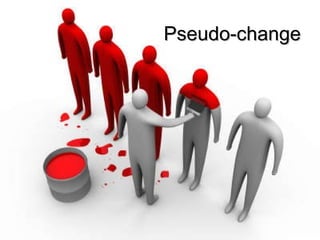
Pseudo-change
History 2007 Citizens demand Authority facilitate the establishment of a Seniors Forum to represent over 3,200 Seniors in the Dublin Docklands; A month later DDDA convened all Seniors Associations in the Docklands together through a strengths based process
Real change…
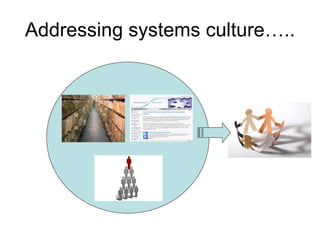
Addressing systems culture…..
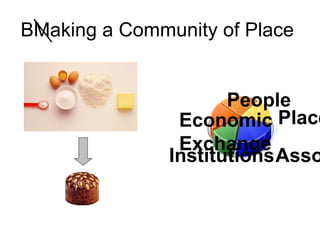
BMaking a Community of Place  Trust People Place Associations Institutions Economic Exchange
 
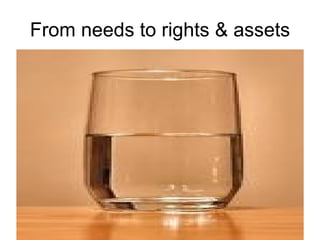
From needs to rights & assets
Balance responsibilities Active ageing policies and programmes  recognize the need to encourage and  balance personal responsibility (self-care),  age-friendly environments and  intergenerational solidarity.
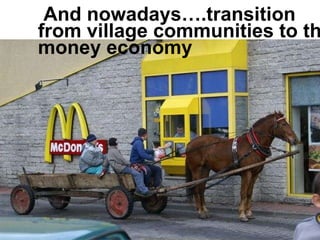
And nowadays….transition  from village communities to the money economy
Some see  fluff .
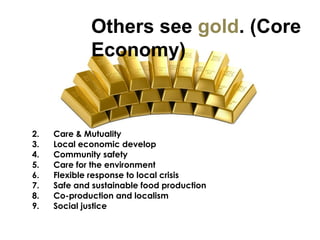
Care & Mutuality Local economic develop Community safety Care for the environment Flexible response to local crisis Safe and sustainable food production Co-production and localism Social justice Others see  gold . (Core  Economy)
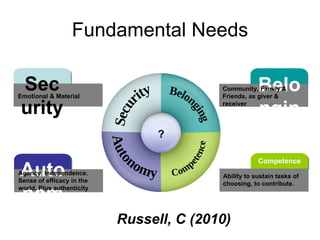
Fundamental Needs Security Autonomy Belonging Competence ? Emotional & Material Agency. Independence. Sense of efficacy in the world. Plus authenticity Community, Family & Friends, as giver & receiver Ability to sustain tasks of choosing, to contribute. Security Belonging Competence Autonomy Russell, C (2010)
In a Welfare State…… What’s the fare for being well?
‘ You can’t know what you need, till you know what you have…’
Our Solutions are often not fit for purpose
Neighbour-hood Organising
Even strangers  are Twice as Likely to  Assist as You Think  Studies by Flynn & Lake (2010) of Columbia University show that people underestimate how likely others are to help by as much as 100%
 
 
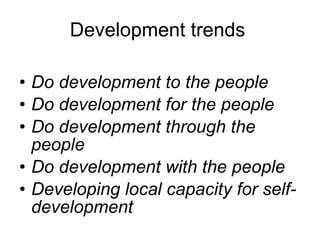
Development trends   Do development to the people Do development for the people Do development through the people    Do development with the people Developing local capacity for self-development
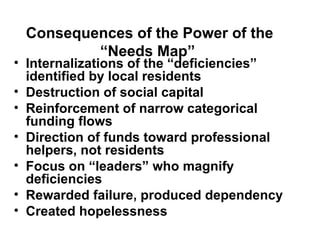
Consequences of the Power of the “Needs Map”   Internalizations of the “deficiencies” identified by local residents Destruction of social capital Reinforcement of narrow categorical funding flows Direction of funds toward professional helpers, not residents Focus on “leaders” who magnify deficiencies Rewarded failure, produced dependency Created hopelessness


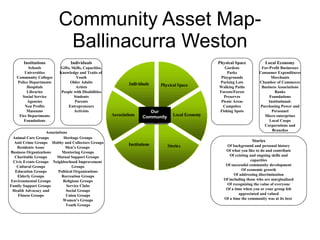
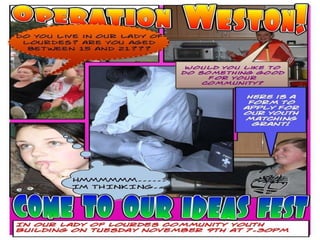
Community Asset Map-Ballinacurra Weston Individuals Gifts, Skills, Capacities, Knowledge and Traits of  Youth Older Adults Artists People with Disabilities Students Parents Entrepreneurs Activists Institutions Schools Universities Community Colleges Police Departments Hospitals Libraries Social Service Agencies Non Profits Museums Fire Departments Foundations Physical Space Gardens Parks Playgrounds Parking Lots Walking Paths Forests/Forest Preserves Picnic Areas Campsites Fishing Spots Stories Of background and personal history Of what you like to do and contribute Of existing and ongoing skills and capacities Of successful community development Of economic growth Of addressing discrimination Of including those who are marginalized Of recognizing the value of everyone Of a time when you or your group felt appreciated and valued Of a time the community was at its best  Local Economy For-Profit Businesses Consumer Expenditures Merchants Chamber of Commerce Business Associations Banks Foundations Institutional-Purchasing Power and Personnel Micro enterprises Local Coops Corporations and Branches Animal Care Groups Anti Crime Groups Residents Assoc Business Organizations Charitable Groups Civic Events Groups Cultural Groups Education Groups Elderly Groups Environmental Groups Family Support Groups  Health Advocacy and Fitness Groups Heritage Groups Hobby and Collectors Groups Men’s Groups  Mentoring Groups Mutual Support Groups Neighborhood Improvement  Groups Political Organizations Recreation Groups Religious Groups Service Clubs Social Groups Union Groups Women’s Groups Youth Groups Associations My Community Our Community
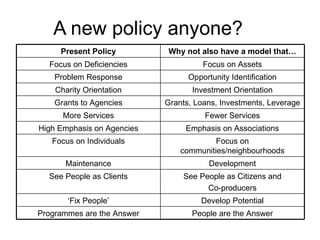
A new policy anyone? Present Policy Why not also have a model that… Focus on Deficiencies Focus on Assets Problem Response Opportunity Identification Charity Orientation Investment Orientation Grants to Agencies Grants, Loans, Investments, Leverage More Services Fewer Services High Emphasis on Agencies Emphasis on Associations Focus on Individuals Focus on communities/neighbourhoods Maintenance Development See People as Clients See People as Citizens and Co-producers ‘ Fix People’ Develop Potential Programmes are the Answer People are the Answer
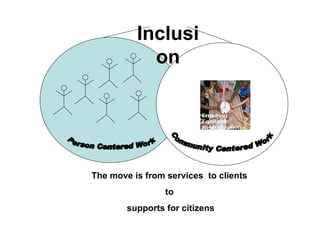
Person Centered Work The move is from services  to clients  to  supports for citizens Community Centered Work Inclusion
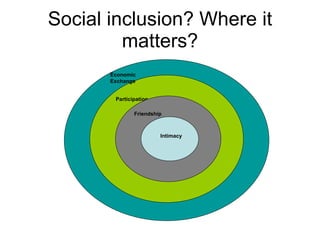
Social inclusion? Where it matters? Participation Friendship Intimacy Economic Exchange
Actually it takes a child to raise a village!


The main protagonists: Leader  – someone that can bring people together to work on an issue Gift Giver  – a person that is willing to contribute their asset to work on an issue. Invisible Person  – a person that has not yet been “discovered” or been convinced to use their assets to help achieve their dreams for or fix their concerns in the neighborhood.
The unsung hero!   Connector  – an individual that is good at discovering what people care about and where their assets can be used. Gift centered Well connected Trusted Believe they are welcome
Asset Based CD model The Asset Based CD model lends to Seniors now saying – we are citizens (someone that contributes to the community) We can all make a contribution Community can take pride in itself Local relationships are important and improvable  We are the answer We are equal with others – we work together But we also have rights to expect high levels of co-production  And when services are unilaterally delivered we will demand best in the class; transparency and accountability as standard.
Effective Communities Look inside first to solve problems Relationships are seen as power Have a good sense of assets and capacities, not just needs Leaders open doors Citizens are involved People take responsibility  Leverage outside support effectively Are inclusive
1. What can you do with people power? Once  There is a NEIGHBOURHOOD VISION…ask
2. What can you do with help from outside agencies? What would that help look like?
3. What do you need outside agencies to do unilaterally?
Reflection points What is your organization’s relationship to community residents inclusive of Seniors?  How accountable is your organization to the people and community it serves? How does your work foster communication and relationship-building among the people you serve and older residents in your community? How does your service define and engage constituents?  What power do they have? What can you do to make your service more asset-based?
Take away messages There is more to a good life than services, and more at stake than money.  Start from a place of strengths and wellness as opposed to deficits and sickness.
Thank you! Cormac Russell, Nurture Development Nurture Strengths UK +353 87 9280998 [email_address]   www.nurturedevelopment.ie
 

Cormac Russell Ageing Well presentation

  • 1.
    Dublin Docklands SeniorsForum and the Limerick Story ‘ Young people present us with a wonderful canvas, but Seniors truly are a work of art.’ Cormac Russell
  • 2.
  • 3.
    History 2007 Citizensdemand Authority facilitate the establishment of a Seniors Forum to represent over 3,200 Seniors in the Dublin Docklands; A month later DDDA convened all Seniors Associations in the Docklands together through a strengths based process
  • 4.
  • 5.
  • 6.
    BMaking a Communityof Place Trust People Place Associations Institutions Economic Exchange
  • 7.
  • 8.
    From needs torights & assets
  • 9.
    Balance responsibilities Activeageing policies and programmes recognize the need to encourage and balance personal responsibility (self-care), age-friendly environments and intergenerational solidarity.
  • 10.
    And nowadays….transition from village communities to the money economy
  • 11.
    Some see fluff .
  • 12.
    Care & MutualityLocal economic develop Community safety Care for the environment Flexible response to local crisis Safe and sustainable food production Co-production and localism Social justice Others see gold . (Core Economy)
  • 13.
    Fundamental Needs SecurityAutonomy Belonging Competence ? Emotional & Material Agency. Independence. Sense of efficacy in the world. Plus authenticity Community, Family & Friends, as giver & receiver Ability to sustain tasks of choosing, to contribute. Security Belonging Competence Autonomy Russell, C (2010)
  • 14.
    In a WelfareState…… What’s the fare for being well?
  • 15.
    ‘ You can’tknow what you need, till you know what you have…’
  • 16.
    Our Solutions areoften not fit for purpose
  • 17.
  • 18.
    Even strangers are Twice as Likely to Assist as You Think Studies by Flynn & Lake (2010) of Columbia University show that people underestimate how likely others are to help by as much as 100%
  • 19.
  • 20.
  • 21.
    Development trends Do development to the people Do development for the people Do development through the people    Do development with the people Developing local capacity for self-development
  • 22.
    Consequences of thePower of the “Needs Map” Internalizations of the “deficiencies” identified by local residents Destruction of social capital Reinforcement of narrow categorical funding flows Direction of funds toward professional helpers, not residents Focus on “leaders” who magnify deficiencies Rewarded failure, produced dependency Created hopelessness
  • 23.
  • 24.
  • 25.
  • 26.
  • 27.
  • 28.
    Community Asset Map-BallinacurraWeston Individuals Gifts, Skills, Capacities, Knowledge and Traits of Youth Older Adults Artists People with Disabilities Students Parents Entrepreneurs Activists Institutions Schools Universities Community Colleges Police Departments Hospitals Libraries Social Service Agencies Non Profits Museums Fire Departments Foundations Physical Space Gardens Parks Playgrounds Parking Lots Walking Paths Forests/Forest Preserves Picnic Areas Campsites Fishing Spots Stories Of background and personal history Of what you like to do and contribute Of existing and ongoing skills and capacities Of successful community development Of economic growth Of addressing discrimination Of including those who are marginalized Of recognizing the value of everyone Of a time when you or your group felt appreciated and valued Of a time the community was at its best Local Economy For-Profit Businesses Consumer Expenditures Merchants Chamber of Commerce Business Associations Banks Foundations Institutional-Purchasing Power and Personnel Micro enterprises Local Coops Corporations and Branches Animal Care Groups Anti Crime Groups Residents Assoc Business Organizations Charitable Groups Civic Events Groups Cultural Groups Education Groups Elderly Groups Environmental Groups Family Support Groups Health Advocacy and Fitness Groups Heritage Groups Hobby and Collectors Groups Men’s Groups Mentoring Groups Mutual Support Groups Neighborhood Improvement Groups Political Organizations Recreation Groups Religious Groups Service Clubs Social Groups Union Groups Women’s Groups Youth Groups Associations My Community Our Community
  • 29.
    A new policyanyone? Present Policy Why not also have a model that… Focus on Deficiencies Focus on Assets Problem Response Opportunity Identification Charity Orientation Investment Orientation Grants to Agencies Grants, Loans, Investments, Leverage More Services Fewer Services High Emphasis on Agencies Emphasis on Associations Focus on Individuals Focus on communities/neighbourhoods Maintenance Development See People as Clients See People as Citizens and Co-producers ‘ Fix People’ Develop Potential Programmes are the Answer People are the Answer
  • 30.
    Person Centered WorkThe move is from services to clients to supports for citizens Community Centered Work Inclusion
  • 31.
    Social inclusion? Whereit matters? Participation Friendship Intimacy Economic Exchange
  • 32.
    Actually it takesa child to raise a village!
  • 33.
  • 34.
  • 35.
  • 36.
    The main protagonists:Leader – someone that can bring people together to work on an issue Gift Giver – a person that is willing to contribute their asset to work on an issue. Invisible Person – a person that has not yet been “discovered” or been convinced to use their assets to help achieve their dreams for or fix their concerns in the neighborhood.
  • 37.
    The unsung hero! Connector – an individual that is good at discovering what people care about and where their assets can be used. Gift centered Well connected Trusted Believe they are welcome
  • 38.
    Asset Based CDmodel The Asset Based CD model lends to Seniors now saying – we are citizens (someone that contributes to the community) We can all make a contribution Community can take pride in itself Local relationships are important and improvable We are the answer We are equal with others – we work together But we also have rights to expect high levels of co-production And when services are unilaterally delivered we will demand best in the class; transparency and accountability as standard.
  • 39.
    Effective Communities Lookinside first to solve problems Relationships are seen as power Have a good sense of assets and capacities, not just needs Leaders open doors Citizens are involved People take responsibility Leverage outside support effectively Are inclusive
  • 40.
    1. What canyou do with people power? Once There is a NEIGHBOURHOOD VISION…ask
  • 41.
    2. What canyou do with help from outside agencies? What would that help look like?
  • 42.
    3. What doyou need outside agencies to do unilaterally?
  • 43.
    Reflection points Whatis your organization’s relationship to community residents inclusive of Seniors? How accountable is your organization to the people and community it serves? How does your work foster communication and relationship-building among the people you serve and older residents in your community? How does your service define and engage constituents? What power do they have? What can you do to make your service more asset-based?
  • 44.
    Take away messagesThere is more to a good life than services, and more at stake than money. Start from a place of strengths and wellness as opposed to deficits and sickness.
  • 45.
    Thank you! CormacRussell, Nurture Development Nurture Strengths UK +353 87 9280998 [email_address] www.nurturedevelopment.ie
  • 46.

Editor's Notes

  • #5 Paradox Big Society can only be small local and community driven….
  • #6 Moving from a culture of knowledge repositories (people-to-information) to one of knowledge collaboration (people-to-people). Careful not to stereotype all local government or public sector workers! Undeniable facts: Public sector organisations are deeply hierarchical. Over-reliance on stored and categorised information. With some notable exceptions (e.g. NHS), no systematic development of peer learning and sharing techniques or strategies. Closed and private culture. But…. The past five years have seen significant changes across the local government sector. The need to meet stringent targets for performance and efficiency as part of the Comprehensive Performance Assessment, and the huge investment in technology driven by central government’s ‘e-government’ strategy (or latterly “Transformational Government”) have indeed led to improvement across the sector. However, as many councils have found, digitising assets, developing new web sites and investment in EDRM have not always delivered the improvements they were hoping for. On the contrary, the proliferation of web sites across the sector has only served to encourage a silo mentality in many authorities, making life far more difficult for staff to find, use and share information and knowledge. There is a growing realisation that, coupled with the reduction in central government funding, the tipping point has arrived, and that any further efficiency and service improvements can only be delivered by smarter working and making more effective use of shared and tacit knowledge to drive innovation.
  • #8 And what might strengths based thinking and ABCD have to offer???
  • #11 All to often communities in Britain, especially low income communities look a lot like this….
  • #12 The views of community obviously vary. One City Manager describes the communities he serves as being like chocolates: mostly sweet, but with far too many nuts. Young people in the UK tend to be seen either as deviant and needing to be reformed; or deserving and needing to programmed.
  • #13 But those that are proposing Big Society
  • #14 Lets look more closely at this. Starting with needs. Sometimes when people present ABCD they present it as a polemic between needs and assets. To me that somewhat of a superficial interpretation. ABCD is not suggesting that we ignore needs in preference for assets, but that we take care as to how we understand needs. Most psychologists now agree that there are four fundamental needs. See slide… So ABCD begs the question how do we as helpers address for example security needs in a way that does not harm autonomy, competency and belonging. Can you think of any examples from your own life experience when someone in an honest effort to help inadvertently undermined the need for autonomy, competence or belonging of the person or community they were endeavouring to assist?
  • #29 The asset based approach starts with a focus on the strengths it recognises the truth that the map is not the territory and that the glass is both half full and half empty at the same time
  • #41 Society can be understood as a configuration of people in certain patterns of interdependence which continues even when some of its members die or leave. So how can society exist if the patterns of interdependence disintegrate or if new people are not constantly being welcomed? So, given that Britain currently is not doing enough of either, is British Society dying the death of a thousand cuts? Cameron being a much better communicator than me simply asks the question: ‘who’ll cut the grass, when you can’t?’
  • #43 Society can be understood as a configuration of people in certain patterns of interdependence which continues even when some of its members die or leave. So how can society exist if the patterns of interdependence disintegrate or if new people are not constantly being welcomed? So, given that Britain currently is not doing enough of either, is British Society dying the death of a thousand cuts? Cameron being a much better communicator than me simply asks the question: ‘who’ll cut the grass, when you can’t?’