





Mobilising   Young People Strength Based Approach Regional ABCD Workshops-Cormac Russell, ABCD Institute
Day One Contents Asset Mapping Learning from your success AI 2 4 Learning Conversations 3 3 A fresh Perspective 3 1
Youth Work A Fresh Perspective


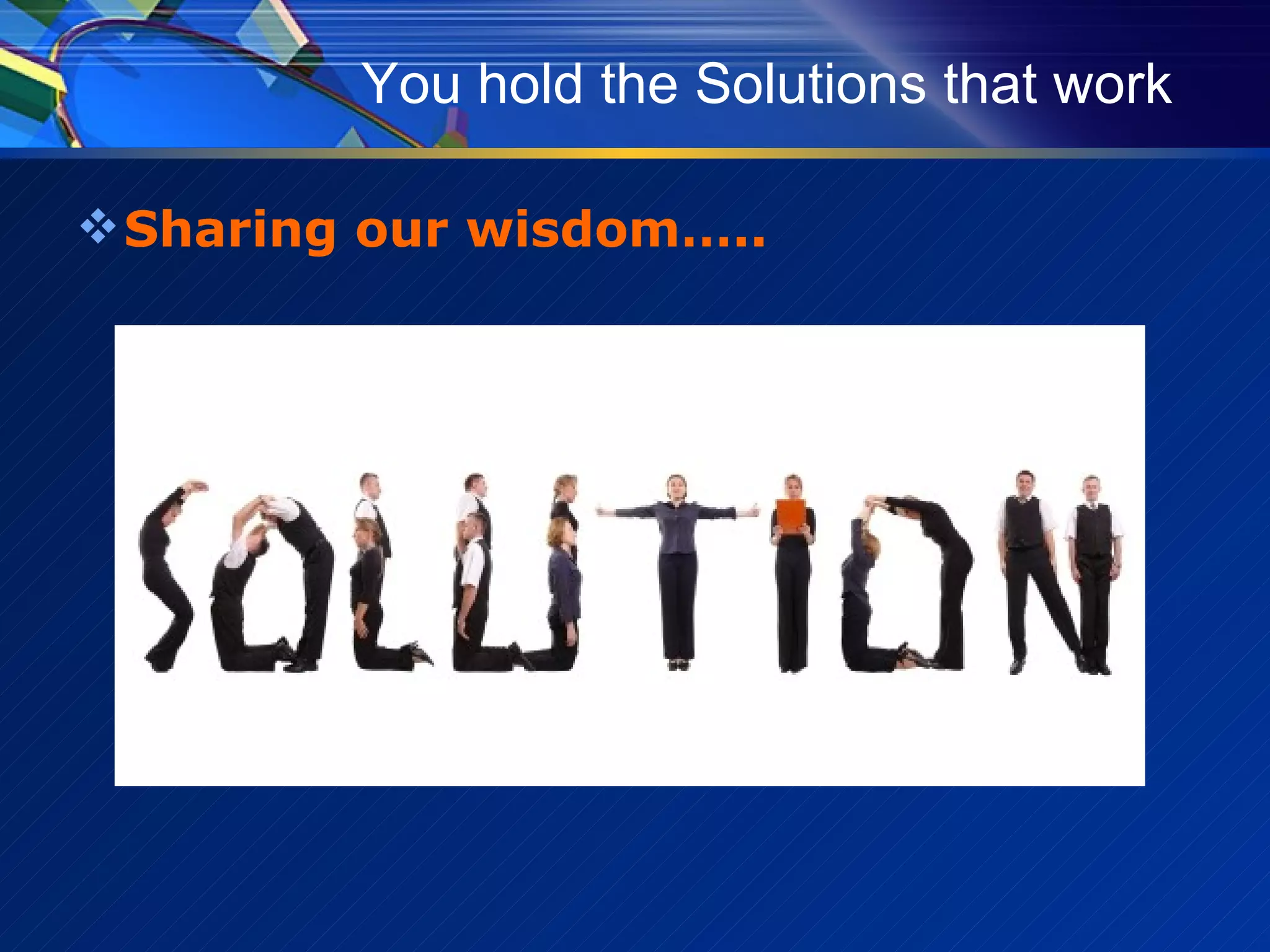
You hold the Solutions that work Sharing our wisdom…..
 
 
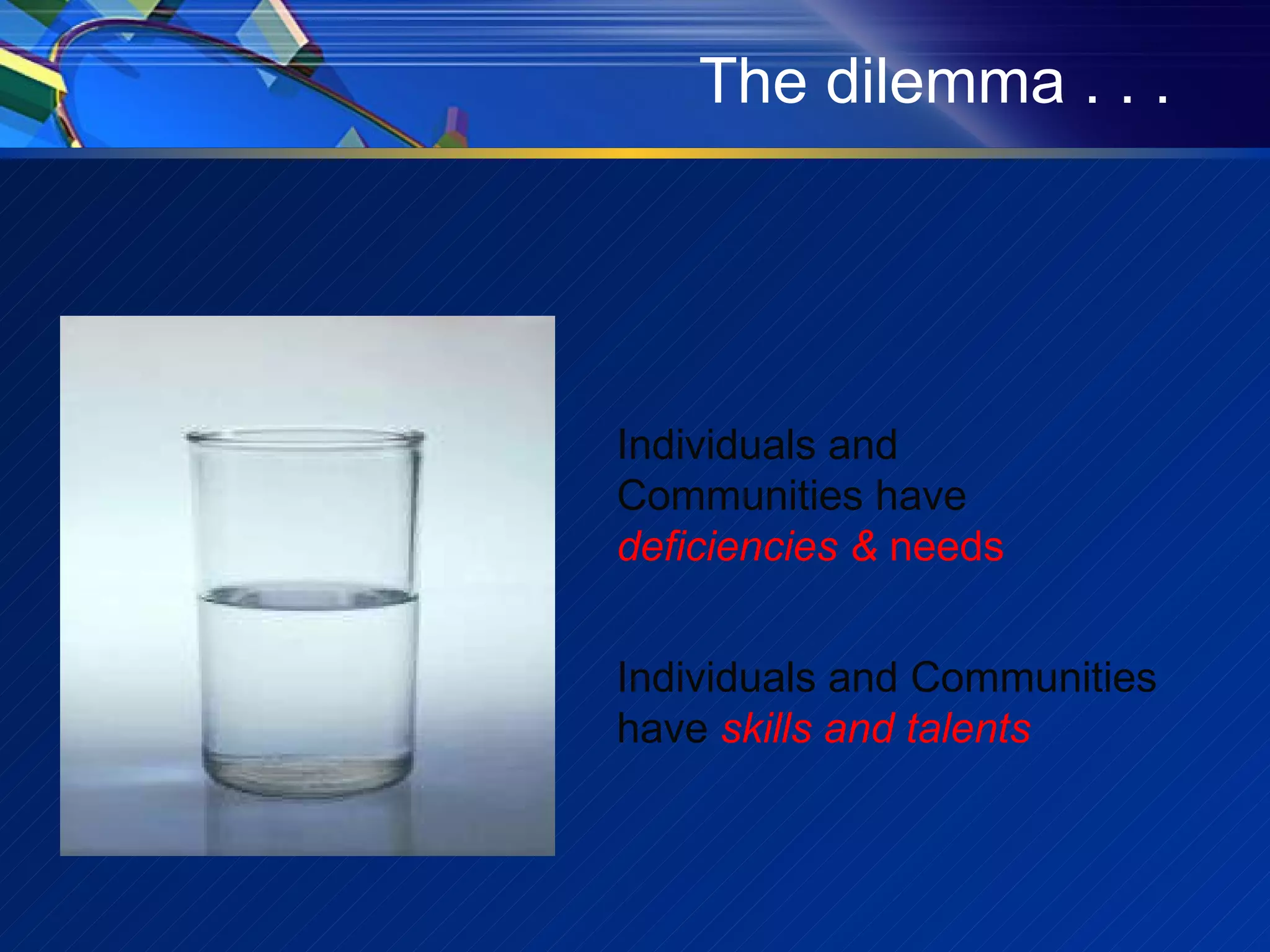
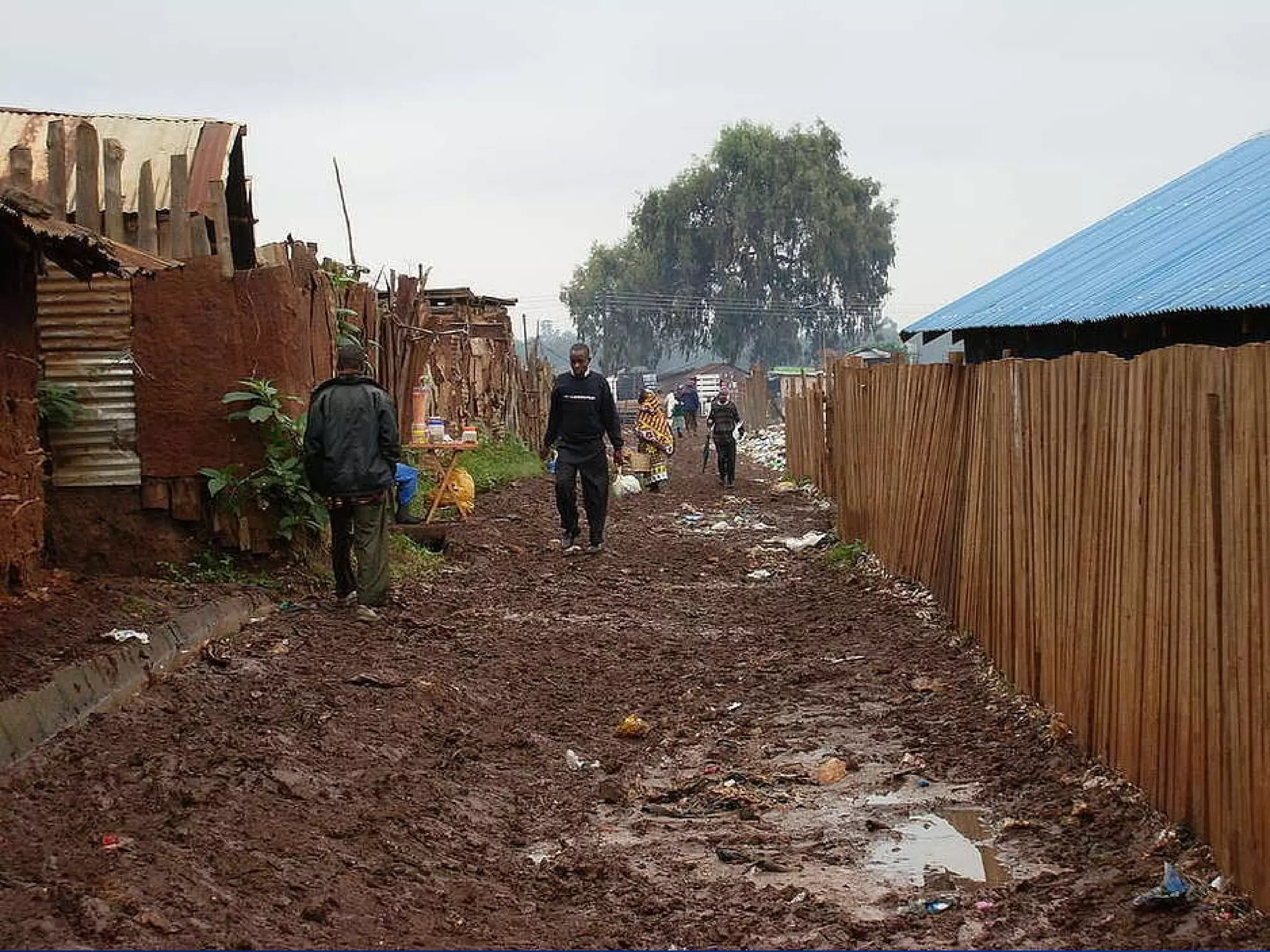
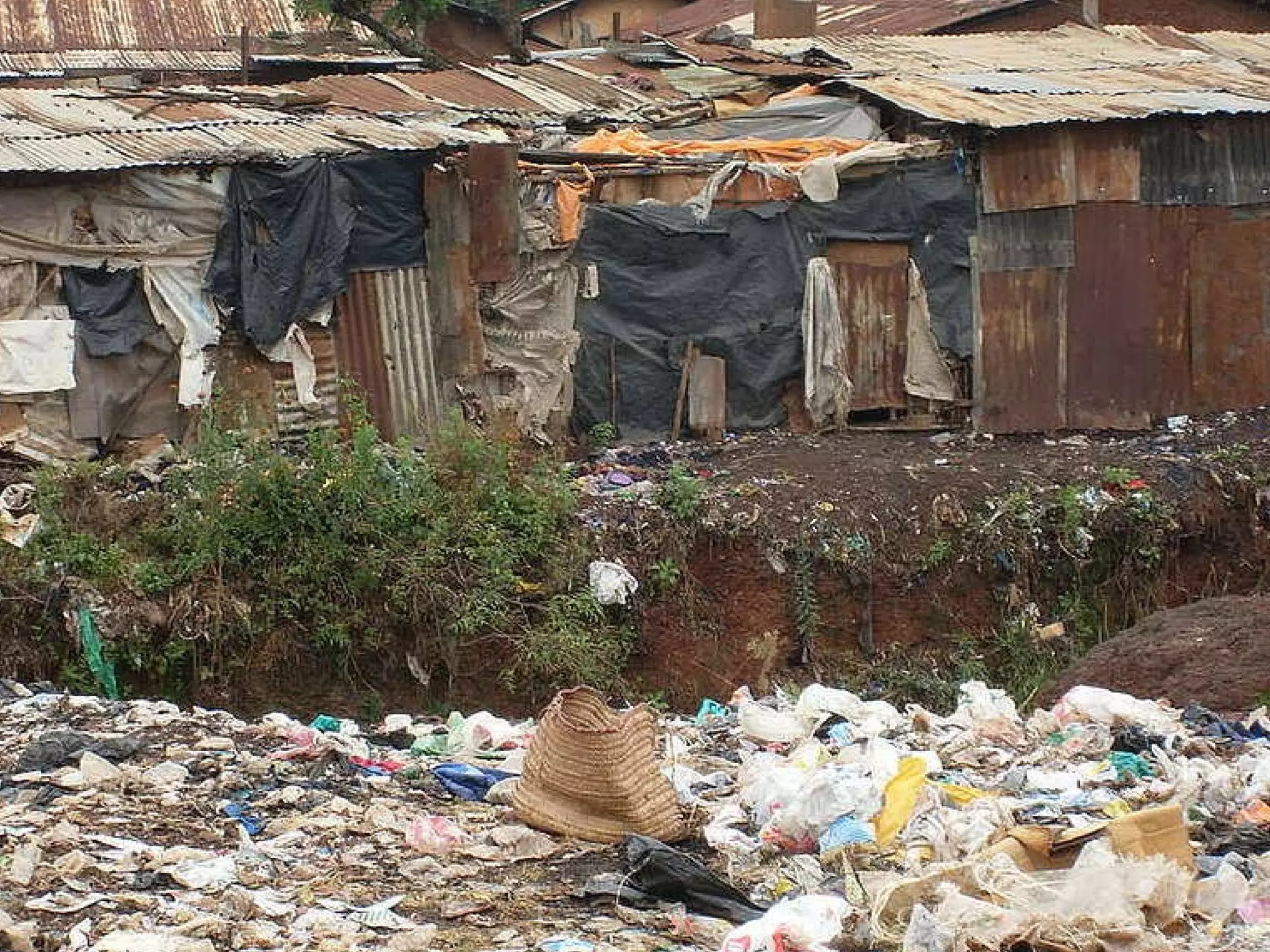
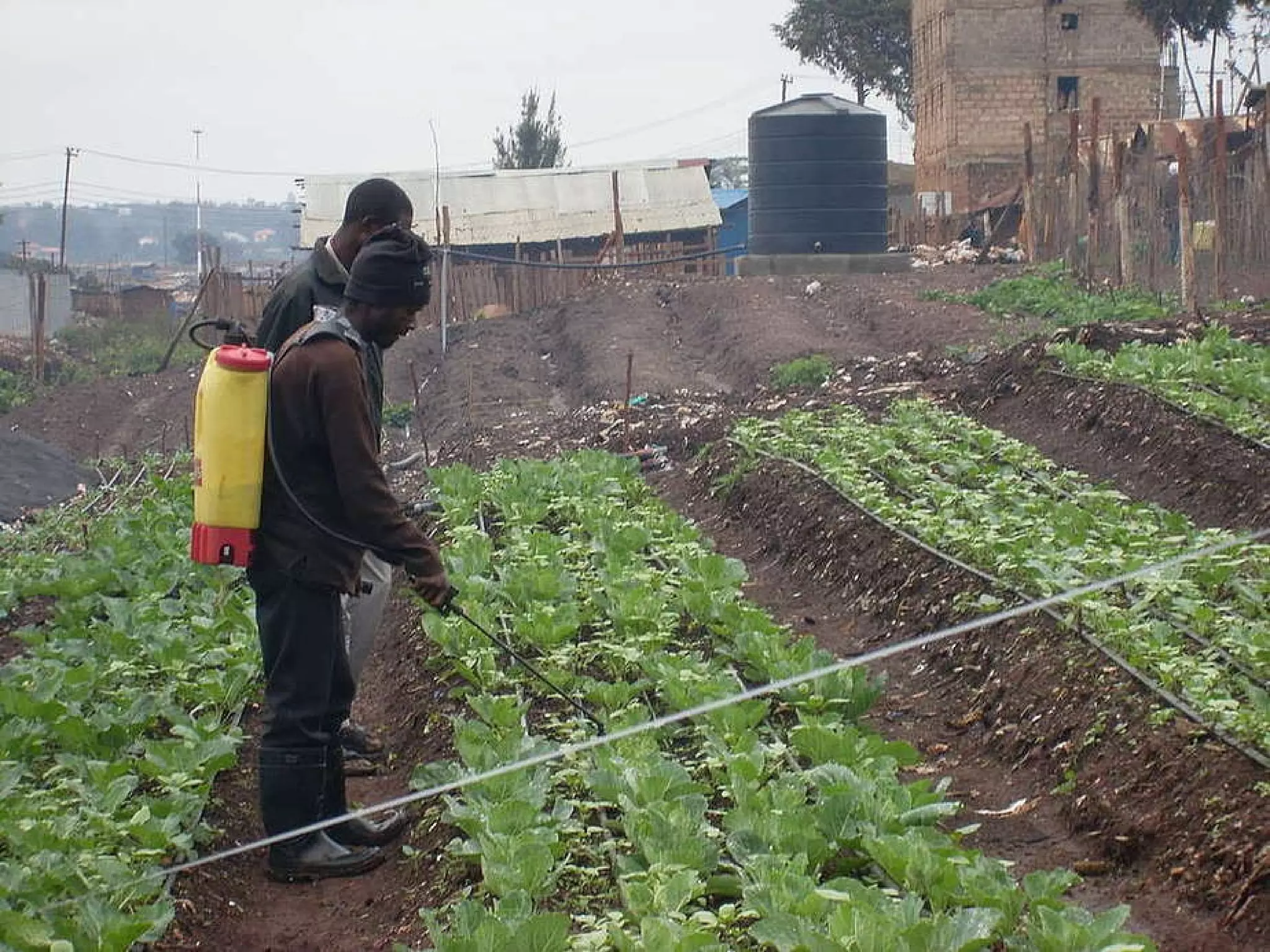
The dilemma . . . Individuals and Communities have   deficiencies &  needs Individuals and Communities have   skills and talents


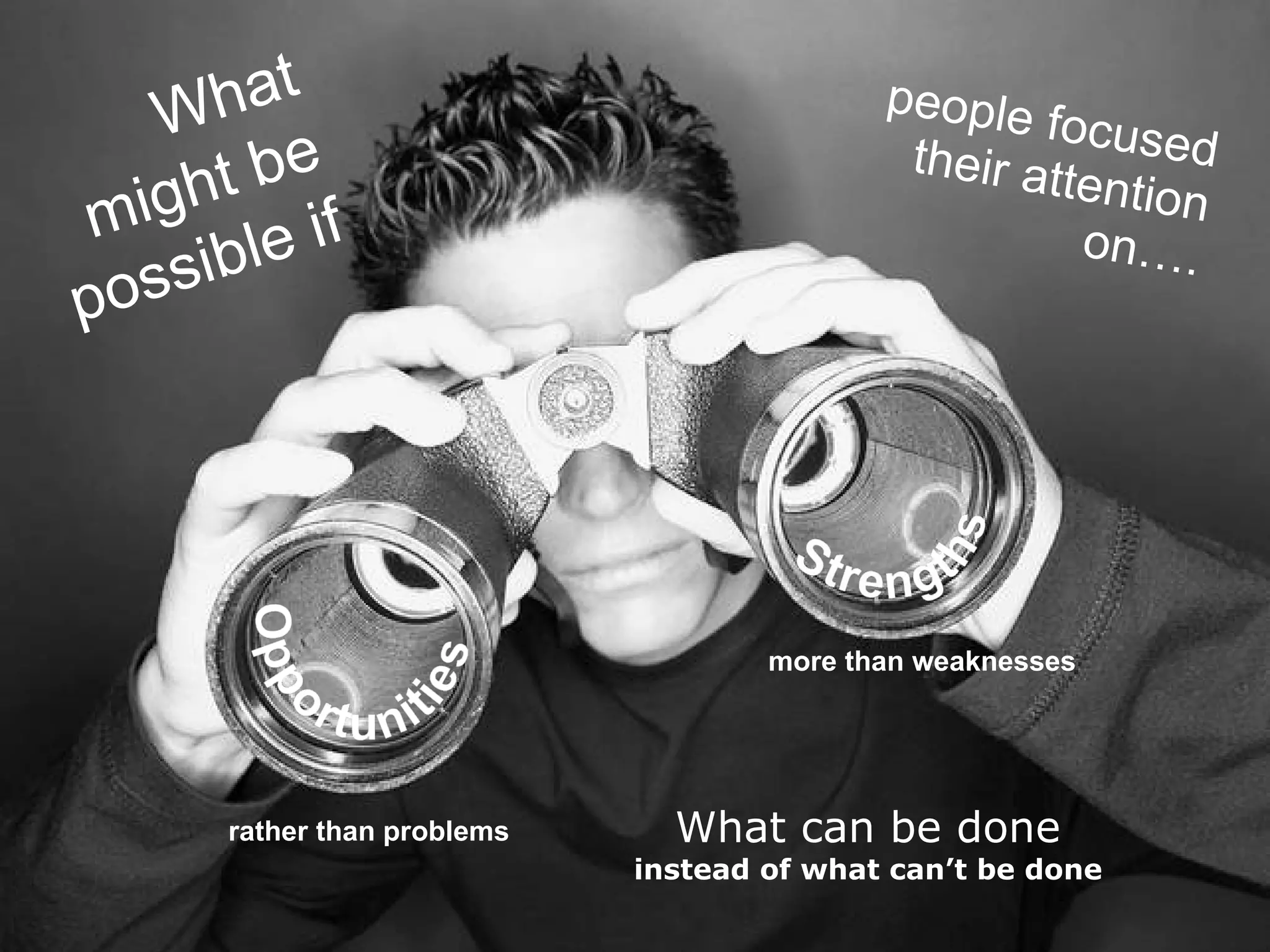
people focused their attention on…. What can be done instead of what can’t be done What might be possible if rather than problems more than weaknesses
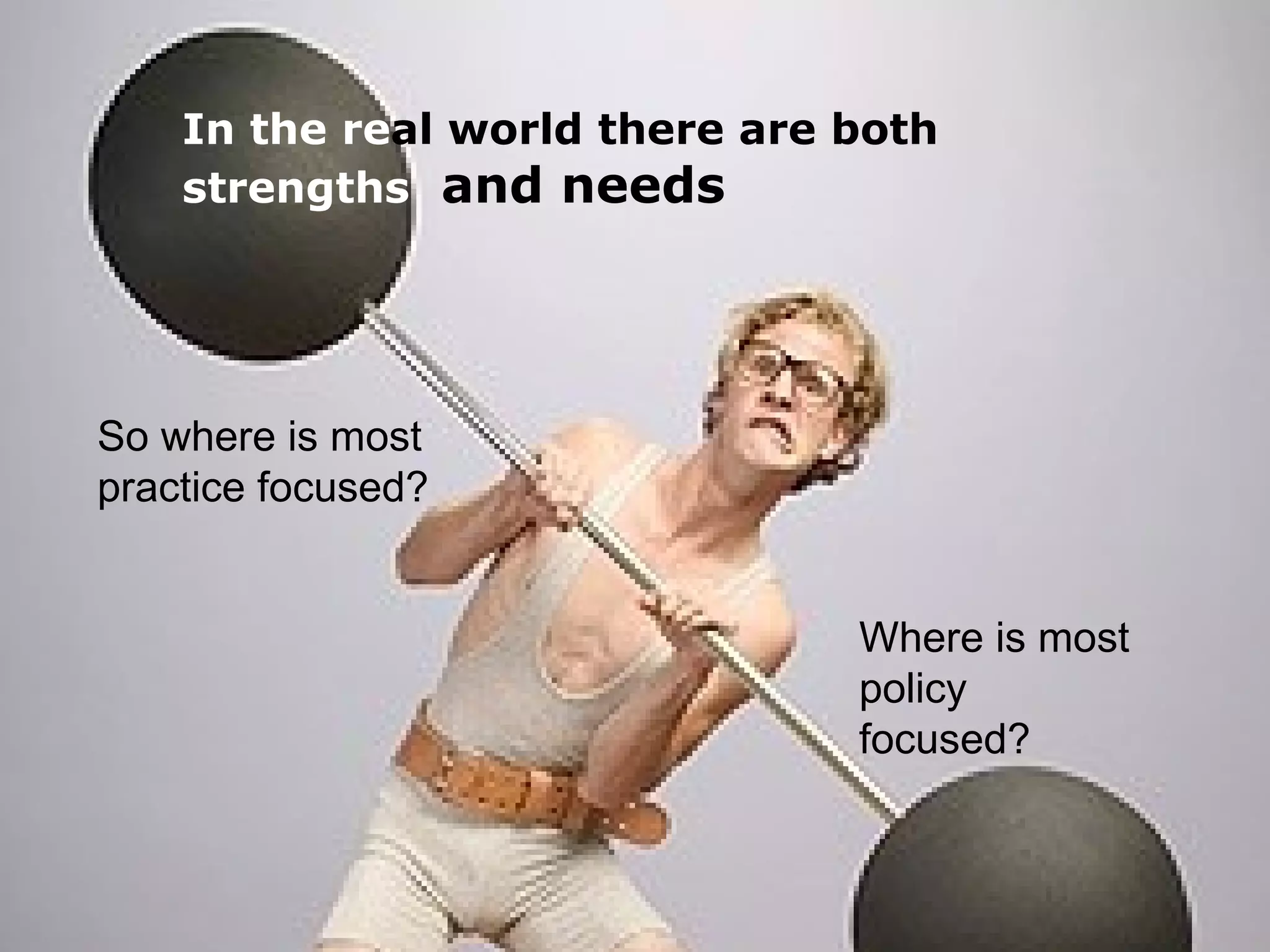
In the re al world there are both  strengths  and needs So where is most practice focused? Where is most policy focused?
CAUSE PROBLEMS HAVE PROBLEMS ARE PROBLEMS Young People
Teenagers u hv 2 luv ‘em… TEONA:   Latin word from which the word teenager originates.   It means ‘ grief, strife and misery ’.
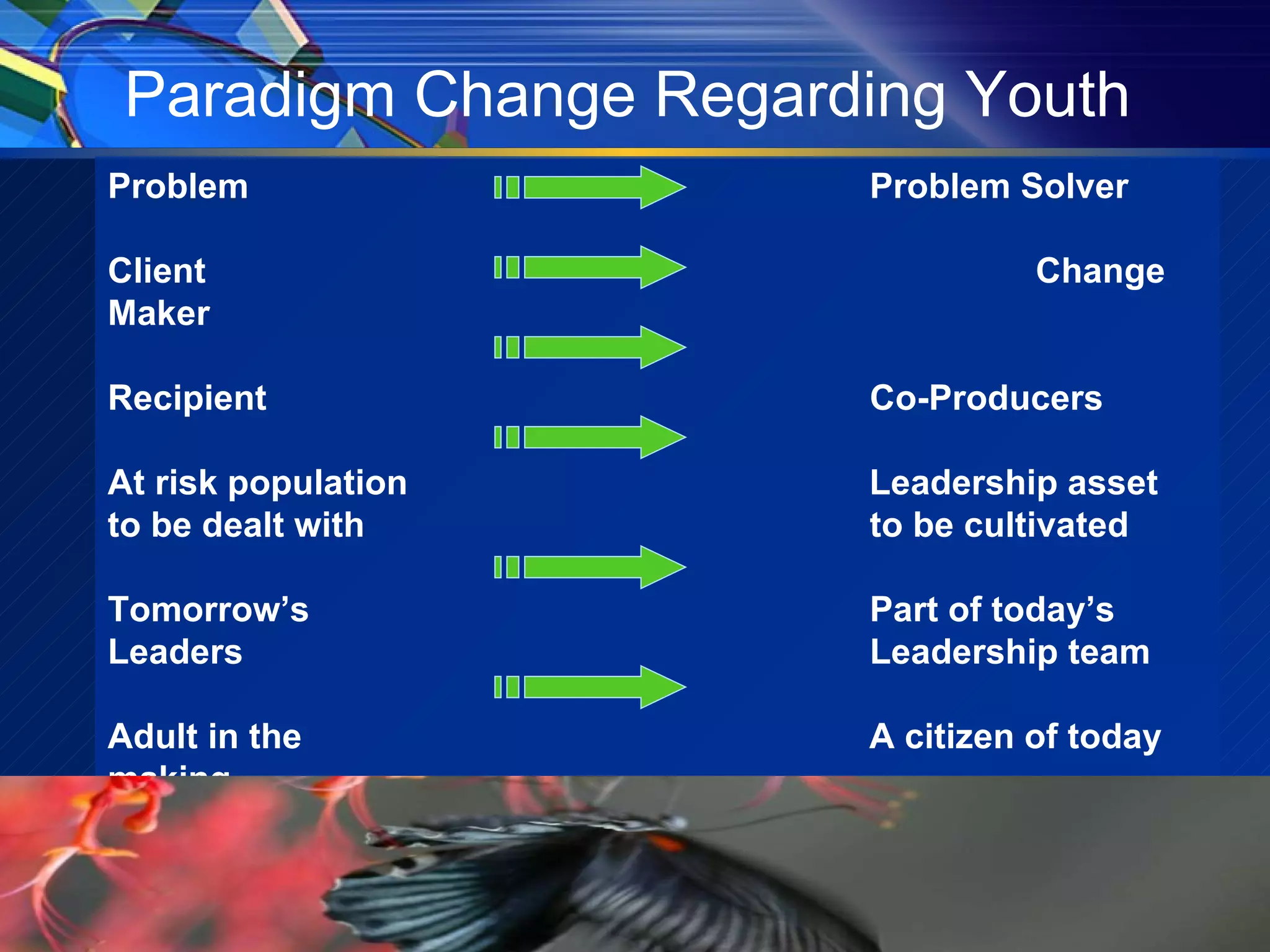
Problem     Problem Solver Client     Change Maker Recipient       Co-Producers At risk population       Leadership   asset  to be dealt with to be cultivated Tomorrow’s Part of today’s Leaders Leadership team Adult in the    A citizen of today making Paradigm Change Regarding   Youth
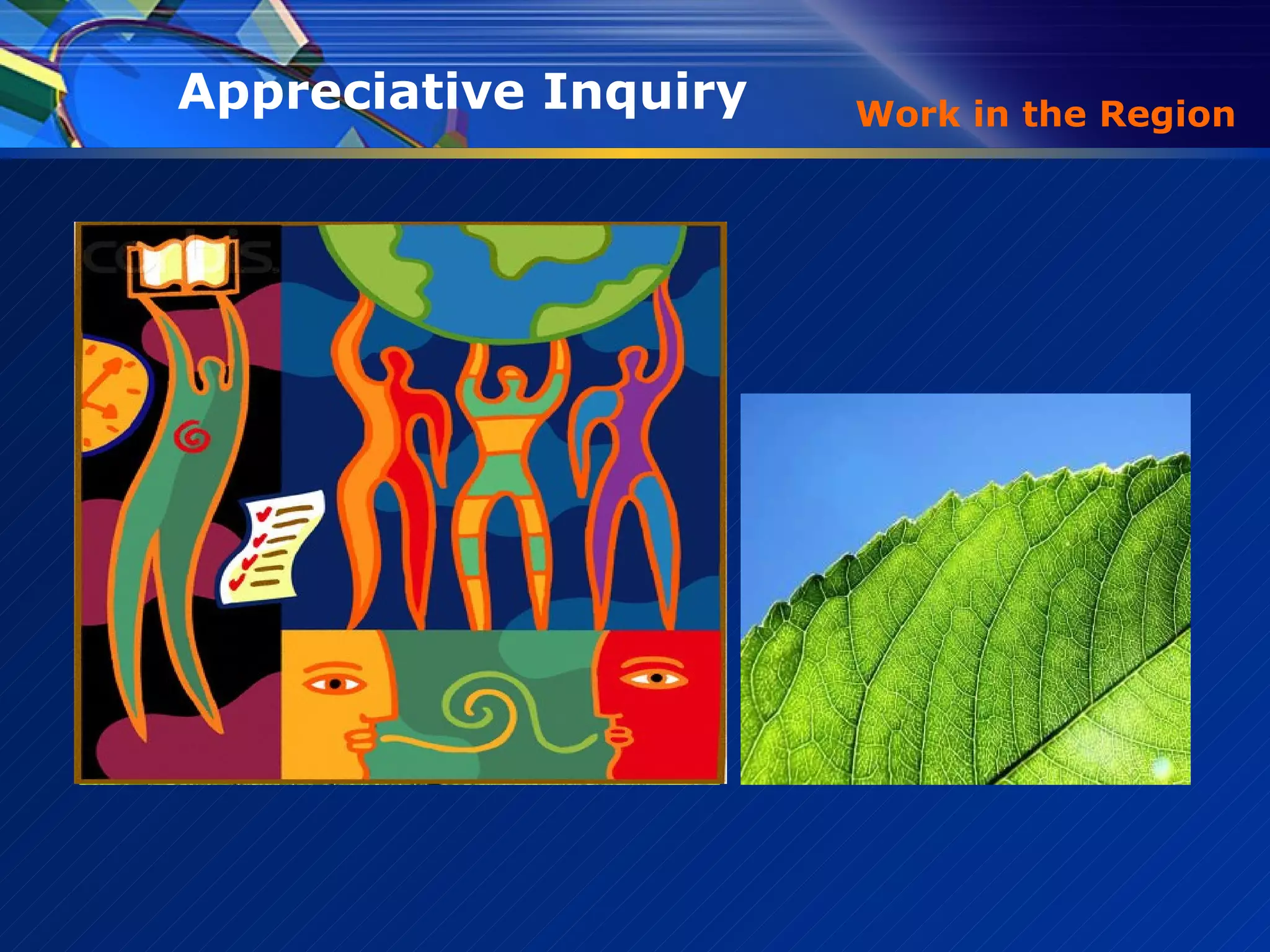
Work in the Region Appreciative Inquiry
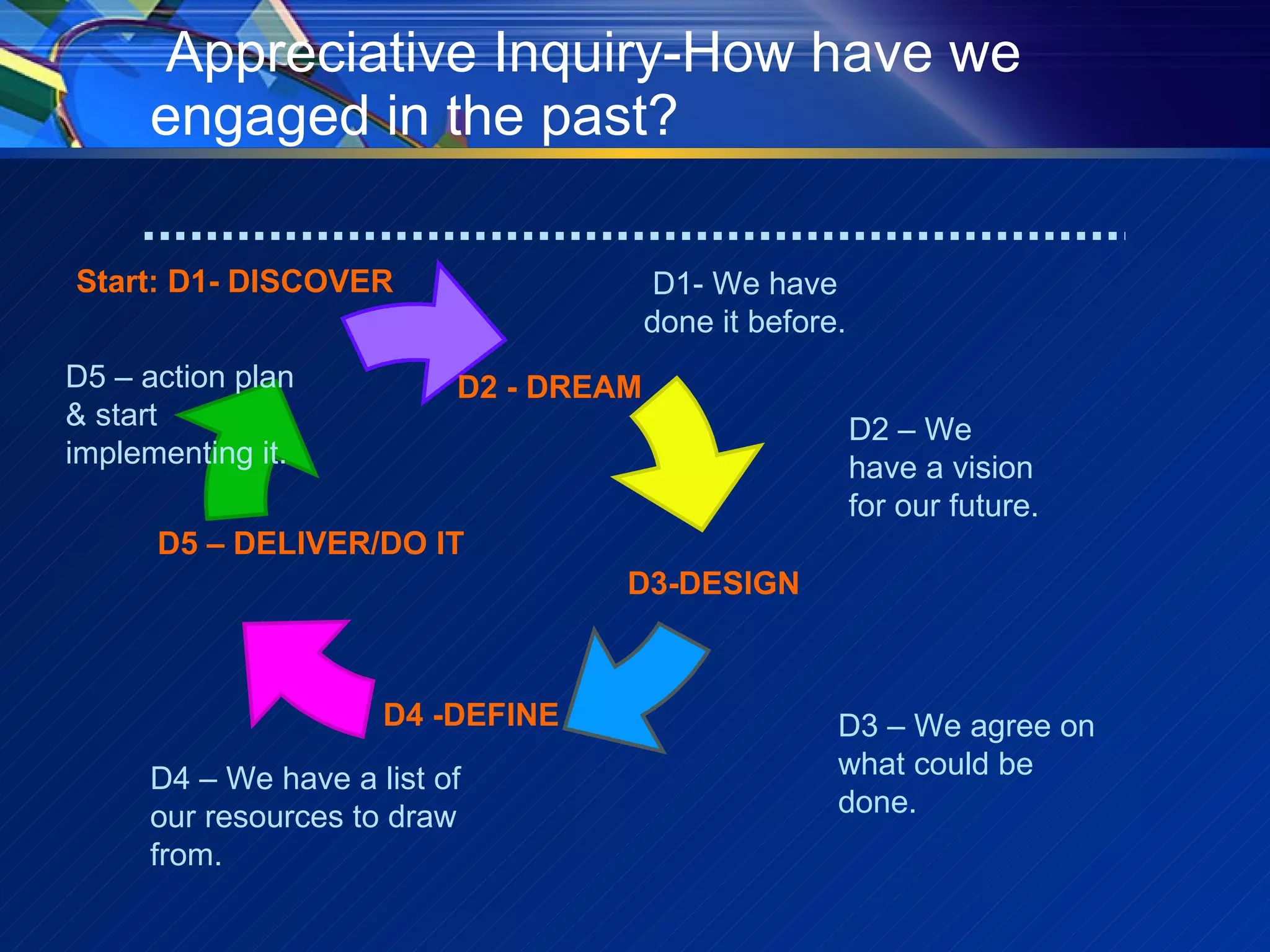
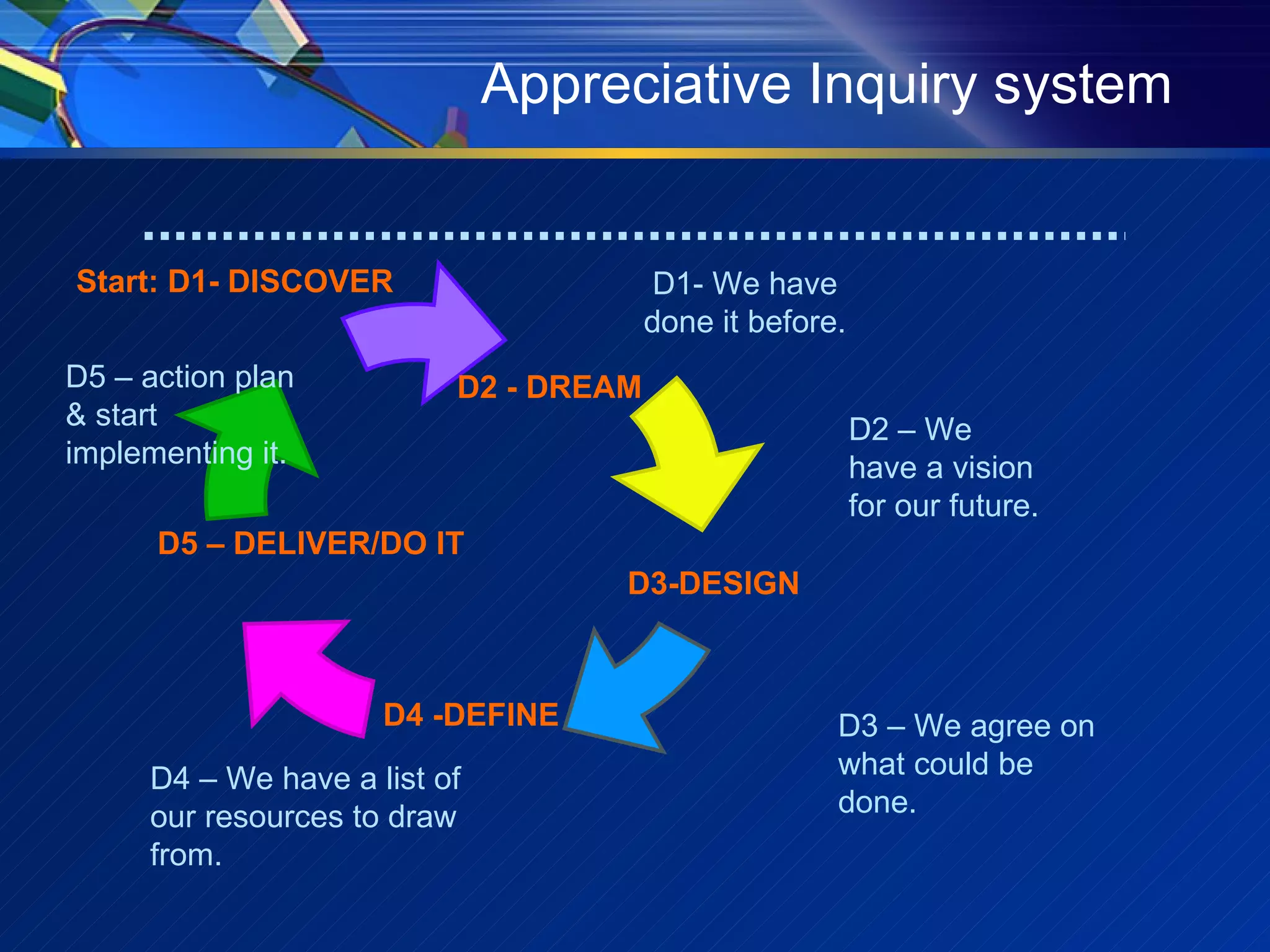
Appreciative Inquiry-How have we engaged in the past? Start: D1- DISCOVER D2 - DREAM D3-DESIGN D1- We have done it before. D2 – We have a vision for our future. D3 – We agree on what could be done.  D4 – We have a list of our resources to draw from. D5 – action plan & start implementing it.  D5 – DELIVER/DO IT D4 -DEFINE
In practice Using AI
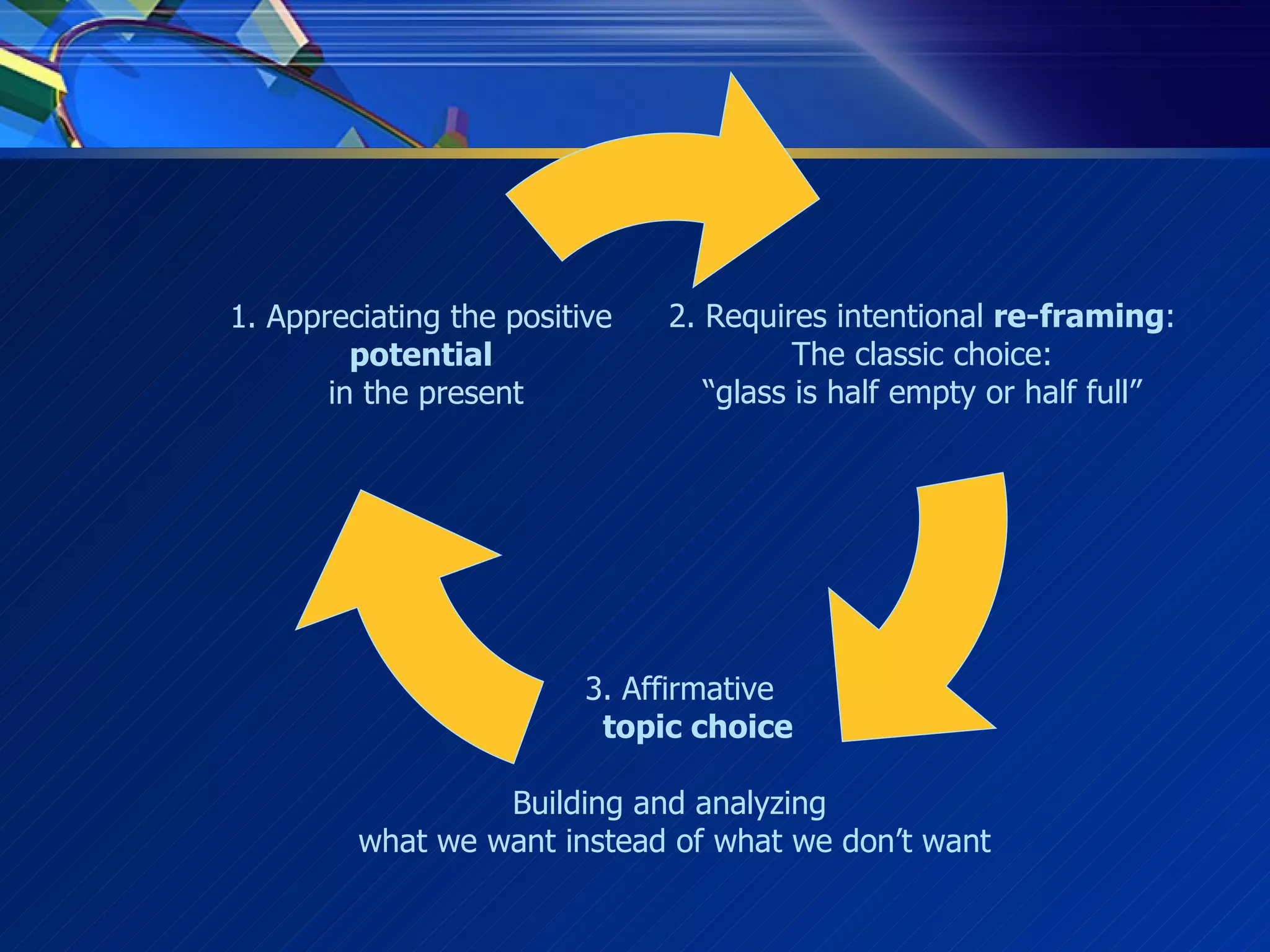
2. Requires intentional  re-framing : The classic choice: “ glass is half empty or half full” 3. Affirmative  topic choice Building and analyzing  what we want instead of what we don’t want 1. Appreciating the positive  potential   in the present
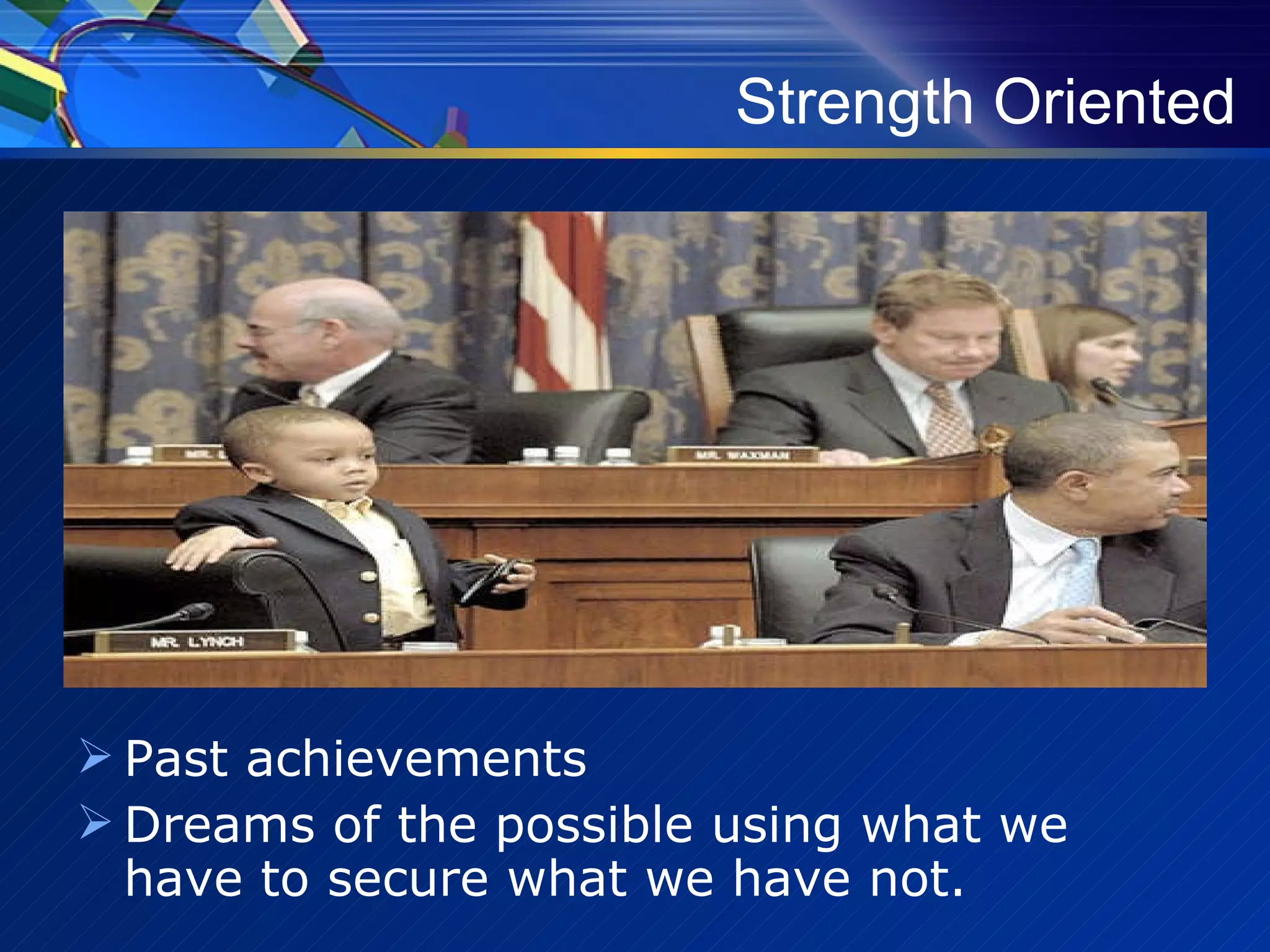
Strength Oriented Past achievements Dreams of the possible using what we have to secure what we have not.
 
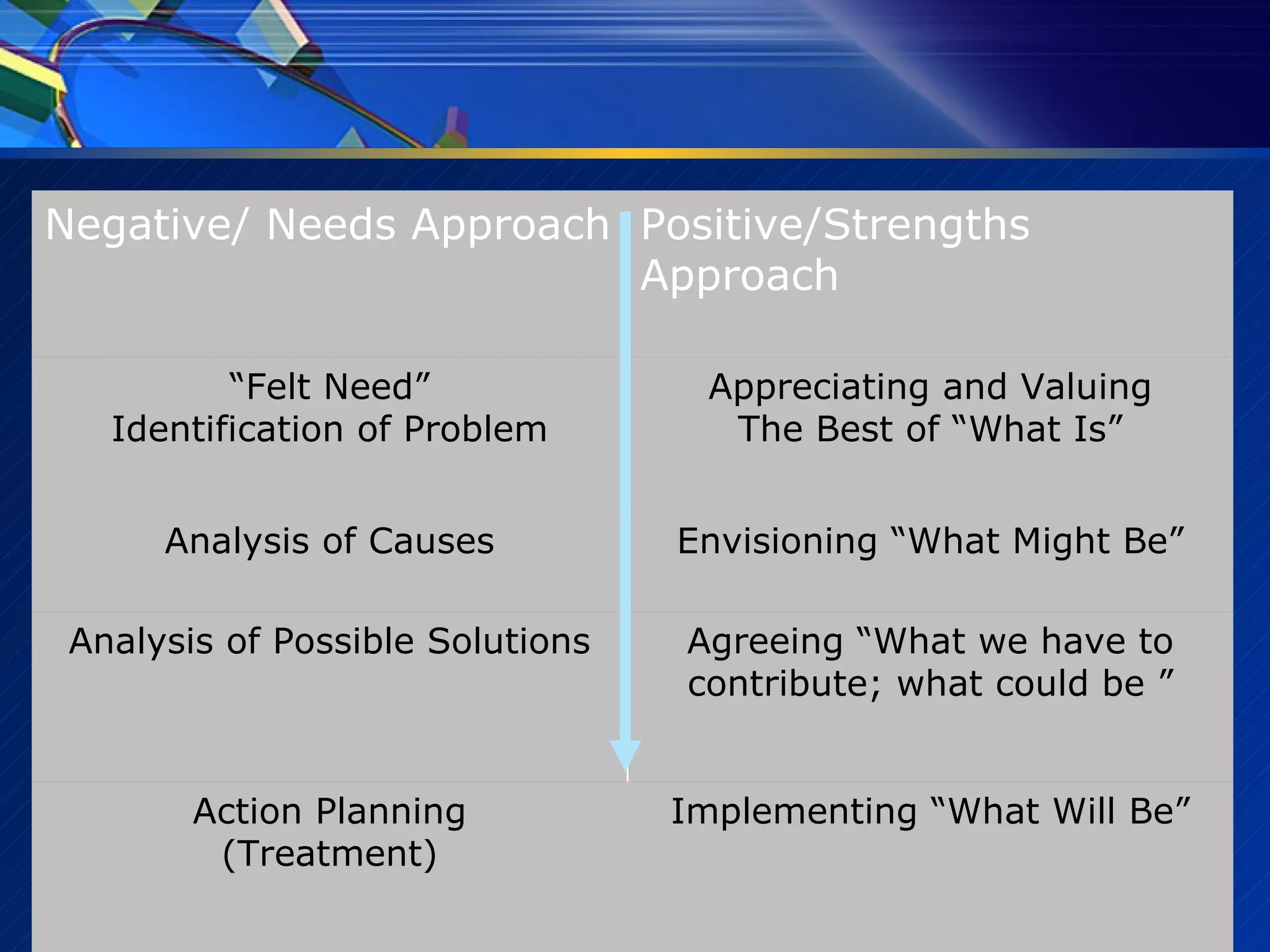
Implementing “What Will Be” Action Planning (Treatment) Agreeing “What we have to contribute; what could be ” Analysis of Possible Solutions Envisioning “What Might Be” Analysis of Causes Appreciating and Valuing The Best of “What Is” “ Felt Need” Identification of Problem Positive/Strengths Approach Negative/ Needs Approach
Appreciative Inquiry system Start: D1- DISCOVER D2 - DREAM D3-DESIGN D1- We have done it before. D2 – We have a vision for our future. D3 – We agree on what could be done.  D4 – We have a list of our resources to draw from. D5 – action plan & start implementing it.  D5 – DELIVER/DO IT D4 -DEFINE
11.35-11.50 Coffee
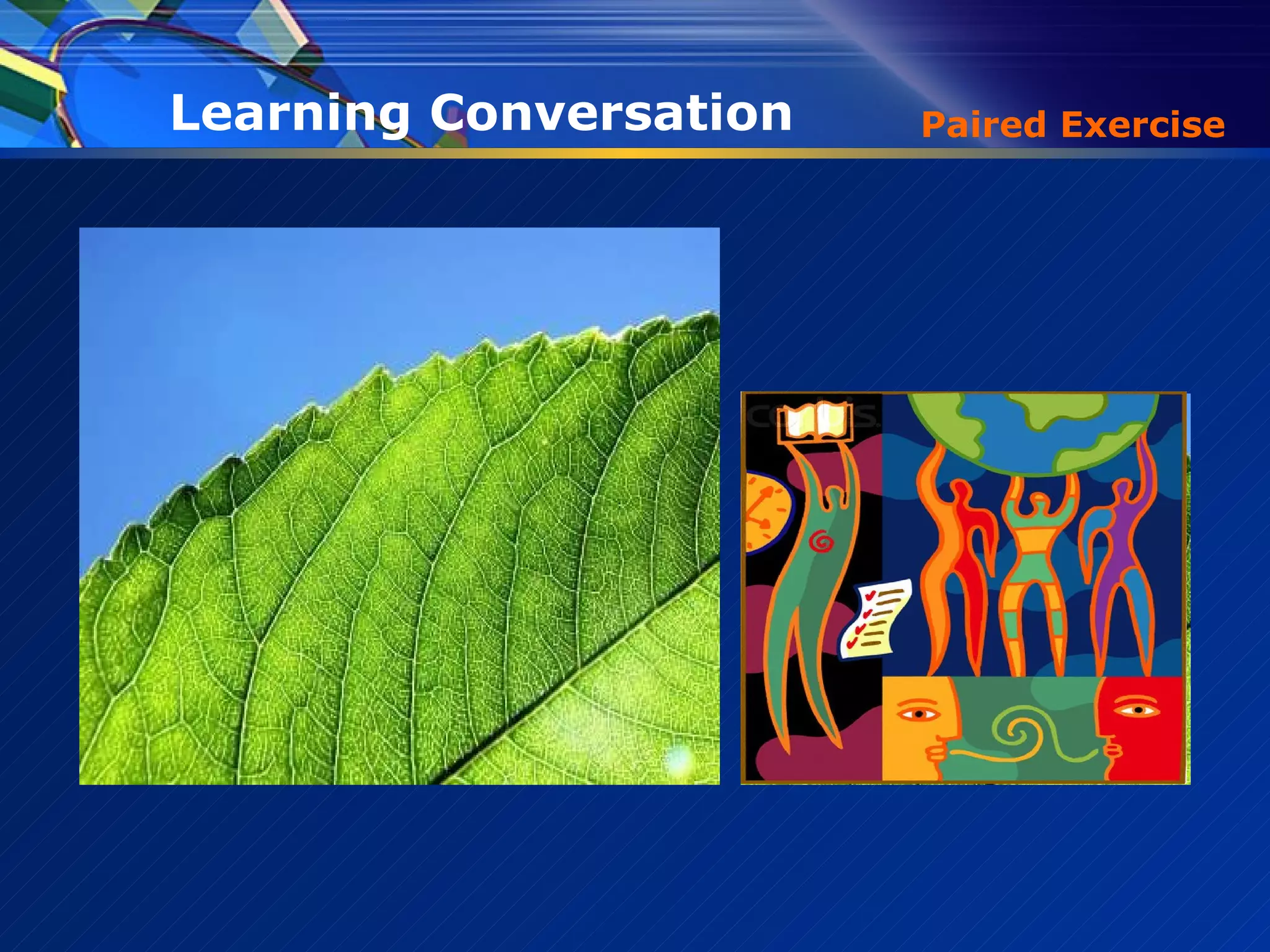
Paired Exercise Learning Conversation
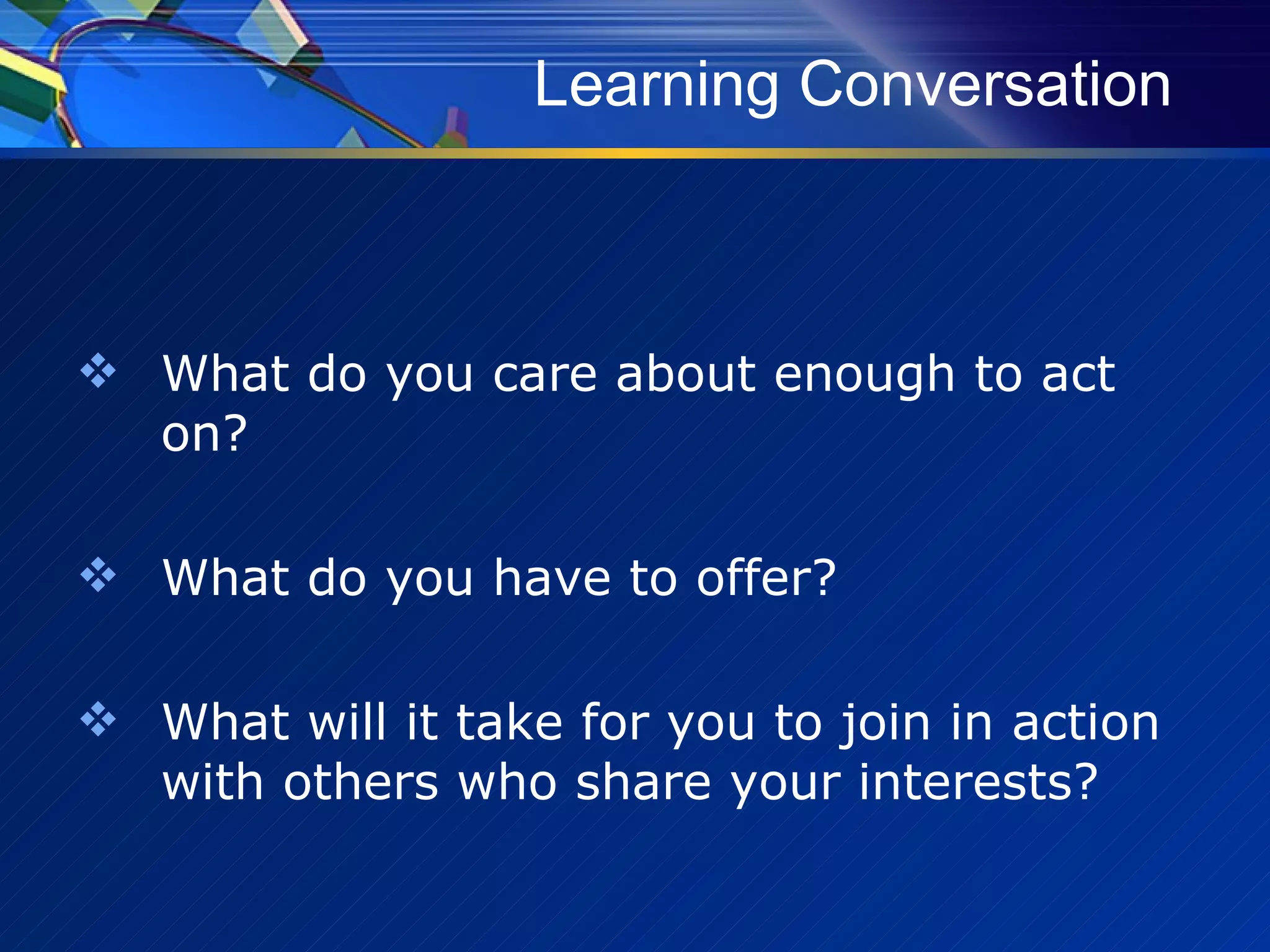
Learning Conversation What do you care about enough to act on? What do you have to offer? What will it take for you to join in action with others who share your interests?
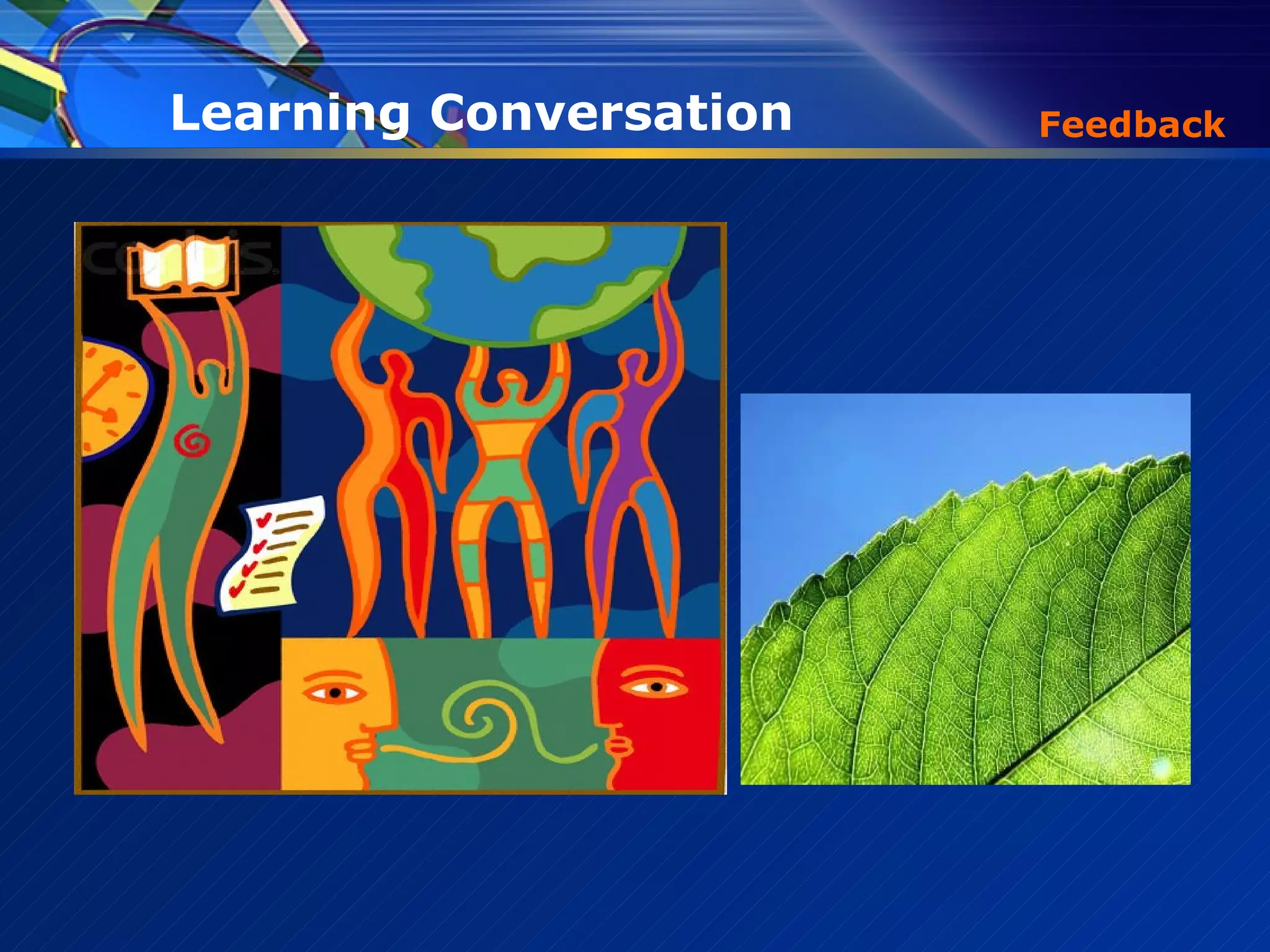
Feedback Learning Conversation
In practice Asset Mapping
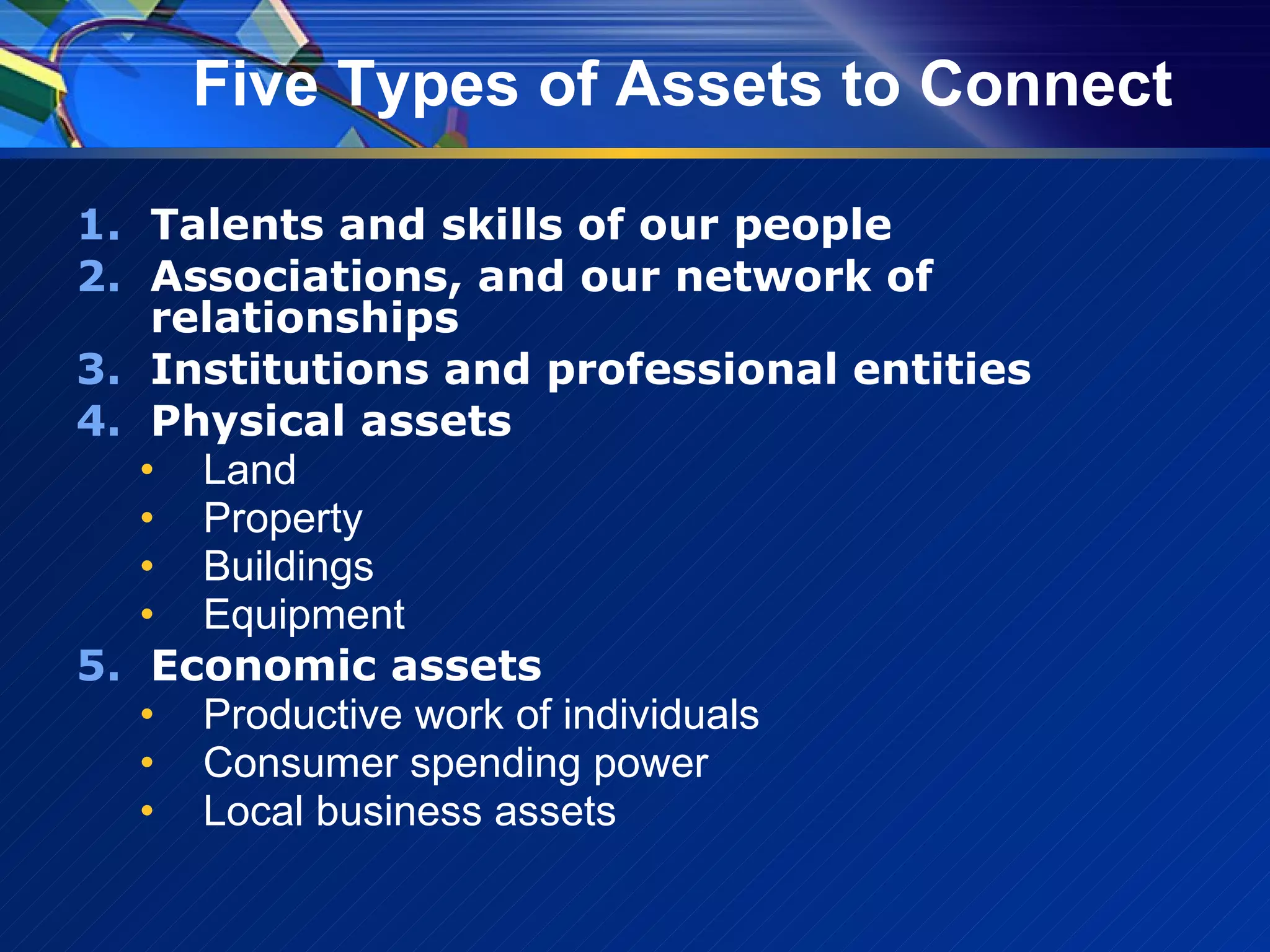
Five Types of Assets to Connect Talents and skills of our people Associations, and our network of relationships Institutions and professional entities Physical assets Land Property Buildings Equipment Economic assets Productive work of individuals Consumer spending power Local business assets
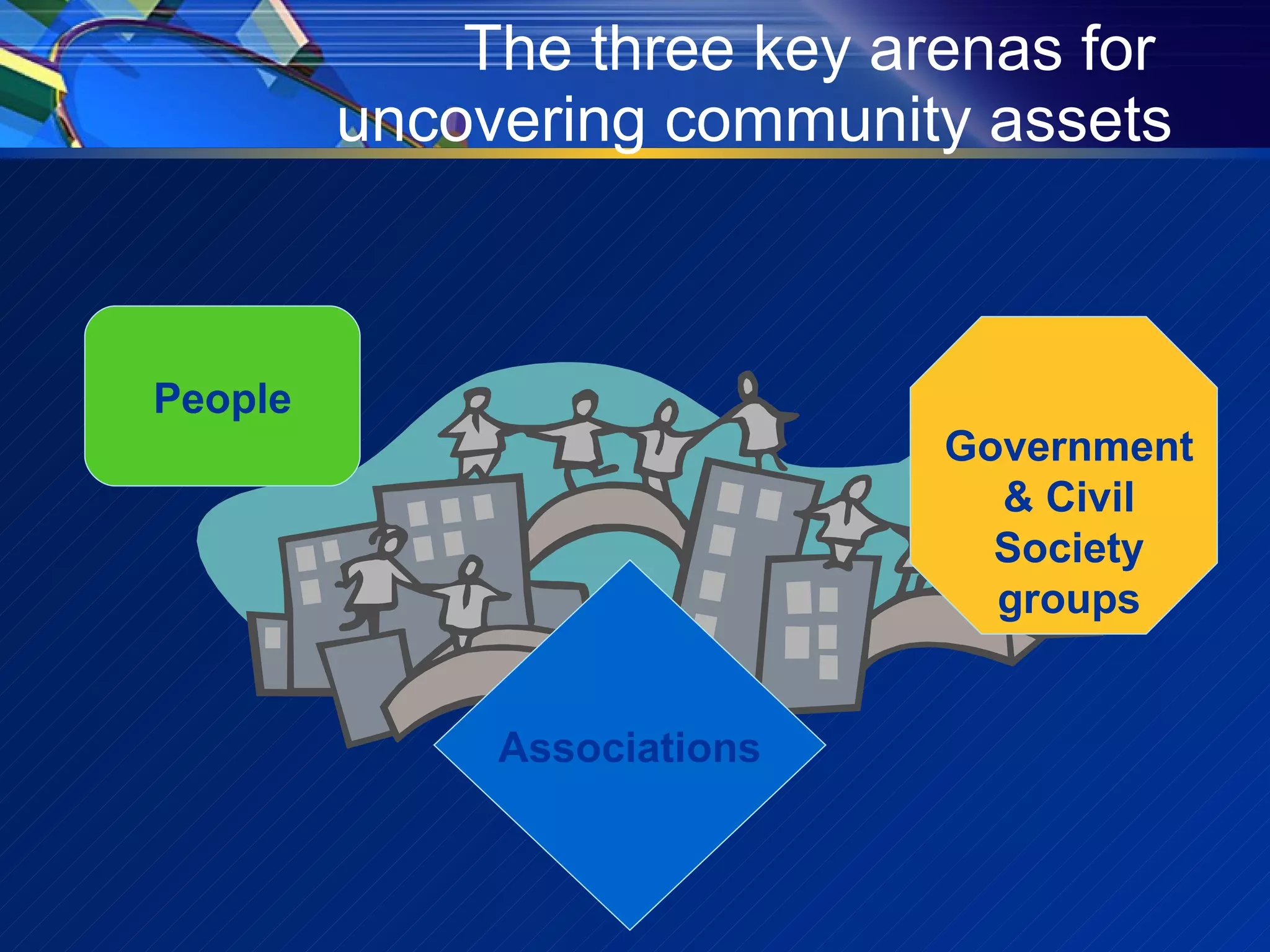
The three key arenas for  uncovering community assets People Government & Civil Society groups Associations
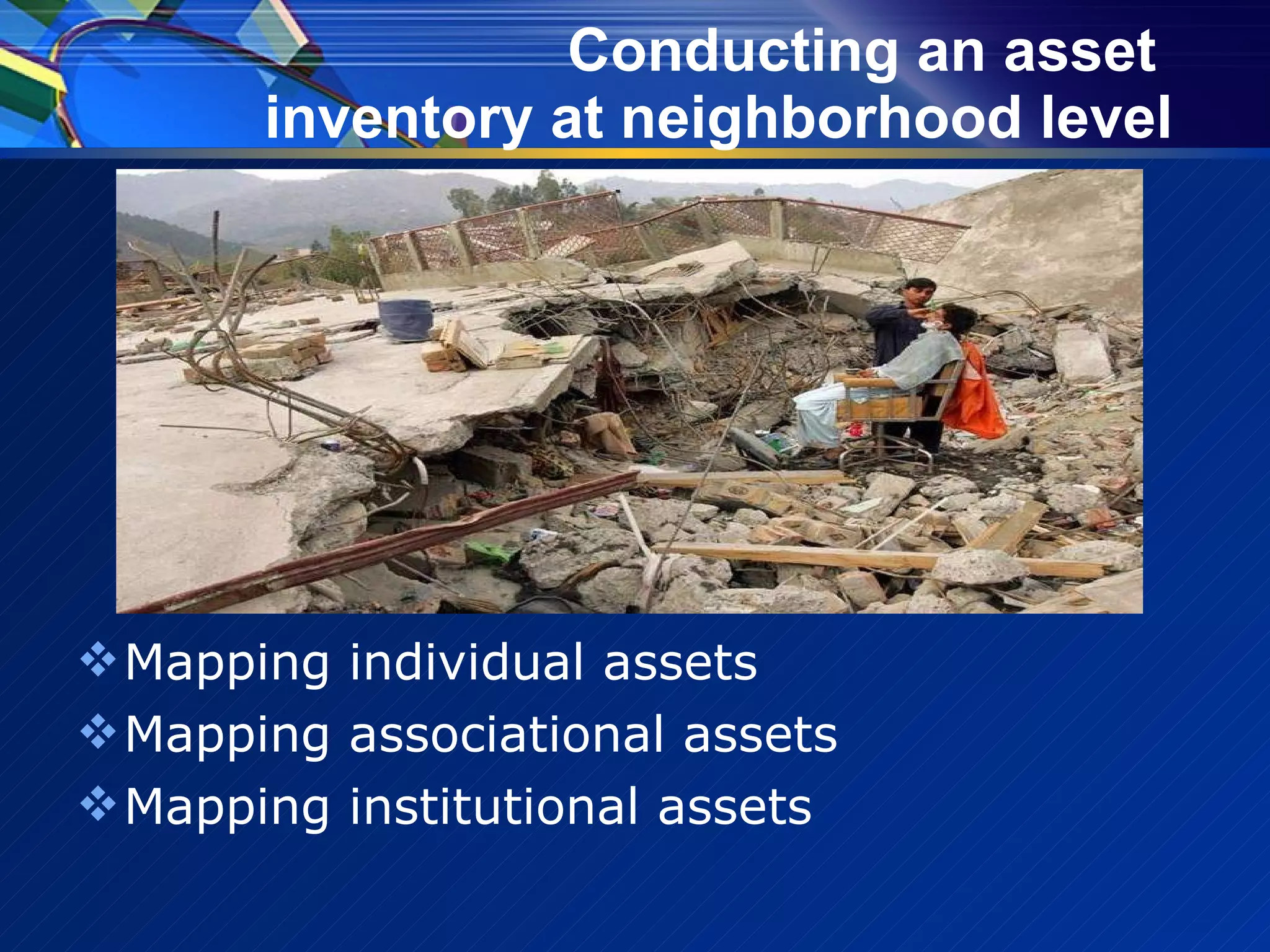
Conducting an asset  inventory at neighborhood level Mapping individual assets Mapping associational assets Mapping institutional assets
 
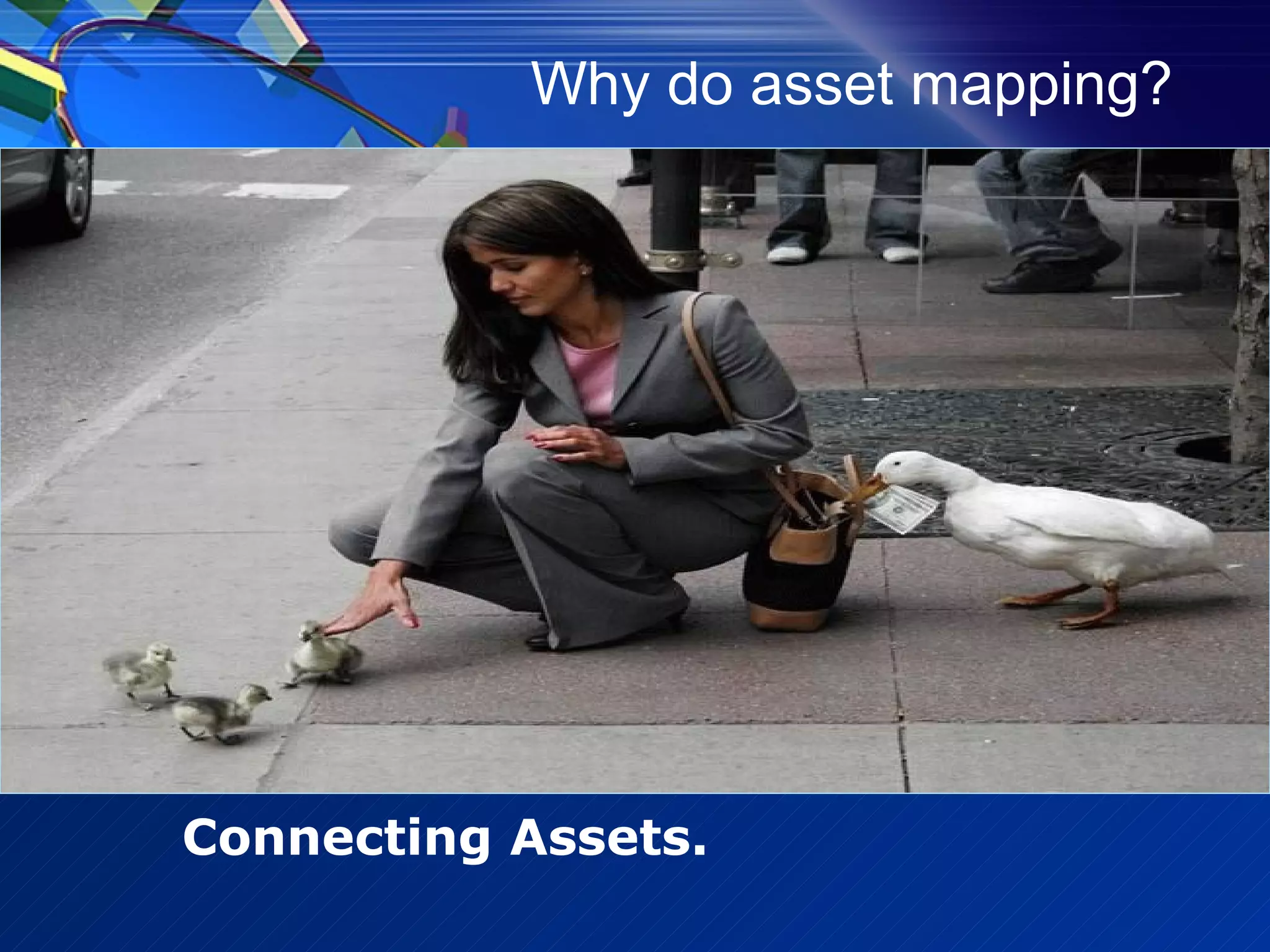
Why do asset mapping? Connecting Assets.
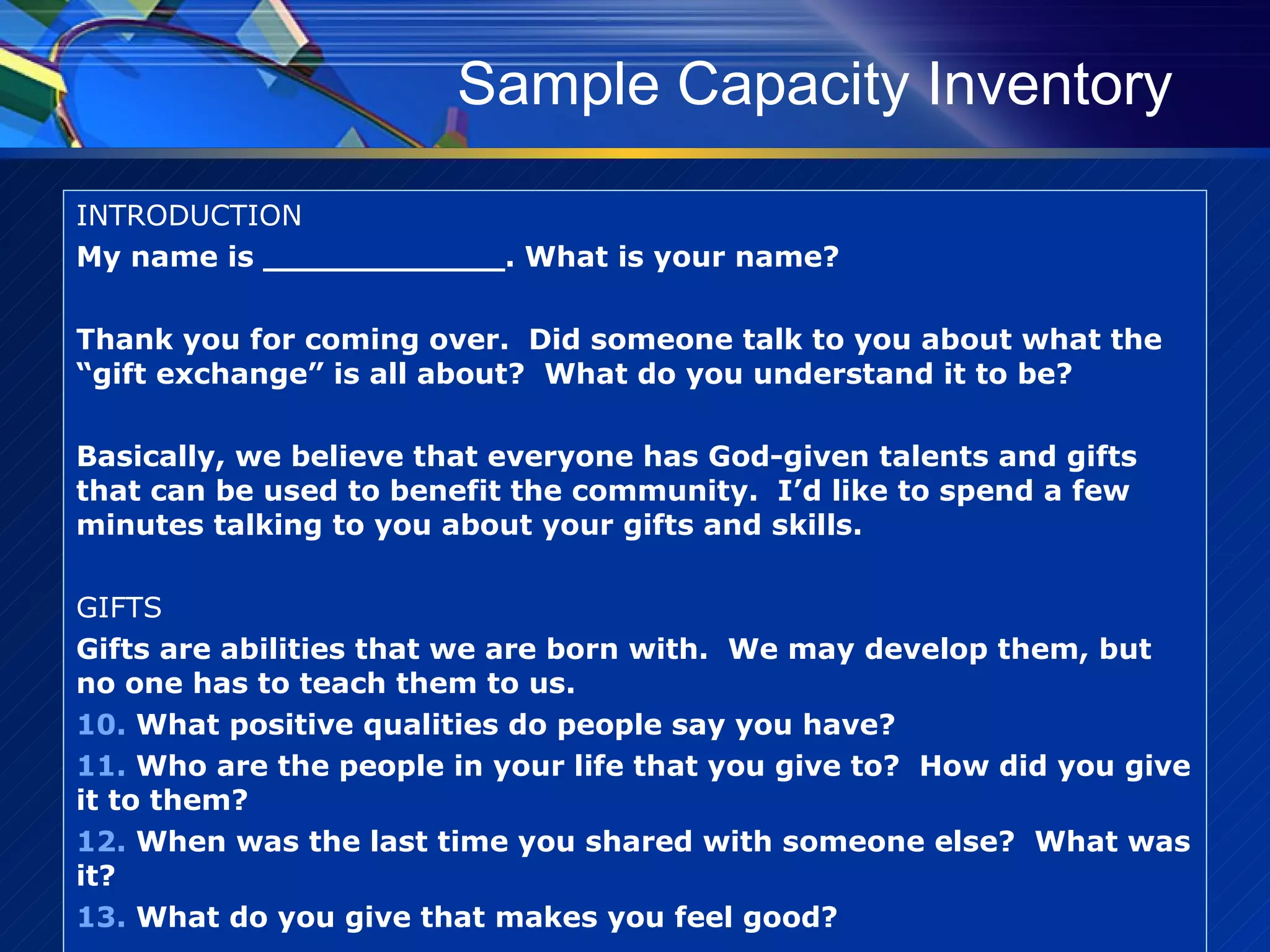
Sample Capacity Inventory INTRODUCTION My name is ____________. What is your name? Thank you for coming over.  Did someone talk to you about what the “gift exchange” is all about?  What do you understand it to be? Basically, we believe that everyone has God-given talents and gifts that can be used to benefit the community.  I’d like to spend a few minutes talking to you about your gifts and skills. GIFTS Gifts are abilities that we are born with.  We may develop them, but no one has to teach them to us. What positive qualities do people say you have? Who are the people in your life that you give to?  How did you give it to them? When was the last time you shared with someone else?  What was it? What do you give that makes you feel good?
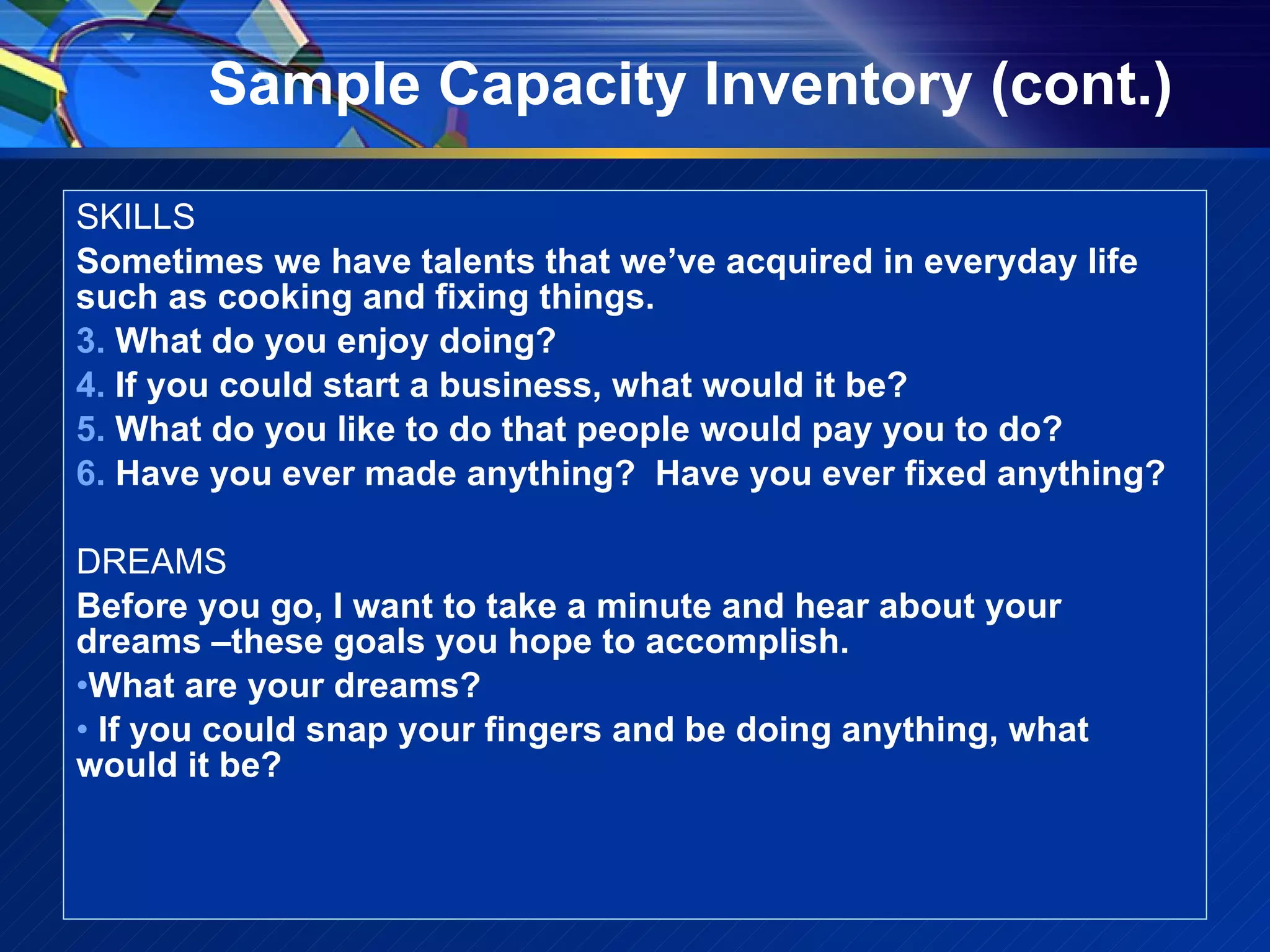
Sample Capacity Inventory (cont.) SKILLS Sometimes we have talents that we’ve acquired in everyday life such as cooking and fixing things. What do you enjoy doing? If you could start a business, what would it be? What do you like to do that people would pay you to do? Have you ever made anything?  Have you ever fixed anything? DREAMS Before you go, I want to take a minute and hear about your dreams –these goals you hope to accomplish. What are your dreams? If you could snap your fingers and be doing anything, what would it be?
 
 
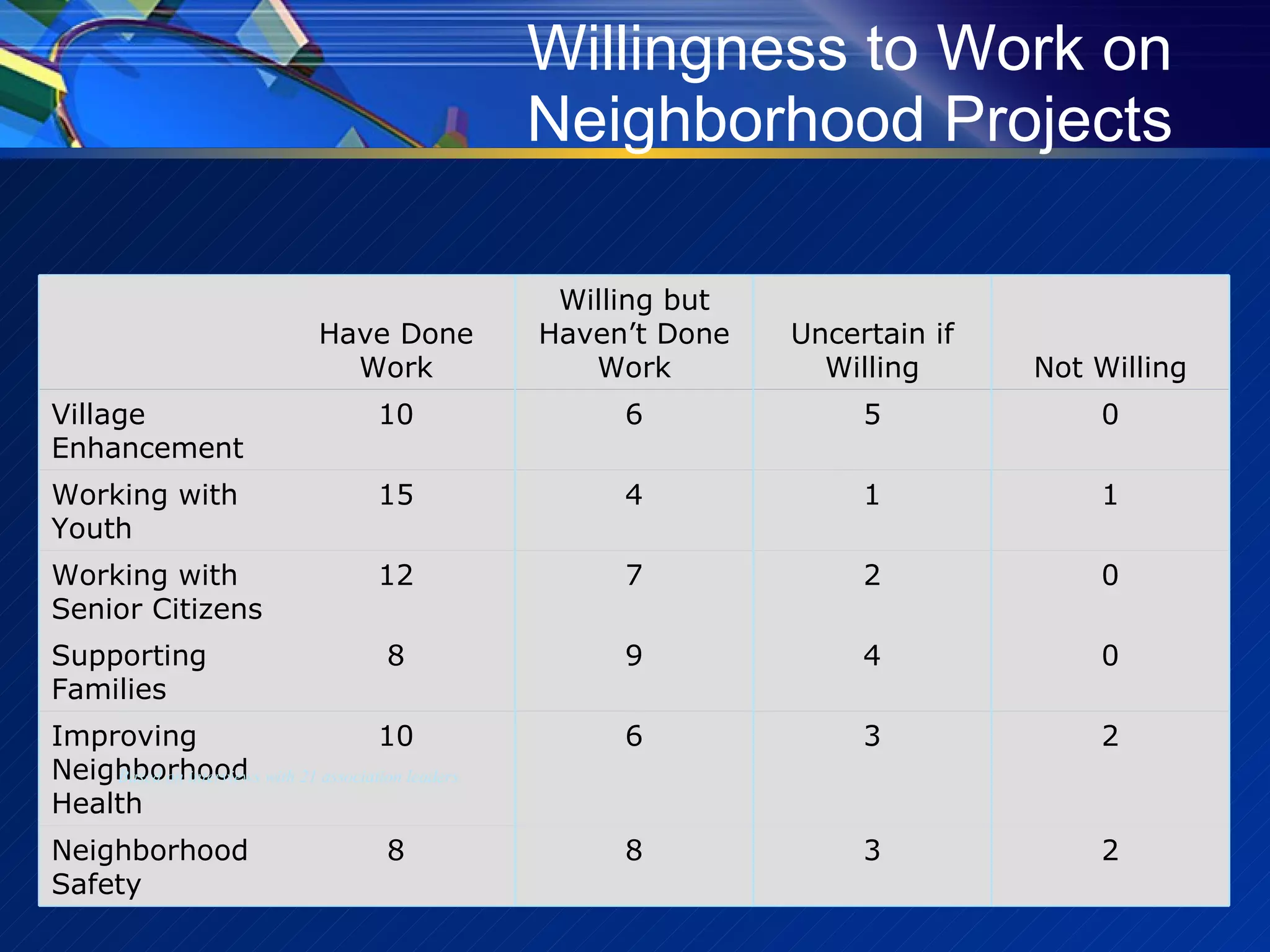
Willingness to Work on Neighborhood Projects Based on interviews with 21 association leaders 2 3 8 8 Neighborhood Safety 2 3 6 10 Improving Neighborhood Health 0 4 9 8 Supporting Families 0 2 7 12 Working with Senior Citizens 1 1 4 15 Working with Youth 0 5 6 10 Village Enhancement Not Willing Uncertain if Willing Willing but Haven’t Done Work Have Done Work
Q&A Asset Mapping
1.15-2.15 Lunch
Small Group Work Community Asset Mapping
Youth area mapping-but are they mapping assets? Case study: Sacramento
Evaluation…. Are you any the wiser?
Visit our  Publications  pages to learn more about ABCD and its community applications:  http://www.abcdinstitute.org/publications/                                                                                                                       
Joint Youth Work Ireland & Nurture Development Initiative   Cormac Russell Nurture Development [email_address] Matthew Seebach Youth Work Ireland [email_address]
Thank You! Close of Day One Cormac Russell,  [email_address] www.nurturedevelopment.ie
ABCD in Action Day Two
Day Two Contents Next steps Using Matching 2 4 Mobilising Youth led change 3 3 From local to County 3 1
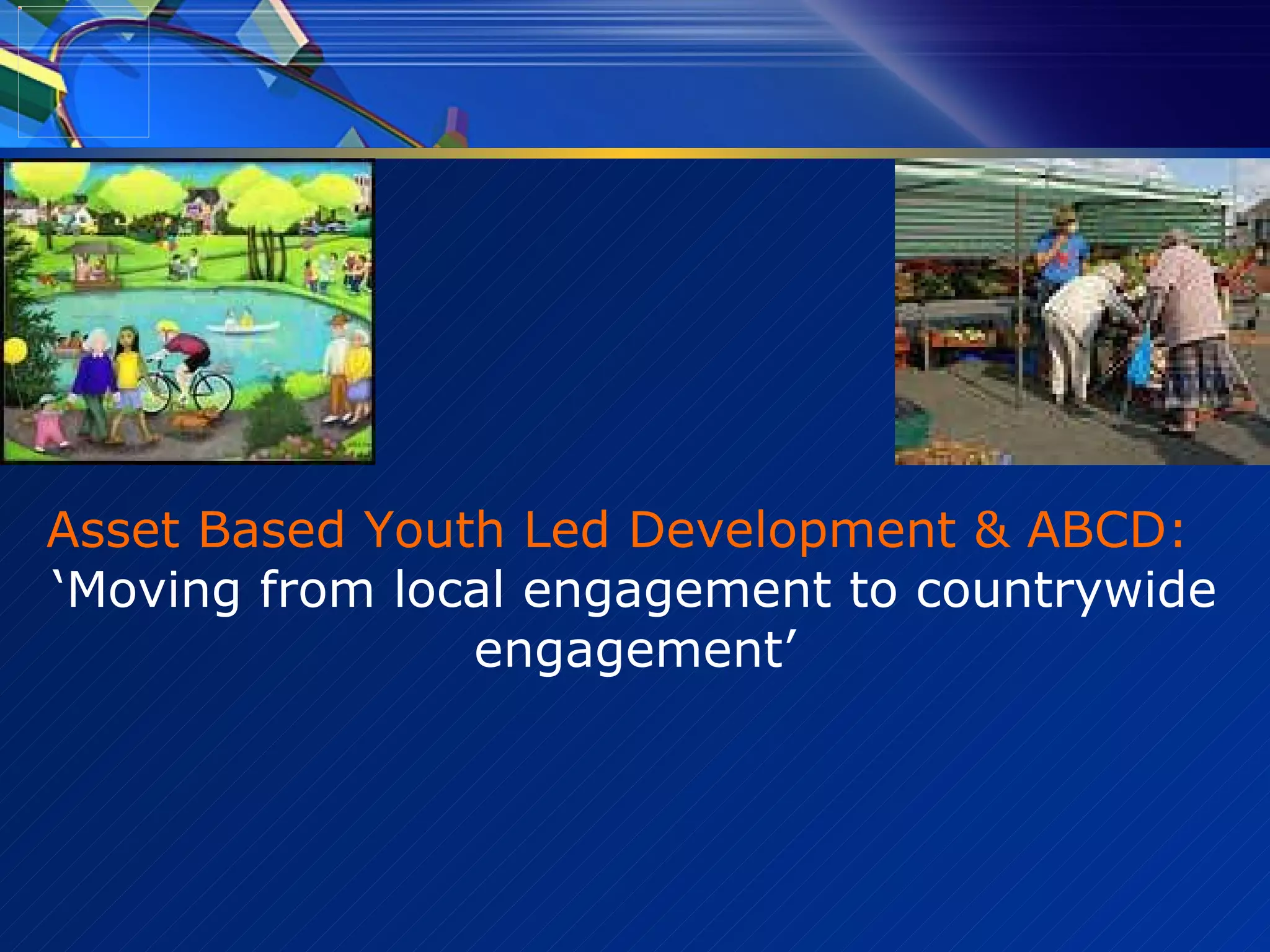
Asset Based Youth Led Development & ABCD:  ‘Moving from local engagement to countrywide engagement’
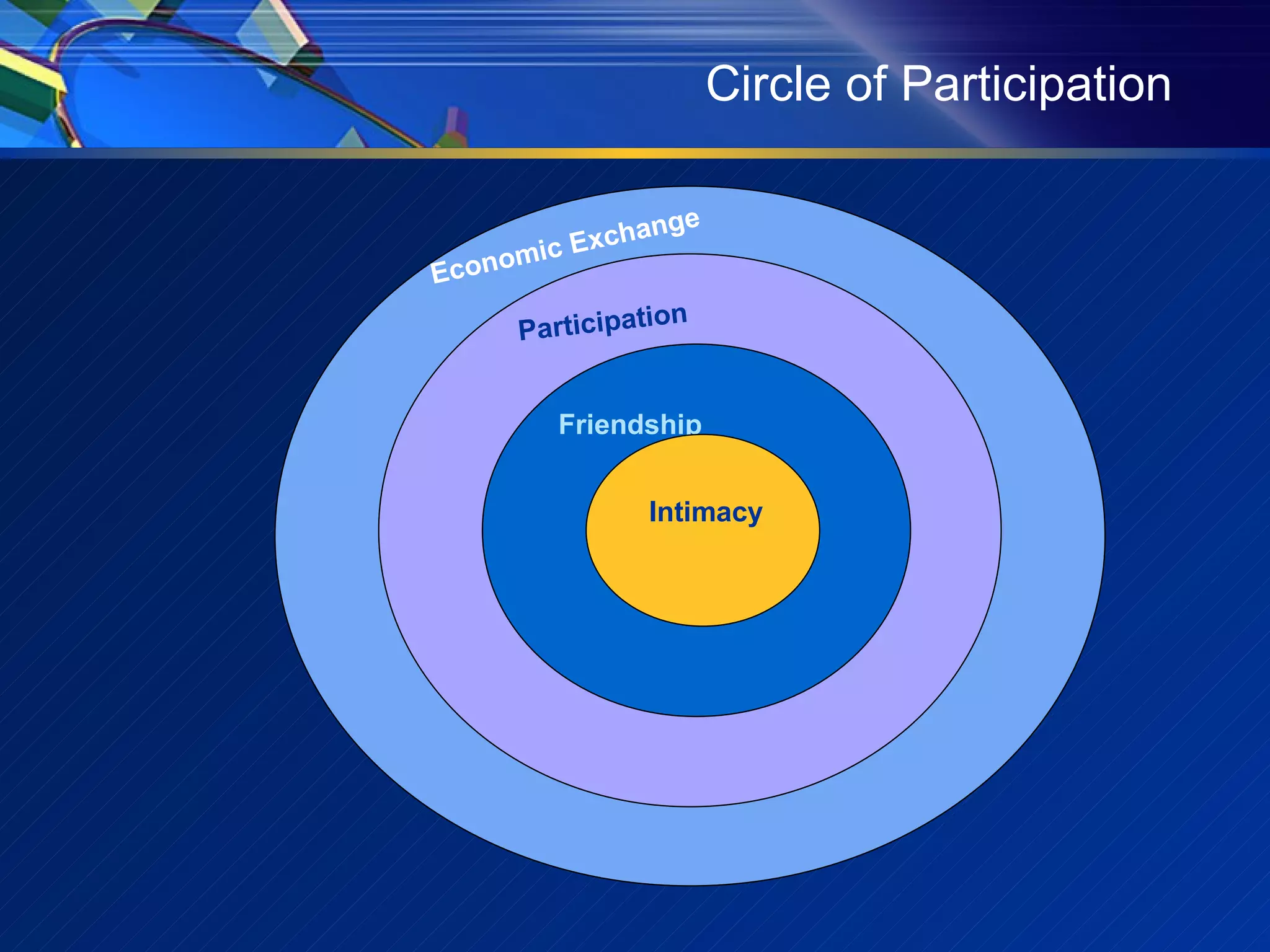
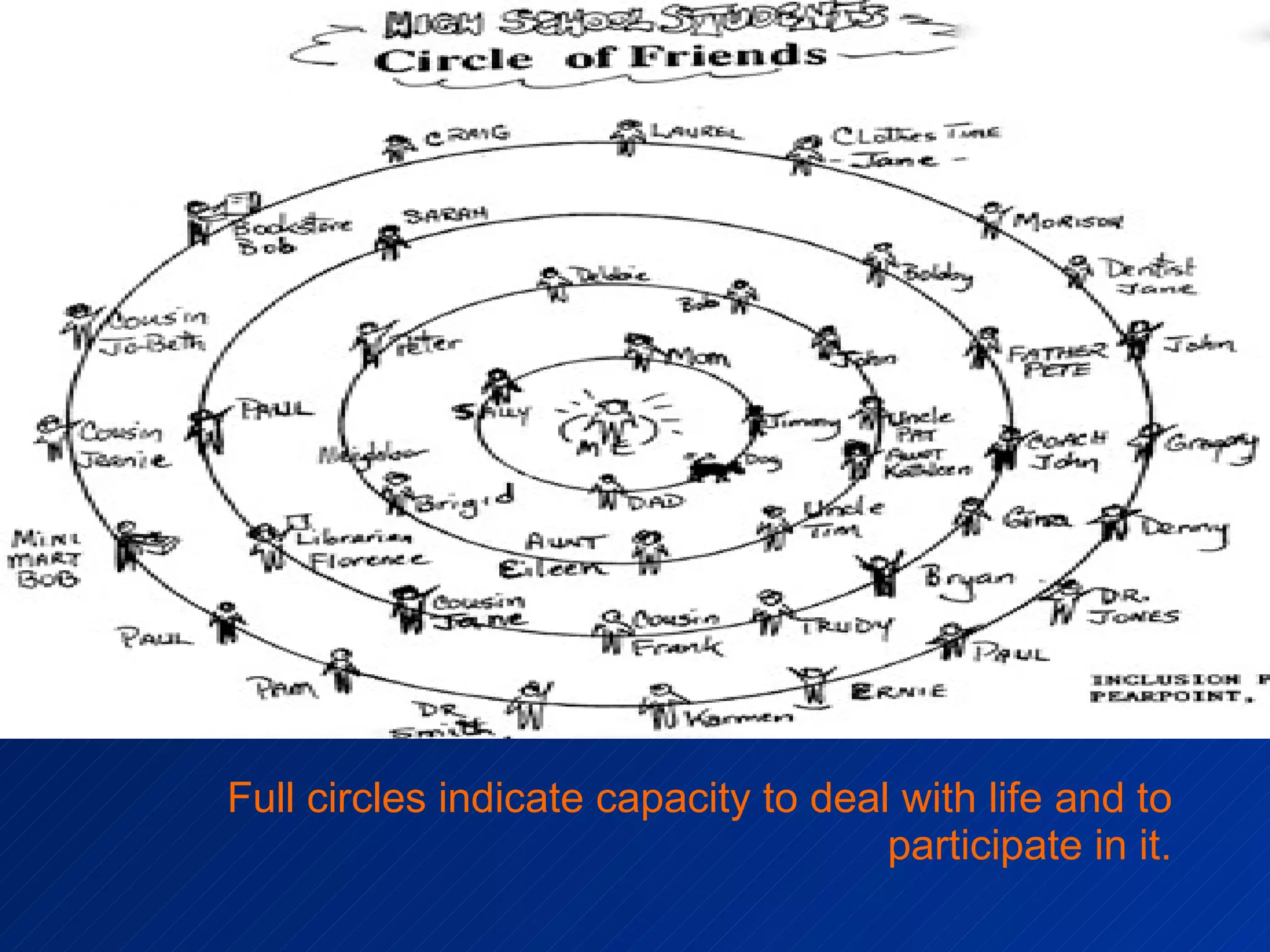
Circle of Participation Participation Economic Exchange Friendship Intimacy
Full circles indicate capacity to deal with life   and to participate in it.
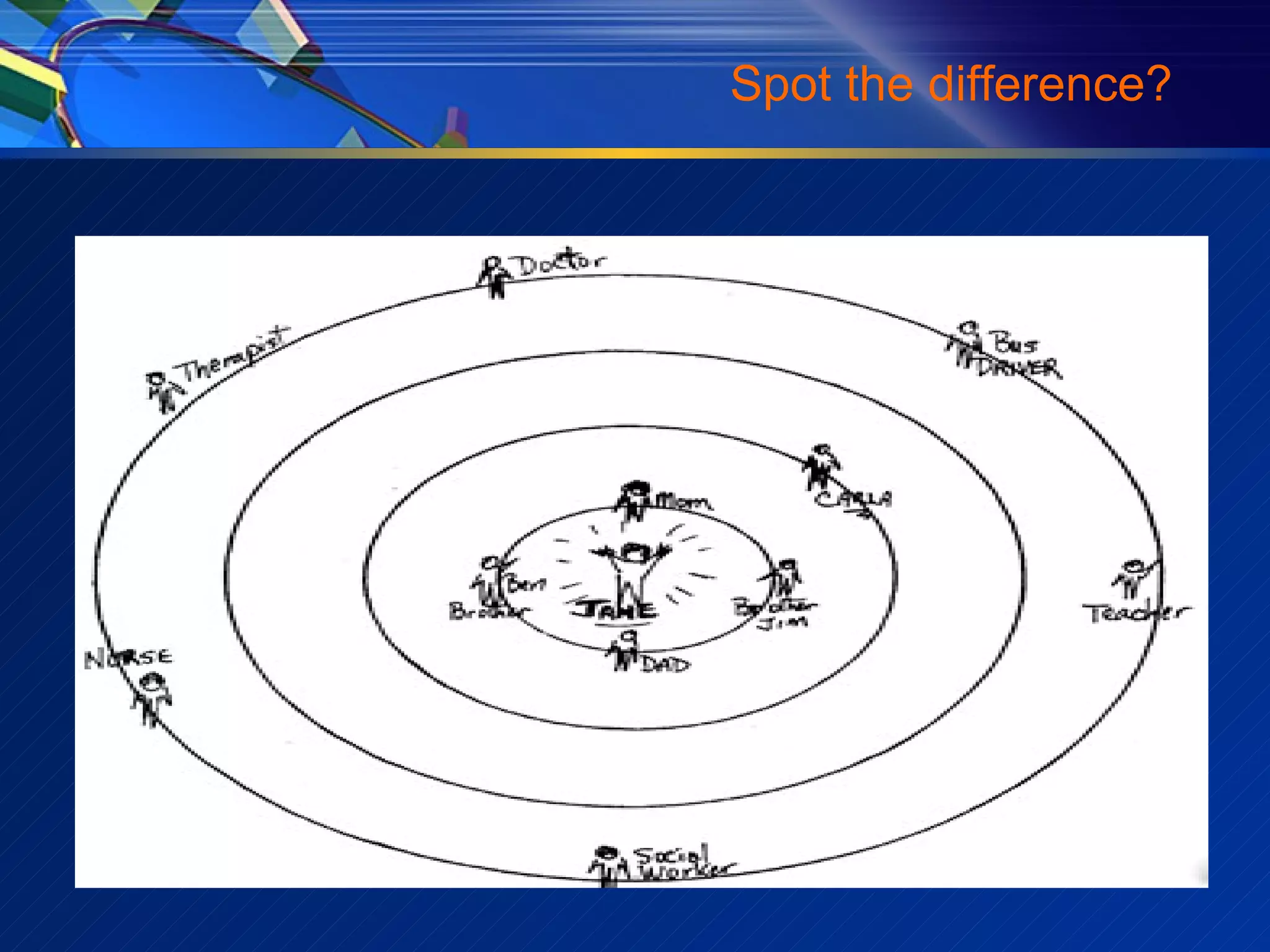
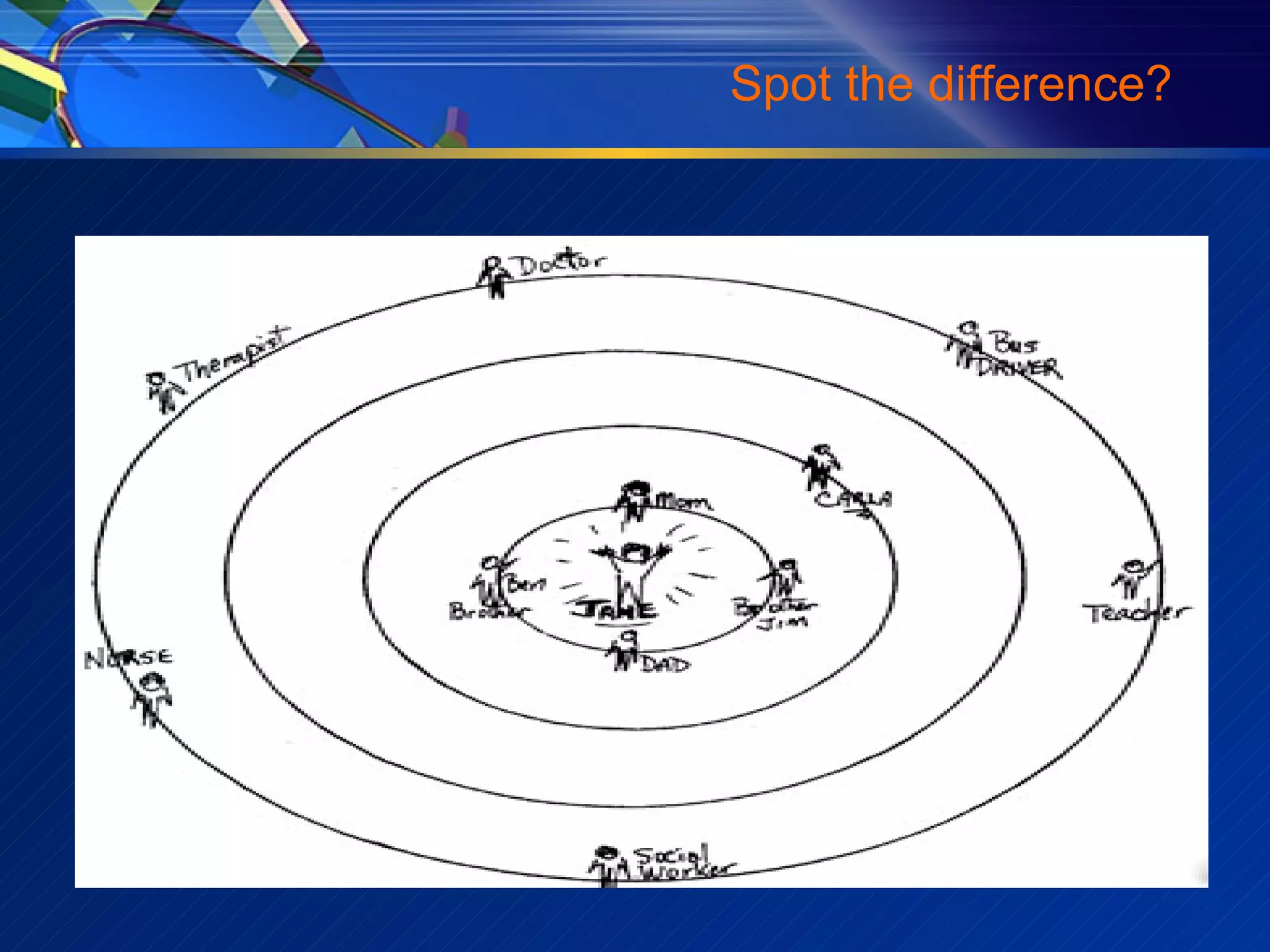
Spot the difference?
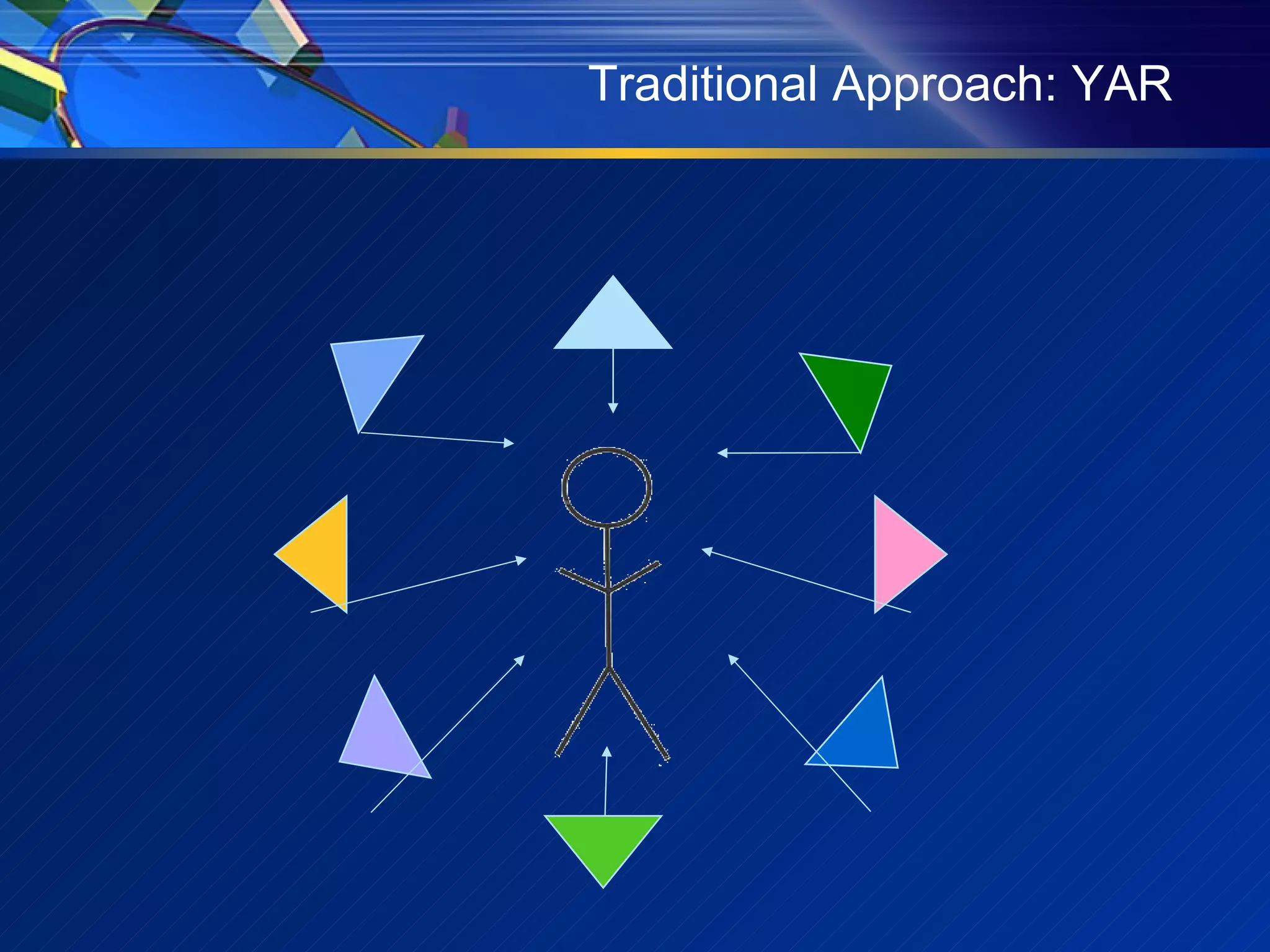
Traditional Approach: YAR
 
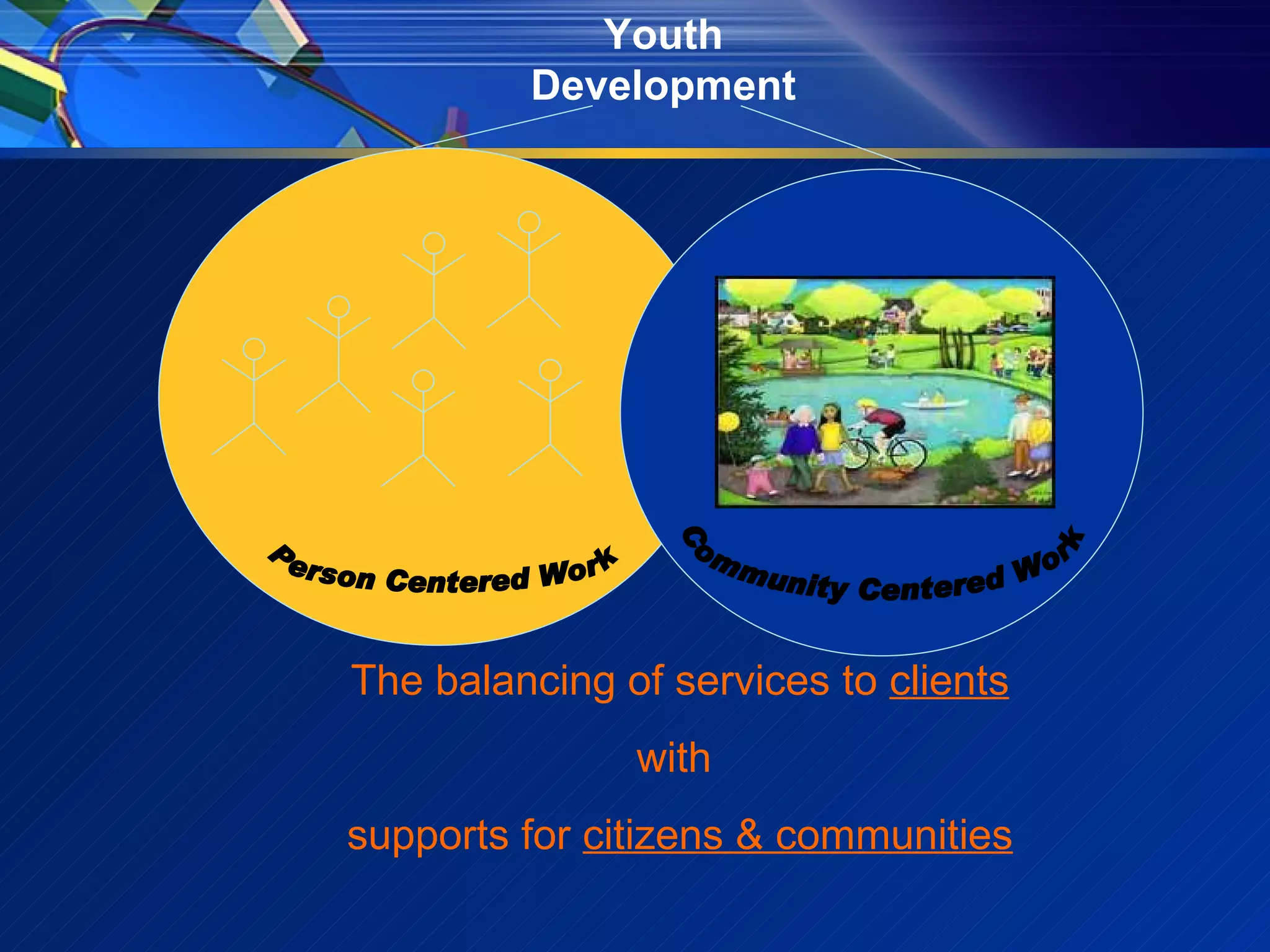
Person Centered Work The balancing of services to  clients with  supports for  citizens & communities Community Centered Work Youth Development
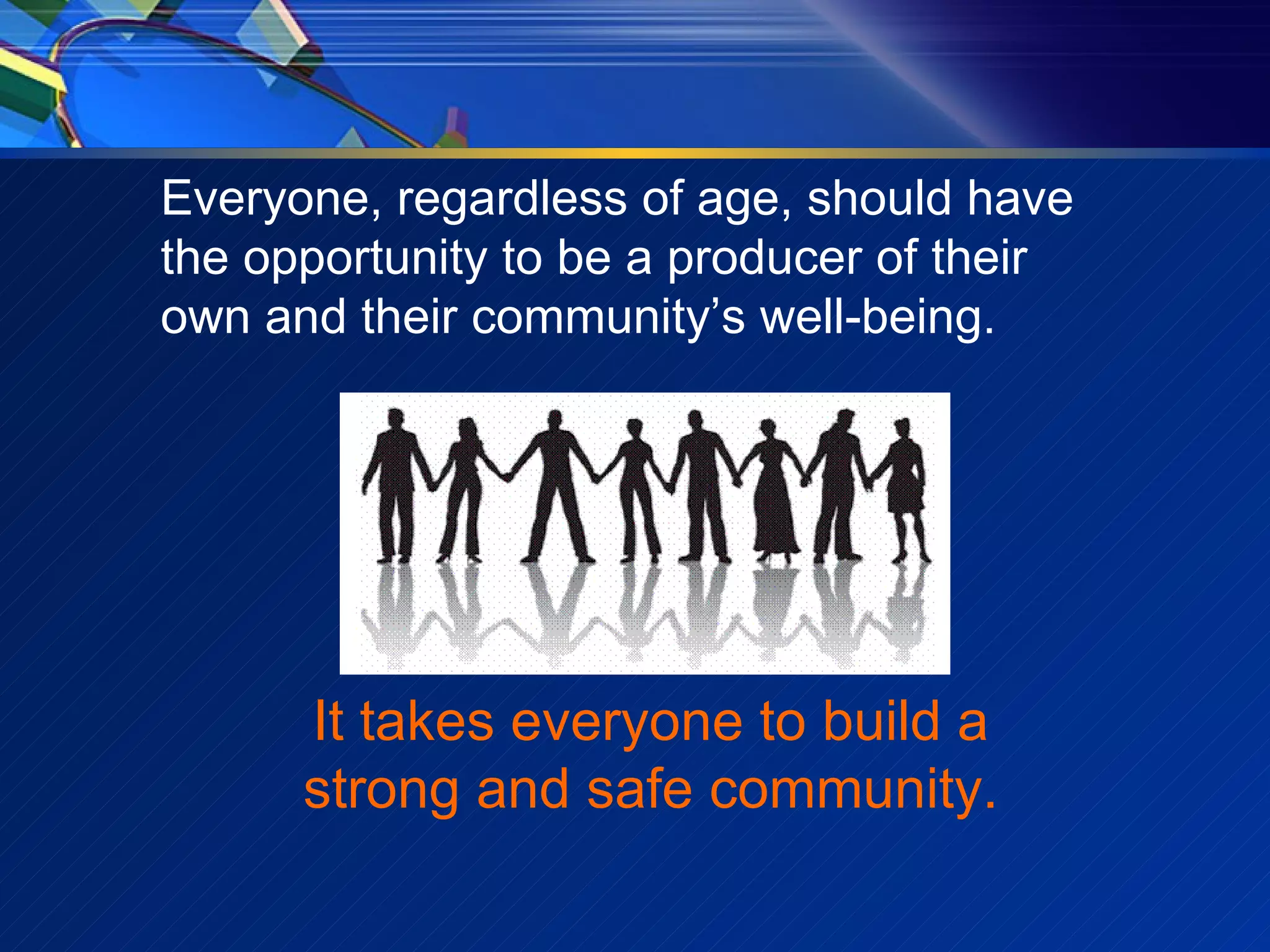
Everyone, regardless of age, should have the opportunity to be a producer of their own and their community’s well-being. It takes everyone to build a strong and safe community.
1 Part Participation:  9 Parts Inspiration “ If you want to build a ship, don’t drum up people to collect wood, don’t assign them tasks and work, but rather – teach them to long for the immensity of the sea” Antoine de Saint-Exupery
 
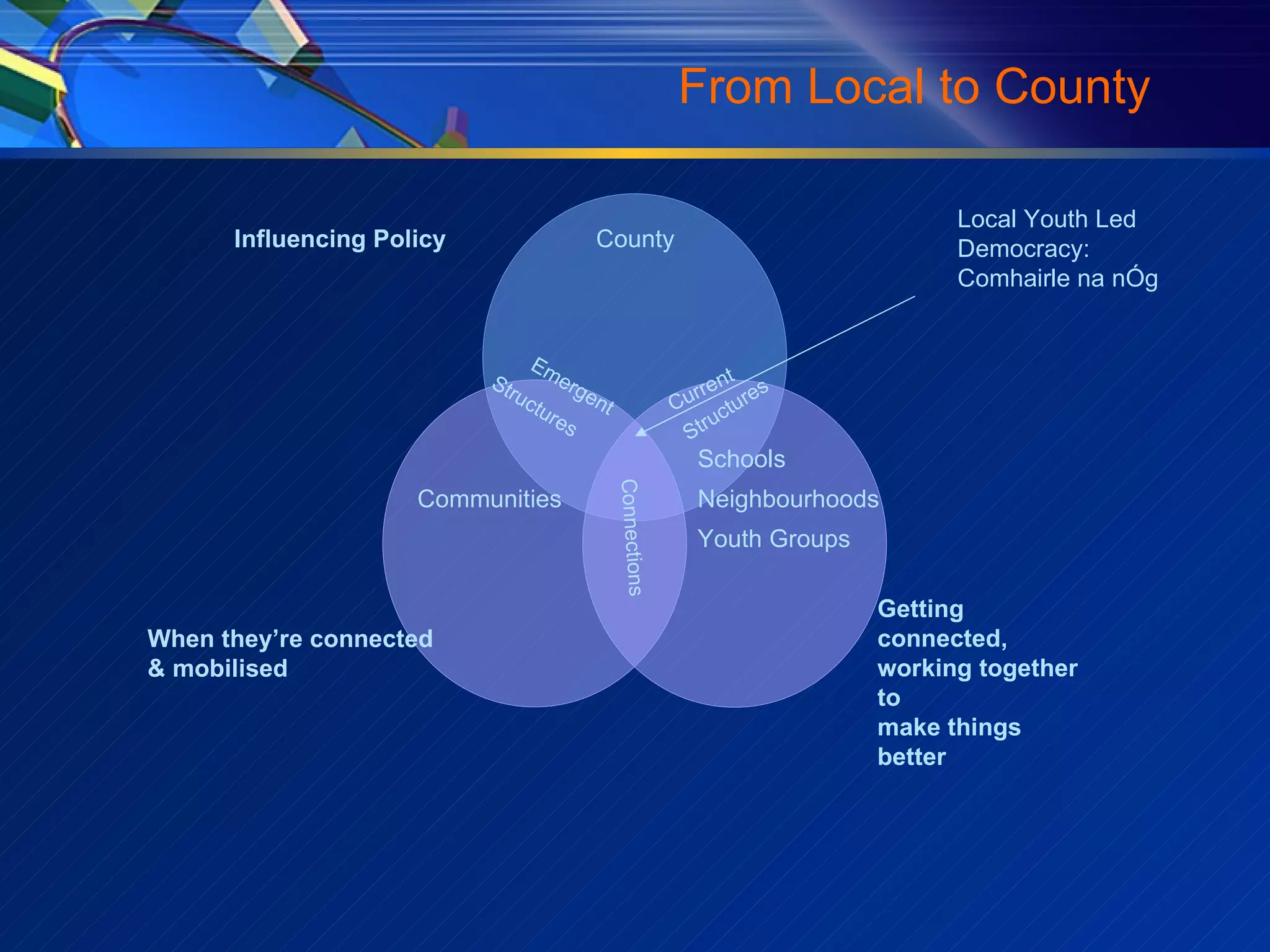
From Local to County Local Youth Led Democracy: Comhairle na nÓg Neighbourhoods Communities County Connections Schools Youth Groups Structures Current Structures Emergent Getting connected, working together to  make things better When they’re connected  & mobilised Influencing Policy
Small Group Work Going Glocal
11.35 Coffee
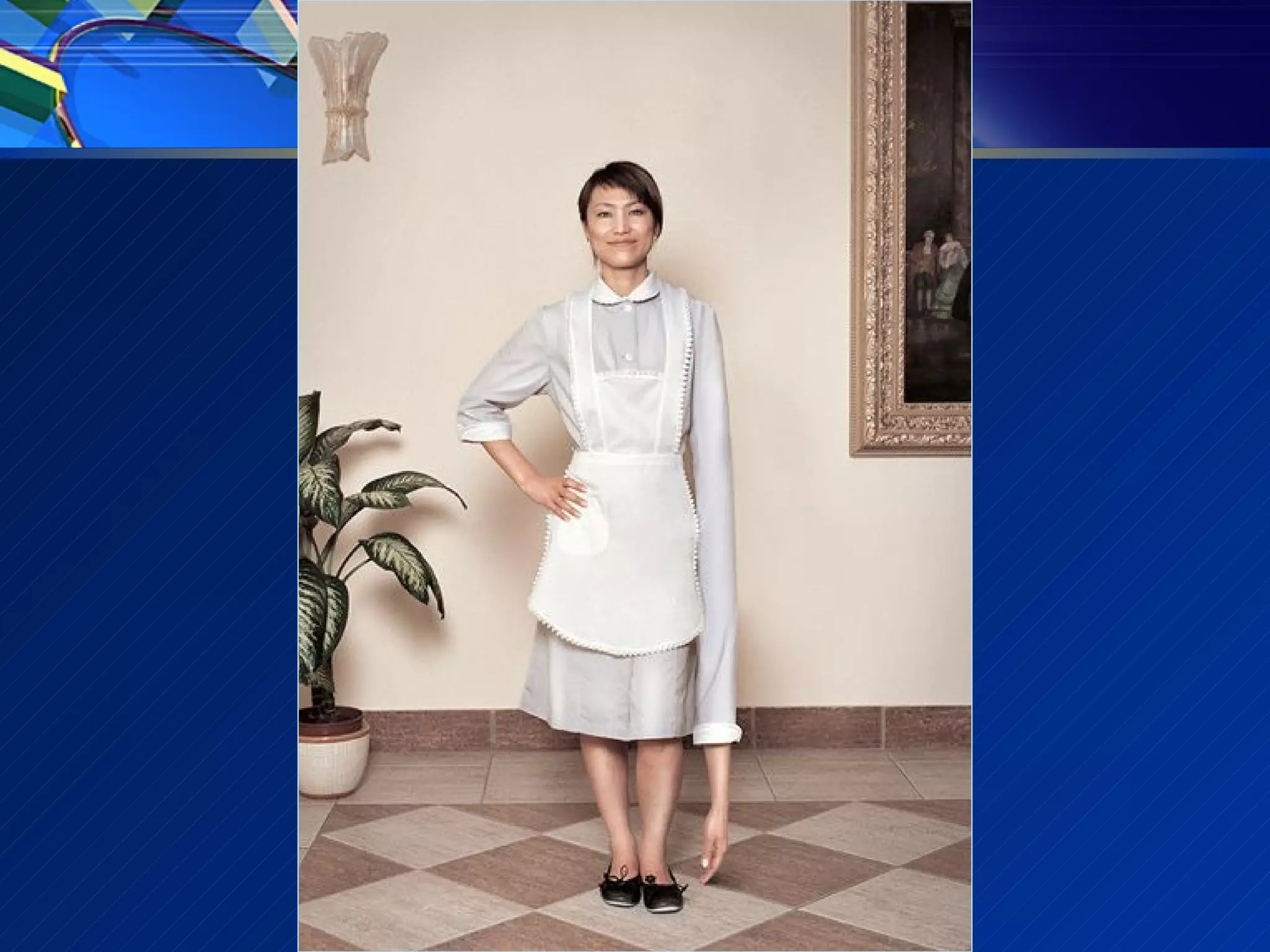
Addressing the issue of inclusion Case study: Ability or Disability?
Small Group Work On Inclusion
1.00-2.00 Lunch
The Carlow Pilot Matching Grants
Facilitating young people through ABCD  Mobilising Youth led Action
Co Carlow Comhairle Na Og Youth led ABCD
http:// www.youtube.com/watch?v =YMyBGtGZi1w&feature=related Values
Strengths  http:// www.youtube.com/watch?v =9lp0IWv8QZY
Strength of Community http:// maps.google.com/maps/ms?msa =0&msid=106304365780932181125.00046a49f4e0dc5c96353&ct= onebox&cd =20&cad=docsearch,cid:2243909974029388383&geocode=FZb_TAIdp4TB-A
Building Our Project Where’s the Stone soup?
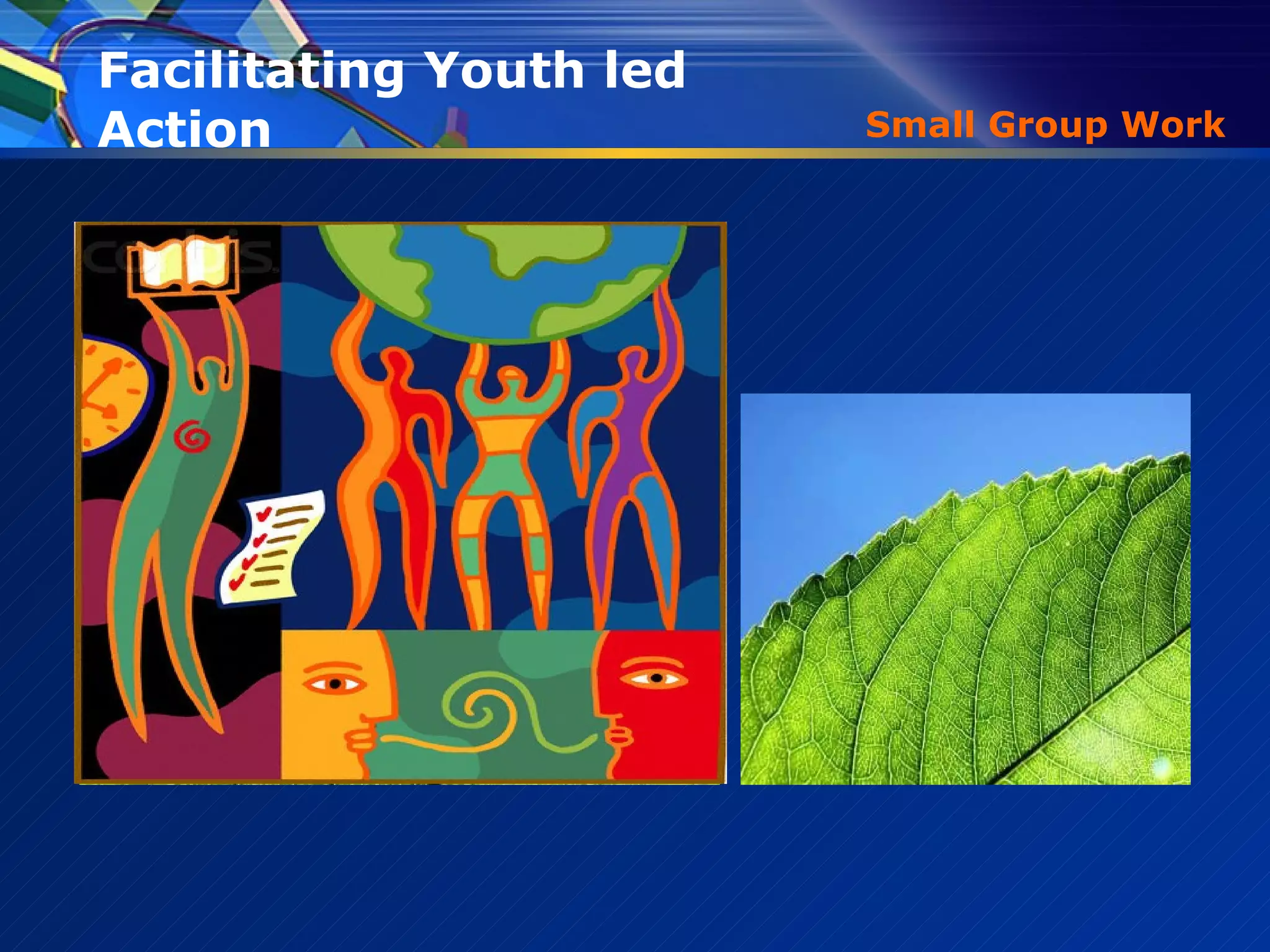
Small Group Work Facilitating Youth led Action
Small Group Work Affinity Groups & Feedback
Evaluation…. Are you any the wiser?
Visit our  Publications  pages to learn more about ABCD and its community applications:  http://www.abcdinstitute.org/publications/                                                                                                                       
Joint Youth Work Ireland & Nurture Development Initiative   Cormac Russell Nurture Development [email_address] Matthew Seebach Youth Work Ireland [email_address]
Thank You! Close of Day One Cormac Russell,  [email_address] www.nurturedevelopment.ie

Regional workshops, day 1 & 2 presentation

  • 1.
    Mobilising Young People Strength Based Approach Regional ABCD Workshops-Cormac Russell, ABCD Institute
  • 2.
    Day One ContentsAsset Mapping Learning from your success AI 2 4 Learning Conversations 3 3 A fresh Perspective 3 1
  • 3.
    Youth Work AFresh Perspective
  • 4.
  • 5.
  • 6.
  • 7.
  • 8.
    You hold theSolutions that work Sharing our wisdom…..
  • 9.
  • 10.
  • 11.
    The dilemma .. . Individuals and Communities have deficiencies & needs Individuals and Communities have skills and talents
  • 12.
  • 13.
  • 14.
  • 15.
    people focused theirattention on…. What can be done instead of what can’t be done What might be possible if rather than problems more than weaknesses
  • 16.
    In the real world there are both strengths and needs So where is most practice focused? Where is most policy focused?
  • 17.
    CAUSE PROBLEMS HAVEPROBLEMS ARE PROBLEMS Young People
  • 18.
    Teenagers u hv2 luv ‘em… TEONA:   Latin word from which the word teenager originates.   It means ‘ grief, strife and misery ’.
  • 19.
    Problem Problem Solver Client Change Maker Recipient Co-Producers At risk population Leadership asset to be dealt with to be cultivated Tomorrow’s Part of today’s Leaders Leadership team Adult in the A citizen of today making Paradigm Change Regarding Youth
  • 20.
    Work in theRegion Appreciative Inquiry
  • 21.
    Appreciative Inquiry-How havewe engaged in the past? Start: D1- DISCOVER D2 - DREAM D3-DESIGN D1- We have done it before. D2 – We have a vision for our future. D3 – We agree on what could be done. D4 – We have a list of our resources to draw from. D5 – action plan & start implementing it. D5 – DELIVER/DO IT D4 -DEFINE
  • 22.
  • 23.
    2. Requires intentional re-framing : The classic choice: “ glass is half empty or half full” 3. Affirmative topic choice Building and analyzing what we want instead of what we don’t want 1. Appreciating the positive potential in the present
  • 24.
    Strength Oriented Pastachievements Dreams of the possible using what we have to secure what we have not.
  • 25.
  • 26.
    Implementing “What WillBe” Action Planning (Treatment) Agreeing “What we have to contribute; what could be ” Analysis of Possible Solutions Envisioning “What Might Be” Analysis of Causes Appreciating and Valuing The Best of “What Is” “ Felt Need” Identification of Problem Positive/Strengths Approach Negative/ Needs Approach
  • 27.
    Appreciative Inquiry systemStart: D1- DISCOVER D2 - DREAM D3-DESIGN D1- We have done it before. D2 – We have a vision for our future. D3 – We agree on what could be done. D4 – We have a list of our resources to draw from. D5 – action plan & start implementing it. D5 – DELIVER/DO IT D4 -DEFINE
  • 28.
  • 29.
  • 30.
    Learning Conversation Whatdo you care about enough to act on? What do you have to offer? What will it take for you to join in action with others who share your interests?
  • 31.
  • 32.
  • 33.
    Five Types ofAssets to Connect Talents and skills of our people Associations, and our network of relationships Institutions and professional entities Physical assets Land Property Buildings Equipment Economic assets Productive work of individuals Consumer spending power Local business assets
  • 34.
    The three keyarenas for uncovering community assets People Government & Civil Society groups Associations
  • 35.
    Conducting an asset inventory at neighborhood level Mapping individual assets Mapping associational assets Mapping institutional assets
  • 36.
  • 37.
    Why do assetmapping? Connecting Assets.
  • 38.
    Sample Capacity InventoryINTRODUCTION My name is ____________. What is your name? Thank you for coming over. Did someone talk to you about what the “gift exchange” is all about? What do you understand it to be? Basically, we believe that everyone has God-given talents and gifts that can be used to benefit the community. I’d like to spend a few minutes talking to you about your gifts and skills. GIFTS Gifts are abilities that we are born with. We may develop them, but no one has to teach them to us. What positive qualities do people say you have? Who are the people in your life that you give to? How did you give it to them? When was the last time you shared with someone else? What was it? What do you give that makes you feel good?
  • 39.
    Sample Capacity Inventory(cont.) SKILLS Sometimes we have talents that we’ve acquired in everyday life such as cooking and fixing things. What do you enjoy doing? If you could start a business, what would it be? What do you like to do that people would pay you to do? Have you ever made anything? Have you ever fixed anything? DREAMS Before you go, I want to take a minute and hear about your dreams –these goals you hope to accomplish. What are your dreams? If you could snap your fingers and be doing anything, what would it be?
  • 40.
  • 41.
  • 42.
    Willingness to Workon Neighborhood Projects Based on interviews with 21 association leaders 2 3 8 8 Neighborhood Safety 2 3 6 10 Improving Neighborhood Health 0 4 9 8 Supporting Families 0 2 7 12 Working with Senior Citizens 1 1 4 15 Working with Youth 0 5 6 10 Village Enhancement Not Willing Uncertain if Willing Willing but Haven’t Done Work Have Done Work
  • 43.
  • 44.
  • 45.
    Small Group WorkCommunity Asset Mapping
  • 46.
    Youth area mapping-butare they mapping assets? Case study: Sacramento
  • 47.
    Evaluation…. Are youany the wiser?
  • 48.
    Visit our Publications pages to learn more about ABCD and its community applications: http://www.abcdinstitute.org/publications/                                                                                                                 
  • 49.
    Joint Youth WorkIreland & Nurture Development Initiative Cormac Russell Nurture Development [email_address] Matthew Seebach Youth Work Ireland [email_address]
  • 50.
    Thank You! Closeof Day One Cormac Russell, [email_address] www.nurturedevelopment.ie
  • 51.
  • 52.
    Day Two ContentsNext steps Using Matching 2 4 Mobilising Youth led change 3 3 From local to County 3 1
  • 53.
    Asset Based YouthLed Development & ABCD: ‘Moving from local engagement to countrywide engagement’
  • 54.
    Circle of ParticipationParticipation Economic Exchange Friendship Intimacy
  • 55.
    Full circles indicatecapacity to deal with life and to participate in it.
  • 56.
  • 57.
  • 58.
  • 59.
  • 60.
    Person Centered WorkThe balancing of services to clients with supports for citizens & communities Community Centered Work Youth Development
  • 61.
    Everyone, regardless ofage, should have the opportunity to be a producer of their own and their community’s well-being. It takes everyone to build a strong and safe community.
  • 62.
    1 Part Participation: 9 Parts Inspiration “ If you want to build a ship, don’t drum up people to collect wood, don’t assign them tasks and work, but rather – teach them to long for the immensity of the sea” Antoine de Saint-Exupery
  • 63.
  • 64.
    From Local toCounty Local Youth Led Democracy: Comhairle na nÓg Neighbourhoods Communities County Connections Schools Youth Groups Structures Current Structures Emergent Getting connected, working together to make things better When they’re connected & mobilised Influencing Policy
  • 65.
    Small Group WorkGoing Glocal
  • 66.
  • 67.
    Addressing the issueof inclusion Case study: Ability or Disability?
  • 68.
    Small Group WorkOn Inclusion
  • 69.
  • 70.
    The Carlow PilotMatching Grants
  • 71.
    Facilitating young peoplethrough ABCD Mobilising Youth led Action
  • 72.
    Co Carlow ComhairleNa Og Youth led ABCD
  • 73.
  • 74.
    Strengths http://www.youtube.com/watch?v =9lp0IWv8QZY
  • 75.
    Strength of Communityhttp:// maps.google.com/maps/ms?msa =0&msid=106304365780932181125.00046a49f4e0dc5c96353&ct= onebox&cd =20&cad=docsearch,cid:2243909974029388383&geocode=FZb_TAIdp4TB-A
  • 76.
    Building Our ProjectWhere’s the Stone soup?
  • 77.
    Small Group WorkFacilitating Youth led Action
  • 78.
    Small Group WorkAffinity Groups & Feedback
  • 79.
    Evaluation…. Are youany the wiser?
  • 80.
    Visit our Publications pages to learn more about ABCD and its community applications: http://www.abcdinstitute.org/publications/                                                                                                                 
  • 81.
    Joint Youth WorkIreland & Nurture Development Initiative Cormac Russell Nurture Development [email_address] Matthew Seebach Youth Work Ireland [email_address]
  • 82.
    Thank You! Closeof Day One Cormac Russell, [email_address] www.nurturedevelopment.ie

Editor's Notes

  • #5 We are not starting from a blank slate….
  • #6 While strength based youth work might sound like a grey area. It’s not!
  • #7 Thankfully, as I’ve already said, we have all we need to light the path ahead, THROUGH YOUR PRACTICE ON THE GROUND!
  • #10 But…we want to work smart not hard. So today we want to build a framework that draws on our existing strengths and doesn’t leave us over stretched.
  • #11 Nor do we want to set a vision beyond our sites. Our goal is achievable with coordination.
  • #16 Changing the focus from what is problematic to what is possible
  • #17 Given that both are equally true where is all the energy and focus going?
  • #18 Certainly a glance at the papers suggests:
  • #19 History has always problematised young people
  • #20 ABCD is about promoting a paradigm shift
  • #22 Following the cycle of four D’s we will explore success stories in terms of engaging young people in the past and look to how we can learn from them. Using the ingredients of past success to mobilising young people.
  • #55 Unpacking participation
  • #56 A good life is colonised by people at every level
  • #57 Jane civic muscle cannot be flexed in this context
  • #58 Jane civic muscle cannot be flexed in this context
  • #59 So many youth at risk experience the same reality where they are surrounded by professionals but not connected into their community
  • #60 Building civic power is not possible when circles of participation are restricted
  • #61 From clients to citizens
  • #62 From consumption to production
  • #63 Inspiration is key