Cloud Computing, SaaS, and Security
Michael Van Kleeck
Mozilla Enterprise Solutions Architect
Cloud Computing, SaaS, Security- Overview
After this presentation, audience members will be able to:
● Differentiate between monolithic and microservice
architectures
● Describe what SaaS is and how it is used
● Compare VM and Container-based cloud architectures
● Talk about how to secure SaaS-driven applications using
OIDC, and use JSON Web Tokens for access*
2*Time permitting, some coding required
Application Architectures- a brief history
● Mainframes and dumb terminals
● Client + Server
● Model-View-Controller
● Service-Oriented Architecture (Microservices)
The web supports all these models. HTTP is just a
protocol.
3
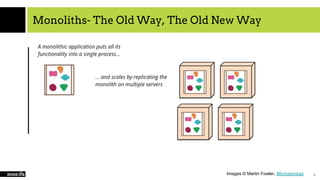
Monoliths- The Old Way, The Old New Way
4Images © Martin Fowler, Microservices
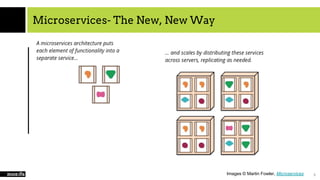
Microservices- The New, New Way
5Images © Martin Fowler, Microservices
Microservices are….
● Coarse-grained (the details are in the data)
● Single business function
● Atomic (self-contained, with rollback)
● Stateless
● Independently secure
Examples: Amazon uses 100-150 Microservices to build a page.
Netflix runs hundreds of Microservices!
6
Software As A Service (SaaS)
● SaaS can be microservices- or larger services
● Applications combine services to implement a
complete business process
● Independent of underlying infrastructure
● Widely varying in quality (buyer beware!)
7
Cloud Computing
“Cloud computing is a model for enabling ubiquitous, convenient,
on-demand network access to a shared pool of configurable
computing resources (e.g., networks, servers, storage, applications,
and services) that can be rapidly provisioned and released with
minimal management effort or service provider interaction”
- The NIST Definition of Cloud Computing
8
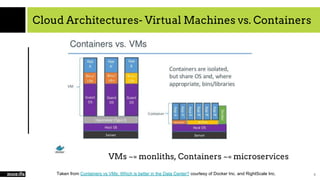
Cloud Architectures- Virtual Machines vs. Containers
9Taken from Containers vs VMs: Which is better in the Data Center? courtesy of Docker Inc. and RightScale Inc.
VMs ~= monliths, Containers ~= microservices
Software As A Service- Security
● Services require independent authentication
● Users don’t want an account with every service
● Authentication and Authorization are core
differentiators for organizations
● OAuth and OIDC are the standards
10
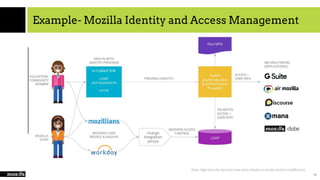
Example- Mozilla Identity and Access Management
11
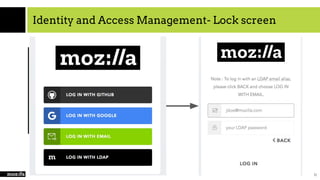
Identity and Access Management- Lock screen
12
Securing SaaS Using OIDC
➔ Applications or relying parties need to talk with identity providers securely.
➔ Each authentication has unique messages associated.
➔ Those message need to be secure in transit.
13
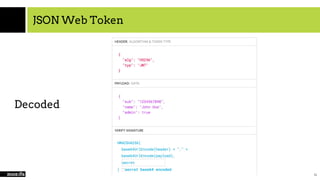
JSON Web Token
14
Decoded
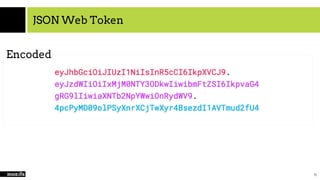
JSON Web Token
15
Encoded
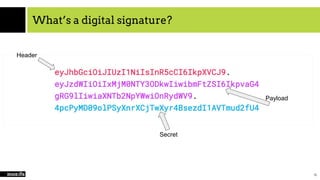
What’s a digital signature?
16
Header
Payload
Secret
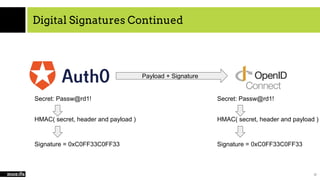
Digital Signatures Continued
17
Secret: Passw@rd1!
HMAC( secret, header and payload )
Signature = 0xC0FF33C0FF33
Payload + Signature
Secret: Passw@rd1!
HMAC( secret, header and payload )
Signature = 0xC0FF33C0FF33
If you did catch all that…
18
Summary :
Secure because math...
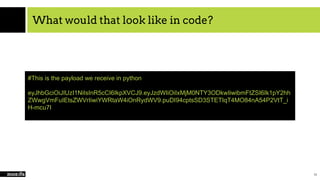
What would that look like in code?
19
#This is the payload we receive in python
eyJhbGciOiJIUzI1NiIsInR5cCI6IkpXVCJ9.eyJzdWIiOiIxMjM0NTY3ODkwIiwibmFtZSI6Ik1pY2hh
ZWwgVmFuIEtsZWVrIiwiYWRtaW4iOnRydWV9.puDI94cptsSD3STETIqT4MO84nA54P2VtT_i
H-mcu7I
First we have to split it apart…
20
#!/usr/bin/python
payload =
eyJhbGciOiJIUzI1NiIsInR5cCI6IkpXVCJ9.eyJzdWIiOiIxMjM0NTY3ODkwIiwibmFtZSI6Ik1pY2hh
ZWwgVmFuIEtsZWVrIiwiYWRtaW4iOnRydWV9.puDI94cptsSD3STETIqT4MO84nA54P2VtT_i
H-mcu7I
header = payload.split(‘.’)[0]
payload = payload.split(‘.’)[1]
signature = payload.split(‘.)[2]
Now we need to sign it…
21
1 #!/usr/bin/python
2 import hmac
3 import hashlib
4
5 payload = ( redacted for brevity )
6 secret = ByRzU2haBzT0dLwt7QZgzut4LqSPc5JW
7
8 header = payload.split(‘.’)[0]
9 payload = payload.split(‘.’)[1]
10 signature = payload.split(‘.)[2]
11
12 message = header + payload
13 digest_maker = hmac.new(secret, ‘ ’,hashlib.sha256)
14
15 this_signature = digest_maker.update(message).hexdigest()
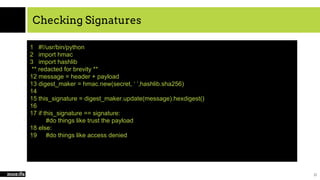
Checking Signatures
22
1 #!/usr/bin/python
2 import hmac
3 import hashlib
** redacted for brevity **
12 message = header + payload
13 digest_maker = hmac.new(secret, ‘ ’,hashlib.sha256)
14
15 this_signature = digest_maker.update(message).hexdigest()
16
17 if this_signature == signature:
#do things like trust the payload
18 else:
19 #do things like access denied
A Defense in Depth Strategy
➔ TLS Certificates
➔ Application Security
➔ Custom Authorizers
➔ 2FA ( Duo, OTP, etc. )
23
More Resources
JSON Web Tokens: https://jwt.io/introduction/
OpenIDC Security Best Practices:
https://wiki.mozilla.org/Security/Guidelines/OpenID_Connect
OAuth, OIDC, SAML, WS-Fed Comparison (blog by Niraj Bhatt)
24
Protect the Web- Get Involved With Mozilla!
Run Firefox Nightly!
https://www.mozilla.org/en-US/firefox/channel/desktop/
Contribute to the Mozilla Code Base!
https://developer.mozilla.org/en-US/docs/Mozilla/Developer_guide
Come work with us!
https://careers.mozilla.org/
25
Thanks!
26
Michael Van Kleeck
Twitter @michaelvkpdx
E-mail mvk@mozilla.com
Q&A
#mozilla
#DevRoadshow
on Periscope @mozilla

Cloud computing, SaaS, and security

  • 1.
    Cloud Computing, SaaS,and Security Michael Van Kleeck Mozilla Enterprise Solutions Architect
  • 2.
    Cloud Computing, SaaS,Security- Overview After this presentation, audience members will be able to: ● Differentiate between monolithic and microservice architectures ● Describe what SaaS is and how it is used ● Compare VM and Container-based cloud architectures ● Talk about how to secure SaaS-driven applications using OIDC, and use JSON Web Tokens for access* 2*Time permitting, some coding required
  • 3.
    Application Architectures- abrief history ● Mainframes and dumb terminals ● Client + Server ● Model-View-Controller ● Service-Oriented Architecture (Microservices) The web supports all these models. HTTP is just a protocol. 3
  • 4.
    Monoliths- The OldWay, The Old New Way 4Images © Martin Fowler, Microservices
  • 5.
    Microservices- The New,New Way 5Images © Martin Fowler, Microservices
  • 6.
    Microservices are…. ● Coarse-grained(the details are in the data) ● Single business function ● Atomic (self-contained, with rollback) ● Stateless ● Independently secure Examples: Amazon uses 100-150 Microservices to build a page. Netflix runs hundreds of Microservices! 6
  • 7.
    Software As AService (SaaS) ● SaaS can be microservices- or larger services ● Applications combine services to implement a complete business process ● Independent of underlying infrastructure ● Widely varying in quality (buyer beware!) 7
  • 8.
    Cloud Computing “Cloud computingis a model for enabling ubiquitous, convenient, on-demand network access to a shared pool of configurable computing resources (e.g., networks, servers, storage, applications, and services) that can be rapidly provisioned and released with minimal management effort or service provider interaction” - The NIST Definition of Cloud Computing 8
  • 9.
    Cloud Architectures- VirtualMachines vs. Containers 9Taken from Containers vs VMs: Which is better in the Data Center? courtesy of Docker Inc. and RightScale Inc. VMs ~= monliths, Containers ~= microservices
  • 10.
    Software As AService- Security ● Services require independent authentication ● Users don’t want an account with every service ● Authentication and Authorization are core differentiators for organizations ● OAuth and OIDC are the standards 10
  • 11.
    Example- Mozilla Identityand Access Management 11
  • 12.
    Identity and AccessManagement- Lock screen 12
  • 13.
    Securing SaaS UsingOIDC ➔ Applications or relying parties need to talk with identity providers securely. ➔ Each authentication has unique messages associated. ➔ Those message need to be secure in transit. 13
  • 14.
  • 15.
  • 16.
    What’s a digitalsignature? 16 Header Payload Secret
  • 17.
    Digital Signatures Continued 17 Secret:Passw@rd1! HMAC( secret, header and payload ) Signature = 0xC0FF33C0FF33 Payload + Signature Secret: Passw@rd1! HMAC( secret, header and payload ) Signature = 0xC0FF33C0FF33
  • 18.
    If you didcatch all that… 18 Summary : Secure because math...
  • 19.
    What would thatlook like in code? 19 #This is the payload we receive in python eyJhbGciOiJIUzI1NiIsInR5cCI6IkpXVCJ9.eyJzdWIiOiIxMjM0NTY3ODkwIiwibmFtZSI6Ik1pY2hh ZWwgVmFuIEtsZWVrIiwiYWRtaW4iOnRydWV9.puDI94cptsSD3STETIqT4MO84nA54P2VtT_i H-mcu7I
  • 20.
    First we haveto split it apart… 20 #!/usr/bin/python payload = eyJhbGciOiJIUzI1NiIsInR5cCI6IkpXVCJ9.eyJzdWIiOiIxMjM0NTY3ODkwIiwibmFtZSI6Ik1pY2hh ZWwgVmFuIEtsZWVrIiwiYWRtaW4iOnRydWV9.puDI94cptsSD3STETIqT4MO84nA54P2VtT_i H-mcu7I header = payload.split(‘.’)[0] payload = payload.split(‘.’)[1] signature = payload.split(‘.)[2]
  • 21.
    Now we needto sign it… 21 1 #!/usr/bin/python 2 import hmac 3 import hashlib 4 5 payload = ( redacted for brevity ) 6 secret = ByRzU2haBzT0dLwt7QZgzut4LqSPc5JW 7 8 header = payload.split(‘.’)[0] 9 payload = payload.split(‘.’)[1] 10 signature = payload.split(‘.)[2] 11 12 message = header + payload 13 digest_maker = hmac.new(secret, ‘ ’,hashlib.sha256) 14 15 this_signature = digest_maker.update(message).hexdigest()
  • 22.
    Checking Signatures 22 1 #!/usr/bin/python 2import hmac 3 import hashlib ** redacted for brevity ** 12 message = header + payload 13 digest_maker = hmac.new(secret, ‘ ’,hashlib.sha256) 14 15 this_signature = digest_maker.update(message).hexdigest() 16 17 if this_signature == signature: #do things like trust the payload 18 else: 19 #do things like access denied
  • 23.
    A Defense inDepth Strategy ➔ TLS Certificates ➔ Application Security ➔ Custom Authorizers ➔ 2FA ( Duo, OTP, etc. ) 23
  • 24.
    More Resources JSON WebTokens: https://jwt.io/introduction/ OpenIDC Security Best Practices: https://wiki.mozilla.org/Security/Guidelines/OpenID_Connect OAuth, OIDC, SAML, WS-Fed Comparison (blog by Niraj Bhatt) 24
  • 25.
    Protect the Web-Get Involved With Mozilla! Run Firefox Nightly! https://www.mozilla.org/en-US/firefox/channel/desktop/ Contribute to the Mozilla Code Base! https://developer.mozilla.org/en-US/docs/Mozilla/Developer_guide Come work with us! https://careers.mozilla.org/ 25
  • 26.
    Thanks! 26 Michael Van Kleeck Twitter@michaelvkpdx E-mail mvk@mozilla.com
  • 28.