Cloud Capacity Management
Jamie Baker & Rich Fronheiser
Agenda
360o Capacity Management
Defining Cloud Computing
Capacity Management variables introduced by the Cloud
Planning your move to the Cloud
The Hybrid cloud model
Metrics to capture and Reporting Examples
Athene Key Features
360O
Capacity Management
Athene enables your organization to take a proactive approach to
implementing effective capacity management across your entire
enterprise by identifying both over- and under- utilized resources,
whether on-premise or in the cloud, to provide a 360°view into your IT
services and infrastructure, helping lower costs and minimizing risk.
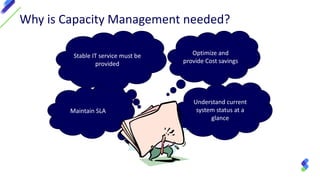
Why is Capacity Management needed?
Optimize and
provide Cost savings
Understand current
system status at a
glance
Maintain SLA
Stable IT service must be
provided
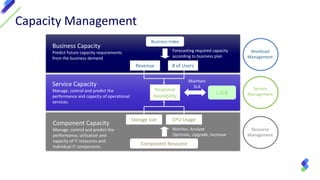
Capacity Management
Business Index
Component Resource
L.O.B
Storage size
Response
Availability
# of UsersRevenue
CPU Usage
Forecasting required capacity
according to business plan
Monitor, Analyze
Optimize, Upgrade, Increase
Maintain
SLA
Business Capacity
Predict future capacity requirements
from the business demand
Service Capacity
Manage, control and predict the
performance and capacity of operational
services.
Component Capacity
Manage, control and predict the
performance, utilization and
capacity of IT resources and
individual IT components.
Workload
Management
Service
Management
Resource
Management
Defining Cloud Computing
Cloud computing is a type of Internet based computing that provides shared computer
processing resources and data to computers and other devices on demand. It is a model for
enabling ubiquitous, on-demand access to a shared pool of configurable computing
resources (e.g., computer networks, servers, storage, applications and services), which can
be rapidly provisioned and released with minimal management effort.
https://en.wikipedia.org/wiki/Cloud_computing
What do Cloud Providers Charge for?
Base IaaS Elements
• Compute
– CPU
– Memory
• Storage
• Operating System
• Storage/Disk I/O
• Network Egress
Additional Services
• Load balancers, F/W
• PaaS services
• Analytics, Bigdata, AI,
• Streaming Services, CDN
• IoT
• Management tools and
services
• 100s of other products
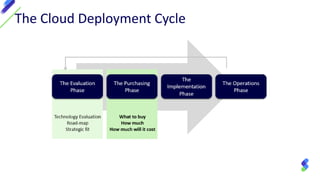
The Cloud Deployment Cycle
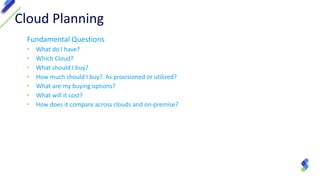
Cloud Planning
Fundamental Questions
• What do I have?
• Which Cloud?
• What should I buy?
• How much should I buy? As provisioned or utilized?
• What are my buying options?
• What will it cost?
• How does it compare across clouds and on-premise?
Hybrid Cloud - Capacity Management
Capacity Management Information System (CMIS)
Reporting Examples
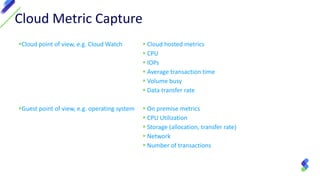
Cloud Metric Capture
▪Cloud point of view, e.g. Cloud Watch
▪Guest point of view, e.g. operating system
▪ Cloud hosted metrics
▪ CPU
▪ IOPs
▪ Average transaction time
▪ Volume busy
▪ Data transfer rate
▪ On premise metrics
▪ CPU Utilization
▪ Storage (allocation, transfer rate)
▪ Network
▪ Number of transactions
AWS EC2 CPU Utilization %
AWS EC2 Memory Utilization %
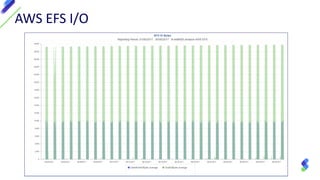
AWS EFS I/O
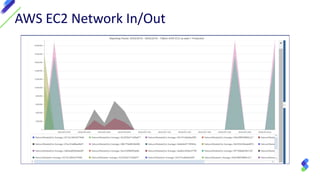
AWS EC2 Network In/Out
• A single logical database for flexibility of
implementation, security, and management
• ServiceView – Providing business aligned, short,
medium, and long-term views, with days to live
reporting
• Integrator – extract, transform and load time-
series metrics
• Component, Service, Business, Finance & Custom
• Quick and easy analytics by service or lines of
business or infrastructure component
• Configurable to meet your data capture,
management, and reporting needs
Athene - Key Features
The world’s most scalable capacity management
software for physical and virtual environments.
• Brings metrics from across the enterprise to
one place
• 360° view of your service and infrastructure
• The most cost-effective product in its class
• Provisioned and maintained hardware
• Secure transfer of data
• Ongoing management of historical data
• Syncsort-provided reports, analyses, and models
available via PS / Managed Services
Athene Cloud - Key Features
• Enables a world-class Capacity Management
process while avoiding the maintenance of
software, databases, and the amount of data
• Organizations can augment staff or expertise
by partnering with Syncsort PS – create a
Managed Service that will help them take
advantage of the benefits of Capacity
Management without having to increase the
size or experience of staffs
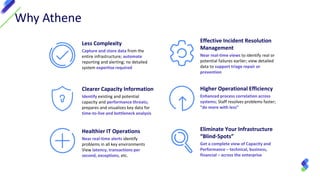
Why Athene
Less Complexity
Capture and store data from the
entire infrastructure; automate
reporting and alerting; no detailed
system expertise required
Clearer Capacity Information
Identify existing and potential
capacity and performance threats;
prepares and visualizes key data for
time-to-live and bottleneck analysis
Healthier IT Operations
Near real-time alerts identify
problems in all key environments
View latency, transactions per
second, exceptions, etc.
Effective Incident Resolution
Management
Near real-time views to identify real or
potential failures earlier; view detailed
data to support triage repair or
prevention
Higher Operational Efficiency
Enhanced process correlation across
systems; Staff resolves problems faster;
“do more with less”
Eliminate Your Infrastructure
“Blind-Spots”
Get a complete view of Capacity and
Performance – technical, business,
financial – across the enterprise
Questions and Answers
Cloud Capacity Management

Cloud Capacity Management

  • 1.
    Cloud Capacity Management JamieBaker & Rich Fronheiser
  • 2.
    Agenda 360o Capacity Management DefiningCloud Computing Capacity Management variables introduced by the Cloud Planning your move to the Cloud The Hybrid cloud model Metrics to capture and Reporting Examples Athene Key Features
  • 3.
    360O Capacity Management Athene enablesyour organization to take a proactive approach to implementing effective capacity management across your entire enterprise by identifying both over- and under- utilized resources, whether on-premise or in the cloud, to provide a 360°view into your IT services and infrastructure, helping lower costs and minimizing risk.
  • 4.
    Why is CapacityManagement needed? Optimize and provide Cost savings Understand current system status at a glance Maintain SLA Stable IT service must be provided
  • 5.
    Capacity Management Business Index ComponentResource L.O.B Storage size Response Availability # of UsersRevenue CPU Usage Forecasting required capacity according to business plan Monitor, Analyze Optimize, Upgrade, Increase Maintain SLA Business Capacity Predict future capacity requirements from the business demand Service Capacity Manage, control and predict the performance and capacity of operational services. Component Capacity Manage, control and predict the performance, utilization and capacity of IT resources and individual IT components. Workload Management Service Management Resource Management
  • 6.
    Defining Cloud Computing Cloudcomputing is a type of Internet based computing that provides shared computer processing resources and data to computers and other devices on demand. It is a model for enabling ubiquitous, on-demand access to a shared pool of configurable computing resources (e.g., computer networks, servers, storage, applications and services), which can be rapidly provisioned and released with minimal management effort. https://en.wikipedia.org/wiki/Cloud_computing
  • 7.
    What do CloudProviders Charge for? Base IaaS Elements • Compute – CPU – Memory • Storage • Operating System • Storage/Disk I/O • Network Egress Additional Services • Load balancers, F/W • PaaS services • Analytics, Bigdata, AI, • Streaming Services, CDN • IoT • Management tools and services • 100s of other products
  • 8.
  • 9.
    Cloud Planning Fundamental Questions •What do I have? • Which Cloud? • What should I buy? • How much should I buy? As provisioned or utilized? • What are my buying options? • What will it cost? • How does it compare across clouds and on-premise?
  • 10.
    Hybrid Cloud -Capacity Management Capacity Management Information System (CMIS)
  • 11.
  • 12.
    Cloud Metric Capture ▪Cloudpoint of view, e.g. Cloud Watch ▪Guest point of view, e.g. operating system ▪ Cloud hosted metrics ▪ CPU ▪ IOPs ▪ Average transaction time ▪ Volume busy ▪ Data transfer rate ▪ On premise metrics ▪ CPU Utilization ▪ Storage (allocation, transfer rate) ▪ Network ▪ Number of transactions
  • 13.
    AWS EC2 CPUUtilization %
  • 14.
    AWS EC2 MemoryUtilization %
  • 15.
  • 16.
  • 17.
    • A singlelogical database for flexibility of implementation, security, and management • ServiceView – Providing business aligned, short, medium, and long-term views, with days to live reporting • Integrator – extract, transform and load time- series metrics • Component, Service, Business, Finance & Custom • Quick and easy analytics by service or lines of business or infrastructure component • Configurable to meet your data capture, management, and reporting needs Athene - Key Features The world’s most scalable capacity management software for physical and virtual environments. • Brings metrics from across the enterprise to one place • 360° view of your service and infrastructure • The most cost-effective product in its class
  • 18.
    • Provisioned andmaintained hardware • Secure transfer of data • Ongoing management of historical data • Syncsort-provided reports, analyses, and models available via PS / Managed Services Athene Cloud - Key Features • Enables a world-class Capacity Management process while avoiding the maintenance of software, databases, and the amount of data • Organizations can augment staff or expertise by partnering with Syncsort PS – create a Managed Service that will help them take advantage of the benefits of Capacity Management without having to increase the size or experience of staffs
  • 19.
    Why Athene Less Complexity Captureand store data from the entire infrastructure; automate reporting and alerting; no detailed system expertise required Clearer Capacity Information Identify existing and potential capacity and performance threats; prepares and visualizes key data for time-to-live and bottleneck analysis Healthier IT Operations Near real-time alerts identify problems in all key environments View latency, transactions per second, exceptions, etc. Effective Incident Resolution Management Near real-time views to identify real or potential failures earlier; view detailed data to support triage repair or prevention Higher Operational Efficiency Enhanced process correlation across systems; Staff resolves problems faster; “do more with less” Eliminate Your Infrastructure “Blind-Spots” Get a complete view of Capacity and Performance – technical, business, financial – across the enterprise
  • 20.