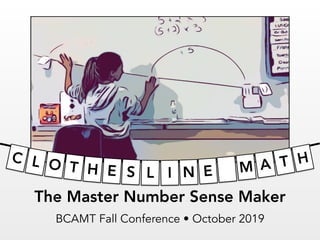
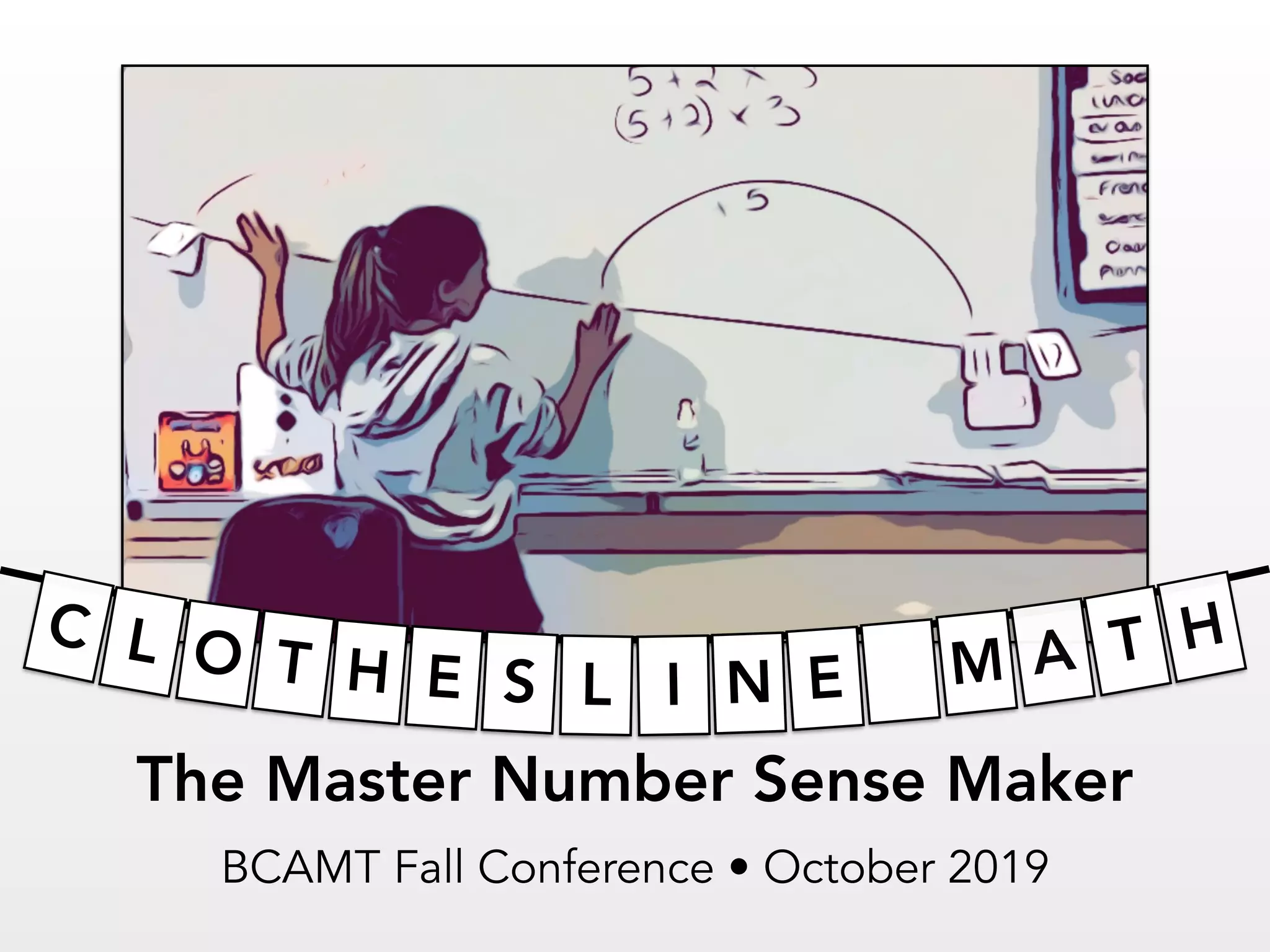
The Master Number Sense Maker
BCAMT Fall Conference • October 2019
ILSEHTOLC
N E M A T H
Welcome!
K-12 Numeracy Helping Teacher
email: hunter_c@surreyschools.ca

twitter: @ChrisHunter36
blog: reflectionsinthewhy.wordpress.com
Grade 5/6 Teacher
email: sabell_a@surreyschools.ca

twitter: @sabell_alex
hris unter
SA lex abell
C H
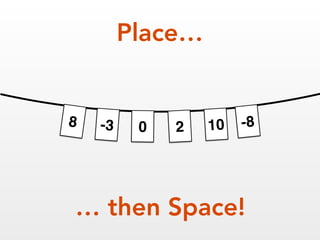
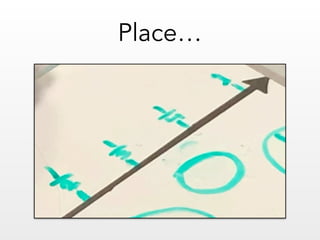
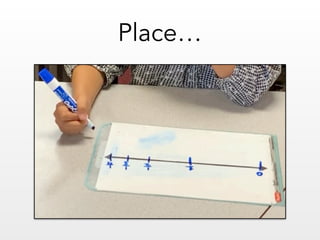
Place…
8 -8-3 0 102
… then Space!
What is Clothesline Math?
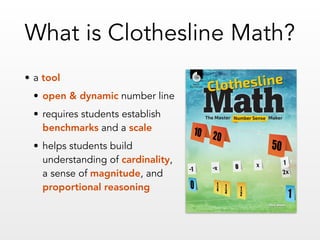
• a tool
• open & dynamic number line
• requires students establish
benchmarks and a scale
• helps students build
understanding of cardinality,

a sense of magnitude, and
proportional reasoning
-1 0-x x
2x
10 20
50
1
1
2
1
3
1
4
0
1
Chris Shore
Clothesline
The Master Number Sense Maker
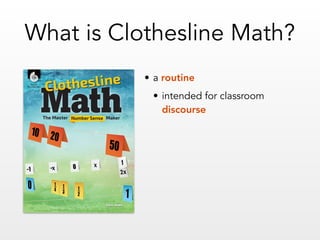
• a routine
• intended for classroom
discourse
What is Clothesline Math?
-1 0-x x
2x
10 20
50
1
1
2
1
3
1
4
0
1
Chris Shore
Clothesline
The Master Number Sense Maker
10 20
50
Clothesline
The Master Number Sense Maker
Think of a student you would

describe as having number sense.
What understandings and skills

does this student have?
What is Number Sense?
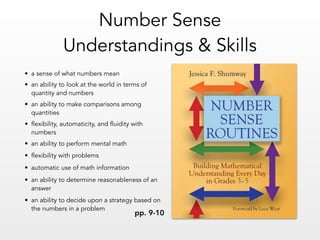
• a sense of what numbers mean
• an ability to look at the world in terms of
quantity and numbers
• an ability to make comparisons among
quantities
• flexibility, automaticity, and fluidity with
numbers
• an ability to perform mental math
• flexibility with problems
• automatic use of math information
• an ability to determine reasonableness of an
answer
• an ability to decide upon a strategy based on
the numbers in a problem
Number Sense 

Understandings & Skills
pp. 9-10
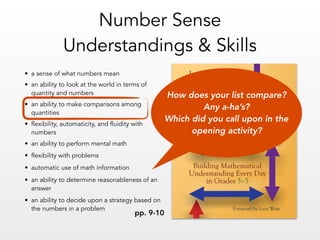
• a sense of what numbers mean
• an ability to look at the world in terms of
quantity and numbers
• an ability to make comparisons among
quantities
• flexibility, automaticity, and fluidity with
numbers
• an ability to perform mental math
• flexibility with problems
• automatic use of math information
• an ability to determine reasonableness of an
answer
• an ability to decide upon a strategy based on
the numbers in a problem
Number Sense 

Understandings & Skills
pp. 9-10
How does your list compare? 

Any a-ha’s? 

Which did you call upon in the
opening activity?
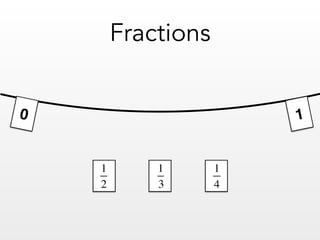
1
2
1
3
1
4
0 1
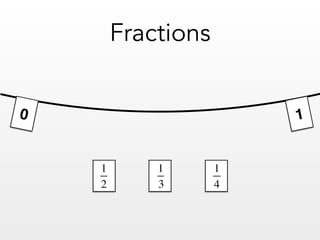
Fractions
1
2
1
3
1
4
0 1
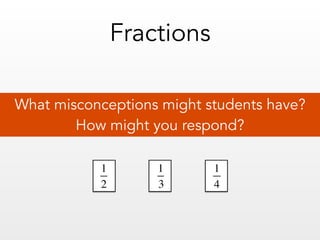
Fractions
What misconceptions might students have?
How might you respond?
Place…
Place…
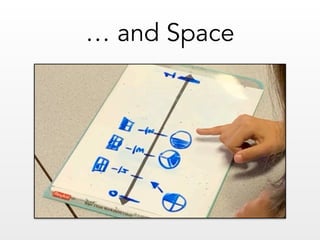
… and Space
1
2
1
3
1
4
0 1
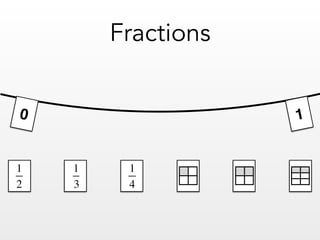
Fractions
1
2
1
3
1
4
0 1
Fractions
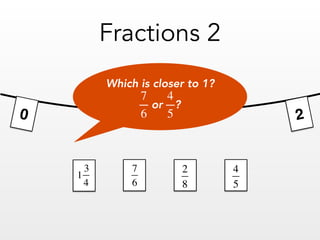
0 2
2
8
4
5
7
6
Fractions 2
1
3
4
Which is closer to 1?

or ?
7
6
4
5
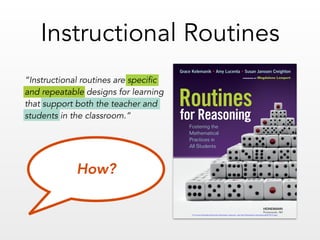
Instructional Routines
HEINEMANN
Portsmouth, NH
for Reasoning
Routines
Fostering the
Mathematical
Practices in
All Students
Grace Kelemanik • Amy Lucenta • Susan Janssen Creighton
FOREWORD BY Magdalene Lampert
For more information about this Heinemann resource, visit http://heinemann.com/products/E07815.aspx
How?
“Instructional routines are specific
and repeatable designs for learning
that support both the teacher and
students in the classroom.”
"The predictable structure lets students pay less
attention to [‘What is it that I’m supposed to be
doing?,’ ‘What question will I be asked next?,’ or
‘How will things work today in the lesson?’] and more
attention to the way in which they and their
classmates are thinking about a particular math task.
For you as the teacher, the routines keep the flow of
the mathematics instruction deliberately predictable
so that, as you gain familiarity with them, you can
better attend to the most unpredictable elements of
your mathematics instruction: how your students are
making sense of the mathematics.” pp. 19-20
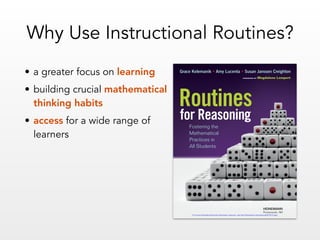
• a greater focus on learning
• building crucial mathematical
thinking habits
• access for a wide range of
learners
Why Use Instructional Routines?
HEINEMANN
Portsmouth, NH
for Reasoning
Routines
Fostering the
Mathematical
Practices in
All Students
Grace Kelemanik • Amy Lucenta • Susan Janssen Creighton
FOREWORD BY Magdalene Lampert
For more information about this Heinemann resource, visit http://heinemann.com/products/E07815.aspx
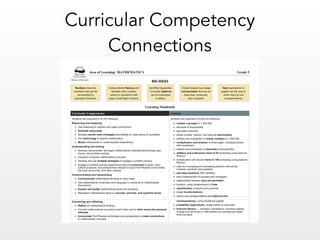
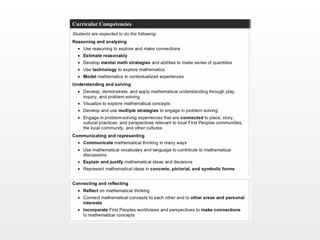
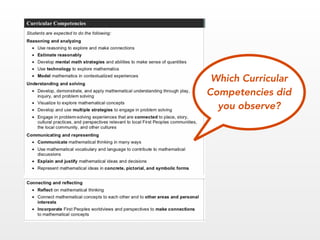
Curricular Competency
Connections
pp. 9-10
pp. 9-10
• Video
pp. 9-10
Which Curricular
Competencies did
you observe?
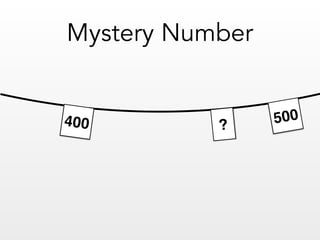
400 500
?
Mystery Number
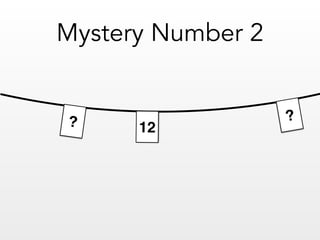
? ?
12
Mystery Number 2
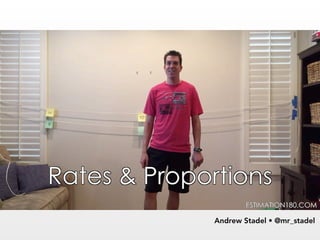
Andrew Stadel • @mr_stadel
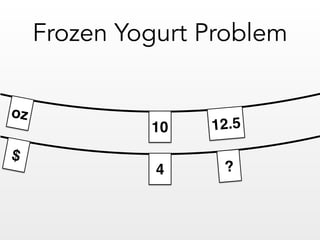
oz
$
12.510
4 ?
Frozen Yogurt Problem
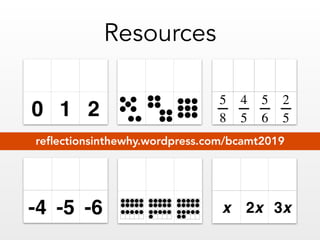
Resources
estimation180.coclotheslinemath.com
Resources
estimation180.com/clotheslinenemath.com kristenac
Resources
othesline kristenacosta.com/clotheslines
Resources
reflectionsinthewhy.wordpress.com/bcamt2019
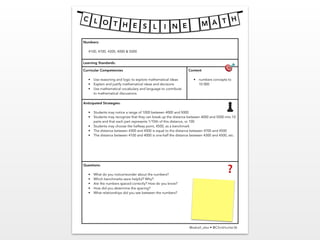
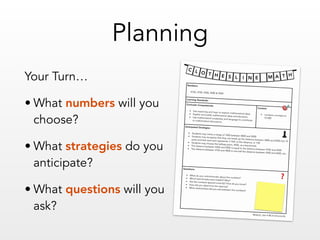
Planning
Your Turn…
• What numbers will you
choose?
• What strategies do you
anticipate?
• What questions will you
ask?
Thank-you!
K-12 Numeracy Helping Teacher
email: hunter_c@surreyschools.ca

twitter: @ChrisHunter36
blog: reflectionsinthewhy.wordpress.com
Grade 5/6 Teacher
email: sabell_a@surreyschools.ca

twitter: @sabell_alex
hris unter
SA lex abell
C H

Clothesline math

  • 1.
    The Master NumberSense Maker BCAMT Fall Conference • October 2019 ILSEHTOLC N E M A T H
  • 2.
    Welcome! K-12 Numeracy HelpingTeacher email: hunter_c@surreyschools.ca
 twitter: @ChrisHunter36 blog: reflectionsinthewhy.wordpress.com Grade 5/6 Teacher email: sabell_a@surreyschools.ca
 twitter: @sabell_alex hris unter SA lex abell C H
  • 3.
    Place… 8 -8-3 0102 … then Space!
  • 4.
    What is ClotheslineMath? • a tool • open & dynamic number line • requires students establish benchmarks and a scale • helps students build understanding of cardinality,
 a sense of magnitude, and proportional reasoning -1 0-x x 2x 10 20 50 1 1 2 1 3 1 4 0 1 Chris Shore Clothesline The Master Number Sense Maker
  • 5.
    • a routine •intended for classroom discourse What is Clothesline Math? -1 0-x x 2x 10 20 50 1 1 2 1 3 1 4 0 1 Chris Shore Clothesline The Master Number Sense Maker
  • 6.
  • 7.
    Think of astudent you would
 describe as having number sense. What understandings and skills
 does this student have? What is Number Sense?
  • 8.
    • a senseof what numbers mean • an ability to look at the world in terms of quantity and numbers • an ability to make comparisons among quantities • flexibility, automaticity, and fluidity with numbers • an ability to perform mental math • flexibility with problems • automatic use of math information • an ability to determine reasonableness of an answer • an ability to decide upon a strategy based on the numbers in a problem Number Sense 
 Understandings & Skills pp. 9-10
  • 9.
    • a senseof what numbers mean • an ability to look at the world in terms of quantity and numbers • an ability to make comparisons among quantities • flexibility, automaticity, and fluidity with numbers • an ability to perform mental math • flexibility with problems • automatic use of math information • an ability to determine reasonableness of an answer • an ability to decide upon a strategy based on the numbers in a problem Number Sense 
 Understandings & Skills pp. 9-10 How does your list compare? 
 Any a-ha’s? 
 Which did you call upon in the opening activity?
  • 10.
  • 11.
    1 2 1 3 1 4 0 1 Fractions What misconceptionsmight students have? How might you respond?
  • 14.
  • 15.
  • 16.
  • 17.
  • 18.
  • 19.
    0 2 2 8 4 5 7 6 Fractions 2 1 3 4 Whichis closer to 1?
 or ? 7 6 4 5
  • 20.
    Instructional Routines HEINEMANN Portsmouth, NH forReasoning Routines Fostering the Mathematical Practices in All Students Grace Kelemanik • Amy Lucenta • Susan Janssen Creighton FOREWORD BY Magdalene Lampert For more information about this Heinemann resource, visit http://heinemann.com/products/E07815.aspx How? “Instructional routines are specific and repeatable designs for learning that support both the teacher and students in the classroom.”
  • 21.
    "The predictable structurelets students pay less attention to [‘What is it that I’m supposed to be doing?,’ ‘What question will I be asked next?,’ or ‘How will things work today in the lesson?’] and more attention to the way in which they and their classmates are thinking about a particular math task. For you as the teacher, the routines keep the flow of the mathematics instruction deliberately predictable so that, as you gain familiarity with them, you can better attend to the most unpredictable elements of your mathematics instruction: how your students are making sense of the mathematics.” pp. 19-20
  • 22.
    • a greaterfocus on learning • building crucial mathematical thinking habits • access for a wide range of learners Why Use Instructional Routines? HEINEMANN Portsmouth, NH for Reasoning Routines Fostering the Mathematical Practices in All Students Grace Kelemanik • Amy Lucenta • Susan Janssen Creighton FOREWORD BY Magdalene Lampert For more information about this Heinemann resource, visit http://heinemann.com/products/E07815.aspx
  • 23.
  • 24.
  • 25.
  • 26.
  • 27.
  • 28.
  • 29.
  • 30.
  • 31.
  • 32.
  • 33.
  • 34.
  • 36.
    Planning Your Turn… • Whatnumbers will you choose? • What strategies do you anticipate? • What questions will you ask?
  • 37.
    Thank-you! K-12 Numeracy HelpingTeacher email: hunter_c@surreyschools.ca
 twitter: @ChrisHunter36 blog: reflectionsinthewhy.wordpress.com Grade 5/6 Teacher email: sabell_a@surreyschools.ca
 twitter: @sabell_alex hris unter SA lex abell C H