Closing the Data Divide Challenge
Informational Webinar
Nov 5, 2015 Powered
by
Introductions
The de Beaumont Foundation
Ed Hunter, President and CEO
The Practical Playbook
Lloyd Michener, Professor and Chairman, Duke Community and Family Medicine
Health 2.0
Jennifer David, Program Manager
Closing the Data Divide
•The data are there.
•The tools to analyze and act on the data are there.
•The challenge is facilitating access.
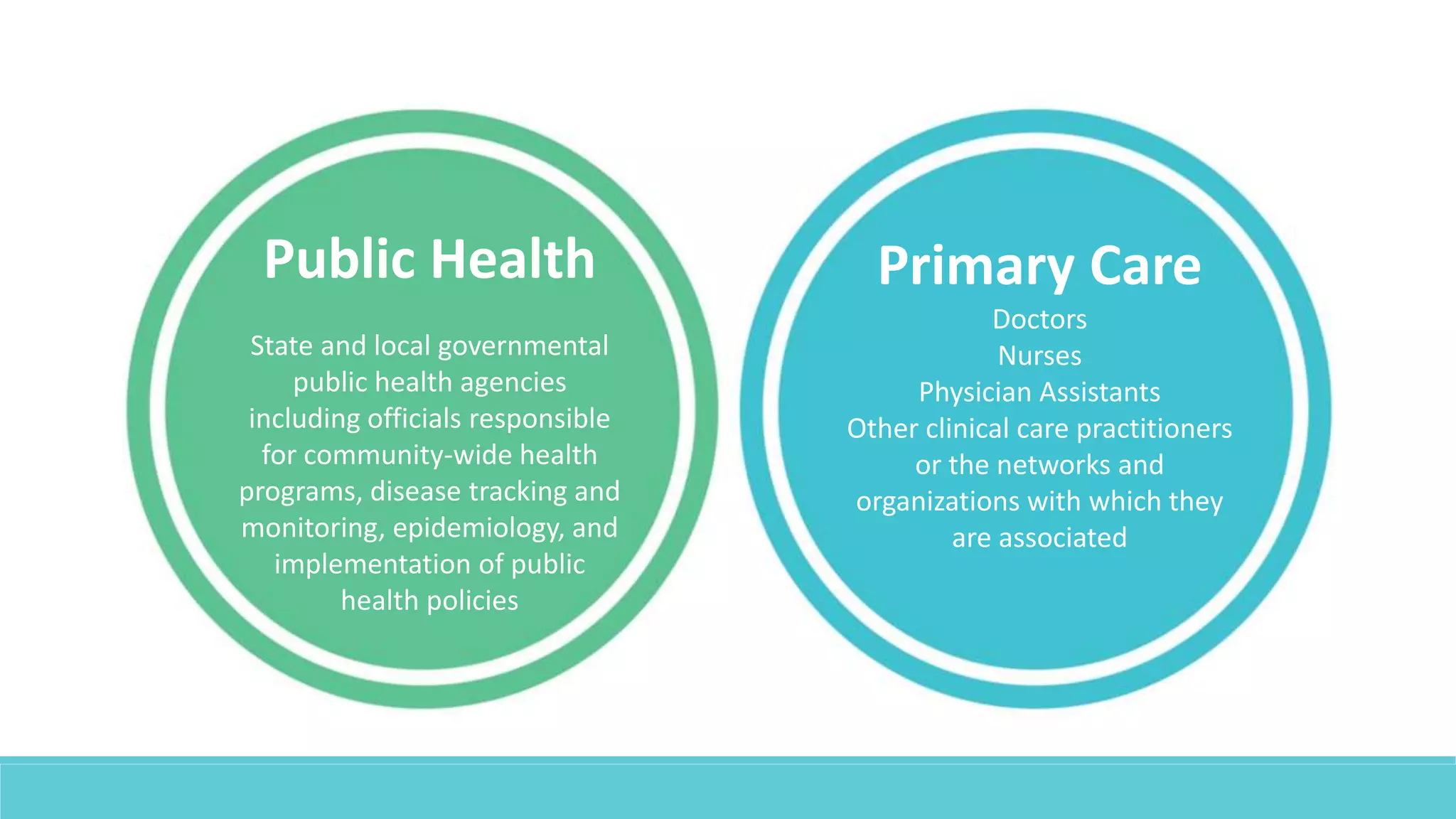
Public Health
State and local governmental
public health agencies
including officials responsible
for community-wide health
programs, disease tracking and
monitoring, epidemiology, and
implementation of public
health policies
Primary Care
Doctors
Nurses
Physician Assistants
Other clinical care practitioners
or the networks and
organizations with which they
are associated
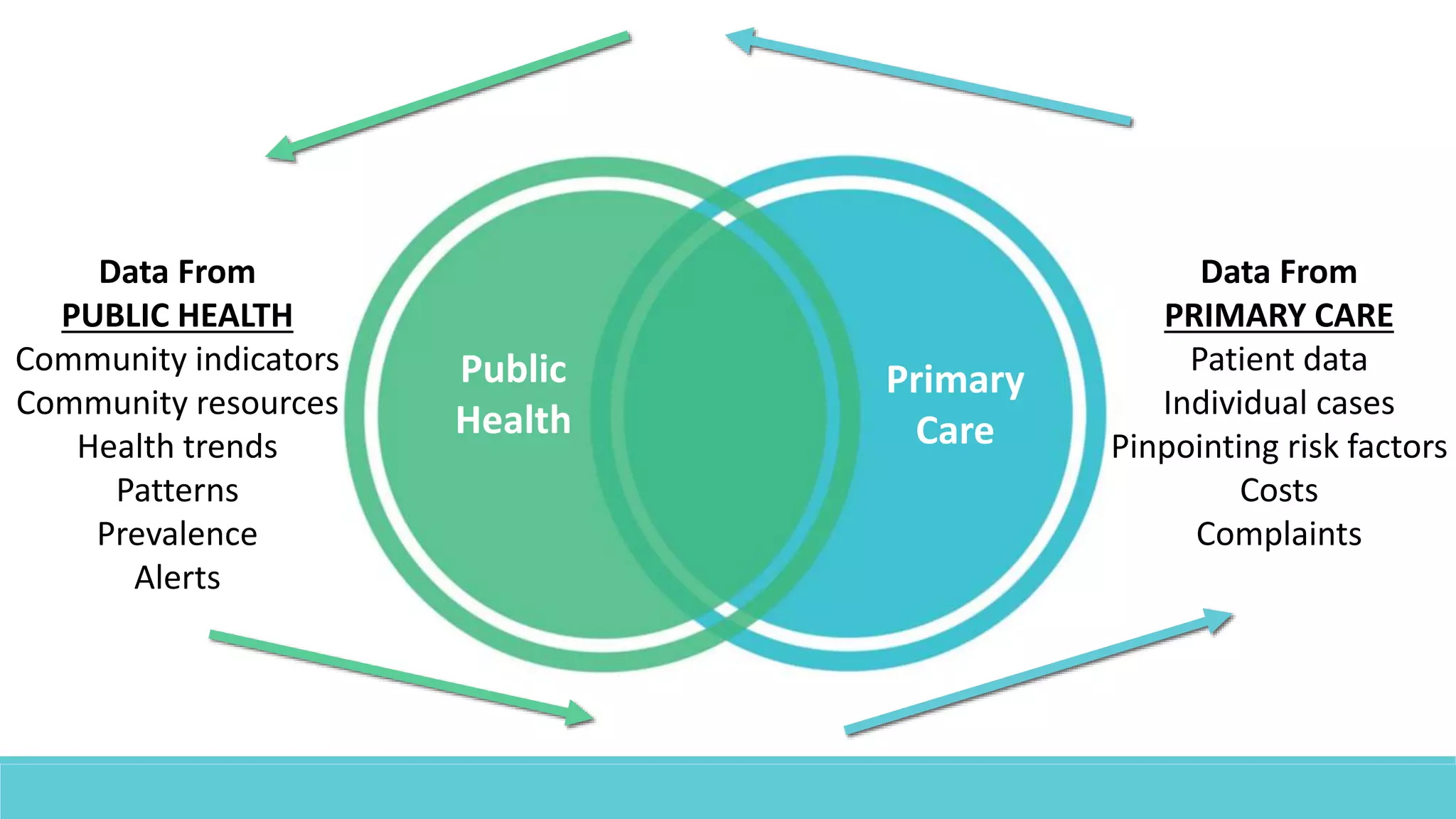
Data From
PUBLIC HEALTH
Community indicators
Community resources
Health trends
Patterns
Prevalence
Alerts
Data From
PRIMARY CARE
Patient data
Individual cases
Pinpointing risk factors
Costs
Complaints
Public
Health
Primary
Care
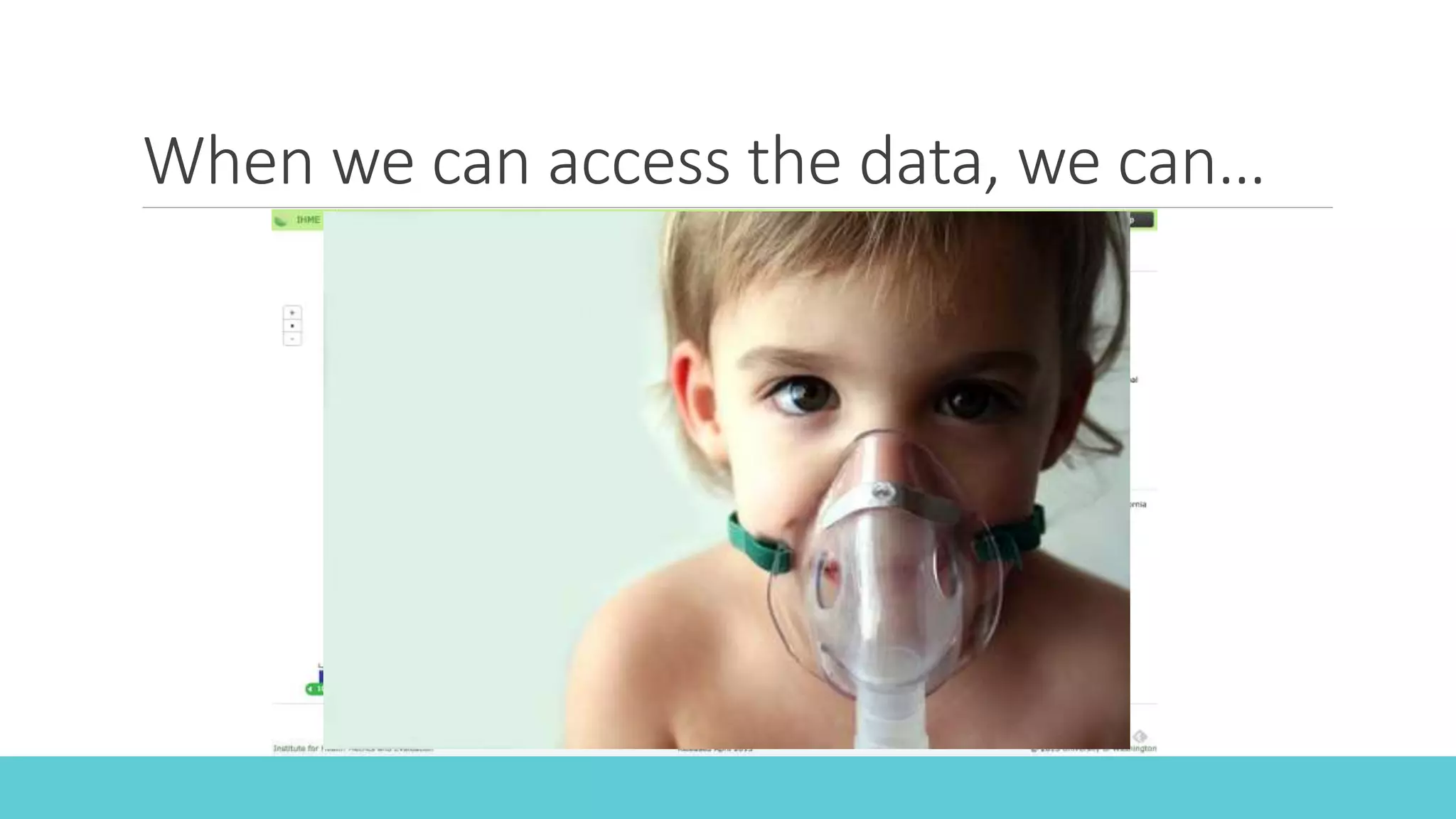
When we can access the data, we can…
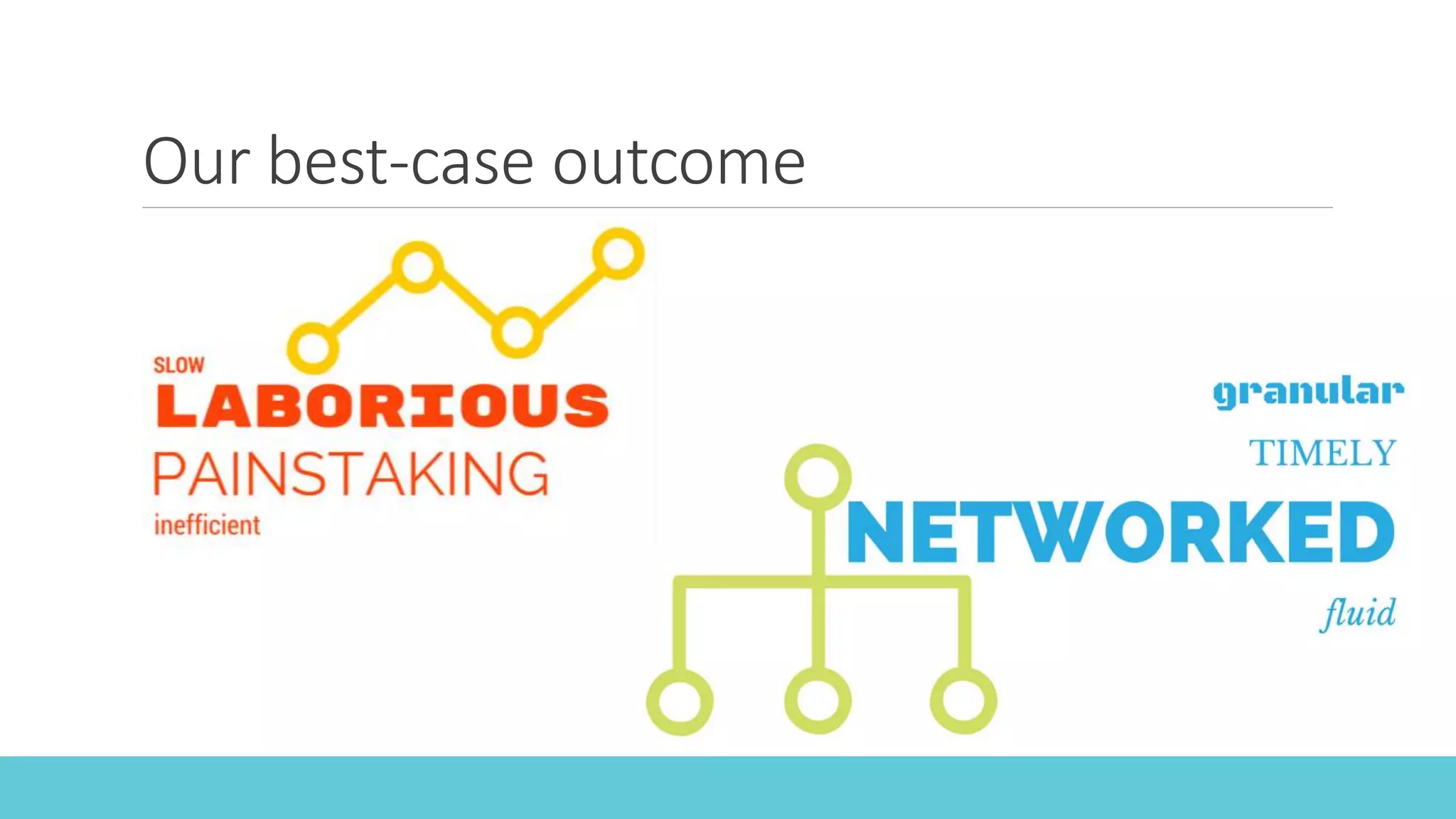
Our best-case outcome
Challenges
Structural / Technical
• Existing EHR and health IT / health data infrastructures
• Overcoming HIPPA fears – and understanding what *can* be shared
• Lack of awareness about existing resources (CHNAs, open data sets, more)
Culture
• Collaboration between sectors
• Understanding and minimizing risks associated with data
Challenge Description
Can you develop technology-based tools, strategies or techniques that facilitate
the exchange of data and foster collaboration between primary care and public
health?
•Create connections that leverage the data and skills of primary care and public health to improve
population health
•Build sustainable connections between primary care providers/systems and public health agencies
for the exchange of data and information
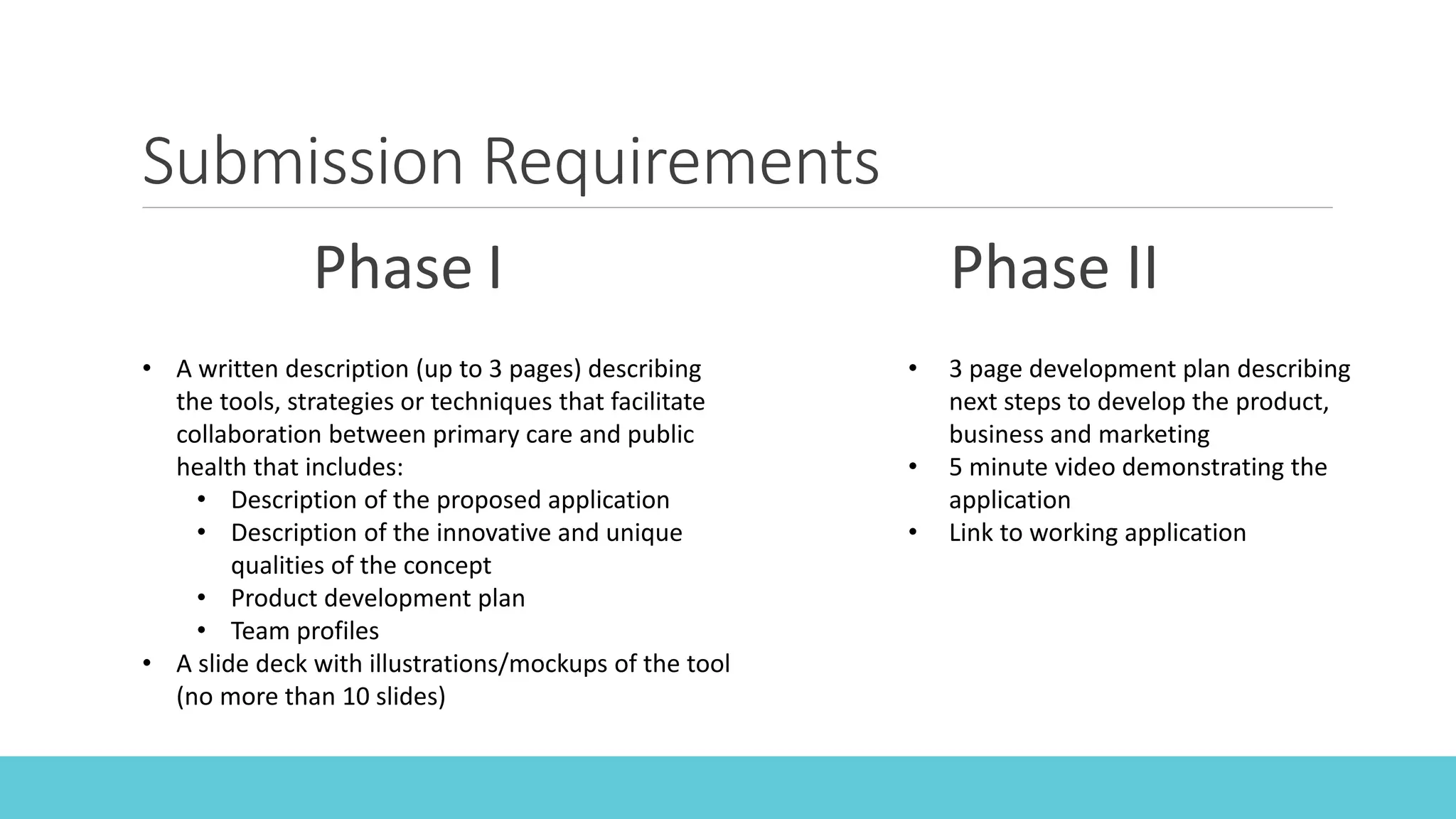
Submission Requirements
Phase I Phase II
• A written description (up to 3 pages) describing
the tools, strategies or techniques that facilitate
collaboration between primary care and public
health that includes:
• Description of the proposed application
• Description of the innovative and unique
qualities of the concept
• Product development plan
• Team profiles
• A slide deck with illustrations/mockups of the tool
(no more than 10 slides)
• 3 page development plan describing
next steps to develop the product,
business and marketing
• 5 minute video demonstrating the
application
• Link to working application
Evaluation Criteria
•Facilitates data exchange and fosters collaboration between primary
care and public health professionals in a mutually beneficial manner
•Usability and design of solution
•Can be easily integrated into the workflow of primary care and
public health professionals, including existing EHR / Health IT data
infrastructures
•Innovation and unique qualities of solution (e.g., fills a known gap or
breaks new ground)
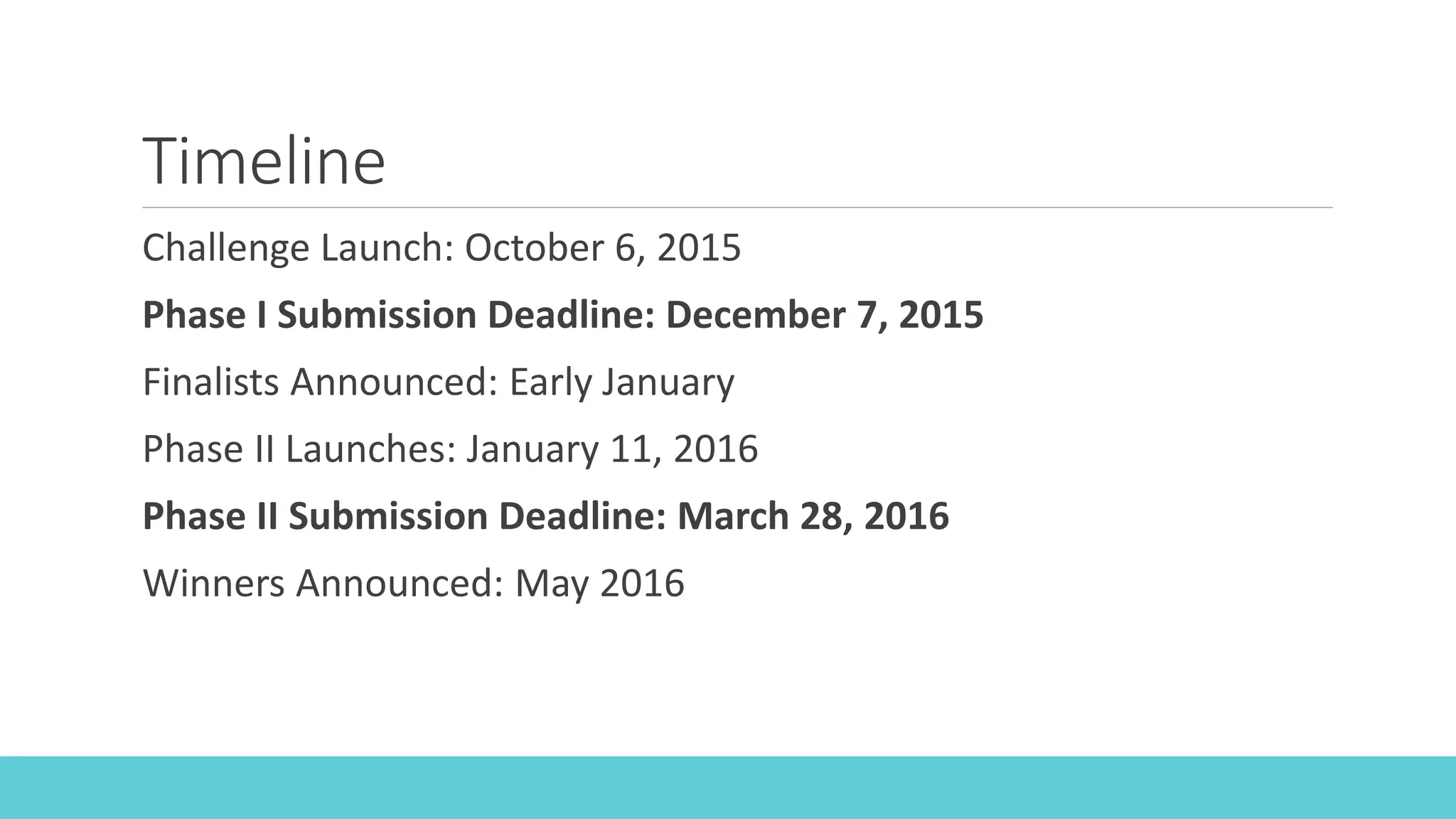
Timeline
Challenge Launch: October 6, 2015
Phase I Submission Deadline: December 7, 2015
Finalists Announced: Early January
Phase II Launches: January 11, 2016
Phase II Submission Deadline: March 28, 2016
Winners Announced: May 2016
Prizes
Phase I: 5 finalists - $3,000 each
Phase II:
◦First Place: $30,000
◦Second Place: $10,000
◦Third Place: $5,000
Questions?
http://bit.ly/datadivide
Contact Jennifer David at:
Jenniferd@health2con.com

Closing the Data Divide Webinar

  • 1.
    Closing the DataDivide Challenge Informational Webinar Nov 5, 2015 Powered by
  • 2.
    Introductions The de BeaumontFoundation Ed Hunter, President and CEO The Practical Playbook Lloyd Michener, Professor and Chairman, Duke Community and Family Medicine Health 2.0 Jennifer David, Program Manager
  • 3.
    Closing the DataDivide •The data are there. •The tools to analyze and act on the data are there. •The challenge is facilitating access.
  • 4.
    Public Health State andlocal governmental public health agencies including officials responsible for community-wide health programs, disease tracking and monitoring, epidemiology, and implementation of public health policies Primary Care Doctors Nurses Physician Assistants Other clinical care practitioners or the networks and organizations with which they are associated
  • 5.
    Data From PUBLIC HEALTH Communityindicators Community resources Health trends Patterns Prevalence Alerts Data From PRIMARY CARE Patient data Individual cases Pinpointing risk factors Costs Complaints Public Health Primary Care
  • 6.
    When we canaccess the data, we can…
  • 7.
  • 8.
    Challenges Structural / Technical •Existing EHR and health IT / health data infrastructures • Overcoming HIPPA fears – and understanding what *can* be shared • Lack of awareness about existing resources (CHNAs, open data sets, more) Culture • Collaboration between sectors • Understanding and minimizing risks associated with data
  • 9.
    Challenge Description Can youdevelop technology-based tools, strategies or techniques that facilitate the exchange of data and foster collaboration between primary care and public health? •Create connections that leverage the data and skills of primary care and public health to improve population health •Build sustainable connections between primary care providers/systems and public health agencies for the exchange of data and information
  • 10.
    Submission Requirements Phase IPhase II • A written description (up to 3 pages) describing the tools, strategies or techniques that facilitate collaboration between primary care and public health that includes: • Description of the proposed application • Description of the innovative and unique qualities of the concept • Product development plan • Team profiles • A slide deck with illustrations/mockups of the tool (no more than 10 slides) • 3 page development plan describing next steps to develop the product, business and marketing • 5 minute video demonstrating the application • Link to working application
  • 11.
    Evaluation Criteria •Facilitates dataexchange and fosters collaboration between primary care and public health professionals in a mutually beneficial manner •Usability and design of solution •Can be easily integrated into the workflow of primary care and public health professionals, including existing EHR / Health IT data infrastructures •Innovation and unique qualities of solution (e.g., fills a known gap or breaks new ground)
  • 12.
    Timeline Challenge Launch: October6, 2015 Phase I Submission Deadline: December 7, 2015 Finalists Announced: Early January Phase II Launches: January 11, 2016 Phase II Submission Deadline: March 28, 2016 Winners Announced: May 2016
  • 13.
    Prizes Phase I: 5finalists - $3,000 each Phase II: ◦First Place: $30,000 ◦Second Place: $10,000 ◦Third Place: $5,000
  • 14.

Editor's Notes

  • #3 HEALTH 2.0 SLIDE Ed Hunter is the President and Chief Executive Officer of the de Beaumont Foundation, a private foundation that works to transform the practice of public health in the United States. Prior to his work at de Beaumont, Ed was the Director of the CDC’s Washington Office, where he served as a principal liaison to the government and was a leading voice for the nation’s preeminent public health and scientific research programs. Dr. Lloyd Michener is Professor and Chairman of Duke’s Community and Family Medicine department as well as a founder of the Practical Playbook. He is a leading voice for improving collaboration between public health and primary care, and brings his extensive experience to bear in his work to redesign health care to improve community health outcomes and in rapidly transforming health care delivery systems, with a focus on finding ways of making health care work better through teams, community engagement, and practice redesign.
  • #4 ED SLIDE Hi, I’m Ed Hunter, and I’m pleased to be here today to talk to you about why we wanted to host the Closing the Data Divide Challenge. First, a little background. We have tremendous volumes of patient data that can be useful in addressing health issues at the community level We have community-level data that can help inform patient care and empower clinicians to fully address patient needs Clinicians lack awareness of community-level factors that the health of individual patient care, and limit their ability to change their communities for the better Public health officials lack data that is timely, or geographically sufficient – so are unable to identify patterns and areas where interventions can be effectively targeted The divide is caused by a lack of effective tools for sharing data, as well as other perceived and real barriers to sharing The problem isn’t simply creating more data – it’s finding creative tools to share data, facilitate (rather than inhibit) access, and promote collaboration
  • #5 ED SLIDE [explaining the roles and functions of public health and primary care]
  • #6 ED SLIDE [explaining how public health and primary care BOTH want each other’s data – and how it will serve the work of both] Now, I’ll hand it over to Lloyd Michener.
  • #7 LLOYD SLIDE Hi, this is Lloyd Michener speaking, and I am going to tell you about what we can do when we actually have a free flow of data between public health and primary care. We can… Visualize the obesity epidemic and develop micro-targeted solutions. Contain the spread of contagion by tracing contacts through a population Understand the confluence of multiple variables in the emergence of an epidemic Map disease prevalences with increasing specificity. We can identify the emergence of asthma clusters and perform housing and environmental inspections to make sure that our kids aren’t being needlessly subjected to asthma from preventable causes, like mold, chemicals, or smoke
  • #8 LLOYD SLIDE We are looking to move from a data exchange process that is slow, laborious, painstaking, and inefficient to one that is timely, granular, networked, and fluid. Both primary care and public health can benefit from each other’s data. As Ed discussed, Public health can use the data found in a clinical context to inform community level actions and interventions. Primary care can use the insights and analyses generated by public health to give patients more relevant, actionable advice. Both of us suffer when we’re not able to access each other’s data.
  • #9 ED SLIDE There are going to be some challenges. There’s a reason why this doesn’t exist yet – but the challenges aren’t insurmountable. Some of the structural or technical challenges we see are: Understanding provisions of HIPAA that enable sharing clinical data with public health Building tools that work with existing systems, including EHRs Building awareness of the data resources and potential uses in solving mutual problems There are also challenges of culture. Collaboration is a new thing for many docs and hospitals – although not all! [Acknowledge Lloyd’s presence as a willing participant and catalyzer.] Overcoming cultural resistance to collaborating across sectors Building trust that data can be shared for mutual benefit, and minimum risk And now we will hand it over to Health 2.0 to discuss more about the details of how to win this thing!