Crash course to copyright
Copyright?  the exclusive right to make copies,
What You Should KnowPublicOrphan
Using Materials from the Internet
The public domain and orphan worksUniversity of Texas identify public domainbest practices
The public domain and orphan worksMost orphan works will remain outside the digital environment because they often lack sufficient information to identify their owners.
Using materials from the internetAnything posted on the internet is automatically copyrighted.Anyone who posts information on the web knows his or her works will be viewed and most likely used in one way or another. This is an implied license to use the material.
You can create an express license by attaching a Creative Commons license. This allows people to use your information as long as they follow the terms of the license.
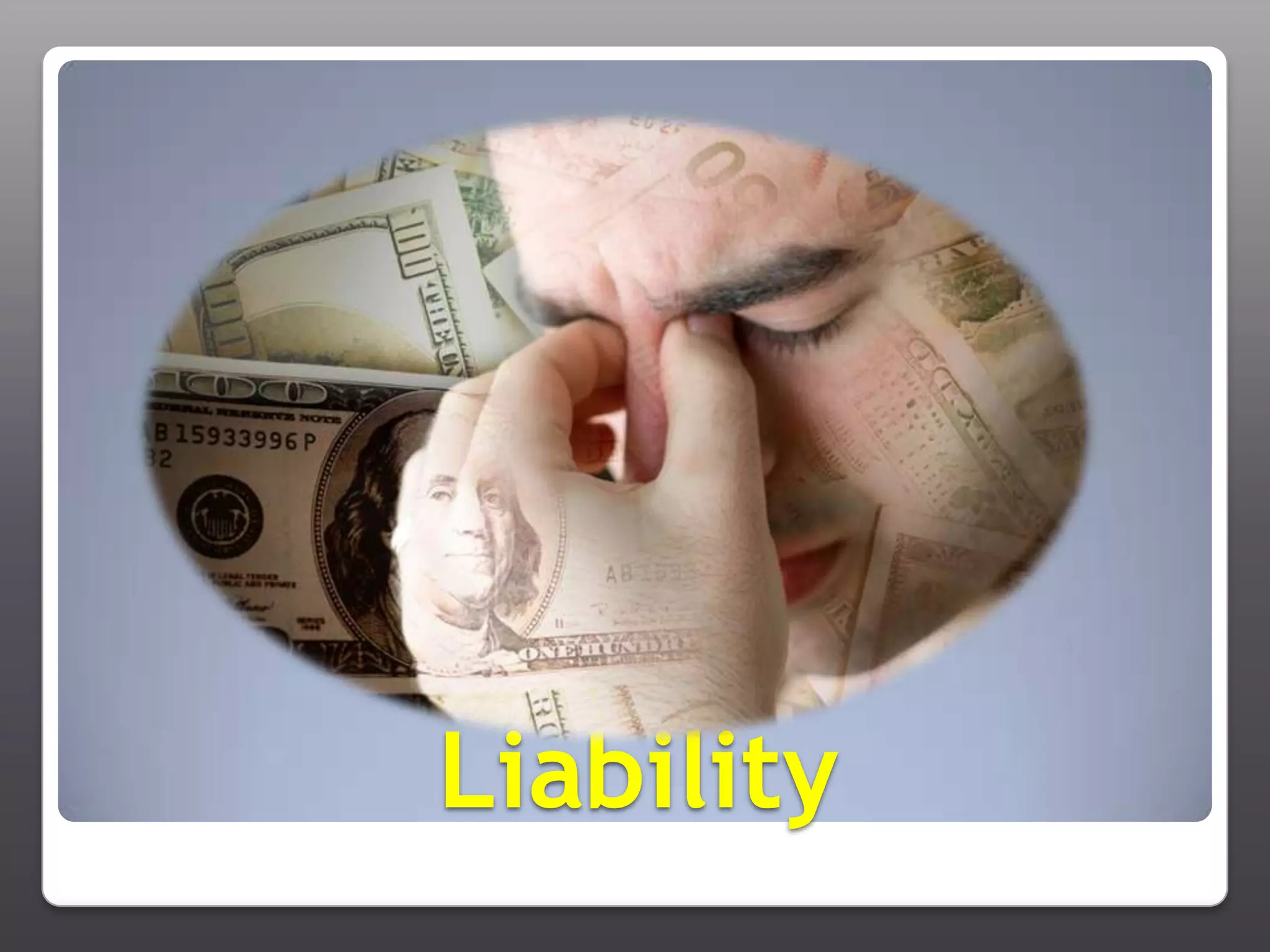
Liability
Individuals can be liable for their own actions when they copy and distribute others' copyrighted works without permission.
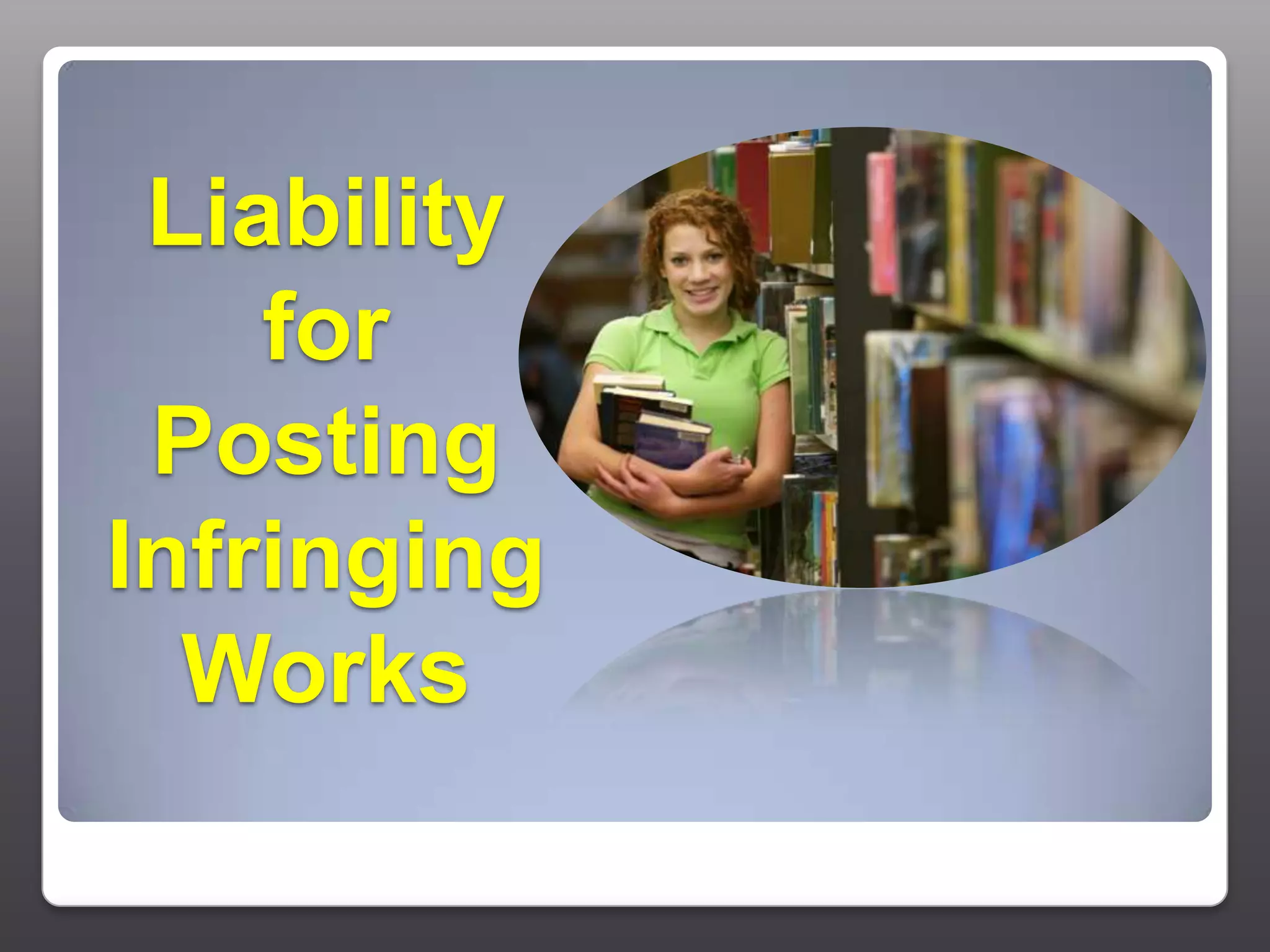
Liability for Posting Infringing Works
Universities and libraries can also be liable for the actions of their employees doing their jobs and possibly students who access the Internet through university machines.
Liability for Posting Infringing Works
This means that universities must pay attention to what their network users are doing, take effective measures to inform them about their responsibilities, and promptly investigate complaints of infringement.
Penalties for infringement
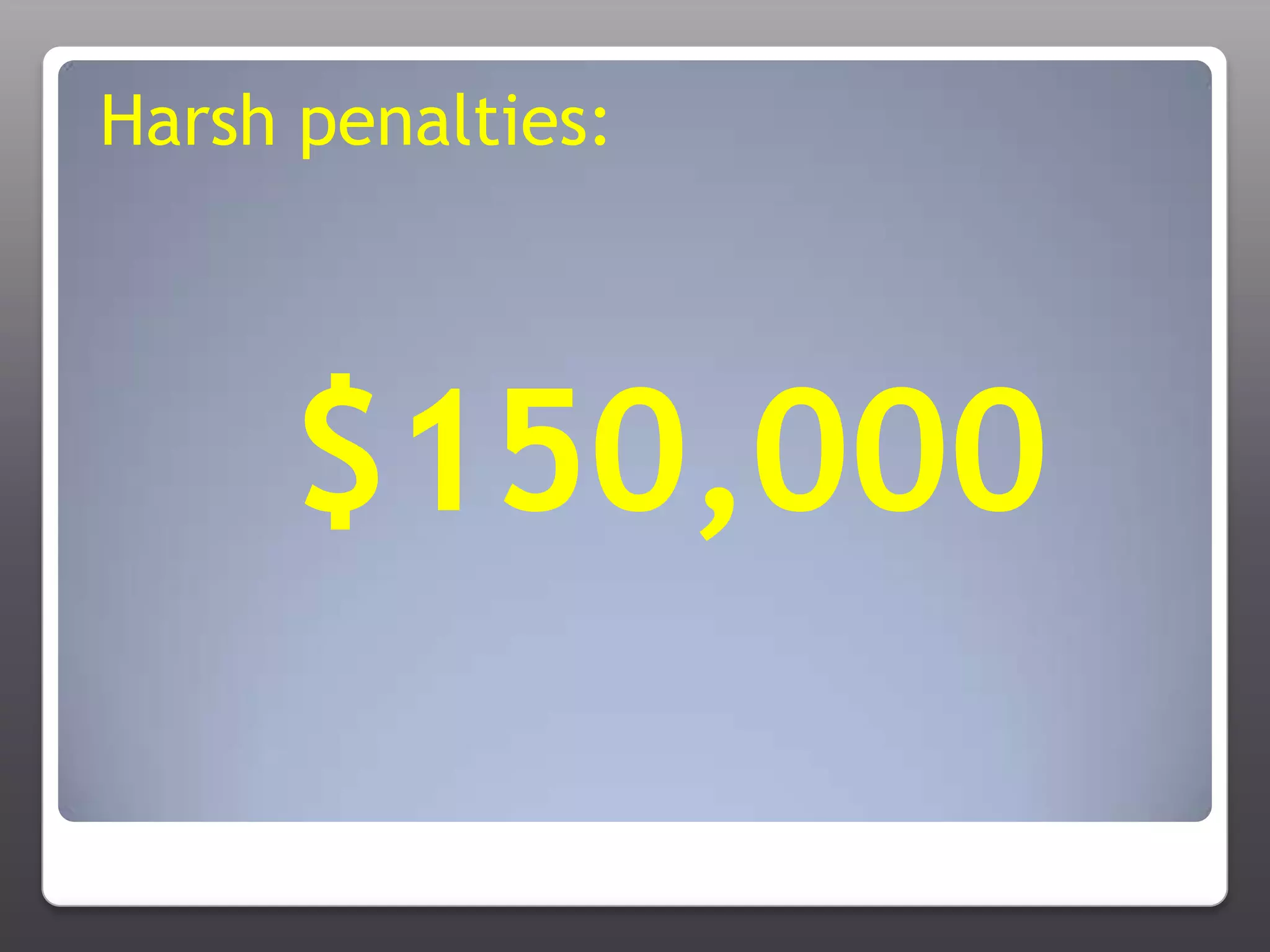
Harsh penalties: $150,000
What is fair use?What is the character of the use?What is the nature of the work to be used?
What is fair use?How much of the work will be used?What effect would this use have on the market for the original or for permissions if the use were widespread?
3 Questions
 Do I need to get permission?
Is the work protected?Do you have a license?Is the work available freely on the open Web, and therefore covered by an implied license?
The TEACH ActCopyright law provides educators with a separate set of rights in addition to fair use, to display (show) and perform (show or play) others' works in the classroom. The TEACH Act became law in 2002.
How do I get permission?Getting permission can be difficult. There are numerous avenues an educator can take to get permission for using copyrighted materialsFor more detailed information, please refer to:http://copyright.lib.utexas.edu/permissn.html
Resources“Copyright Crash Course”Written for theUniversity of TexasBy Georgia K. Harperhttp://copyright.lib.utexas.edu/
Submitted byJuanita P. CasanovaEDTC 6340 Section 65Applications of Technology

Casanova juanitap.~edtc6340.65copyrightrevision3

  • 1.
  • 2.
    Copyright?  the exclusiveright to make copies,
  • 3.
    What You ShouldKnowPublicOrphan
  • 4.
  • 5.
    The public domainand orphan worksUniversity of Texas identify public domainbest practices
  • 6.
    The public domainand orphan worksMost orphan works will remain outside the digital environment because they often lack sufficient information to identify their owners.
  • 7.
    Using materials fromthe internetAnything posted on the internet is automatically copyrighted.Anyone who posts information on the web knows his or her works will be viewed and most likely used in one way or another. This is an implied license to use the material.
  • 8.
    You can createan express license by attaching a Creative Commons license. This allows people to use your information as long as they follow the terms of the license.
  • 9.
  • 10.
    Individuals can beliable for their own actions when they copy and distribute others' copyrighted works without permission.
  • 11.
    Liability for PostingInfringing Works
  • 12.
    Universities and librariescan also be liable for the actions of their employees doing their jobs and possibly students who access the Internet through university machines.
  • 13.
    Liability for PostingInfringing Works
  • 14.
    This means thatuniversities must pay attention to what their network users are doing, take effective measures to inform them about their responsibilities, and promptly investigate complaints of infringement.
  • 15.
  • 16.
  • 17.
    What is fairuse?What is the character of the use?What is the nature of the work to be used?
  • 18.
    What is fairuse?How much of the work will be used?What effect would this use have on the market for the original or for permissions if the use were widespread?
  • 19.
  • 20.
    Do Ineed to get permission?
  • 21.
    Is the workprotected?Do you have a license?Is the work available freely on the open Web, and therefore covered by an implied license?
  • 22.
    The TEACH ActCopyrightlaw provides educators with a separate set of rights in addition to fair use, to display (show) and perform (show or play) others' works in the classroom. The TEACH Act became law in 2002.
  • 23.
    How do Iget permission?Getting permission can be difficult. There are numerous avenues an educator can take to get permission for using copyrighted materialsFor more detailed information, please refer to:http://copyright.lib.utexas.edu/permissn.html
  • 24.
    Resources“Copyright Crash Course”Writtenfor theUniversity of TexasBy Georgia K. Harperhttp://copyright.lib.utexas.edu/
  • 25.
    Submitted byJuanita P.CasanovaEDTC 6340 Section 65Applications of Technology