CIRCULATORY FAILURE
AND
SHOCK
DR. DIBBENDHU KHANRA
CASE 1
• DM on Irregular Insulin
• Altered sensorium for 24 hrs
• CT scan normal
• RBS 600
• Urine ketone +
• BP 90/60
How will you treat?
CASE 2
• Severe SOB
• Known case of Ca lung
• JVP elevated
• Heart sound muffled
• Echo: cardiac tamponade
• BP 90/60
How will you treat?
CASE 3
• Road traffic accident
• Fracture femur
• Bleeding
• Hb 7
• CECT abdomen: Splenic rupture
• BP 90/60
How will you treat?
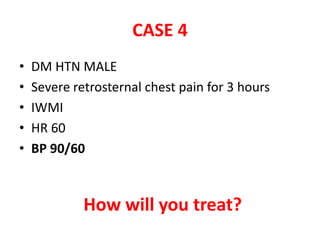
CASE 4
• DM HTN MALE
• Severe retrosternal chest pain for 3 hours
• IWMI
• HR 60
• BP 90/60
How will you treat?
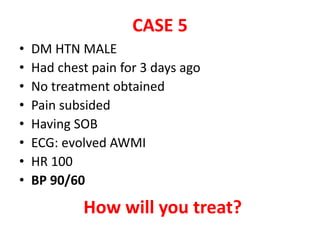
CASE 5
• DM HTN MALE
• Had chest pain for 3 days ago
• No treatment obtained
• Pain subsided
• Having SOB
• ECG: evolved AWMI
• HR 100
• BP 90/60
How will you treat?
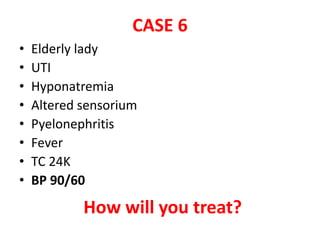
CASE 6
• Elderly lady
• UTI
• Hyponatremia
• Altered sensorium
• Pyelonephritis
• Fever
• TC 24K
• BP 90/60
How will you treat?
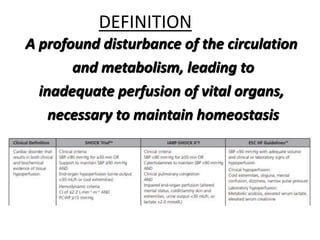
A profound disturbance of the circulation
and metabolism, leading to
inadequate perfusion of vital organs,
necessary to maintain homeostasis
DEFINITION
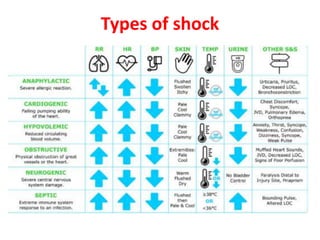
Types of shock
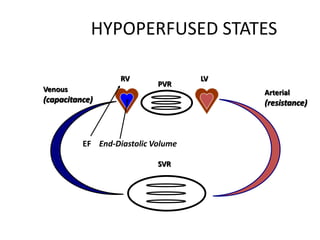
HYPOPERFUSED STATES
RV LV
Arterial
(resistance)
Venous
(capacitance)
PVR
EF End-Diastolic Volume
SVR
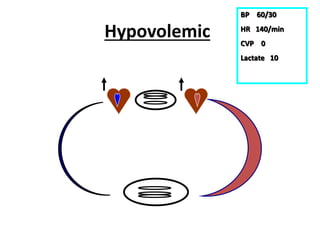
Hypovolemic
BP 60/30
HR 140/min
CVP 0
Lactate 10
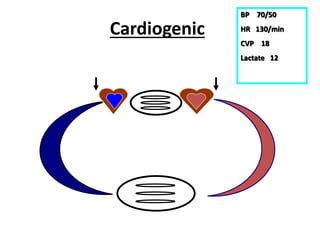
Cardiogenic
BP 70/50
HR 130/min
CVP 18
Lactate 12
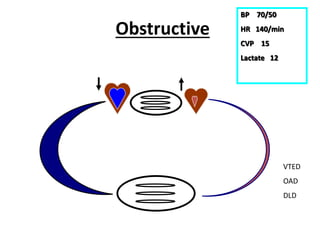
Obstructive
BP 70/50
HR 140/min
CVP 15
Lactate 12
VTED
OAD
DLD
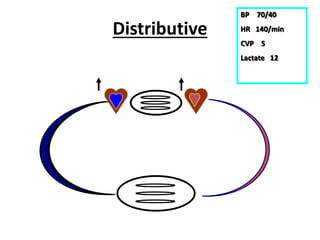
Distributive
BP 70/40
HR 140/min
CVP 5
Lactate 12
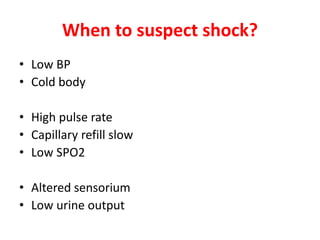
When to suspect shock?
• Low BP
• Cold body
• High pulse rate
• Capillary refill slow
• Low SPO2
• Altered sensorium
• Low urine output
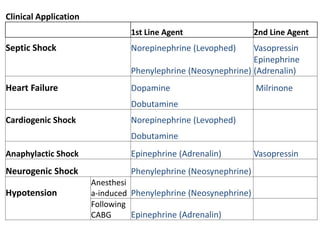
Clinical Application
1st Line Agent 2nd Line Agent
Septic Shock Norepinephrine (Levophed) Vasopressin
Phenylephrine (Neosynephrine)
Epinephrine
(Adrenalin)
Heart Failure Dopamine Milrinone
Dobutamine
Cardiogenic Shock Norepinephrine (Levophed)
Dobutamine
Anaphylactic Shock Epinephrine (Adrenalin) Vasopressin
Neurogenic Shock Phenylephrine (Neosynephrine)
Hypotension
Anesthesi
a-induced Phenylephrine (Neosynephrine)
Following
CABG Epinephrine (Adrenalin)
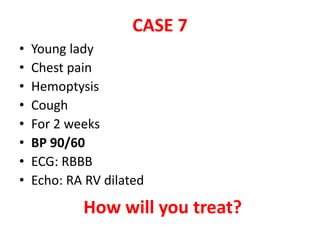
CASE 7
• Young lady
• Chest pain
• Hemoptysis
• Cough
• For 2 weeks
• BP 90/60
• ECG: RBBB
• Echo: RA RV dilated
How will you treat?
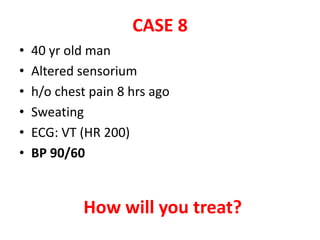
CASE 8
• 40 yr old man
• Altered sensorium
• h/o chest pain 8 hrs ago
• Sweating
• ECG: VT (HR 200)
• BP 90/60
How will you treat?
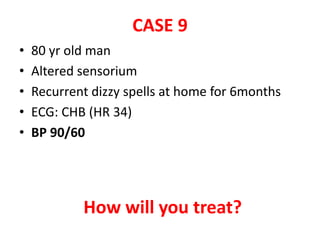
CASE 9
• 80 yr old man
• Altered sensorium
• Recurrent dizzy spells at home for 6months
• ECG: CHB (HR 34)
• BP 90/60
How will you treat?
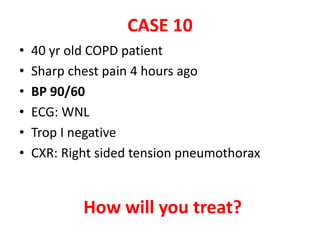
CASE 10
• 40 yr old COPD patient
• Sharp chest pain 4 hours ago
• BP 90/60
• ECG: WNL
• Trop I negative
• CXR: Right sided tension pneumothorax
How will you treat?
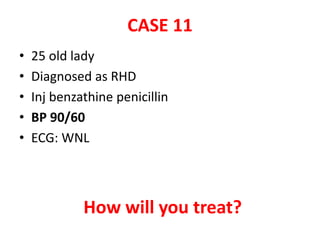
CASE 11
• 25 old lady
• Diagnosed as RHD
• Inj benzathine penicillin
• BP 90/60
• ECG: WNL
How will you treat?
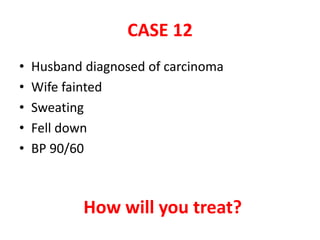
CASE 12
• Husband diagnosed of carcinoma
• Wife fainted
• Sweating
• Fell down
• BP 90/60
How will you treat?

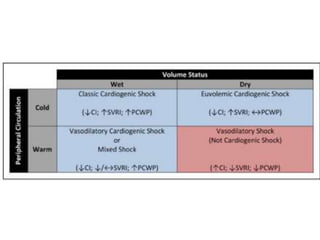
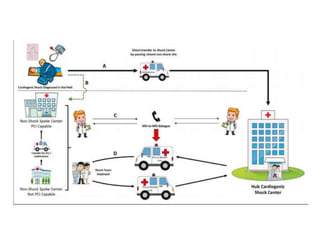
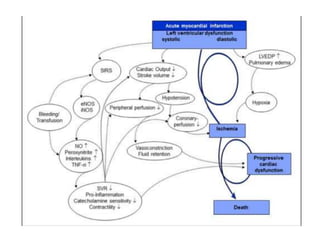
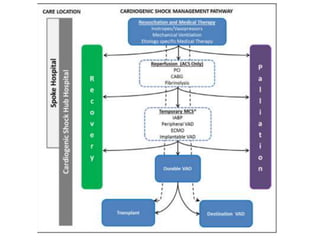
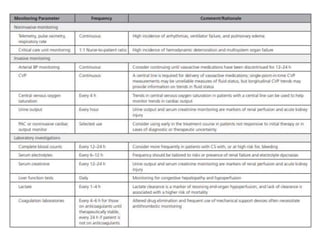
Cardiogenic shock

  • 1.
  • 2.
    CASE 1 • DMon Irregular Insulin • Altered sensorium for 24 hrs • CT scan normal • RBS 600 • Urine ketone + • BP 90/60 How will you treat?
  • 3.
    CASE 2 • SevereSOB • Known case of Ca lung • JVP elevated • Heart sound muffled • Echo: cardiac tamponade • BP 90/60 How will you treat?
  • 4.
    CASE 3 • Roadtraffic accident • Fracture femur • Bleeding • Hb 7 • CECT abdomen: Splenic rupture • BP 90/60 How will you treat?
  • 5.
    CASE 4 • DMHTN MALE • Severe retrosternal chest pain for 3 hours • IWMI • HR 60 • BP 90/60 How will you treat?
  • 6.
    CASE 5 • DMHTN MALE • Had chest pain for 3 days ago • No treatment obtained • Pain subsided • Having SOB • ECG: evolved AWMI • HR 100 • BP 90/60 How will you treat?
  • 7.
    CASE 6 • Elderlylady • UTI • Hyponatremia • Altered sensorium • Pyelonephritis • Fever • TC 24K • BP 90/60 How will you treat?
  • 8.
    A profound disturbanceof the circulation and metabolism, leading to inadequate perfusion of vital organs, necessary to maintain homeostasis DEFINITION
  • 9.
  • 10.
  • 11.
  • 12.
  • 14.
    Obstructive BP 70/50 HR 140/min CVP15 Lactate 12 VTED OAD DLD
  • 15.
  • 19.
    When to suspectshock? • Low BP • Cold body • High pulse rate • Capillary refill slow • Low SPO2 • Altered sensorium • Low urine output
  • 22.
    Clinical Application 1st LineAgent 2nd Line Agent Septic Shock Norepinephrine (Levophed) Vasopressin Phenylephrine (Neosynephrine) Epinephrine (Adrenalin) Heart Failure Dopamine Milrinone Dobutamine Cardiogenic Shock Norepinephrine (Levophed) Dobutamine Anaphylactic Shock Epinephrine (Adrenalin) Vasopressin Neurogenic Shock Phenylephrine (Neosynephrine) Hypotension Anesthesi a-induced Phenylephrine (Neosynephrine) Following CABG Epinephrine (Adrenalin)
  • 25.
    CASE 7 • Younglady • Chest pain • Hemoptysis • Cough • For 2 weeks • BP 90/60 • ECG: RBBB • Echo: RA RV dilated How will you treat?
  • 26.
    CASE 8 • 40yr old man • Altered sensorium • h/o chest pain 8 hrs ago • Sweating • ECG: VT (HR 200) • BP 90/60 How will you treat?
  • 27.
    CASE 9 • 80yr old man • Altered sensorium • Recurrent dizzy spells at home for 6months • ECG: CHB (HR 34) • BP 90/60 How will you treat?
  • 28.
    CASE 10 • 40yr old COPD patient • Sharp chest pain 4 hours ago • BP 90/60 • ECG: WNL • Trop I negative • CXR: Right sided tension pneumothorax How will you treat?
  • 29.
    CASE 11 • 25old lady • Diagnosed as RHD • Inj benzathine penicillin • BP 90/60 • ECG: WNL How will you treat?
  • 30.
    CASE 12 • Husbanddiagnosed of carcinoma • Wife fainted • Sweating • Fell down • BP 90/60 How will you treat?

Editor's Notes

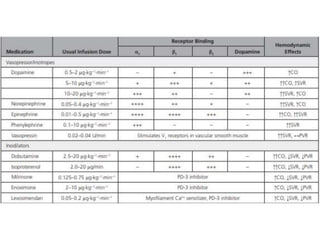
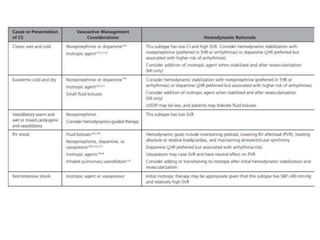
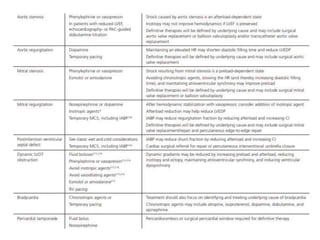
  • #23 In Septic Shock, 1st line agent is Norepinephrine (Levophed). Alpha-1 activation and vasoconstriction raises MAP. Pure vasoconstriction can cause reflex bradycardia and decreased CO. Beta-1 counteracts this. Furthermore, in septic shock, there is often decrease in cardiac function; Beta-1 improves CO. Phenylephrine (Neosynephrine) can also be used as 1st line agent in hyderdynamic sepsis for pure vasoconstriction, if there is no evidence of depressed cardiac function (Ex. Tachycardia). 2nd line agents in septic shock are Vasopressin and Epinephrine. Vasopressin is an antidiuretic hormone, used in clinical settings of diabetes insipidus and esophageal variceal bleed. Vasopresin can be used as 2nd line agent in refractory septic shock. Though no significant improvement was shown in short-term mortality, pt receiving Vasopressin required less Levophed. Vasopressin may be used to decreased need for other pressors. Dopamine is the preferred initial agent in heart failure patients. Dopamine in low dose (1-2mcg/kg/min) has predominant effect on Dopamine-1 receptor in renal, mesenteric, cebebral and coronary beds, resulting in selective vasodilation and increased renal perfusion; however, it has NOT been shown to improve renal function. At dose 5-10mcg/kg/min, stimulates Beta-1 and increases Cardiac Output. Milrinone, which is a phosphodiesterase (PDE) inhibitor, has similar effects as Dobutamine but with lower incidence of dysrhythmias. Milrinone can be used in patients with impaired cardiac function and medically refractory heart failure. But cannot be used if pt is hypotensive. 3) In heart failure with cardiogenic shock, norepinephrine is preferred initial agent. After establishing adequate perfusion, Dobutamine can be added. Dobutamine activity on Beta-1 increases contractility and HR, thereby increasing cardiac output. Beta-2 causes vasodilation; heart has less pressure to pump against. Reduces left ventricular filling pressure. 4) In anaphylactic shock, 1st line agent is Epinephrine (Adrenalin), followed by Vasopressin as second line agent. 5) Alpha-specific activity of Neosynephrine is ideal in both neurogenic shock and anesthesia-induced hypotension. 6) Epinephrine (Adrenalin) is the 1st line agent in hypotension after CABG. High vagal output following CABG can cause decreased HR/contractility and hypotension.