THE PEOPLE OF
FAKO DIVISION,CAMEROON.
Fako has a diverse population comprising of people
from different ethnic groups: Bakweri, Bakossi, Bayangi,
Bamileke, Bangwa, Duala, Bamoun, Nso, Bafut, Bali,
Kirdi, Hausa, Mankon…and foreigners especially from
Nigeria, Ghana, China and just name a few... These
people from different ethnic backgrounds coexist and
interact in many domains and they also intermarry.
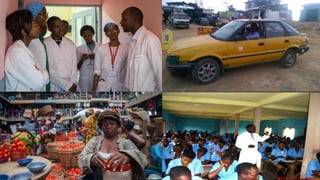
These people live in the urban and rural areas and earn
a living at a number of skilled and unskilled profession:
Entrepreneurs, Managers, Doctors, Nurses,
Accountants, Journalists, Teachers, Lawyers,
Secretaries, Tailors, Farmers, Hunters, Fishermen, Food
vendors, Drivers, Hairdressers, shop assistants,
Waiters…
Lifestyle
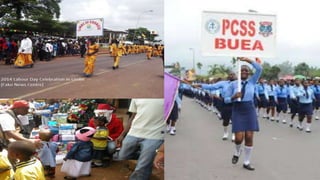
• The people celebrate several holidays throughout the year,
including: New Year’s Day (Jan 1), Youth Day (Feb 11),
Labour Day (May 1), National Day (May 20), Christmas Day
(Dec 25); includes public parades involving public officials,
party loyalists dressed in commemorative cloth with party
insignia, and school children as well as dance troupes.
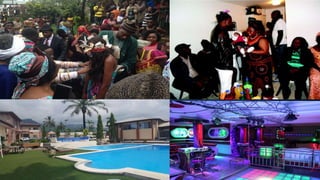
• Be it in urban or rural areas, the family is the central
institution. Families gather to celebrate births and
weddings. Funerals are also times when the family
comes together.
• Hotels, nightclubs and bars are part of the landscape
of the towns which serve as relaxation venues for
people who are living in town or those visiting.
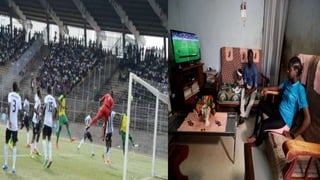
• Radio, television, and other forms of home
entertainment (e.g recorded music and movies) have
also grown in popularity, though their use is dependent
on the availability of electricity.
• Most Cameroonian nationals are football fans. One of
their favourite activities is to organize football matches
and gatherings. You are likely to enjoy these once you
are on the spot.
Values
Parental authority
• Families generally operate within parental authority structures.
Parents, particularly fathers, value obedience to parental
authority. Our culture highly values the family as the primary
source of identity and of support in times of need, financial aid,
child care, advice, and emotional support.
• We are highly family entered; you would find in many homes
extended relatives living together.
Religion
• There is freedom of worship and generally the people practice
Christianity. The main Christian denominations are: the Roman
Catholics,the Presbyterians, the Baptists, Full Gospel,
Apostolic and several other Pentecostal churches. There are
also Muslims, Bahais and traditionalists.
 Brotherhood and Sisterhood beyond Genetics!
• Sure enough, everyone calls each other “Brother,” “Sister,”
“Auntie,” “Uncle”, “Papa,” “Mama”, “My Child” and so on! It’s
really nice. It makes you feel connected!
The Huge Importance of Greetings.
• Indeed, you are expected to greet everyone you meet with a verbal
salutation, and everyone you spend a little time standing close to
with a handshake
Sense of Hospitality
• The sense of hospitality is one of the values that is still quite alive.
We easily incorporate strangers and give them lands to settle. We
have symbolic ways of expressing welcome. These are in forms of
presentation of food, drinks, shelter. These are given to a visitor to
show that he is welcome and safe.
Linguistic Affiliation
• People speak French and/or English which are the official language(s). There are
local languages and also Pidgin English which functions as a lingua franca. Both
French and English are taught in school. Most people speak at least one local
language and one administrative language, and many people are multilingual.
The Family
• Members of the extended family are considered as close as the nuclear family
which includes grandparents, cousins, aunts, uncles, nephews and nieces.
Family obligations take precedence over pretty much everything else in life. The
young are expected to care for elderly members of the extended family;
retirement homes are an alien concept.
Polygamy
• Polygamy is recognised by the law and allows a man to marry more
than one woman. You would find some families with the husband,
two or more wives and many children living together. It’s not usually
not a peaceful union, so some of the wives live in separate homes.
Crafts
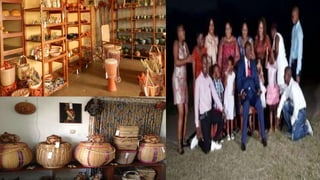
• Weaving, wrought iron, embroidery, basketry are highly valued in
Cameroon. Indeed, most of the local population is particularly
involved in craft works. Each type of craft is very well appreciated
and widespread in most of the country. Hence, craft is no more
considered to be a rural practice
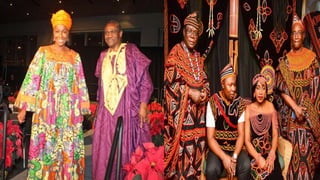
Dresses/Clothes
• A common belief that clothing is not only a necessity but that
clothing represents one’s culture and belief system. Despite
the presence of the western culture, the people have not
completely swayed away from traditional dressing. The people
are identified in Sanjas, Boubou, Gandura, Turban for men and
Kaba, Foulard for women as a mark of cultural identity. The
Atoghu fabric is used by both men and women. Today, shoes,
bags and even jewelleries have been given an African value as
they are designed and embroidered with African traditional
materials. The foreigners have embraced this clothing and
pride themselves in returning home with a piece of the fabric.
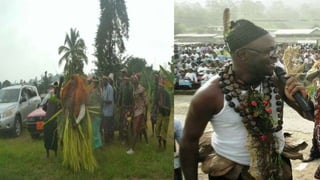
Music and Dance
The people use music and dance as a way of
expressing the life of the community. The Ngania
cultural dance and the prominent Bakweri musician Tata
Kingue perform in festivals, events or funerals to teach
their values. This dance is highly participatory with
spectators being part of the performance.
Branding Presentation

Branding Presentation

  • 1.
    THE PEOPLE OF FAKODIVISION,CAMEROON.
  • 2.
    Fako has adiverse population comprising of people from different ethnic groups: Bakweri, Bakossi, Bayangi, Bamileke, Bangwa, Duala, Bamoun, Nso, Bafut, Bali, Kirdi, Hausa, Mankon…and foreigners especially from Nigeria, Ghana, China and just name a few... These people from different ethnic backgrounds coexist and interact in many domains and they also intermarry.
  • 3.
    These people livein the urban and rural areas and earn a living at a number of skilled and unskilled profession: Entrepreneurs, Managers, Doctors, Nurses, Accountants, Journalists, Teachers, Lawyers, Secretaries, Tailors, Farmers, Hunters, Fishermen, Food vendors, Drivers, Hairdressers, shop assistants, Waiters…
  • 5.
    Lifestyle • The peoplecelebrate several holidays throughout the year, including: New Year’s Day (Jan 1), Youth Day (Feb 11), Labour Day (May 1), National Day (May 20), Christmas Day (Dec 25); includes public parades involving public officials, party loyalists dressed in commemorative cloth with party insignia, and school children as well as dance troupes.
  • 7.
    • Be itin urban or rural areas, the family is the central institution. Families gather to celebrate births and weddings. Funerals are also times when the family comes together. • Hotels, nightclubs and bars are part of the landscape of the towns which serve as relaxation venues for people who are living in town or those visiting.
  • 9.
    • Radio, television,and other forms of home entertainment (e.g recorded music and movies) have also grown in popularity, though their use is dependent on the availability of electricity. • Most Cameroonian nationals are football fans. One of their favourite activities is to organize football matches and gatherings. You are likely to enjoy these once you are on the spot.
  • 11.
    Values Parental authority • Familiesgenerally operate within parental authority structures. Parents, particularly fathers, value obedience to parental authority. Our culture highly values the family as the primary source of identity and of support in times of need, financial aid, child care, advice, and emotional support. • We are highly family entered; you would find in many homes extended relatives living together.
  • 12.
    Religion • There isfreedom of worship and generally the people practice Christianity. The main Christian denominations are: the Roman Catholics,the Presbyterians, the Baptists, Full Gospel, Apostolic and several other Pentecostal churches. There are also Muslims, Bahais and traditionalists.  Brotherhood and Sisterhood beyond Genetics! • Sure enough, everyone calls each other “Brother,” “Sister,” “Auntie,” “Uncle”, “Papa,” “Mama”, “My Child” and so on! It’s really nice. It makes you feel connected!
  • 13.
    The Huge Importanceof Greetings. • Indeed, you are expected to greet everyone you meet with a verbal salutation, and everyone you spend a little time standing close to with a handshake Sense of Hospitality • The sense of hospitality is one of the values that is still quite alive. We easily incorporate strangers and give them lands to settle. We have symbolic ways of expressing welcome. These are in forms of presentation of food, drinks, shelter. These are given to a visitor to show that he is welcome and safe.
  • 14.
    Linguistic Affiliation • Peoplespeak French and/or English which are the official language(s). There are local languages and also Pidgin English which functions as a lingua franca. Both French and English are taught in school. Most people speak at least one local language and one administrative language, and many people are multilingual. The Family • Members of the extended family are considered as close as the nuclear family which includes grandparents, cousins, aunts, uncles, nephews and nieces. Family obligations take precedence over pretty much everything else in life. The young are expected to care for elderly members of the extended family; retirement homes are an alien concept.
  • 15.
    Polygamy • Polygamy isrecognised by the law and allows a man to marry more than one woman. You would find some families with the husband, two or more wives and many children living together. It’s not usually not a peaceful union, so some of the wives live in separate homes. Crafts • Weaving, wrought iron, embroidery, basketry are highly valued in Cameroon. Indeed, most of the local population is particularly involved in craft works. Each type of craft is very well appreciated and widespread in most of the country. Hence, craft is no more considered to be a rural practice
  • 17.
    Dresses/Clothes • A commonbelief that clothing is not only a necessity but that clothing represents one’s culture and belief system. Despite the presence of the western culture, the people have not completely swayed away from traditional dressing. The people are identified in Sanjas, Boubou, Gandura, Turban for men and Kaba, Foulard for women as a mark of cultural identity. The Atoghu fabric is used by both men and women. Today, shoes, bags and even jewelleries have been given an African value as they are designed and embroidered with African traditional materials. The foreigners have embraced this clothing and pride themselves in returning home with a piece of the fabric.
  • 19.
    Music and Dance Thepeople use music and dance as a way of expressing the life of the community. The Ngania cultural dance and the prominent Bakweri musician Tata Kingue perform in festivals, events or funerals to teach their values. This dance is highly participatory with spectators being part of the performance.