W.I.M.A.T. Business Plan Document no. BP2016.01 Released 20 May 2016
Copyright © 2016 Albert Weber
The Welsh Institute for Minimal
Access Therapy
Business Plan
2016
“Advancing Excellence in
Surgery”
Business Plan for WIMAT BP2016.01 20 May 2016 2
Copyright © 2016 Albert Weber
Contents
CONTENTS .....................................................................................................................................2
PRELIMINARY DETAILS...............................................................................................................3
CONTACT INFORMA TION........................................................................................................... 3
PROFESSIONAL ADVISERS......................................................................................................... 3
DEFINITIONS............................................................................................................................. 3
DOCUMENT CONTROL ............................................................................................................... 3
LEGAL NOTICE ......................................................................................................................... 3
ACKNOWLEDGEMENTS ...............................................................................................................4
EXECUTIVESUMMARY................................................................................................................5
RECOMMENDATIONS ................................................................................................................ 6
THE INSTITUTE ......................................................................................................................... 7
THE SERVICE ............................................................................................................................ 7
BUSINESS OPPORTUNITY.............................................................................................................8
FREE MANDATORY SURGICAL TRAINING IN WALES................................................................. 8
OVERVIEW ............................................................................................................................... 9
INTERNAL & EXTERNAL AUDIT ...............................................................................................10
VALUE PROPOSITION .............................................................................................................. 10
SWOT ANALYSIS................................................................................................................... 10
MANAGEMENT TEAM &PERSONNEL...................................................................................... 14
COST OF SURGICAL TRAINING ................................................................................................ 15
STRATEGY & PLANS...................................................................................................................16
7 MARKETING PS.................................................................................................................... 16
ANSOFF MATRIX .................................................................................................................... 17
MARKET ANALYSIS &CUSTOMER SEGMENTATION ................................................................ 18
Customer Segmentation.................................................................................................... 18
Market Analysis................................................................................................................ 21
OBJECTIVES............................................................................................................................ 23
Financial .......................................................................................................................... 23
Marketing ......................................................................................................................... 23
Sales.................................................................................................................................. 23
FINANCIAL ANALYSIS................................................................................................................24
BUDGET SHEET ...................................................................................................................... 24
Core-Funding ................................................................................................................... 26
HEALTH ECONOMICS & VALUE CREATION ............................................................................. 27
RISKANALYSIS ...........................................................................................................................31
CONCLUSION...............................................................................................................................32
RECOMMENDATIONS .............................................................................................................. 32
Business Plan for WIMAT BP2016.01 20 May 2016 3
Copyright © 2016 Albert Weber
Mr. Jared Torkington
Consultant Surgeon
WIMAT
Cardiff University
Cardiff, CF14 4UJ
Cardiff, CF14 4UJ
Preliminary Details
Contact Information
For further information please contact
Albert Weber
e-mail: WeberAH@cardiff.ac.uk
Professional Advisers
Definitions
BSS = Basic Surgical Skills
CCrISP = Care of the Critically Ill Surgical Patient
NHS = National Health Service
RCS = Royal College of Surgeons of England
UHW = University Hospital of Wales
WIMAT = The Welsh Institute for Minimal Access Therapy
Document control
Prepared by: Albert Weber
Approved by: Fulcrum Direct Ltd.
Legal Notice
All rights reserved. The information contained in this document is confidential and
may also be proprietary and trade secret. Without prior written approval from the
author or the Welsh Institute for Minimal Access Therapy no part of this document
may be reproduced or transmitted in any form or by any means, including but not
limited to electronic, mechanical, photocopying or recording or stored in any
retrieval system of whatever nature. Use of any copyright notice does not imply
unrestricted public access to any part of this document.
Liz Knowles
Director
Fulcrum Direct Ltd.
Cardiff, CF14 7YT
Jeremy Jones
Director
Fulcrum Direct Ltd.
Cardiff, CF14 7YT
Dr. Neil Warren
Director
WIMAT
Cardiff University
Cardiff, CF14 4UJ
Business Plan for WIMAT BP2016.01 20 May 2016 4
Copyright © 2016 Albert Weber
Acknowledgements
On publication of this Business Plan, I would like to thank the following for their
continued support and guidance, and devoting time to discussing this Project. I am
deeply grateful for yourvaluable input.
Dr. Martyn Coomer
Secretary for Research at the Royal College of Surgeons
Ms. Hilary Cottrell
Intrepid Regional Officer
Dr. Chong Su-Lin
CEO of Prince Court Medical Centre, Kuala Lumpur
Joe Draper
Senior Finance Officer, Wales Deanery
Ms. Rhiannon Harries
Immediate Past-President of the Association of Surgeons in Training
Prof. Ceri Phillips
Head of the College of Human and Health Sciences, Swansea University
Mr. Brian Rees OBE
Co-Founder of the Welsh Institute for Minimal Access Therapy
General Surgeon and Hon Senior Lecturer
Mr. Jared Torkington
Consultant Surgeon and Hon Senior Lecturer
Dr. Neil Warren
Director of the Welsh Institute for Minimal Access Therapy
Kingsley Weber
Dad
Business Growth & Leadership Consultant
My thanks also to Alex Hicks, Fulcrum Direct, SEWAHSP, Wales Deanery Finance,
Welsh Government and all the WIMAT team. It is hoped that this Business Plan will
make a significant impact on surgical education in Wales.
“What is a cynic? A man who knows the price of everything and the value of
nothing” Oscar Wilde
Albert Weber
Business Plan for WIMAT BP2016.01 20 May 2016 5
Copyright © 2016 Albert Weber
Executive Summary
As part of the NHS Wales Student Business Plan Programme, the purpose of this
Business Plan for WIMAT is to enhance creativity, efficiency and sustainability
whilst identifying opportunities for future growth in the Surgical Education Centre.
The Welsh Institute for Minimal Access Therapy’s Central Objective is to ensure
patient safety and enhance patient care through training and research, while further
strengthening its reputation as a world-class surgical training centre. This Business
Plan sets out its strategic, operating and financial objectives.
It has been identified from stakeholder sources that WIMAT’s existence is
potentially under-threat; the current business model is considered to be
unsustainable. Excessive cost levels and lack of financial support from principal
stakeholders means that the Institute must operate as efficiently as possible with
scarce resources in order to remain fully functional.
Despite the financial difficulties that it faces, WIMAT is one of the finest surgical
training centres in the UK, providing NHS Wales and beyond with a supply of
skilled and well-trained healthcare professionals. This service provision creates
significant value for NHS Wales, placing patient care and safety at the heart of its
operations.
It is proposed that there is an offering of free mandatory surgical training for NHS
Wales-based delegates in order to recruit and retain surgeons in Wales. Ensuring that
Wales-based trainees are receiving the best surgical education in the UK aligns with
Welsh Government’s Well-being of Future Generations Act and its 7 Well-being
Goals. The cost of this initiative is £75,000 for the academic year 2016/17 and offers
a politically appealing project for NHS Wales, Welsh Government and Wales
Deanery.
Improving the marketing capabilities of WIMAT is an imperative. Further
promotional activity to delegates will help increase attendee levels, which is
currently at 75%. It is hoped that promotion through social media, its website and
external events will increase WIMAT attendee levels by at least 10% by the end of
the academic year 2016/17.
The temporary closure of the Royal College of Surgeons’ training facility in London
provides WIMAT with an opportunity to increase market share. It is recommended
that WIMAT effectively attracts delegates and faculty who are not able to train or
teach at the Royal College. To cope with increasing demand, it is proposed that
WIMAT expand its facilities through discussions with the Bill Mapleson Centre and
explore the costs associated with setting up a surgical education unit within the
Cardiff University site.
Business Plan for WIMAT BP2016.01 20 May 2016 6
Copyright © 2016 Albert Weber
This Business Plan has undertaken heath economic analysis and the value created for
WIMAT’s stakeholders. It is calculated that surgical training that emphasizes
teamwork lowers surgical mortality by 18%1. What is concluded is that if surgical
education were to reduce ‘preventable adverse events’ by 0.5% -1%, NHS Wales
would save £7.5 million-£15 million per year. Surgical errors also result in longer
waiting times, longer inpatient stays, increased mortality, increased litigation and
increased complaints. Education and training are an important factor in reducing
errors by teaching best practice techniques and developing skills, while ensuring
patient safety.
It has been identified from stakeholder sources that trainees are not the only
beneficiaries of surgical education. This report has attempted to measure the value
created and costs saved to health services as a result of delegates coming through
WIMAT.
Recommendations
After diligent consideration, this Business Plan proposes the following key
recommendations:
i. Obtain ‘Core-funding’ through NHS Wales and Cardiff University as key
stakeholders.
ii. Imposition of ‘Free Mandatory Surgical Training in Wales’ scheme in
alliance with Welsh Government, NHS Wales, Wales Deanery and Cardiff
University.
iii. Improve the marketing capabilities of WIMAT in order to increase attendee
levels and further enhance its reputation. Utilising the temporary closure of
the Royal College of Surgeons training facility in London to attract more
trainees and faculty, nationally and internationally.
This Business Plan assesses WIMAT’s business operations and highlights the real
socio-economic value that it creates for Wales through the training and education of
healthcare professionals. This Plan has undertaken market analysis, identified
strategies for the future and offers recommendations. It is clear that delegates are not
the only beneficiaries of nationally recognised surgical and medical education; it is
therefore essential that other stakeholders recognise this and proactively contribute to
the operations of WIMAT accordingly.
1 Neily et al. 2010. Association between implementation of a medical team training
programmeand surgical mortality.
Business Plan for WIMAT BP2016.01 20 May 2016 7
Copyright © 2016 Albert Weber
“Advancing Excellence in
Surgery”
The Institute
Established in 1994, Brian Rees and Howard Young raised monies to create one of
the first, state of the art postgraduate institutions to oversee the training and
development of minimal access therapy. It is now one of the busiest multi-
disciplinary surgical and medical training centres in the UK. Dr. Neil Warren,
Director, has seen WIMAT grow from its roots in 1994 to becoming the first Royal
College of Surgeons of England Accredited Surgical Education Centre in 2012,
recognizing the standard of surgical training excellence and quality assurance.
The Service
WIMAT provides a service to each one of its principal stakeholders. To its delegates,
it provides the highest standard of surgical and medical training available in Wales
and the UK. For NHS Wales, it commits a supply of healthcare professionals who
generate a significant level of benefit to its Health Boards. To Welsh Government it
provides a high socio-economic rate of return on investment through attracting
trainees and consultants fromall over the UK to stay, teach and live in Wales. Most
importantly, to patients WIMAT aims to provide the best standard of care and patient
safety through the education of its trainees and innovative techniques.
“Anyone visiting thiscentre has to be impressed by the enthusiasm and dedication of
its staff. Time and again I spoke to trainees who waxed lyrical about the quality of
courses on offer, the friendly staff and the innovations the centre has introduced”
Sir Norman Williams, Former President of the Royal College of Surgeons
Business Plan for WIMAT BP2016.01 20 May 2016 8
Copyright © 2016 Albert Weber
Business Opportunity
The Welsh Institute for Minimal Access Therapy is a Royal College of Surgeons of
England-Accredited Surgical Education Centre. Renowned for being a centre of
excellence with world-class training facilities, WIMAT strives to continually
enhance its reputation through offering the best surgical and medical training
facilities in the UK.
Vision
“WIMAT’s ultimate purpose is ‘to enhance patient care and to ensure patient safety’
as a non-profit surgical education centre while growing as a research and
innovation centre of excellence.”
Mission
WIMAT’s mission is to be the best surgical training centre in the UK, while
expanding its worldwide reputation. Through the provision of efficient multi-
disciplinary training to future and current healthcare professionals, WIMAT aims to
supply the NHS and overseas institutions with skilled and specialized healthcare
workers, while offering delegates the highest standard of facilities and teaching. It
hopes to lead the way for surgical research, placing Wales at the global heart of the
advancement of surgical innovations,while ensuring the best care for patients.
A window for opportunity has been presented in the temporary closure of the Royal
College of Surgeons training facilities. There is potential for WIMAT to increase
market share through promotion, hosting more courses and attracting delegates. In
order to increase capacity, funding is required to hire additional staff, acquire course
resources and implement marketing strategies.
Free Mandatory Surgical Training in Wales
In order to promote careers in surgery in Wales and validate Wales’ reputation as a
world-leader in surgical innovation, this Business Plan recommends the
implementation of ‘Free Mandatory Surgical Training in Wales’. This scheme would
be aimed at NHS Wales-based trainees from F1 to CT2 grades in any surgical
specialty, who enroll on the Basic Surgical Skills (BSS) or Care of the Critically Ill
Surgical Patient (CCrISP) courses. These courses are mandatory qualifications for
trainees to pursue a career in surgery. Aligning with Welsh Government’s objectives
of Prudent Healthcare and the Well-being of Future Generations Act it is hoped that
this proposal will generate notable interest to attract and retain delegates in Wales to
ensure the care and safety of NHS Wales patients into the future, whilst also securing
the best healthcare trainees within Wales. Welsh Government and Wales Deanery
would set an enviable precedent for being the first nation in the World to offer such
an initiative, ensuring clinical excellence and research-led advancement.
Business Plan for WIMAT BP2016.01 20 May 2016 9
Copyright © 2016 Albert Weber
Overview
The Welsh Institute for Minimal Access Therapy provides post-graduate medical
training to healthcare professionals of all grades. As an education centre, WIMAT is
hosted by Cardiff University and is highly regarded as the best surgical education
and training centre in Wales, if not the U.K. It is hoped that this Business Plan will
aid in establishing WIMAT as a world-class institute and the principal supplier of
healthcare professionals and surgeons to NHS Wales Health Boards, while placing
the Centre at the heart of surgical innovation and excellence in the World.
In 2012, WIMAT was the first centre in the UK to receive RCS Accreditation. This
quality assurance places WIMAT as one of only 4 other accredited education centres
in the country. Delegates are attracted and retained due to the Institute’s reputation,
attentive staff and stimulating courses. The benefits of having a post-graduate
surgical training centre in Wales include the socio-economic value generated to NHS
Wales, the wider impact on the Welsh economy and highlighting Wales’ glowing
influence as a world-leader in the Life Science industry.
The Business Opportunity identified in this Business Plan measures the socio-
economic rate of return on investment in WIMAT and assesses the value that the
Institute creates for healthcare in Wales. The Plan will evaluate the extent to which
WIMAT’s current and projected business models seek to enhance patient care and
ensure patient safety, as well as the recruitment and retention of healthcare
professionals within NHS Wales. The Plan suggests that WIMAT generates
significant value for the healthcare system in NHS Wales and highlights the
comparative socio-economic rate of return on investment for surgical training.
“The education and training of healthcare professionals is fundamental to the
delivery of high quality care and patient safety”2
“It is surely undisputable that the public gain great benefit from excellence in
surgical training and its careful administration”3
2 The Royal College of Surgeons.2015. The State of Surgery in Wales (p.16)
3 Association of Surgeons in Training. 2015. Statement:14th
August 2015.
Business Plan for WIMAT BP2016.01 20 May 2016 10
Copyright © 2016 Albert Weber
Internal & External Audit
Value Proposition
WIMAT’s ‘Value Proposition’ is the highest standard of surgical and medical post-
graduate training and education, while acting as a surgical innovation and research
institute, in order to advance the care and safety of patients.
The principal beneficiaries of this Proposition are post-graduate medical trainees,
NHS Wales, Cardiff University and most importantly, patients.
Post-graduate medical trainees receive a surgical and medical education that ensures
the most effective care for patients. NHS Wales receives a supply of skilled
healthcare professionals. Cardiff University prides itself on its internationally
recognised research and innovation capacity and WIMAT strives to play a significant
role in the University’s Research, Innovation and Enterprise Strategy.
SWOT Analysis
Strengths and Weaknesses have been identified through critical feedback with
stakeholders.Market research and external auditing have produced the Opportunities
and Threats presented.
Strengths
 Royal College of Surgeons Accredited Centre – This seal of
recognition from the Royal College of Surgeons places WIMAT as one-of-
four Accredited surgical training centres in the UK, highlighting its position
as an internationally renowned facility.
 World-class facilities, equipment & teaching – WIMAT offers
state-of-the-art equipment within its facilities for an optimal learning
experience. Courses that are run at WIMAT attract a high standard of
teaching from experienced tutors.
 Reputation as a leading UK surgical training centre – Through
high levels of attendee satisfaction, it has developed an outstanding
reputation. This reputation has also allowed WIMAT to ensure beneficial
relationships with industry, which attracts donated equipment worth
millions of pounds foruse in WIMAT’s facilities.
 Innovative model making as a source of additional income – In
order to generate much needed income, WIMAT produces and sells surgical
training equipment from within its facilities. These models are supplied to
training centres throughout the country, which also benefit the wider
healthcare community as well as providing funds for the Centre.
Business Plan for WIMAT BP2016.01 20 May 2016 11
Copyright © 2016 Albert Weber
Weaknesses
 Ineffective communication with stakeholders – communication
with the principle stakeholders is poor due to a variety of reasons. These
stakeholders being Cardiff University, NHS Wales and Wales Deanery. One
reason put forth is the conflicting interests of stakeholders. In order to
succeed and meet objectives of each organisation, WIMAT and the
principle stakeholders must align themselves to common goals. These will
be; ensuring the safety and protecting the health of patients, operating in an
efficient and responsive manner, and representing Cardiff University and
Wales Deanery as a world-class postgraduate medical training and research
institute.
 Running at a deficit – in response to supply and demand for
courses, WIMAT is limited in its pricing structure due to external factors,
such as competitors, individual trainee funding and rigid Royal College of
Surgeons Course pricing. High indirect costs cause the centre to run at a
deficit, despite an annual grant of £54,000 from Welsh Government. It
should be noted that other surgical training centres in the UK have ‘core’
costs covered by local health boards if part of an NHS trust, or by associated
universities. Core costs are the indirect costs of a training centre; premise
costs, staff costs and miscellaneous expenditure. WIMAT is at a competitive
disadvantage to surgical education centres that are core-funded.
 75% Attendee Capacity – there is 25% capacity available in
regards to offering more places to delegates. These places can be filled
through further advertising and offering the chance for more trainees within
Wales to enroll on courses that aren’t operating at maximum attendee
capacity. Vigorous promotional activity is recommended through social
media, its website with Wales Deanery and external events such as
University open days. Better levels of marketing may be achieved through
hiring a ‘Brand Manager’, consulting with external marketing agencies or
through offering Cardiff Business School student ‘Marketing Placements’
 50% of attendees from within Wales – only half of the attendees at
WIMAT are from within the NHS Wales Health Boards. This may cause
long-term recruitment and retention problems for surgeons in Wales.
Business Plan for WIMAT BP2016.01 20 May 2016 12
Copyright © 2016 Albert Weber
Opportunities
 Temporary Closure of the Royal College of Surgeons of England
training facilities – a significant opportunity is the temporary closure of the
RCS training facilities in London. The closure of a national surgical
education centre will allow WIMAT to attract delegates who may have
attended courses at the Royal College and host more courses due to the
increased demand.
 New functioning website to aid promotion and attract more
delegates – the implementation of an improved website design will provide
more information and easier access for current and potential WIMAT
trainees. An extensive list of courses and prices will enhance WIMAT’s
previous limited promotional capacity. Better levels of promotion and
building a brand identity are essential in maximising attendee capacity
levels on the courses.
 Attracting more trainees through the provision of ‘Free
Mandatory Surgical Training in Wales’ – this incentive will increase the
number of NHS Wales-based delegates, in order to combat the issue of the
recruitment and retention of surgeons in Wales, in particular in rural areas
and small hospitals 4 . ‘Mandatory surgical training’ includes the Royal
College of Surgeons’ accredited courses, Basic Surgical Skills (BSS) and
Care of the Critically Ill Surgical Patient (CCrISP). NHS Wales and Welsh
Government are beneficiaries of the initiative, and it is hoped that funding
can be attracted to seize this opportunity.
 Clearer lines of communication between principal stakeholders –
an issue identified in this Plan is the lack of effective communication
between the principal stakeholders, these being; WIMAT, Wales Deanery,
NHS Wales and Cardiff University. It is suggested that this Plan be used as
an effective communication tool to clarify WIMAT’s objectives and how it
can align them to its stakeholders, as well as how stakeholders can align
their aims to WIMAT.
 Increasing course and attendee capacity through funding – with
a core-funded model, WIMAT would be able to dedicate more of its income
to increasing the number of courses and attendees. Hiring an extra member
of staff would allow for the administration of more courses, further
marketing of the centre and attracting faculty to teach. Exploring the use of
facilities at the Bill Mapleson Centre would also increase capacity.
4 Royal College of Surgeons.2015. The state of surgery in Wales.
Business Plan for WIMAT BP2016.01 20 May 2016 13
Copyright © 2016 Albert Weber
Threats
 Current business model unsustainable due to high levels of
indirect costs – if WIMAT continues to operate under its current business
model there is no doubt that this will lead to closure of the Centre. Having
examined its operations, it is clear that any further cost-cuttings, such as job
redundancies and reducing course resources, will negatively impact on the
capacity to run efficient and frequent courses. Rather, to enhance efficiency
and effective operations, WIMAT must seek investment from each of its
principal stakeholders to achieve the long-term objectives of recruitment
and retention in NHS Wales, operating efficient business model under
Wales Deanery and enhancing its innovation capacity through Cardiff
University.
 Shortage of highly skilled healthcare professional within Wales –
a wider political and socio-economic issue is the labour shortage of highly
trained professionals within NHS Wales. Were WIMAT to cease its
operations, the long-term consequence of a skills shortage would not only
impact on NHS Wales’ budget, but also the health and well-being of the
growing population of 2.97 million in Wales.
 Potential for delegates to train elsewhere – WIMAT not operating
efficiently and meeting demand may lead to trainees to decide to train at
other training centres, significantly outside of Wales. This would coincide
with the issue of recruitment and retention in Wales.
 Difficulty of attracting faculty to teach on courses – WIMAT
relies on faculty who donate their time to teach on courses for no cost.
There is an increasing difficulty to recruit faculty due to external factors
such as time-constraints and employers’ reluctance to release staff to tutor.
Faculty is a hugely important asset to WIMAT and it must be recognised
that tutors are central to the delivery of necessary education to delegates.
Business Plan for WIMAT BP2016.01 20 May 2016 14
Copyright © 2016 Albert Weber
“Advancing Excellence in
Surgery”
Management Team & Personnel
Dr. Neil Warren
Director and Senior Lecturer
Stuart Goddard
Senior Technician and Surgical Training Model Engineer
Kostis Arnaoutakis
Senior Technician and Surgical Training Model Engineer
Kelly Westlake
Senior Course Co-ordinator
Arwen McCarthy
Course Co-ordinator
Karen Williams
Course Co-ordinator
Business Plan for WIMAT BP2016.01 20 May 2016 15
Copyright © 2016 Albert Weber
Cost of Surgical Training
It has been identified that trainees pay a substantialamount of their own money in
order to complete their training5
* General Surgery, Plastic Surgery, Urology
** Oral and Maxillofacial Surgery
Declining competition ratios for specialty training posts in all surgical specialties
highlights a worrying decreasing popularity in careers in surgery, and ever-increasing
training costs may be a crucial factor. Many studies have showed that surgical
trainees are failing to reach nationally identified targets, through receiving
insufficient experience6. A decline in funding for training and education, as well as
rising inflation, examination and professional fees will continue to impact the
experience and attractiveness of a career in surgery. This may result in a ‘brain-drain’
in Wales as surgical trainees seek better training and financial prospects abroad.
It is important to note that WIMAT is limited in determining its course fees. This is
due to price caps in place from various organisations to protect either their own or
the medical trainees’ interests. Bodies such as JAG and the Royal College of
Surgeons place limitations on its respective courses in regards to the price that
training centres charge its delegates.
WIMAT charges course fees to the highest end of the price caps in place. It does this
to reflect the standard of education,while also aiming to maximize revenue.
As course fees rise, there is a danger that delegates may discard WIMAT’s reputation
in order to seek an equivalent qualification elsewhere for a cheaper price. Were a
trainee able to obtain an RCS-accredited Basic Surgical Skills certificate of training
from a competitor unit for a cheaper price, they may favour a lower cost course over
WIMAT’s standards ofteaching.
“Surgical trainees, like all employees within the NHS, should not have to spend their
own money to complete mandatory tasks or training…
There is inadequate financial support given from deaneries to support trainees to
complete mandatory tasks”7
5 Association of Surgeons in Training. 2015. Statement:14th
August 2015.
6 Radford, P. et al. 2015. Publication of surgeon specific outcome data:A review of
implementation,controversiesand the potential impact on surgical training.
7 Stroman, L. et al. 2015. The cost of a number: can you afford to become a surgeon?
The bill, please.
Average undergraduate tuition fees cost
- Inc. Interest
£39,945
£57,303 (Male after 20 years)
£61,809 (Female after 26 years)
Costs for meeting essentialST3 entry
criteria
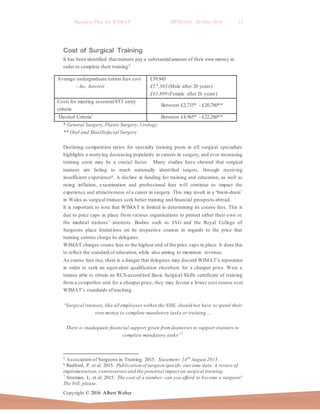
Between £2,735* - £20,780**
‘Desired Criteria’ Between £4,965* - £22,280**
Business Plan for WIMAT BP2016.01 20 May 2016 16
Copyright © 2016 Albert Weber
Strategy & Plans
7 Marketing Ps
Product
WIMAT’s product offering is its post-graduate medical and dental education courses
within its state-of-the-art facilities. As a differentiator, the Centre manufactures and
sells surgical training models to generate additional revenue.
Place
WIMAT’s facilities consist of; 4 Seminar Rooms, Training Laboratory, Lecture
Theatre, Kitchen and Reception. WIMAT is located in the Cardiff Medicentre, which
is internationally accessible and conveniently located on the UHW site.
Price
The course prices in the Centre, relative to other training centres, are in the mid-high
price range. The pricing represents WIMAT’s reputation and in many cases is capped
by various bodies, such as the Royal College of Surgeons. Therefore, WIMAT is
limited in its ability to control its training course fees. Competitor prices also restrict
the price that WIMAT can charge.
Promotion
WIMAT’s promotional capabilities have been enhanced by the implementation of a
new website. The Centre is also promoted through word-of-mouth and delegate
loyalty. WIMAT also operates on social media to attract attendees.
People
The staff culture at WIMAT is positive and enthusiastic. Staff maintain important
relationships with trainees and faculty in order to attract and retain them. The
energized and passionate staffand teaching faculty are prized assets ofthe Centre.
Process
Royal College of Surgeons Accreditation recognises WIMAT’s high standard of
teaching. Delegates are satisfied with attentive staff, equipment and quality teaching.
It must be noted that WIMAT is currently operating at 92% capacity in terms of
hosting courses and working days. Unless additional funding is granted, there is
scarce spare capacity to simply ‘host more courses’.
Physical Evidence
WIMAT offers clean, well-equipped lecture theatre, seminar rooms and laboratory.
While the staff offer a friendly, reliable service.
Business Plan for WIMAT BP2016.01 20 May 2016 17
Copyright © 2016 Albert Weber
Market Penetration
How can WIMAT expand
market share against other
competitors?
Product Development
Can WIMAT offer other
products?
Market Extension
Where can WIMAT find
new markets?
Diversification
Is it possible to
explore new
markets with new
products?
Ansoff Matrix
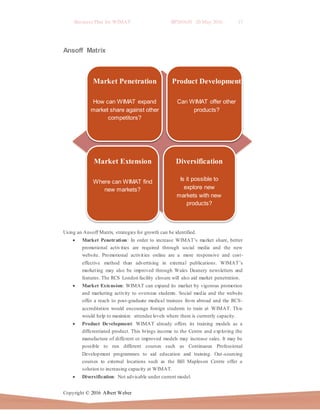
Using an Ansoff Matrix, strategies for growth can be identified.
 Market Penetration: In order to increase WIMAT’s market share, better
promotional activities are required through social media and the new
website. Promotional activities online are a more responsive and cost-
effective method than advertising in external publications. WIMAT’s
marketing may also be improved through Wales Deanery newsletters and
features. The RCS London facility closure will also aid market penetration.
 Market Extension: WIMAT can expand its market by vigorous promotion
and marketing activity to overseas students. Social media and the website
offer a reach to post-graduate medical trainees from abroad and the RCS-
accreditation would encourage foreign students to train at WIMAT. This
would help to maximize attendee levels where there is currently capacity.
 Product Development: WIMAT already offers its training models as a
differentiated product. This brings income to the Centre and exploring the
manufacture of different or improved models may increase sales. It may be
possible to run different courses such as Continuous Professional
Development programmes to aid education and training. Out-sourcing
courses to external locations such as the Bill Mapleson Centre offer a
solution to increasing capacity at WIMAT.
 Diversification: Not advisable under current model.
Business Plan for WIMAT BP2016.01 20 May 2016 18
Copyright © 2016 Albert Weber
51%49%
Fig. 1. Attendees at WIMAT (2014/15)
NHS Wales-based
Delegates
Non-NHS Wales-based
Delegates
Market Analysis & Customer Segmentation
Customer Segmentation
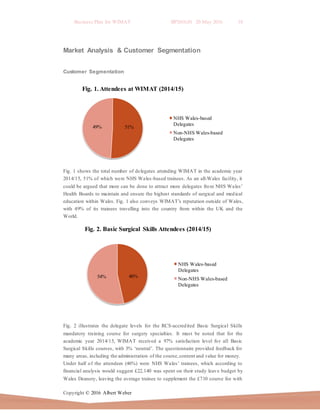
Fig. 1 shows the total number of delegates attending WIMAT in the academic year
2014/15, 51% of which were NHS Wales-based trainees. As an all-Wales facility, it
could be argued that more can be done to attract more delegates from NHS Wales’
Health Boards to maintain and ensure the highest standards of surgical and medical
education within Wales. Fig. 1 also conveys WIMAT’s reputation outside of Wales,
with 49% of its trainees travelling into the country from within the UK and the
World.
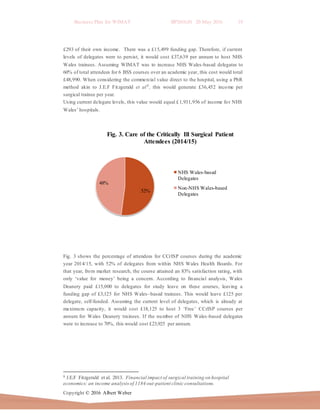
Fig. 2 illustrates the delegate levels for the RCS-accredited Basic Surgical Skills
mandatory training course for surgery specialties. It must be noted that for the
academic year 2014/15, WIMAT received a 97% satisfaction level for all Basic
Surgical Skills courses, with 3% ‘neutral’. The questionnaire provided feedback for
many areas, including the administration of the course,content and value for money.
Under half of the attendees (46%) were NHS Wales’ trainees, which according to
financial analysis would suggest £22,140 was spent on their study leave budget by
Wales Deanery, leaving the average trainee to supplement the £710 course fee with
46%54%
Fig. 2. Basic Surgical Skills Attendees (2014/15)
NHS Wales-based
Delegates
Non-NHS Wales-based
Delegates
Business Plan for WIMAT BP2016.01 20 May 2016 19
Copyright © 2016 Albert Weber
52%
48%
Fig. 3. Care of the Critically Ill Surgical Patient
Attendees (2014/15)
NHS Wales-based
Delegates
Non-NHS Wales-based
Delegates
£293 of their own income. There was a £15,499 funding gap. Therefore, if current
levels of delegates were to persist, it would cost £37,639 per annum to host NHS
Wales trainees. Assuming WIMAT was to increase NHS Wales-based delegates to
60% of total attendees for 6 BSS courses over an academic year, this cost would total
£48,990. When considering the commercial value direct to the hospital, using a PbR
method akin to J.E.F Fitzgerald et al8
, this would generate £36,452 income per
surgical trainee per year.
Using current delegate levels, this value would equal £1,931,956 of income for NHS
Wales’ hospitals.
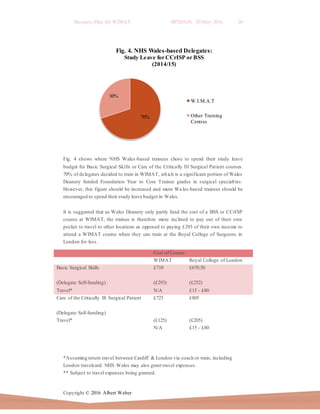
Fig. 3 shows the percentage of attendees for CCrISP courses during the academic
year 2014/15, with 52% of delegates from within NHS Wales Health Boards. For
that year, from market research, the course attained an 83% satisfaction rating, with
only ‘value for money’ being a concern. According to financial analysis, Wales
Deanery paid £15,000 to delegates for study leave on these courses, leaving a
funding gap of £3,125 for NHS Wales–based trainees. This would leave £125 per
delegate, self-funded. Assuming the current level of delegates, which is already at
maximum capacity, it would cost £18,125 to host 3 ‘Free’ CCrISP courses per
annum for Wales Deanery trainees. If the number of NHS Wales-based delegates
were to increase to 70%, this would cost £23,925 per annum.
8 J.E.F Fitzgerald et al. 2013. Financial impact of surgical training on hospital
economics: an income analysisof 1184 out-patient clinic consultations.
Business Plan for WIMAT BP2016.01 20 May 2016 20
Copyright © 2016 Albert Weber
70%
30%
Fig. 4. NHS Wales-based Delegates:
Study Leave for CCrISP or BSS
(2014/15)
W.I.M.A.T
Other Training
Centres
Fig. 4 shows where NHS Wales-based trainees chose to spend their study leave
budget for Basic Surgical Skills or Care of the Critically Ill Surgical Patient courses.
70% of delegates decided to train in WIMAT, which is a significant portion of Wales
Deanery funded Foundation Year to Core Trainee grades in surgical specialties.
However, this figure should be increased and more Wa les-based trainees should be
encouraged to spend their study leave budget in Wales.
It is suggested that as Wales Deanery only partly fund the cost of a BSS or CCrISP
course at WIMAT, the trainee is therefore more inclined to pay out of their own
pocket to travel to other locations as opposed to paying £293 of their own income to
attend a WIMAT course when they can train at the Royal College of Surgeons in
London for less.
*Assuming return travel between Cardiff & London via coach or train, including
London travelcard. NHS Wales may also grant travel expenses.
** Subject to travel expenses being granted.
Cost of Course
WIMAT Royal College of London
Basic Surgical Skills
(Delegate Self-funding)
Travel*
£710
(£293)
N/A
£670.50
(£252)
£15 - £80
Care of the Critically Ill Surgical Patient
(Delegate Self-funding)
Travel*
£725
(£125)
N/A
£805
(£205)
£15 - £80
Business Plan for WIMAT BP2016.01 20 May 2016 21
Copyright © 2016 Albert Weber
Market Analysis
State of Surgery in Wales
According to a seminal report by the Royal College of Surgeons’, one of the biggest
challenges facing surgery in Wales is waiting times9. In a Wales Audit Office Report,
financial pressures have been a contributing factor to this and are likely to result in
lower staffing and consultant levels in Wales with comparable parts of the UK10.
There is also an argument to attract more women into surgery and making the
training pathways more flexible. NHS Wales is increasingly spending more on
agency staff (not just in surgery), with the sum increasing from £40m in 2011/12 to
£71m in 2014/1511; reliance on agencies is affecting the long-term quality in patient
care and training of trainees.
Competition with Core-Funded Surgical Training Centres
It is apparent through market and competitor analysis that competing surgical
training centres do not operate under the same funding model as WIMAT. While
WIMAT currently receives a grant of £54,000 per annum from Wales Deanery, other
surgical and medical education centres receive core-funding from principal
stakeholders. Core-funding is the financial support that covers basic “core”
organisational and administrative costs of an organisation, such as salaries, facilities,
equipment and direct expenses. WIMAT is placed at a competitive disadvantage due
to the level of funding it receives co mpared to other centres. It is evident that
WIMAT is efficient in its operations to remain competitive, despite this handicap.
9 The Royal College of Surgeons.2015. The State of Surgery in Wales.
10 Wales Audit Office. 2015. NHS Waiting Times for Elective Care in Wales.
11 BBC Wales Online. 2015. ‘Not enough nurses being trained,says Welsh RCN
chief’
Business Plan for WIMAT BP2016.01 20 May 2016 22
Copyright © 2016 Albert Weber
Welsh Budget 2016/17
The Welsh Government Draft Budget 2016-2017 will see an increase of 4.1% to
£7.4bn to spend on Health and Social Services12. With emphasis on ‘The Well-being
of Future Generations Act’, the Draft Budget aims to place more value on patient
outcomes rather than the volume of activity and procedures delivered in line with its
‘Prudent Healthcare’ principles 13 . A solution to improve patient outcomes is the
higher standard of training and education of healthcare professionals to reduce the
inefficiencies and lack of knowledge that result in errors and higher risks to patient
safety. A better-educated and highly skilled NHS Wales workforce will aid in the
preventative measures underlined in the Prudent Healthcare principles. Funding in
education and training of the healthcare workforce must see a proportional rise in
Welsh Government expenditure on medical and surgical training.
“Good health and well-being is important for everyone and is also an economic
asset. Investing in health and health services also reaps rewards in the medium and
longer-term, supporting bettereducational outcomes which should follow through to
a more skilled and productive workforce”14
Royal College of Surgeons, London Refurbishment
A future determinant affecting the surgical training and education market is the
anticipated temporary closure of the training facilities of Royal College of Surgeons
in London. The Royal College is set to undergo refurbishment and will cease
operations for an undetermined, but prolonged, period of time. This creates an
opportunity for WIMAT to increase its market share. Being renowned as an RCS-
accredited centre and one of the leading institutes in the UK, there is much potential
for WIMAT to generate more revenue by hosting more courses due to increased
demand. With its location and accessibility, WIMAT would be able to attract and
retain delegates while the Royal College undergoes refurbishment, subject to faculty
and delegate levels. To maximize this opportunity, it is advised that WIMAT
undertake more marketing activity through promotions and generating interest using
its online presence.
12 BBC News. 2015. Welsh budget:NHS gets £278m boost.
13 Welsh Government. 2015. Draft budget 2016-2017.
14 Welsh Government. 2015. Draft budget 2016-2017 p.17.
Business Plan for WIMAT BP2016.01 20 May 2016 23
Copyright © 2016 Albert Weber
Objectives
Financial
Securing core-funding to increase potential for innovation and surgical excellence
while continuing to place patient care and patient safety at the heart of its operations.
 Core-funding of Expenditure Costs – there is a particular need to cover
Premise Costs
 Obtain funding for the introduction of ‘Free Mandatory Surgical Training in
Wales’
Marketing
Building the Brand Identity of WIMAT remains an essential objective. Effective
marketing of the Centre will ensure maximising attendee levels. Expanding
WIMAT’s social media presence, advertising space in medical publications and
raising awareness through events will achieve this. It is hoped that WIMAT’s
reputation can be used to market internationally and attract more delegates from
outside the UK.
WIMAT must dedicate resources to marketing effectively. Under the current
business model, WIMAT has limited capacity to promote itself due to the current
responsibilities of staff. It is suggested:
 Hiring a ‘Brand Manager’: responsible for marketing and promotional
activities to attract delegates and faculty.
 Consulting with an external marketing agency to promote WIMAT online
and through otherchannels
 Offering student ‘marketing placements’ from within Cardiff Business
School. This may offer a value-for-money alternative, while also using
WIMAT’s links to Cardiff University to provide a mutually beneficial
project. (20-weeks to 1 year placements)
Sales
To increase attendee numbers through effective marketing and maintaining excellent
standards of teaching and facilities. Increasing the number of NHS Wales-based
delegates is an imperative objective in order to excel surgical education in Wales and
make Wales a leading nation of post-graduate medical education and training.
 Through the ‘Free Mandatory Surgical Training’ scheme and promotional
activity, to increase NHS Wales-based delegates by at least 10% for the next
academic year (2016/17)
 To continue to increase attendee levels. It is hoped that attendee capacity for
all courses will be 80% for the next academic year (2016/17). As well as
increasing the number of delegates from overseas.
Business Plan for WIMAT BP2016.01 20 May 2016 24
Copyright © 2016 Albert Weber
Financial Analysis
Budget Sheet
2014/15 2015/16 (Estimate) Difference +/- Difference %
Income
Course Income £268,635.26 £296,992.82 +£28,357.56 +10.6%
Endoscopy Models
Suitcases,Laptrainers & Spitfire models
Income for Technical Support of External Courses
£54,211.94 £54,211.94 +/-0 +/-0
Asalus £8,000.00 £11,542.00 +£3,524.00 +44.1%
Sub-Total £330, 847.20 £362,746.76 +£31,899.56 +9.6%
Expenditure
Course Expenditure £114,377.89 £105,917.86 -£8,460.03 -7.4%
Staff Costs £220,795.14 £229,682.32 +£8,887.18 +4.0%
Premise Costs £113,967.81 £125,193.96 +£11,226.15 +9.9%
Miscellaneous Costs
(Consumables, Postage,etc.)
£15,492.10 £10,707.17 -£4,784.93 -30.9%
Sub-Total £464,632.94 £471,501.32 +£6,868.38 +1.5%
Income – Expenditure
Surplus/Deficit -£133,785.74 -£108,754.56 +£25,031.18 +18.7%
Wales Deanery Grant £54,300.00 £54,000.00 -£300.00 -0.6%
Surplus/Deficit (After Grant) -£79,485.74 -£54,754.56 +£24,731.18 +31.1%
Additional Wales Deanery Funding - £92,000.00 +£92,000.00 -
Total -£79,485.74 £37,245.44 +£42,240.30 +146.9%
Business Plan for WIMAT BP2016.01 20 May 2016 25
Copyright © 2016 Albert Weber
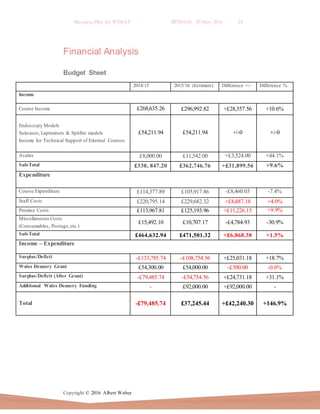
What is clear from the Budget Sheet is that WIMAT incurs high levels of indirect
costs.Methods ofreducing the sum of expenditure has been examined through:
 Reducing Staff Costs
 Reducing Premise Costs by Re-location
It has been deduced that any reduction in ‘Staff Costs’ by staff redundancies would
result in further limiting WIMAT’s competitive advantage and would also place
more strain within an already financially stretched centre. Staff at WIMAT work
high levels of unpaid overtime, particularly on days where courses are running.
Delegate numbers may also decrease as a result of any staff redundancies due to the
increased workload on the other members of staff in the centre in attracting and
retaining trainees at WIMAT.
Reducing premise costs through re-location has also been examined. Re-location
would draw WIMAT away from its hugely advantageous position within the
University Hospital of Wales site where it is able to attract medical consultants to
tutor on courses, provide an internationally accessible venue and underlie its
importance to the Welsh Health Economy sited within the vicinity of the largest
hospital in Wales. Re-location would also incur high direct costs to the centre, and to
replicate the world-class facilities that already exist in WIMAT’s Medicentre site,
would incur considerable short-term costs for little relative gain.
WIMAT has well-established links to the medical industry; these relationships are
pivotal in the donation of highly advanced equipment for use in its labs. WIMAT
operates cost-effectively by relying on sponsored equipment, thus reducing its
expenditure in the budget sheet.
Business Plan for WIMAT BP2016.01 20 May 2016 26
Copyright © 2016 Albert Weber
Core-Funding
It must be noted that in regards to operational models of other surgical training units
in the UK, most, if not all, centres are core-funded – which means that expenditure
costs are fully covered by grants provided by local heath boards or other principal
stakeholders, particularly ‘Staff Costs’, ‘Premise Costs’ and ‘Miscellaneous Costs’.
This places WIMAT at a competitive disadvantage.
It must be appreciated that WIMAT has sought to maximize its efficiency and
income-generating operation through manufacturing and selling training models and
outsourcing staff time in order to remain competitive, while at a funding
disadvantage.
It has been examined that were WIMAT to obtain a grant to cover ever-rising
premise costs, the Centre will possess more capacity to dedicate itself to medical
innovation and research to continue to keep Wales at the heart of surgical
advancements,while continuing to supply a well-educated workforce to NHS Wales.
In order to reduce costs, it is proposed that WIMAT, as a Cardiff University Institute,
cease ‘Premise Cost’ payments to operate in the Cardiff Medicentre, which is now
owned by its principal employer, Cardiff University. Or rather, receive grants from
Cardiff University, NHS Wales or Welsh Government to cover the full Premise Cost
expenditure per annum. WIMAT would then be able to dedicate resources and funds
on surgical innovation and research, which historically has seen it at the forefront in
Wales.
Business Plan for WIMAT BP2016.01 20 May 2016 27
Copyright © 2016 Albert Weber
Health Economics & Value Creation
Trainee productivity contributes significantly to the healthcare service income and
has been estimated to earn NHS Trusts far more than trainees’ salaries cost, with
relatively little education and training commitment in return from the employer.15
J.E.F Fitzgerald et al. concluded that trainees offer considerable commercial value to
hospitals in regards to out-patient clinic activity related income, with each trainee
producing three-quarters of that generated by a consultant. This study factors in the
salaries of consultants and trainees in an out-patient clinic setting and using the
Payment by Results tariff, used in NHS England, calculates the economic value
created by trainees, and recommends that hospitals offer an appropriate return
particularly to training centres who offer excellence in training 16 . The question
raised is whether trainees receive adequate training opportunities in regards to the
value that they bring to the hospital.
It has been calculated that surgical errors cost the NHS £1.1bn, 1% of the entire NHS
annual budget17. It can therefore be estimated that this equates to up to £55m in
Wales18. It is argued that investing more into surgical training and education may
reduce this figure, and provide an attractive rate of return in regards to decreasing the
costs ofsurgical errors and harm to patients.
In a study of surgical safety, Neily et al. (2010) concluded that surgical training
emphasizing teamwork and communication skills, known determinants of surgical
safety, lowers surgical mortality. The VHA Medical Team Training programme was
effective in lowering surgical mortality; a reduction of 18% annual mortality in
centres adopting this surgical training approach, with a 7% reduction in facilities that
didn’t19.
It is stated that complications from orthopaedic surgery can be costly – infection
alone in total hip or knee replacement can be £70,000 per patient to treat. If the
lowest infection rates could be achieved throughout the NHS, not limited to Wales,
annual savings would be £200-300 million.20
It is essential to highlight that, despite the high level of economic value that WIMAT
generates for NHS Wales, NHS Wales provide no direct funding to WIMAT.
However, faculty support is provided.
Using Fitzgerald et al.’s ‘PbR’ method of calculating the financial impact of surgical
trainees on hospital economics, it is estimated that over the academic year 2014/15,
15
Wild et al. 2015. Health Education England, Local Education and Training Boards (LETBs)
and reform of healthcare education: implications for surgical training.
16
J.E.F Fitzgerald et al. 2013. Financial impact of surgical training on hospital economics: an
income analysis of 1184 out-patient clinic consultations.
17
The Journal. 2015. Surgical errors cost NHS £1.1billion a year.
18
Statistics for Wales. 2015. NHS expenditure programmebudgets: 2013-14.
19
Neily et al. 2010. Association between implementation of a medical team training
programmeand surgical mortality.
20 Briggs. 2012. Getting it right first time.
Business Plan for WIMAT BP2016.01 20 May 2016 28
Copyright © 2016 Albert Weber
WIMAT generated approximately £6,500,000 of ‘income’ for NHS Wales-hospitals.
This is measured using the number of surgical trainees with the value that they
generate for outpatient treatments and procedures.
It is imperative that Welsh Government understands the value that WIMAT
generates for NHS Wales. Therefore providing the necessary funding to continue the
supply of healthcare professionals and offer an appropriate return. NHS Wales must
also ensure the continued provision of tutors.
The costs to NHS Wales associated with surgical errors are longer waiting times,
longer inpatient stays, increased mortality, increased litigation and increased
complaints. Education and training are an important factor in reducing errors by
teaching best practice techniques and developing skills, while ensuring patient safety.
Studying preventable adverse events in NHS care settings, Frontier Economics
identified that 5% of all admissions to hospitals in the NHS were ‘preventable
adverse events’21 22 . It can be estimated that of the 969,023 finished consultant
episodes in NHS Wales (2014/15) 23 , surgery represented 31% of total hospital
episodes, 300,39724 . 15,020 (5%) of these suffered a preventable adverse event.
Using the same method of calculation as Frontier Economics, the mean length of stay
in NHS Wales (2014/15) was 7 days, and the average cost of an inpatient stay was
£4,81025. Therefore, if those admitted for preventable adverse events stay the same
length of time as the average that would suggest an annual cost of about £72 million
to NHS Wales for surgery alone (i.e. £4,810 times 15,020 cases).
It is clear that education and training reduce preventable adverse effects by
improving quality and patient care while also enhancing productivity. Better
knowledge and techniques improve efficiency while ensuring patient safety.
Preventable adverse events, or surgical errors in this case, are not a fixed variable and
the rate of these events can be reduced through investment in surgical education.
Using the data from 2014/15, it can be estimated that were surgical education and
training to reduce cases of preventable adverse effects in surgery by 0.5%-1%, it
would save NHS Wales between £7.5 million to £15 million per year.
“The NHS should continually and forever reduce patient harm by embracing
wholeheartedly an ethic of learning”26
21
Frontier Economics. 2014. Exploring the costs of unsafe care in the NHS.
22
NHS Evidence. 2011. The WHO surgical safety checklist.
23
Patient Episode Database for Wales. 2015. Treatment specialty by LHB of residence, Welsh
residents, 2014/15.
24
Royal College of Surgeons. 2015. The state of surgeryin Wales.
25
Monitor Reference Costs, 2014/15. Calculated by ‘Elective Inpatient Rate 2014/15/mean
length of stay times NHS Wales mean length of stay’
26 National Advisory Group on the Safety of Patients in England. 2013. A promise to learn.
Business Plan for WIMAT BP2016.01 20 May 2016 29
Copyright © 2016 Albert Weber
Fig. 5 Current Post-Graduate Training Budget Cycle
Fig. 5 illustrates the NHS Wales trainees’ study leave budget cycle and where the
Welsh Government allocation of post-graduate medical study leave for surgical
training goes. The arrows represent the flow of money from Welsh Government to
Wales Deanery and the cycle it creates. It can be argued that this model is inefficient
and may result in ‘leakages’ in the system; unnecessary administration costs, budget
used in other areas, delays and money being spent outside of Wales in external
training centres.
The imposition of ‘Free Mandatory Surgical Training in Wales’ would direct funds
from Welsh Government to WIMAT in a more efficient process. The budget for
surgical trainees would be ‘top-sliced’ from the Welsh Government budget to Local
Health Boards and directed into WIMAT to host Basic Surgical Skills and Care of
the Critically Ill Surgical Patient courses for NHS Wales-based delegates.
Local Health
Boards
Post-
Graduate
Trainee
WIMAT
Welsh
Government
Wales
Deanery
External
Training
Centres
Business Plan for WIMAT BP2016.01 20 May 2016 30
Copyright © 2016 Albert Weber
Fig. 6 Proposed Funding Model: ‘Free Mandatory Surgical
Training in Wales’
Fig. 6 shows the proposed funding model for the implementation of ‘Free Mandatory
Surgical Training in Wales’. This model guarantees study leave budgets for
mandatory surgical training to be spent in Wales for NHS Wales-based delegates.
Through Wales Deanery, Welsh Government will fund WIMAT with £75,000 to host
Basic Surgical Skills and Care of the Critically Ill Surgical Patients open to all
surgical specialties from grades F1 to CT2. It is argued that this model will create
greater control over delegates and will allow WIMAT to host courses at a suitable
time in a trainee’s professional career. It has been identified that trainees undertake
courses at the wrong period in their career due to lack of knowledge or to
competition with other trainees. WIMAT would be able to book and reserve NHS
Wales delegates on courses at the appropriate time of training, depending on their
training grade and specialty.
This proposition will enhance the level of recruitment and retention of surgical
specialties in Wales while improving the standard of healthcare in Wales through
better levels of patient outcomes and care.
It is put forward that ‘Free Mandatory Surgical Training in Wales’ will also be a
popular political incentive for Welsh Government and Wales Deanery. Placing
Wales in a favourable position with junior doctors, considering the difficulties faced
in NHS England. For a comparatively nominal annual fee, the benefits of such a
scheme are hugely attractive.
WIMAT
Welsh
Government
Wales
Deanery
Local Health
Boards
Post-
Graduate
Trainee
£75,000
£75,000
Business Plan for WIMAT BP2016.01 20 May 2016 31
Copyright © 2016 Albert Weber
Risk Analysis
The proposition of ‘Free Mandatory Surgical Training in Wales’ has been closely
examined.
Under WIMAT’s current business model, the level of funding required for the ‘Free
Mandatory Surgical Training’ scheme would equal £75,000 per annum. Currently,
Wales Deanery expends approximately £50,000 per year on study leave budgets for
trainees attending Basic Surgical Skills and Care of the Critically Ill Surgical Patient
courses. This figure does not include any travel expenses that may be granted to
trainees to study at external training centres. It is proposed that any funding
dedicated to these mandatory courses is paid directly to WIMAT. Trainees would
then apply for study leave through the current process and request to attend a
mandatory BSS or CCrISP course. 20 places will be available per BSS course and 16
places per CCrISP course. Spaces will be allocated on a first come, first served basis
and if accepted, there is no requirement for Welsh Government, through Wales
Deanery, to pay individual study leave for each trainee.
Rather, a ‘pot’ of £75,000 per annum will be used by WIMAT to host BSS and
CCrISP courses ‘free’ to its NHS Wales-based delegates. There is a general
consensus among trainees on these courses that they are spending too much out of
their own pocket to attend BSS and CCrISP courses. Trainees will then not have to
spend their own money to complete mandatory surgical qualifications, which is
usually up to £293 per BSS or CCrISP course. Any surplus funds from this ‘pot’ will
then be allocated into the next academic year’s budget.
This model would create considerable advantages for all parties, creating a quicker
application system for these courses and attracting and retaining delegates in Wales.
With a world-leading surgical training centre, Wales would be at the heart of a socio-
economically and politically attractive initiative for a nominal annual cost. With the
current political issues regarding junior doctors in England, it would place Wales and
Wales Deanery as a focal example of medical training and education while also, in
the long term, save money through administrative costs associated with handling
study leave budgets to trainees and creating high health economic value for NHS
Wales Health Boards. Innovation and research will be possible through high levels of
activity in the Institute, further strengthening Wales’ reputation as a world-leader in
life sciences. It would encourage a quicker, more controlled method of developing
surgical specialties and halt the decline in popularity for a career in surgery2728.
27Association of Surgeons in Training. 2015. Statement: 14th
August 2015.
28Acta Neurochir. 2006. The European Working Time Directive and the effects on
training of surgical specialists
Business Plan for WIMAT BP2016.01 20 May 2016 32
Copyright © 2016 Albert Weber
Conclusion
The Business Plan for WIMAT has been published using rigourous internal and
external analysis. Opportunities for future growth have been identified whilst placing
patient care and safety at the heart of training and operations.
Increasing delegate numbers through improved marketing strategies allows for more
efficient operations,offering more economic value for healthcare activity.
The proposal of ‘Free Mandatory Surgical Training’ for Wales-based delegates and
its viability has been closely examined. This would generate significant attraction of
skilled doctors into NHS Wales and would be the first initiative of its kind in the
World. The wider economic impact of the Scheme will generate notable value in the
retention of skilled workers and the income generated from greater levels of
delegates in Wales.
It is clear that delegates at WIMAT are not the only beneficiaries of medical and
surgical education. NHS Wales, Cardiff University and Welsh Government must be
clear on the impact that this training has on patient care and patient safety, the wider
Welsh economy and the potential for surgical innovation and research excellence.
This is an opportunity to brand Wales as the heart of surgical education and research.
Were WIMAT to close its doors there is a serious risk to patient safety in Wales and
a long-term impact on the recruitment of healthcare professionals. Despite its
financial sufferings, WIMAT continues to create considerable value for its
stakeholders from patients to Government. It is imperative that these parties
recognise this value.
Recommendations
After diligent consideration, this Business Plan proposes the following key
recommendations:
i. Obtain ‘Core-funding’ through NHS Wales and Cardiff University as key
stakeholders.
ii. Imposition of ‘Free Mandatory Surgical Training in Wales’ scheme in
alliance with Welsh Government, NHS Wales, Wales Deanery and Cardiff
University.
iii. Improve the marketing capabilities of WIMAT in order to increase attendee
levels and further enhance its reputation. Utilising the temporary closure of
the Royal College of Surgeons training facility in London to attract more
trainees and faculty, nationally and internationally.

BP2016.02D

  • 1.
    W.I.M.A.T. Business PlanDocument no. BP2016.01 Released 20 May 2016 Copyright © 2016 Albert Weber The Welsh Institute for Minimal Access Therapy Business Plan 2016 “Advancing Excellence in Surgery”
  • 2.
    Business Plan forWIMAT BP2016.01 20 May 2016 2 Copyright © 2016 Albert Weber Contents CONTENTS .....................................................................................................................................2 PRELIMINARY DETAILS...............................................................................................................3 CONTACT INFORMA TION........................................................................................................... 3 PROFESSIONAL ADVISERS......................................................................................................... 3 DEFINITIONS............................................................................................................................. 3 DOCUMENT CONTROL ............................................................................................................... 3 LEGAL NOTICE ......................................................................................................................... 3 ACKNOWLEDGEMENTS ...............................................................................................................4 EXECUTIVESUMMARY................................................................................................................5 RECOMMENDATIONS ................................................................................................................ 6 THE INSTITUTE ......................................................................................................................... 7 THE SERVICE ............................................................................................................................ 7 BUSINESS OPPORTUNITY.............................................................................................................8 FREE MANDATORY SURGICAL TRAINING IN WALES................................................................. 8 OVERVIEW ............................................................................................................................... 9 INTERNAL & EXTERNAL AUDIT ...............................................................................................10 VALUE PROPOSITION .............................................................................................................. 10 SWOT ANALYSIS................................................................................................................... 10 MANAGEMENT TEAM &PERSONNEL...................................................................................... 14 COST OF SURGICAL TRAINING ................................................................................................ 15 STRATEGY & PLANS...................................................................................................................16 7 MARKETING PS.................................................................................................................... 16 ANSOFF MATRIX .................................................................................................................... 17 MARKET ANALYSIS &CUSTOMER SEGMENTATION ................................................................ 18 Customer Segmentation.................................................................................................... 18 Market Analysis................................................................................................................ 21 OBJECTIVES............................................................................................................................ 23 Financial .......................................................................................................................... 23 Marketing ......................................................................................................................... 23 Sales.................................................................................................................................. 23 FINANCIAL ANALYSIS................................................................................................................24 BUDGET SHEET ...................................................................................................................... 24 Core-Funding ................................................................................................................... 26 HEALTH ECONOMICS & VALUE CREATION ............................................................................. 27 RISKANALYSIS ...........................................................................................................................31 CONCLUSION...............................................................................................................................32 RECOMMENDATIONS .............................................................................................................. 32
  • 3.
    Business Plan forWIMAT BP2016.01 20 May 2016 3 Copyright © 2016 Albert Weber Mr. Jared Torkington Consultant Surgeon WIMAT Cardiff University Cardiff, CF14 4UJ Cardiff, CF14 4UJ Preliminary Details Contact Information For further information please contact Albert Weber e-mail: WeberAH@cardiff.ac.uk Professional Advisers Definitions BSS = Basic Surgical Skills CCrISP = Care of the Critically Ill Surgical Patient NHS = National Health Service RCS = Royal College of Surgeons of England UHW = University Hospital of Wales WIMAT = The Welsh Institute for Minimal Access Therapy Document control Prepared by: Albert Weber Approved by: Fulcrum Direct Ltd. Legal Notice All rights reserved. The information contained in this document is confidential and may also be proprietary and trade secret. Without prior written approval from the author or the Welsh Institute for Minimal Access Therapy no part of this document may be reproduced or transmitted in any form or by any means, including but not limited to electronic, mechanical, photocopying or recording or stored in any retrieval system of whatever nature. Use of any copyright notice does not imply unrestricted public access to any part of this document. Liz Knowles Director Fulcrum Direct Ltd. Cardiff, CF14 7YT Jeremy Jones Director Fulcrum Direct Ltd. Cardiff, CF14 7YT Dr. Neil Warren Director WIMAT Cardiff University Cardiff, CF14 4UJ
  • 4.
    Business Plan forWIMAT BP2016.01 20 May 2016 4 Copyright © 2016 Albert Weber Acknowledgements On publication of this Business Plan, I would like to thank the following for their continued support and guidance, and devoting time to discussing this Project. I am deeply grateful for yourvaluable input. Dr. Martyn Coomer Secretary for Research at the Royal College of Surgeons Ms. Hilary Cottrell Intrepid Regional Officer Dr. Chong Su-Lin CEO of Prince Court Medical Centre, Kuala Lumpur Joe Draper Senior Finance Officer, Wales Deanery Ms. Rhiannon Harries Immediate Past-President of the Association of Surgeons in Training Prof. Ceri Phillips Head of the College of Human and Health Sciences, Swansea University Mr. Brian Rees OBE Co-Founder of the Welsh Institute for Minimal Access Therapy General Surgeon and Hon Senior Lecturer Mr. Jared Torkington Consultant Surgeon and Hon Senior Lecturer Dr. Neil Warren Director of the Welsh Institute for Minimal Access Therapy Kingsley Weber Dad Business Growth & Leadership Consultant My thanks also to Alex Hicks, Fulcrum Direct, SEWAHSP, Wales Deanery Finance, Welsh Government and all the WIMAT team. It is hoped that this Business Plan will make a significant impact on surgical education in Wales. “What is a cynic? A man who knows the price of everything and the value of nothing” Oscar Wilde Albert Weber
  • 5.
    Business Plan forWIMAT BP2016.01 20 May 2016 5 Copyright © 2016 Albert Weber Executive Summary As part of the NHS Wales Student Business Plan Programme, the purpose of this Business Plan for WIMAT is to enhance creativity, efficiency and sustainability whilst identifying opportunities for future growth in the Surgical Education Centre. The Welsh Institute for Minimal Access Therapy’s Central Objective is to ensure patient safety and enhance patient care through training and research, while further strengthening its reputation as a world-class surgical training centre. This Business Plan sets out its strategic, operating and financial objectives. It has been identified from stakeholder sources that WIMAT’s existence is potentially under-threat; the current business model is considered to be unsustainable. Excessive cost levels and lack of financial support from principal stakeholders means that the Institute must operate as efficiently as possible with scarce resources in order to remain fully functional. Despite the financial difficulties that it faces, WIMAT is one of the finest surgical training centres in the UK, providing NHS Wales and beyond with a supply of skilled and well-trained healthcare professionals. This service provision creates significant value for NHS Wales, placing patient care and safety at the heart of its operations. It is proposed that there is an offering of free mandatory surgical training for NHS Wales-based delegates in order to recruit and retain surgeons in Wales. Ensuring that Wales-based trainees are receiving the best surgical education in the UK aligns with Welsh Government’s Well-being of Future Generations Act and its 7 Well-being Goals. The cost of this initiative is £75,000 for the academic year 2016/17 and offers a politically appealing project for NHS Wales, Welsh Government and Wales Deanery. Improving the marketing capabilities of WIMAT is an imperative. Further promotional activity to delegates will help increase attendee levels, which is currently at 75%. It is hoped that promotion through social media, its website and external events will increase WIMAT attendee levels by at least 10% by the end of the academic year 2016/17. The temporary closure of the Royal College of Surgeons’ training facility in London provides WIMAT with an opportunity to increase market share. It is recommended that WIMAT effectively attracts delegates and faculty who are not able to train or teach at the Royal College. To cope with increasing demand, it is proposed that WIMAT expand its facilities through discussions with the Bill Mapleson Centre and explore the costs associated with setting up a surgical education unit within the Cardiff University site.
  • 6.
    Business Plan forWIMAT BP2016.01 20 May 2016 6 Copyright © 2016 Albert Weber This Business Plan has undertaken heath economic analysis and the value created for WIMAT’s stakeholders. It is calculated that surgical training that emphasizes teamwork lowers surgical mortality by 18%1. What is concluded is that if surgical education were to reduce ‘preventable adverse events’ by 0.5% -1%, NHS Wales would save £7.5 million-£15 million per year. Surgical errors also result in longer waiting times, longer inpatient stays, increased mortality, increased litigation and increased complaints. Education and training are an important factor in reducing errors by teaching best practice techniques and developing skills, while ensuring patient safety. It has been identified from stakeholder sources that trainees are not the only beneficiaries of surgical education. This report has attempted to measure the value created and costs saved to health services as a result of delegates coming through WIMAT. Recommendations After diligent consideration, this Business Plan proposes the following key recommendations: i. Obtain ‘Core-funding’ through NHS Wales and Cardiff University as key stakeholders. ii. Imposition of ‘Free Mandatory Surgical Training in Wales’ scheme in alliance with Welsh Government, NHS Wales, Wales Deanery and Cardiff University. iii. Improve the marketing capabilities of WIMAT in order to increase attendee levels and further enhance its reputation. Utilising the temporary closure of the Royal College of Surgeons training facility in London to attract more trainees and faculty, nationally and internationally. This Business Plan assesses WIMAT’s business operations and highlights the real socio-economic value that it creates for Wales through the training and education of healthcare professionals. This Plan has undertaken market analysis, identified strategies for the future and offers recommendations. It is clear that delegates are not the only beneficiaries of nationally recognised surgical and medical education; it is therefore essential that other stakeholders recognise this and proactively contribute to the operations of WIMAT accordingly. 1 Neily et al. 2010. Association between implementation of a medical team training programmeand surgical mortality.
  • 7.
    Business Plan forWIMAT BP2016.01 20 May 2016 7 Copyright © 2016 Albert Weber “Advancing Excellence in Surgery” The Institute Established in 1994, Brian Rees and Howard Young raised monies to create one of the first, state of the art postgraduate institutions to oversee the training and development of minimal access therapy. It is now one of the busiest multi- disciplinary surgical and medical training centres in the UK. Dr. Neil Warren, Director, has seen WIMAT grow from its roots in 1994 to becoming the first Royal College of Surgeons of England Accredited Surgical Education Centre in 2012, recognizing the standard of surgical training excellence and quality assurance. The Service WIMAT provides a service to each one of its principal stakeholders. To its delegates, it provides the highest standard of surgical and medical training available in Wales and the UK. For NHS Wales, it commits a supply of healthcare professionals who generate a significant level of benefit to its Health Boards. To Welsh Government it provides a high socio-economic rate of return on investment through attracting trainees and consultants fromall over the UK to stay, teach and live in Wales. Most importantly, to patients WIMAT aims to provide the best standard of care and patient safety through the education of its trainees and innovative techniques. “Anyone visiting thiscentre has to be impressed by the enthusiasm and dedication of its staff. Time and again I spoke to trainees who waxed lyrical about the quality of courses on offer, the friendly staff and the innovations the centre has introduced” Sir Norman Williams, Former President of the Royal College of Surgeons
  • 8.
    Business Plan forWIMAT BP2016.01 20 May 2016 8 Copyright © 2016 Albert Weber Business Opportunity The Welsh Institute for Minimal Access Therapy is a Royal College of Surgeons of England-Accredited Surgical Education Centre. Renowned for being a centre of excellence with world-class training facilities, WIMAT strives to continually enhance its reputation through offering the best surgical and medical training facilities in the UK. Vision “WIMAT’s ultimate purpose is ‘to enhance patient care and to ensure patient safety’ as a non-profit surgical education centre while growing as a research and innovation centre of excellence.” Mission WIMAT’s mission is to be the best surgical training centre in the UK, while expanding its worldwide reputation. Through the provision of efficient multi- disciplinary training to future and current healthcare professionals, WIMAT aims to supply the NHS and overseas institutions with skilled and specialized healthcare workers, while offering delegates the highest standard of facilities and teaching. It hopes to lead the way for surgical research, placing Wales at the global heart of the advancement of surgical innovations,while ensuring the best care for patients. A window for opportunity has been presented in the temporary closure of the Royal College of Surgeons training facilities. There is potential for WIMAT to increase market share through promotion, hosting more courses and attracting delegates. In order to increase capacity, funding is required to hire additional staff, acquire course resources and implement marketing strategies. Free Mandatory Surgical Training in Wales In order to promote careers in surgery in Wales and validate Wales’ reputation as a world-leader in surgical innovation, this Business Plan recommends the implementation of ‘Free Mandatory Surgical Training in Wales’. This scheme would be aimed at NHS Wales-based trainees from F1 to CT2 grades in any surgical specialty, who enroll on the Basic Surgical Skills (BSS) or Care of the Critically Ill Surgical Patient (CCrISP) courses. These courses are mandatory qualifications for trainees to pursue a career in surgery. Aligning with Welsh Government’s objectives of Prudent Healthcare and the Well-being of Future Generations Act it is hoped that this proposal will generate notable interest to attract and retain delegates in Wales to ensure the care and safety of NHS Wales patients into the future, whilst also securing the best healthcare trainees within Wales. Welsh Government and Wales Deanery would set an enviable precedent for being the first nation in the World to offer such an initiative, ensuring clinical excellence and research-led advancement.
  • 9.
    Business Plan forWIMAT BP2016.01 20 May 2016 9 Copyright © 2016 Albert Weber Overview The Welsh Institute for Minimal Access Therapy provides post-graduate medical training to healthcare professionals of all grades. As an education centre, WIMAT is hosted by Cardiff University and is highly regarded as the best surgical education and training centre in Wales, if not the U.K. It is hoped that this Business Plan will aid in establishing WIMAT as a world-class institute and the principal supplier of healthcare professionals and surgeons to NHS Wales Health Boards, while placing the Centre at the heart of surgical innovation and excellence in the World. In 2012, WIMAT was the first centre in the UK to receive RCS Accreditation. This quality assurance places WIMAT as one of only 4 other accredited education centres in the country. Delegates are attracted and retained due to the Institute’s reputation, attentive staff and stimulating courses. The benefits of having a post-graduate surgical training centre in Wales include the socio-economic value generated to NHS Wales, the wider impact on the Welsh economy and highlighting Wales’ glowing influence as a world-leader in the Life Science industry. The Business Opportunity identified in this Business Plan measures the socio- economic rate of return on investment in WIMAT and assesses the value that the Institute creates for healthcare in Wales. The Plan will evaluate the extent to which WIMAT’s current and projected business models seek to enhance patient care and ensure patient safety, as well as the recruitment and retention of healthcare professionals within NHS Wales. The Plan suggests that WIMAT generates significant value for the healthcare system in NHS Wales and highlights the comparative socio-economic rate of return on investment for surgical training. “The education and training of healthcare professionals is fundamental to the delivery of high quality care and patient safety”2 “It is surely undisputable that the public gain great benefit from excellence in surgical training and its careful administration”3 2 The Royal College of Surgeons.2015. The State of Surgery in Wales (p.16) 3 Association of Surgeons in Training. 2015. Statement:14th August 2015.
  • 10.
    Business Plan forWIMAT BP2016.01 20 May 2016 10 Copyright © 2016 Albert Weber Internal & External Audit Value Proposition WIMAT’s ‘Value Proposition’ is the highest standard of surgical and medical post- graduate training and education, while acting as a surgical innovation and research institute, in order to advance the care and safety of patients. The principal beneficiaries of this Proposition are post-graduate medical trainees, NHS Wales, Cardiff University and most importantly, patients. Post-graduate medical trainees receive a surgical and medical education that ensures the most effective care for patients. NHS Wales receives a supply of skilled healthcare professionals. Cardiff University prides itself on its internationally recognised research and innovation capacity and WIMAT strives to play a significant role in the University’s Research, Innovation and Enterprise Strategy. SWOT Analysis Strengths and Weaknesses have been identified through critical feedback with stakeholders.Market research and external auditing have produced the Opportunities and Threats presented. Strengths  Royal College of Surgeons Accredited Centre – This seal of recognition from the Royal College of Surgeons places WIMAT as one-of- four Accredited surgical training centres in the UK, highlighting its position as an internationally renowned facility.  World-class facilities, equipment & teaching – WIMAT offers state-of-the-art equipment within its facilities for an optimal learning experience. Courses that are run at WIMAT attract a high standard of teaching from experienced tutors.  Reputation as a leading UK surgical training centre – Through high levels of attendee satisfaction, it has developed an outstanding reputation. This reputation has also allowed WIMAT to ensure beneficial relationships with industry, which attracts donated equipment worth millions of pounds foruse in WIMAT’s facilities.  Innovative model making as a source of additional income – In order to generate much needed income, WIMAT produces and sells surgical training equipment from within its facilities. These models are supplied to training centres throughout the country, which also benefit the wider healthcare community as well as providing funds for the Centre.
  • 11.
    Business Plan forWIMAT BP2016.01 20 May 2016 11 Copyright © 2016 Albert Weber Weaknesses  Ineffective communication with stakeholders – communication with the principle stakeholders is poor due to a variety of reasons. These stakeholders being Cardiff University, NHS Wales and Wales Deanery. One reason put forth is the conflicting interests of stakeholders. In order to succeed and meet objectives of each organisation, WIMAT and the principle stakeholders must align themselves to common goals. These will be; ensuring the safety and protecting the health of patients, operating in an efficient and responsive manner, and representing Cardiff University and Wales Deanery as a world-class postgraduate medical training and research institute.  Running at a deficit – in response to supply and demand for courses, WIMAT is limited in its pricing structure due to external factors, such as competitors, individual trainee funding and rigid Royal College of Surgeons Course pricing. High indirect costs cause the centre to run at a deficit, despite an annual grant of £54,000 from Welsh Government. It should be noted that other surgical training centres in the UK have ‘core’ costs covered by local health boards if part of an NHS trust, or by associated universities. Core costs are the indirect costs of a training centre; premise costs, staff costs and miscellaneous expenditure. WIMAT is at a competitive disadvantage to surgical education centres that are core-funded.  75% Attendee Capacity – there is 25% capacity available in regards to offering more places to delegates. These places can be filled through further advertising and offering the chance for more trainees within Wales to enroll on courses that aren’t operating at maximum attendee capacity. Vigorous promotional activity is recommended through social media, its website with Wales Deanery and external events such as University open days. Better levels of marketing may be achieved through hiring a ‘Brand Manager’, consulting with external marketing agencies or through offering Cardiff Business School student ‘Marketing Placements’  50% of attendees from within Wales – only half of the attendees at WIMAT are from within the NHS Wales Health Boards. This may cause long-term recruitment and retention problems for surgeons in Wales.
  • 12.
    Business Plan forWIMAT BP2016.01 20 May 2016 12 Copyright © 2016 Albert Weber Opportunities  Temporary Closure of the Royal College of Surgeons of England training facilities – a significant opportunity is the temporary closure of the RCS training facilities in London. The closure of a national surgical education centre will allow WIMAT to attract delegates who may have attended courses at the Royal College and host more courses due to the increased demand.  New functioning website to aid promotion and attract more delegates – the implementation of an improved website design will provide more information and easier access for current and potential WIMAT trainees. An extensive list of courses and prices will enhance WIMAT’s previous limited promotional capacity. Better levels of promotion and building a brand identity are essential in maximising attendee capacity levels on the courses.  Attracting more trainees through the provision of ‘Free Mandatory Surgical Training in Wales’ – this incentive will increase the number of NHS Wales-based delegates, in order to combat the issue of the recruitment and retention of surgeons in Wales, in particular in rural areas and small hospitals 4 . ‘Mandatory surgical training’ includes the Royal College of Surgeons’ accredited courses, Basic Surgical Skills (BSS) and Care of the Critically Ill Surgical Patient (CCrISP). NHS Wales and Welsh Government are beneficiaries of the initiative, and it is hoped that funding can be attracted to seize this opportunity.  Clearer lines of communication between principal stakeholders – an issue identified in this Plan is the lack of effective communication between the principal stakeholders, these being; WIMAT, Wales Deanery, NHS Wales and Cardiff University. It is suggested that this Plan be used as an effective communication tool to clarify WIMAT’s objectives and how it can align them to its stakeholders, as well as how stakeholders can align their aims to WIMAT.  Increasing course and attendee capacity through funding – with a core-funded model, WIMAT would be able to dedicate more of its income to increasing the number of courses and attendees. Hiring an extra member of staff would allow for the administration of more courses, further marketing of the centre and attracting faculty to teach. Exploring the use of facilities at the Bill Mapleson Centre would also increase capacity. 4 Royal College of Surgeons.2015. The state of surgery in Wales.
  • 13.
    Business Plan forWIMAT BP2016.01 20 May 2016 13 Copyright © 2016 Albert Weber Threats  Current business model unsustainable due to high levels of indirect costs – if WIMAT continues to operate under its current business model there is no doubt that this will lead to closure of the Centre. Having examined its operations, it is clear that any further cost-cuttings, such as job redundancies and reducing course resources, will negatively impact on the capacity to run efficient and frequent courses. Rather, to enhance efficiency and effective operations, WIMAT must seek investment from each of its principal stakeholders to achieve the long-term objectives of recruitment and retention in NHS Wales, operating efficient business model under Wales Deanery and enhancing its innovation capacity through Cardiff University.  Shortage of highly skilled healthcare professional within Wales – a wider political and socio-economic issue is the labour shortage of highly trained professionals within NHS Wales. Were WIMAT to cease its operations, the long-term consequence of a skills shortage would not only impact on NHS Wales’ budget, but also the health and well-being of the growing population of 2.97 million in Wales.  Potential for delegates to train elsewhere – WIMAT not operating efficiently and meeting demand may lead to trainees to decide to train at other training centres, significantly outside of Wales. This would coincide with the issue of recruitment and retention in Wales.  Difficulty of attracting faculty to teach on courses – WIMAT relies on faculty who donate their time to teach on courses for no cost. There is an increasing difficulty to recruit faculty due to external factors such as time-constraints and employers’ reluctance to release staff to tutor. Faculty is a hugely important asset to WIMAT and it must be recognised that tutors are central to the delivery of necessary education to delegates.
  • 14.
    Business Plan forWIMAT BP2016.01 20 May 2016 14 Copyright © 2016 Albert Weber “Advancing Excellence in Surgery” Management Team & Personnel Dr. Neil Warren Director and Senior Lecturer Stuart Goddard Senior Technician and Surgical Training Model Engineer Kostis Arnaoutakis Senior Technician and Surgical Training Model Engineer Kelly Westlake Senior Course Co-ordinator Arwen McCarthy Course Co-ordinator Karen Williams Course Co-ordinator
  • 15.
    Business Plan forWIMAT BP2016.01 20 May 2016 15 Copyright © 2016 Albert Weber Cost of Surgical Training It has been identified that trainees pay a substantialamount of their own money in order to complete their training5 * General Surgery, Plastic Surgery, Urology ** Oral and Maxillofacial Surgery Declining competition ratios for specialty training posts in all surgical specialties highlights a worrying decreasing popularity in careers in surgery, and ever-increasing training costs may be a crucial factor. Many studies have showed that surgical trainees are failing to reach nationally identified targets, through receiving insufficient experience6. A decline in funding for training and education, as well as rising inflation, examination and professional fees will continue to impact the experience and attractiveness of a career in surgery. This may result in a ‘brain-drain’ in Wales as surgical trainees seek better training and financial prospects abroad. It is important to note that WIMAT is limited in determining its course fees. This is due to price caps in place from various organisations to protect either their own or the medical trainees’ interests. Bodies such as JAG and the Royal College of Surgeons place limitations on its respective courses in regards to the price that training centres charge its delegates. WIMAT charges course fees to the highest end of the price caps in place. It does this to reflect the standard of education,while also aiming to maximize revenue. As course fees rise, there is a danger that delegates may discard WIMAT’s reputation in order to seek an equivalent qualification elsewhere for a cheaper price. Were a trainee able to obtain an RCS-accredited Basic Surgical Skills certificate of training from a competitor unit for a cheaper price, they may favour a lower cost course over WIMAT’s standards ofteaching. “Surgical trainees, like all employees within the NHS, should not have to spend their own money to complete mandatory tasks or training… There is inadequate financial support given from deaneries to support trainees to complete mandatory tasks”7 5 Association of Surgeons in Training. 2015. Statement:14th August 2015. 6 Radford, P. et al. 2015. Publication of surgeon specific outcome data:A review of implementation,controversiesand the potential impact on surgical training. 7 Stroman, L. et al. 2015. The cost of a number: can you afford to become a surgeon? The bill, please. Average undergraduate tuition fees cost - Inc. Interest £39,945 £57,303 (Male after 20 years) £61,809 (Female after 26 years) Costs for meeting essentialST3 entry criteria Between £2,735* - £20,780** ‘Desired Criteria’ Between £4,965* - £22,280**
  • 16.
    Business Plan forWIMAT BP2016.01 20 May 2016 16 Copyright © 2016 Albert Weber Strategy & Plans 7 Marketing Ps Product WIMAT’s product offering is its post-graduate medical and dental education courses within its state-of-the-art facilities. As a differentiator, the Centre manufactures and sells surgical training models to generate additional revenue. Place WIMAT’s facilities consist of; 4 Seminar Rooms, Training Laboratory, Lecture Theatre, Kitchen and Reception. WIMAT is located in the Cardiff Medicentre, which is internationally accessible and conveniently located on the UHW site. Price The course prices in the Centre, relative to other training centres, are in the mid-high price range. The pricing represents WIMAT’s reputation and in many cases is capped by various bodies, such as the Royal College of Surgeons. Therefore, WIMAT is limited in its ability to control its training course fees. Competitor prices also restrict the price that WIMAT can charge. Promotion WIMAT’s promotional capabilities have been enhanced by the implementation of a new website. The Centre is also promoted through word-of-mouth and delegate loyalty. WIMAT also operates on social media to attract attendees. People The staff culture at WIMAT is positive and enthusiastic. Staff maintain important relationships with trainees and faculty in order to attract and retain them. The energized and passionate staffand teaching faculty are prized assets ofthe Centre. Process Royal College of Surgeons Accreditation recognises WIMAT’s high standard of teaching. Delegates are satisfied with attentive staff, equipment and quality teaching. It must be noted that WIMAT is currently operating at 92% capacity in terms of hosting courses and working days. Unless additional funding is granted, there is scarce spare capacity to simply ‘host more courses’. Physical Evidence WIMAT offers clean, well-equipped lecture theatre, seminar rooms and laboratory. While the staff offer a friendly, reliable service.
  • 17.
    Business Plan forWIMAT BP2016.01 20 May 2016 17 Copyright © 2016 Albert Weber Market Penetration How can WIMAT expand market share against other competitors? Product Development Can WIMAT offer other products? Market Extension Where can WIMAT find new markets? Diversification Is it possible to explore new markets with new products? Ansoff Matrix Using an Ansoff Matrix, strategies for growth can be identified.  Market Penetration: In order to increase WIMAT’s market share, better promotional activities are required through social media and the new website. Promotional activities online are a more responsive and cost- effective method than advertising in external publications. WIMAT’s marketing may also be improved through Wales Deanery newsletters and features. The RCS London facility closure will also aid market penetration.  Market Extension: WIMAT can expand its market by vigorous promotion and marketing activity to overseas students. Social media and the website offer a reach to post-graduate medical trainees from abroad and the RCS- accreditation would encourage foreign students to train at WIMAT. This would help to maximize attendee levels where there is currently capacity.  Product Development: WIMAT already offers its training models as a differentiated product. This brings income to the Centre and exploring the manufacture of different or improved models may increase sales. It may be possible to run different courses such as Continuous Professional Development programmes to aid education and training. Out-sourcing courses to external locations such as the Bill Mapleson Centre offer a solution to increasing capacity at WIMAT.  Diversification: Not advisable under current model.
  • 18.
    Business Plan forWIMAT BP2016.01 20 May 2016 18 Copyright © 2016 Albert Weber 51%49% Fig. 1. Attendees at WIMAT (2014/15) NHS Wales-based Delegates Non-NHS Wales-based Delegates Market Analysis & Customer Segmentation Customer Segmentation Fig. 1 shows the total number of delegates attending WIMAT in the academic year 2014/15, 51% of which were NHS Wales-based trainees. As an all-Wales facility, it could be argued that more can be done to attract more delegates from NHS Wales’ Health Boards to maintain and ensure the highest standards of surgical and medical education within Wales. Fig. 1 also conveys WIMAT’s reputation outside of Wales, with 49% of its trainees travelling into the country from within the UK and the World. Fig. 2 illustrates the delegate levels for the RCS-accredited Basic Surgical Skills mandatory training course for surgery specialties. It must be noted that for the academic year 2014/15, WIMAT received a 97% satisfaction level for all Basic Surgical Skills courses, with 3% ‘neutral’. The questionnaire provided feedback for many areas, including the administration of the course,content and value for money. Under half of the attendees (46%) were NHS Wales’ trainees, which according to financial analysis would suggest £22,140 was spent on their study leave budget by Wales Deanery, leaving the average trainee to supplement the £710 course fee with 46%54% Fig. 2. Basic Surgical Skills Attendees (2014/15) NHS Wales-based Delegates Non-NHS Wales-based Delegates
  • 19.
    Business Plan forWIMAT BP2016.01 20 May 2016 19 Copyright © 2016 Albert Weber 52% 48% Fig. 3. Care of the Critically Ill Surgical Patient Attendees (2014/15) NHS Wales-based Delegates Non-NHS Wales-based Delegates £293 of their own income. There was a £15,499 funding gap. Therefore, if current levels of delegates were to persist, it would cost £37,639 per annum to host NHS Wales trainees. Assuming WIMAT was to increase NHS Wales-based delegates to 60% of total attendees for 6 BSS courses over an academic year, this cost would total £48,990. When considering the commercial value direct to the hospital, using a PbR method akin to J.E.F Fitzgerald et al8 , this would generate £36,452 income per surgical trainee per year. Using current delegate levels, this value would equal £1,931,956 of income for NHS Wales’ hospitals. Fig. 3 shows the percentage of attendees for CCrISP courses during the academic year 2014/15, with 52% of delegates from within NHS Wales Health Boards. For that year, from market research, the course attained an 83% satisfaction rating, with only ‘value for money’ being a concern. According to financial analysis, Wales Deanery paid £15,000 to delegates for study leave on these courses, leaving a funding gap of £3,125 for NHS Wales–based trainees. This would leave £125 per delegate, self-funded. Assuming the current level of delegates, which is already at maximum capacity, it would cost £18,125 to host 3 ‘Free’ CCrISP courses per annum for Wales Deanery trainees. If the number of NHS Wales-based delegates were to increase to 70%, this would cost £23,925 per annum. 8 J.E.F Fitzgerald et al. 2013. Financial impact of surgical training on hospital economics: an income analysisof 1184 out-patient clinic consultations.
  • 20.
    Business Plan forWIMAT BP2016.01 20 May 2016 20 Copyright © 2016 Albert Weber 70% 30% Fig. 4. NHS Wales-based Delegates: Study Leave for CCrISP or BSS (2014/15) W.I.M.A.T Other Training Centres Fig. 4 shows where NHS Wales-based trainees chose to spend their study leave budget for Basic Surgical Skills or Care of the Critically Ill Surgical Patient courses. 70% of delegates decided to train in WIMAT, which is a significant portion of Wales Deanery funded Foundation Year to Core Trainee grades in surgical specialties. However, this figure should be increased and more Wa les-based trainees should be encouraged to spend their study leave budget in Wales. It is suggested that as Wales Deanery only partly fund the cost of a BSS or CCrISP course at WIMAT, the trainee is therefore more inclined to pay out of their own pocket to travel to other locations as opposed to paying £293 of their own income to attend a WIMAT course when they can train at the Royal College of Surgeons in London for less. *Assuming return travel between Cardiff & London via coach or train, including London travelcard. NHS Wales may also grant travel expenses. ** Subject to travel expenses being granted. Cost of Course WIMAT Royal College of London Basic Surgical Skills (Delegate Self-funding) Travel* £710 (£293) N/A £670.50 (£252) £15 - £80 Care of the Critically Ill Surgical Patient (Delegate Self-funding) Travel* £725 (£125) N/A £805 (£205) £15 - £80
  • 21.
    Business Plan forWIMAT BP2016.01 20 May 2016 21 Copyright © 2016 Albert Weber Market Analysis State of Surgery in Wales According to a seminal report by the Royal College of Surgeons’, one of the biggest challenges facing surgery in Wales is waiting times9. In a Wales Audit Office Report, financial pressures have been a contributing factor to this and are likely to result in lower staffing and consultant levels in Wales with comparable parts of the UK10. There is also an argument to attract more women into surgery and making the training pathways more flexible. NHS Wales is increasingly spending more on agency staff (not just in surgery), with the sum increasing from £40m in 2011/12 to £71m in 2014/1511; reliance on agencies is affecting the long-term quality in patient care and training of trainees. Competition with Core-Funded Surgical Training Centres It is apparent through market and competitor analysis that competing surgical training centres do not operate under the same funding model as WIMAT. While WIMAT currently receives a grant of £54,000 per annum from Wales Deanery, other surgical and medical education centres receive core-funding from principal stakeholders. Core-funding is the financial support that covers basic “core” organisational and administrative costs of an organisation, such as salaries, facilities, equipment and direct expenses. WIMAT is placed at a competitive disadvantage due to the level of funding it receives co mpared to other centres. It is evident that WIMAT is efficient in its operations to remain competitive, despite this handicap. 9 The Royal College of Surgeons.2015. The State of Surgery in Wales. 10 Wales Audit Office. 2015. NHS Waiting Times for Elective Care in Wales. 11 BBC Wales Online. 2015. ‘Not enough nurses being trained,says Welsh RCN chief’
  • 22.
    Business Plan forWIMAT BP2016.01 20 May 2016 22 Copyright © 2016 Albert Weber Welsh Budget 2016/17 The Welsh Government Draft Budget 2016-2017 will see an increase of 4.1% to £7.4bn to spend on Health and Social Services12. With emphasis on ‘The Well-being of Future Generations Act’, the Draft Budget aims to place more value on patient outcomes rather than the volume of activity and procedures delivered in line with its ‘Prudent Healthcare’ principles 13 . A solution to improve patient outcomes is the higher standard of training and education of healthcare professionals to reduce the inefficiencies and lack of knowledge that result in errors and higher risks to patient safety. A better-educated and highly skilled NHS Wales workforce will aid in the preventative measures underlined in the Prudent Healthcare principles. Funding in education and training of the healthcare workforce must see a proportional rise in Welsh Government expenditure on medical and surgical training. “Good health and well-being is important for everyone and is also an economic asset. Investing in health and health services also reaps rewards in the medium and longer-term, supporting bettereducational outcomes which should follow through to a more skilled and productive workforce”14 Royal College of Surgeons, London Refurbishment A future determinant affecting the surgical training and education market is the anticipated temporary closure of the training facilities of Royal College of Surgeons in London. The Royal College is set to undergo refurbishment and will cease operations for an undetermined, but prolonged, period of time. This creates an opportunity for WIMAT to increase its market share. Being renowned as an RCS- accredited centre and one of the leading institutes in the UK, there is much potential for WIMAT to generate more revenue by hosting more courses due to increased demand. With its location and accessibility, WIMAT would be able to attract and retain delegates while the Royal College undergoes refurbishment, subject to faculty and delegate levels. To maximize this opportunity, it is advised that WIMAT undertake more marketing activity through promotions and generating interest using its online presence. 12 BBC News. 2015. Welsh budget:NHS gets £278m boost. 13 Welsh Government. 2015. Draft budget 2016-2017. 14 Welsh Government. 2015. Draft budget 2016-2017 p.17.
  • 23.
    Business Plan forWIMAT BP2016.01 20 May 2016 23 Copyright © 2016 Albert Weber Objectives Financial Securing core-funding to increase potential for innovation and surgical excellence while continuing to place patient care and patient safety at the heart of its operations.  Core-funding of Expenditure Costs – there is a particular need to cover Premise Costs  Obtain funding for the introduction of ‘Free Mandatory Surgical Training in Wales’ Marketing Building the Brand Identity of WIMAT remains an essential objective. Effective marketing of the Centre will ensure maximising attendee levels. Expanding WIMAT’s social media presence, advertising space in medical publications and raising awareness through events will achieve this. It is hoped that WIMAT’s reputation can be used to market internationally and attract more delegates from outside the UK. WIMAT must dedicate resources to marketing effectively. Under the current business model, WIMAT has limited capacity to promote itself due to the current responsibilities of staff. It is suggested:  Hiring a ‘Brand Manager’: responsible for marketing and promotional activities to attract delegates and faculty.  Consulting with an external marketing agency to promote WIMAT online and through otherchannels  Offering student ‘marketing placements’ from within Cardiff Business School. This may offer a value-for-money alternative, while also using WIMAT’s links to Cardiff University to provide a mutually beneficial project. (20-weeks to 1 year placements) Sales To increase attendee numbers through effective marketing and maintaining excellent standards of teaching and facilities. Increasing the number of NHS Wales-based delegates is an imperative objective in order to excel surgical education in Wales and make Wales a leading nation of post-graduate medical education and training.  Through the ‘Free Mandatory Surgical Training’ scheme and promotional activity, to increase NHS Wales-based delegates by at least 10% for the next academic year (2016/17)  To continue to increase attendee levels. It is hoped that attendee capacity for all courses will be 80% for the next academic year (2016/17). As well as increasing the number of delegates from overseas.
  • 24.
    Business Plan forWIMAT BP2016.01 20 May 2016 24 Copyright © 2016 Albert Weber Financial Analysis Budget Sheet 2014/15 2015/16 (Estimate) Difference +/- Difference % Income Course Income £268,635.26 £296,992.82 +£28,357.56 +10.6% Endoscopy Models Suitcases,Laptrainers & Spitfire models Income for Technical Support of External Courses £54,211.94 £54,211.94 +/-0 +/-0 Asalus £8,000.00 £11,542.00 +£3,524.00 +44.1% Sub-Total £330, 847.20 £362,746.76 +£31,899.56 +9.6% Expenditure Course Expenditure £114,377.89 £105,917.86 -£8,460.03 -7.4% Staff Costs £220,795.14 £229,682.32 +£8,887.18 +4.0% Premise Costs £113,967.81 £125,193.96 +£11,226.15 +9.9% Miscellaneous Costs (Consumables, Postage,etc.) £15,492.10 £10,707.17 -£4,784.93 -30.9% Sub-Total £464,632.94 £471,501.32 +£6,868.38 +1.5% Income – Expenditure Surplus/Deficit -£133,785.74 -£108,754.56 +£25,031.18 +18.7% Wales Deanery Grant £54,300.00 £54,000.00 -£300.00 -0.6% Surplus/Deficit (After Grant) -£79,485.74 -£54,754.56 +£24,731.18 +31.1% Additional Wales Deanery Funding - £92,000.00 +£92,000.00 - Total -£79,485.74 £37,245.44 +£42,240.30 +146.9%
  • 25.
    Business Plan forWIMAT BP2016.01 20 May 2016 25 Copyright © 2016 Albert Weber What is clear from the Budget Sheet is that WIMAT incurs high levels of indirect costs.Methods ofreducing the sum of expenditure has been examined through:  Reducing Staff Costs  Reducing Premise Costs by Re-location It has been deduced that any reduction in ‘Staff Costs’ by staff redundancies would result in further limiting WIMAT’s competitive advantage and would also place more strain within an already financially stretched centre. Staff at WIMAT work high levels of unpaid overtime, particularly on days where courses are running. Delegate numbers may also decrease as a result of any staff redundancies due to the increased workload on the other members of staff in the centre in attracting and retaining trainees at WIMAT. Reducing premise costs through re-location has also been examined. Re-location would draw WIMAT away from its hugely advantageous position within the University Hospital of Wales site where it is able to attract medical consultants to tutor on courses, provide an internationally accessible venue and underlie its importance to the Welsh Health Economy sited within the vicinity of the largest hospital in Wales. Re-location would also incur high direct costs to the centre, and to replicate the world-class facilities that already exist in WIMAT’s Medicentre site, would incur considerable short-term costs for little relative gain. WIMAT has well-established links to the medical industry; these relationships are pivotal in the donation of highly advanced equipment for use in its labs. WIMAT operates cost-effectively by relying on sponsored equipment, thus reducing its expenditure in the budget sheet.
  • 26.
    Business Plan forWIMAT BP2016.01 20 May 2016 26 Copyright © 2016 Albert Weber Core-Funding It must be noted that in regards to operational models of other surgical training units in the UK, most, if not all, centres are core-funded – which means that expenditure costs are fully covered by grants provided by local heath boards or other principal stakeholders, particularly ‘Staff Costs’, ‘Premise Costs’ and ‘Miscellaneous Costs’. This places WIMAT at a competitive disadvantage. It must be appreciated that WIMAT has sought to maximize its efficiency and income-generating operation through manufacturing and selling training models and outsourcing staff time in order to remain competitive, while at a funding disadvantage. It has been examined that were WIMAT to obtain a grant to cover ever-rising premise costs, the Centre will possess more capacity to dedicate itself to medical innovation and research to continue to keep Wales at the heart of surgical advancements,while continuing to supply a well-educated workforce to NHS Wales. In order to reduce costs, it is proposed that WIMAT, as a Cardiff University Institute, cease ‘Premise Cost’ payments to operate in the Cardiff Medicentre, which is now owned by its principal employer, Cardiff University. Or rather, receive grants from Cardiff University, NHS Wales or Welsh Government to cover the full Premise Cost expenditure per annum. WIMAT would then be able to dedicate resources and funds on surgical innovation and research, which historically has seen it at the forefront in Wales.
  • 27.
    Business Plan forWIMAT BP2016.01 20 May 2016 27 Copyright © 2016 Albert Weber Health Economics & Value Creation Trainee productivity contributes significantly to the healthcare service income and has been estimated to earn NHS Trusts far more than trainees’ salaries cost, with relatively little education and training commitment in return from the employer.15 J.E.F Fitzgerald et al. concluded that trainees offer considerable commercial value to hospitals in regards to out-patient clinic activity related income, with each trainee producing three-quarters of that generated by a consultant. This study factors in the salaries of consultants and trainees in an out-patient clinic setting and using the Payment by Results tariff, used in NHS England, calculates the economic value created by trainees, and recommends that hospitals offer an appropriate return particularly to training centres who offer excellence in training 16 . The question raised is whether trainees receive adequate training opportunities in regards to the value that they bring to the hospital. It has been calculated that surgical errors cost the NHS £1.1bn, 1% of the entire NHS annual budget17. It can therefore be estimated that this equates to up to £55m in Wales18. It is argued that investing more into surgical training and education may reduce this figure, and provide an attractive rate of return in regards to decreasing the costs ofsurgical errors and harm to patients. In a study of surgical safety, Neily et al. (2010) concluded that surgical training emphasizing teamwork and communication skills, known determinants of surgical safety, lowers surgical mortality. The VHA Medical Team Training programme was effective in lowering surgical mortality; a reduction of 18% annual mortality in centres adopting this surgical training approach, with a 7% reduction in facilities that didn’t19. It is stated that complications from orthopaedic surgery can be costly – infection alone in total hip or knee replacement can be £70,000 per patient to treat. If the lowest infection rates could be achieved throughout the NHS, not limited to Wales, annual savings would be £200-300 million.20 It is essential to highlight that, despite the high level of economic value that WIMAT generates for NHS Wales, NHS Wales provide no direct funding to WIMAT. However, faculty support is provided. Using Fitzgerald et al.’s ‘PbR’ method of calculating the financial impact of surgical trainees on hospital economics, it is estimated that over the academic year 2014/15, 15 Wild et al. 2015. Health Education England, Local Education and Training Boards (LETBs) and reform of healthcare education: implications for surgical training. 16 J.E.F Fitzgerald et al. 2013. Financial impact of surgical training on hospital economics: an income analysis of 1184 out-patient clinic consultations. 17 The Journal. 2015. Surgical errors cost NHS £1.1billion a year. 18 Statistics for Wales. 2015. NHS expenditure programmebudgets: 2013-14. 19 Neily et al. 2010. Association between implementation of a medical team training programmeand surgical mortality. 20 Briggs. 2012. Getting it right first time.
  • 28.
    Business Plan forWIMAT BP2016.01 20 May 2016 28 Copyright © 2016 Albert Weber WIMAT generated approximately £6,500,000 of ‘income’ for NHS Wales-hospitals. This is measured using the number of surgical trainees with the value that they generate for outpatient treatments and procedures. It is imperative that Welsh Government understands the value that WIMAT generates for NHS Wales. Therefore providing the necessary funding to continue the supply of healthcare professionals and offer an appropriate return. NHS Wales must also ensure the continued provision of tutors. The costs to NHS Wales associated with surgical errors are longer waiting times, longer inpatient stays, increased mortality, increased litigation and increased complaints. Education and training are an important factor in reducing errors by teaching best practice techniques and developing skills, while ensuring patient safety. Studying preventable adverse events in NHS care settings, Frontier Economics identified that 5% of all admissions to hospitals in the NHS were ‘preventable adverse events’21 22 . It can be estimated that of the 969,023 finished consultant episodes in NHS Wales (2014/15) 23 , surgery represented 31% of total hospital episodes, 300,39724 . 15,020 (5%) of these suffered a preventable adverse event. Using the same method of calculation as Frontier Economics, the mean length of stay in NHS Wales (2014/15) was 7 days, and the average cost of an inpatient stay was £4,81025. Therefore, if those admitted for preventable adverse events stay the same length of time as the average that would suggest an annual cost of about £72 million to NHS Wales for surgery alone (i.e. £4,810 times 15,020 cases). It is clear that education and training reduce preventable adverse effects by improving quality and patient care while also enhancing productivity. Better knowledge and techniques improve efficiency while ensuring patient safety. Preventable adverse events, or surgical errors in this case, are not a fixed variable and the rate of these events can be reduced through investment in surgical education. Using the data from 2014/15, it can be estimated that were surgical education and training to reduce cases of preventable adverse effects in surgery by 0.5%-1%, it would save NHS Wales between £7.5 million to £15 million per year. “The NHS should continually and forever reduce patient harm by embracing wholeheartedly an ethic of learning”26 21 Frontier Economics. 2014. Exploring the costs of unsafe care in the NHS. 22 NHS Evidence. 2011. The WHO surgical safety checklist. 23 Patient Episode Database for Wales. 2015. Treatment specialty by LHB of residence, Welsh residents, 2014/15. 24 Royal College of Surgeons. 2015. The state of surgeryin Wales. 25 Monitor Reference Costs, 2014/15. Calculated by ‘Elective Inpatient Rate 2014/15/mean length of stay times NHS Wales mean length of stay’ 26 National Advisory Group on the Safety of Patients in England. 2013. A promise to learn.
  • 29.
    Business Plan forWIMAT BP2016.01 20 May 2016 29 Copyright © 2016 Albert Weber Fig. 5 Current Post-Graduate Training Budget Cycle Fig. 5 illustrates the NHS Wales trainees’ study leave budget cycle and where the Welsh Government allocation of post-graduate medical study leave for surgical training goes. The arrows represent the flow of money from Welsh Government to Wales Deanery and the cycle it creates. It can be argued that this model is inefficient and may result in ‘leakages’ in the system; unnecessary administration costs, budget used in other areas, delays and money being spent outside of Wales in external training centres. The imposition of ‘Free Mandatory Surgical Training in Wales’ would direct funds from Welsh Government to WIMAT in a more efficient process. The budget for surgical trainees would be ‘top-sliced’ from the Welsh Government budget to Local Health Boards and directed into WIMAT to host Basic Surgical Skills and Care of the Critically Ill Surgical Patient courses for NHS Wales-based delegates. Local Health Boards Post- Graduate Trainee WIMAT Welsh Government Wales Deanery External Training Centres
  • 30.
    Business Plan forWIMAT BP2016.01 20 May 2016 30 Copyright © 2016 Albert Weber Fig. 6 Proposed Funding Model: ‘Free Mandatory Surgical Training in Wales’ Fig. 6 shows the proposed funding model for the implementation of ‘Free Mandatory Surgical Training in Wales’. This model guarantees study leave budgets for mandatory surgical training to be spent in Wales for NHS Wales-based delegates. Through Wales Deanery, Welsh Government will fund WIMAT with £75,000 to host Basic Surgical Skills and Care of the Critically Ill Surgical Patients open to all surgical specialties from grades F1 to CT2. It is argued that this model will create greater control over delegates and will allow WIMAT to host courses at a suitable time in a trainee’s professional career. It has been identified that trainees undertake courses at the wrong period in their career due to lack of knowledge or to competition with other trainees. WIMAT would be able to book and reserve NHS Wales delegates on courses at the appropriate time of training, depending on their training grade and specialty. This proposition will enhance the level of recruitment and retention of surgical specialties in Wales while improving the standard of healthcare in Wales through better levels of patient outcomes and care. It is put forward that ‘Free Mandatory Surgical Training in Wales’ will also be a popular political incentive for Welsh Government and Wales Deanery. Placing Wales in a favourable position with junior doctors, considering the difficulties faced in NHS England. For a comparatively nominal annual fee, the benefits of such a scheme are hugely attractive. WIMAT Welsh Government Wales Deanery Local Health Boards Post- Graduate Trainee £75,000 £75,000
  • 31.
    Business Plan forWIMAT BP2016.01 20 May 2016 31 Copyright © 2016 Albert Weber Risk Analysis The proposition of ‘Free Mandatory Surgical Training in Wales’ has been closely examined. Under WIMAT’s current business model, the level of funding required for the ‘Free Mandatory Surgical Training’ scheme would equal £75,000 per annum. Currently, Wales Deanery expends approximately £50,000 per year on study leave budgets for trainees attending Basic Surgical Skills and Care of the Critically Ill Surgical Patient courses. This figure does not include any travel expenses that may be granted to trainees to study at external training centres. It is proposed that any funding dedicated to these mandatory courses is paid directly to WIMAT. Trainees would then apply for study leave through the current process and request to attend a mandatory BSS or CCrISP course. 20 places will be available per BSS course and 16 places per CCrISP course. Spaces will be allocated on a first come, first served basis and if accepted, there is no requirement for Welsh Government, through Wales Deanery, to pay individual study leave for each trainee. Rather, a ‘pot’ of £75,000 per annum will be used by WIMAT to host BSS and CCrISP courses ‘free’ to its NHS Wales-based delegates. There is a general consensus among trainees on these courses that they are spending too much out of their own pocket to attend BSS and CCrISP courses. Trainees will then not have to spend their own money to complete mandatory surgical qualifications, which is usually up to £293 per BSS or CCrISP course. Any surplus funds from this ‘pot’ will then be allocated into the next academic year’s budget. This model would create considerable advantages for all parties, creating a quicker application system for these courses and attracting and retaining delegates in Wales. With a world-leading surgical training centre, Wales would be at the heart of a socio- economically and politically attractive initiative for a nominal annual cost. With the current political issues regarding junior doctors in England, it would place Wales and Wales Deanery as a focal example of medical training and education while also, in the long term, save money through administrative costs associated with handling study leave budgets to trainees and creating high health economic value for NHS Wales Health Boards. Innovation and research will be possible through high levels of activity in the Institute, further strengthening Wales’ reputation as a world-leader in life sciences. It would encourage a quicker, more controlled method of developing surgical specialties and halt the decline in popularity for a career in surgery2728. 27Association of Surgeons in Training. 2015. Statement: 14th August 2015. 28Acta Neurochir. 2006. The European Working Time Directive and the effects on training of surgical specialists
  • 32.
    Business Plan forWIMAT BP2016.01 20 May 2016 32 Copyright © 2016 Albert Weber Conclusion The Business Plan for WIMAT has been published using rigourous internal and external analysis. Opportunities for future growth have been identified whilst placing patient care and safety at the heart of training and operations. Increasing delegate numbers through improved marketing strategies allows for more efficient operations,offering more economic value for healthcare activity. The proposal of ‘Free Mandatory Surgical Training’ for Wales-based delegates and its viability has been closely examined. This would generate significant attraction of skilled doctors into NHS Wales and would be the first initiative of its kind in the World. The wider economic impact of the Scheme will generate notable value in the retention of skilled workers and the income generated from greater levels of delegates in Wales. It is clear that delegates at WIMAT are not the only beneficiaries of medical and surgical education. NHS Wales, Cardiff University and Welsh Government must be clear on the impact that this training has on patient care and patient safety, the wider Welsh economy and the potential for surgical innovation and research excellence. This is an opportunity to brand Wales as the heart of surgical education and research. Were WIMAT to close its doors there is a serious risk to patient safety in Wales and a long-term impact on the recruitment of healthcare professionals. Despite its financial sufferings, WIMAT continues to create considerable value for its stakeholders from patients to Government. It is imperative that these parties recognise this value. Recommendations After diligent consideration, this Business Plan proposes the following key recommendations: i. Obtain ‘Core-funding’ through NHS Wales and Cardiff University as key stakeholders. ii. Imposition of ‘Free Mandatory Surgical Training in Wales’ scheme in alliance with Welsh Government, NHS Wales, Wales Deanery and Cardiff University. iii. Improve the marketing capabilities of WIMAT in order to increase attendee levels and further enhance its reputation. Utilising the temporary closure of the Royal College of Surgeons training facility in London to attract more trainees and faculty, nationally and internationally.