Cycles and cycle models
The Biogeochemical Cycles
How Chemicals Cycle
• Biogeochemical Cycle
– The complete path a chemical takes through
the four major components – or reservoirs –
of Earth’s systems
1. Atmosphere
2. Hydrosphere
3. Lithosphere
4. Biosphere
Chemical Reactions
• Chemical reaction:
– The process in which new chemicals are
formed from elements and compounds
through chemical change
Biogeochemical Cycles and Life:
Limiting Factors
• Macronutrients
– Elements required in large amounts by all life
– Include the “big six” elements that form the fundamental building
blocks of life:
carbon oxygen
hydrogen phosphorus
nitrogen sulfur
• Micronutrients
– Elements required either in
• small amounts by all life or
• moderate amounts by some forms of life and not all by others
• Limiting factor
– When chemical elements are not available at the right times, in
the right amounts, and in the right concentrations relative to each
other
The Geologic Cycle
• The Geologic Cycle:
– The processes responsible for formation and
change of Earth’s materials
– Best described as a group of cycles:
• Tectonic
• Hydrologic
• Rock
• Biochemical
Tectonic Cycle
• Tectonic cycle:
– Involves creation and destruction of the solid
outer layer of Earth, the lithosphere
• Plate tectonics:
– The slow movement of these large segments
of Earth’s outermost rock shell
– Boundaries between plates are geologically
active areas
Tectonic Cycle: Plate
Boundaries
• Divergent plate boundary:
– Occurs at a spreading ocean ridge, where plates are
moving away from one another
– New lithosphere is produced (seafloor spreading)
• Convergent plate boundary
– Occurs when plates collide
• Produces linear coastal mountain ranges or continental
mountain ranges
• Transform fault boundary
– Occurs where one plate slides past another
• San Andreas Fault in California
The Hydrologic Cycle
• The Hydrologic Cycle:
– The transfer of water from the oceans to the
atmosphere to the land and back to the
oceans. Includes:
• Evaporation of water from the oceans
• Precipitation on land
• Evaporation from land
• Runoff from streams, rivers, and sub-surface
groundwater
The Rock Cycle
• The rock cycle:
– Numerous processes that produce rocks and
soils
– Depends on other cycles:
• tectonic cycle for energy
• Hydrologic cycle for water
– Rock is classified as
• Igneous
• Sedimentary
• Metamorphic
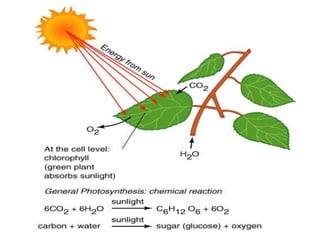
The Carbon Cycle
• Carbon is the element that anchors all
organic substances
• The carbon cycle:
– Carbon combines with and is chemically and
biologically linked with the cycles of oxygen
and hydrogen that form the major compounds
of life
Botkin & Keller
Environmental Science 5e
The Carbon-Silicate Cycle
• The carbon-silicate cycle:
– A complex biogeochemical cycle over time scales as
long as one-half billion years.
– Includes major geological processes, such as:
• Weathering
• Transport by ground and surface waters
• Erosion
• Deposition of crustal rocks
– Believed to provide important negative feedback
mechanisms that control the temperature of the
atmosphere.
The Nitrogen Cycle
• The nitrogen cycle:
– Cycle responsible for moving important nitrogen
components through the biosphere and other Earth
systems
– Extremely important because nitrogen is required by
all living things
• Nitrogen fixation:
– The process of converting inorganic, molecular
nitrogen in the atmosphere to ammonia or nitrate
• Denitrification:
– The process of releasing fixed nitrogen back to
molecular nitrogen
The Phosphorus Cycle
• The phosphorus cycle:
– Involves the movement of phosphorus
throughout the biosphere and lithosphere
– Important because phosphorus is an essential
element for life and often is a limiting nutrient
for plant growth.

biochemial geological cycles.ppt

  • 1.
    Cycles and cyclemodels The Biogeochemical Cycles
  • 2.
    How Chemicals Cycle •Biogeochemical Cycle – The complete path a chemical takes through the four major components – or reservoirs – of Earth’s systems 1. Atmosphere 2. Hydrosphere 3. Lithosphere 4. Biosphere
  • 3.
    Chemical Reactions • Chemicalreaction: – The process in which new chemicals are formed from elements and compounds through chemical change
  • 4.
    Biogeochemical Cycles andLife: Limiting Factors • Macronutrients – Elements required in large amounts by all life – Include the “big six” elements that form the fundamental building blocks of life: carbon oxygen hydrogen phosphorus nitrogen sulfur • Micronutrients – Elements required either in • small amounts by all life or • moderate amounts by some forms of life and not all by others • Limiting factor – When chemical elements are not available at the right times, in the right amounts, and in the right concentrations relative to each other
  • 5.
    The Geologic Cycle •The Geologic Cycle: – The processes responsible for formation and change of Earth’s materials – Best described as a group of cycles: • Tectonic • Hydrologic • Rock • Biochemical
  • 6.
    Tectonic Cycle • Tectoniccycle: – Involves creation and destruction of the solid outer layer of Earth, the lithosphere • Plate tectonics: – The slow movement of these large segments of Earth’s outermost rock shell – Boundaries between plates are geologically active areas
  • 7.
    Tectonic Cycle: Plate Boundaries •Divergent plate boundary: – Occurs at a spreading ocean ridge, where plates are moving away from one another – New lithosphere is produced (seafloor spreading) • Convergent plate boundary – Occurs when plates collide • Produces linear coastal mountain ranges or continental mountain ranges • Transform fault boundary – Occurs where one plate slides past another • San Andreas Fault in California
  • 8.
    The Hydrologic Cycle •The Hydrologic Cycle: – The transfer of water from the oceans to the atmosphere to the land and back to the oceans. Includes: • Evaporation of water from the oceans • Precipitation on land • Evaporation from land • Runoff from streams, rivers, and sub-surface groundwater
  • 9.
    The Rock Cycle •The rock cycle: – Numerous processes that produce rocks and soils – Depends on other cycles: • tectonic cycle for energy • Hydrologic cycle for water – Rock is classified as • Igneous • Sedimentary • Metamorphic
  • 10.
    The Carbon Cycle •Carbon is the element that anchors all organic substances • The carbon cycle: – Carbon combines with and is chemically and biologically linked with the cycles of oxygen and hydrogen that form the major compounds of life
  • 11.
  • 12.
    The Carbon-Silicate Cycle •The carbon-silicate cycle: – A complex biogeochemical cycle over time scales as long as one-half billion years. – Includes major geological processes, such as: • Weathering • Transport by ground and surface waters • Erosion • Deposition of crustal rocks – Believed to provide important negative feedback mechanisms that control the temperature of the atmosphere.
  • 13.
    The Nitrogen Cycle •The nitrogen cycle: – Cycle responsible for moving important nitrogen components through the biosphere and other Earth systems – Extremely important because nitrogen is required by all living things • Nitrogen fixation: – The process of converting inorganic, molecular nitrogen in the atmosphere to ammonia or nitrate • Denitrification: – The process of releasing fixed nitrogen back to molecular nitrogen
  • 14.
    The Phosphorus Cycle •The phosphorus cycle: – Involves the movement of phosphorus throughout the biosphere and lithosphere – Important because phosphorus is an essential element for life and often is a limiting nutrient for plant growth.