CM417.19

The big idea.
Dead or alive?
Edward Boches, Professor of Advertising
What is a big idea?
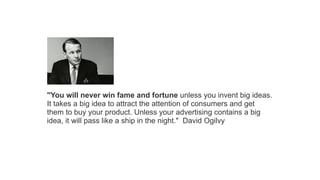
"You will never win fame and fortune unless you invent big ideas.
It takes a big idea to attract the attention of consumers and get
them to buy your product. Unless your advertising contains a big
idea, it will pass like a ship in the night." David Ogilvy
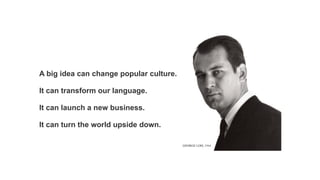
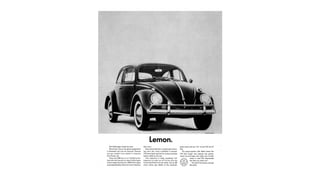
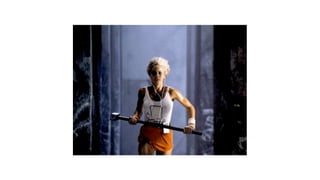
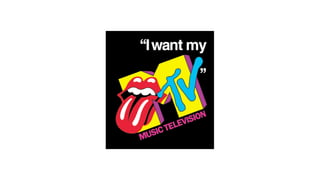
A big idea can change popular culture.
It can transform our language.
It can launch a new business.
It can turn the world upside down.
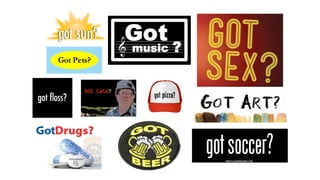
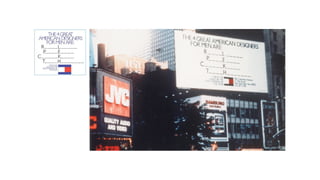
What do you think? Are these big ideas? Are they still relevant?
Can these kinds of ideas live on?
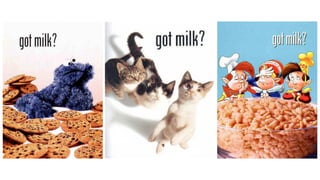
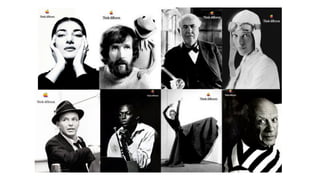
Historically, there were different kinds of (big) ideas.
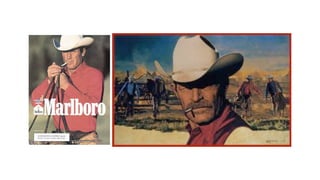
Ideas that were totally contrived.
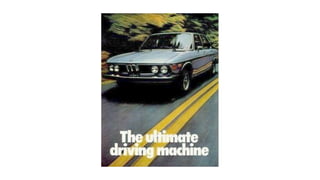
Ideas that defined the essence of a product.
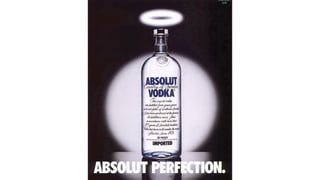
Ideas that created a persona for a brand.
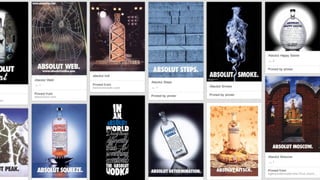
Ideas that defined a vision.
Ideas that framed the competition.
Ideas that gave a brand its soul.
Ideas that made you pay attention to boring categories.
What did they have in common?
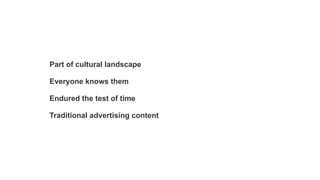
Part of cultural landscape
Everyone knows them
Endured the test of time
Traditional advertising content
But the Internet has changed everything.
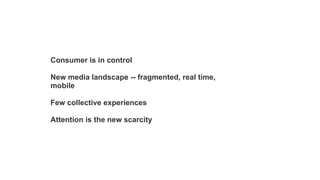
Consumer is in control
New media landscape -- fragmented, real time,
mobile
Few collective experiences
Attention is the new scarcity
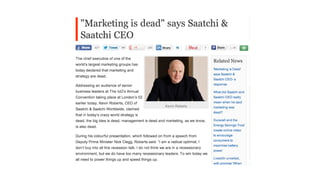
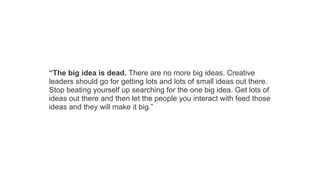
“The big idea is dead. There are no more big ideas. Creative
leaders should go for getting lots and lots of small ideas out there.
Stop beating yourself up searching for the one big idea. Get lots of
ideas out there and then let the people you interact with feed those
ideas and they will make it big.”
So what do we do?
Have lots of little ideas.
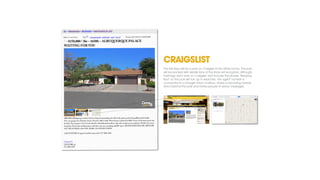
CRAIGSLIST
The first step will be a post on Craigslist of the White home. The post
will be packed with details fans of the show will recognize. Although
hashtags don’t work on Craigslist, we’ll include the phrase “Breaking
Bad” so the post will turn up in searches. The agent number is
connected to a Google Voice mailbox, where a recording reveals
who’s behind the post and invites people to leave messages.
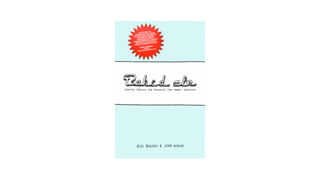
Create products where the ideas are baked in.
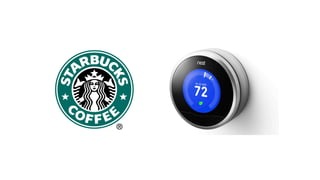
Build utility and become a brand as service.
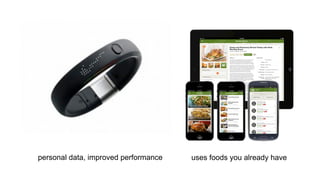
personal data, improved performance

uses foods you already have
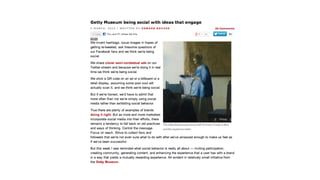
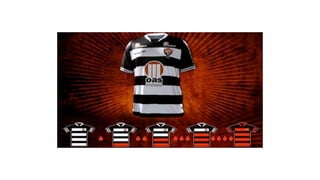
Crowdsource participation.
Experiment all the time.
Do things that create and yield content.
But does that mean the big idea is actually dead?
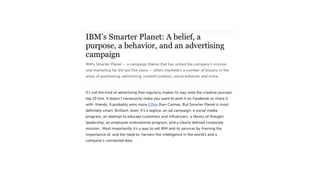
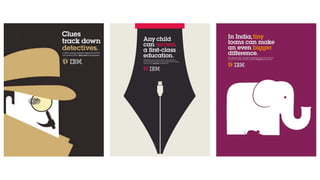
IBM Smarter Planet
(a belief, a purpose, a behavior, advertising)
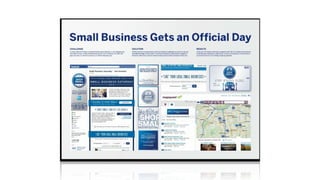
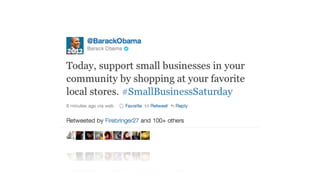
American Express Small Business Saturday
(a movement a program, incentive, annual event, content, utility,
social media, advertising)
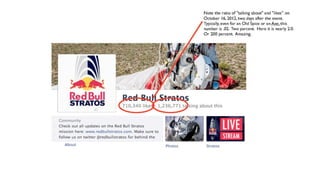
Red Bull Stratos
(an event, a collective moment, social media
content, spread and shared, viewed after the fact)
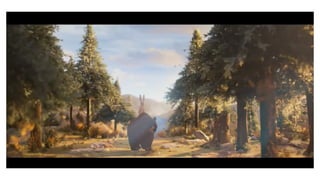
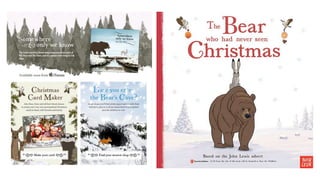
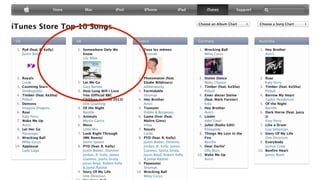
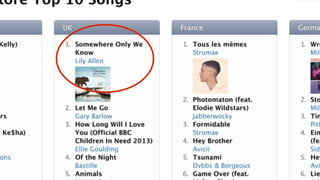
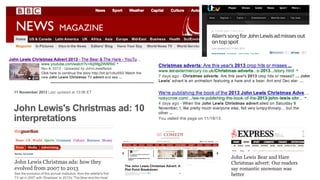
John Lewis
(advertising, story telling, engagement, sharing, and
an event that can be used to build collective awareness)
Part of cultural landscape
Everyone (or the right people) knows them
Endure the test of time OR at least dominate the moment
Traditional advertising content plays a role
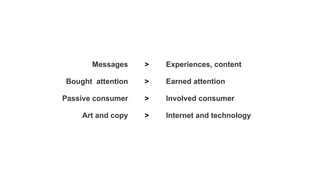
Messages

>

Experiences, content

Bought attention

>

Earned attention

Passive consumer

>

Involved consumer

Art and copy

>

Internet and technology
Maybe we should re-write the definition of a big idea.
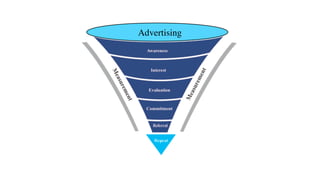
Stop looking at the classic funnel from this angle.
Advertising
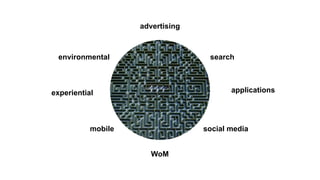
Look down from the top.
It’s a maze, with a very circuitous route to the bottom.
advertising

environmental

search

applications

experiential

mobile

social media
WoM
Let's for a moment argue that what made the Big Idea big was that it
became omnipresent. That it reached the masses.
That it was embodied in a single tagline (Just Do It) or image (Marlboro
man) that lived for many years across many media.
That it was primarily a message. Designed or conceived only to get you
to notice a brand or product, pay attention to it, perhaps like it and
hopefully buy it.
If everyone saw the ad at the same time you did, and approved of its
message or embraced the concept, you, as a consumer had permission
to buy that product.
Those days may be gone.
The Internet, technology and the proliferation of media may have
changed it.
The fact that our attention can rarely be bought, even if we watch a lot of
TV and video, that it has to be earned, that it turns to multiple screens
and platforms to focus and that it quickly moves on certainly suggests
we need new kinds of ideas.
No, we don't need digital ideas. (Watch out for that label.) What we need
are ideas for a digital world.
We need ideas that are....
interesting, shareable, usable, customizable.
Consumers, if not also producers, are at the least a powerful distribution
channel. The real challenge is that we need amazing ideas no matter
what size they are.
Which means we need our small ideas to be big -- if big means
something that catches your attention (even a utility has to be noticed
before it gets used), fills a genuine need; makes you feel great about
using (or reading or engaging); and whose brilliance inspires you to pass
it on.
Go forth and make
amazing shit.
And lots of it.

The Big Idea. Dead or Alive?

  • 1.
    CM417.19 The big idea. Deador alive? Edward Boches, Professor of Advertising
  • 2.
    What is abig idea?
  • 3.
    "You will neverwin fame and fortune unless you invent big ideas. It takes a big idea to attract the attention of consumers and get them to buy your product. Unless your advertising contains a big idea, it will pass like a ship in the night." David Ogilvy
  • 4.
    A big ideacan change popular culture. It can transform our language. It can launch a new business. It can turn the world upside down.
  • 15.
    What do youthink? Are these big ideas? Are they still relevant? Can these kinds of ideas live on?
  • 16.
    Historically, there weredifferent kinds of (big) ideas.
  • 17.
    Ideas that weretotally contrived.
  • 19.
    Ideas that definedthe essence of a product.
  • 21.
    Ideas that createda persona for a brand.
  • 24.
  • 26.
    Ideas that framedthe competition.
  • 28.
    Ideas that gavea brand its soul.
  • 30.
    Ideas that madeyou pay attention to boring categories.
  • 32.
    What did theyhave in common?
  • 33.
    Part of culturallandscape Everyone knows them Endured the test of time Traditional advertising content
  • 34.
    But the Internethas changed everything.
  • 35.
    Consumer is incontrol New media landscape -- fragmented, real time, mobile Few collective experiences Attention is the new scarcity
  • 37.
    “The big ideais dead. There are no more big ideas. Creative leaders should go for getting lots and lots of small ideas out there. Stop beating yourself up searching for the one big idea. Get lots of ideas out there and then let the people you interact with feed those ideas and they will make it big.”
  • 38.
    So what dowe do?
  • 39.
    Have lots oflittle ideas.
  • 40.
    CRAIGSLIST The first stepwill be a post on Craigslist of the White home. The post will be packed with details fans of the show will recognize. Although hashtags don’t work on Craigslist, we’ll include the phrase “Breaking Bad” so the post will turn up in searches. The agent number is connected to a Google Voice mailbox, where a recording reveals who’s behind the post and invites people to leave messages.
  • 42.
    Create products wherethe ideas are baked in.
  • 45.
    Build utility andbecome a brand as service.
  • 46.
    personal data, improvedperformance uses foods you already have
  • 47.
  • 50.
  • 52.
    Do things thatcreate and yield content.
  • 54.
    But does thatmean the big idea is actually dead?
  • 55.
    IBM Smarter Planet (abelief, a purpose, a behavior, advertising)
  • 60.
    American Express SmallBusiness Saturday (a movement a program, incentive, annual event, content, utility, social media, advertising)
  • 63.
    Red Bull Stratos (anevent, a collective moment, social media content, spread and shared, viewed after the fact)
  • 65.
    John Lewis (advertising, storytelling, engagement, sharing, and an event that can be used to build collective awareness)
  • 71.
    Part of culturallandscape Everyone (or the right people) knows them Endure the test of time OR at least dominate the moment Traditional advertising content plays a role
  • 72.
    Messages > Experiences, content Bought attention > Earnedattention Passive consumer > Involved consumer Art and copy > Internet and technology
  • 73.
    Maybe we shouldre-write the definition of a big idea.
  • 74.
    Stop looking atthe classic funnel from this angle.
  • 75.
  • 76.
    Look down fromthe top. It’s a maze, with a very circuitous route to the bottom.
  • 77.
  • 78.
    Let's for amoment argue that what made the Big Idea big was that it became omnipresent. That it reached the masses. That it was embodied in a single tagline (Just Do It) or image (Marlboro man) that lived for many years across many media. That it was primarily a message. Designed or conceived only to get you to notice a brand or product, pay attention to it, perhaps like it and hopefully buy it. If everyone saw the ad at the same time you did, and approved of its message or embraced the concept, you, as a consumer had permission to buy that product.
  • 79.
    Those days maybe gone. The Internet, technology and the proliferation of media may have changed it. The fact that our attention can rarely be bought, even if we watch a lot of TV and video, that it has to be earned, that it turns to multiple screens and platforms to focus and that it quickly moves on certainly suggests we need new kinds of ideas.
  • 80.
    No, we don'tneed digital ideas. (Watch out for that label.) What we need are ideas for a digital world. We need ideas that are.... interesting, shareable, usable, customizable. Consumers, if not also producers, are at the least a powerful distribution channel. The real challenge is that we need amazing ideas no matter what size they are.
  • 81.
    Which means weneed our small ideas to be big -- if big means something that catches your attention (even a utility has to be noticed before it gets used), fills a genuine need; makes you feel great about using (or reading or engaging); and whose brilliance inspires you to pass it on.
  • 82.
    Go forth andmake amazing shit. And lots of it.