Best Buy Analysis
Adam Smith, Neal Ferrell, Seth Fryar, Catherine
Rasmussen, Ryan Howard
Introduction
• Founded in 1966
• Most recent change in leadership
• CEO Hubert Joly- September 2012
Current Problem
• Floating Anchor- Not low cost nor differentiated
• Competing in Commodity Market
• Amazon
• Wal-mart
• Lowering Prices
• Price match
• Trained Salesforce
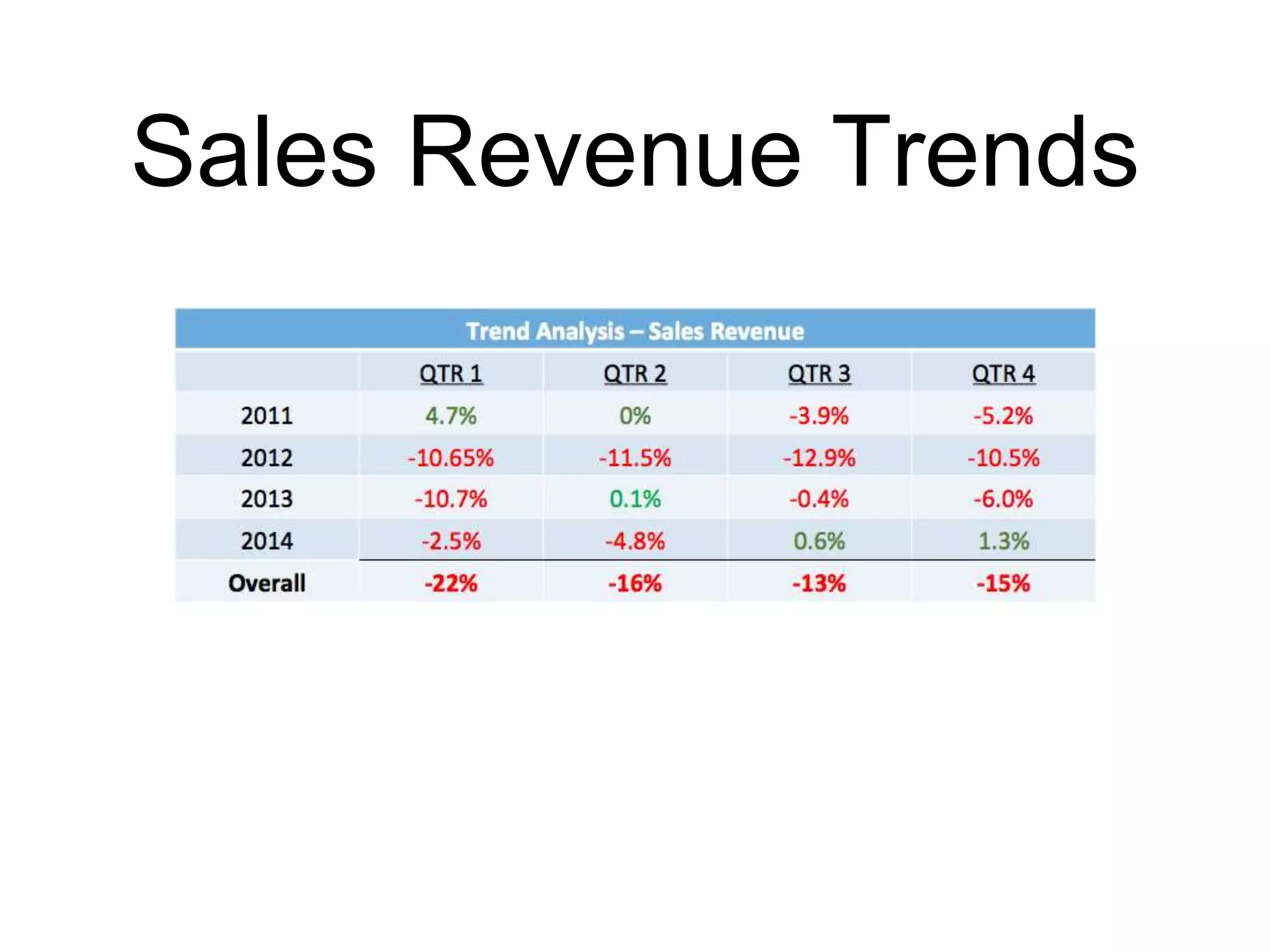
Sales Revenue Trends
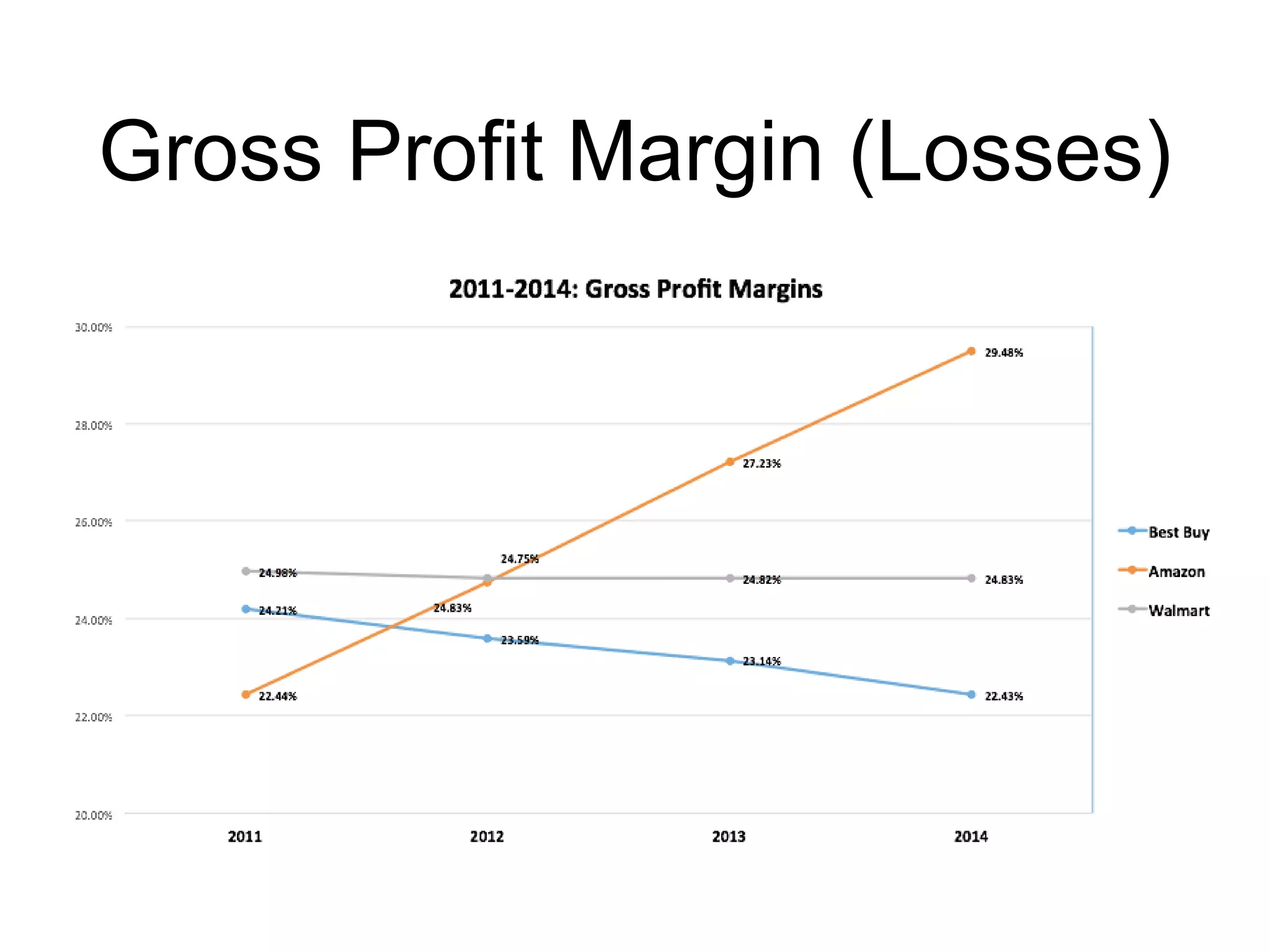
Gross Profit Margin (Losses)
Technological Trends
• Increase in smart phone and data plan usage
• Increase in smart devices, appliances, and homes
• Increasing pace of technological change
Demographic Trends
• Increase in e-commerce under age of 50
• Window shopping/show rooming
• 45-64 year olds = fastest growing age group
• Younger generation already tech savvy
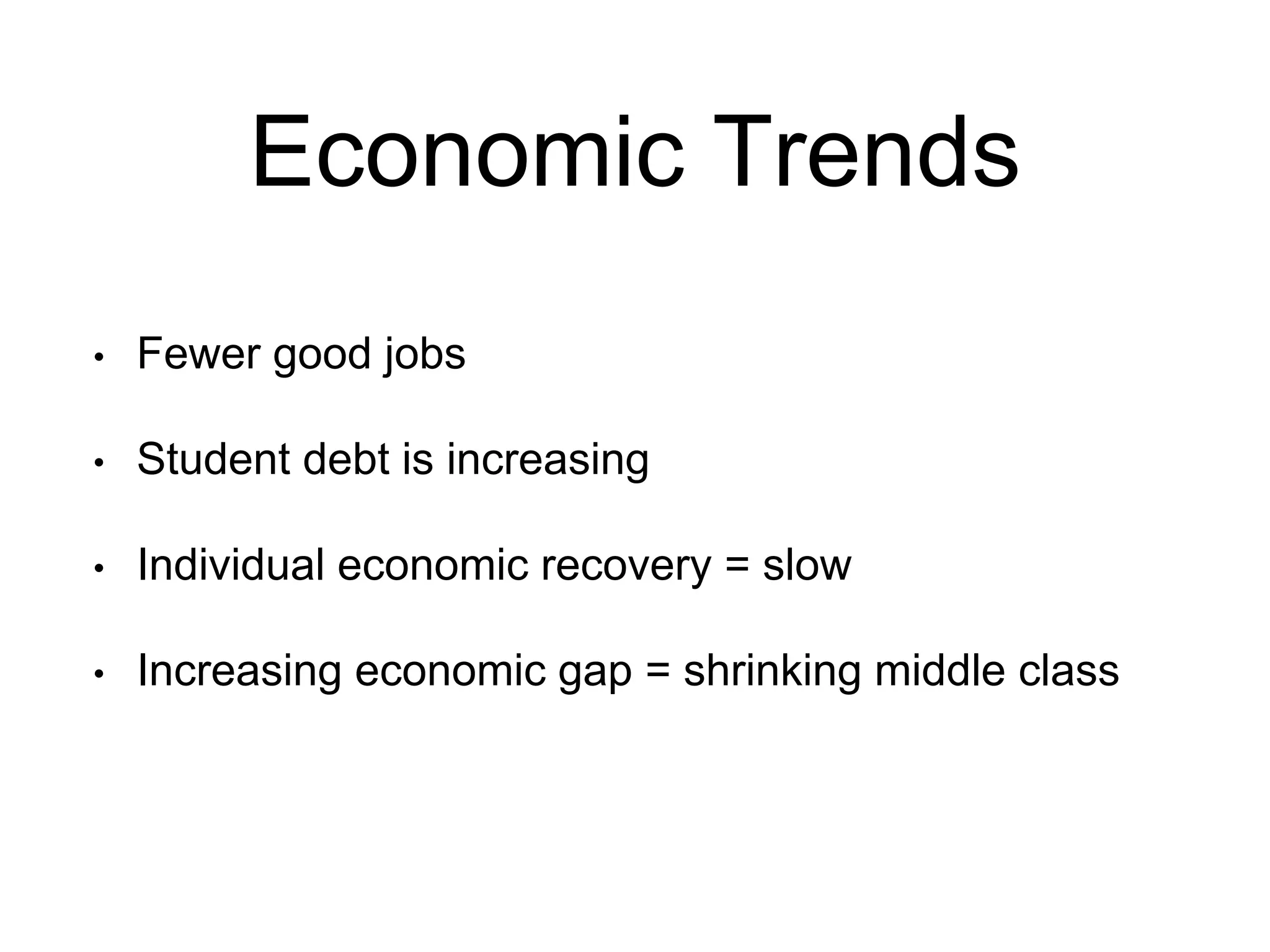
Economic Trends
• Fewer good jobs
• Student debt is increasing
• Individual economic recovery = slow
• Increasing economic gap = shrinking middle class
Threats
• Suppliers: E-commerce
• Rivals: E-commerce, window shopping, customers
have less money
• Substitutes: Smart phones with data, window
shopping, lower income levels
• New entrants: E-commerce
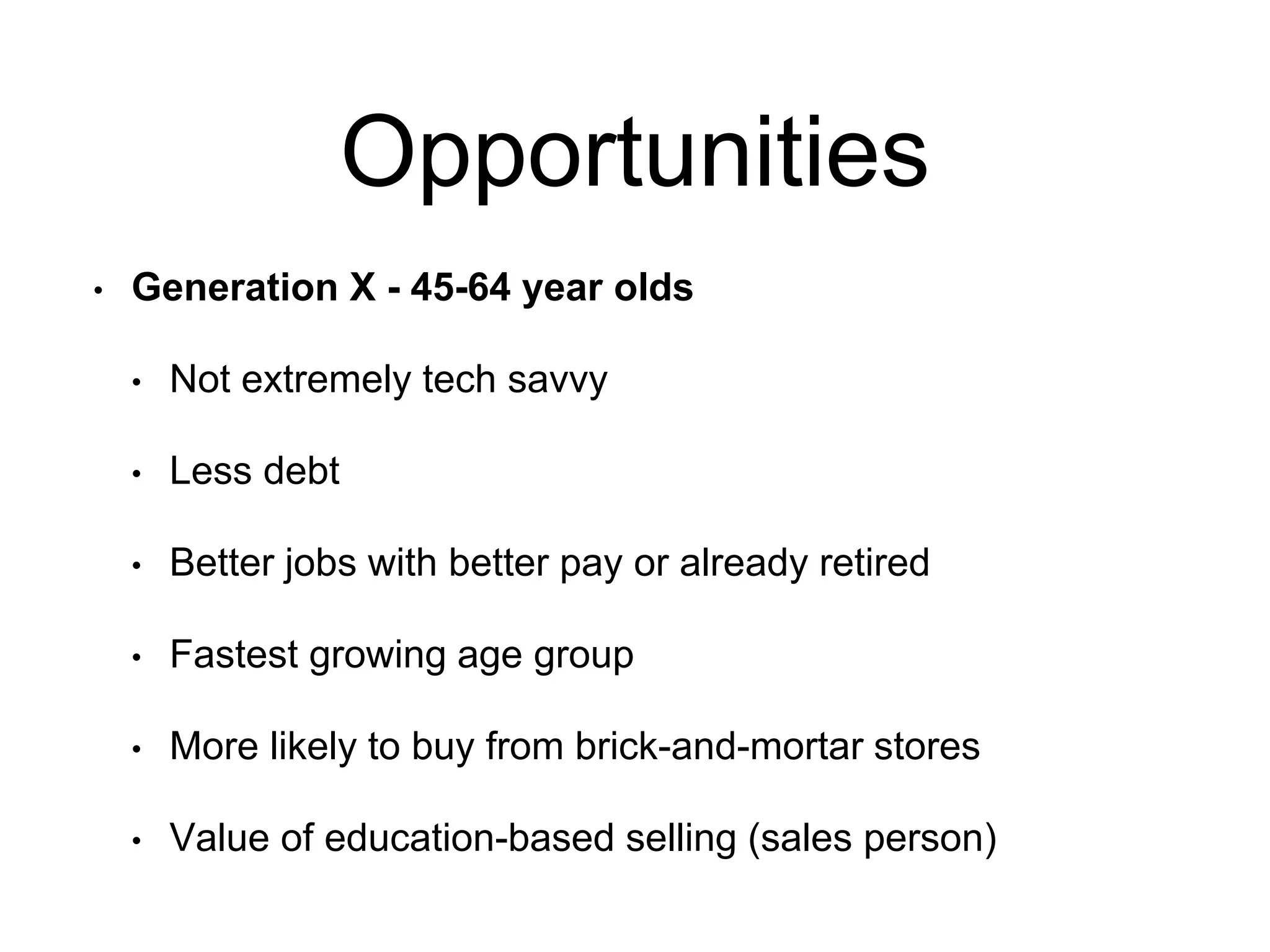
Opportunities
• Generation X - 45-64 year olds
• Not extremely tech savvy
• Less debt
• Better jobs with better pay or already retired
• Fastest growing age group
• More likely to buy from brick-and-mortar stores
• Value of education-based selling (sales person)
VRIO Analysis
Resource Valuable Rare Imitable Organize CA/CP/CD
Price matching x x Easy x Parity
Best Buy Mobile x x Easy x Parity
Trained Sales
Force
x x Hard x
Sustained
CA
Geeksquad x x Hard x
Sustained
CA
Magnolia x x Hard x
Sustained
CA
Current Standing
Recommendations
• RC Willey Showroom model
• Smarthome implementation in-stores
• Expand Best Buy Mobile

Best Buy case analysis