
(new) business models
shaping future mobility
Josep Laborda
Intelligent Mobility Project Manager, RACC
Business Model Innovation in MaaS Hackathon - Impact Hub Berlin, June 9-11 2017
GLOBAL TRENDS
(some) challenges facing humanity
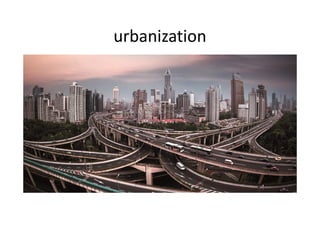
urbanization
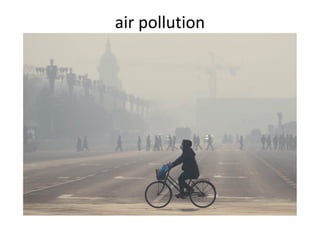
air pollution
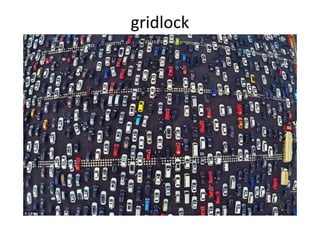
gridlock
TECHNOLOGY & BUSINESS TRENDS
connectivity, IoT; automation, electric vehicles, sharing economy
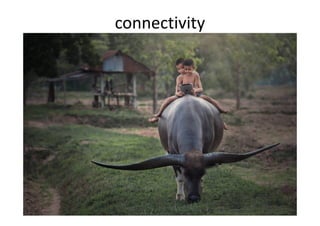
connectivity
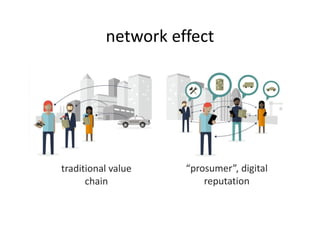
network effect
traditional value
chain
“prosumer”, digital
reputation
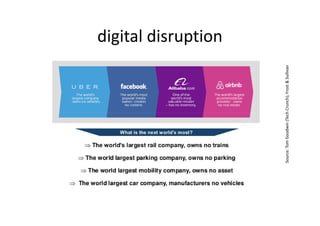
digital disruption
Source:TomGoodwin(TechCrunch);Frost&SullivanSource:TomGoodwin(TechCrunch);Frost&Sullivan
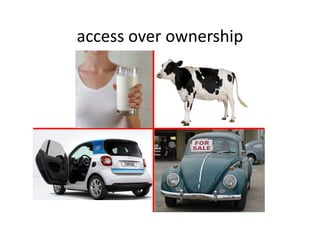
cows “like” cars
access over ownership
MULTIMODAL, SHARED, “AS A SERVICE”
future urban mobility
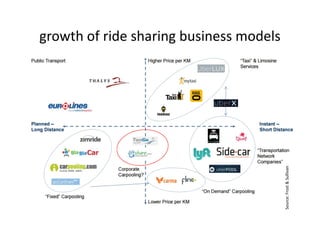
growth of ride sharing business models
Source:Frost&Sullivan
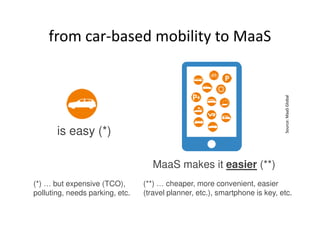
from car-based mobility to MaaS
Source:MaaSGlobal
is easy (*)
MaaS makes it easier (**)
(*) … but expensive (TCO),
polluting, needs parking, etc.
(**) … cheaper, more convenient, easier
(travel planner, etc.), smartphone is key, etc.
Source:MaaSGlobal
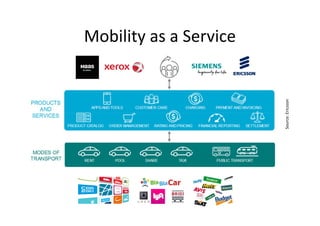
Mobility as a Service
Source:EricssonSource:Ericsson
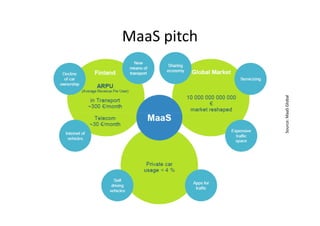
MaaS pitch
Source:MaaSGlobalSource:MaaSGlobal
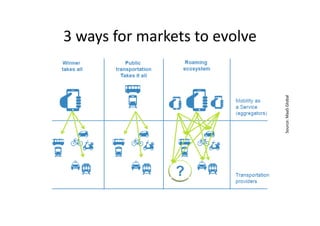
3 ways for markets to evolve
Source:MaaSGlobalSource:MaaSGlobal
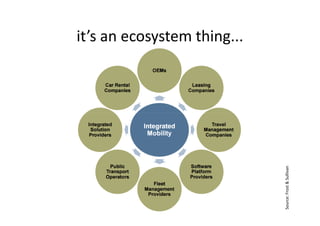
it’s an ecosystem thing...
Source:Frost&Sullivan
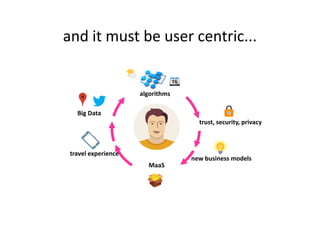
and it must be user centric...
Big Data
algorithms
new business models
travel experience
MaaS
Big Data
trust, security, privacy
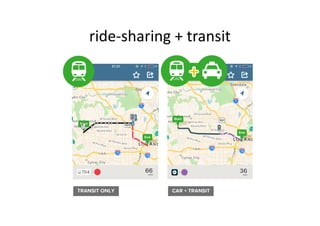
ride-sharing + transit
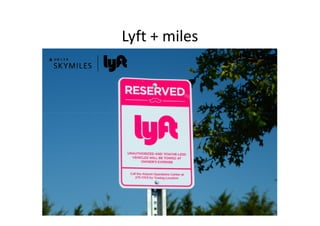
Lyft + miles
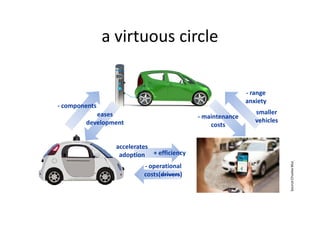
a virtuous circle
eases
- components
- maintenance
- range
anxiety
smallereases
development
accelerates
adoption + efficiency
- operational
costs(drivers)
- maintenance
costs
smaller
vehicles
Source:ChunkaMui
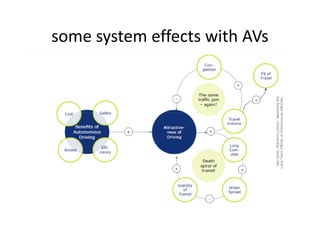
some system effects with AVs
THE CUSTOMER JOURNEY
the travel experience, pain points
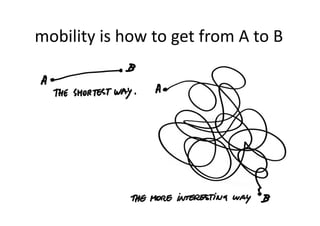
mobility is how to get from A to B
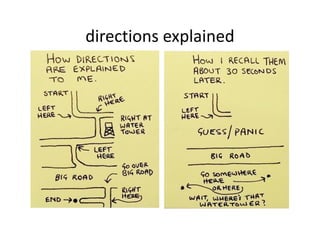
directions explained
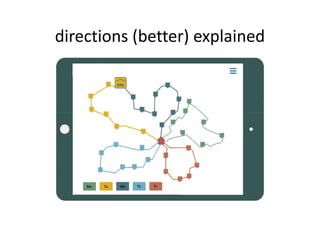
directions (better) explained
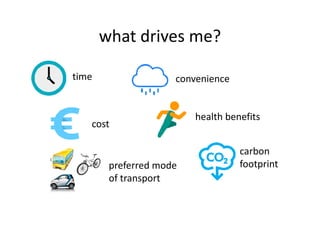
what drives me?
time
health benefits
convenience
cost
carbon
footprint
health benefits
preferred mode
of transport
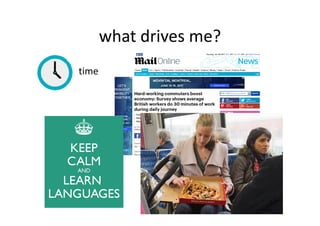
what drives me?
time
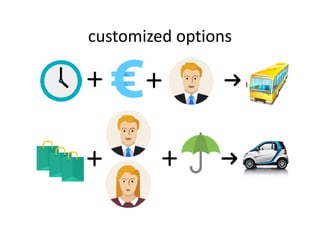
customized options
NEW BUSINESS MODELS
disrupt, disrupt, disrupt
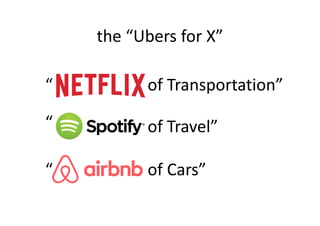
the “Ubers for X”
of Transportation”“
“ of Travel”“
of Cars”“
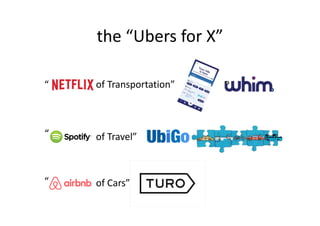
the “Ubers for X”
of Transportation”“
of Travel”“
of Cars”“
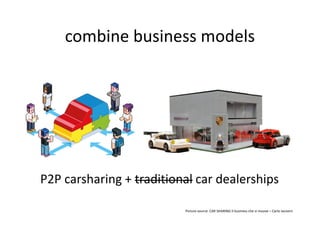
combine business models
Picture source: CAR SHARING Il business che si muove – Carlo Iacovini
P2P carsharing + traditional car dealerships
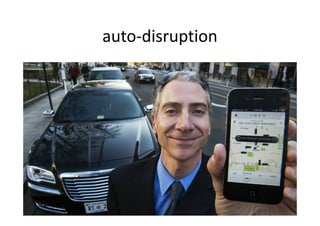
auto-disruption
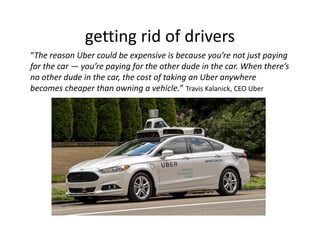
getting rid of drivers
“The reason Uber could be expensive is because you’re not just paying
for the car — you’re paying for the other dude in the car. When there’s
no other dude in the car, the cost of taking an Uber anywhere
becomes cheaper than owning a vehicle.” Travis Kalanick, CEO Uber
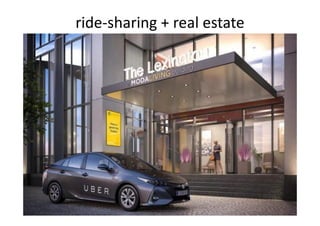
ride-sharing + real estate
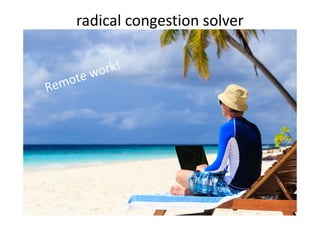
radical congestion solver
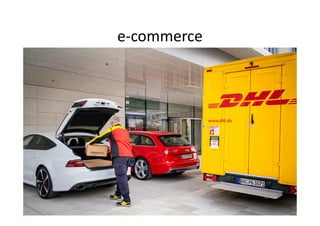
e-commerce
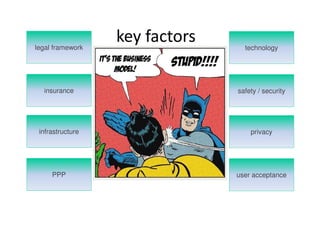
key factorslegal framework
insurance
technology
safety / security
infrastructure
PPP
privacy
user acceptance
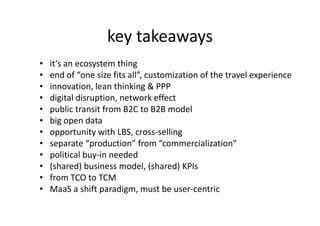
key takeaways
• it‘s an ecosystem thing
• end of “one size fits all”, customization of the travel experience
• innovation, lean thinking & PPP
• digital disruption, network effect
• public transit from B2C to B2B model• public transit from B2C to B2B model
• big open data
• opportunity with LBS, cross-selling
• separate “production” from “commercialization”
• political buy-in needed
• (shared) business model, (shared) KPIs
• from TCO to TCM
• MaaS a shift paradigm, must be user-centric
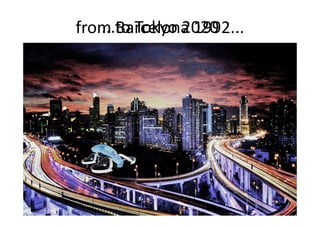
from Barcelona 1992......to Tokyo 2020
Josep Laborda
linkedin.com/in/joseplaborda
@josik35
josep_laborda@yahoo.es
Future is today. Let’s shape it!

Berlin Hackaton MaaS Business Models by Comtrade Digital Services