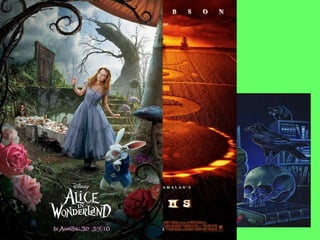
Author’s
Purpose
and
Position
What are our learning goals?
• To understand and
identify the different
purposes of texts.
• To understand how the
author’s position affects
the text.
What is author’s purpose?
• Did you know that
everything you read has
a purpose?
• When an author writes
something (book,
magazine, textbook,
newspaper article),
he/she chooses his/her
words for a purpose.
What is the purpose?
• The author’s purpose is
the main reason that
he/she has for writing the
selection.
• The author’s purpose will
be to:
– Entertain
– Inform
– Persuade
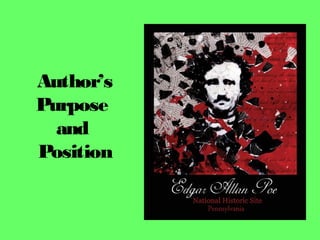
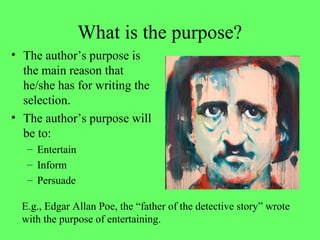
E.g., Edgar Allan Poe, the “father of the detective story” wrote
with the purpose of entertaining.
What is the author’s position?
• When an author writes to
persuade (or sometimes
even to entertain or
inform) he/she will have
his/her own position on the
subject.
• The author’s position is
an author’s opinion about
the subject.
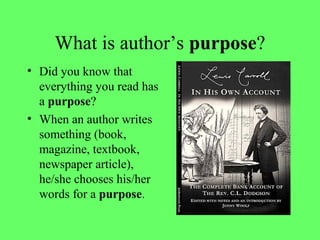
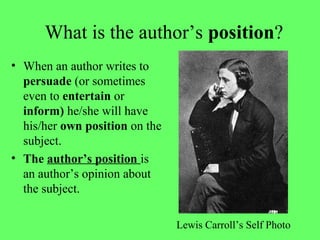
Lewis Carroll’s Self Photo
How do the author’s purpose &
author’s position go together?
• Author’s purpose and
position go together.
• The author will want you to
see the topic from his/her
point of view or through
his/her eyes. This is the
author’s position.
• For some issues, you will be
able to tell if the author is FOR
or AGAINST something.
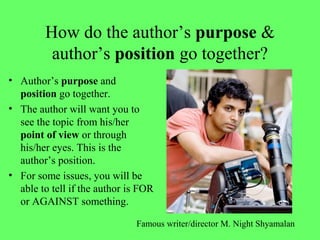
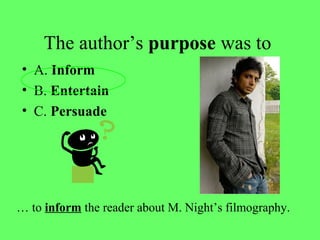
Famous writer/director M. Night Shyamalan
I know the purpose!
• When you are able to
recognize the author’s
purpose, you will have
a better understanding
of the selection.
• Also, the purpose will
determine how you
read a selection.
Can a selection have two purposes?
• Some selections will
have two purposes.
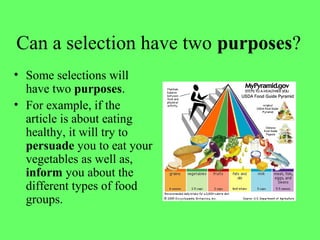
• For example, if the
article is about eating
healthy, it will try to
persuade you to eat your
vegetables as well as,
inform you about the
different types of food
groups.
Author’s Purpose: Inform
• If the author’s purpose is to
inform, you will learn
something from the selection.
• Information pieces
sometime use one or more of
the following:
– Facts
– Details/Instructions
– Places
– Events
– People
Author’s Purpose: Persuade
• If the author’s purpose is to
persuade, the author will want
you to believe his/her position.
• Persuasive pieces are usually
non-fiction, biased, and based
on opinion.
• Although there may be facts, it
contains the author’s opinions.
• With persuasive pieces, the
author’s will make his/her
position clear (whether he/she is
FOR or AGAINST it).
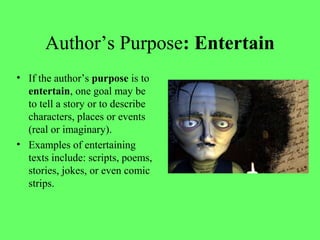
Author’s Purpose: Entertain
• If the author’s purpose is to
entertain, one goal may be
to tell a story or to describe
characters, places or events
(real or imaginary).
• Examples of entertaining
texts include: scripts, poems,
stories, jokes, or even comic
strips.
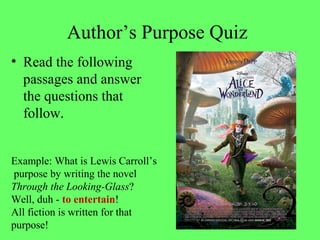
Author’s Purpose Quiz
• Read the following
passages and answer
the questions that
follow.
Example: What is Lewis Carroll’s
purpose by writing the novel
Through the Looking-Glass?
Well, duh - to entertain!
All fiction is written for that
purpose!
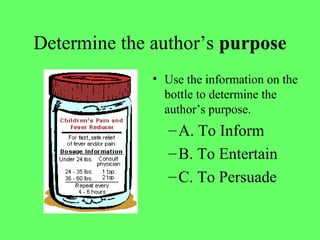
Determine the author’s purpose
• Use the information on the
bottle to determine the
author’s purpose.
–A. To Inform
–B. To Entertain
–C. To Persuade
Can you identify the author’s
purpose?
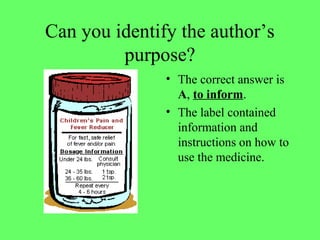
• The correct answer is
A, to inform.
• The label contained
information and
instructions on how to
use the medicine.
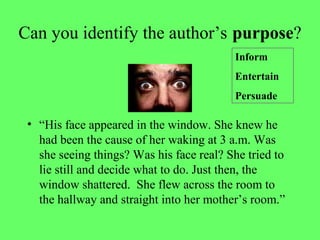
Can you identify the author’s purpose?
• “His face appeared in the window. She knew he
had been the cause of her waking at 3 a.m. Was
she seeing things? Was his face real? She tried to
lie still and decide what to do. Just then, the
window shattered. She flew across the room to
the hallway and straight into her mother’s room.”
Inform
Entertain
Persuade
Can you identify the author’s
purpose?
• The correct answer is to
entertain.
• The author tried to
capture a suspenseful
mood in the story.
• The story is probably
fiction. Well … maybe.
Can you identify
the author’s purpose?
• “It is recommended that parents read to
their children everyday, starting as early as
six months of age. When you read with
your children, you are starting them off in
life as a life-long reader and learner. It is
never too late to pick up a book and read;
people in their eighties have learned how to
read and discovered the pleasure of reading.
Turn off the television and read a book!”
You can tell the
author wrote this
passage to
• A. Inform
• B. Entertain
• C. Persuade
Can you identify the author’s
purpose?
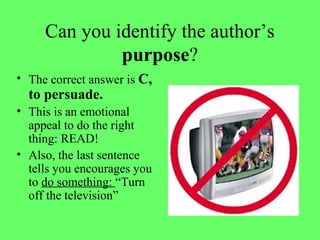
• The correct answer is C,
to persuade.
• This is an emotional
appeal to do the right
thing: READ!
• Also, the last sentence
tells you encourages you
to do something: “Turn
off the television”
Identify the Author’s Purpose
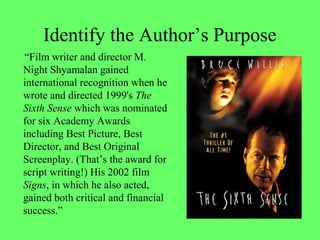
“Film writer and director M.
Night Shyamalan gained
international recognition when he
wrote and directed 1999's The
Sixth Sense which was nominated
for six Academy Awards
including Best Picture, Best
Director, and Best Original
Screenplay. (That’s the award for
script writing!) His 2002 film
Signs, in which he also acted,
gained both critical and financial
success.”
The author’s purpose was to
• A. Inform
• B. Entertain
• C. Persuade
… to inform the reader about M. Night’s filmography.
What are the steps to determining the
author’s purpose and author’s position?
1. Read the
selection
carefully.
2. Determine if the
selection is
fiction or
nonfiction.
What was the purpose of this
PowerPoint review?
• To persuade?
• To entertain?
• To inform? To inform!
(And to entertain
just a little.)
Not Really “the End”
… Mwahahaha
Hopefully you have
been informed by this
review and found
yourself somewhat
entertained as well…
not to mention
persuaded to look
deep to find just what
the author is trying to
do.

Authors Purpose and Position

  • 1.
  • 2.
    What are ourlearning goals? • To understand and identify the different purposes of texts. • To understand how the author’s position affects the text.
  • 3.
    What is author’spurpose? • Did you know that everything you read has a purpose? • When an author writes something (book, magazine, textbook, newspaper article), he/she chooses his/her words for a purpose.
  • 4.
    What is thepurpose? • The author’s purpose is the main reason that he/she has for writing the selection. • The author’s purpose will be to: – Entertain – Inform – Persuade E.g., Edgar Allan Poe, the “father of the detective story” wrote with the purpose of entertaining.
  • 5.
    What is theauthor’s position? • When an author writes to persuade (or sometimes even to entertain or inform) he/she will have his/her own position on the subject. • The author’s position is an author’s opinion about the subject. Lewis Carroll’s Self Photo
  • 6.
    How do theauthor’s purpose & author’s position go together? • Author’s purpose and position go together. • The author will want you to see the topic from his/her point of view or through his/her eyes. This is the author’s position. • For some issues, you will be able to tell if the author is FOR or AGAINST something. Famous writer/director M. Night Shyamalan
  • 7.
    I know thepurpose! • When you are able to recognize the author’s purpose, you will have a better understanding of the selection. • Also, the purpose will determine how you read a selection.
  • 8.
    Can a selectionhave two purposes? • Some selections will have two purposes. • For example, if the article is about eating healthy, it will try to persuade you to eat your vegetables as well as, inform you about the different types of food groups.
  • 9.
    Author’s Purpose: Inform •If the author’s purpose is to inform, you will learn something from the selection. • Information pieces sometime use one or more of the following: – Facts – Details/Instructions – Places – Events – People
  • 10.
    Author’s Purpose: Persuade •If the author’s purpose is to persuade, the author will want you to believe his/her position. • Persuasive pieces are usually non-fiction, biased, and based on opinion. • Although there may be facts, it contains the author’s opinions. • With persuasive pieces, the author’s will make his/her position clear (whether he/she is FOR or AGAINST it).
  • 11.
    Author’s Purpose: Entertain •If the author’s purpose is to entertain, one goal may be to tell a story or to describe characters, places or events (real or imaginary). • Examples of entertaining texts include: scripts, poems, stories, jokes, or even comic strips.
  • 12.
    Author’s Purpose Quiz •Read the following passages and answer the questions that follow. Example: What is Lewis Carroll’s purpose by writing the novel Through the Looking-Glass? Well, duh - to entertain! All fiction is written for that purpose!
  • 13.
    Determine the author’spurpose • Use the information on the bottle to determine the author’s purpose. –A. To Inform –B. To Entertain –C. To Persuade
  • 14.
    Can you identifythe author’s purpose? • The correct answer is A, to inform. • The label contained information and instructions on how to use the medicine.
  • 15.
    Can you identifythe author’s purpose? • “His face appeared in the window. She knew he had been the cause of her waking at 3 a.m. Was she seeing things? Was his face real? She tried to lie still and decide what to do. Just then, the window shattered. She flew across the room to the hallway and straight into her mother’s room.” Inform Entertain Persuade
  • 16.
    Can you identifythe author’s purpose? • The correct answer is to entertain. • The author tried to capture a suspenseful mood in the story. • The story is probably fiction. Well … maybe.
  • 17.
    Can you identify theauthor’s purpose? • “It is recommended that parents read to their children everyday, starting as early as six months of age. When you read with your children, you are starting them off in life as a life-long reader and learner. It is never too late to pick up a book and read; people in their eighties have learned how to read and discovered the pleasure of reading. Turn off the television and read a book!”
  • 18.
    You can tellthe author wrote this passage to • A. Inform • B. Entertain • C. Persuade
  • 19.
    Can you identifythe author’s purpose? • The correct answer is C, to persuade. • This is an emotional appeal to do the right thing: READ! • Also, the last sentence tells you encourages you to do something: “Turn off the television”
  • 20.
    Identify the Author’sPurpose “Film writer and director M. Night Shyamalan gained international recognition when he wrote and directed 1999's The Sixth Sense which was nominated for six Academy Awards including Best Picture, Best Director, and Best Original Screenplay. (That’s the award for script writing!) His 2002 film Signs, in which he also acted, gained both critical and financial success.”
  • 21.
    The author’s purposewas to • A. Inform • B. Entertain • C. Persuade … to inform the reader about M. Night’s filmography.
  • 22.
    What are thesteps to determining the author’s purpose and author’s position? 1. Read the selection carefully. 2. Determine if the selection is fiction or nonfiction.
  • 23.
    What was thepurpose of this PowerPoint review? • To persuade? • To entertain? • To inform? To inform! (And to entertain just a little.)
  • 24.
    Not Really “theEnd” … Mwahahaha Hopefully you have been informed by this review and found yourself somewhat entertained as well… not to mention persuaded to look deep to find just what the author is trying to do.

Editor's Notes

  • #23 1. The teacher introduces the four main purposes an author may use. Give plenty of examples of each type, and practice identifying which ones belong under which heading. 2. The teacher places students into cooperative groups of four. Give each group a copy of the daily newspaper. Have students search through and cut out articles, advertisements, etc., and identify the author's purpose. Follow-up with a class discussion where articles are shared and the justification of an author's purpose is explained. Reference Adapted from Florida Department of Education materials.