Download as PDF, PPTX


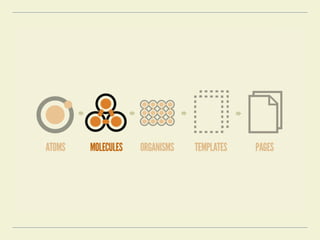

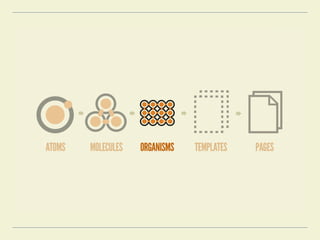


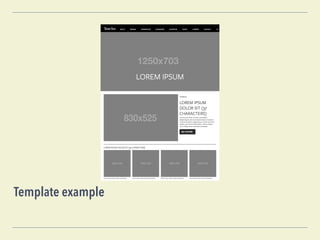
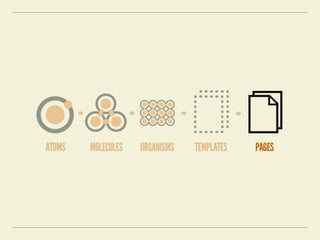


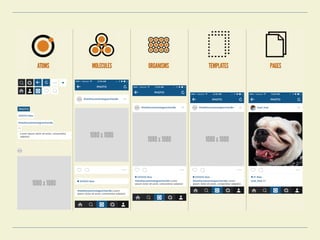


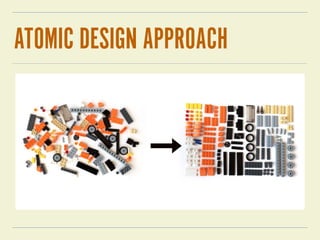



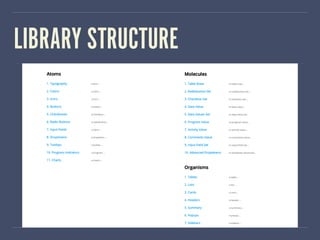
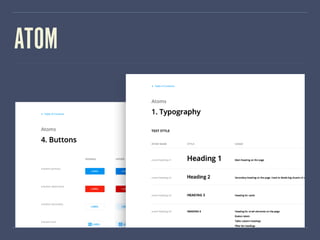
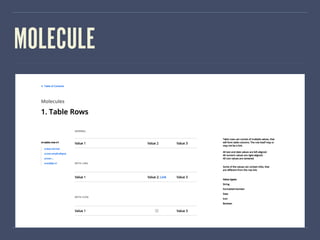

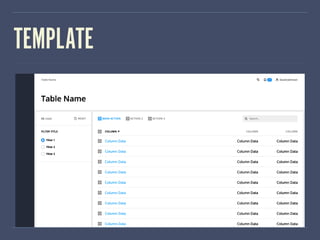

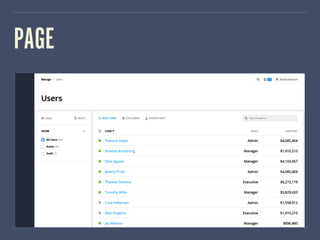


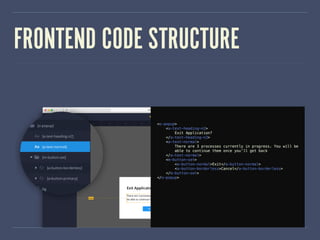


Atomic design is a methodology that structures interface design systems through five stages, facilitating deliberate and hierarchical design processes. Despite some drawbacks, such as complexity in adding new components and challenges for visual designers in mockups, it offers benefits like maximum component reuse, a unified design language for designers and developers, and increased productivity in creating new templates. The approach aims to streamline design and development, ultimately reducing routine tasks and focusing more on innovative features.


